Normal Measurement Worksheets for Ages 3-9 - Page 2
36 filtered results
-
From - To
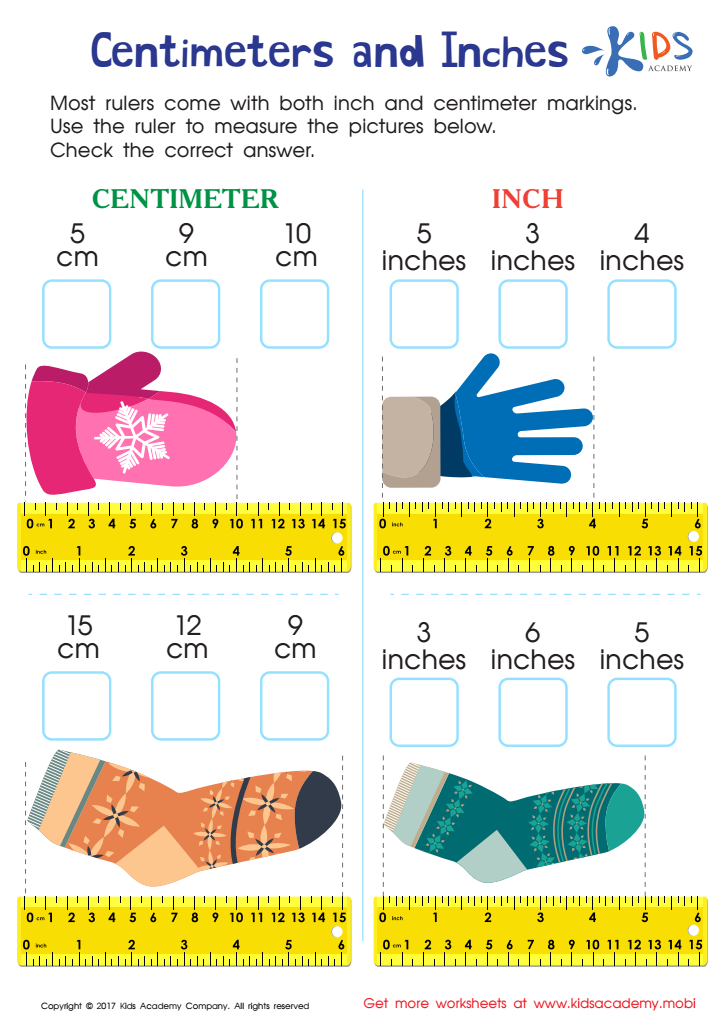
Centimeters and Inches Worksheet
 Assign to My Students
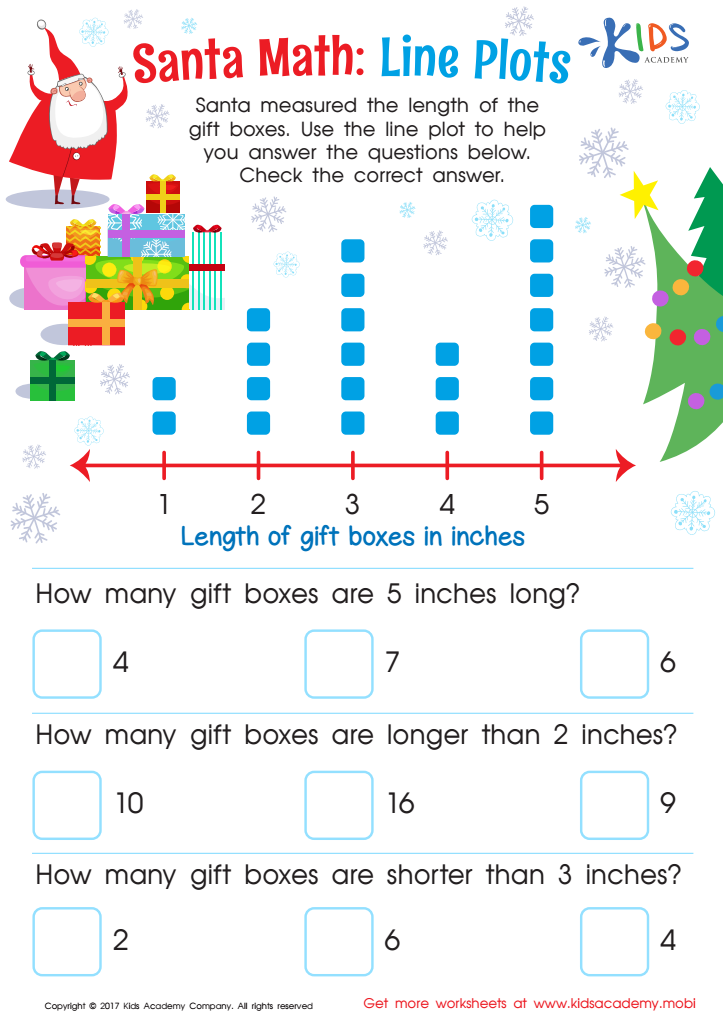
Line Plot Worksheet
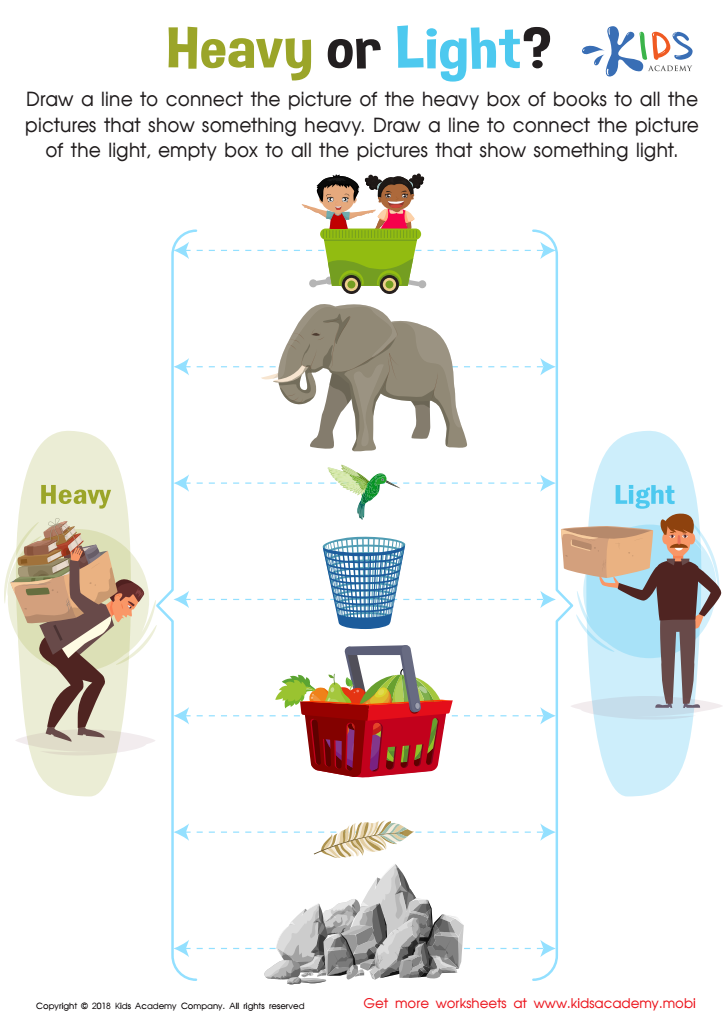
Heavy or Light? Worksheet
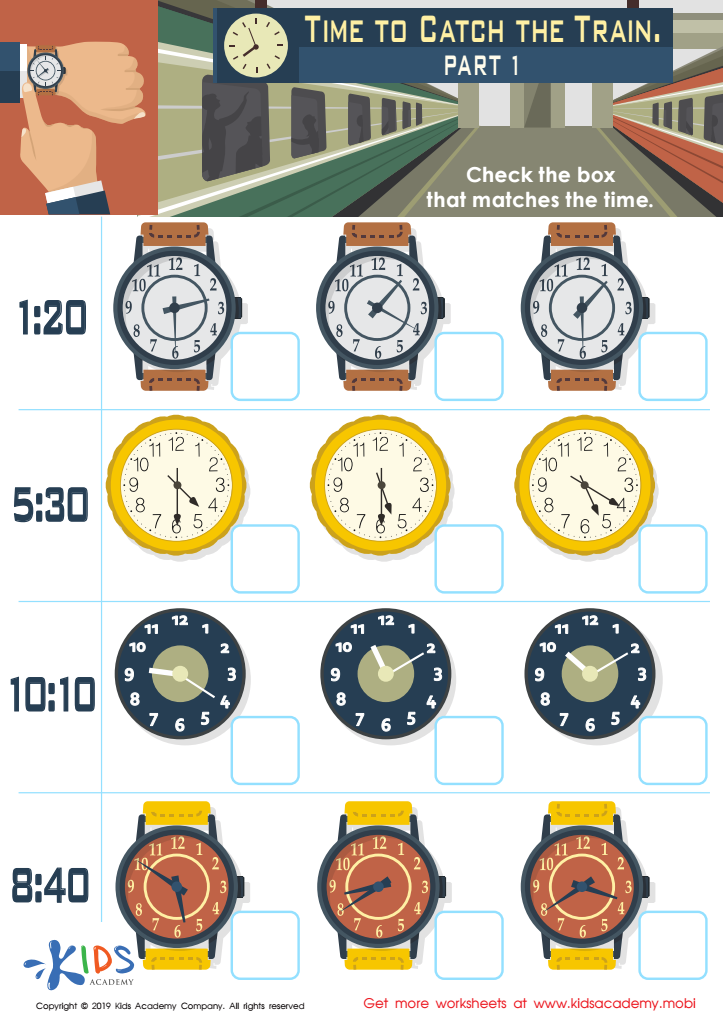
Time to Catch the Train Part 1 Worksheet
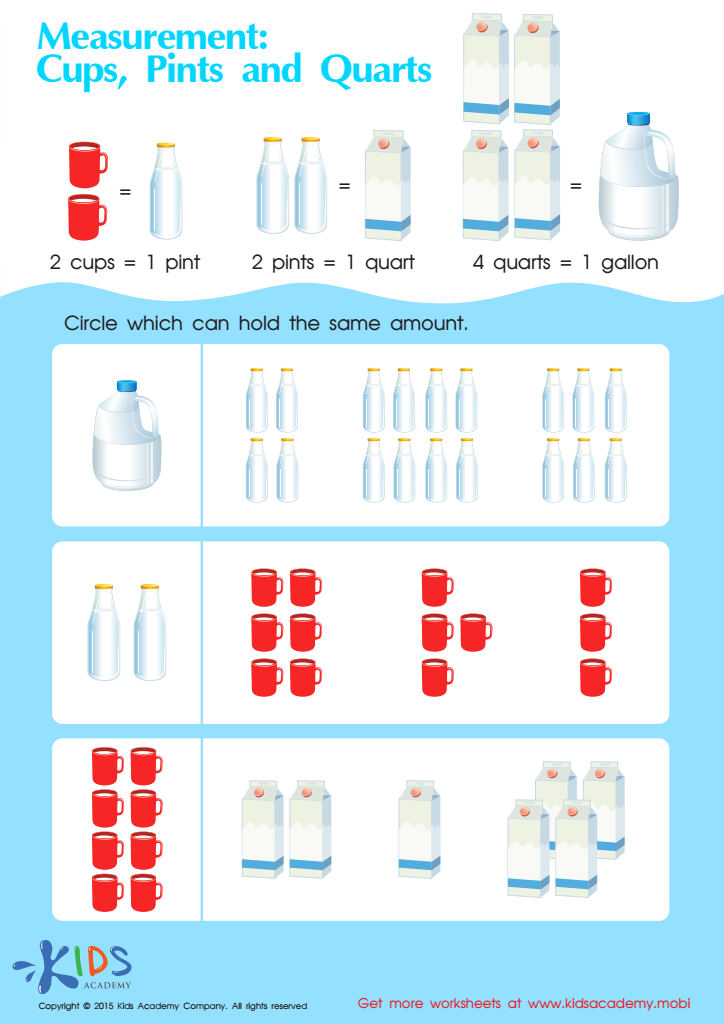
Cups, Pints and Quarts 2 Worksheet
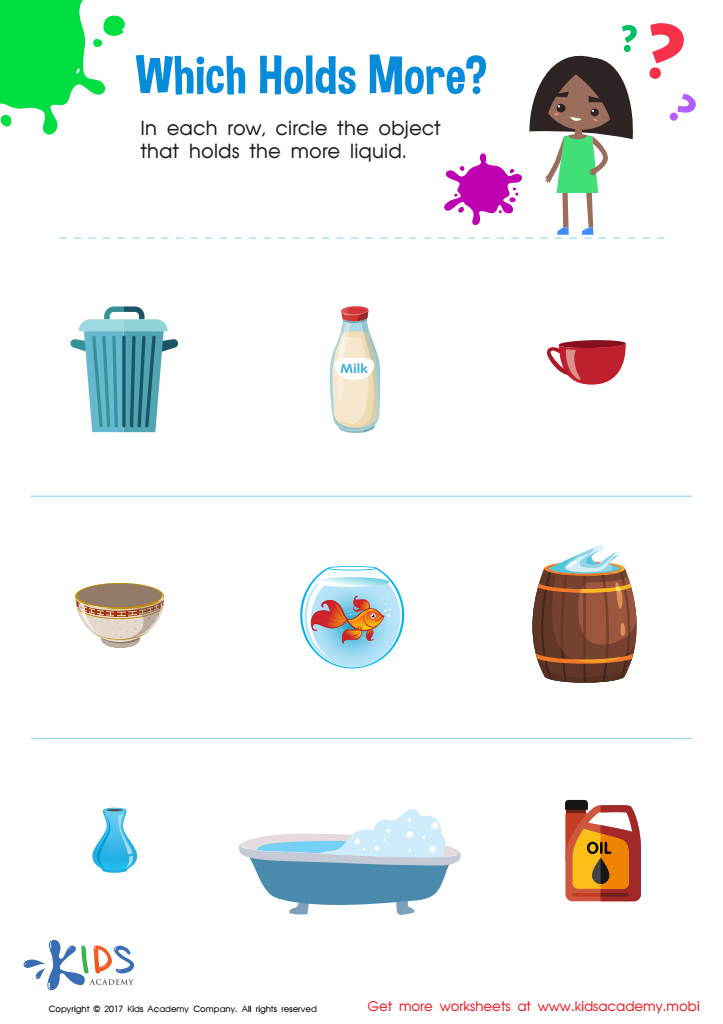
Which Holds More: Capacity Worksheet
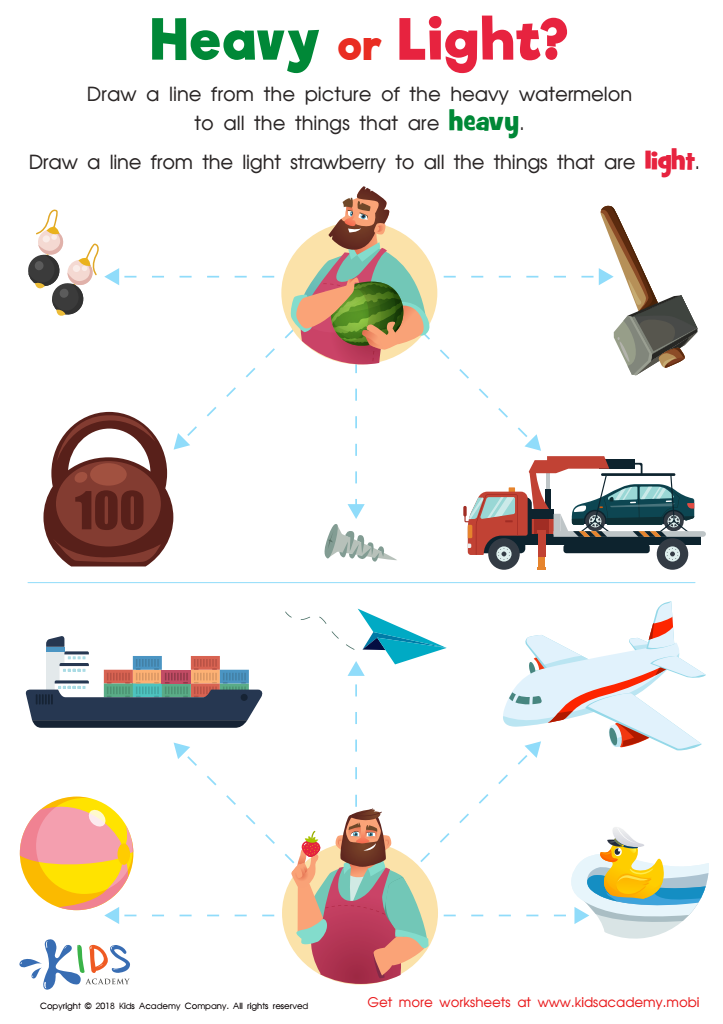
Heavy or Light? Worksheet
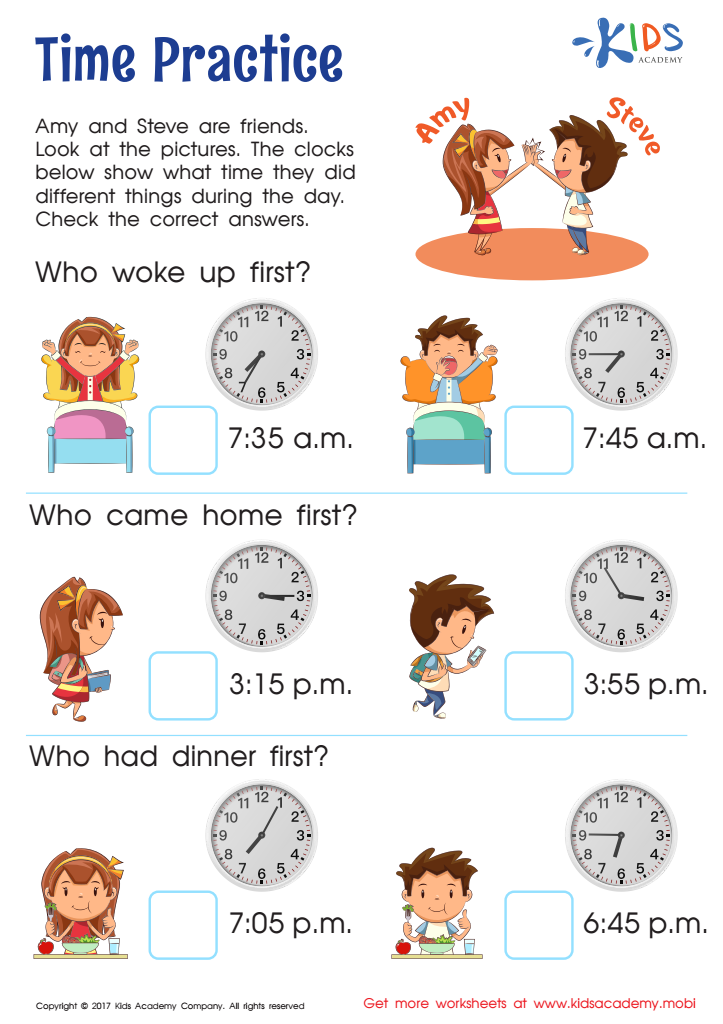
Time Practice Worksheet
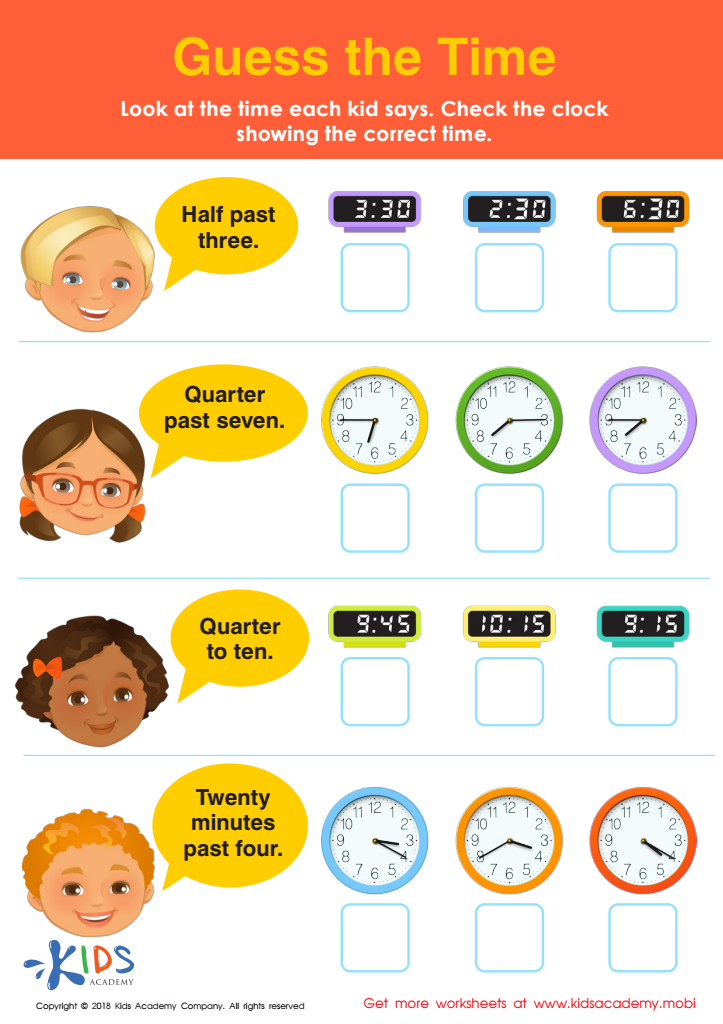
Guess the Time Worksheet
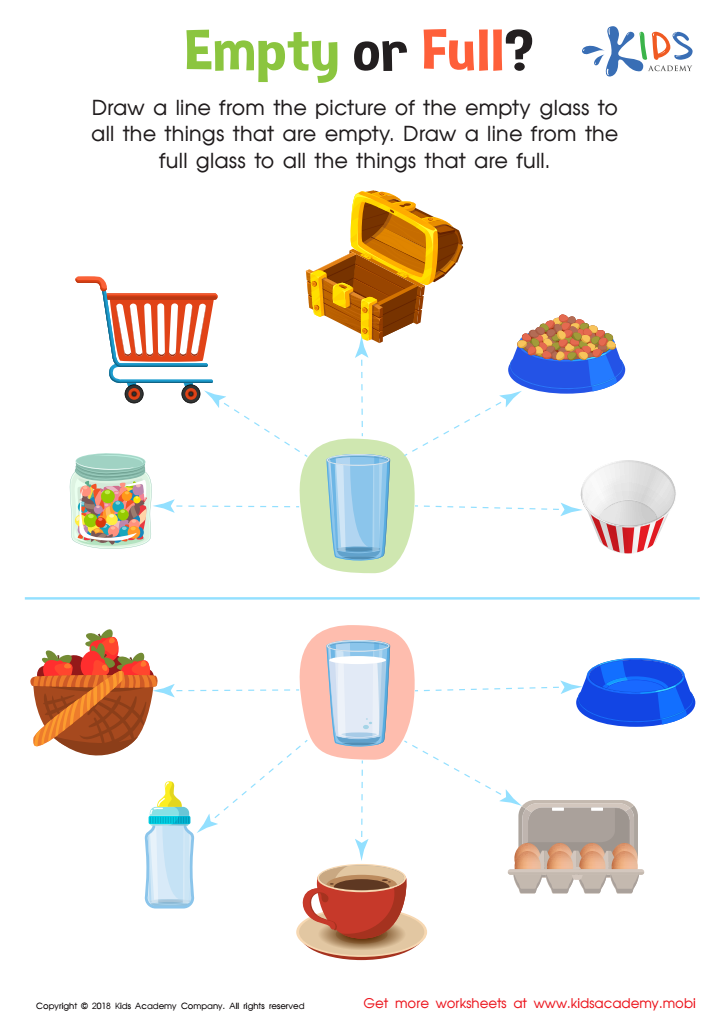
Empty or Full? Worksheet
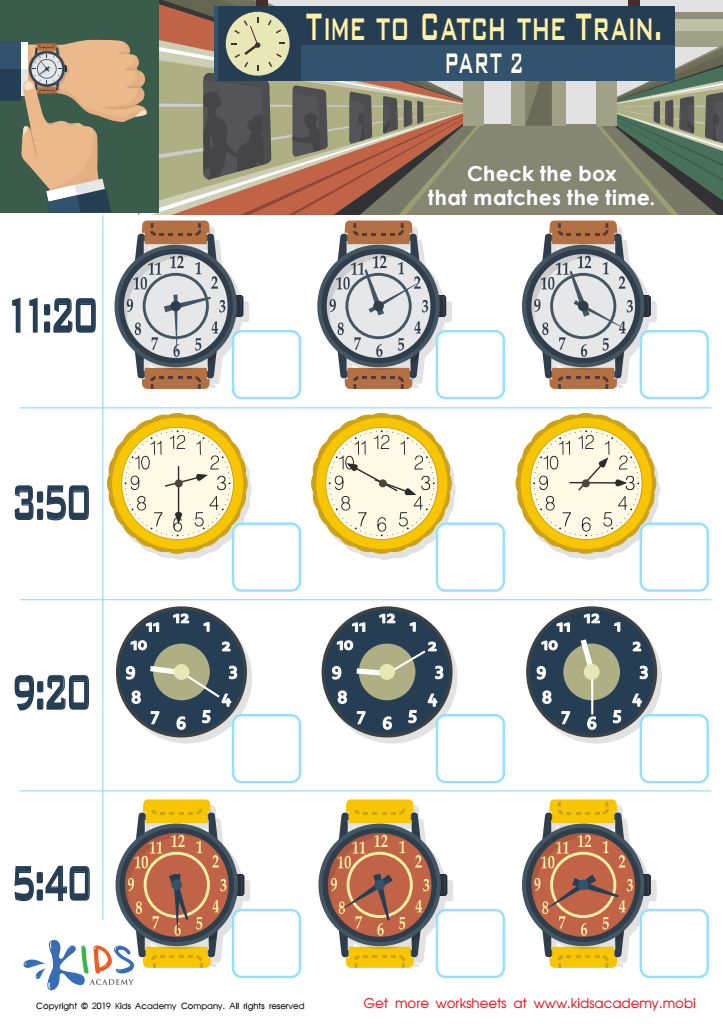
Time to Catch the Train Part 2 Worksheet
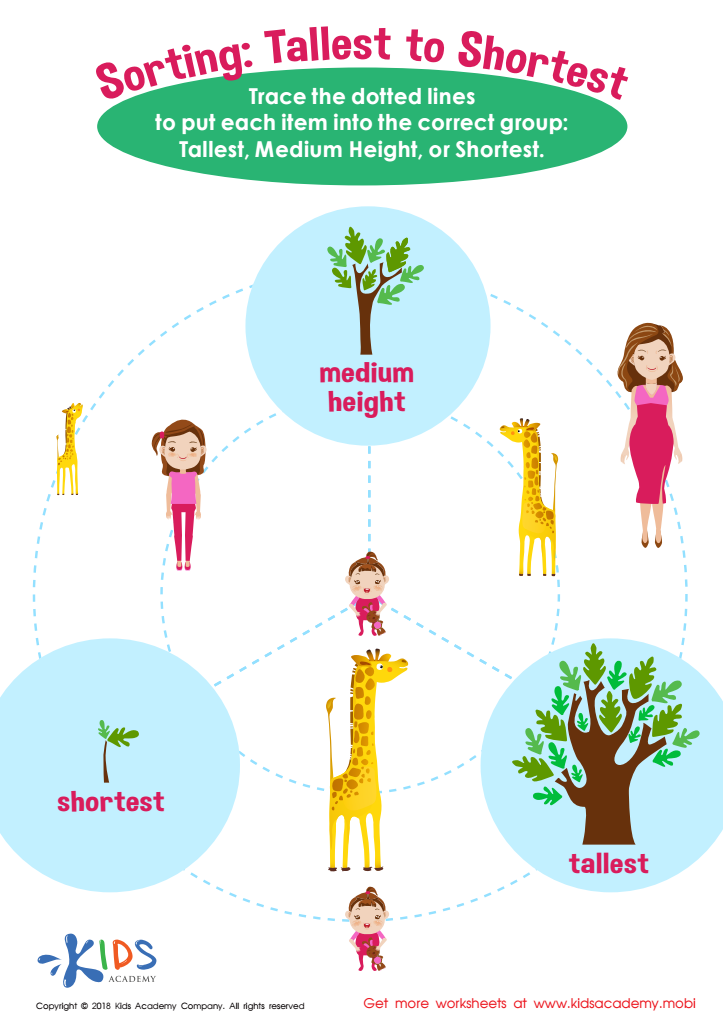
Sorting: Tallest to Shortest Worksheet








Understanding normal measurement for children ages 3-9 is crucial for parents and teachers as it helps in tracking a child’s growth and development effectively. Regular monitoring of a child's height, weight, and other vital metrics allows caregivers to identify any potential health issues or developmental delays early on, ensuring timely intervention when necessary.
Furthermore, many areas of academic and social development are interconnected with physical growth; for instance, motor skills and physical coordination improve as a child grows taller and stronger. Assessing measurement helps set age-appropriate expectations and aids in goal-setting for physical education and overall learning.
Caring about normal measurements also supports a child’s self-esteem and body image. By providing a nurturing environment that emphasizes health rather than purely appearance, parents and teachers can foster a positive relationship with physical education, encouraging children to engage in healthy habits.
In addition, familiarity with growth benchmarks enables parents and teachers to communicate effectively with healthcare professionals during check-ups, ensuring comprehensive child care. In summary, staying informed about a child's normal measurement is essential for promoting health, development, and well-being, which collectively contribute to a child's successful education and lifelong learning journey.








