Shape Recognition Normal Geometry Worksheets for Ages 4-8
30 filtered results
-
From - To
Discover our engaging Shape Recognition Geometry Worksheets designed specifically for children aged 4-8! These colorful printables encourage young learners to identify and differentiate various shapes through fun and interactive activities. Perfect for preschool and early elementary students, our worksheets promote critical thinking and spatial awareness while nurturing essential math skills. With a variety of exercises, including tracing, coloring, and matching, kids can enjoy hands-on learning that reinforces their understanding of geometry in a playful way. Explore the joy of shape recognition and support your child’s educational journey with our expertly crafted worksheets, making learning enjoyable and effective!
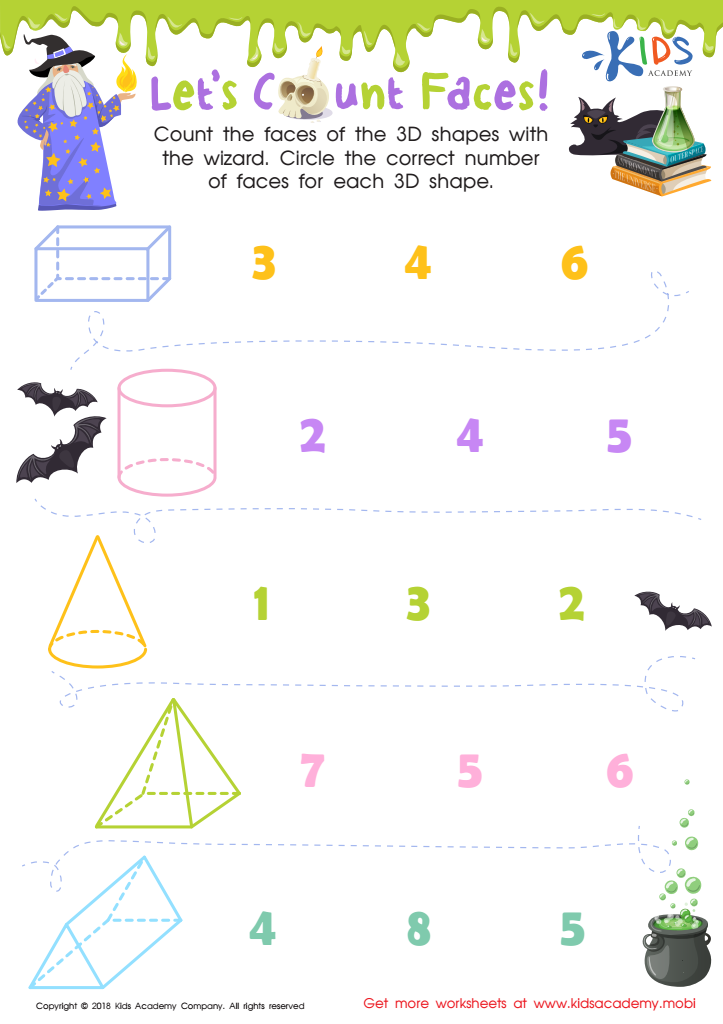
Let's Count Faces! Worksheet
 Assign to My Students











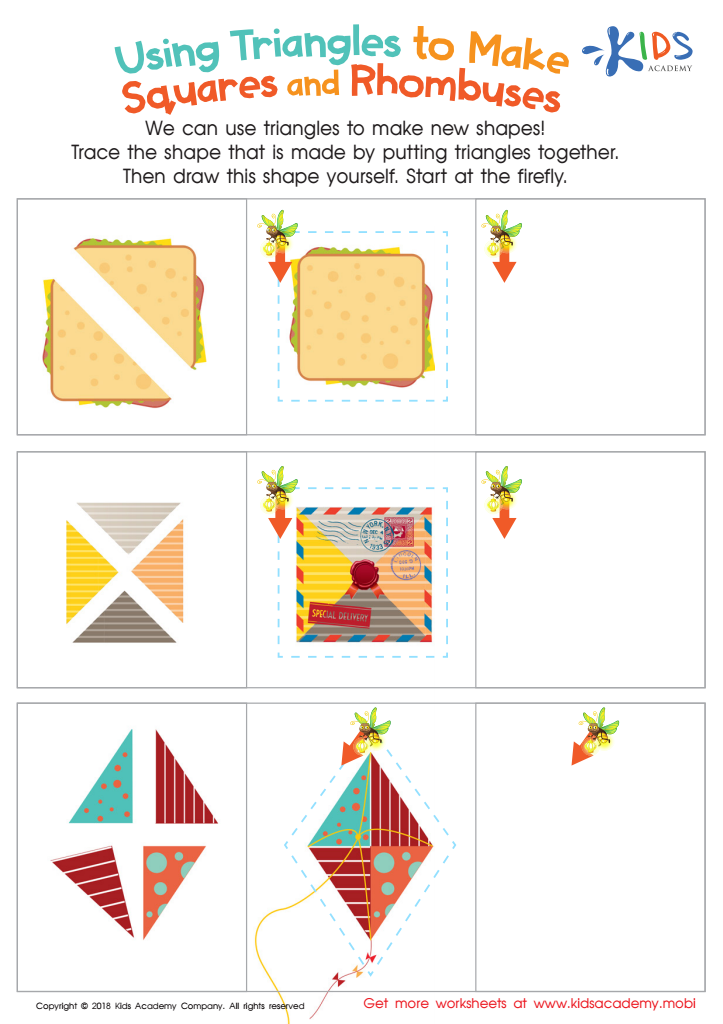
Using Triangles to Make Squares and Rhombuses Worksheet
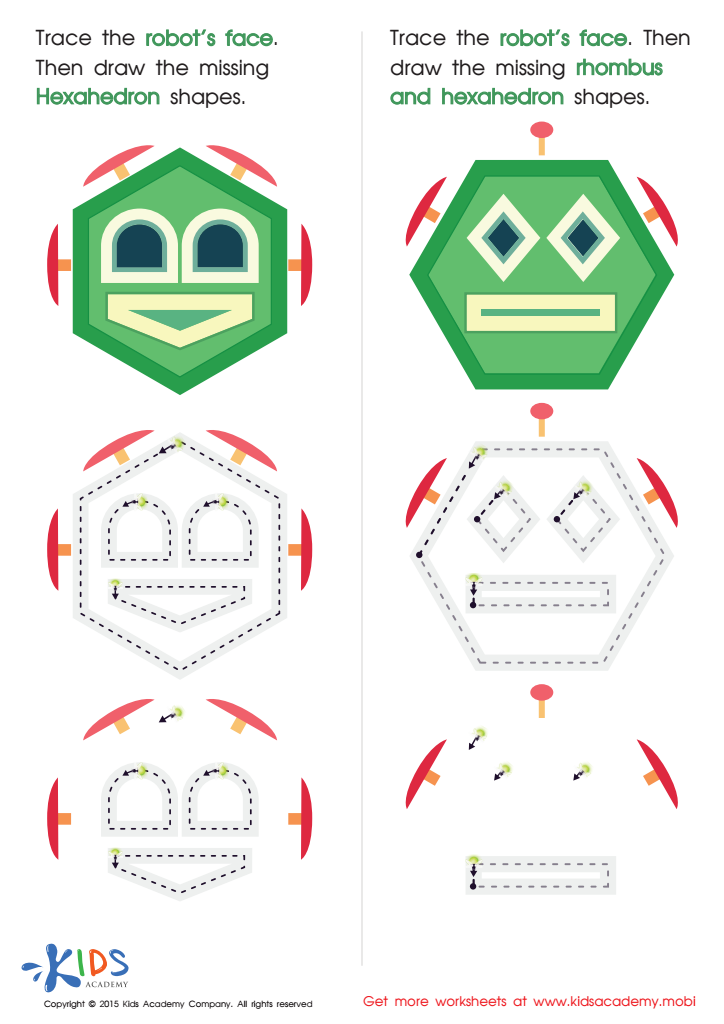
Practice Drawing Hexahedrons And a Rhombus Worksheet
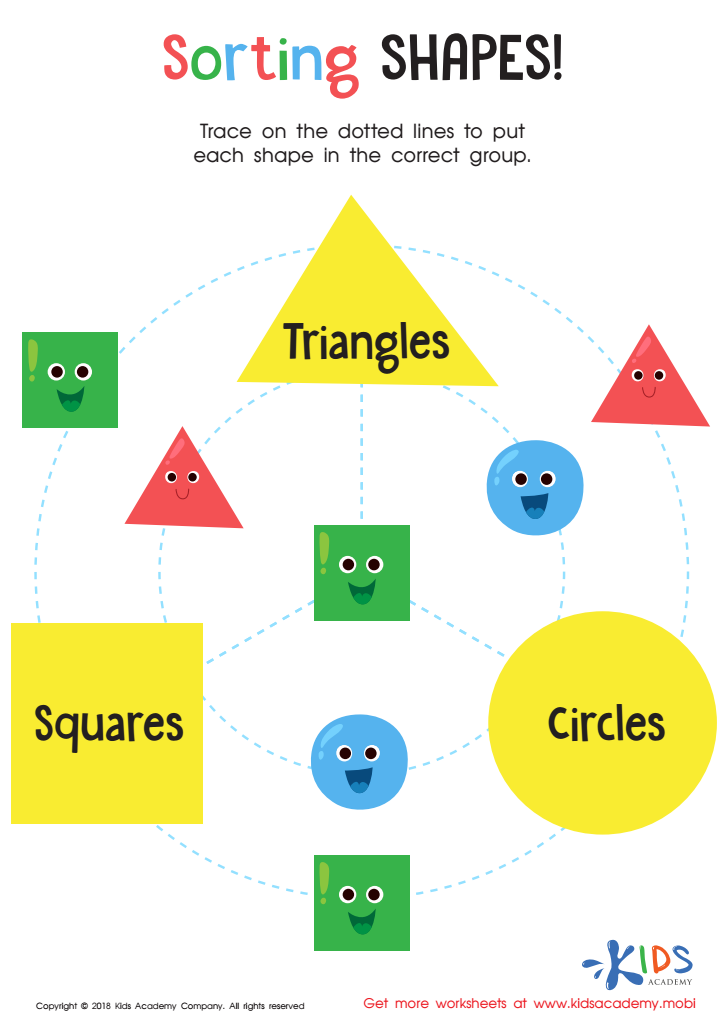
Sorting Shapes - Part 3 Worksheet
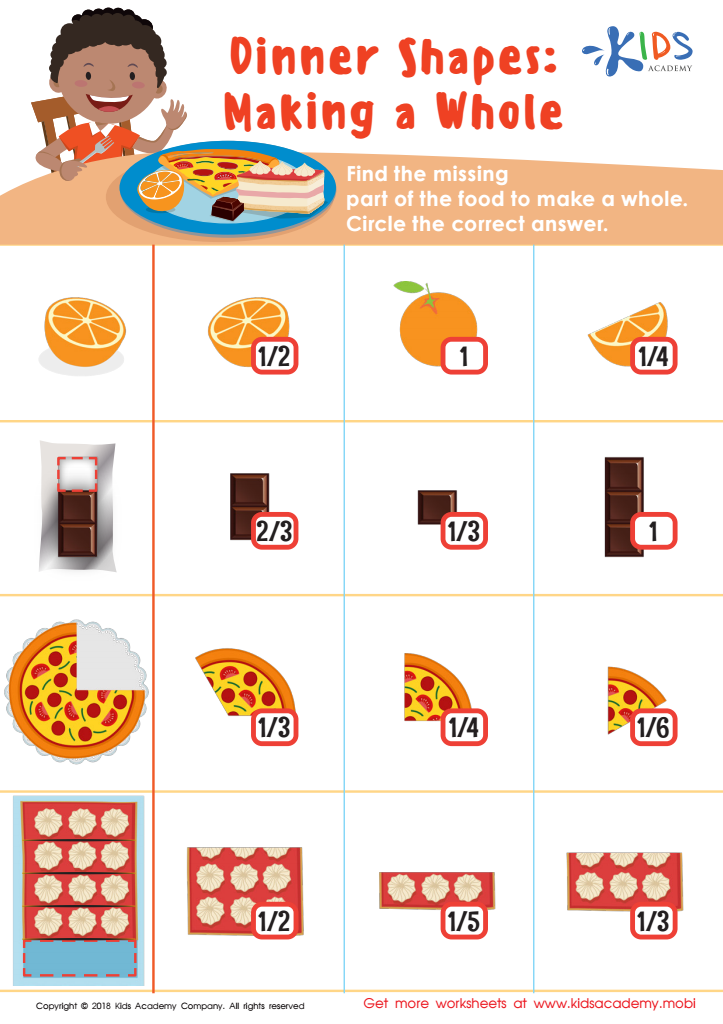
Dinner Shapes: Making a Whole Worksheet
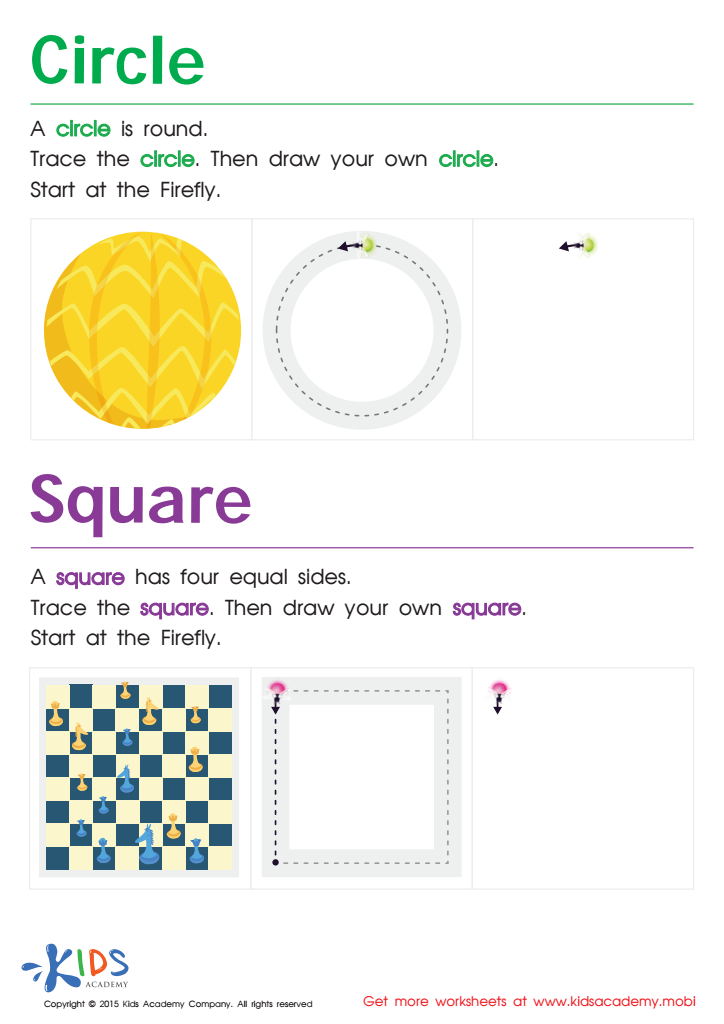
Trace And Draw a Circle And a Square Worksheet
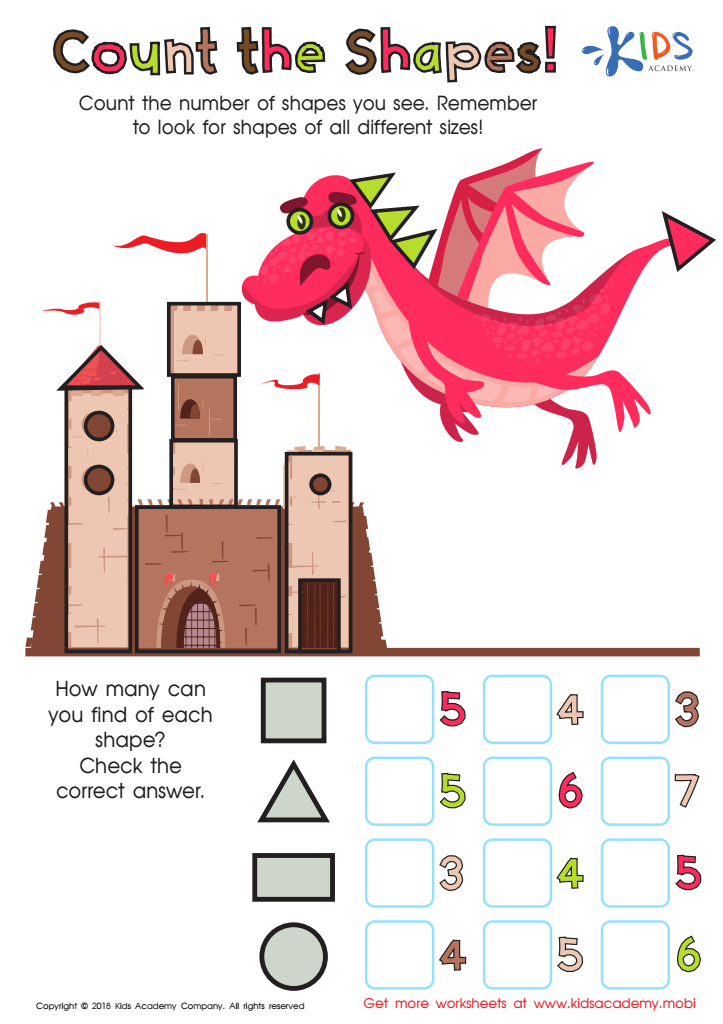
Count the Shapes Worksheet
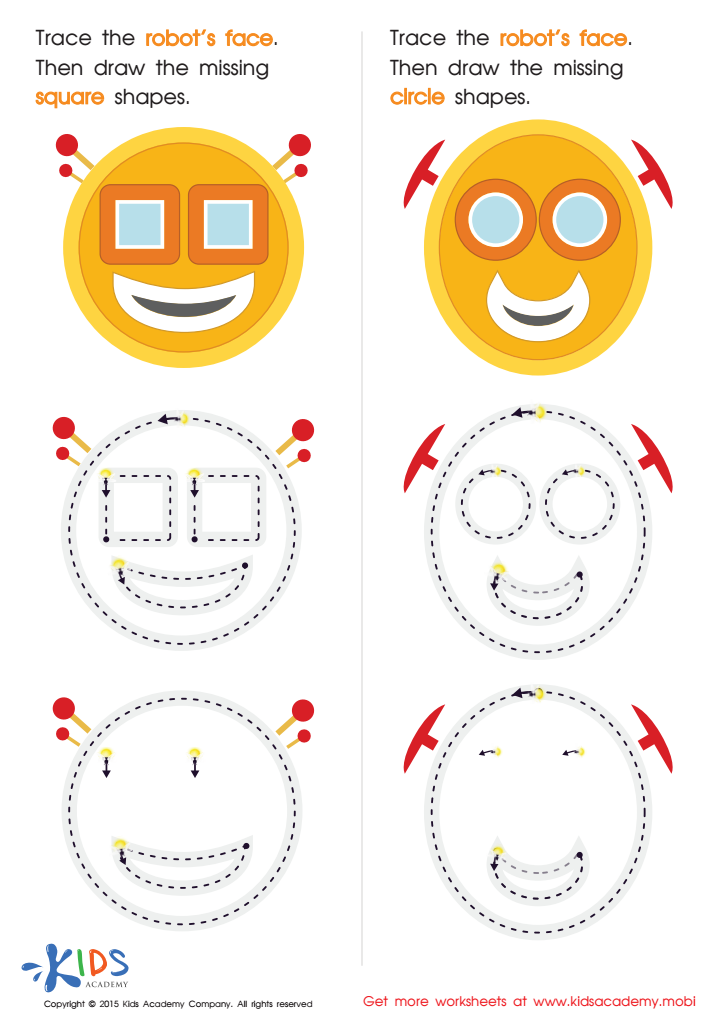
Practicing to Draw Circles And Squares Printable
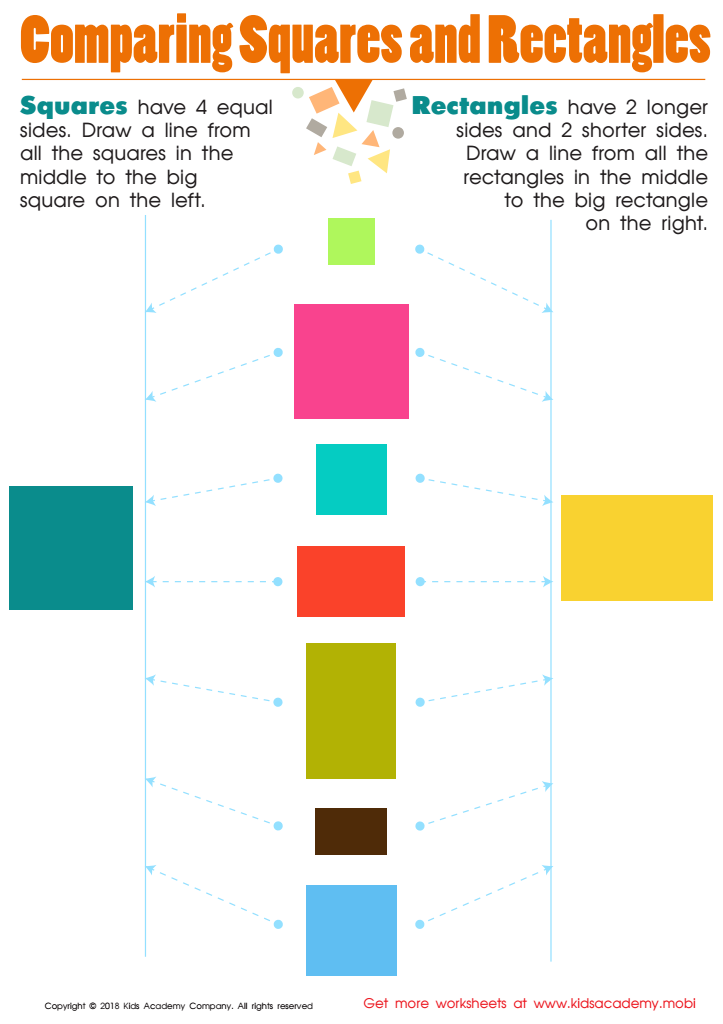
Comparing Squares Rectangles Worksheet
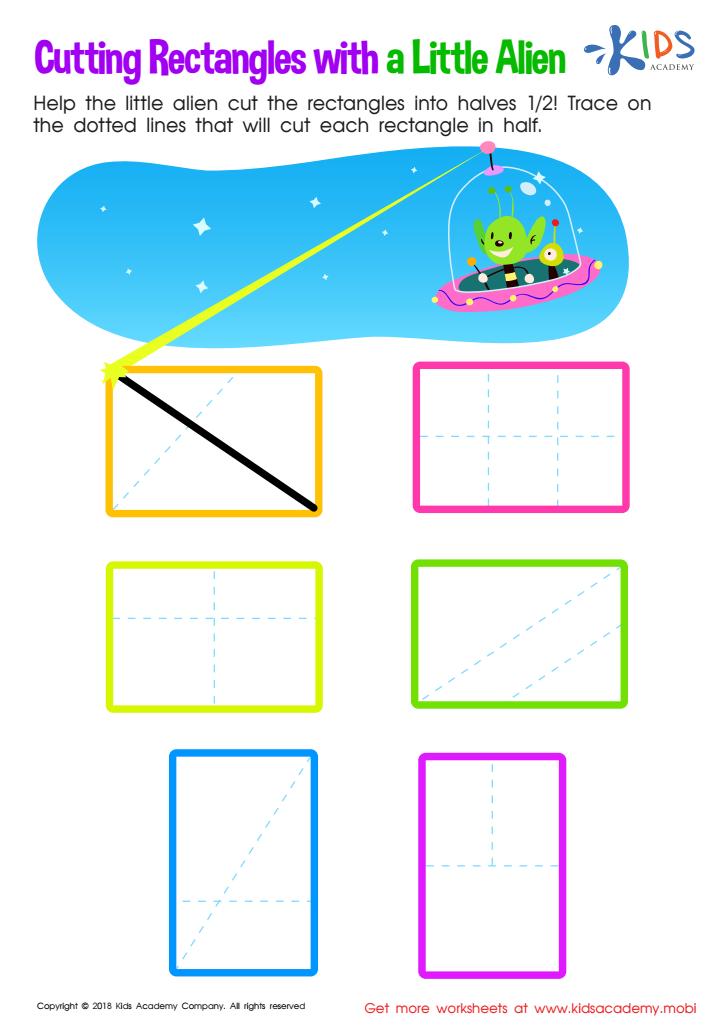
Cutting Rectangles with Alien Worksheet
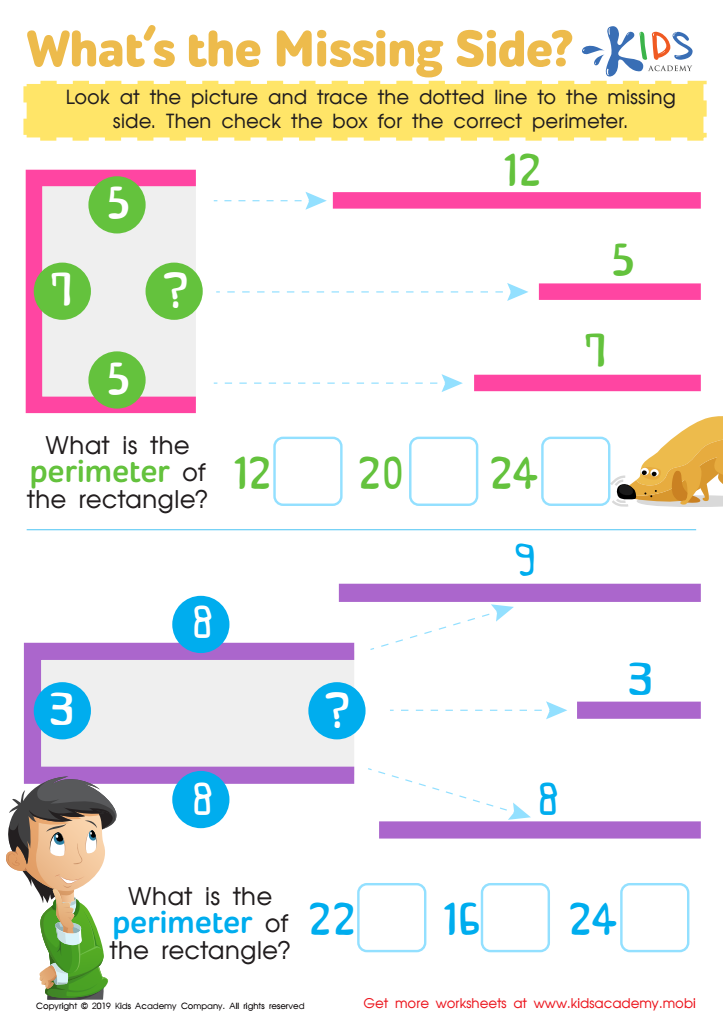
What's the Missing Side Worksheet
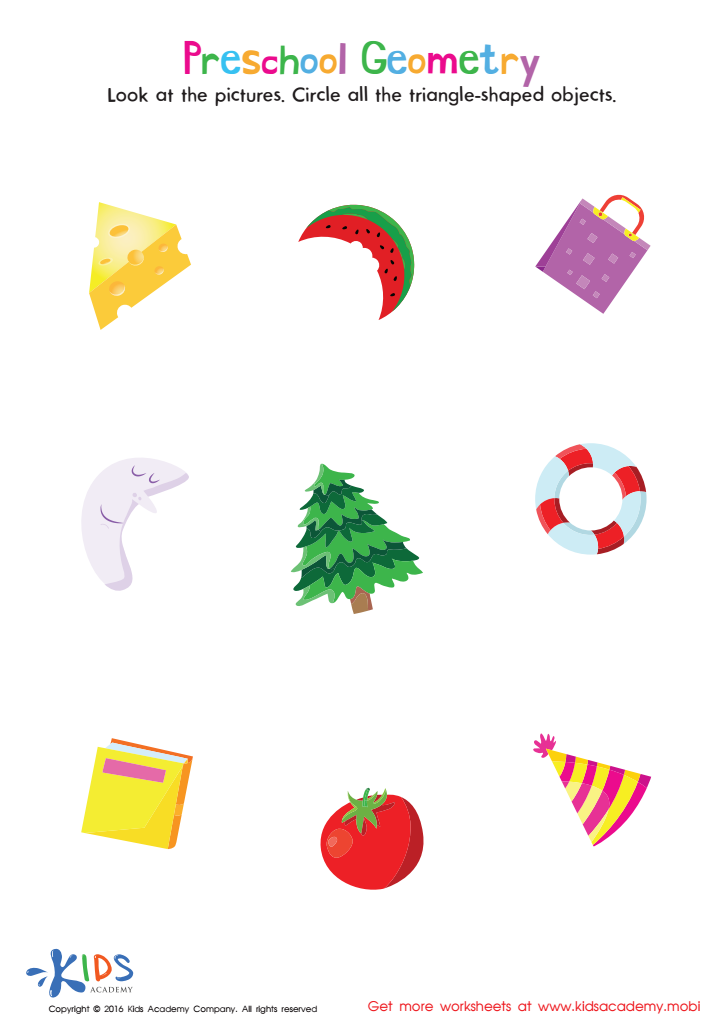
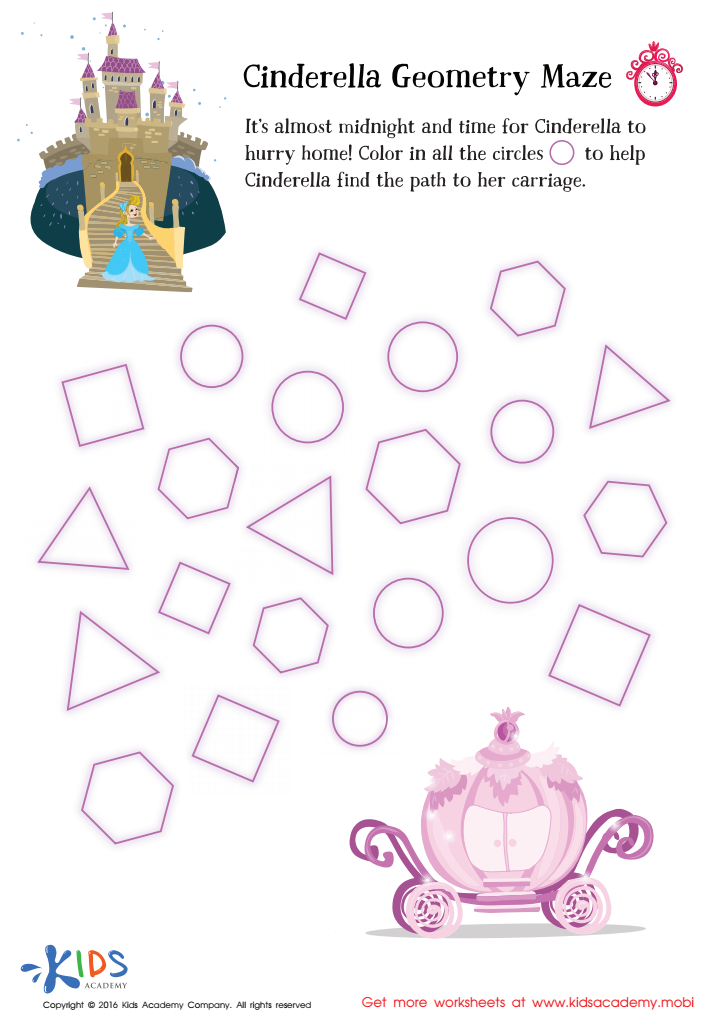
Cinderella Geometry Maze Worksheet
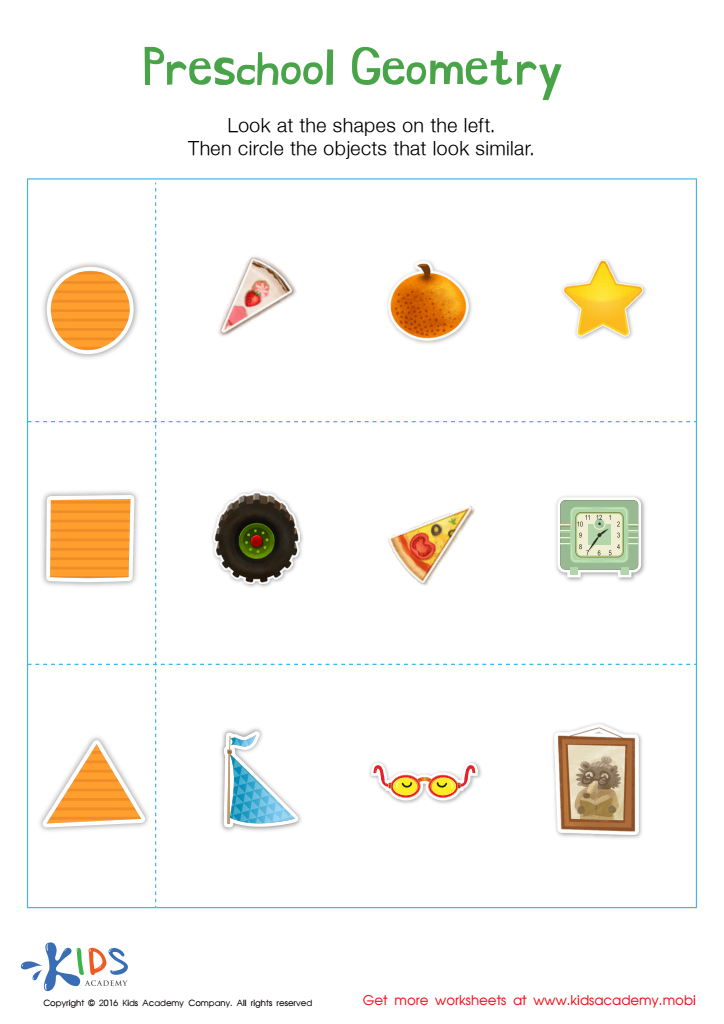
Preschool Geometry Match Up Worksheet
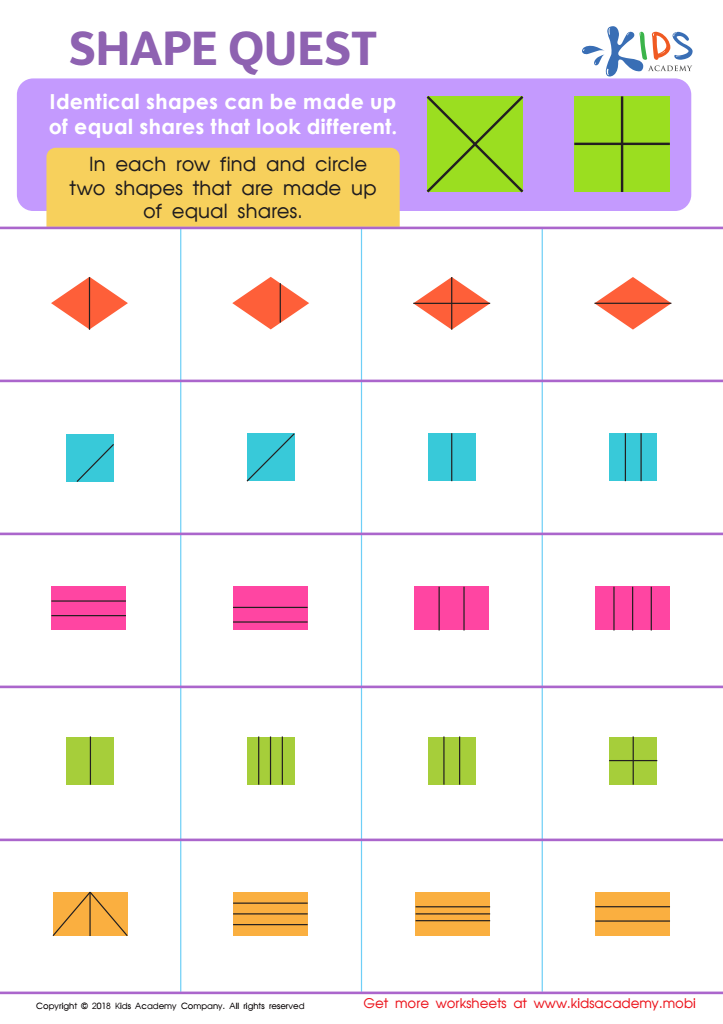
Shape Quest Worksheet
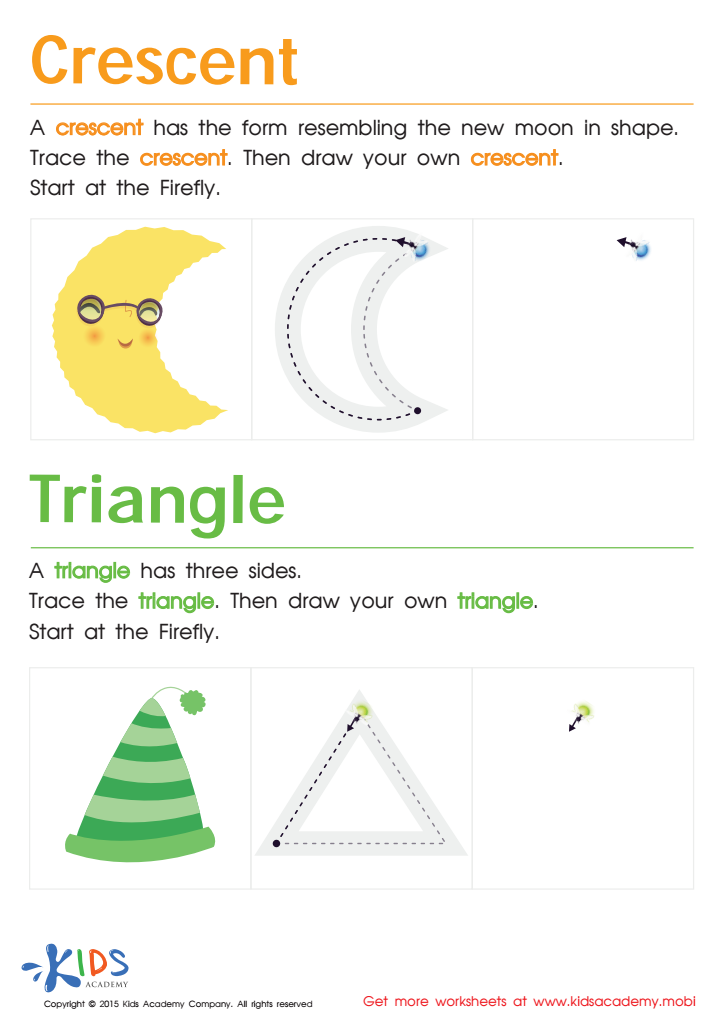
Learning to Draw Crescents And Triangles Worksheet
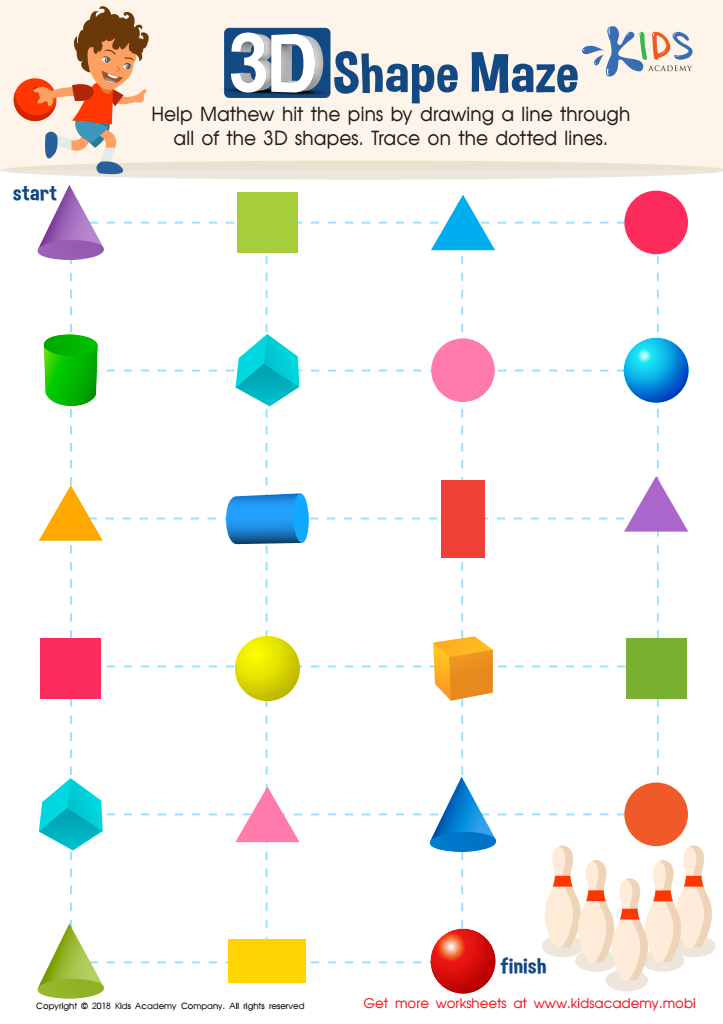
Shapes Maze Geometry Worksheet
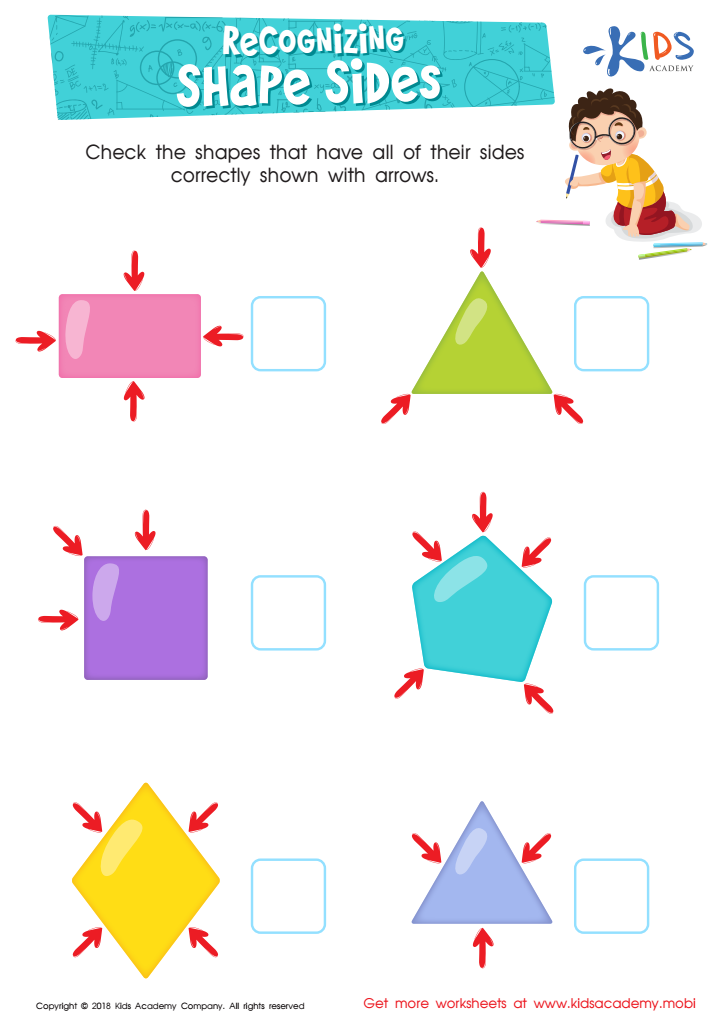
Recognizing Shape Sides Worksheet
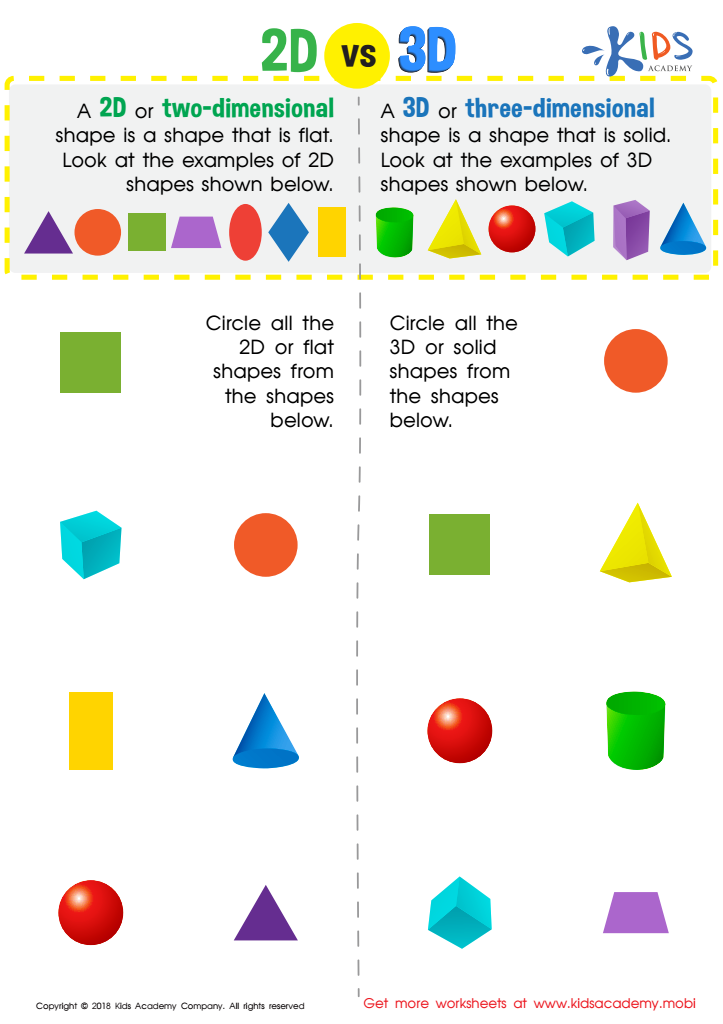
2D vs 3D Shapes Worksheet
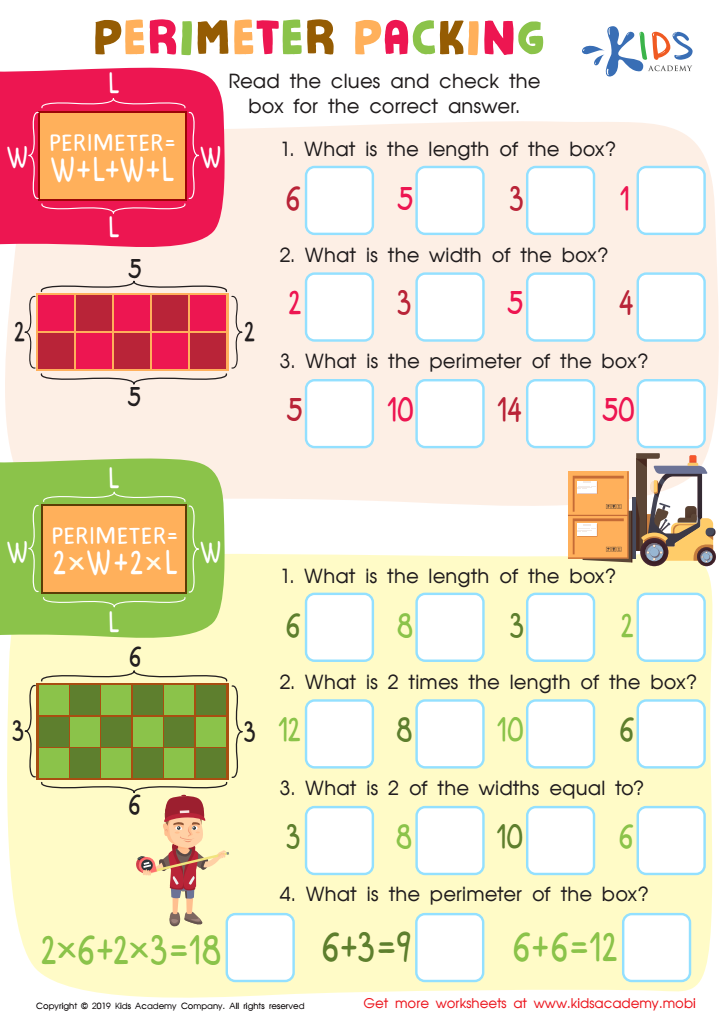
Perimeter Parking Worksheet
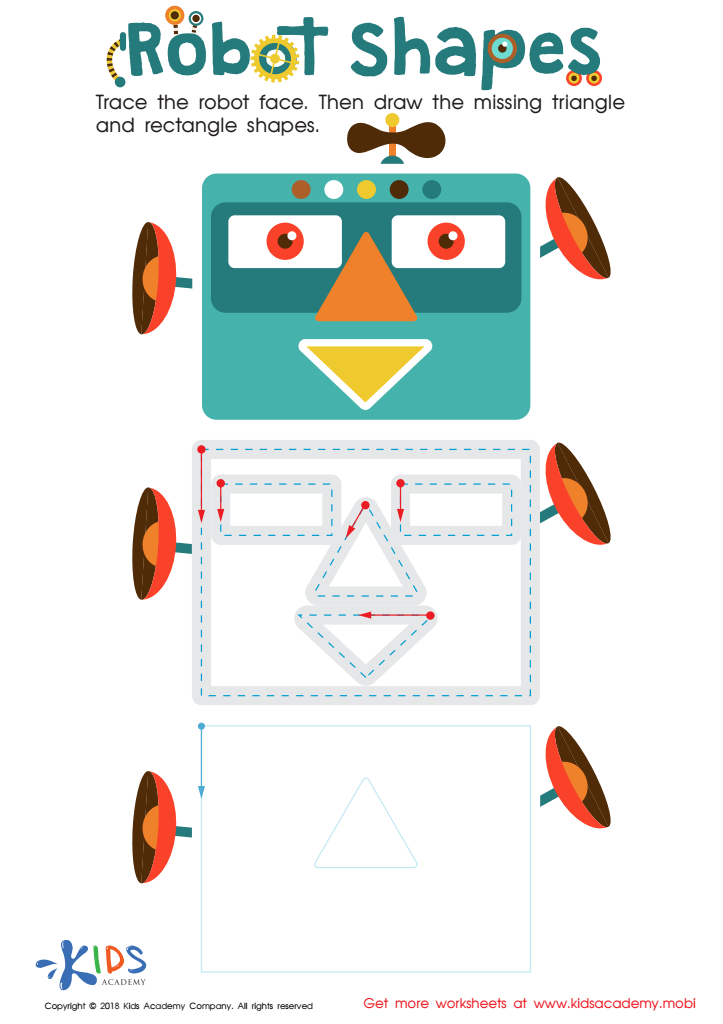
Robot Shapes Worksheet
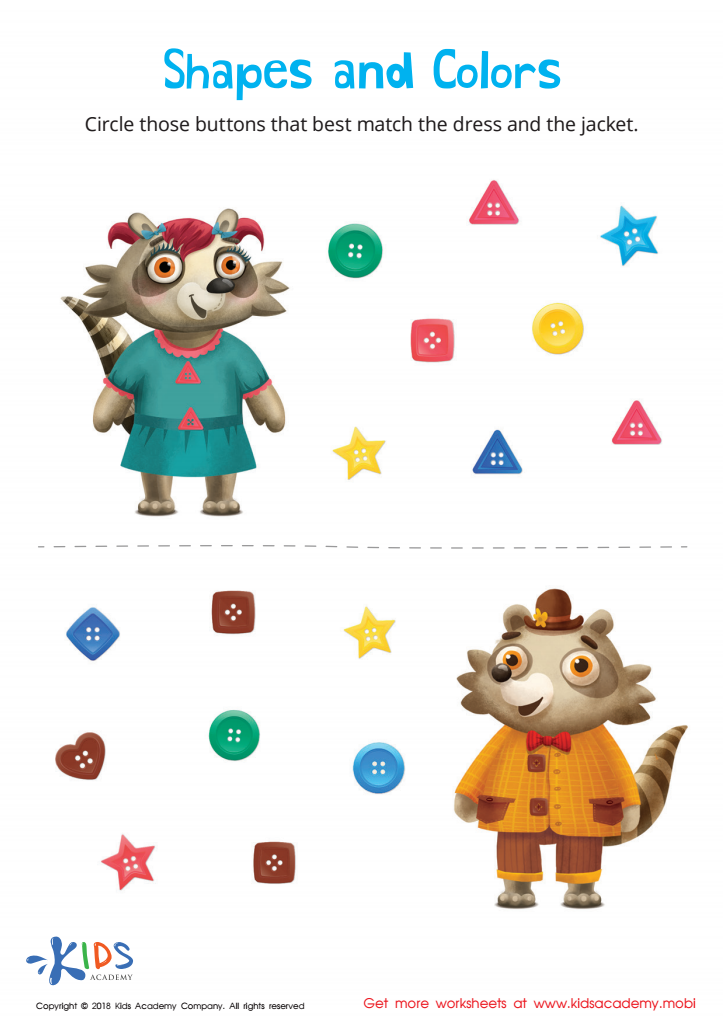
Shapes and Colors Worksheet
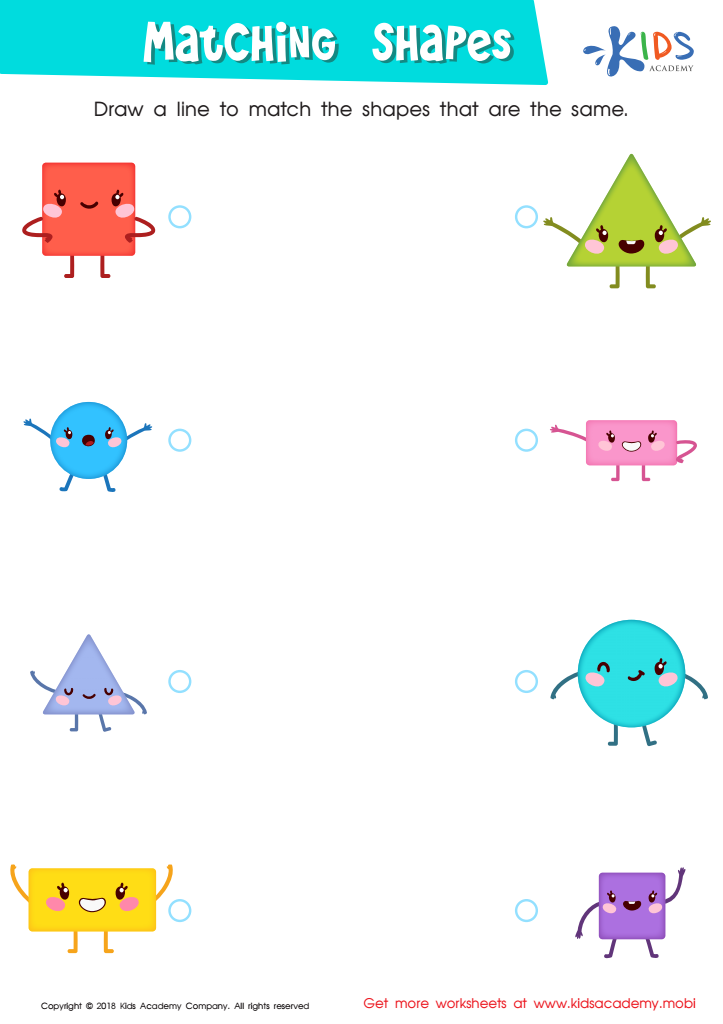
Matching Shapes Worksheet
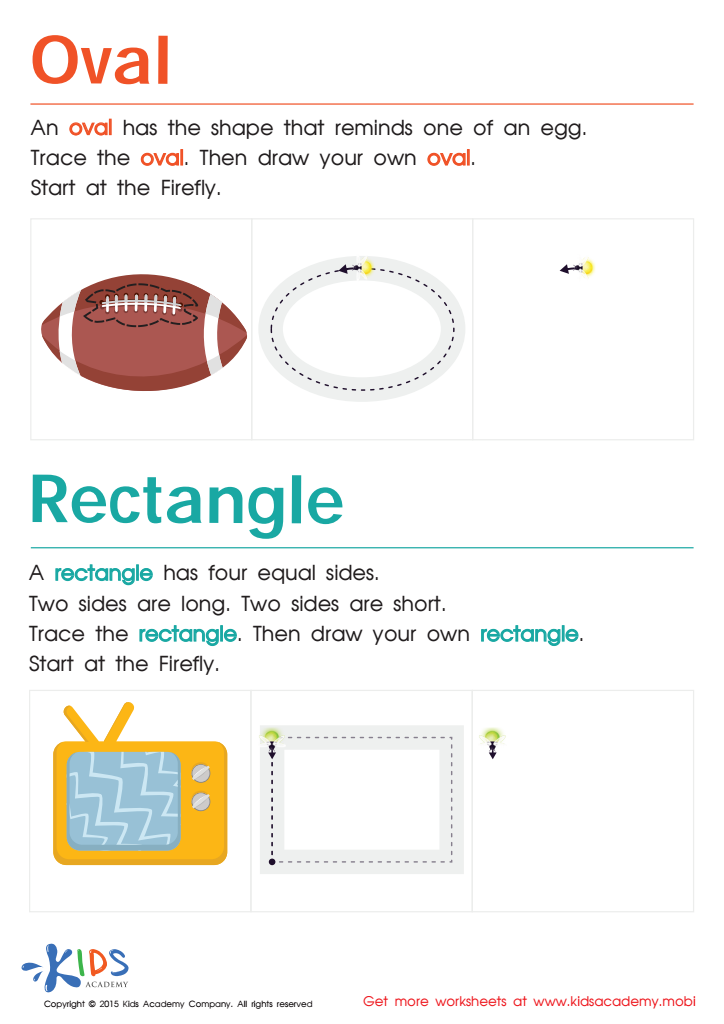
Easy Drawing of Ovals And Rectangles Worksheet








Shape recognition is a crucial component of early childhood education, specifically in the realm of geometry for ages 4-8. Parents and teachers should care about this foundational skill because it lays the groundwork for more complex mathematical concepts children will encounter in later years. Understanding shapes helps children develop critical thinking and problem-solving skills. As they learn to identify, name, and categorize shapes, they also enhance their observational skills and attention to detail.
Additionally, shape recognition is intrinsically connected to creativity and spatial awareness. When children engage with various shapes through play and hands-on activities, they foster cognitive development and boost their imagination. This exploration encourages them to visualize their environment, facilitating important skills such as map reading and construction design as they mature.
Furthermore, learning about shapes aids in language development; as children discuss and describe their observations, they enrich their vocabulary and communication skills. Considering basic geometry also promotes social skills through collaborative activities where children can share ideas and work together. In sum, emphasizing shape recognition for young learners equips them with essential skills, fostering holistic development and preparing them for academic success. Employing engaging activities at this stage can pave the way for a lifelong love of learning in mathematics and beyond.








