Shape Recognition Normal Math Worksheets for Ages 4-8
36 filtered results
-
From - To
Explore our engaging Shape Recognition Normal Math Worksheets designed specifically for children aged 4-8! These worksheets are perfect for helping young learners identify, compare, and classify various shapes, enhancing their foundational math skills. Each activity is crafted to stimulate curiosity and encourage hands-on learning, making shape recognition fun and interactive. With a variety of exercises tailored to different learning levels, children can develop critical thinking and problem-solving abilities while enjoying captivating visuals. These worksheets support early math education, setting the groundwork for future success. Access our printable resources today and inspire a love for math in your young learners!
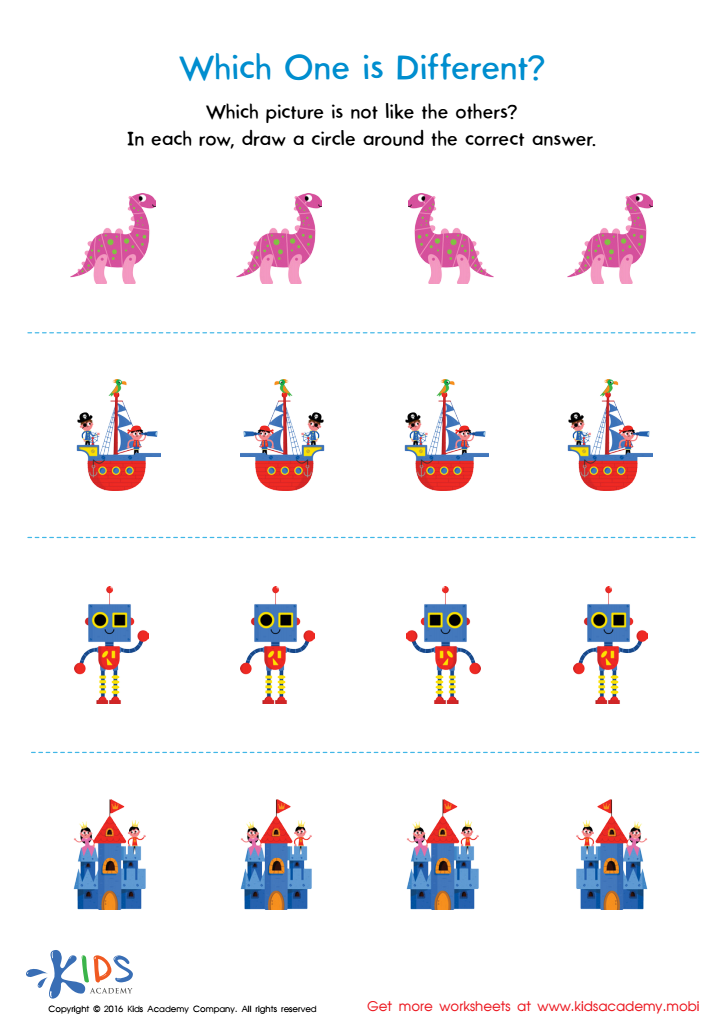
Which One Is Different Worksheet
 Assign to My Students
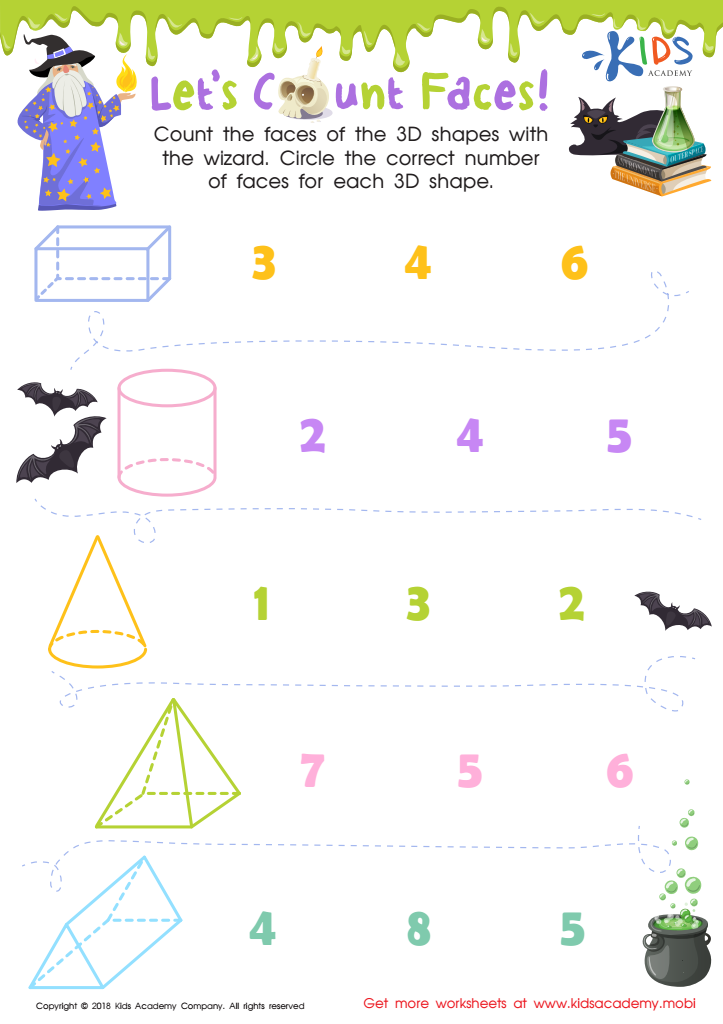
Let's Count Faces! Worksheet
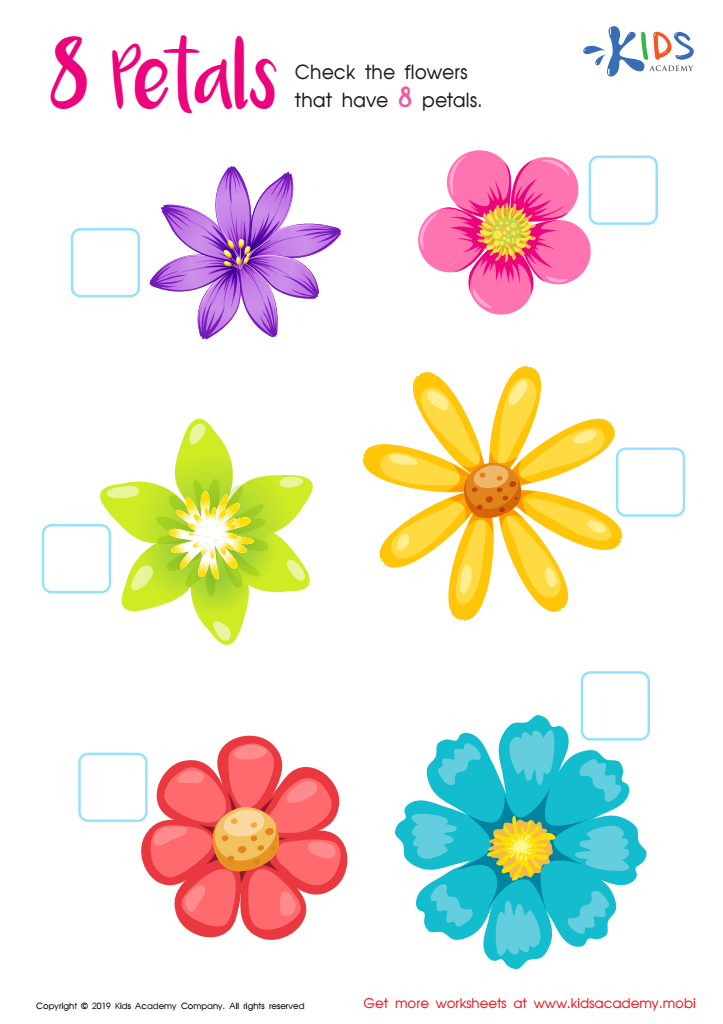
8 Petals Worksheet
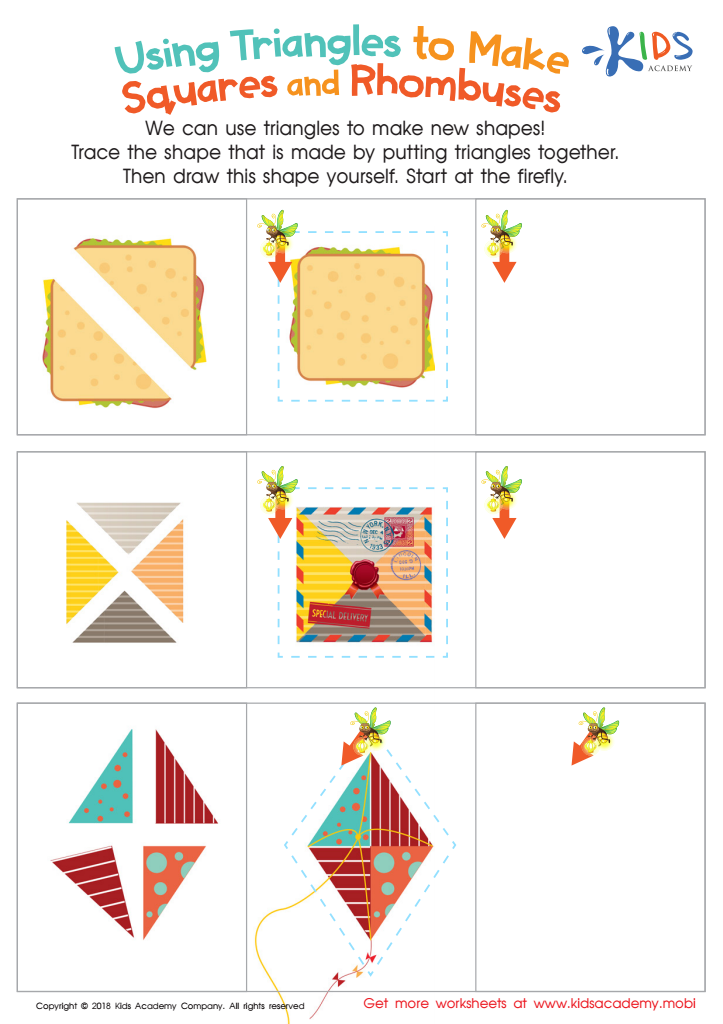
Using Triangles to Make Squares and Rhombuses Worksheet
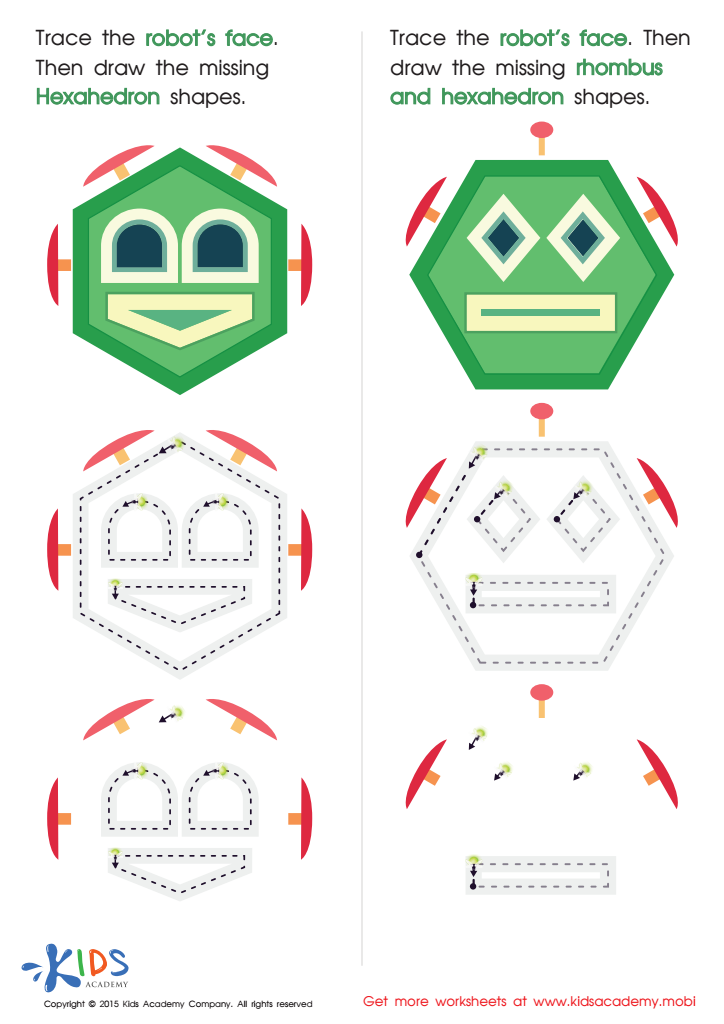
Practice Drawing Hexahedrons And a Rhombus Worksheet
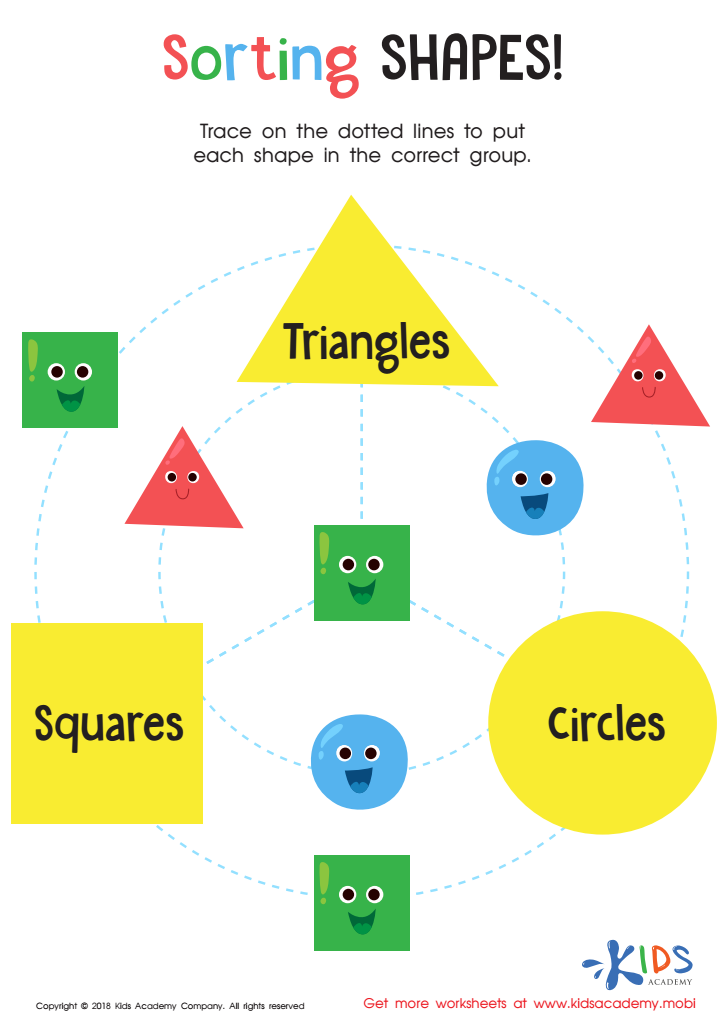
Sorting Shapes - Part 3 Worksheet
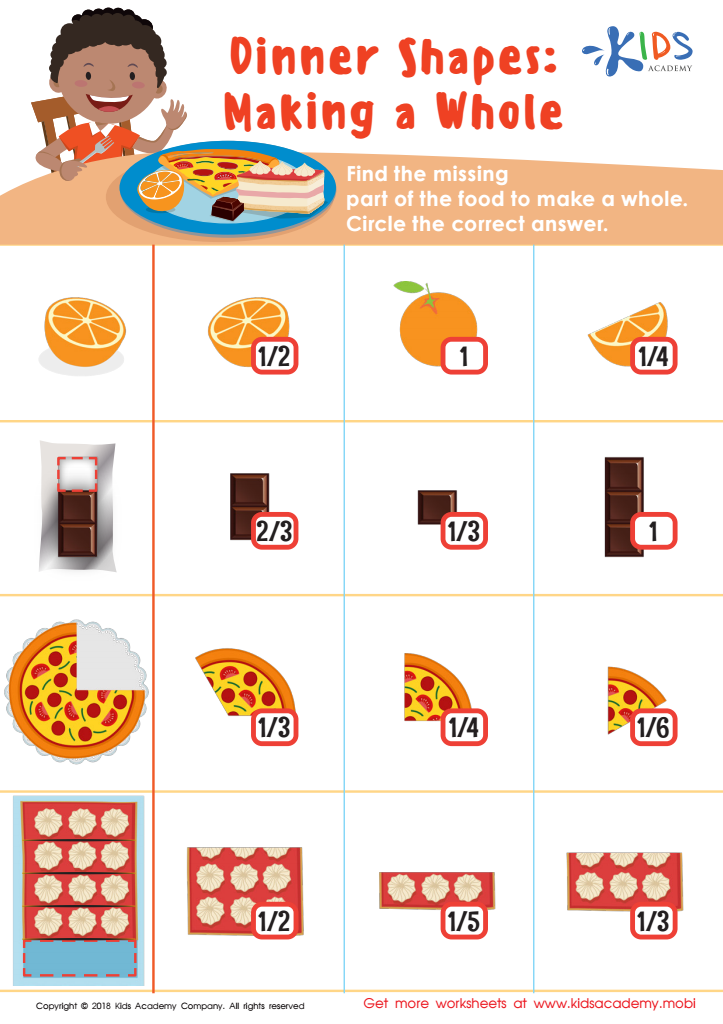
Dinner Shapes: Making a Whole Worksheet
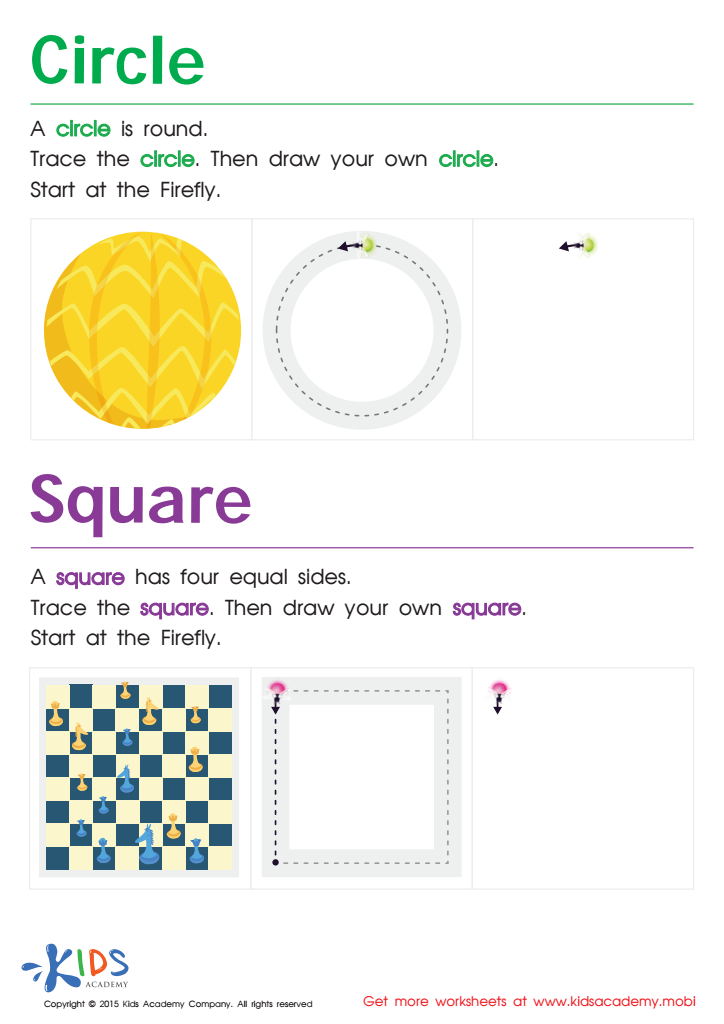
Trace And Draw a Circle And a Square Worksheet
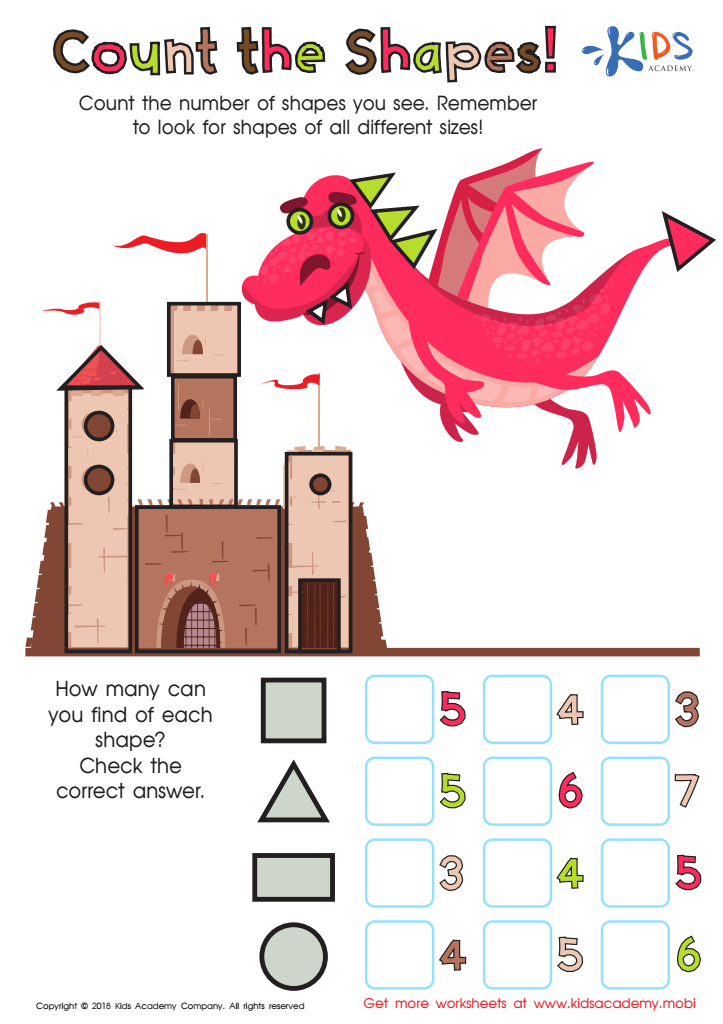
Count the Shapes Worksheet
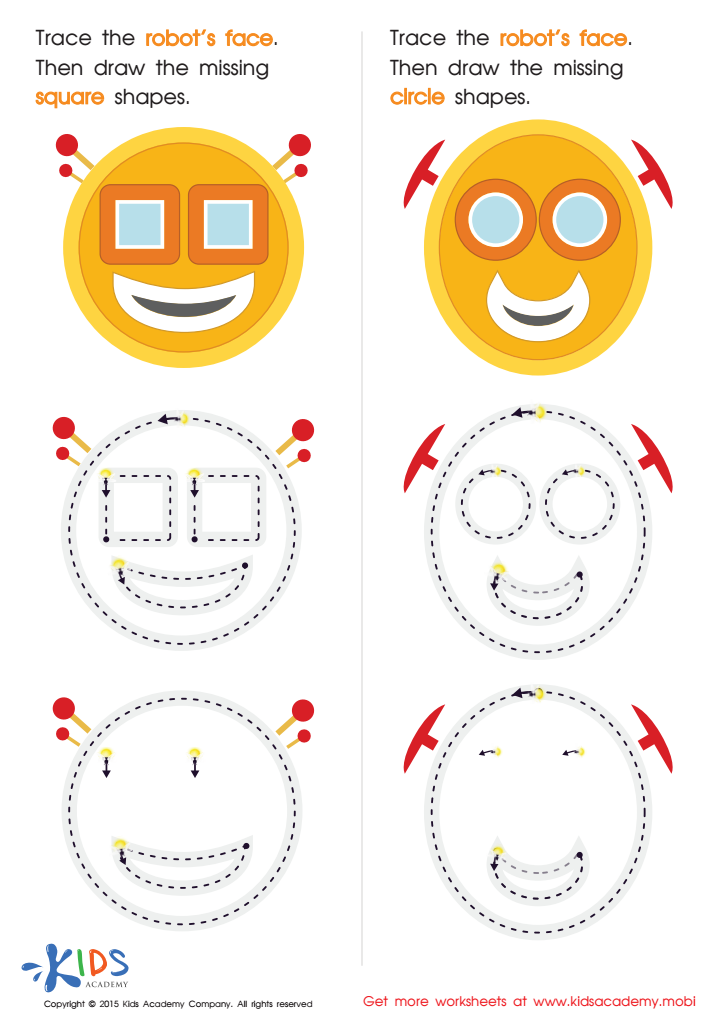
Practicing to Draw Circles And Squares Printable
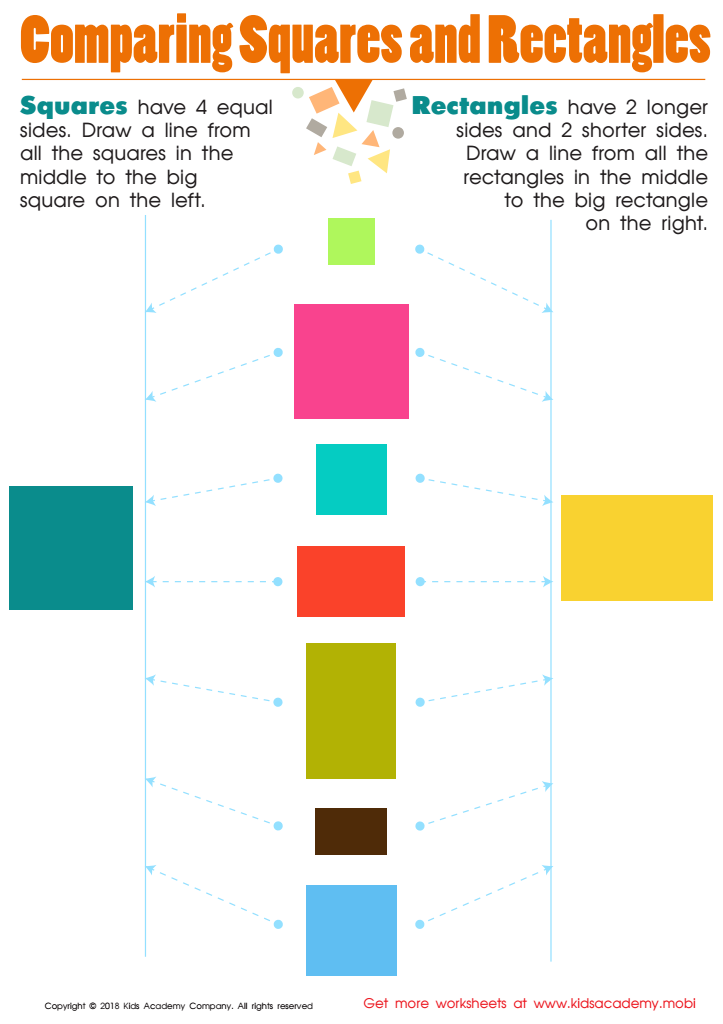
Comparing Squares Rectangles Worksheet
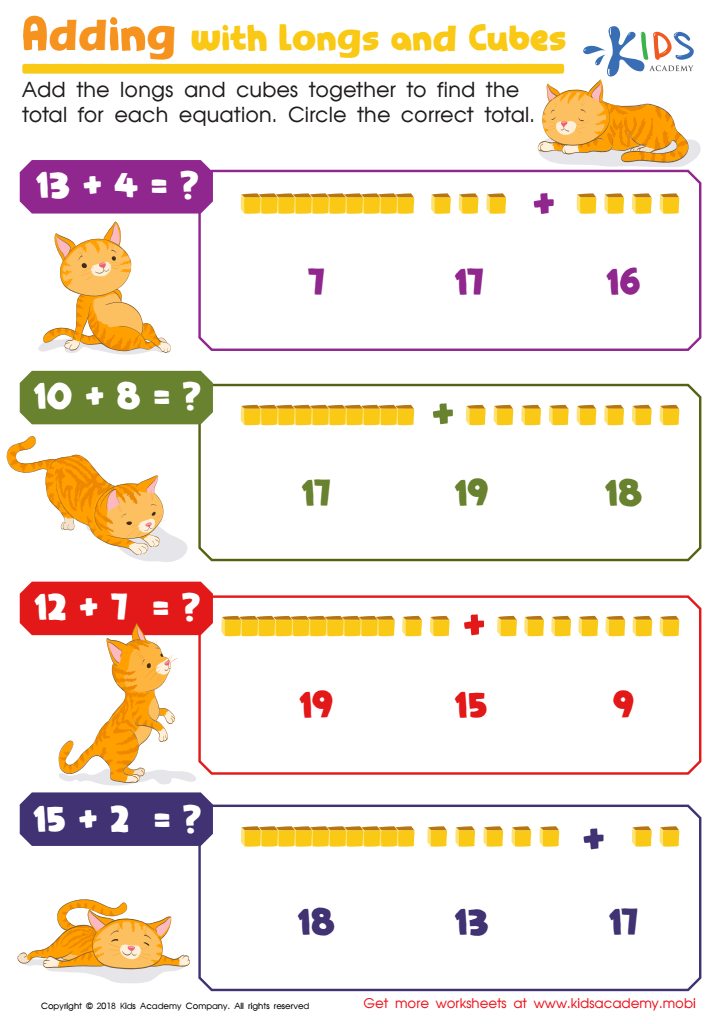
Adding With Longs and Cubes Worksheet
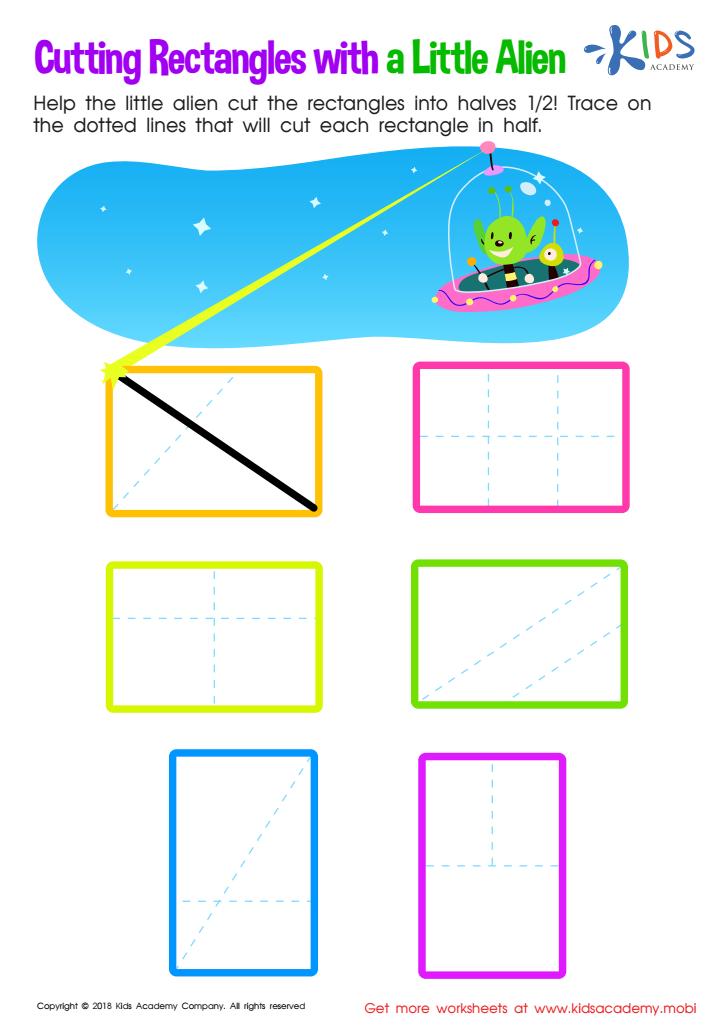
Cutting Rectangles with Alien Worksheet
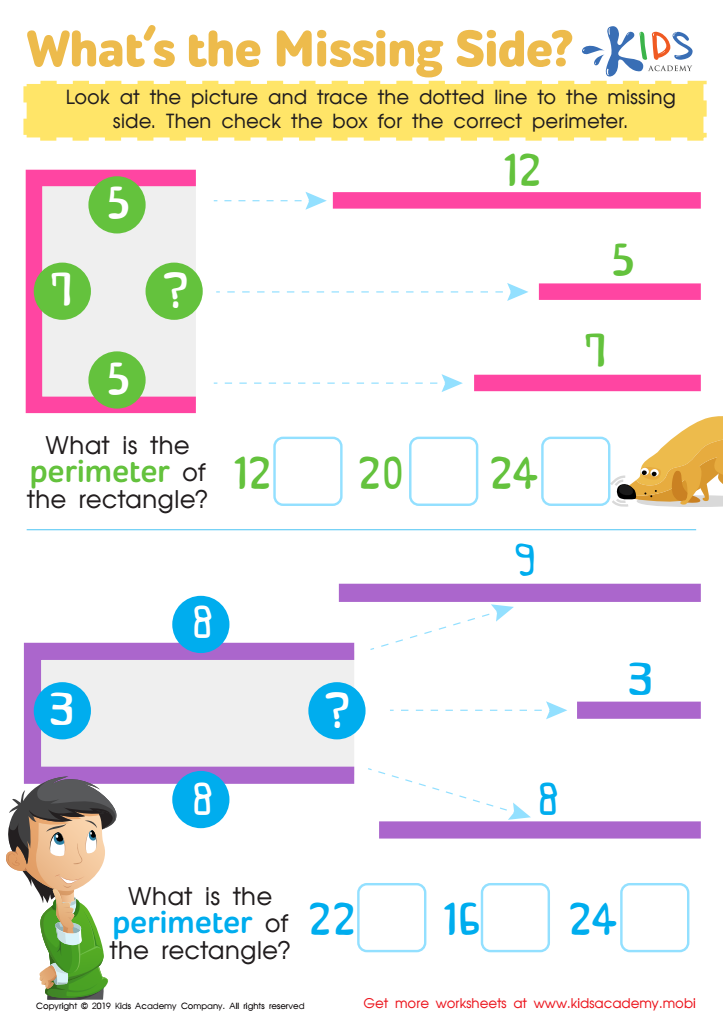
What's the Missing Side Worksheet
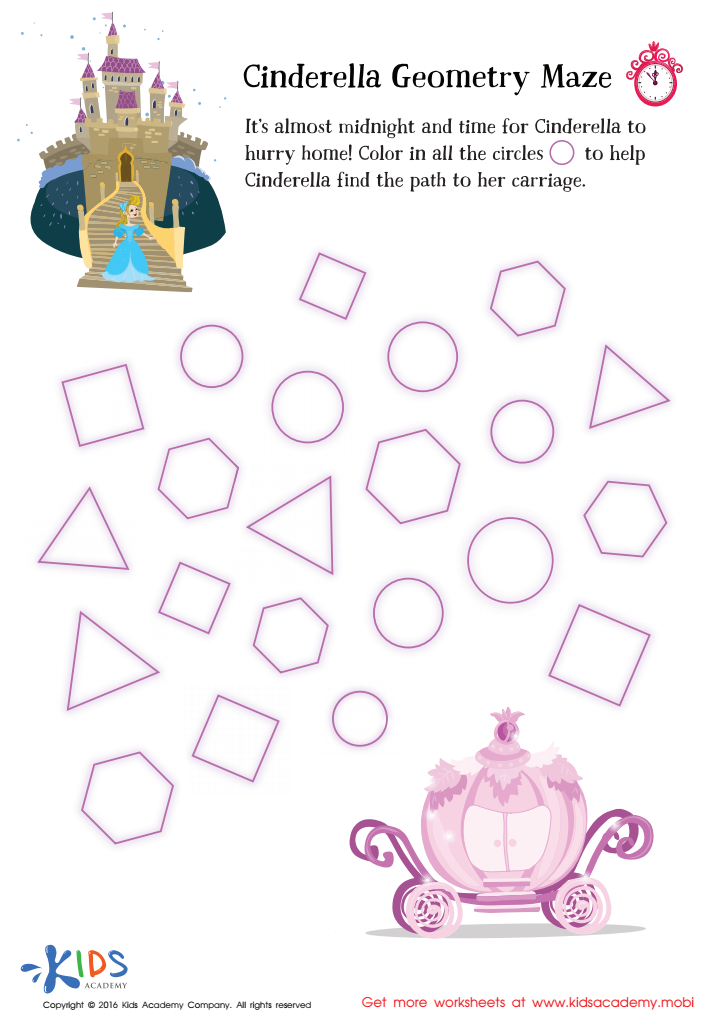
Cinderella Geometry Maze Worksheet
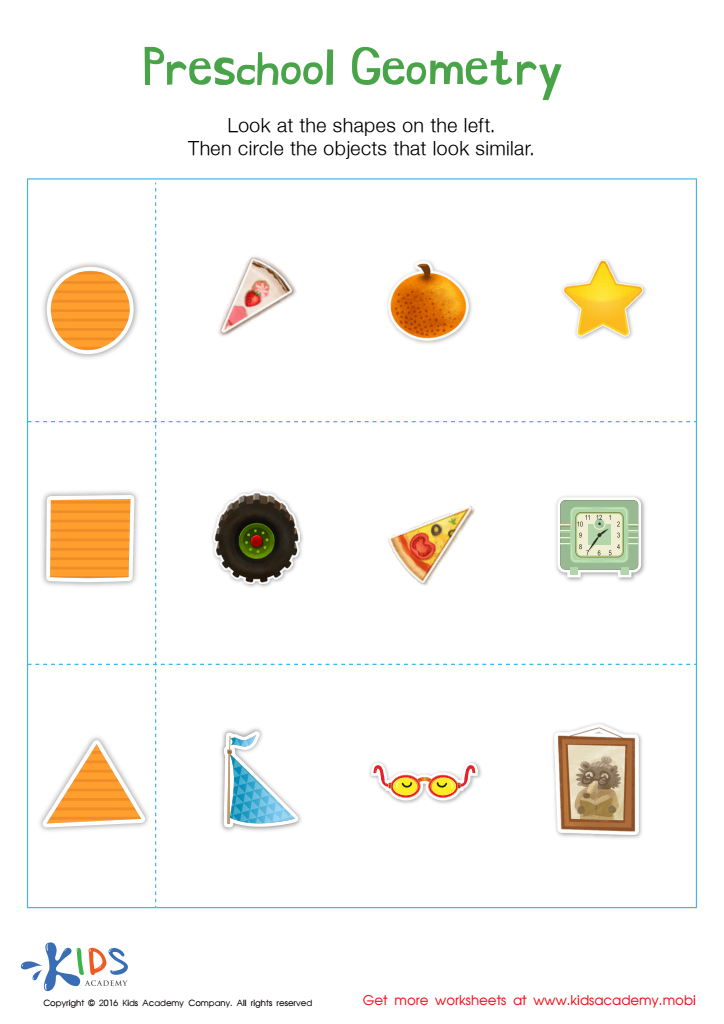
Preschool Geometry Match Up Worksheet
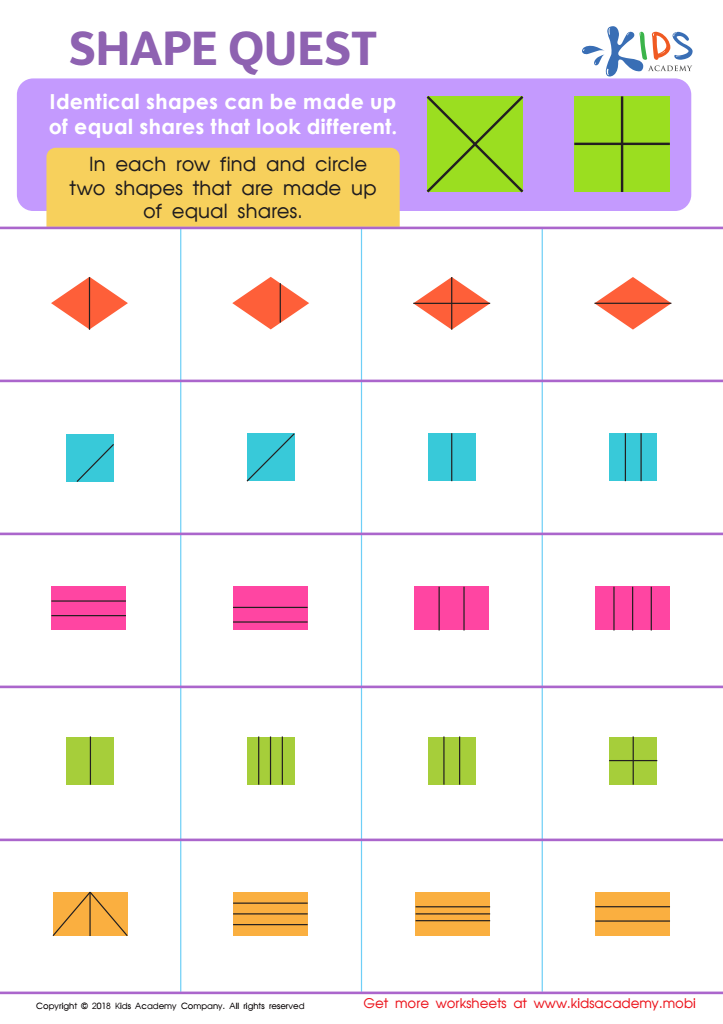
Shape Quest Worksheet
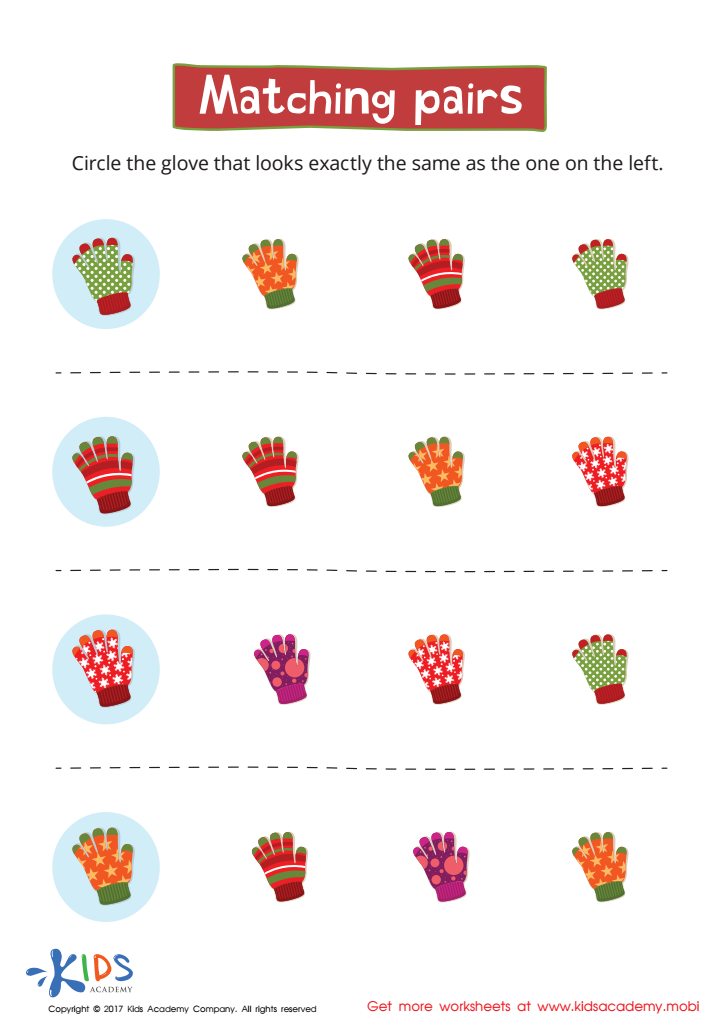
Matching: Matching Pairs Worksheet
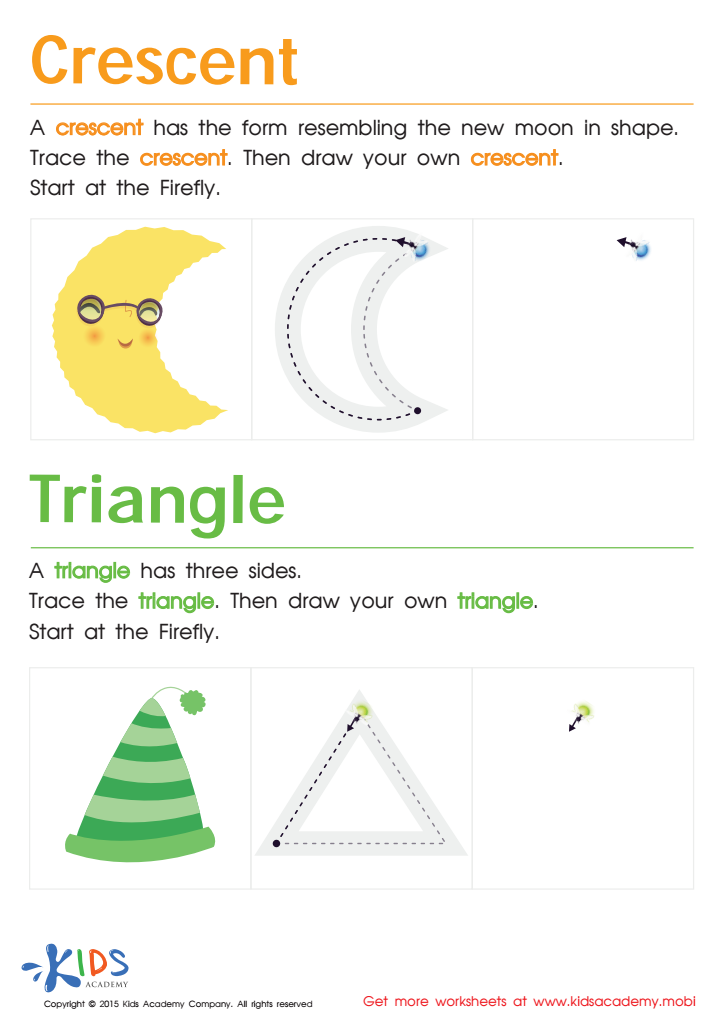
Learning to Draw Crescents And Triangles Worksheet
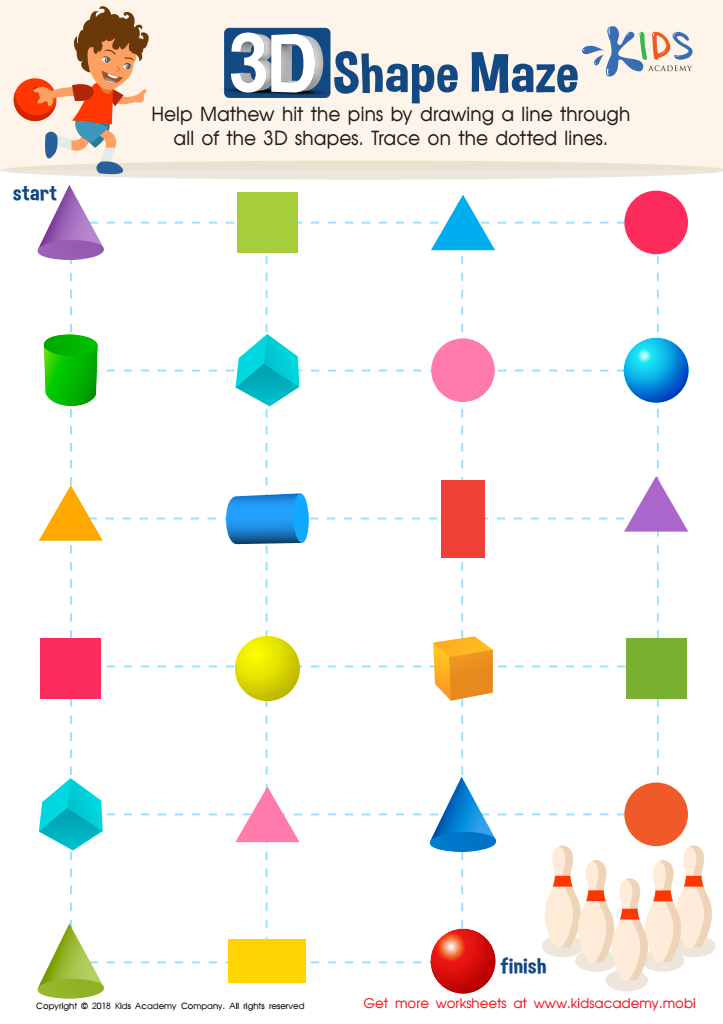
Shapes Maze Geometry Worksheet
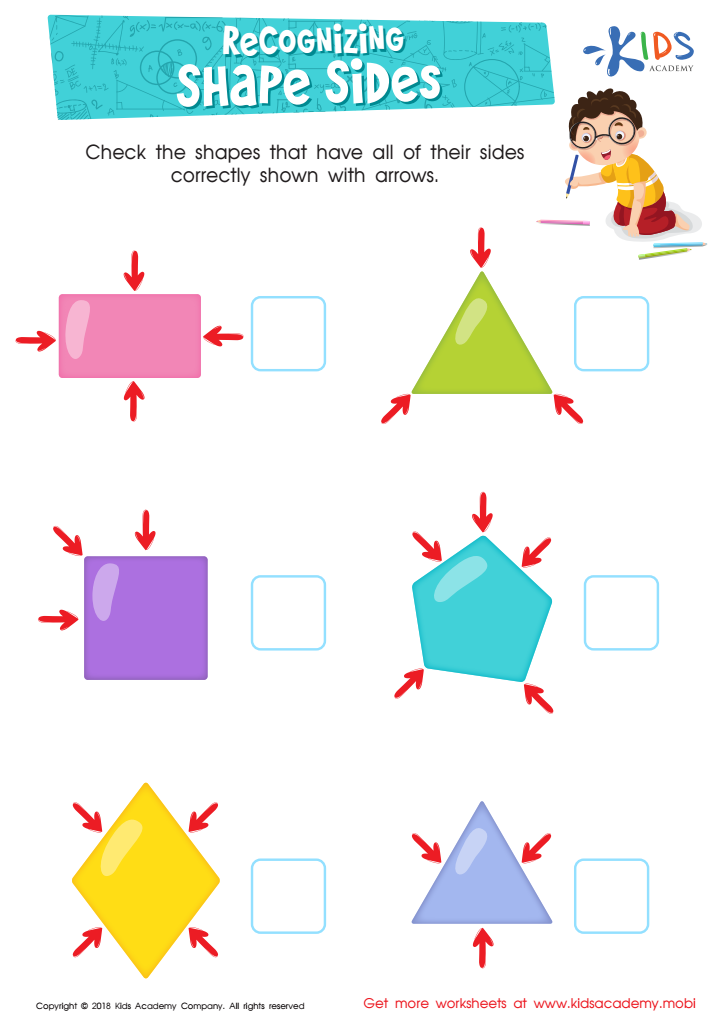
Recognizing Shape Sides Worksheet
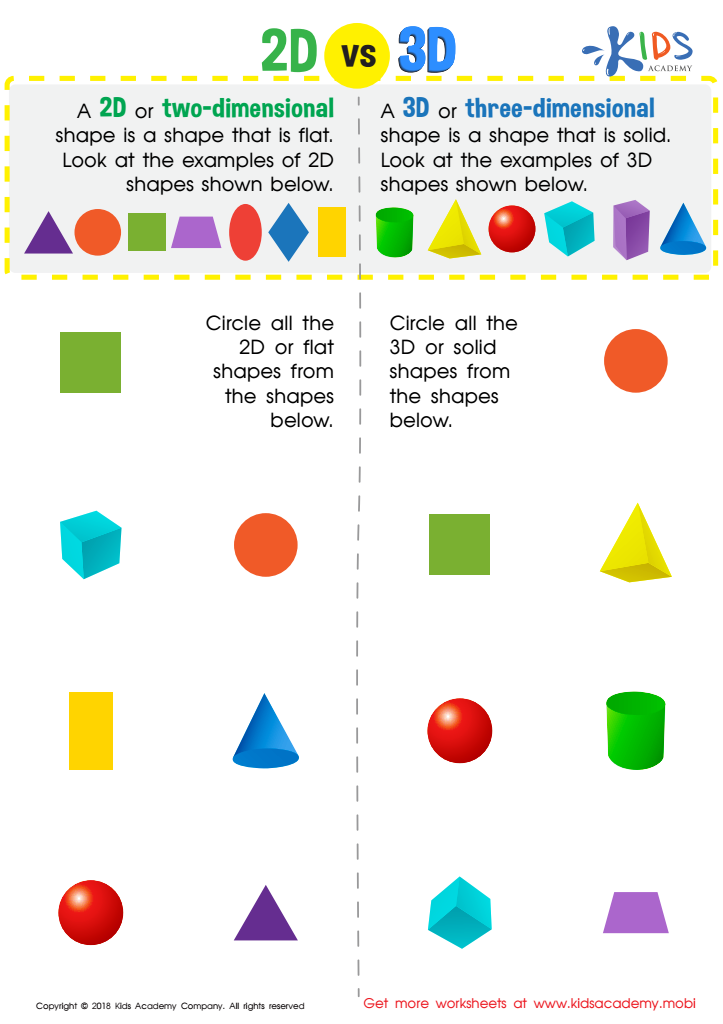
2D vs 3D Shapes Worksheet








Shape recognition is a foundational skill in early mathematics for children ages 4-8, and it should be a priority for parents and teachers alike. Understanding shapes is not merely about identifying circles, squares, and triangles; it forms the basis for more complex geometric concepts that children will encounter later in their education. Shape recognition fosters critical thinking and problem-solving skills, enabling young learners to make connections between shapes and the physical world around them.
Additionally, mastering shape recognition can enhance spatial awareness, which is essential for activities ranging from reading maps to understanding architecture. Early exposure to shapes contributes to cognitive development, as children learn to categorize and compare different objects. Engaging activities related to shape recognition can also promote fine motor skills through hands-on experiences like drawing, cutting, and constructing shapes.
Moreover, the skills developed through shape recognition lay the groundwork for advanced topics, such as measurement and data, reinforcing the importance of numeracy. When parents and teachers prioritize shape recognition, they are equipping children with vital tools for future academic success while nurturing their enthusiasm for learning. Ultimately, caring for this essential aspect of early math education supports holistic development in young learners.








