Normal Geometry Worksheets for Ages 5-9 - Page 2
75 filtered results
-
From - To
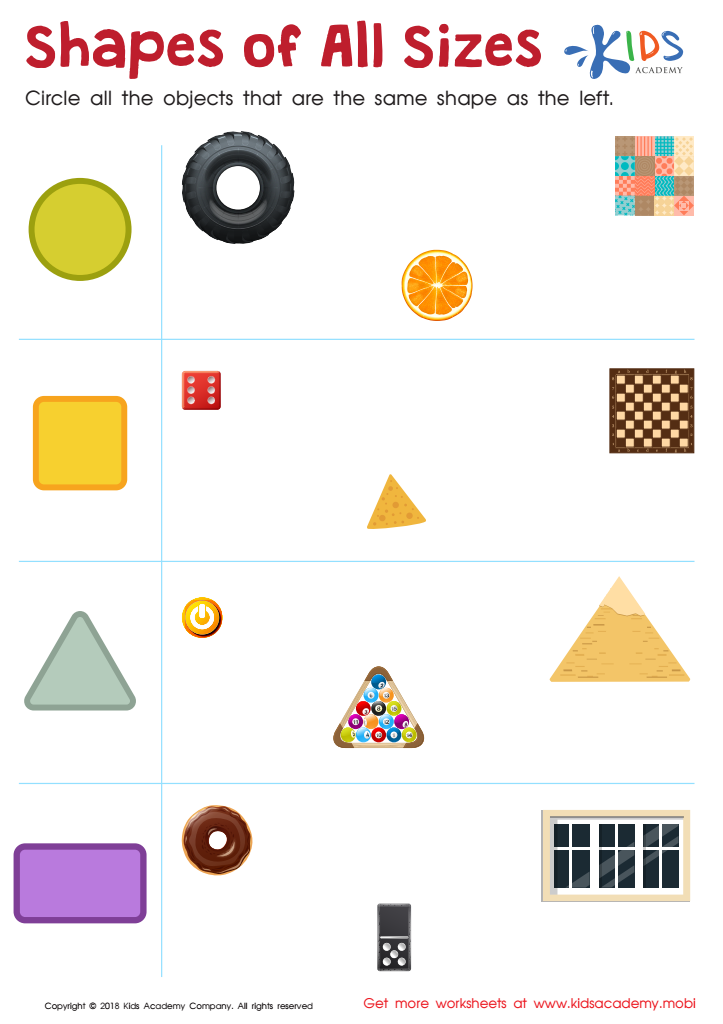
Shapes of All Sizes Worksheet
 Assign to My Students











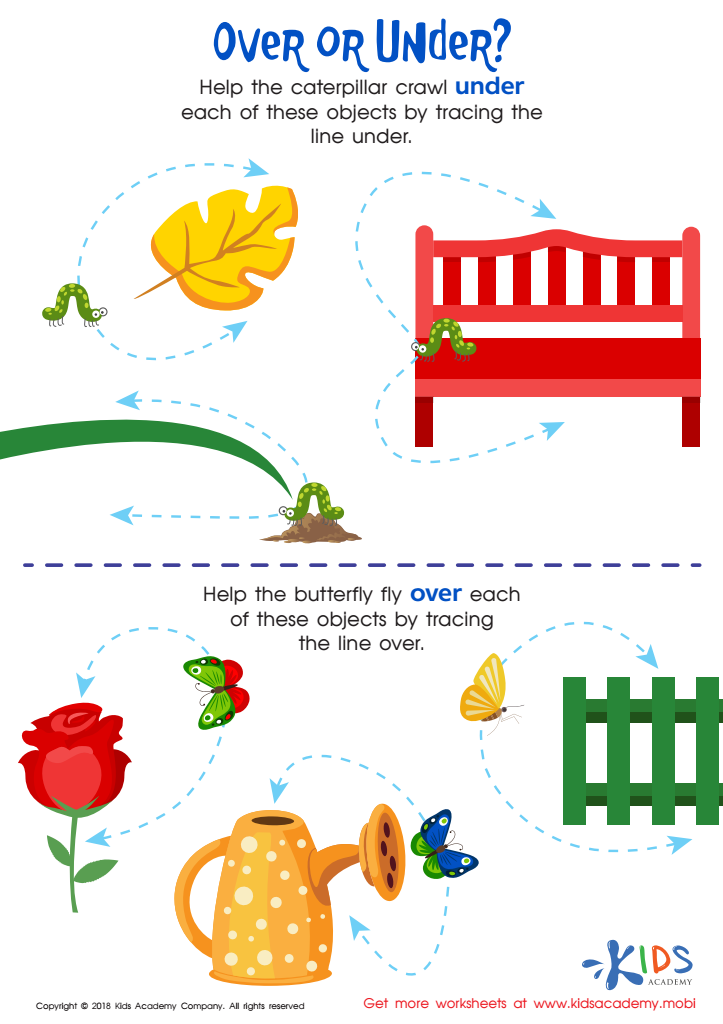
Over or Under? Worksheet
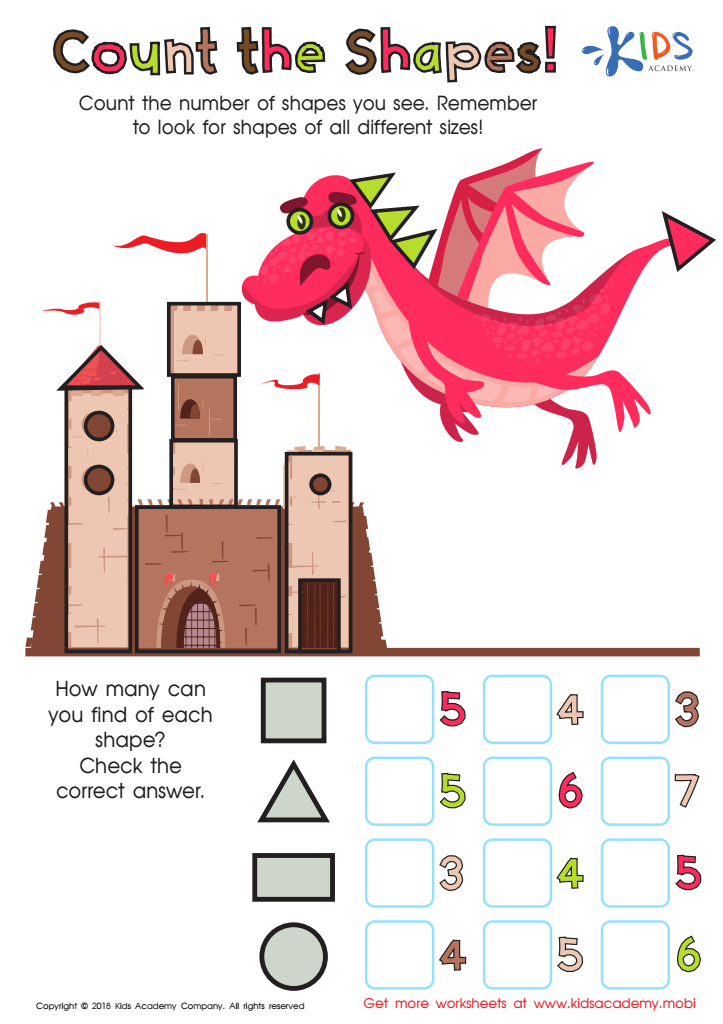
Count the Shapes Worksheet
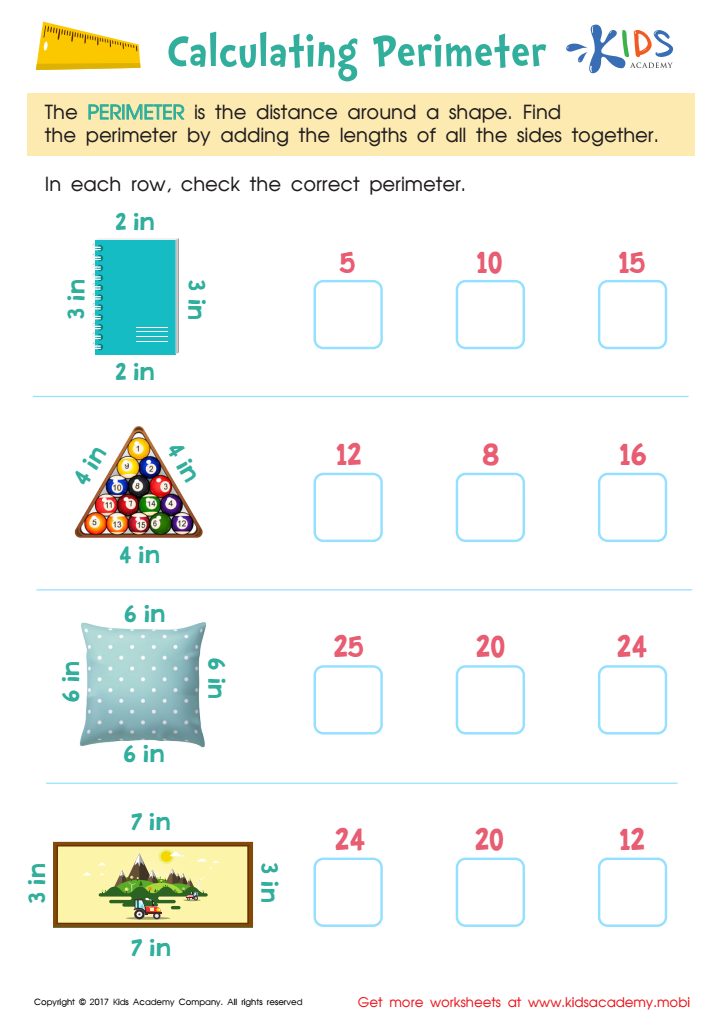
Calculating Perimeter Worksheet
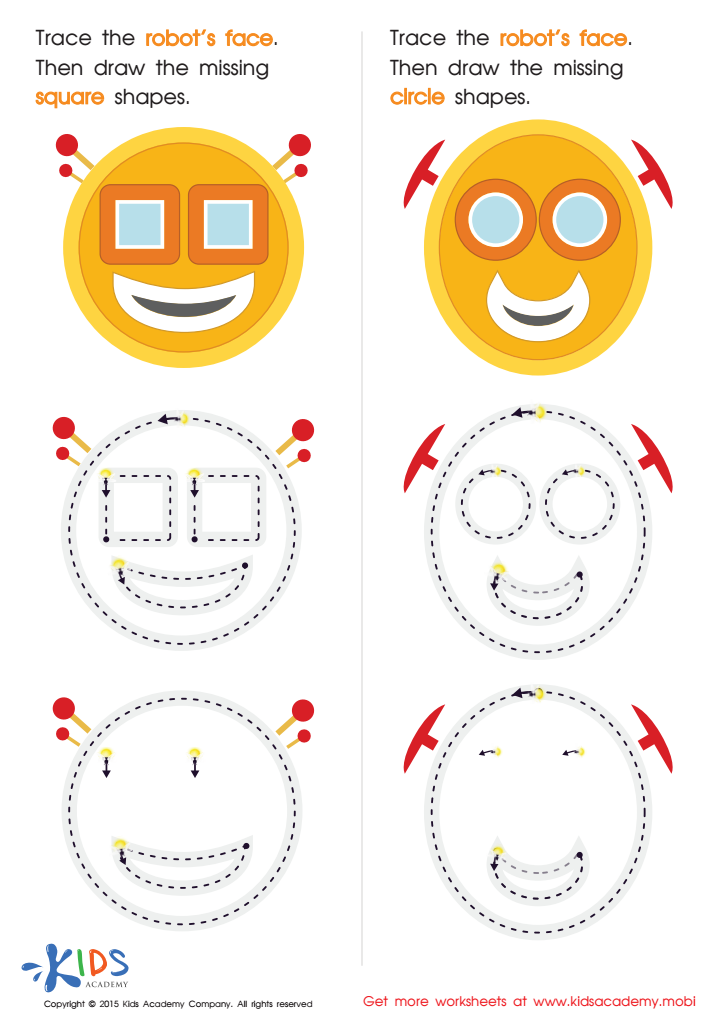
Practicing to Draw Circles And Squares Printable
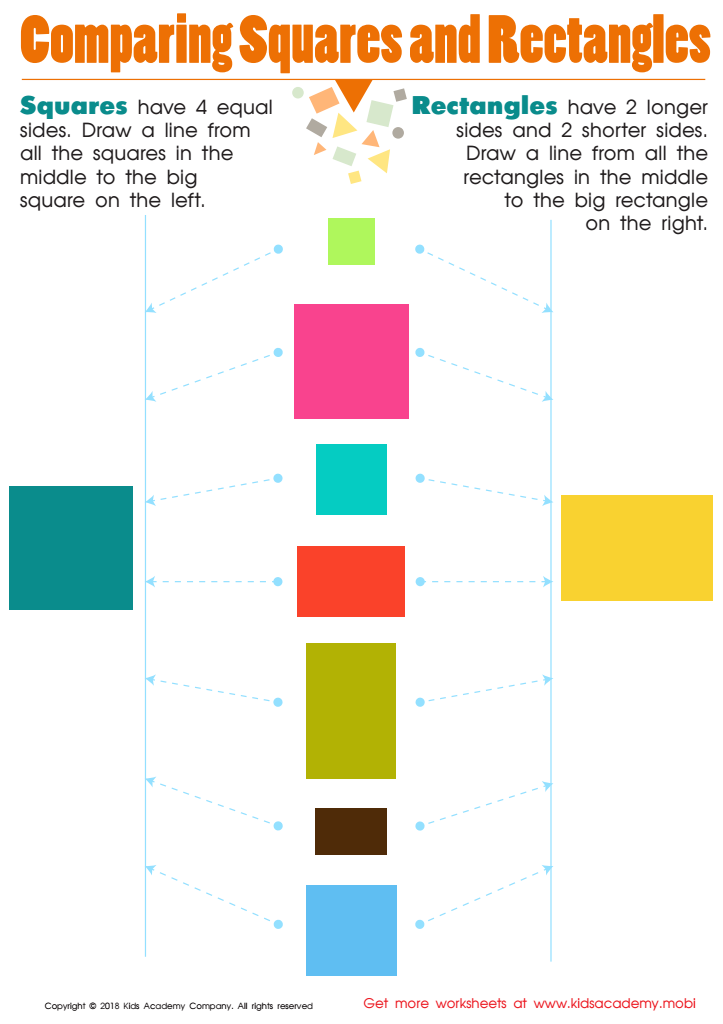
Comparing Squares Rectangles Worksheet
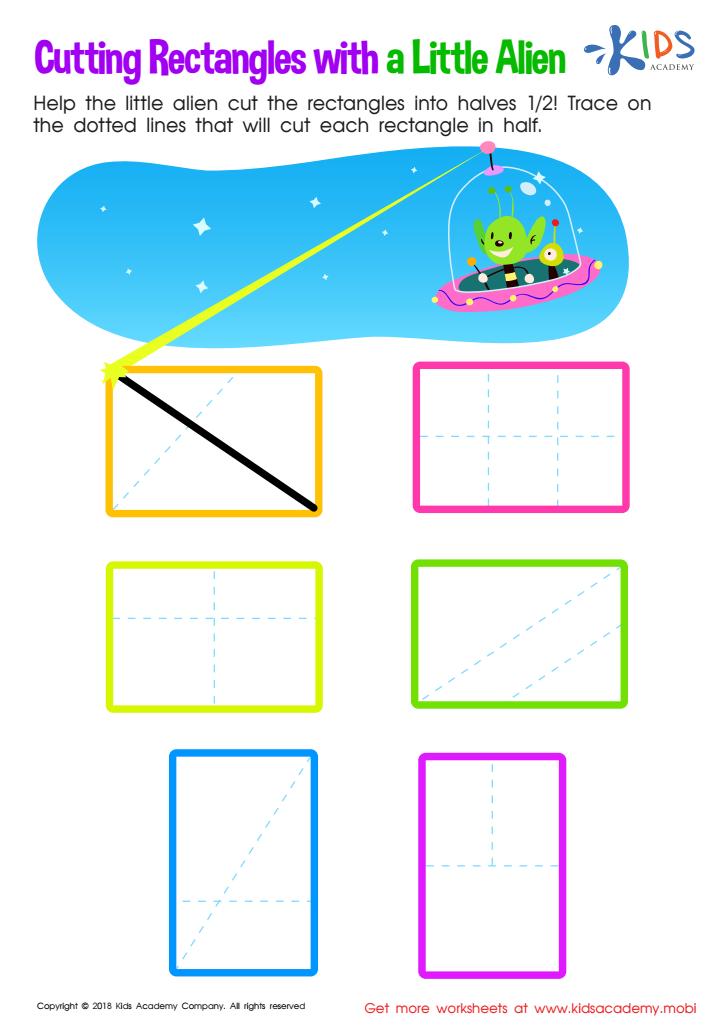
Cutting Rectangles with Alien Worksheet
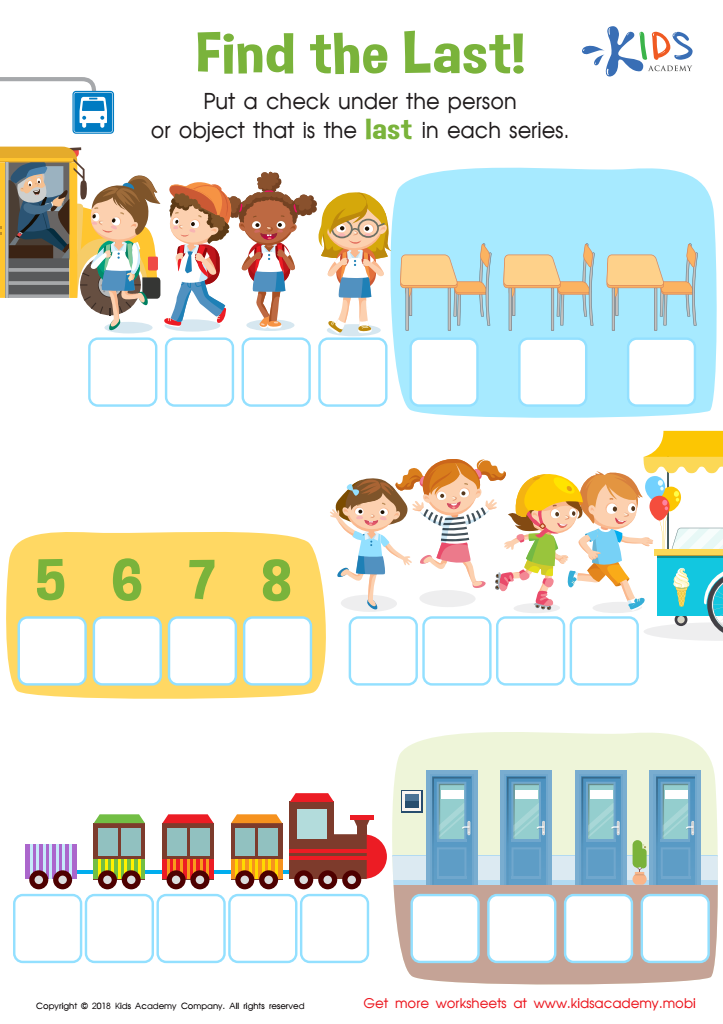
Find the Last! Worksheet
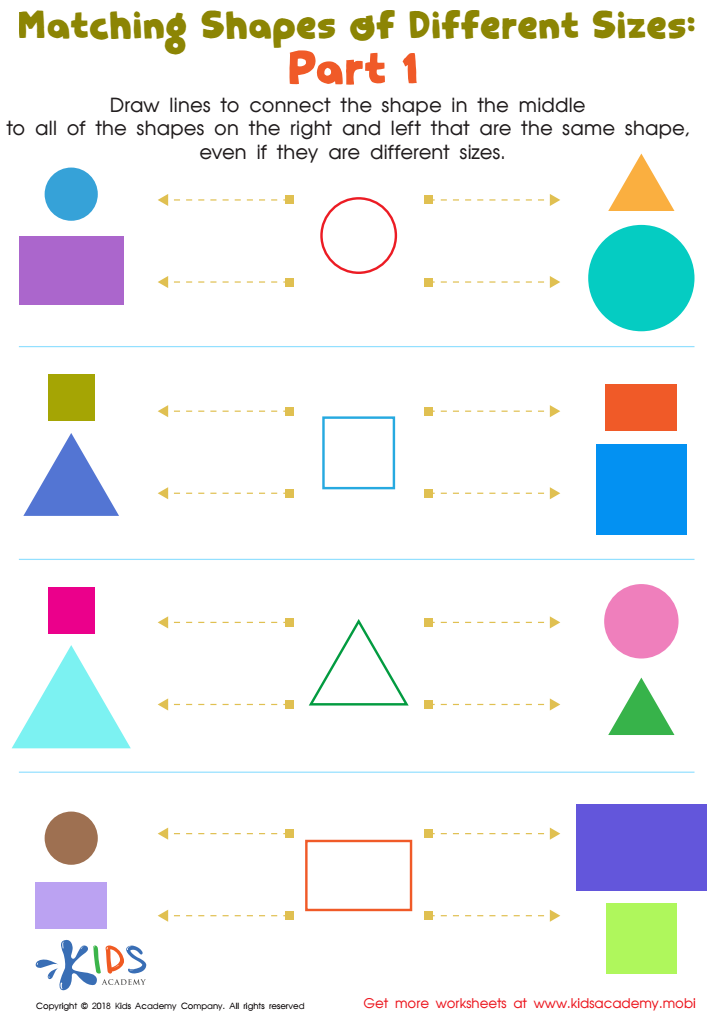
Geometry: part 1 Worksheet
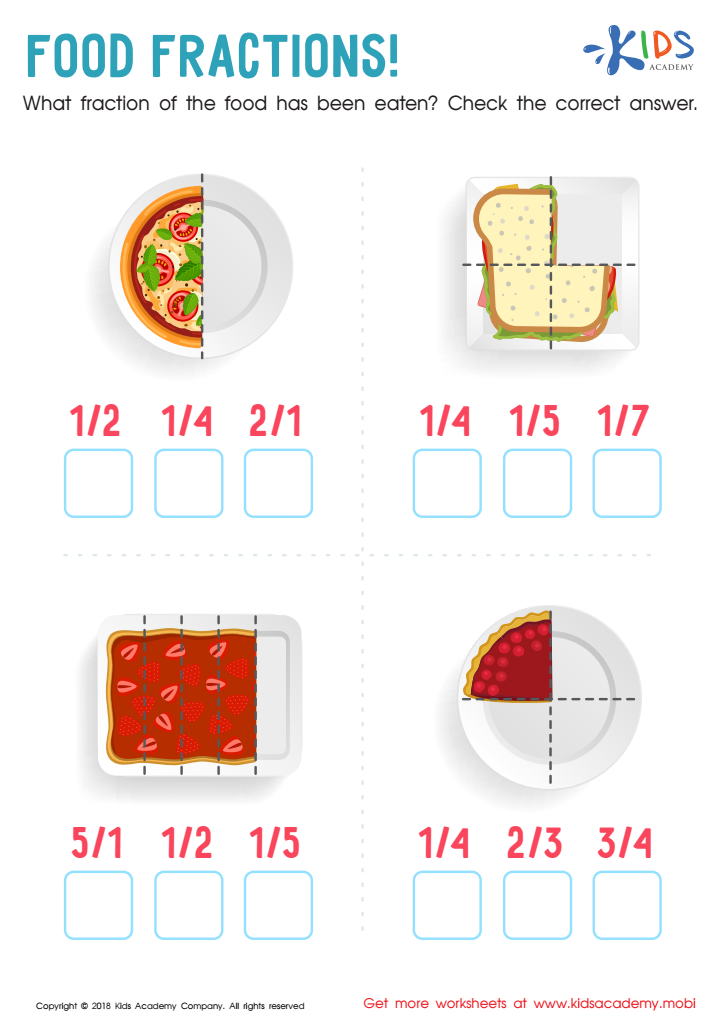
Food Fractions Worksheet
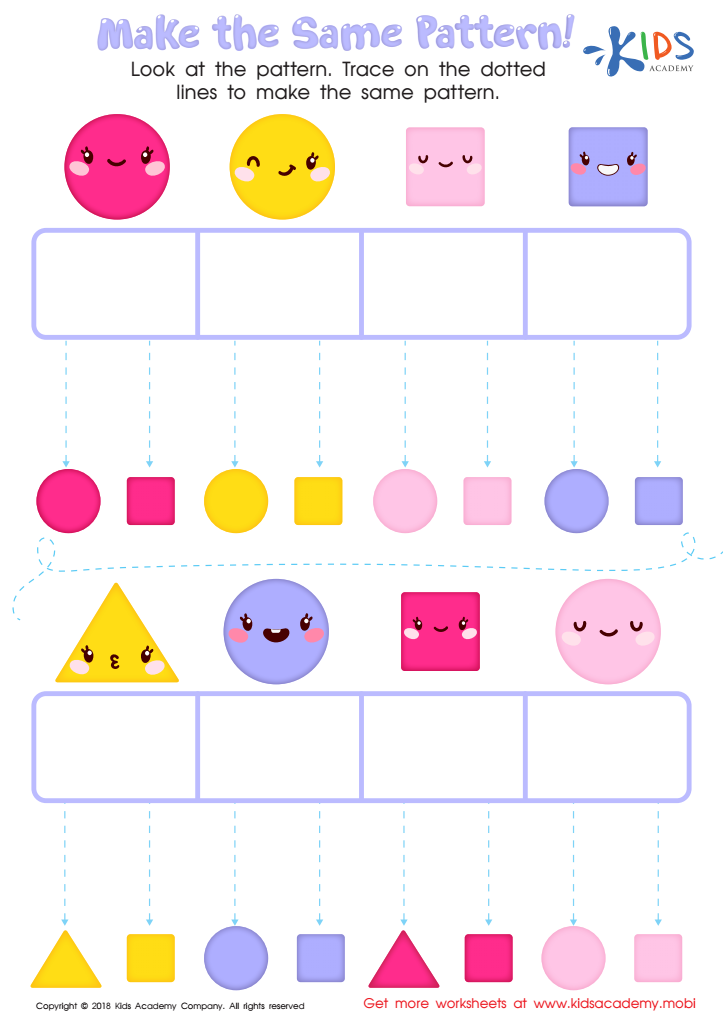
Make the Same Pattern Worksheet
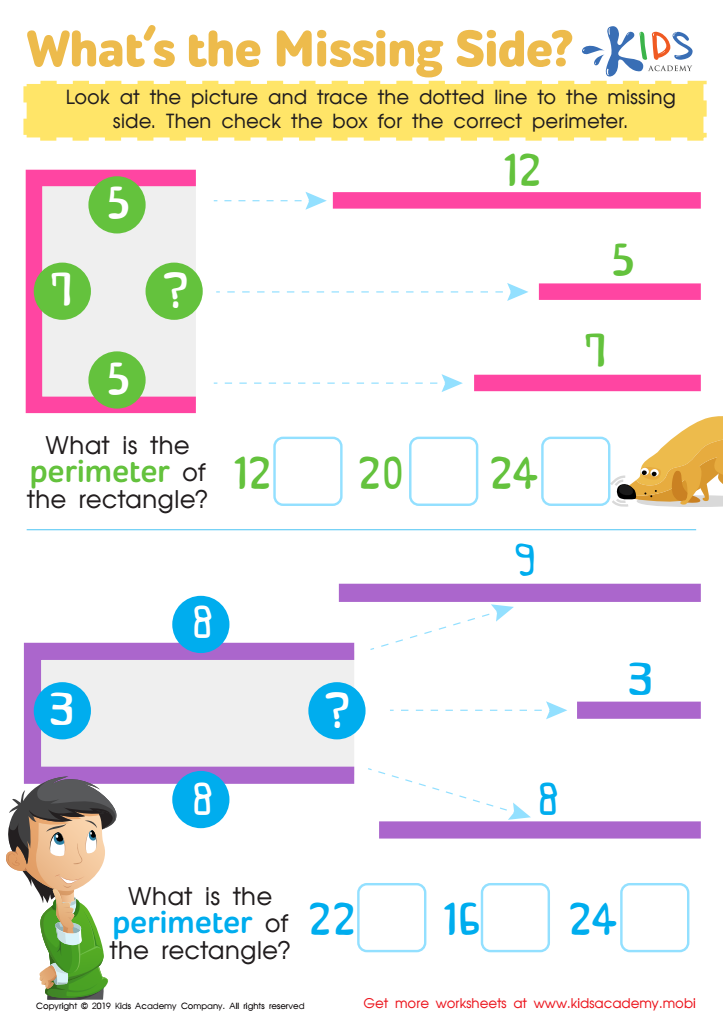
What's the Missing Side Worksheet
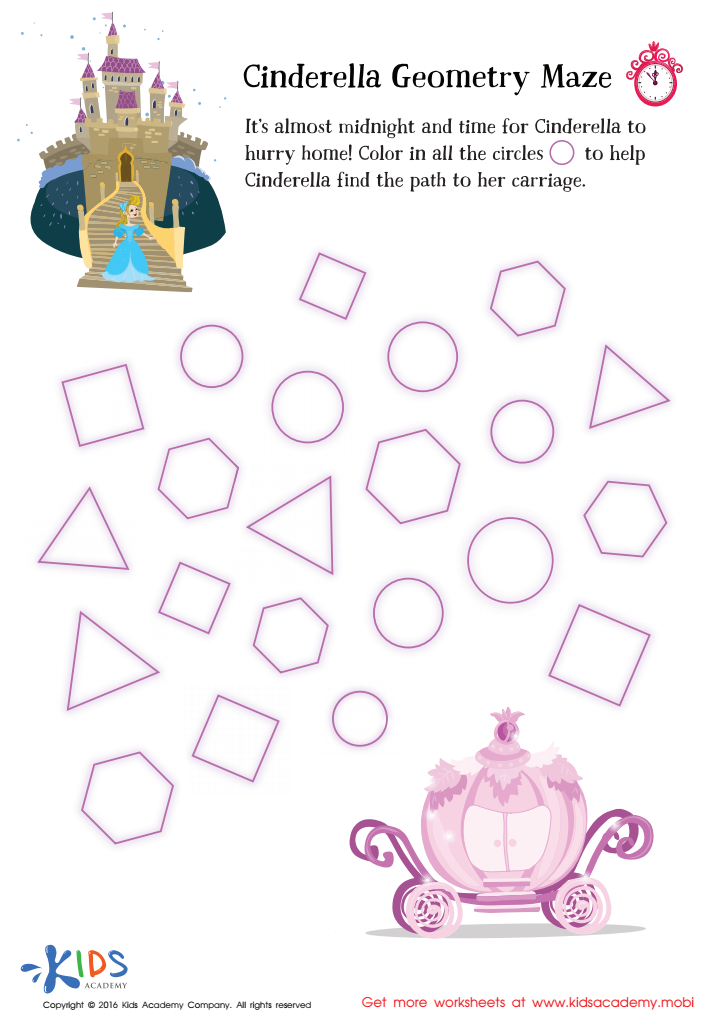
Cinderella Geometry Maze Worksheet
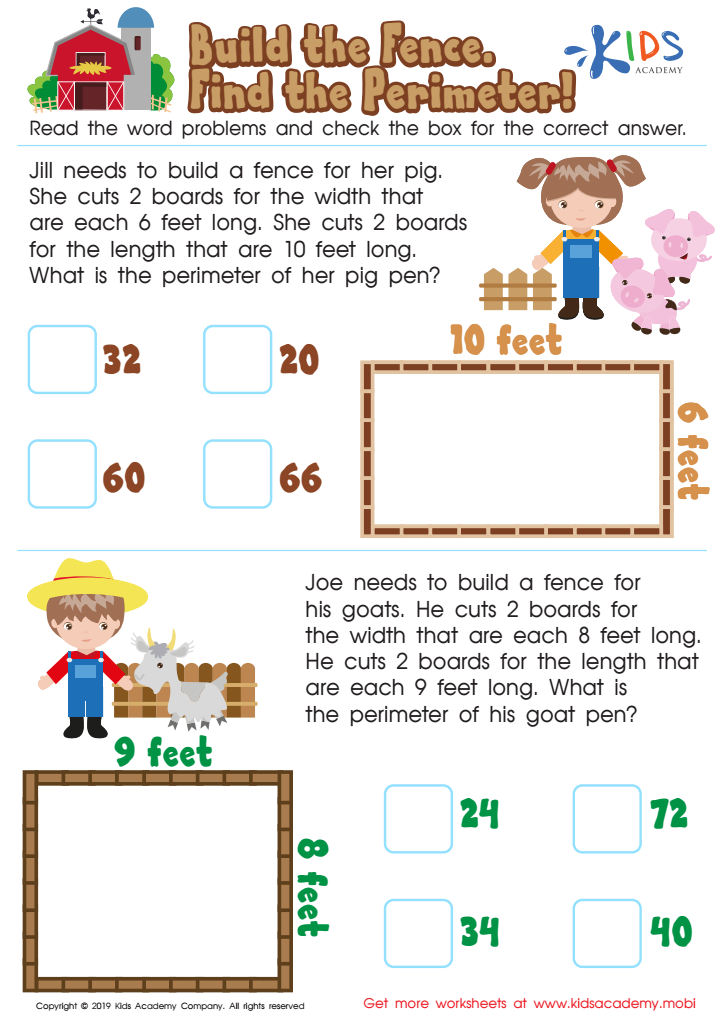
Build the Fence, Find the Perimeter Worksheet
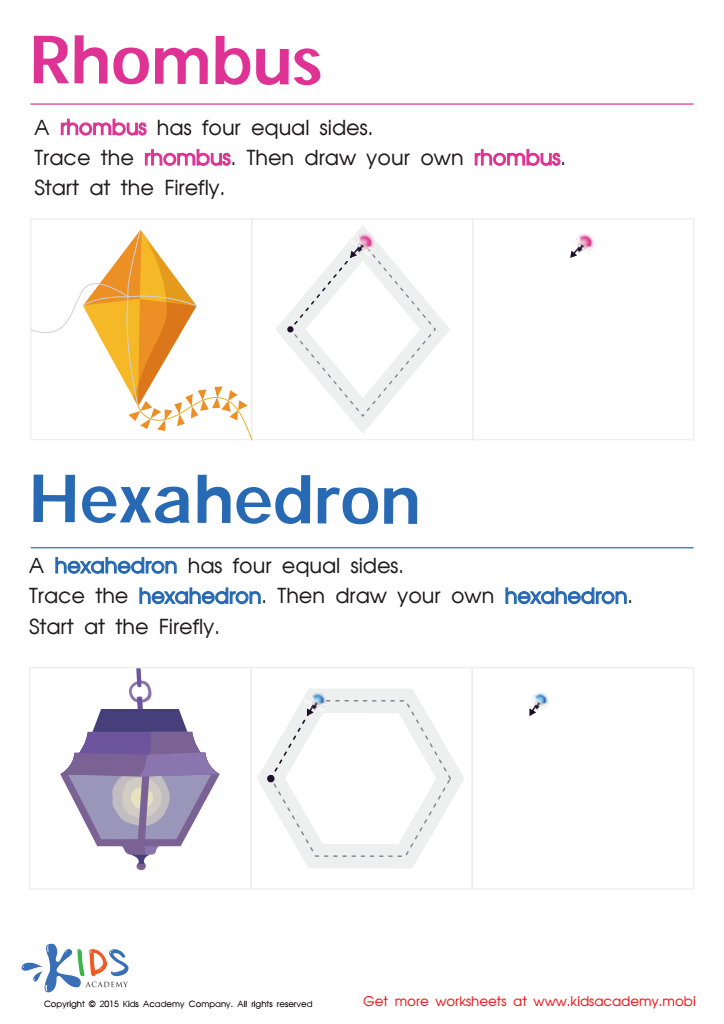
Draw a Rhombus And a Hexahedron Printable
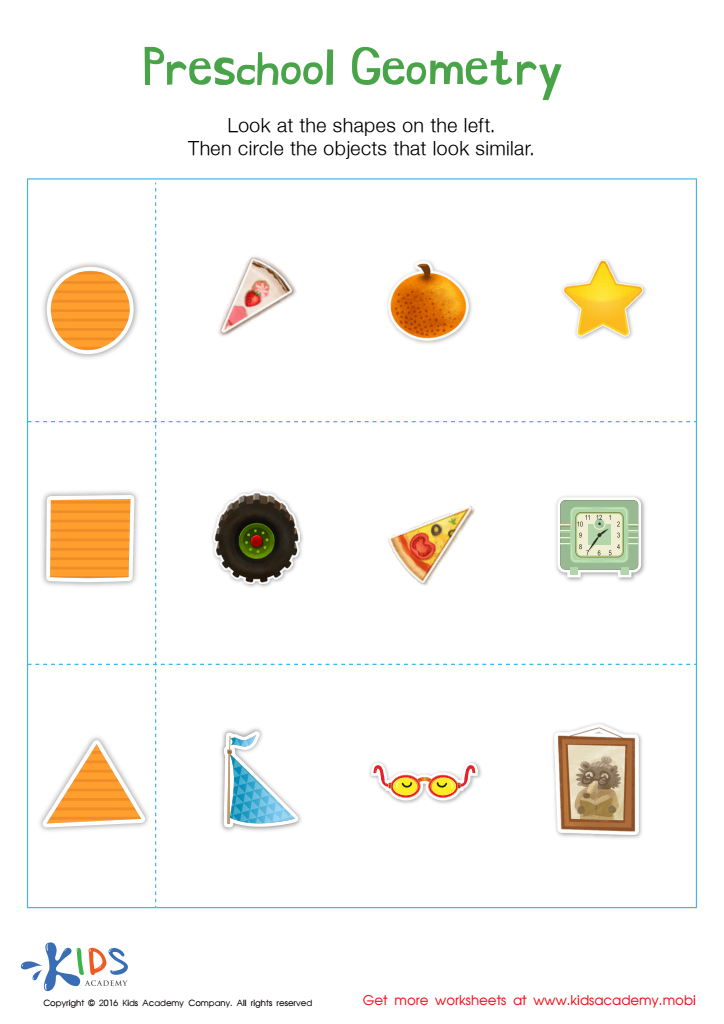
Preschool Geometry Match Up Worksheet
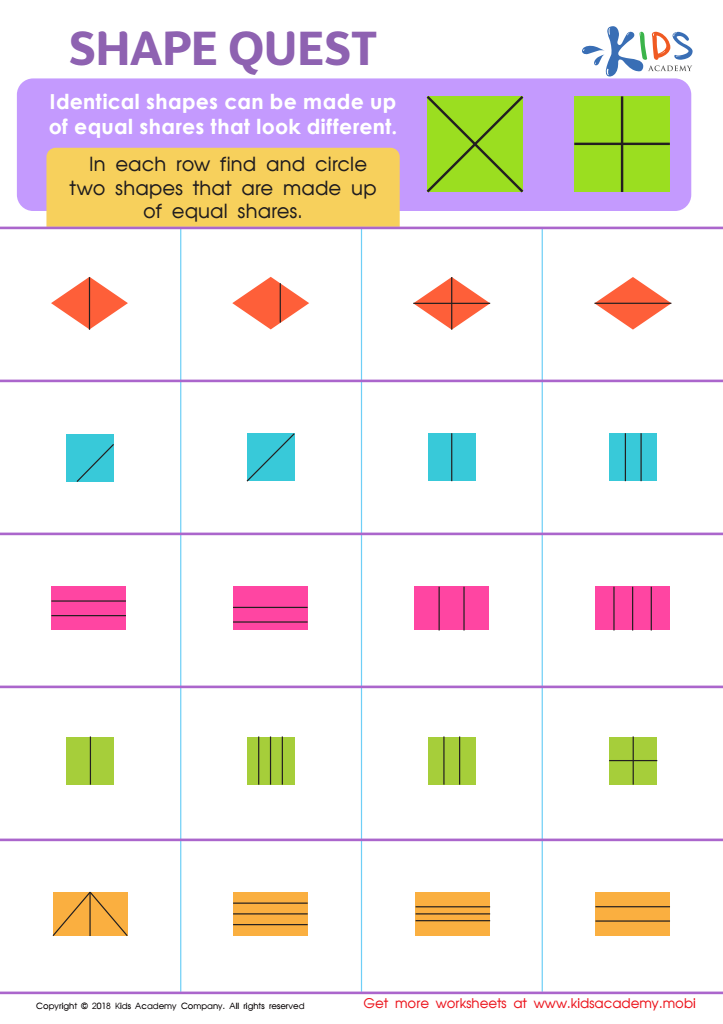
Shape Quest Worksheet
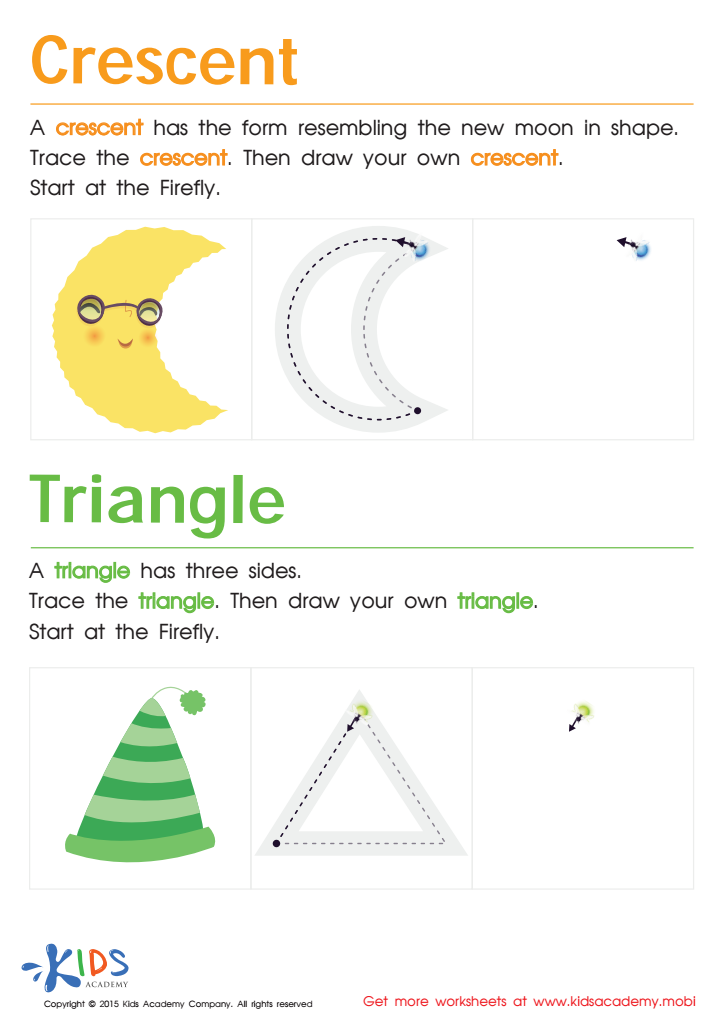
Learning to Draw Crescents And Triangles Worksheet
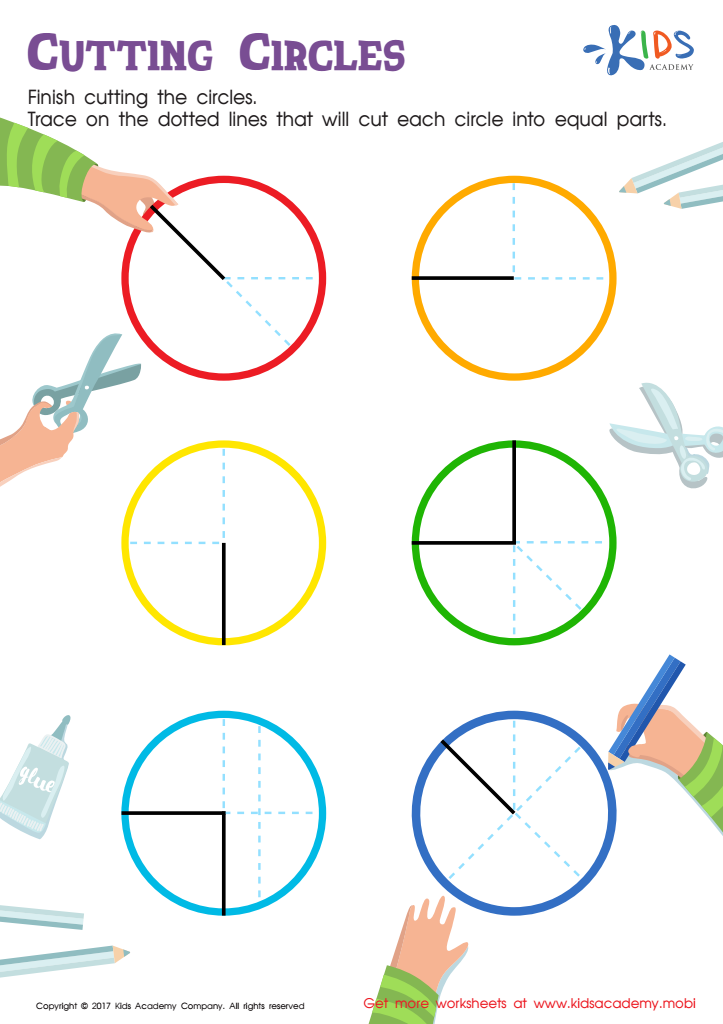
Cutting Circles Worksheet
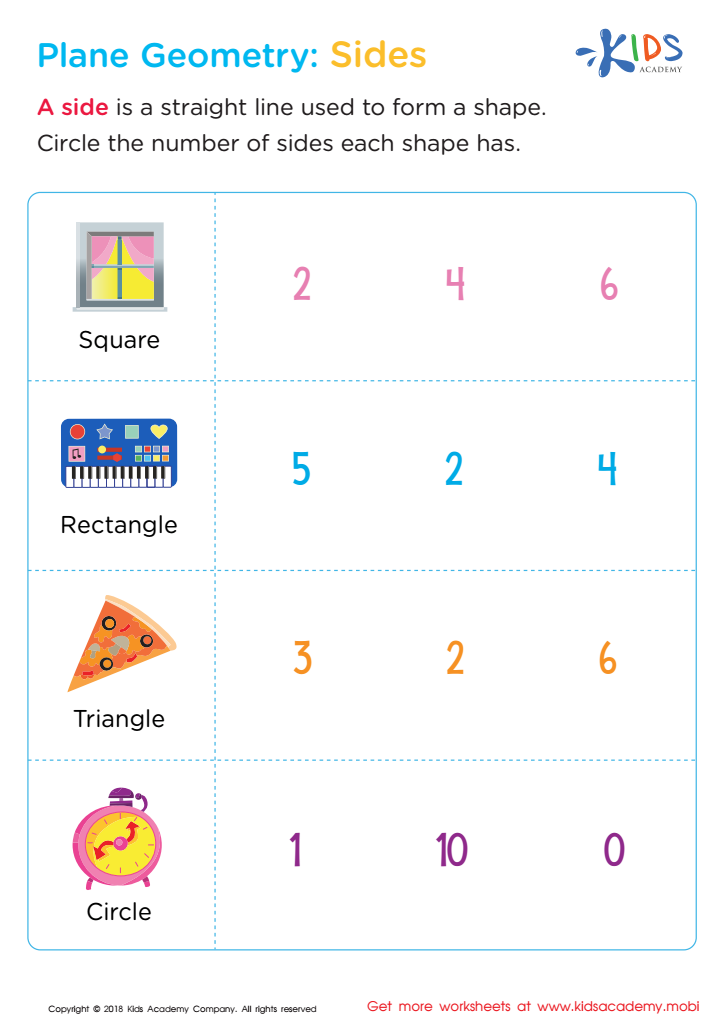
Plane Geometry: Sides Worksheet
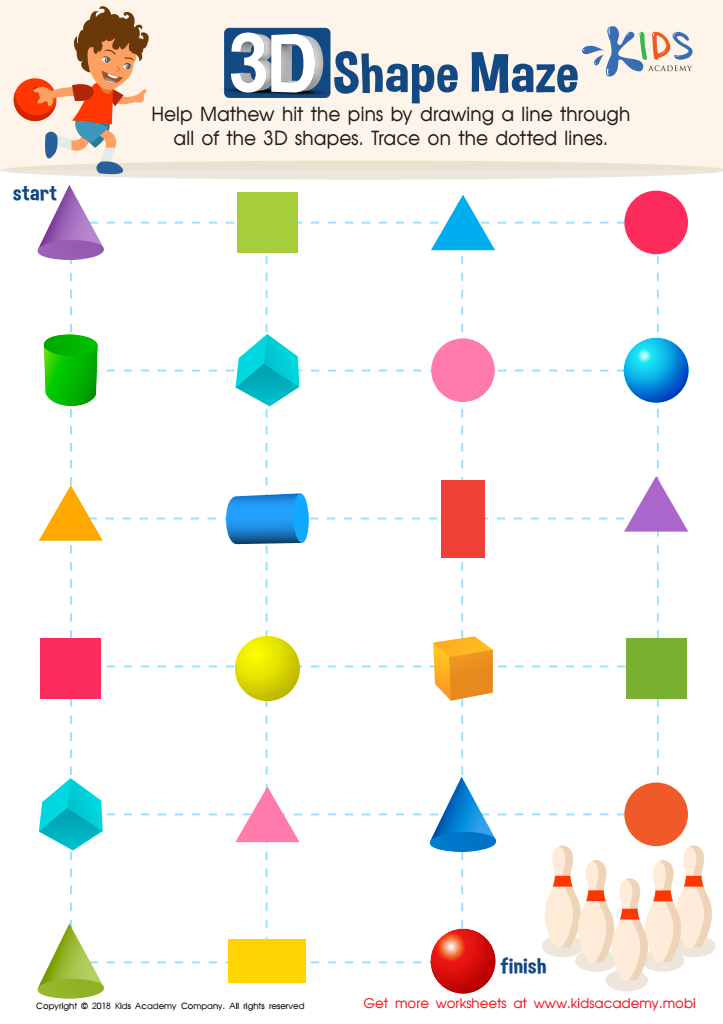
Shapes Maze Geometry Worksheet
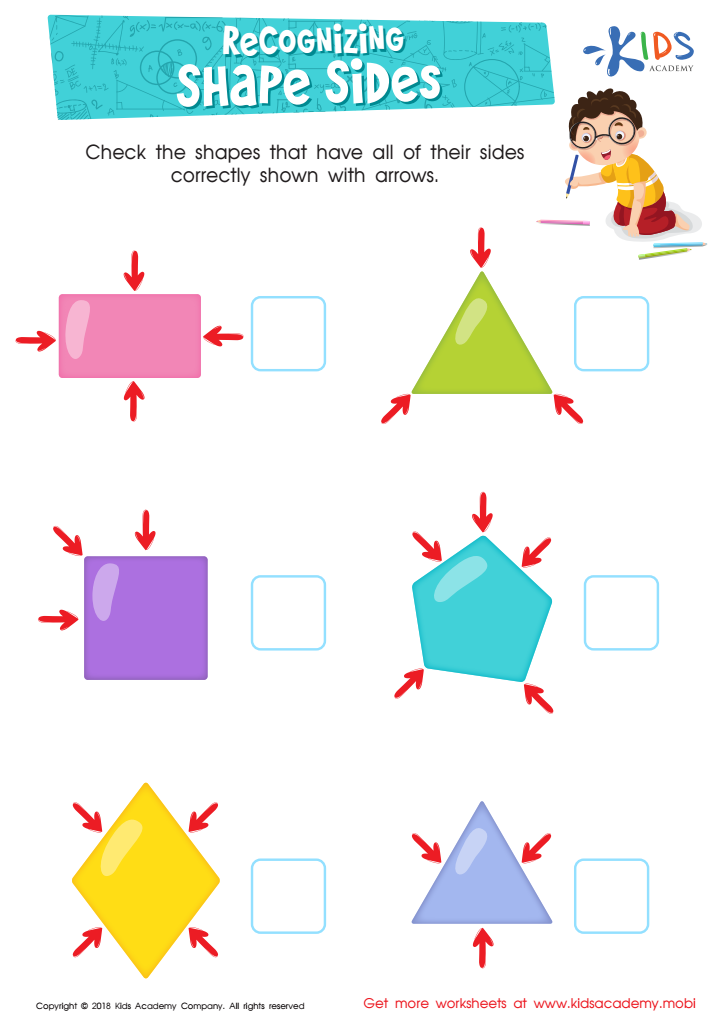
Recognizing Shape Sides Worksheet
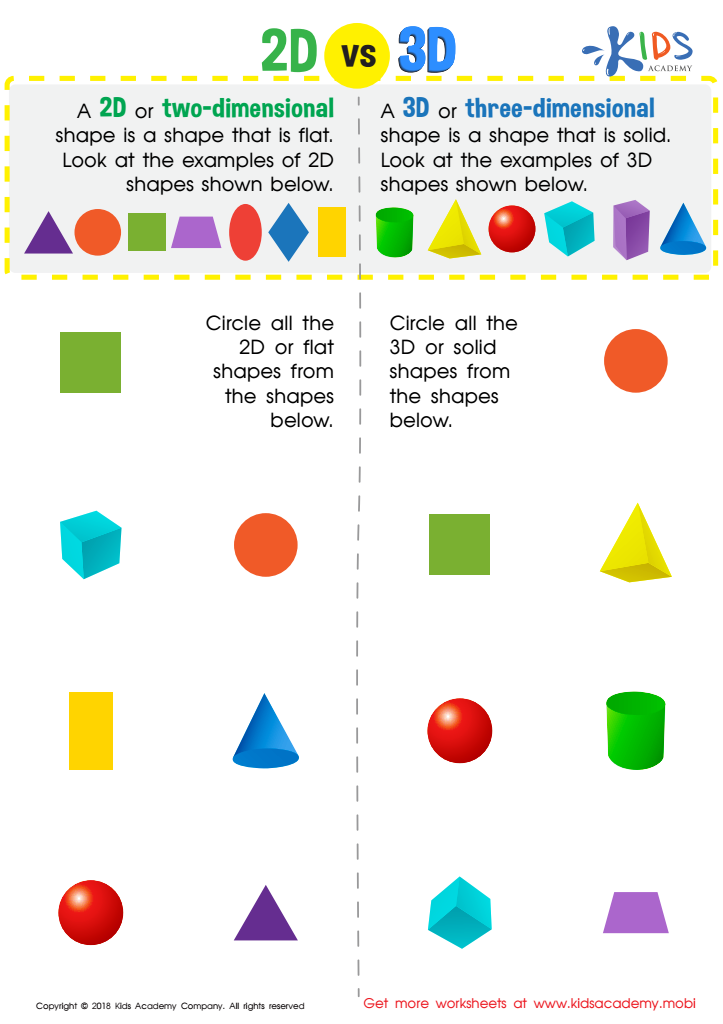
2D vs 3D Shapes Worksheet








Parents and teachers should care about normal geometry for children aged 5-9 because it forms a foundational skill crucial for their cognitive development and everyday problem-solving. At this age, children's curiosity about shapes and space is at its peak. Learning basic geometric concepts not only helps them understand the world around them but also enhances their critical thinking and spatial awareness.
Geometry also plays an integral part in developing math skills. It introduces children to fundamental concepts like shapes, sizes, positions, and patterns, which set the stage for more complex mathematical topics later on. Engaging with geometry through hands-on activities and visual aids can make learning enjoyable, fostering a positive attitude towards mathematics.
Additionally, normal geometry activities nurture creativity and imagination. When children manipulate shapes or explore symmetry, they not only learn mathematical ideas but also express themselves in innovative ways. These experiences contribute to holistic development by merging cognitive, social, and emotional growth.
Ultimately, an early emphasis on geometry aligns with modern education standards and prepares children for future academic challenges, making it essential for parents and teachers to prioritize this area of learning.








