Plants and Animals Worksheets for Ages 3-8 - Page 6
141 filtered results
-
From - To
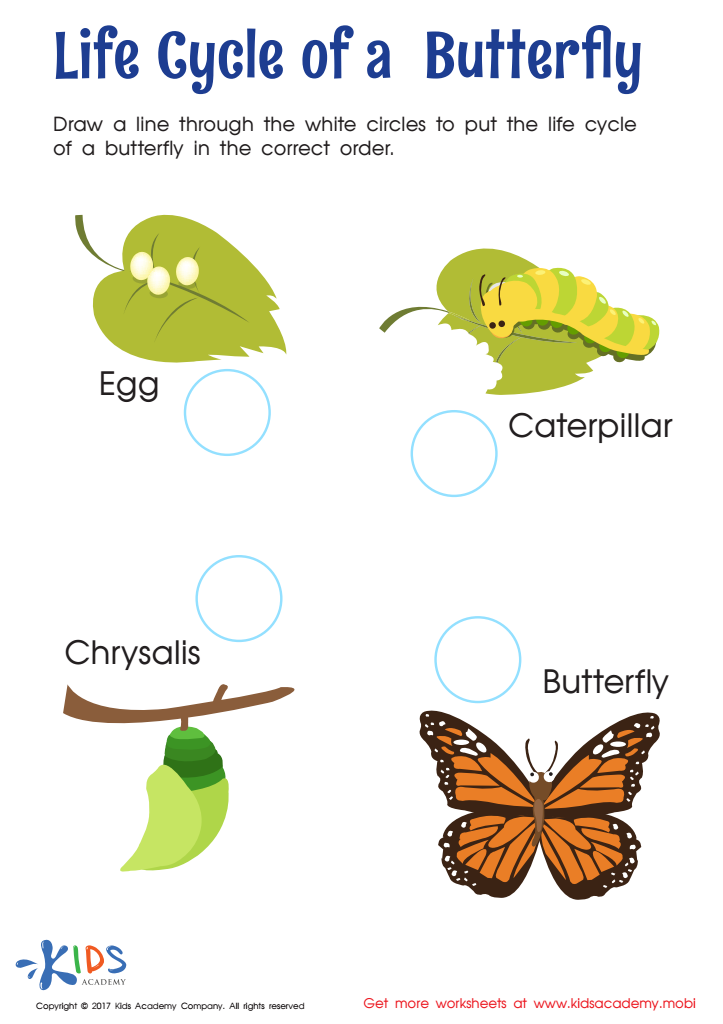
Life Cycle of Butterfly Worksheet
 Assign to My Students



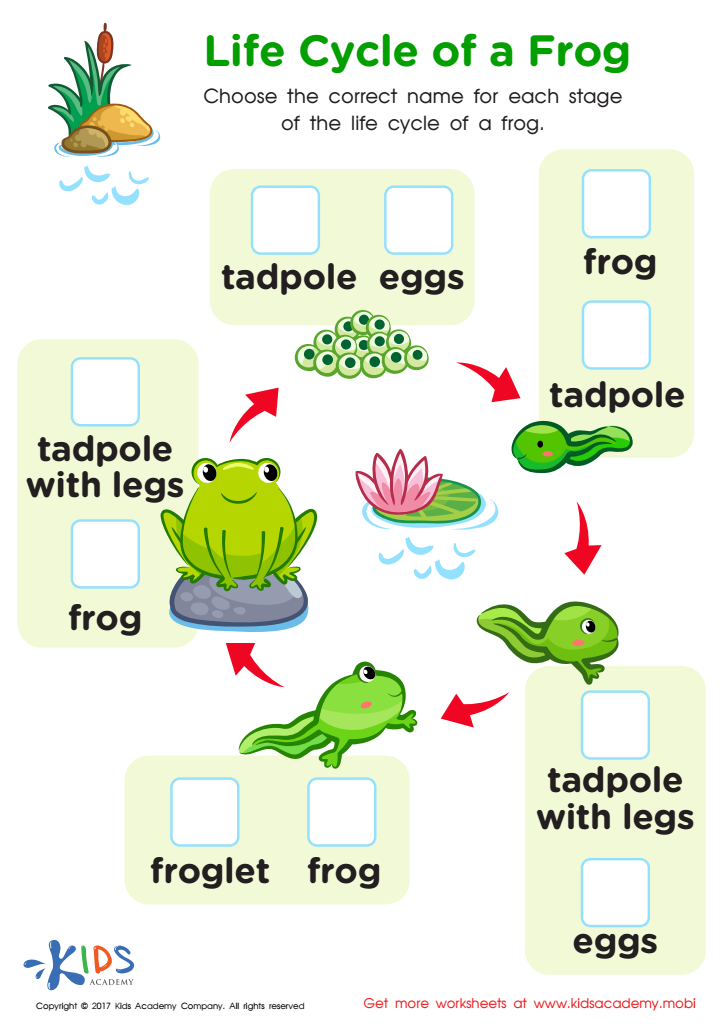
Life Cycle Frog Printable
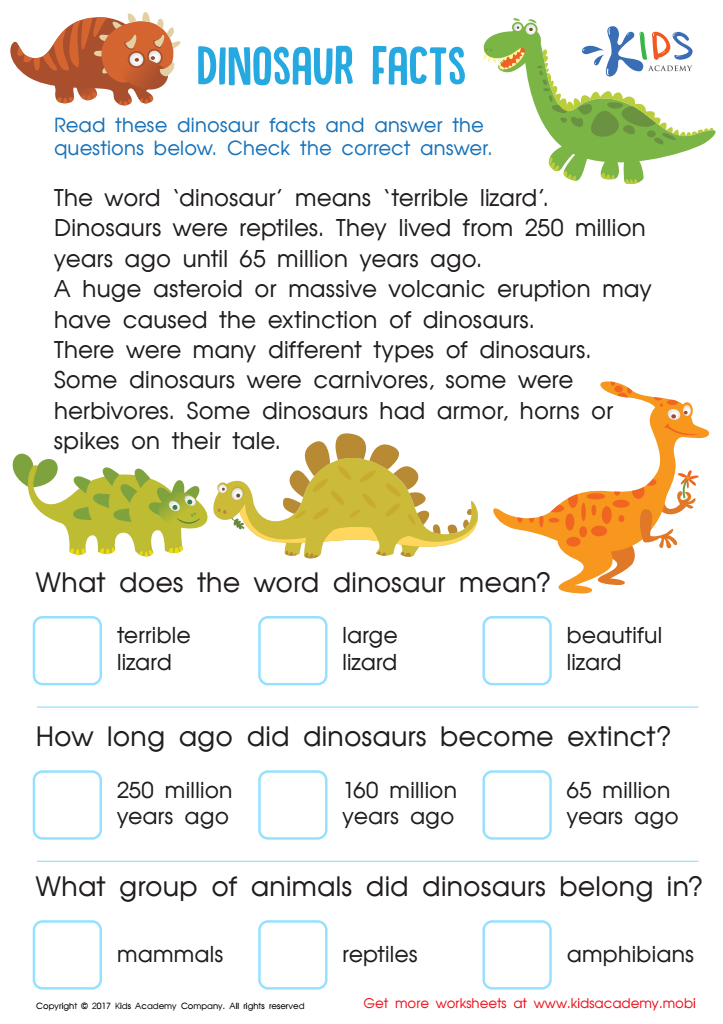
Dinosaur Facts Worksheet
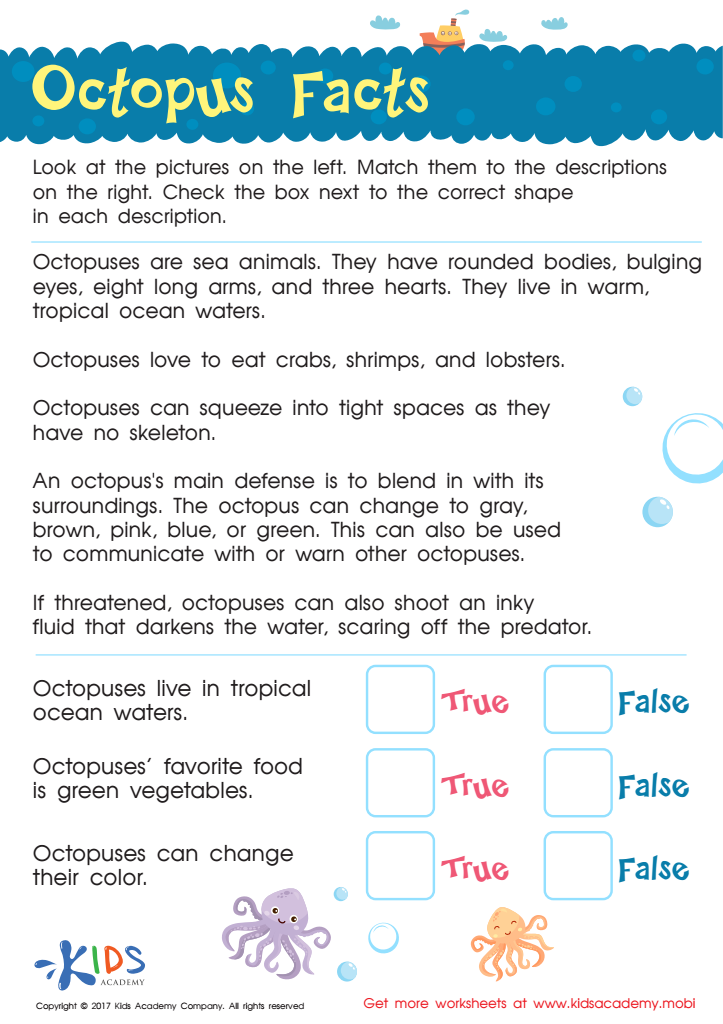
Octopus Facts Worksheet For Kids
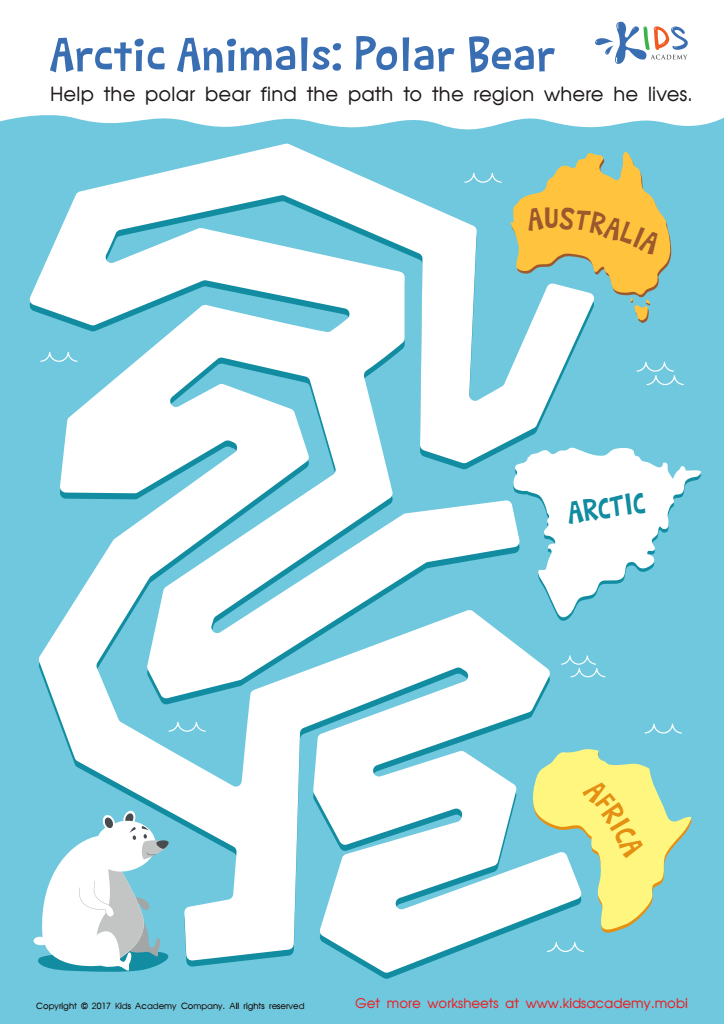
Arctic Animals: Polar Bear Worksheet
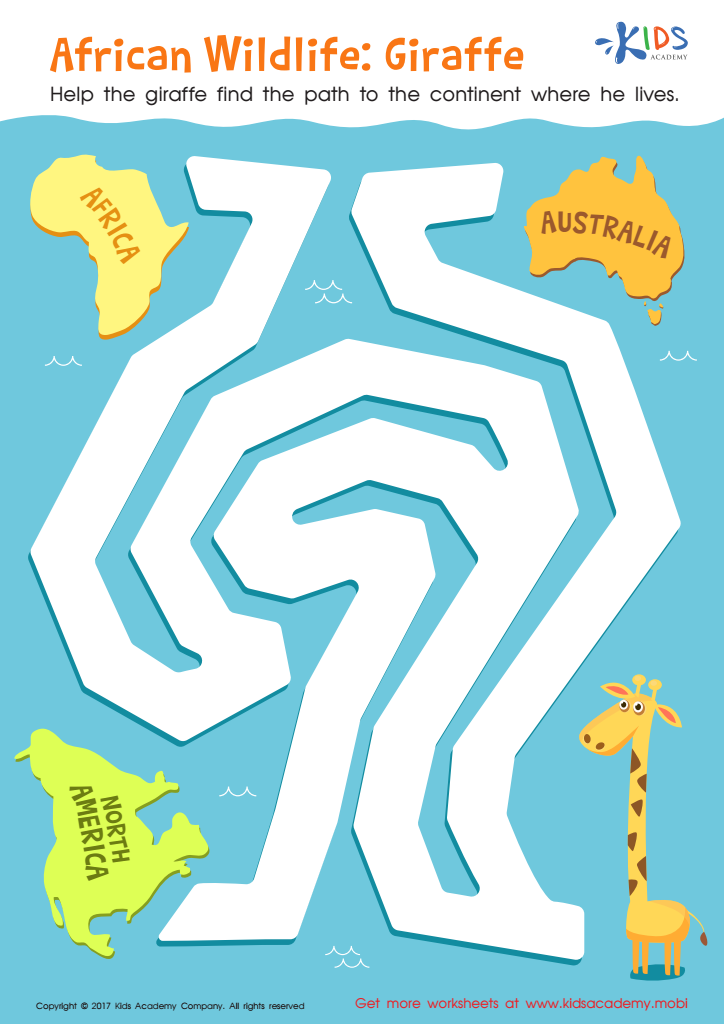
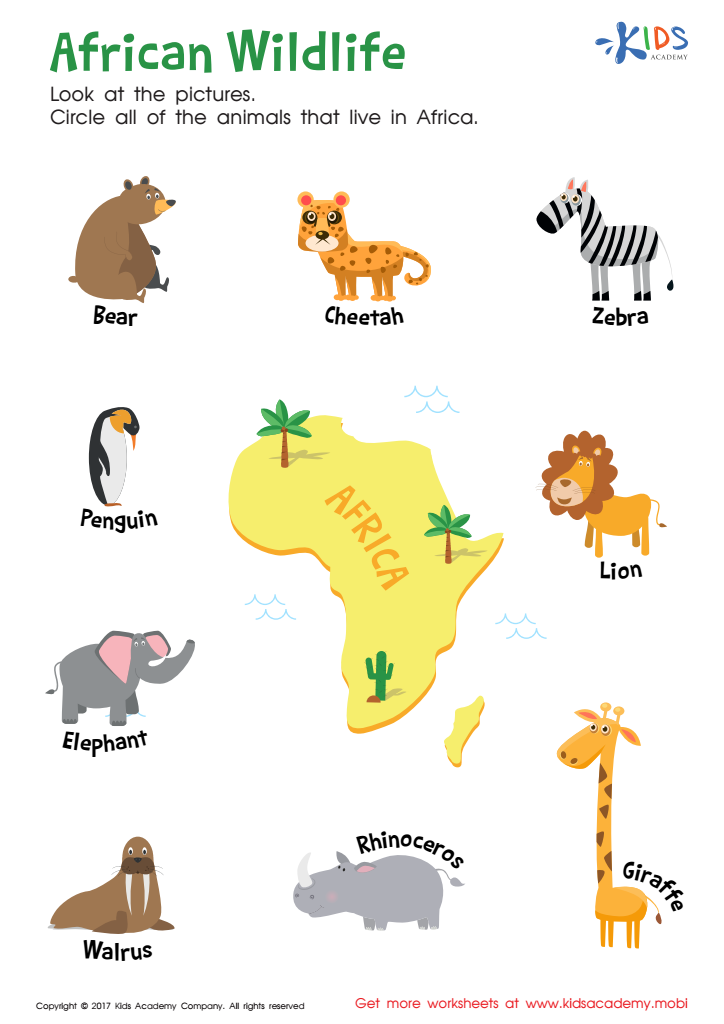
African Wildlife: Giraffe Worksheet
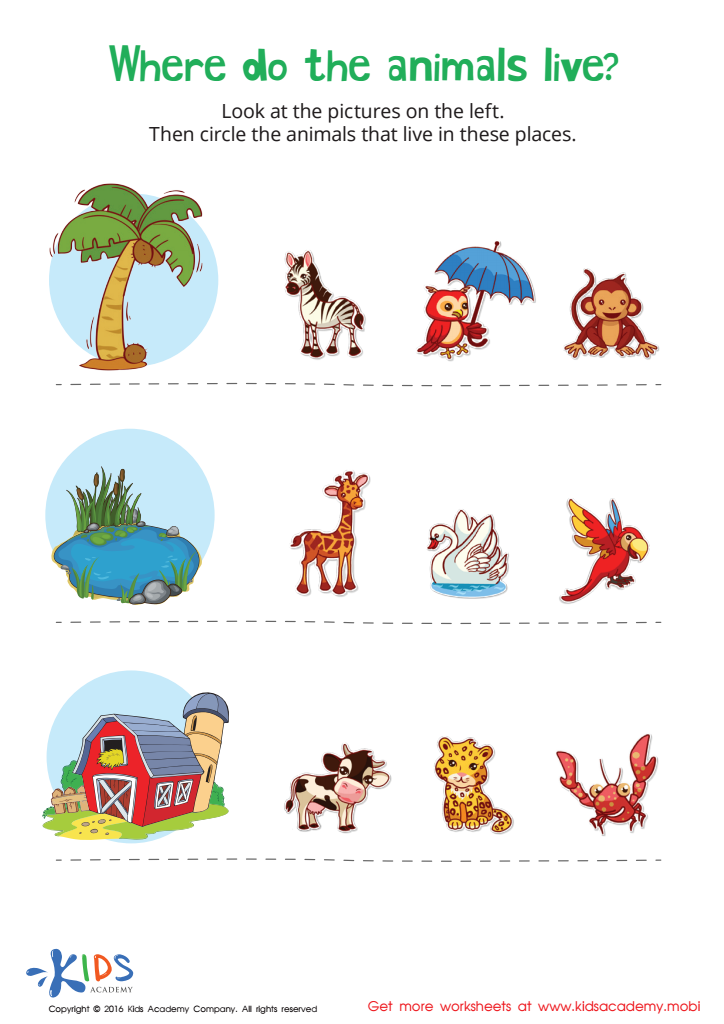
Where Animals Live Worksheet
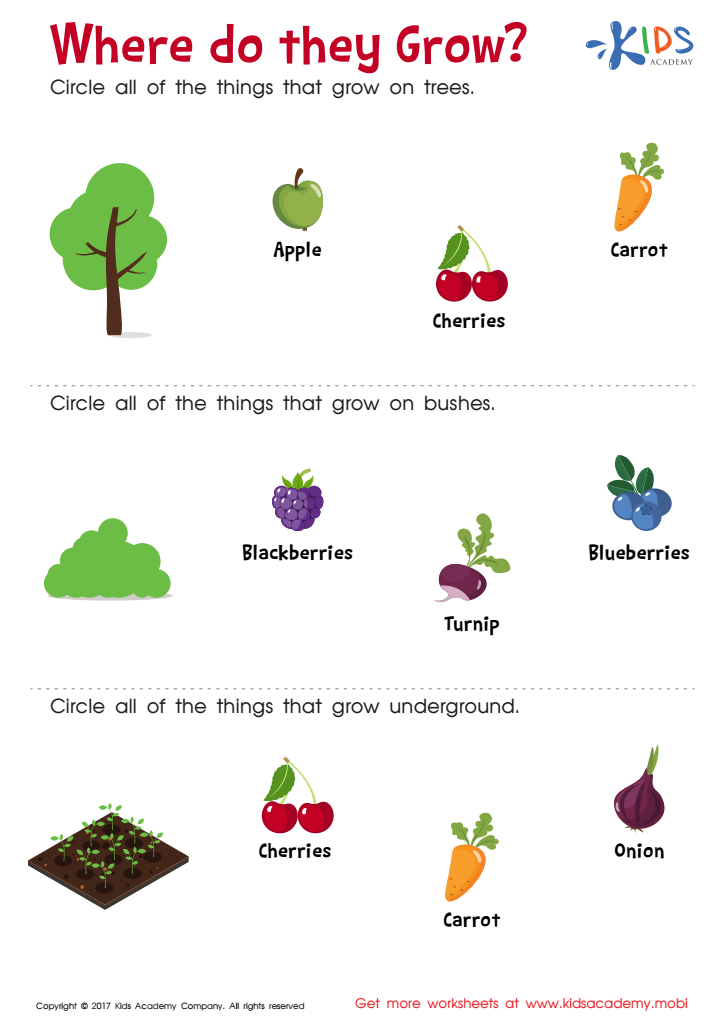
Where Do They Grow Worksheet
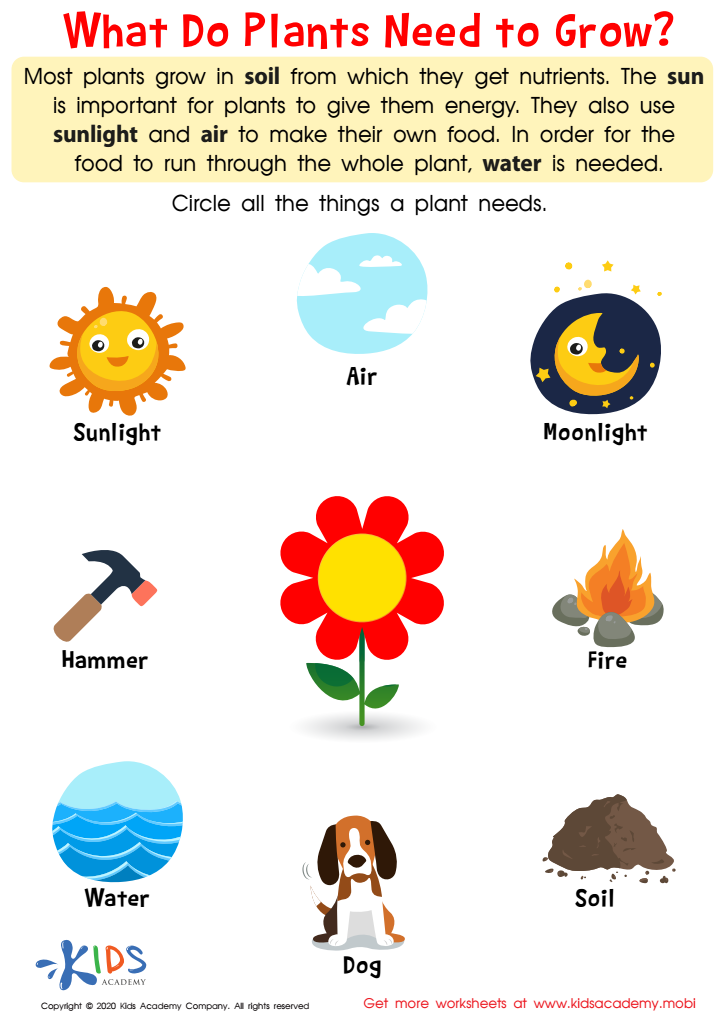
What Do Plants Need to Grow Worksheet
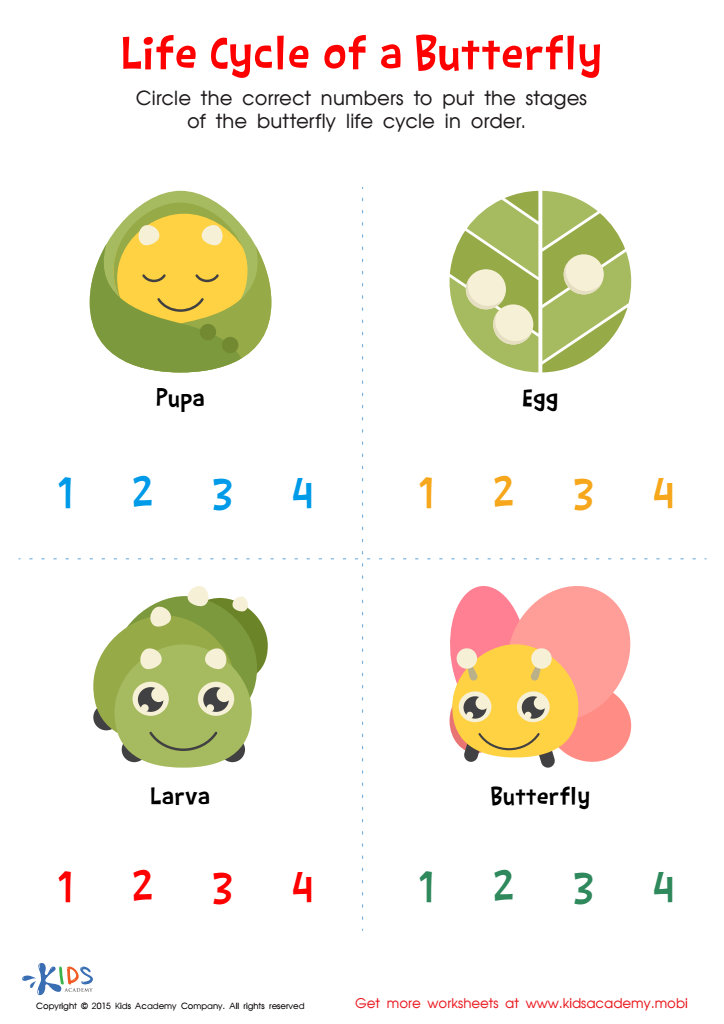
Life Cycle of Butterfly Printable
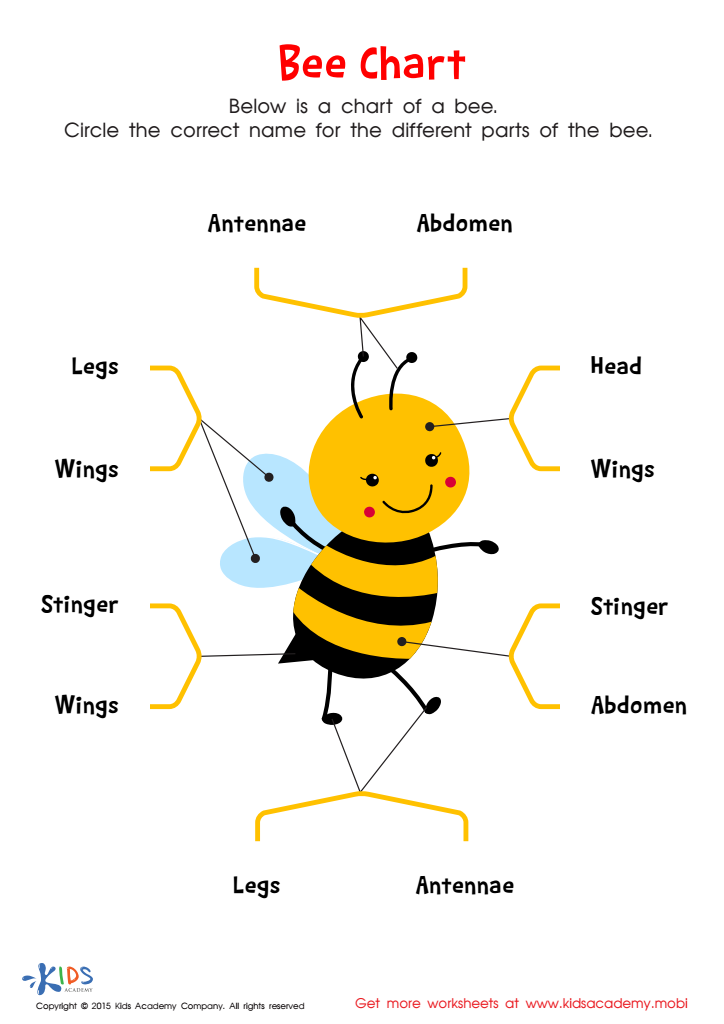
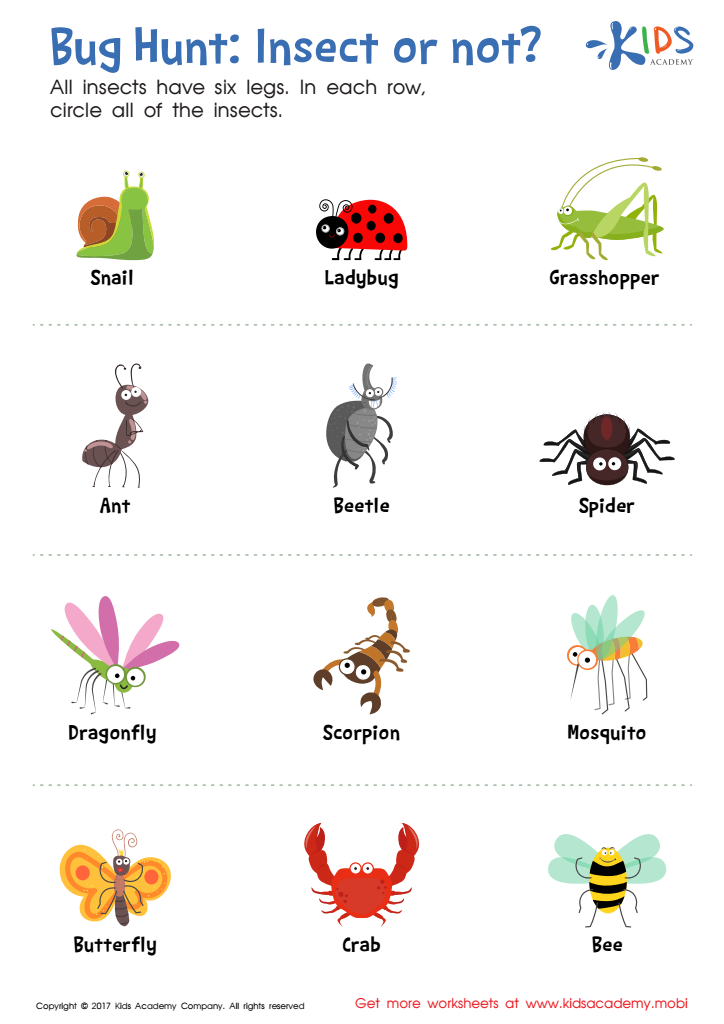
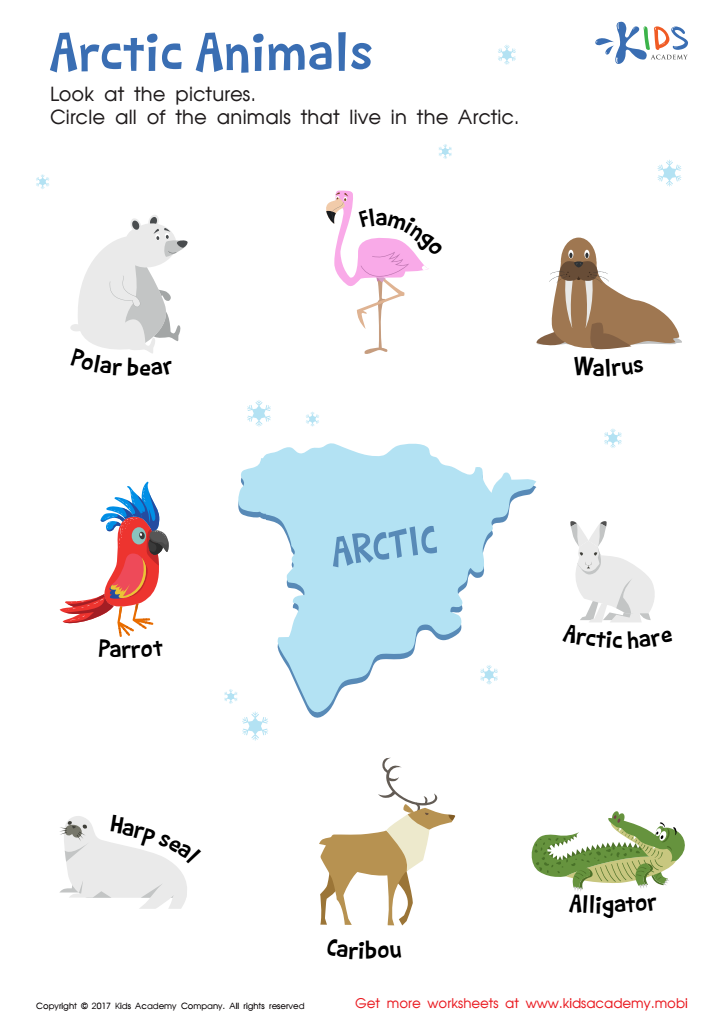
Arctic Animals Worksheet
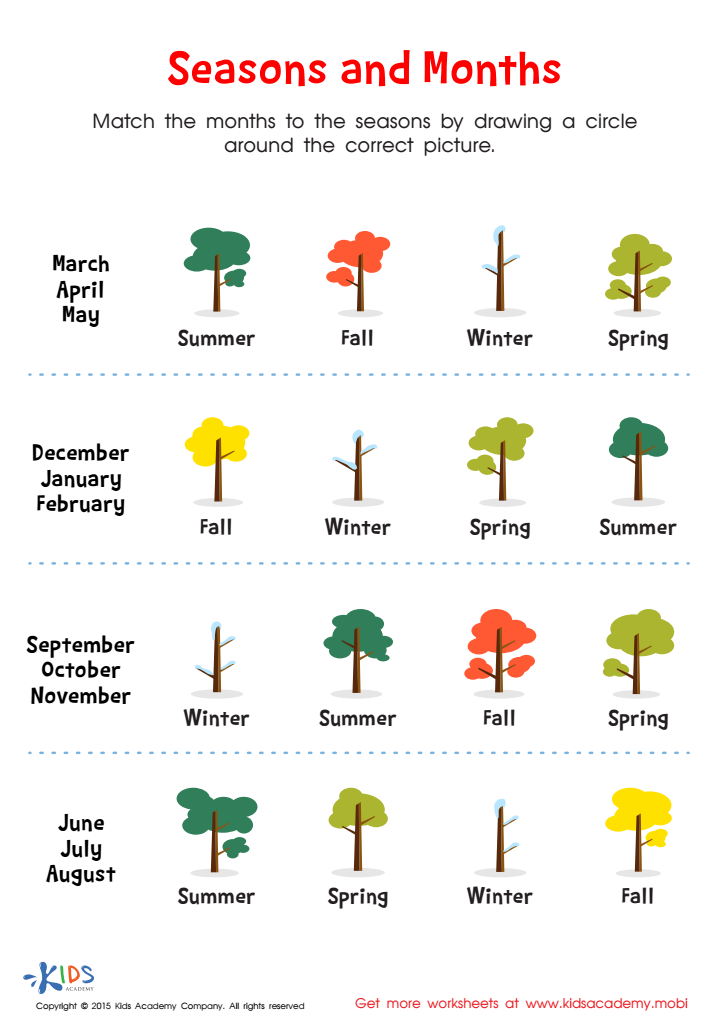
Seasons and Months Worksheet
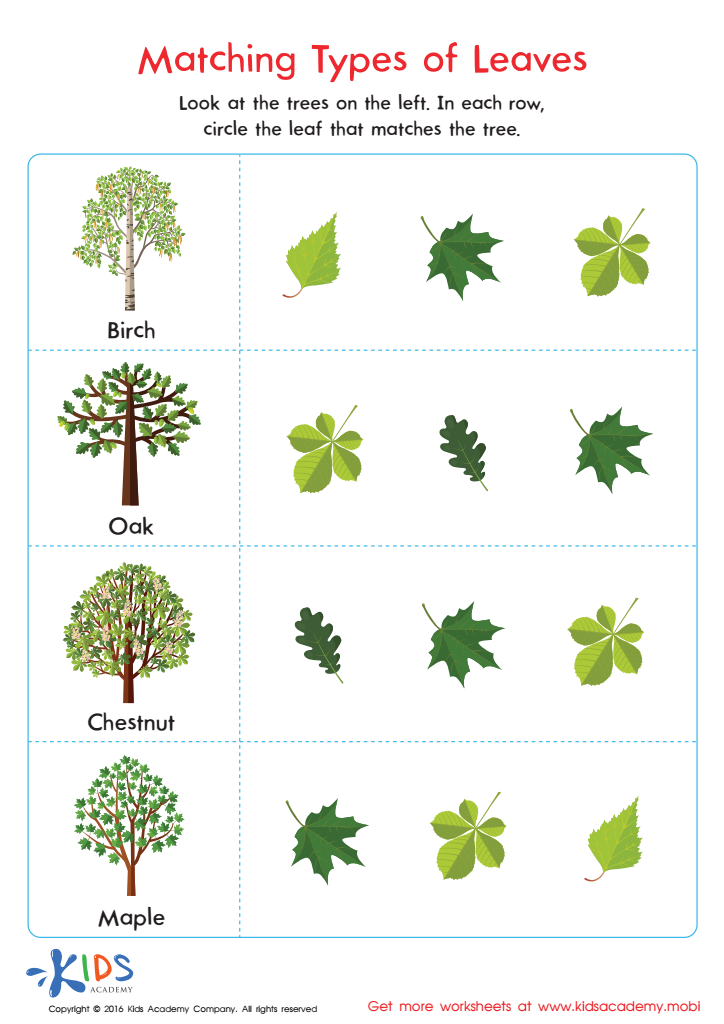
Matching Types of Leaves Printable
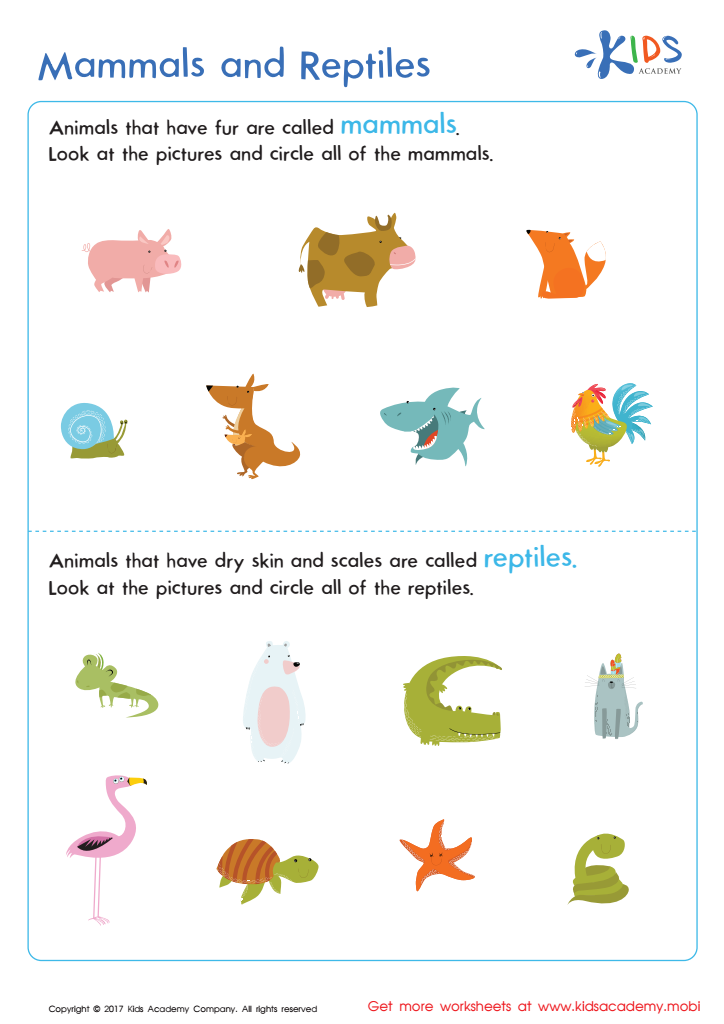
Mammals and Reptiles Worksheet
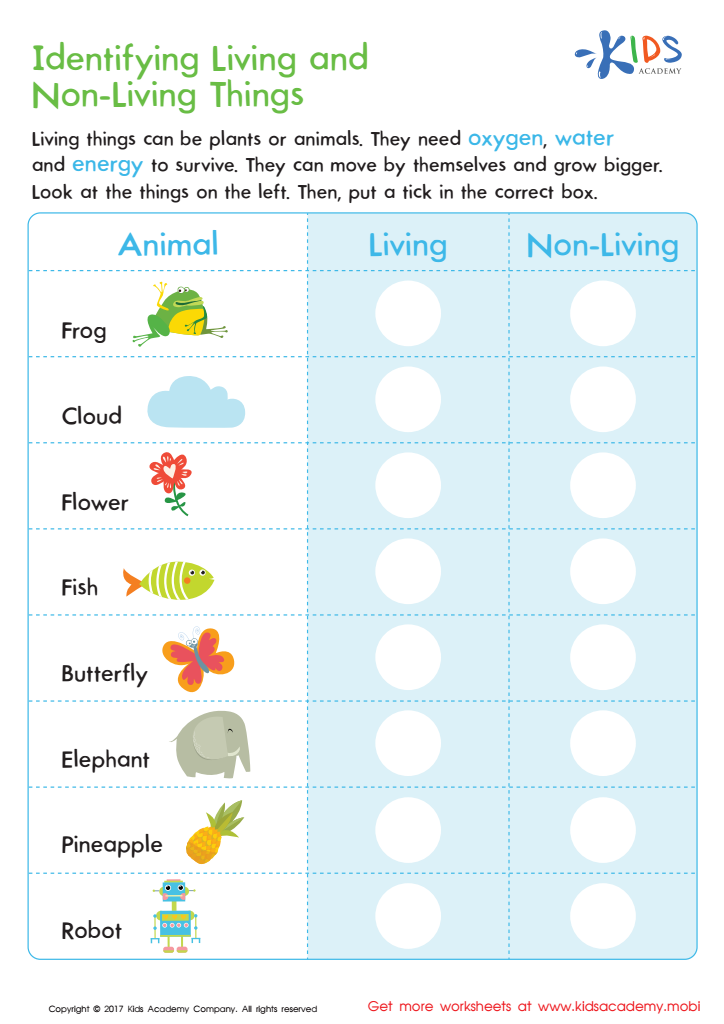
Identifying Living or Non–living Worksheet
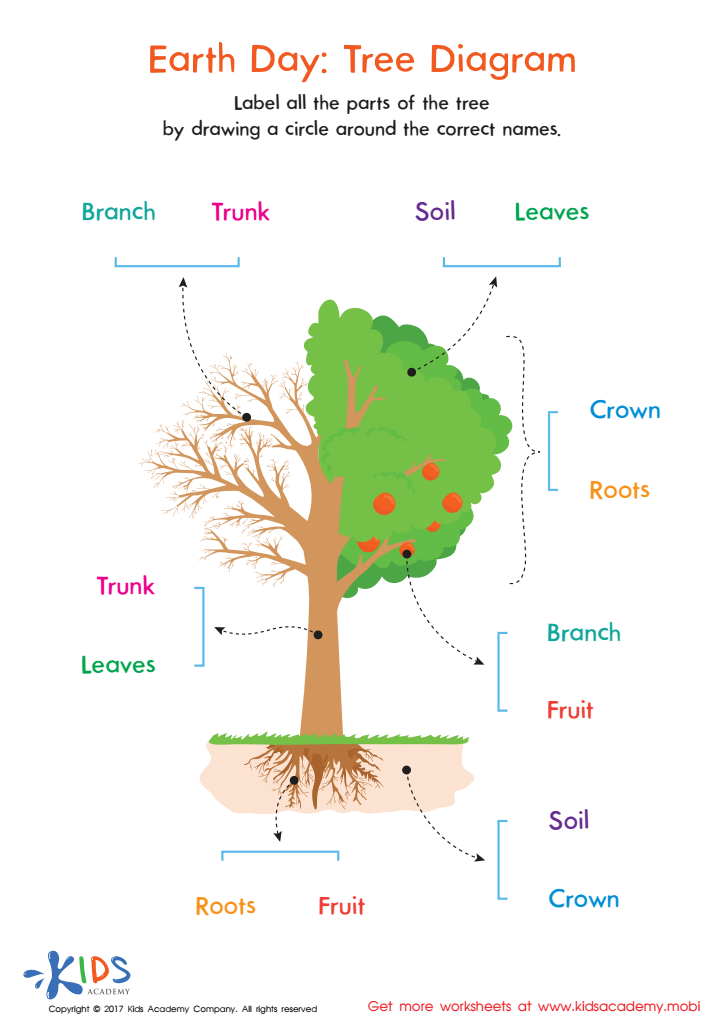
Earth Day: Tree Diagram Worksheet
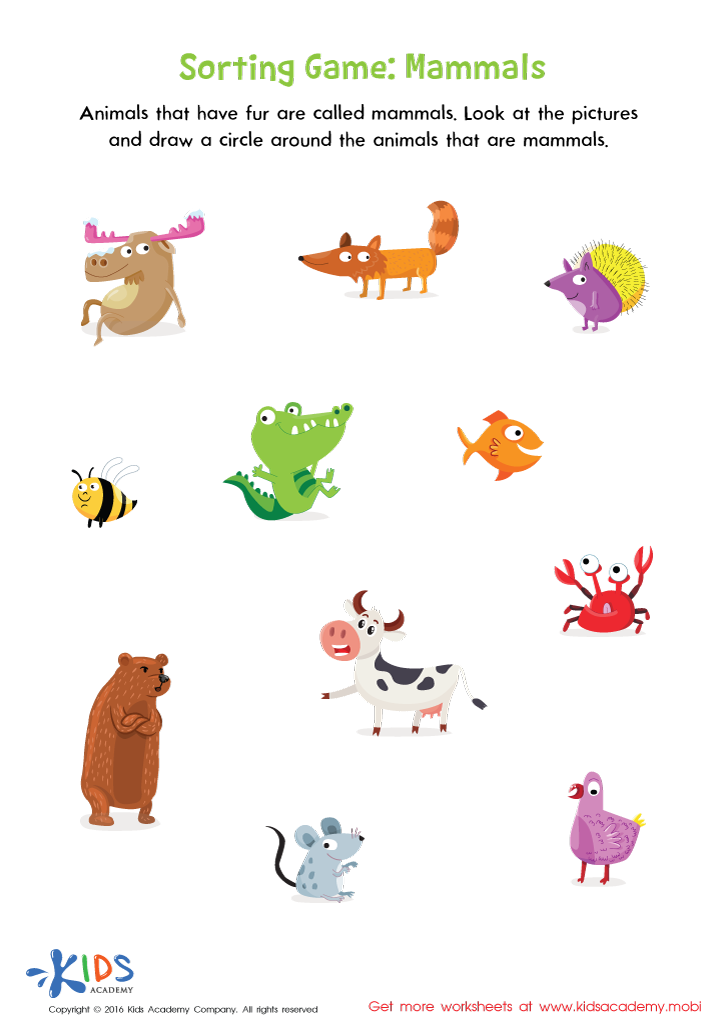
Mammals Sorting Worksheet
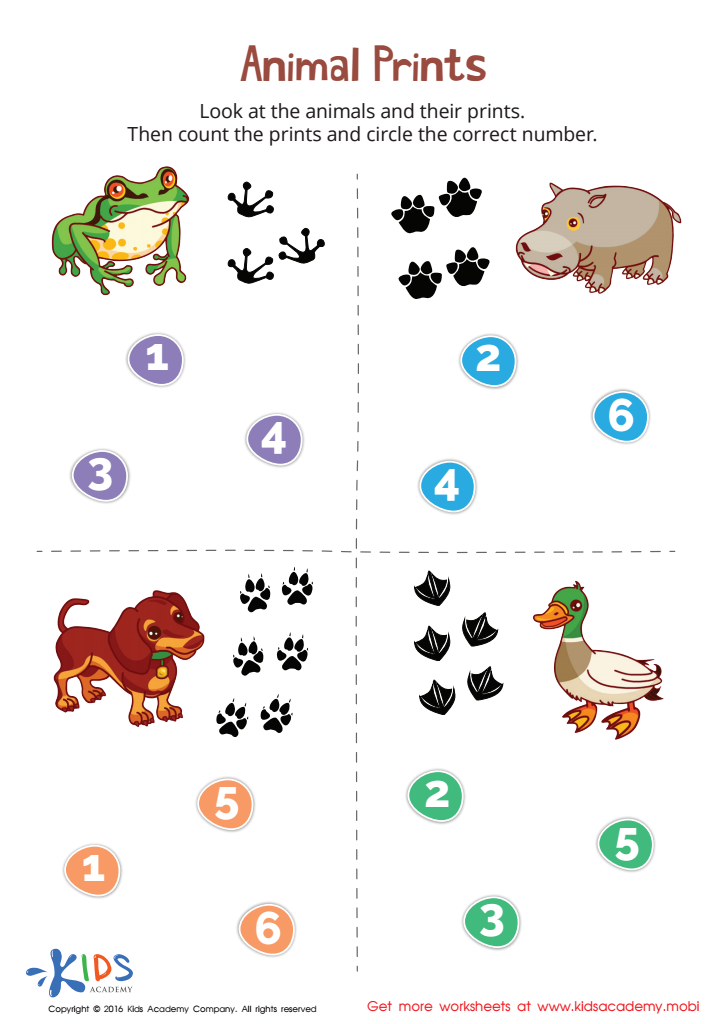
Animal Prints Match-Up Worksheet






Parents and teachers should nurture children's understanding of plants and animals for several reasons. Firstly, learning about the natural world fosters curiosity and a sense of wonder in young minds. This early exposure encourages exploration and inquiry, forming a foundation for critical thinking and scientific knowledge as they grow.
Additionally, understanding plants and animals cultivates empathy and respect for living organisms. By learning how all creatures fit into ecosystems, children recognize the importance of biodiversity and start to care about their environment. Engaging with nature boosts emotional well-being, promoting mindfulness and reducing stress.
Moreover, studying plants and animals supports essential developmental skills. Activities such as gardening, nature walks, or animal care enhance fine motor skills, observation abilities, and social skills through collaboration. These experiences also encourage responsibility and nurturing traits—qualities that benefit children throughout their lives.
Finally, integrating lessons about plants and animals can create exciting, interdisciplinary learning opportunities, tying together science, literacy, and art. This holistic approach enriches the educational experience, fostering a lifelong appreciation for nature that encourages future stewardship of the planet. In essence, caring about plants and animals helps shape thoughtful, informed, and engaged individuals.








