Space Worksheets for Ages 3-8 - Page 2
42 filtered results
-
From - To
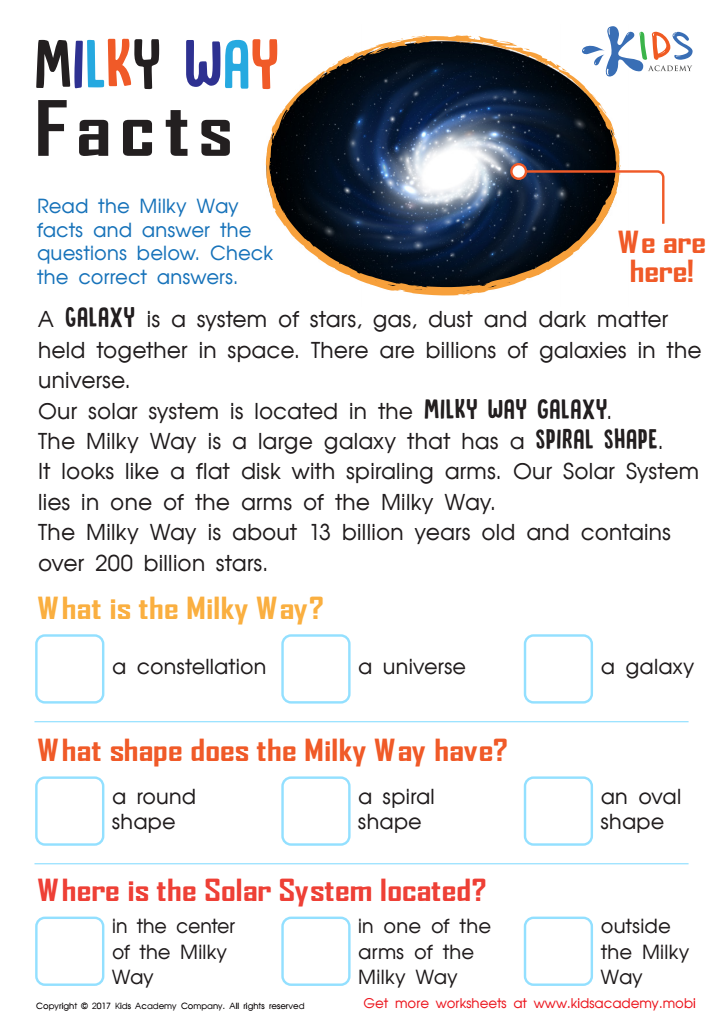
Milky Way Facts Worksheet
 Assign to My Students
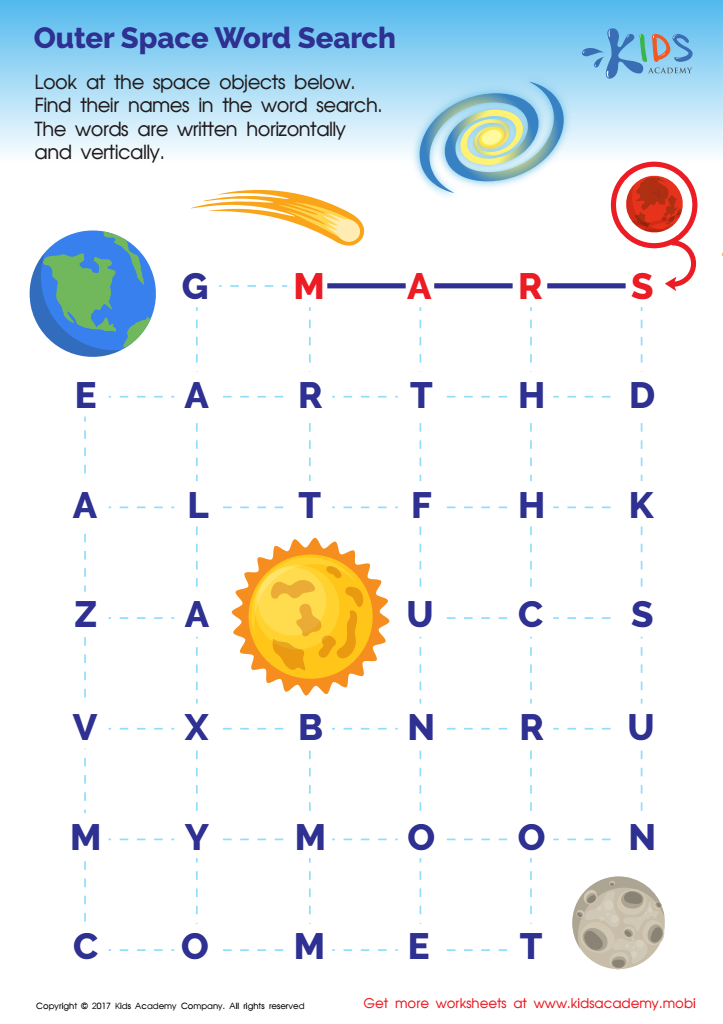
Outer Space Word Search Printable
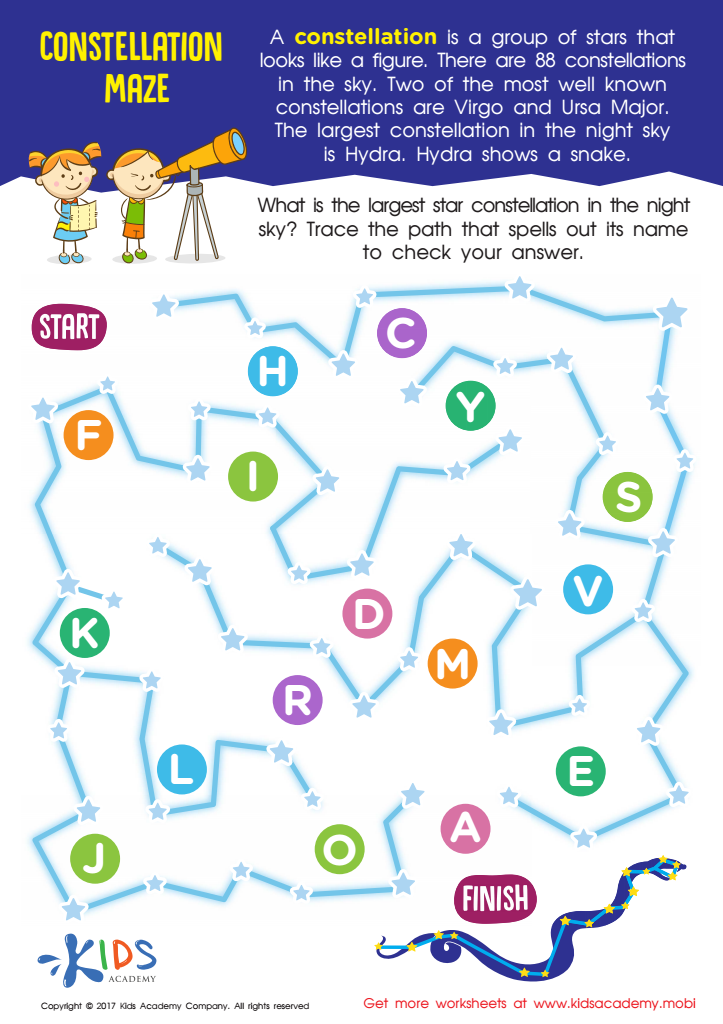
Constellations Worksheet
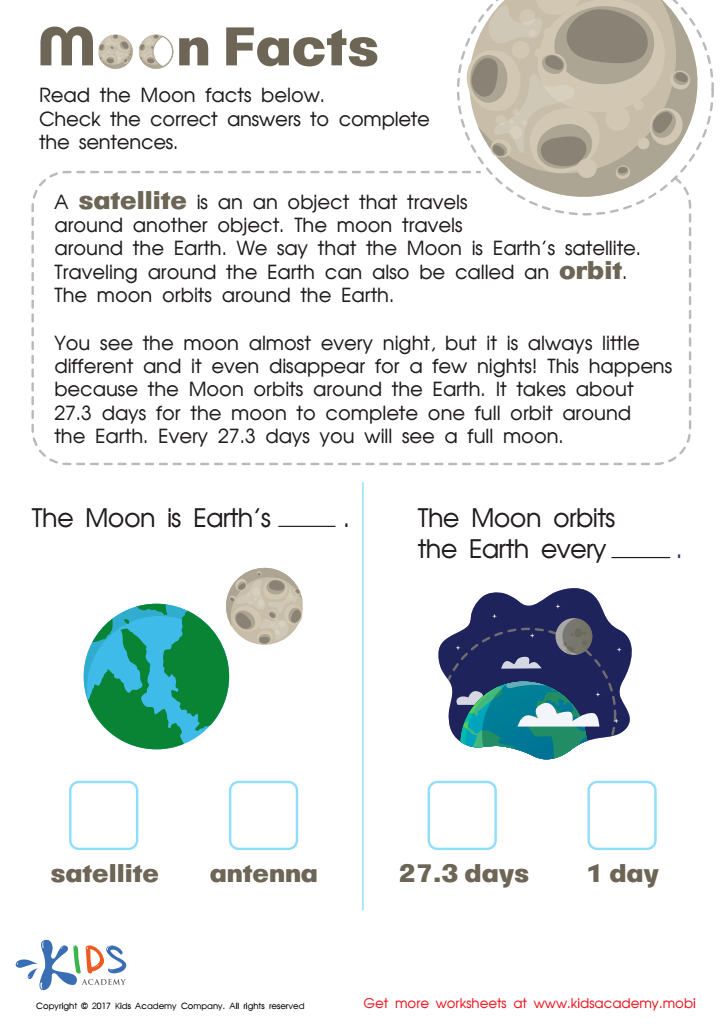
Moon Facts Worksheet
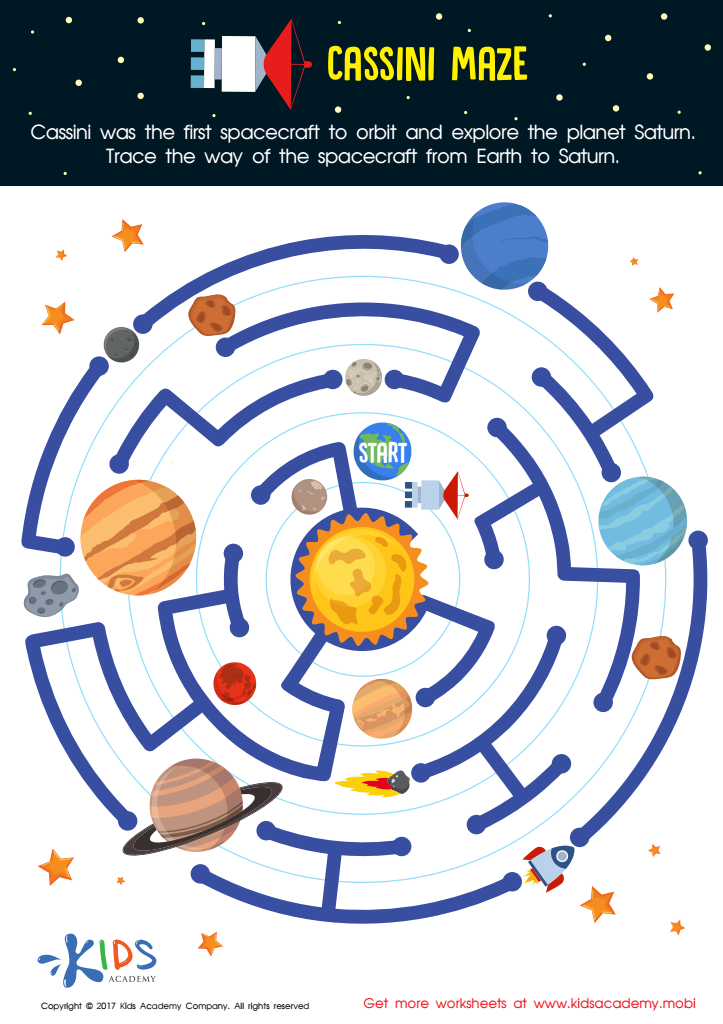
Cassini Printable Worksheet
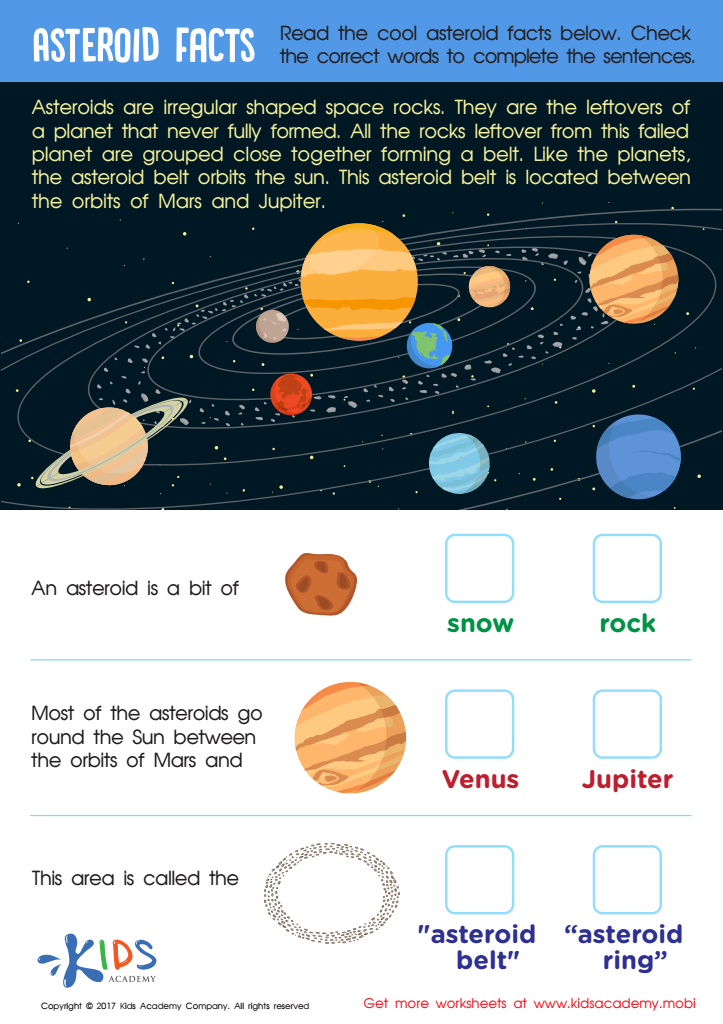
Asteroid Facts Worksheet
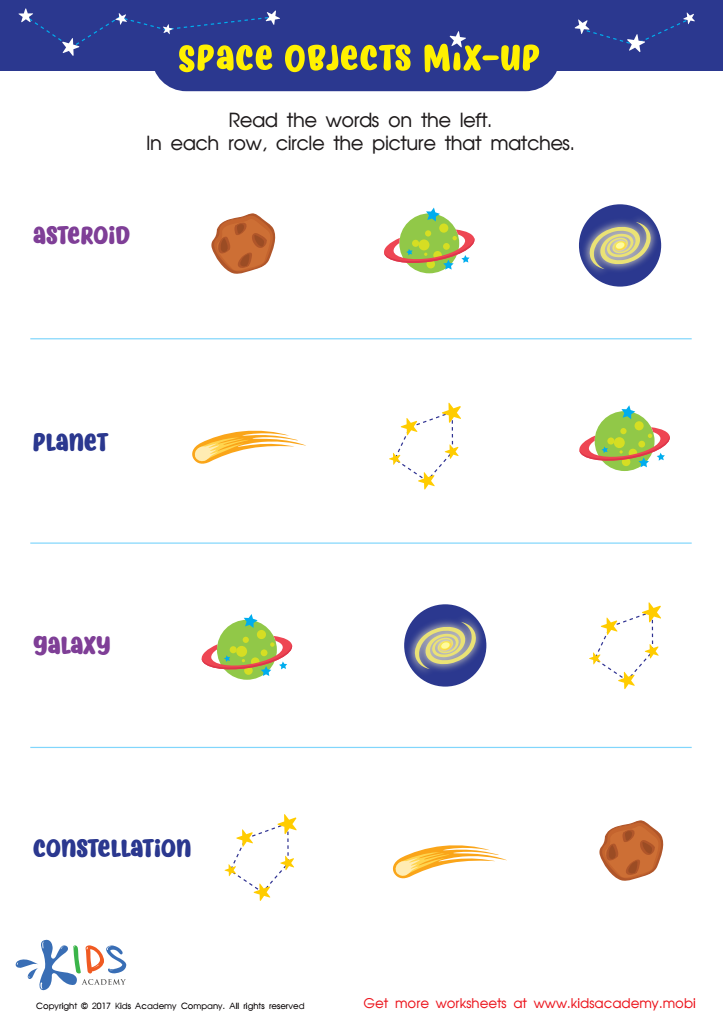
Science: Space Objects Worksheet
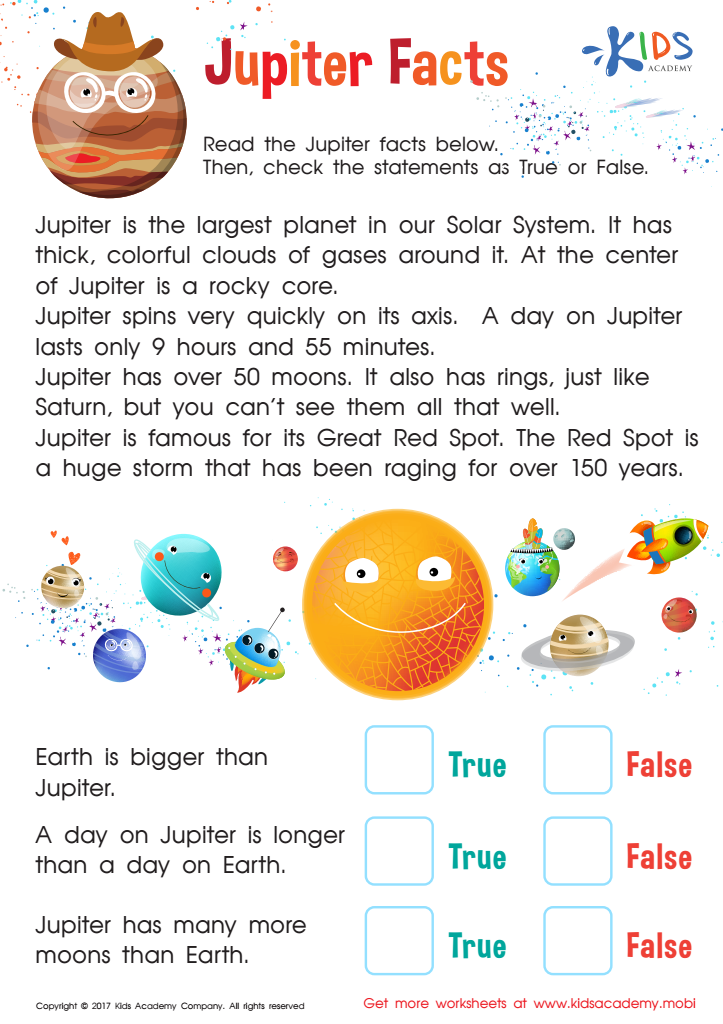
Jupiter Facts Worksheet
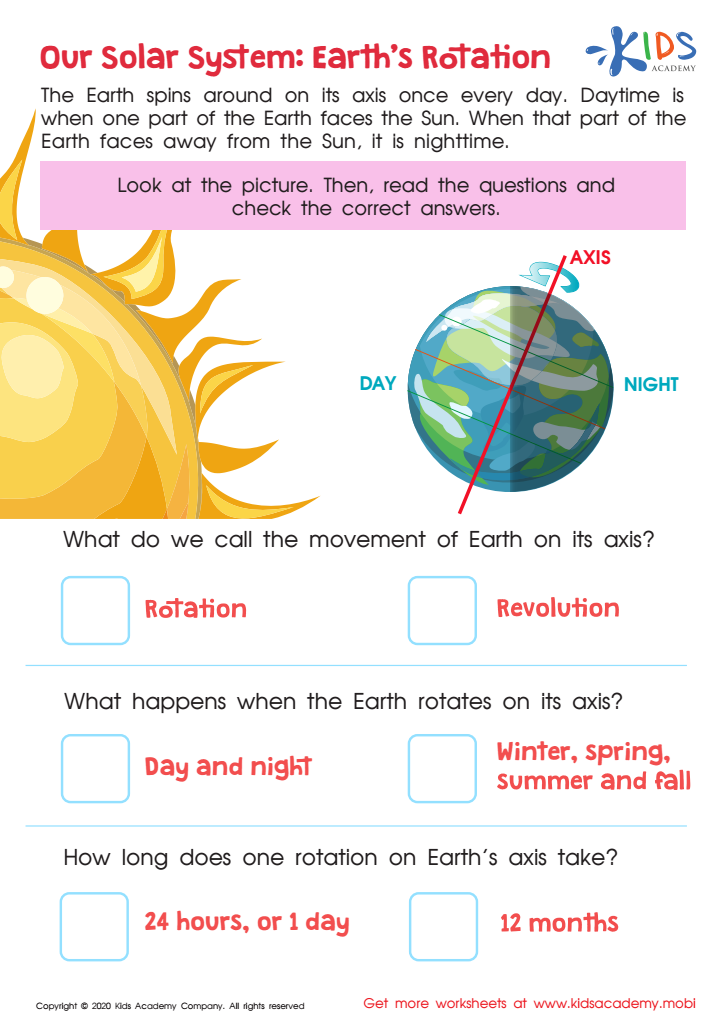
Our Solar System: Earth's Rotation Printable
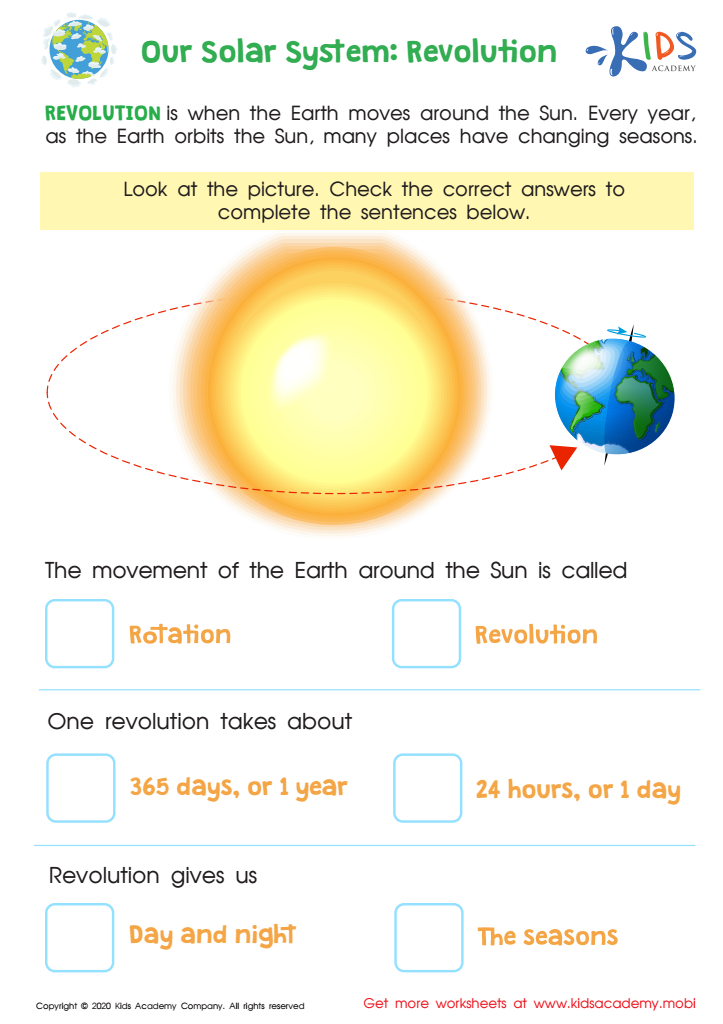
Our Solar System: Revolution Printable
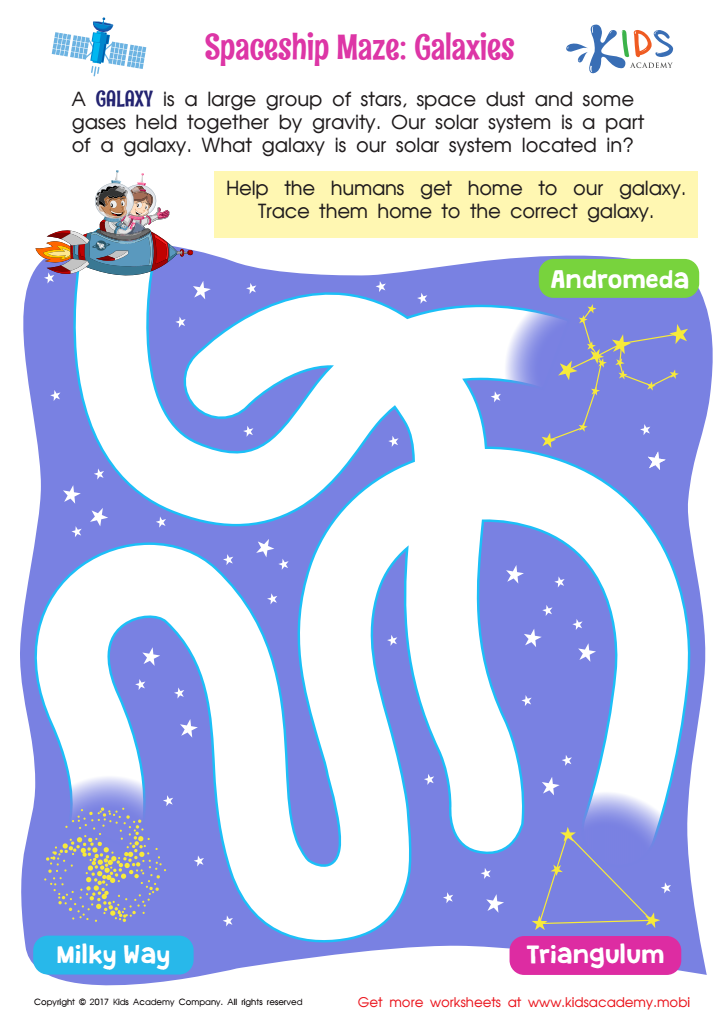
Spaceship Maze: Galaxies Worksheet
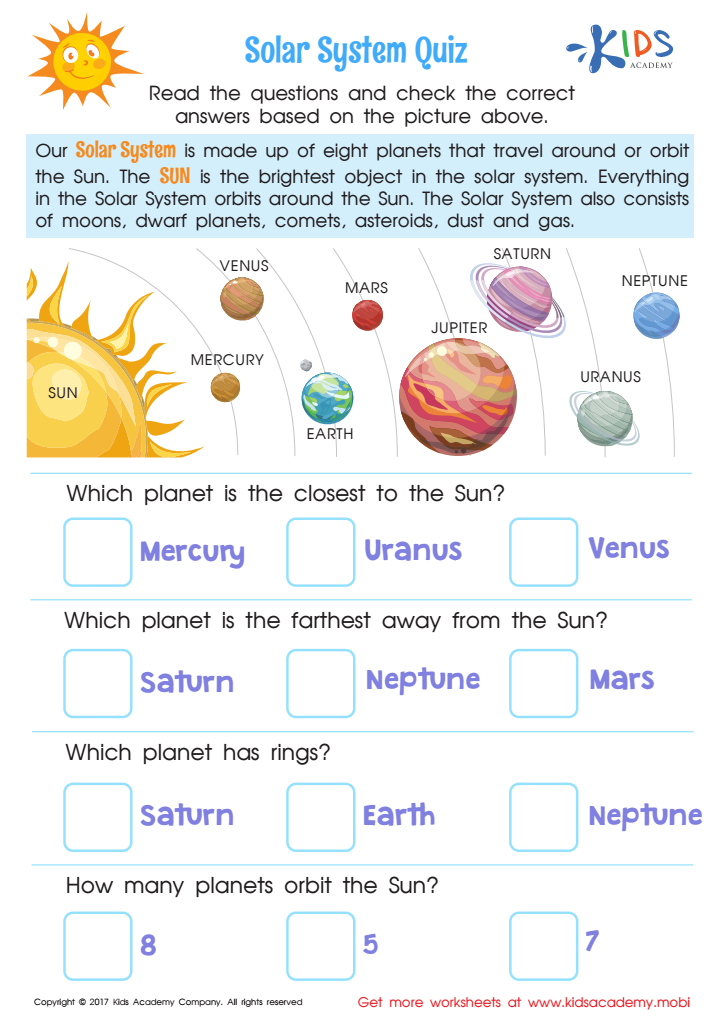
Solar System Quiz Printable
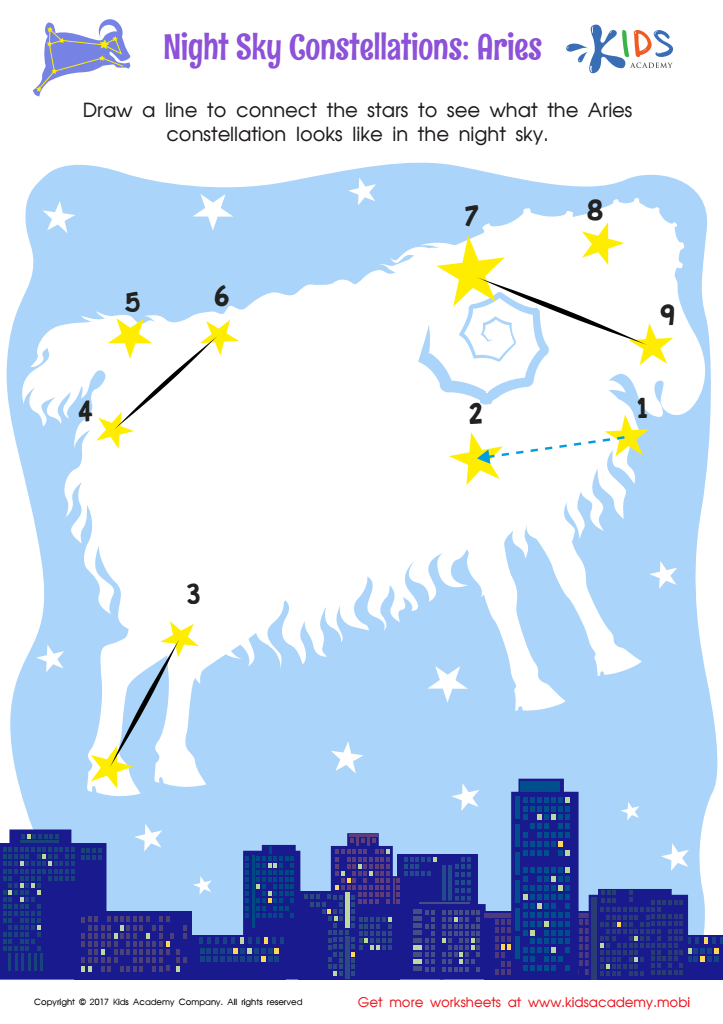
Night Sky Constellations: Aries Worksheet
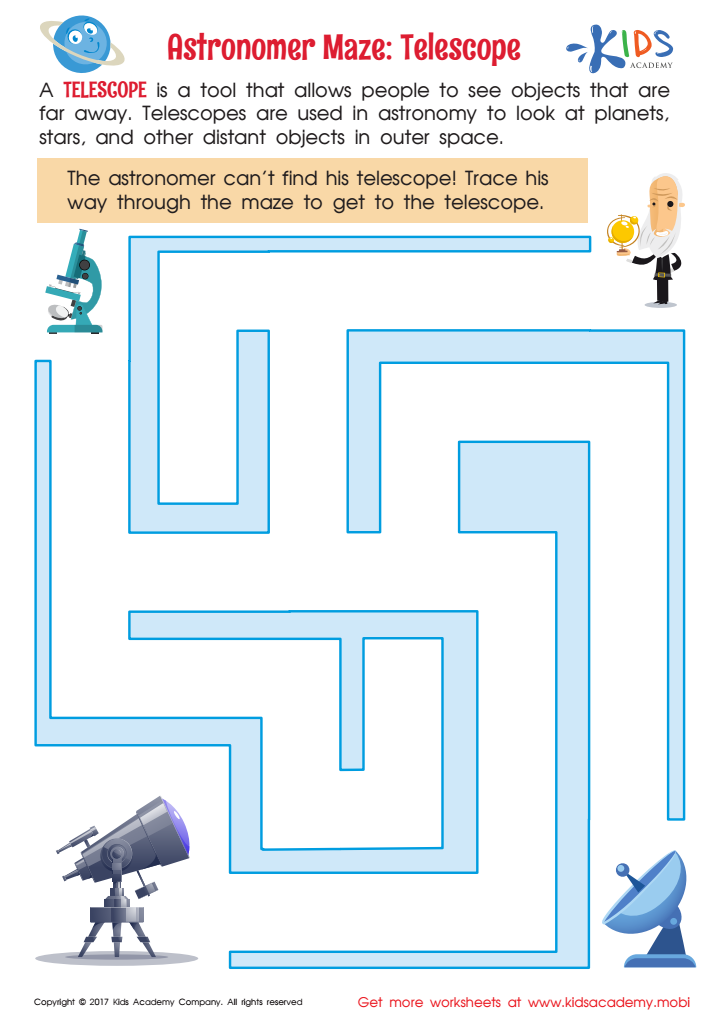
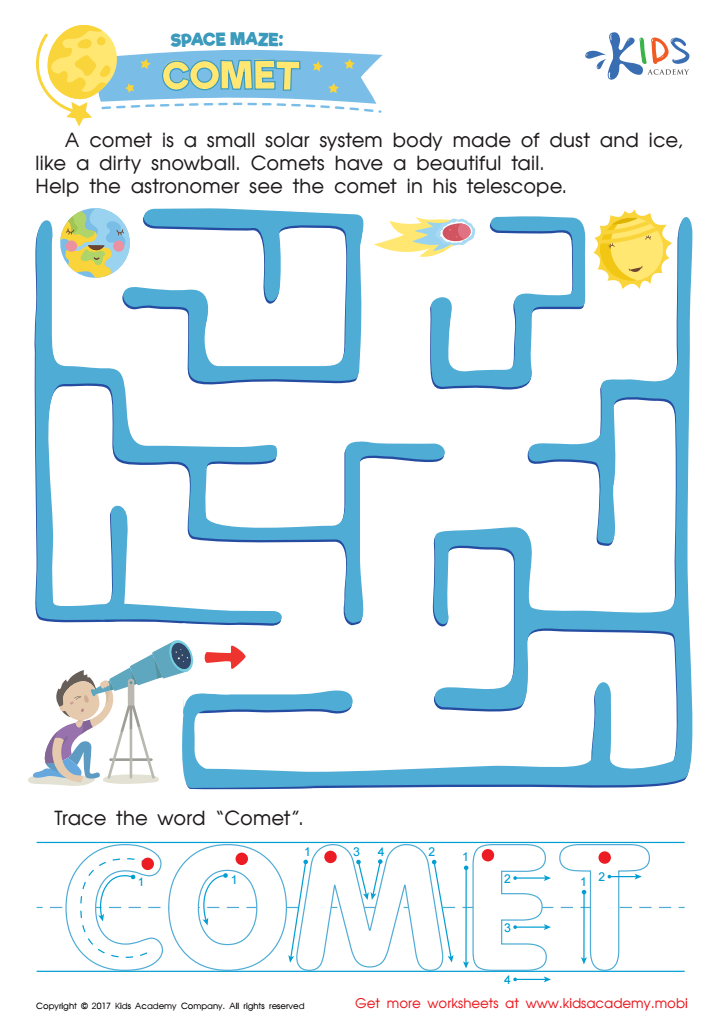
Astronomer Maze: Telescope Worksheet
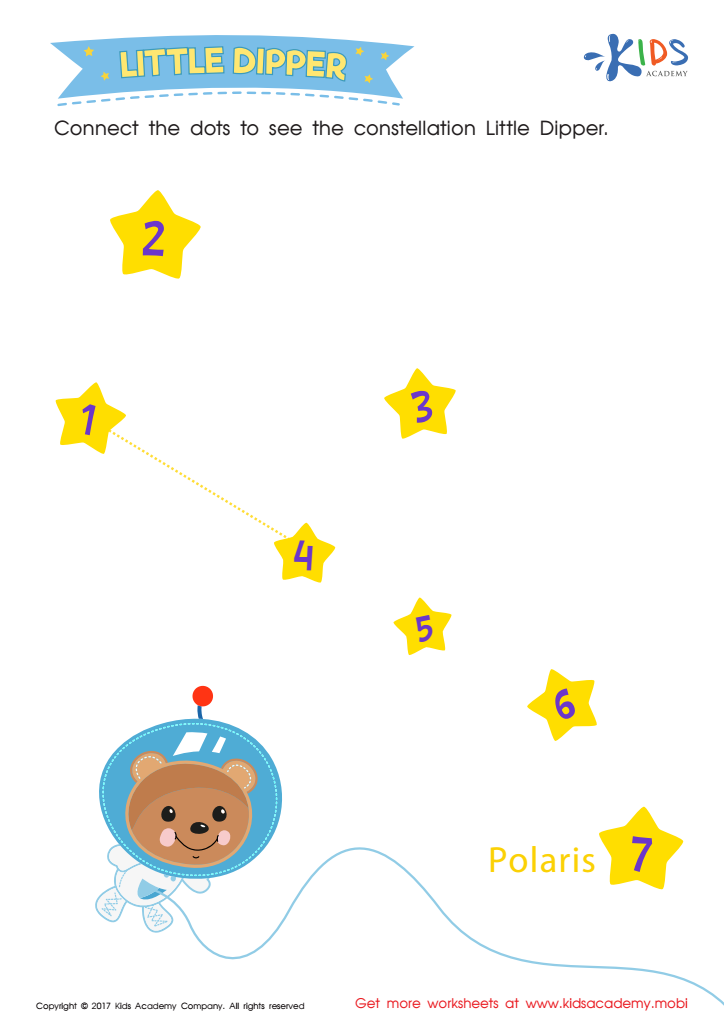
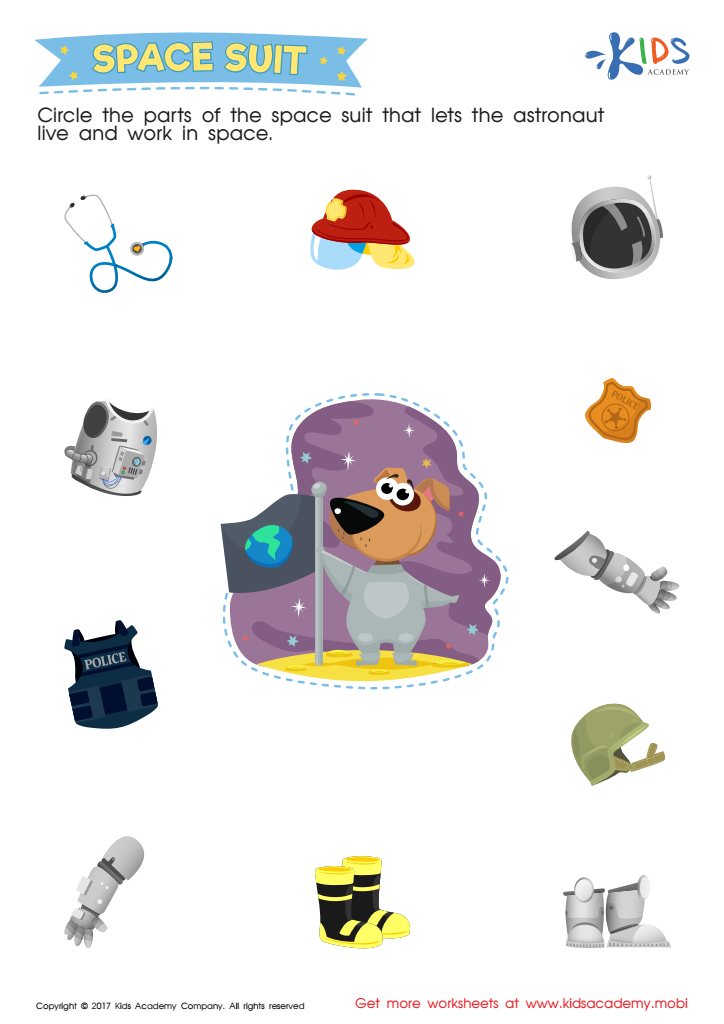
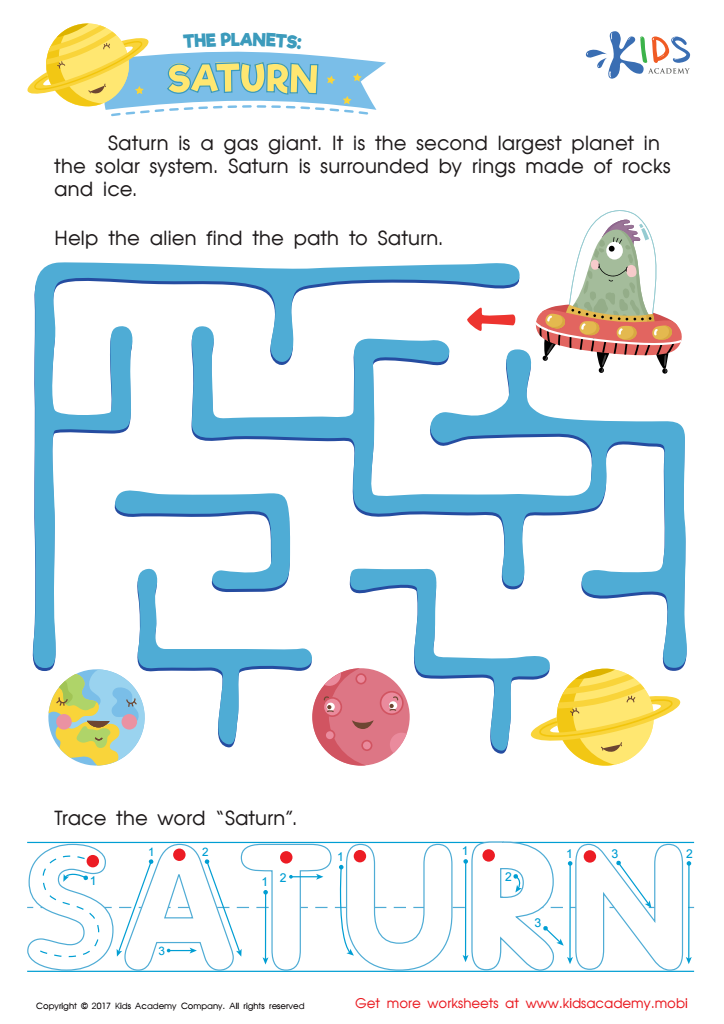
The Planets: Saturn Printable






Parents and teachers should care about teaching space to kids aged 3-8 because fostering an early interest in space can significantly enhance their cognitive development and stimulate curiosity. At this age, children are natural explorers, brimming with questions about the world and beyond. Introducing them to space concepts can significantly expand their horizons, nurturing a sense of wonder that sparks long-term interest in science, technology, engineering, and mathematics (STEM).
Space topics can be highly engaging, capturing children's imagination with stories about the moon, stars, planets, and astronauts. These fun, fascinating tales can develop their critical thinking and problem-solving skills. Their burgeoning vocabulary is enriched through learning new words and concepts related to space. By prompting kids to ask questions like, "Why do stars twinkle?" or "What do astronauts eat?", we can encourage inquisitiveness and investigative behavior that are foundational to lifelong learning.
Moreover, understanding space can foster a greater appreciation of Earth and its place in the cosmos. Learning about planets, black holes, and galaxies can teach kids about the significance of environmental stewardship and global citizenship as they comprehend Earth's uniqueness and fragility.
Incorporating space education at a young age not only boosts cognitive growth but also cultivates a generation motivated to explore, innovate, and care for our planet.







