Normal Matching Worksheets for Ages 3-8 - Page 2
43 filtered results
-
From - To
 Assign to My Students
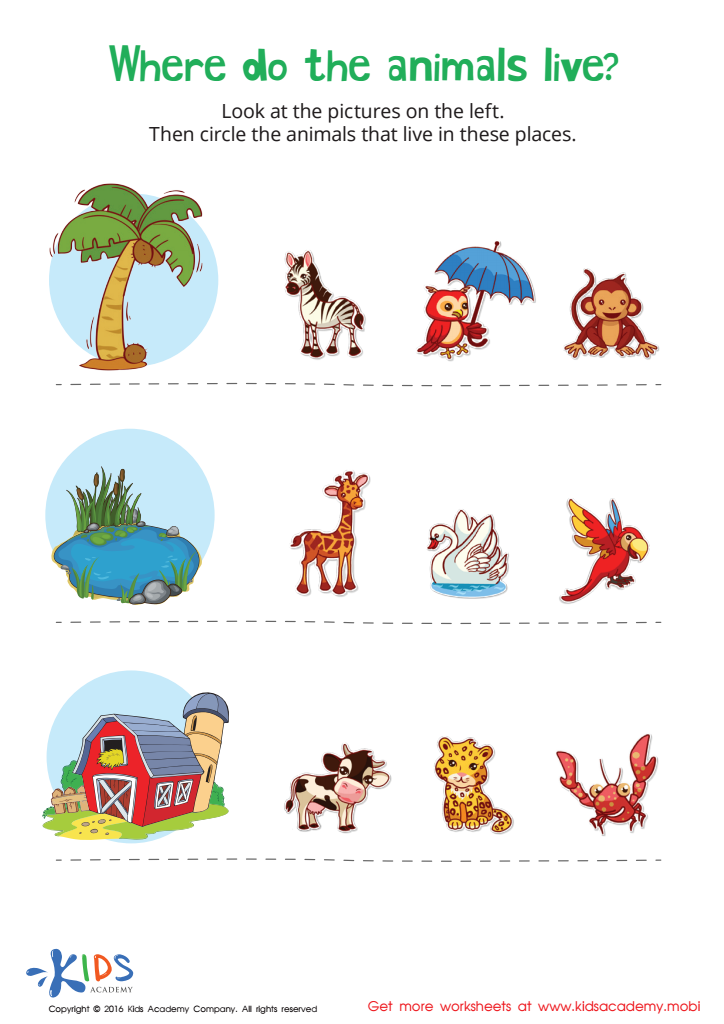
Where Animals Live Worksheet
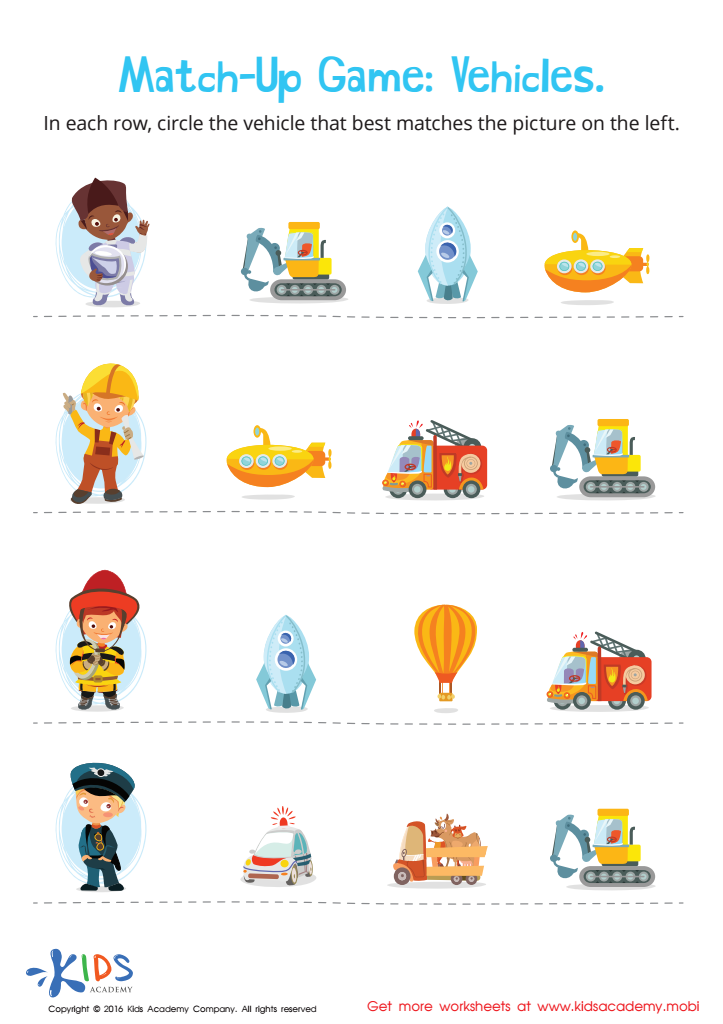
Vehicles Worksheet
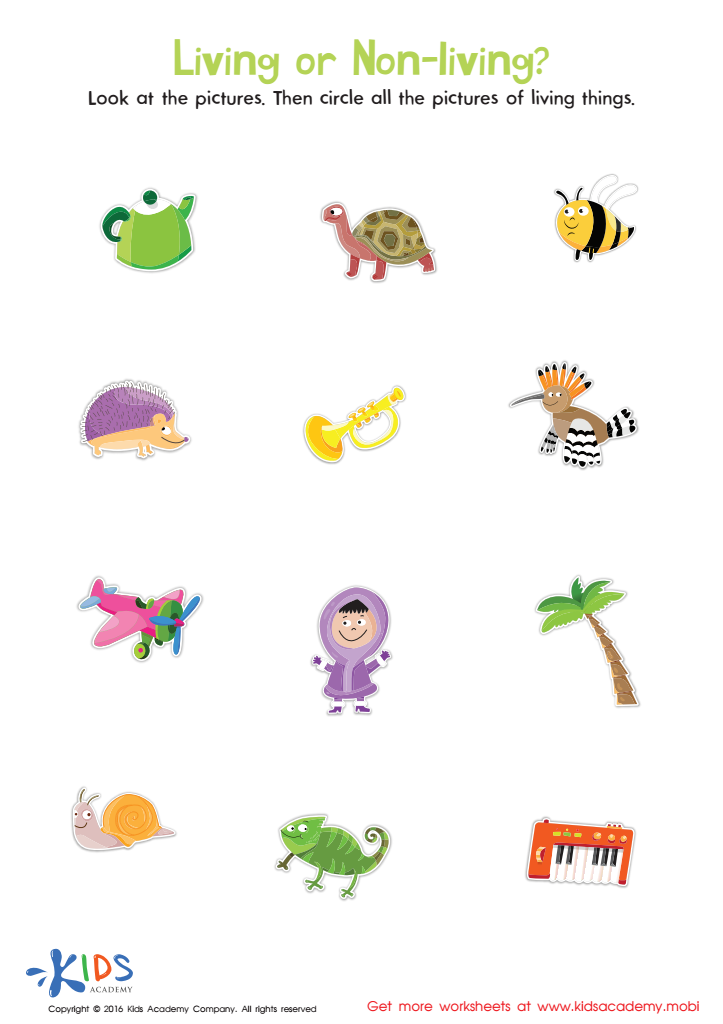
Identifying Living and Non–living Things Sorting Worksheet
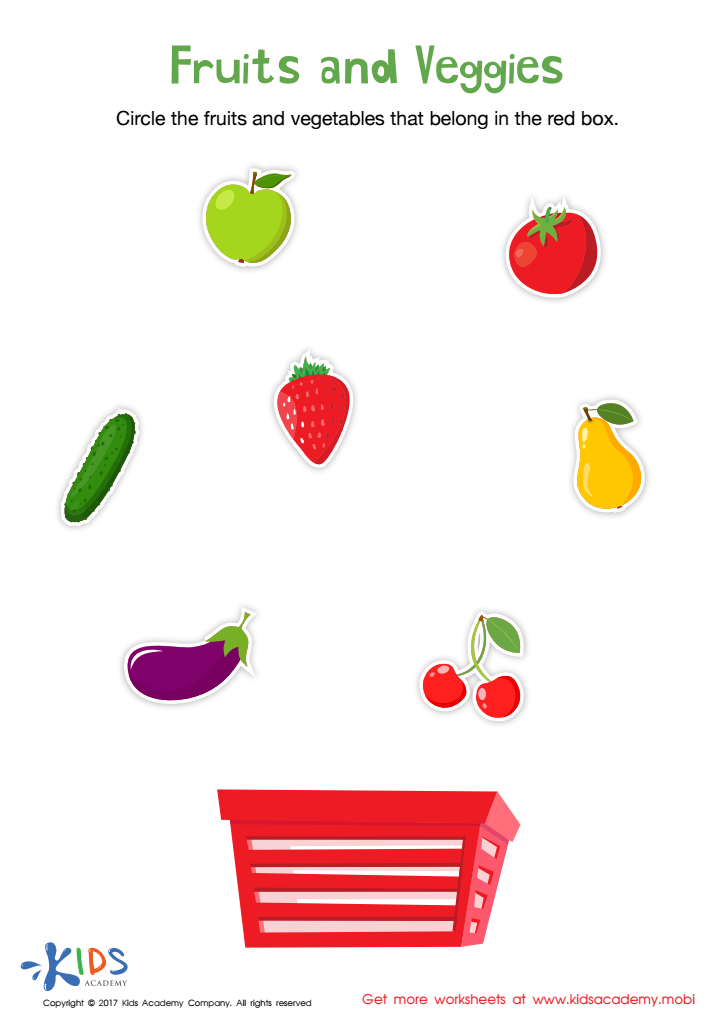
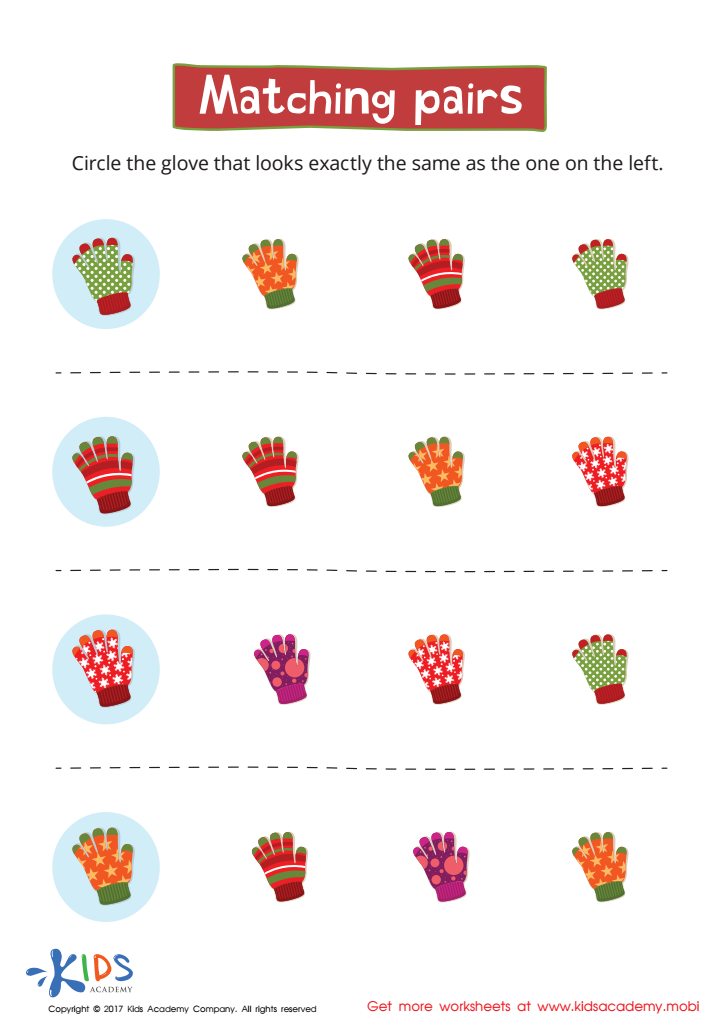
Matching: Matching Pairs Worksheet
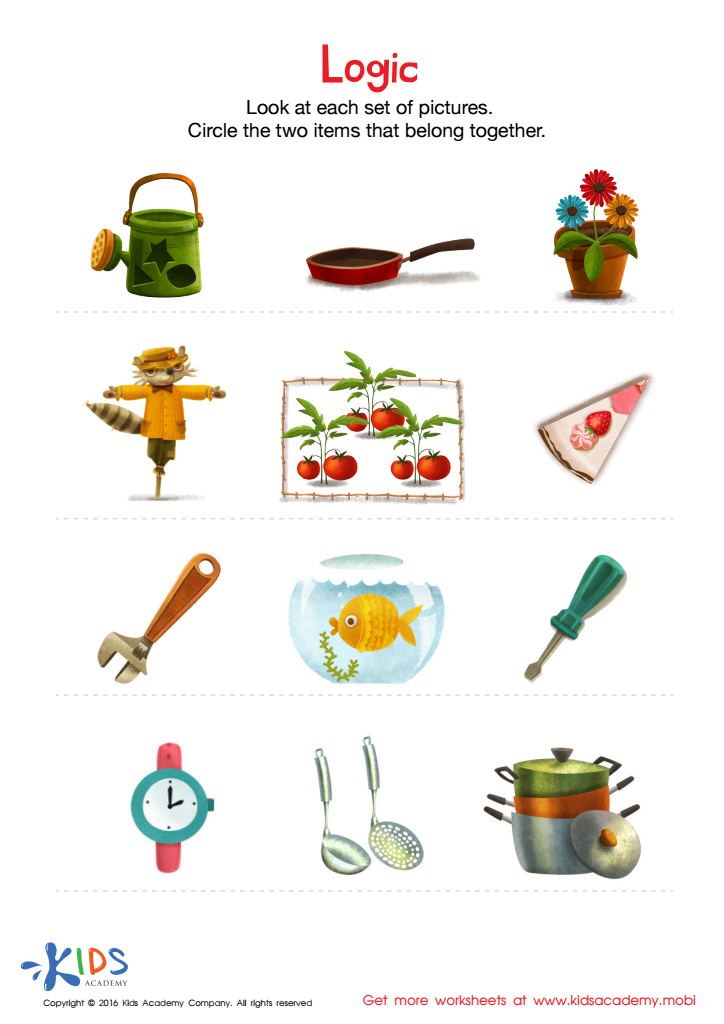
Logic Game Sorting Worksheet
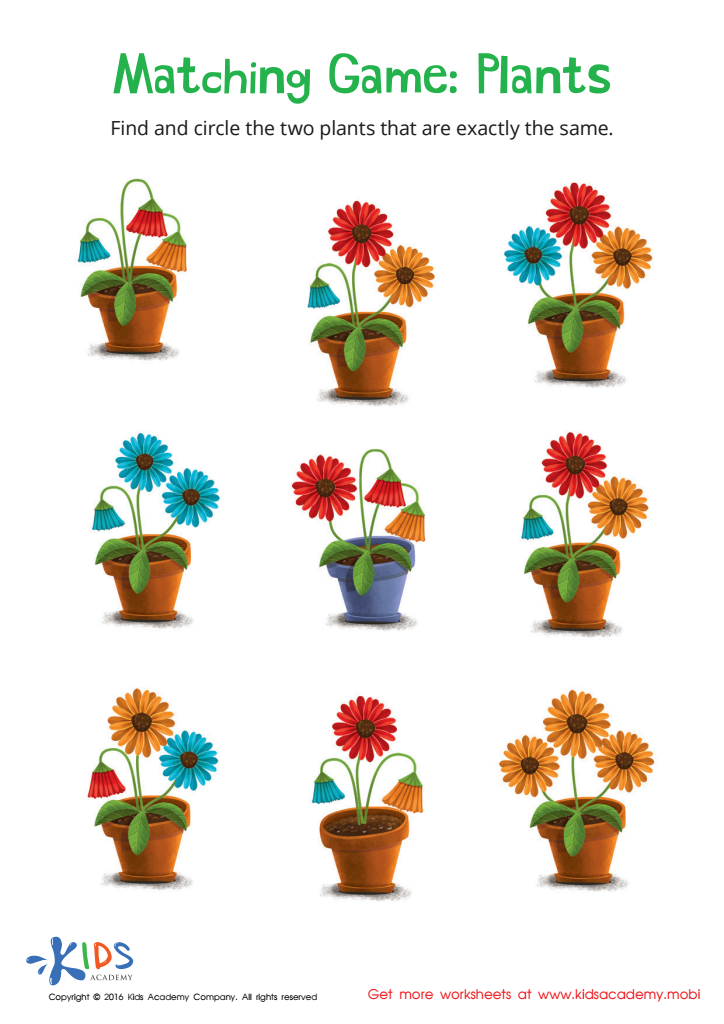
Matching: Plants Worksheet
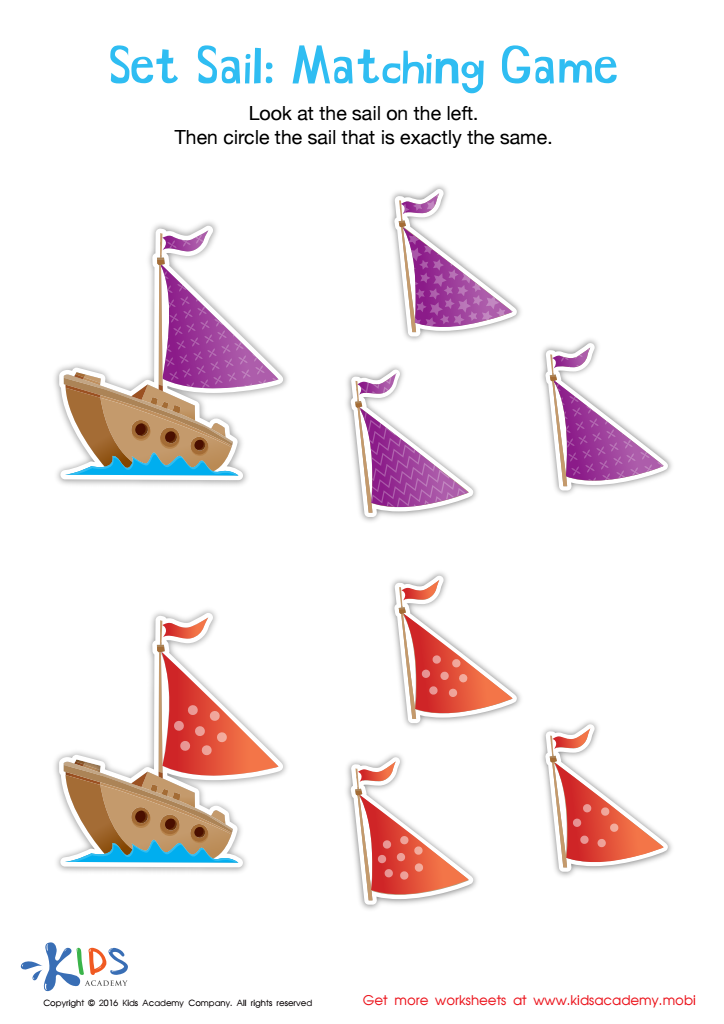
Set Sail Worksheet
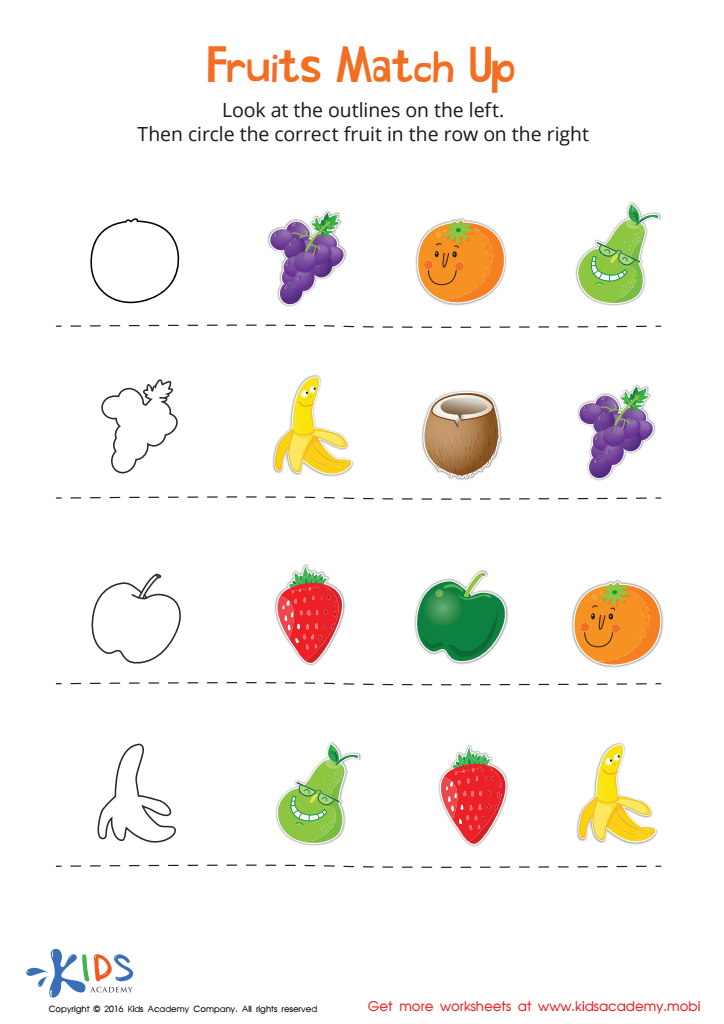
Fruits Match Up Worksheet
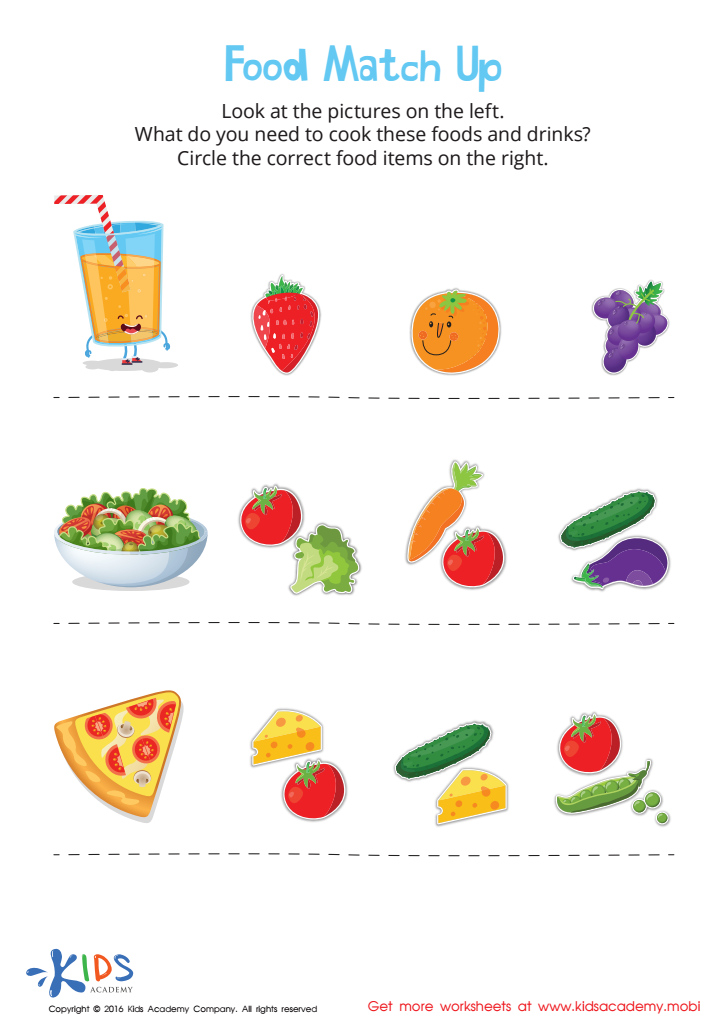
Food Match Up Worksheet
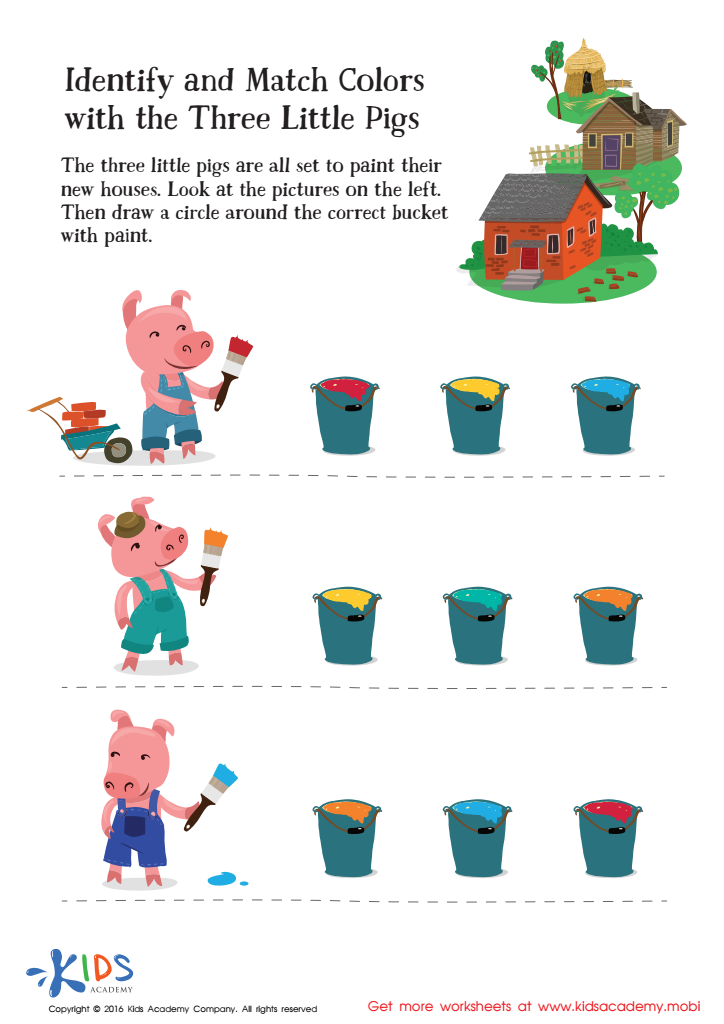
Fairy Tale Worksheet: Identify and Match Colors with Three Little Pigs
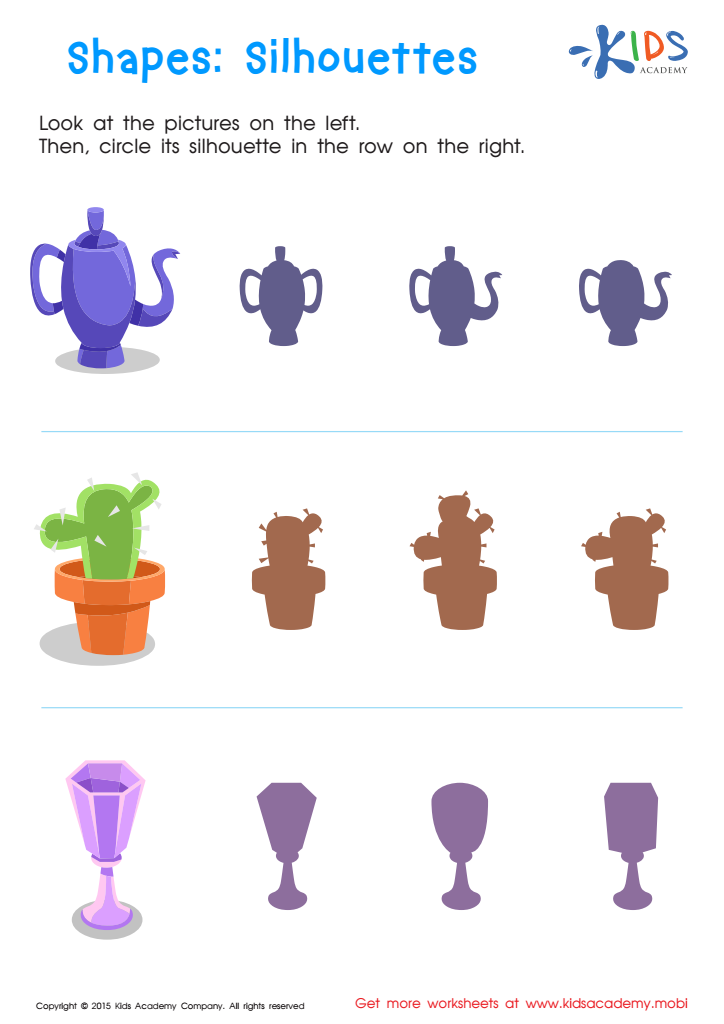
Silhouettes – Shapes Worksheet
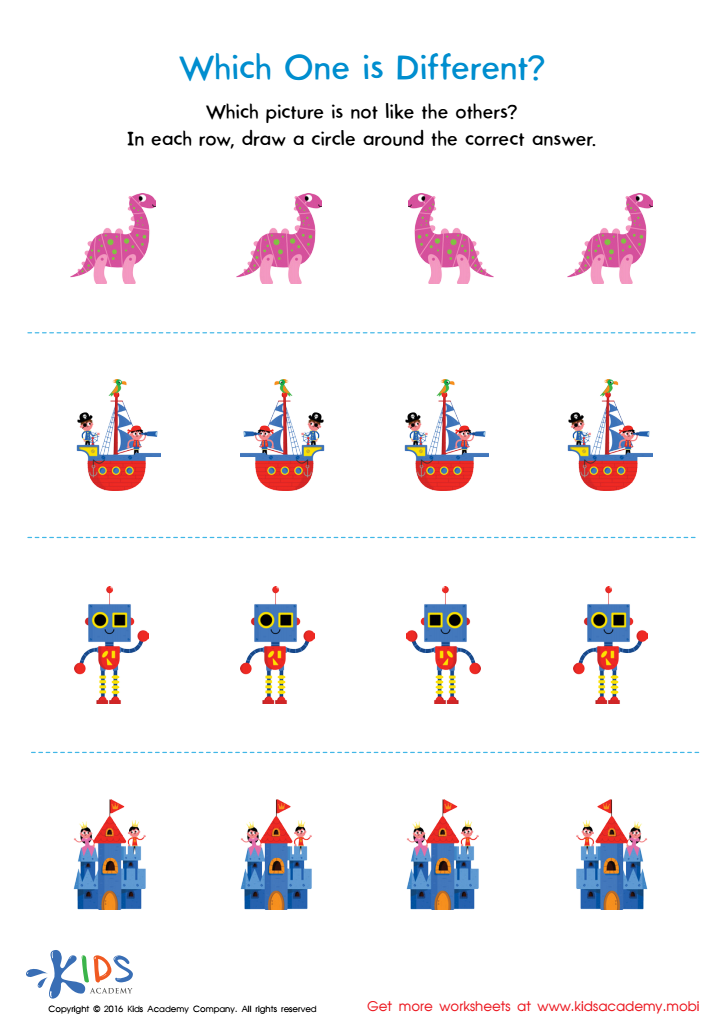
Which One Is Different Worksheet
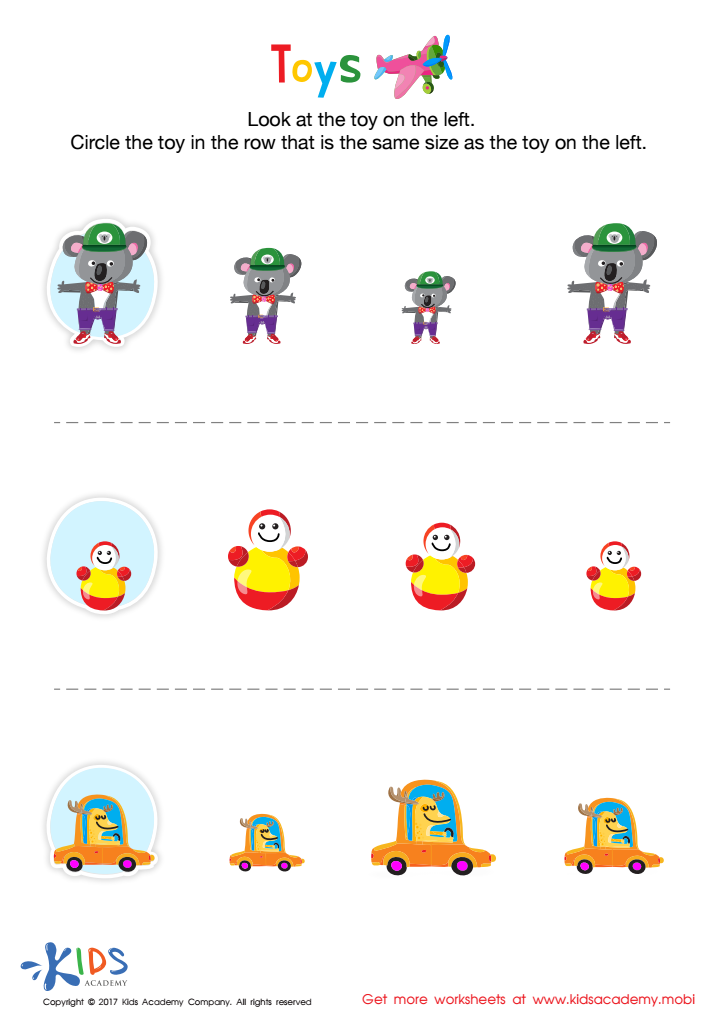
Matching: Classifying Toys by Size Worksheet
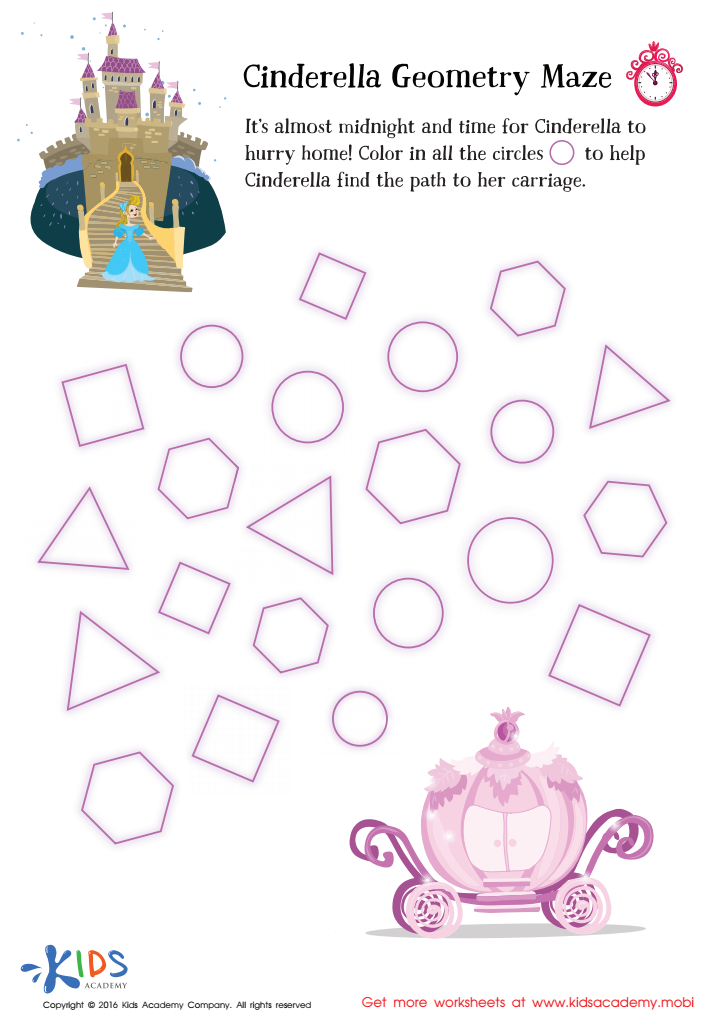
Cinderella Geometry Maze Worksheet
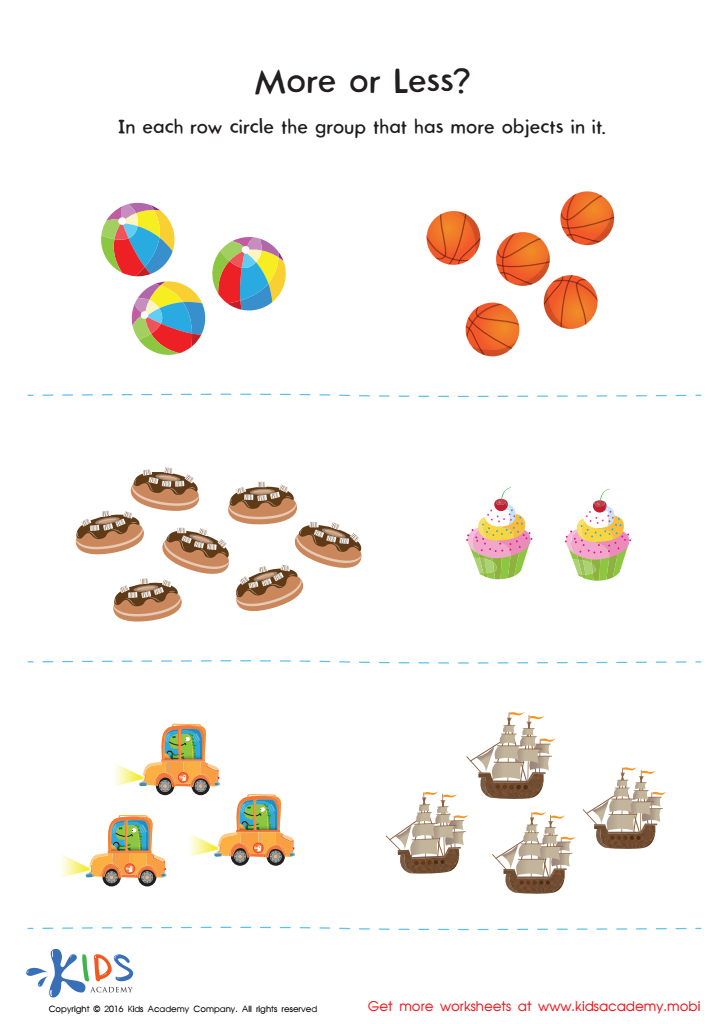
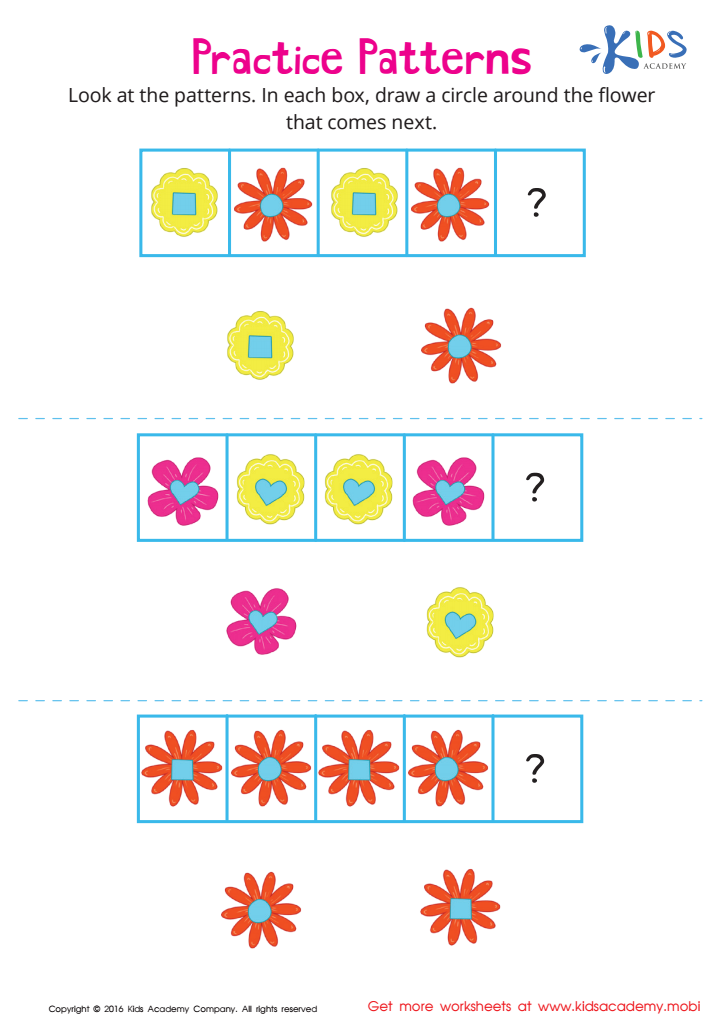




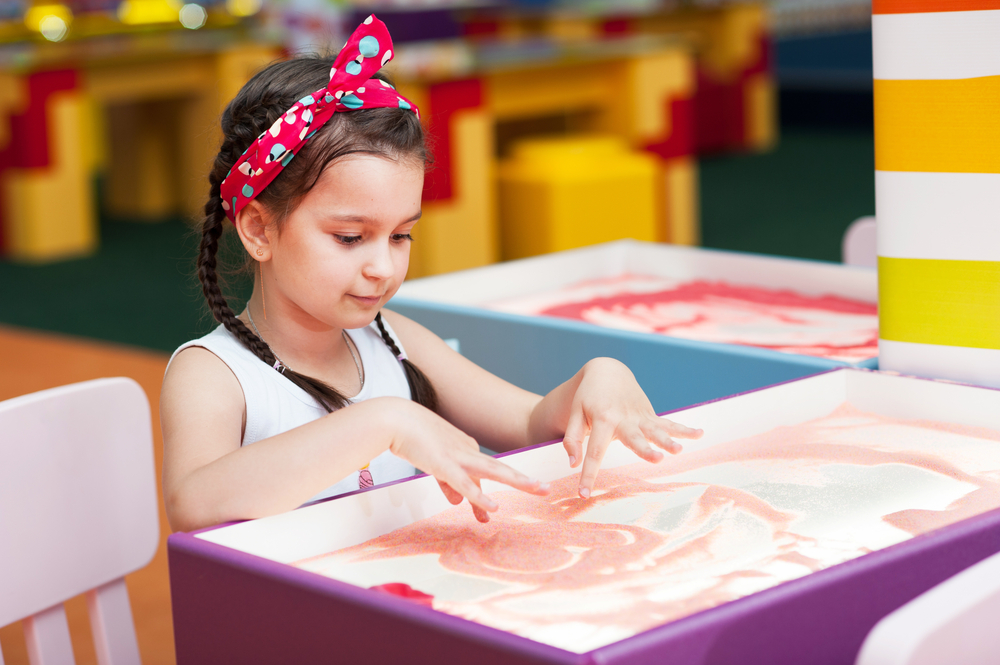



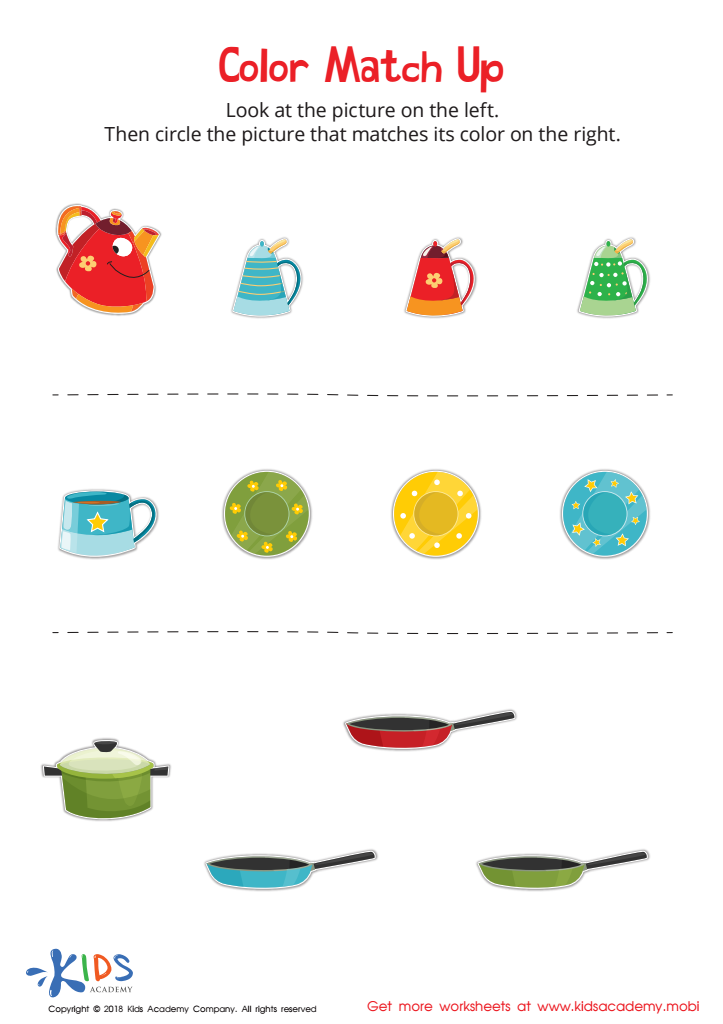
Normal Matching is an essential cognitive skill that entails recognizing and pairing similar attributes or characteristics in objects, shapes, colors, or patterns. For children aged 3-8, developing this skill enhances critical cognitive abilities such as observation, classification, and problem-solving.
Parents and teachers should prioritize Normal Matching for several reasons. Firstly, it supports early mathematical understanding—a foundational skill where concepts such as shape recognition, sorting, and patterning stem from. Engaging in matching activities encourages children to think analytically and boosts their confidence in handling math-related tasks as they progress.
Moreover, Normal Matching tasks promote language development by providing opportunities to expand vocabulary when discussing similarities and differences. These activities also enhance fine motor skills through the manipulation of objects, crucial for handwriting and other daily tasks.
Socially and emotionally, Normal Matching fosters collaboration and communication among peers during group activities. It instills a sense of accomplishment, thereby aiding self-confidence. Finally, by engaging with Normal Matching, teachers and parents create a nurturing environment where critical thinking skills are cultivated, equipping children with analytical tools for lifelong learning. Therefore, understanding and implementing Normal Matching strategies is imperative for holistic child development in early education settings.