Normal Science Worksheets for Ages 4-9 - Page 13
312 filtered results
-
From - To
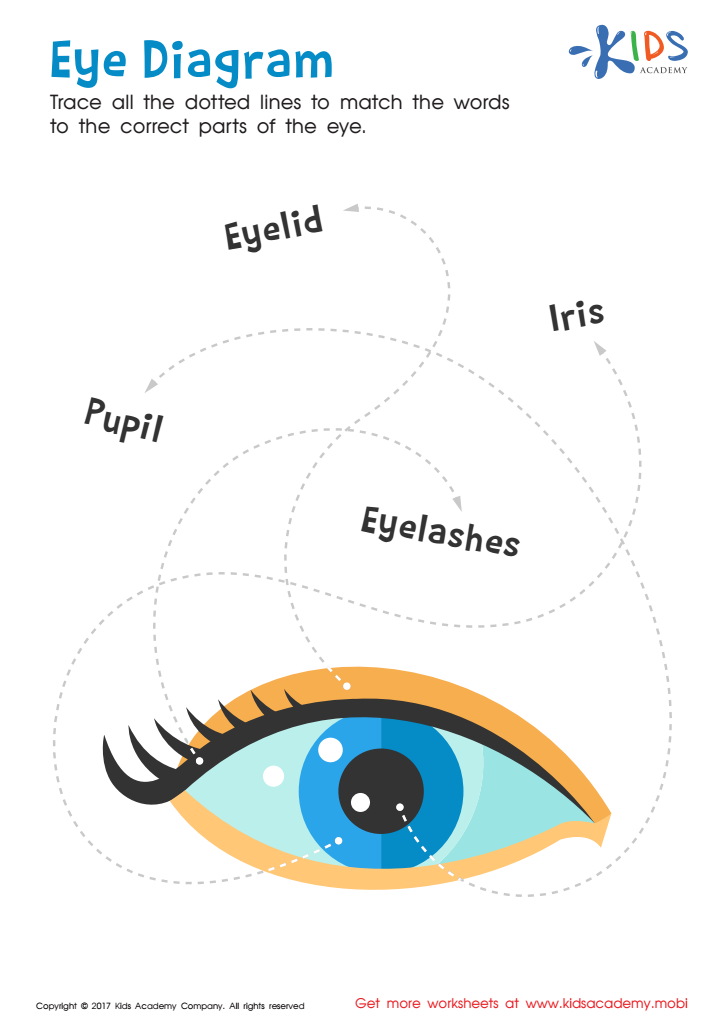
Eye Diagram Printable
 Assign to My Students
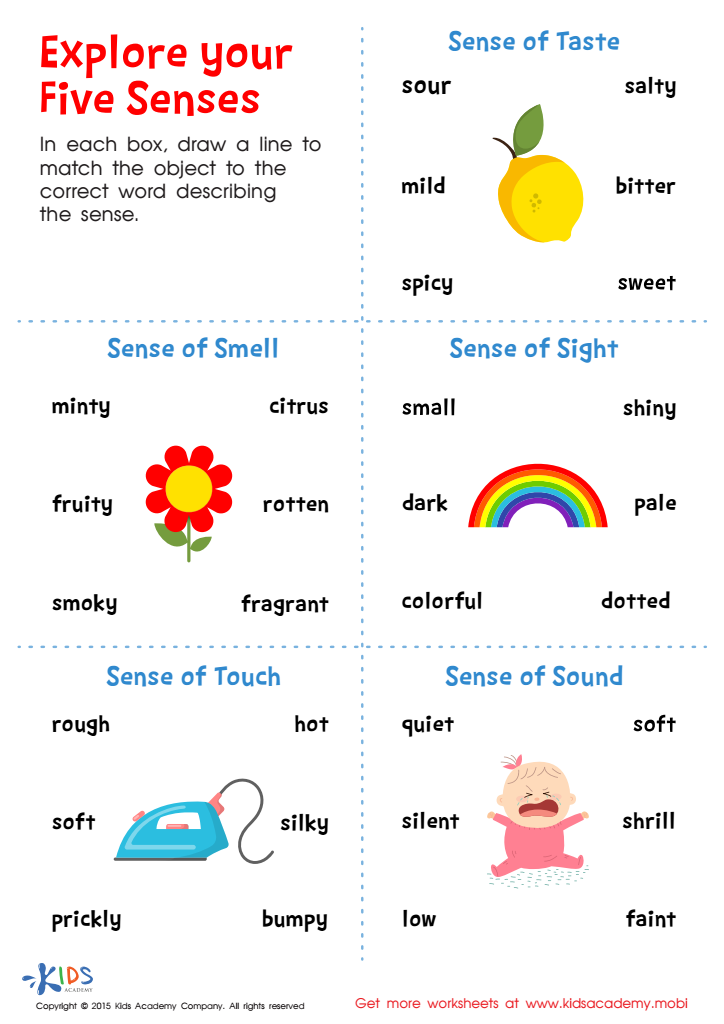
Explore Your Five Senses Printable
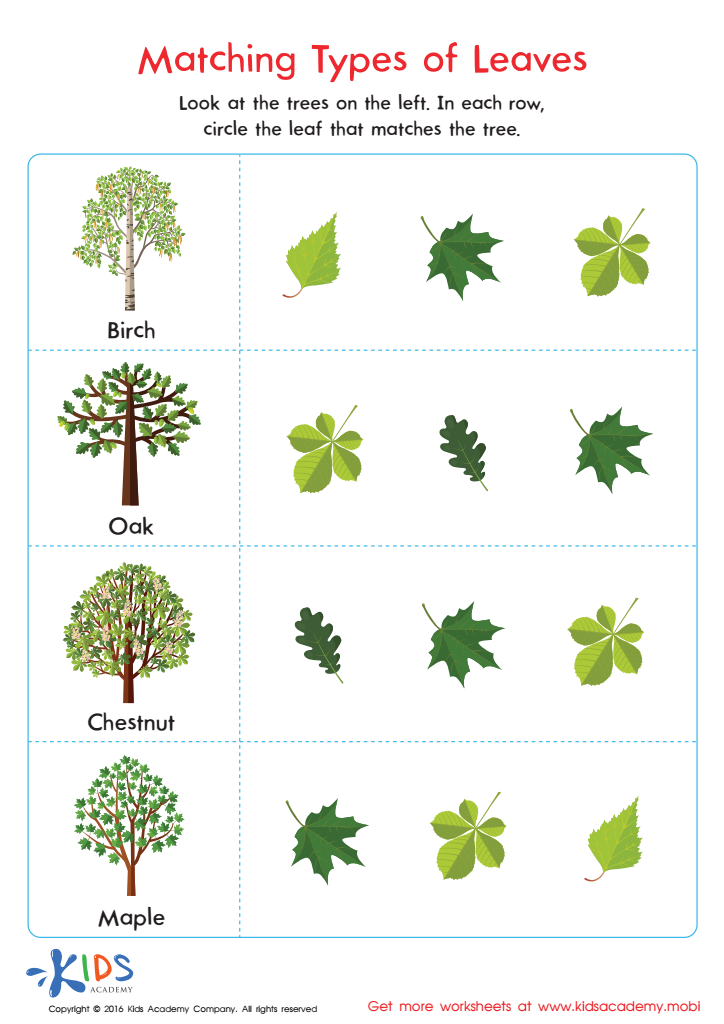
Matching Types of Leaves Printable
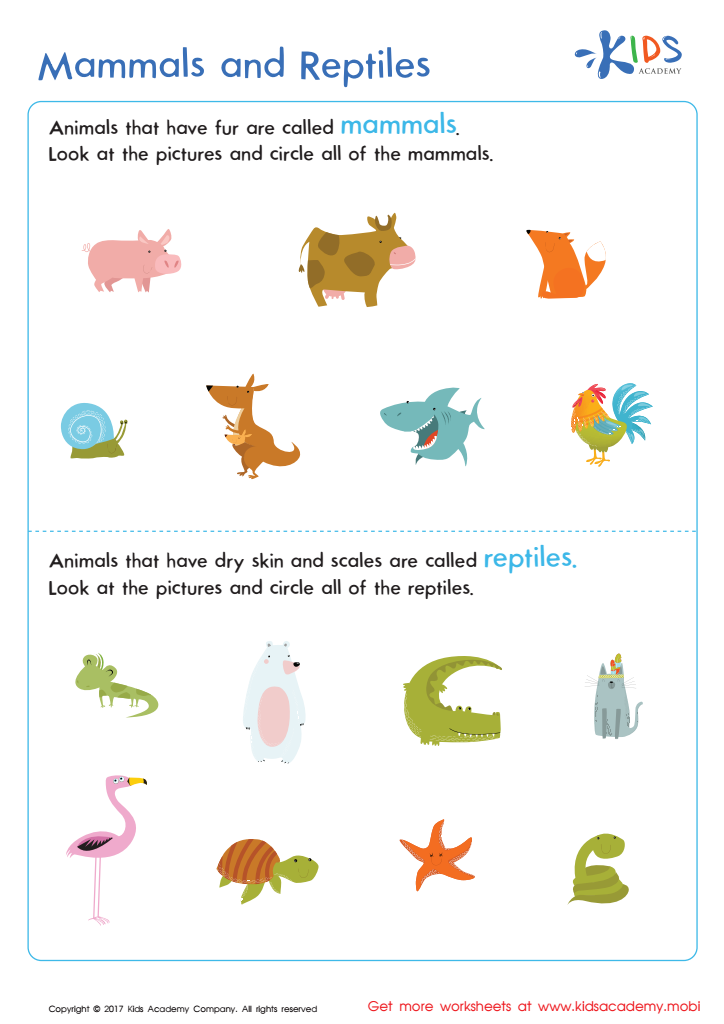
Mammals and Reptiles Worksheet
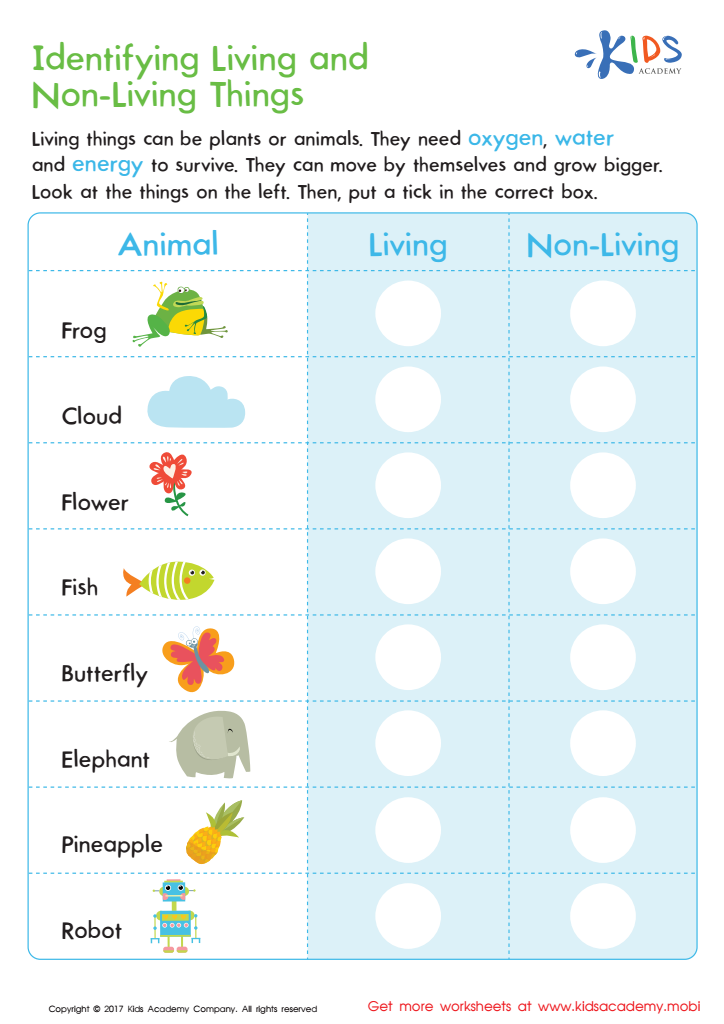
Identifying Living or Non–living Worksheet
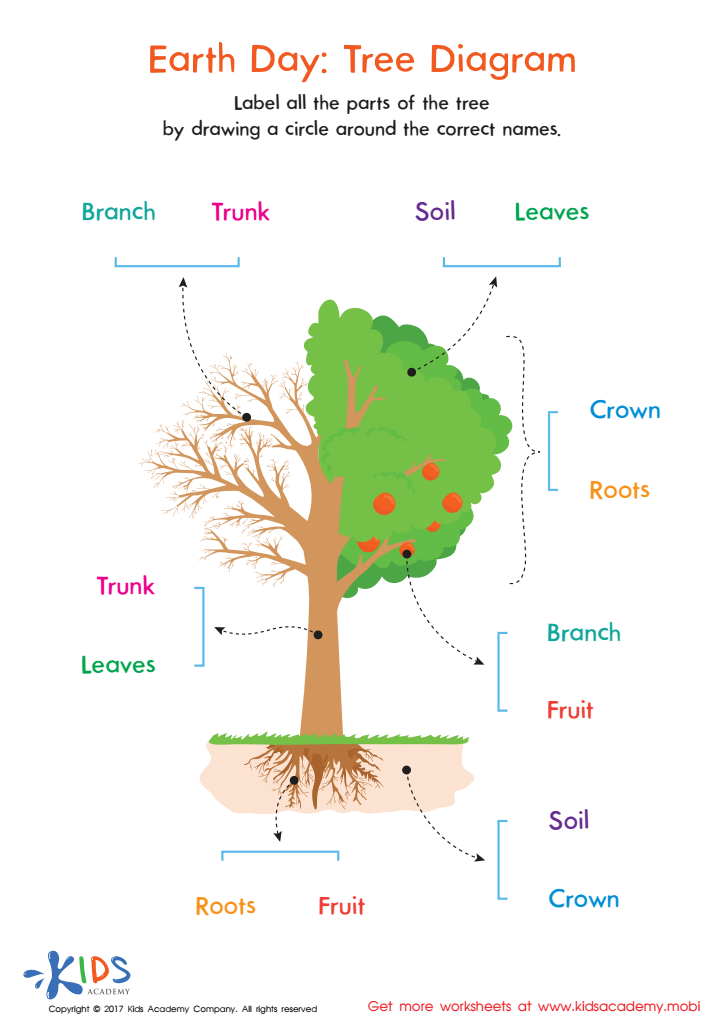
Earth Day: Tree Diagram Worksheet
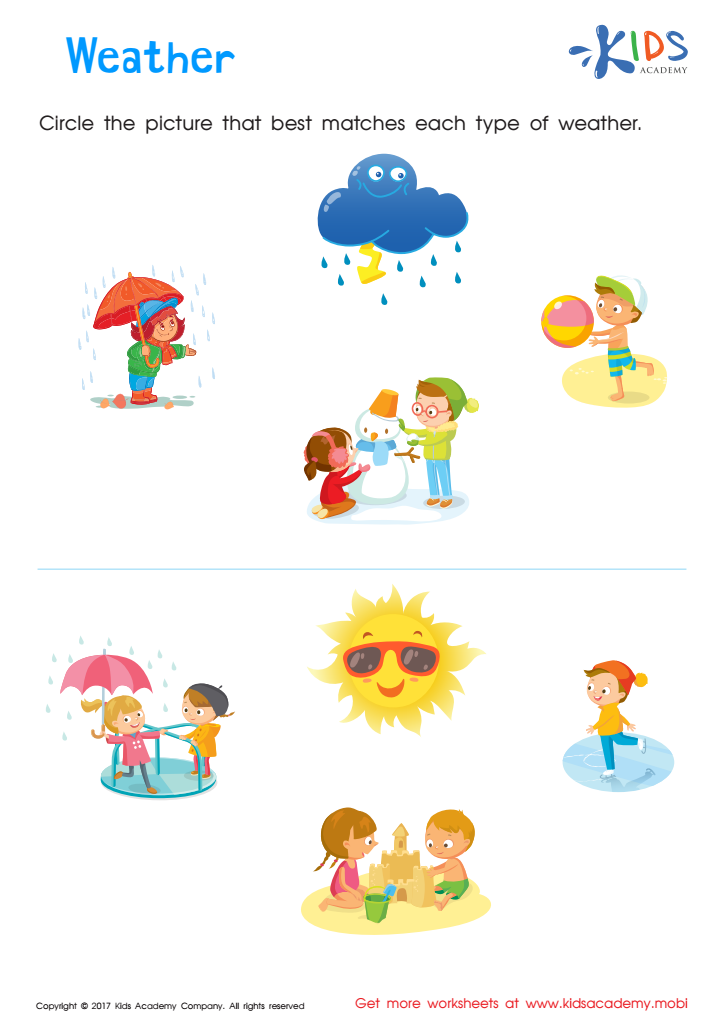
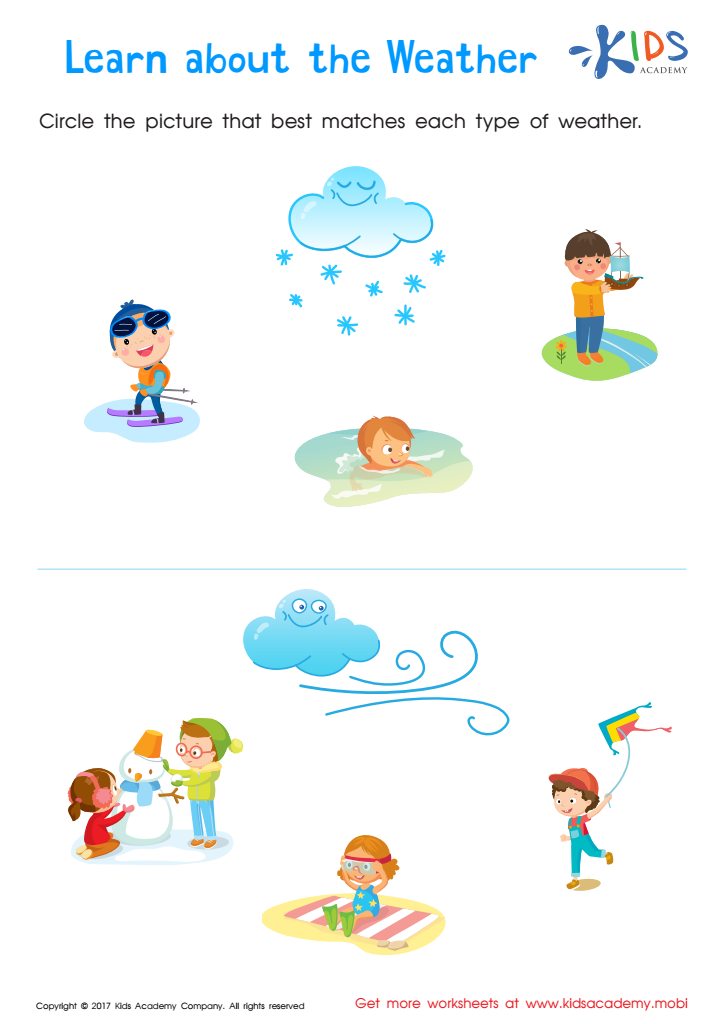
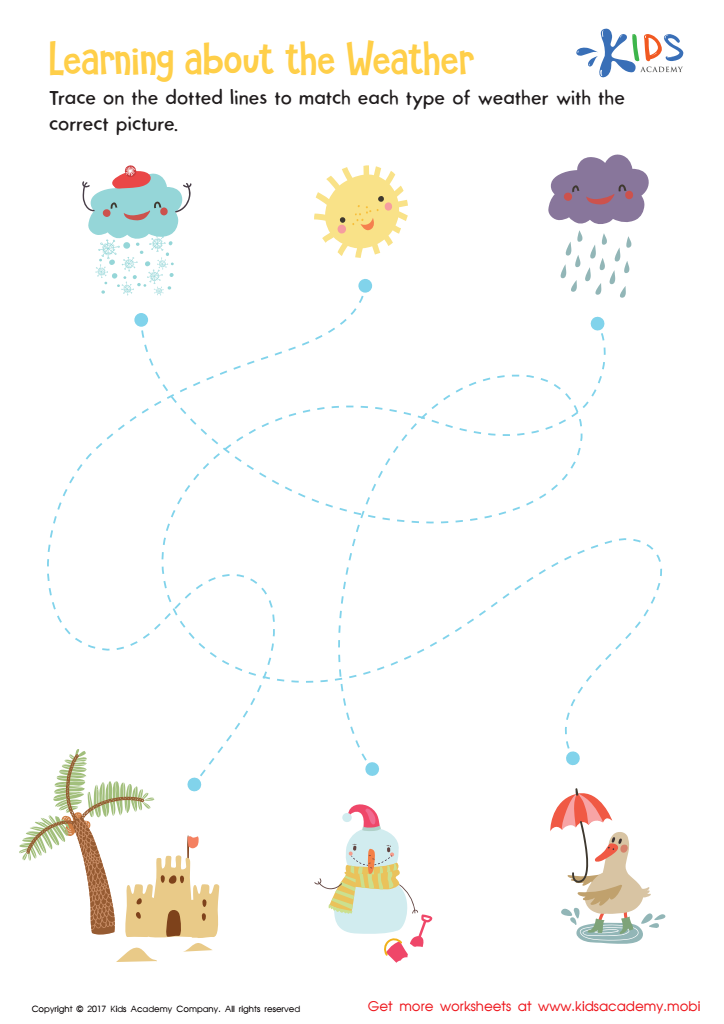
About the Weather Printable
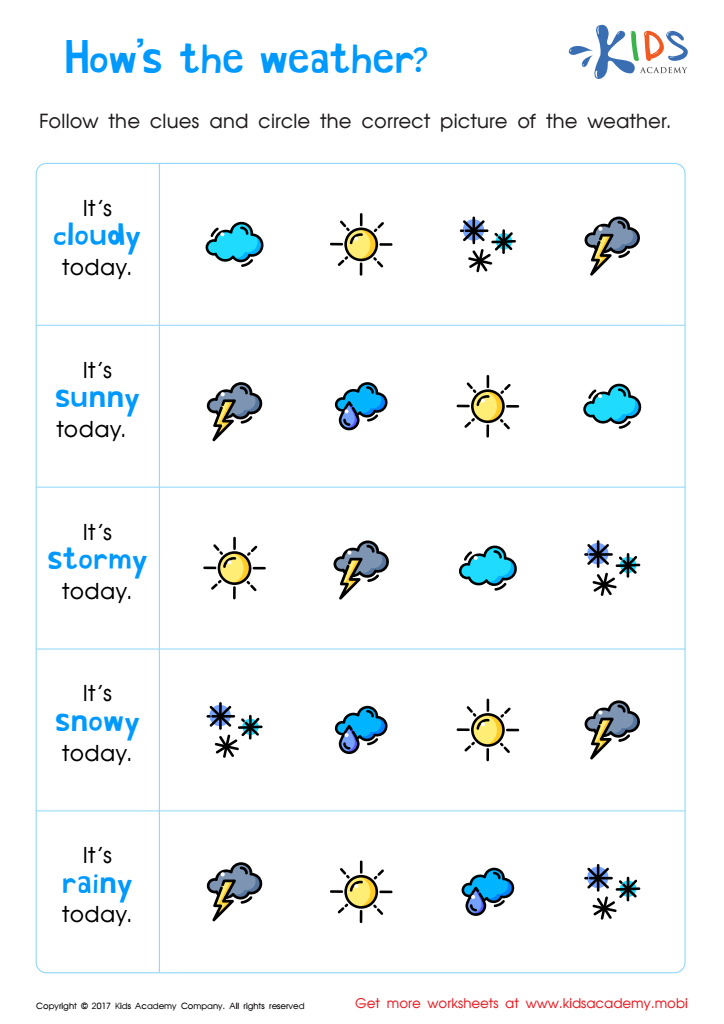
Hows the Weather Worksheet
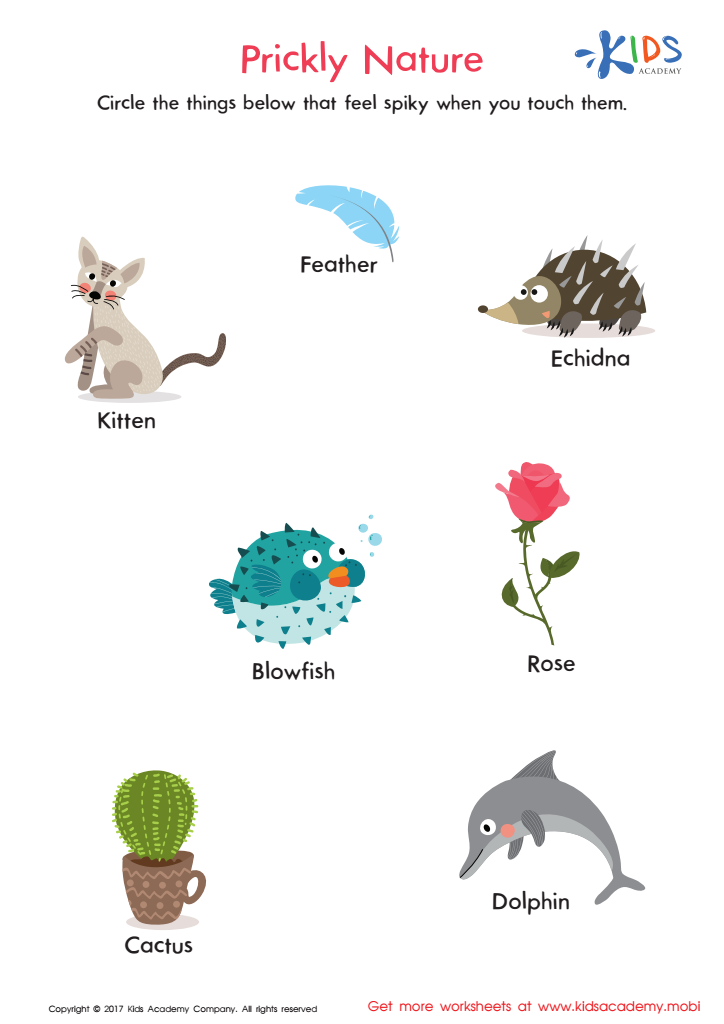
Prickly Nature Worksheet
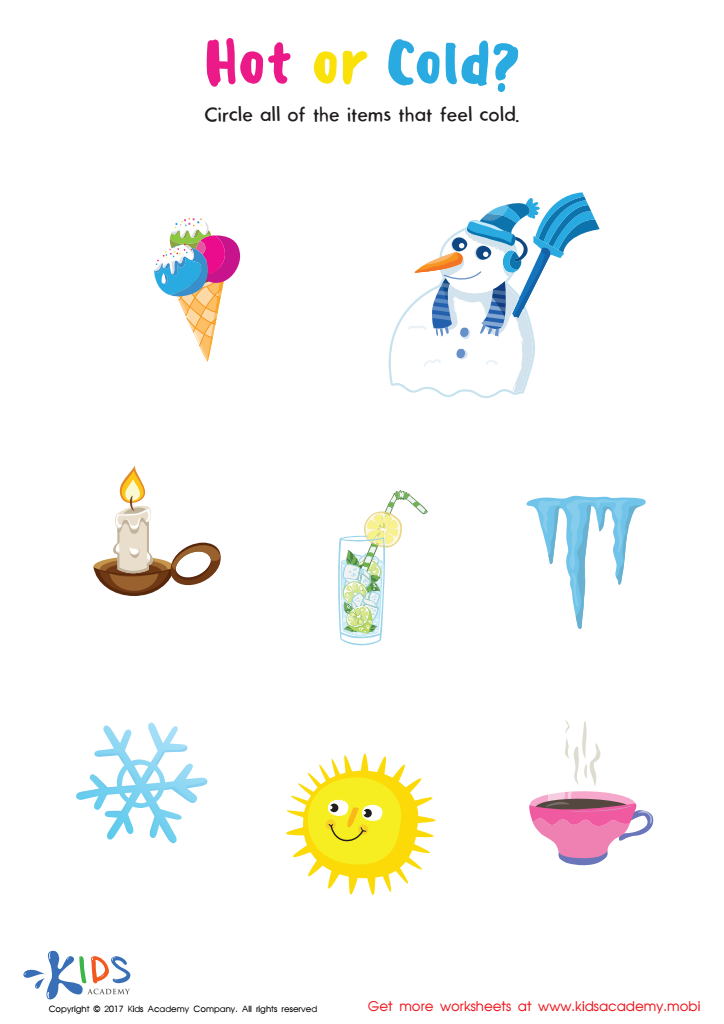
Hot or Cold Printable
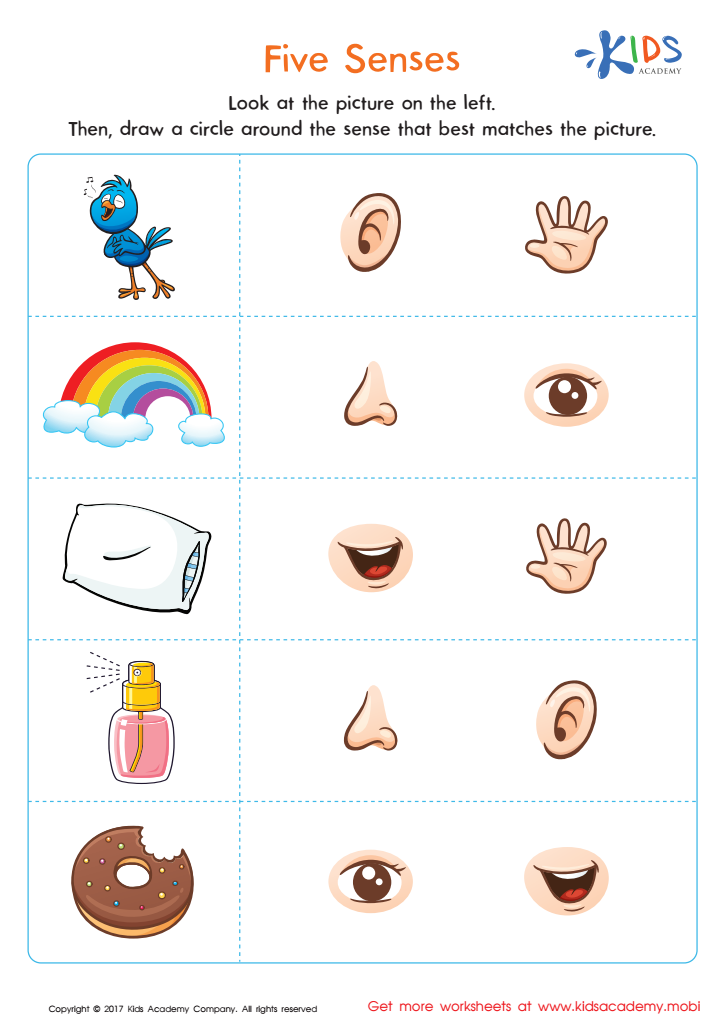
Five Senses Printable
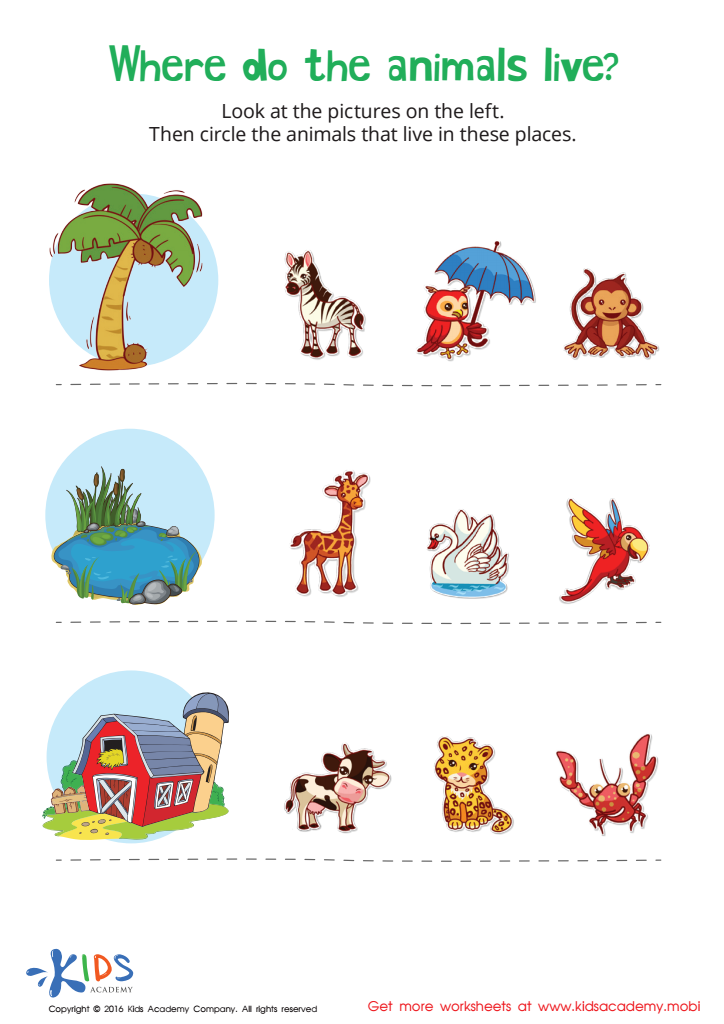
Where Animals Live Worksheet
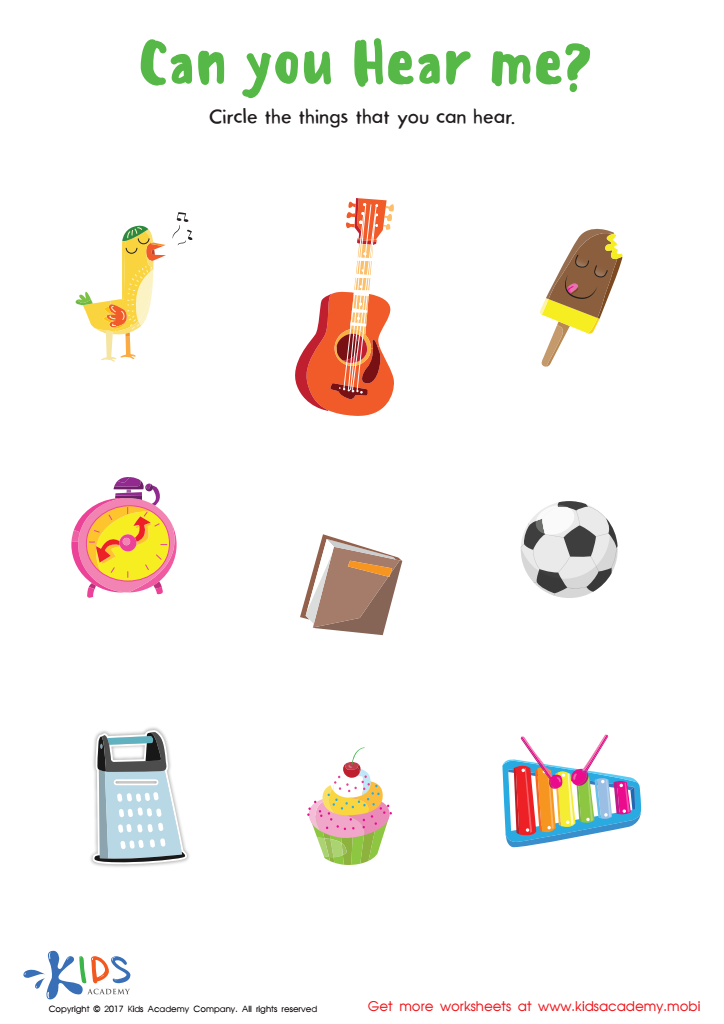
Can You Hear Me Worksheet
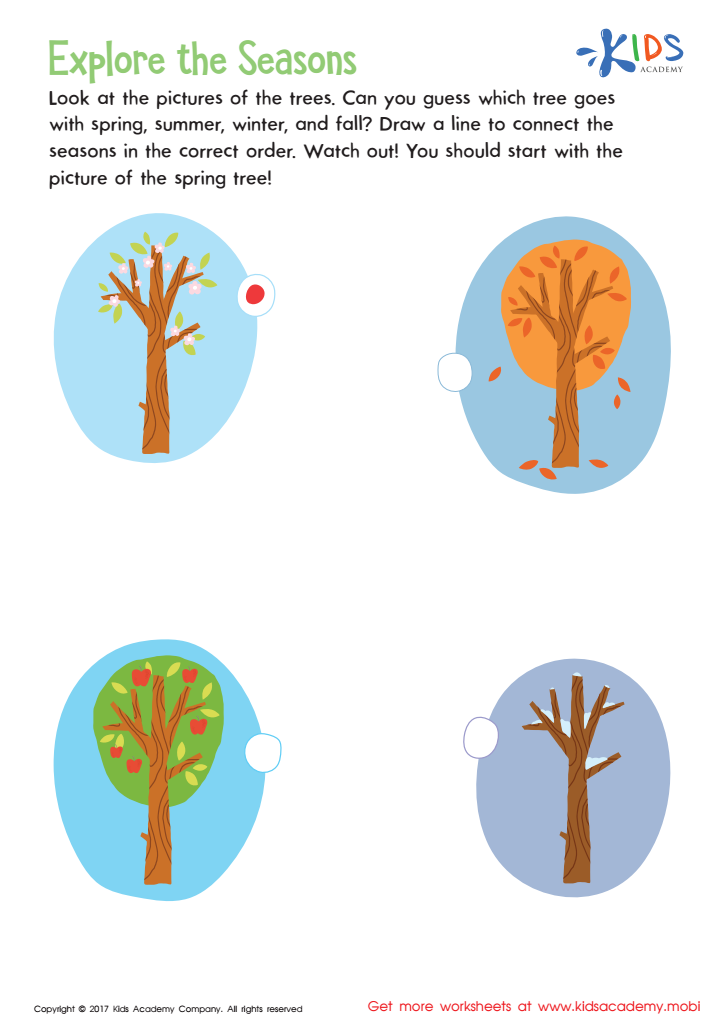
Explore the Seasons Worksheet
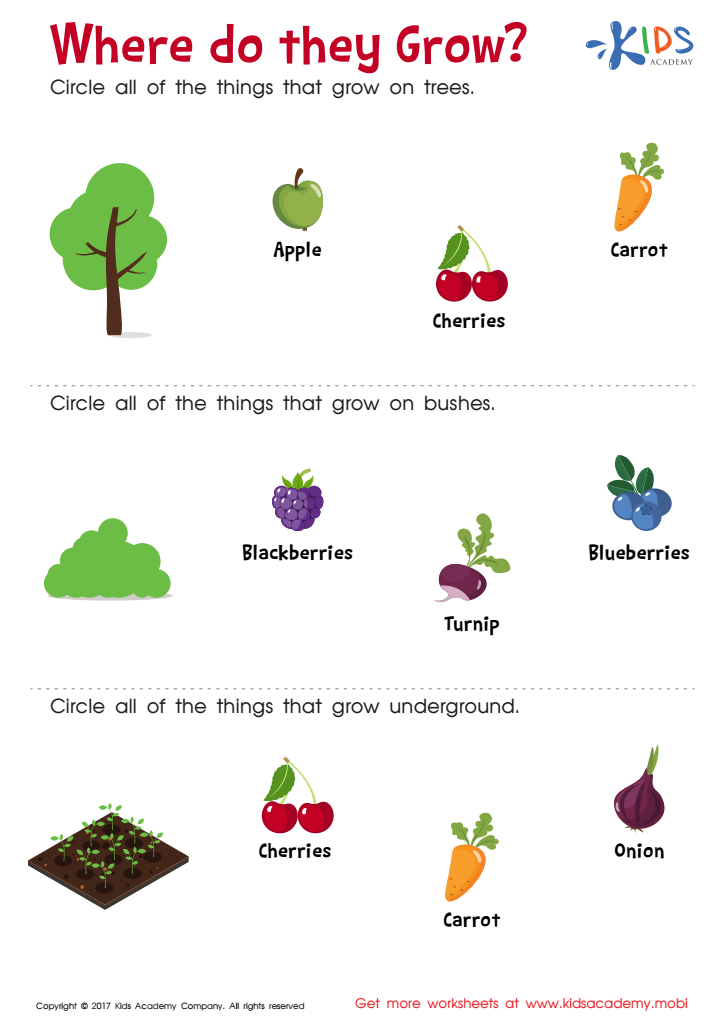
Where Do They Grow Worksheet
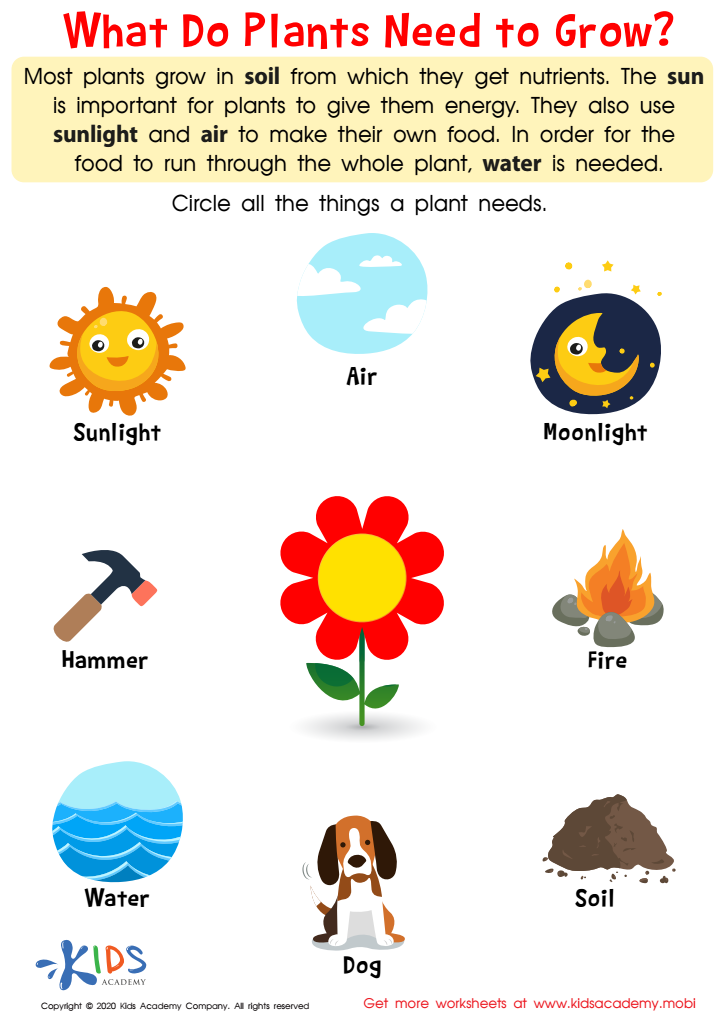
What Do Plants Need to Grow Worksheet
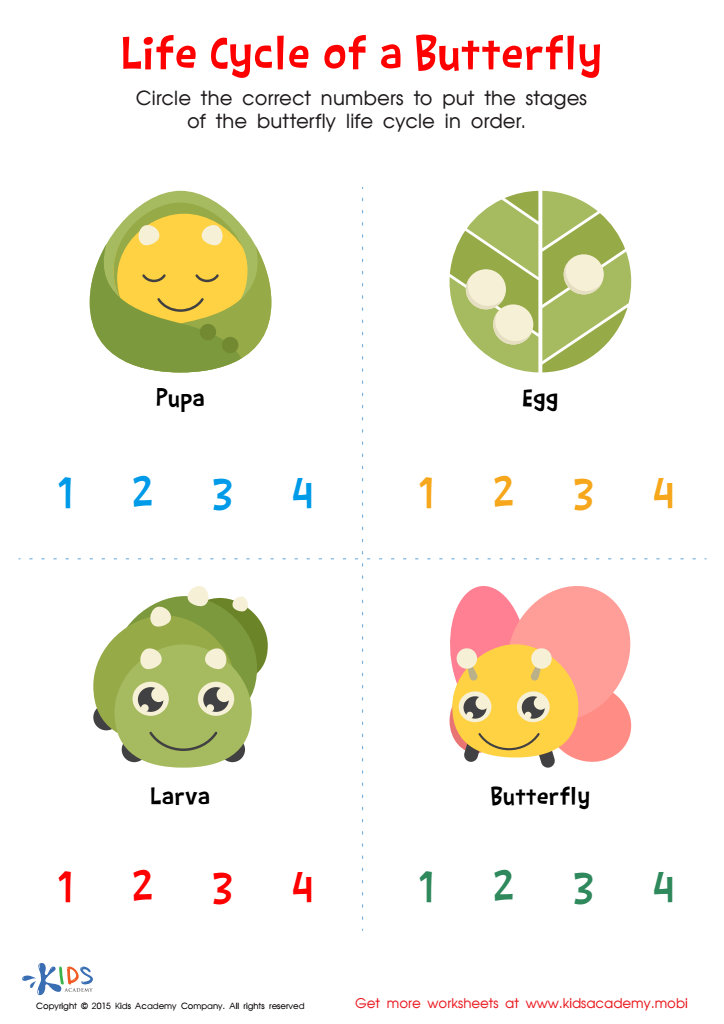
Life Cycle of Butterfly Printable
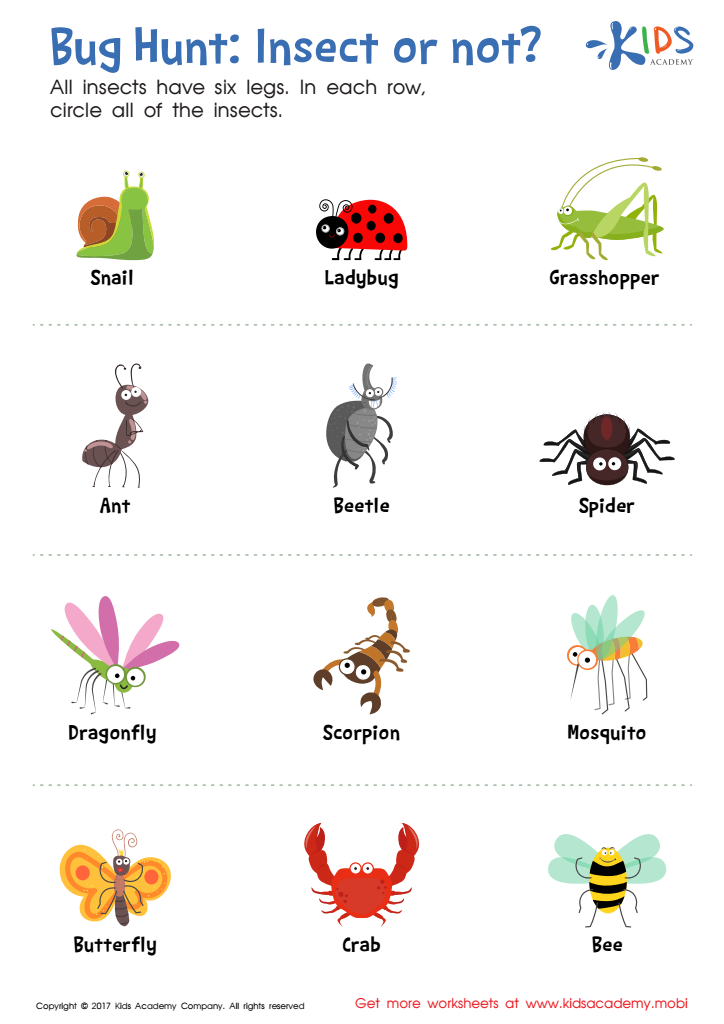
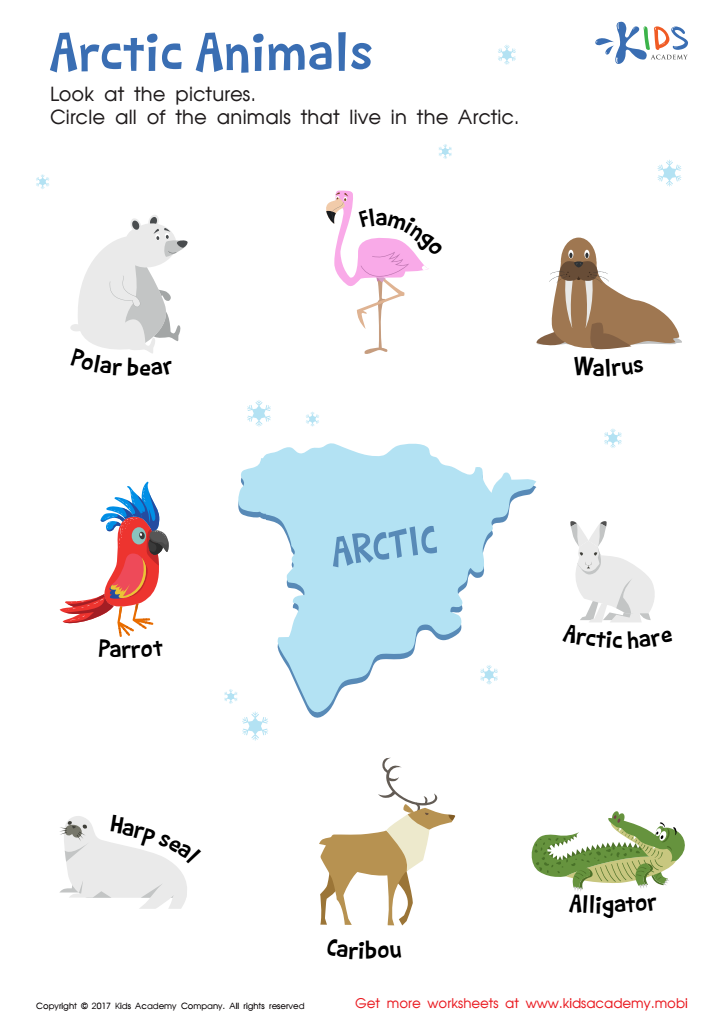
Arctic Animals Worksheet
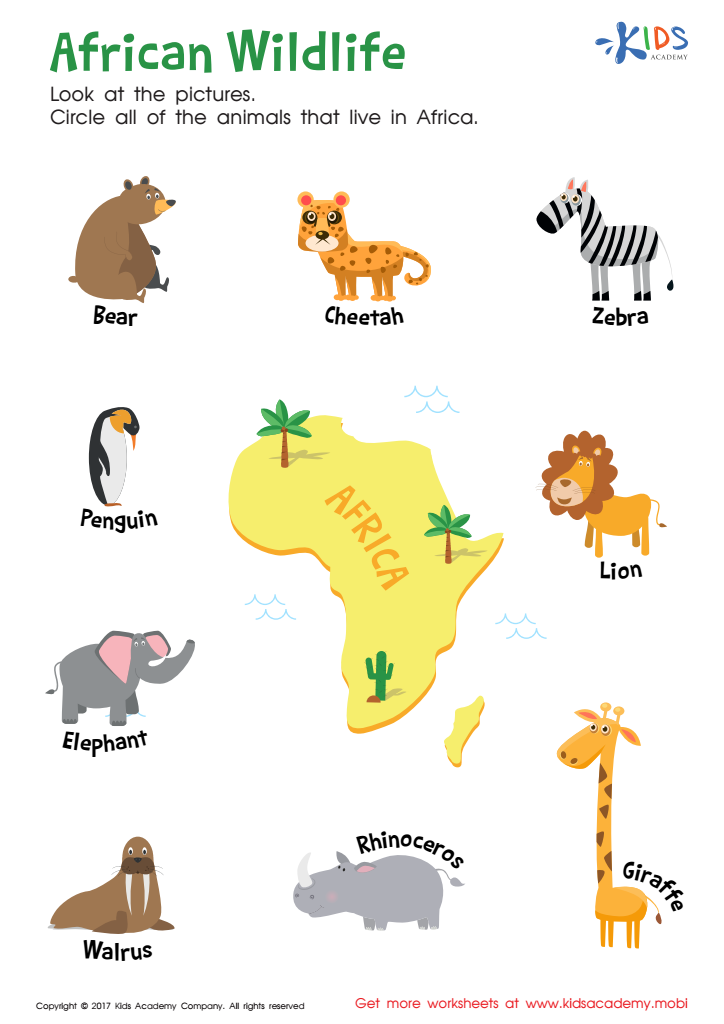
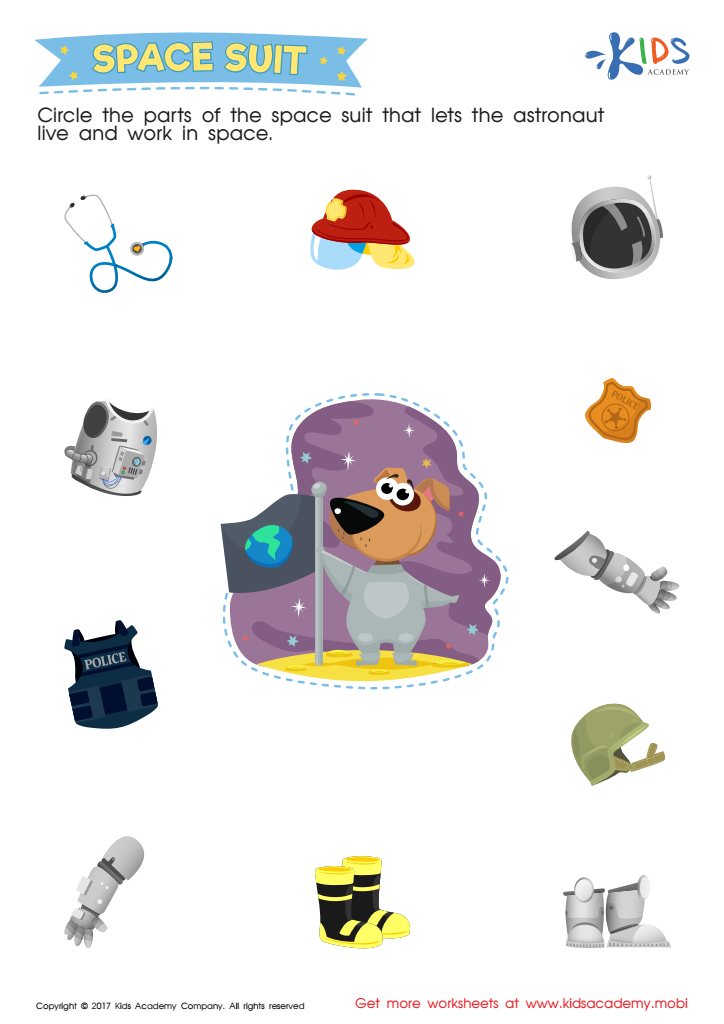




.jpg)

Parents and teachers should care about Normal Science for children aged 4-9 because it fosters early critical thinking and curiosity about the world. At this age, children are naturally inquisitive, constantly asking questions and seeking to understand their environment. Normal Science, presenting shared knowledge and methods used in scientific exploration, encourages this innate curiosity.
By exposing young learners to fundamental scientific concepts and the scientific method, parents and teachers can help develop essential skills such as observation, experimentation, and reasoning. These foundational skills not only ignite a love for learning but also lay the groundwork for future academic success in STEM (Science, Technology, Engineering, and Mathematics) fields.
Furthermore, this stage is pivotal for forming attitudes toward science. Early positive experiences with science can reduce anxiety associated with the subject later on and foster a mindset that embraces exploration and creativity. Inculcating a passion for scientific inquiry can also contribute to critical socio-emotional skills, as students engage in collaborative projects, share findings, and communicate ideas. Overall, nurturing a scientific understanding during these formative years nurtures effective problem-solving skills and encourages lifelong learners who are prepared to tackle future challenges.







