Normal Geometry Worksheets for Ages 5-7 - Page 3
63 filtered results
-
From - To
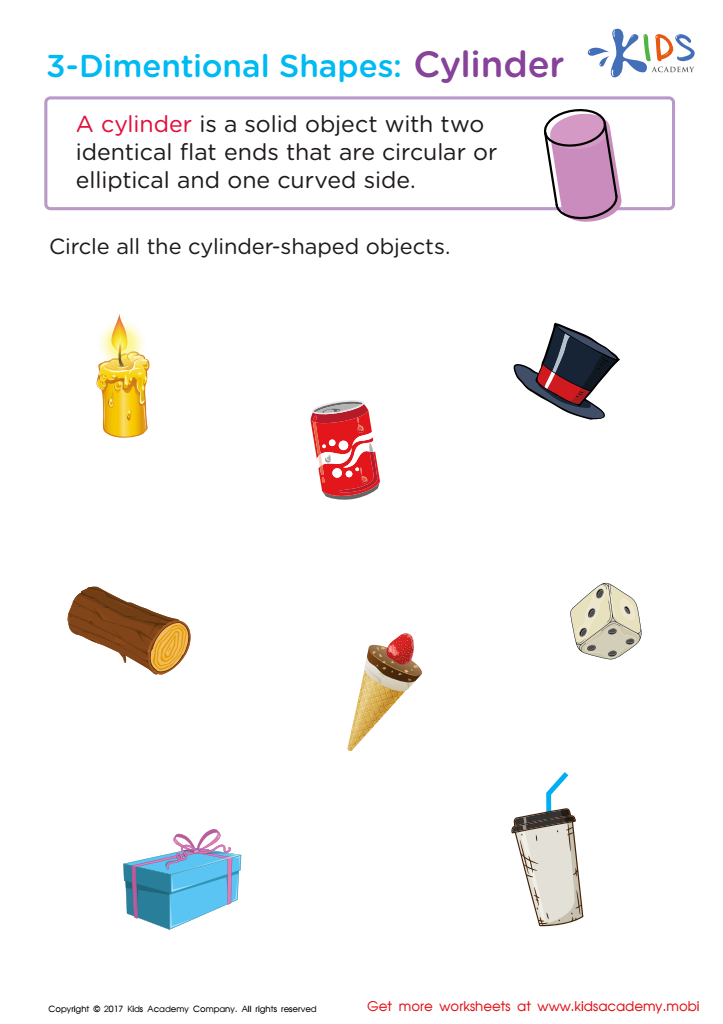
Three–Dimensional Shapes: Cylinder Worksheet
 Assign to My Students











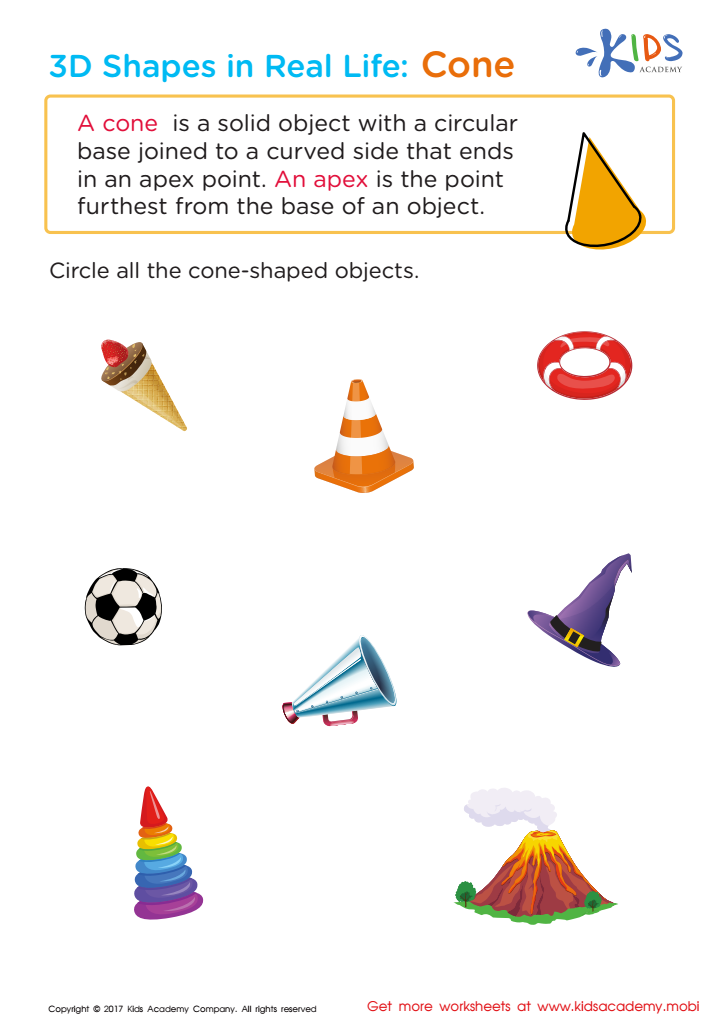
Shapes in Real Life: Cone Worksheet
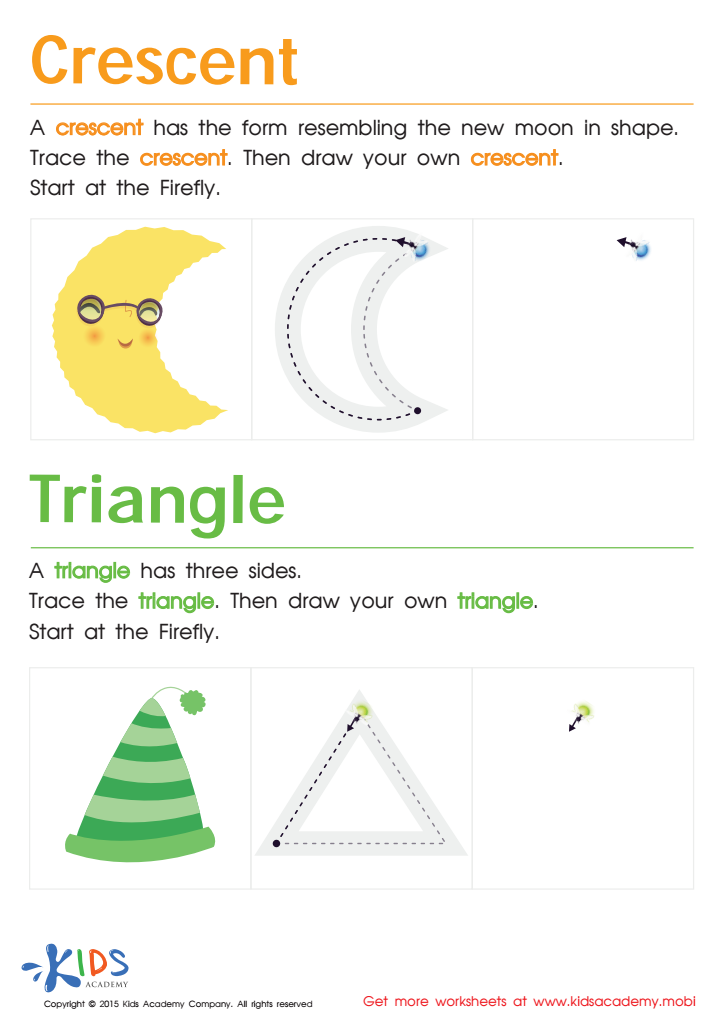
Learning to Draw Crescents And Triangles Worksheet
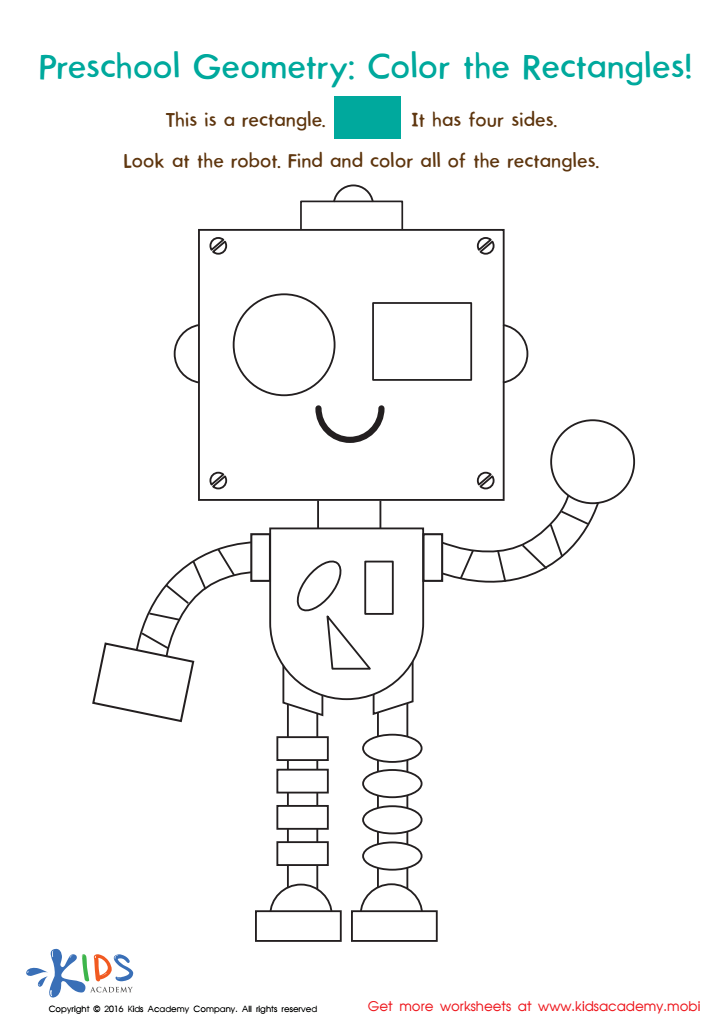
Geometry Worksheet
Cinderella Geometry Maze Worksheet
Food Match Up Worksheet
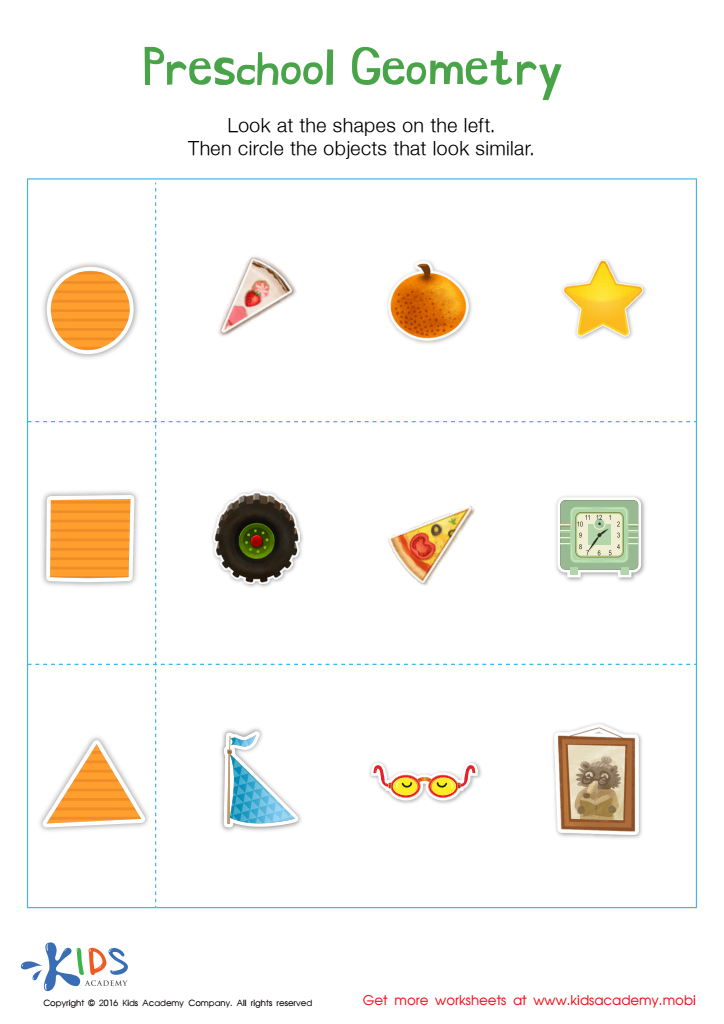
Preschool Geometry Match Up Worksheet
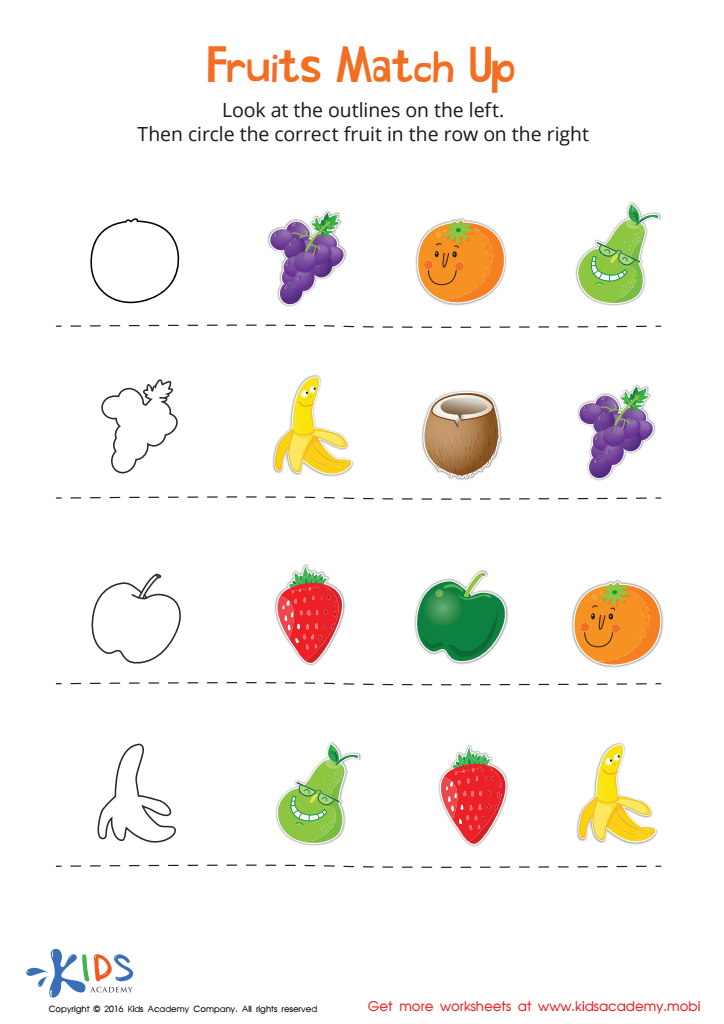
Fruits Match Up Worksheet
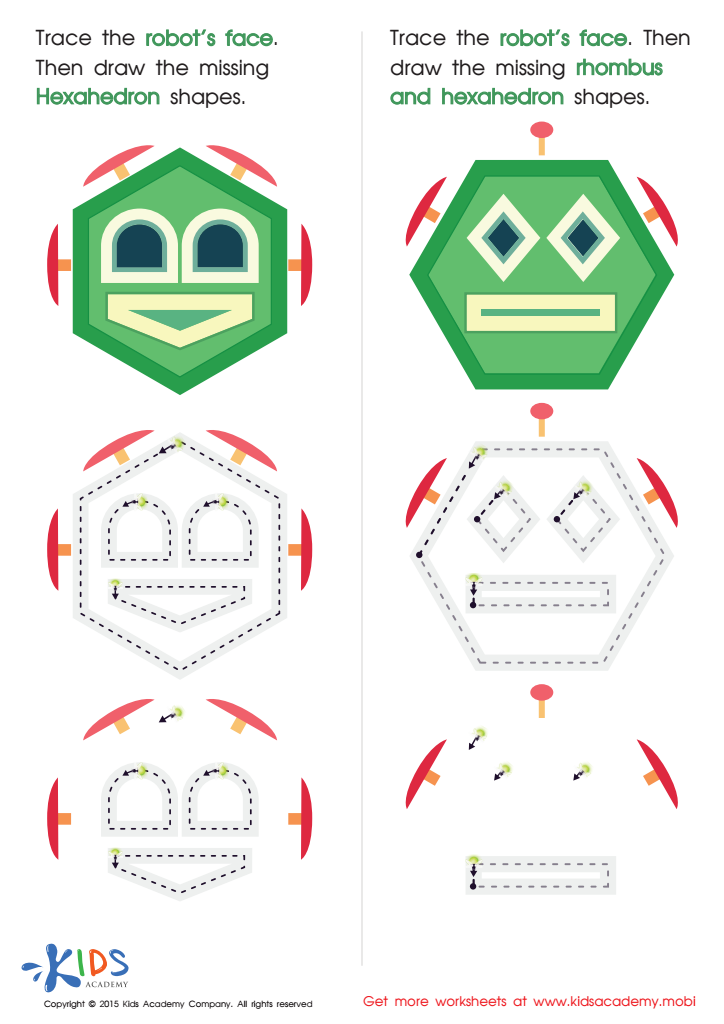
Practice Drawing Hexahedrons And a Rhombus Worksheet
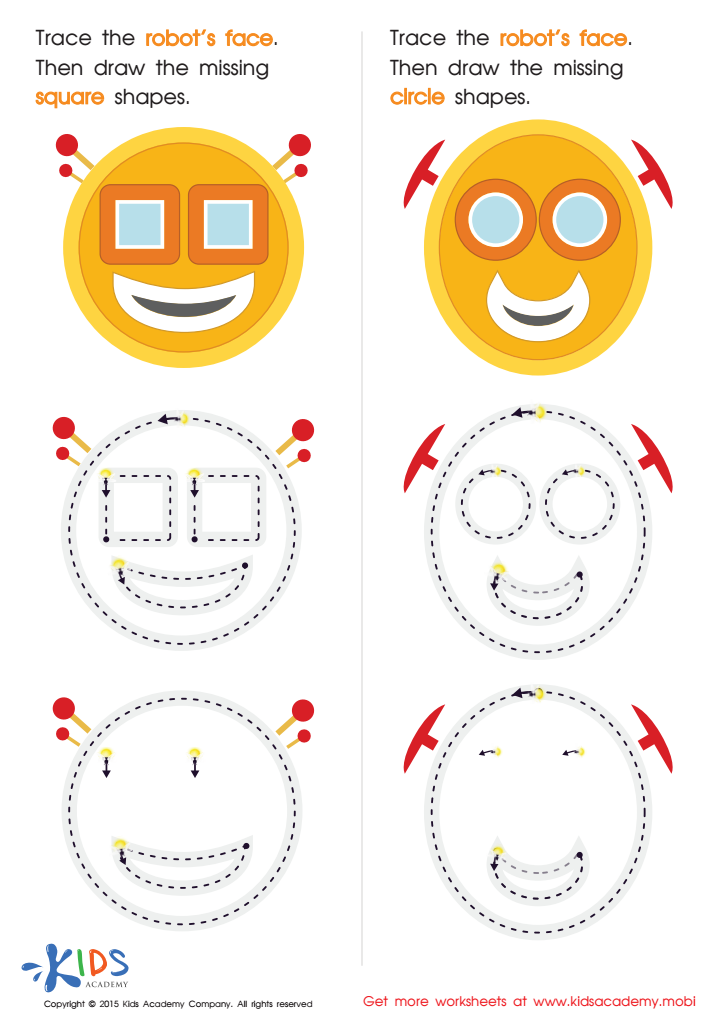
Practicing to Draw Circles And Squares Printable
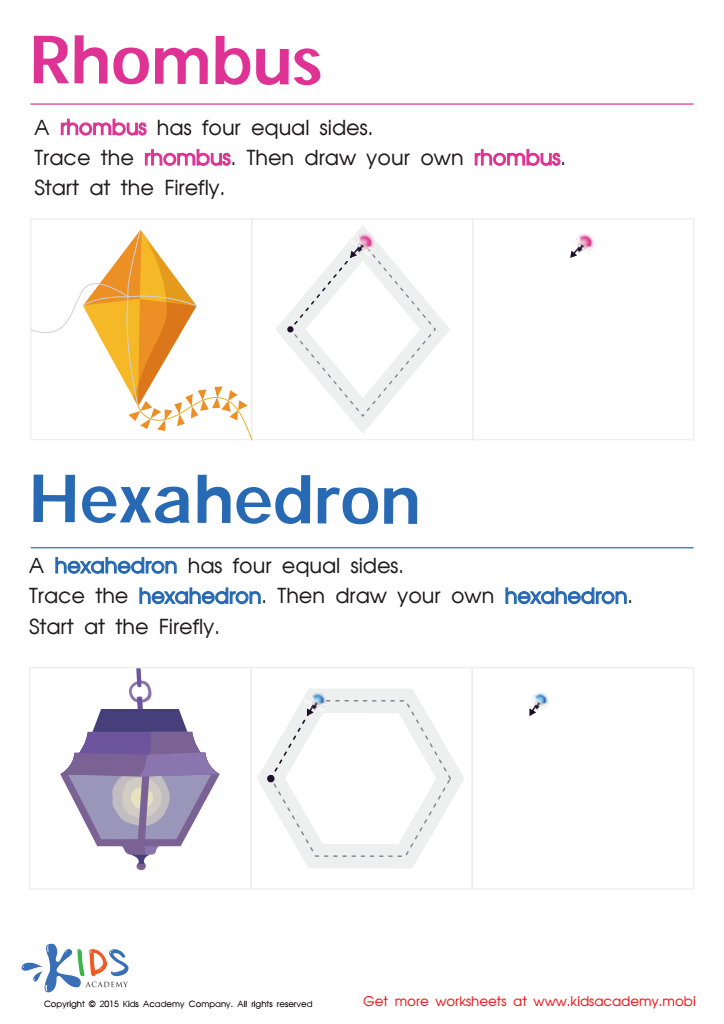
Draw a Rhombus And a Hexahedron Printable
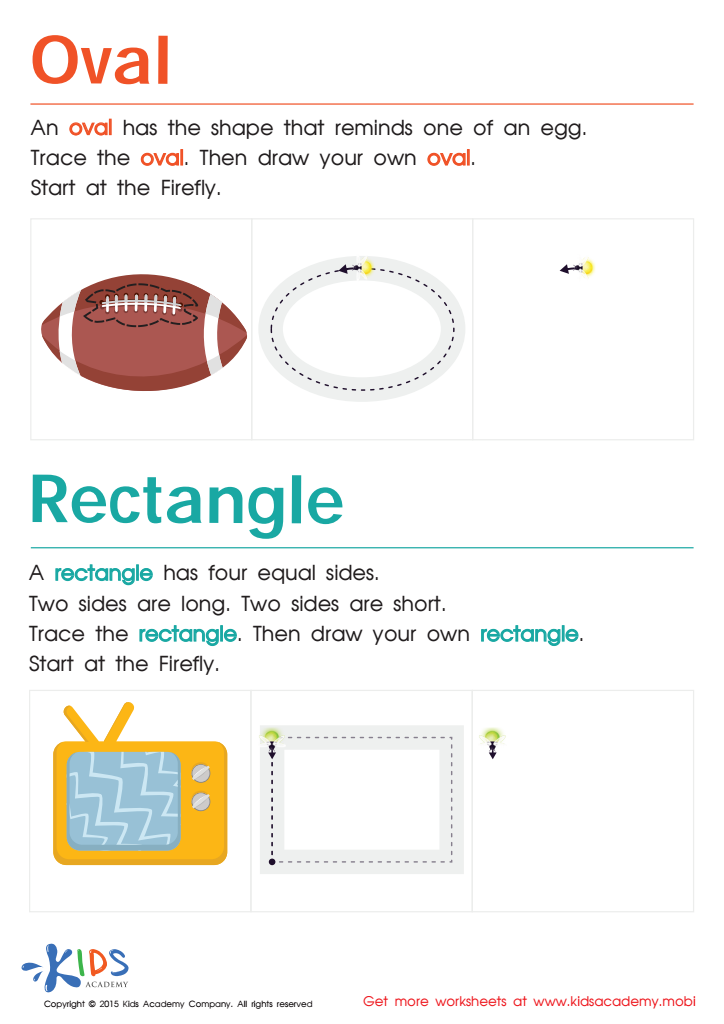
Easy Drawing of Ovals And Rectangles Worksheet
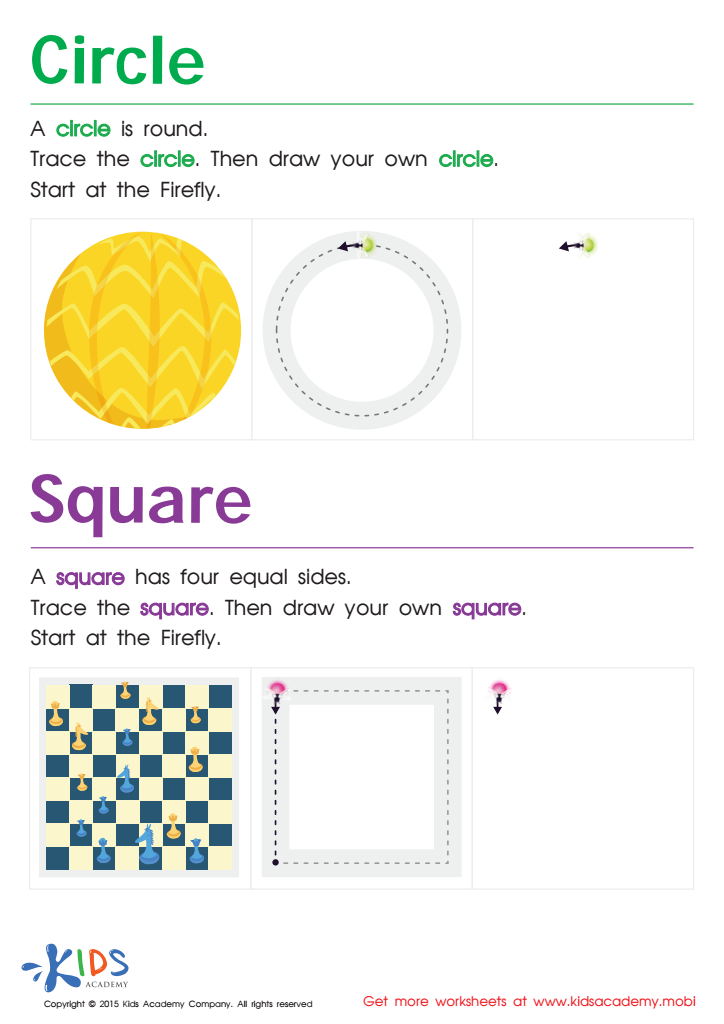
Trace And Draw a Circle And a Square Worksheet








Normal Geometry for ages 5-7 plays a crucial role in early childhood education, providing foundational skills that shape a child's cognitive development. At this age, children naturally explore the world through shapes and spatial relationships, which are key components of geometry. Understanding basic geometric concepts helps young learners develop critical thinking, problem-solving, and analytical skills that are vital in later educational stages and daily life.
Moreover, engaging with geometry fosters creativity and spatial awareness. Children become more adept at visualizing and manipulating objects, which translates into skills in art, engineering, and even mathematics. Activities involving shape recognition, symmetry, and patterns not only enhance mathematical intelligence but also reinforce language skills through vocabulary development.
In addition, introducing geometry early can boost a child's confidence in tackling more complex mathematical concepts down the line. As parents and teachers provide supportive environments rich in geometric exploration—like through play, hands-on activities, and interactive learning—they contribute to a balanced and engaging education.
Ultimately, investing in Normal Geometry education for children helps build a strong foundation for their academic journey, promoting lifelong learning and thinking skills that are essential in an ever-evolving world.








