Normal Addition Worksheets for Ages 6-8 - Page 2
68 filtered results
-
From - To
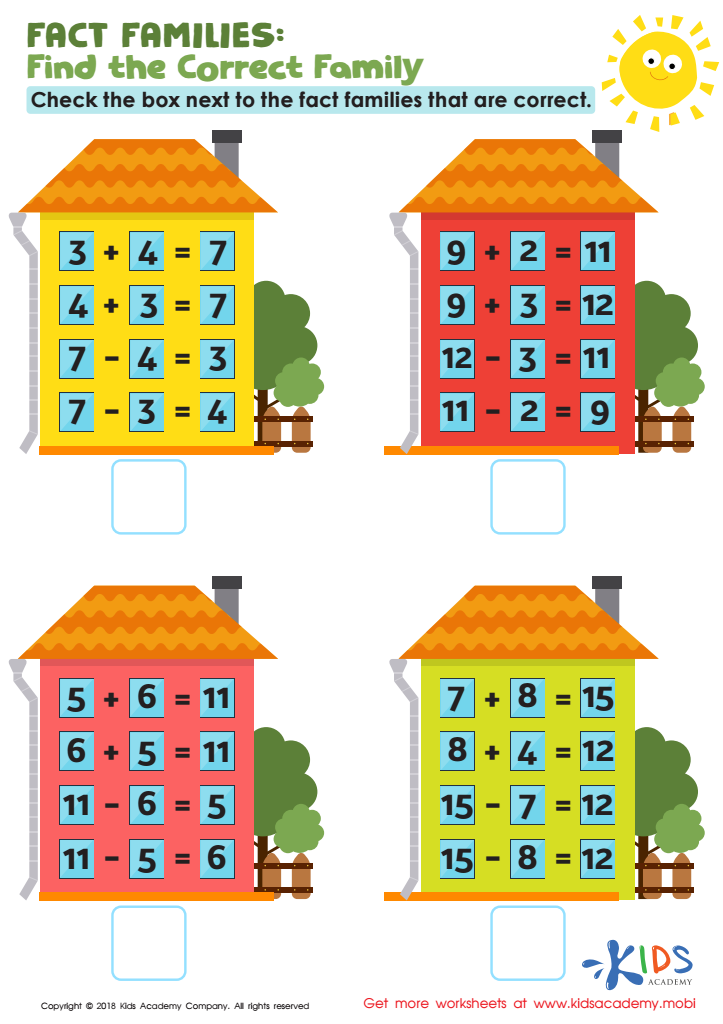
Fact Families: Find Correct Family Worksheet
 Assign to My Students
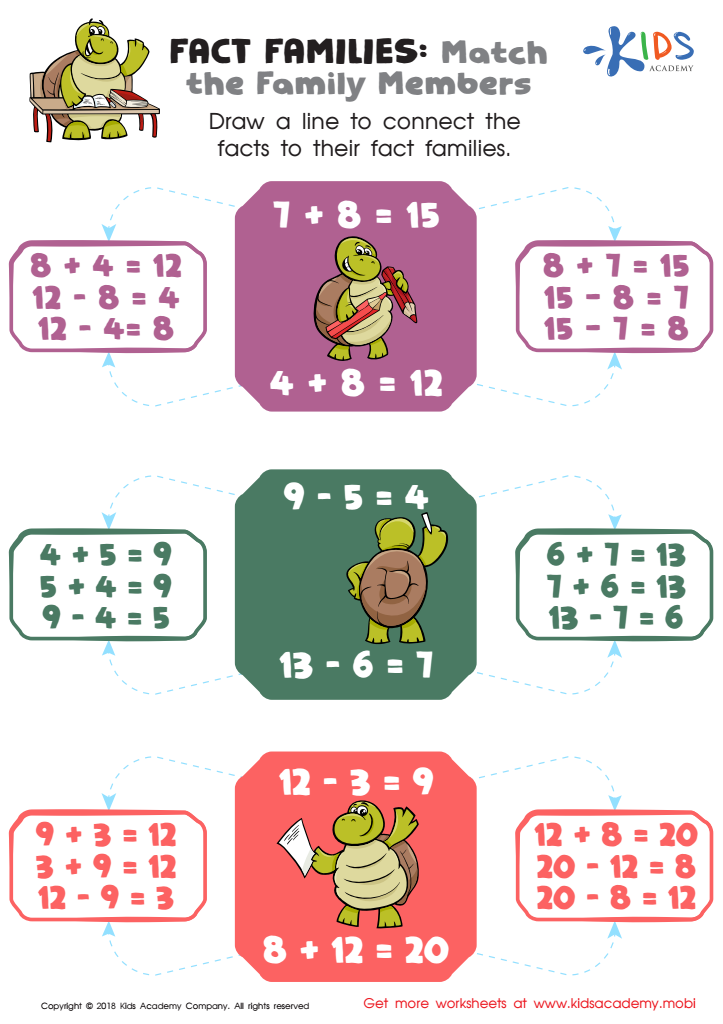
Fact Families: Match Family Members Worksheet
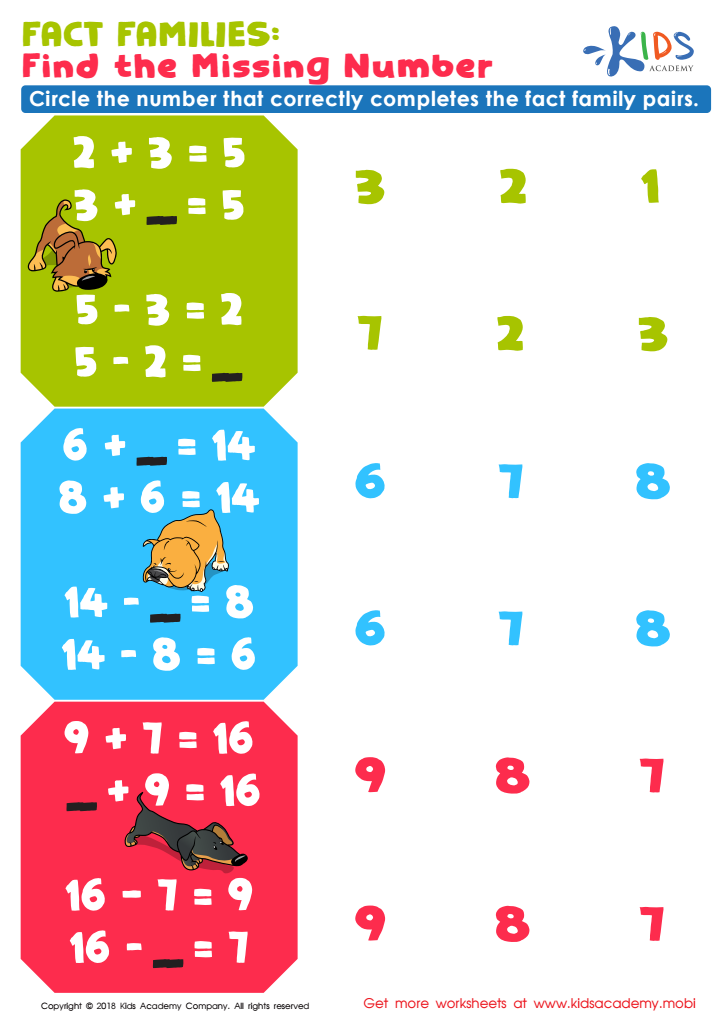
Fact Families: Find Missing Number Worksheet
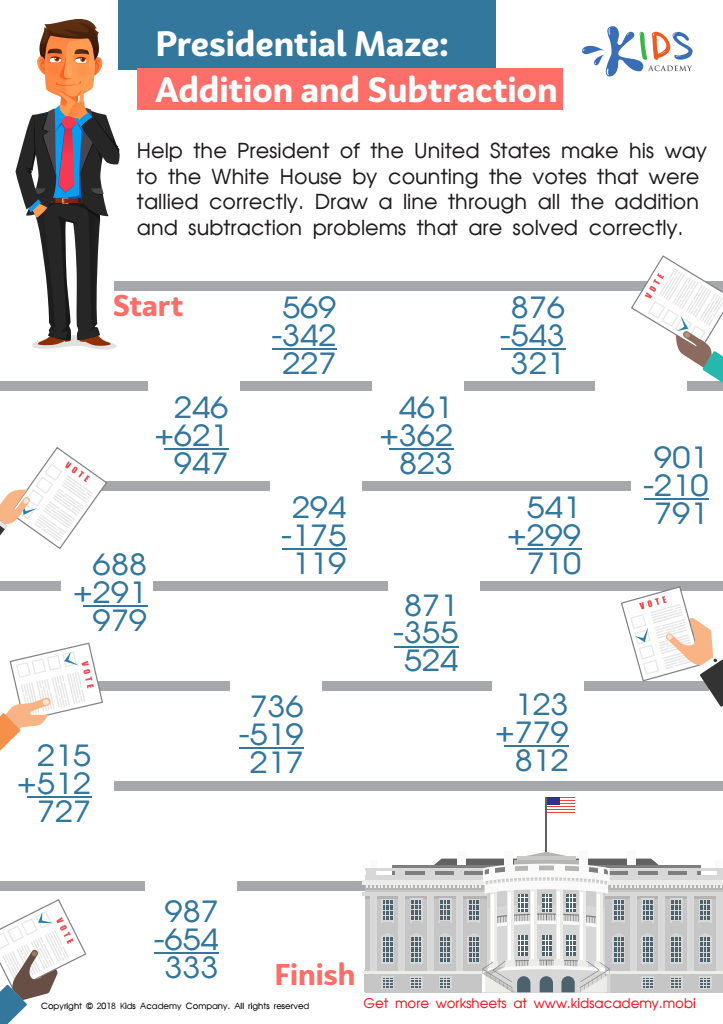
Presidential Maze: Addition and Subtraction Worksheet
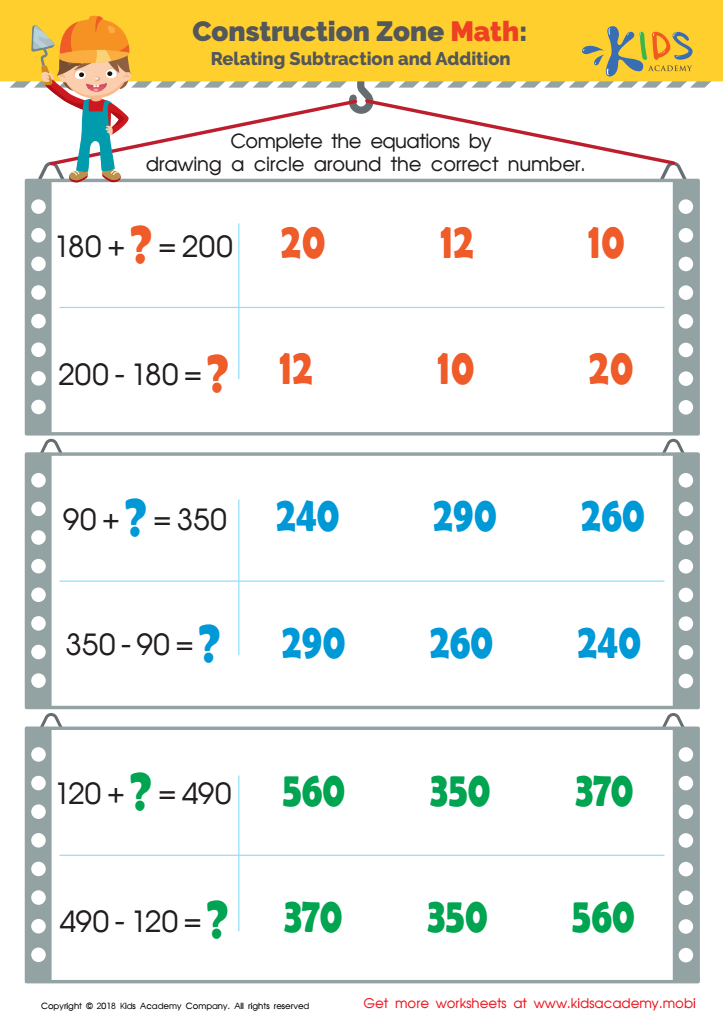
Construction Zone Math: Relating Subtraction and Addition Worksheet
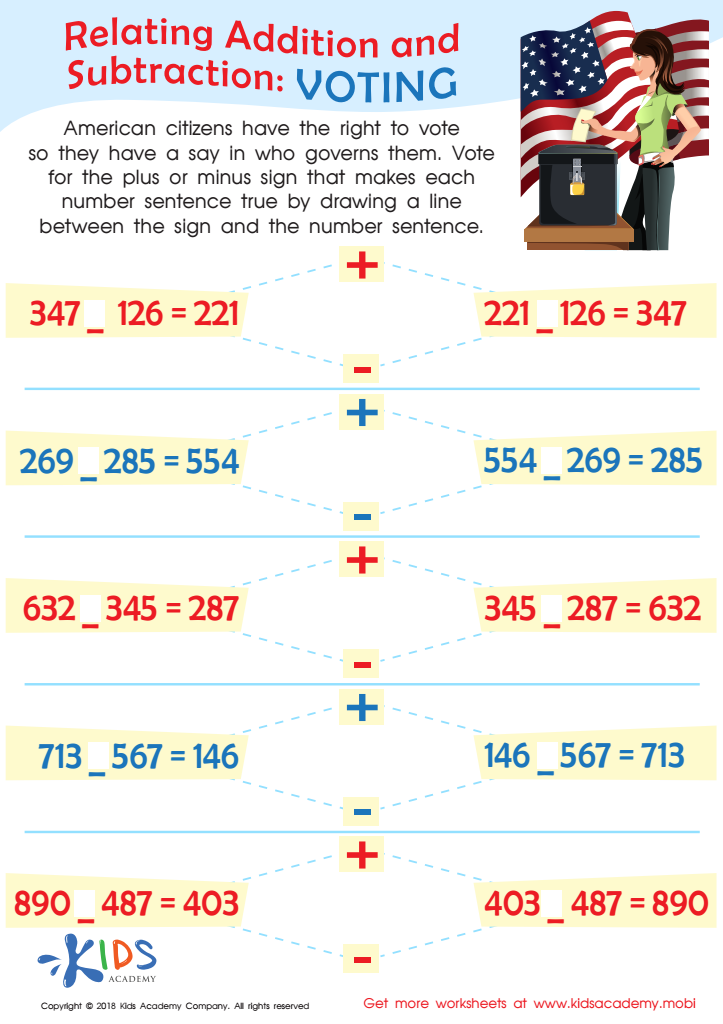
Voting Worksheet
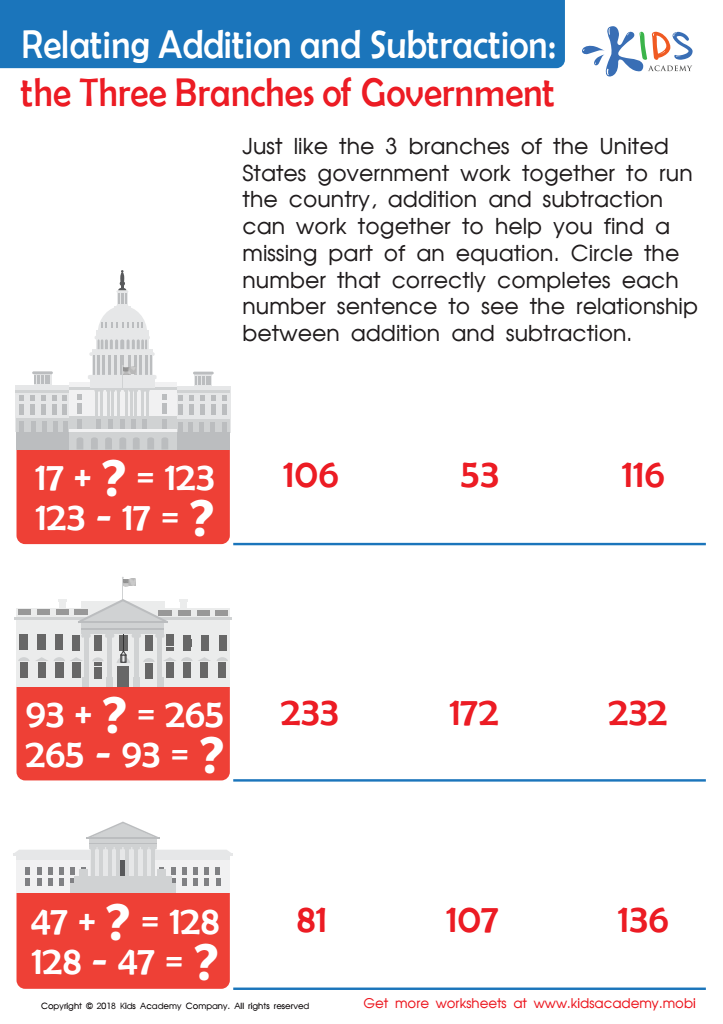
The Three Branches of Government Worksheet
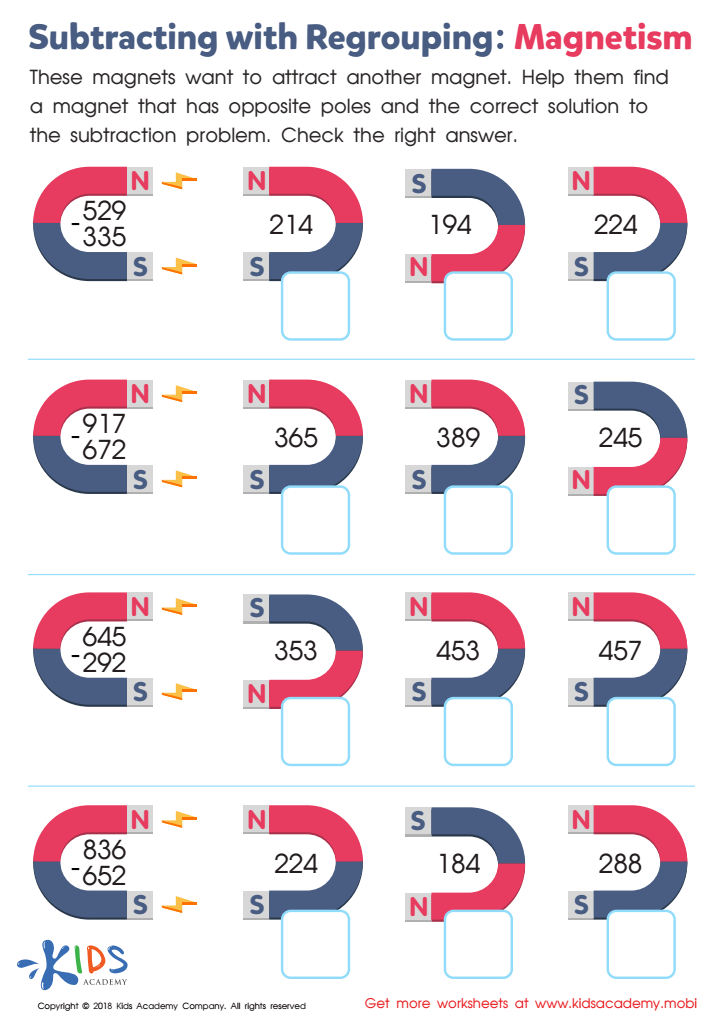
Subtracting with Regrouping: Magnetism Worksheet
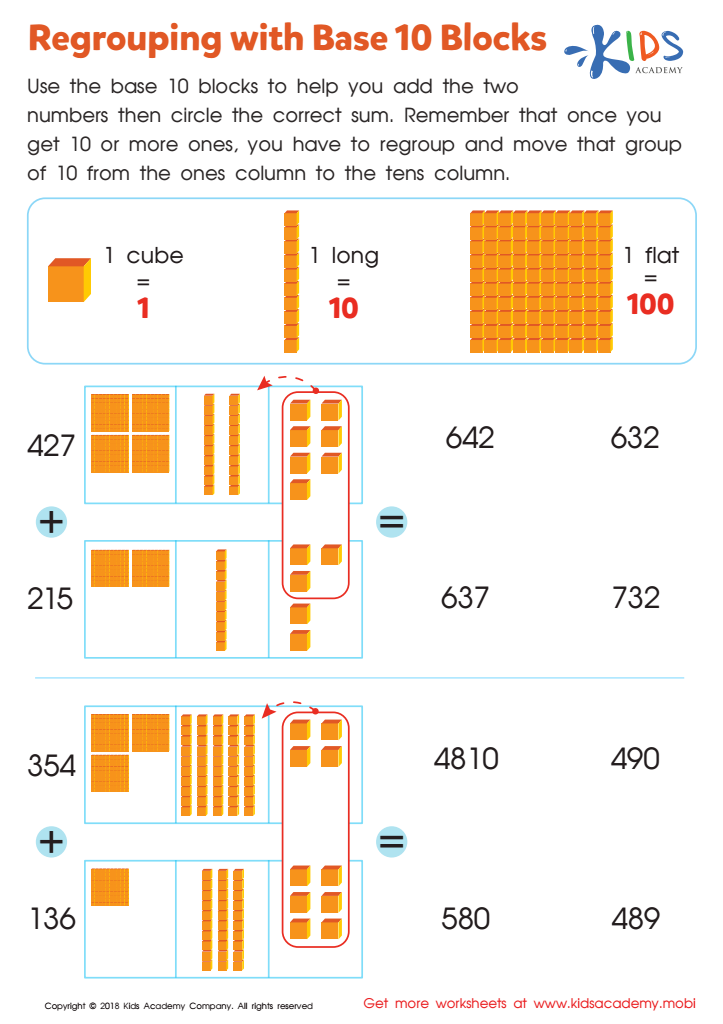
Regrouping with Base 10 Blocks Worksheet
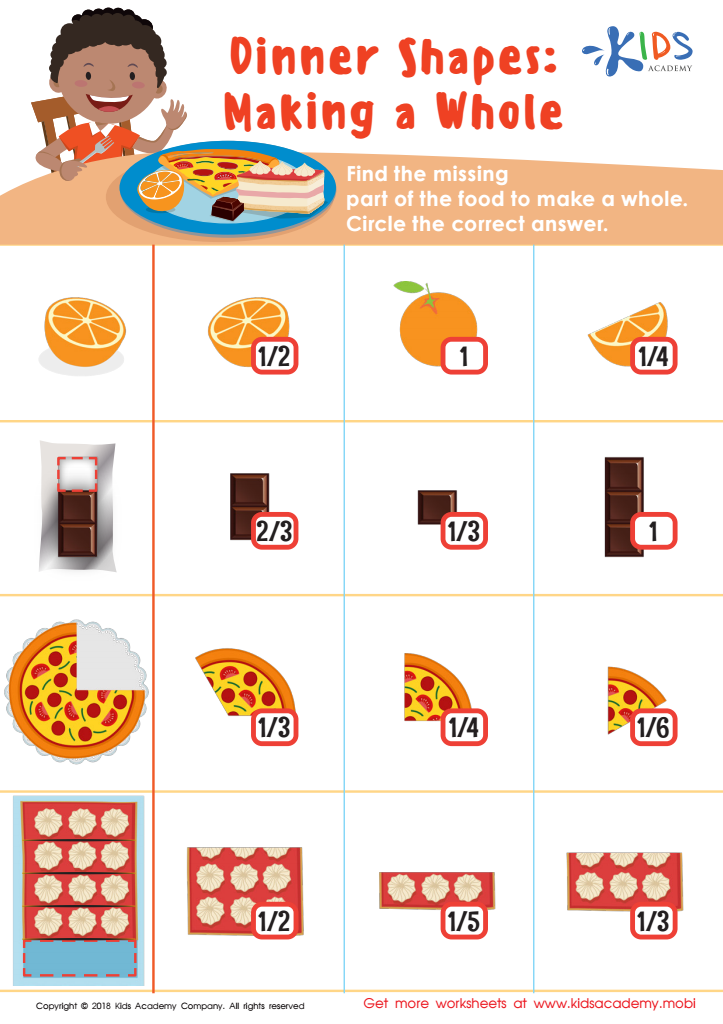
Dinner Shapes: Making a Whole Worksheet
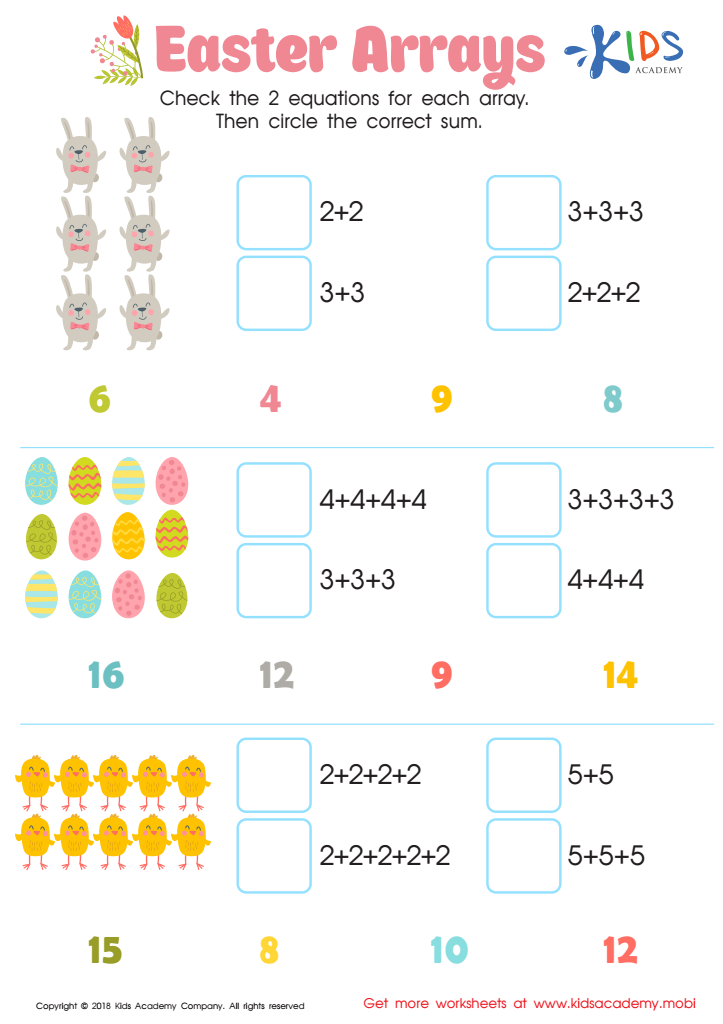
Easter Arrays Worksheet
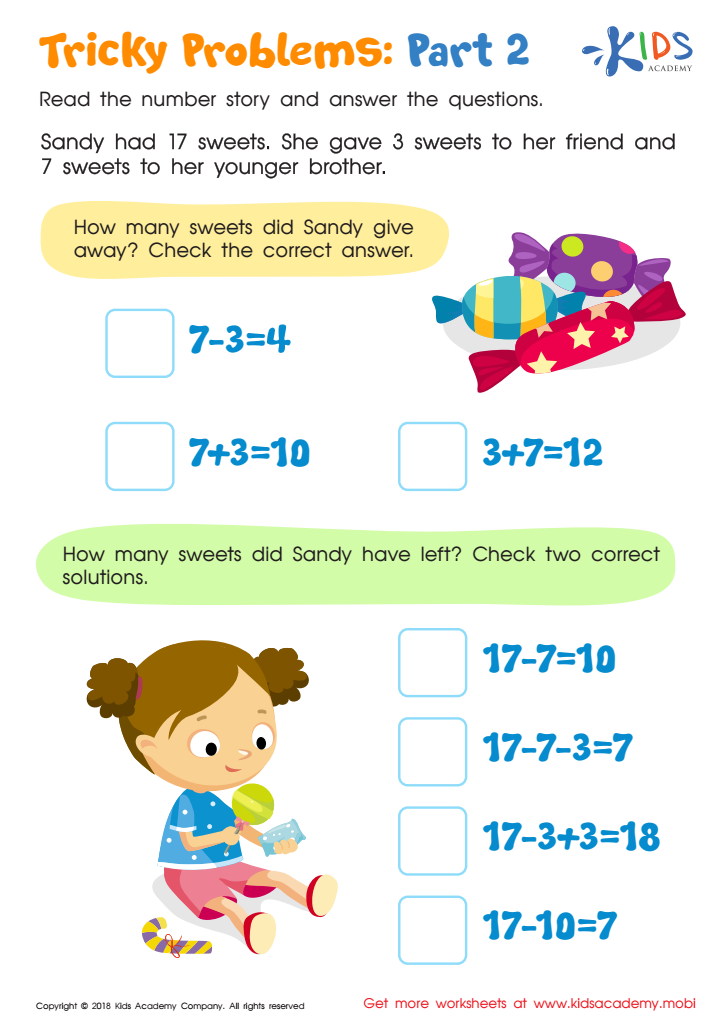
Tricky Problems Worksheet: Part 2
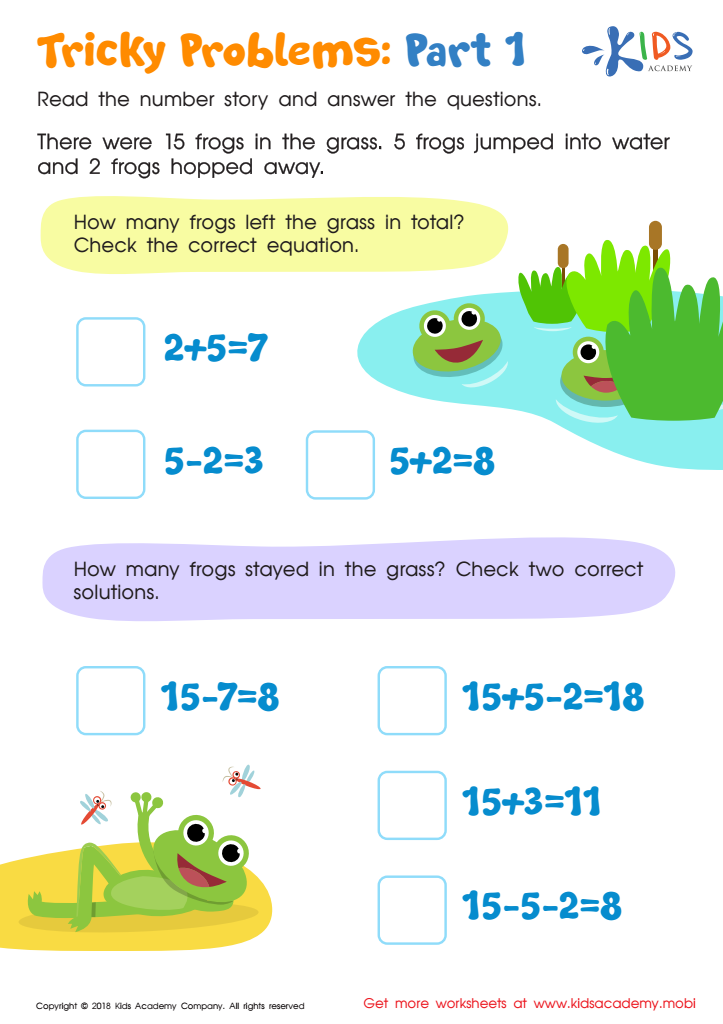
Tricky Problems Worksheet: Part 1
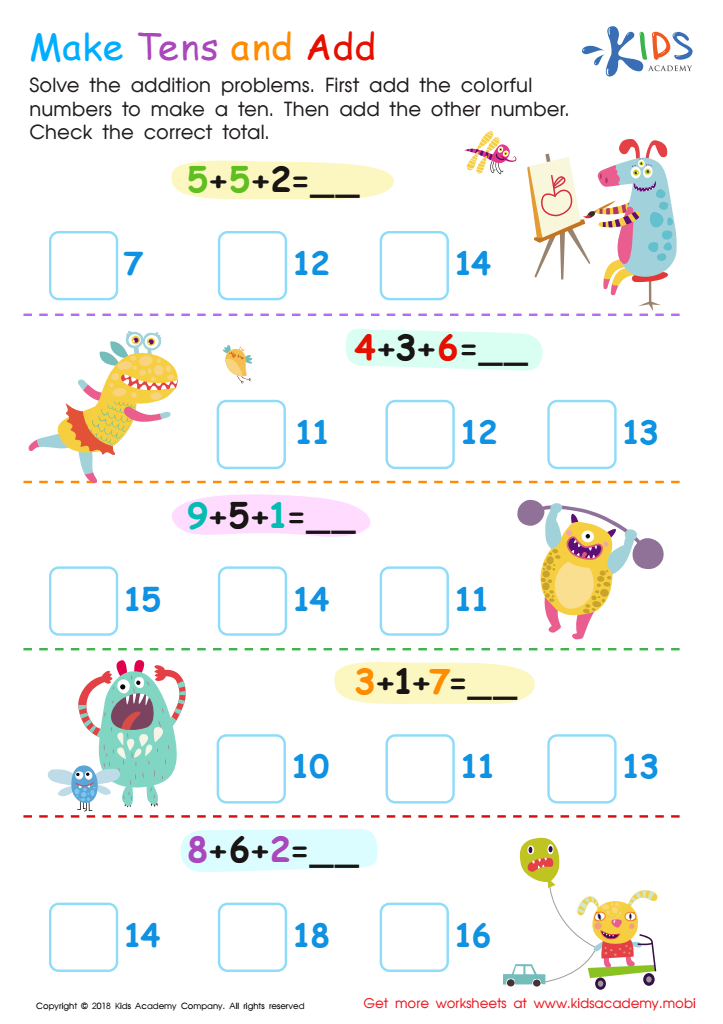
Make Tens and Add Worksheet
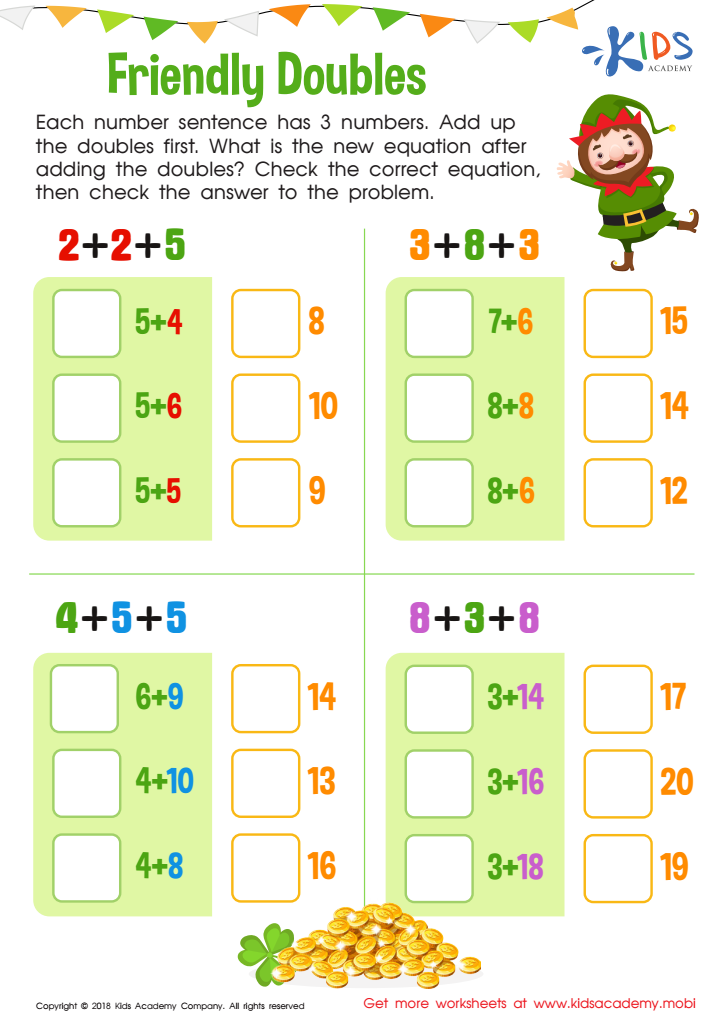
Friendly Doubles Worksheet
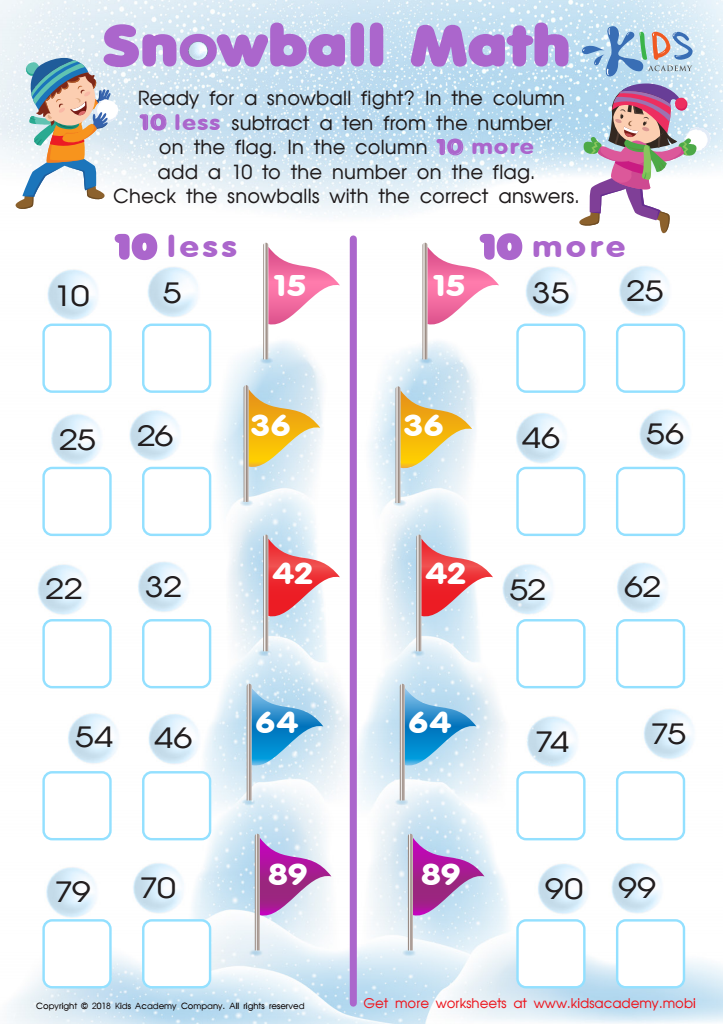
Snowball Math Worksheet
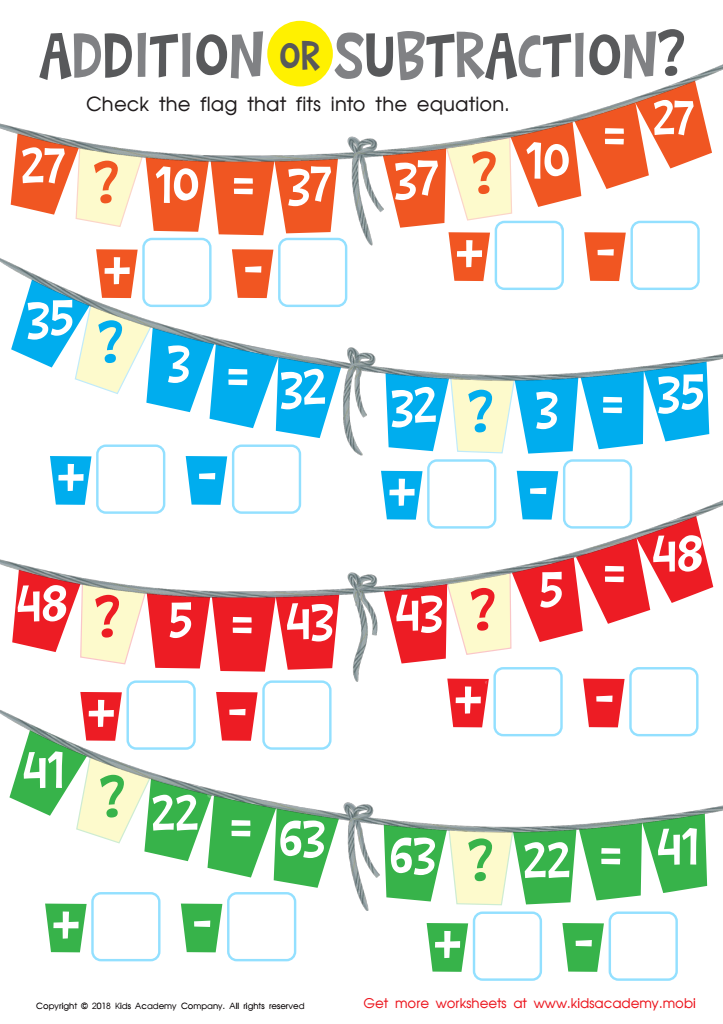
Addition or Subtraction? Worksheet
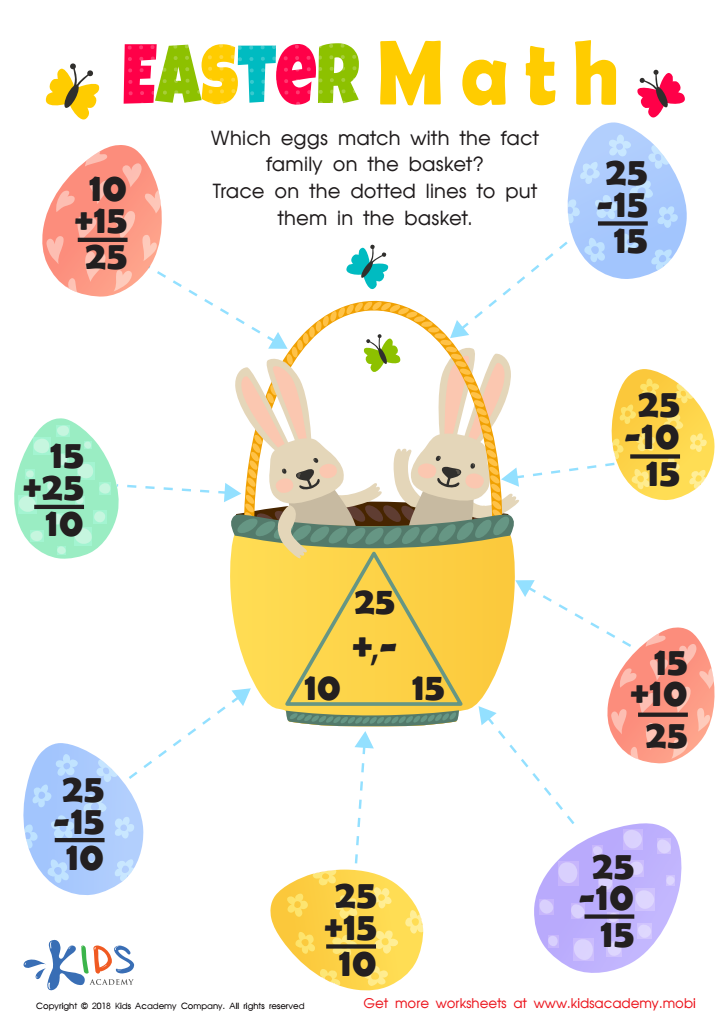
Fact Families: Easter Math Worksheet
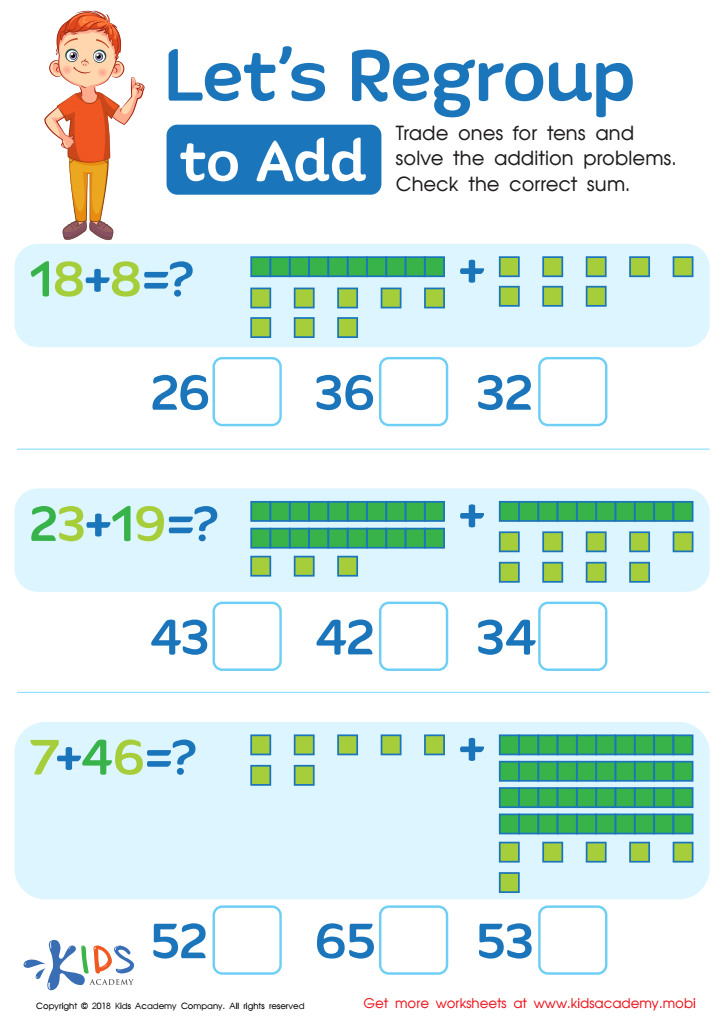
Let's Regroup to Add Worksheet
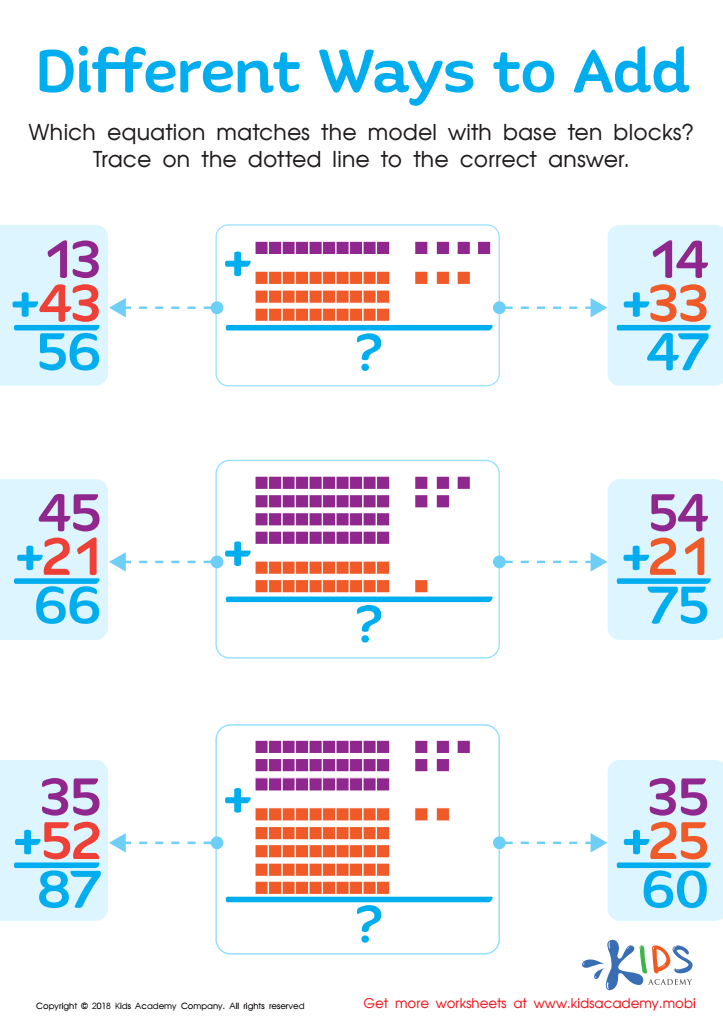
Different Ways to Add Worksheet
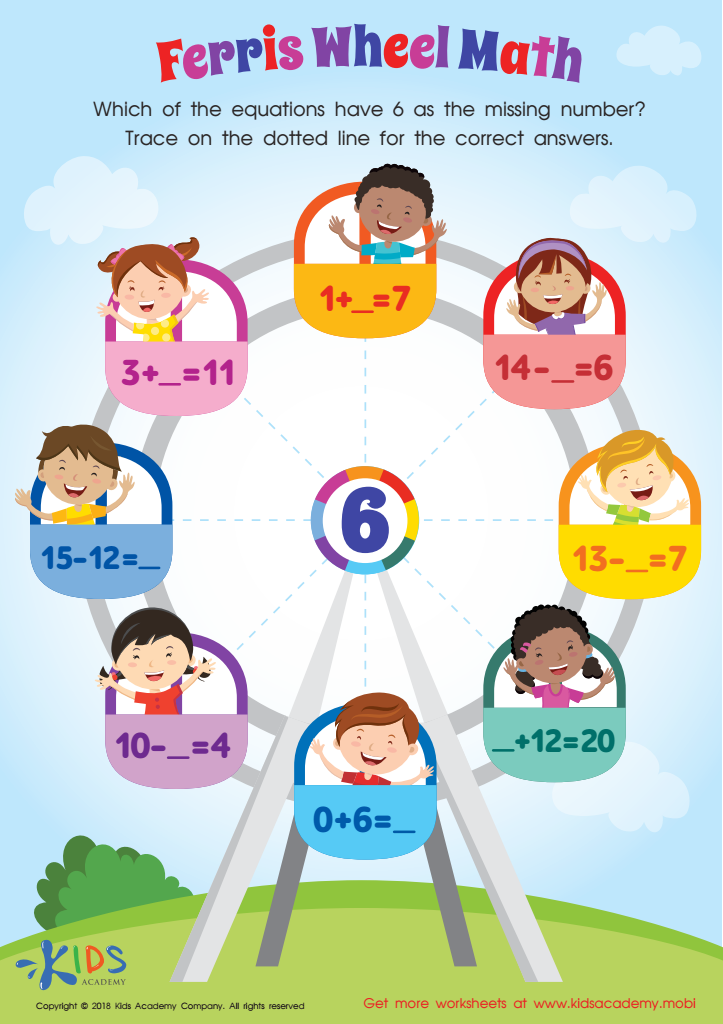
Missing Number: Ferris Wheel Math Worksheet
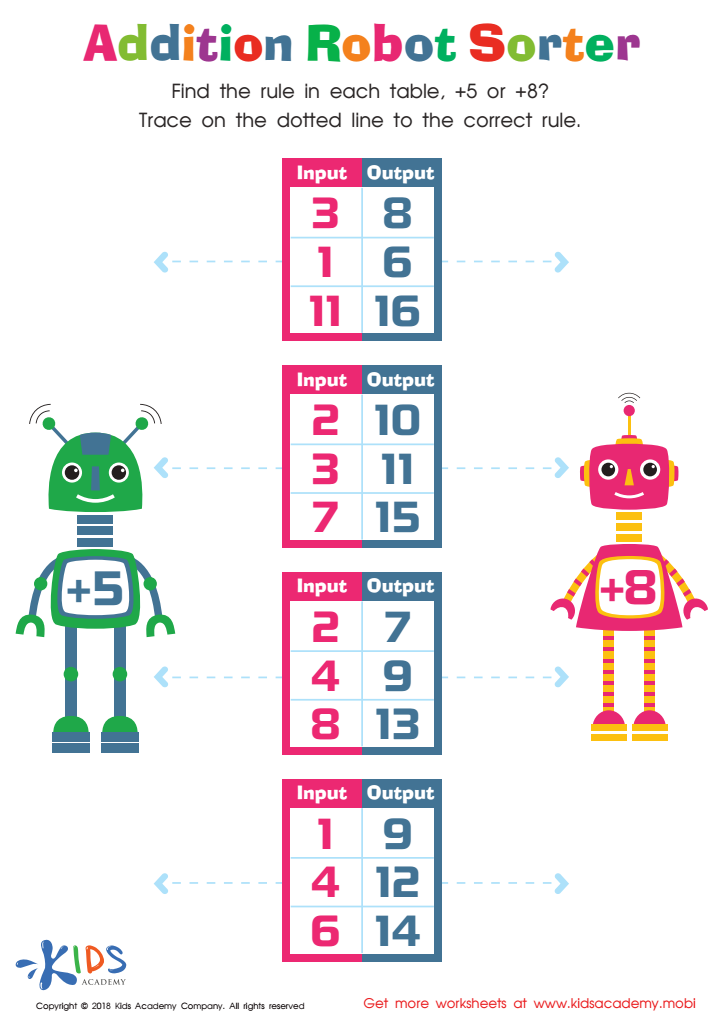
Addition Robot Sorter Worksheet
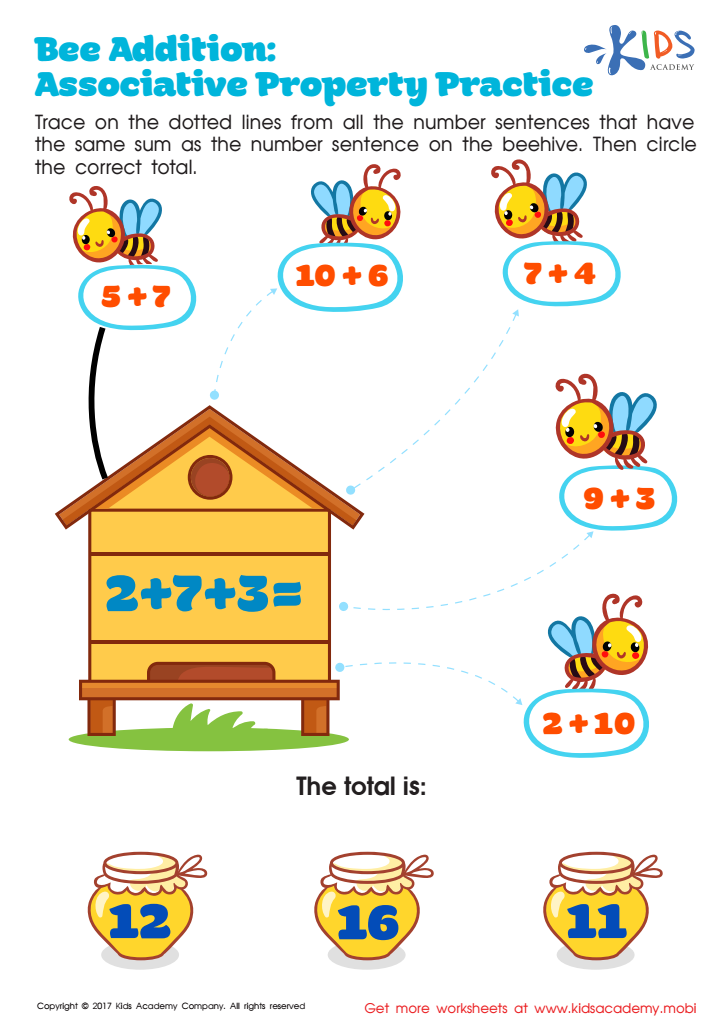
Bee Addition: Associative Property Practice Worksheet
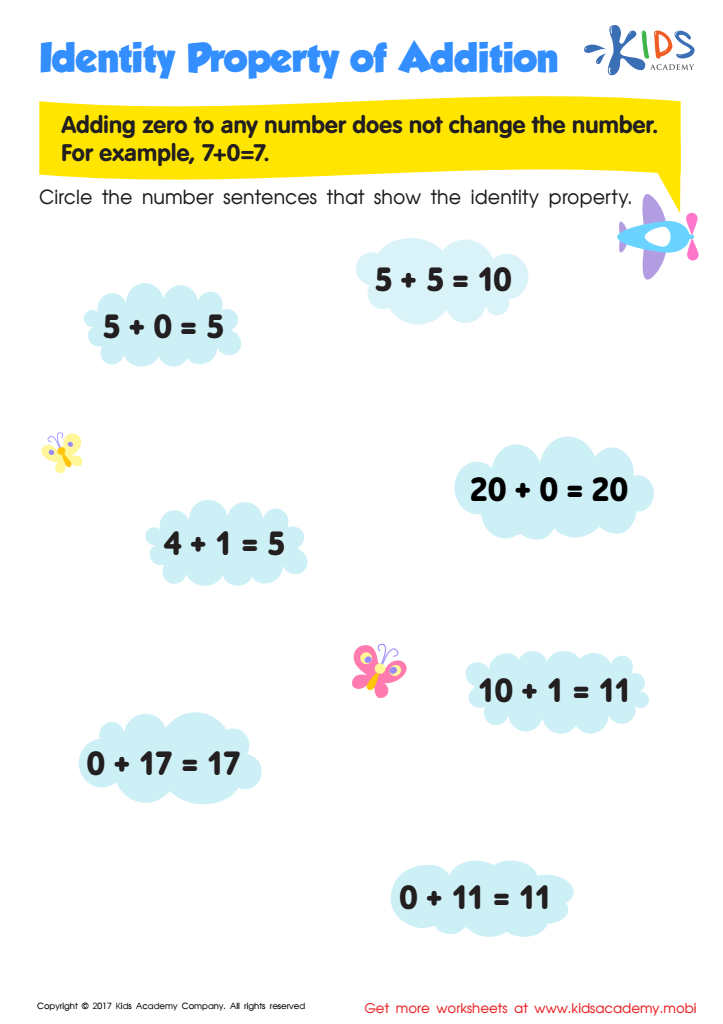
Identity Property of Addition Worksheet








Normal Addition is a foundational mathematical concept for children aged 6-8, serving as a stepping stone for more complex arithmetic in the future. At this critical stage of cognitive development, children begin to grasp the principles of addition, which are vital not just in math but in everyday problem solving. For parents and teachers, fostering a strong understanding of normal addition can significantly impact a child's confidence and fluency in mathematics.
This age group is often developing their number sense, and normal addition helps them recognize patterns, understand the relationship between numbers, and improve their mental math skills. It's crucial for parents and teachers to reinforce these concepts through engaging and interactive activities, as this nurtures a positive attitude towards math. By effectively teaching normal addition, educators can help students avoid future misconceptions that may hinder their mathematical abilities.
Moreover, a solid grasp of addition equips children with essential skills used in various disciplines, facilitating their understanding of more advanced subjects such as science and finance in later years. Therefore, investing time in teaching and supporting normal addition ensures that children are not only capable of performing calculations but also prepared for real-world applications and enhanced academic success.