Normal Geometry Worksheets for Ages 6-8 - Page 3
59 filtered results
-
From - To
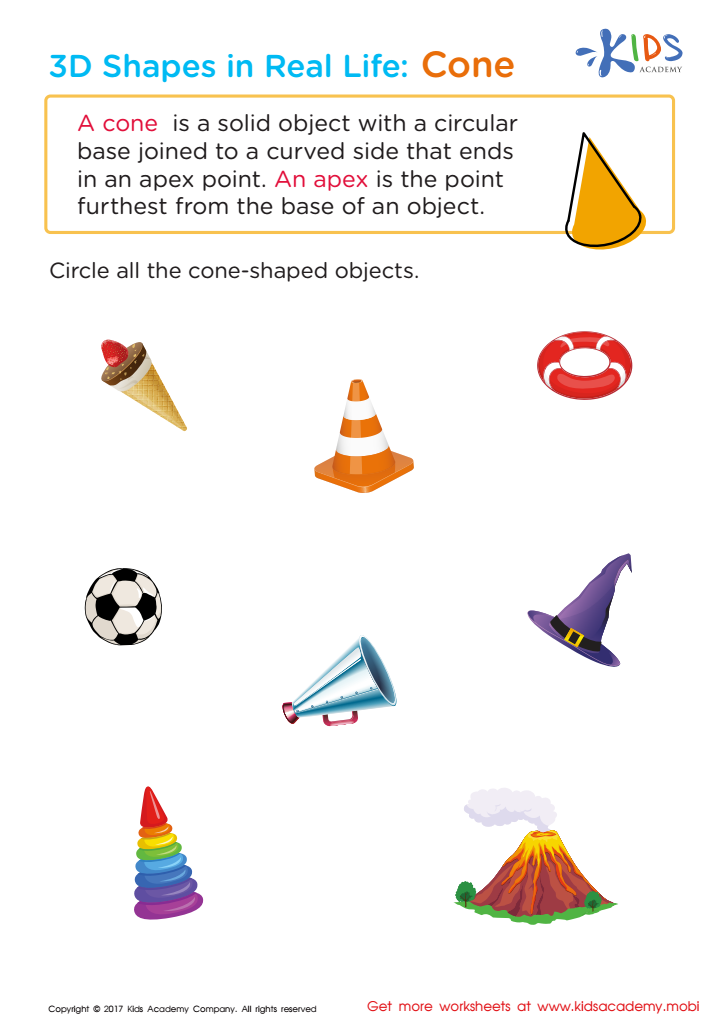
Shapes in Real Life: Cone Worksheet
 Assign to My Students












Learning to Draw Crescents And Triangles Worksheet
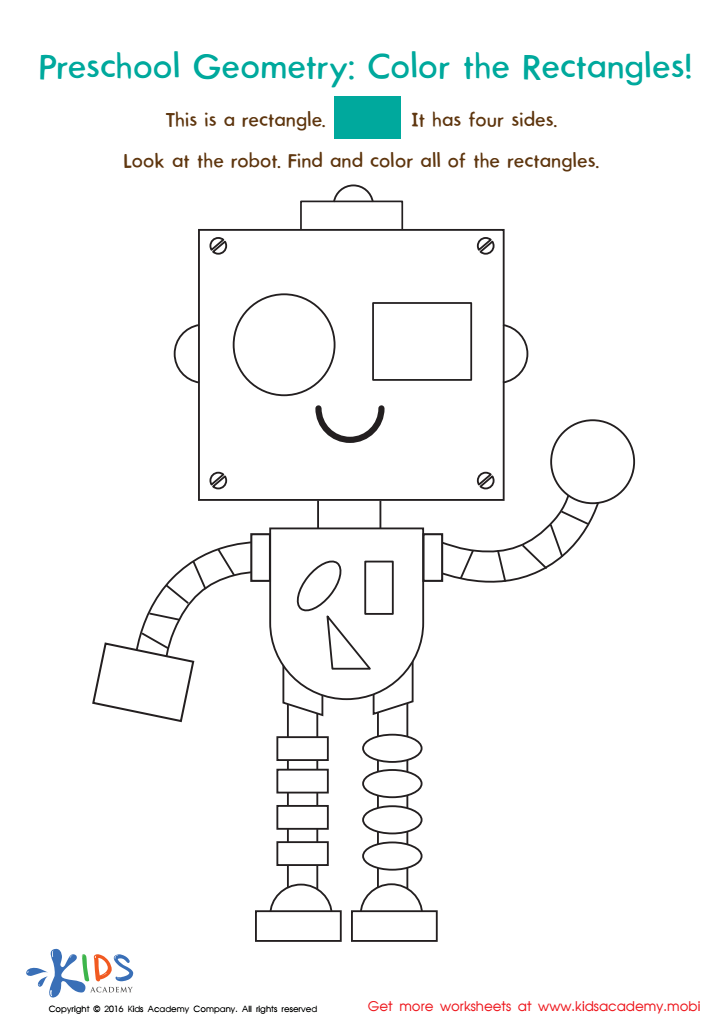
Geometry Worksheet
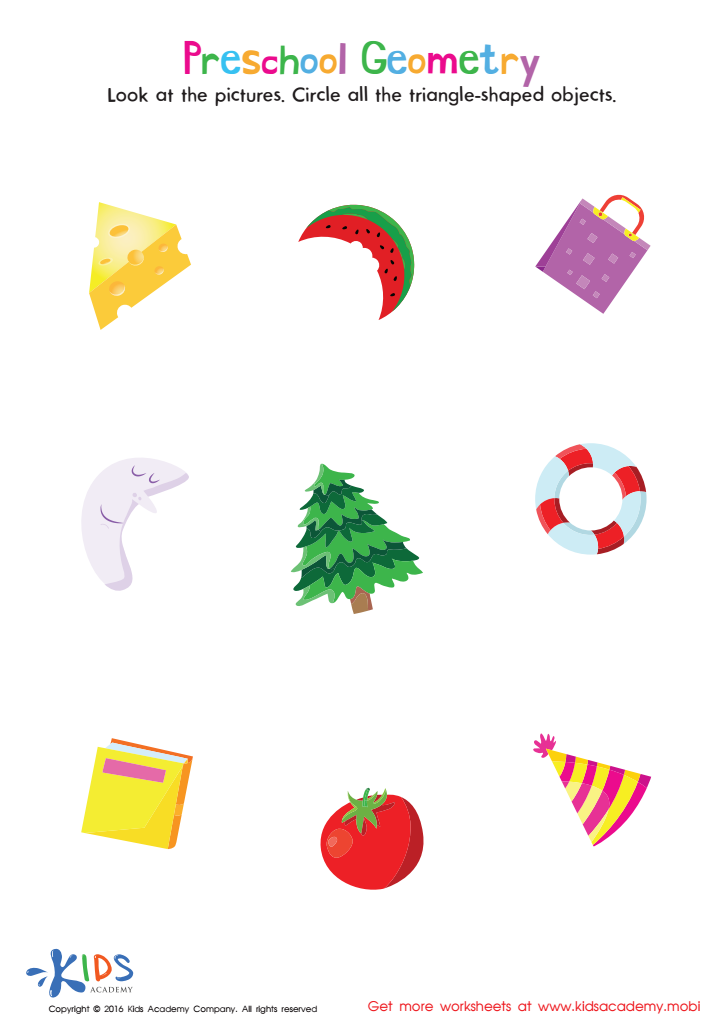
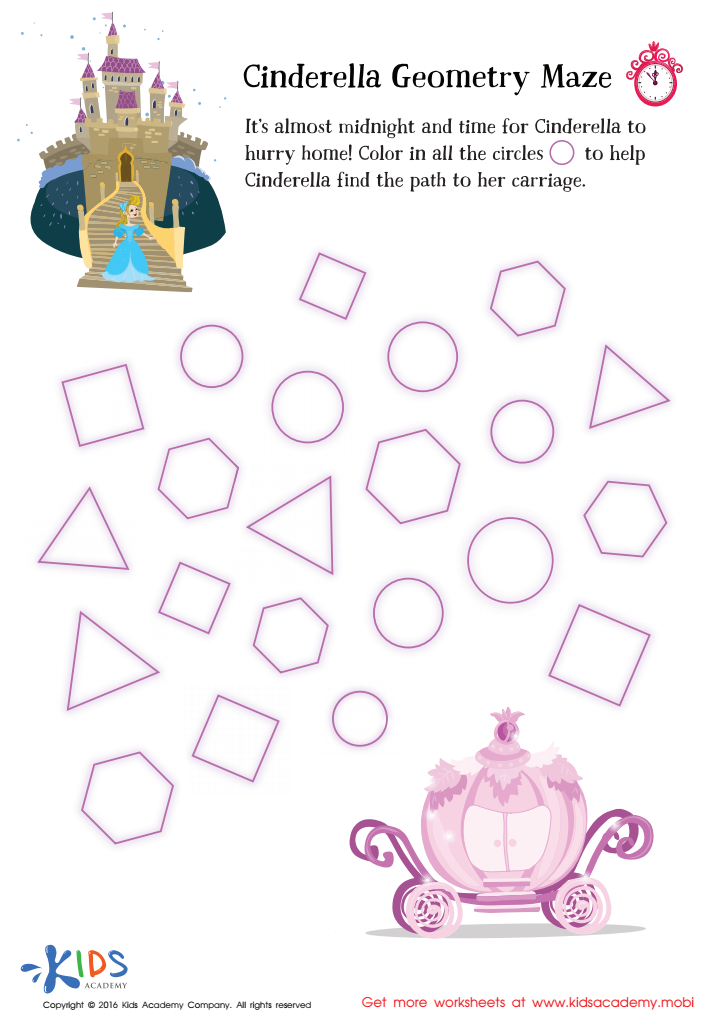
Cinderella Geometry Maze Worksheet
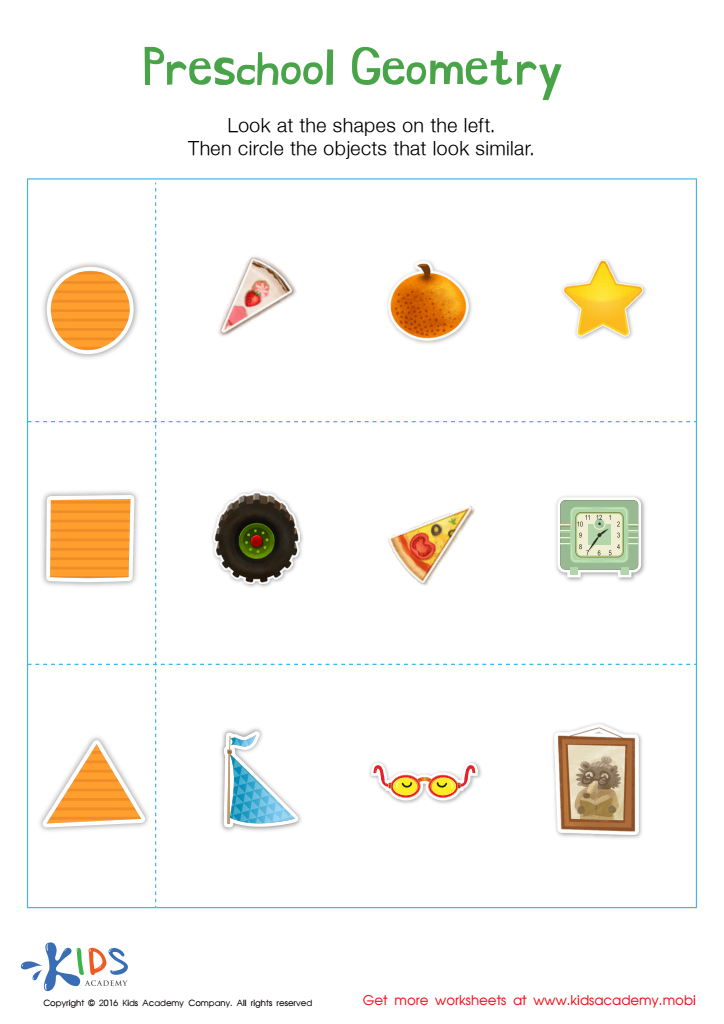
Preschool Geometry Match Up Worksheet
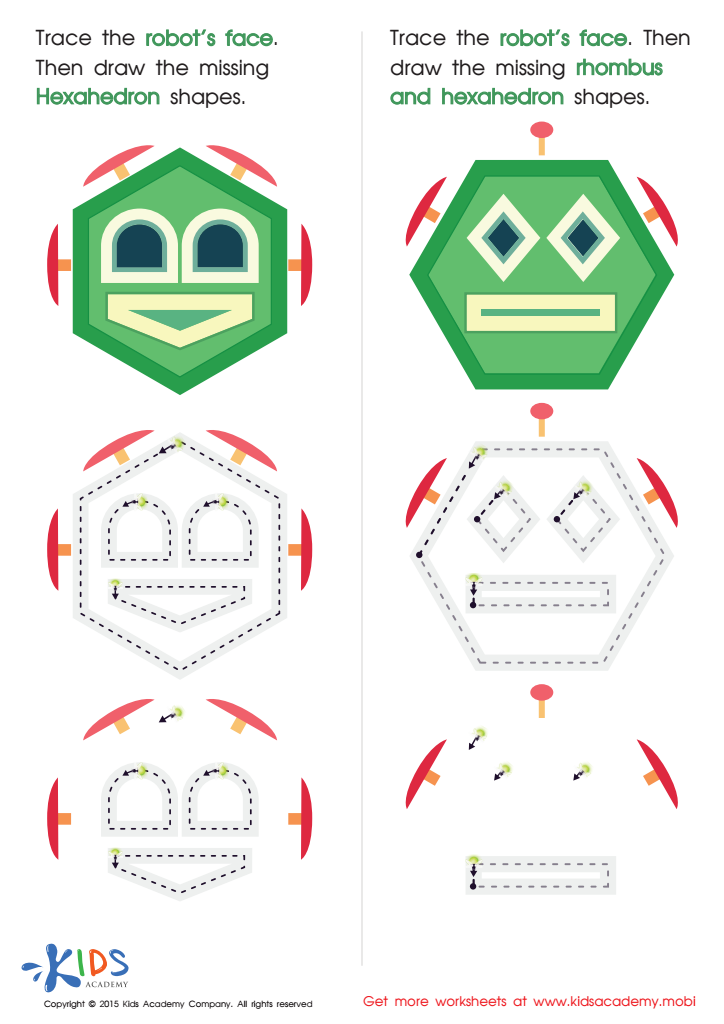
Practice Drawing Hexahedrons And a Rhombus Worksheet
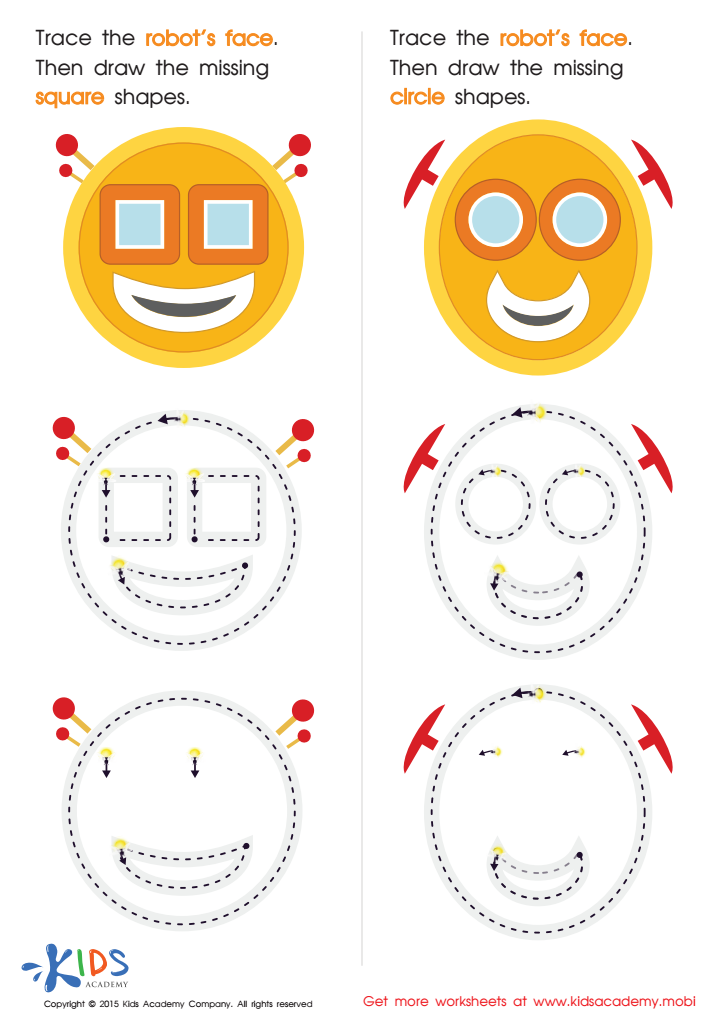
Practicing to Draw Circles And Squares Printable
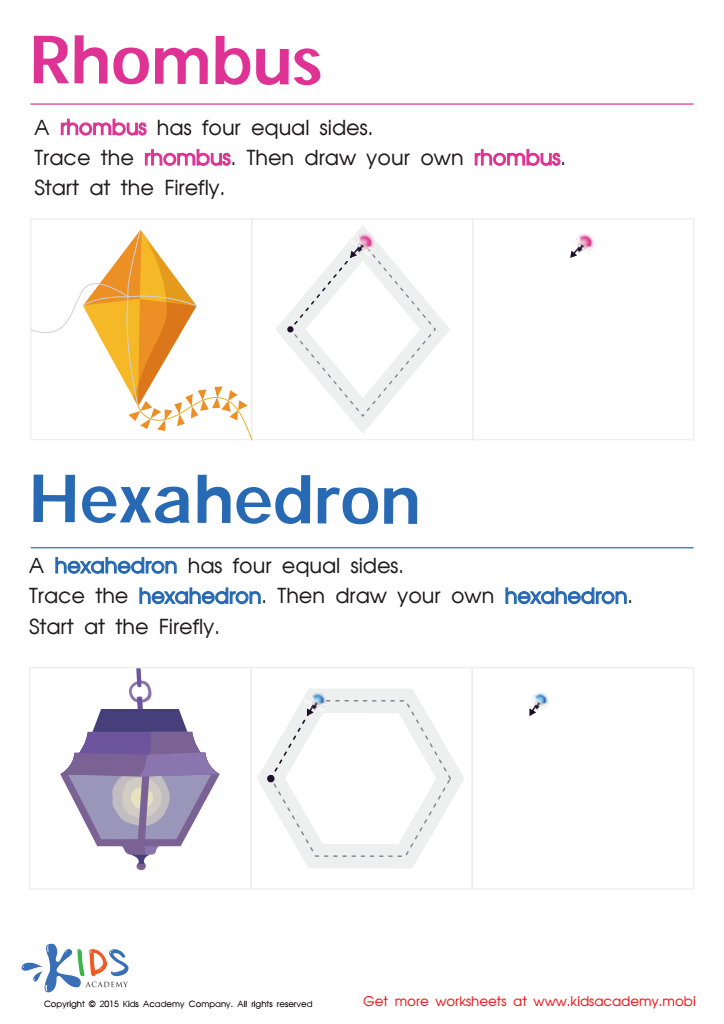
Draw a Rhombus And a Hexahedron Printable
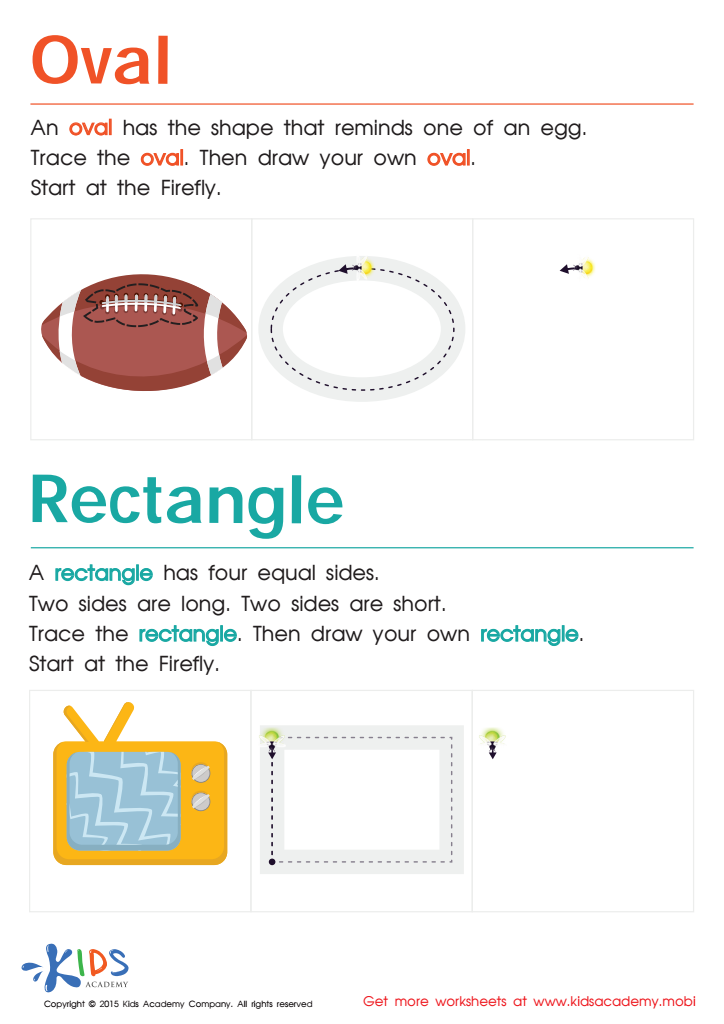
Easy Drawing of Ovals And Rectangles Worksheet
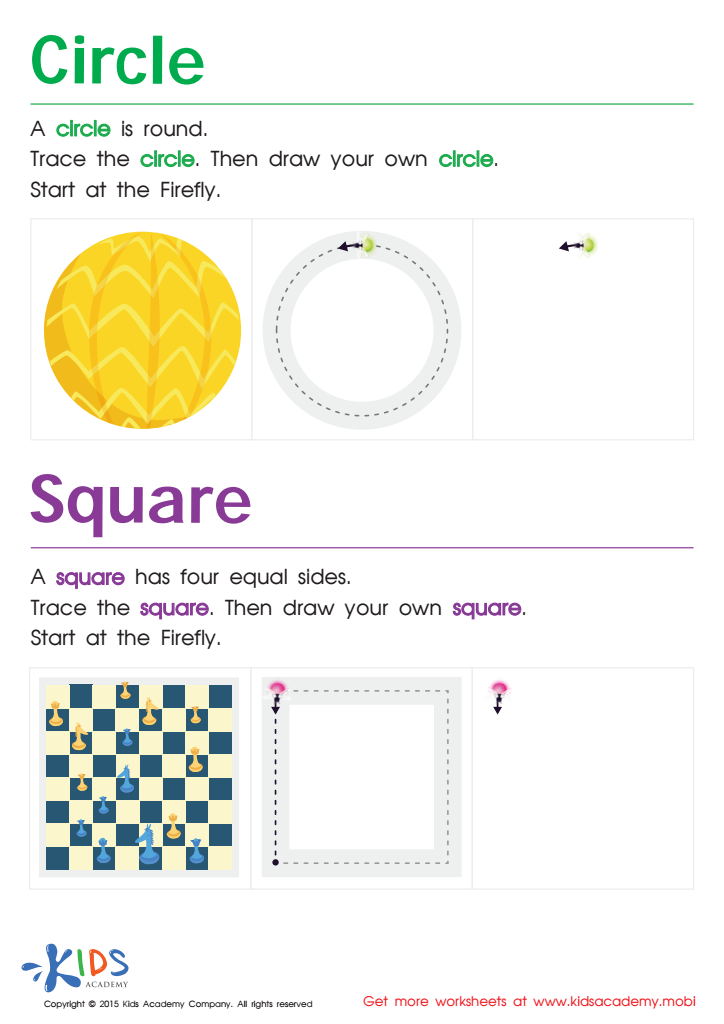
Trace And Draw a Circle And a Square Worksheet








Normal Geometry for Ages 6-8 is crucial for young learners as it forms a foundational understanding of spatial relationships and mathematical concepts. At this age, children are naturally curious about shapes and patterns, and introducing geometry not only piques their interest but also enhances critical thinking skills. Engaging with geometric concepts helps students recognize shapes in everyday life, fostering observational skills and cultural awareness.
Additionally, Normal Geometry supports cognitive development by enabling children to visualize and manipulate objects mentally. Mastery of these skills is essential for future mathematical learning, as geometry lays the groundwork for more complex topics such as measurement, analysis, and algebra. Parents and teachers play a pivotal role in creating a stimulating environment where these concepts can be explored.
By incorporating geometry through hands-on activities, games, and real-world applications, educators can help children develop problem-solving abilities and spatial reasoning skills. As mathematics is a key component of overall academic success, an early grounding in geometry is essential. Moreover, encouraging collaboration through group activities boosts communication skills and teamwork, preparing students for future learning both in and out of the classroom. Ultimately, fostering an appreciation for geometry can inspire lifelong interest in both mathematics and the broader world.








