Normal Numbers Worksheets for Ages 6-8 - Page 2
236 filtered results
-
From - To
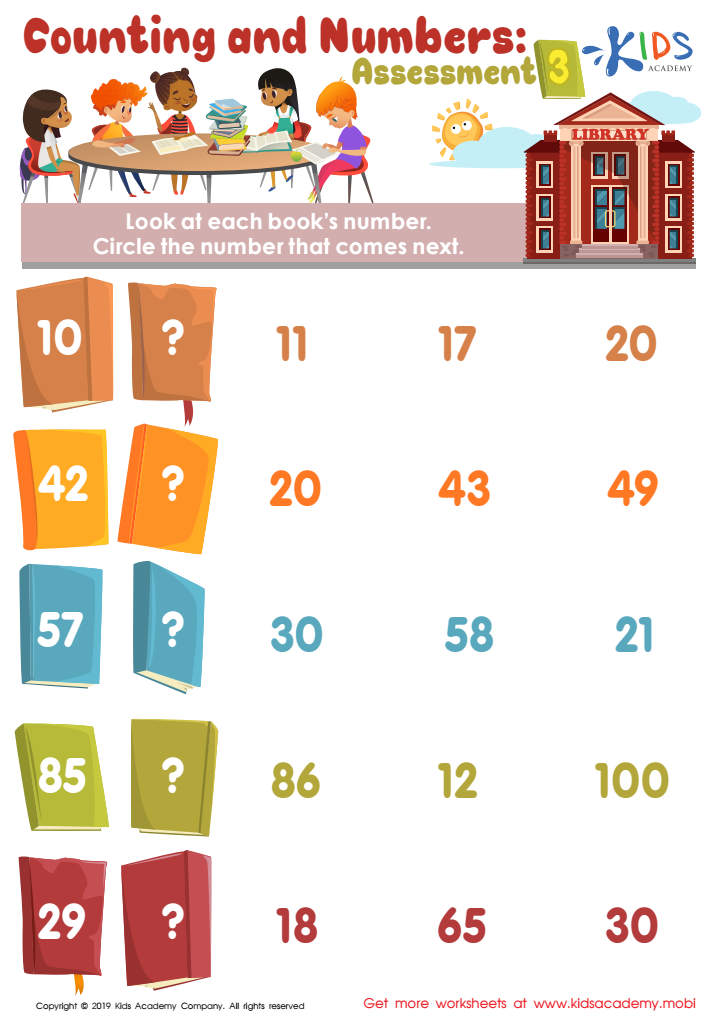
Counting and Numbers: Assessment Worksheet
 Assign to My Students
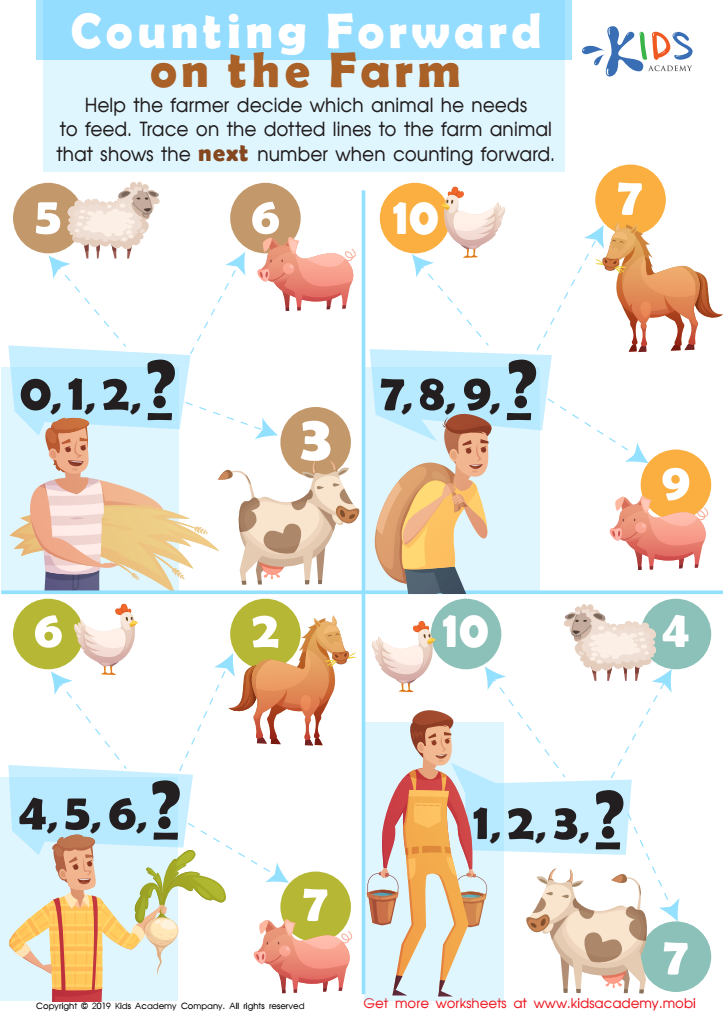
Counting Forward On the Farm Worksheet
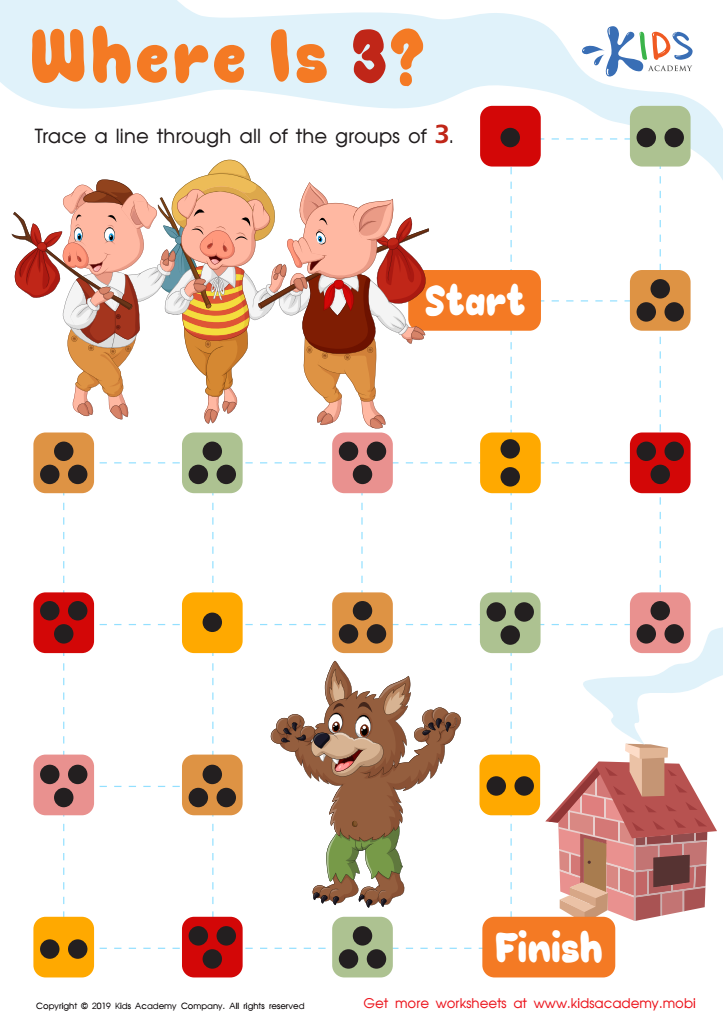
Where Is 3? Worksheet
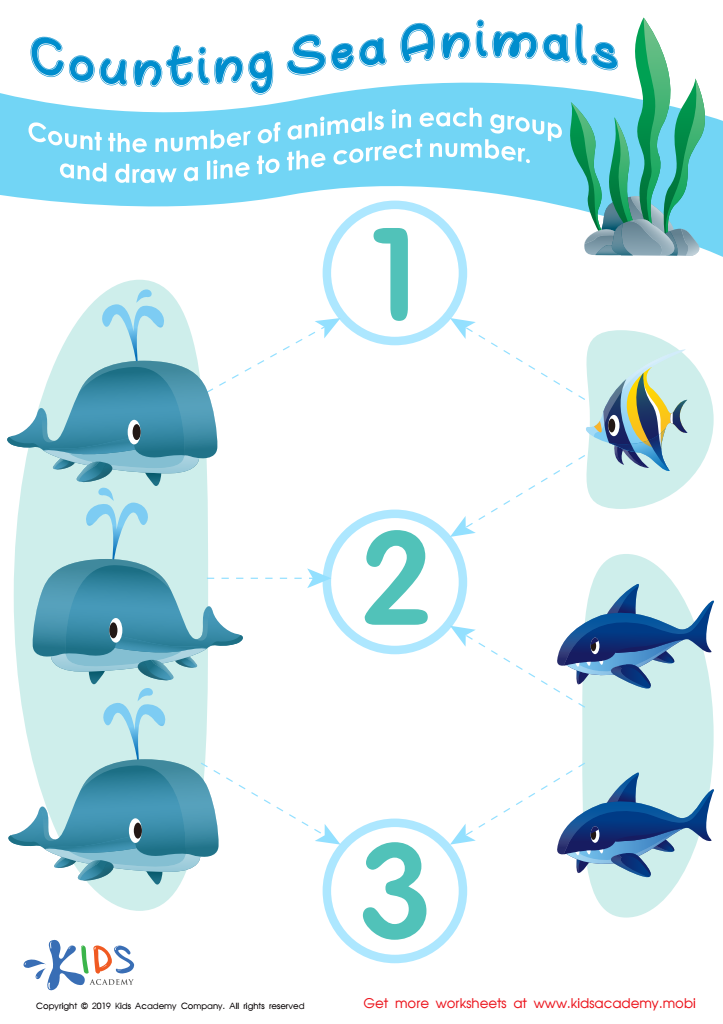
Counting Sea Animals Worksheet
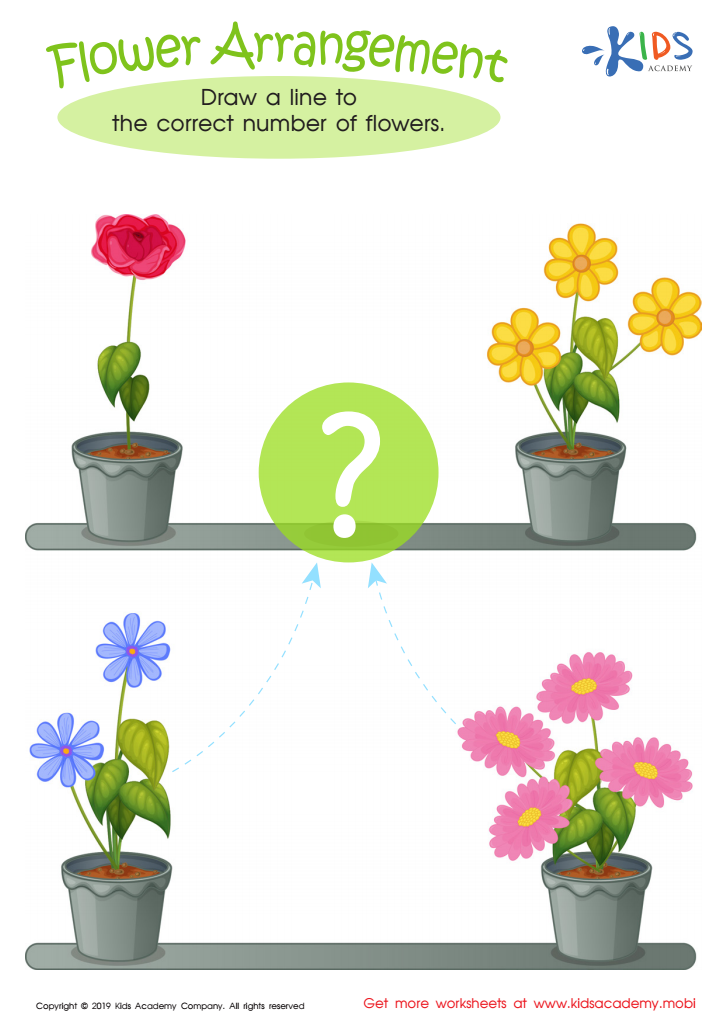
Flower Arrangement Worksheet
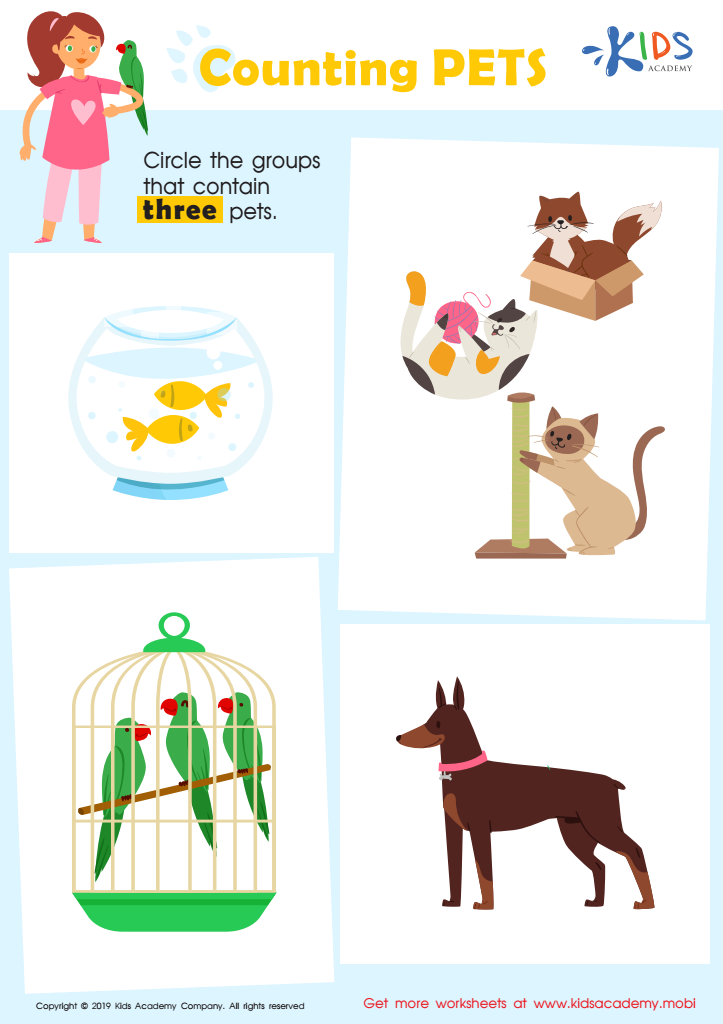
Counting Pets Worksheet
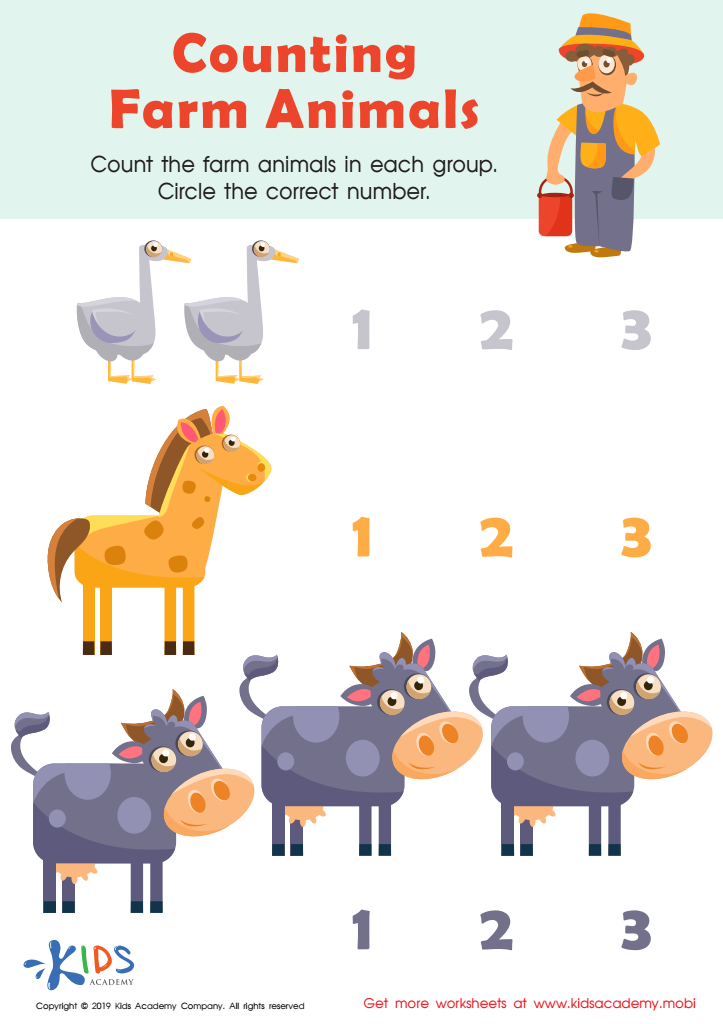
Counting Farm Animals Worksheet
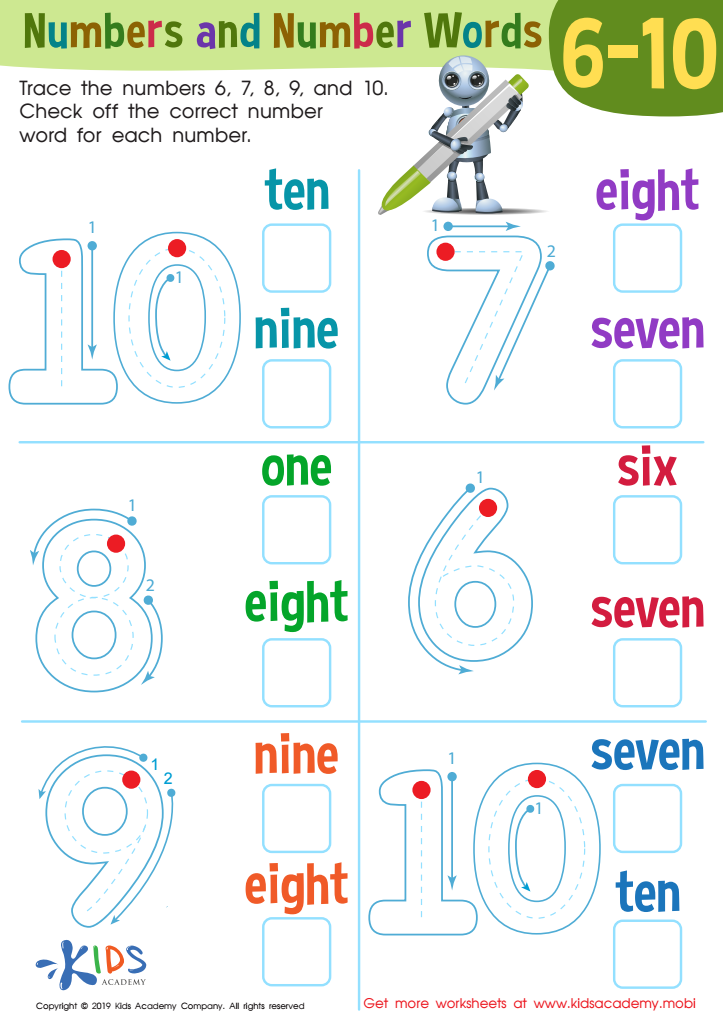
Numbers and Number Words 6–1 Worksheet
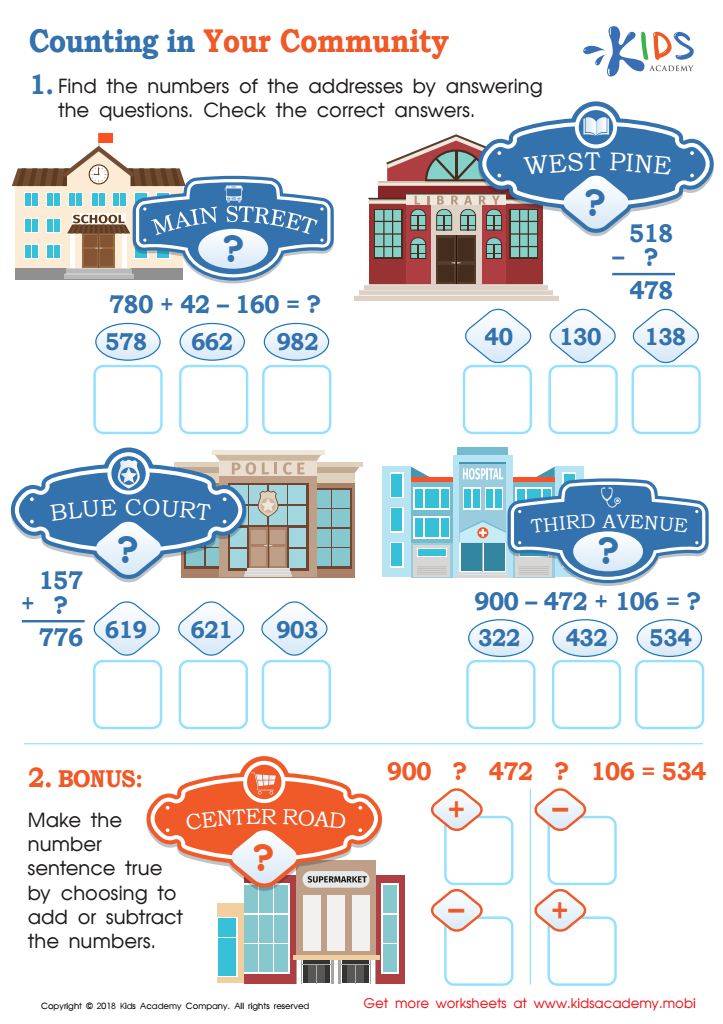
Counting in Your Community Worksheet
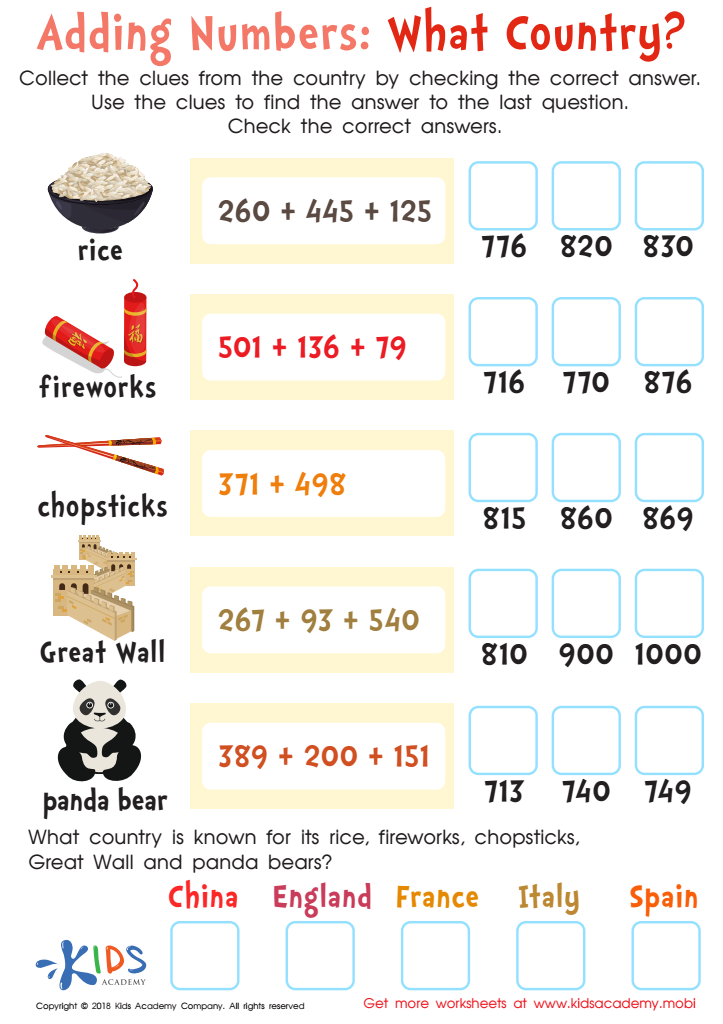
Adding Numbers: What Country Worksheet
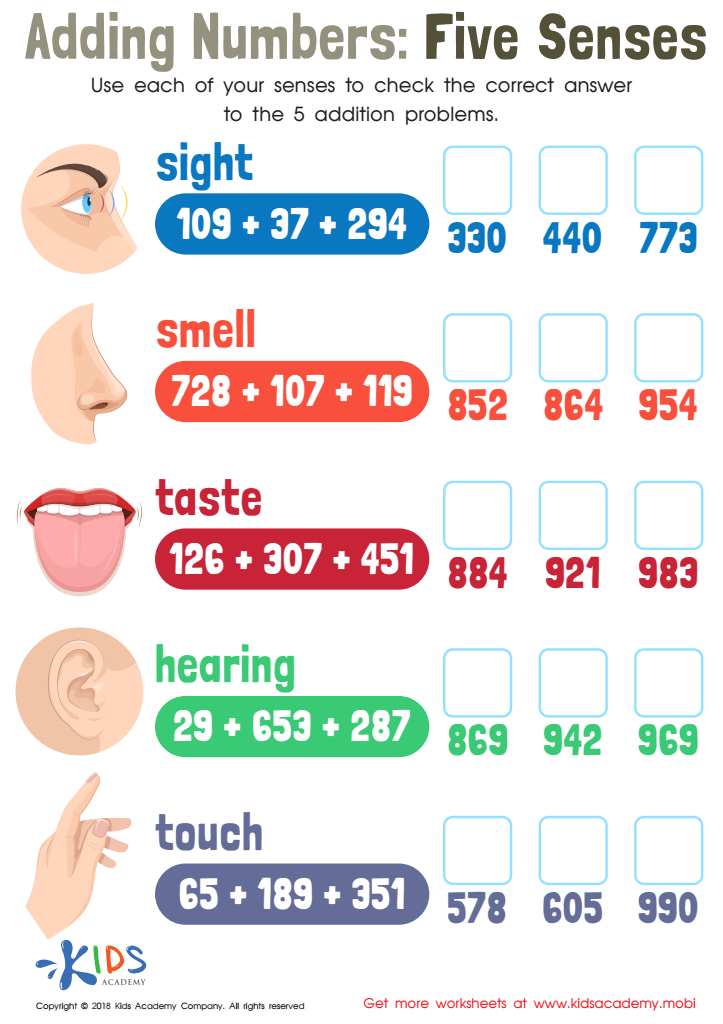
Adding Numbers: Five Senses Worksheet
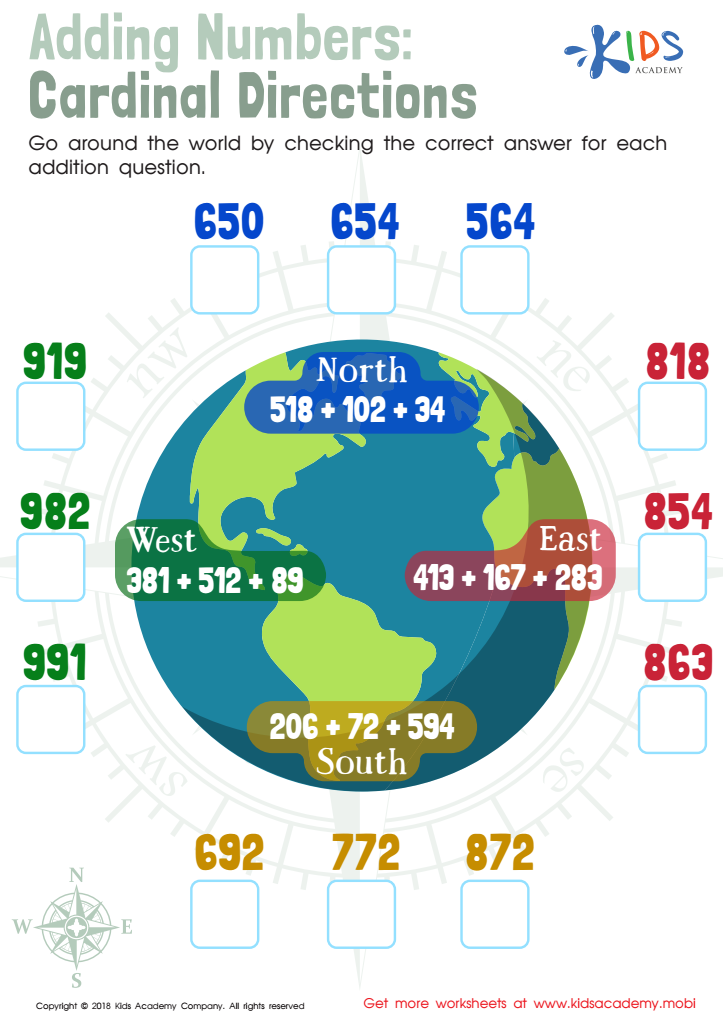
Adding Numbers: Cardinal Directions Worksheet
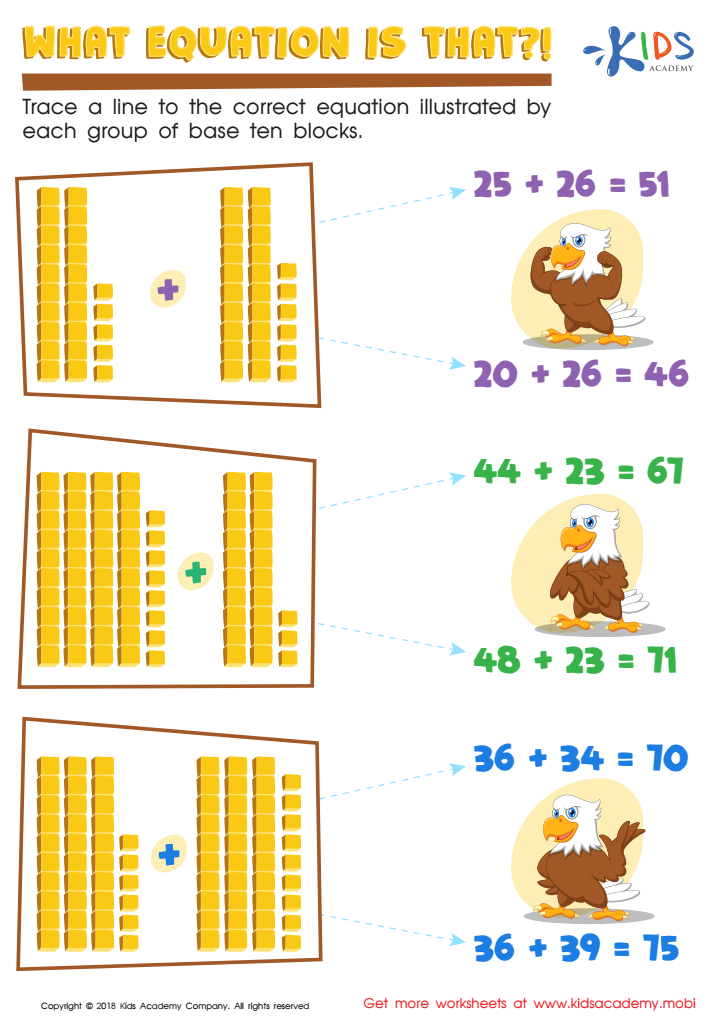
What Equation Is That? Worksheet
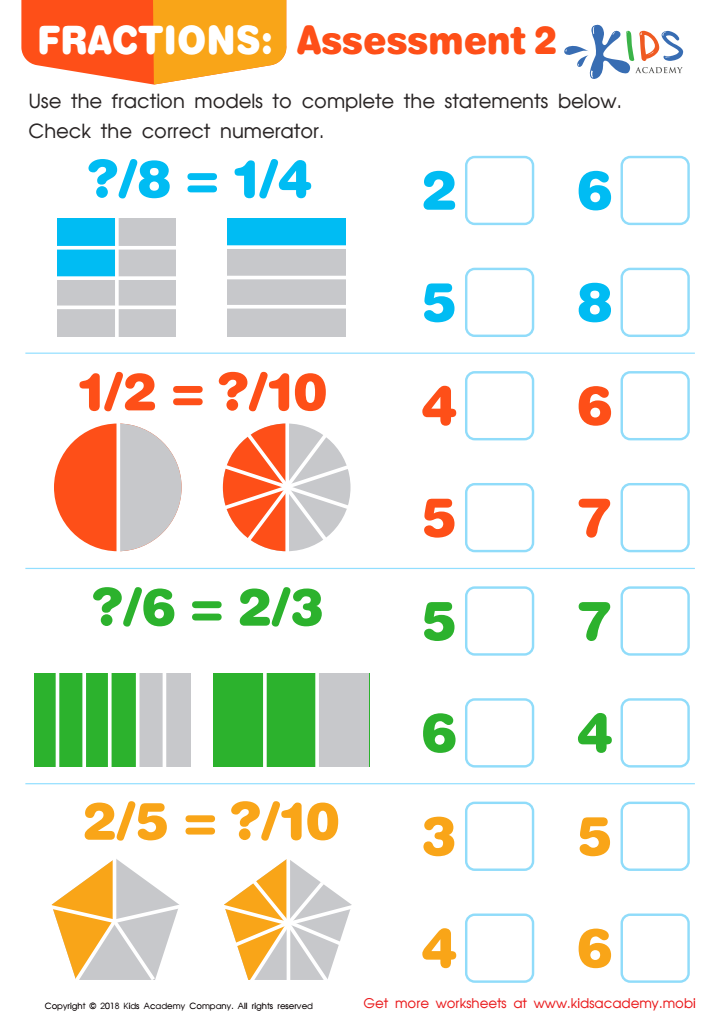
Fractions: Assessment 2 Worksheet
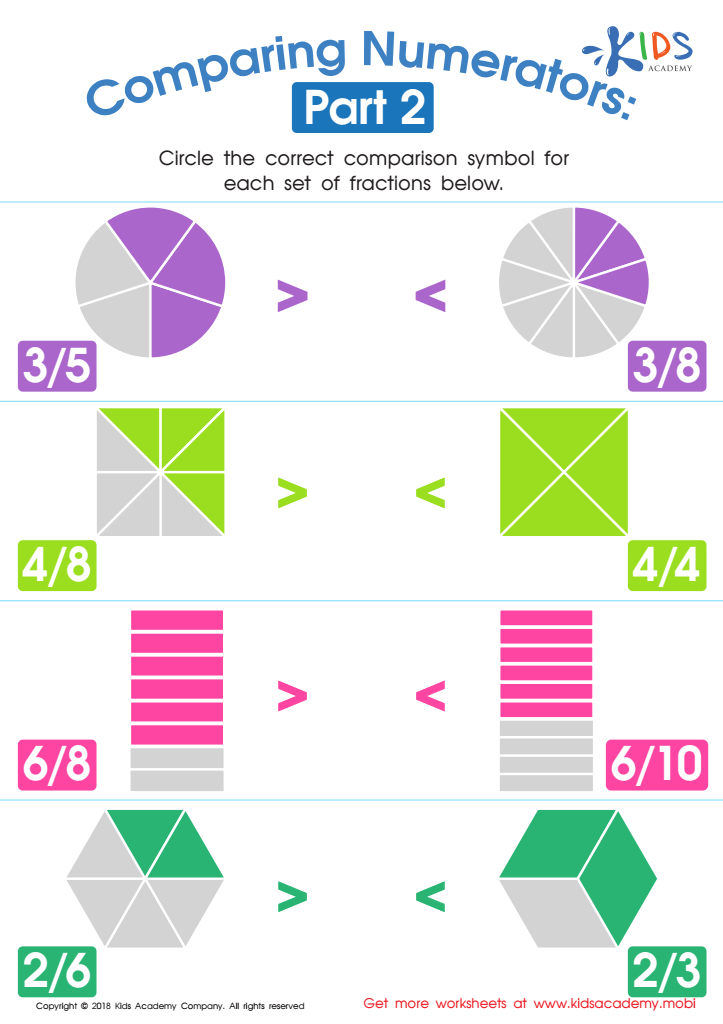
Comparing Numerators Part 2 Worksheet
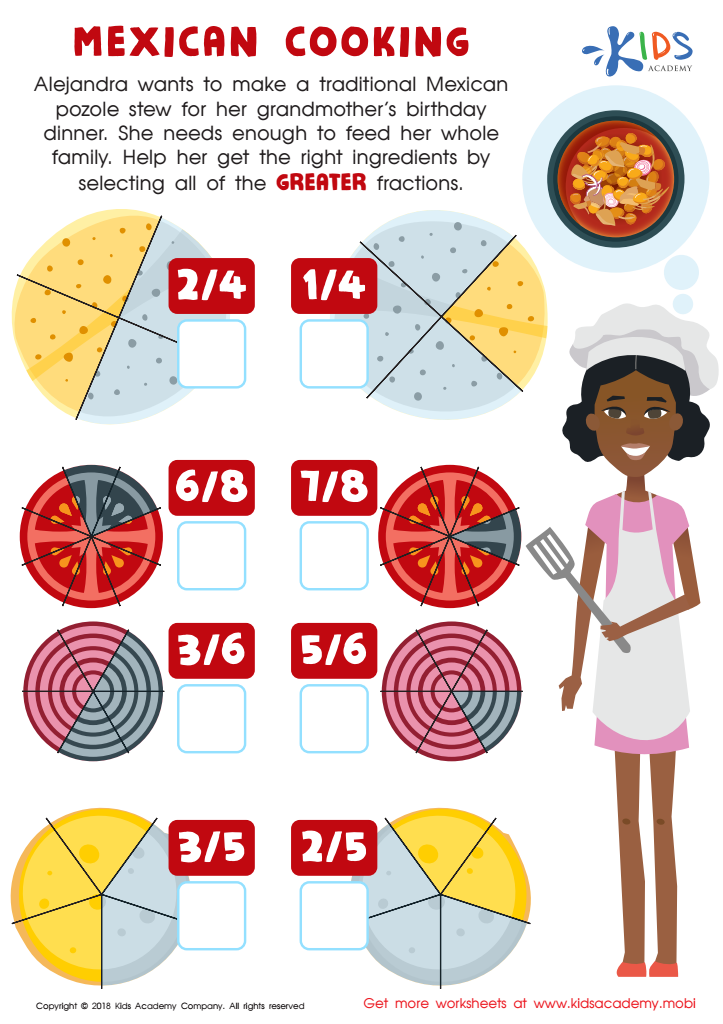
Mexican Cooking Worksheet
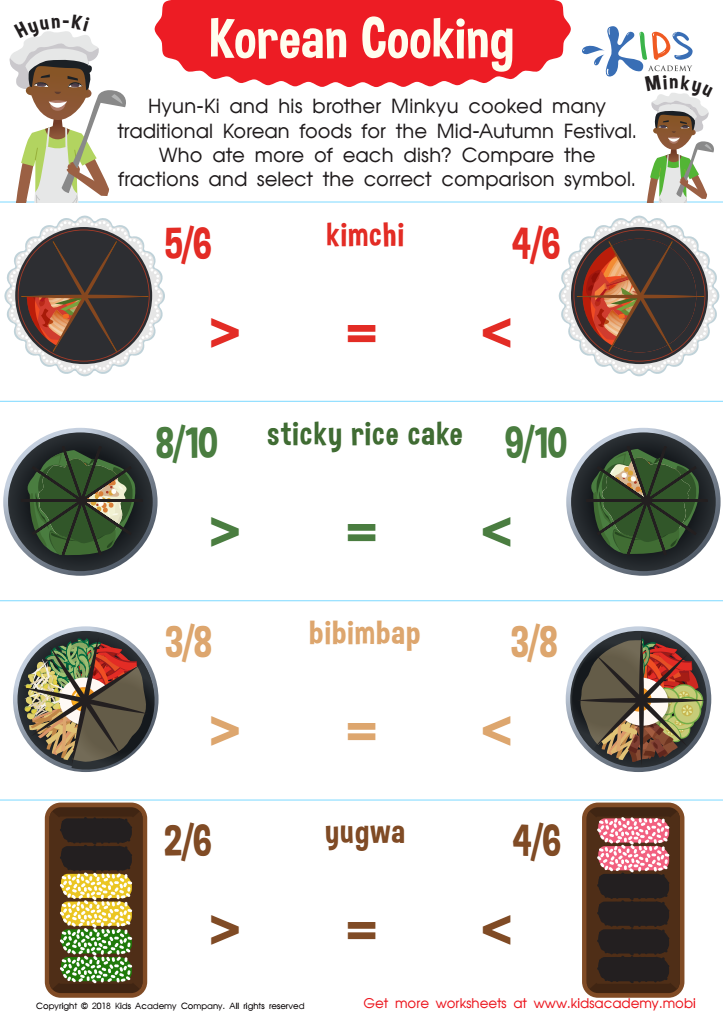
Korean Cooking Worksheet
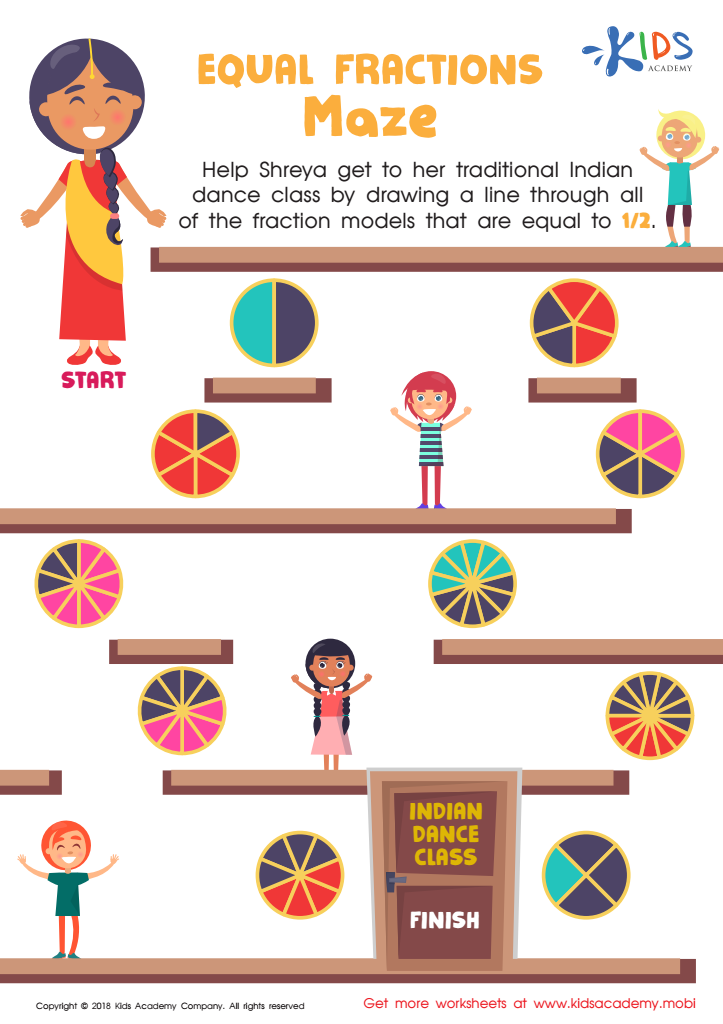
Equal Fractions Maze Worksheet
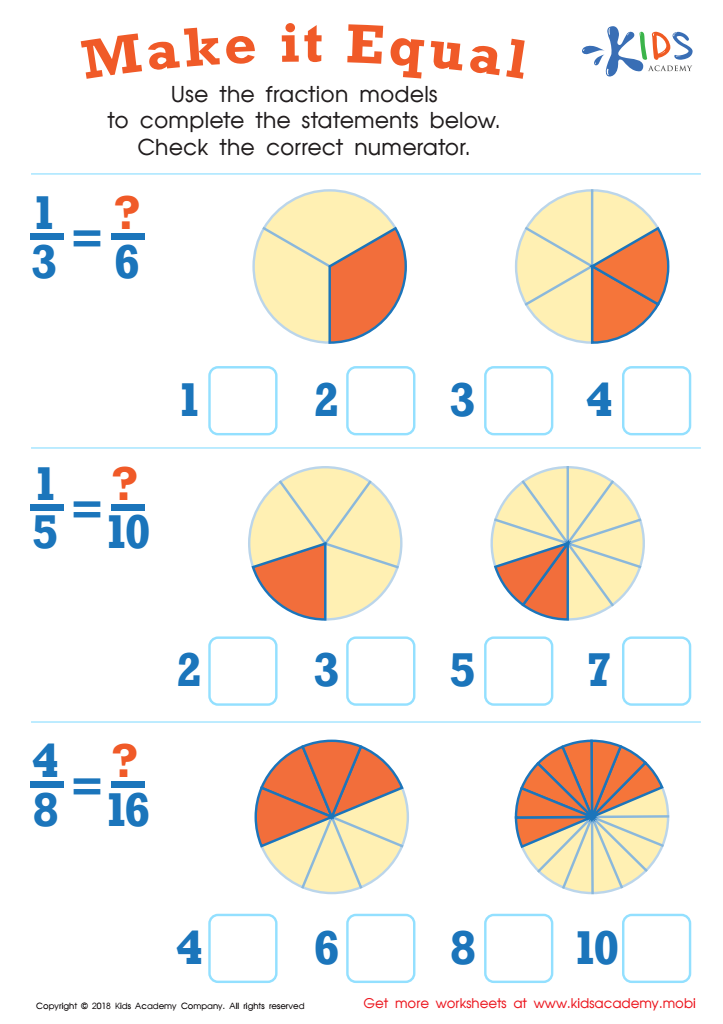
Make It Equal Worksheet
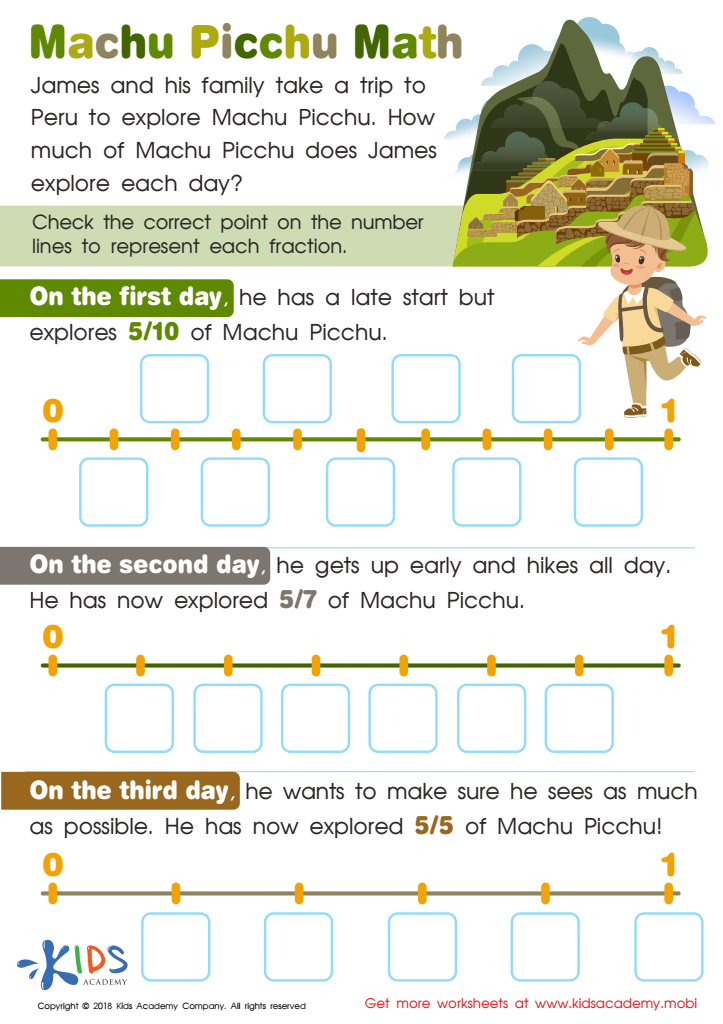
Machu Picchu Math Worksheet
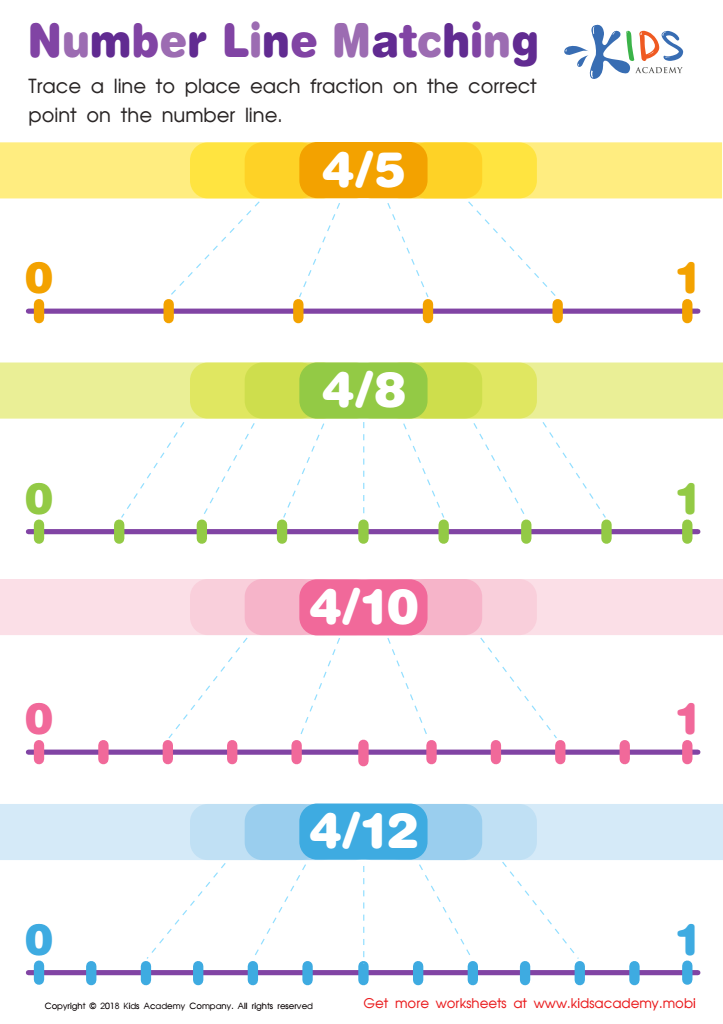
Number Line Matching Worksheet
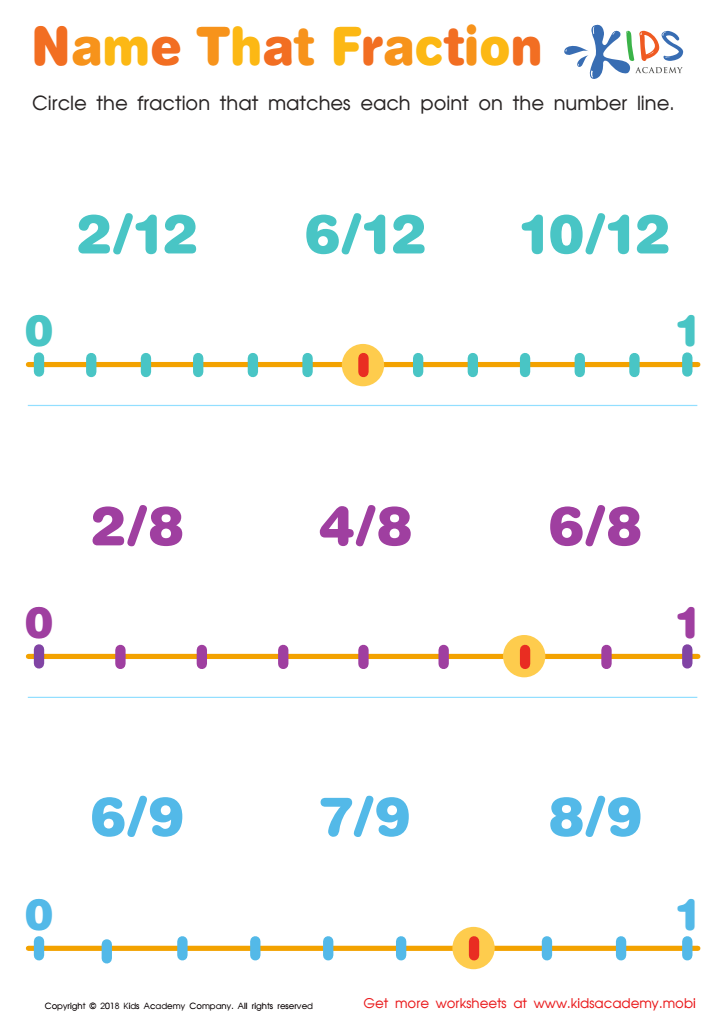
Name That Fraction Worksheet
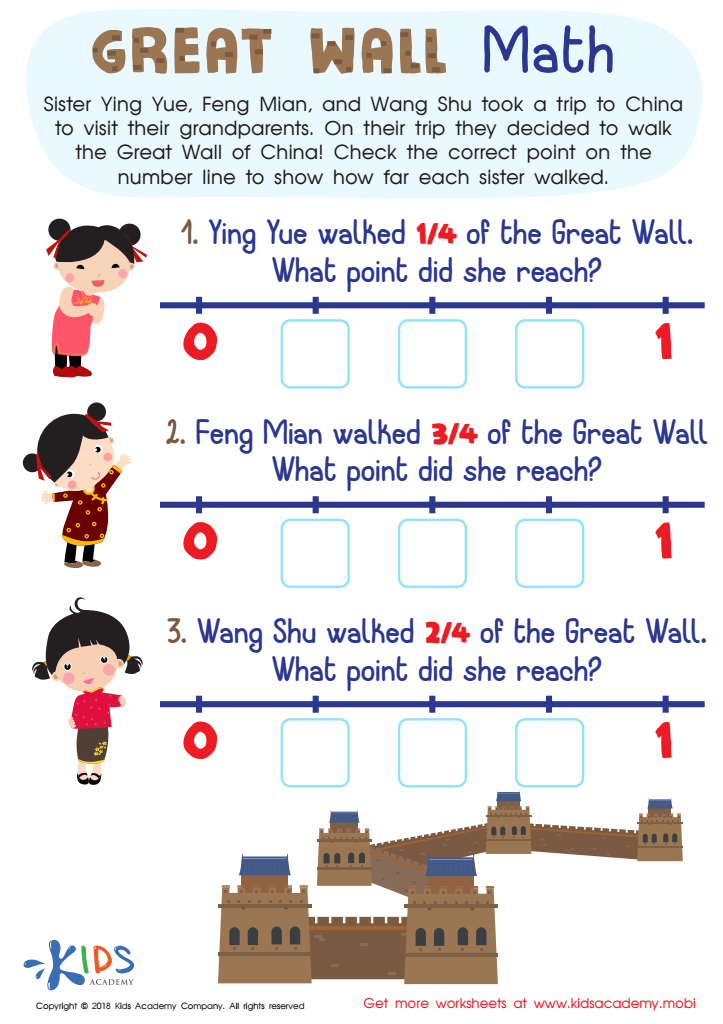
Great Wall Math Worksheet
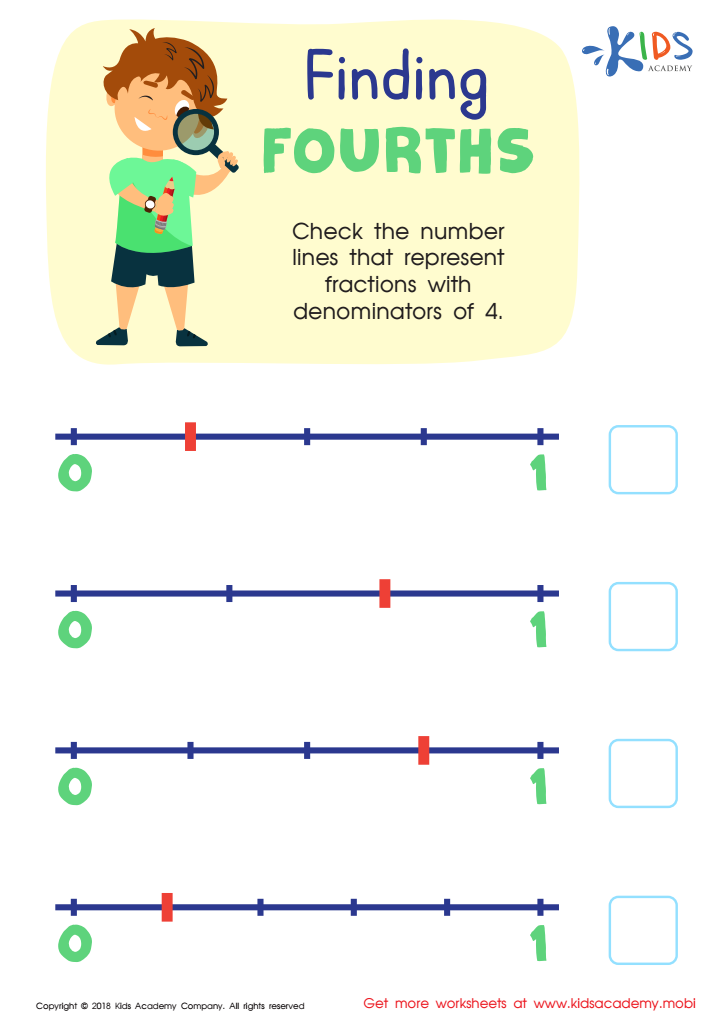
Finding Fourths Worksheet








Normal numbers are a fascinating concept in mathematics that can surprisingly engage children ages 6-8. A normal number is one for which every digit appears with equal frequency in its sequence, making it an exciting entry point into number patterns and probability. Teaching young learners about normal numbers helps spark their interest in math while developing critical thinking skills.
Parents and teachers can use the concept of normal numbers to cultivate curiosity and encourage exploration. By introducing simple activities like counting beans, drawing patterns, or digit games, educators can make learning about numbers both fun and interactive. Emphasizing normal numbers also highlights the importance of fairness in everyday activities, like games that require equal chances for all participants.
Furthermore, understanding this concept can lay the groundwork for more complicated mathematical topics later on, such as fractions, probability, and statistics. This foundational knowledge fosters a love for numbers and develops essential problem-solving skills in young minds. In essence, by engaging children with normal numbers, parents and teachers not only make math enjoyable but also prepare them for future mathematical challenges, nurturing a generation of confident learners.








