Numbers Worksheets for Ages 5-8 - Page 2
550 filtered results
-
From - To
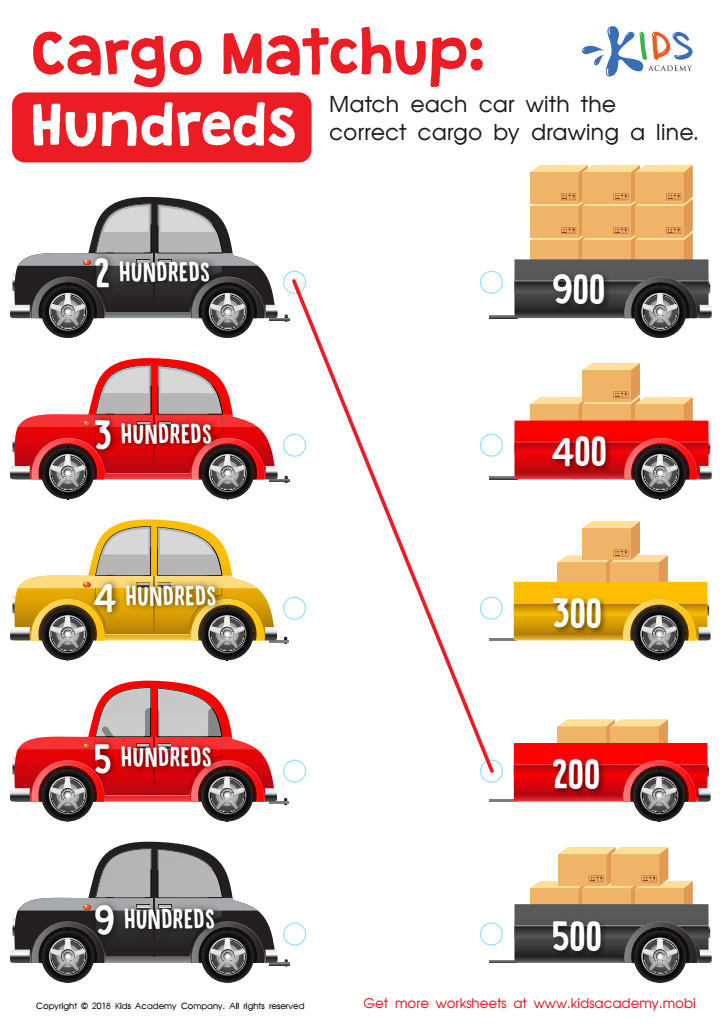
Cargo Matchup: Hundreds Worksheet
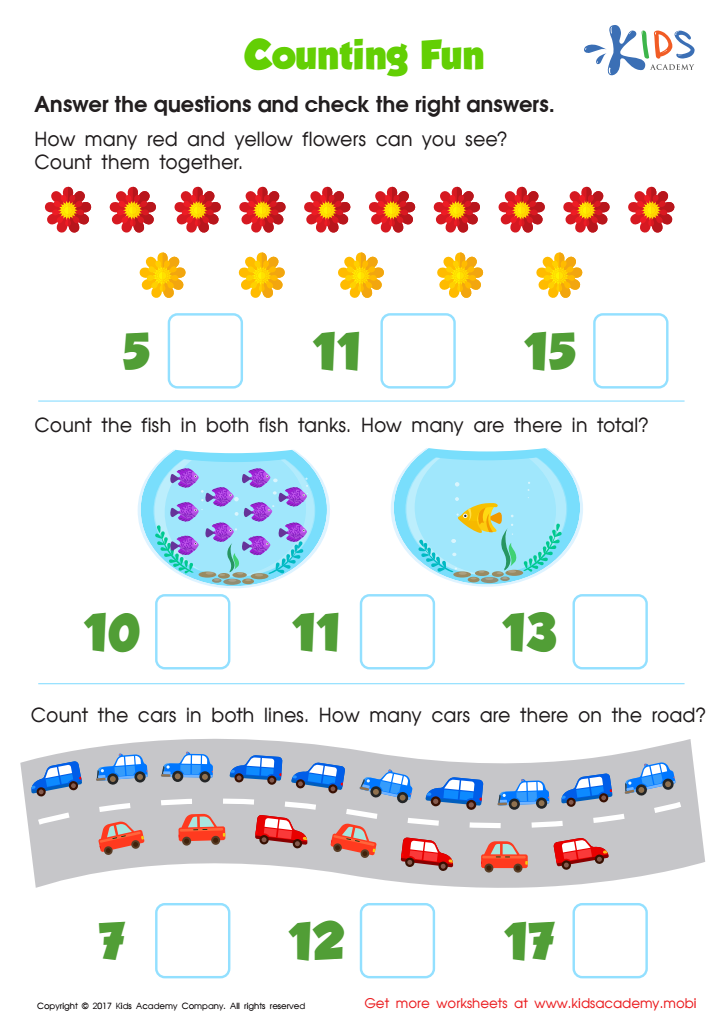
Counting Fun Worksheet
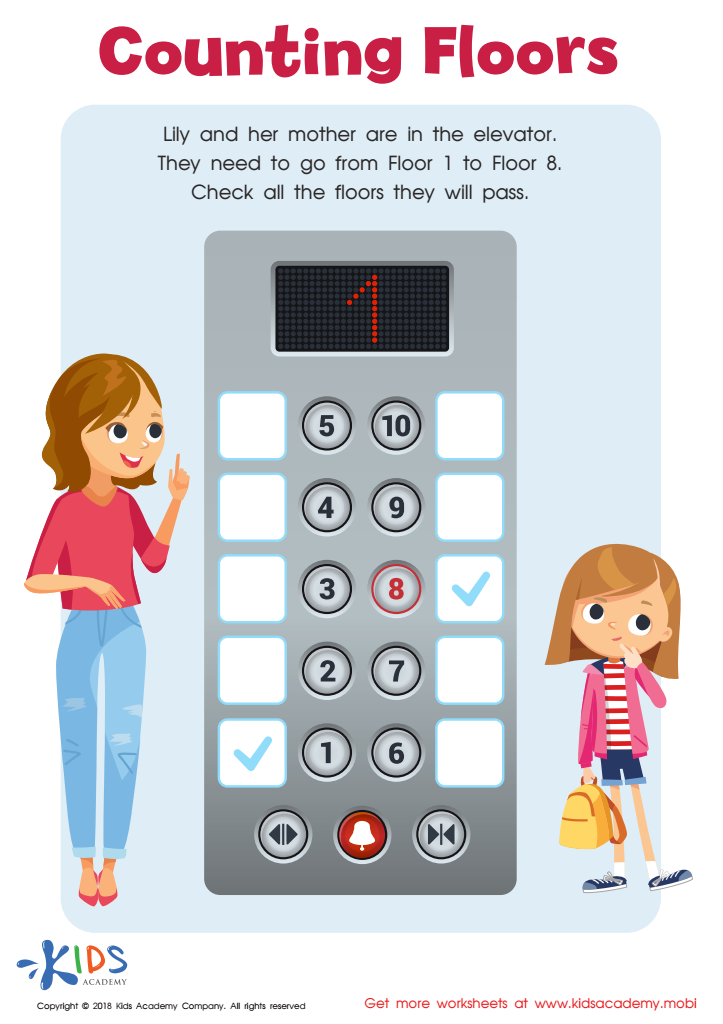
Counting Floors Worksheet
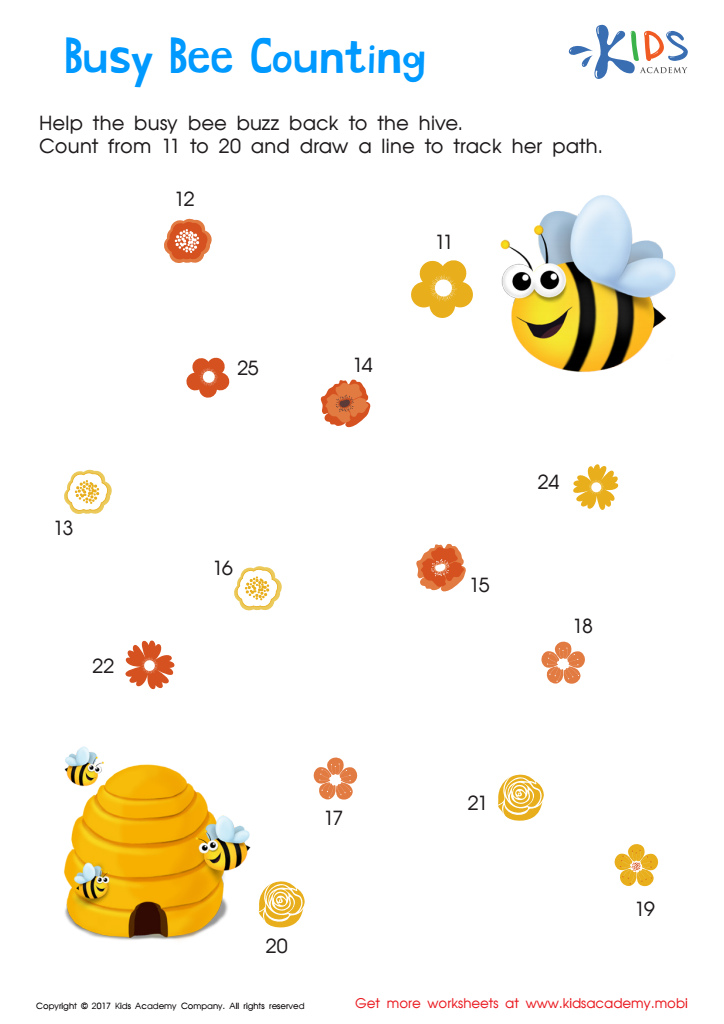
Ordering 11–20: Busy Bee Counting Worksheet
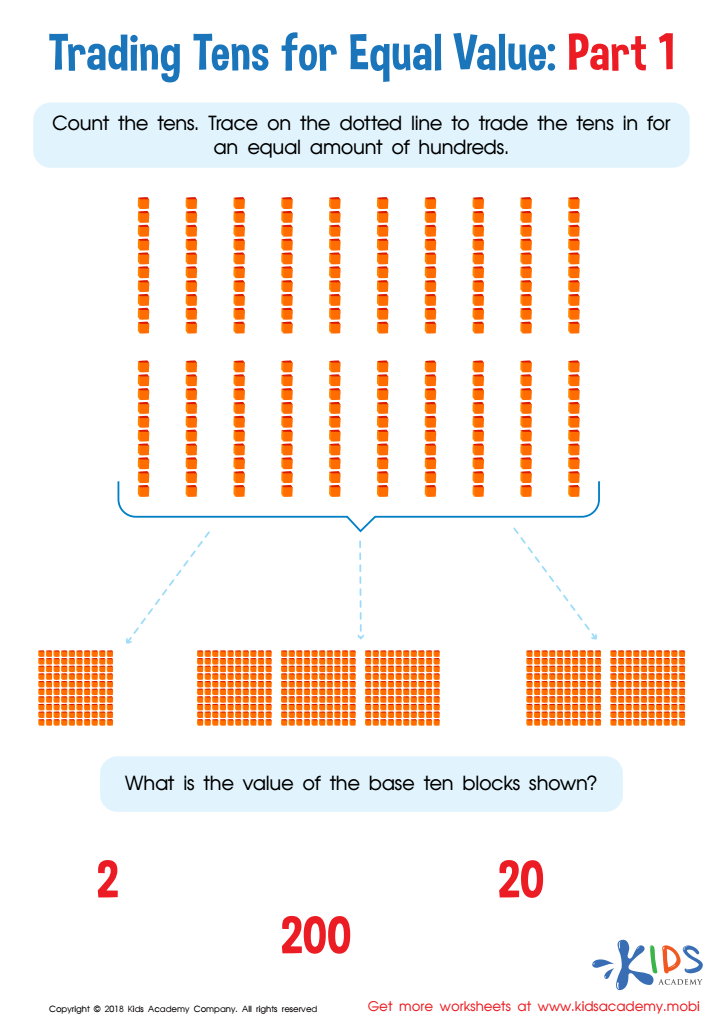
Trading Tens for Equal Value Worksheet: Part 1
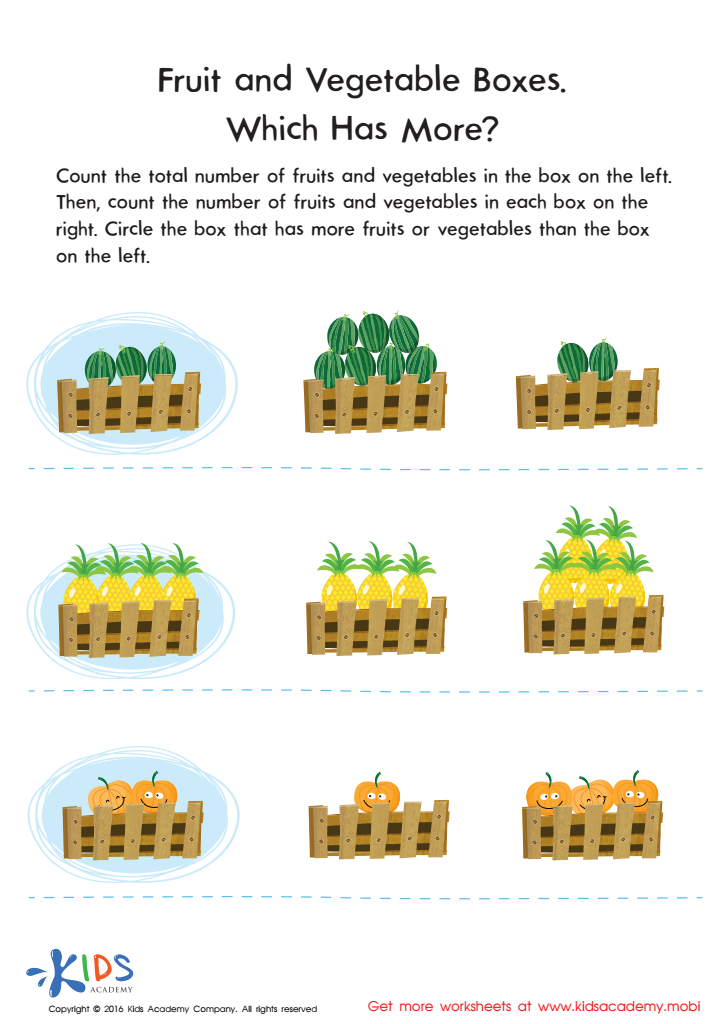
Which Has More? Size Worksheet
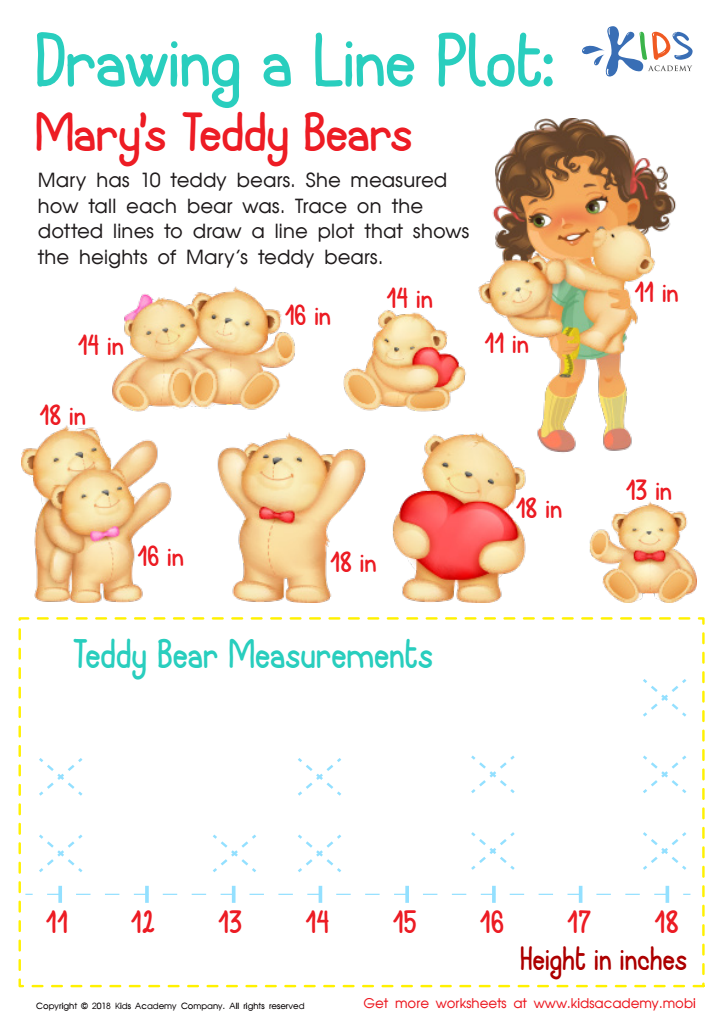
Drawing and Line Plot: Mary's Teddy Bears Worksheet
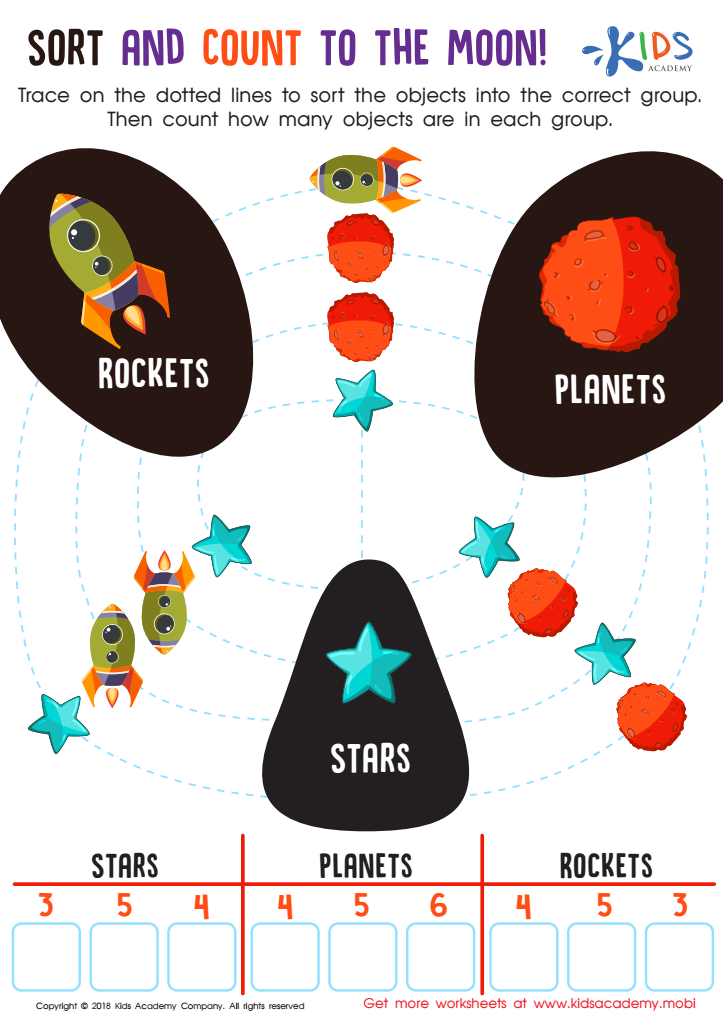
Sort and Count to the Moon Worksheet
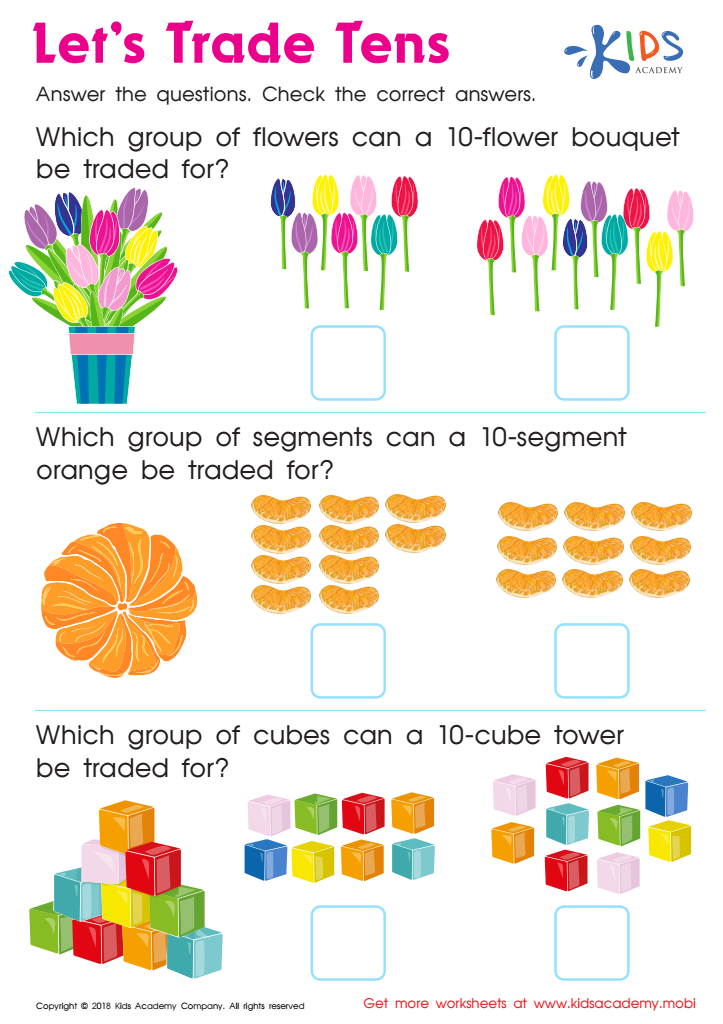
Lets Trade Tens Worksheet
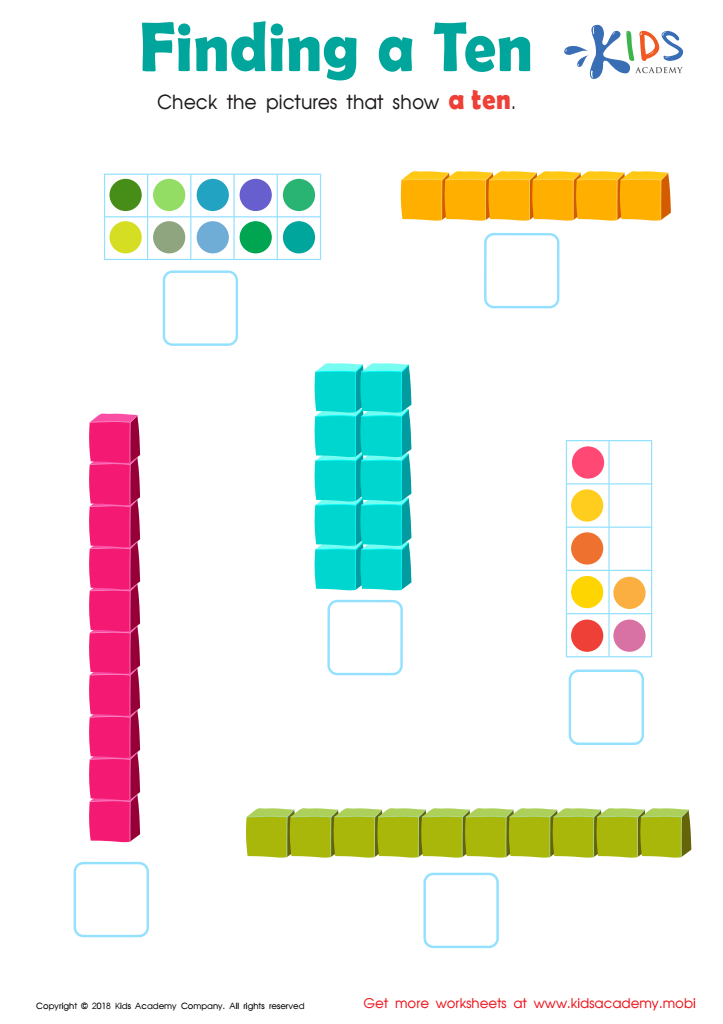
Finding a Ten Worksheet
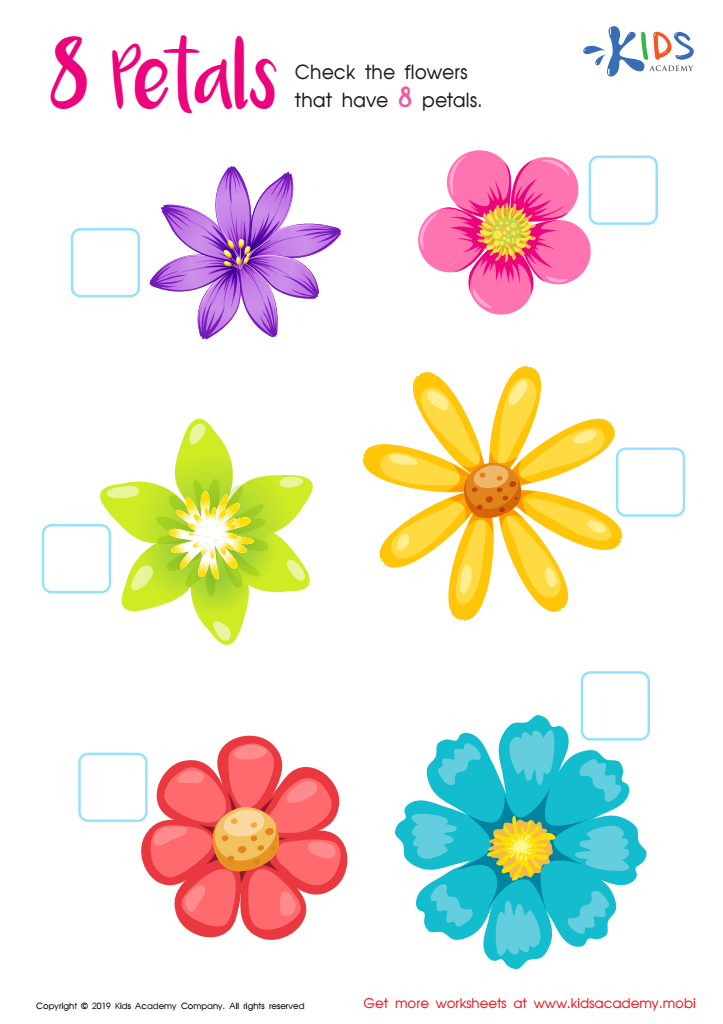
8 Petals Worksheet
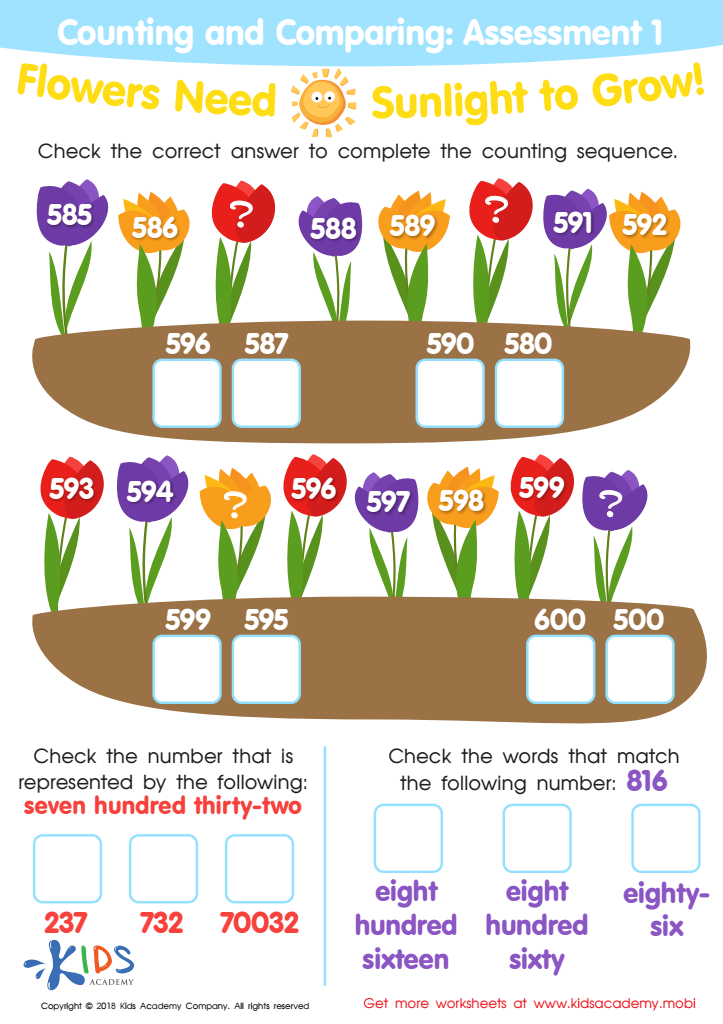
Counting and Comparing: Assessment 1 Worksheet
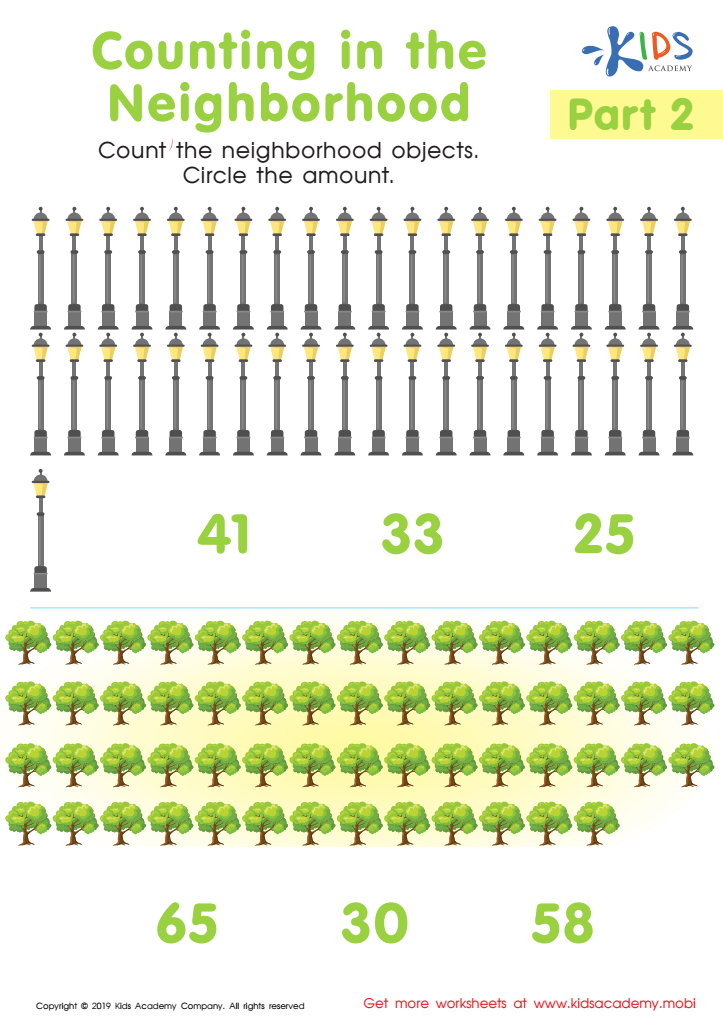
Counting In The Neighborhood Part 2 Worksheet
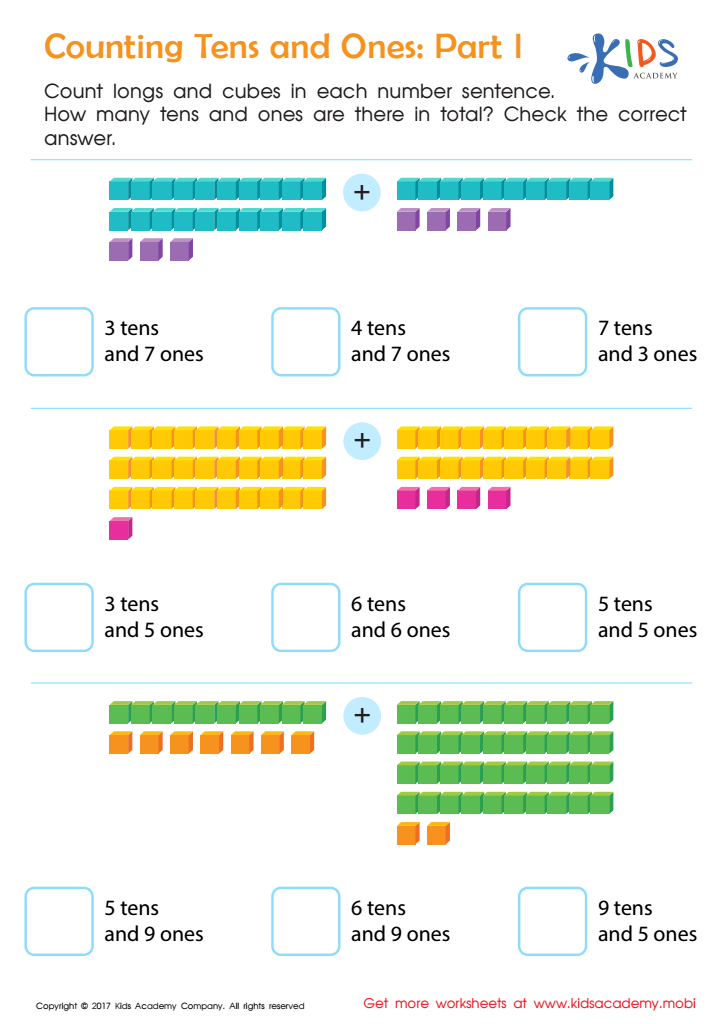
Counting Tens and Ones: Part 1 Worksheet
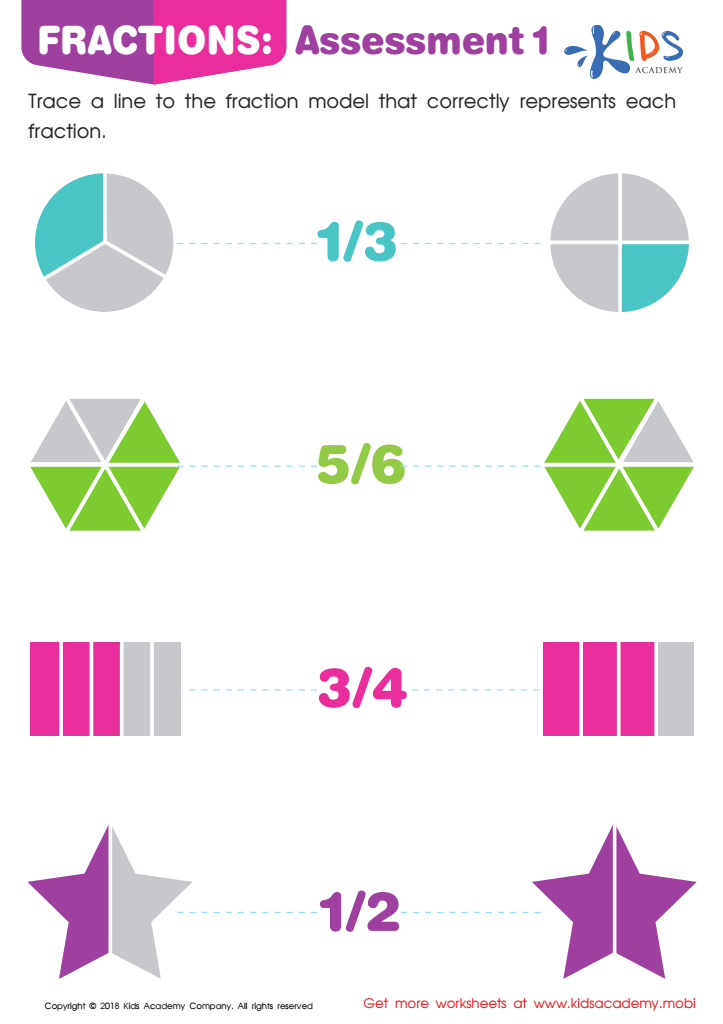
Fractions: Assessment 1 Worksheet
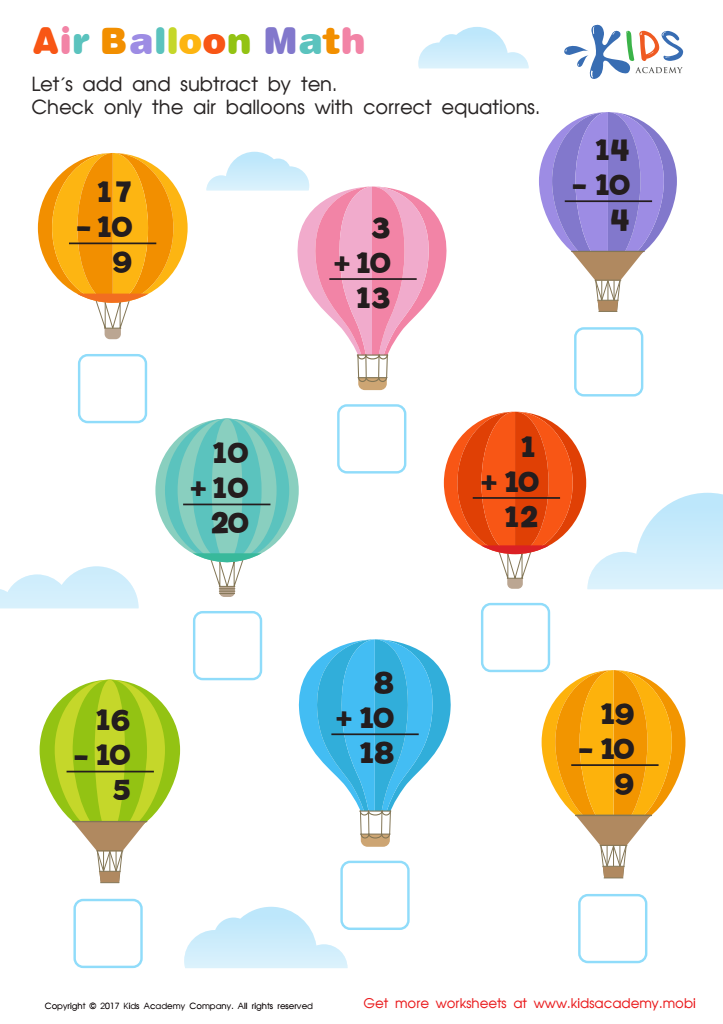
Air Balloon Math Worksheet
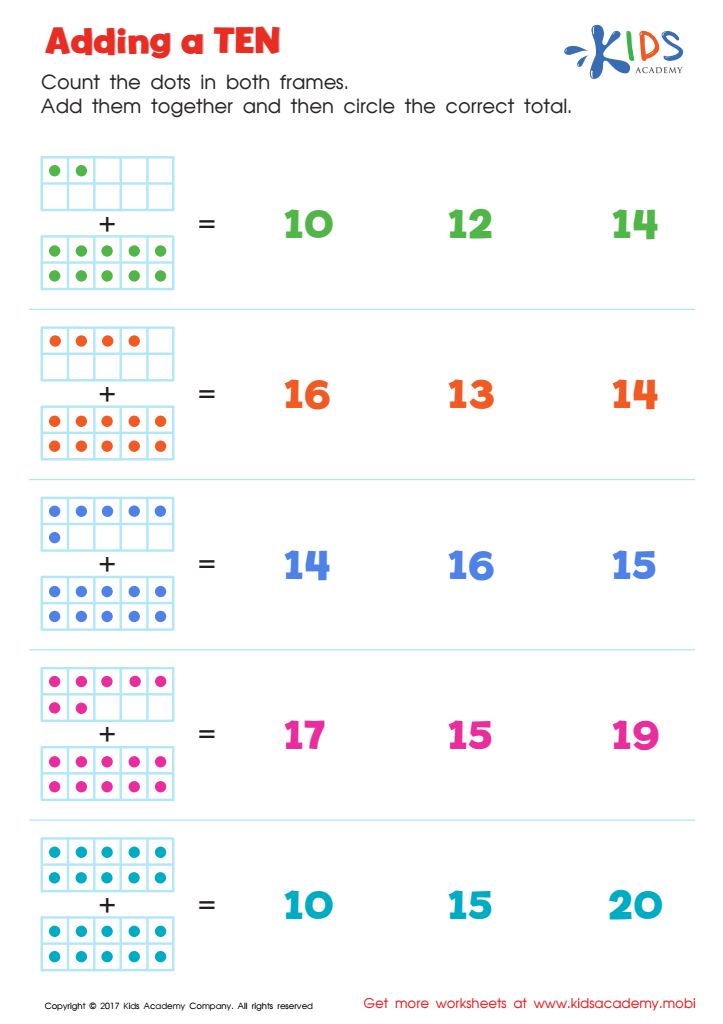
Adding a Ten Worksheet
Number 5 Printable
 Assign to My Students
Count and Match Vegetables 1 – 7 Math Worksheet
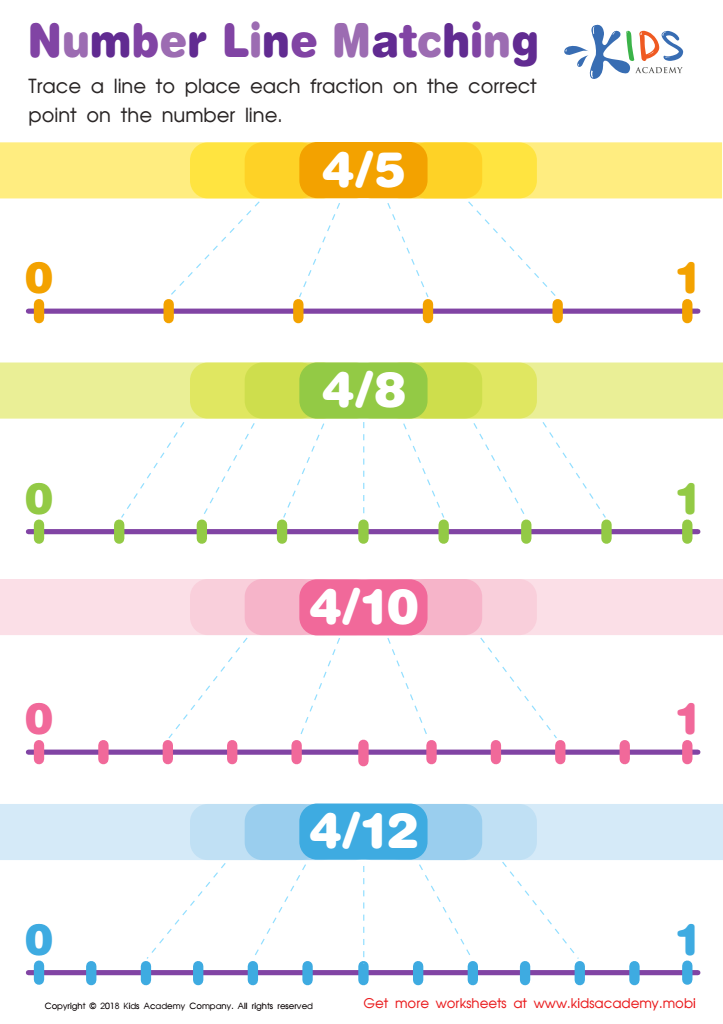
Number Line Matching Worksheet
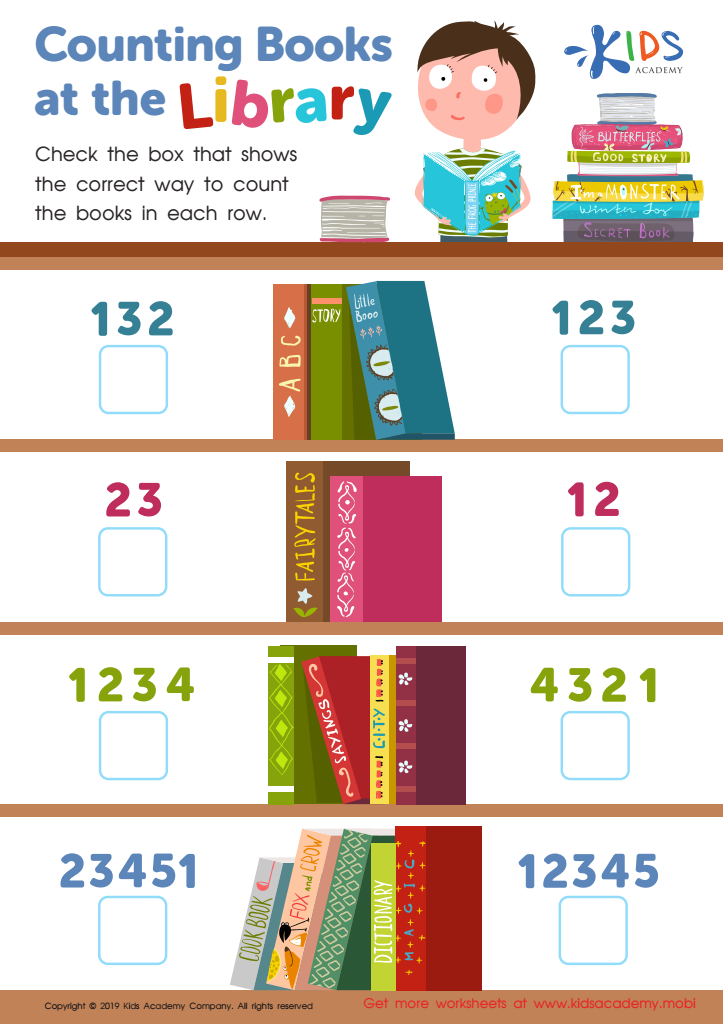
Counting Books at the Library Worksheet
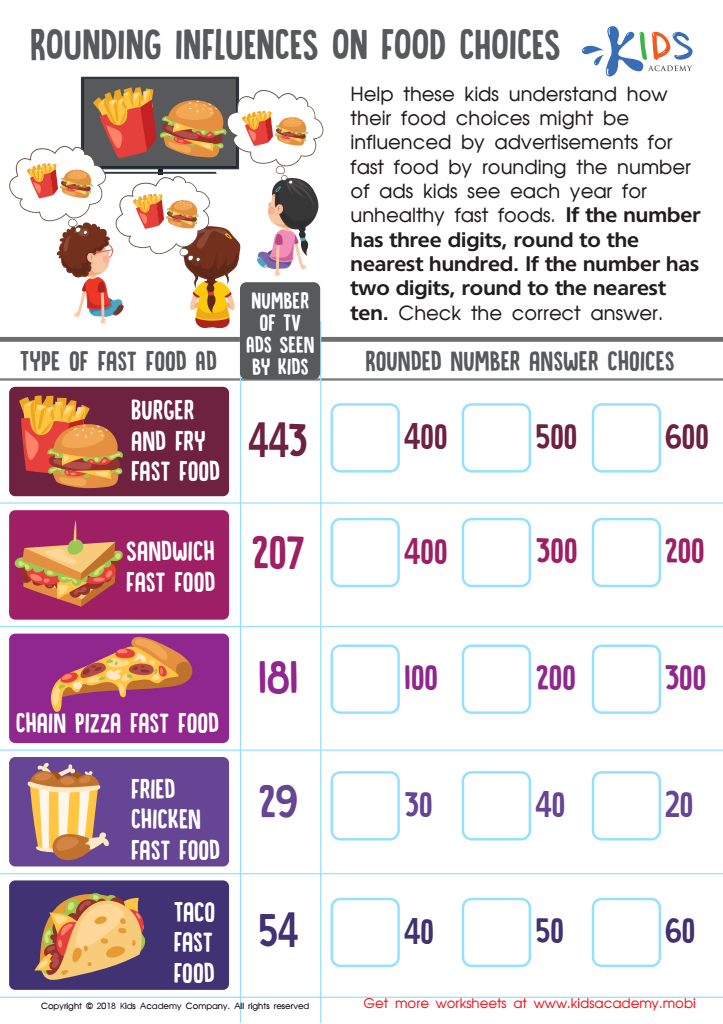
Rounding Influences Food Choices Worksheet
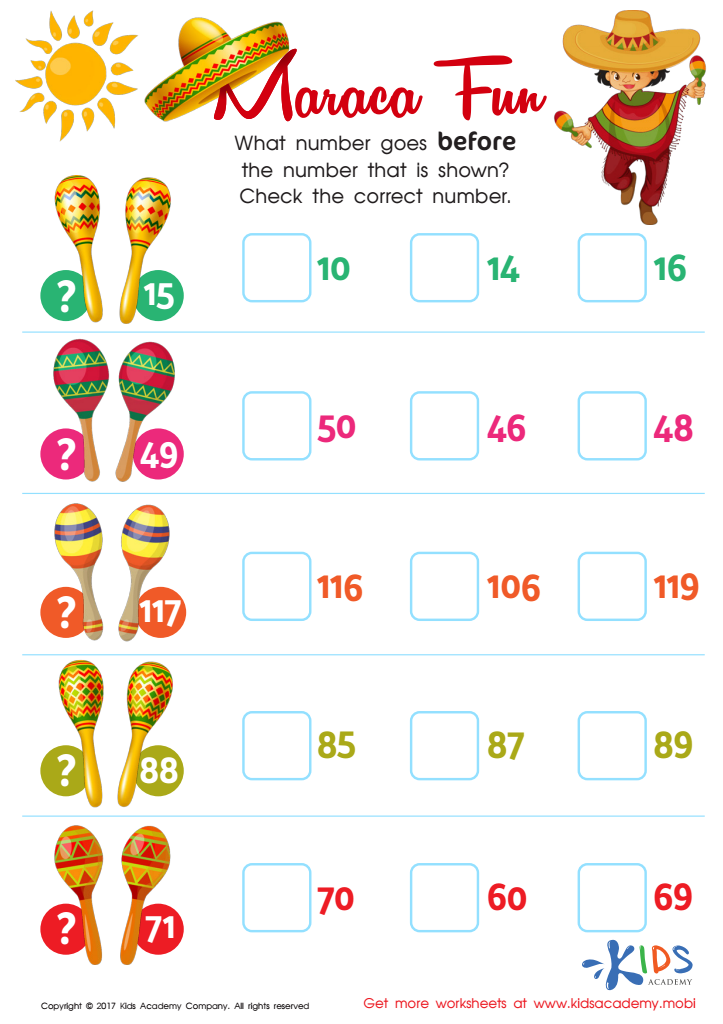
Counting: Maraca Fun Worksheet
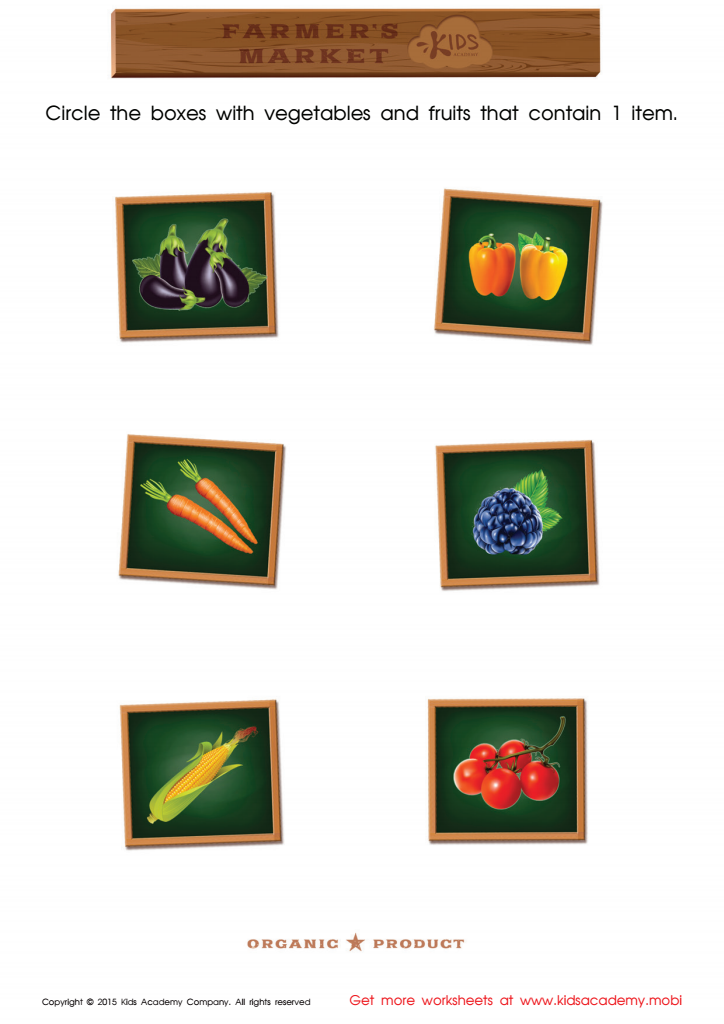
Count and Match Boxes with Vegetables







Understanding numbers is foundational for children aged 5-8, as it sets the stage for their future academic success and everyday life skills. At this age, children begin to develop crucial mathematical concepts, such as counting, addition, subtraction, and recognizing patterns, which are essential for succeeding in subjects like math, science, and even reading comprehension.
Parents and teachers should prioritize number learning because it enhances cognitive development and critical thinking. Early exposure to numbers through playful activities, such as games, storytelling, and hands-on experiences, fosters a solid understanding of mathematical principles. This exploration promotes problem-solving skills and boosts confidence, making children more eager to tackle challenges as they progress in school.
Moreover, a solid grasp of numbers helps children navigate daily tasks, like understanding time, managing money, and measuring ingredients in cooking. These life skills contribute to their independence and ability to make informed decisions.
By emphasizing numbers during these formative years, parents and teachers can nurture a child's interest in mathematics, providing them with the tools they need for academic achievement and practical life skills well into adulthood. This commitment to early numerical literacy ultimately cultivates a robust foundation for lifelong learning.








