Geometry Worksheets for Ages 5-9 - Page 2
201 filtered results
-
From - To
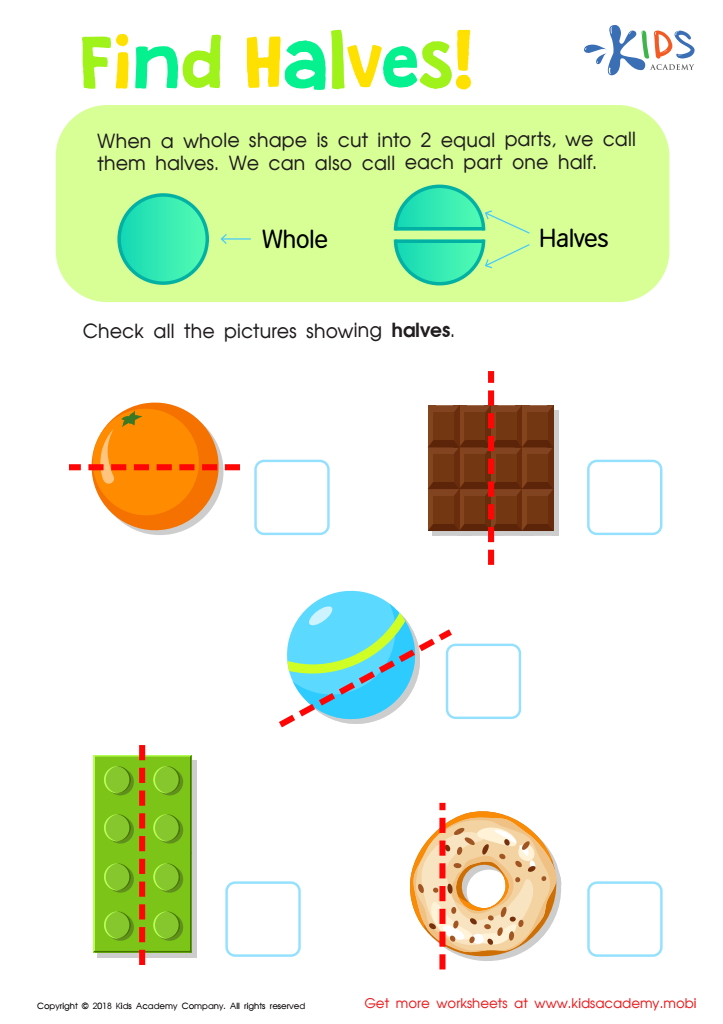
Find Halves Worksheet











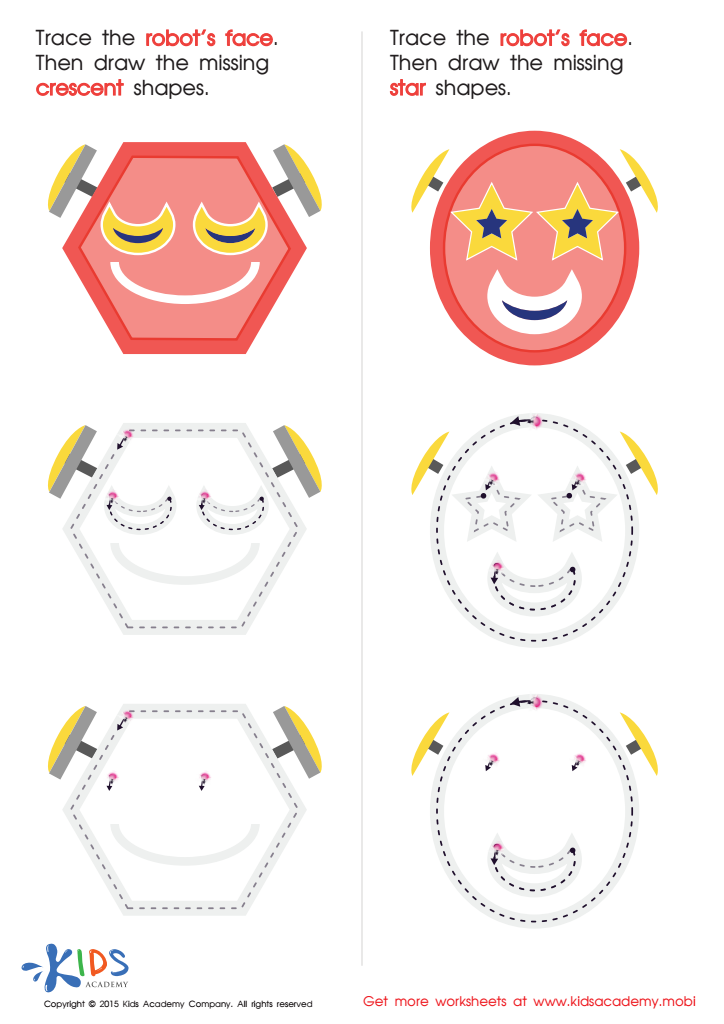
Composing a Robot's Face of Crescents And Stars Worksheet
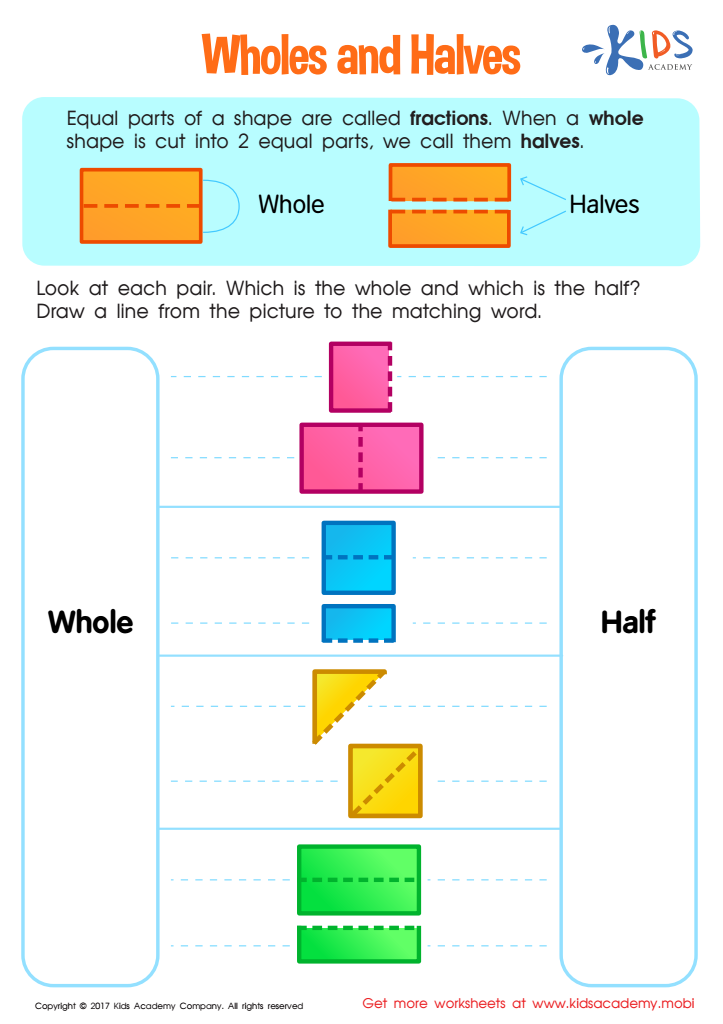
Wholes and Halves Worksheet
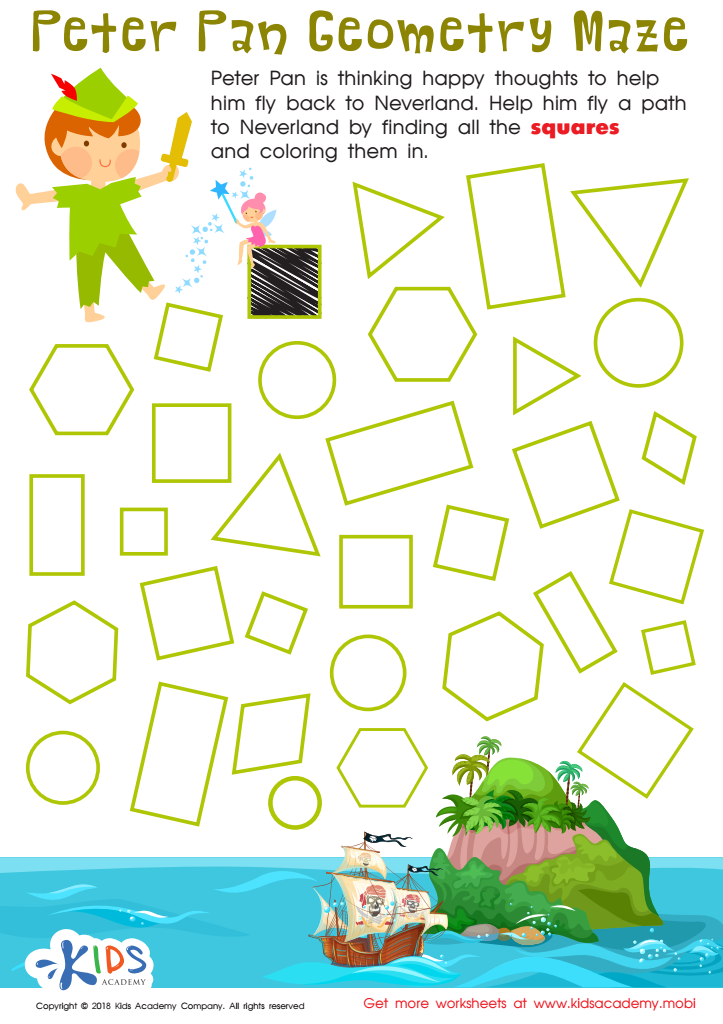
Peter Pan Worksheet
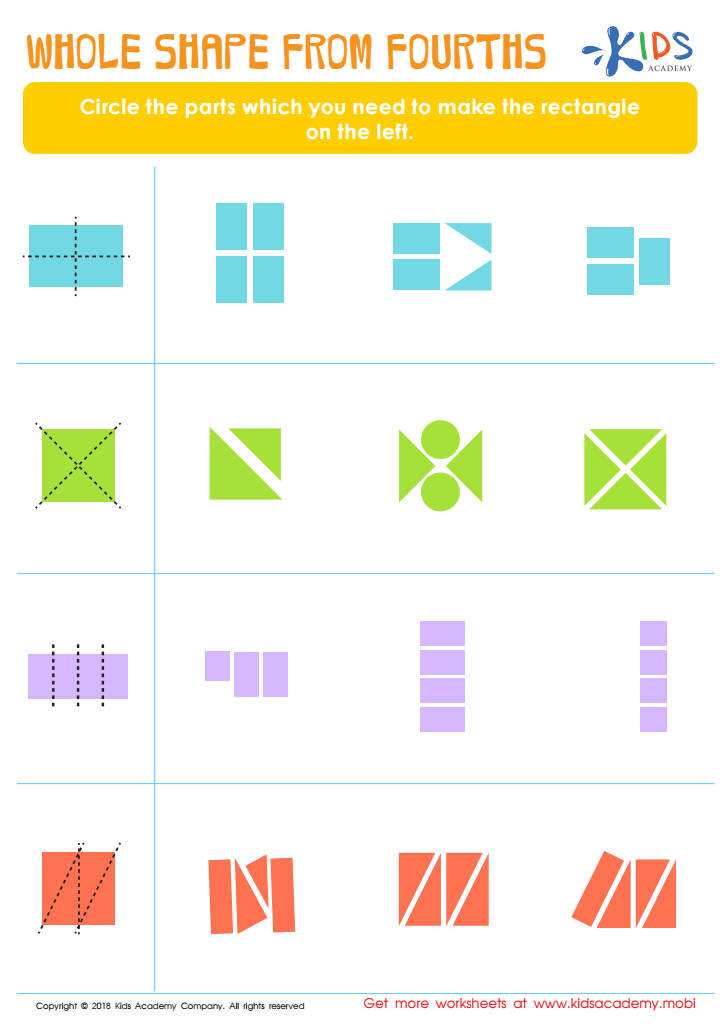
Whole Shape from Fourths Worksheet
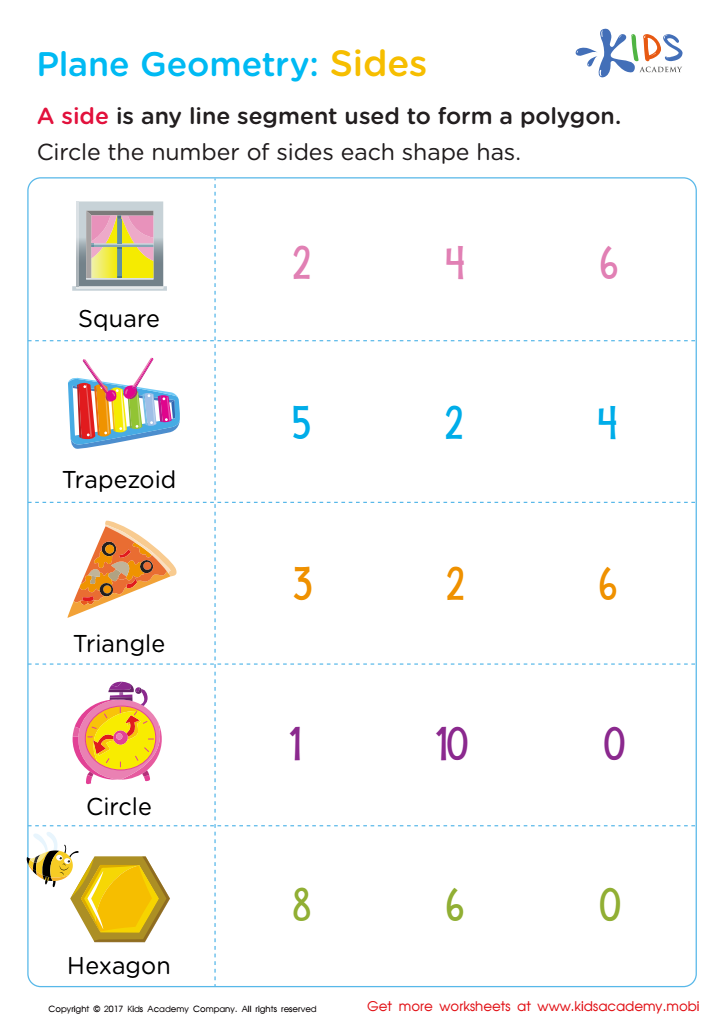
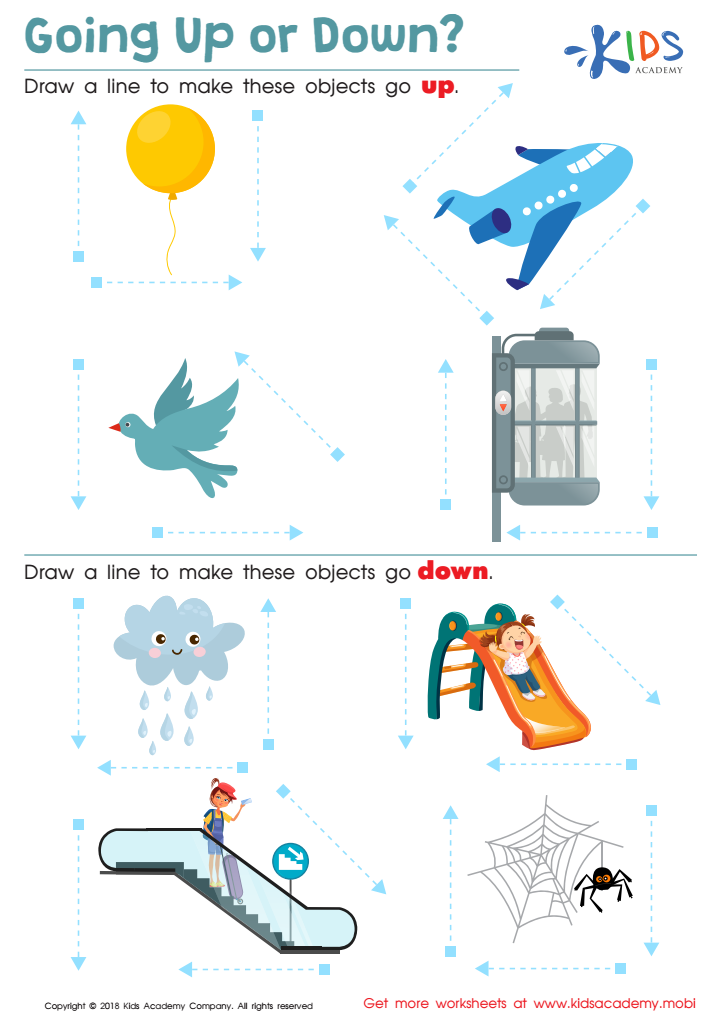
Going up or Down? Worksheet
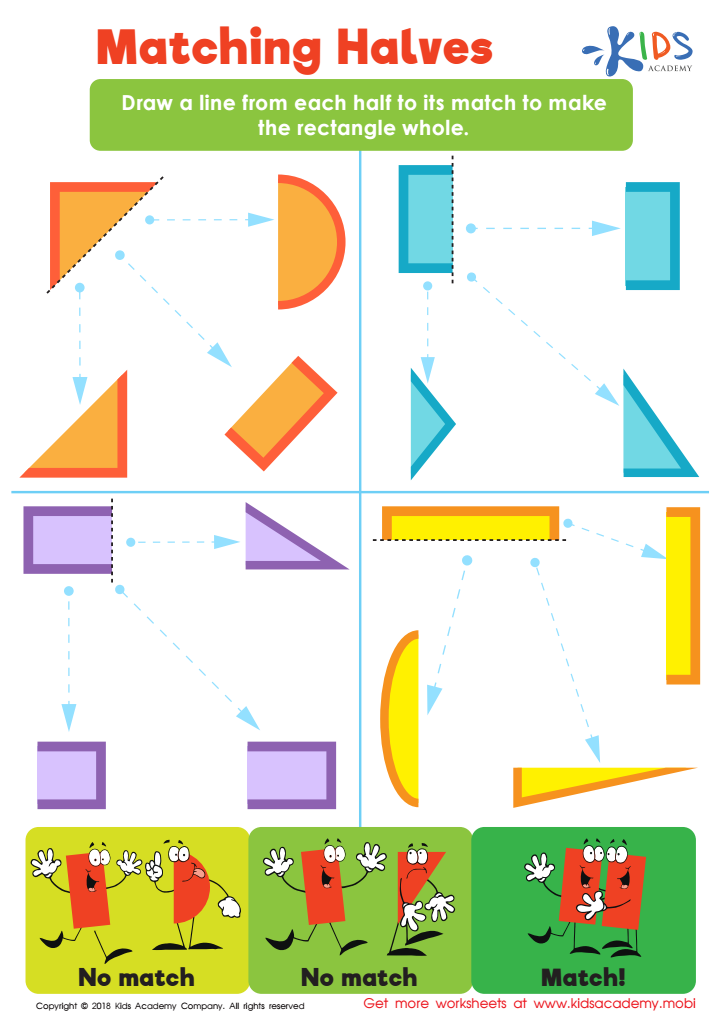
Matching Halves Worksheet
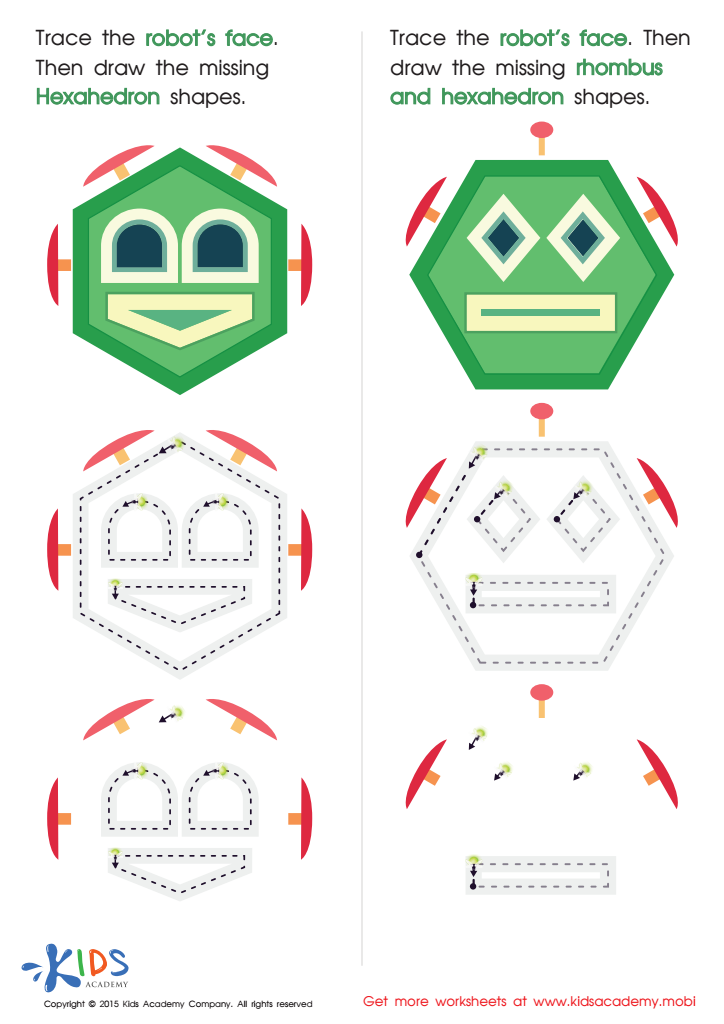
Practice Drawing Hexahedrons And a Rhombus Worksheet
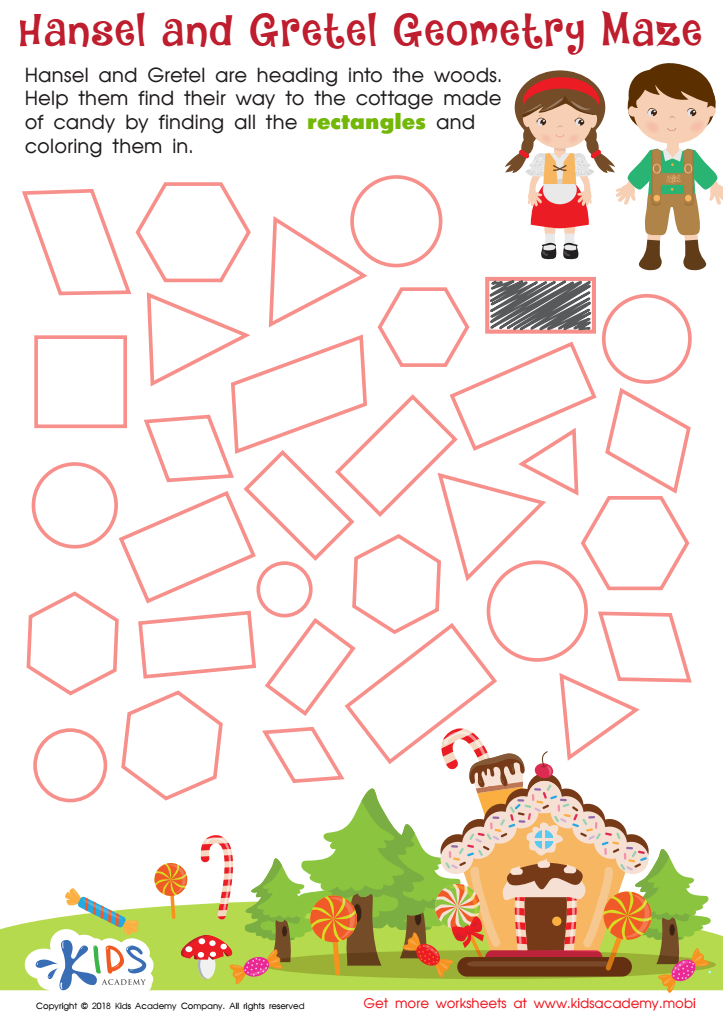
Hansel and Gretel Geometry Maze Worksheet
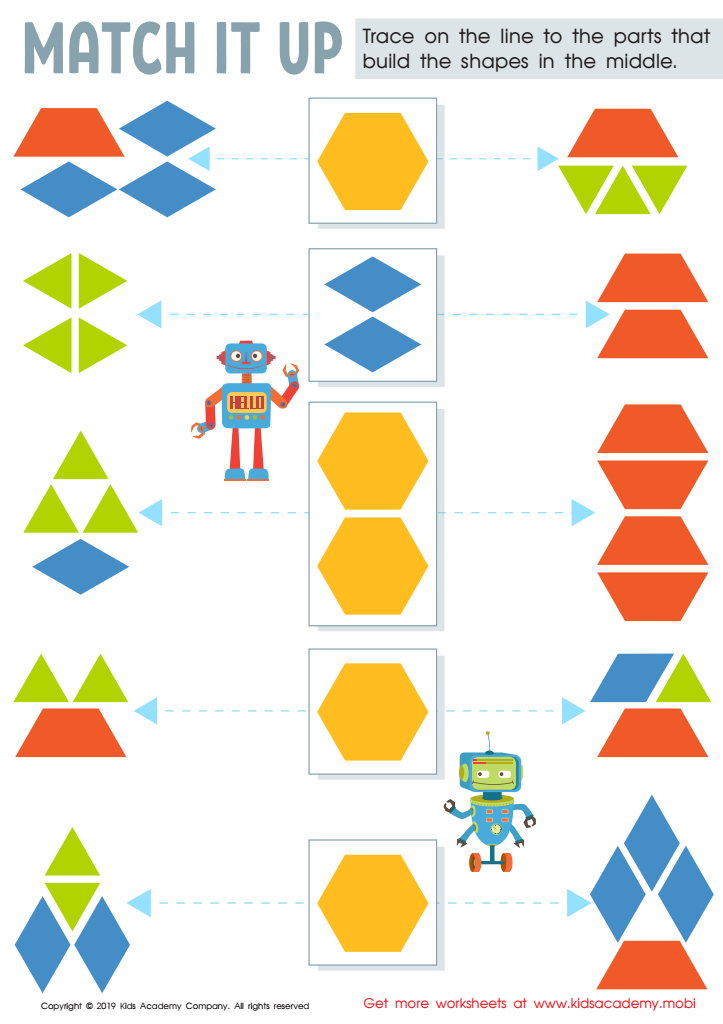
Match It up Worksheet
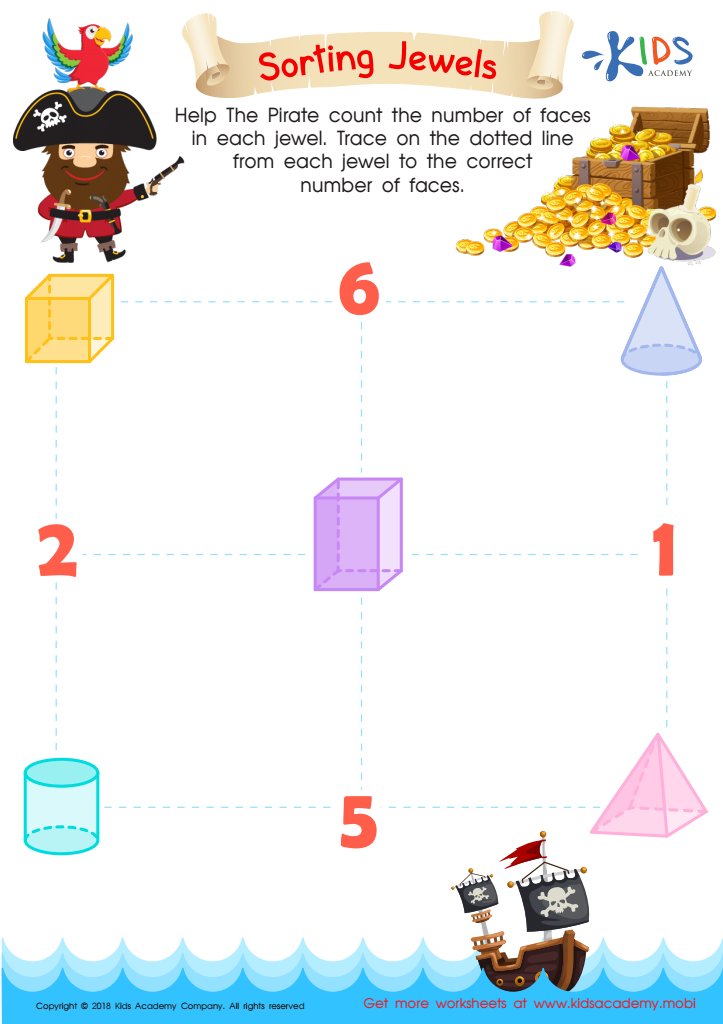
Sorting Jewels Worksheet
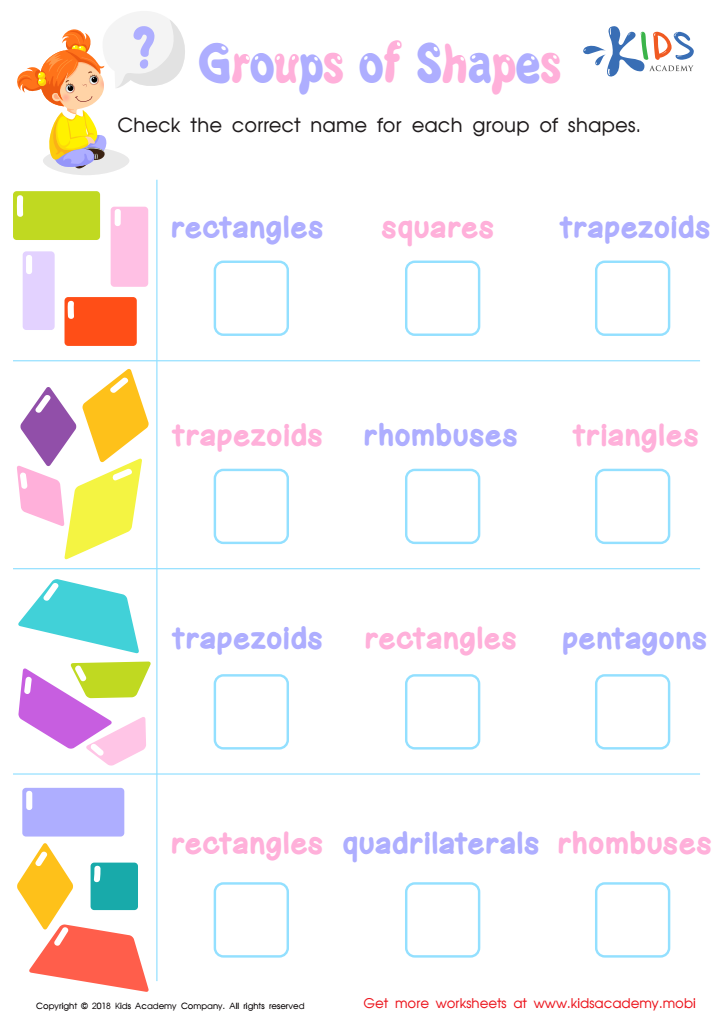
Groups of Shapes Worksheet
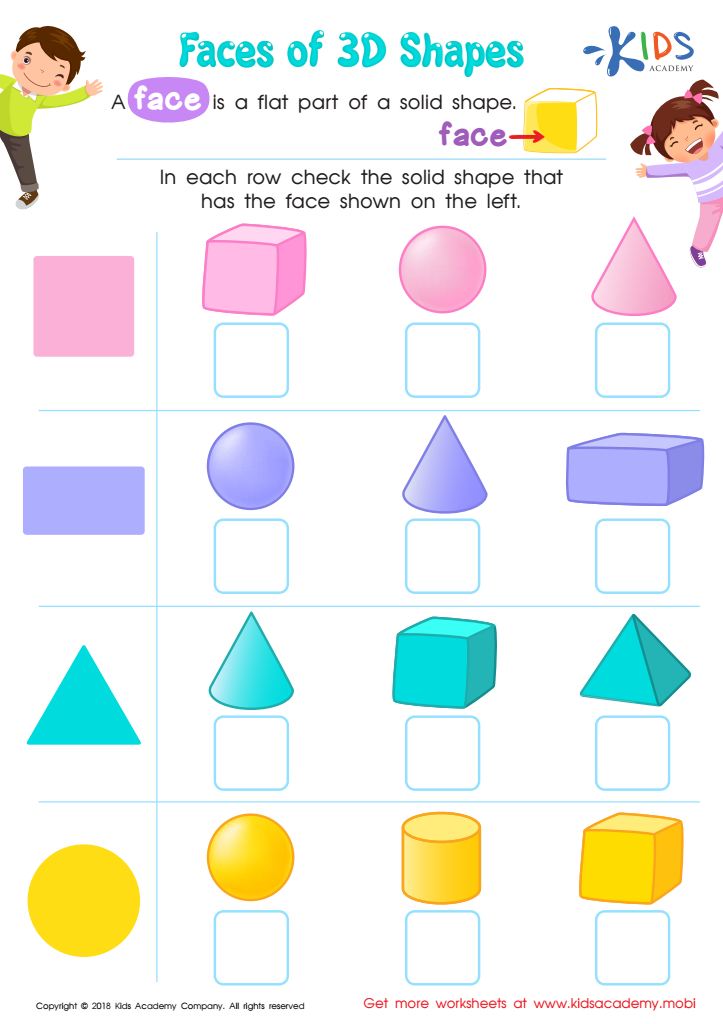
Faces of 3D Shapes Worksheet
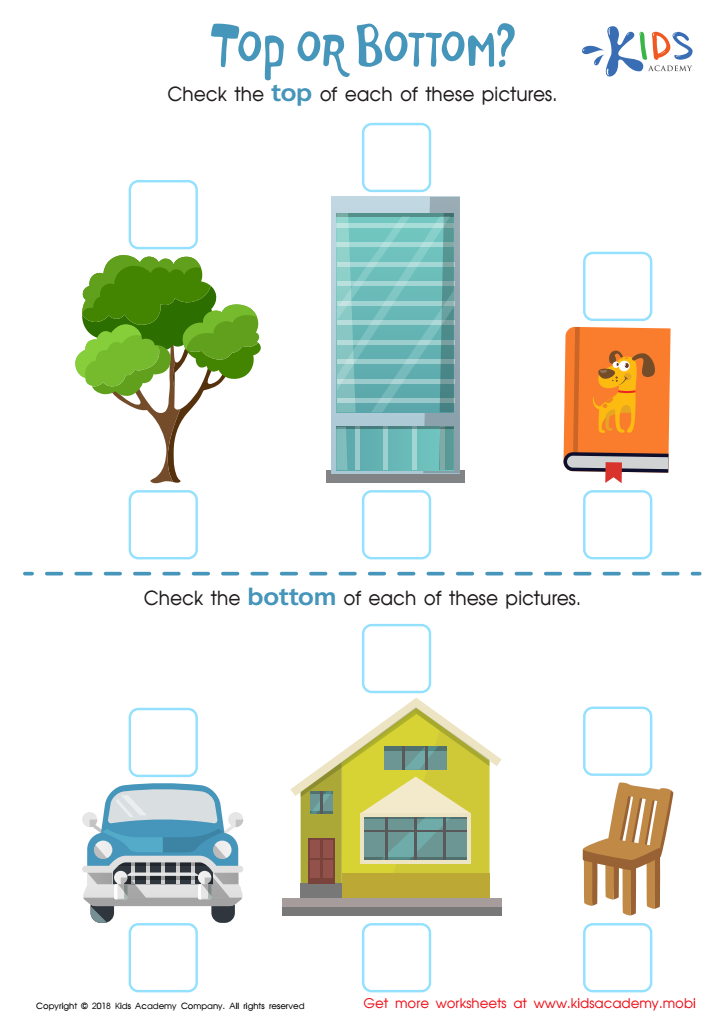
Top or Bottom Worksheet
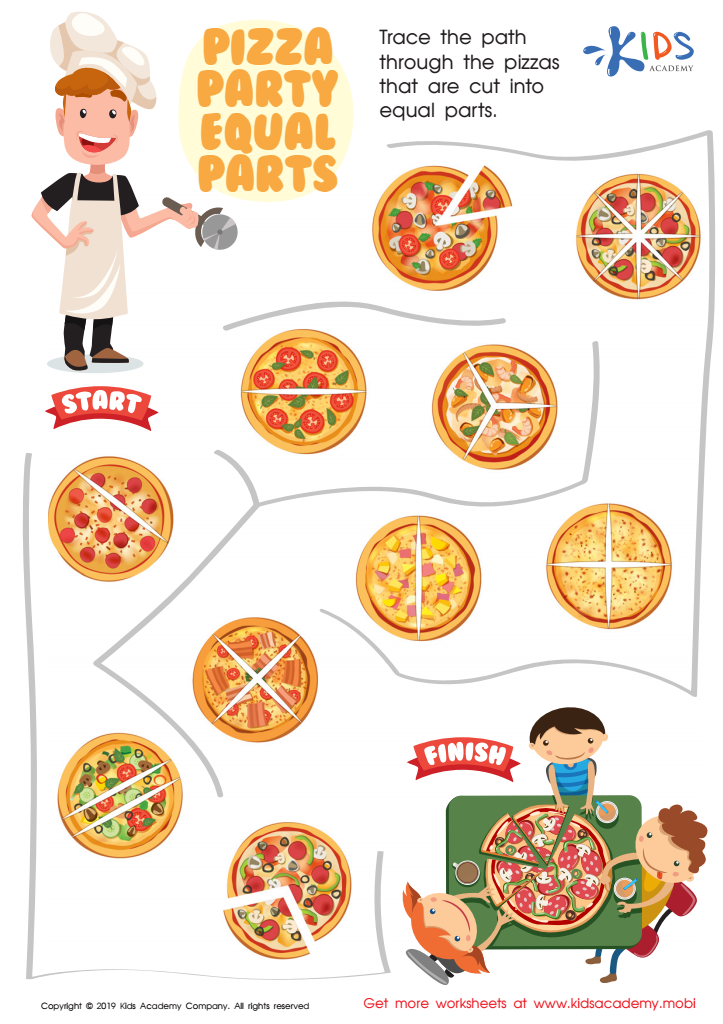
Pizza Party Equal Parts Worksheet
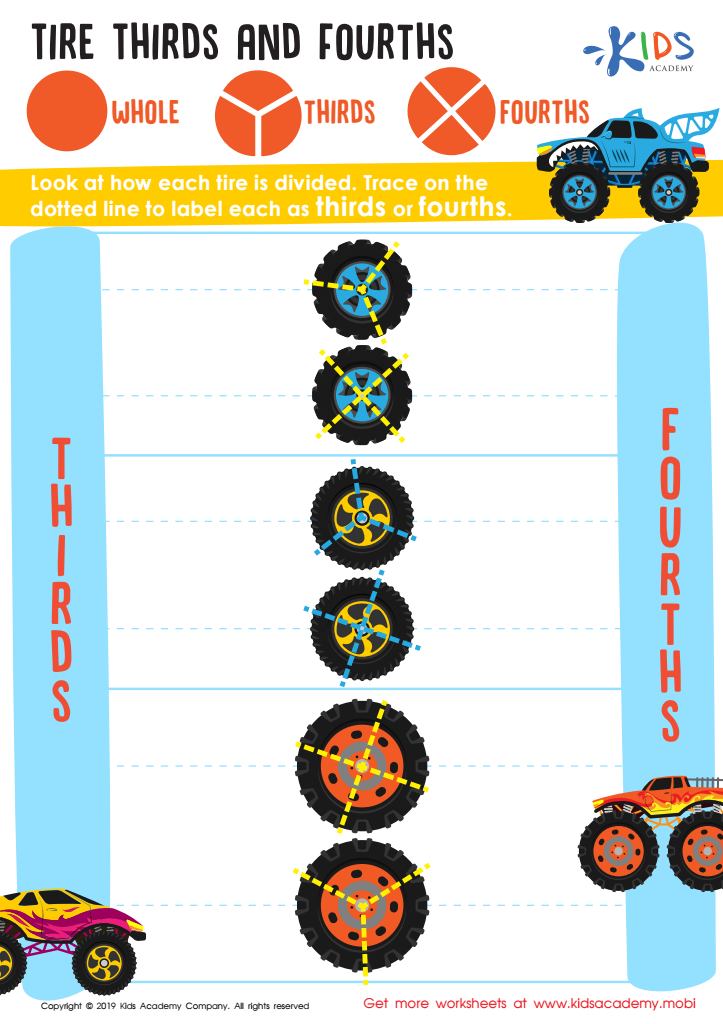
Tire Thirds and Fourths Worksheet
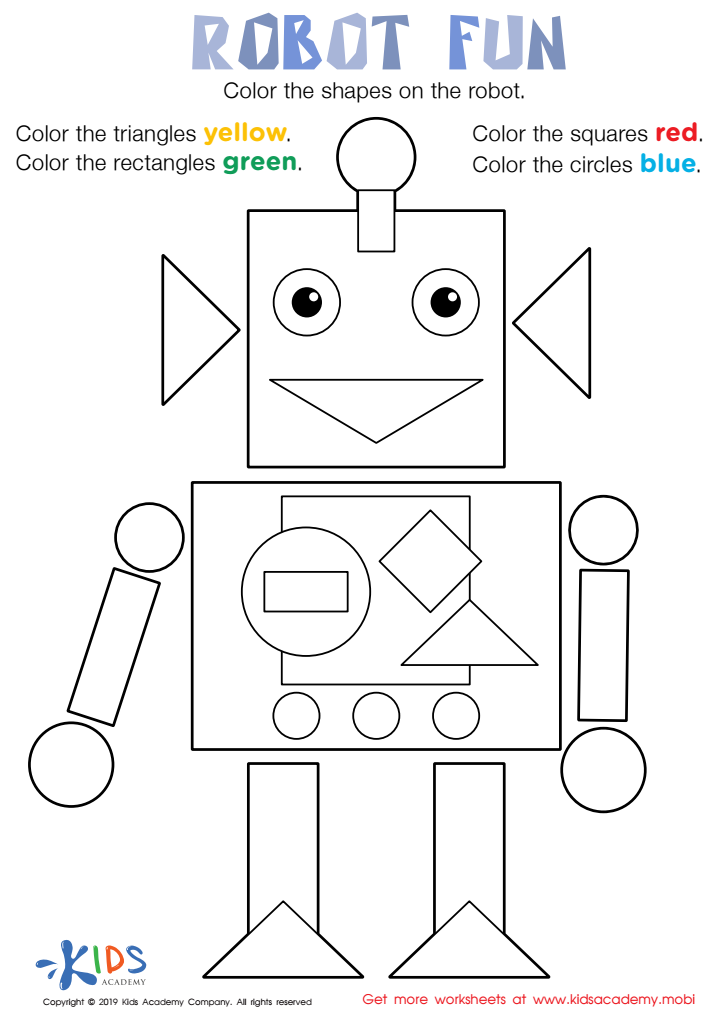
Robot Fun Worksheet
 Assign to My Students
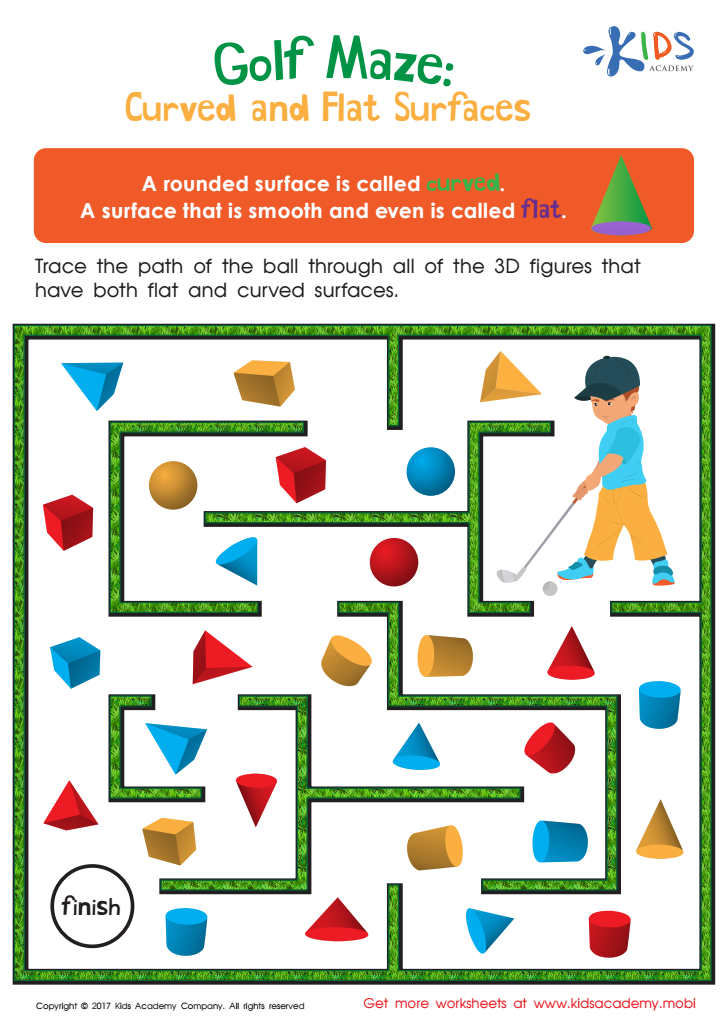
Golf Maze: Curved and Flat Surfaces Worksheet
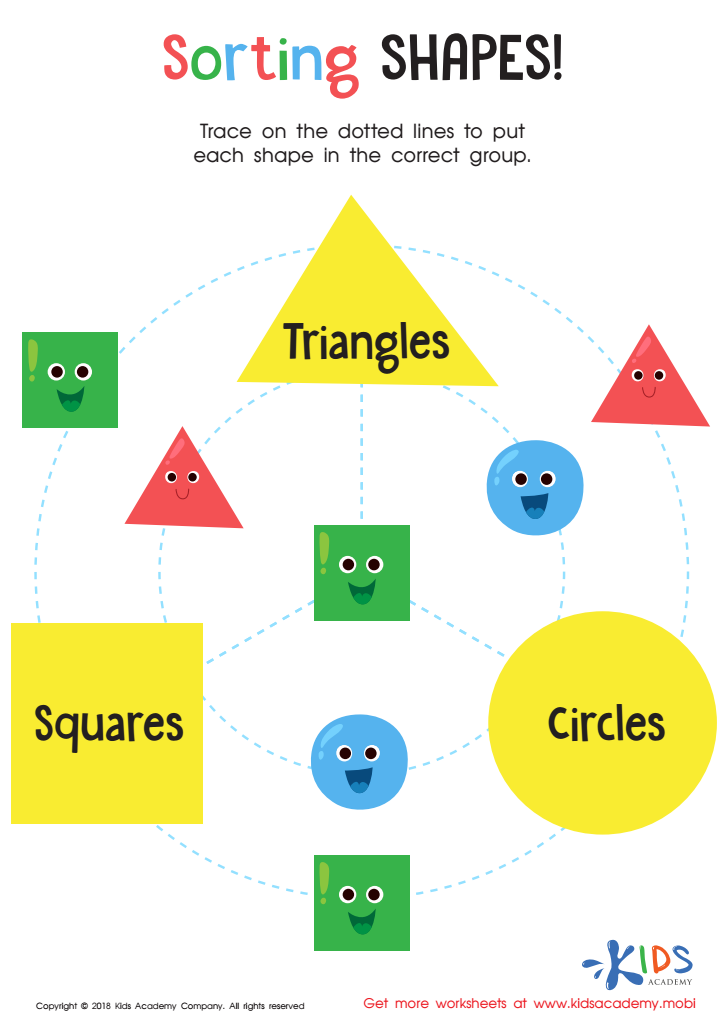
Sorting Shapes - Part 3 Worksheet
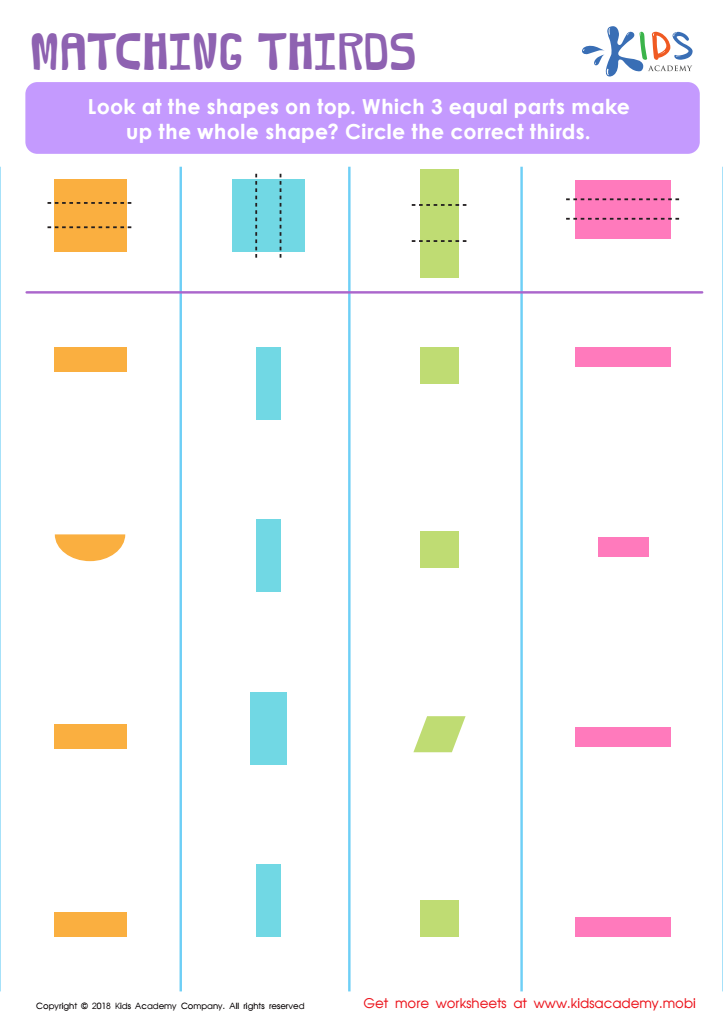
Matching Thirds Worksheet
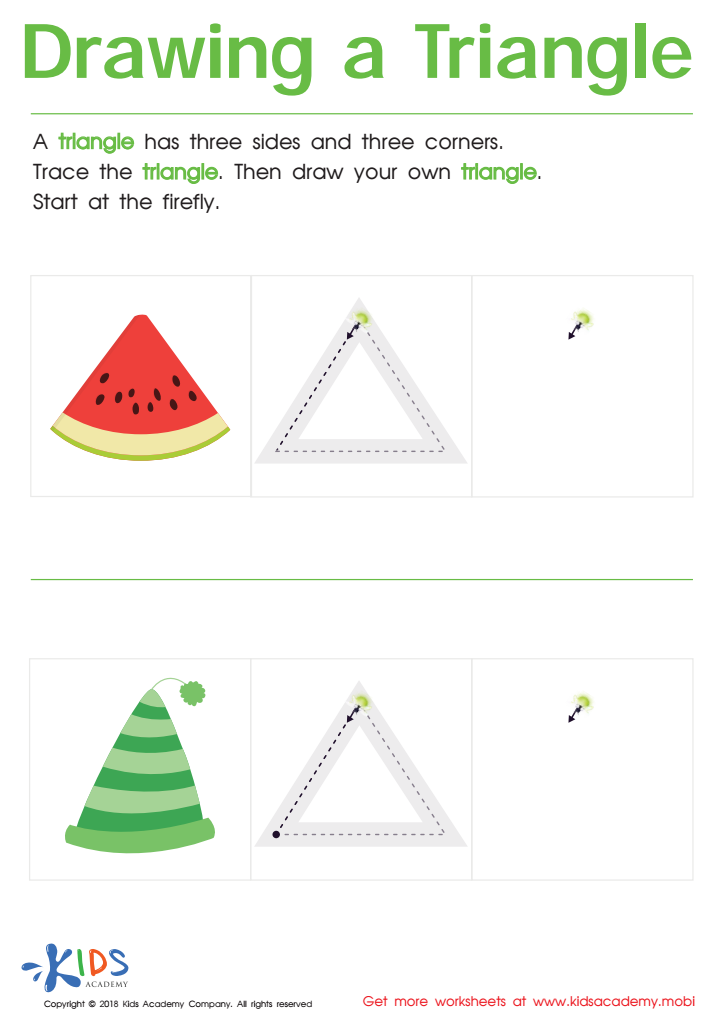
Drawing a Triangle Worksheet
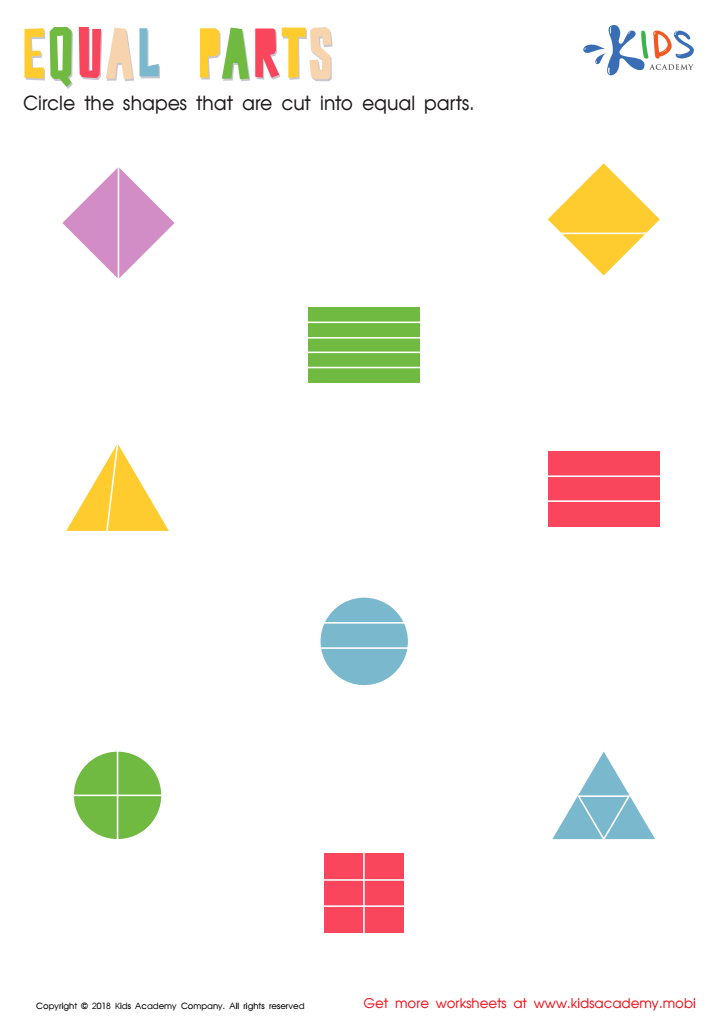
Equal Parts: Shapes Worksheet
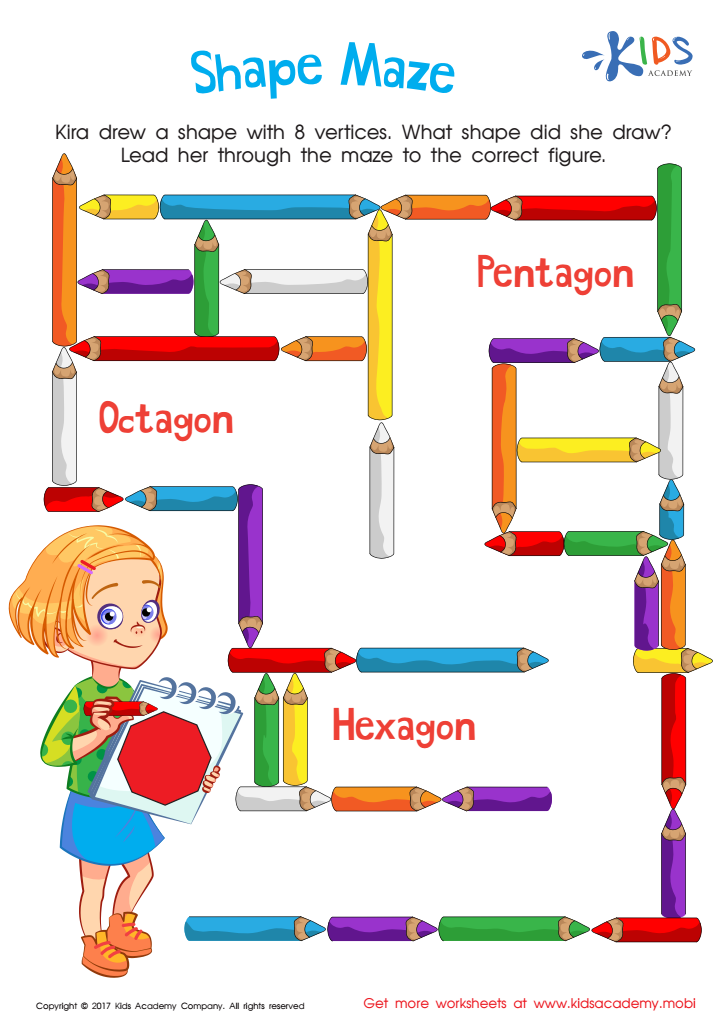
Shape Maze Worksheet








Geometry is an essential part of early childhood education, particularly for children aged 5-9. During this developmental stage, children are naturally curious and explore their environment, making it an ideal time to introduce geometric concepts. Understanding geometry enhances spatial reasoning skills, helping children mentally visualize and manipulate shapes, which is foundational for future learning in math and science.
Moreover, geometry plays a critical role in everyday life. It helps children understand and appreciate the shapes around them, from simple items like boxes and balls to complex structures like buildings and bridges. By engaging with geometric concepts, children develop problem-solving skills and critical thinking as they learn to classify, compare, and manipulate shapes.
Teachers and parents should care about geometry because it also promotes creativity; constructing shapes and exploring patterns can inspire artistic expression. Additionally, foundational geometric skills are linked to later academic success in math, making early exposure vital. Integrating geometry into everyday activities, games, and discussions fosters a strong mathematical foundation, encouraging children to embrace learning and develop a lifetime appreciation for mathematics. Ultimately, fostering an early understanding of geometry provides tools that children will carry throughout their educational journey and beyond.








