Physical Science Worksheets for Ages 6-9
85 filtered results
-
From - To
Unlock the wonders of the physical world with our engaging Physical Science Worksheets for Ages 6-9. Perfectly crafted for young learners, these fun-filled activities introduce key concepts in physics through interactive tasks that spark curiosity and enhance understanding. From exploring forces and motion to uncovering the mysteries of energy and matter, our printable worksheets tailor fundamental science principles to the developmental levels of ages 6-9. Ideal for both classroom and home learning, these tools foster critical thinking and a love for science, ensuring your child excels and enjoys every step of their educational journey. Let's make discovering science a joyful adventure!
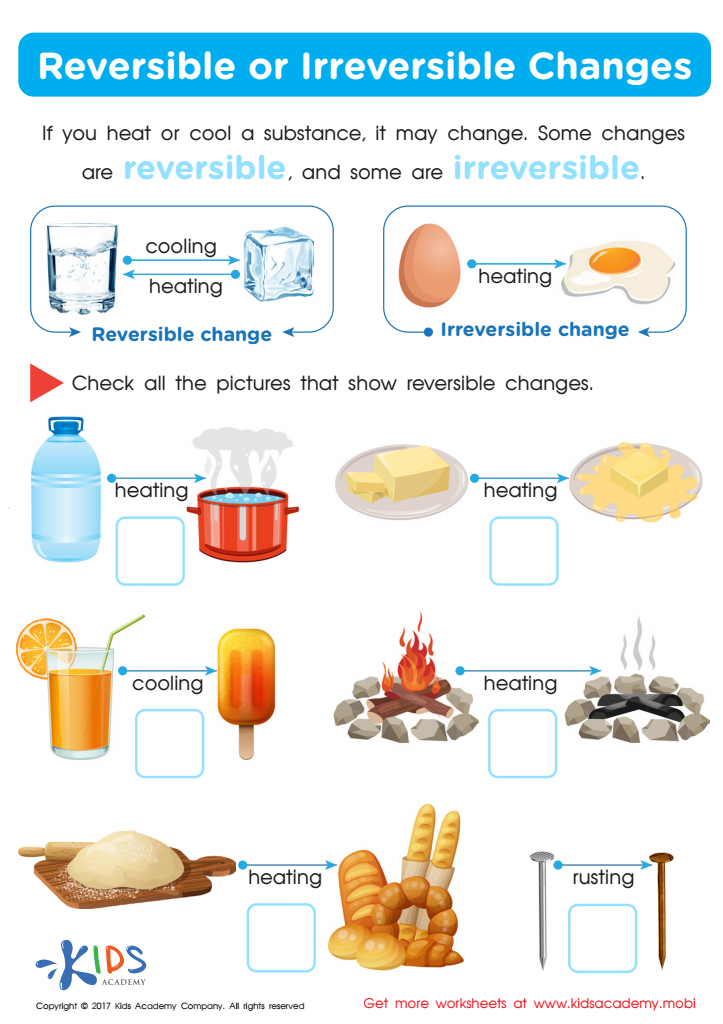
Reversible Irreversible Changes Worksheet
 Assign to My Students
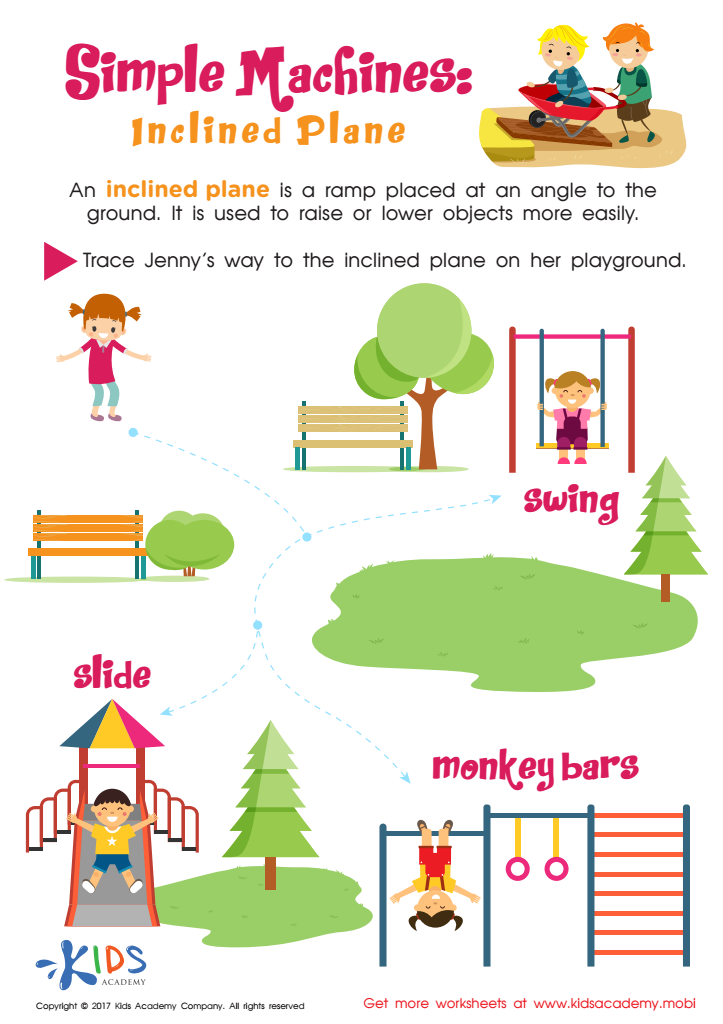
Simple Machines Inclined Plane Worksheet
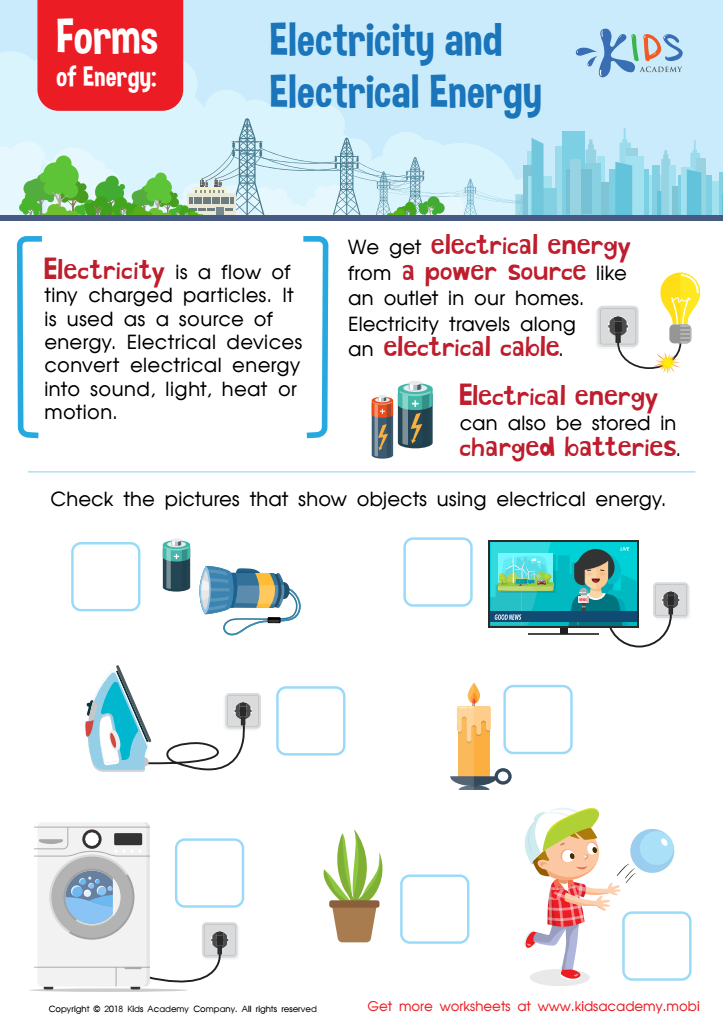
Forms of Energy Worksheet
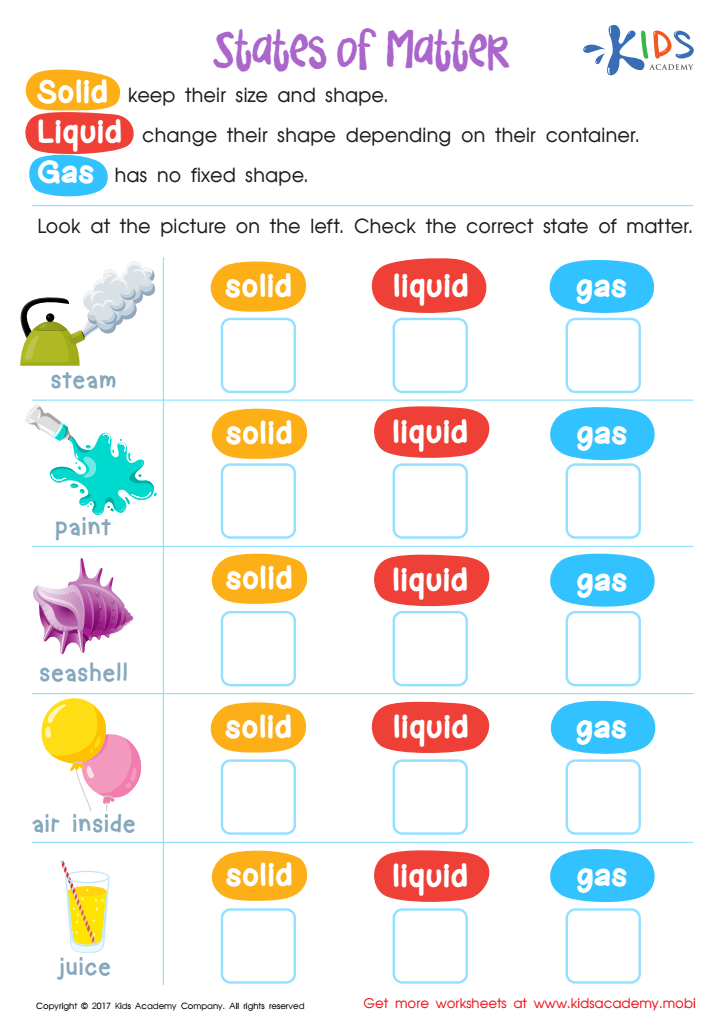
Physical Science: States of Matter Worksheet
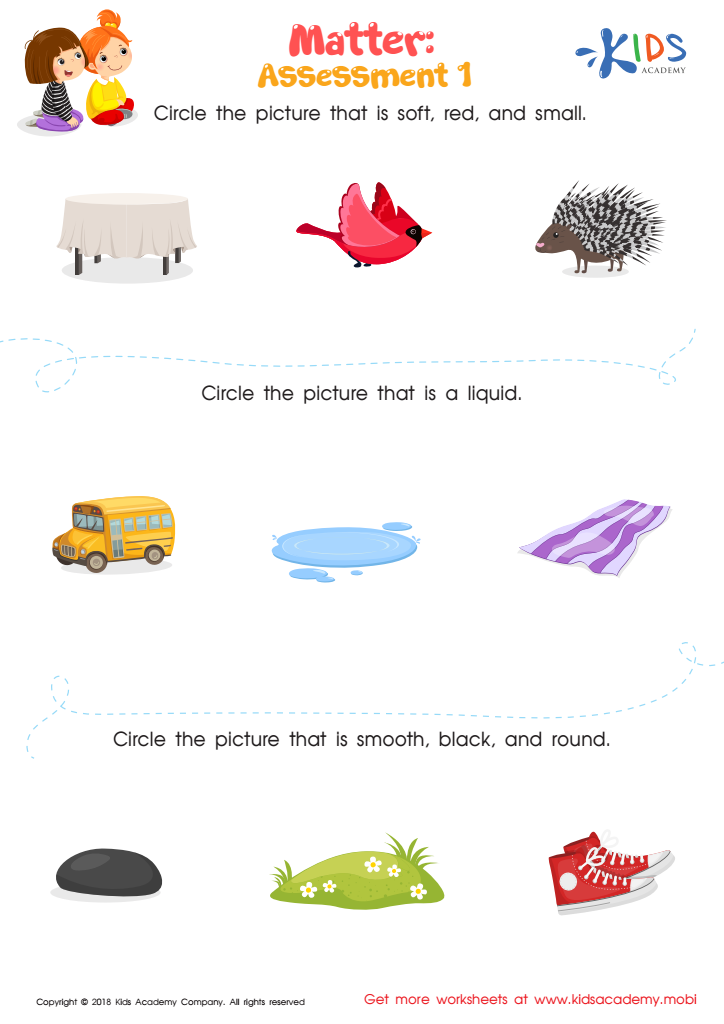
Matter: Assessment 1 Worksheet
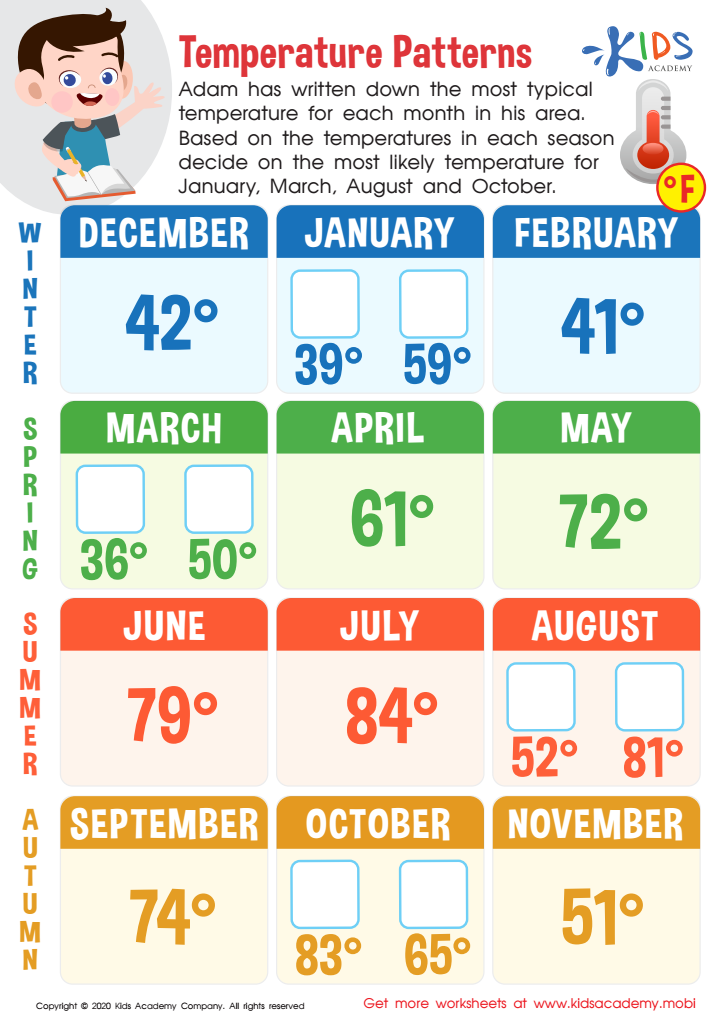
Temperature Patterns Worksheet
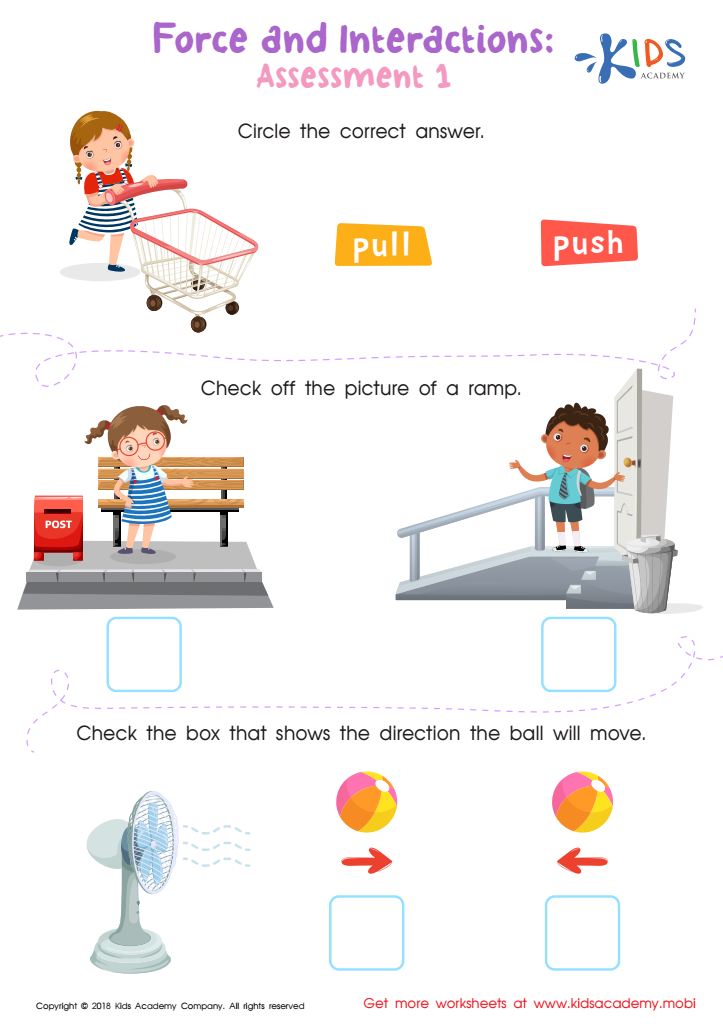
Force and Interactions: Assessment 1 Worksheet
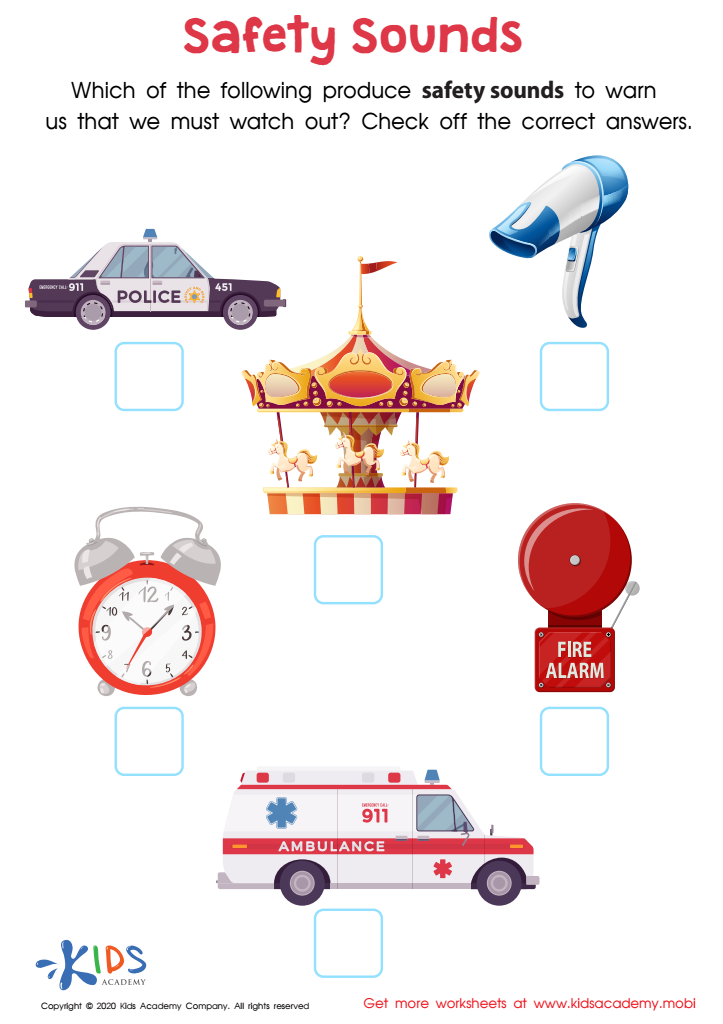
Safety Sounds Worksheet
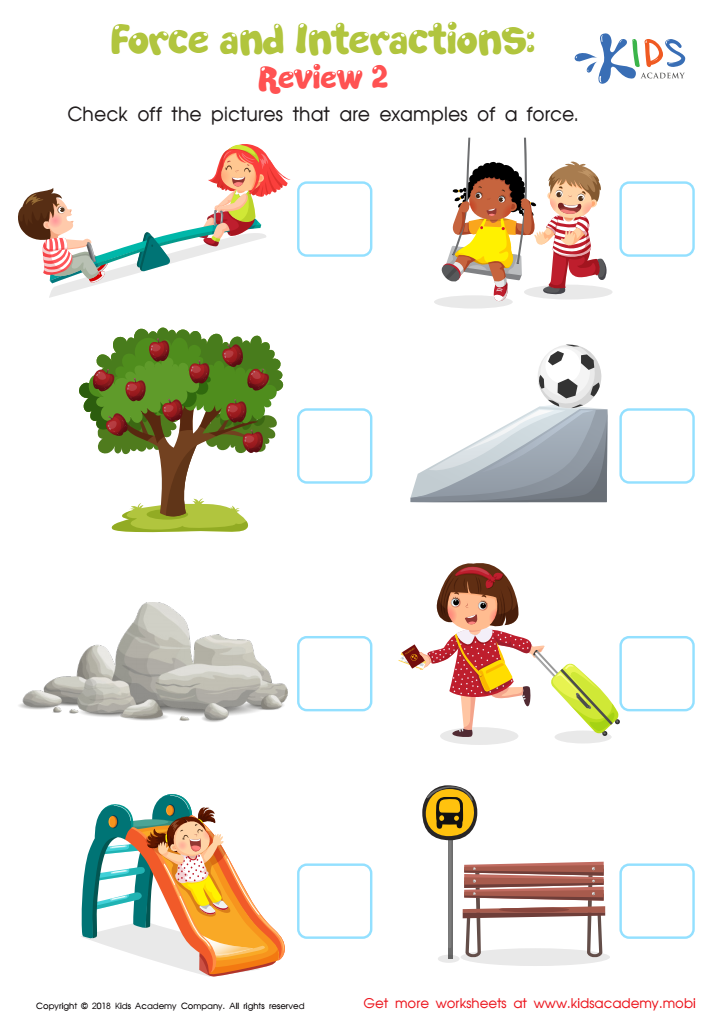
Force and Interactions: Review 2 Worksheet
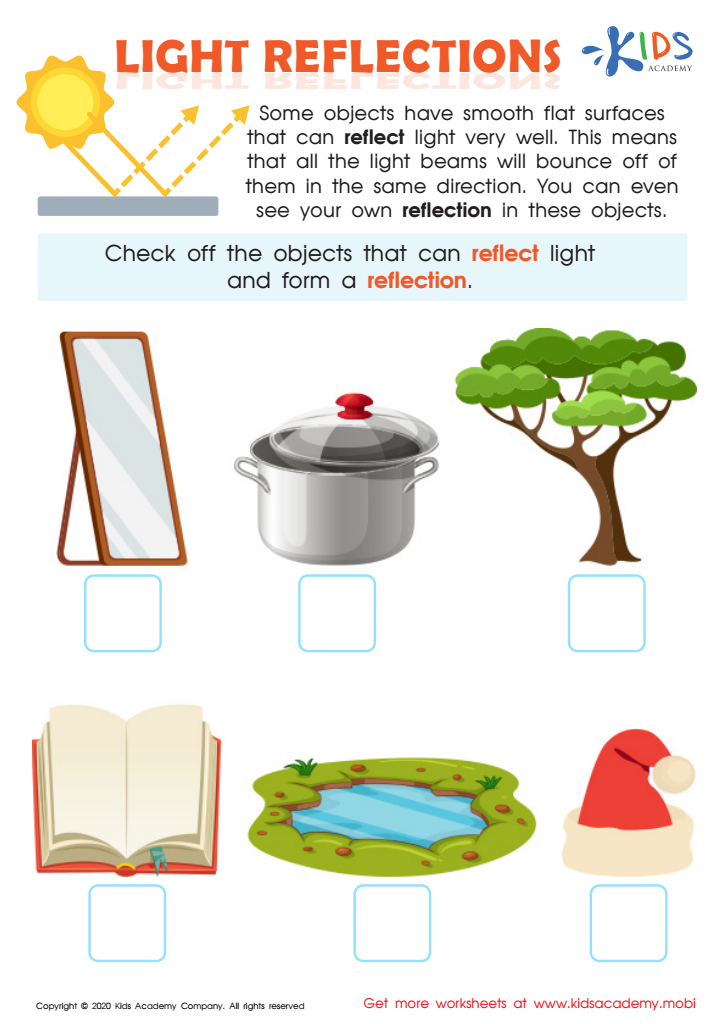
Light Reflections Worksheet
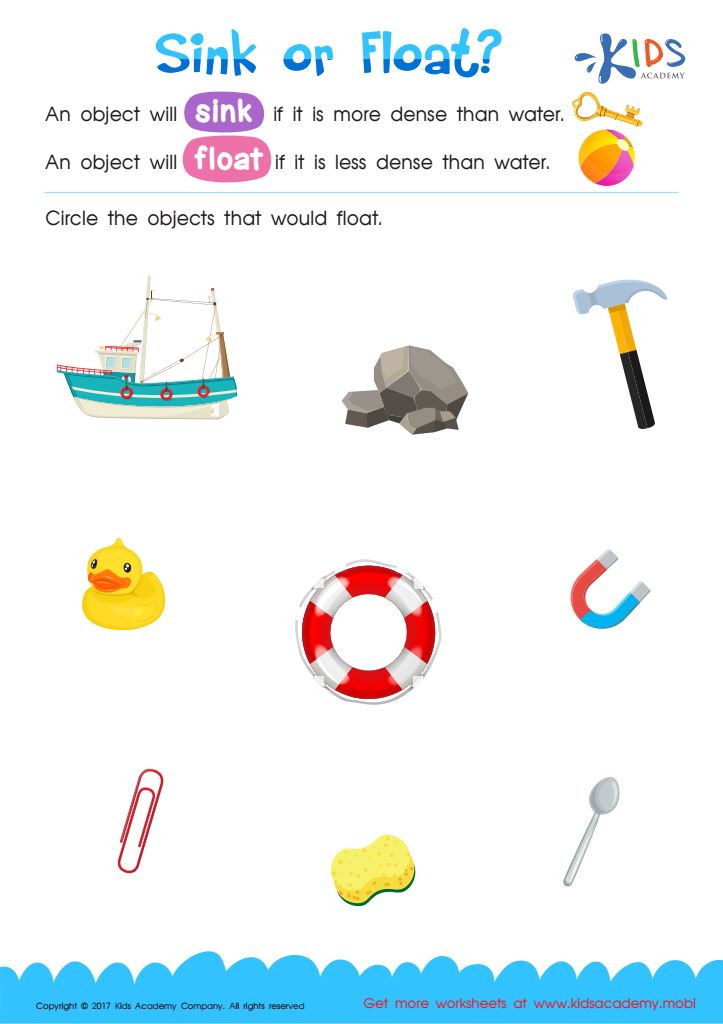
Sink or Float Printable
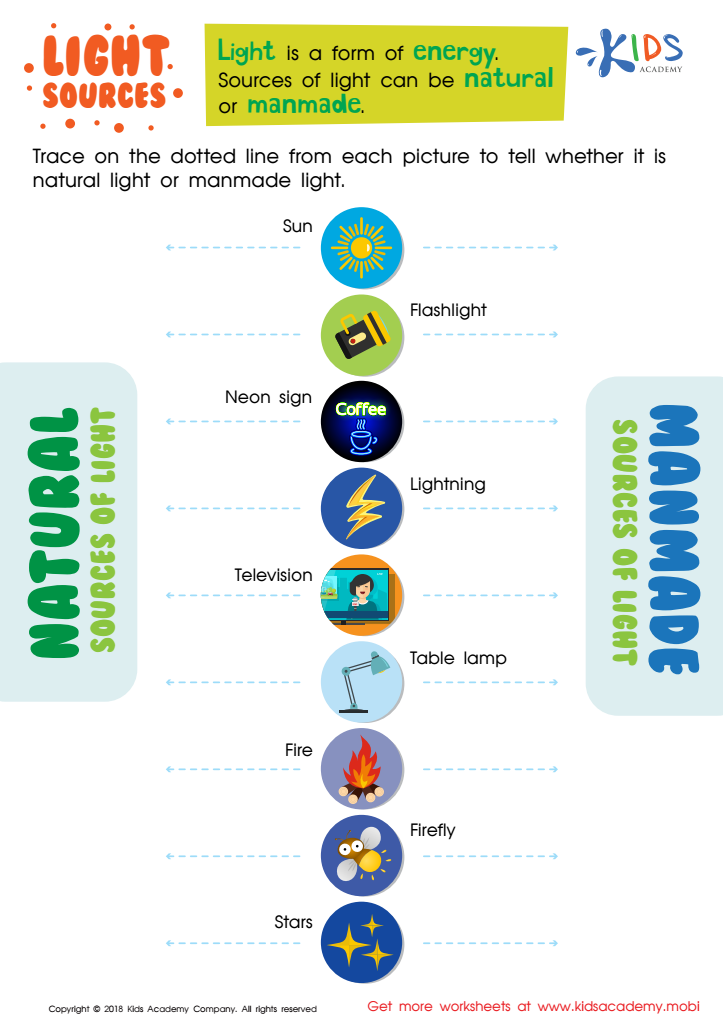
Natural and Manmade Light Sources Worksheet
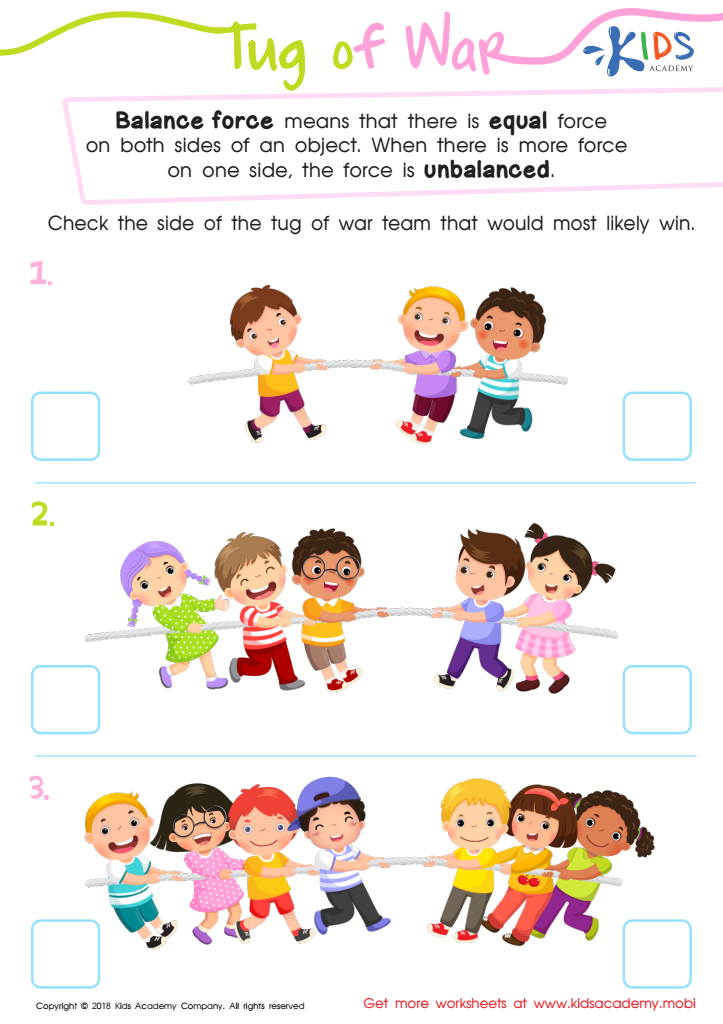
Balanced Forces Worksheet
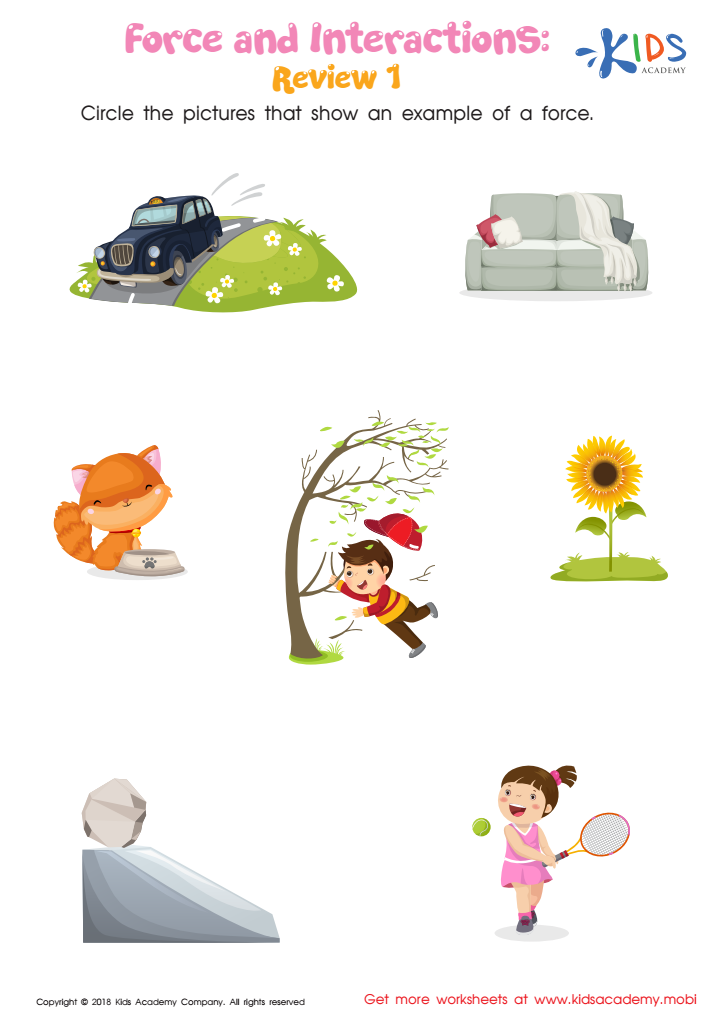
Force and Interactions: Review 1 Worksheet
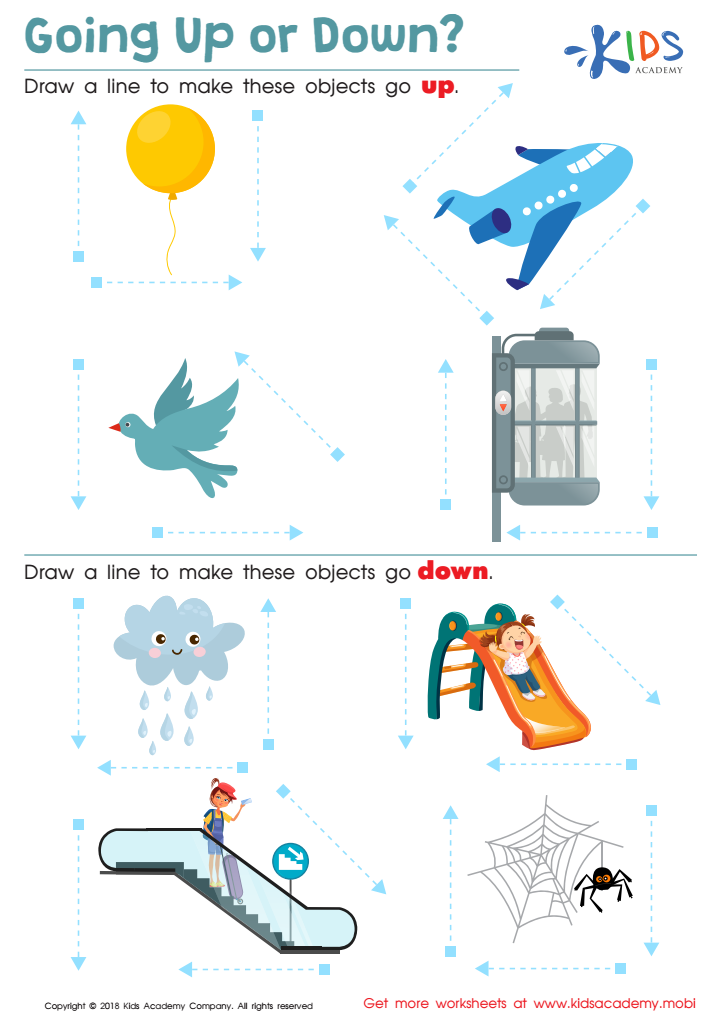
Going up or Down? Worksheet
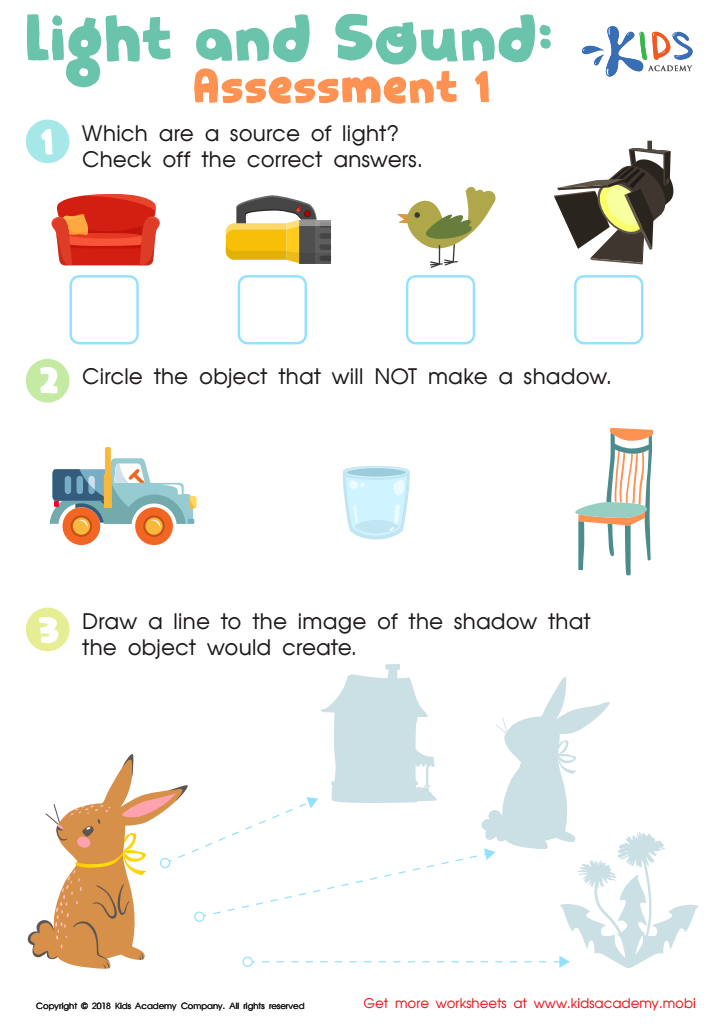
Light and Sound: Assessment 1 Worksheet
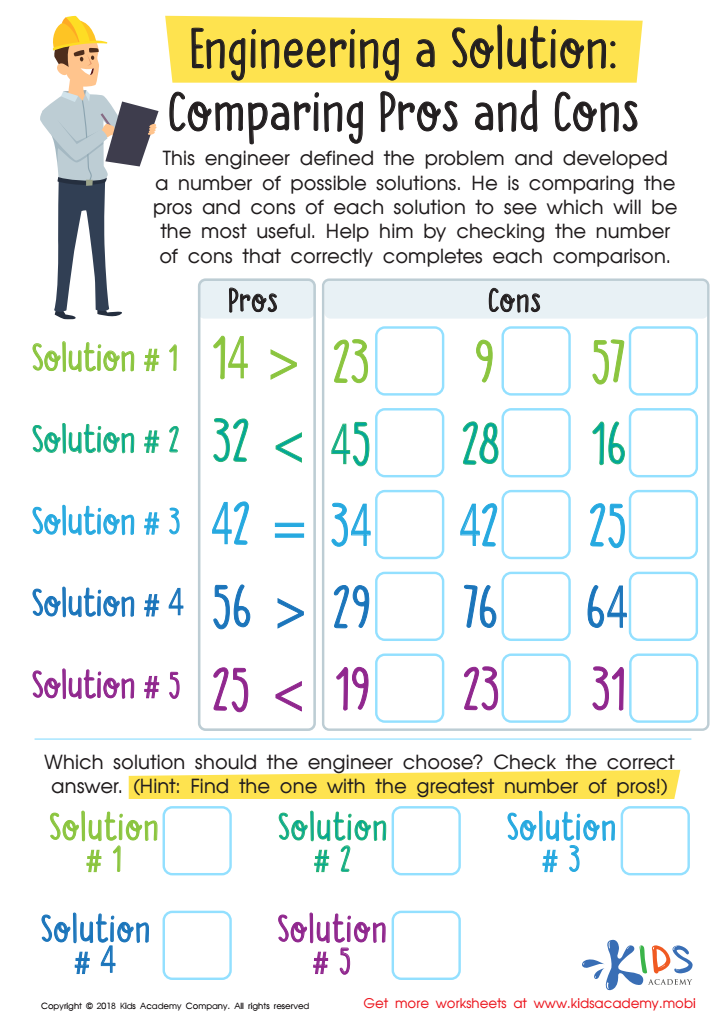
Engineering a Solution: Comparing Pros and Cons Worksheet
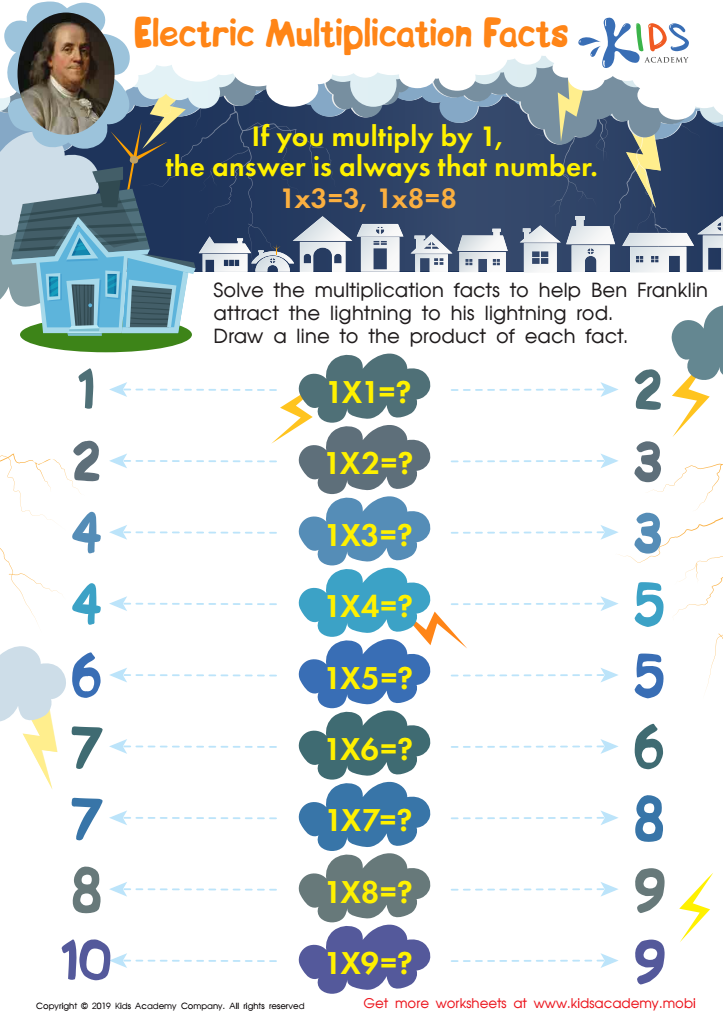
Electric Multiplication Facts Worksheet
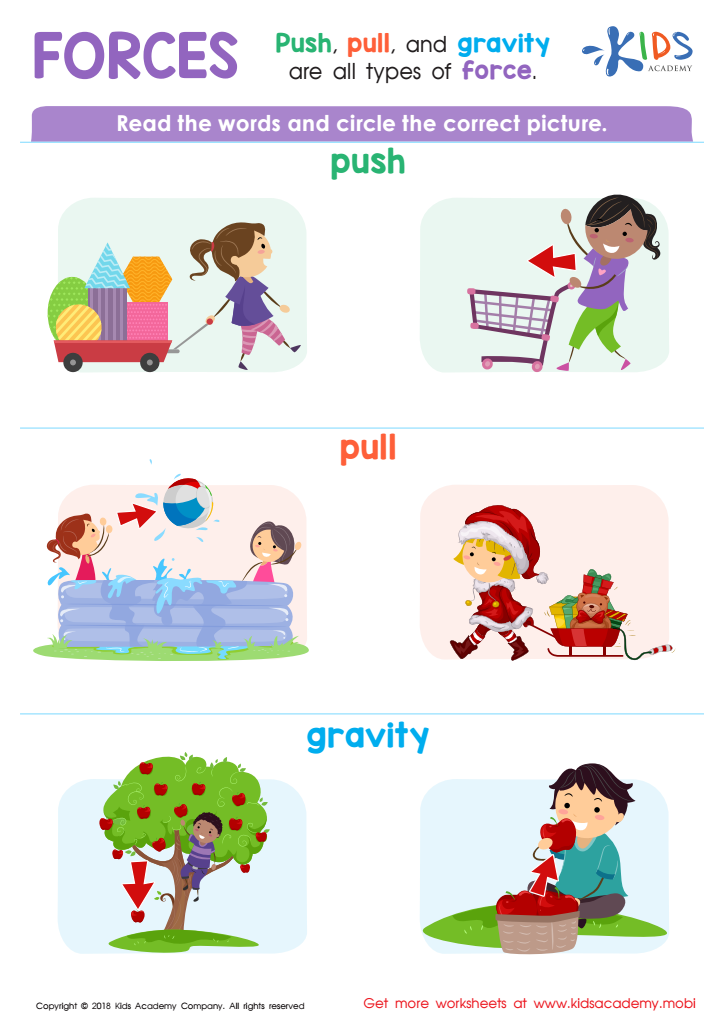
Forces Worksheet
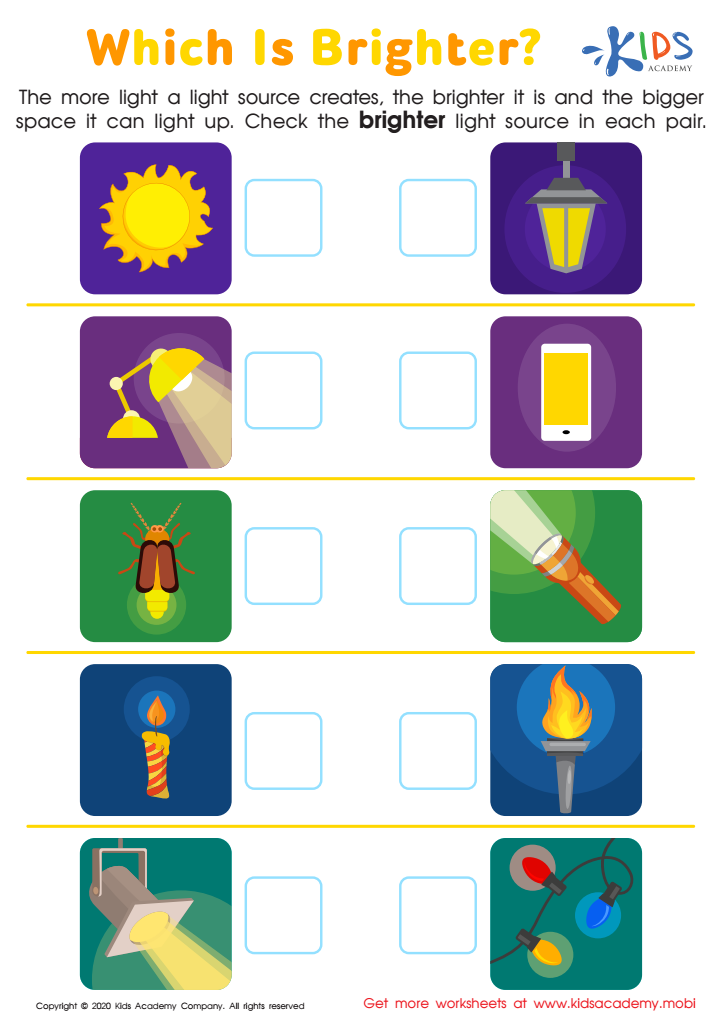
Which Is Brighter? Worksheet
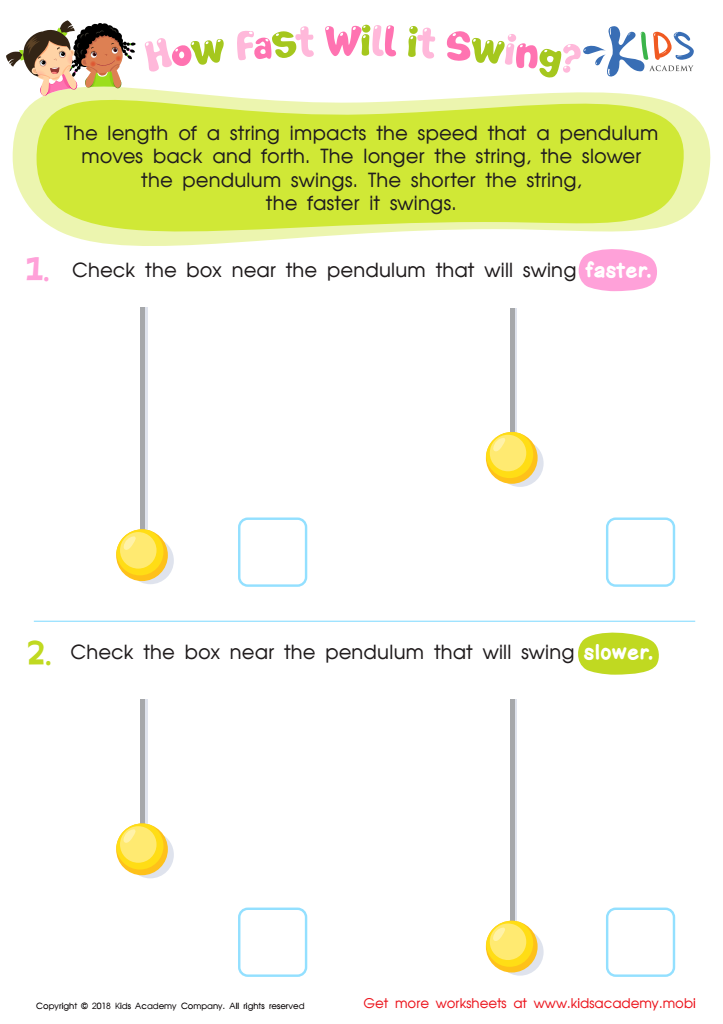
Pendulum Experiment Worksheet For 3rd Grade
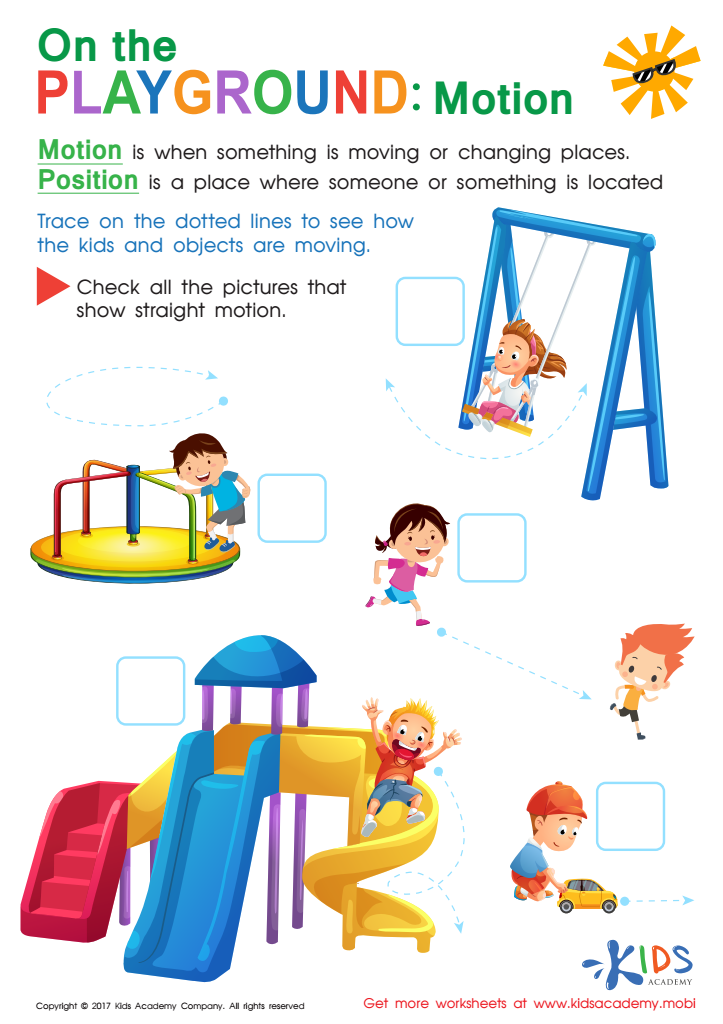
Position and Motion Worksheet
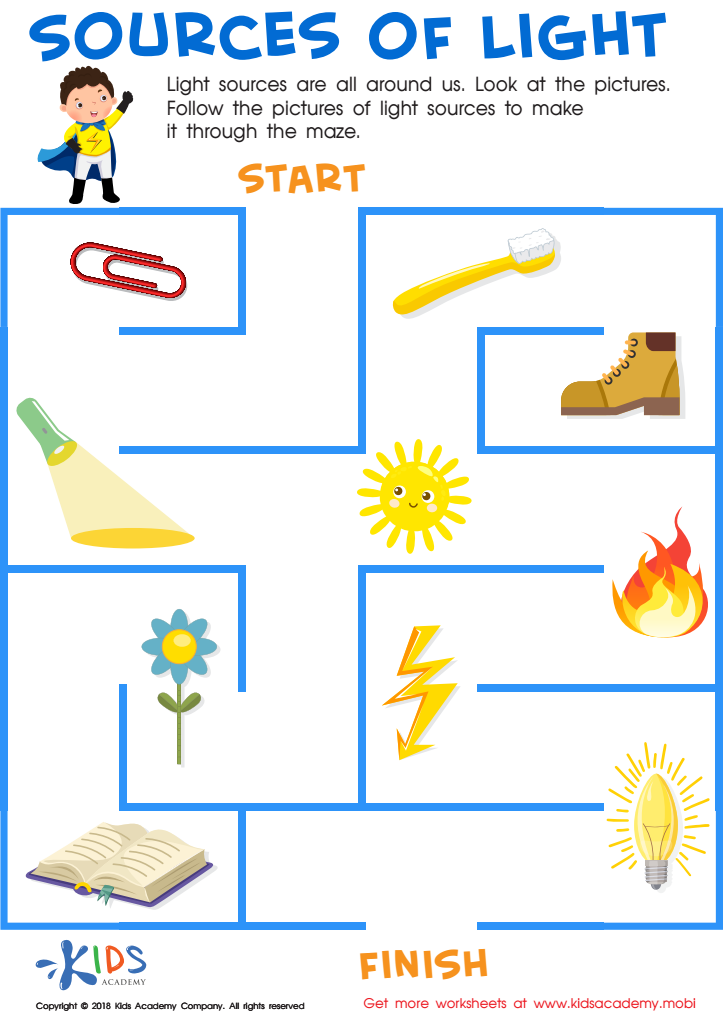
Sources of Light Worksheet
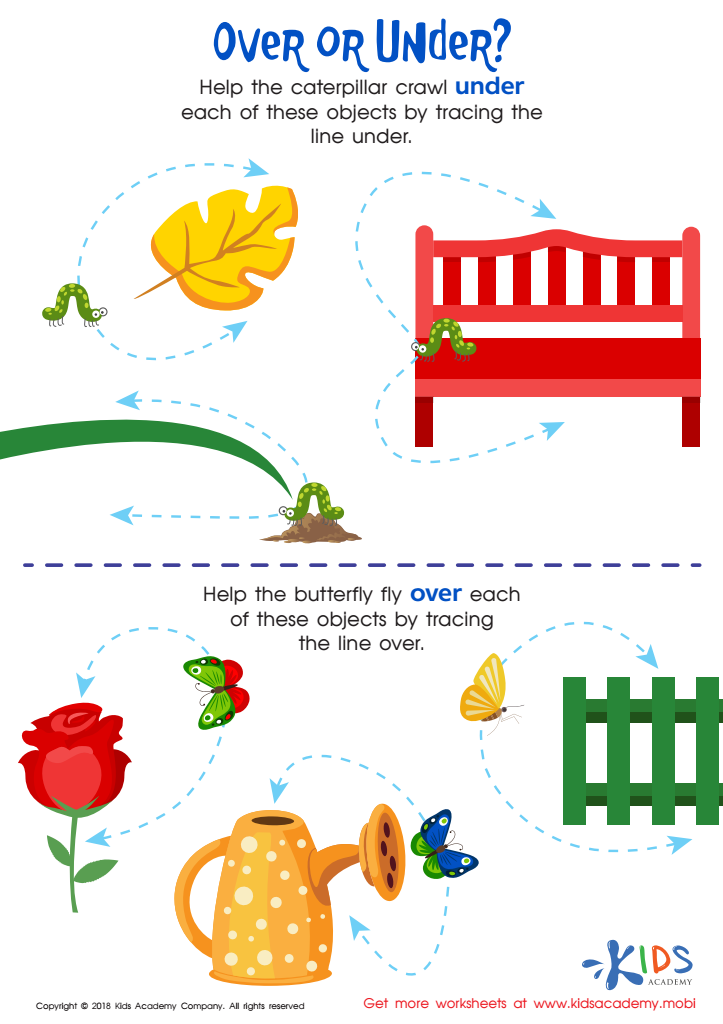
Over or Under? Worksheet








Physical Science is crucial for children aged 6-9 because it lays the foundation for critical thinking, curiosity, and a lifelong love for learning. At this developmental stage, children are naturally curious and eager to explore the world around them. Introducing physical science topics such as basic principles of matter, force, energy, magnets, and simple machines helps satisfy this curiosity and encourages a scientific mindset.
Understanding physical science concepts provides children with tools to quantify their surroundings and make sense of everyday phenomena. This can lead to developing problem-solving skills, enhancing their ability to think logically and systematically. For example, learning about momentum through simple experiments like rolling different balls down a ramp can help children grasp abstract concepts using concrete experiences.
Additionally, integrating physical science in early education fosters creativity and imagination. Hands-on experiments and interactive activities such as building simple circuits or mixing substances to see chemical reactions promote participation and engagement, making learning enjoyable. These activities not only solidify knowledge but also build fine motor skills and coordination.
In a broader sense, emphasizing physical science prepares children for future technological advancements and STEM (Science, Technology, Engineering, Mathematics) careers. As our world becomes increasingly reliant on technology, a strong grounding in physical science equips young learners with the essential skills they need to succeed and adapt in a rapidly changing environment.







