Science worksheets for Kindergarten - Page 2
60 filtered results
-
From - To
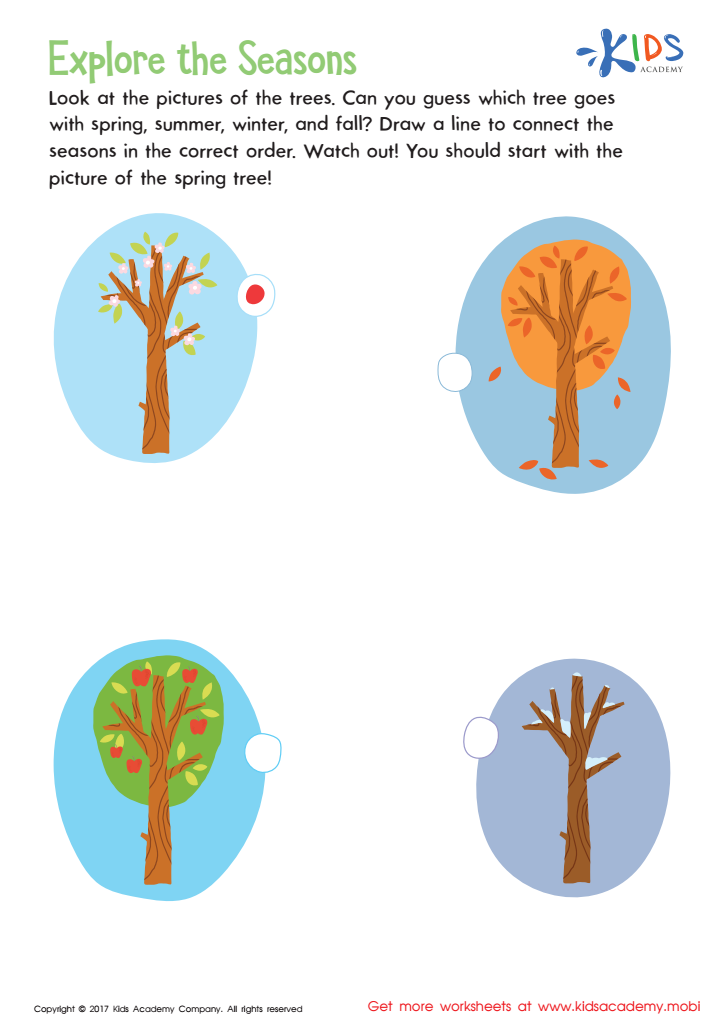
Explore the Seasons Worksheet
 Assign to My Students
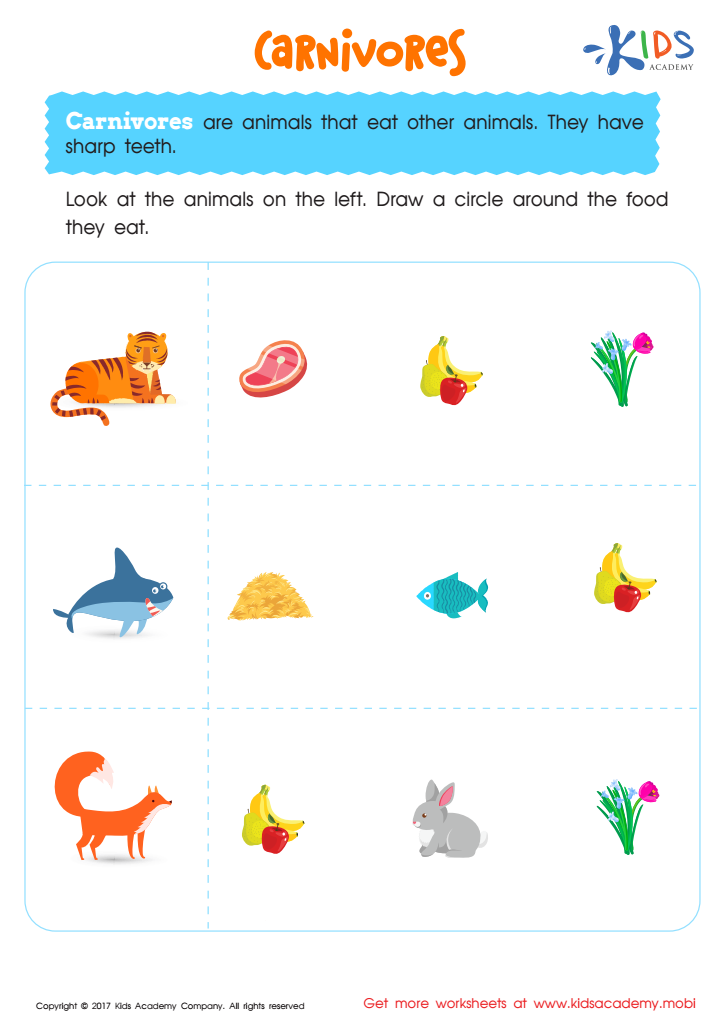
Carnivores Worksheet
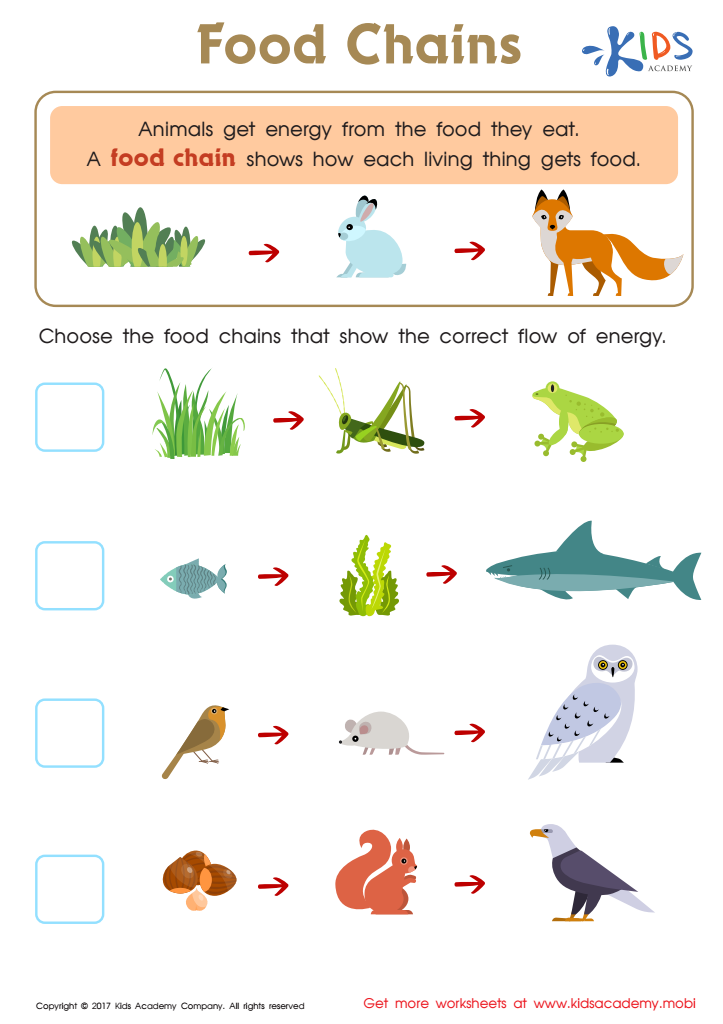
Food Webs and Food Chains Worksheet
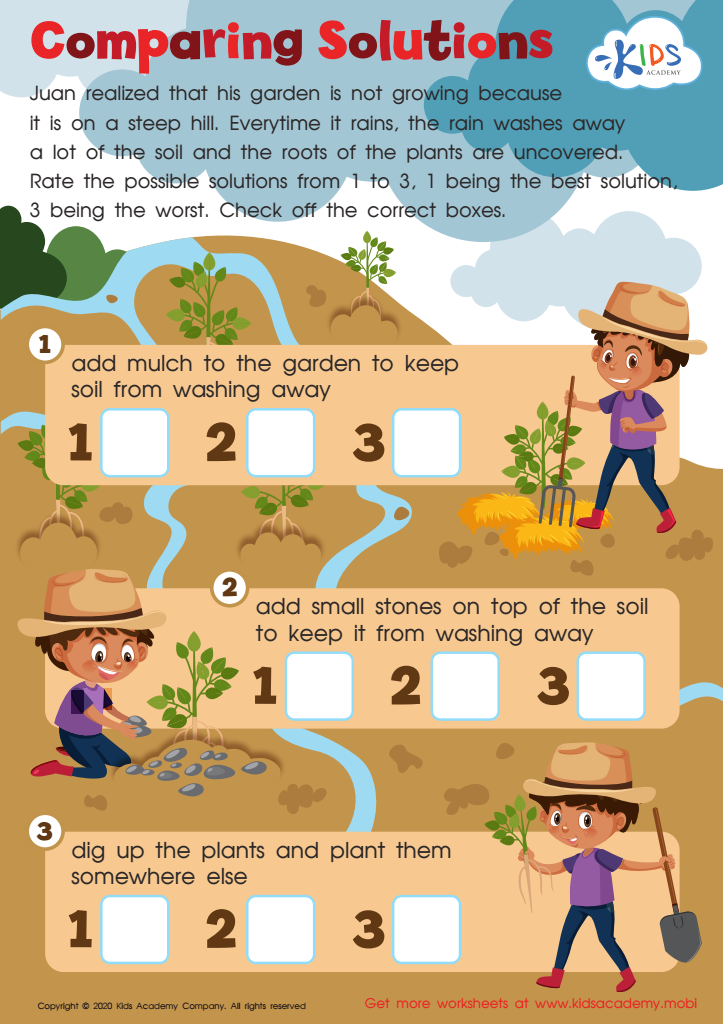
Comparing Solutions Worksheet
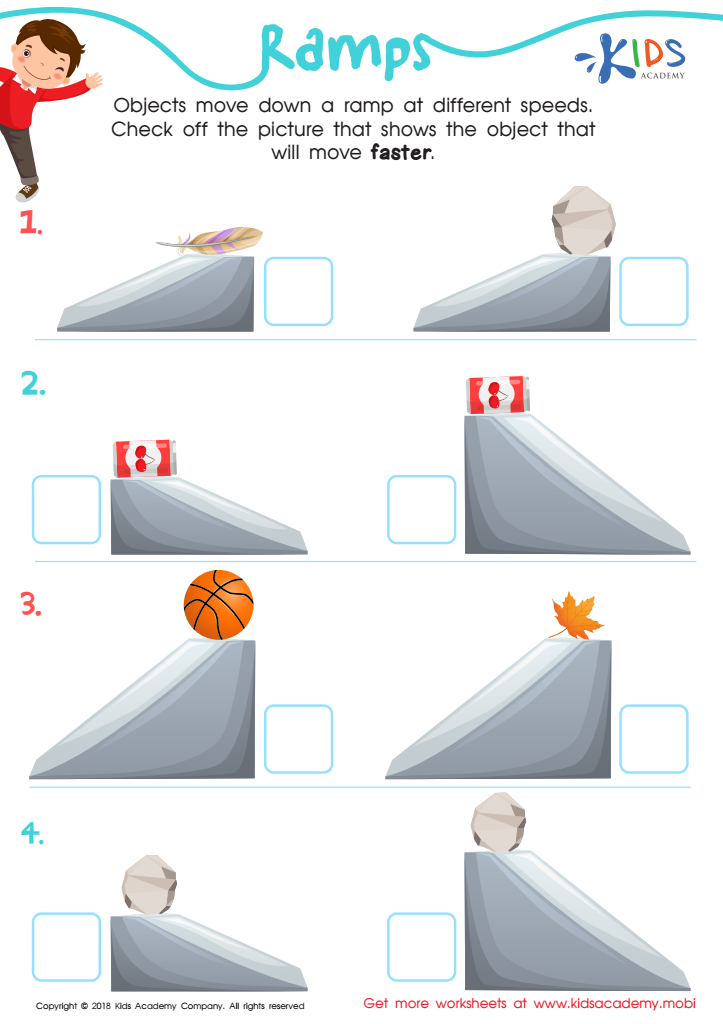
Ramps Worksheet
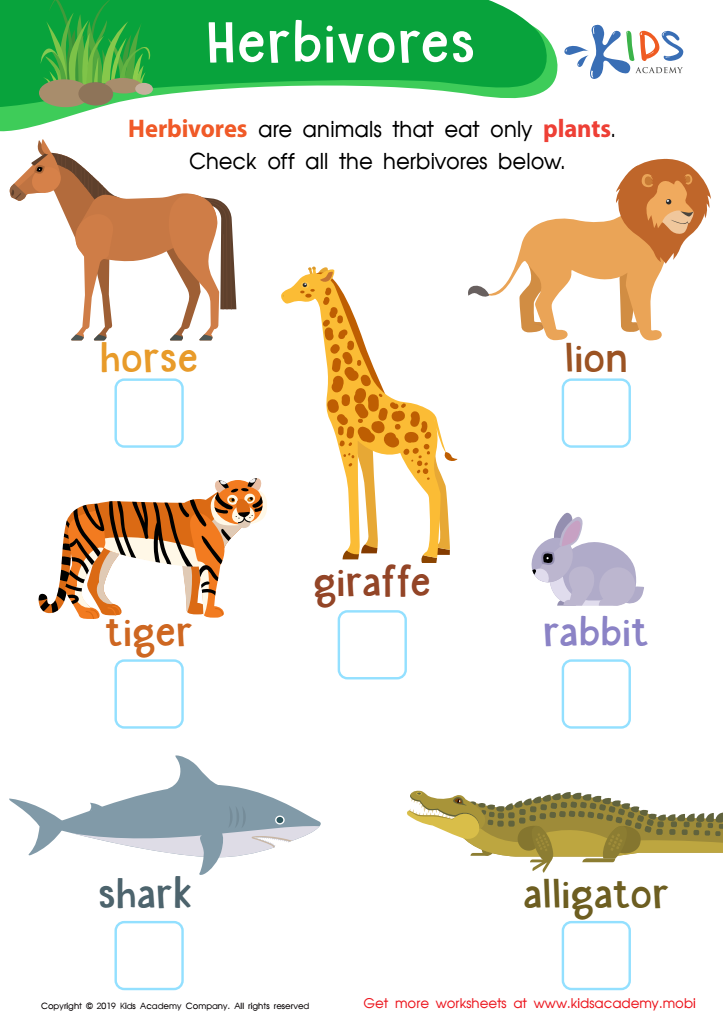
Herbivores Worksheet
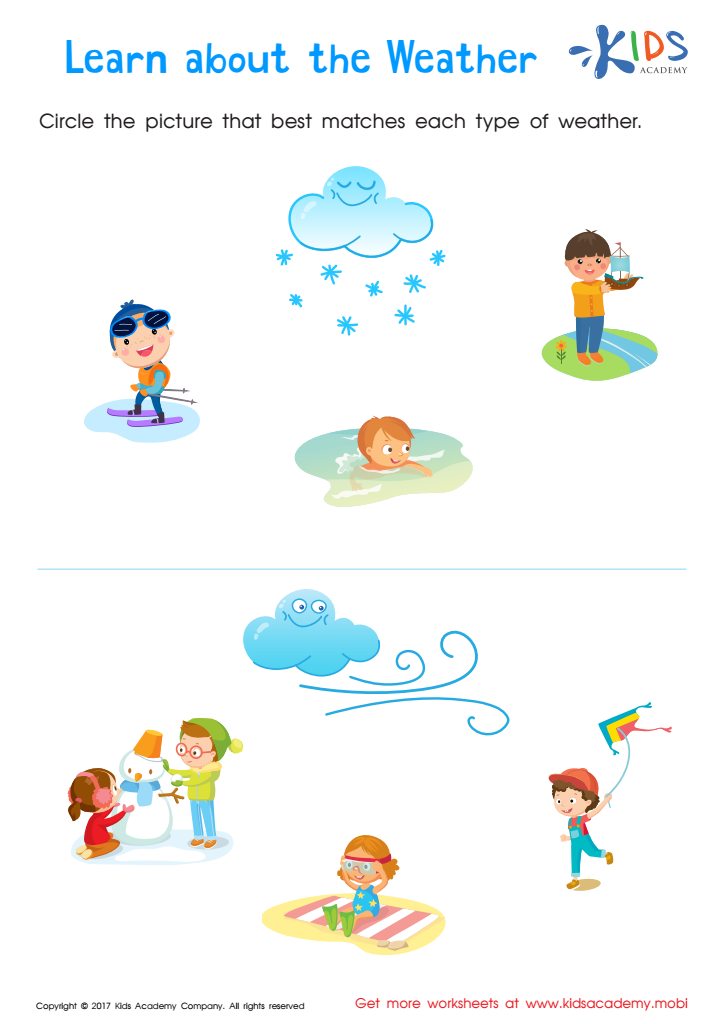
About the Weather Printable
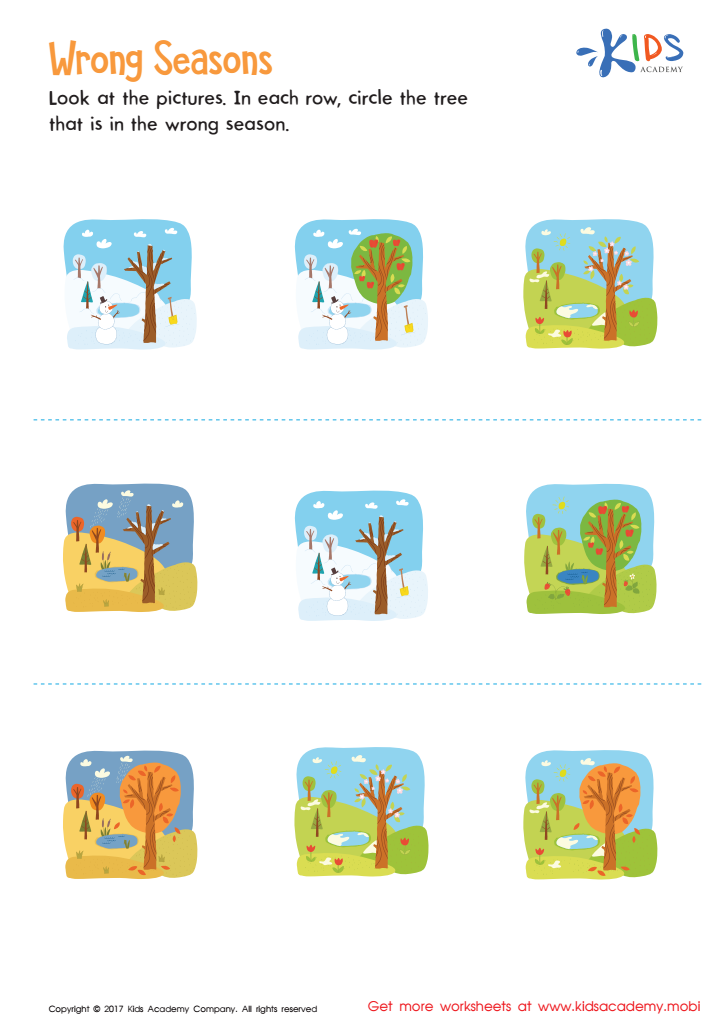
Wrong Seasons Worksheet
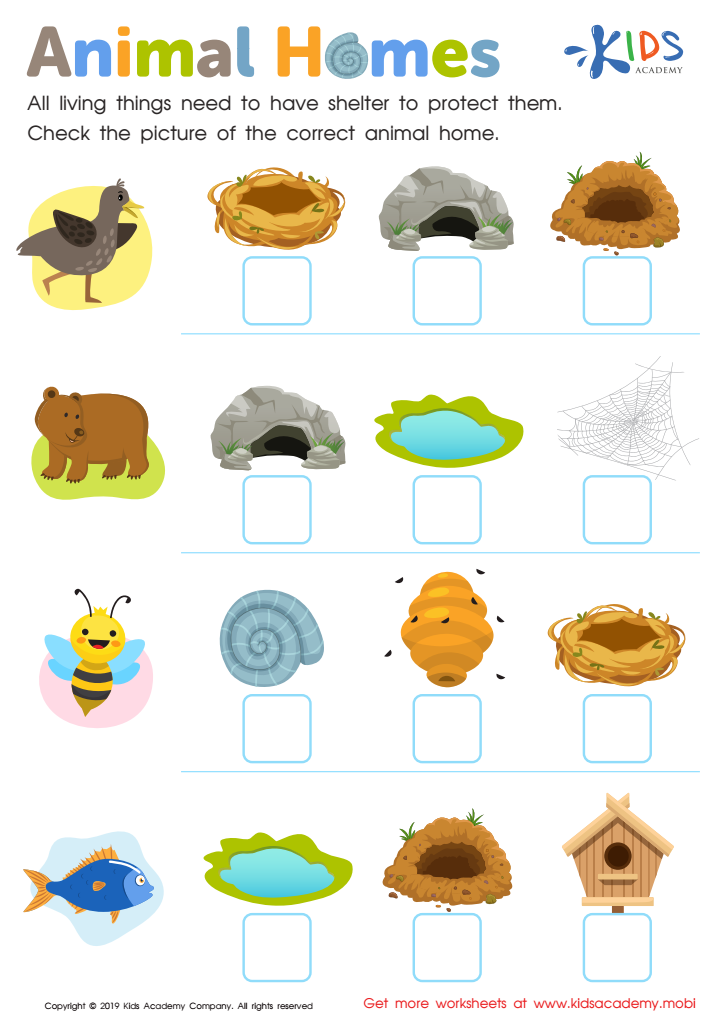
Animal Homes Worksheet
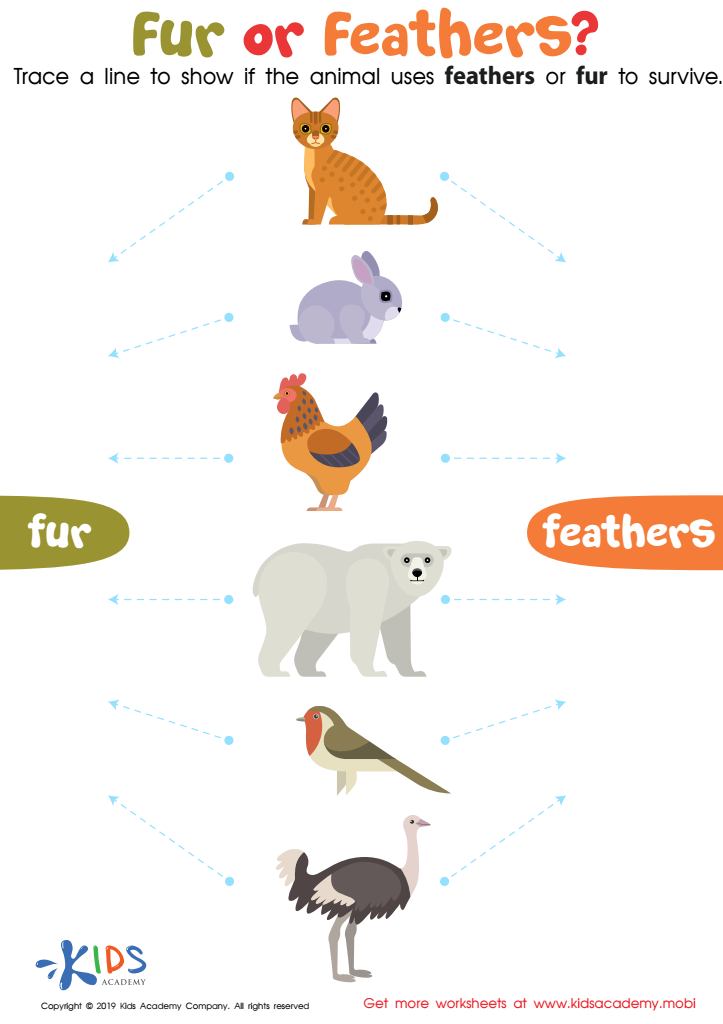
Fur or Feathers? Worksheet
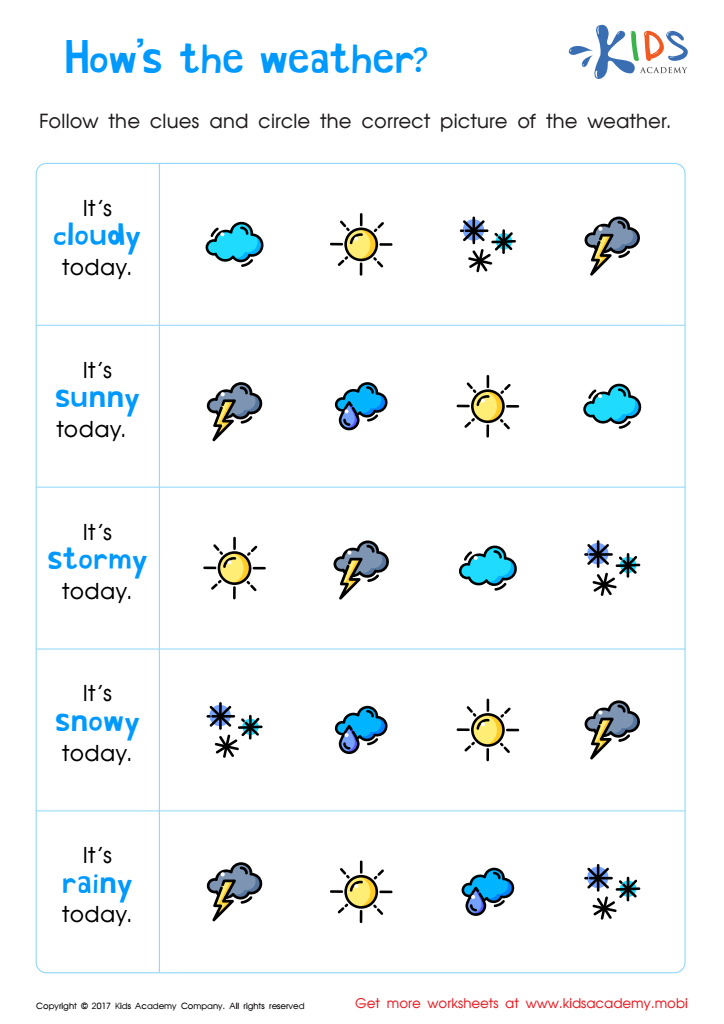
Hows the Weather Worksheet
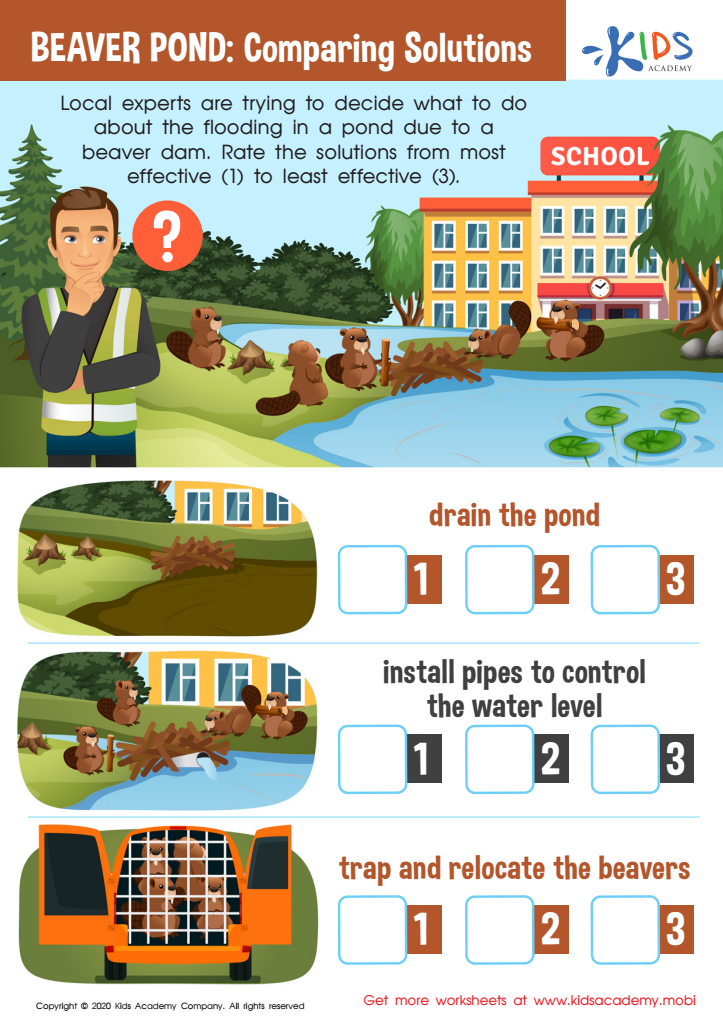
Beaver Pond: Comparing Solutions Worksheet
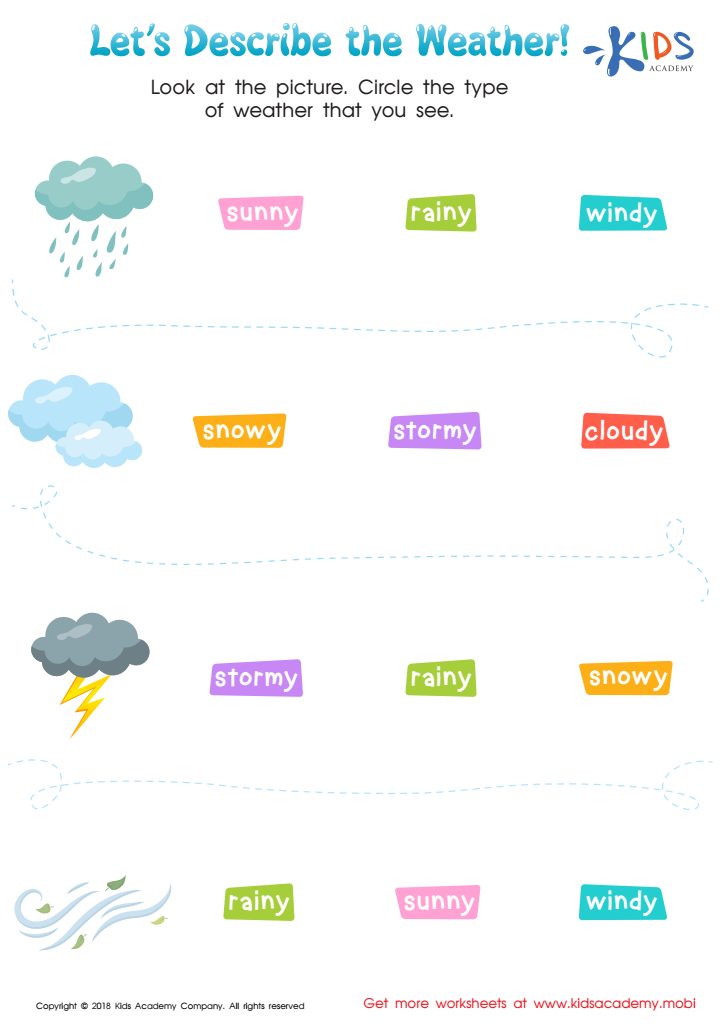
Let's Describe the Weather! Worksheet
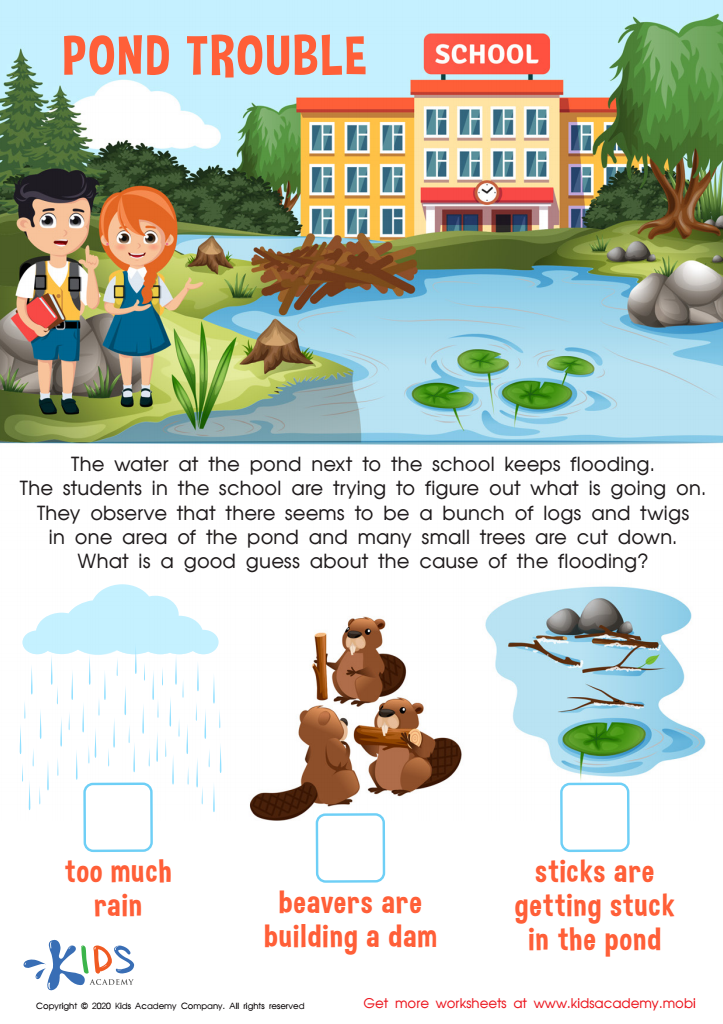
Pond Trouble Worksheet
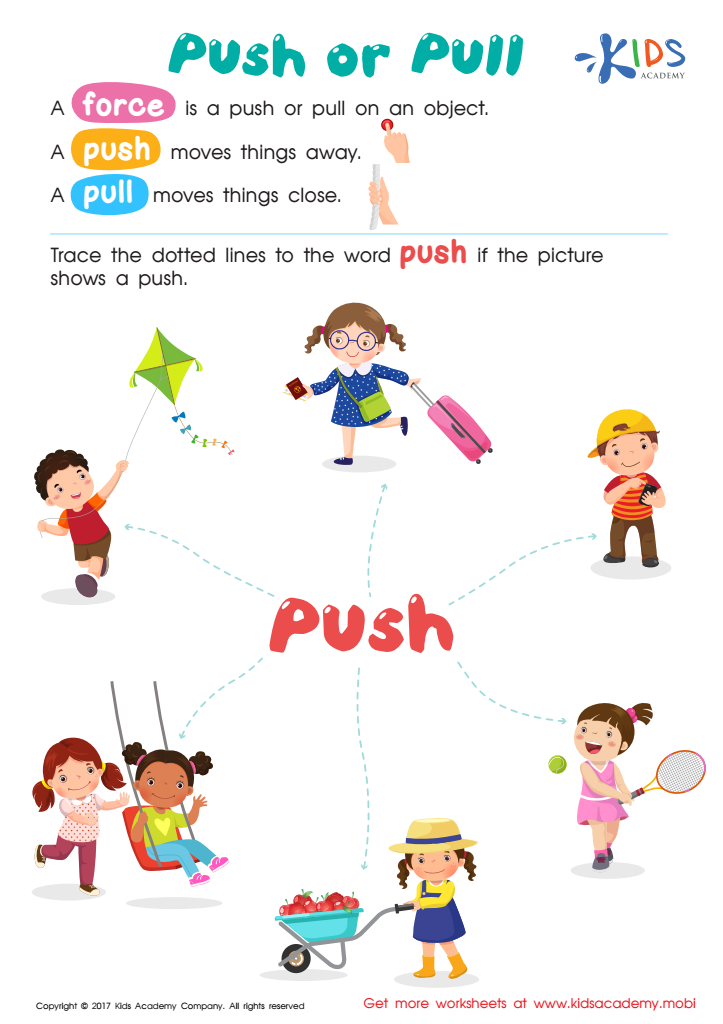
Push or Pull Worksheet
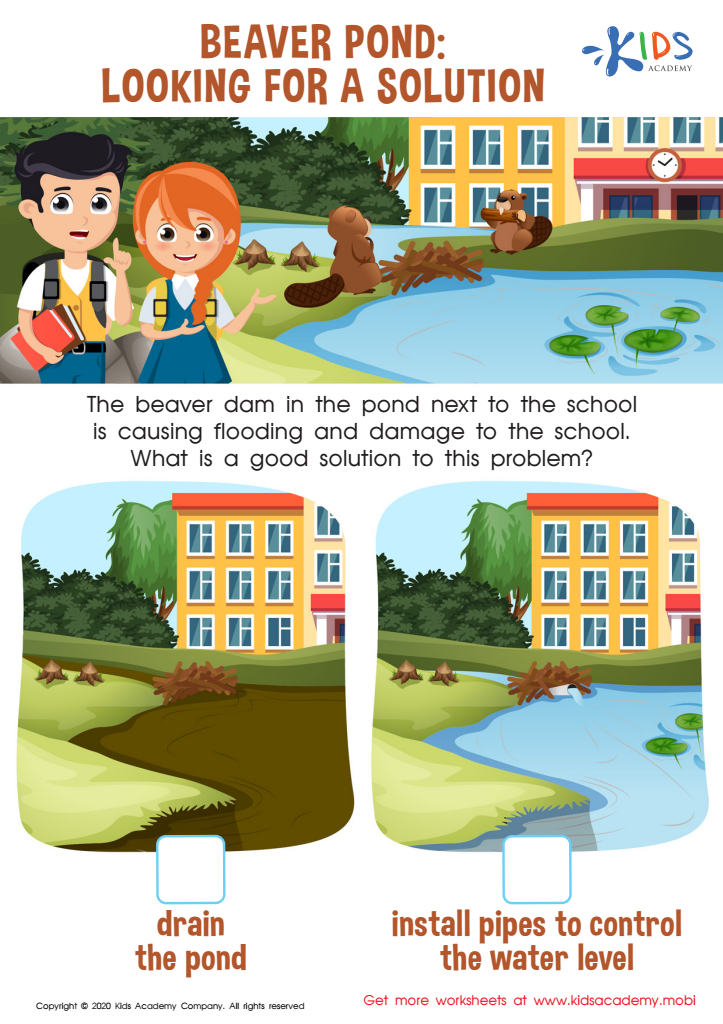
Beaver Pond: Looking for a Solution Worksheet
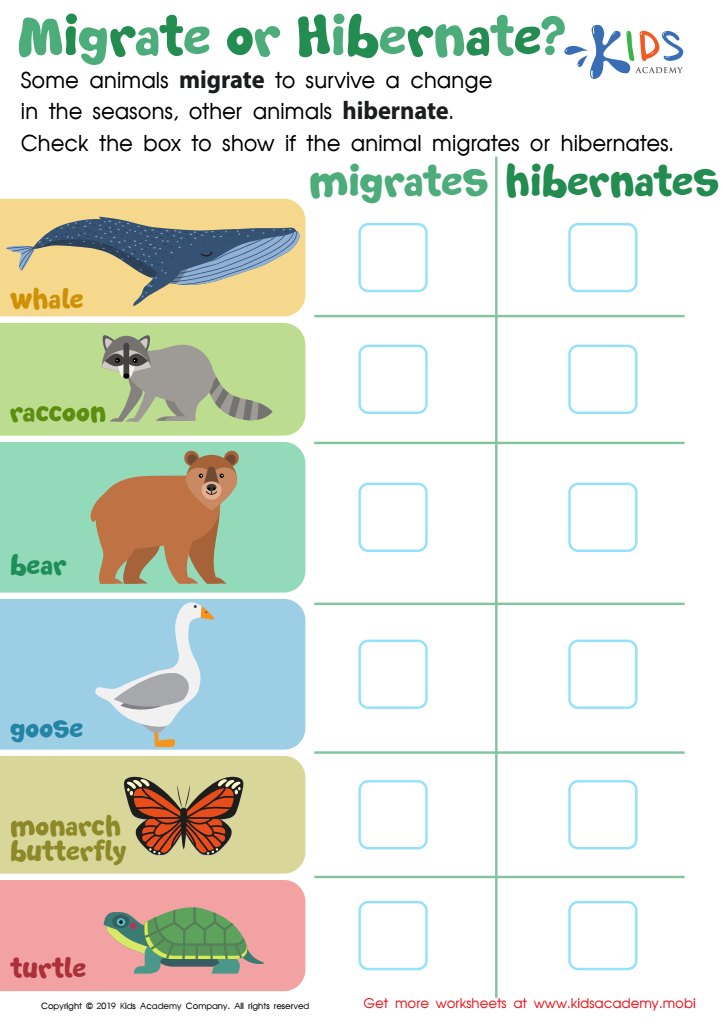
Migrate or Hibernate? Worksheet
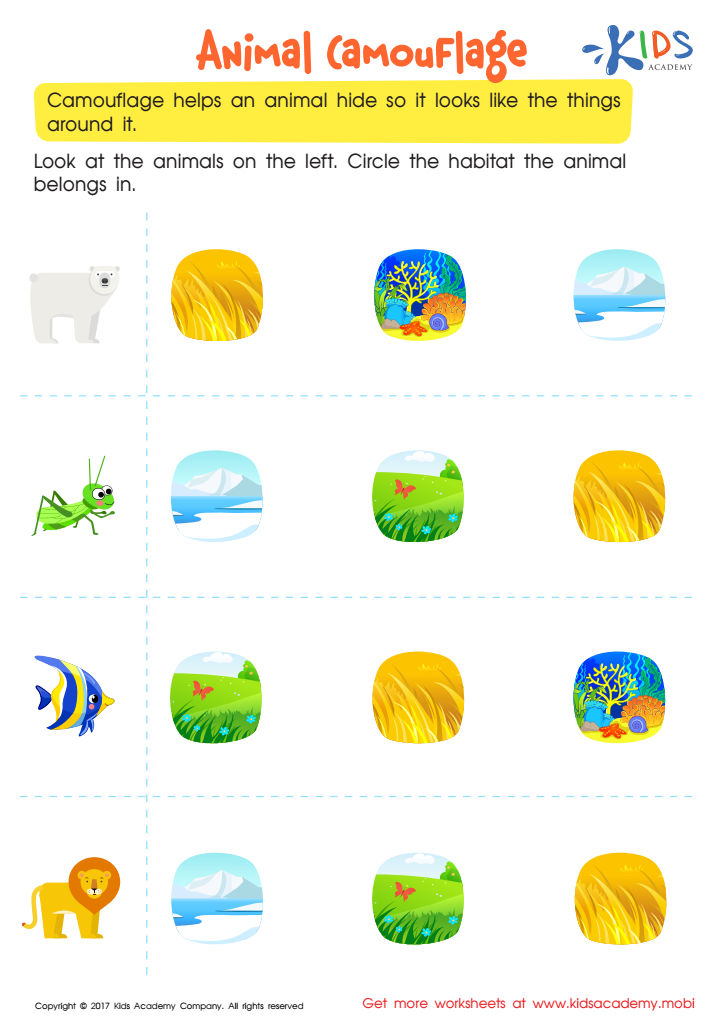
Animal Camouflage Worksheet
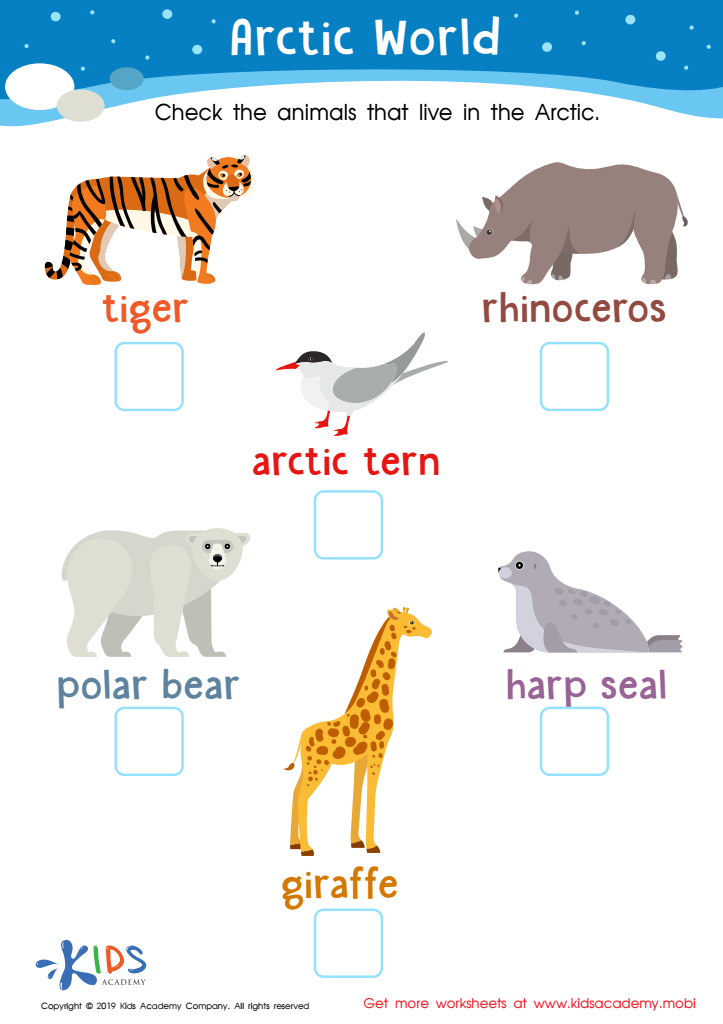
Arctic World Worksheet
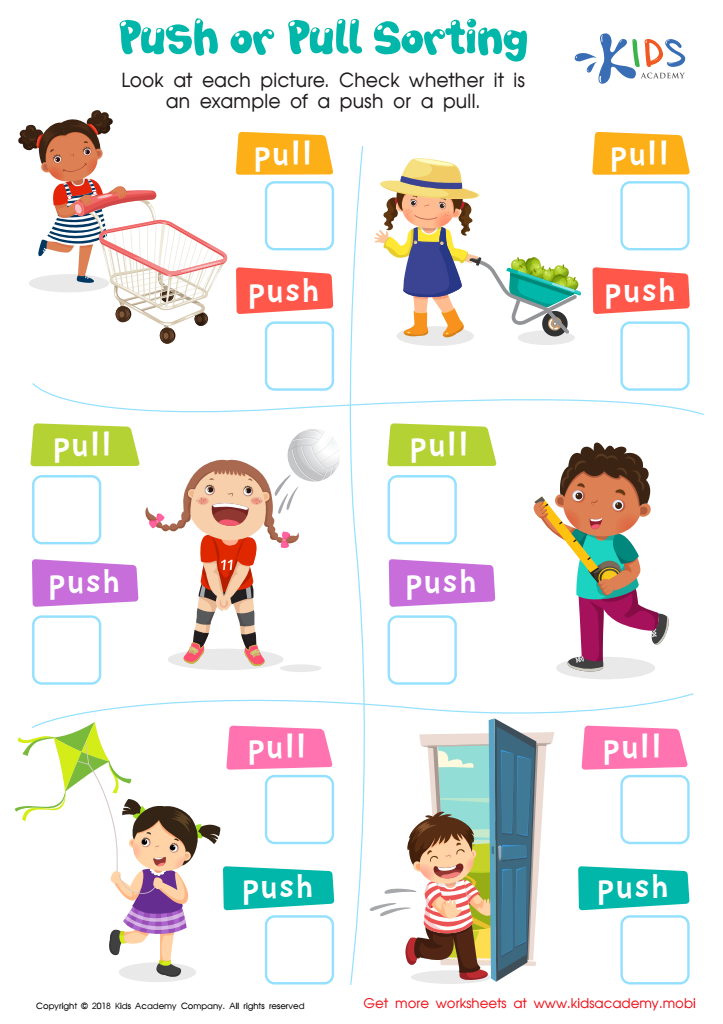
Push or Pull Sorting Worksheet
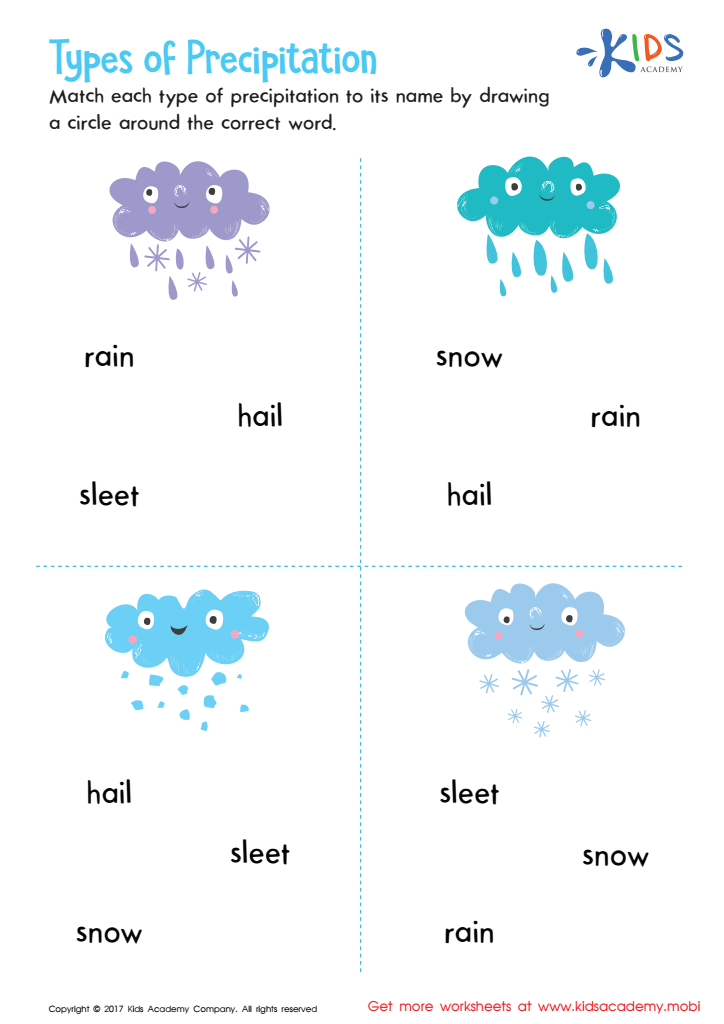
Types of Precipitation Printable
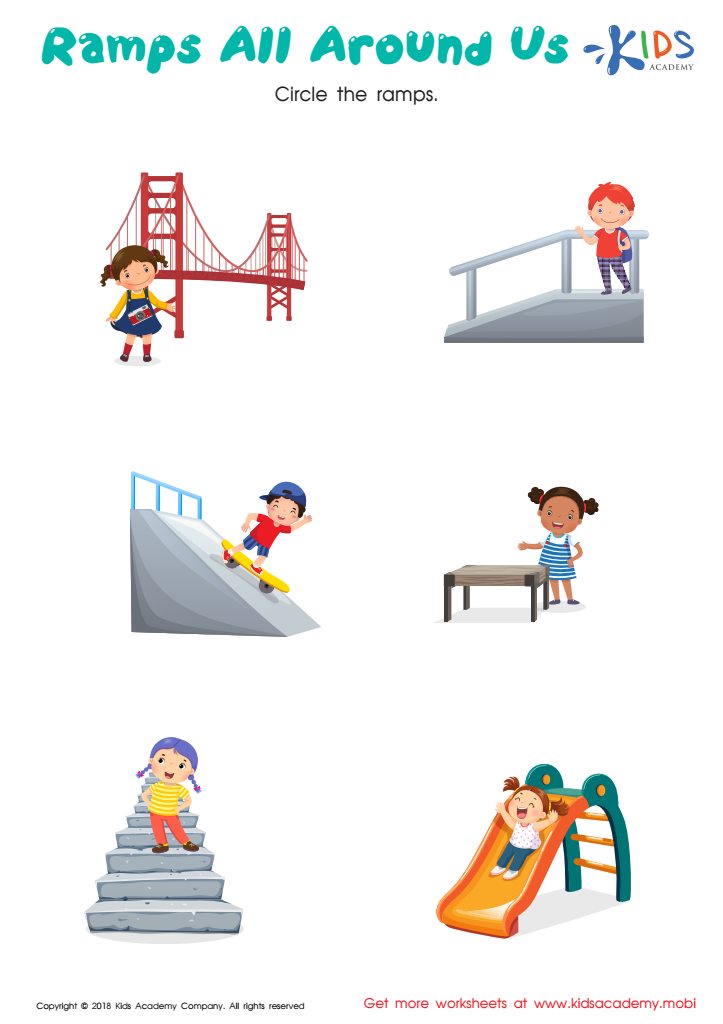
Ramps All Around us Worksheet
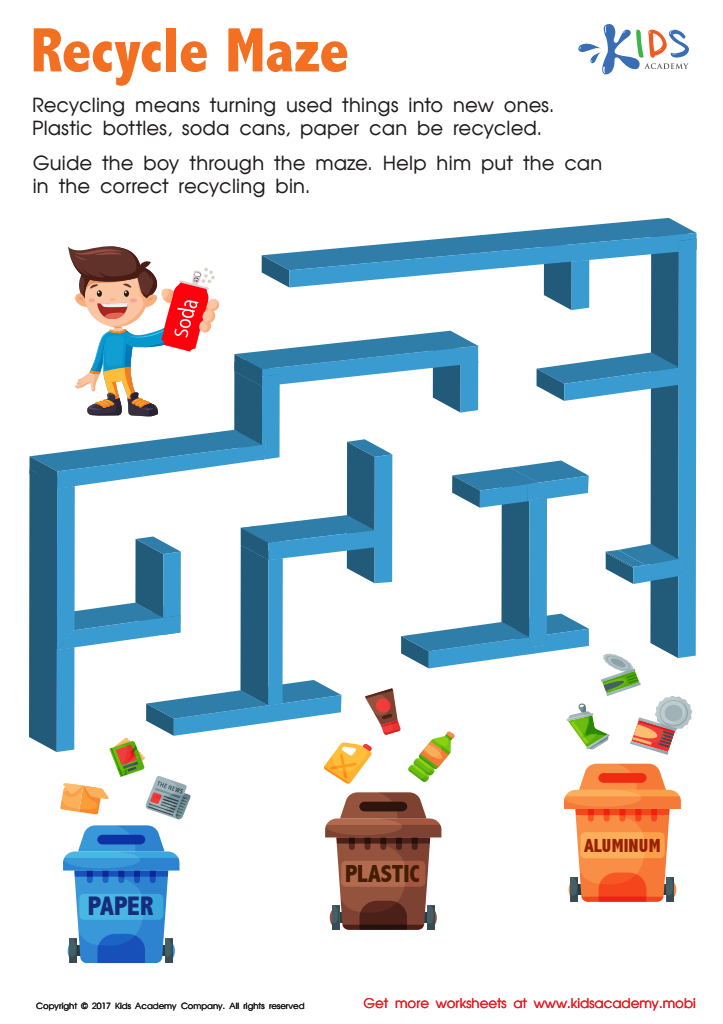
Recycle Maze Worksheet
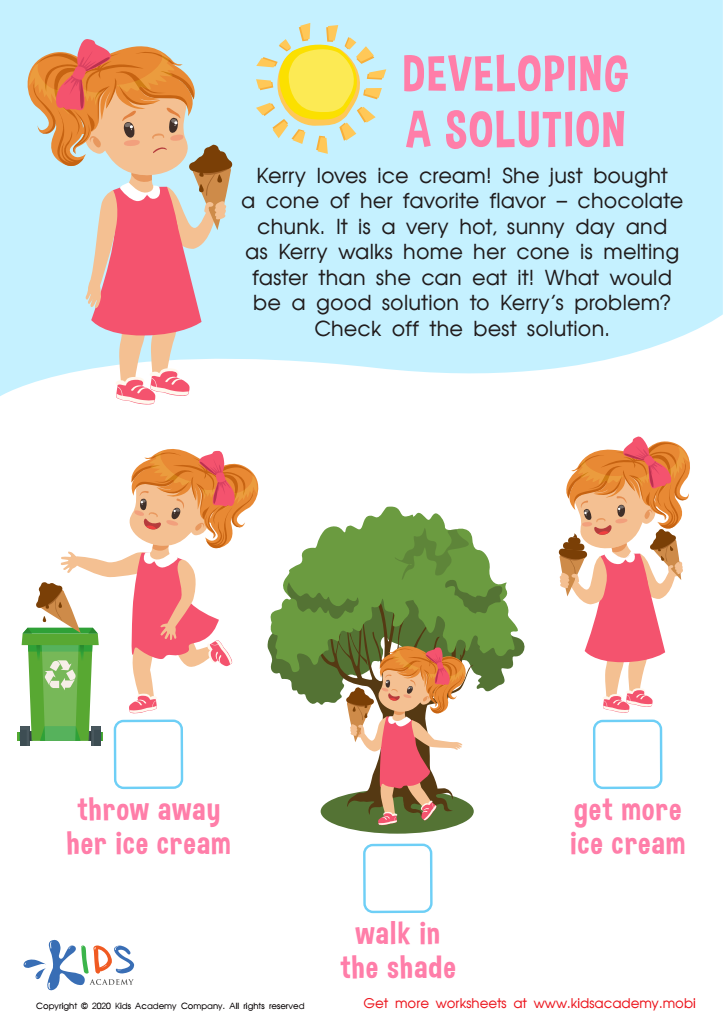
Developing Solution Worksheet








Parents and teachers should care about science for kindergarteners because early exposure to scientific concepts fosters curiosity and critical thinking. Incorporating science in early education nurtures children's natural inquisitiveness, encouraging them to ask questions and explore their surroundings. At this age, children are like sponges, absorbing information readily, which makes it an ideal time to spark an interest in scientific inquiry.
Science education also supports the development of important skills such as observation, experimentation, and problem-solving. Through hands-on activities like simple experiments or nature walks, kindergarteners learn to make predictions, gather data, and draw conclusions, all of which enhance cognitive development.
Additionally, a strong foundation in science promotes literacy and math skills, as young learners engage in activities that involve categorization, measurement, and vocabulary development.
Moreover, real-world applications of science help children make connections with their environment, fostering a sense of responsibility for the planet. Finally, instilling a love for science early on may lead to greater engagement in STEM fields later in life, preparing them for a wide array of future opportunities. Thus, supporting science education in kindergarten lays the groundwork for lifelong learning and curiosity.








