Tracing worksheets activities for Ages 3-9 - Page 6
159 filtered results
-
From - To

Tracing And Learning to Write Number 9 Worksheet
 Assign to My Students
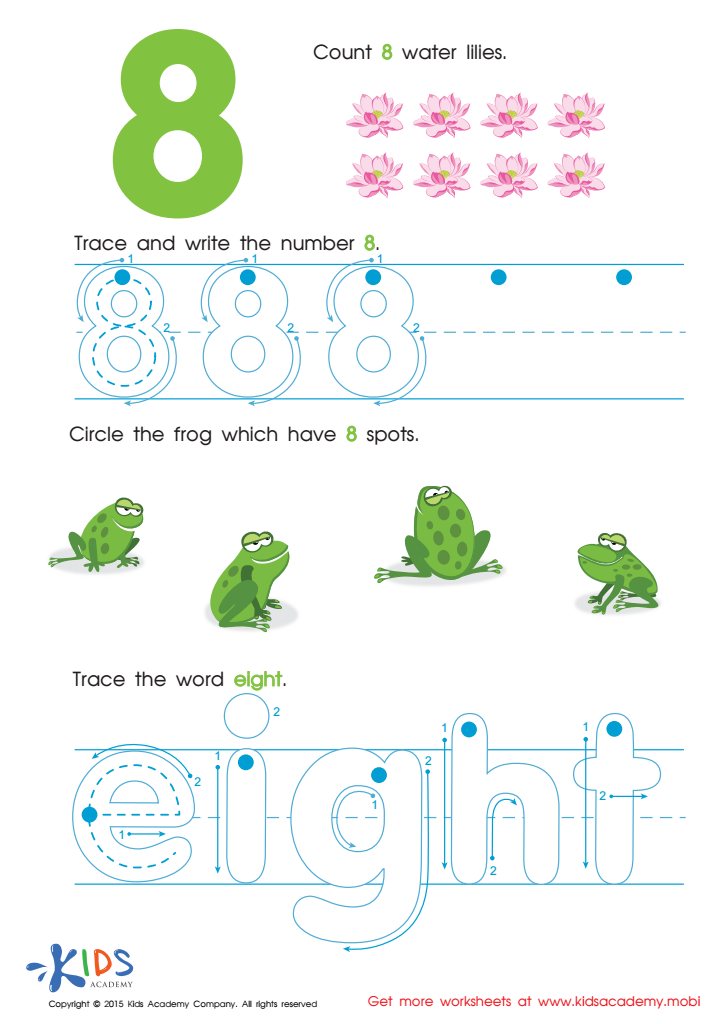
Learn Number 8 Easily Worksheet
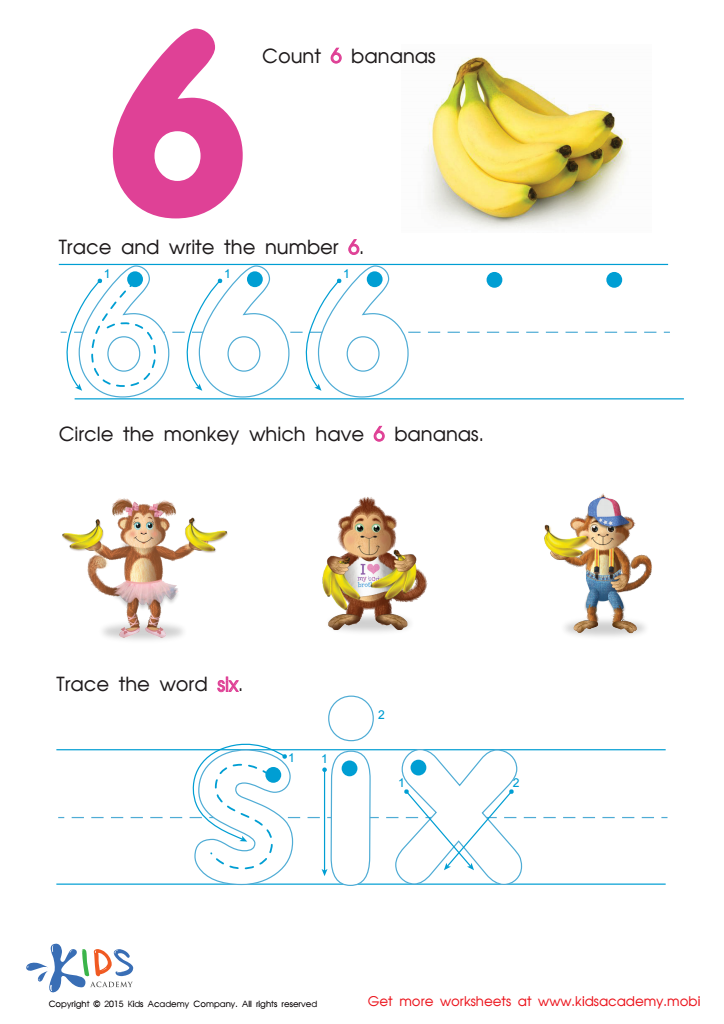
Tracing And Writing Number 6 Worksheet
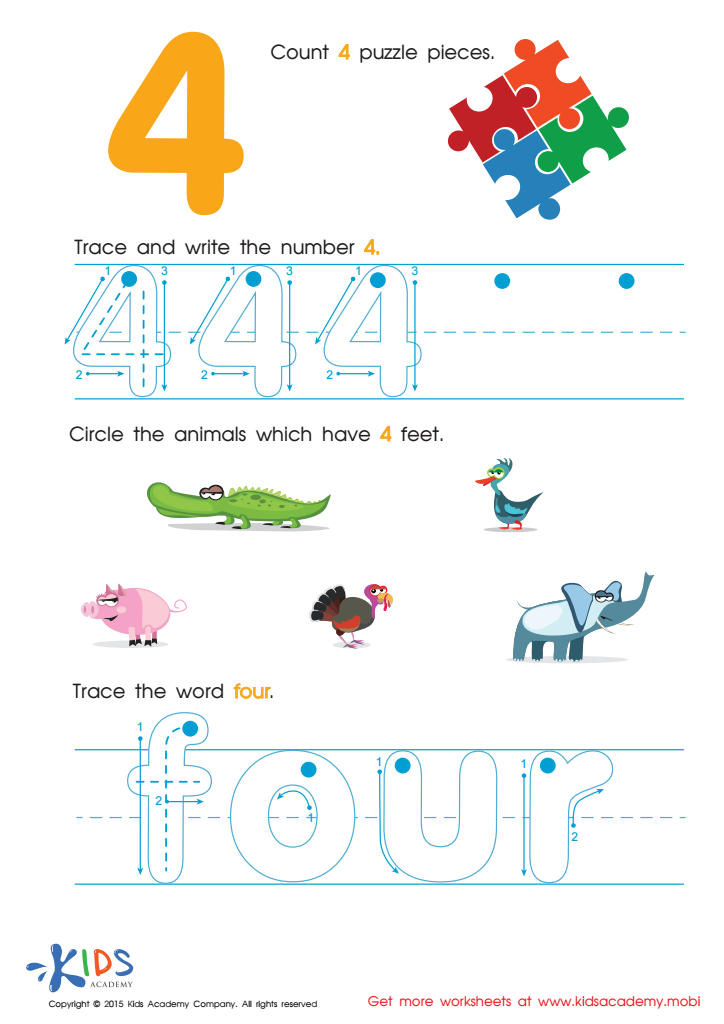
Teaching Children to Write Number 4 Worksheet
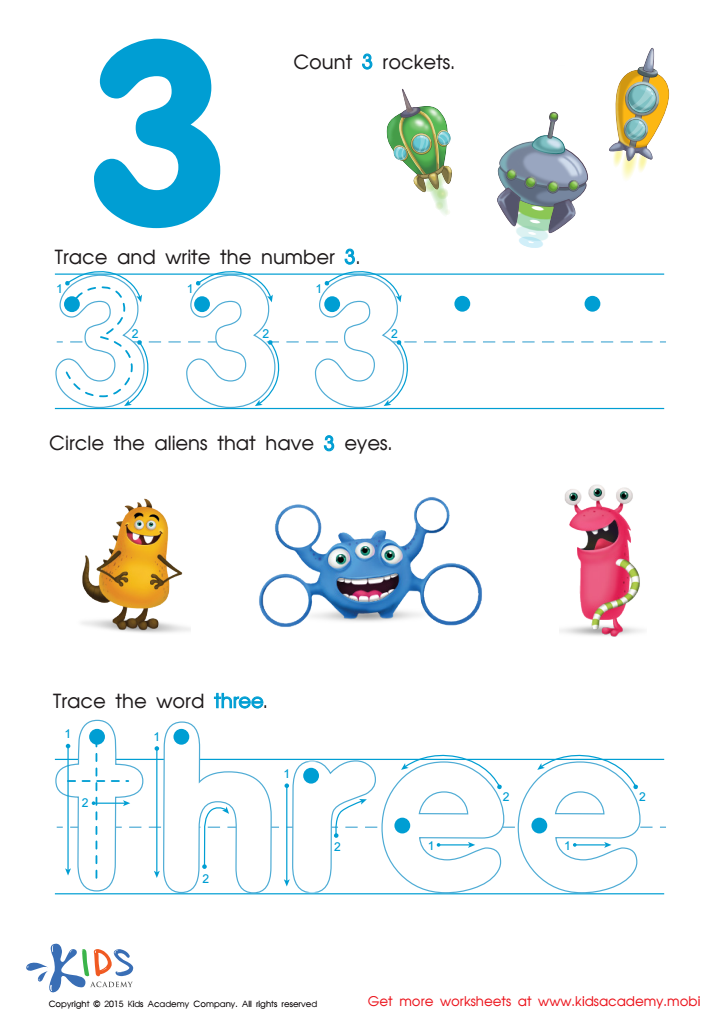
Learning Number Three Worksheet
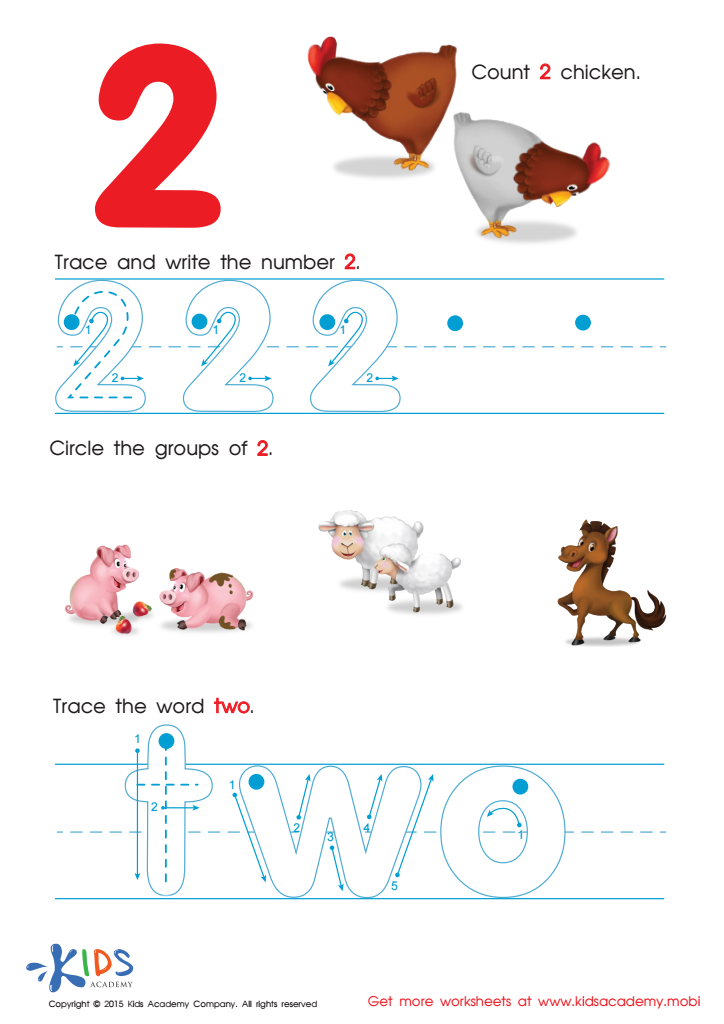
Learn to Write the Number 2 Worksheet
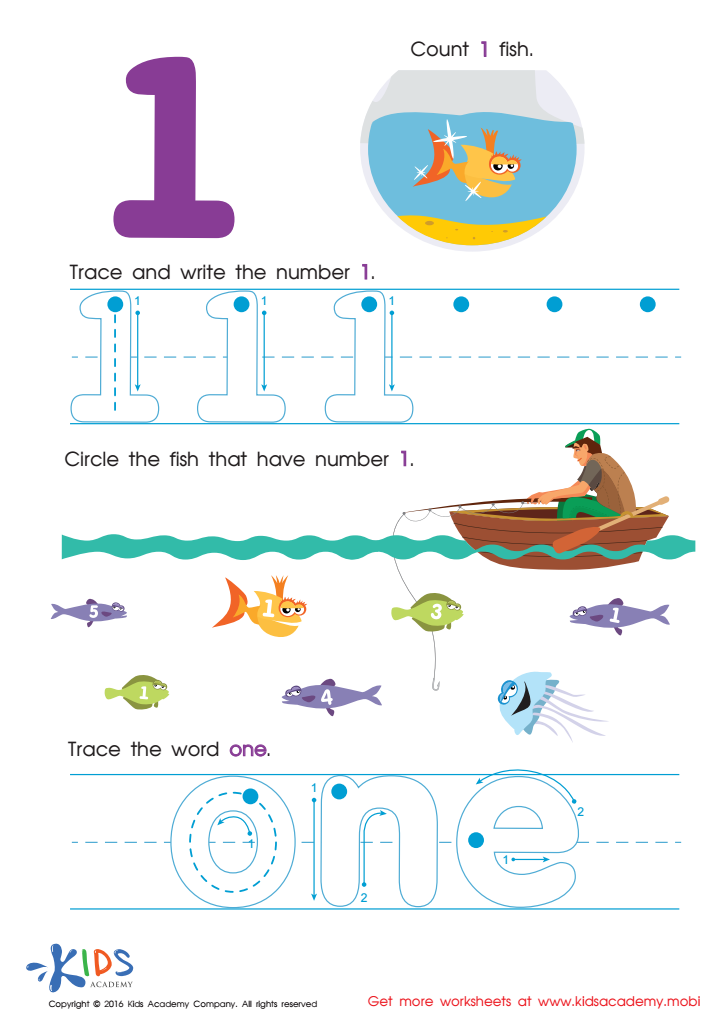
Learning to Write 1 Worksheet
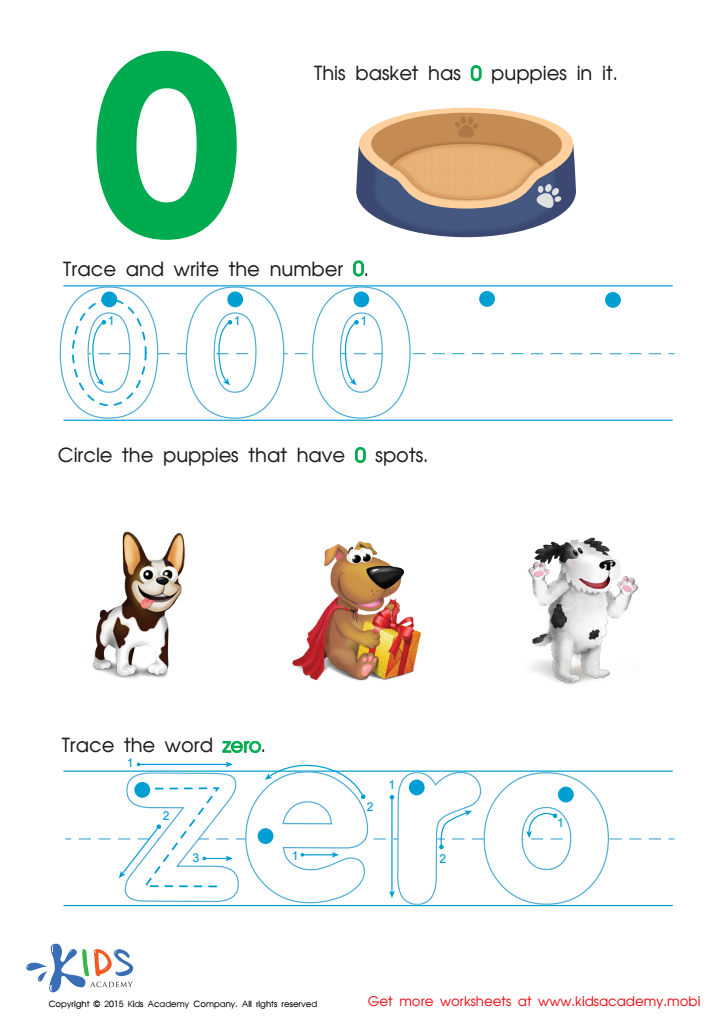
Trace And Write Number 0 Worksheet

The Sun and a Bee Spelling Worksheet
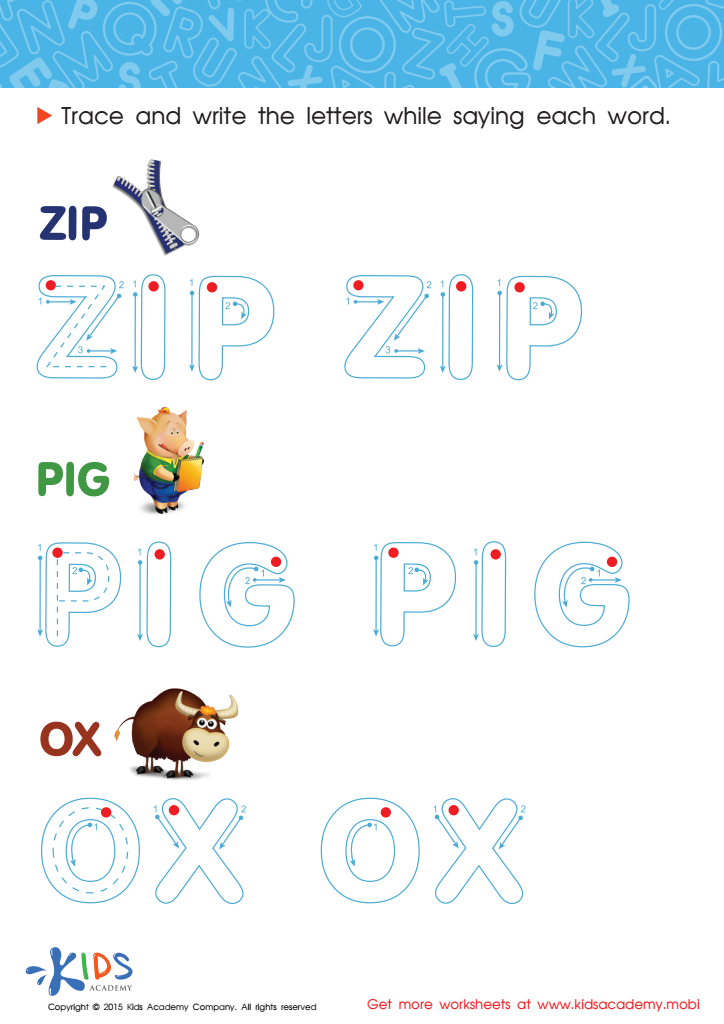
A Zip, a Pig and an Ox Spelling Worksheet
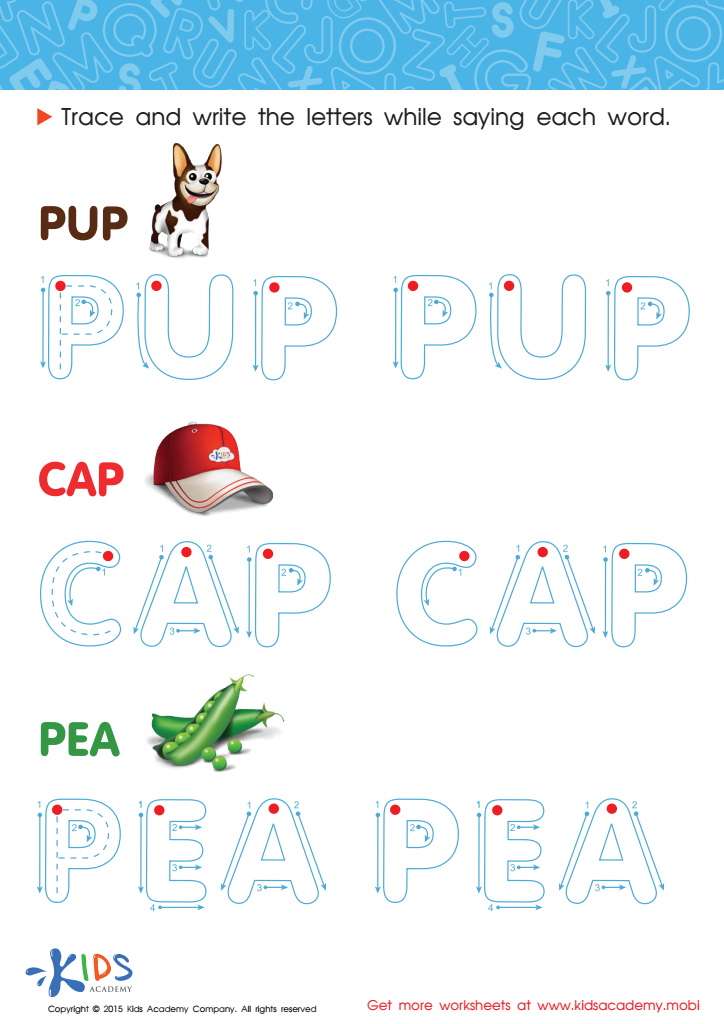
A Pup, a Cap and a Pea Spelling Worksheet
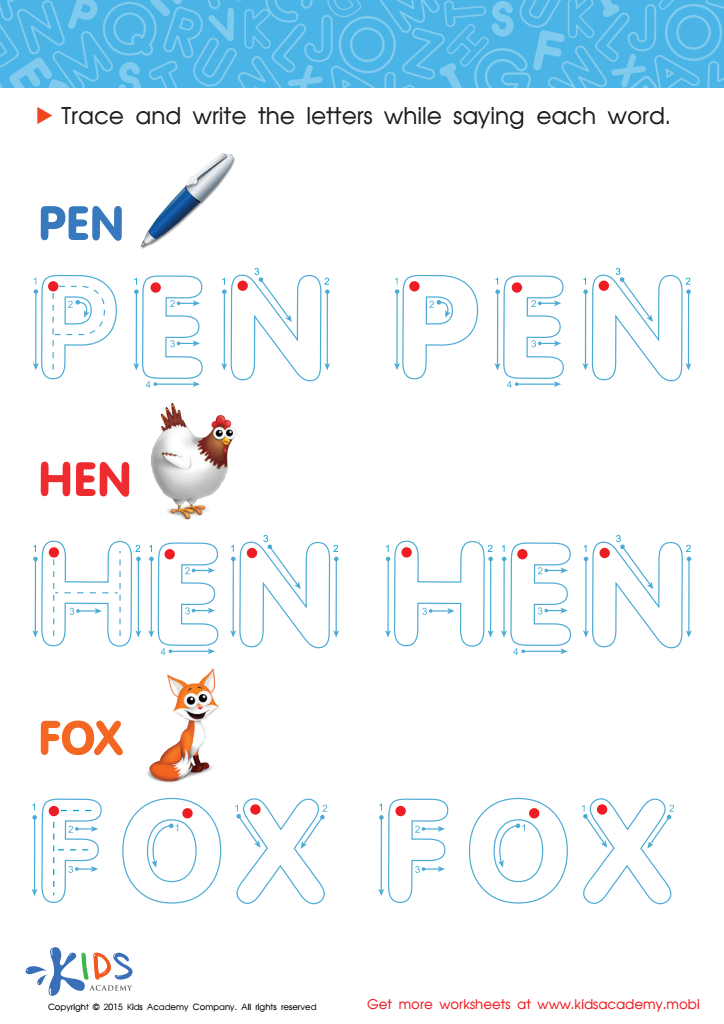
A Pen, a Hen and a Fox Spelling Worksheet
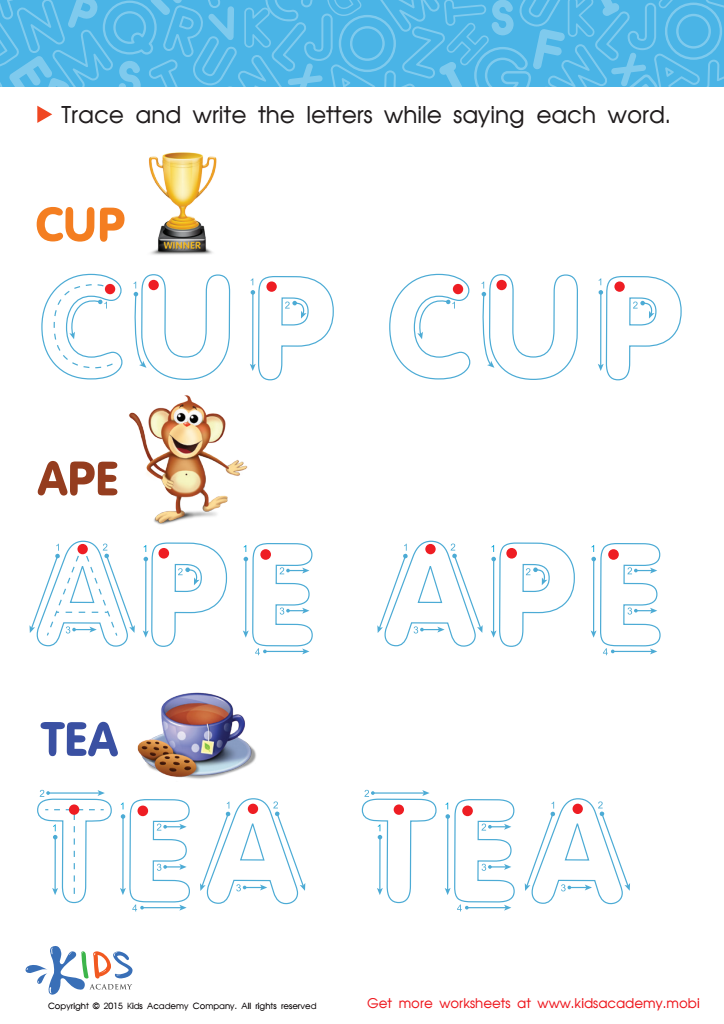
A Cup, an Ape and Tea Spelling Worksheet
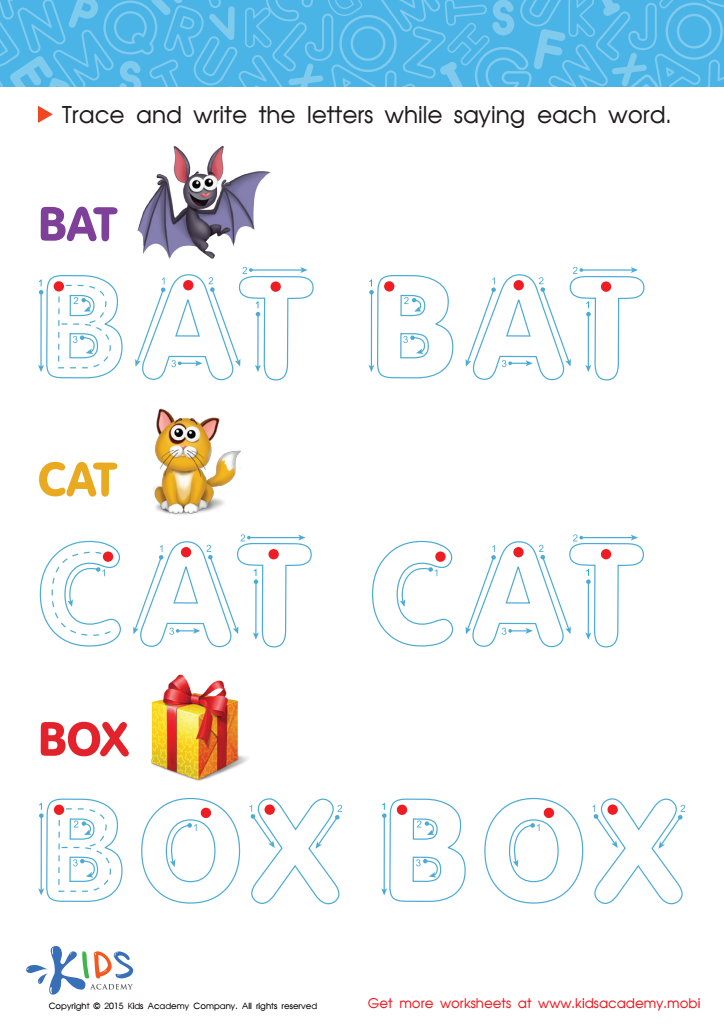
A Bat, a Cat and a Box Spelling Worksheet
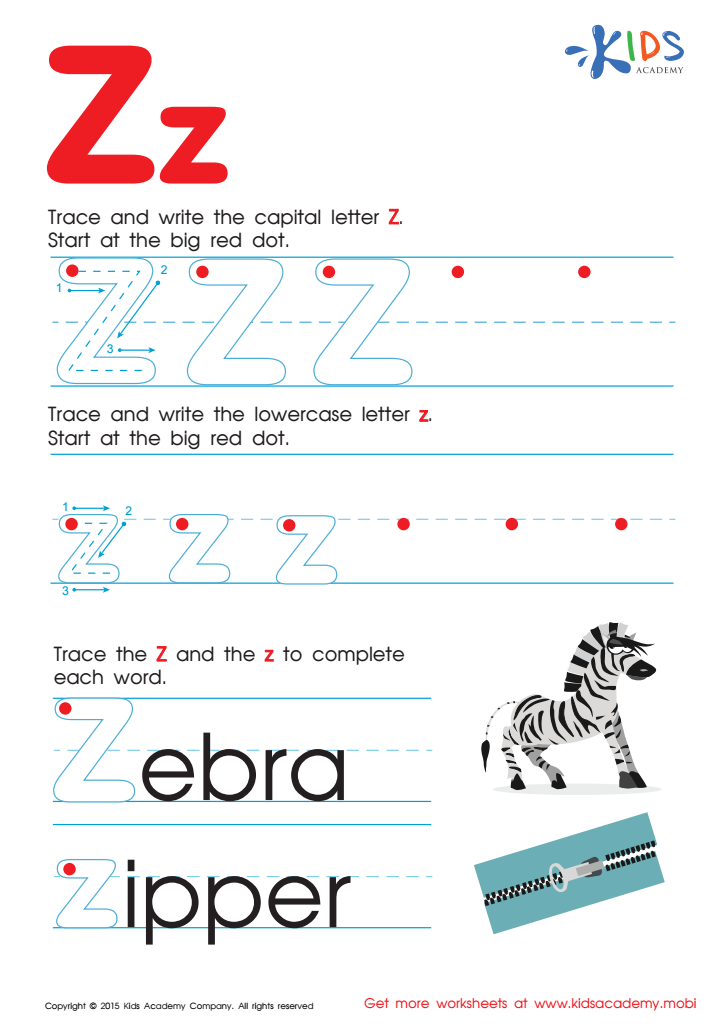
Letter Z Tracing Page
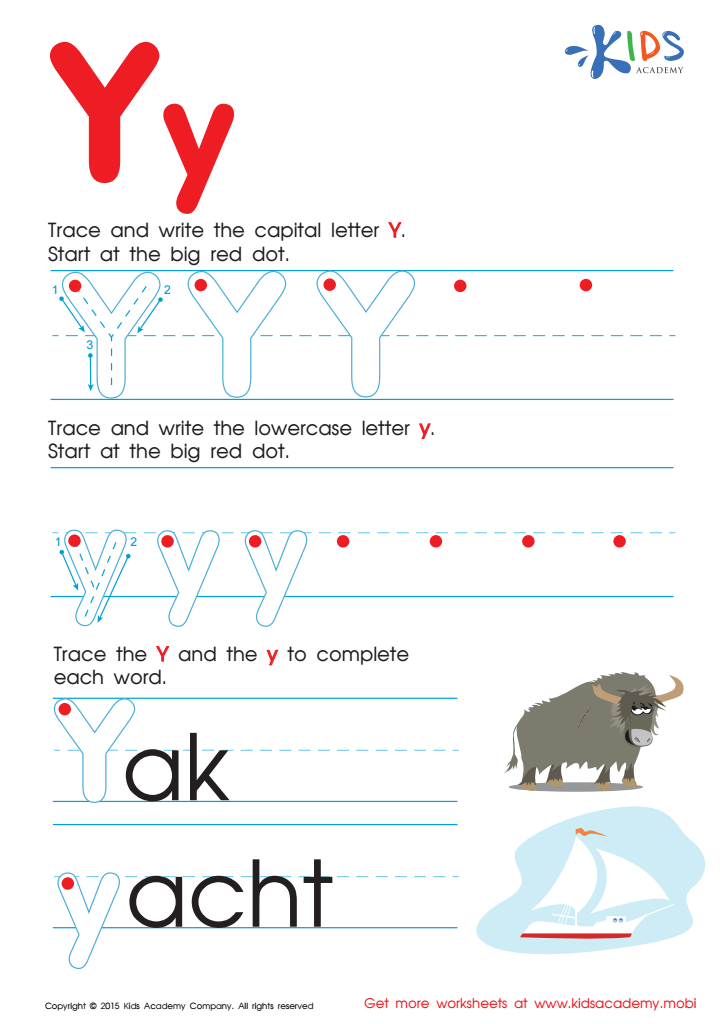
Letter Y Tracing Page
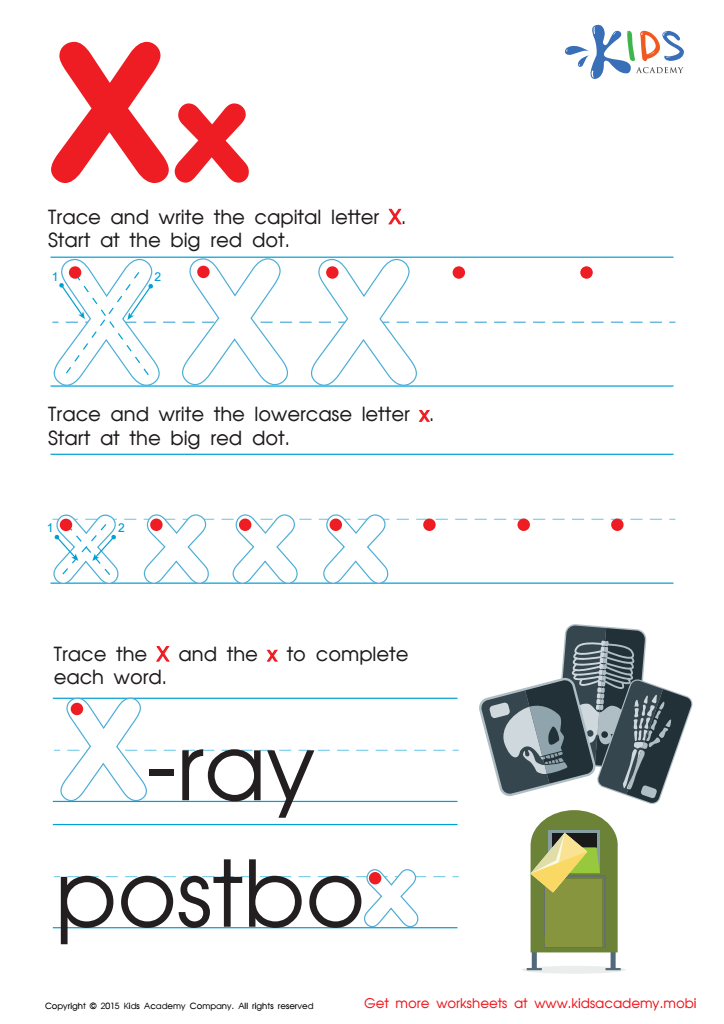
Letter X Tracing Page
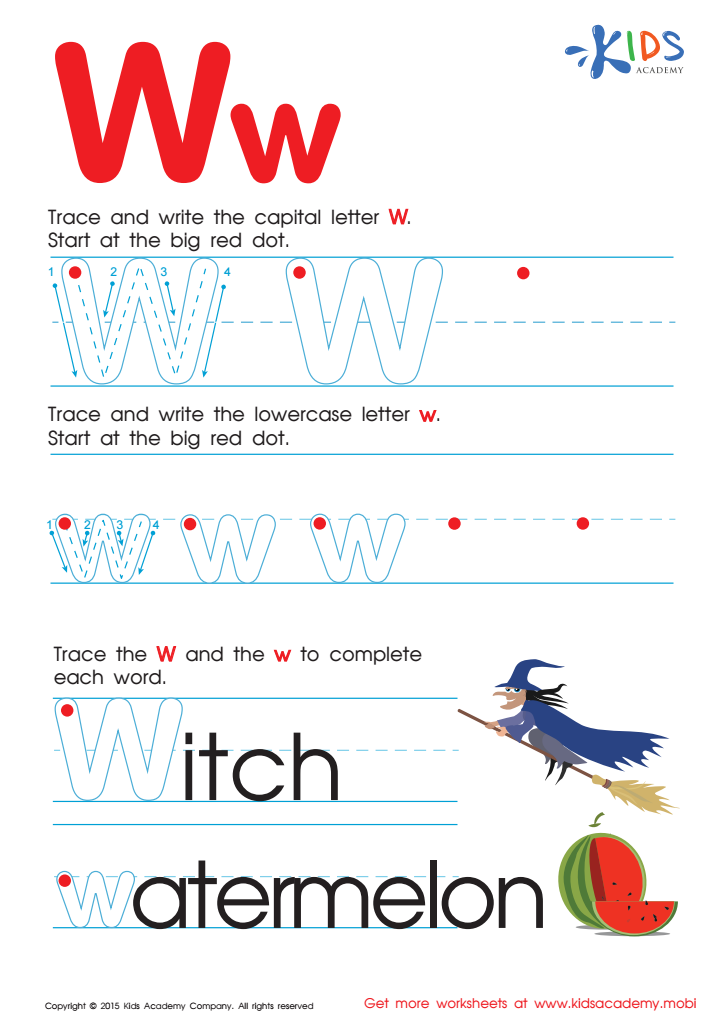
Letter W Tracing Page
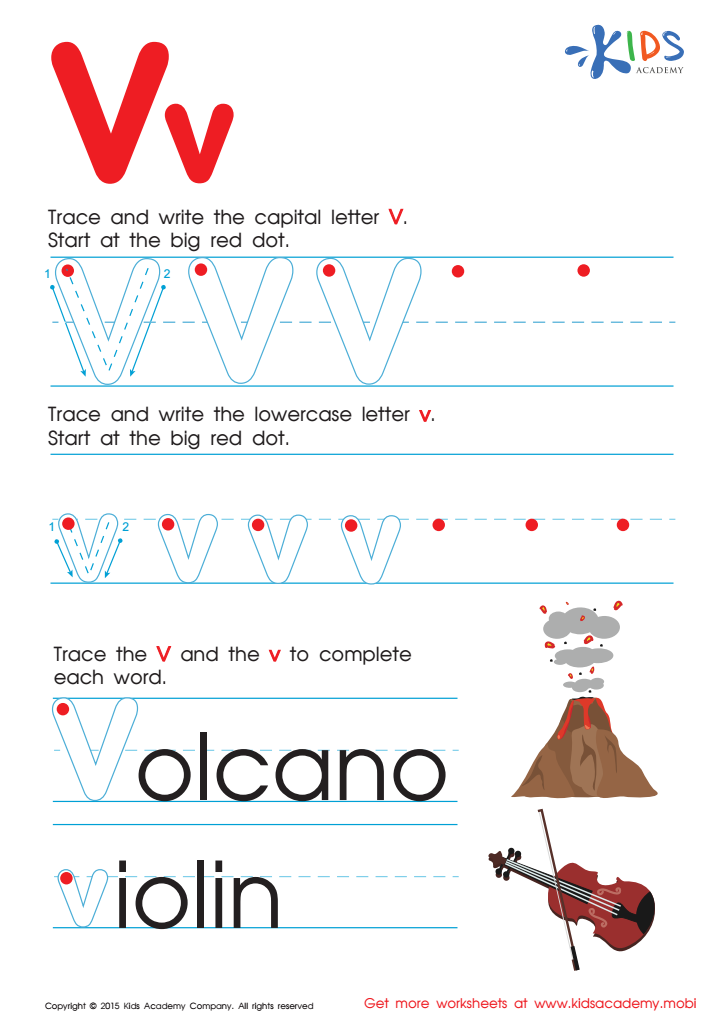
Letter V Tracing Page
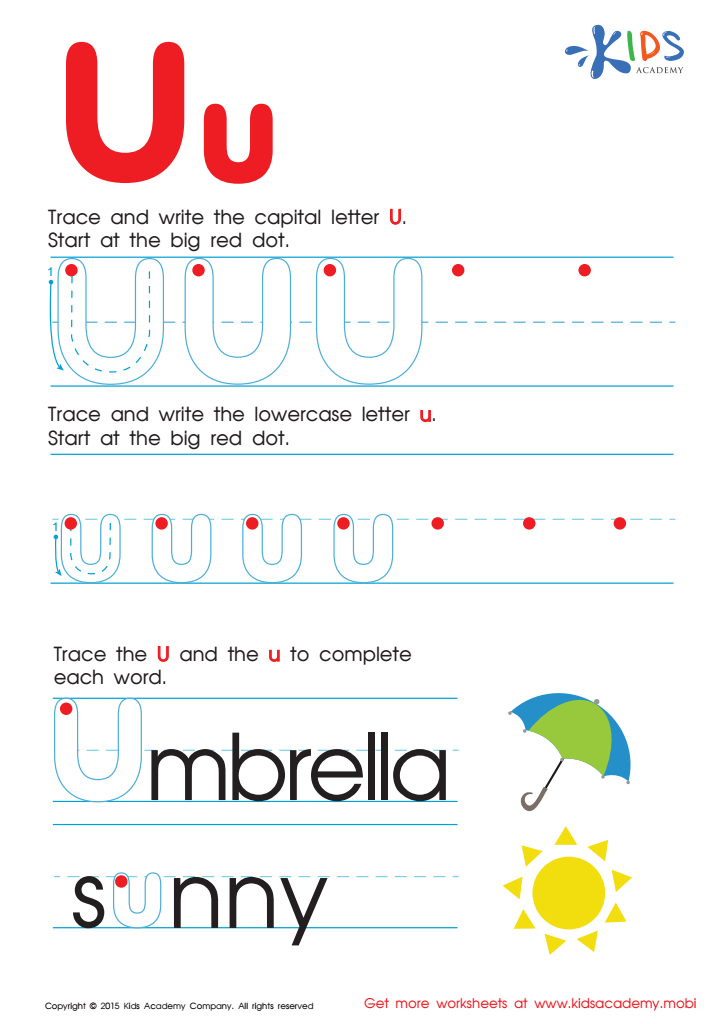
Letter U Tracing Page
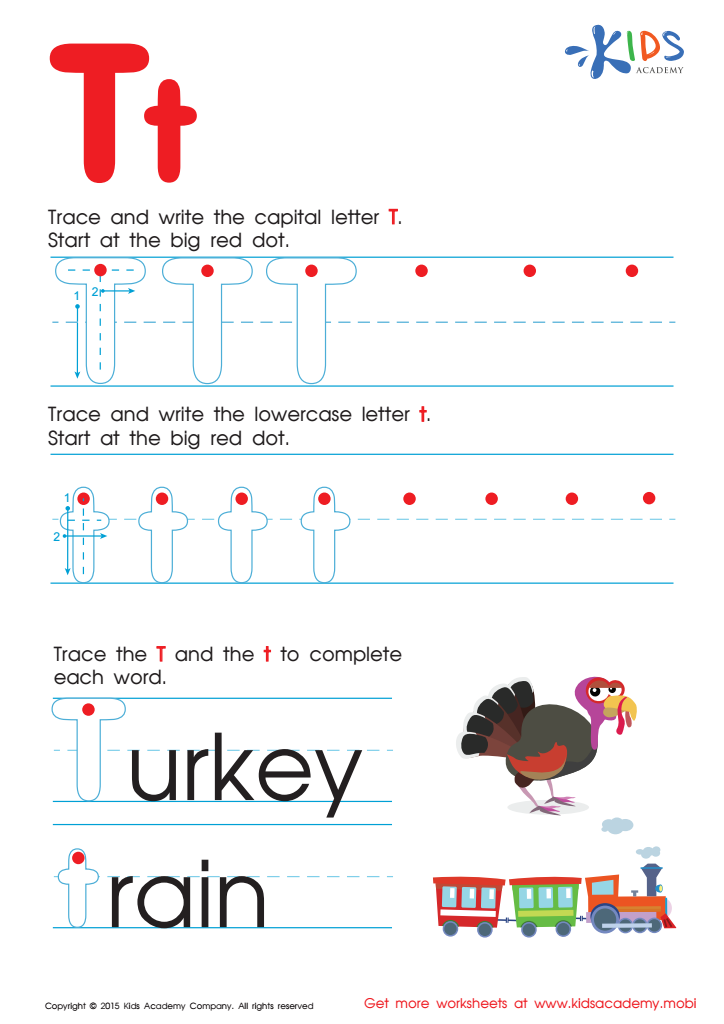
Letter T Tracing Page
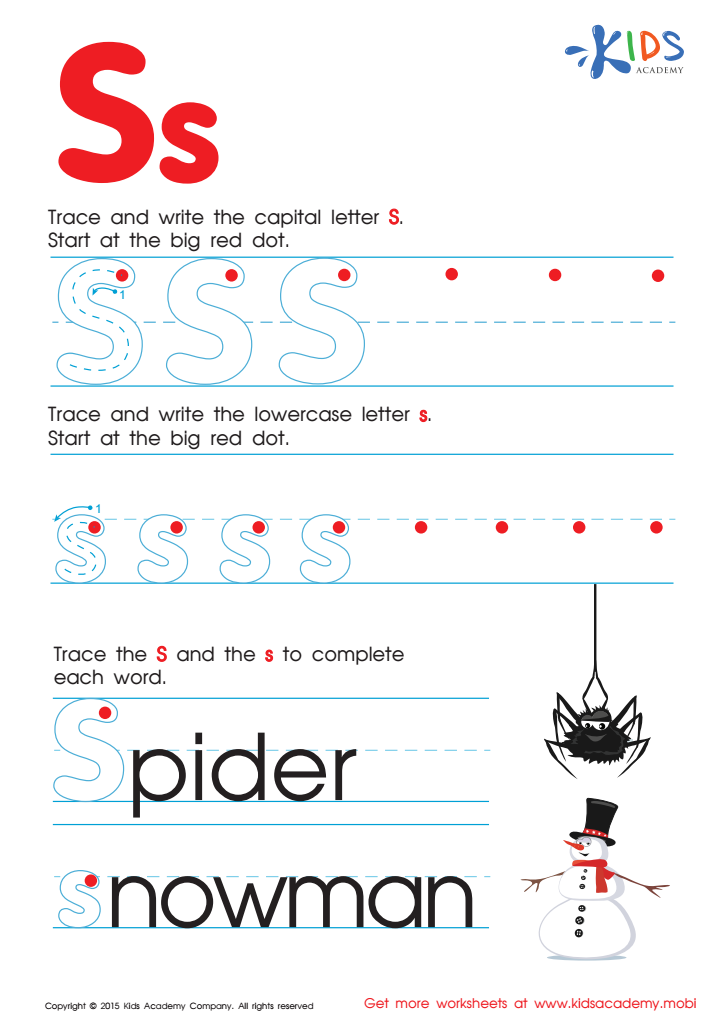
Letter S Tracing Page
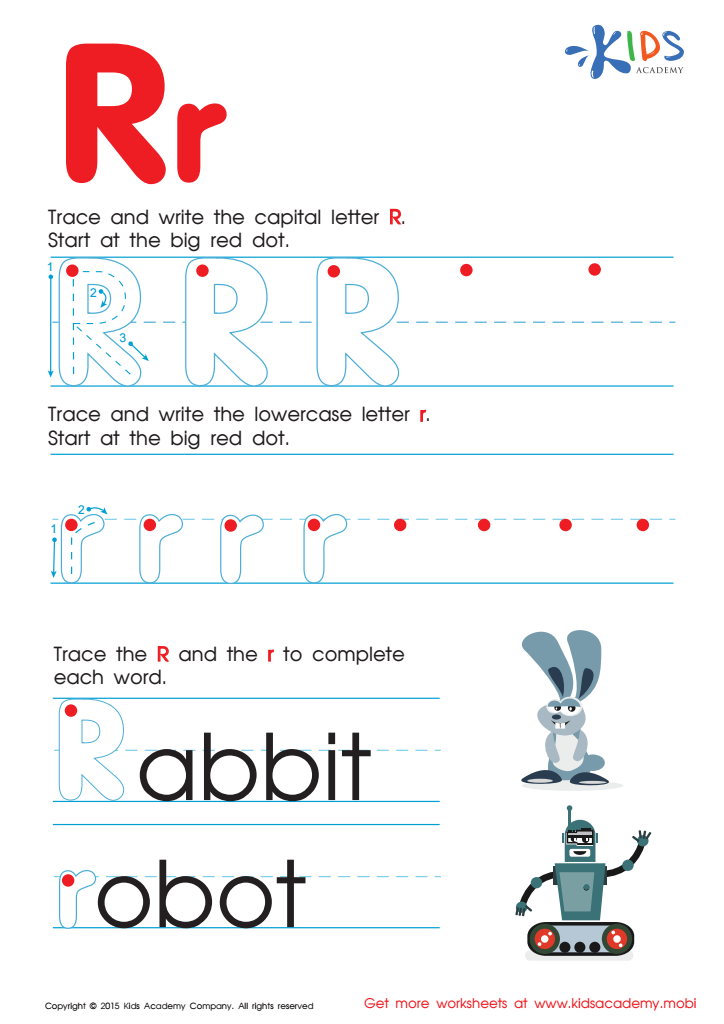
Letter R Tracing Page
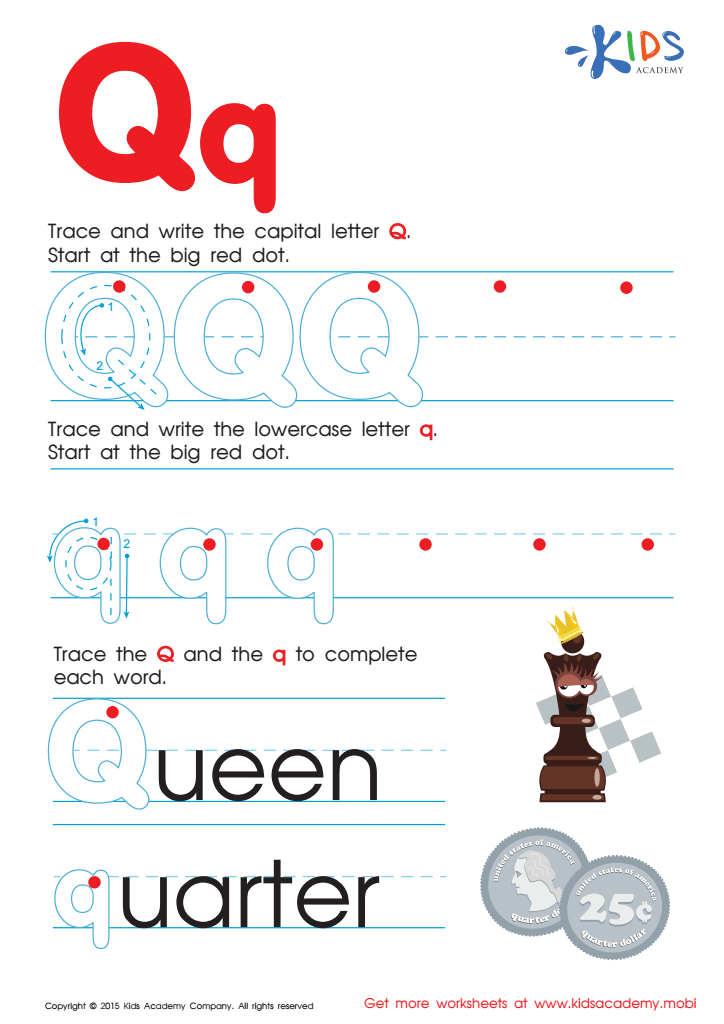
Letter Q Tracing Page








Tracing activities for ages 3-9 are crucial for the development of foundational skills that support a child’s overall learning journey. Firstly, these activities enhance fine motor skills, improving hand-eye coordination and muscle control in young children. As they trace, they learn to grip writing instruments correctly, which is vital for later writing proficiency.
Additionally, tracing contributes to cognitive development. Children begin to understand shapes, letters, and numbers as they follow lines, laying the groundwork for literacy and numeracy. This hands-on learning fosters spatial awareness and helps them recognize patterns, both essential for problem-solving skills.
Moreover, tracing can promote concentration and attention span. Engaging in focused, purposeful activities like tracing can enhance a child’s ability to concentrate, a skill that will benefit them in all areas of learning as they progress in school.
Finally, tracing can be a fun and creative outlet. By integrating themes that interest children, such as animals or characters, teachers and parents can make learning enjoyable, fostering a love for education. Ultimately, tracing activities serve as a vital tool for parents and educators in nurturing children’s academic growth and developmental skills, setting a strong foundation for their future learning experiences.








