Science Worksheets for Ages 3-8 - Page 3
393 filtered results
-
From - To
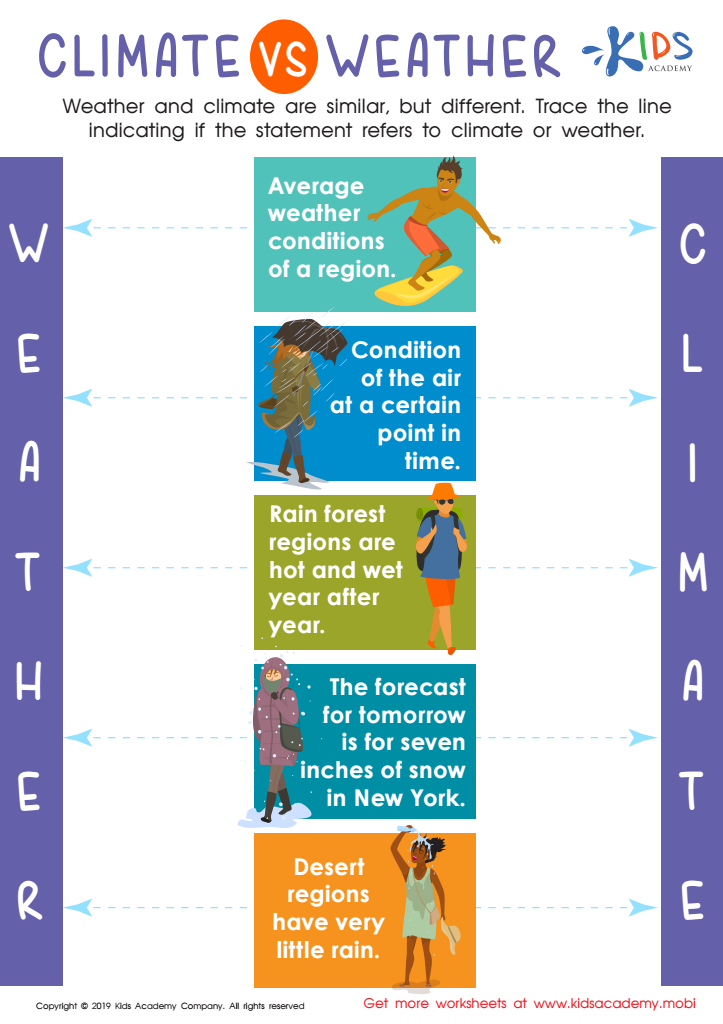
Climate vs Weather Worksheet
 Assign to My Students
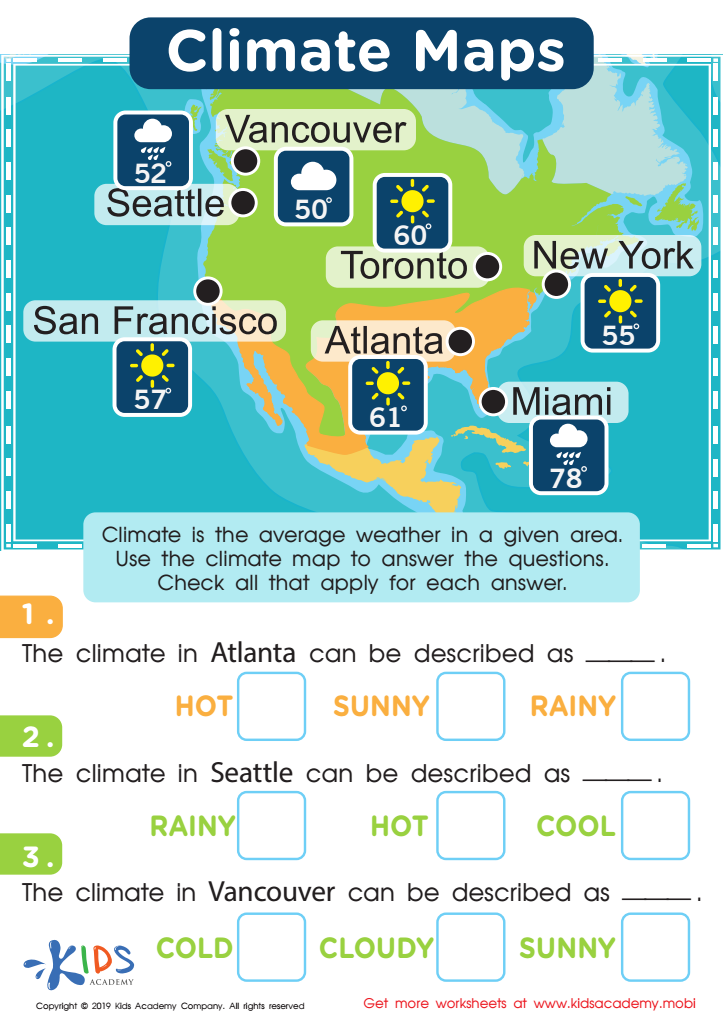
Climate Maps Worksheet
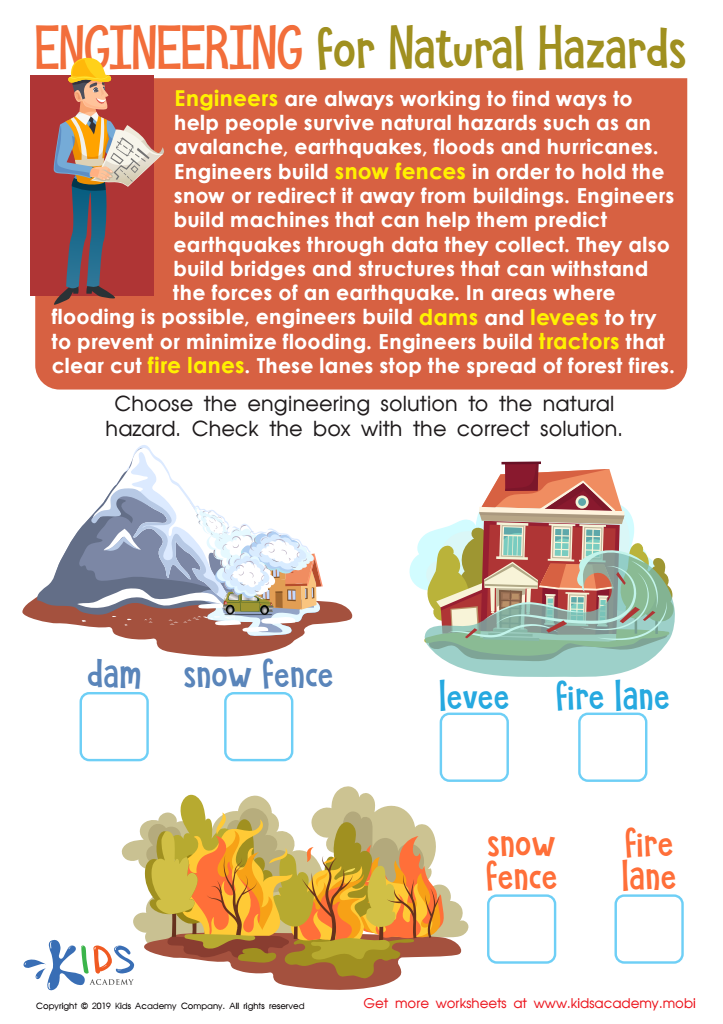
Engineering Natural Hazards Worksheet

Protecting Our Homes Worksheet
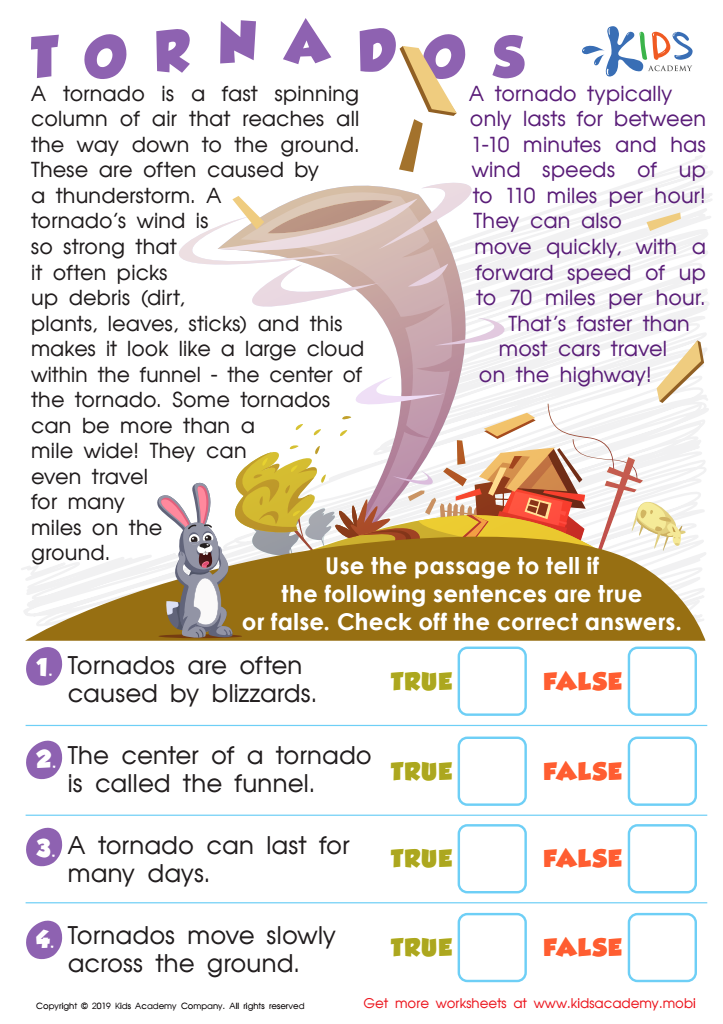
Tornados Worksheet
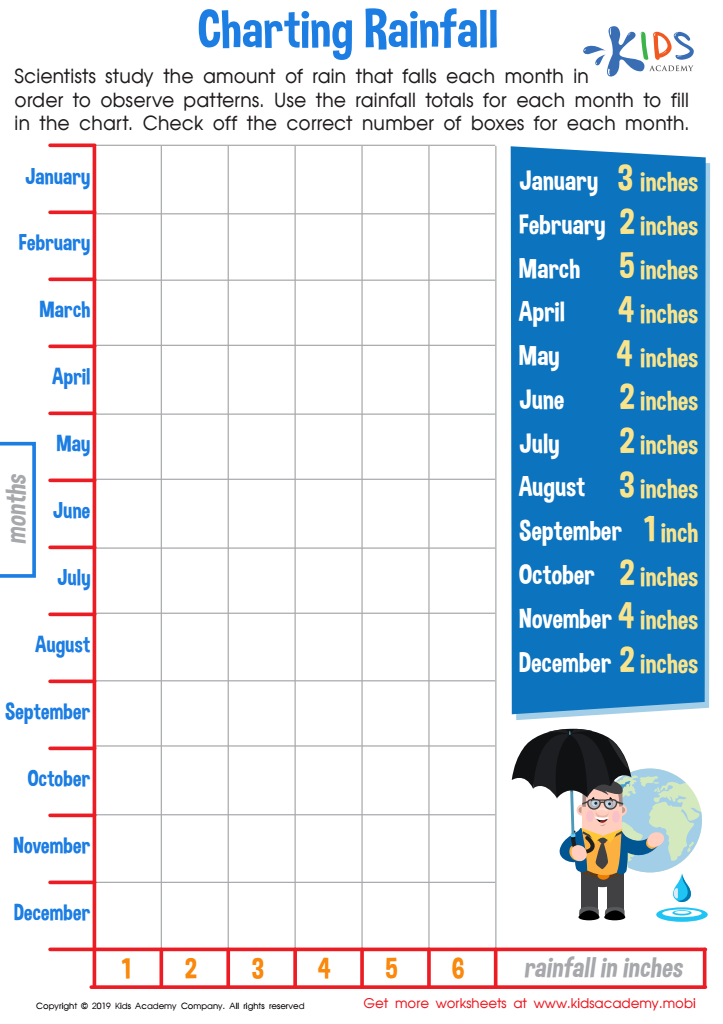
Charting Rainfall Worksheet
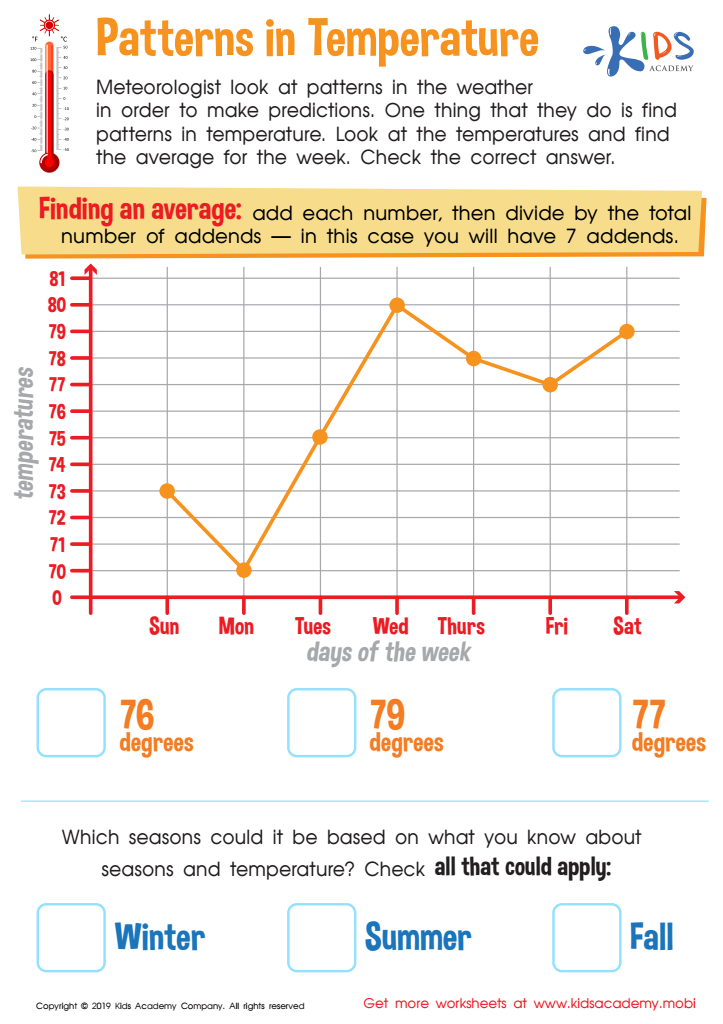
Patterns in Temperature Worksheet
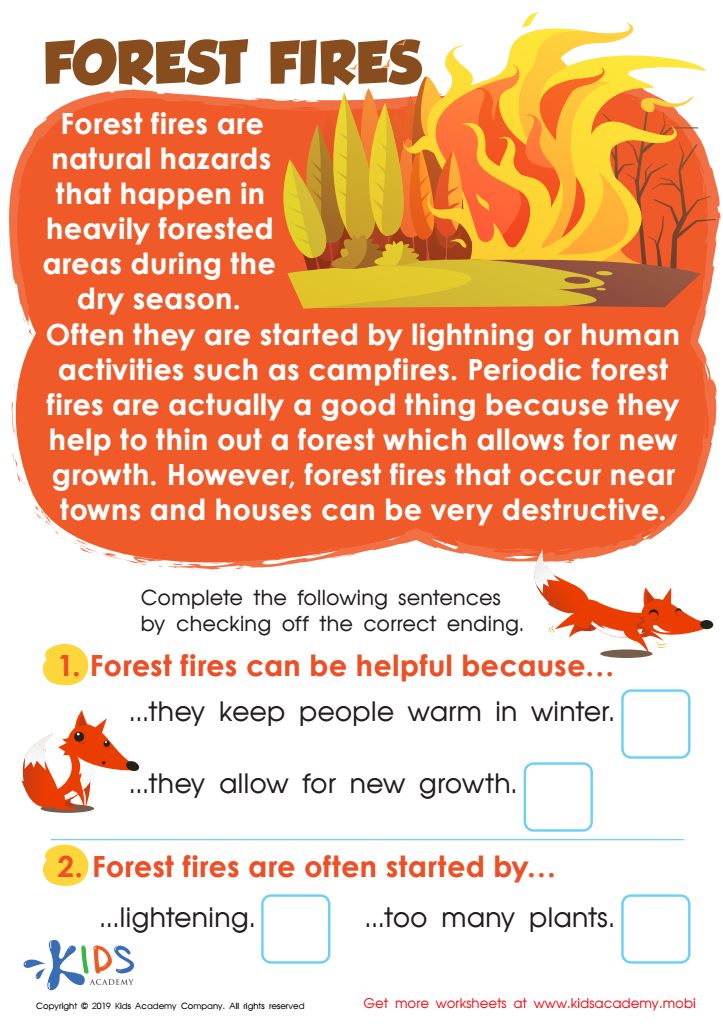
Forest Fires Worksheet
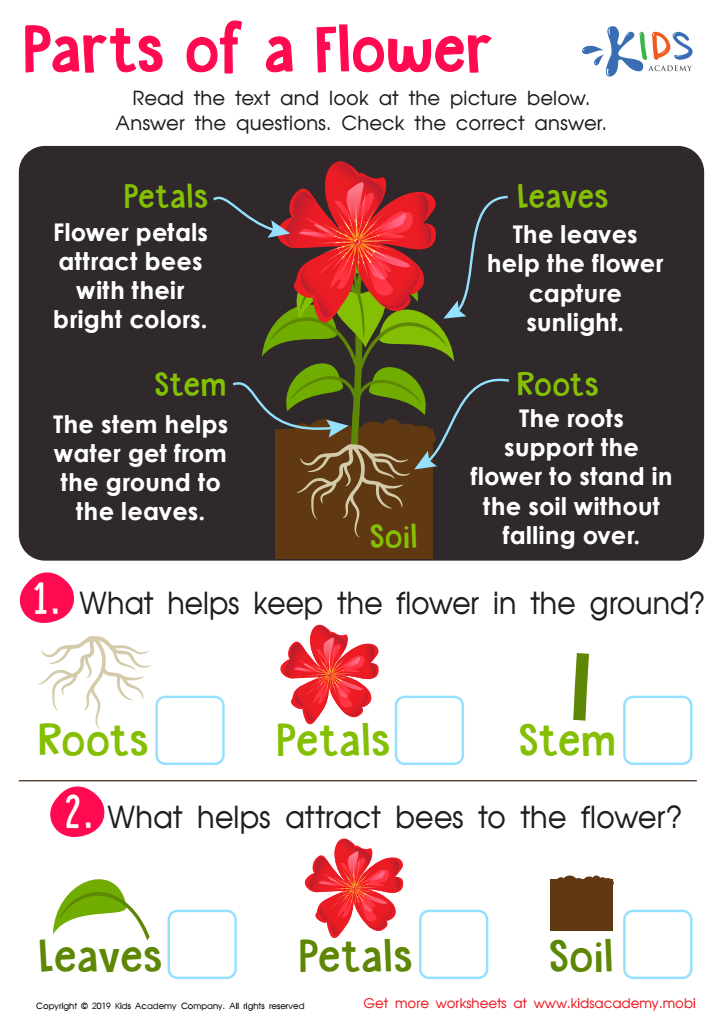
Parts of Flower Worksheet
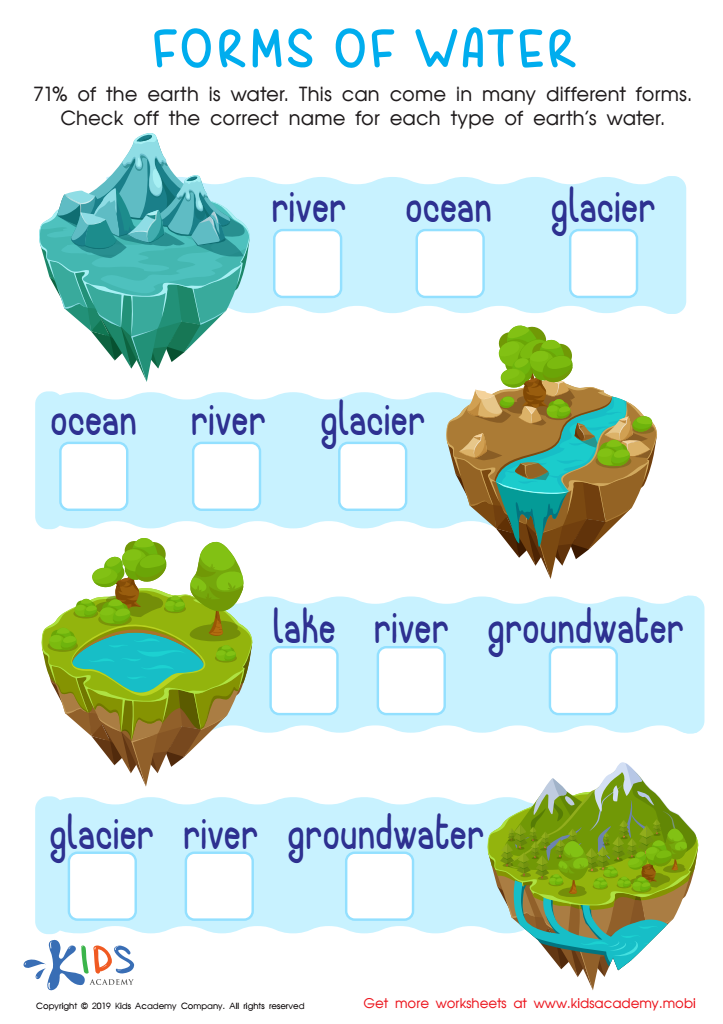
Forms of Water Worksheet
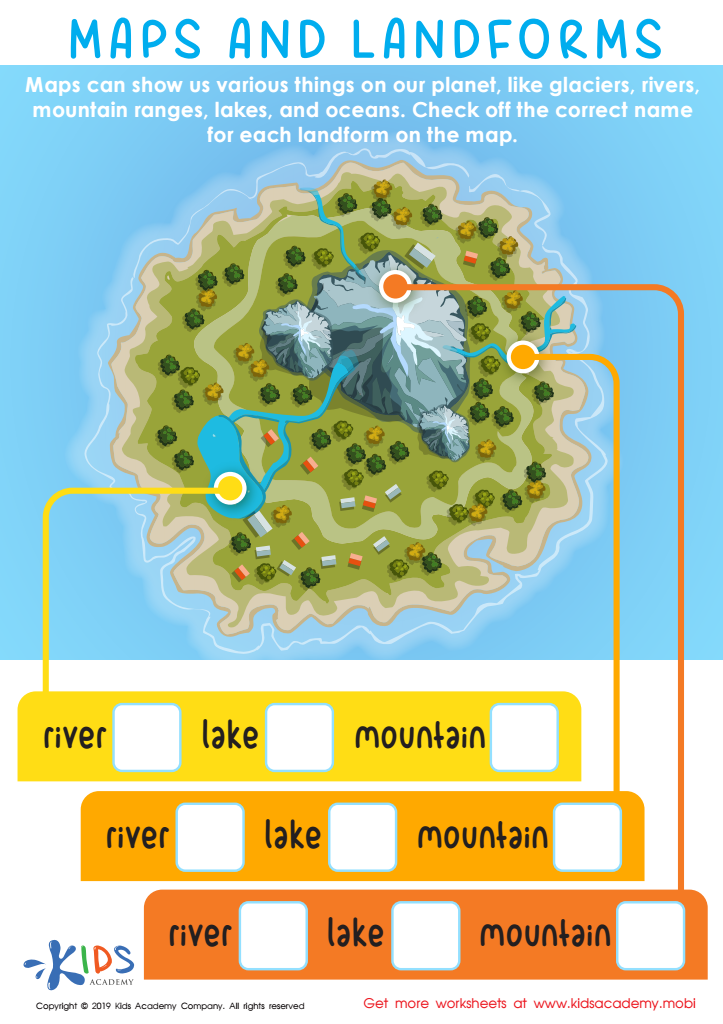
Maps and Landforms Worksheet
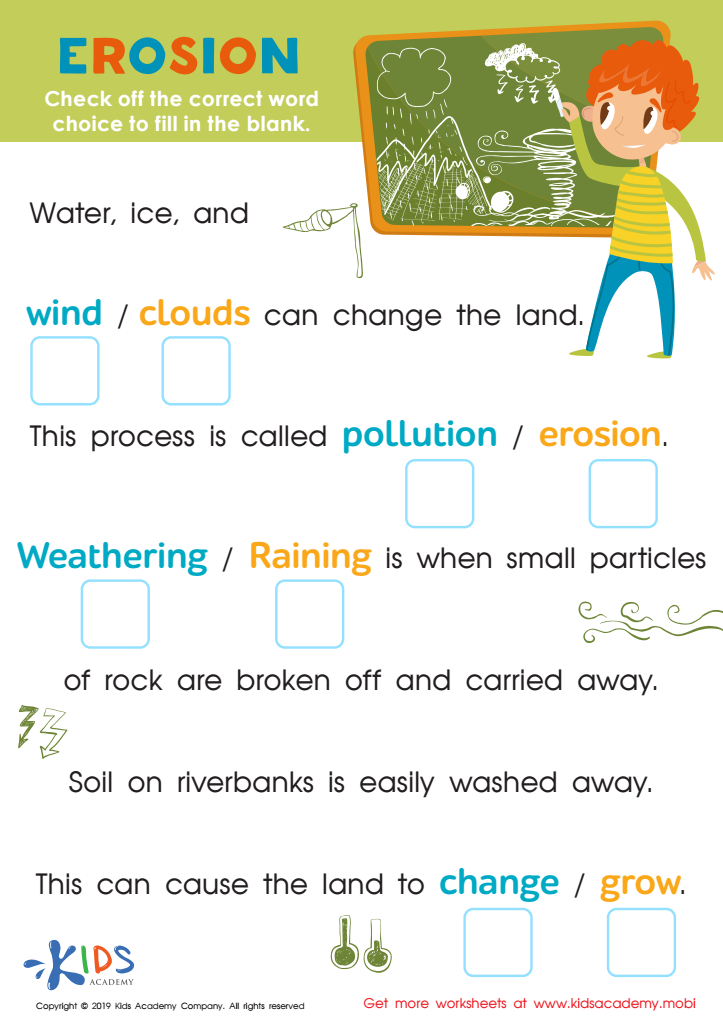
Erosion Worksheet
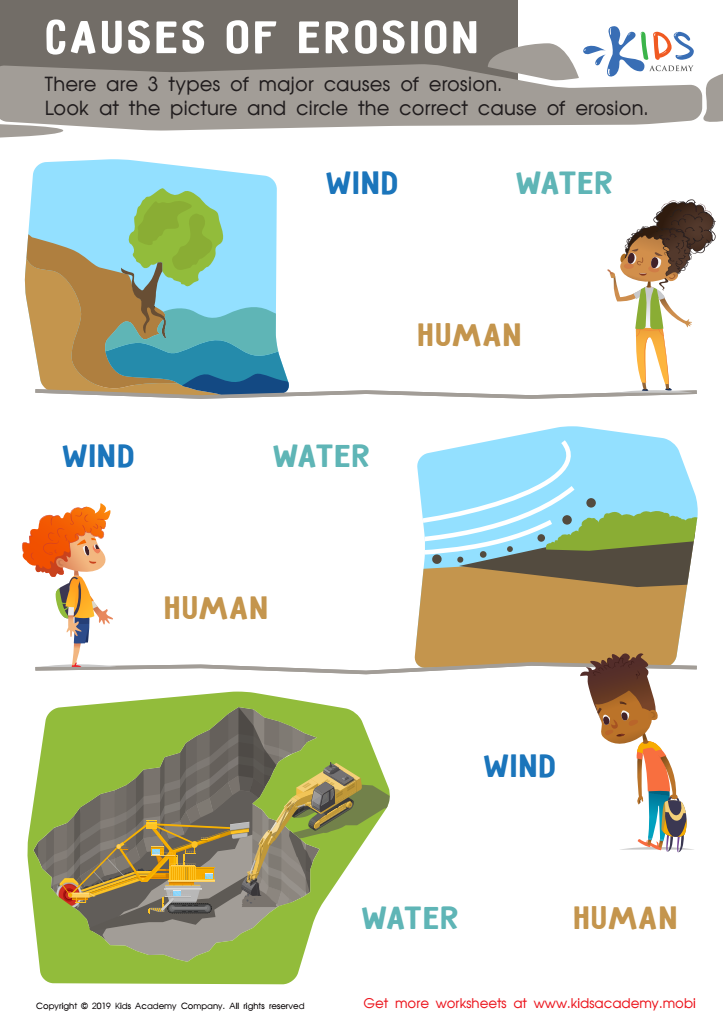
Causes of Erosion Worksheet
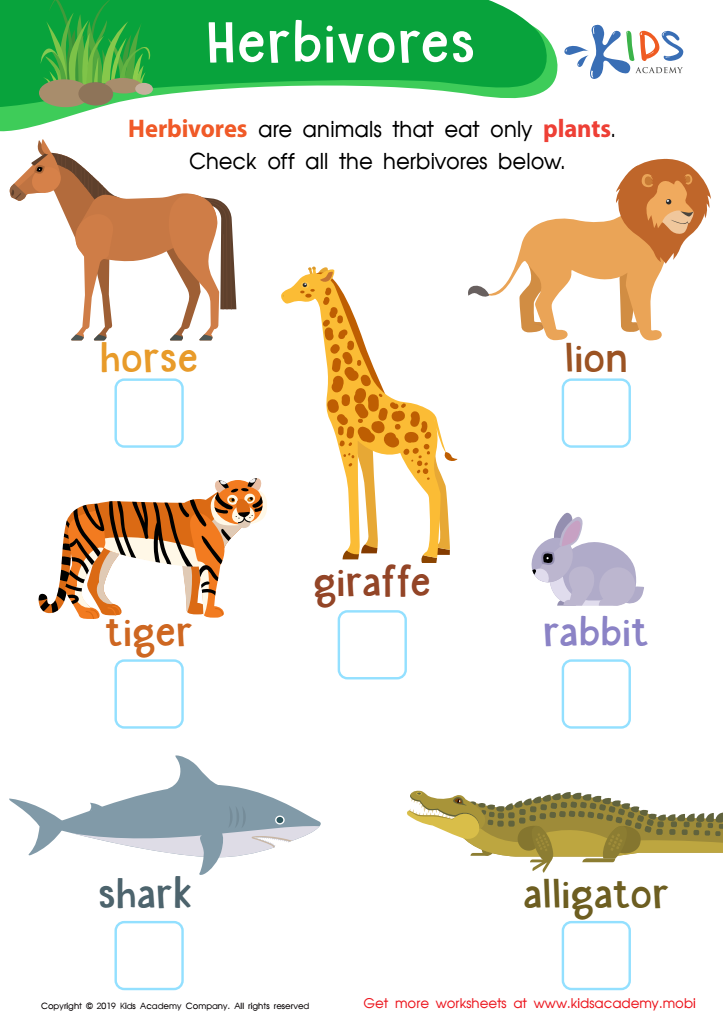
Herbivores Worksheet
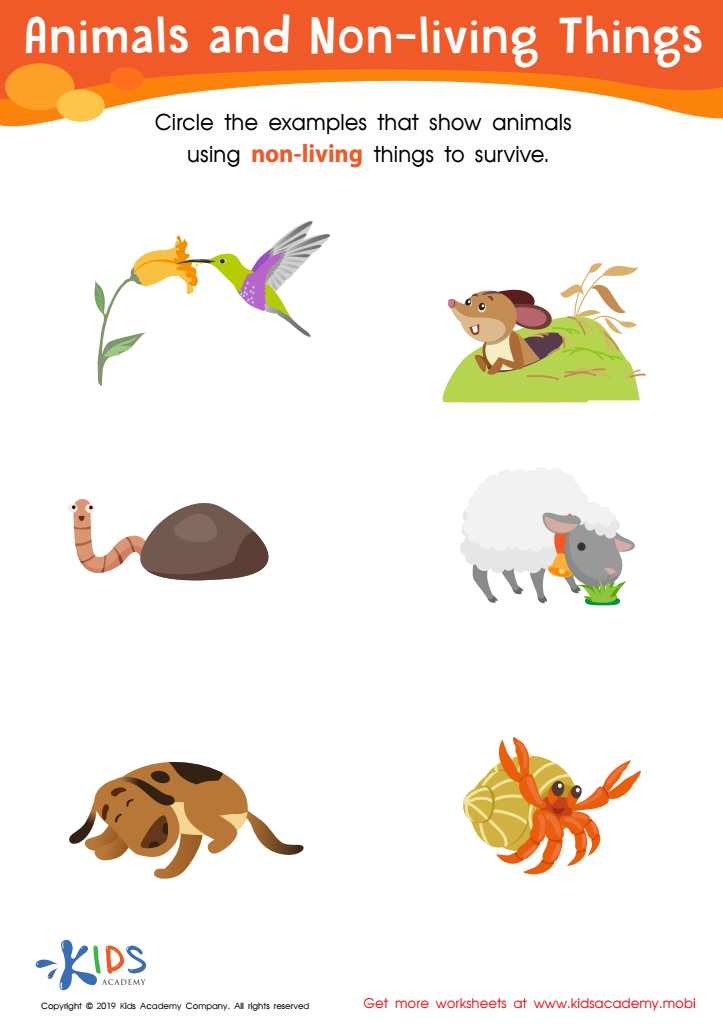
Animals and Non-Living Things Worksheet
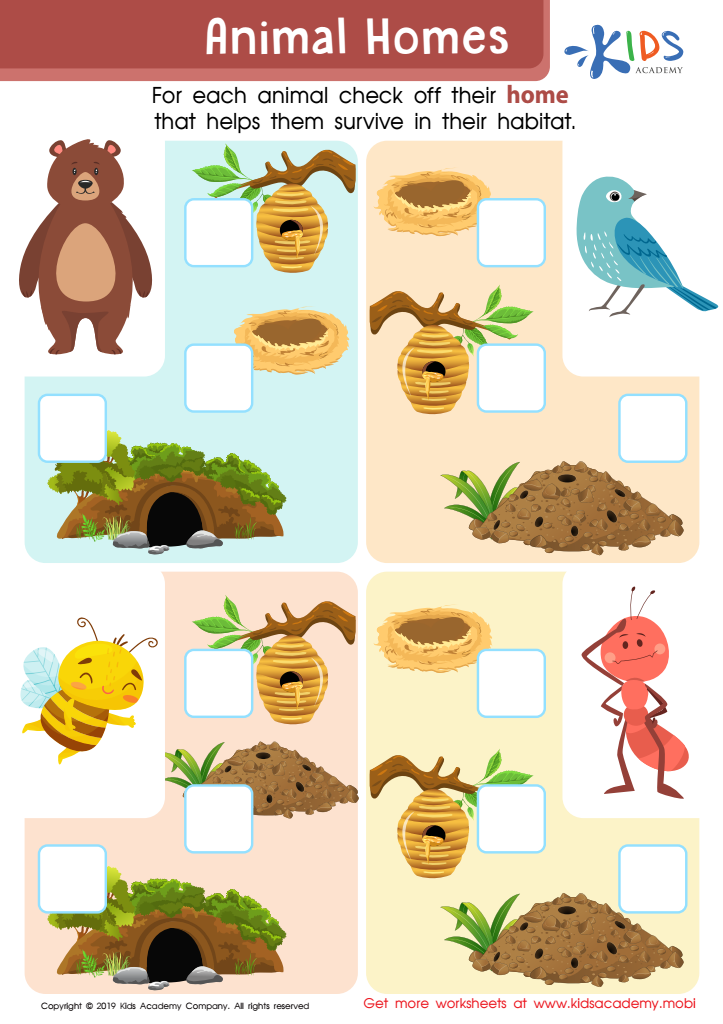
Animal Homes Worksheet
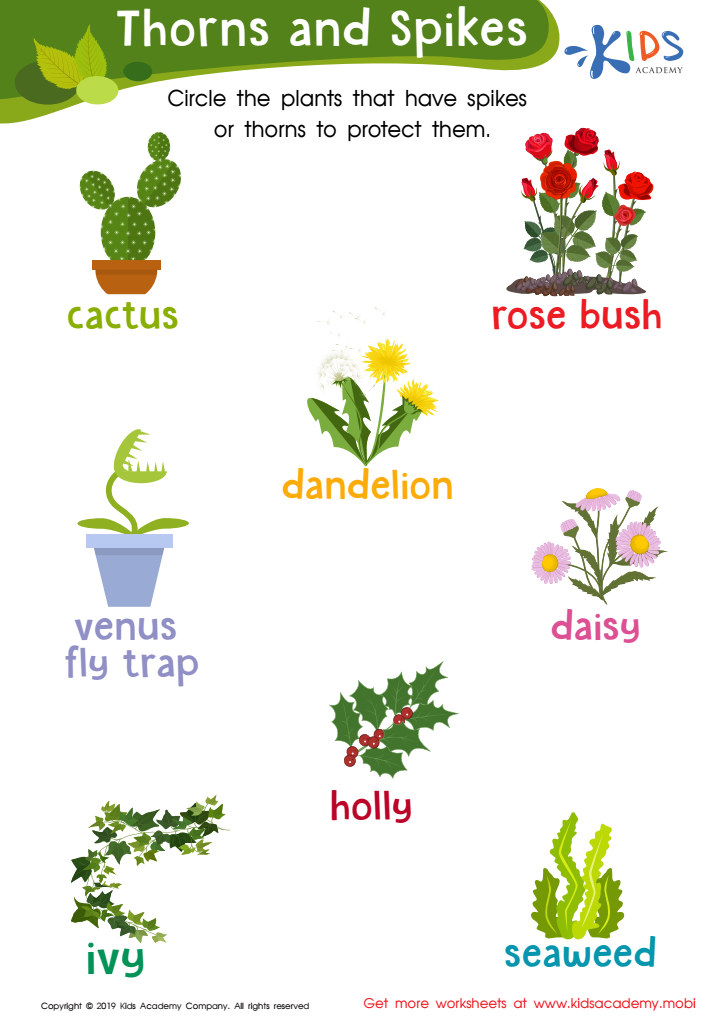
Thorns and Spikes Worksheet
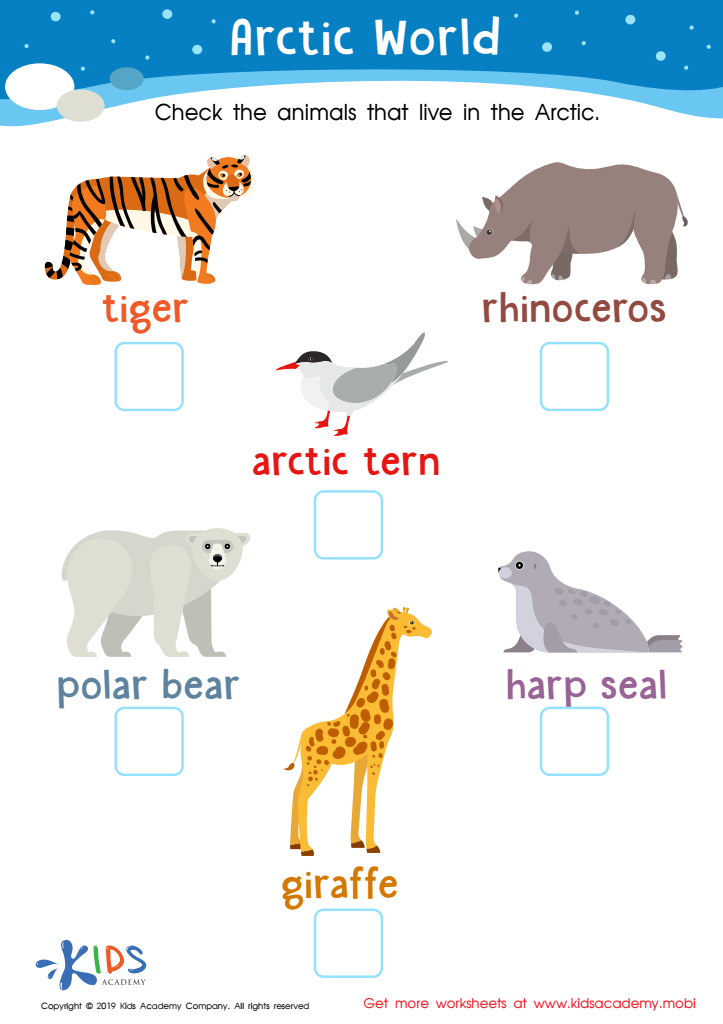
Arctic World Worksheet
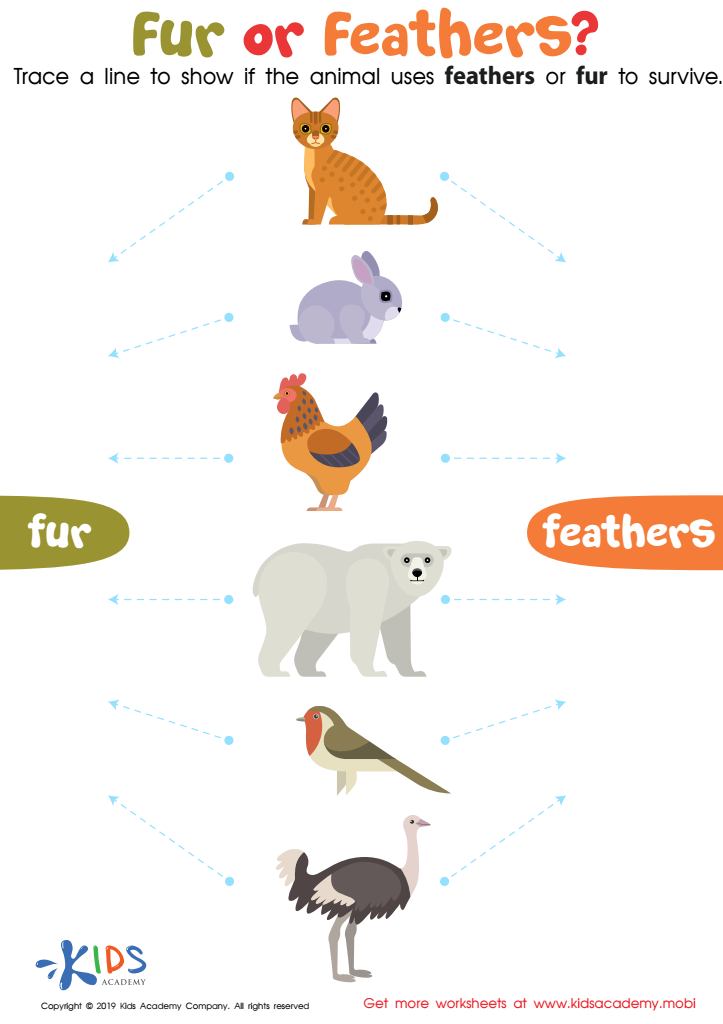
Fur or Feathers? Worksheet
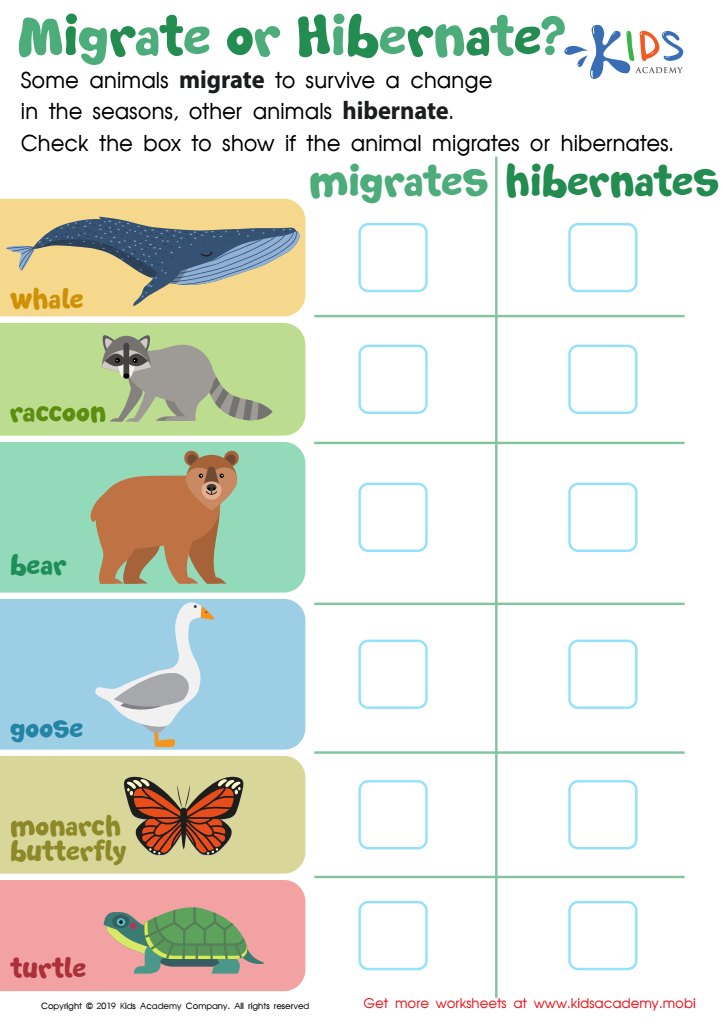
Migrate or Hibernate? Worksheet
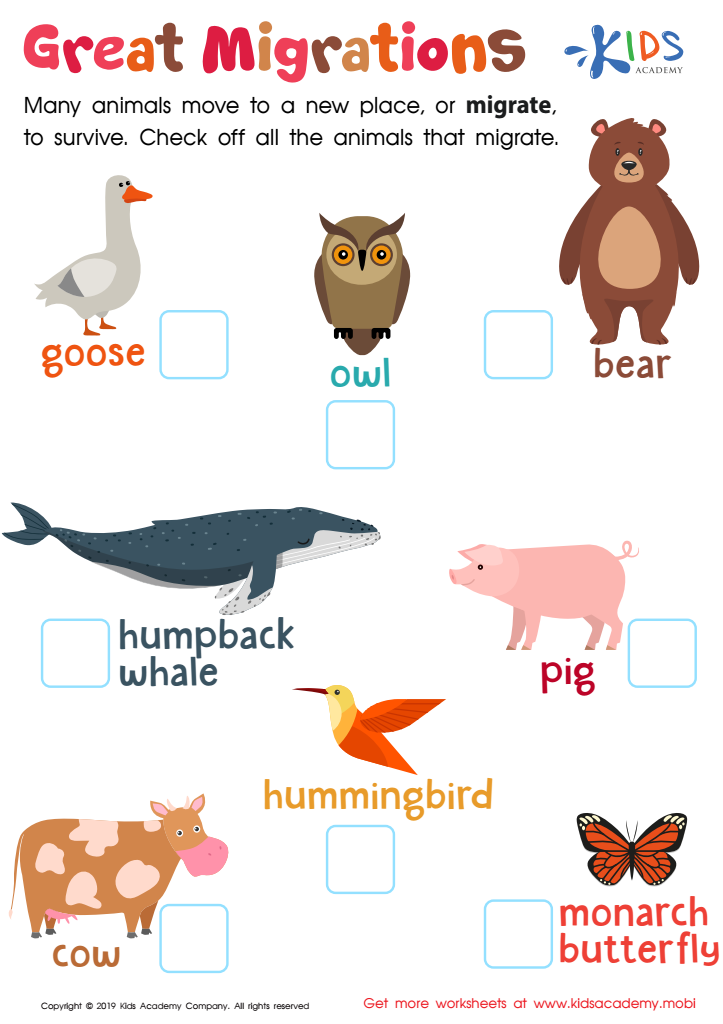
Great Migrations Worksheet
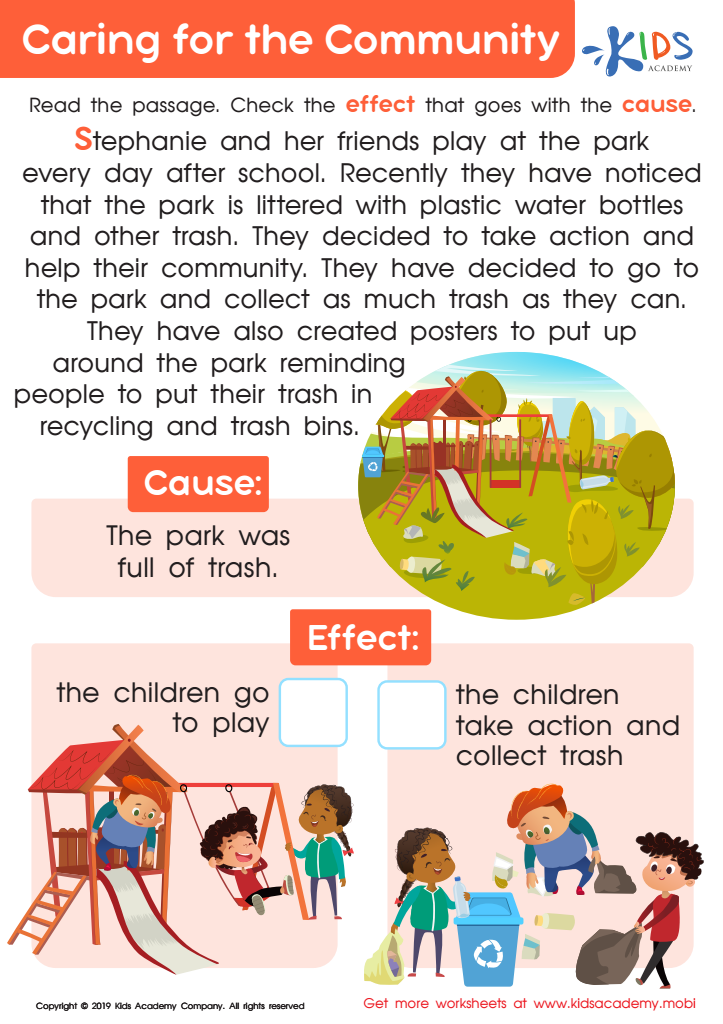
Caring for the Community Worksheet
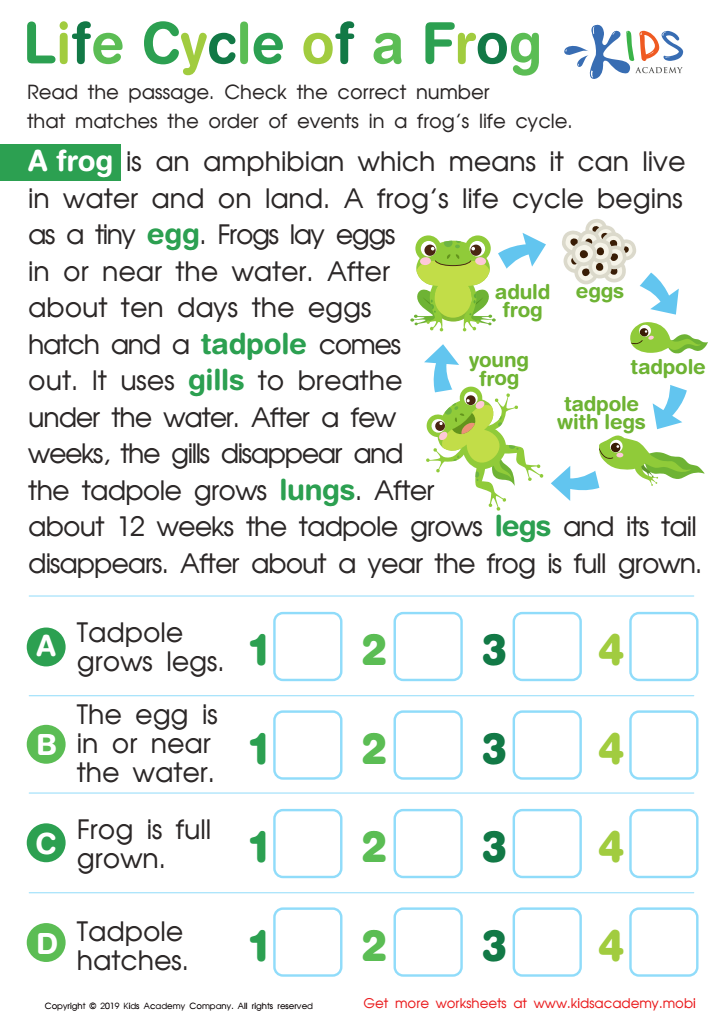
Life Cycle of a Frog Worksheet
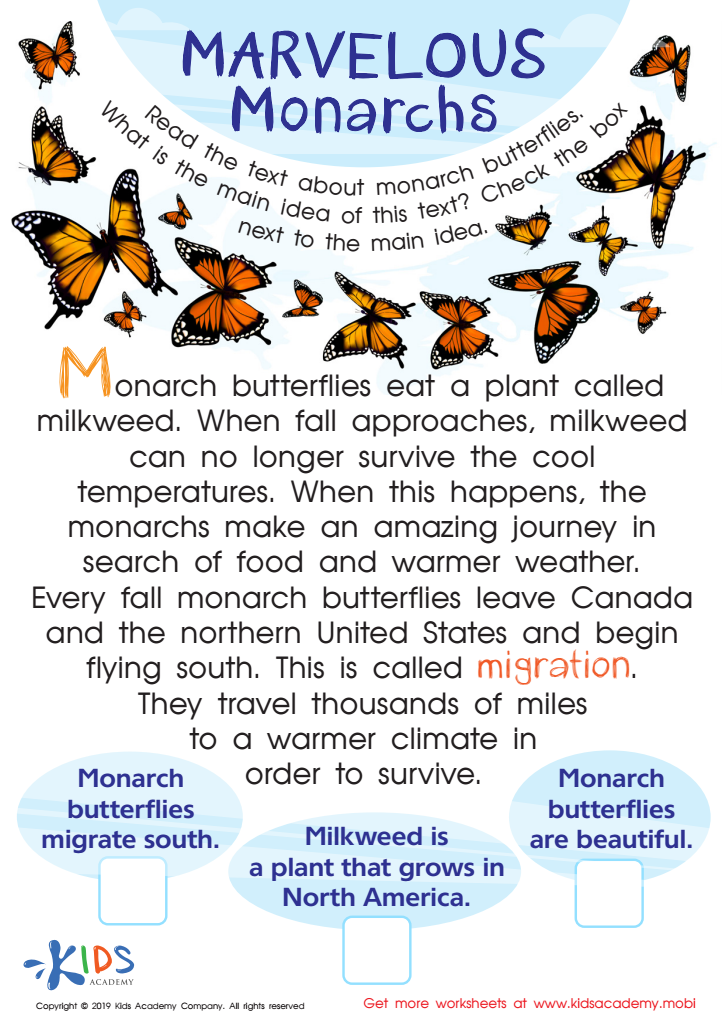
Marvelous Monarchs Worksheet







Science education for children aged 3-8 is crucial for fostering curiosity and critical thinking skills. At this early age, children are naturally inquisitive, asking questions about the world around them. Engaging them in scientific exploration not only satisfies their curiosity but also lays the foundation for a lifetime of learning.
Introducing basic scientific concepts through hands-on activities and explorations enhances cognitive development. Children begin to understand cause and effect, develop problem-solving skills, and learn the importance of observation, which are all key components of scientific inquiry. Furthermore, early exposure to science helps cultivate an appreciation for nature and promotes environmental awareness.
Additionally, incorporating science into learning supports literacy and numeracy skills. Activities that involve measuring, sorting, and classifying enhance mathematical understanding, while communicating findings boosts language skills.
For parents and teachers, fostering a love for science during these formative years can inspire children to pursue STEM (science, technology, engineering, and mathematics) fields in the future. This is significant in a world increasingly driven by technology and innovation. In essence, prioritizing science education in early childhood not only enriches a child's knowledge but also equips them with essential skills for success in a rapidly changing world.







