Alphabet Worksheets for Ages 3-9 - Page 4
356 filtered results
-
From - To
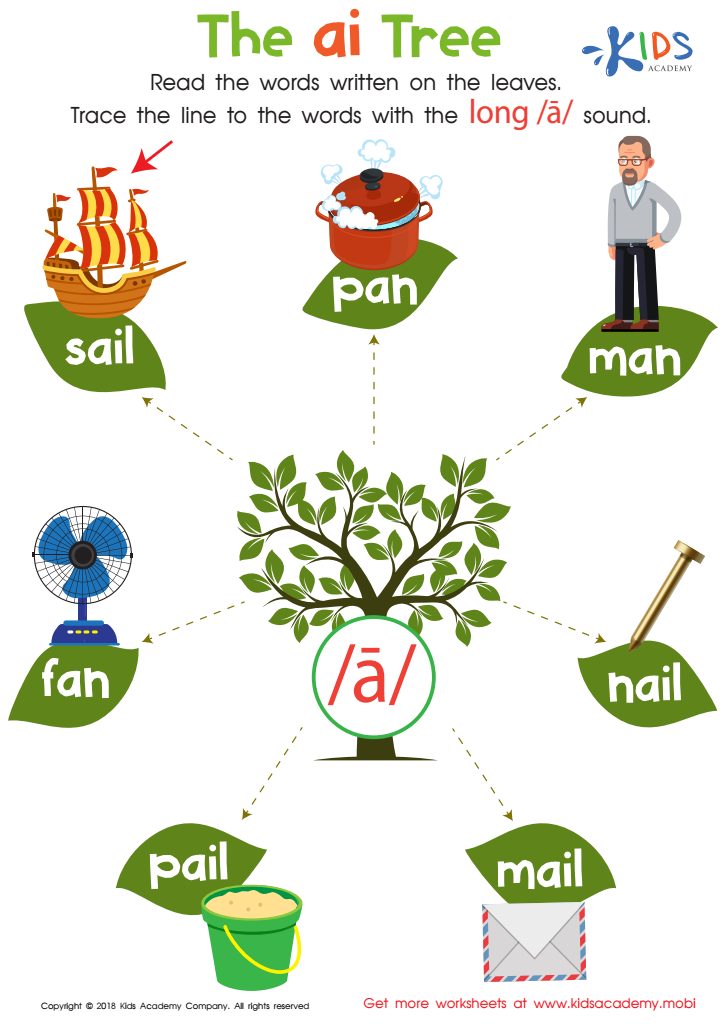
The AI Tree Worksheet
 Assign to My Students
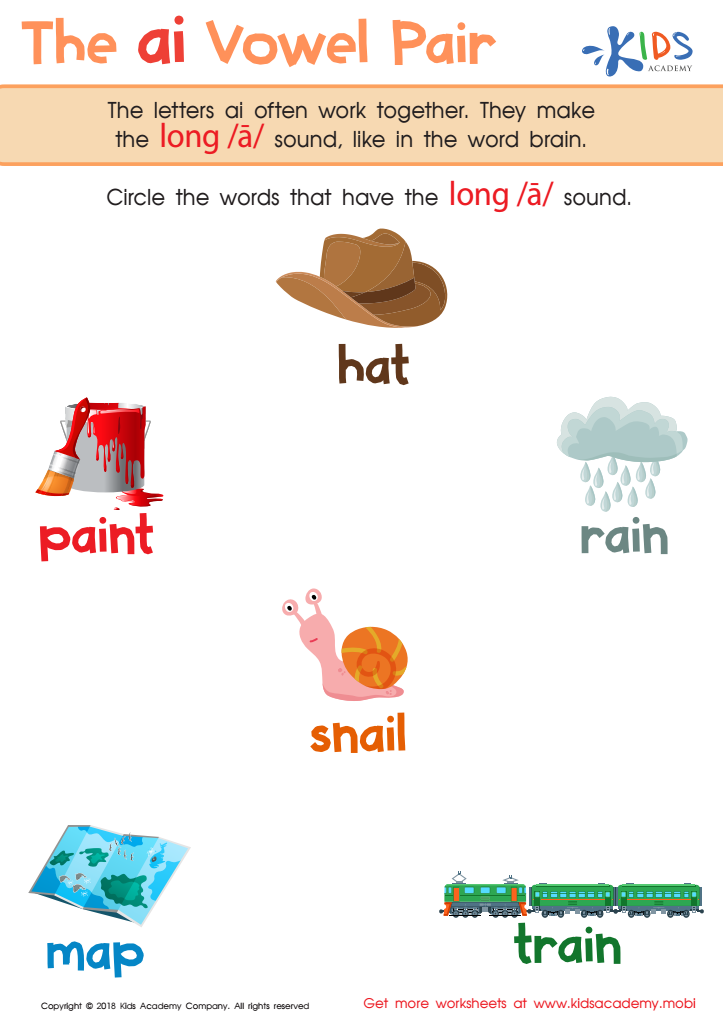
The AI Vowel Pair Worksheet
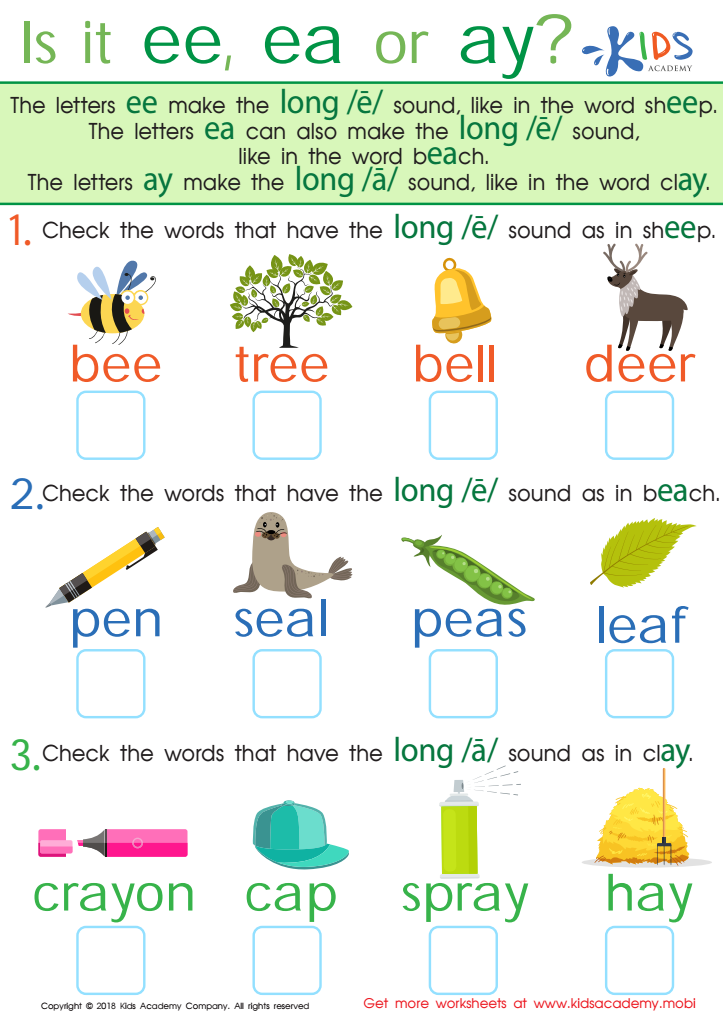
Is It EE, EA, or AY? Worksheet
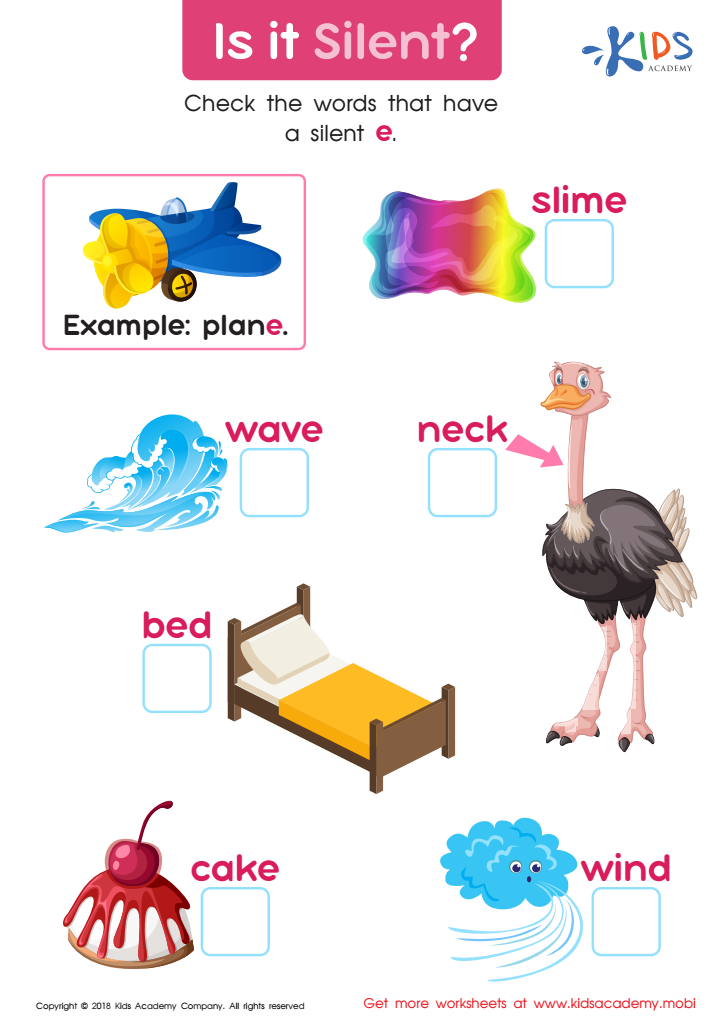
Is It Silent? Worksheet
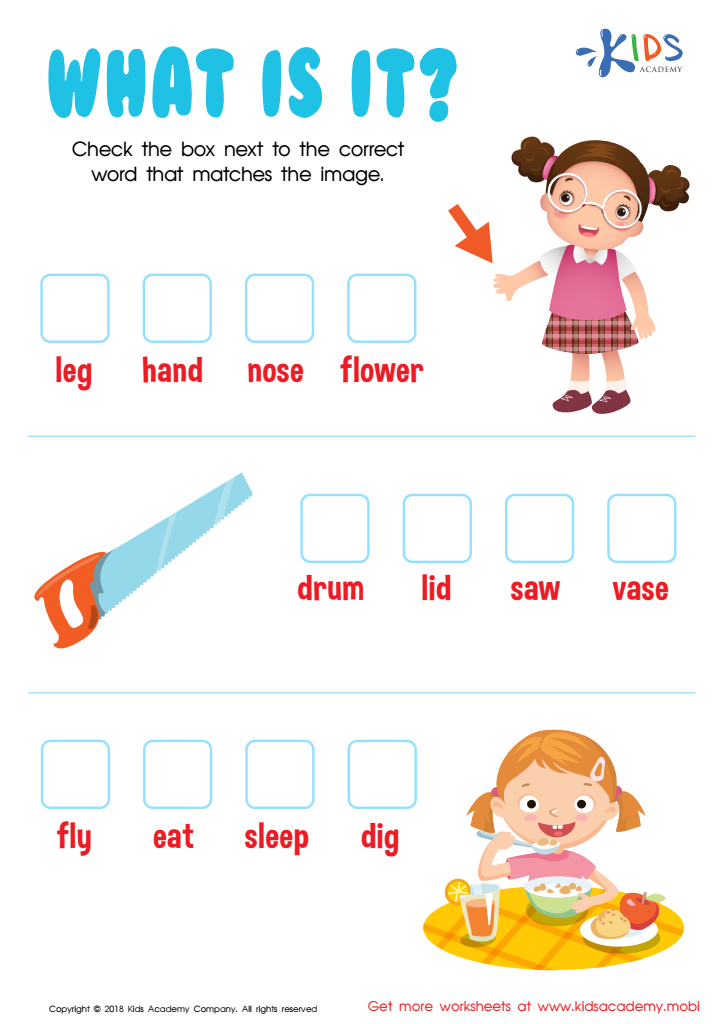
What Is It? Worksheet
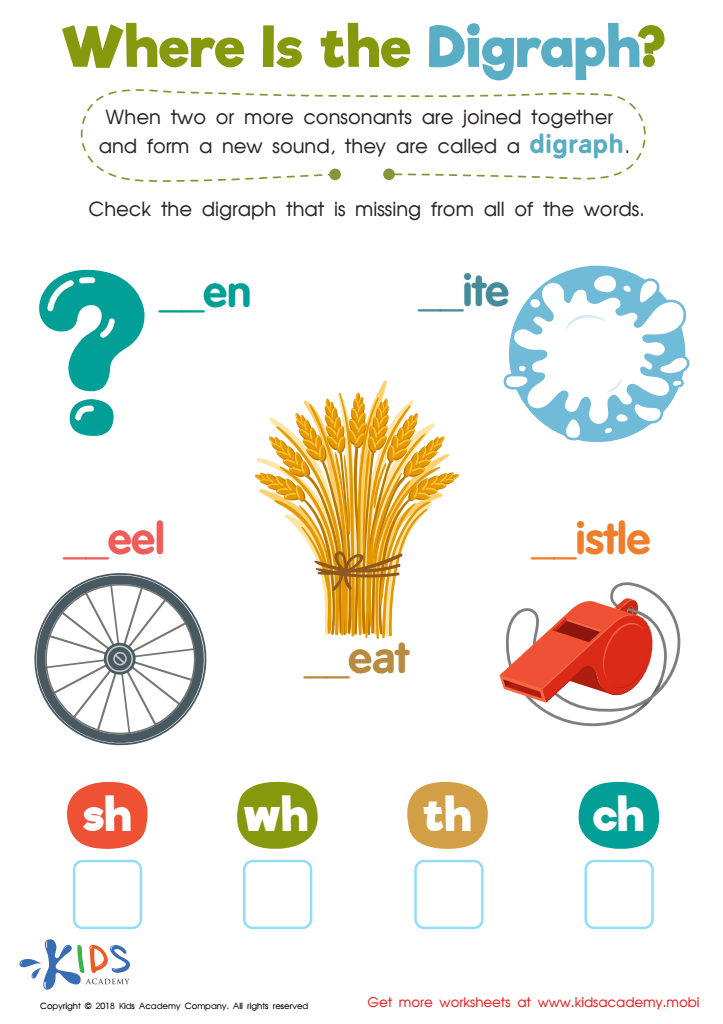
Where Is the Digraph? Worksheet
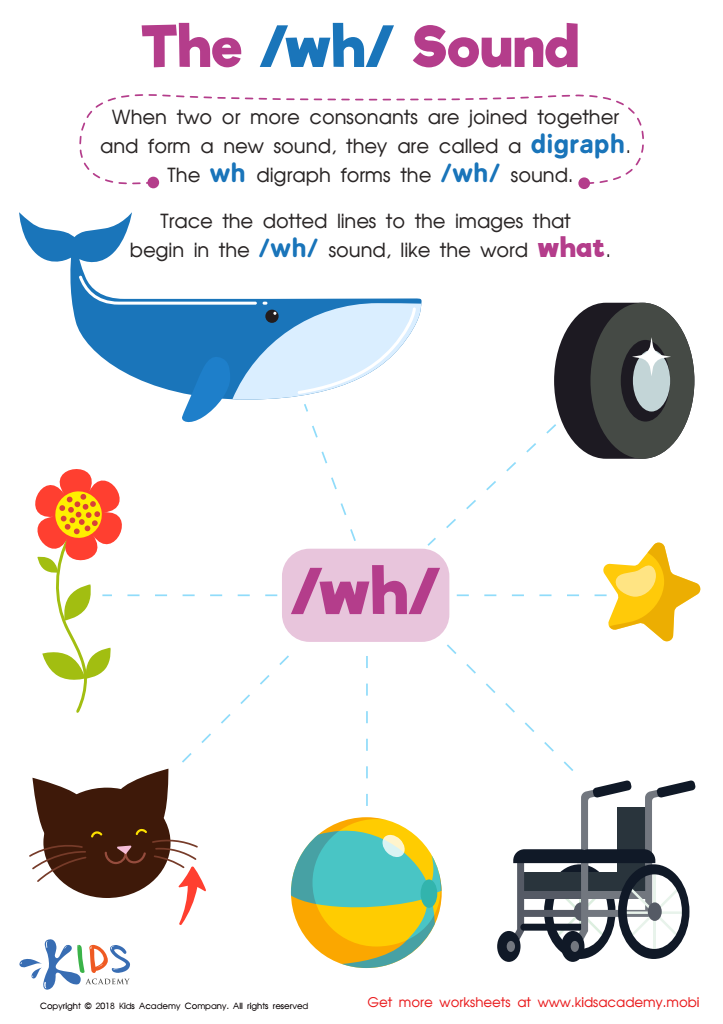
The /wh/ Sound Worksheet
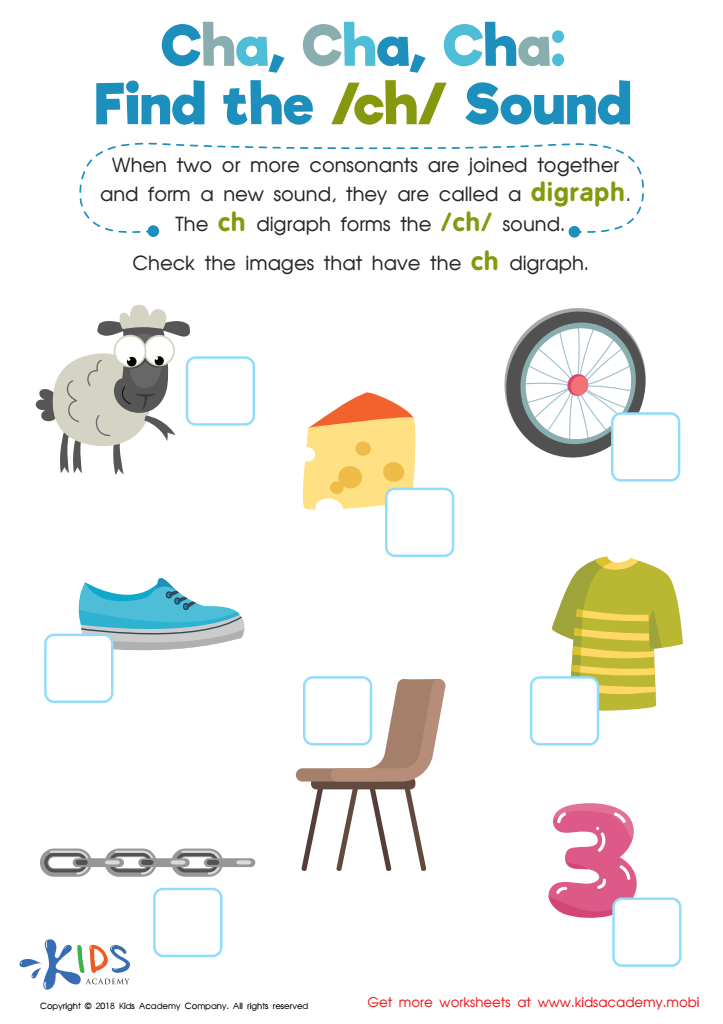
Cha, Cha, Cha: Find the /Ch/ Sound Worksheet
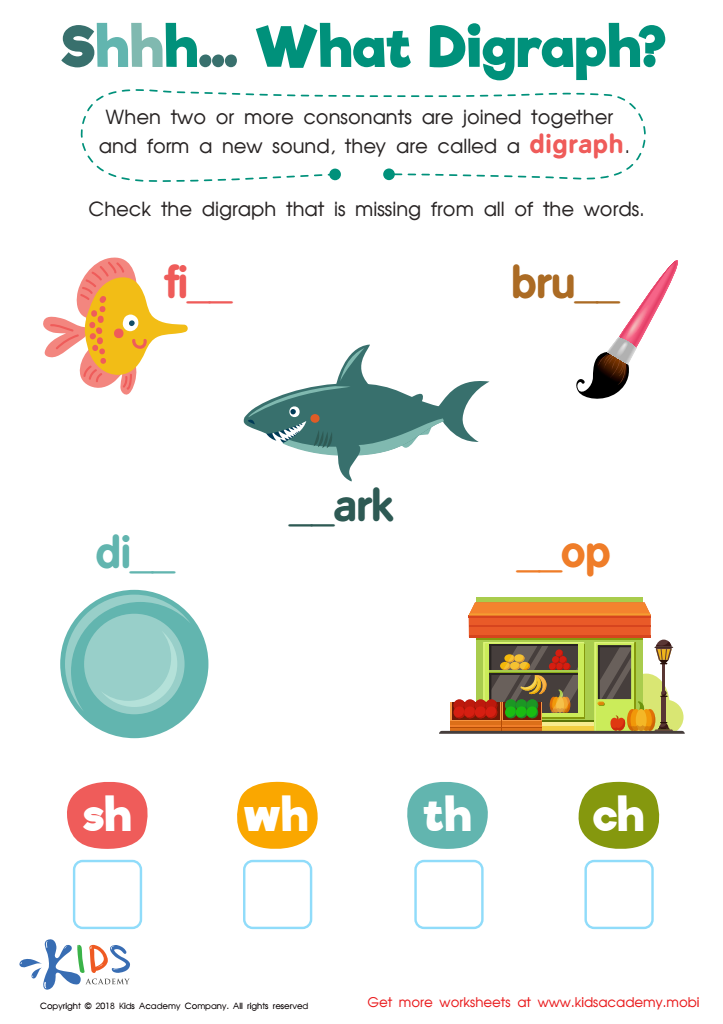
Shhh... What Digraph? Worksheet
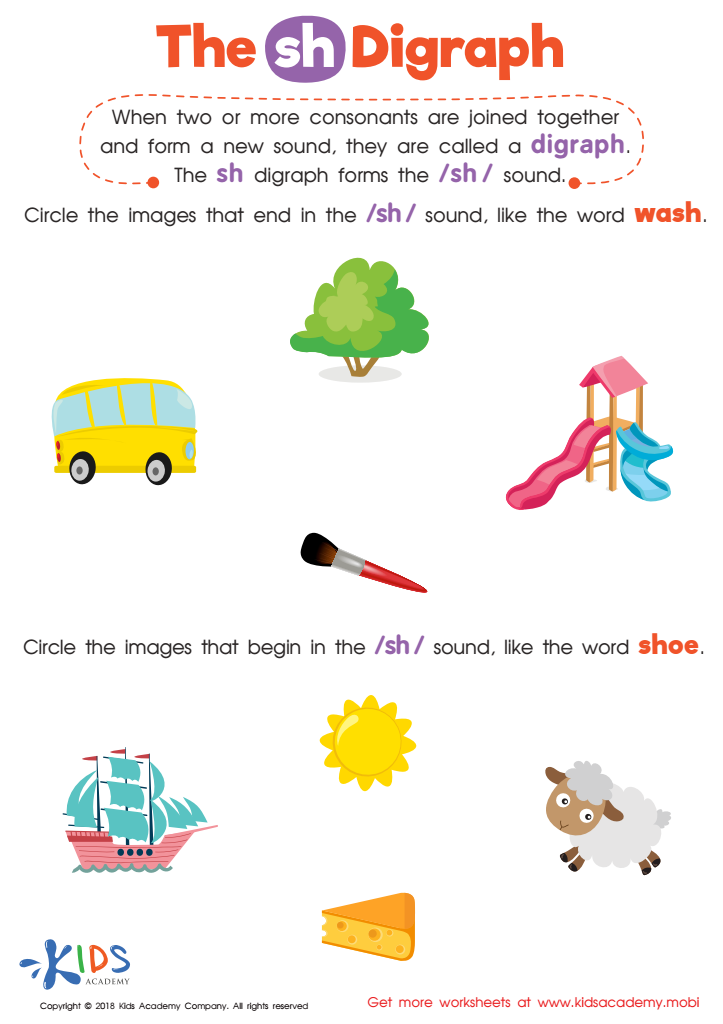
The SH Digraph Worksheet
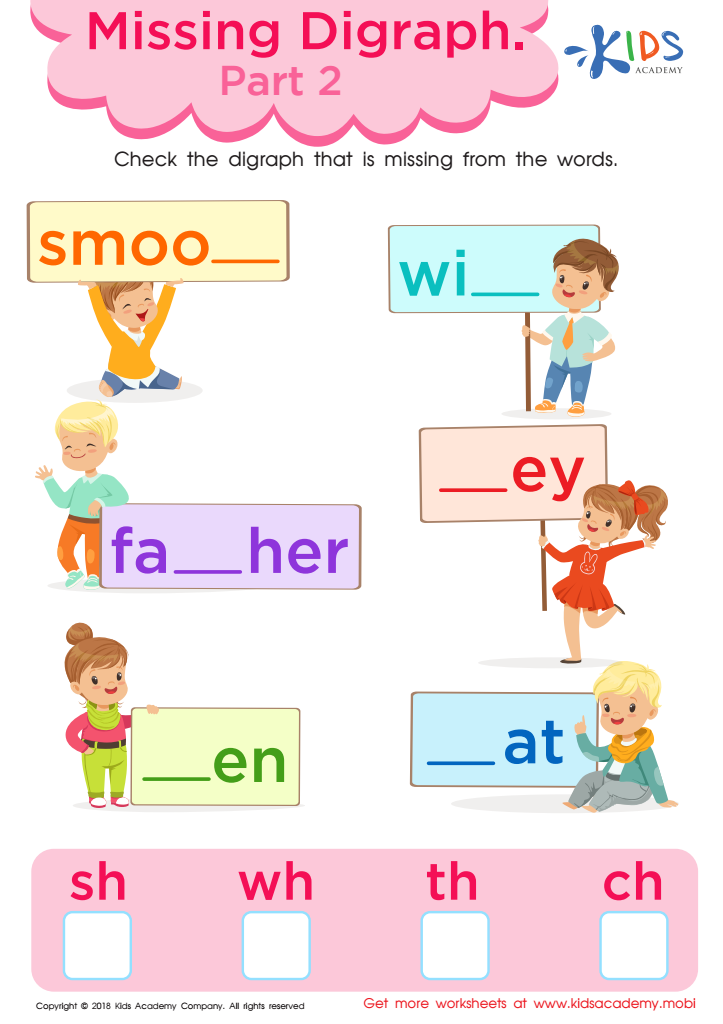
Missing Digraph: Part 2 Worksheet
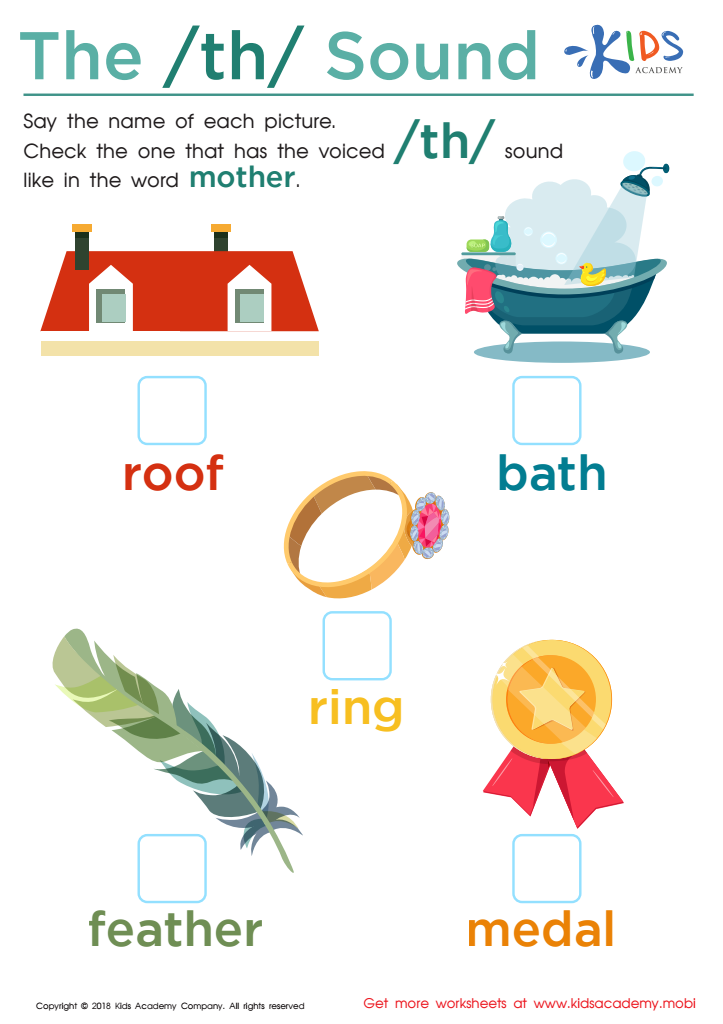
The /th/ Sound Worksheet
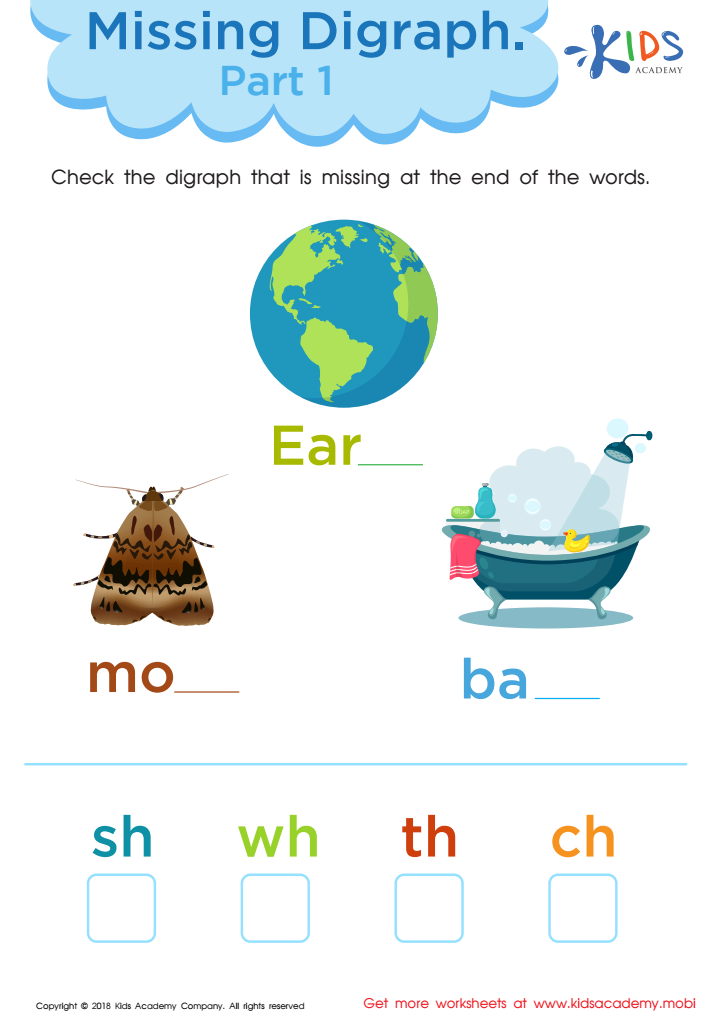
Missing Digraph: Part 1 Worksheet
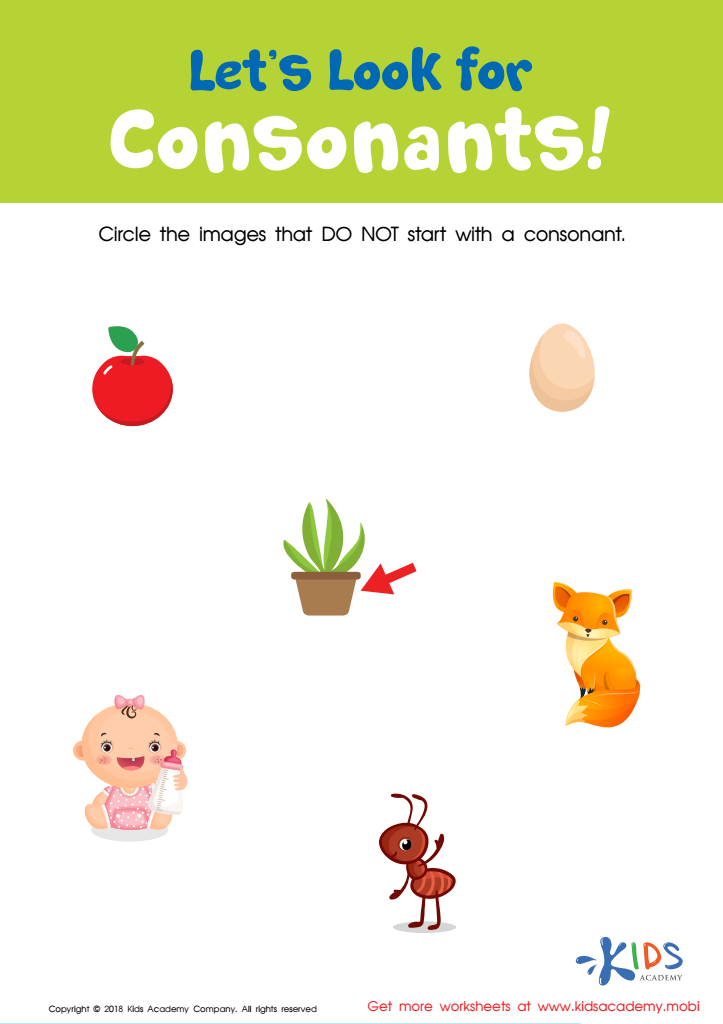
Let's Look for Consonants Worksheet
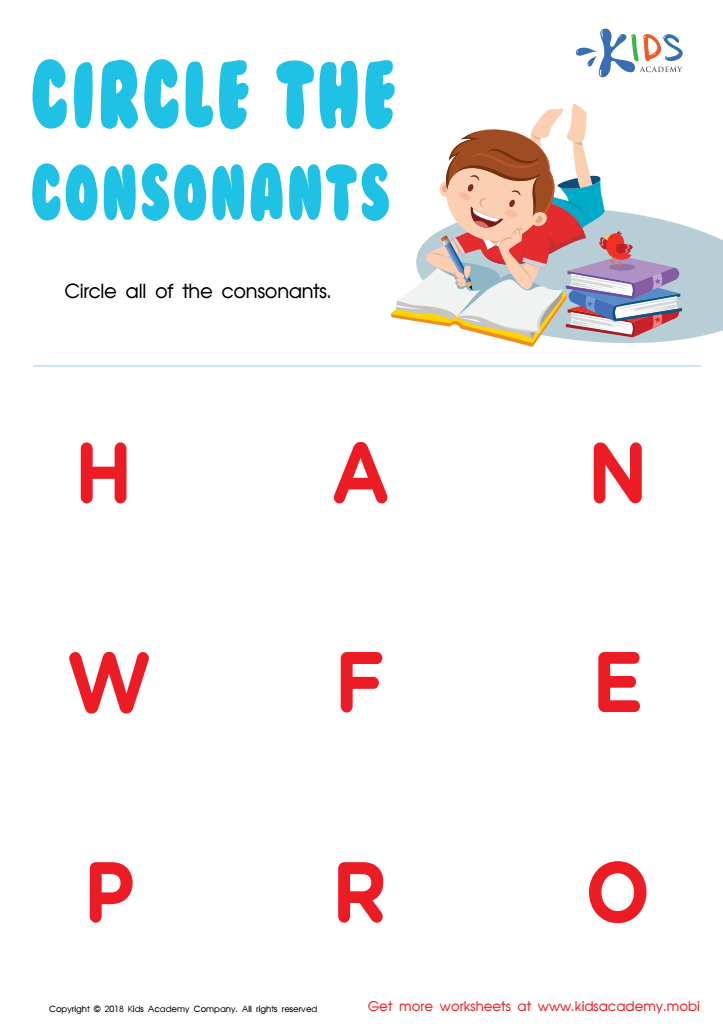
Circle the Consonants Worksheet
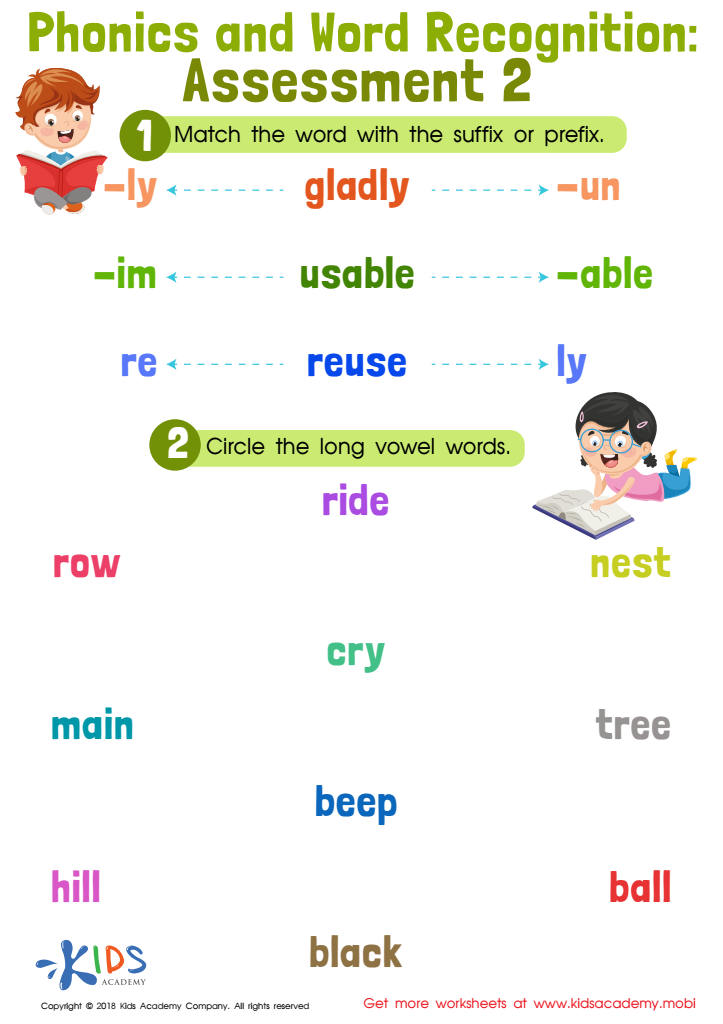
Phonics and Word Recognition: Assessment 2
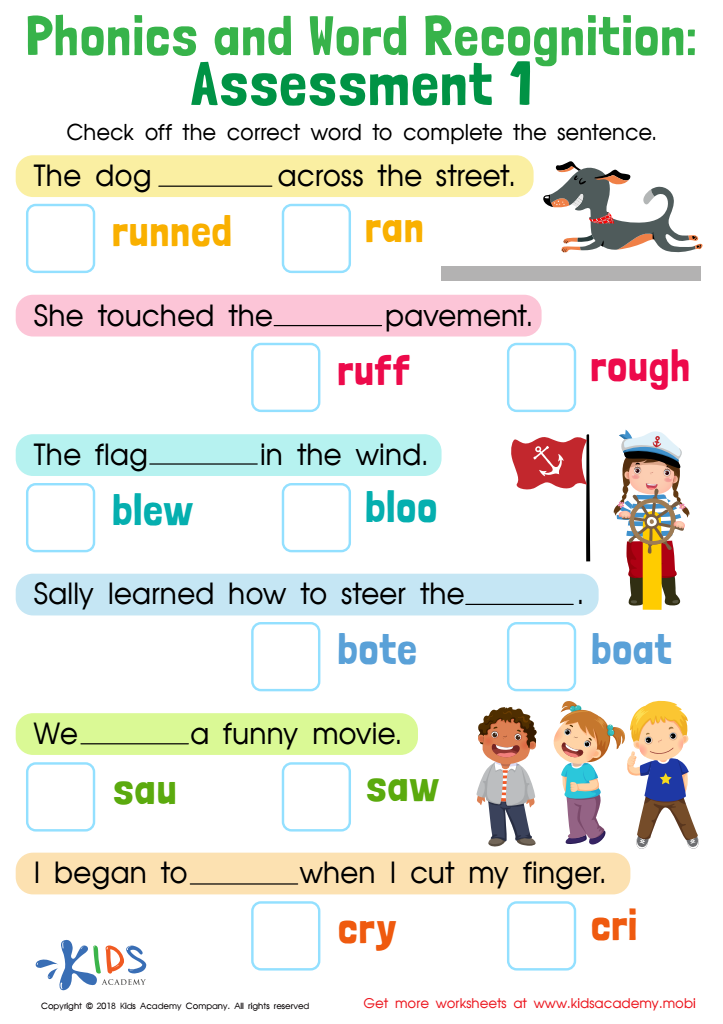
Phonics and Word Recognition: Assessment 1 Worksheet
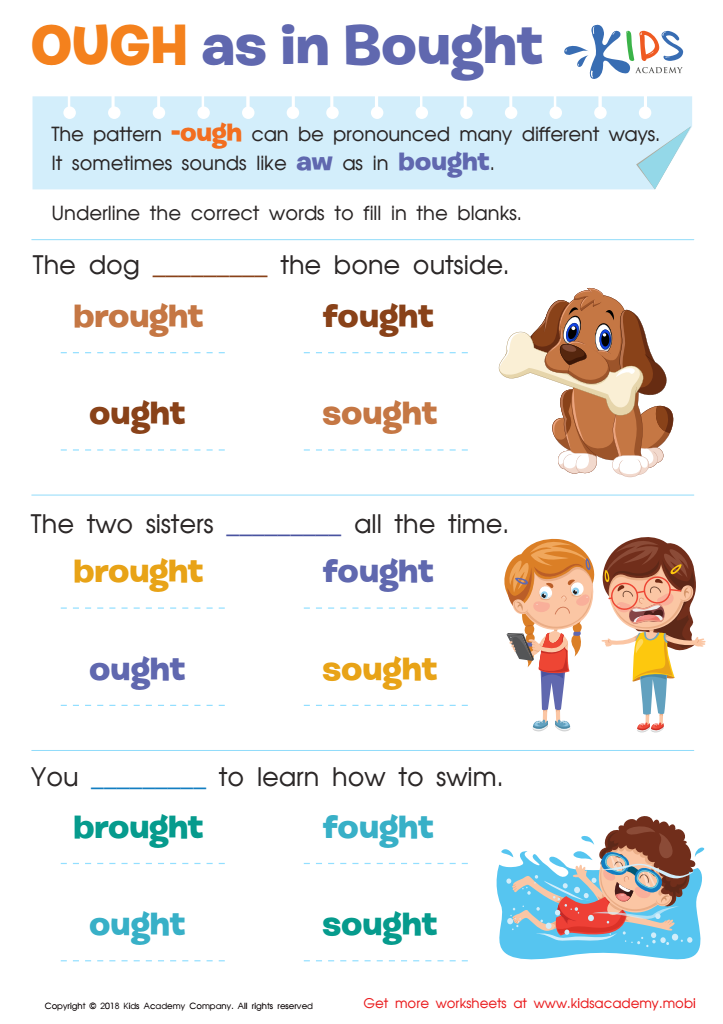
OUGH as in Bought Worksheet
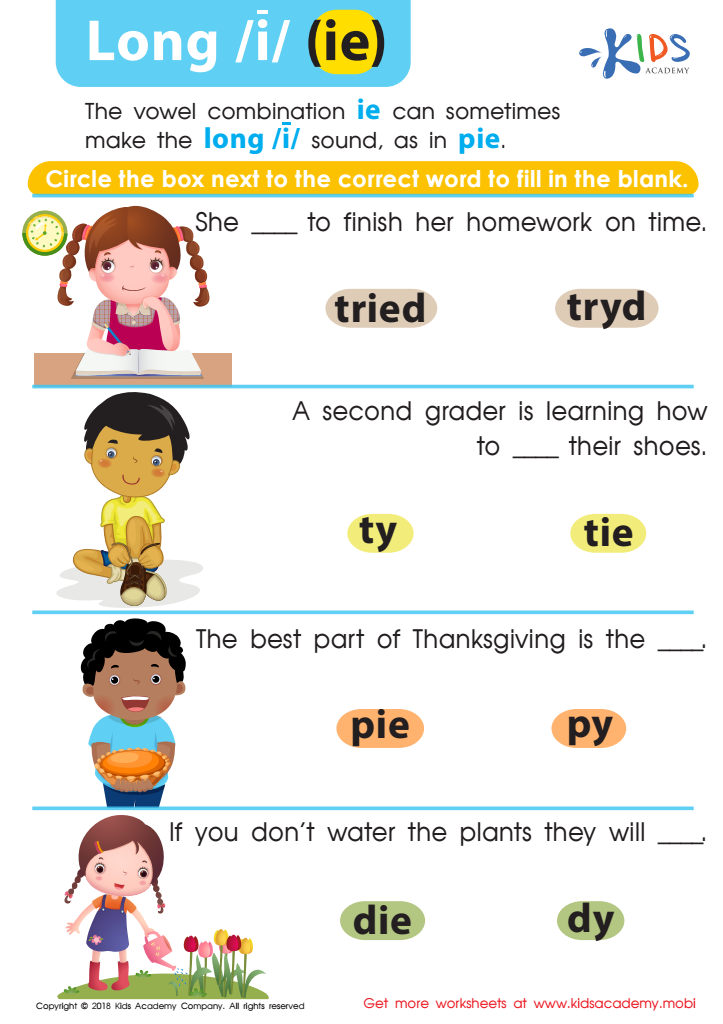
Reading: Long I and IE Worksheet
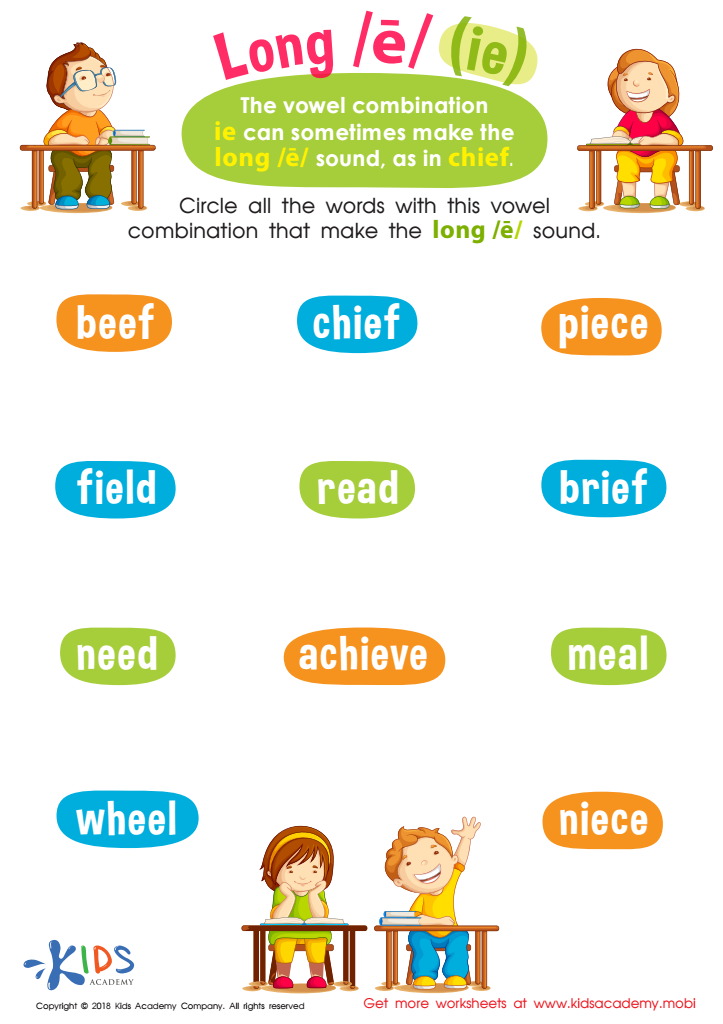
Reading: Long E and IE Worksheet
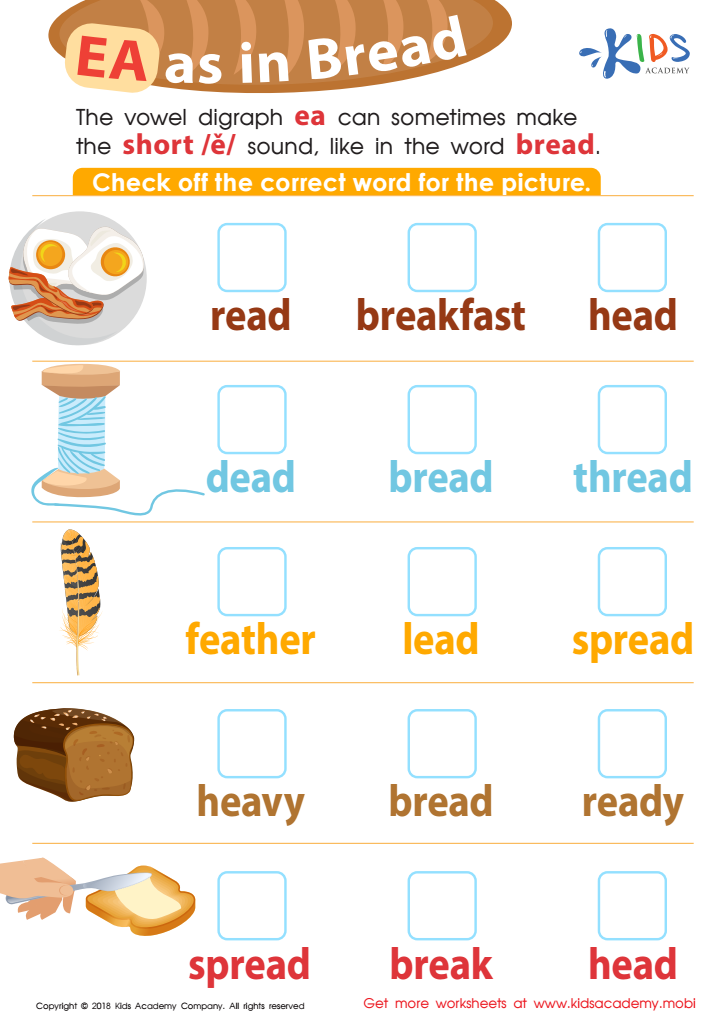
Reading: EA as in Bread Worksheet
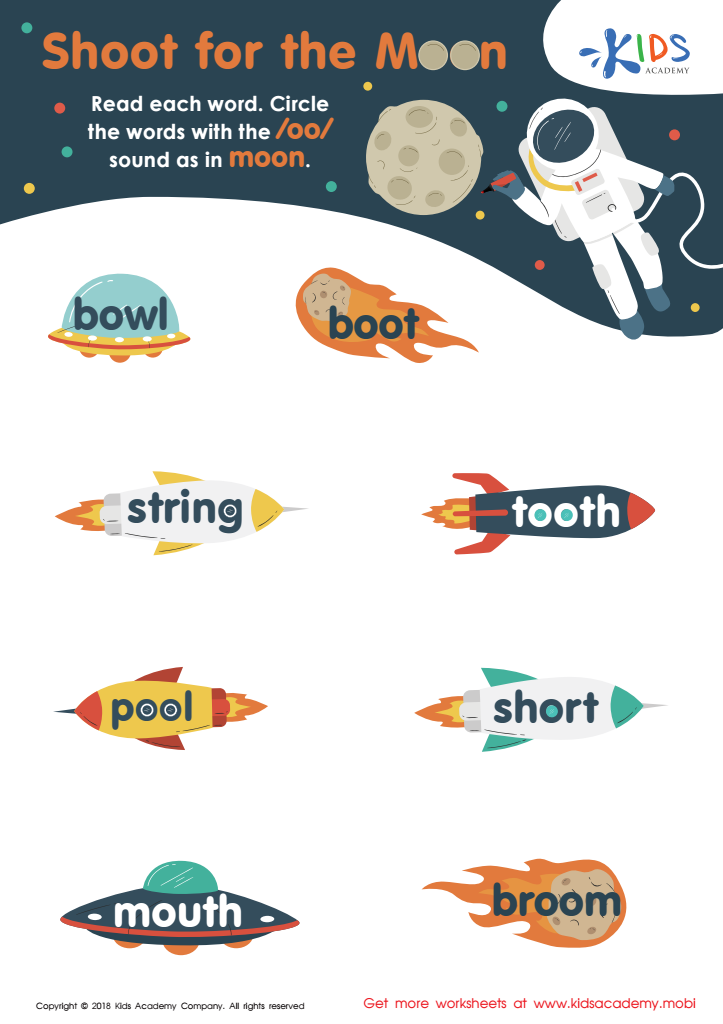
Reading: Shoot for the Moon Worksheet
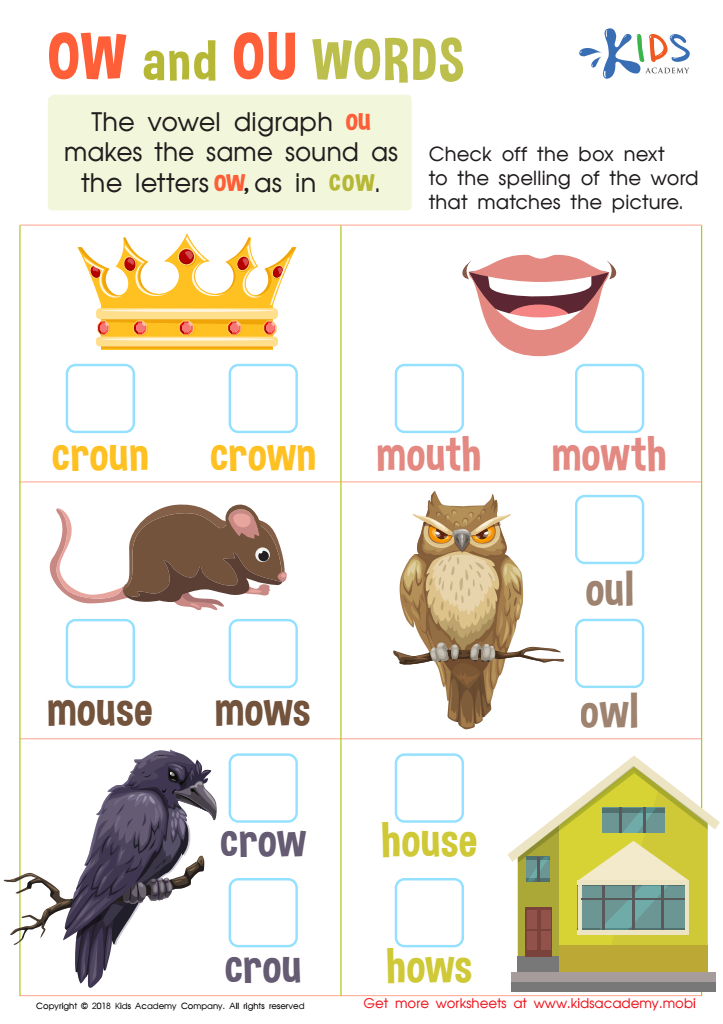
Reading: OW and OU Words Worksheet
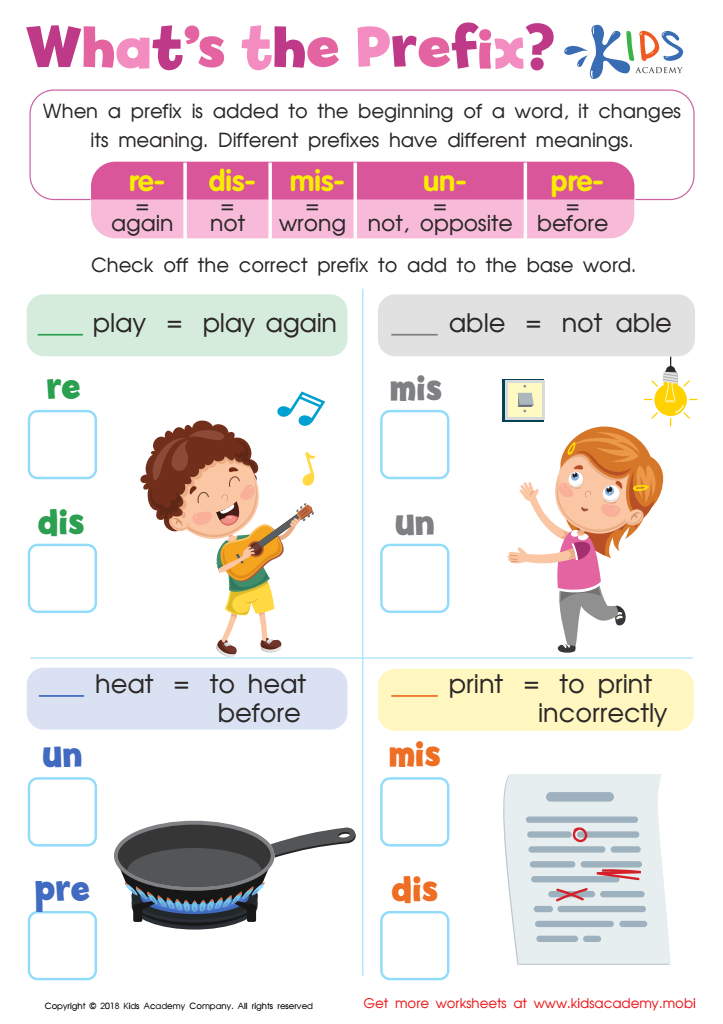
Reading: What Is the Prefix Worksheet






Parents and teachers should care deeply about teaching the alphabet to children ages 3-9 because it forms the foundation for all future learning in reading and writing. Understanding the alphabet is the first step in literacy, enabling children to recognize letters, associate them with corresponding sounds, and eventually form words and sentences. Early mastery of the alphabet promotes phonemic awareness, which is crucial for decoding words and improving reading fluency.
During the ages of 3-9, children’s brains are incredibly receptive to learning new information, making it an optimal time to introduce the alphabet. By engaging with letters through songs, games, and activities, children develop strong language skills, which are linked to better academic performance in later years. Additionally, familiarity with the alphabet boosts children’s confidence and creates a sense of achievement, fostering a positive attitude towards learning.
Furthermore, learning the alphabet enhances cognitive skills such as memory, concentration, and problem-solving. It also supports fine motor development through writing and sorting activities. By prioritizing alphabet learning, parents and teachers equip children with essential tools for communication and comprehension, setting them up for a lifetime of academic success and effective expression.







