Normal Math Worksheets for Ages 4-9 - Page 11
545 filtered results
-
From - To
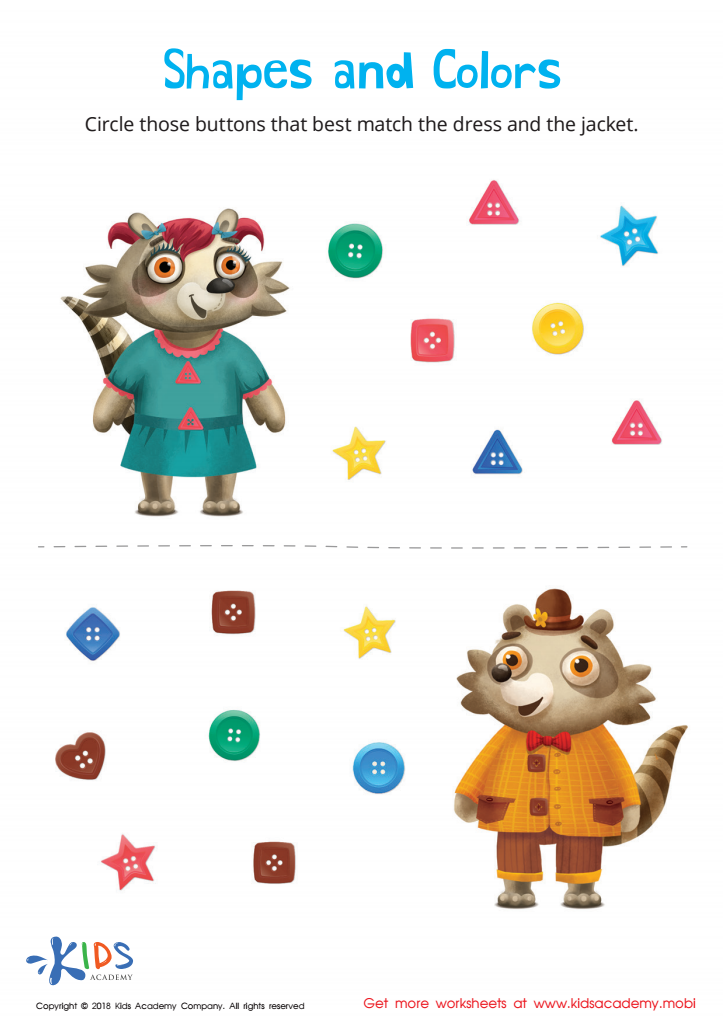
Shapes and Colors Worksheet
 Assign to My Students
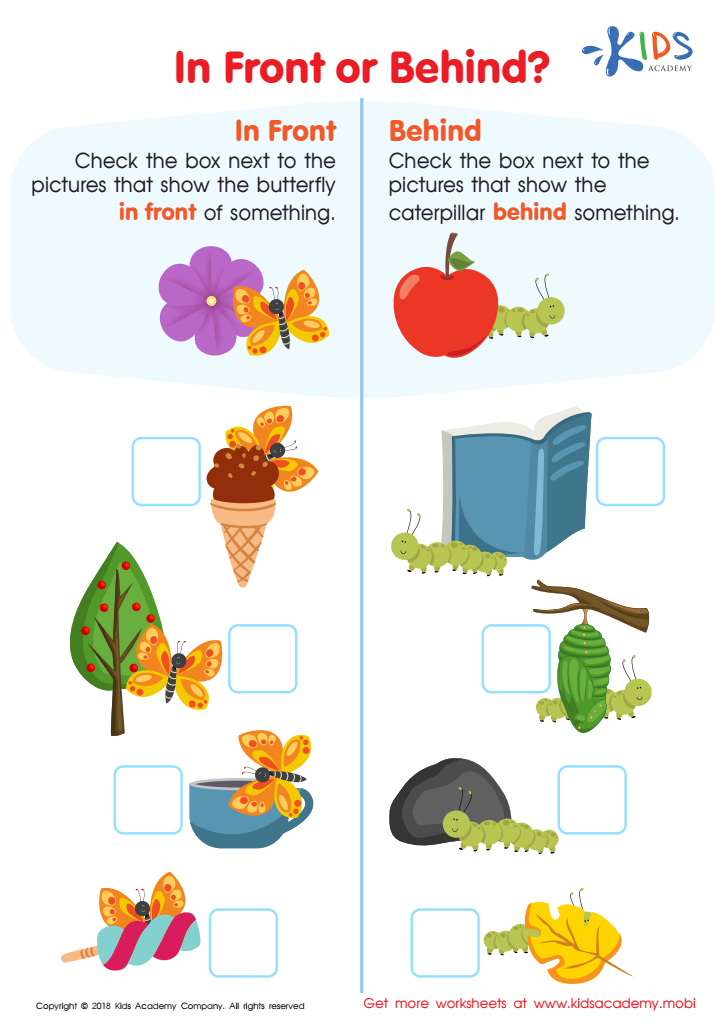
In Front or Behind Worksheet
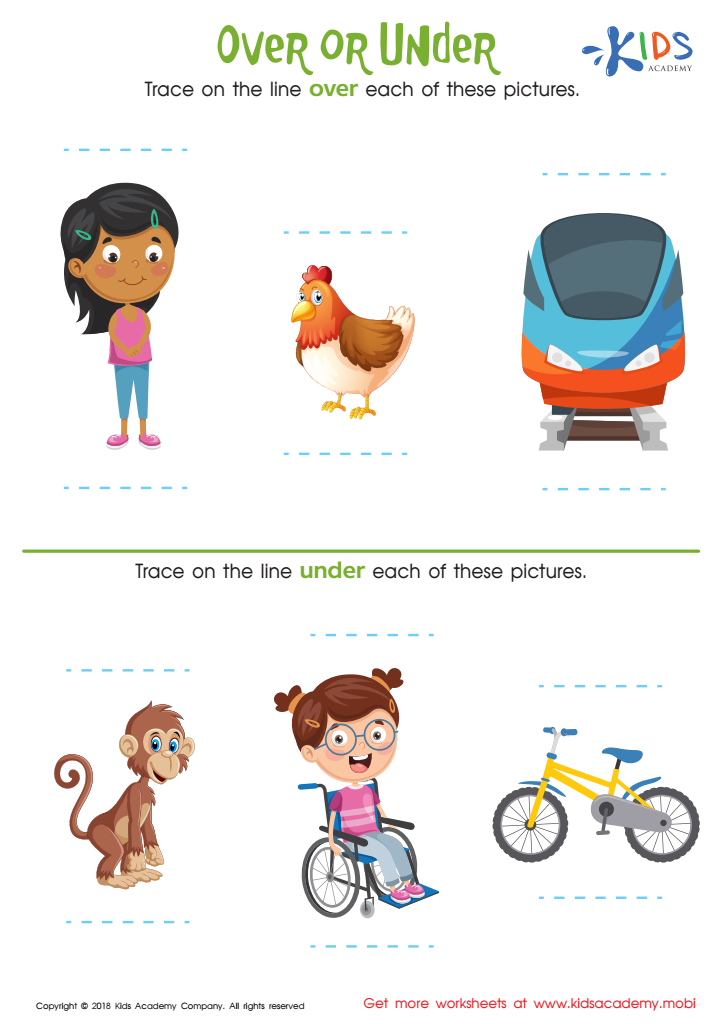
Over or Under Worksheet
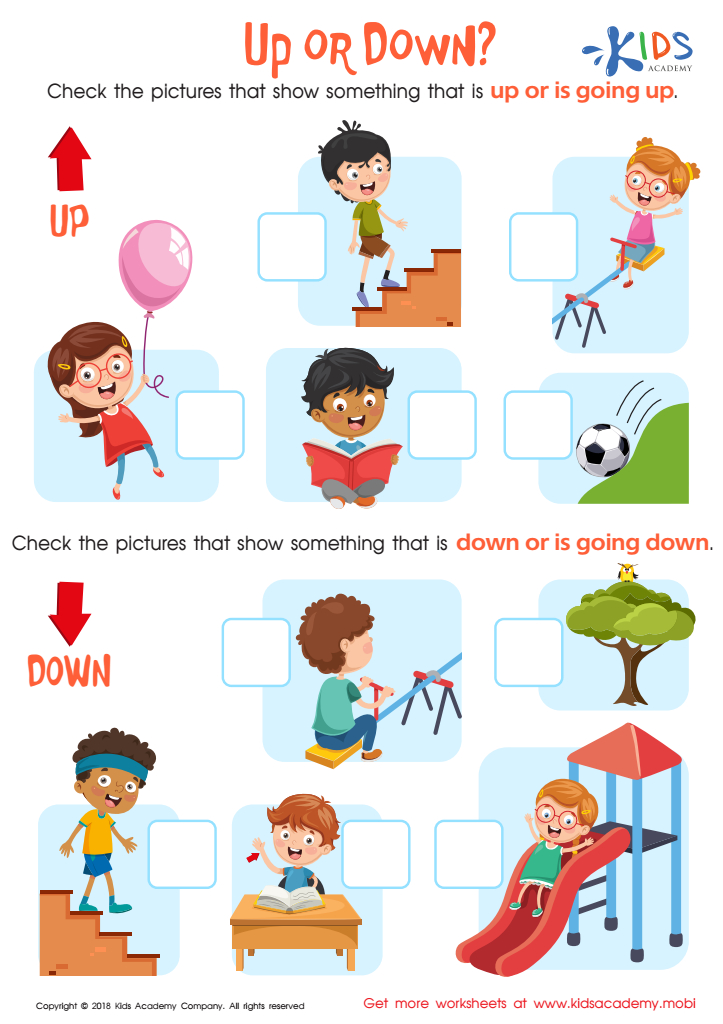
Up or Down Worksheet
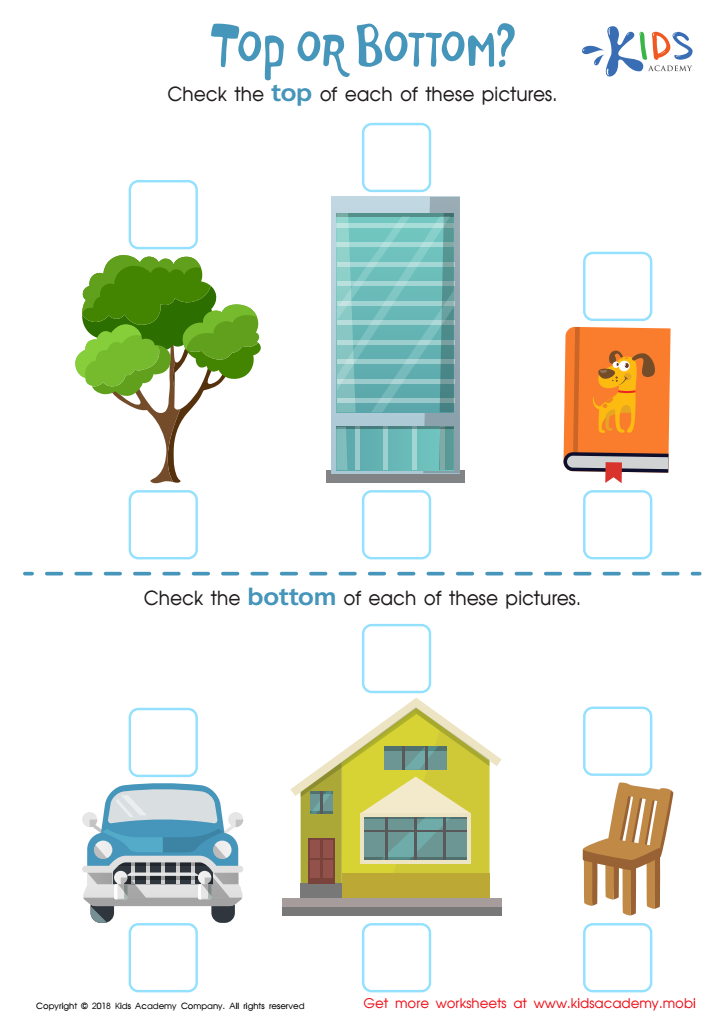
Top or Bottom Worksheet
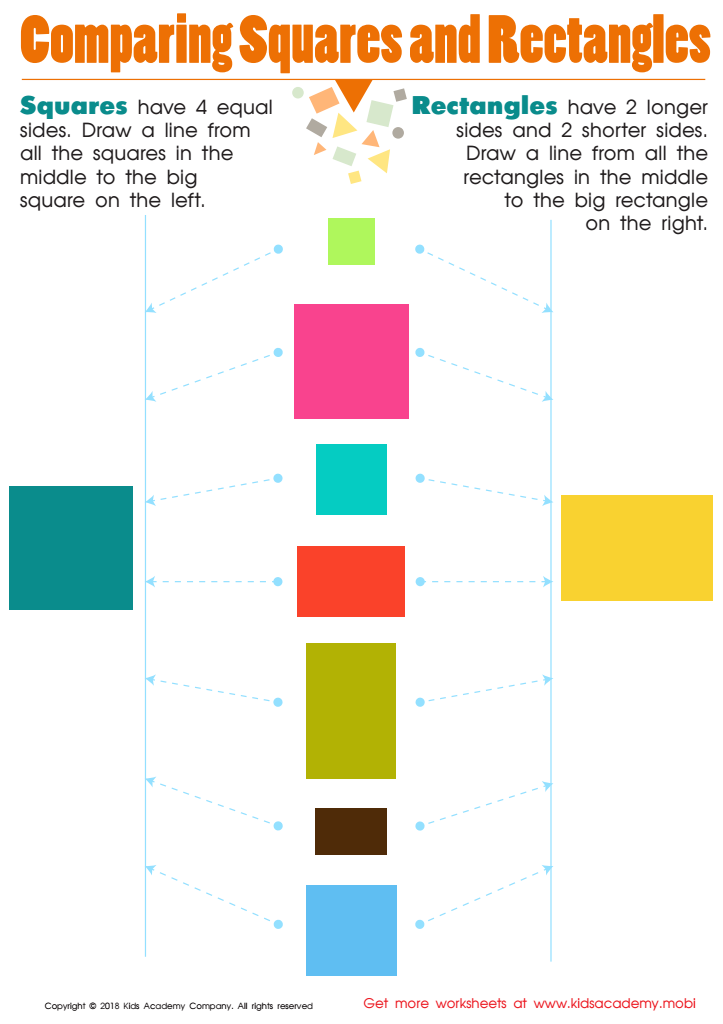
Comparing Squares Rectangles Worksheet
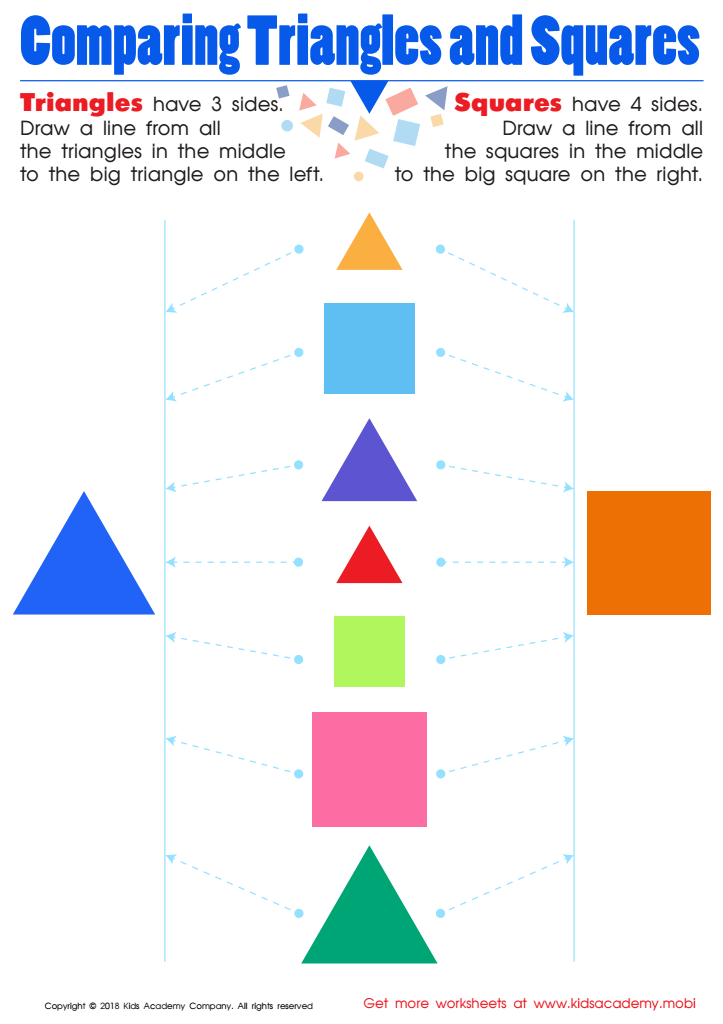
Comparing Triangles Squares Worksheet
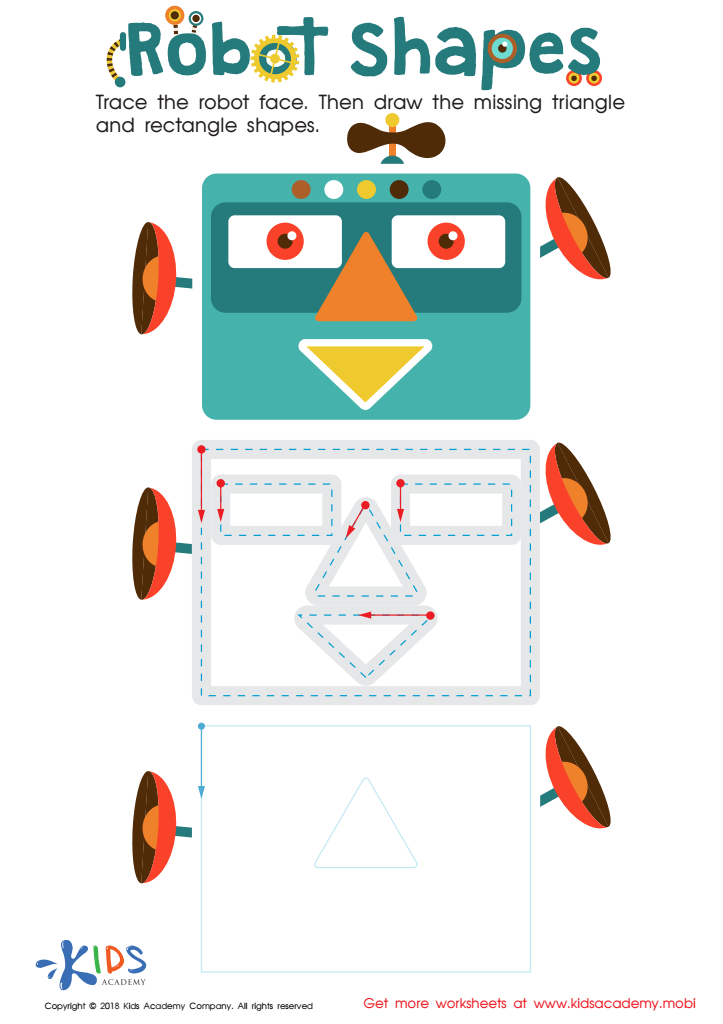
Robot Shapes Worksheet
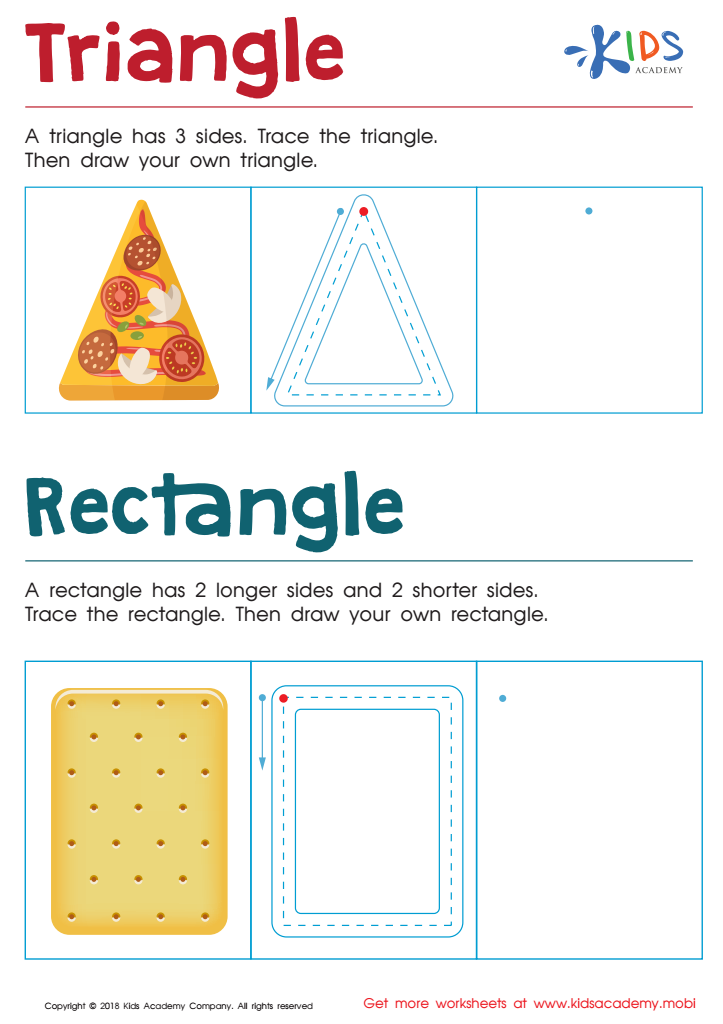
Triangle Rectangle Worksheet
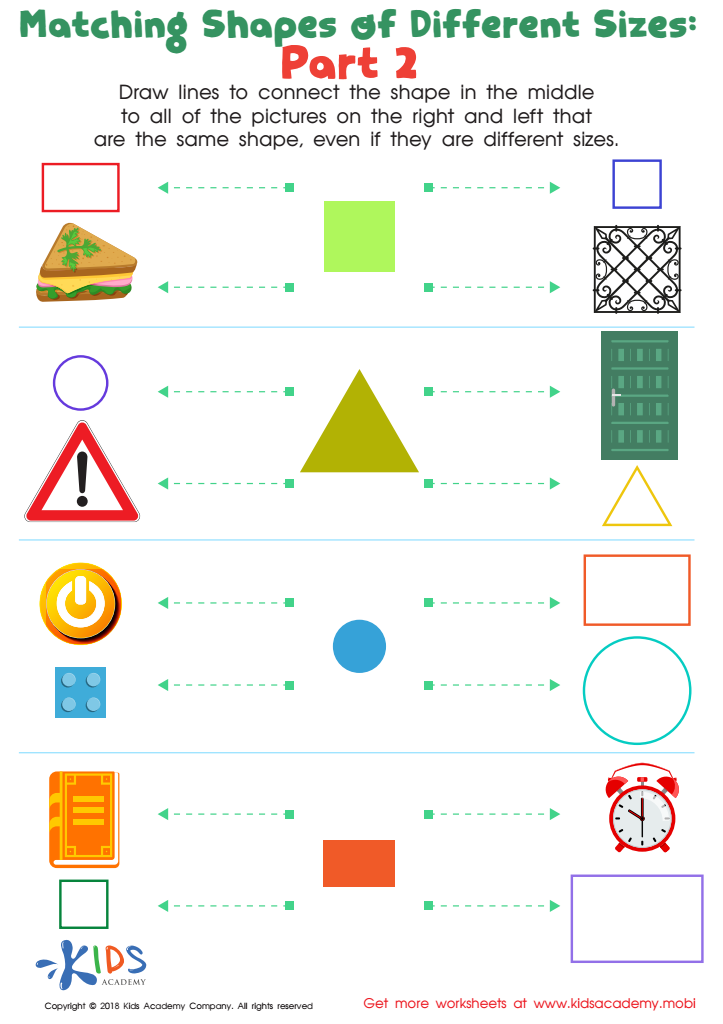
Geometry: Part 2 Worksheet
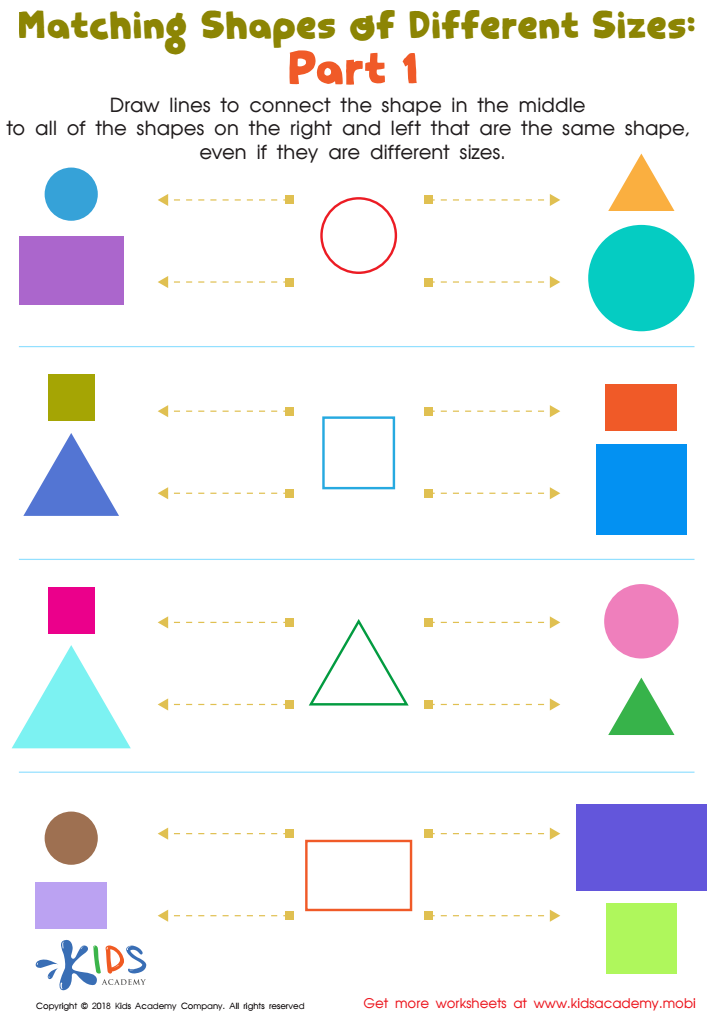
Geometry: part 1 Worksheet
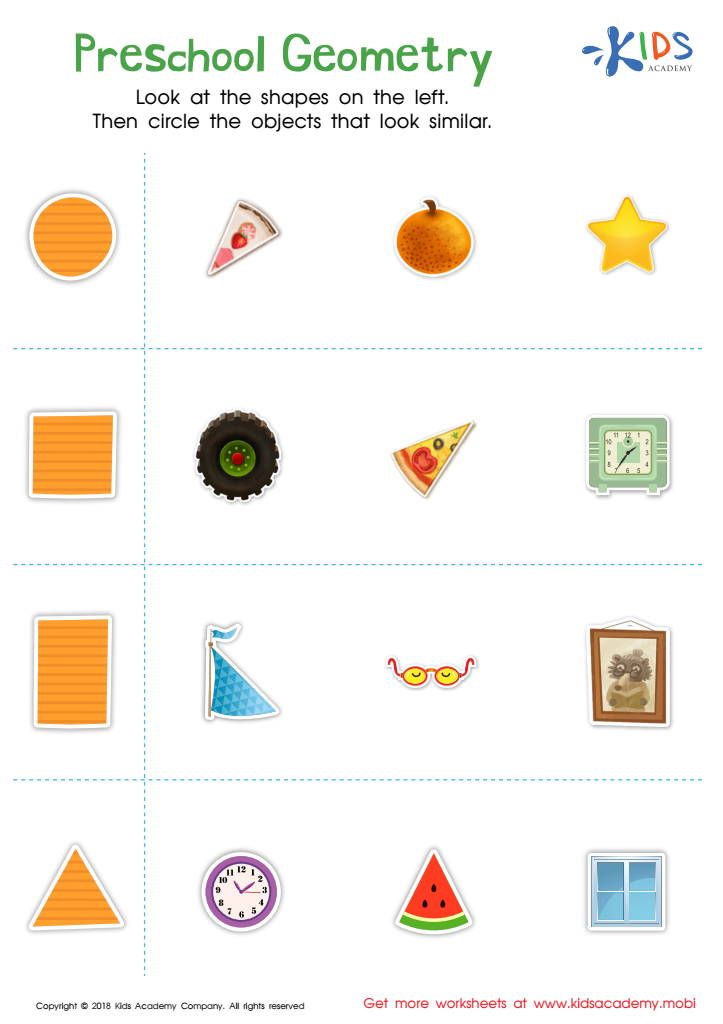
Preschool Geometry Worksheet
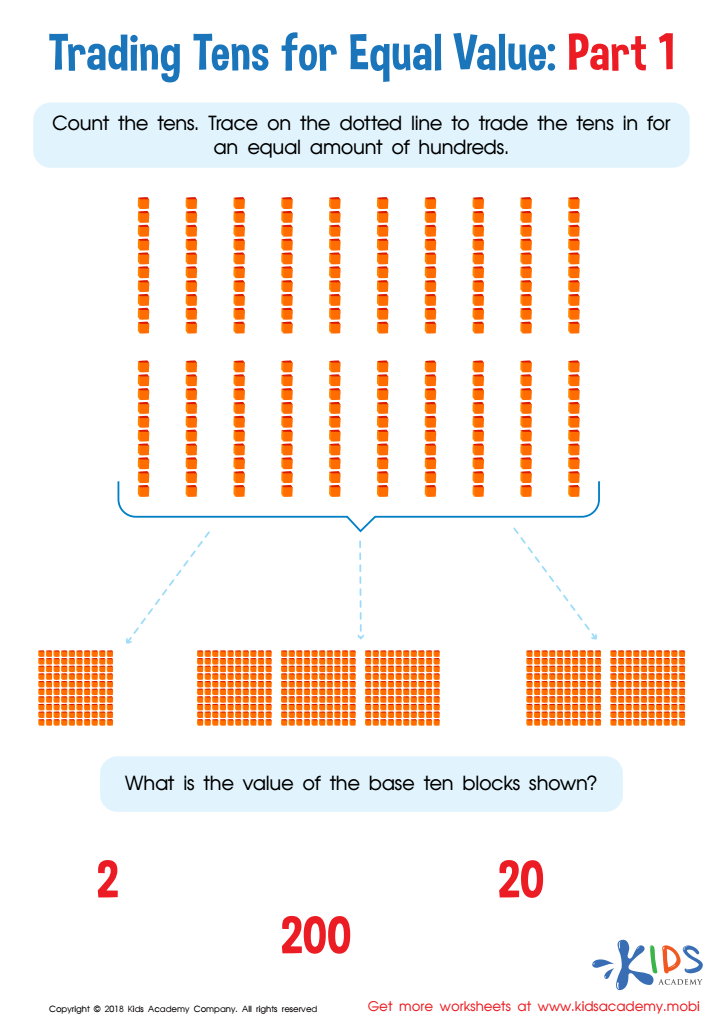
Trading Tens for Equal Value Worksheet: Part 1
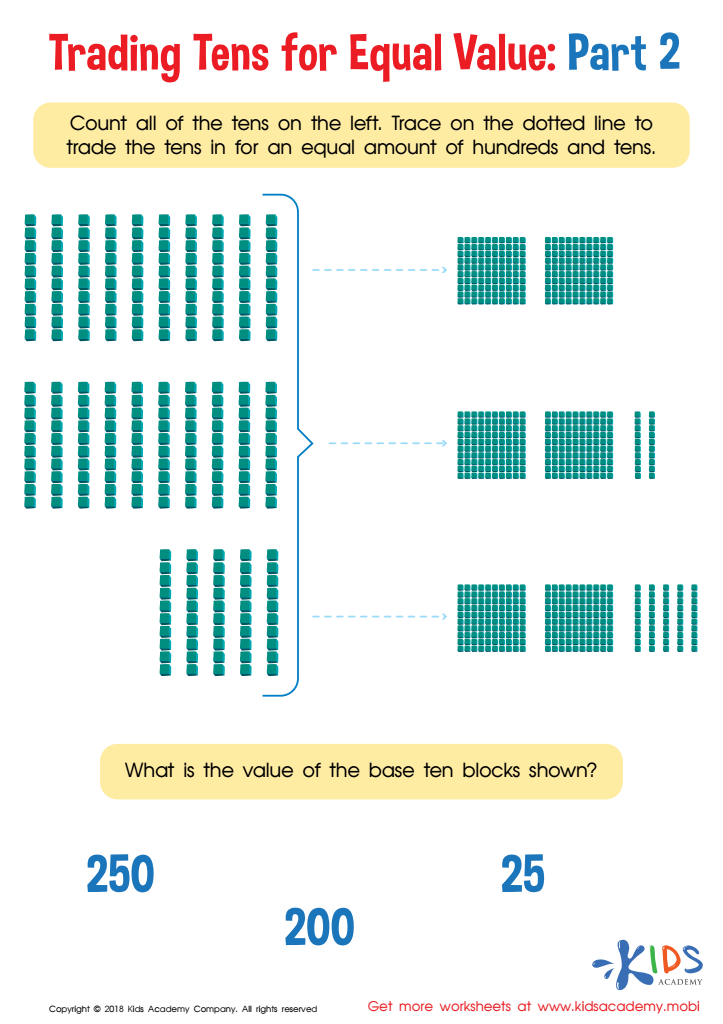
Trading Tens for Equal Value Worksheet: Part 2
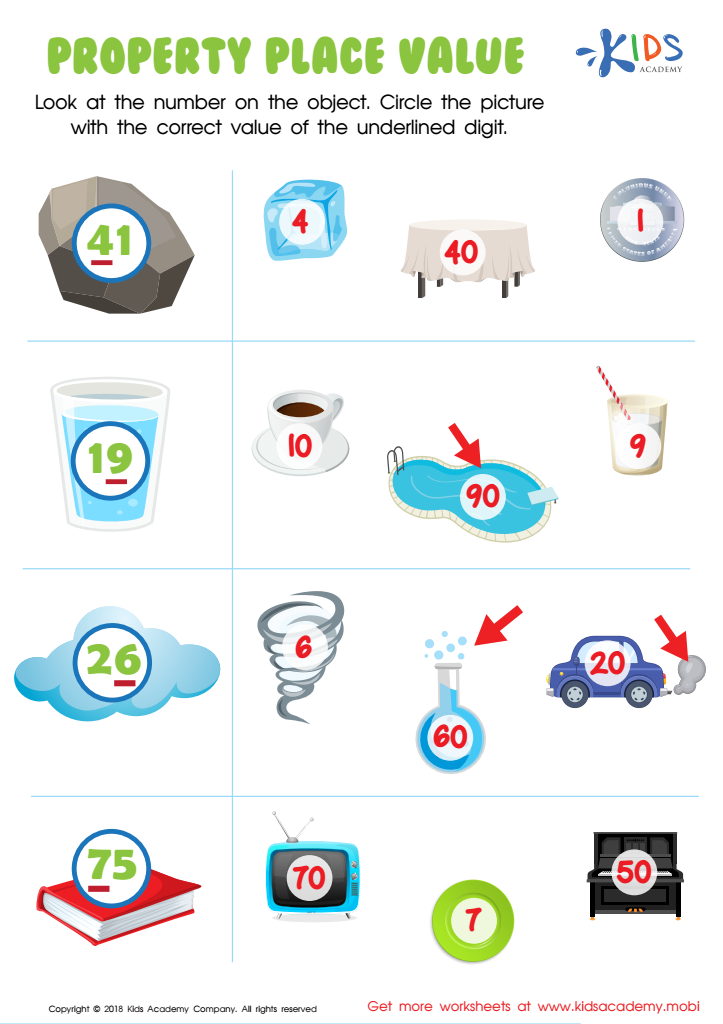
Property Place Value Worksheet
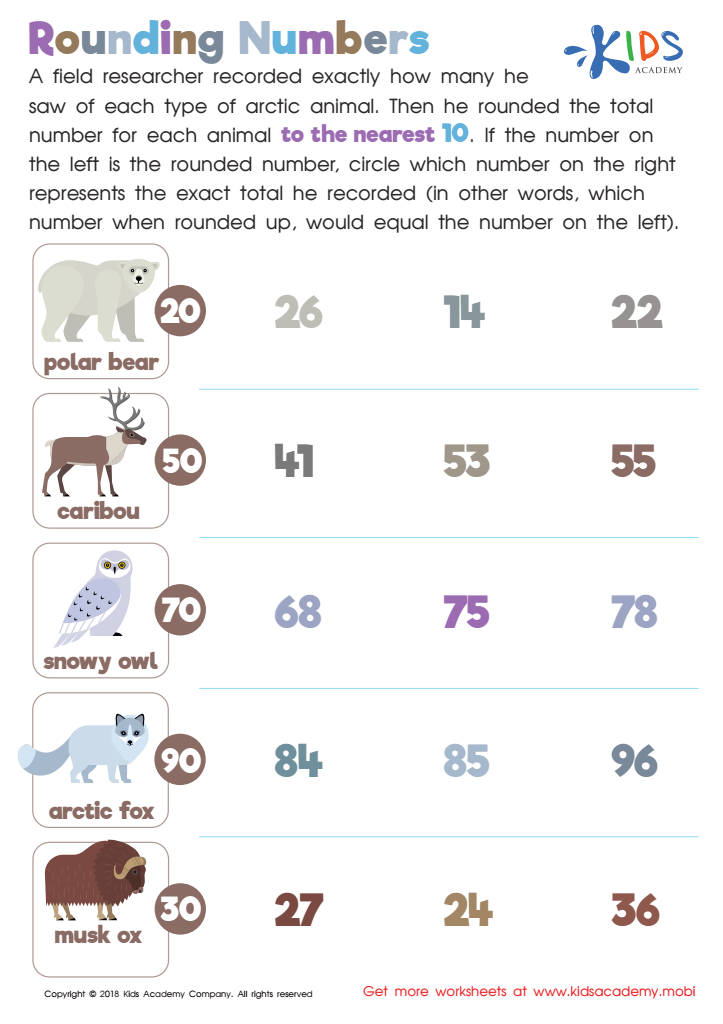
Rounding Numbers Worksheet
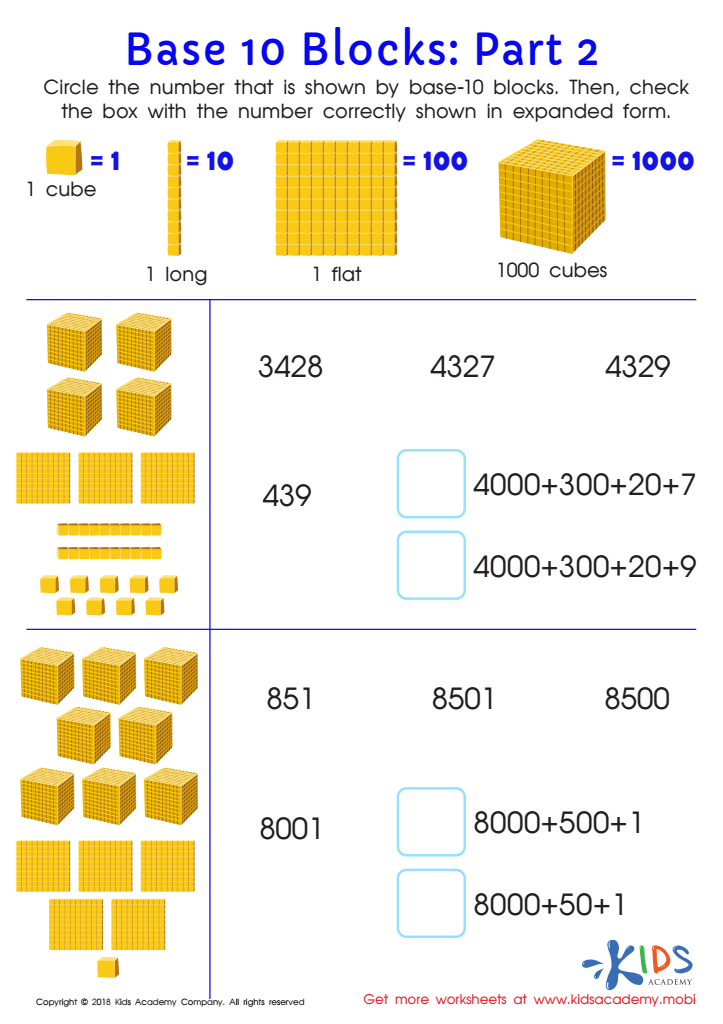
Base 10 Blocks Worksheet: Part 2
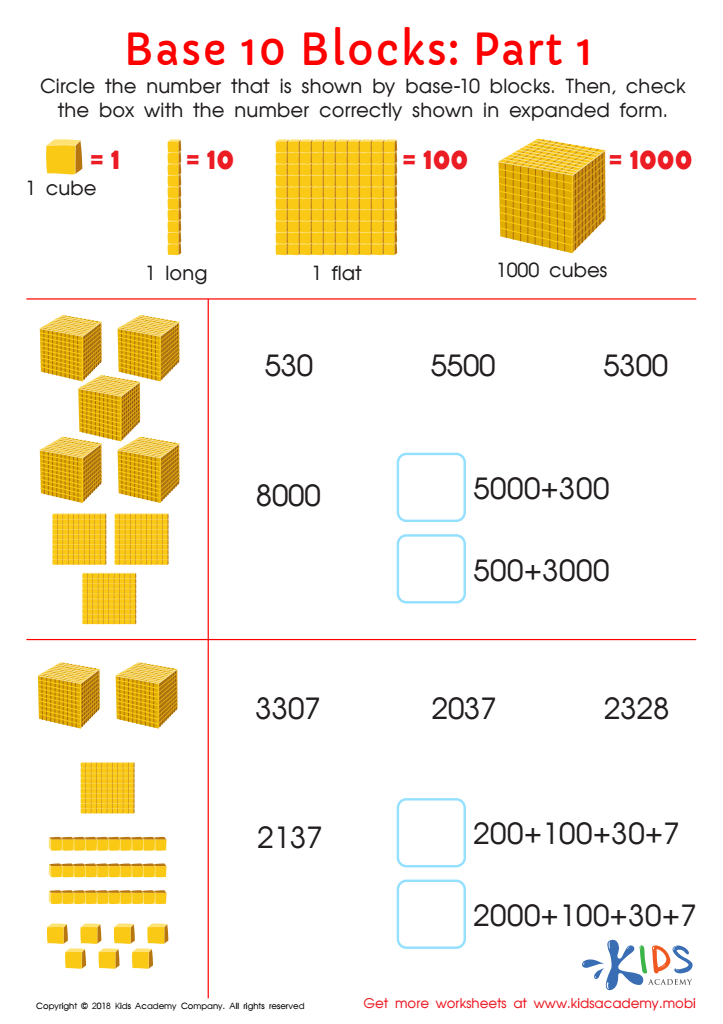
Base 10 Blocks Worksheet: Part 1
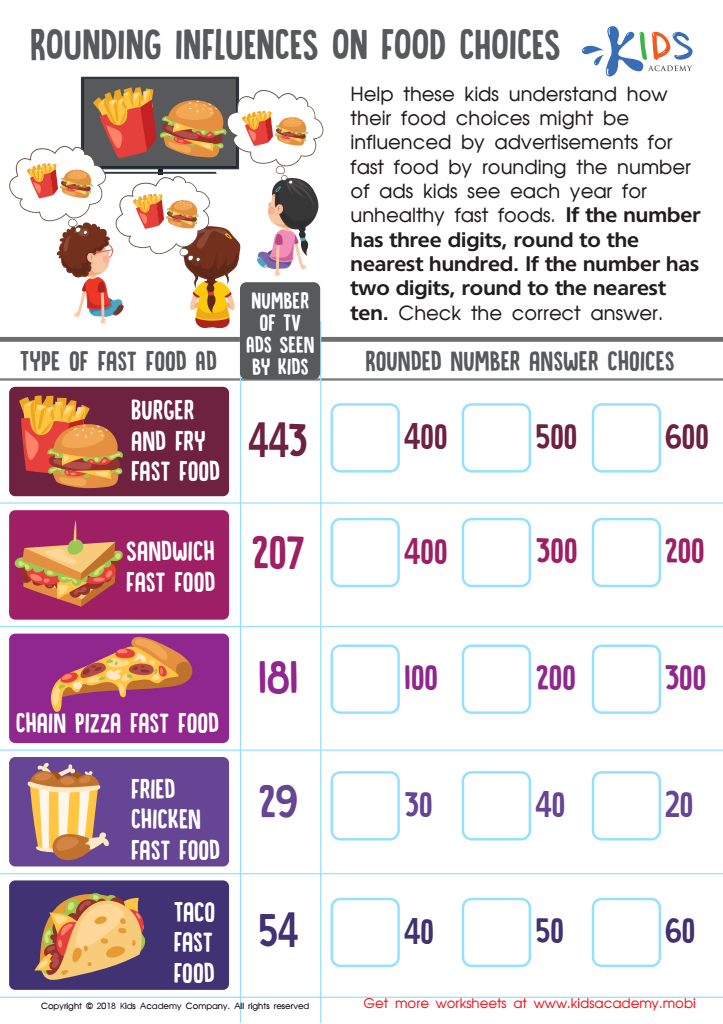
Rounding Influences Food Choices Worksheet
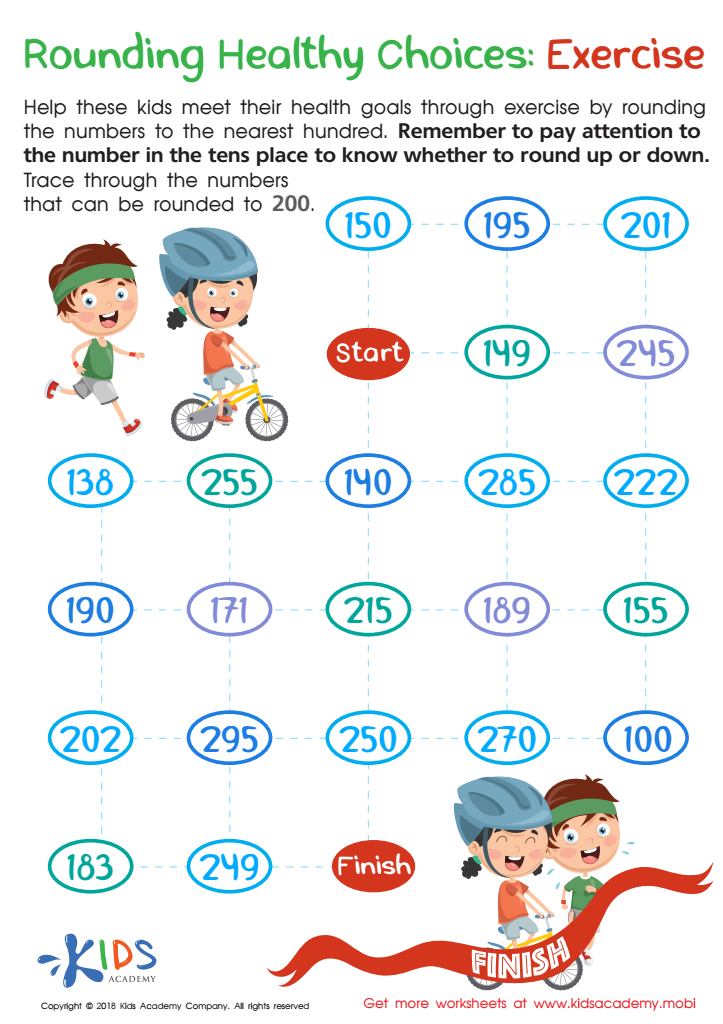
Rounding Healthy Choices Exercise Worksheet
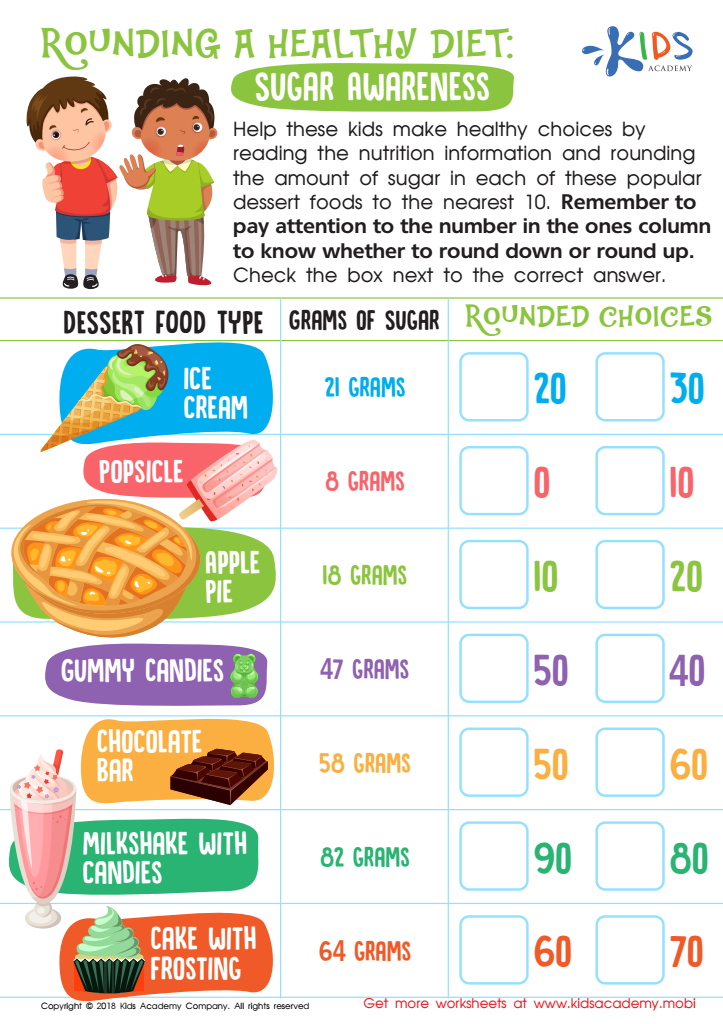
Rounding Healthy Diet Worksheet
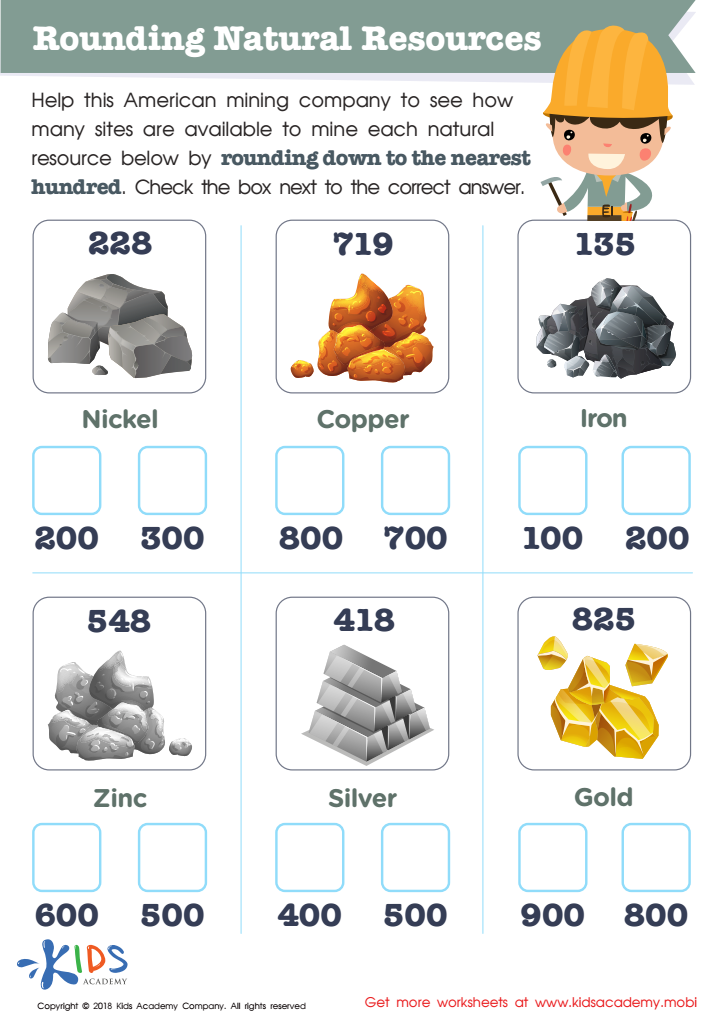
Rounding Natural Resources Worksheet
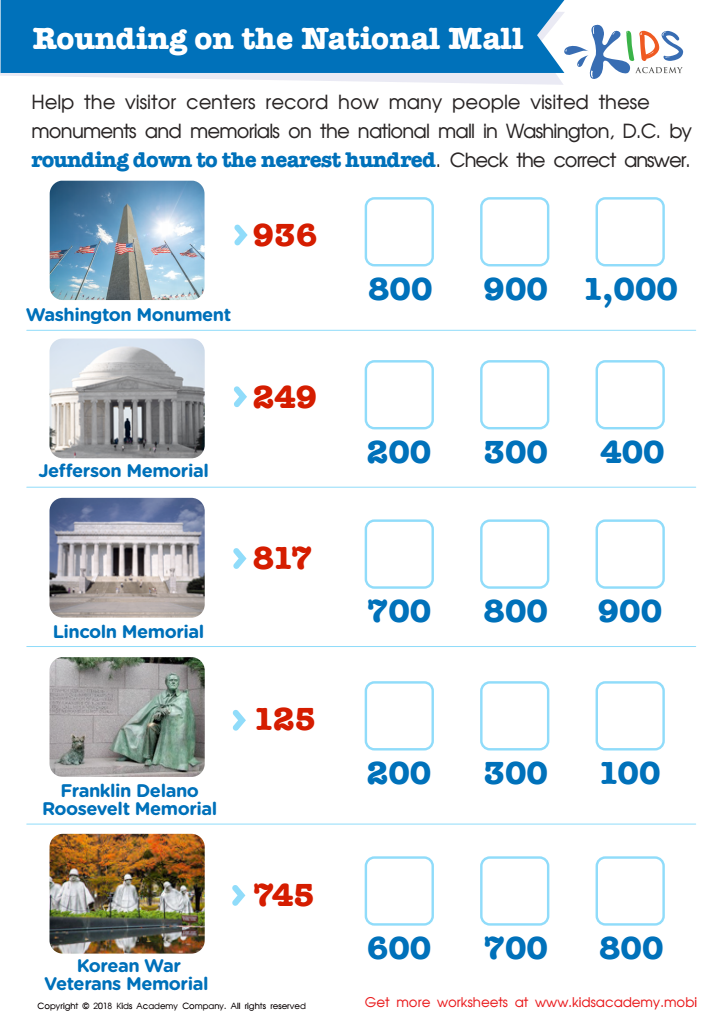
Rounding on the National Mall Worksheet
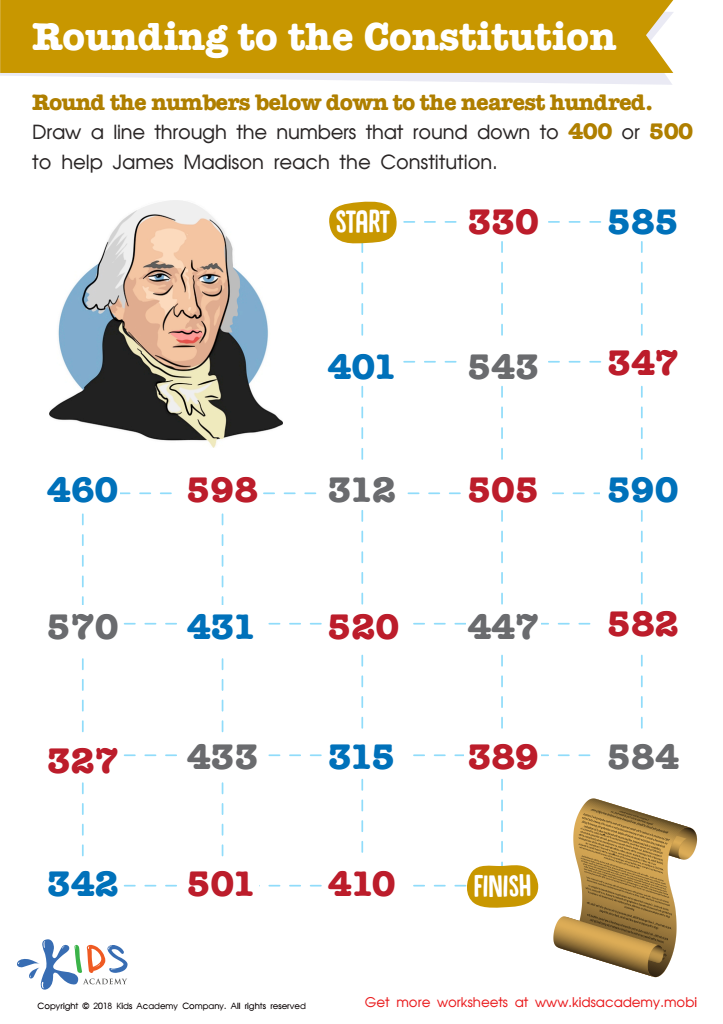
Rounding to the Constitution Worksheet







.jpg)
Parents and teachers should care about normal math for ages 4-9 because these early childhood years form the foundation for numerical and problem-solving skills that are crucial in everyday life. Normal math—basic arithmetic, understanding shapes, recognizing patterns—enhances cognitive development and critical thinking. At this age, children’s brains are extremely receptive to new information, making it the optimal time to instill core mathematical concepts.
Introducing math early on in engaging and interactive ways can help dispel the often common math anxiety. When children see math as fun and rewarding, they are more likely to develop a positive attitude towards it, which influences their academic performance in later years. Early math skills are also strongly linked to later achievement not just in mathematics but across other academic subjects as well.
Furthermore, normal math teaches essential life skills such as counting money, measuring ingredients for a recipe, or even determining time. Engaging children with math through games, stories, and real-world scenarios helps them to connect abstract concepts to tangible experiences, making learning meaningful.
Prioritizing math education from ages 4-9 equips children with foundational skills, develops logical thinking, and fosters a love of learning that will benefit them throughout their education and beyond.








