Normal Addition & Subtraction Worksheets for Ages 6-9 - Page 2
168 filtered results
-
From - To
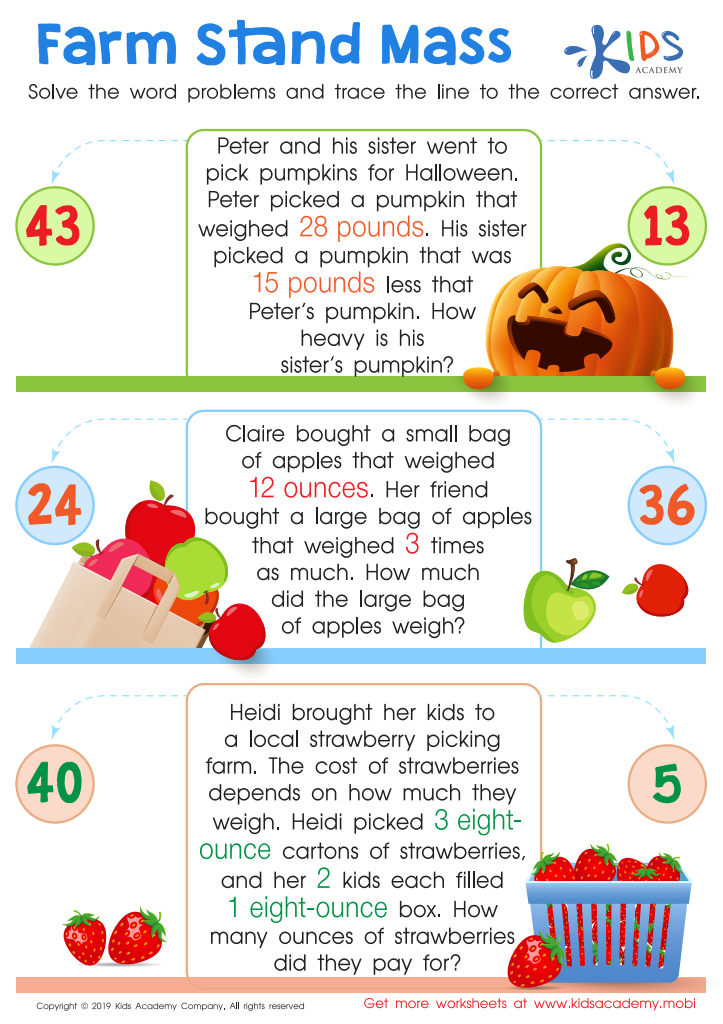
Farm Stand Mass Worksheet
 Assign to My Students
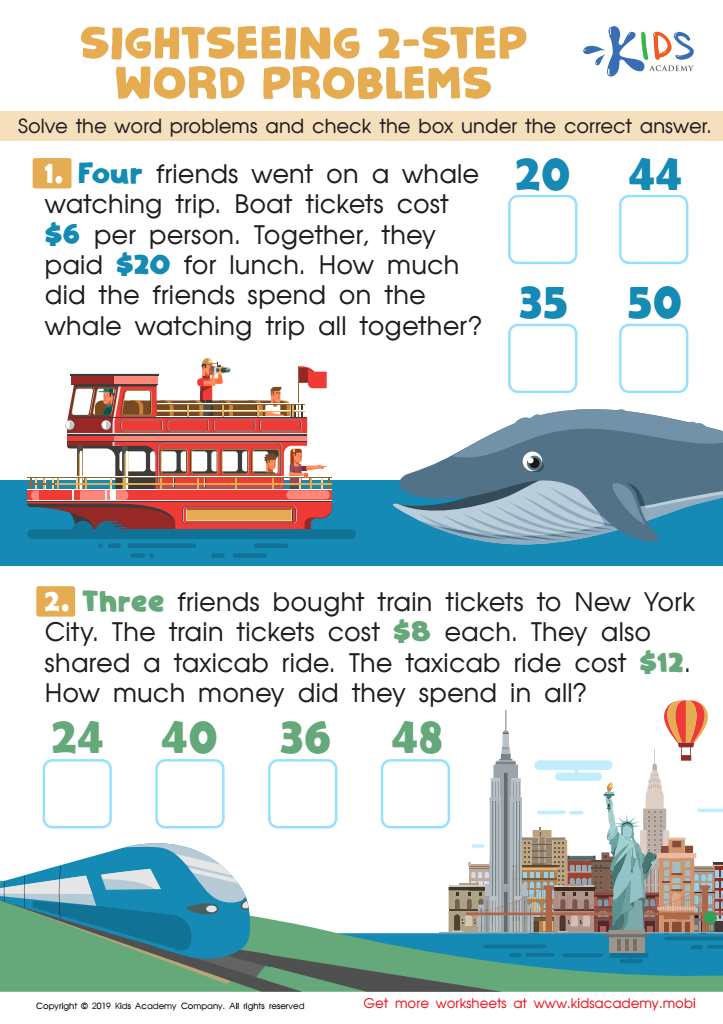
Sightseeing 2-Step Word Problems Worksheet
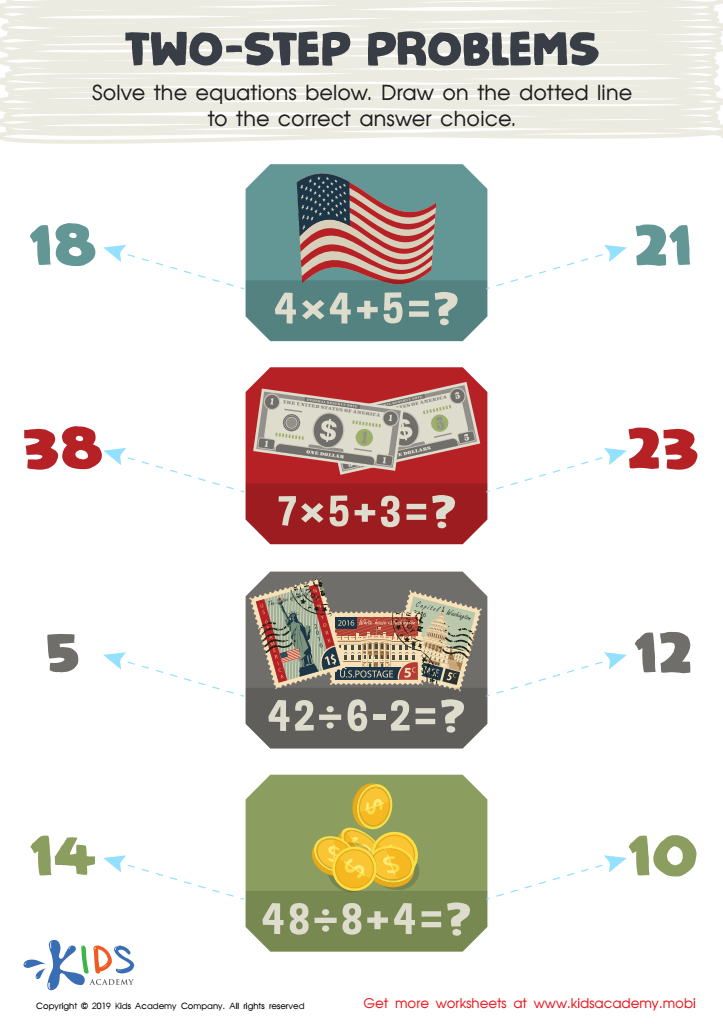
Two-Step Problems Worksheet
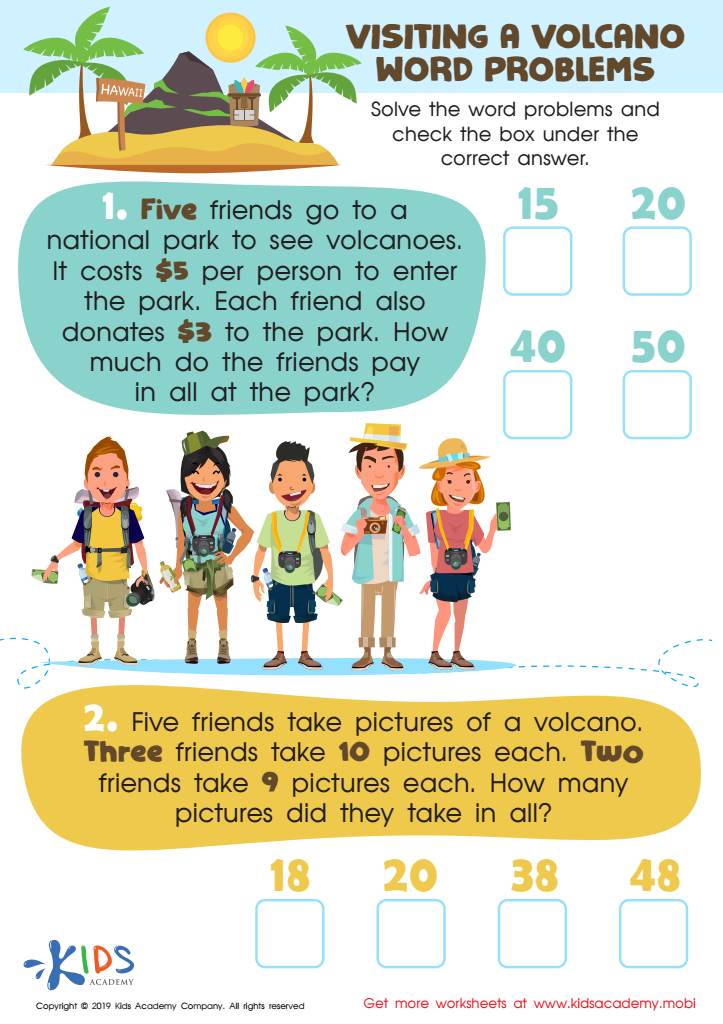
Visiting a Volcano Word Problems Worksheet
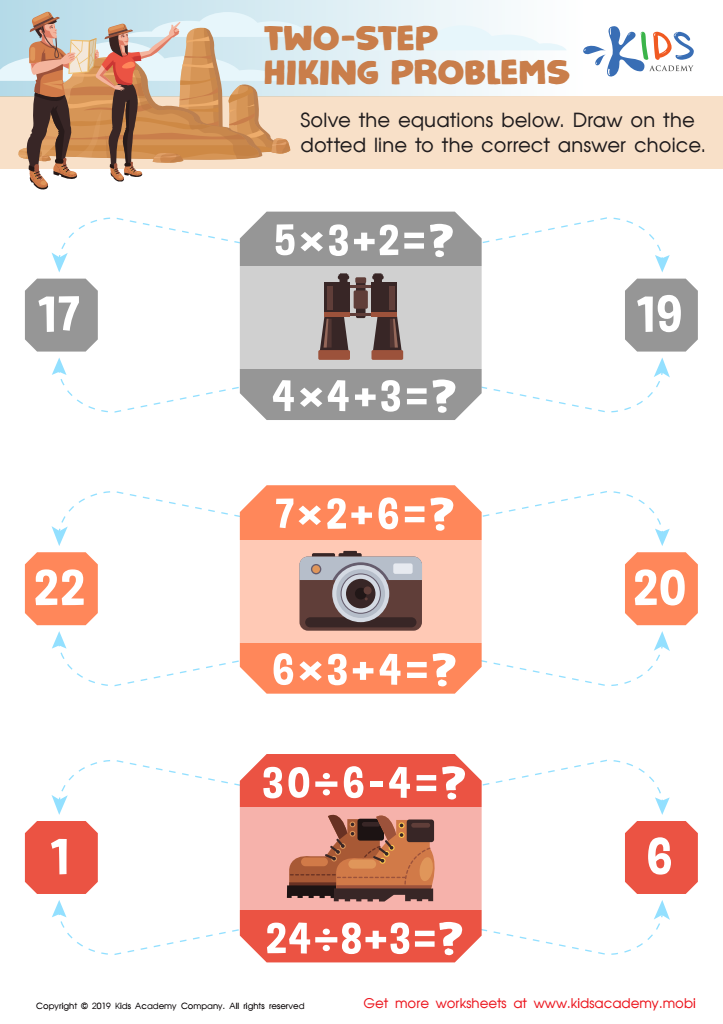
Two-Step Hiking Problems Worksheet
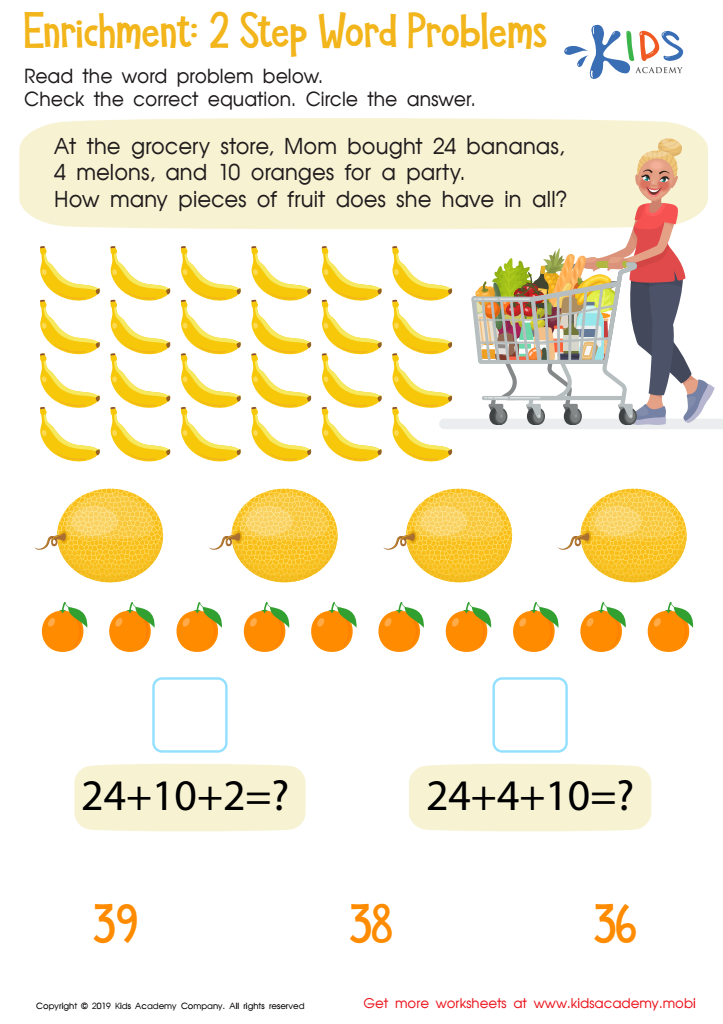
Enrichment -2 Step Word Problems Worksheet
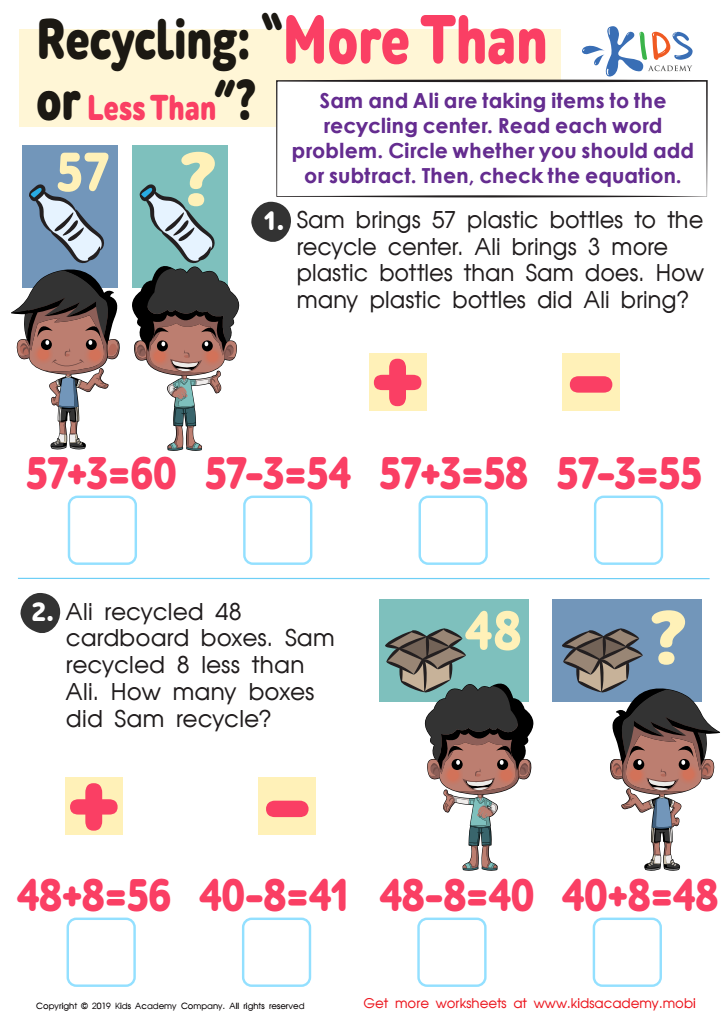
Recycling - More or Less Worksheet
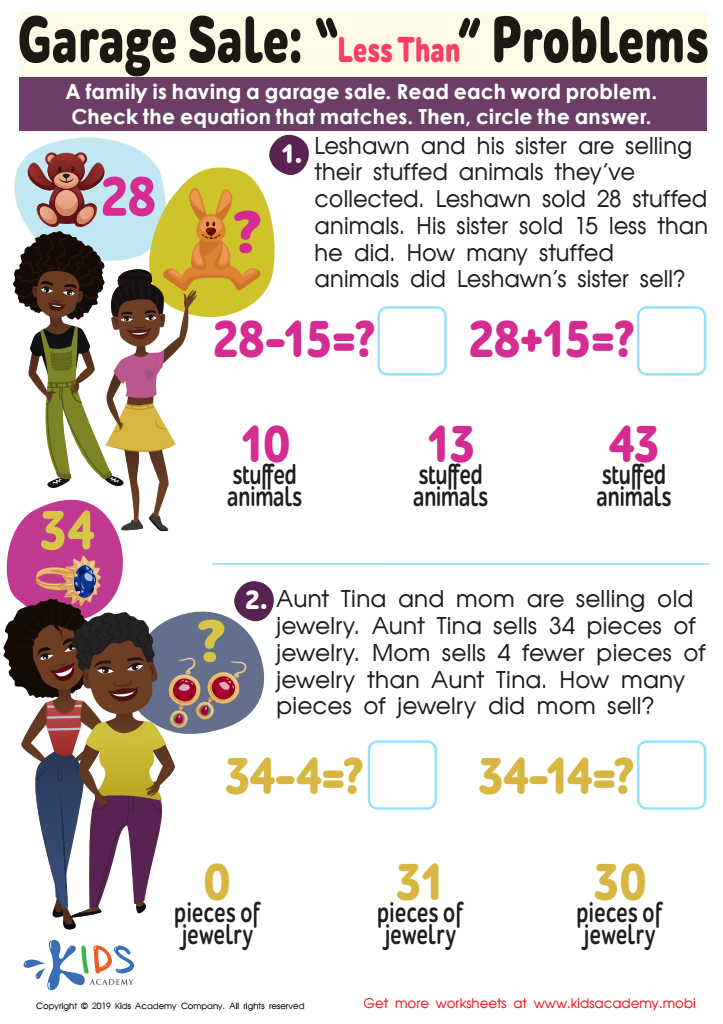
Garage Sale Less Than Worksheet
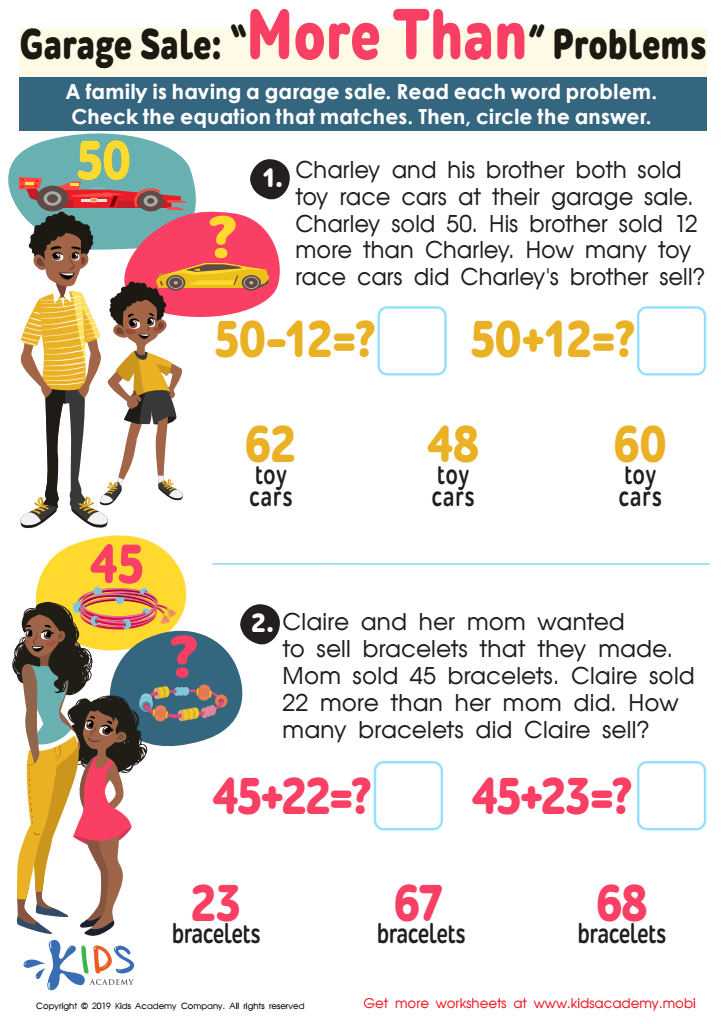
Garage Sale - More yhan Worksheet
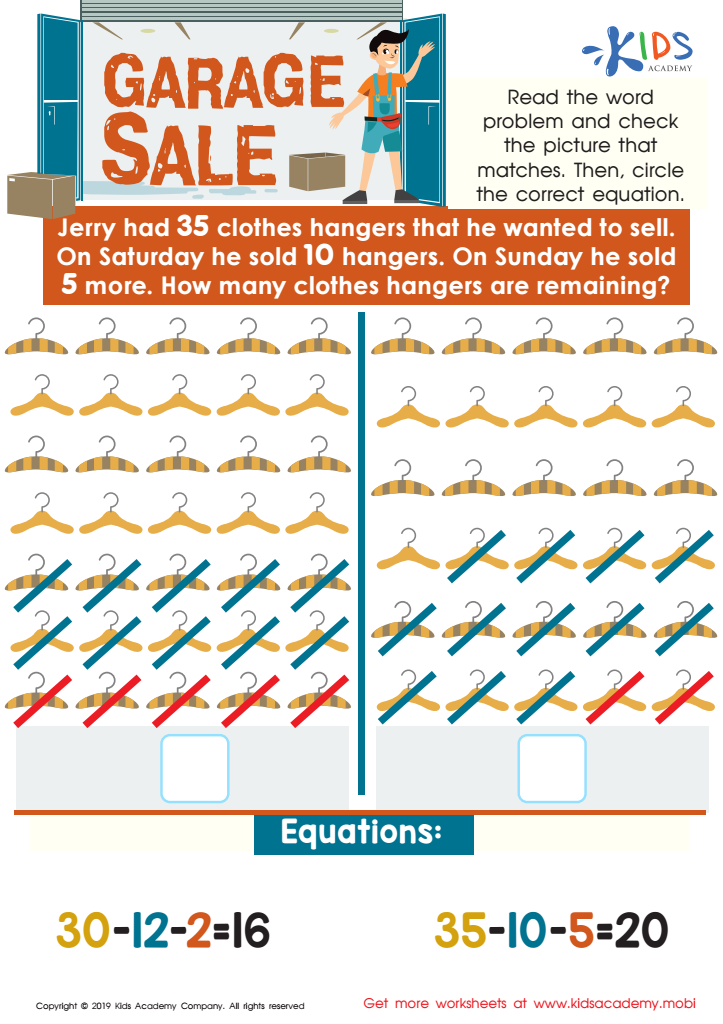
Garage Sale Worksheet
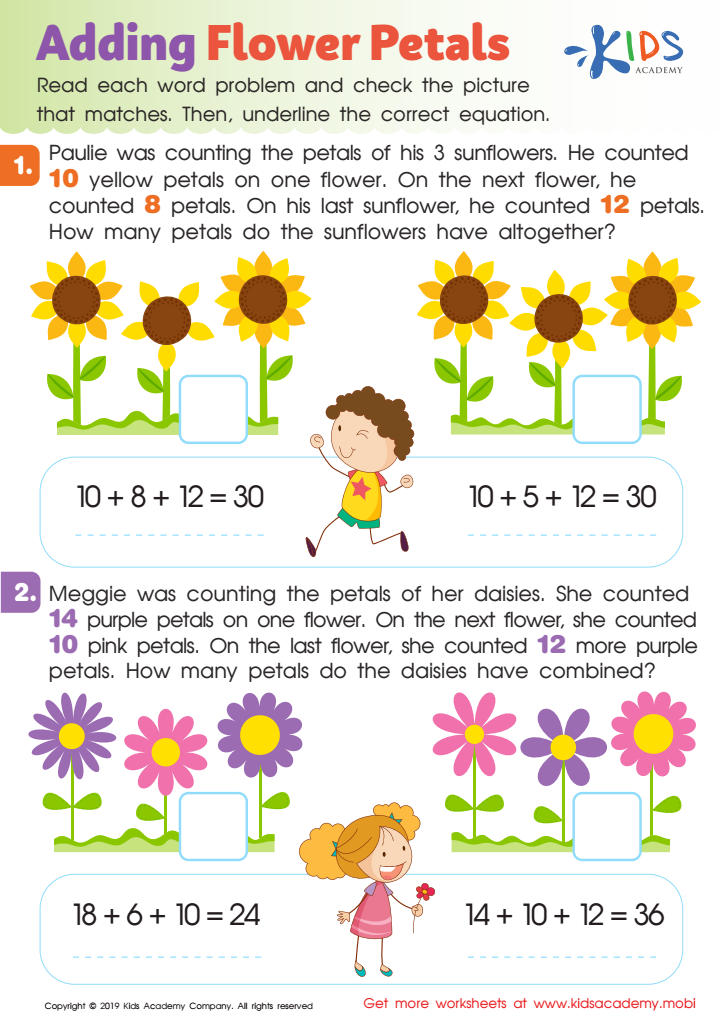
Adding Flower Petals Worksheet
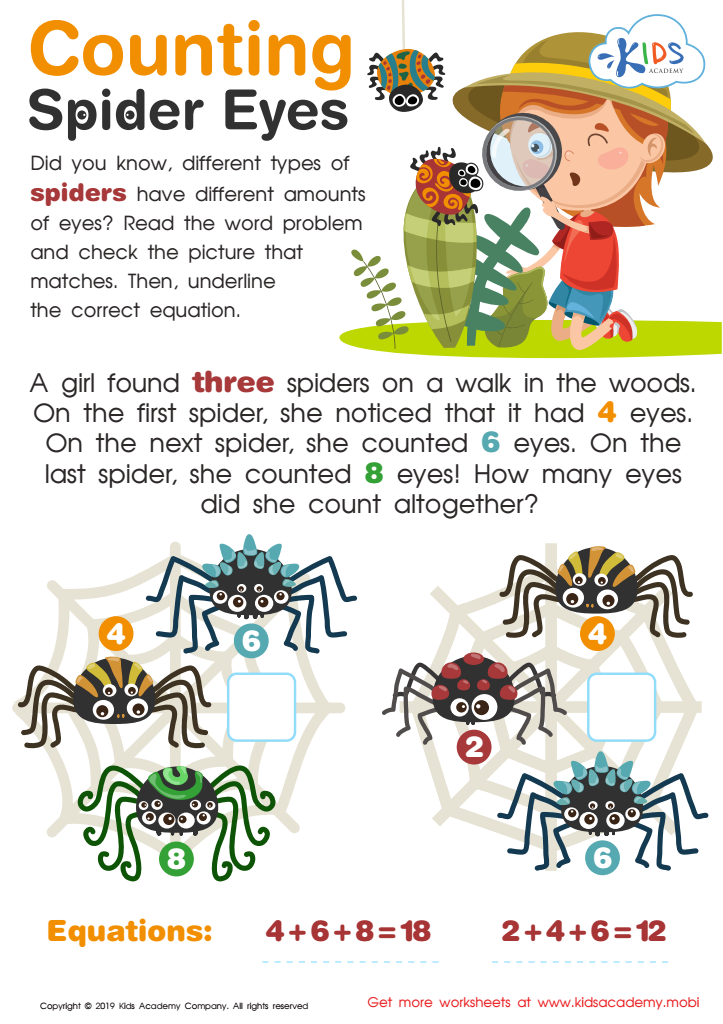
Counting Spider Eyes Worksheet
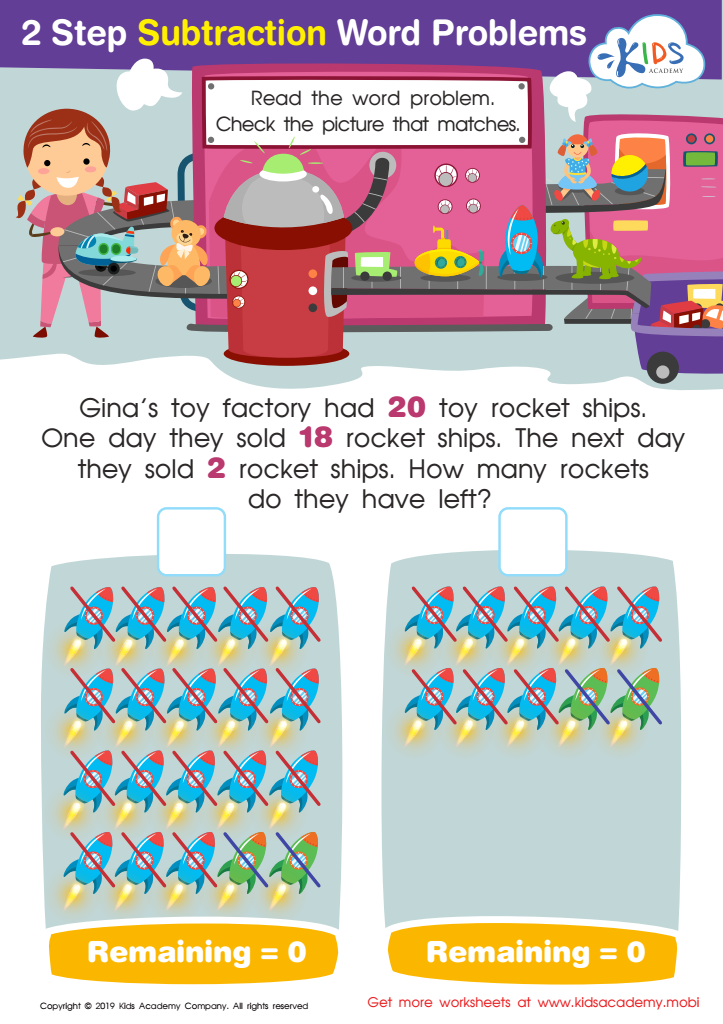
Step Subtraction Word Problems Worksheet
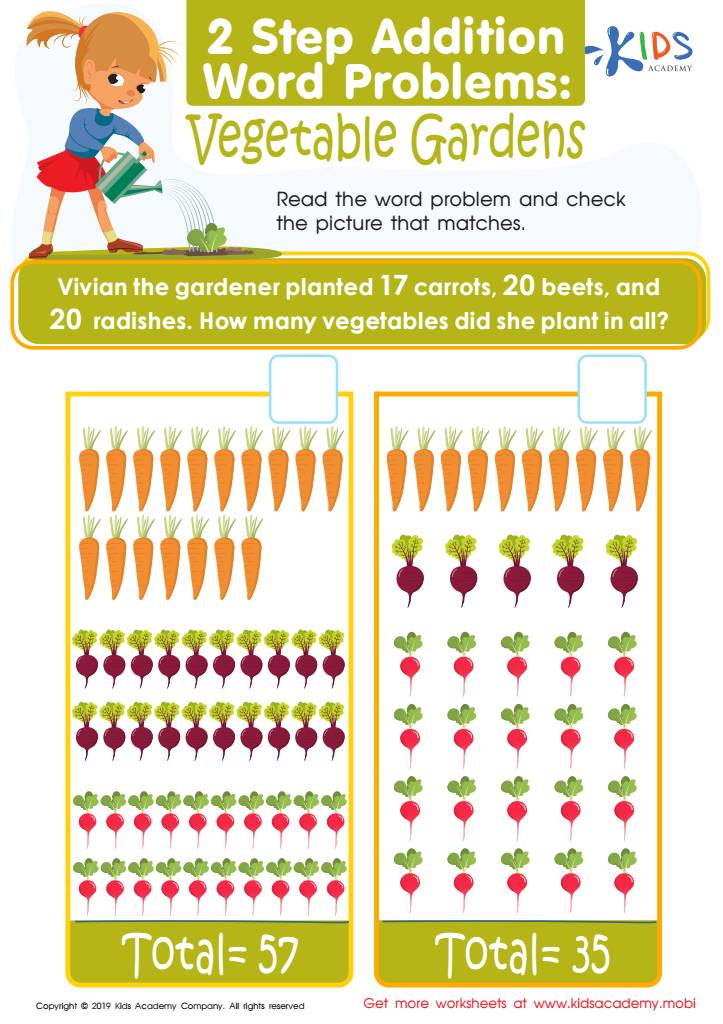
Vegetable Gardens Worksheet
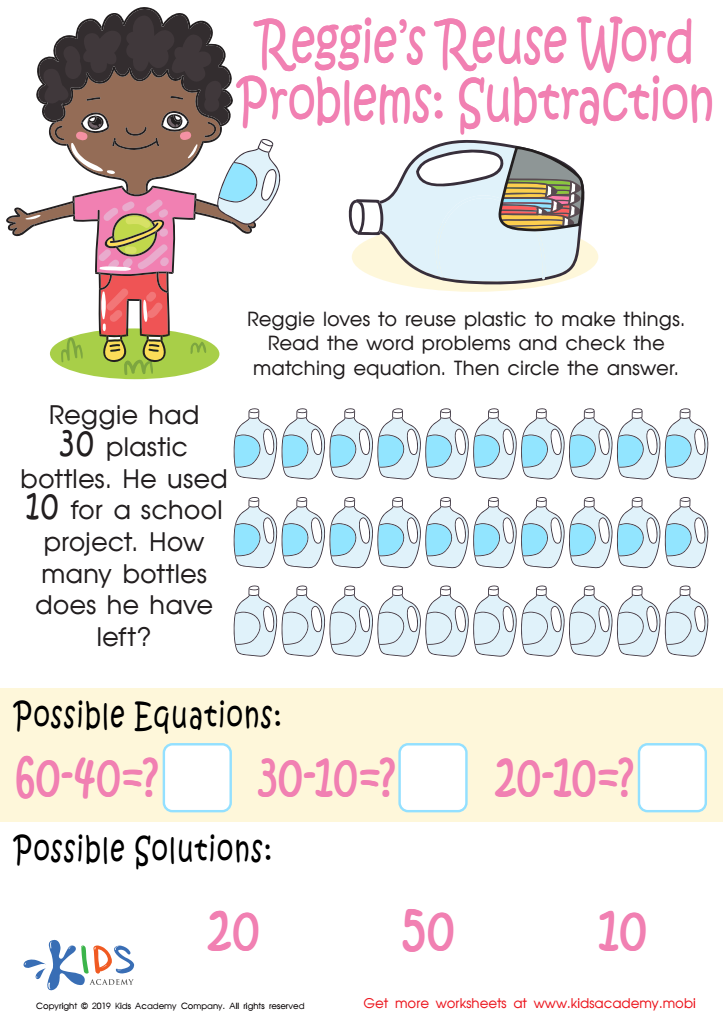
Reggie's Reuse Word Problems: Subtraction Worksheet
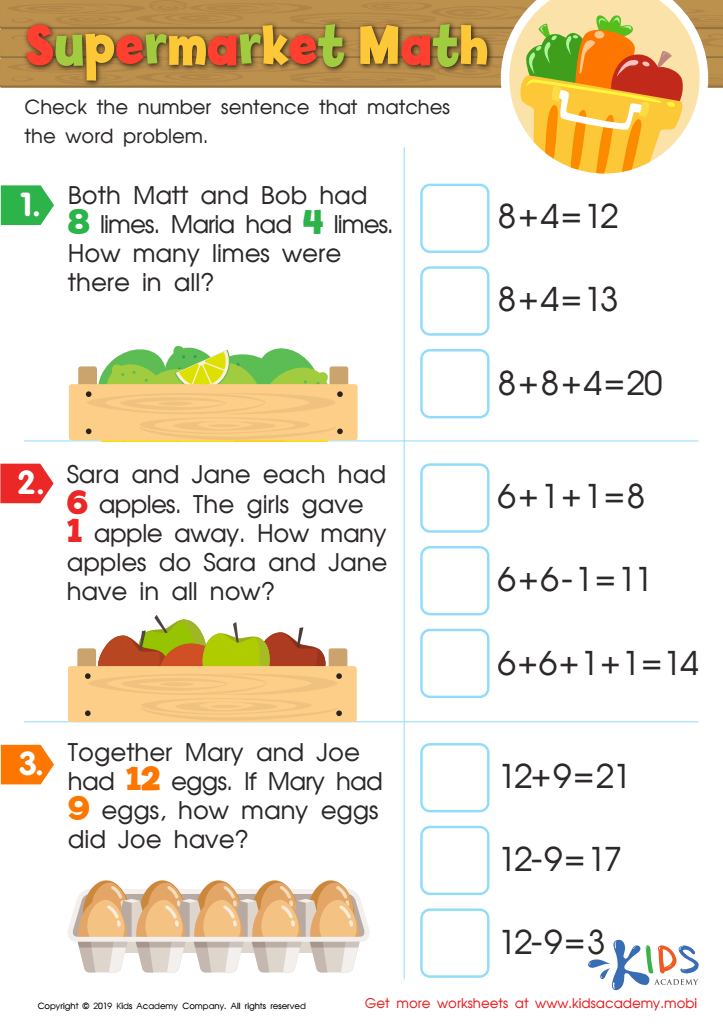
Supermarket Math Worksheet
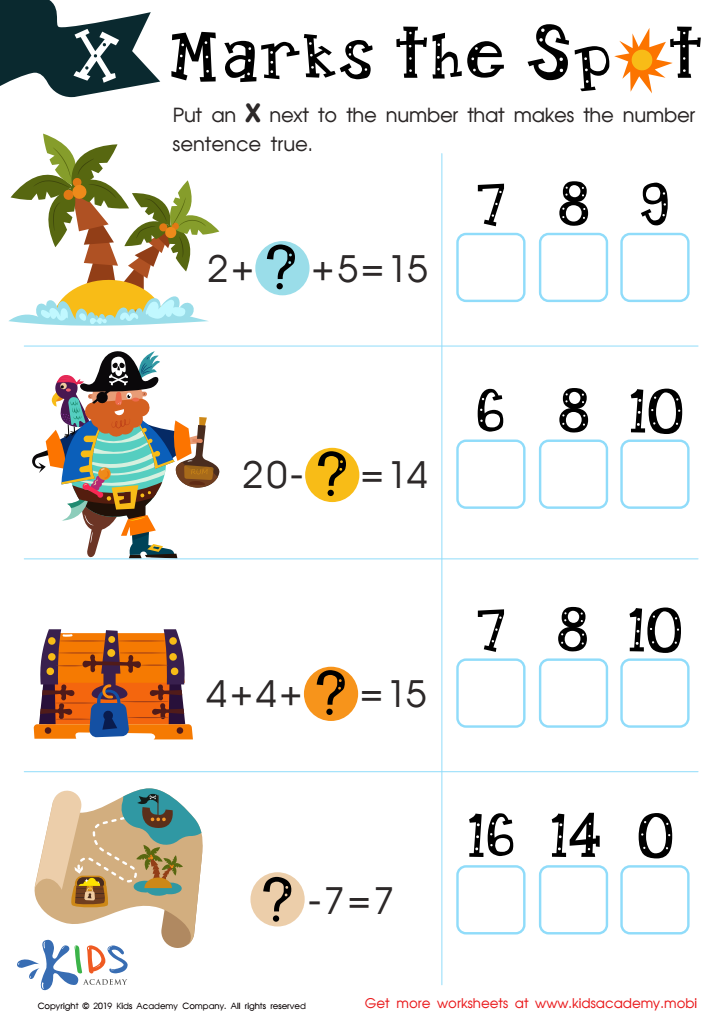
X Marks the Spot Worksheet
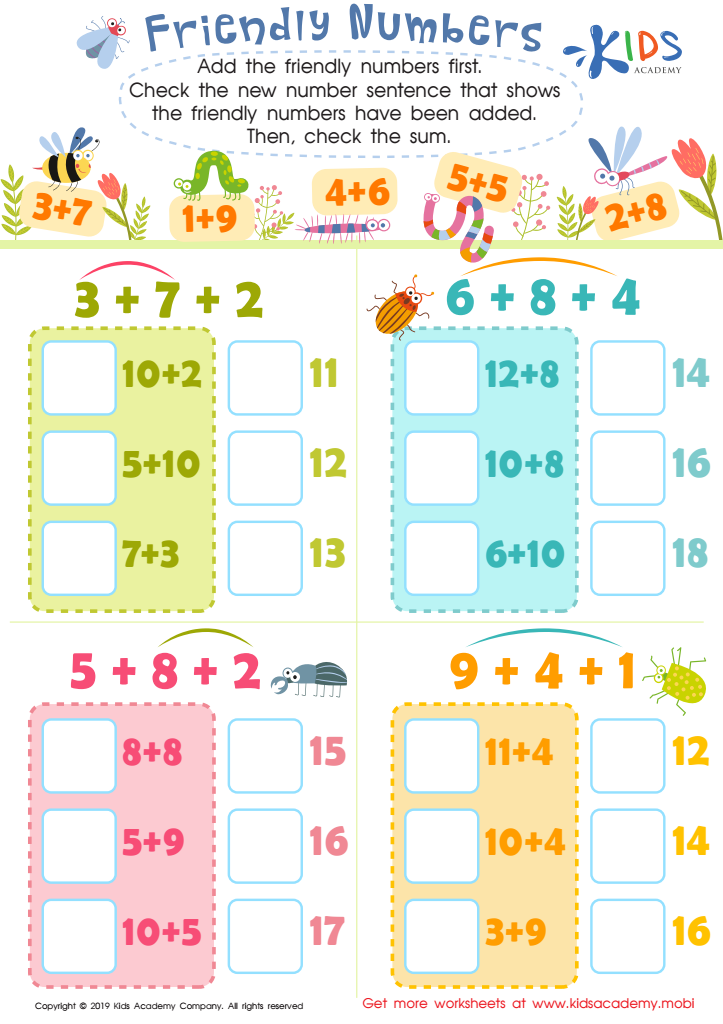
Friendly Numbers Worksheet
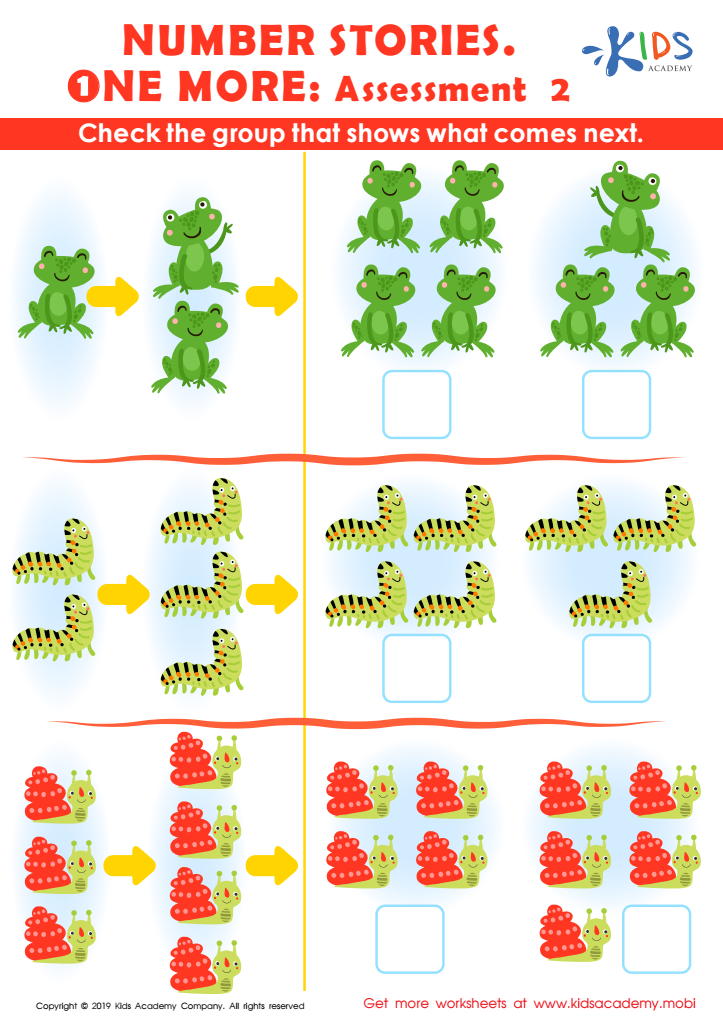
Number Stories One More – Assessment 2 Worksheet
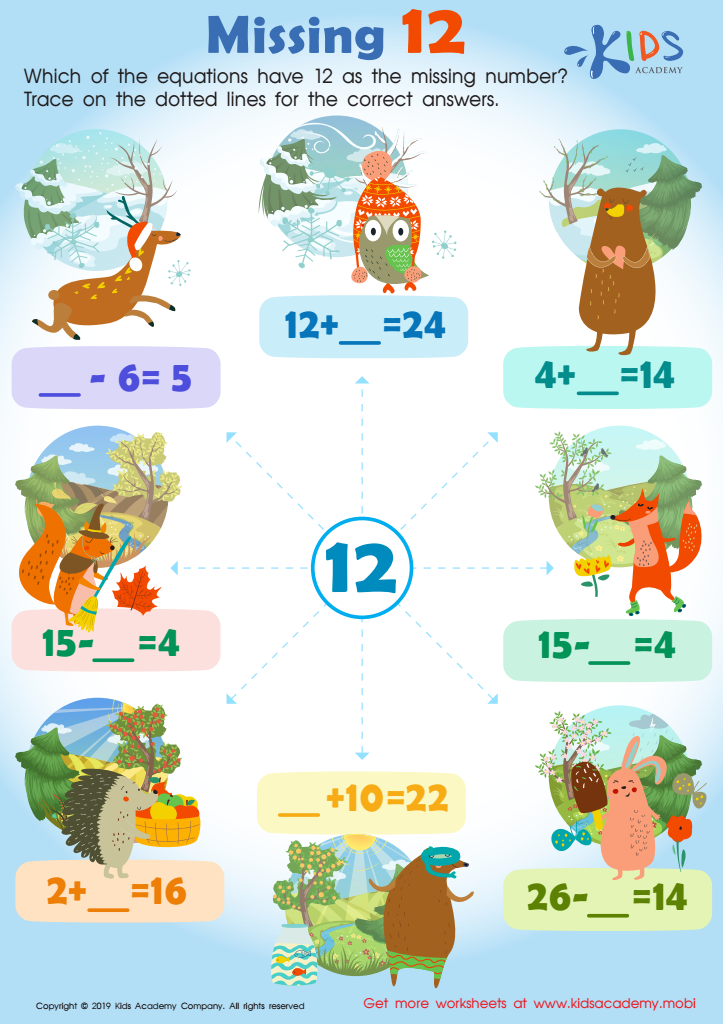
Missing 12 Worksheet
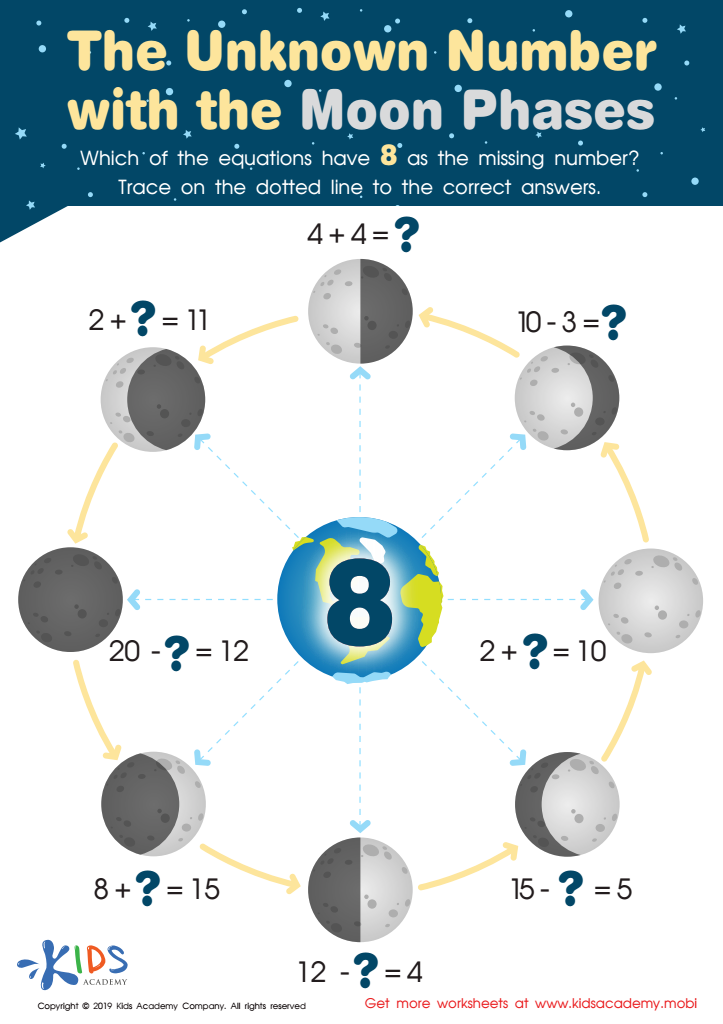
The Unknown Number with the Moon Phases Worksheet
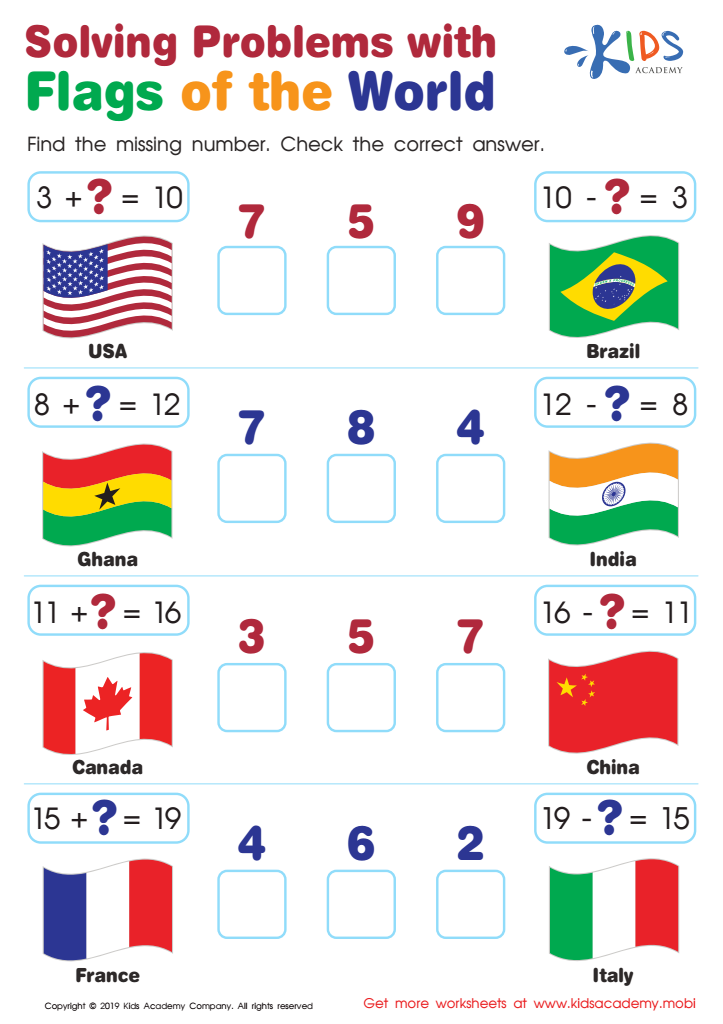
Solving Problems with Flags of the World Worksheet
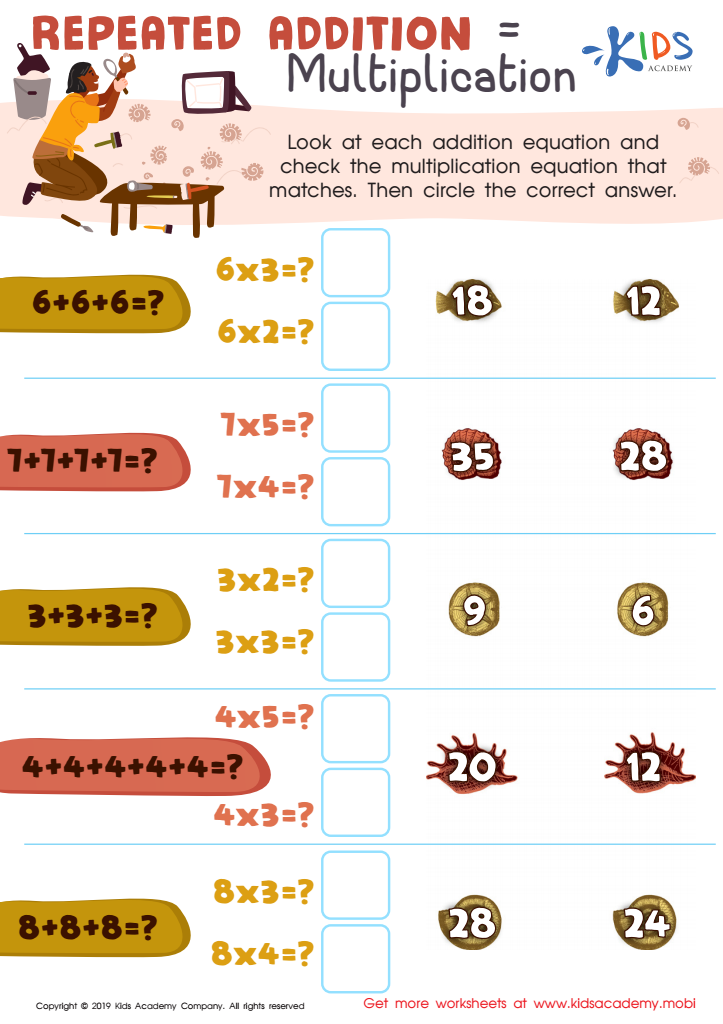
Repeated Addition = Multiplication Worksheet
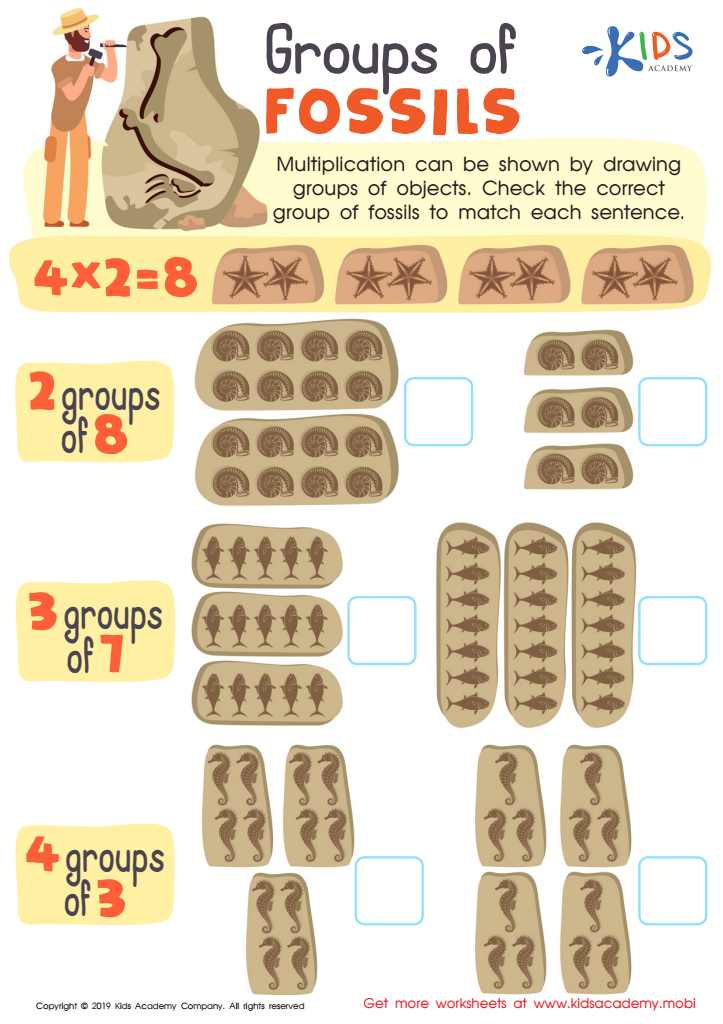
Groups of Fossils Worksheet








Parents and teachers should prioritize teaching normal addition and subtraction for children ages 6-9 because these skills serve as the foundation for all future mathematical learning. Mastery of these basic operations enhances children's problem-solving abilities, helping them to build confidence in their analytical skills. At this developmental stage, children are also developing critical cognitive processes, and successfully understanding addition and subtraction encourages their overall mathematical reasoning.
These skills promote the ability to approach real-life situations with logic and numerical understanding, such as budgeting or planning. Furthermore, effective instruction in normal addition and subtraction can help identify and address any gaps in a child's understanding early on, preventing future challenges in math.
Additionally, the social aspect of mastering basic math cannot be overlooked. It fosters collaboration in group activities, boosts self-esteem, and provides opportunities for positive feedback from peers and adults. When children grasp concepts like addition and subtraction, they feel empowered to participate actively in class discussions and activities. Overall, prioritizing these fundamental skills sets the stage for a successful academic journey in mathematics and helps develop a lifelong appreciation for learning.








