Normal Geometry Worksheets for Ages 6-9 - Page 2
59 filtered results
-
From - To
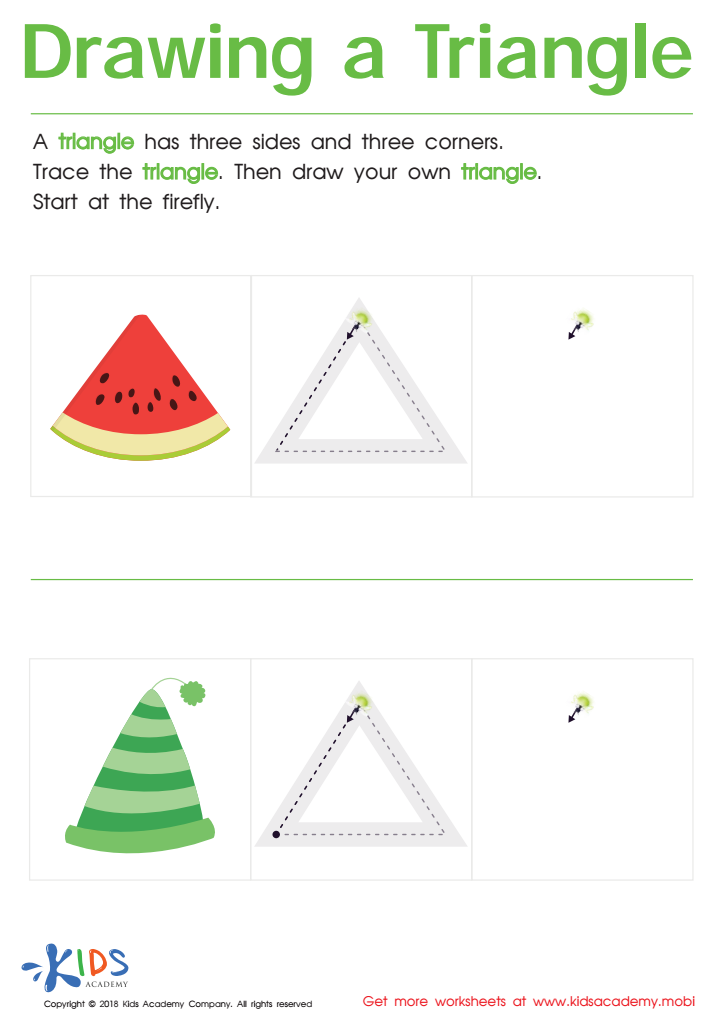
Drawing a Triangle Worksheet
 Assign to My Students











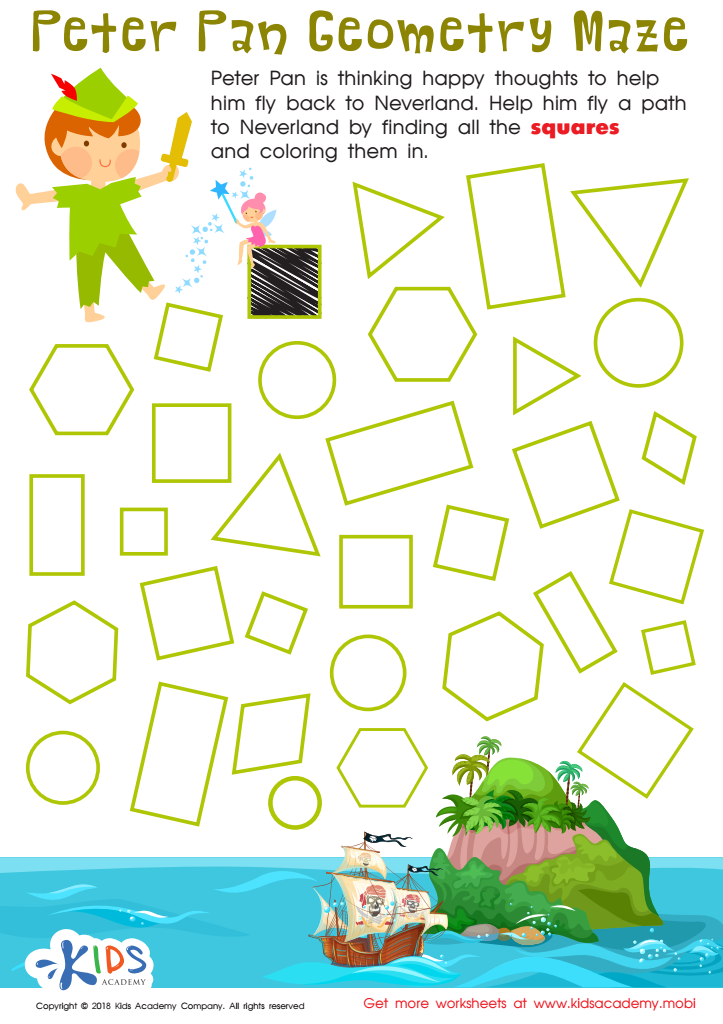
Peter Pan Worksheet
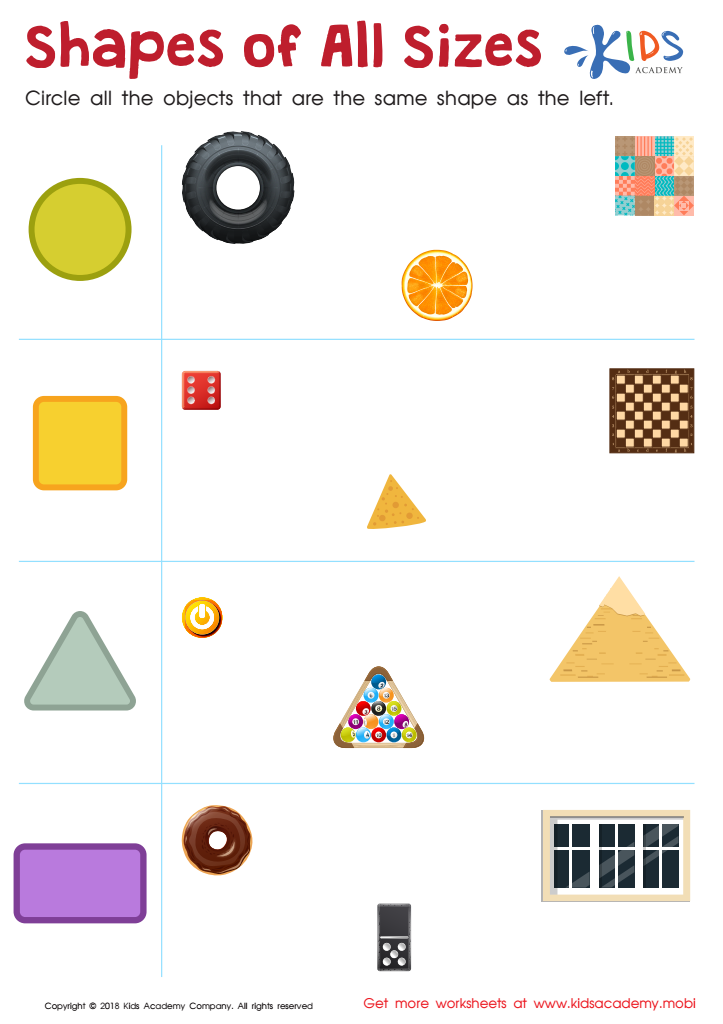
Shapes of All Sizes Worksheet
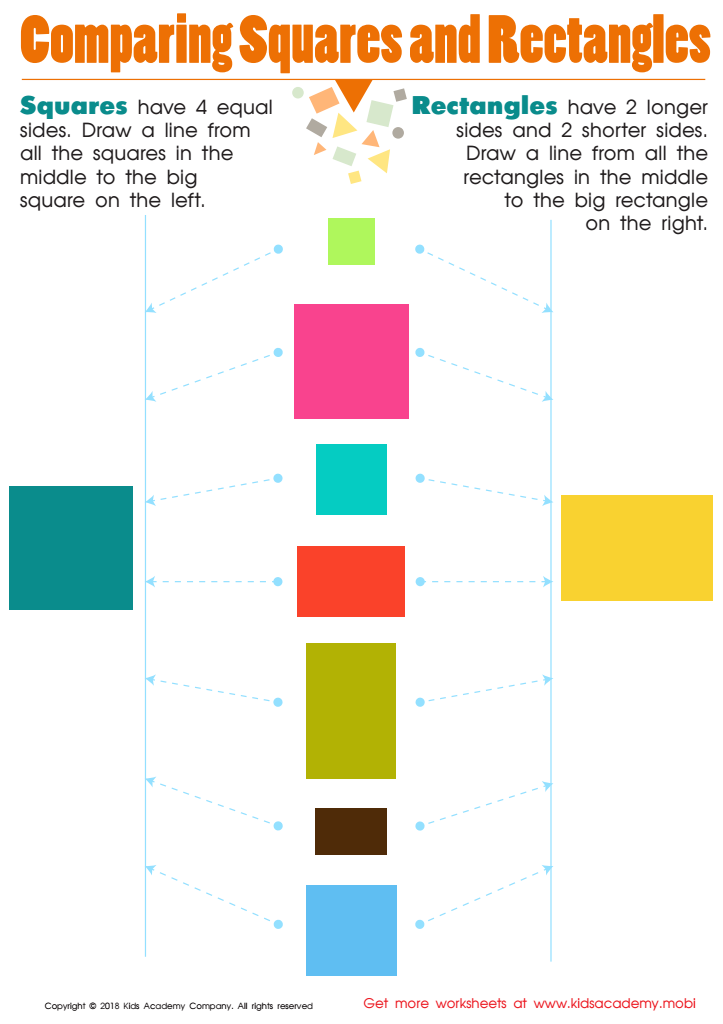
Comparing Squares Rectangles Worksheet
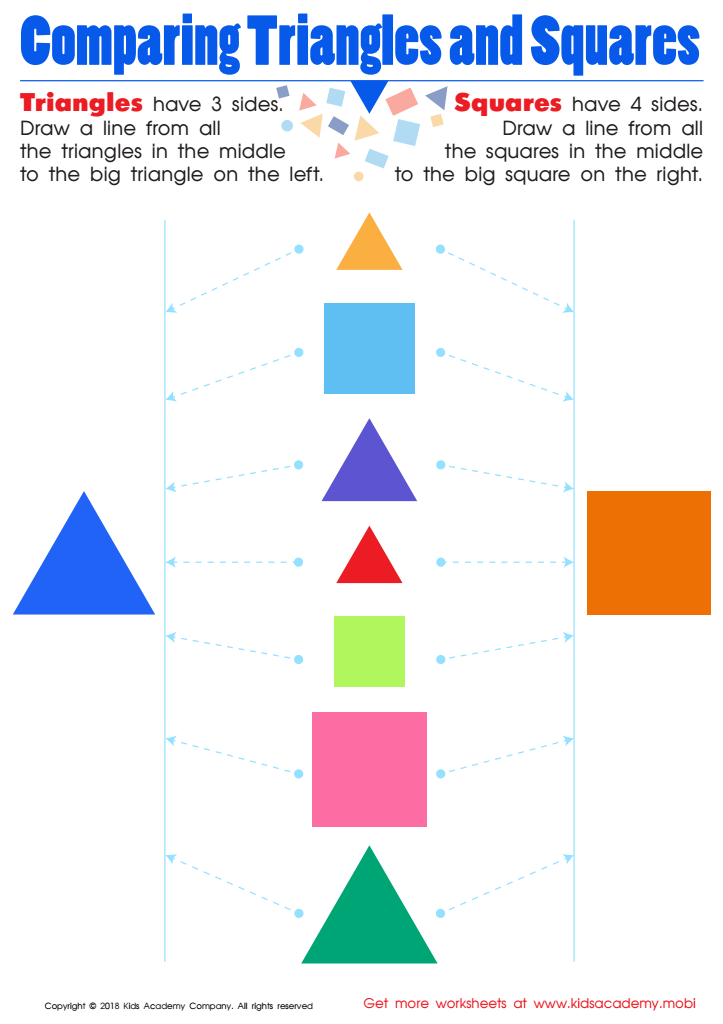
Comparing Triangles Squares Worksheet
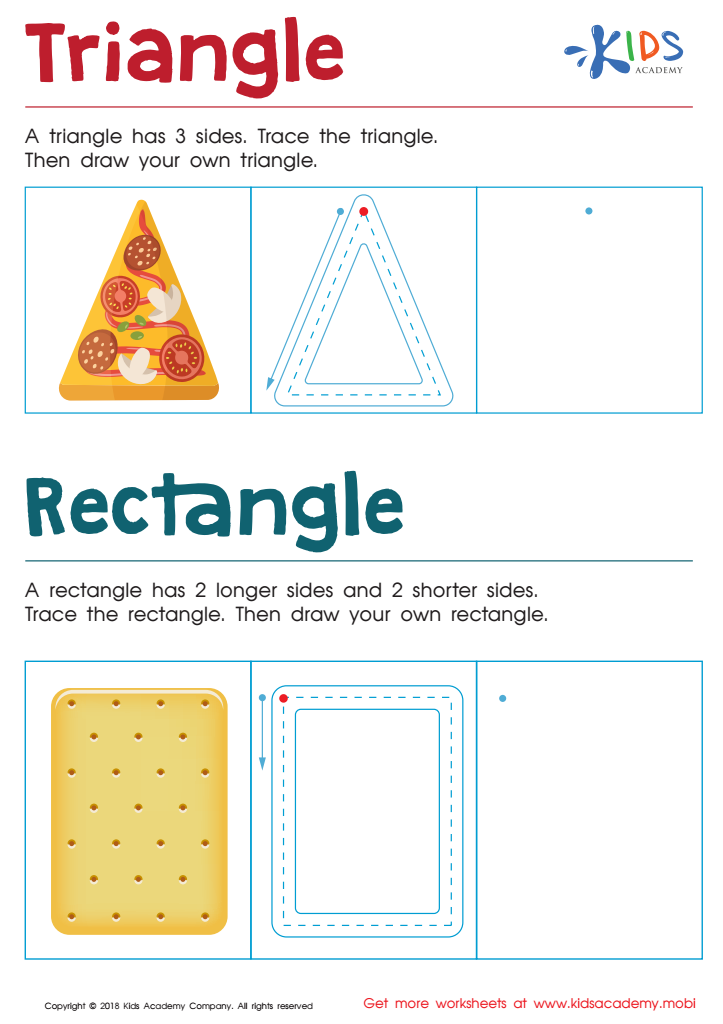
Triangle Rectangle Worksheet
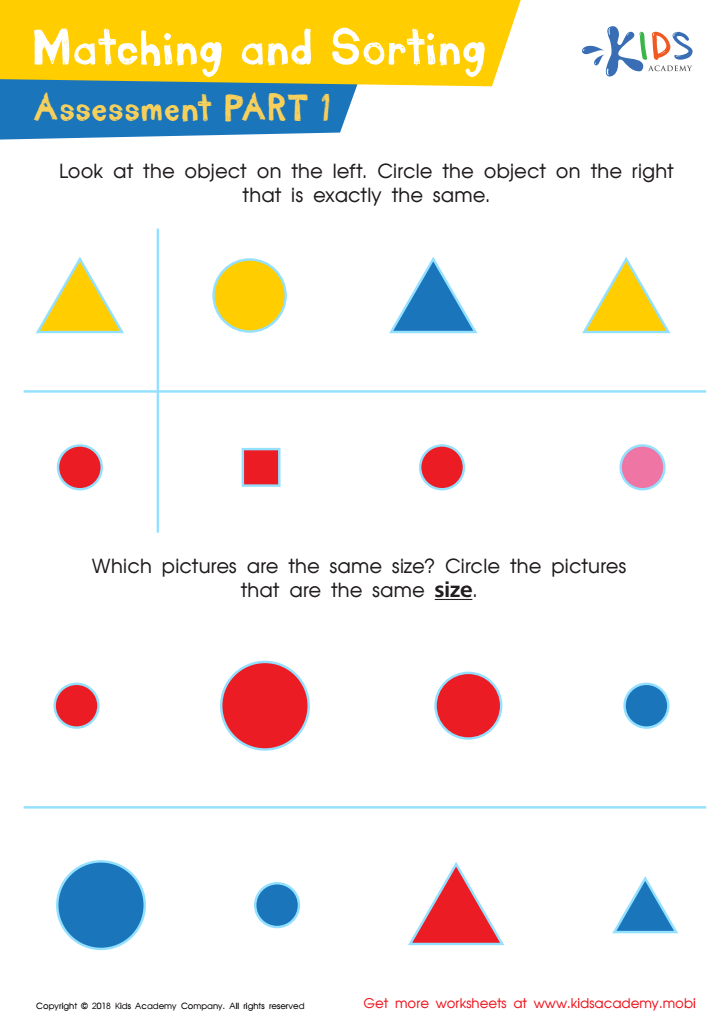
Matching and Sorting for Kindergarten: Assessment 1 Worksheet
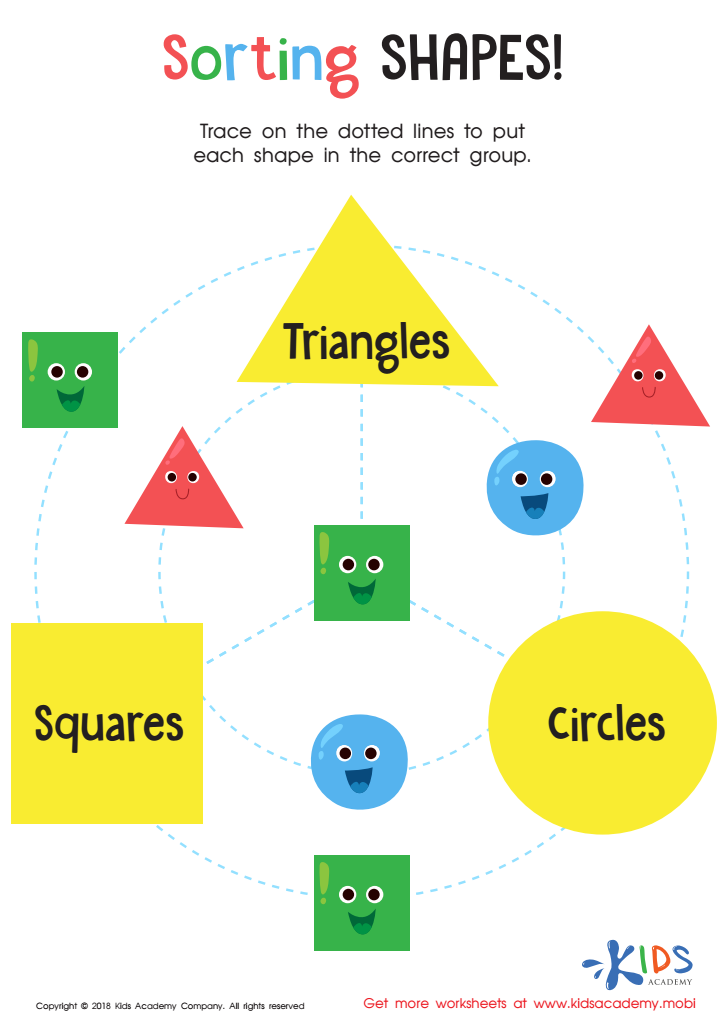
Sorting Shapes - Part 3 Worksheet
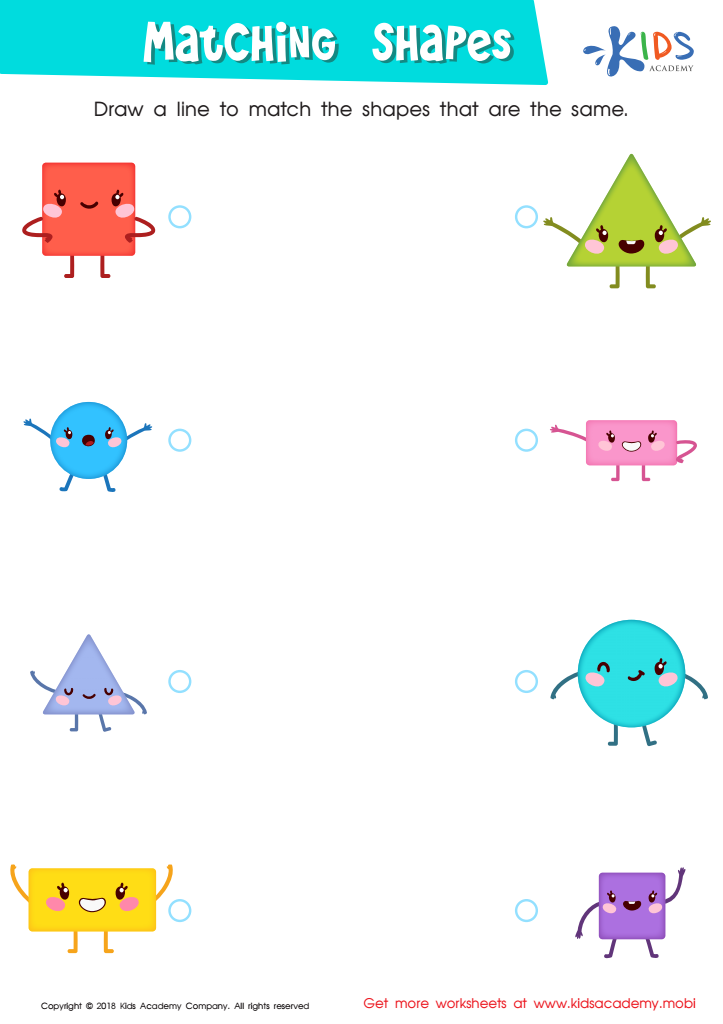
Matching Shapes Worksheet
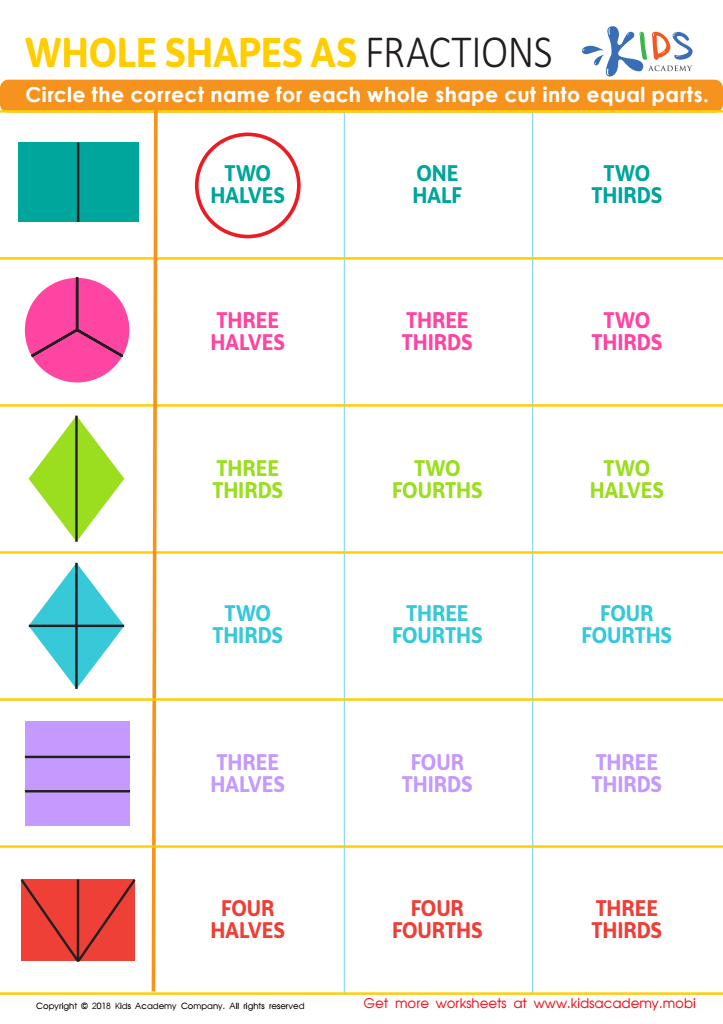
Whole Shapes as Fractions Worksheet
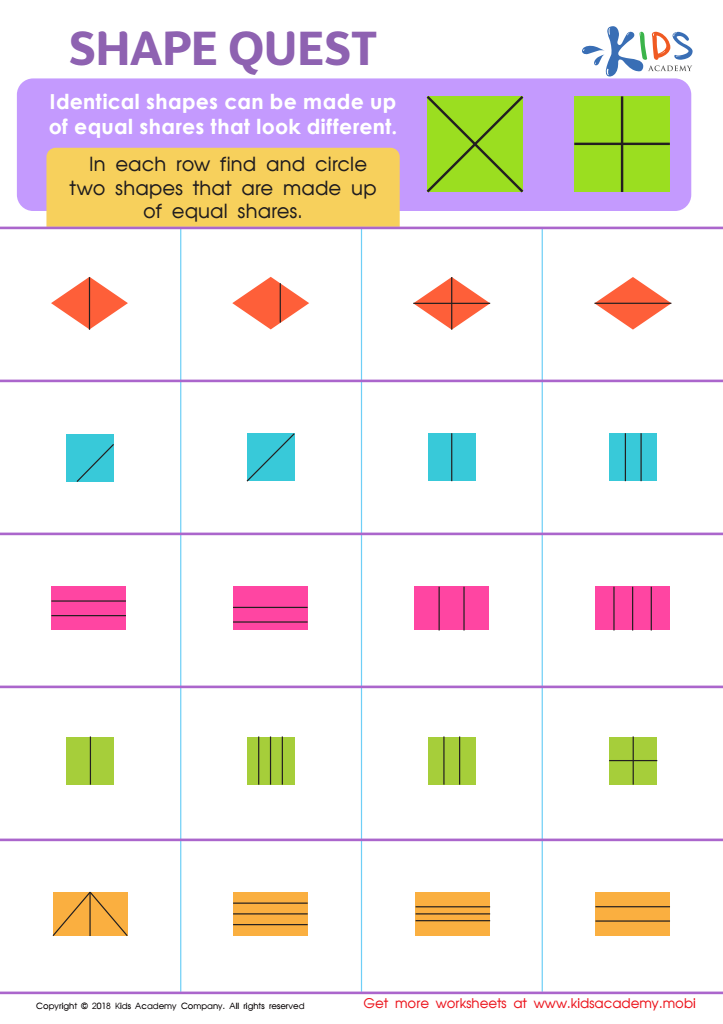
Shape Quest Worksheet
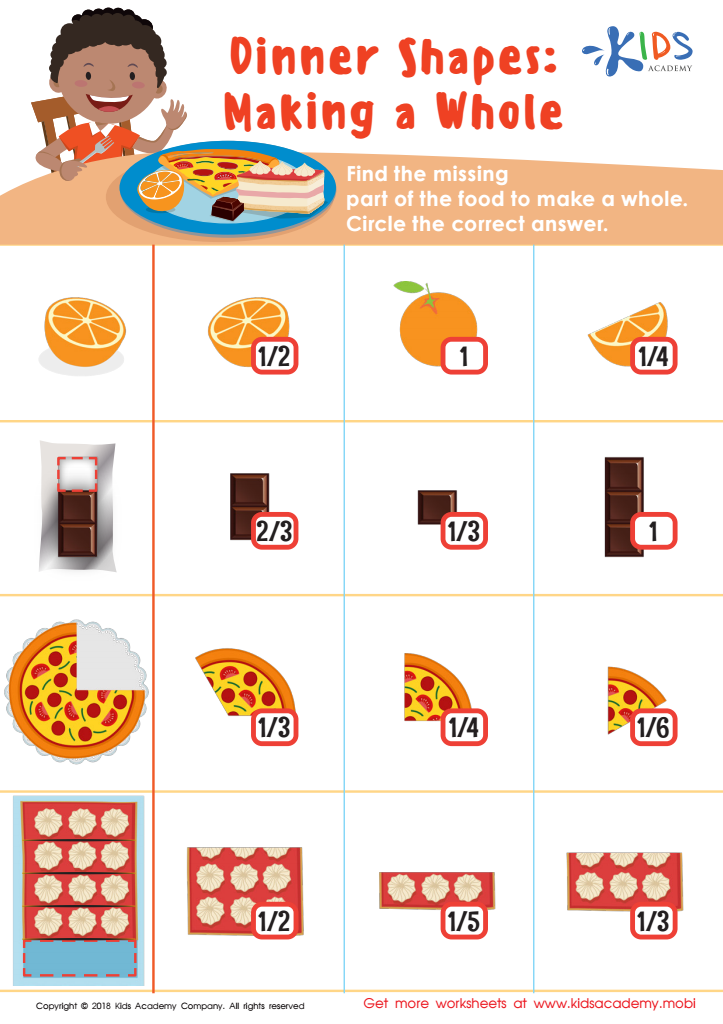
Dinner Shapes: Making a Whole Worksheet
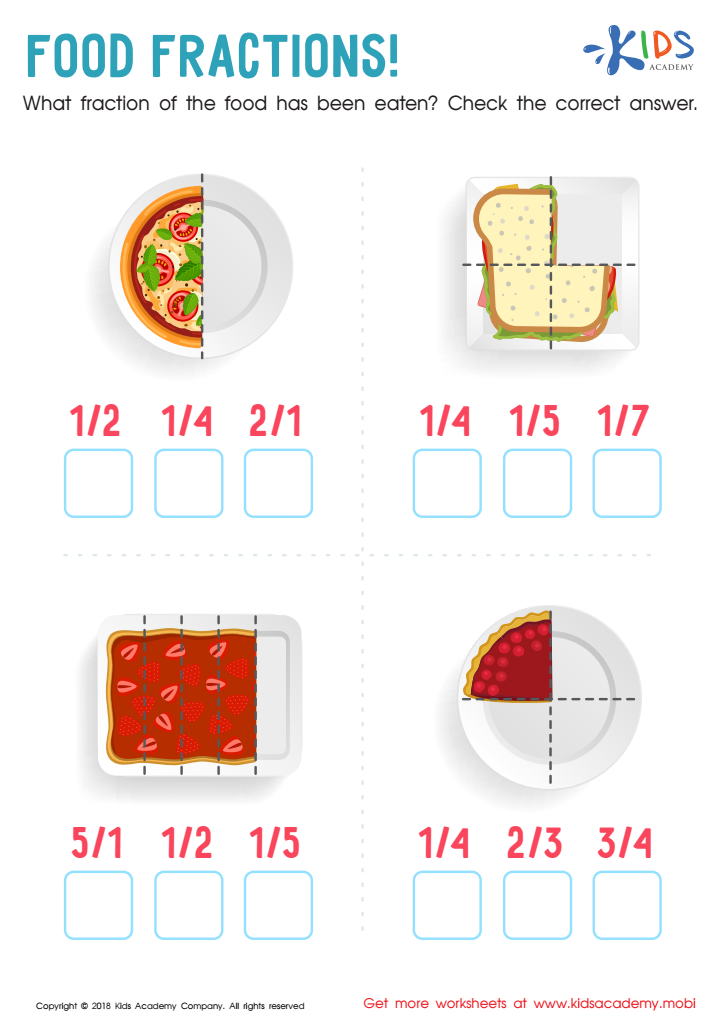
Food Fractions Worksheet
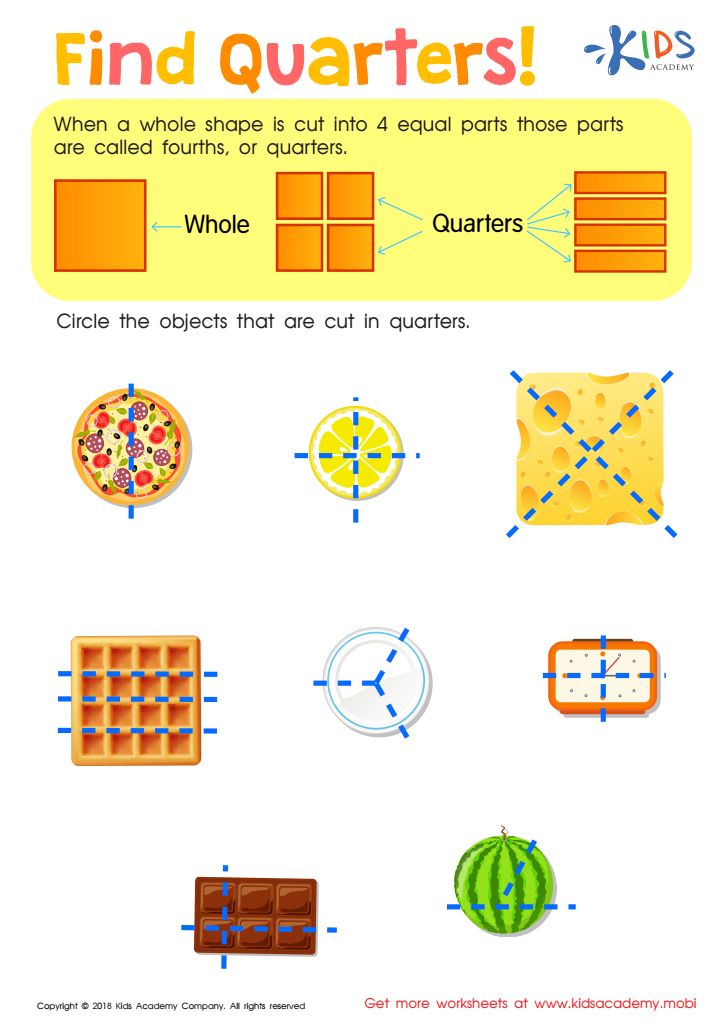
Find Quarters Worksheet
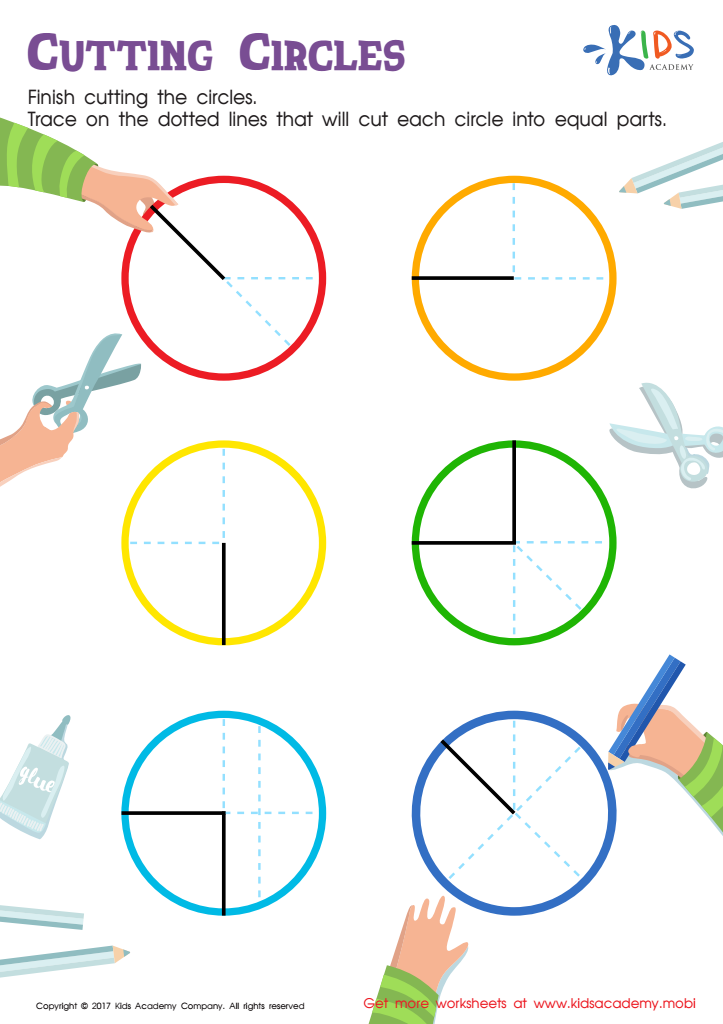
Cutting Circles Worksheet
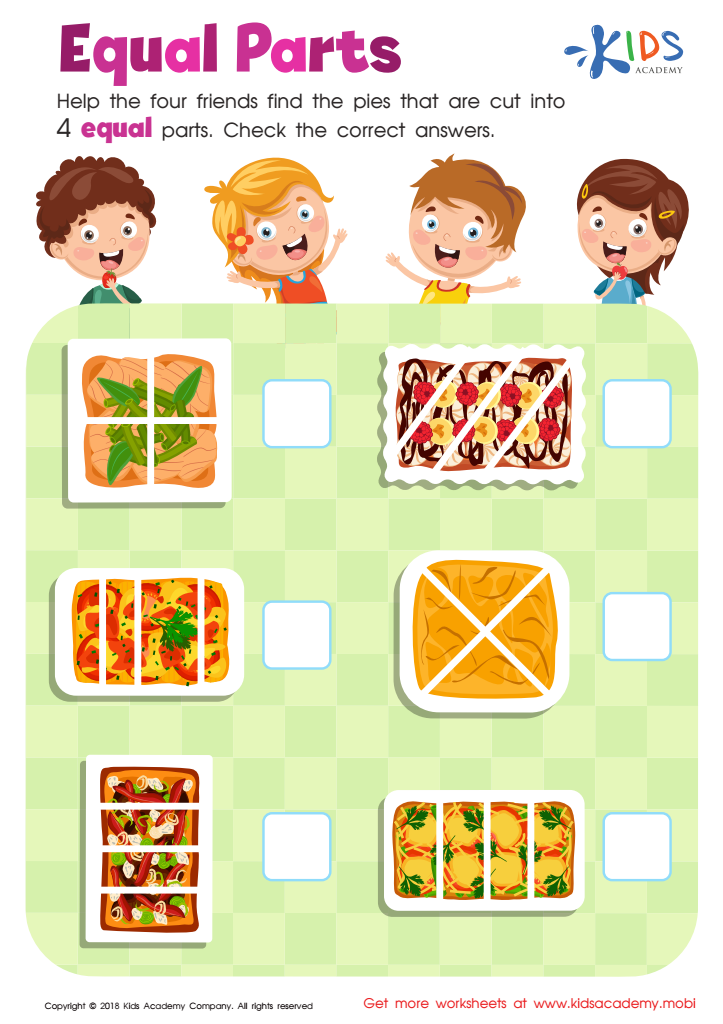
Equal Parts: Food Worksheet
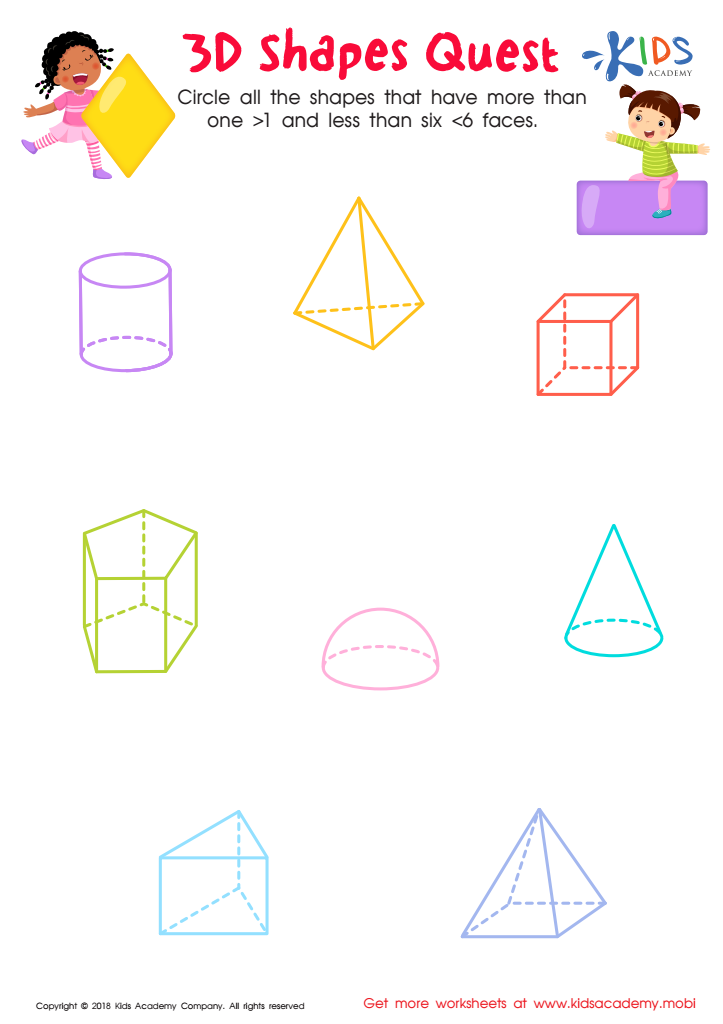
3D Shapes Quest Worksheet
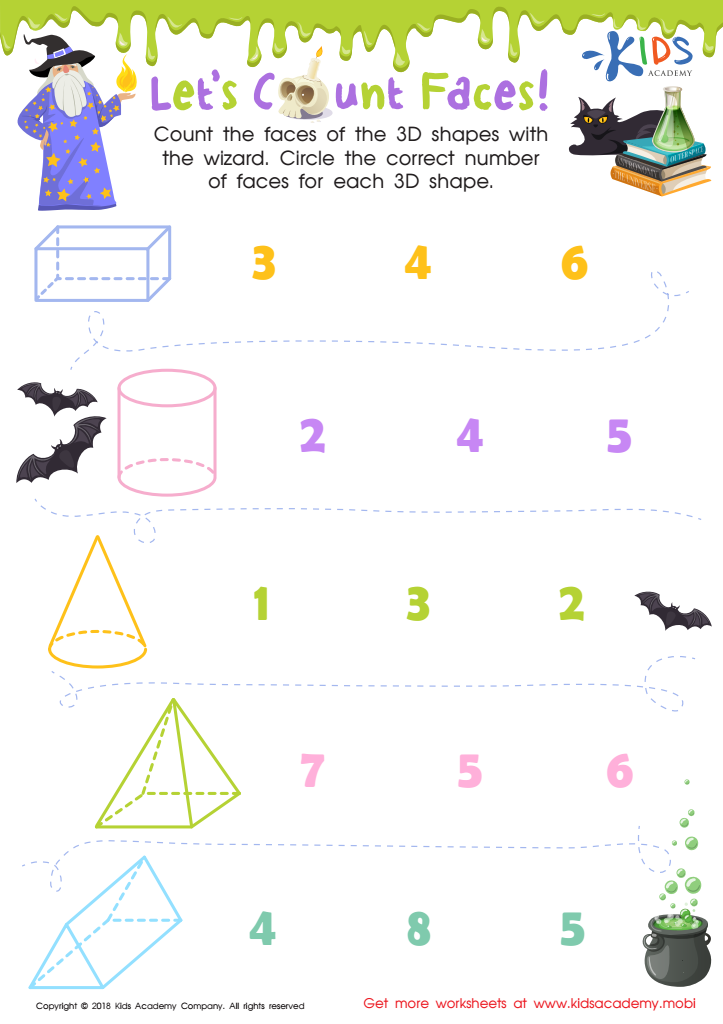
Let's Count Faces! Worksheet
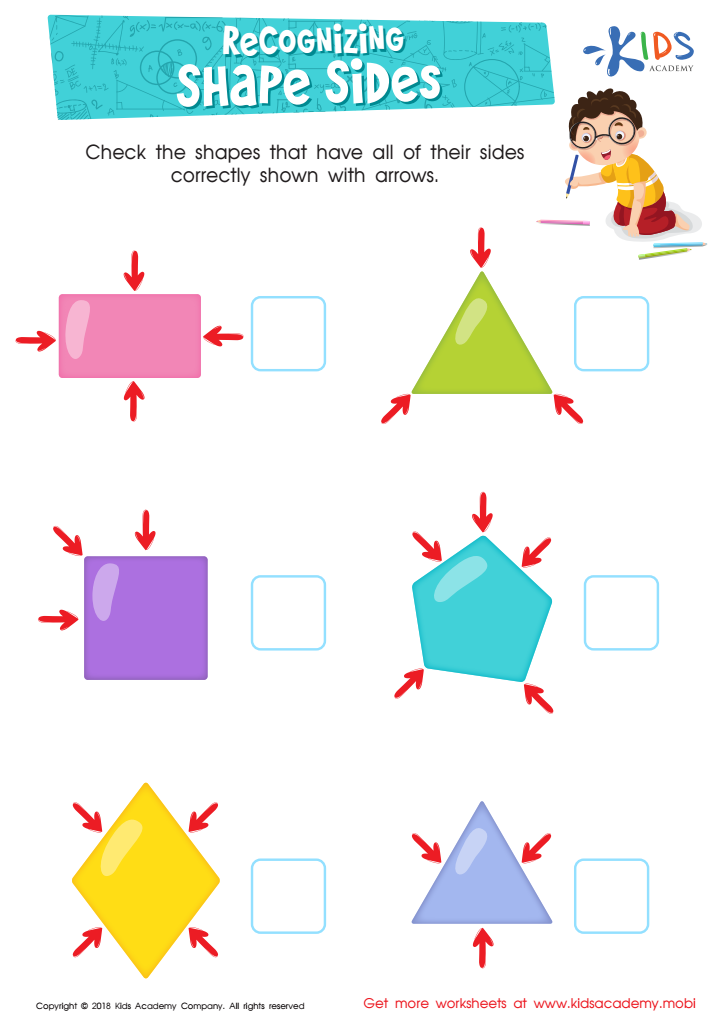
Recognizing Shape Sides Worksheet
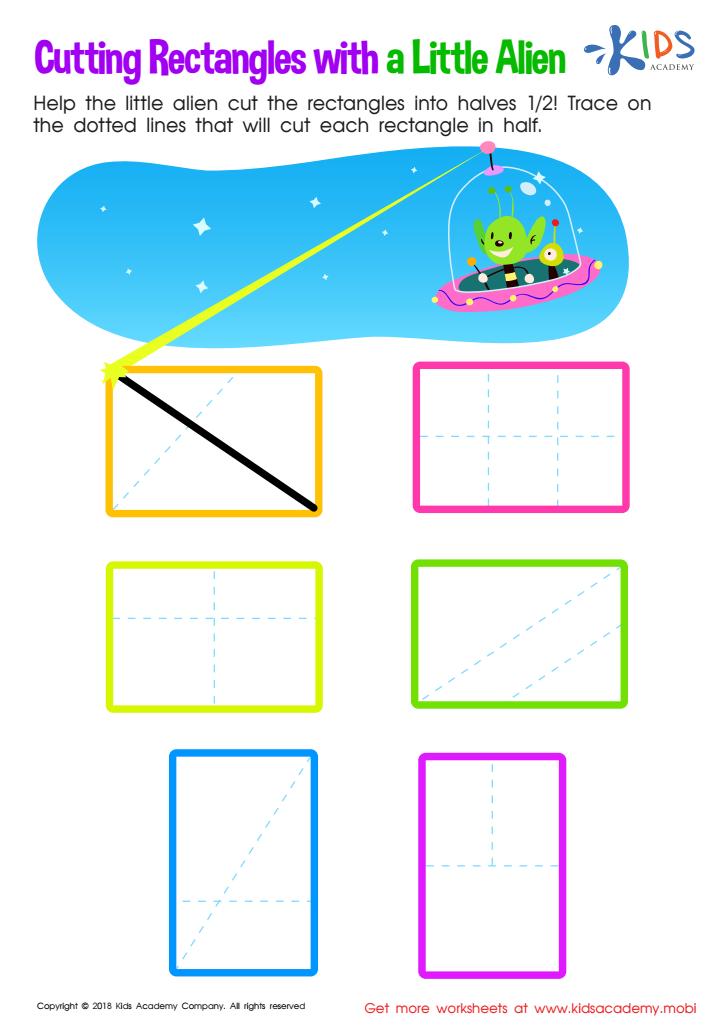
Cutting Rectangles with Alien Worksheet
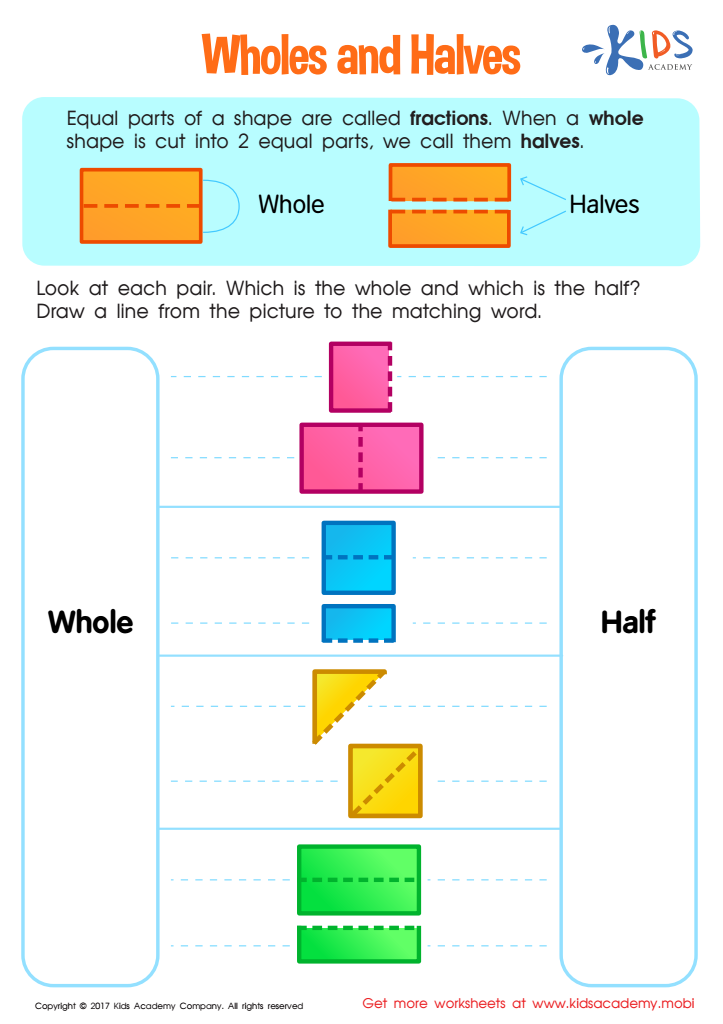
Wholes and Halves Worksheet
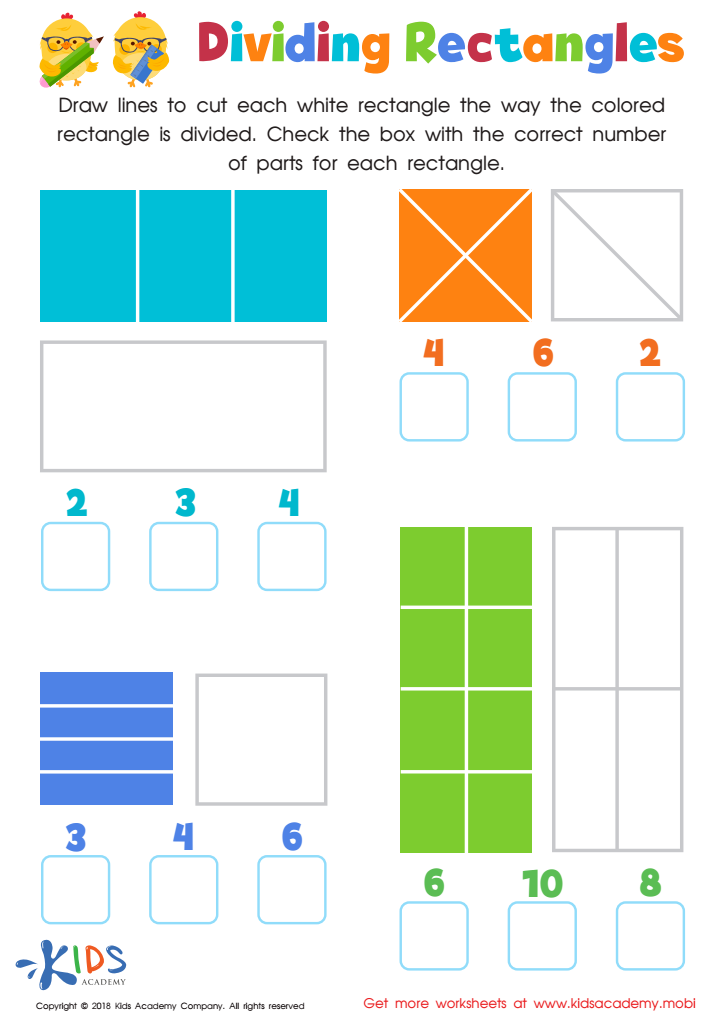
Dividing Rectangles Worksheet
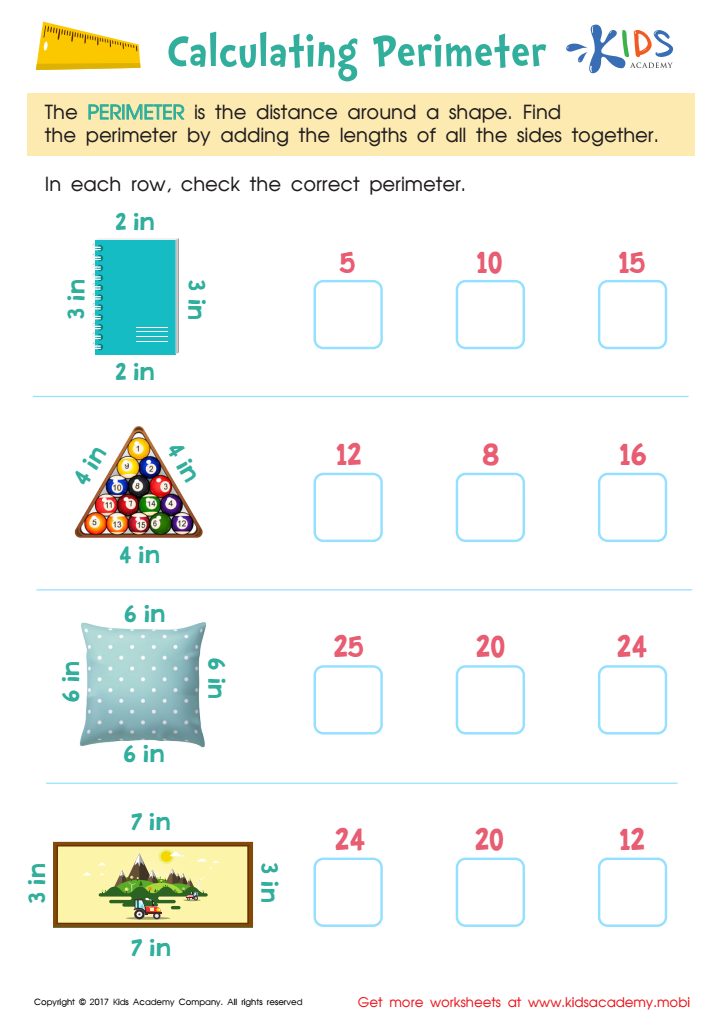
Calculating Perimeter Worksheet
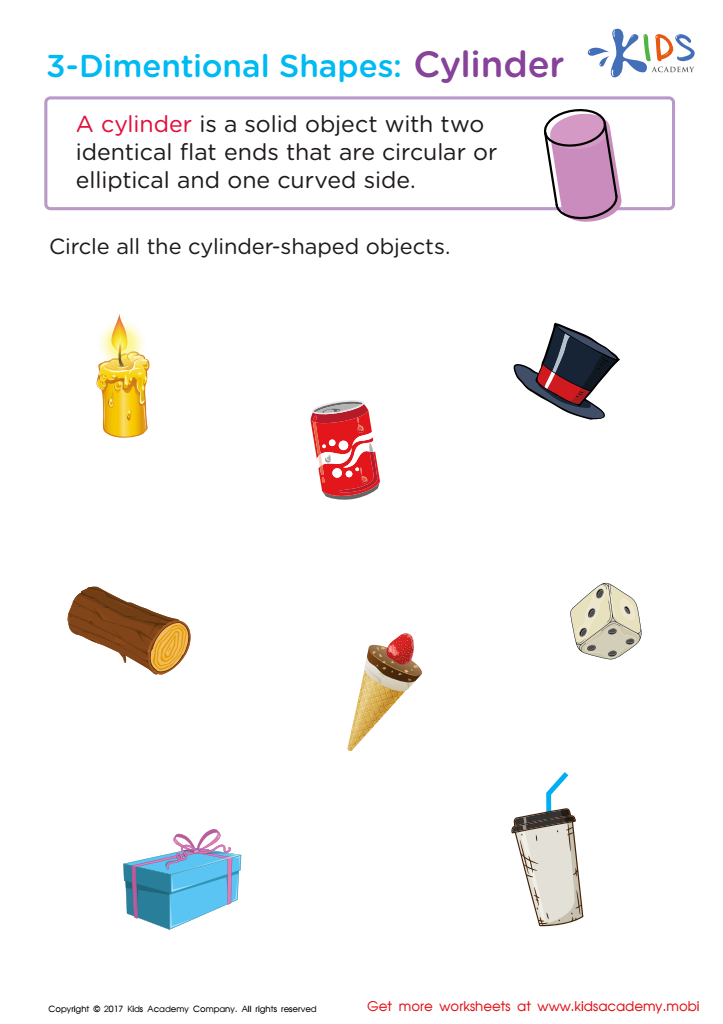
Three–Dimensional Shapes: Cylinder Worksheet








Normal Geometry for Ages 6-9 is essential for developing young children's spatial reasoning, critical thinking, and problem-solving skills. At this age, children are naturally curious and eager to explore the world around them, making it the perfect time to introduce geometric concepts. Understanding shapes, their properties, and relationships helps children to make sense of their environment and fosters a strong mathematical foundation.
Moreover, geometry enhances visual literacy, which is increasingly important in our technology-driven world. Recognizing patterns and spatial relationships can improve children's abilities in science, art, and even daily tasks. Additionally, engaging with geometry promotes creativity and innovation, encouraging children to think outside the box as they explore various ways shapes can interact or combine.
For parents and teachers, investing time in Normal Geometry equips children with vital skills that support their overall academic success and personal development. Those who are proficient in geometry often perform better in higher-level math, which sets the stage for future learning. Moreover, early exposure to geometric concepts has been linked to improved cognitive flexibility and deeper logical reasoning, laying the groundwork for lifelong skills that extend beyond the classroom. Thus, prioritizing geometry education is critical for a child's holistic growth and future opportunities.








