Matching worksheets activities for Ages 3-7 - Page 2
80 filtered results
-
From - To
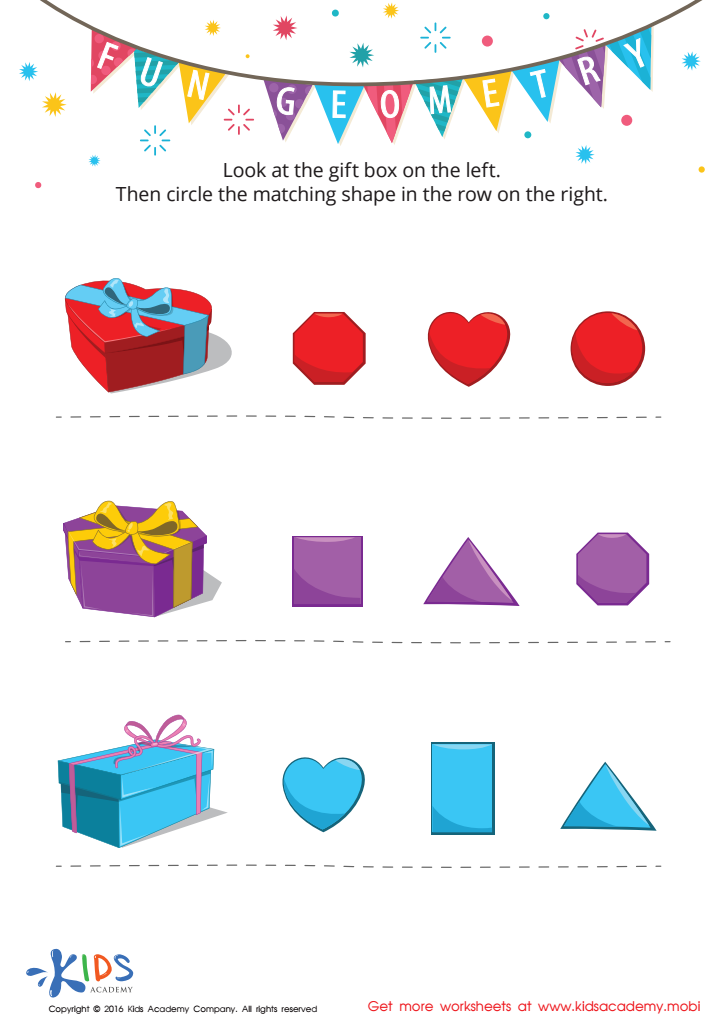
Fun Geometry Worksheet
 Assign to My Students
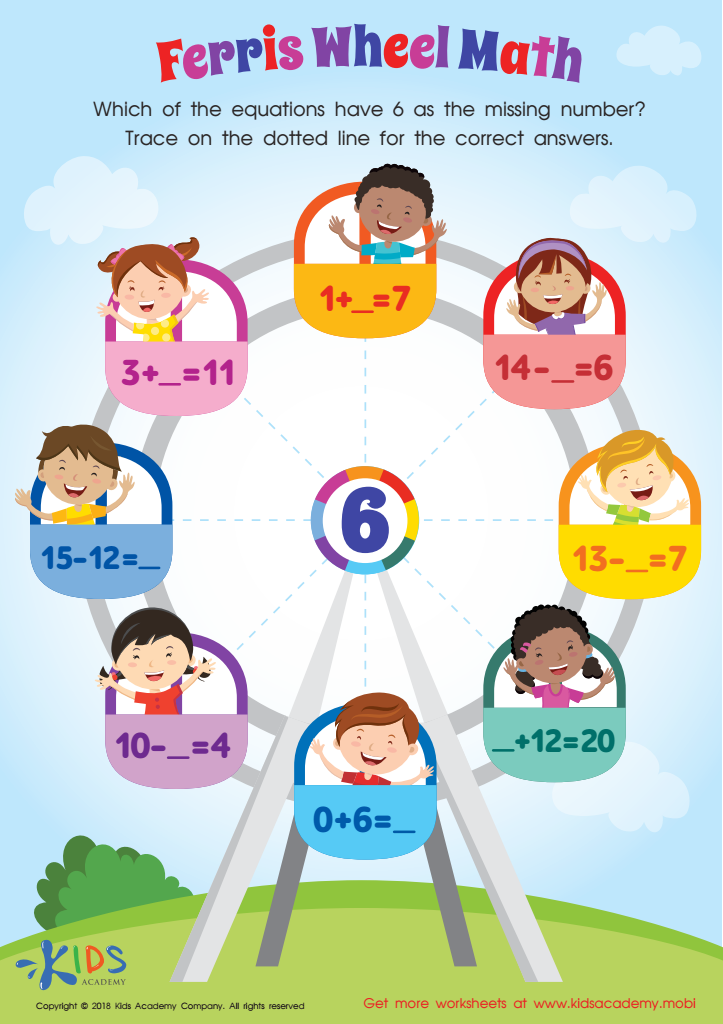
Missing Number: Ferris Wheel Math Worksheet
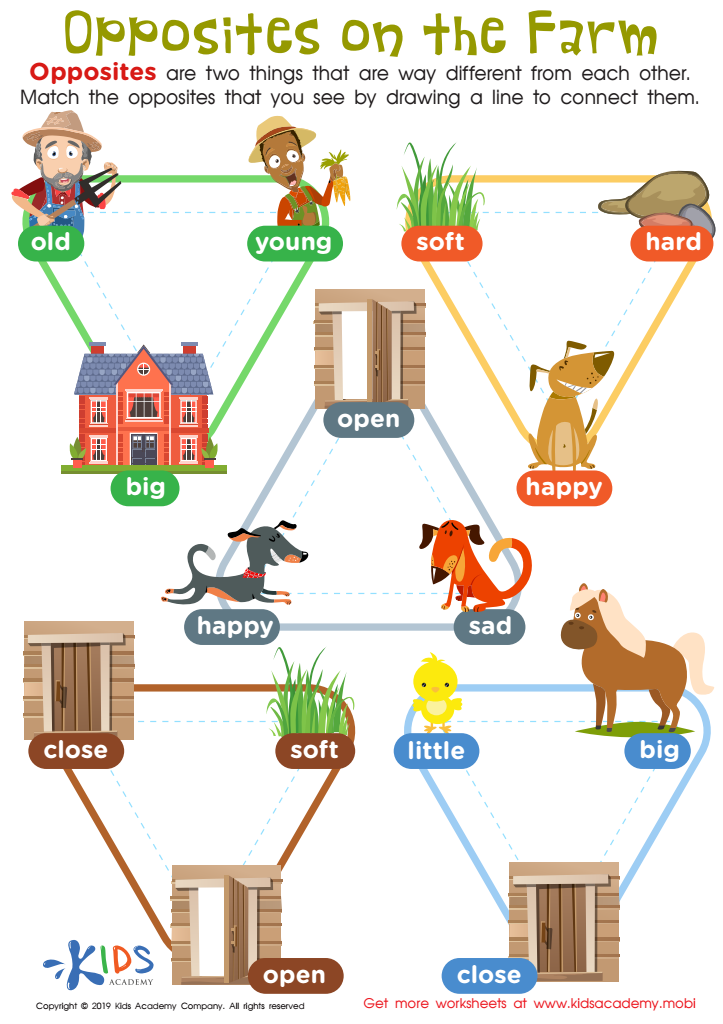
Opposites on the Farm Worksheet
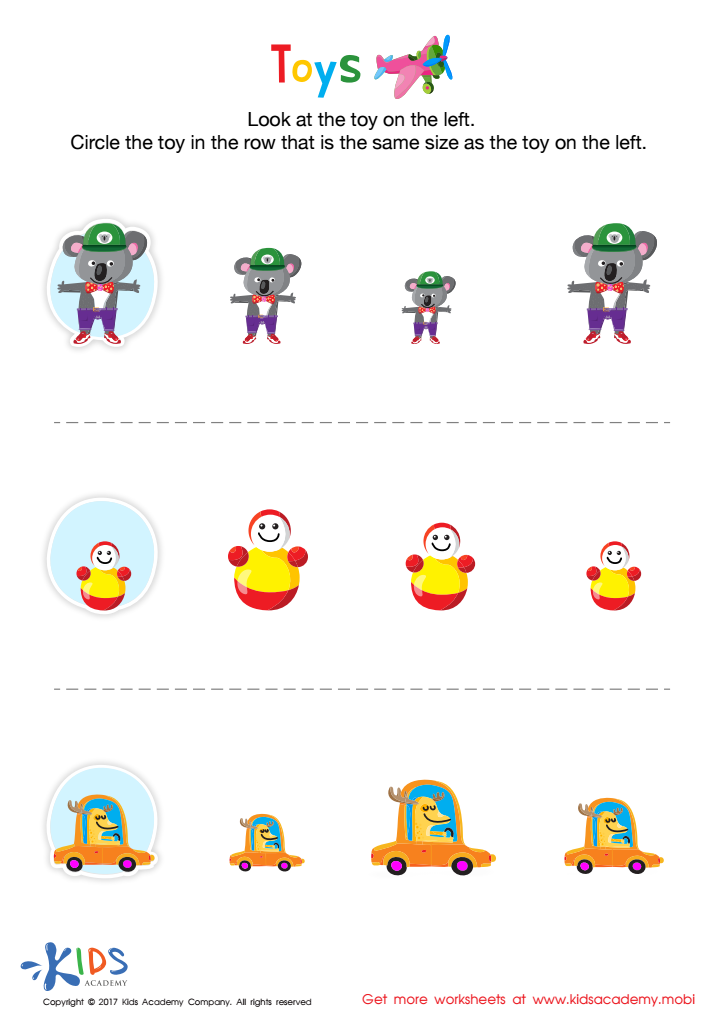
Matching: Classifying Toys by Size Worksheet
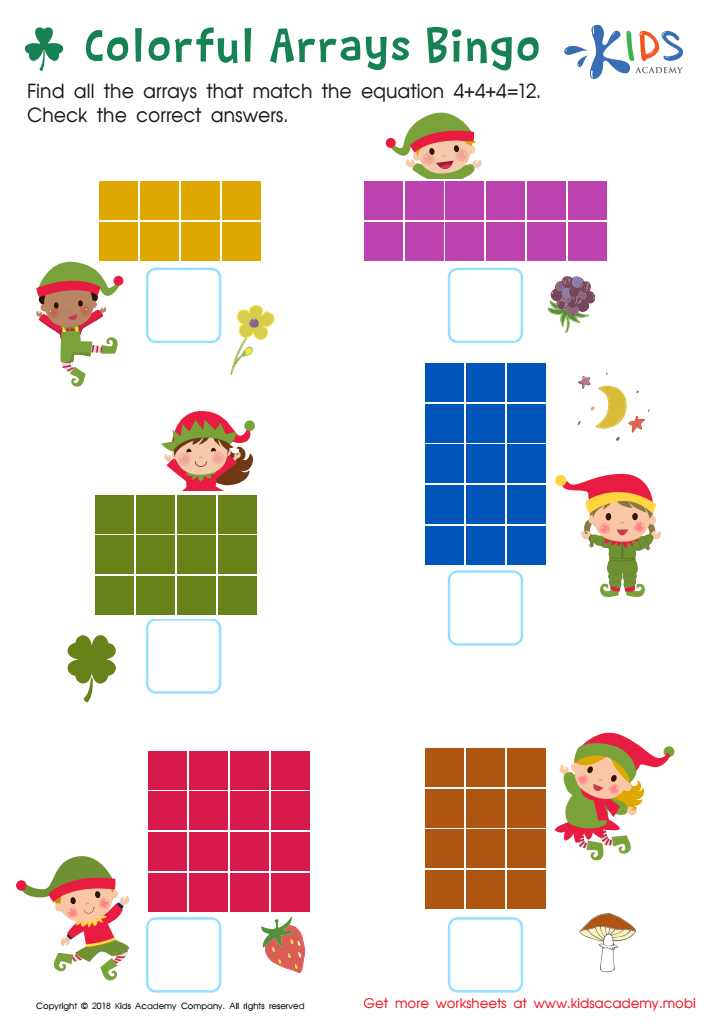
Colorful Arrays Bingo Worksheet
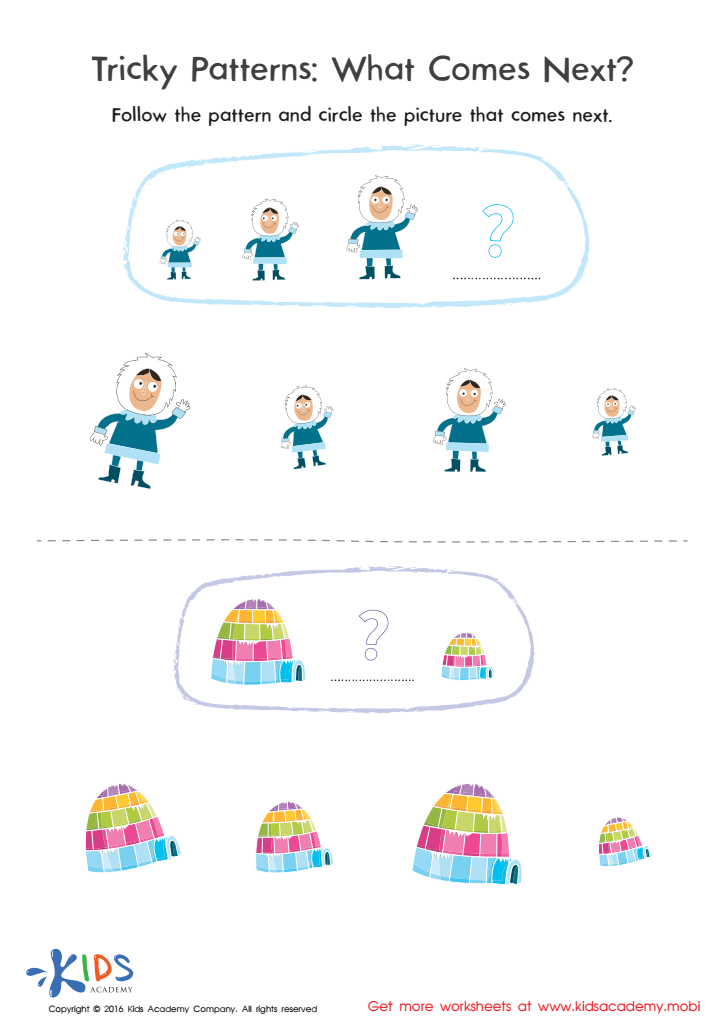
Tricky Patterns Size Worksheet
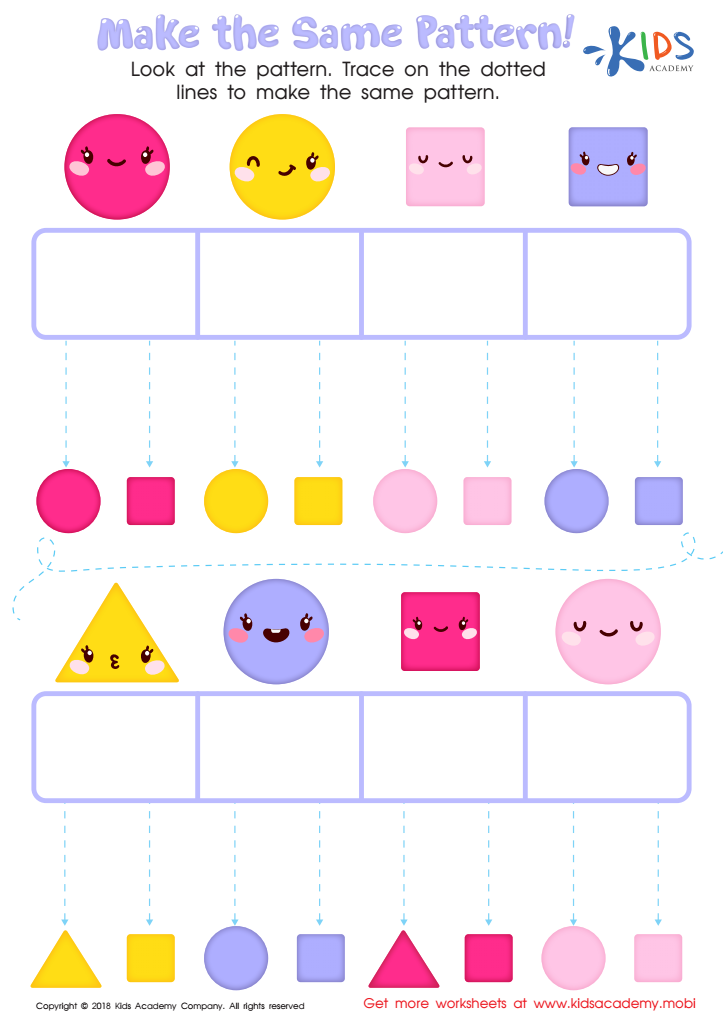
Make the Same Pattern Worksheet
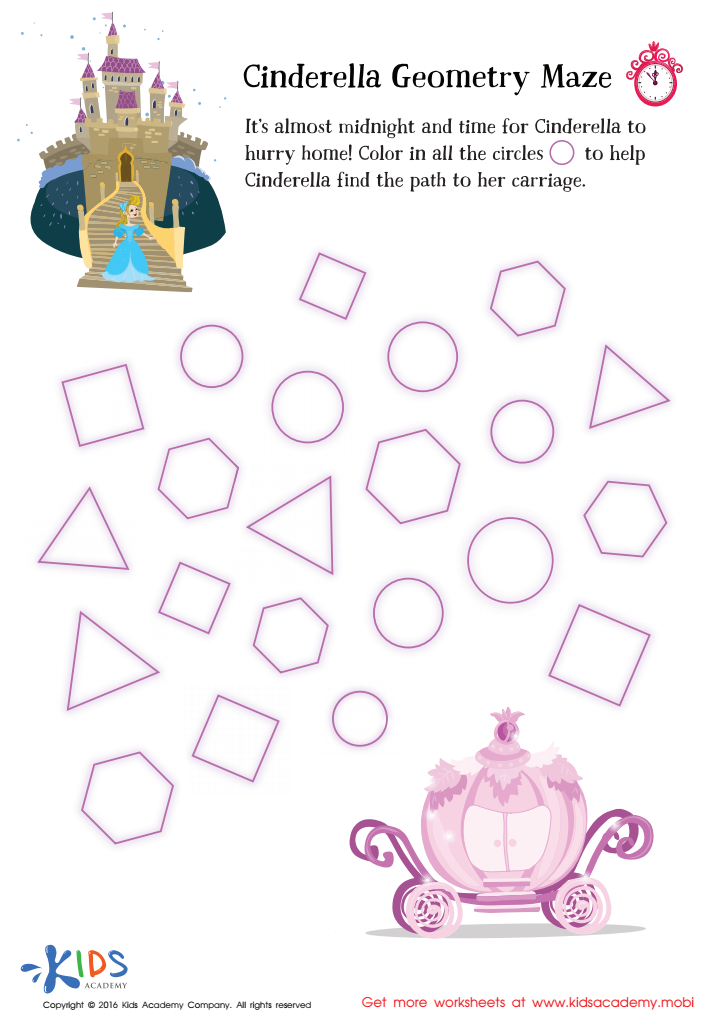
Cinderella Geometry Maze Worksheet
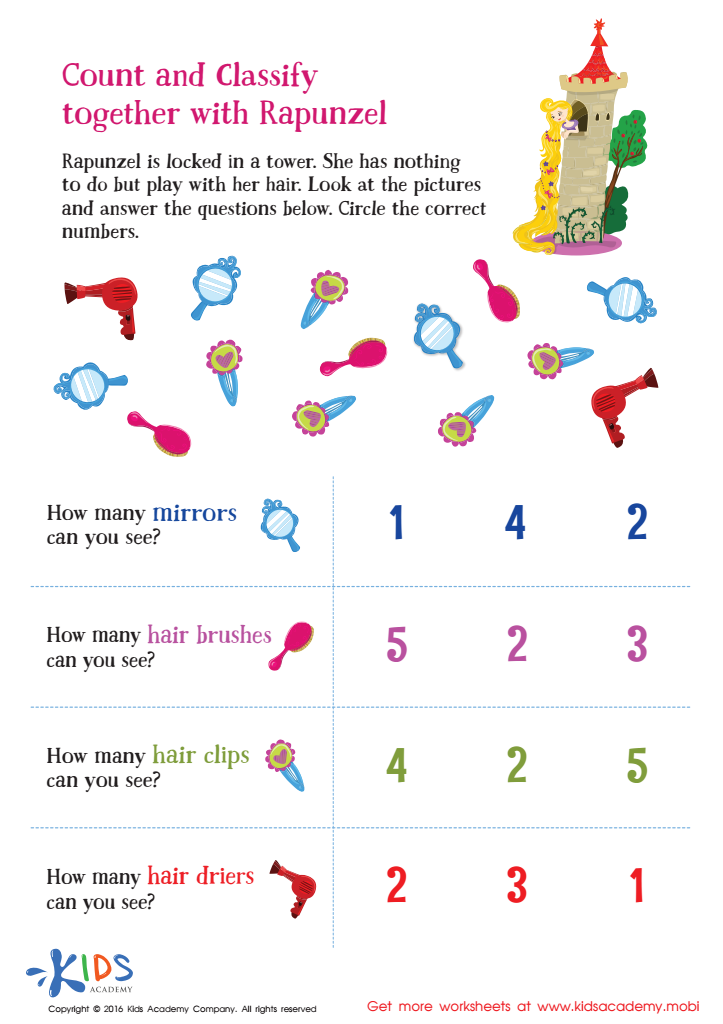
Fairy Tale Worksheet: Count and Classify with Rapunzel
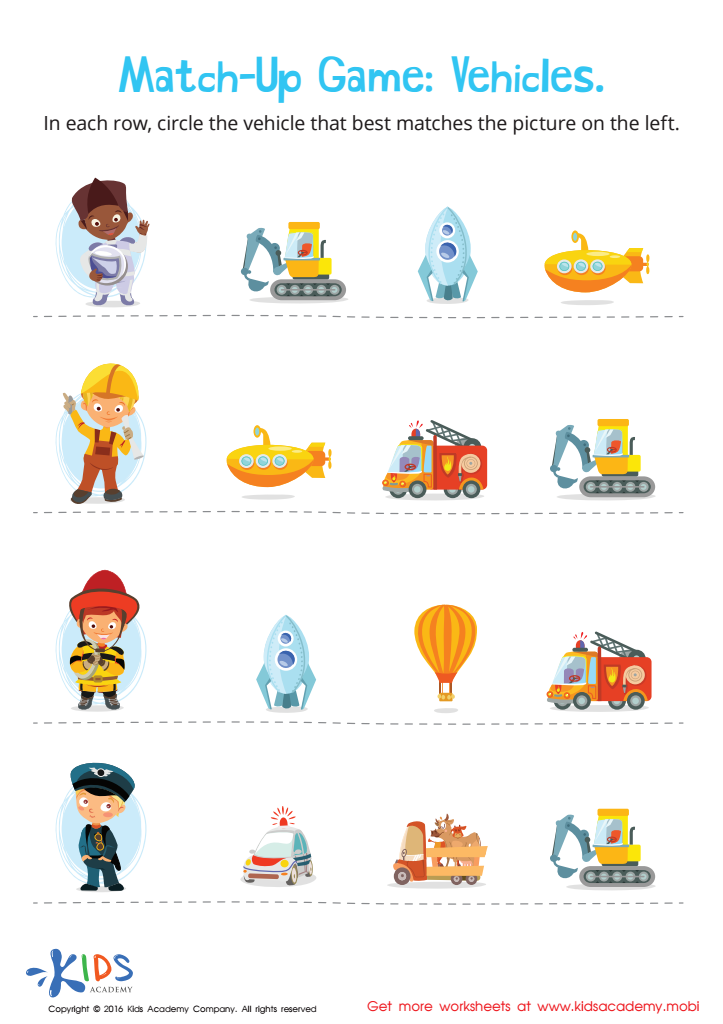
Vehicles Worksheet
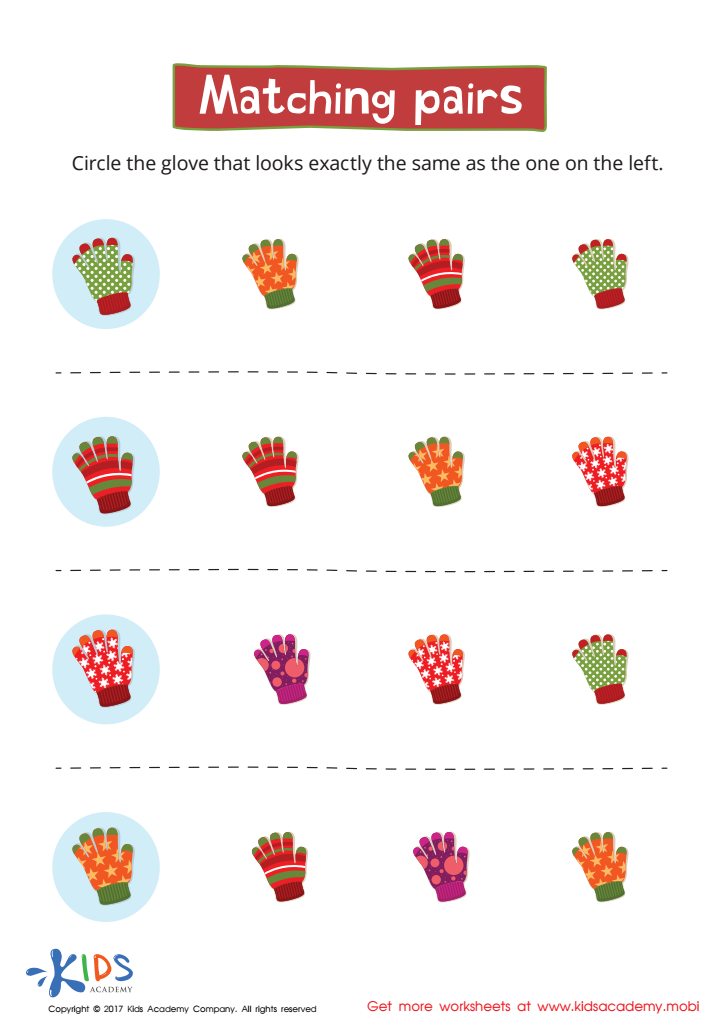
Matching: Matching Pairs Worksheet
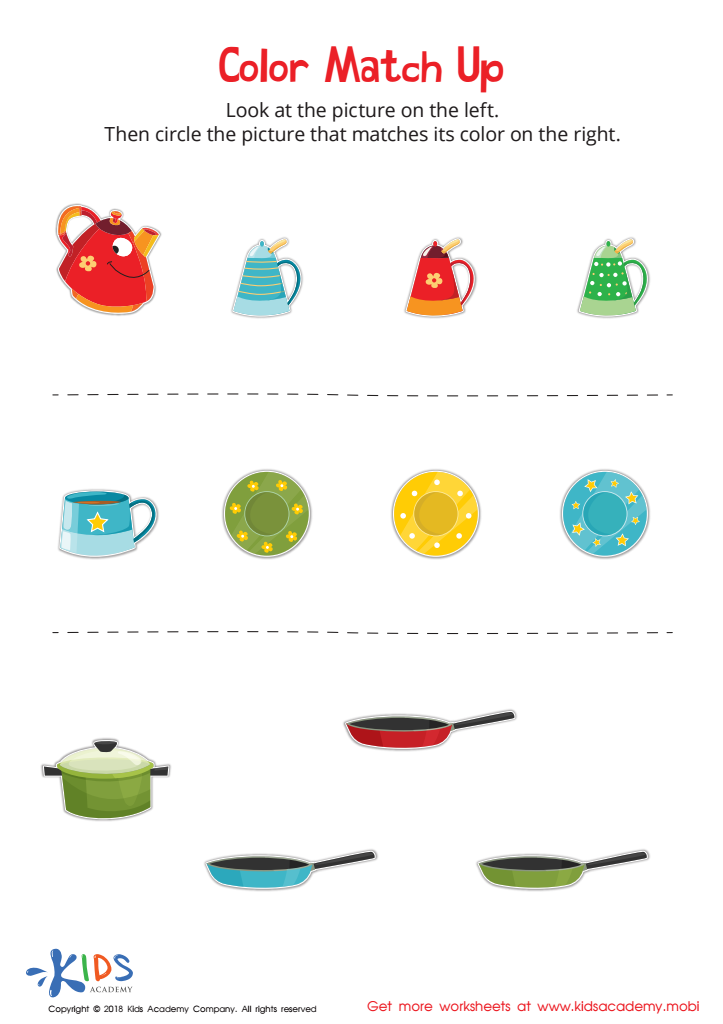
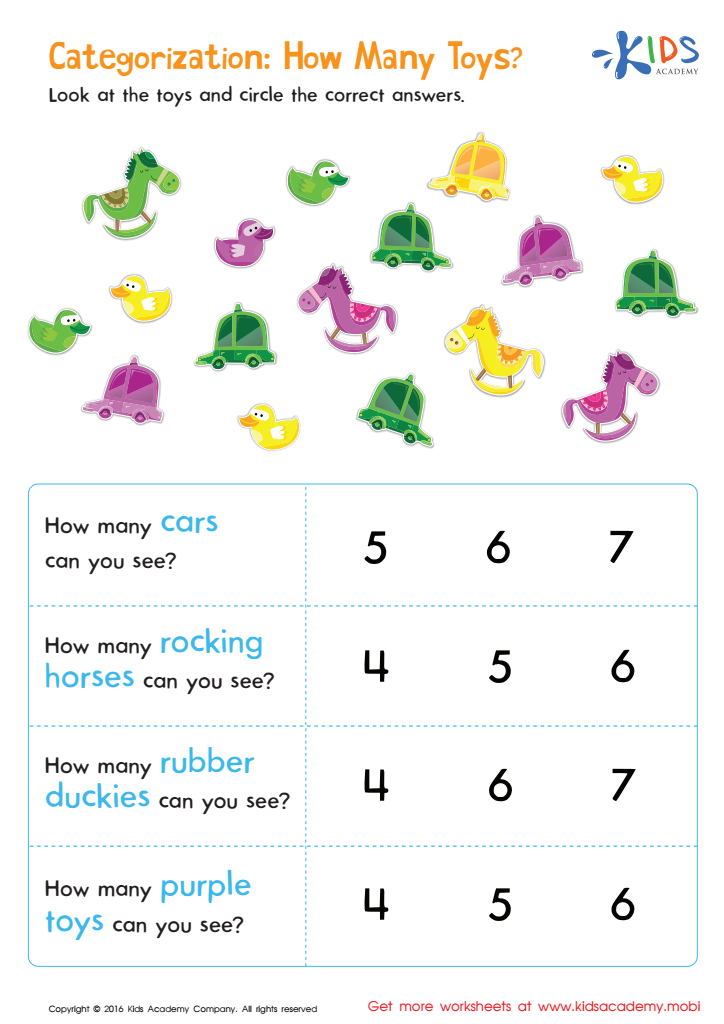
Classifying Toys by Type and Color Sorting Worksheet
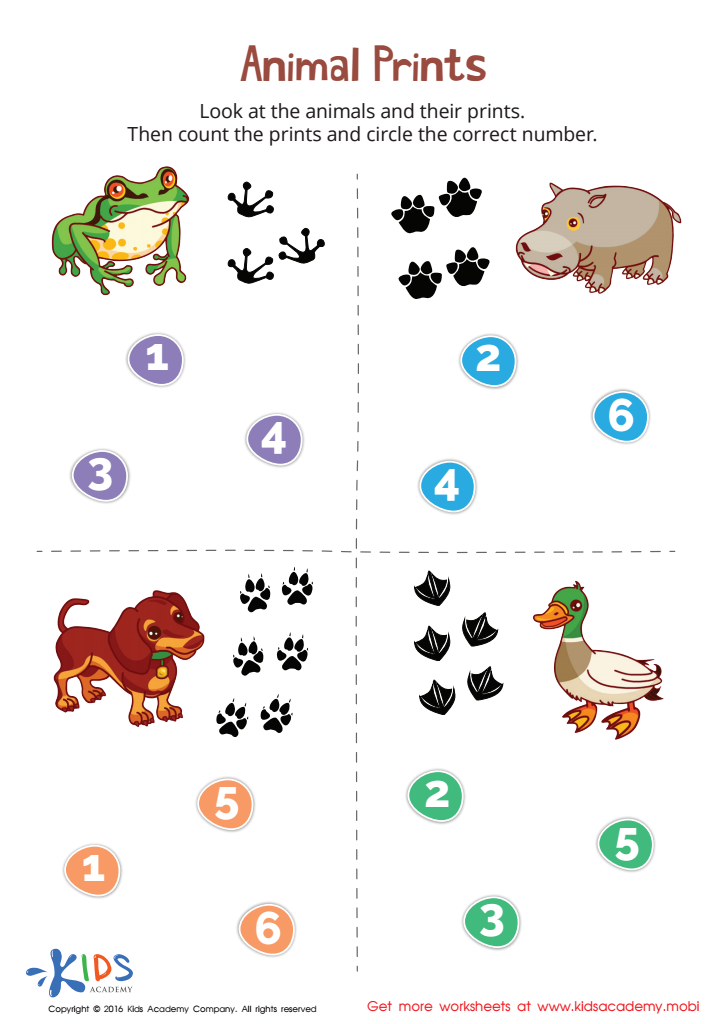
Animal Prints Match-Up Worksheet
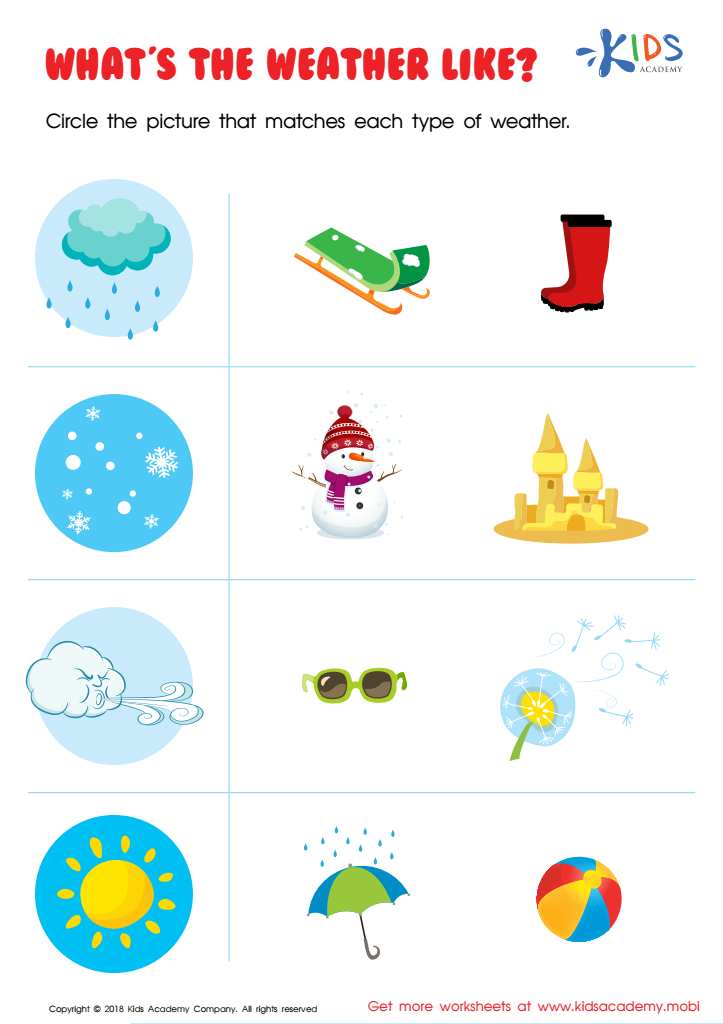
What's the Weather Like? Worksheet
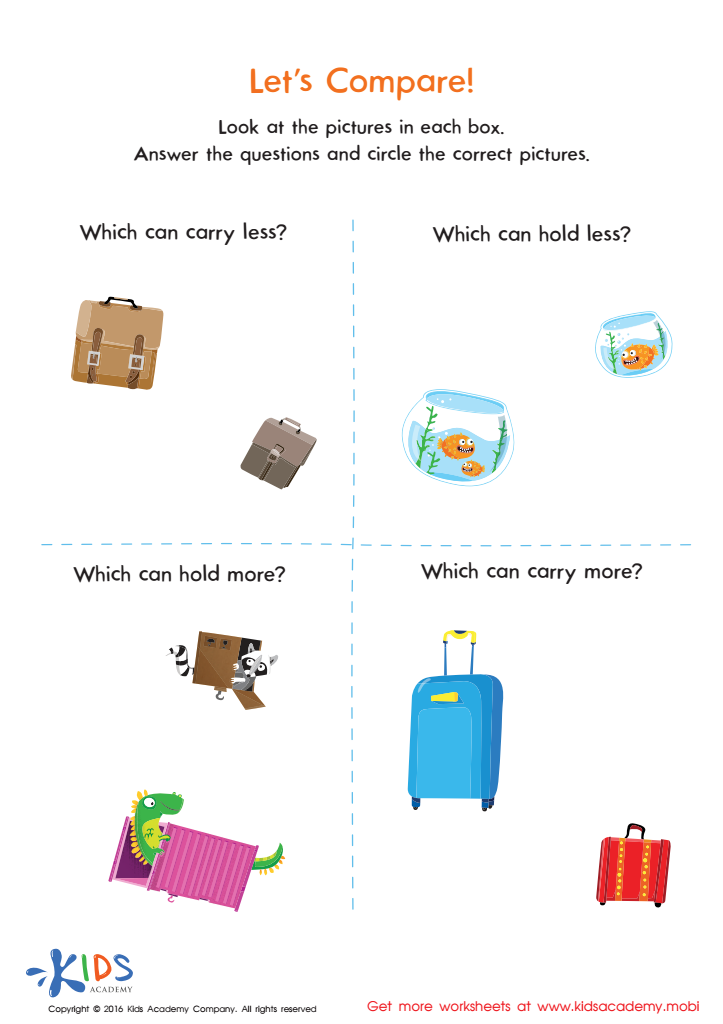
Let's Compare Worksheet: Big or Small
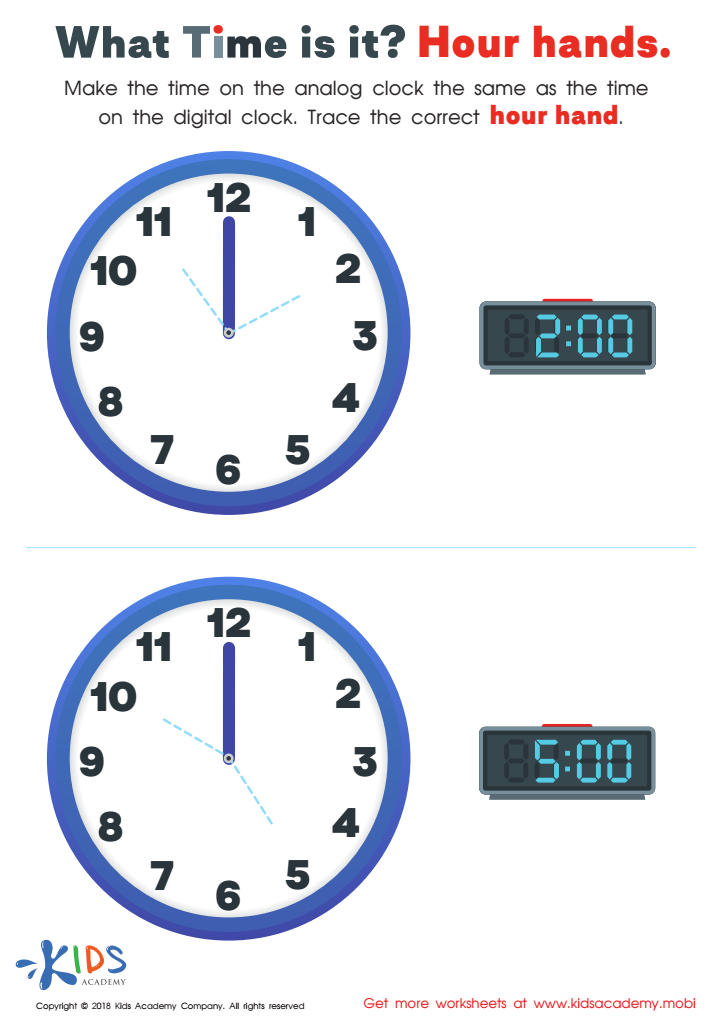
What Time Is it? Hour Hands Worksheet
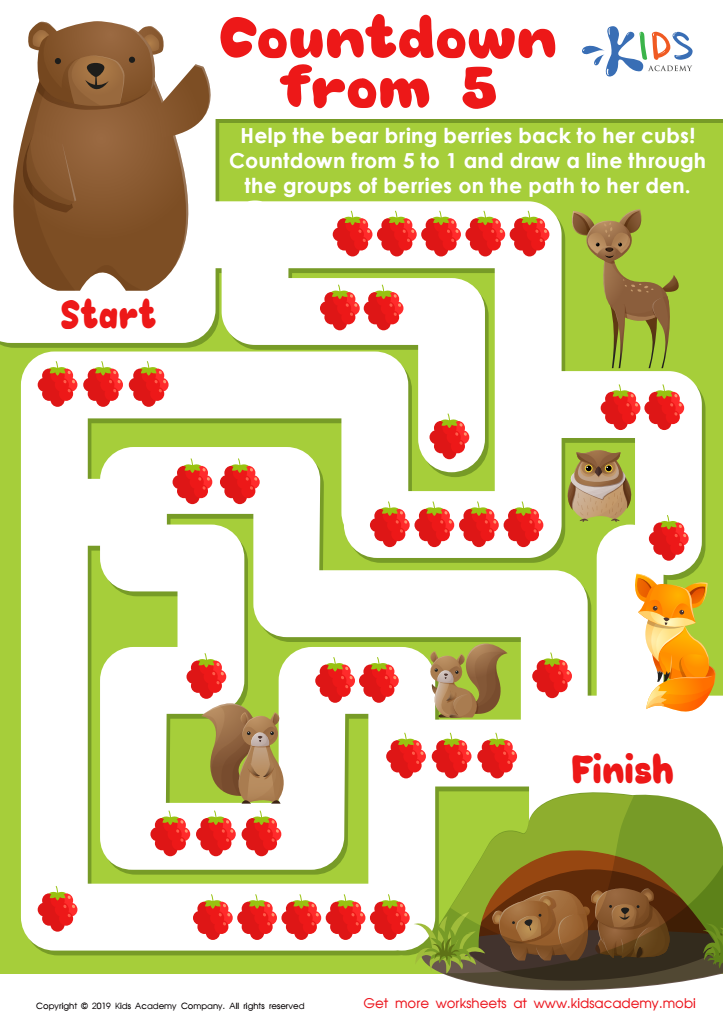
Countdown from 5 Worksheet
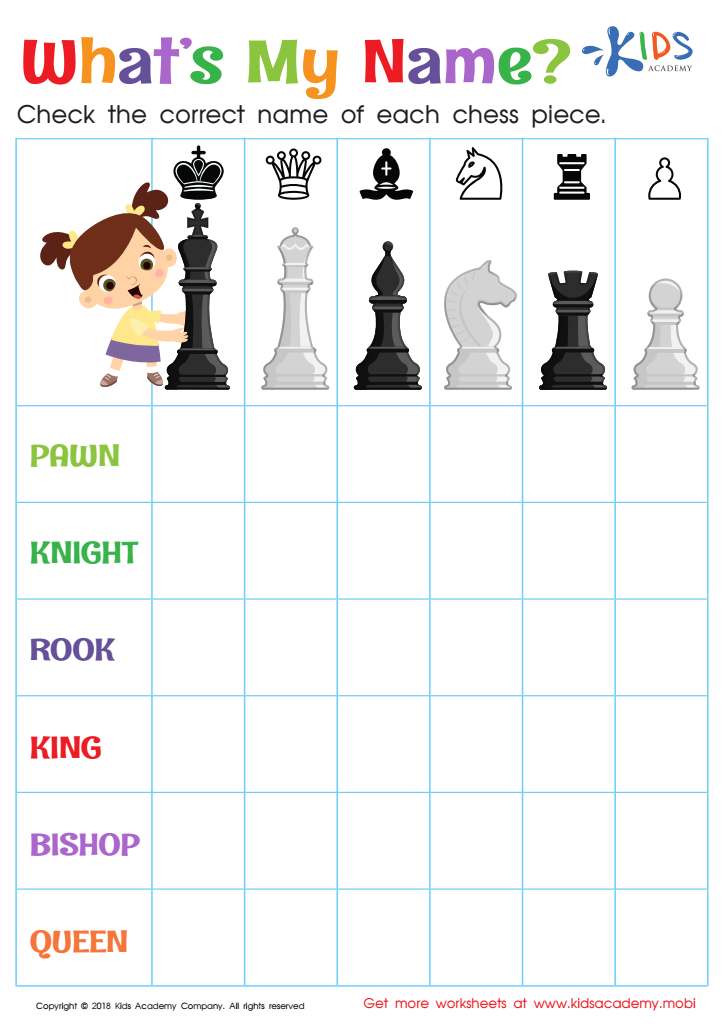
What's My Name? Worksheet
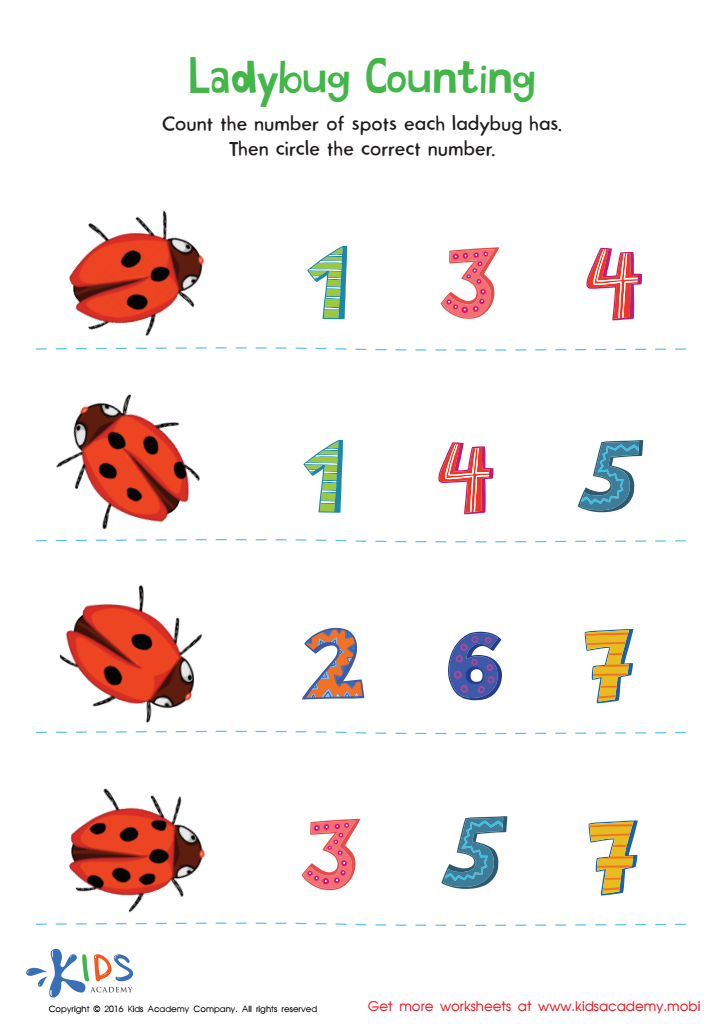
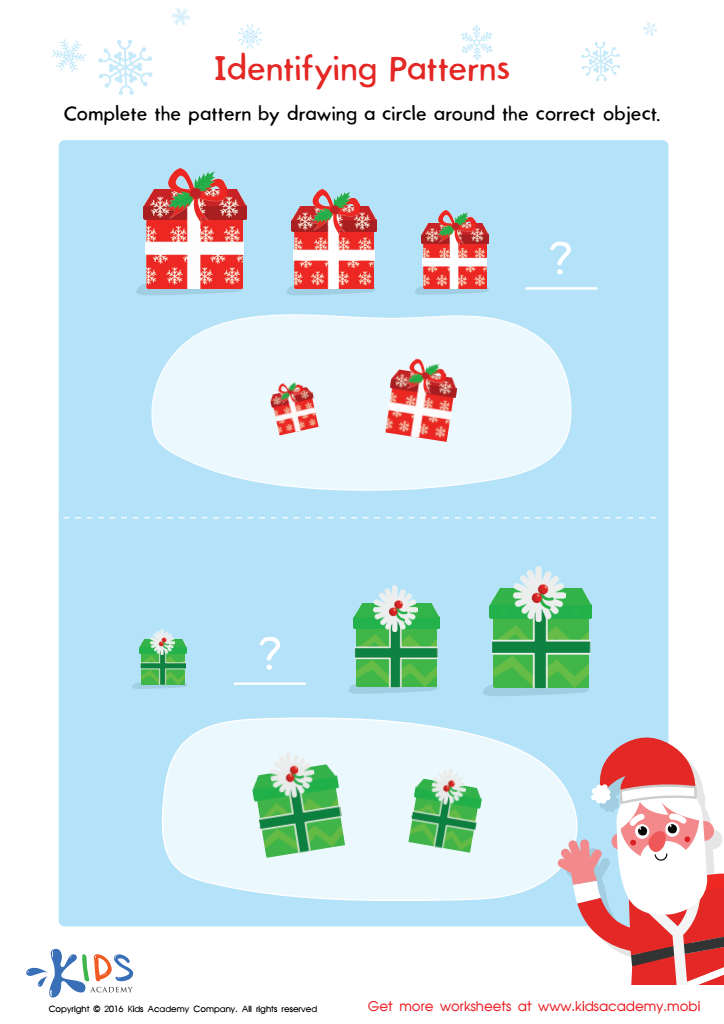
Identifying Patterns Worksheet
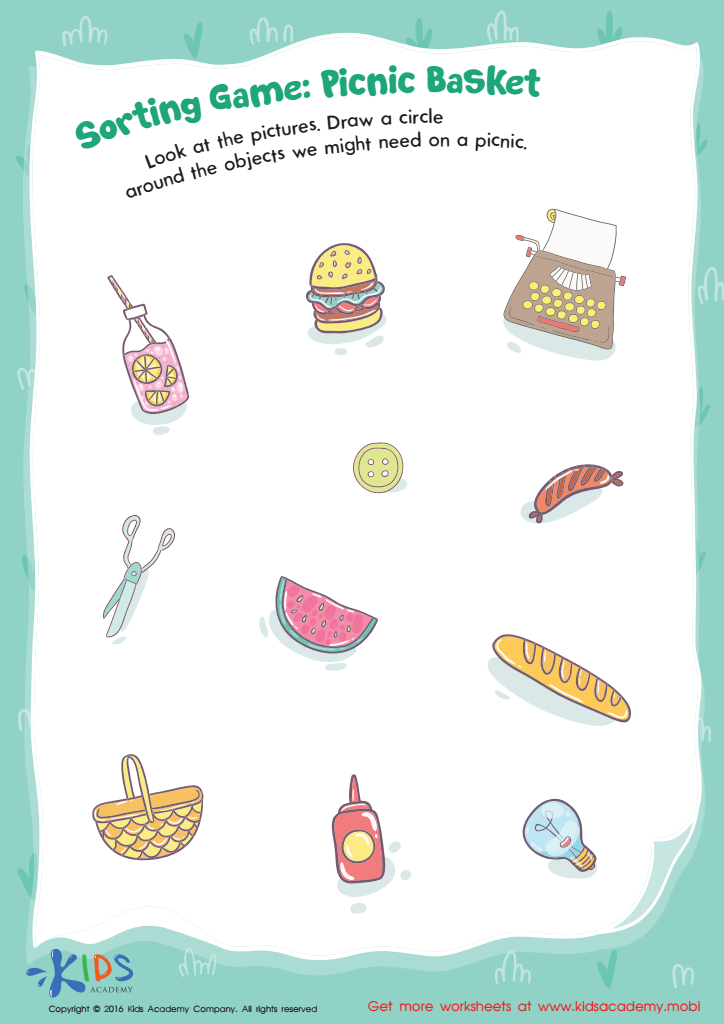
Picnic Basket Sorting Worksheet
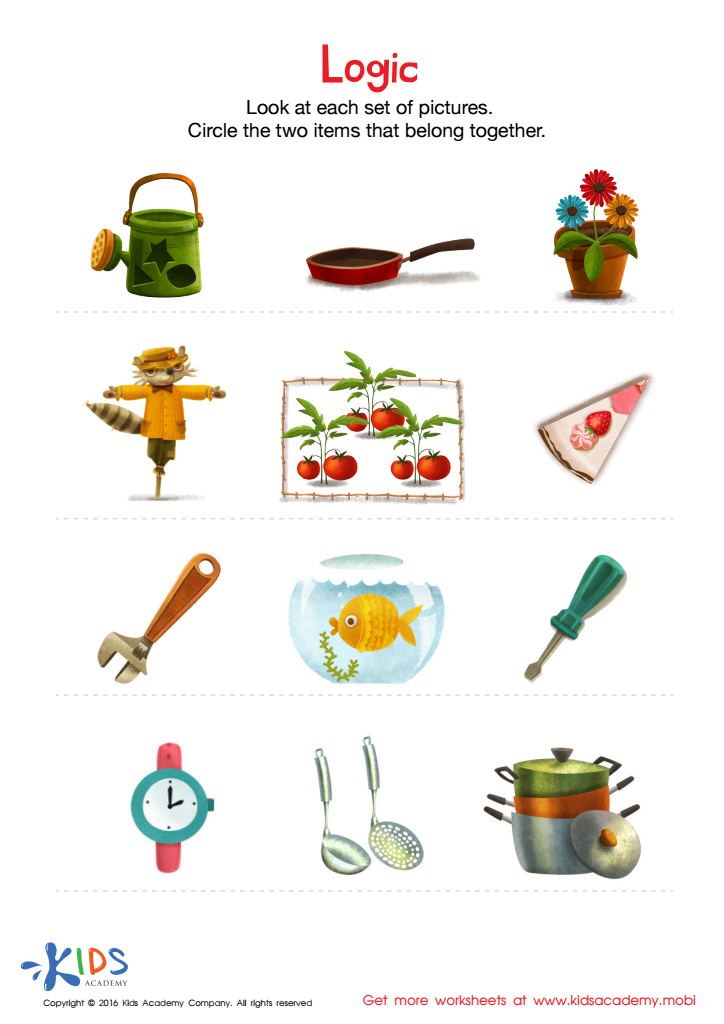
Logic Game Sorting Worksheet






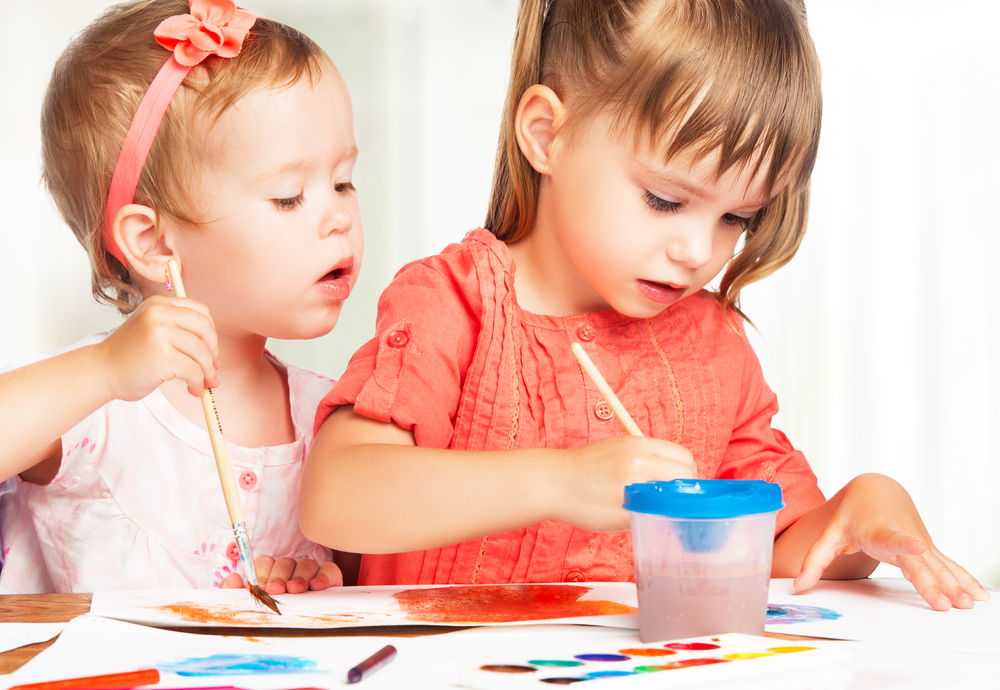

Matching activities for children aged 3-7 are crucial for their cognitive and social development. At this formative stage, kids are building foundational skills that can significantly influence their future learning. Engaging in matching activities enhances memory, concentration, and critical thinking skills. When children link items based on similarities, they practice categorization, an essential aspect of problem solving and logical reasoning.
Moreover, these activities foster language acquisition. As children identify and verbalize connections between objects or concepts, they expand their vocabulary and communication skills. This makes them more proficient in expressing ideas and understanding others, which enhances their social interactions.
For parents and teachers, incorporating matching exercises into learning routines encourages a playful approach to education, making learning more enjoyable and less daunting. It also provides opportunities for guided conversations about concepts such as colors, shapes, numbers, and relationships, reinforcing knowledge retention.
Furthermore, matching games often facilitate collaborative play, helping children develop teamwork and turn-taking skills, essential components of emotional intelligence. By nurturing these abilities early on, parents and teachers provide a strong foundation for lifelong learning and interpersonal skills, ultimately contributing to a child’s overall success in school and beyond.








