Counting Worksheets for Ages 5-7 - Page 2
43 filtered results
-
From - To
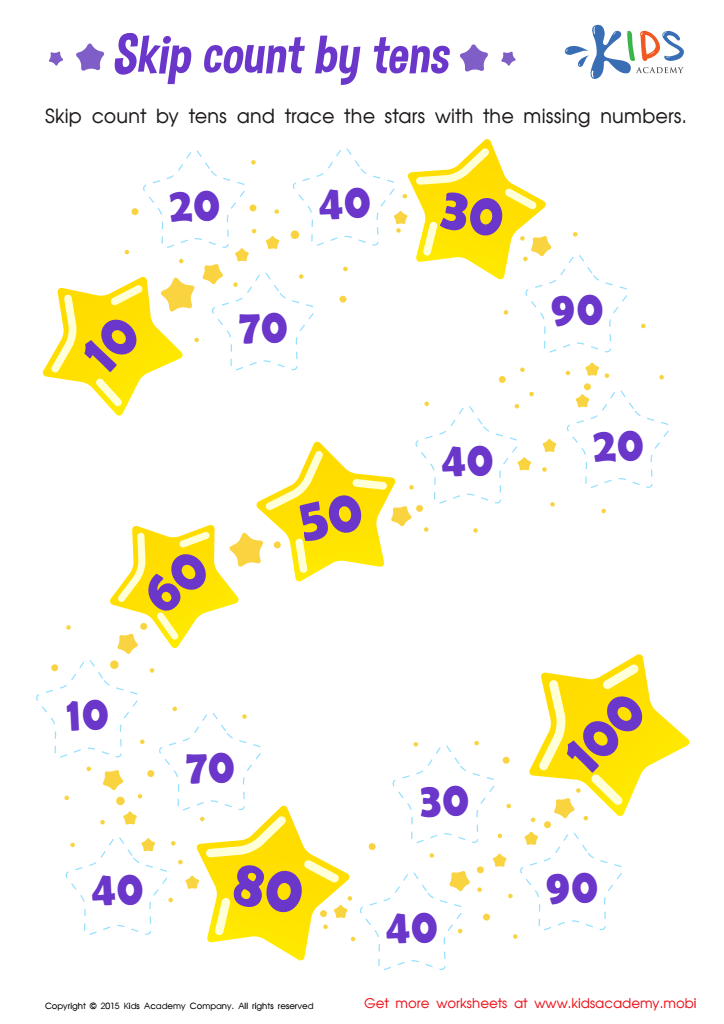
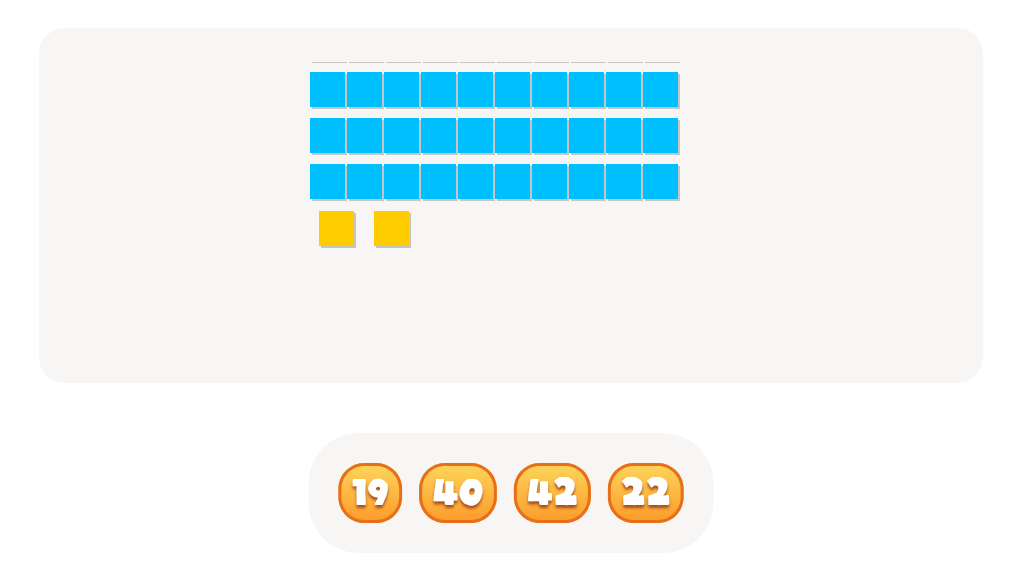
Learn dozens: Skip Count by Tens Printable


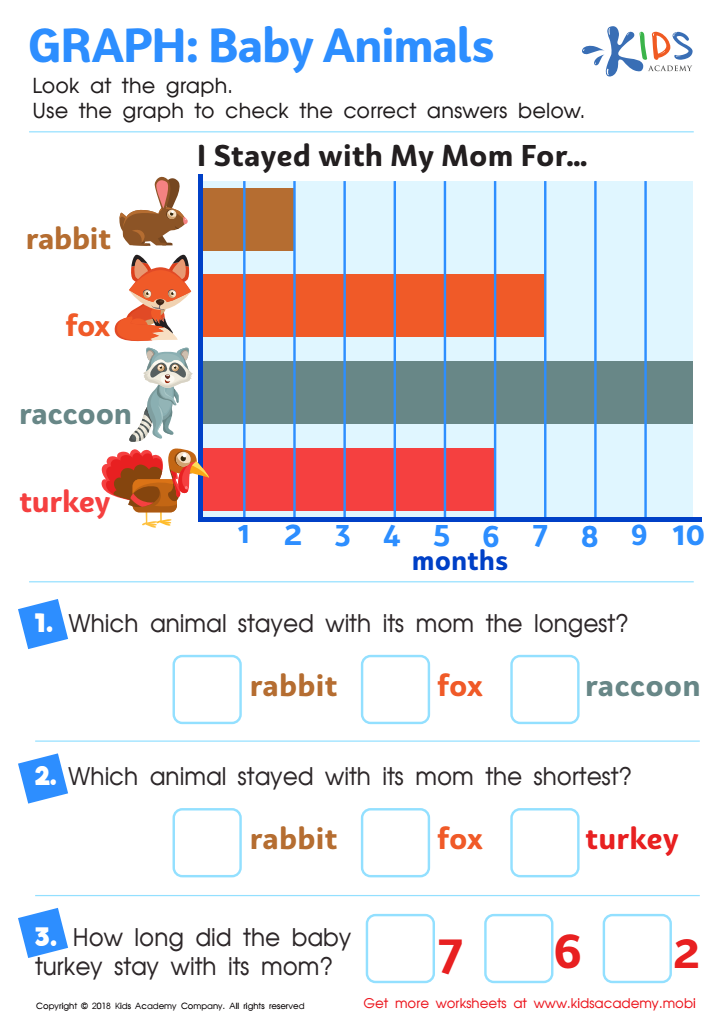
Graph: Baby Animals Worksheet
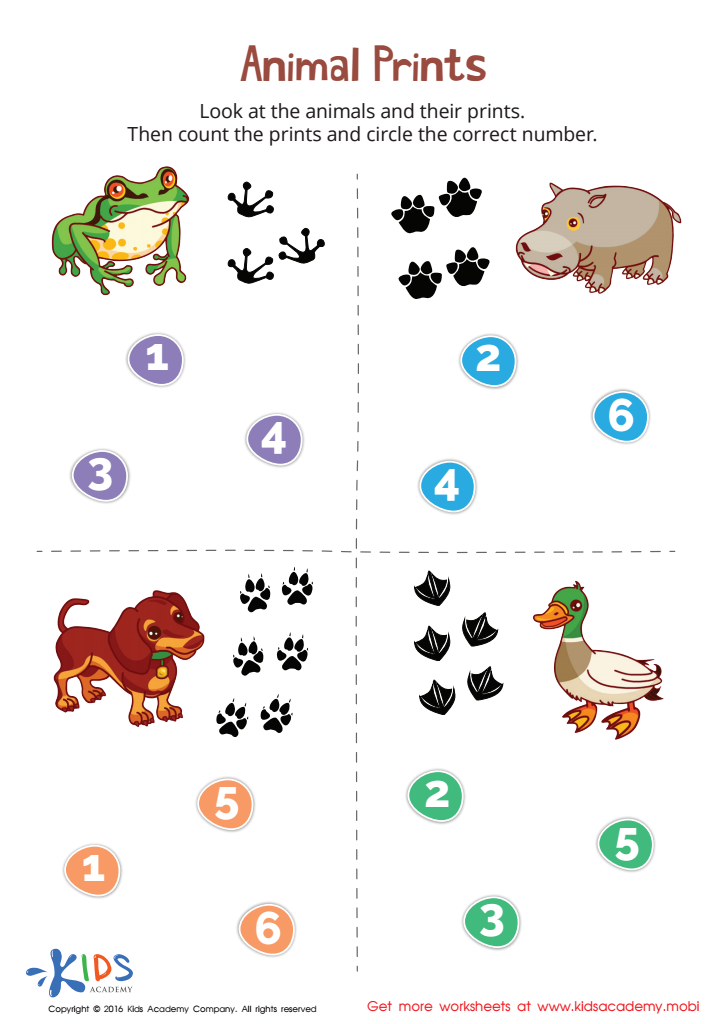
Animal Prints Match-Up Worksheet
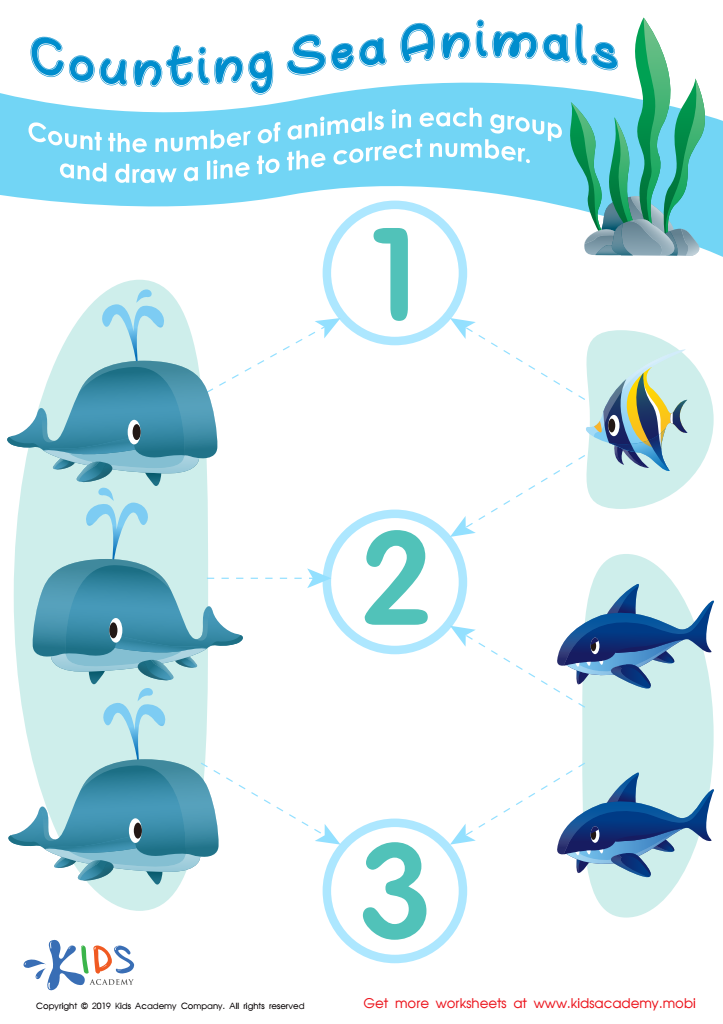
Counting Sea Animals Worksheet
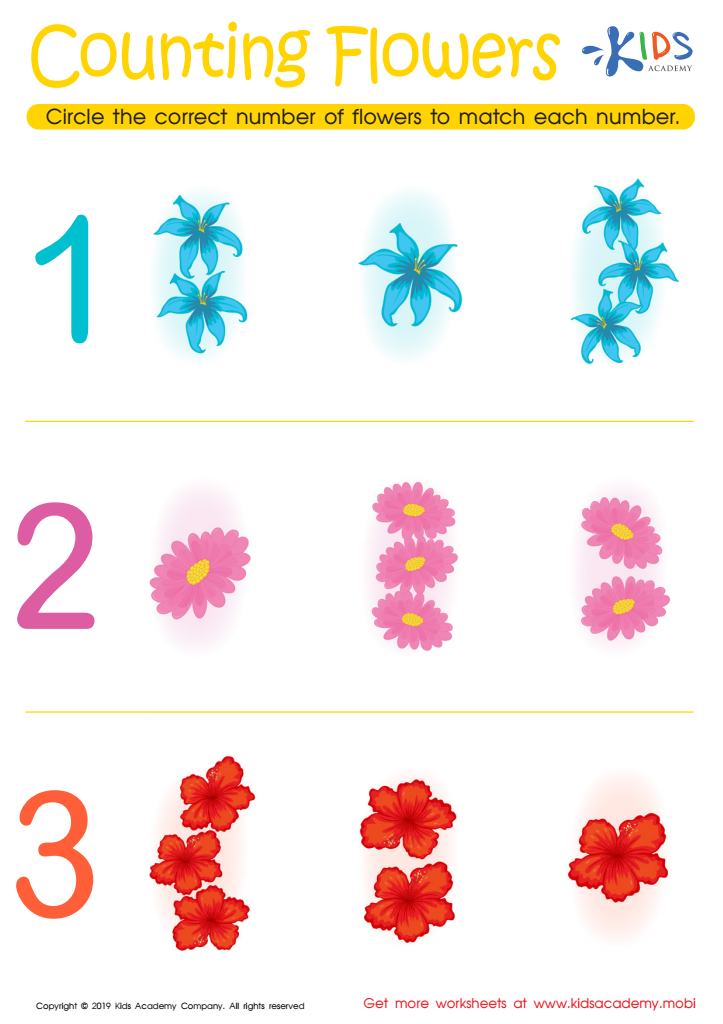
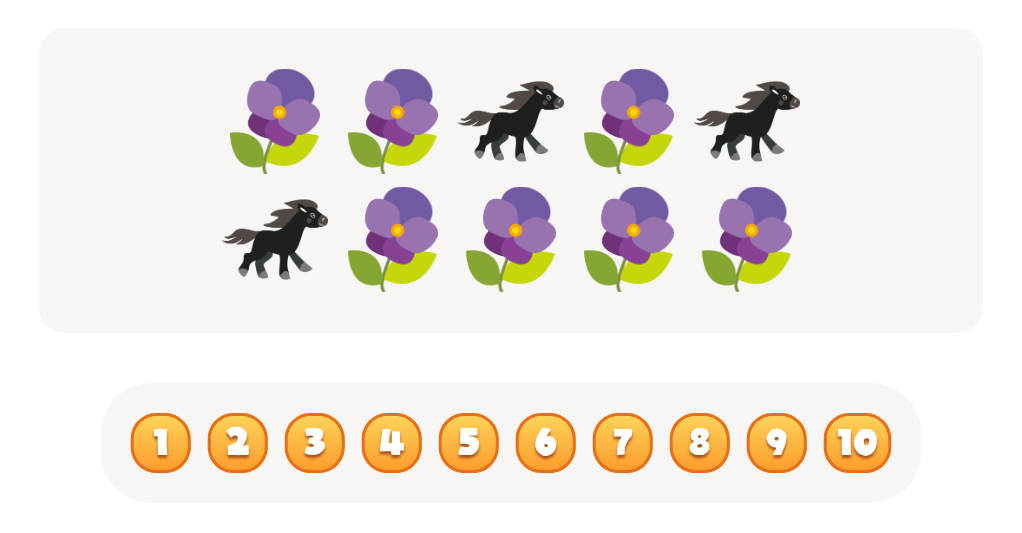
Counting Flowers Worksheet
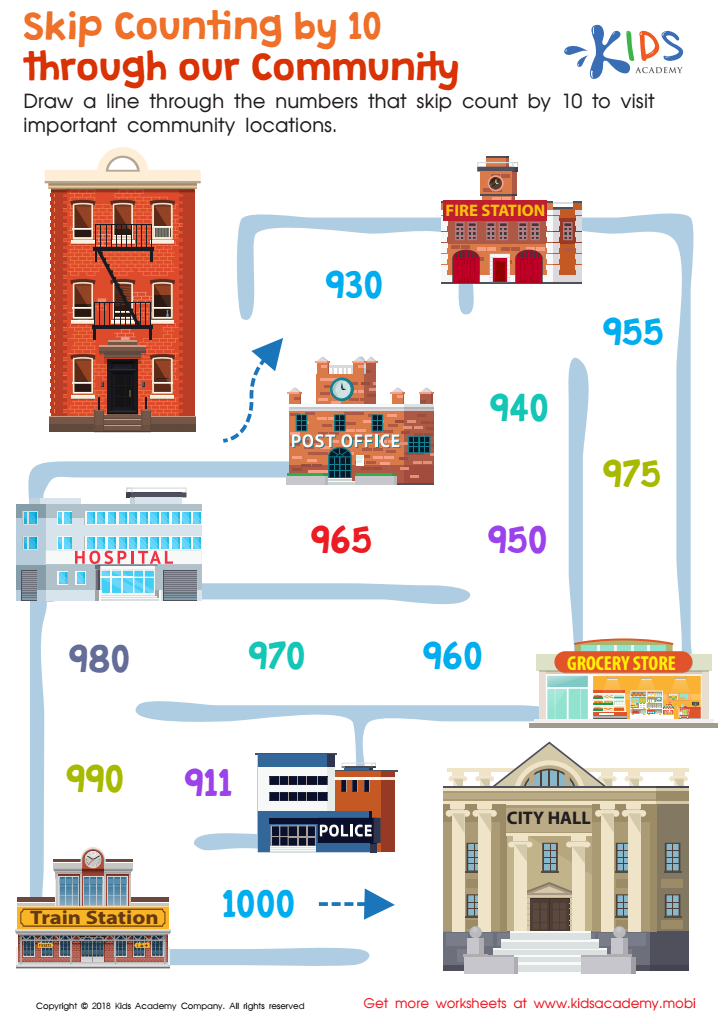
Skip Counting by 10 Through Our Community Worksheet
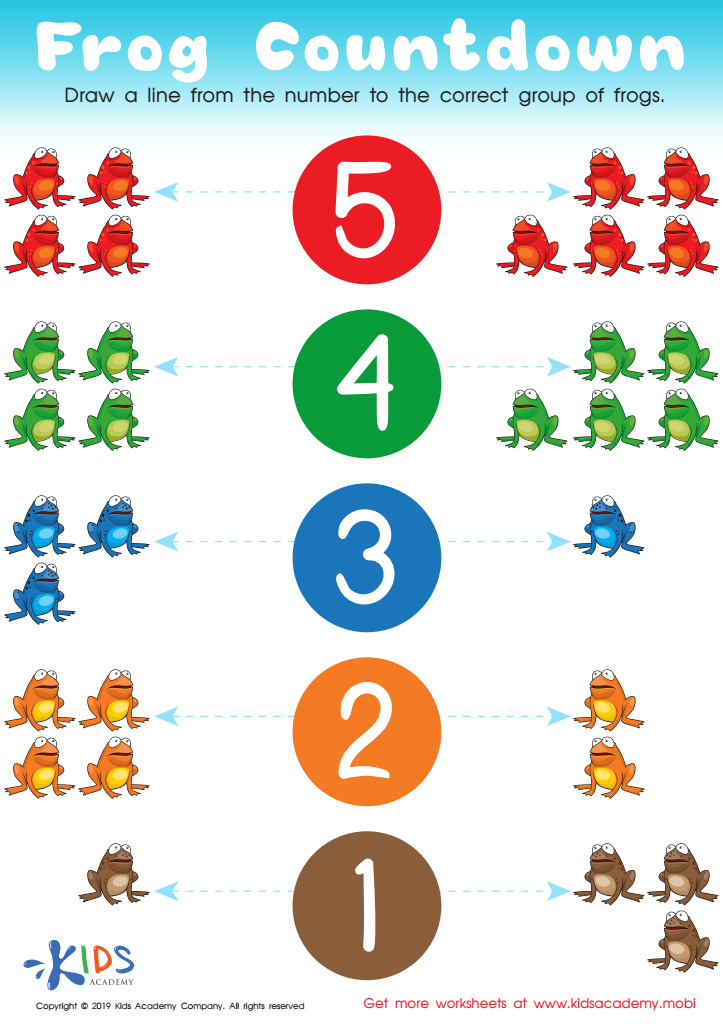
Frog Countdown Worksheet
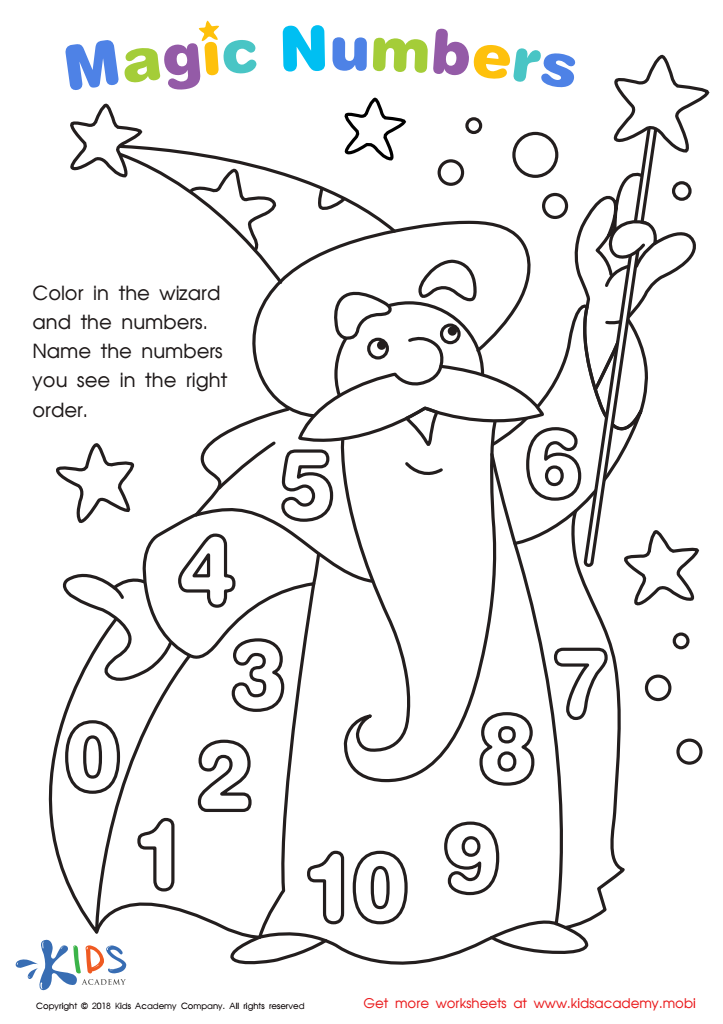
Magic Numbers Worksheet
 Assign to My Students
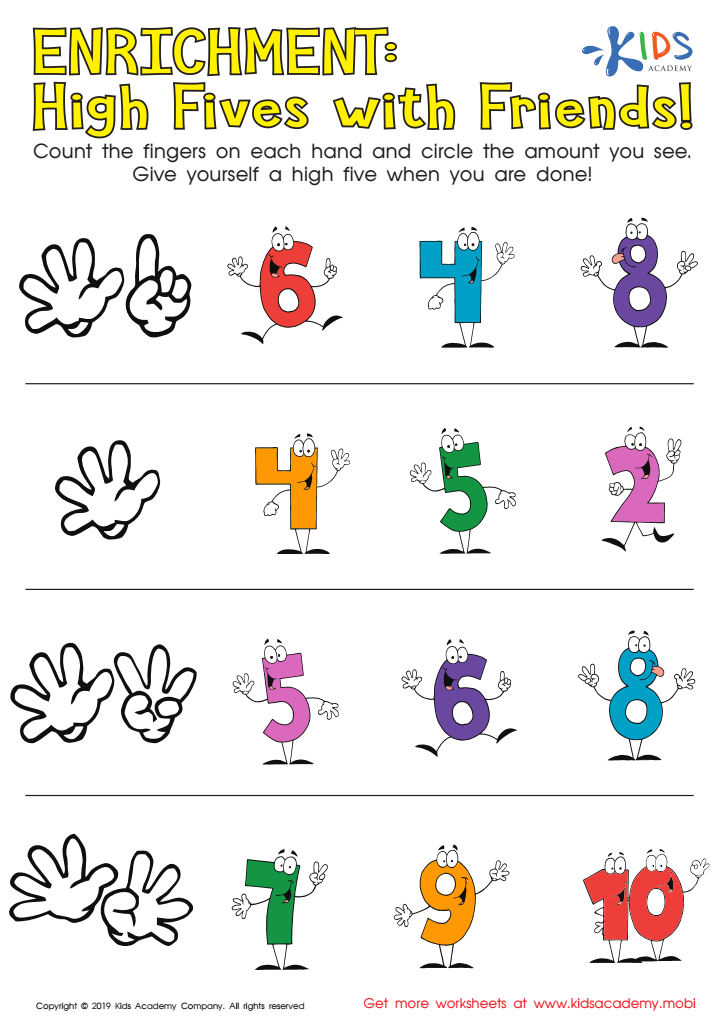
Enrichment: High Fives with Friends! Worksheet
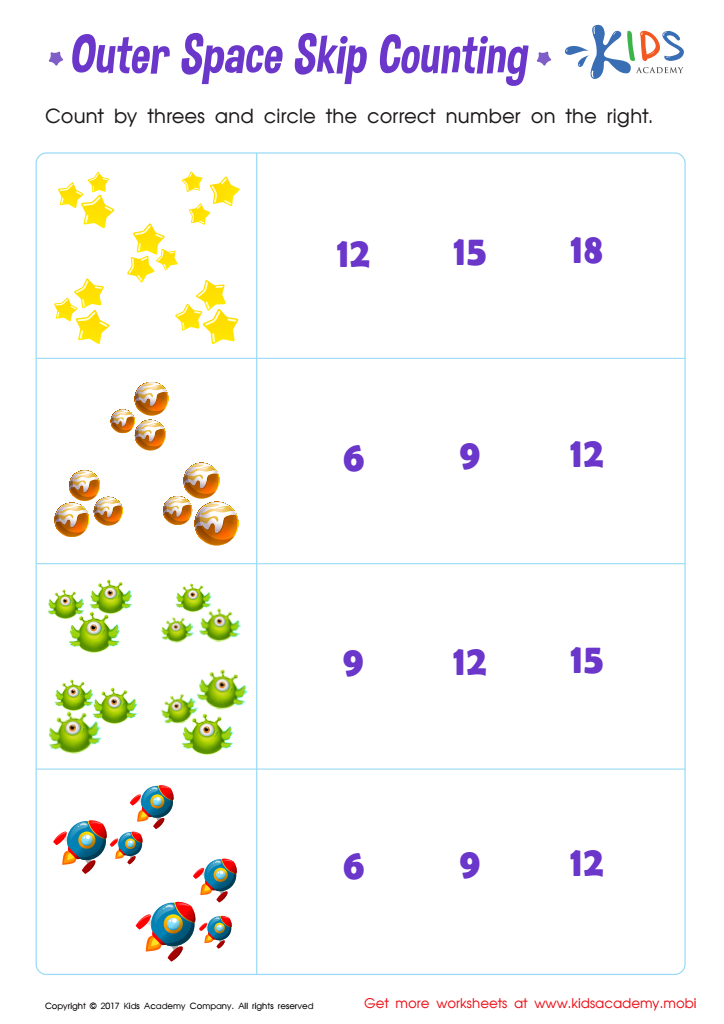
Skip Counting by 3s: Outer Space Skip Counting Printable
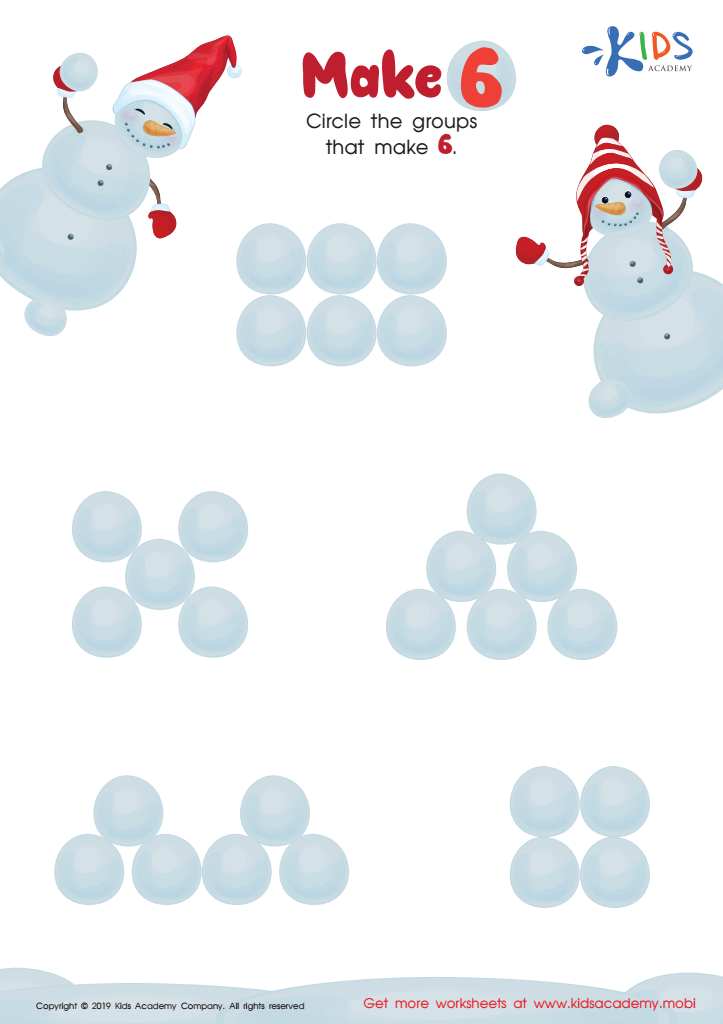
Make 6 Worksheet
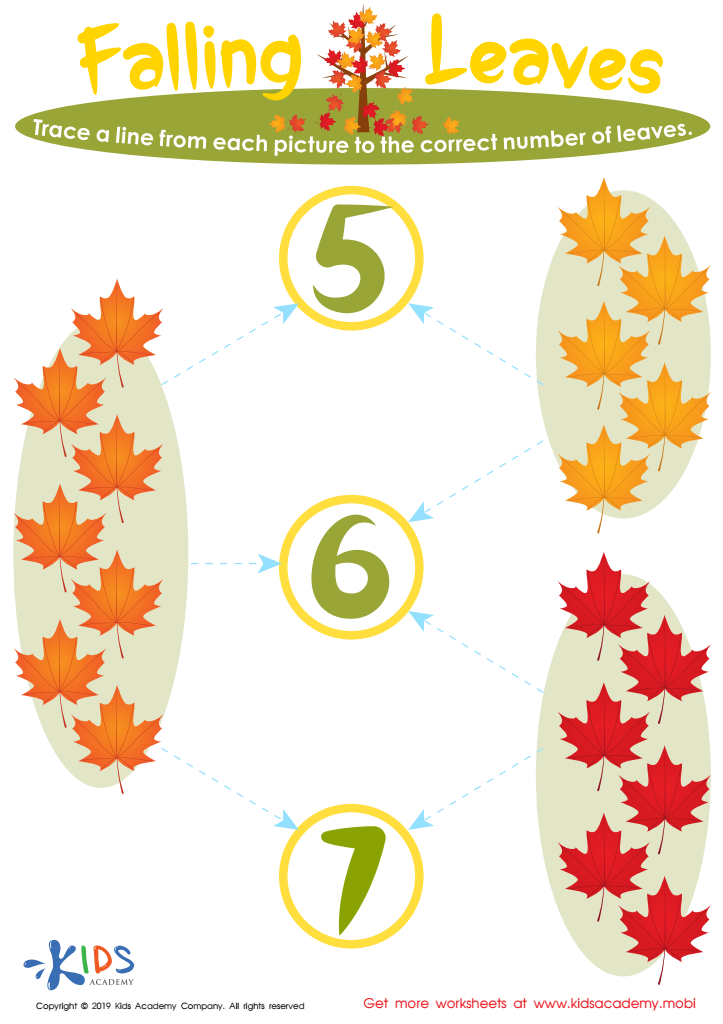
Falling Leaves Worksheet
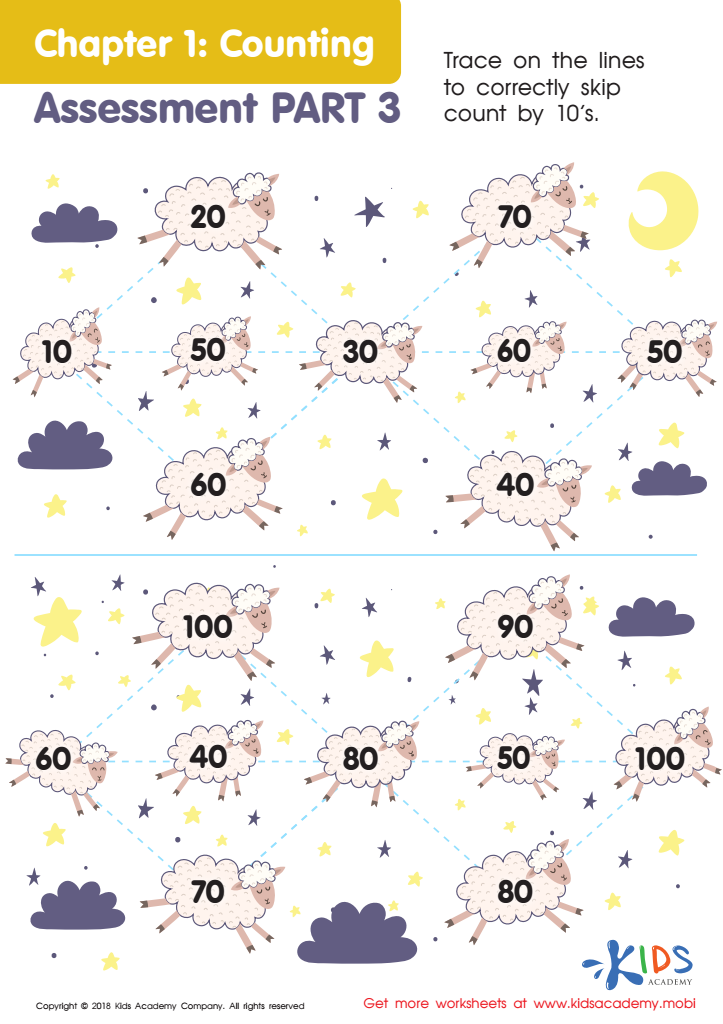
Counting: Assessment 3 Worksheet
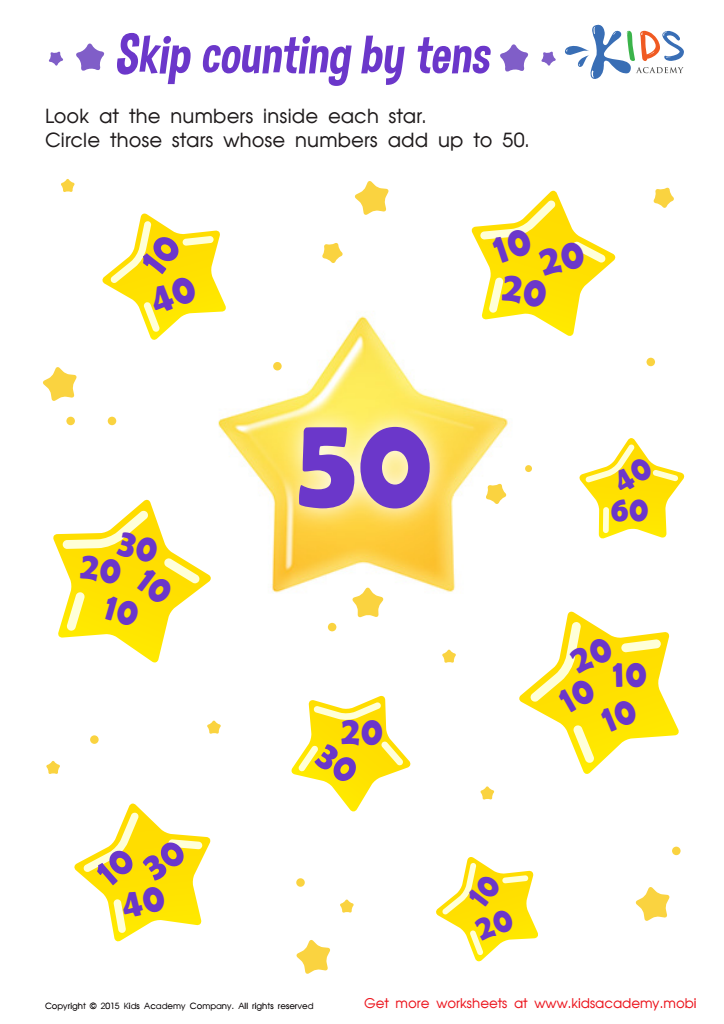
Learn Dozens: Skip Counting by Tens Printable
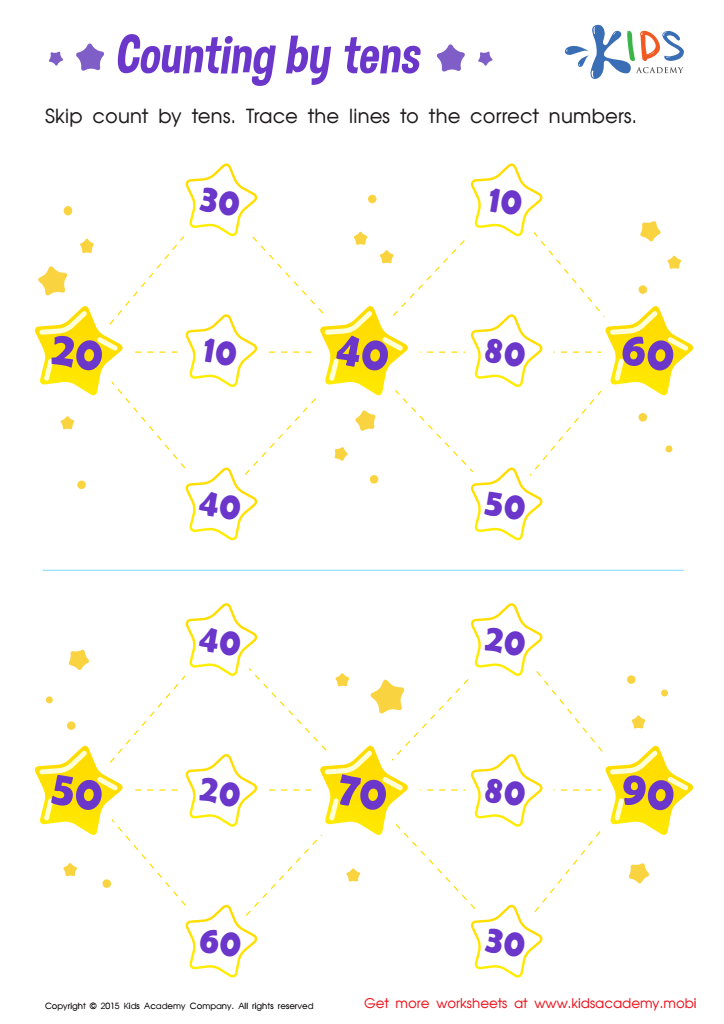
Learn Dozens: Counting by Tens Printable
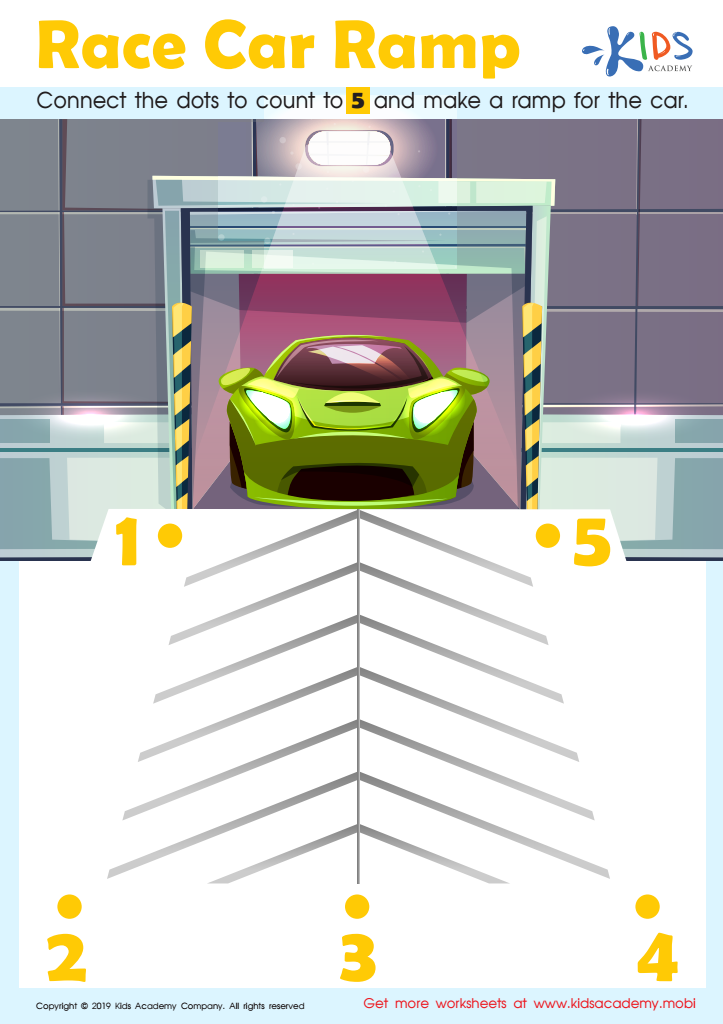
Race Car Ramp Worksheet
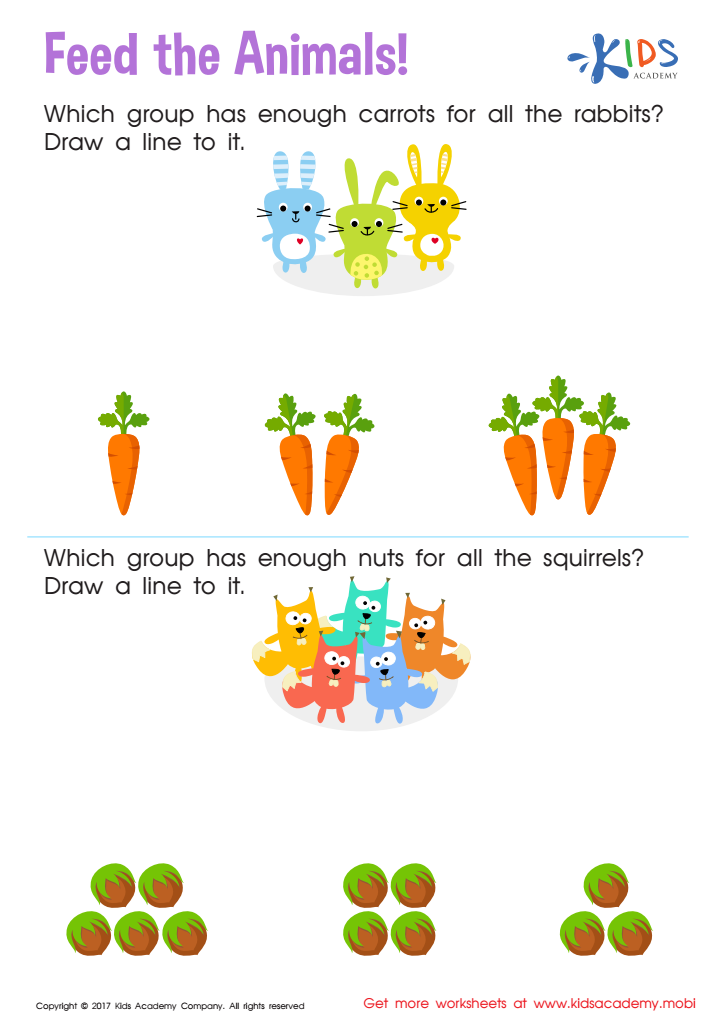
Count and Match: Feed the Animals Worksheet
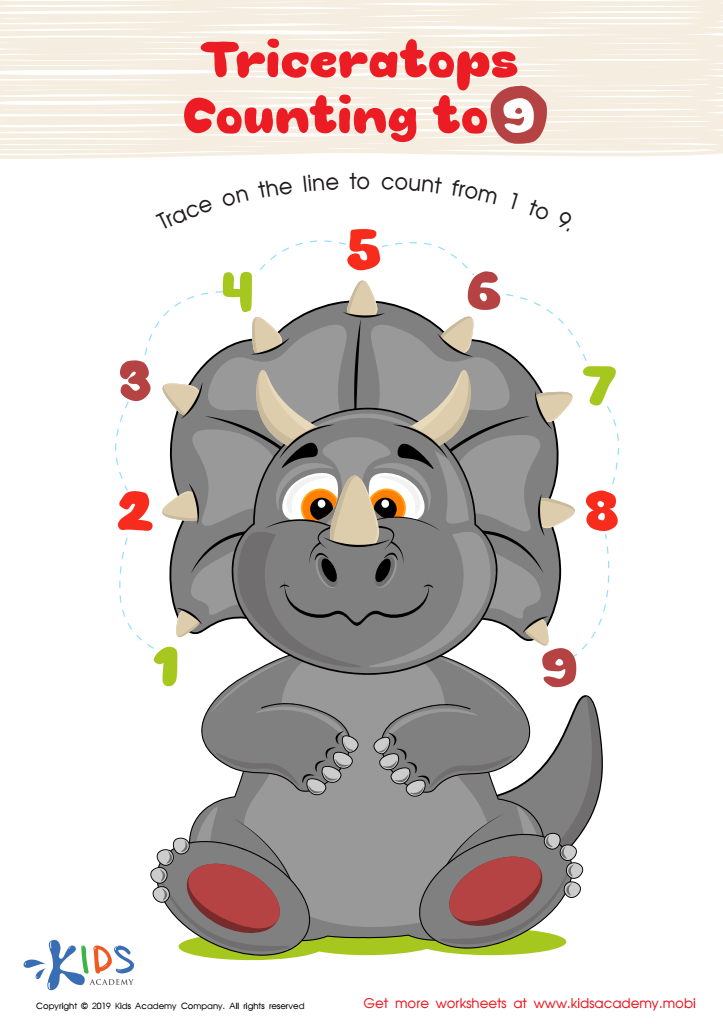
Triceratops Counting to 9 Worksheet
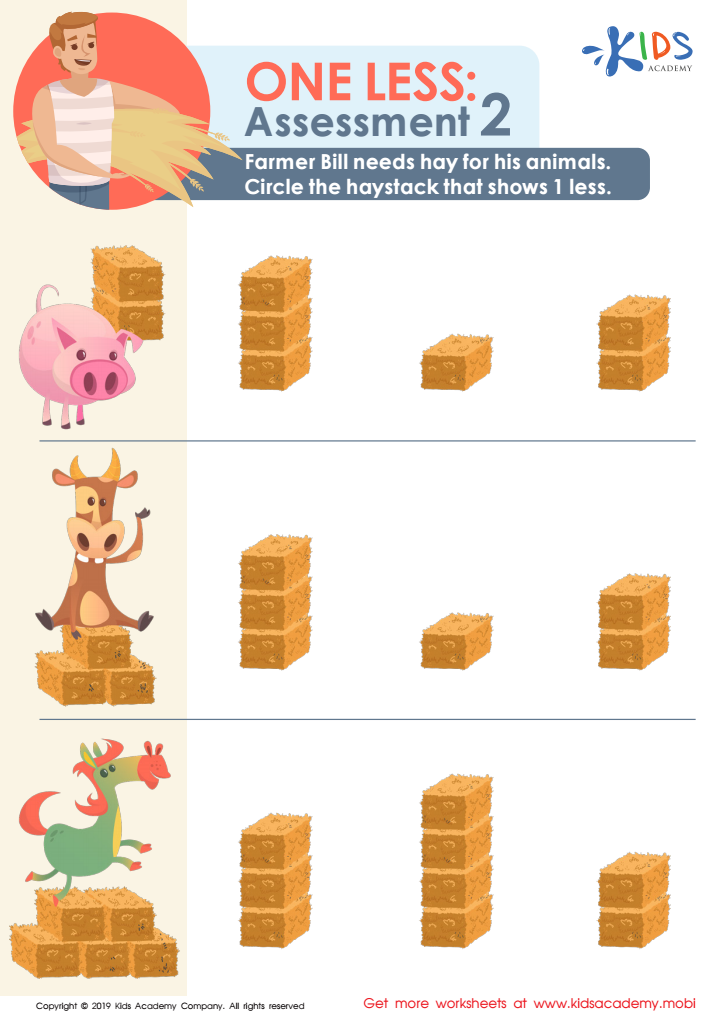
One Less: Assessment 2 Worksheet






%20(1).jpg)

Counting is a fundamental skill for children aged 5-7 and serves as the cornerstone for their future mathematical learning. Parents and teachers should care about counting because it introduces concepts vital for daily life and academic success. For young children, counting is not just about reciting numbers in order; it involves understanding number concepts and developing number sense.
First, counting helps children understand quantities and their relationships. This early numeracy skill is critical for more complex mathematical concepts like addition and subtraction. For example, when children count objects, they learn that the last number spoken represents the total quantity, reinforcing one-to-one correspondence and the notion of cardinality.
Second, counting activities enhance children's fine motor skills and spatial reasoning when they manipulate objects in a sequence or play counting games. Moreover, counting with different items and scenarios provides practical experience with diverse mathematical properties such as size, length, weight, and volume.
Building a solid foundation in counting fosters problem-solving skills, logical thinking, and perseverance. These are necessary attributes not only in mathematics but across various subjects and real-life situations. By promoting and engaging in counting activities, parents and teachers lay the groundwork for a child's educational journey, demonstrating that numeracy is an enjoyable, accessible, and essential skill.








