Shape Recognition Geometry Worksheets for Ages 5-7 - Page 2
62 filtered results
-
From - To
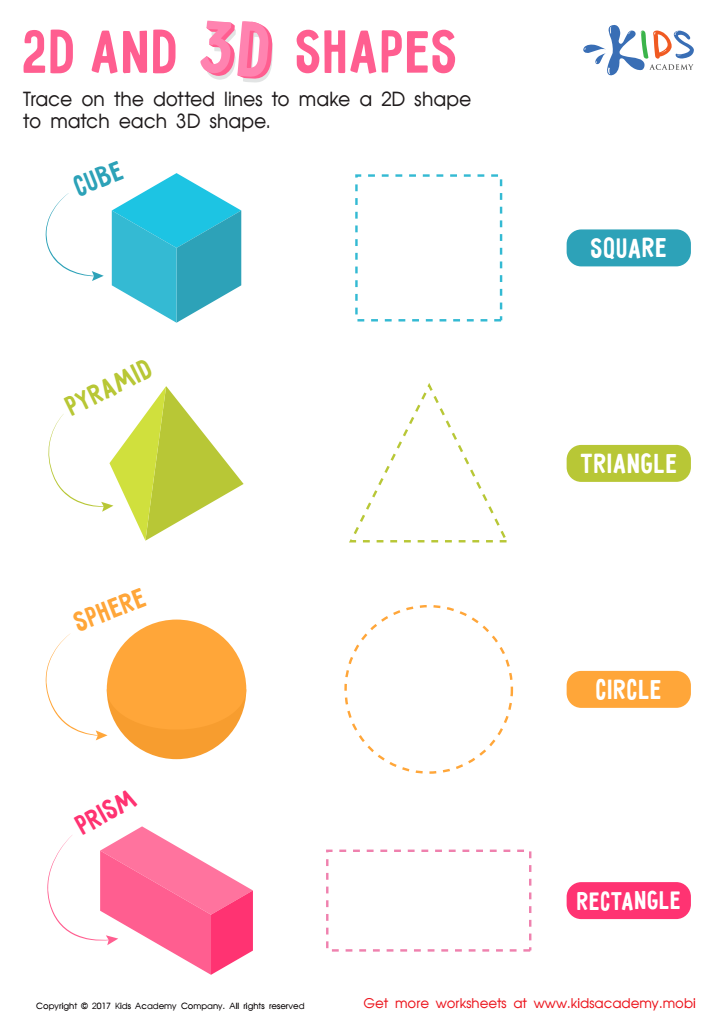
2D and 3D Shapes Worksheet











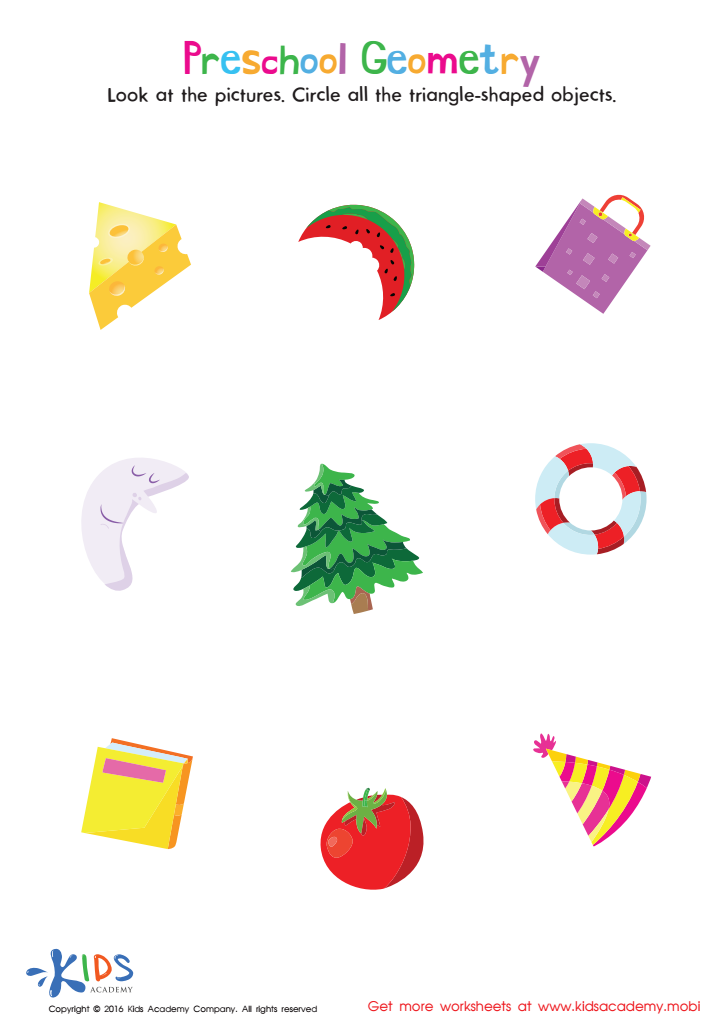
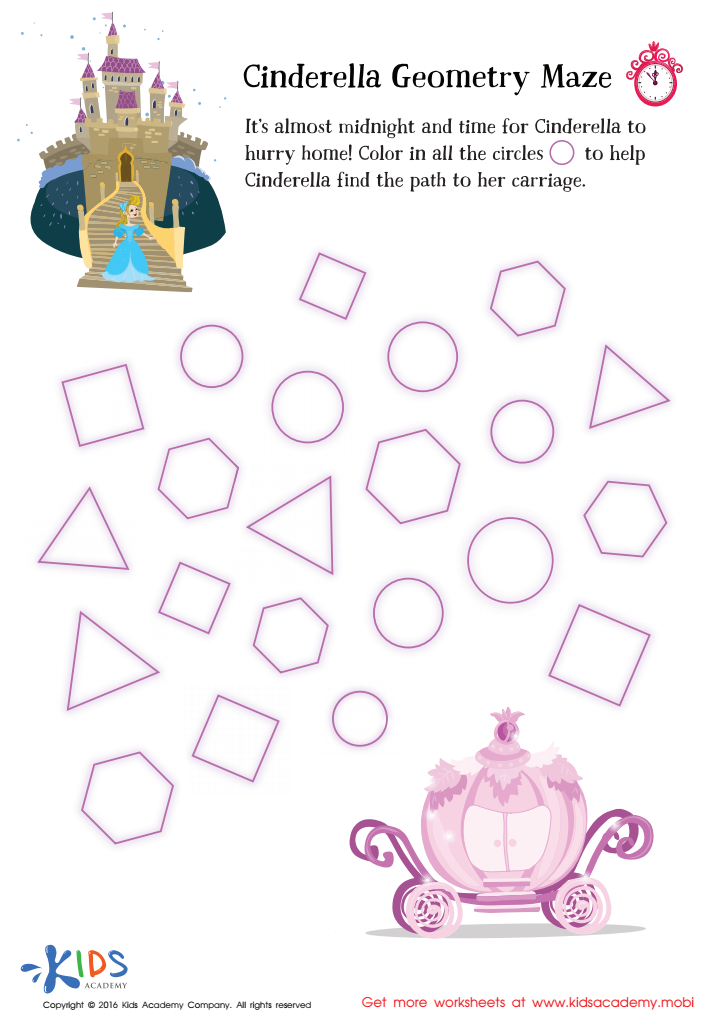
Cinderella Geometry Maze Worksheet
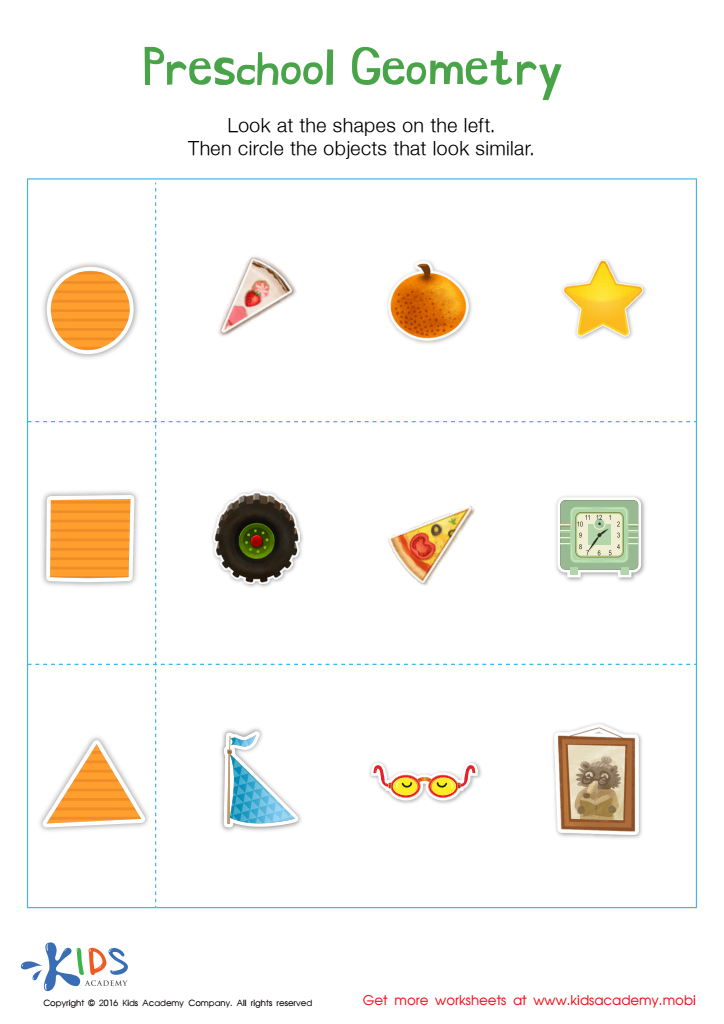
Preschool Geometry Match Up Worksheet
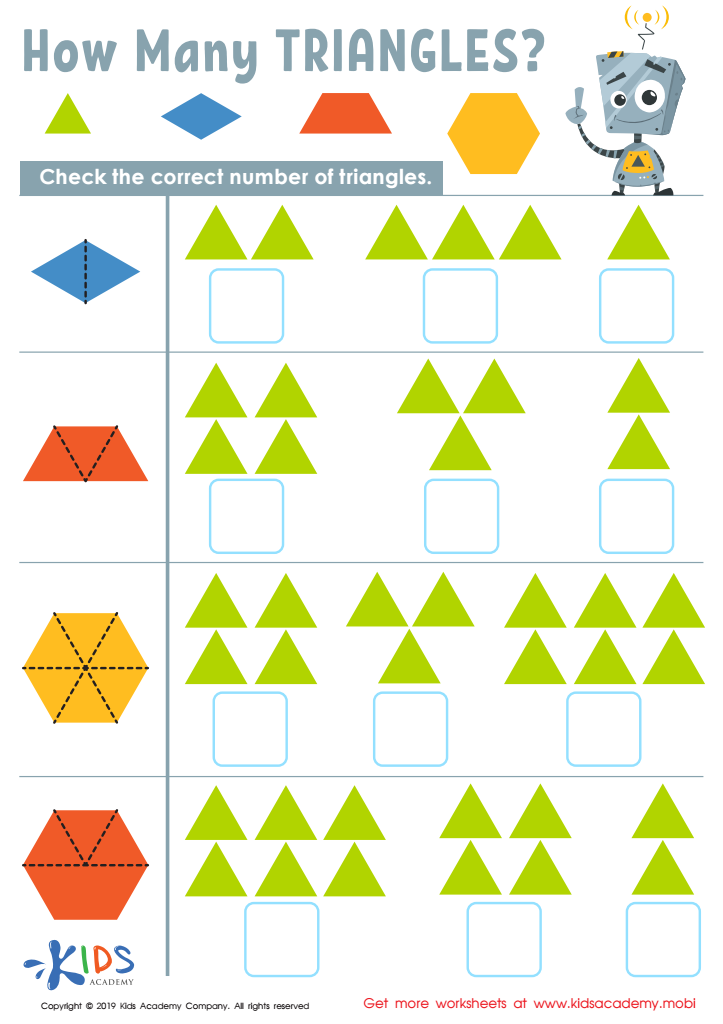
How Many Triangles Worksheet

Learning to Draw Crescents And Triangles Worksheet
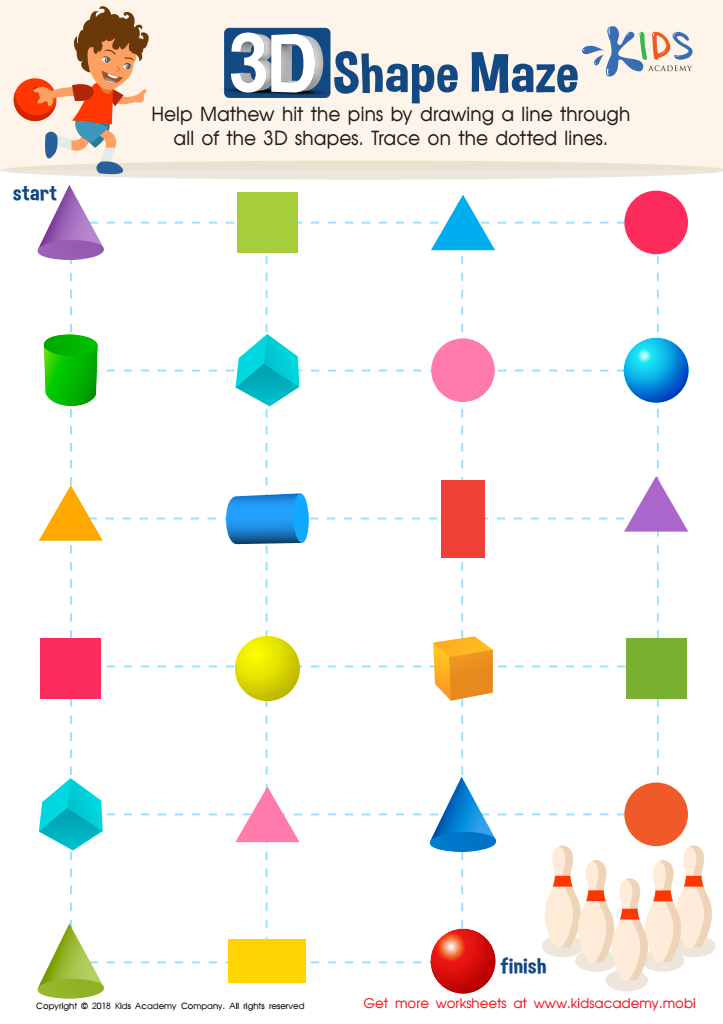
Shapes Maze Geometry Worksheet
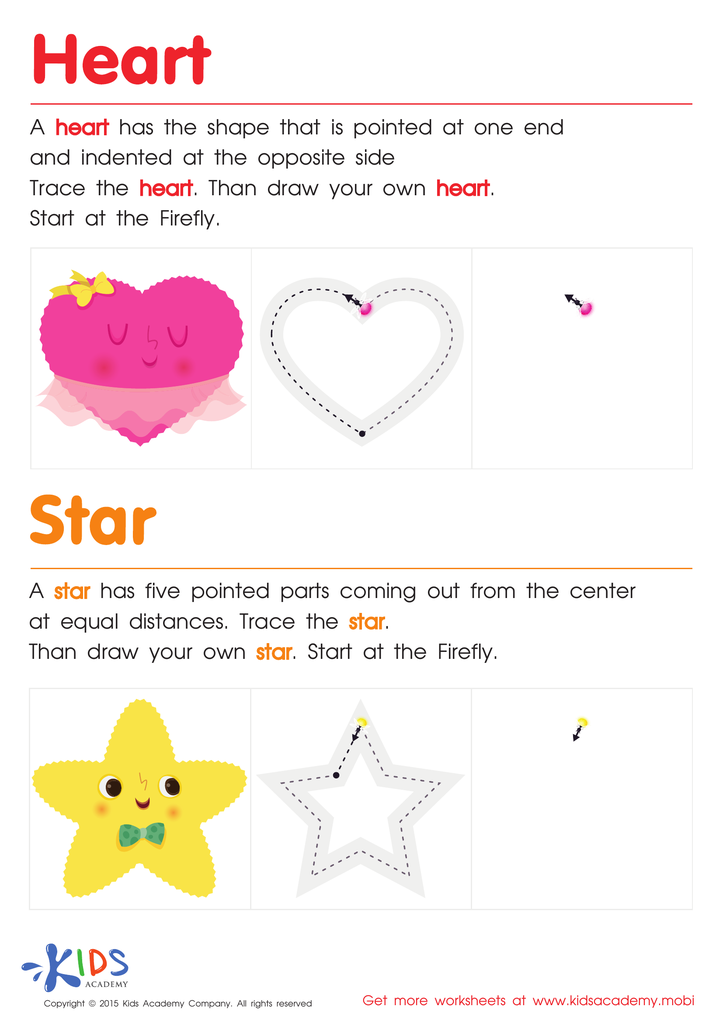
Let's Learn to Draw Hearts And Stars Printable
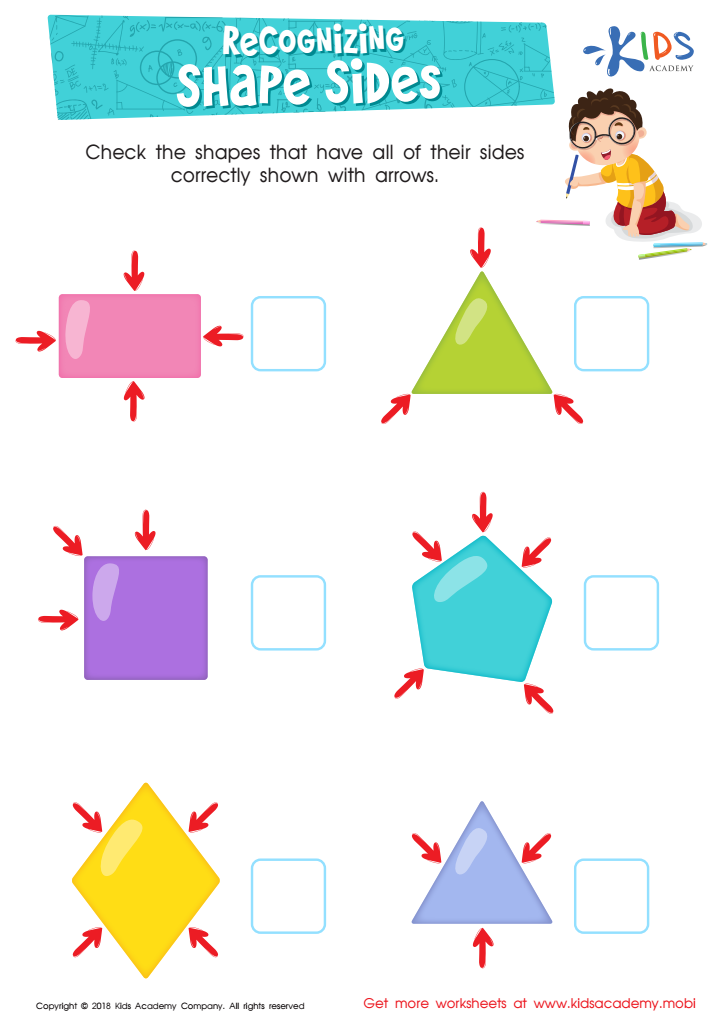
Recognizing Shape Sides Worksheet
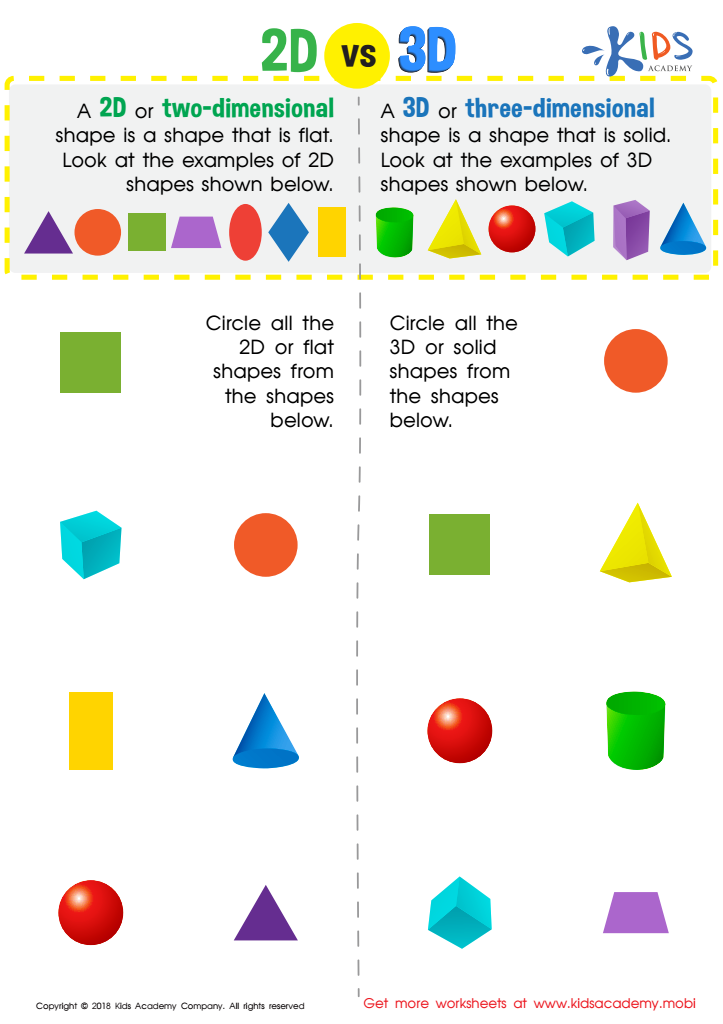
2D vs 3D Shapes Worksheet
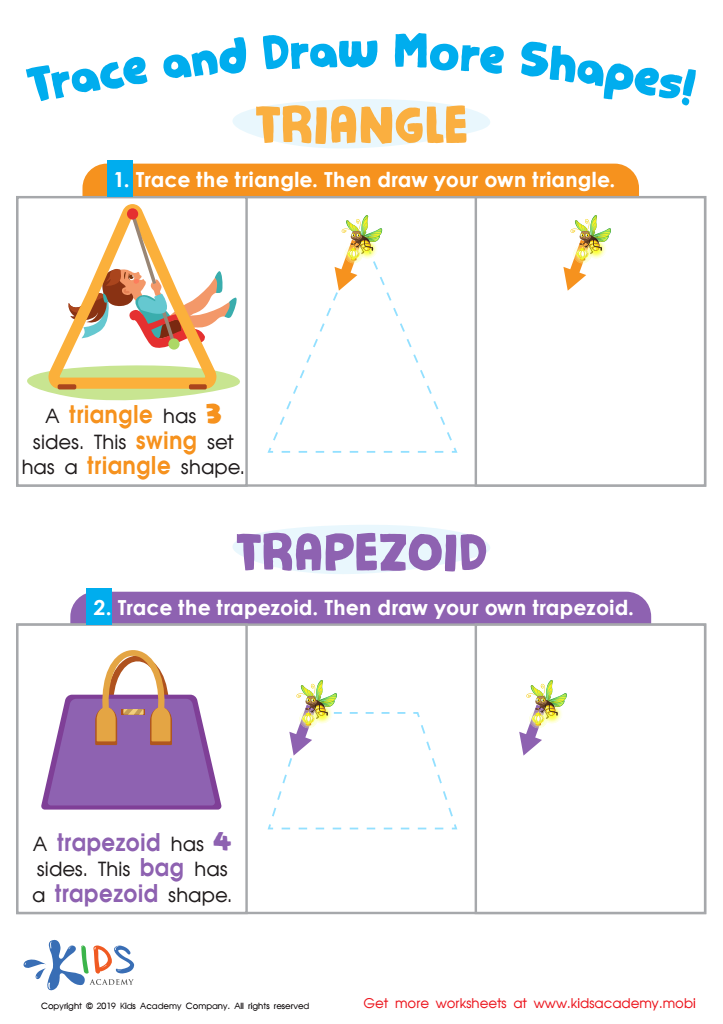
Trace and Draw More Shapes Worksheet
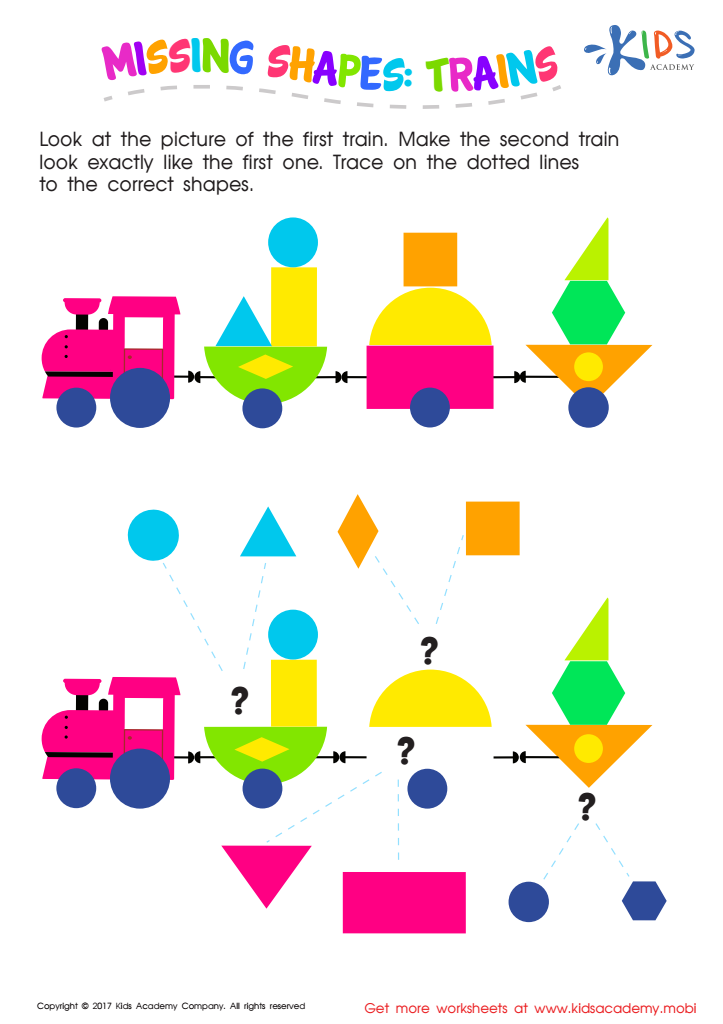
Missing Shapes: Trains Worksheet
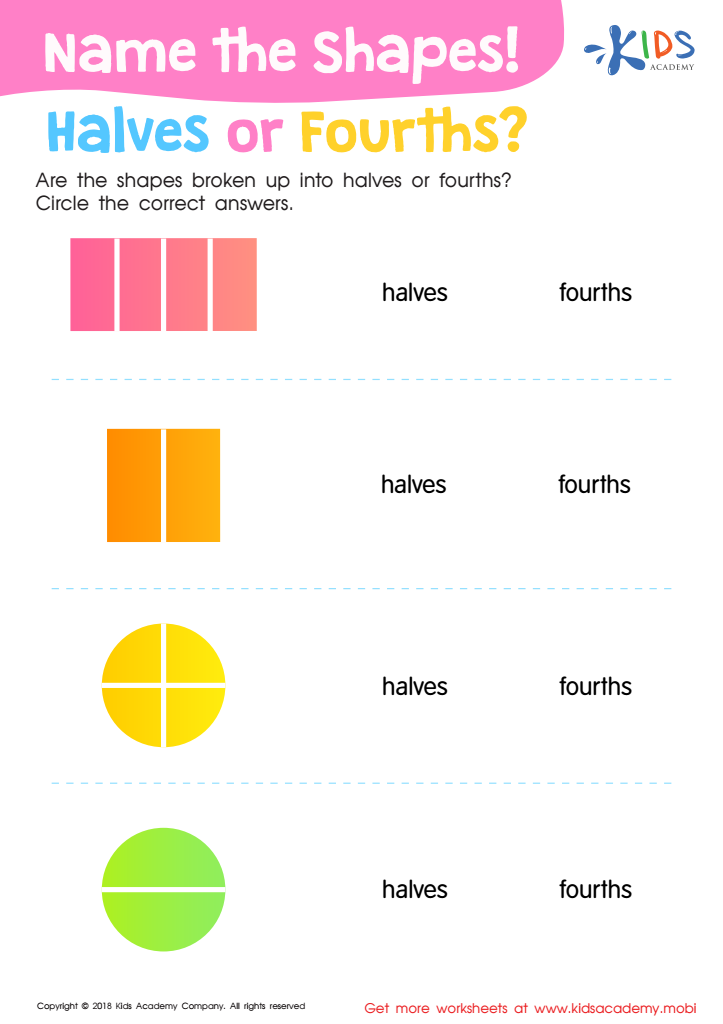
Name the Shapes Halves or Fourths? Worksheet
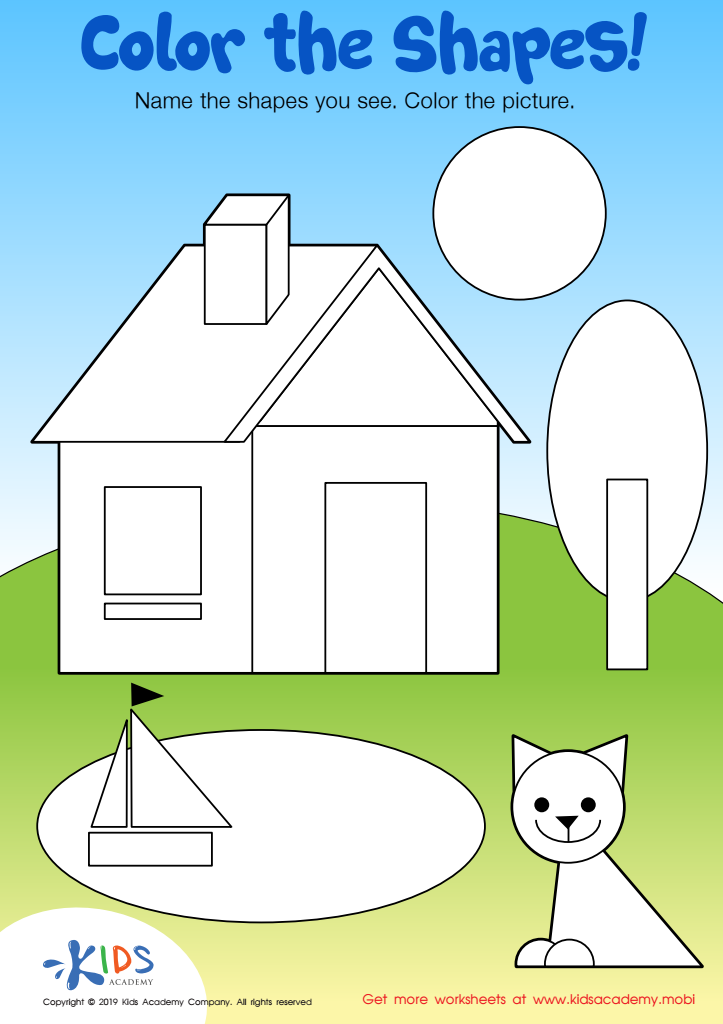
Color the Shapes Worksheet
 Assign to My Students
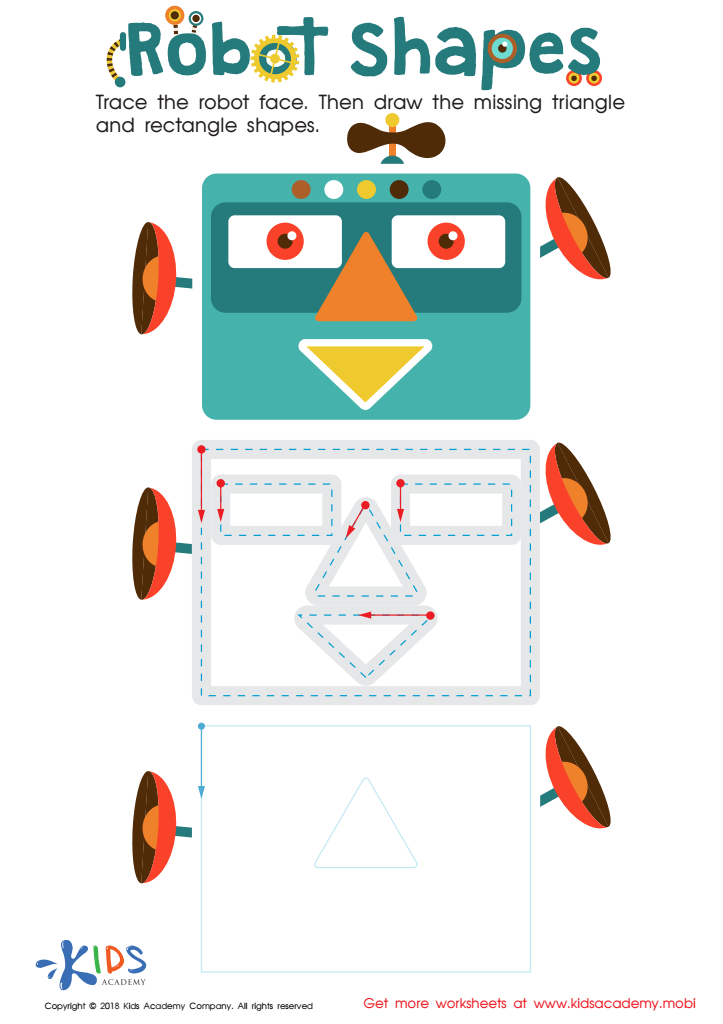
Robot Shapes Worksheet
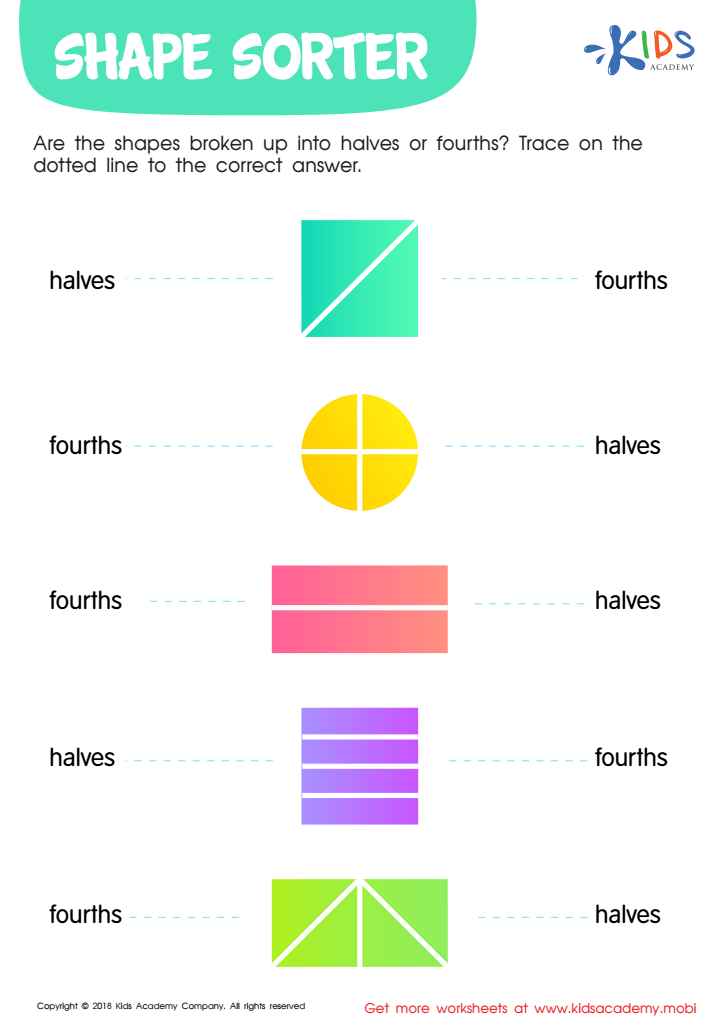
Shape Sorter Worksheet
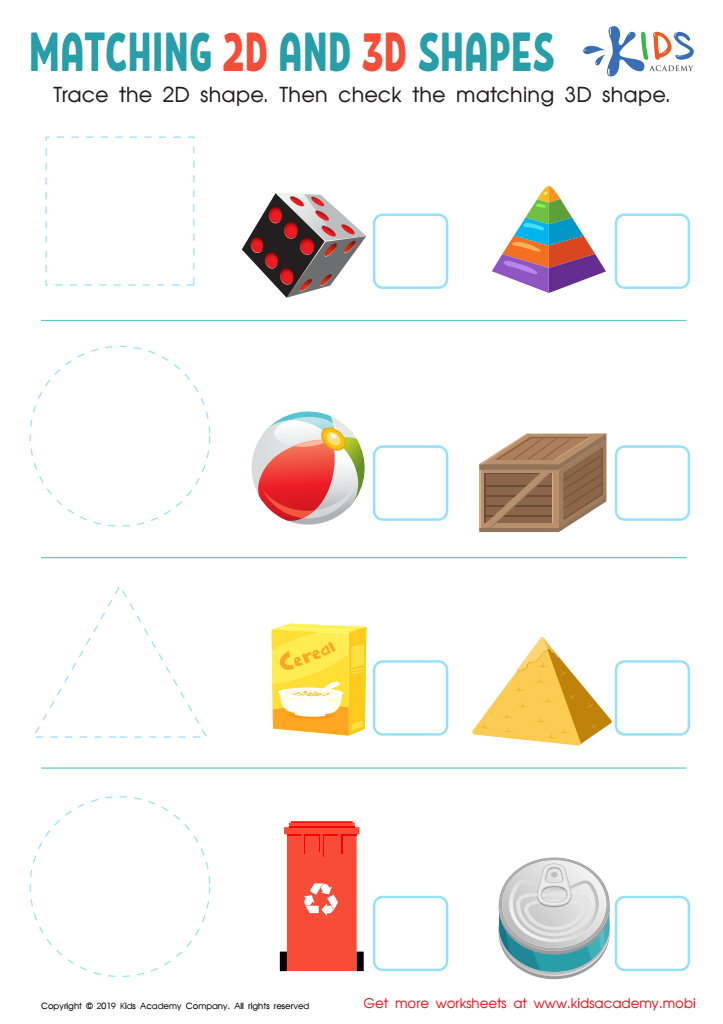
Matching 2D and 3D Shapes Worksheet
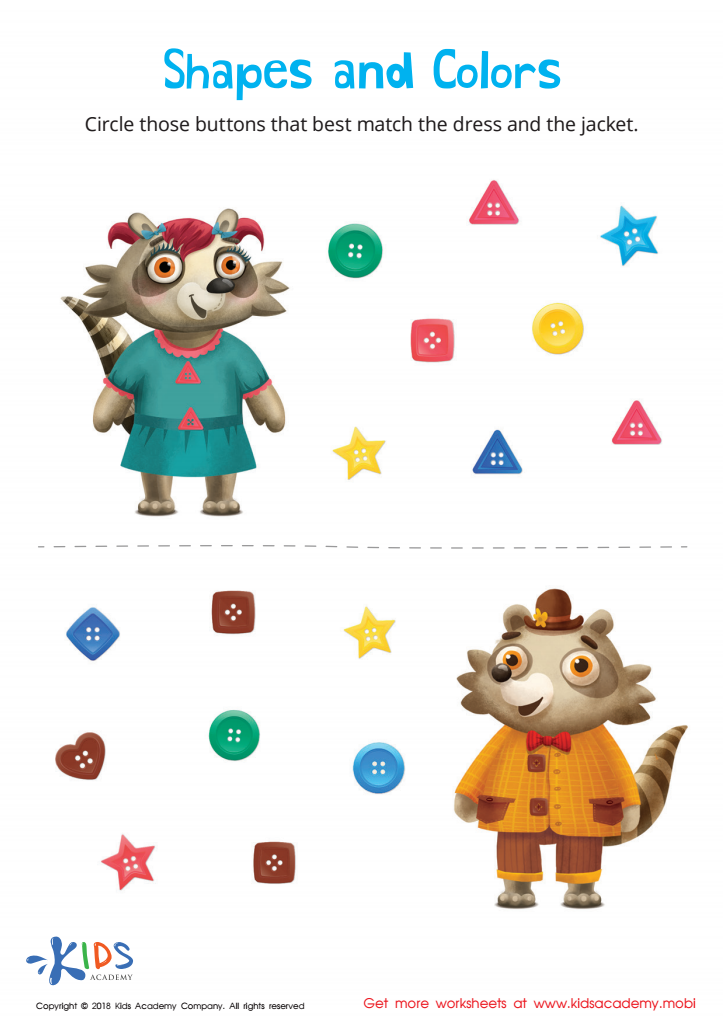
Shapes and Colors Worksheet
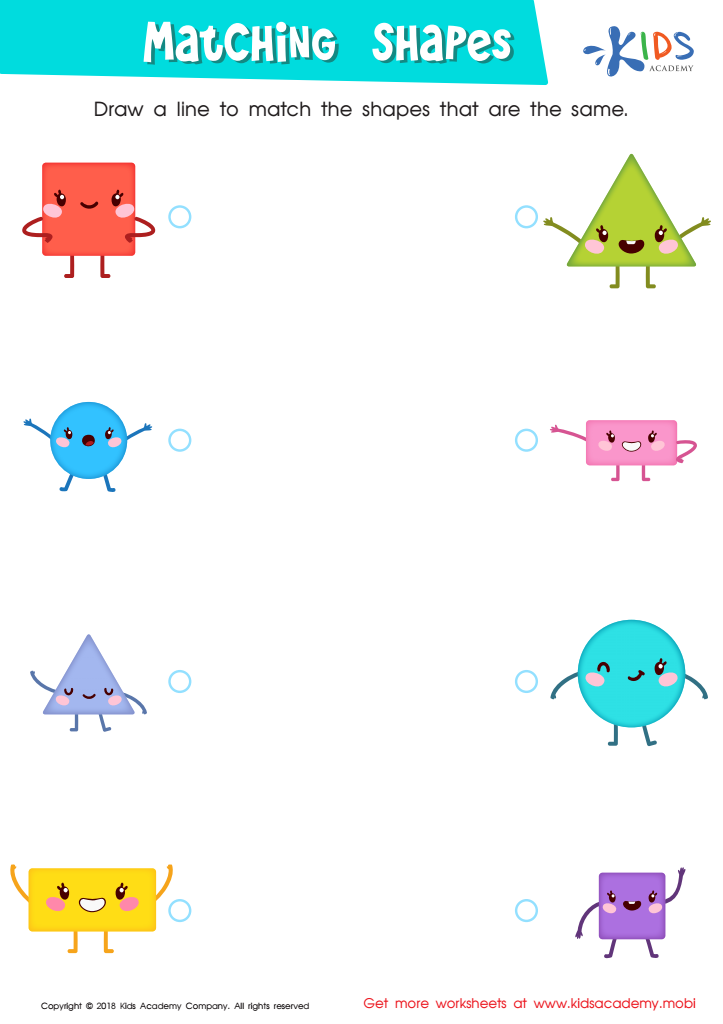
Matching Shapes Worksheet
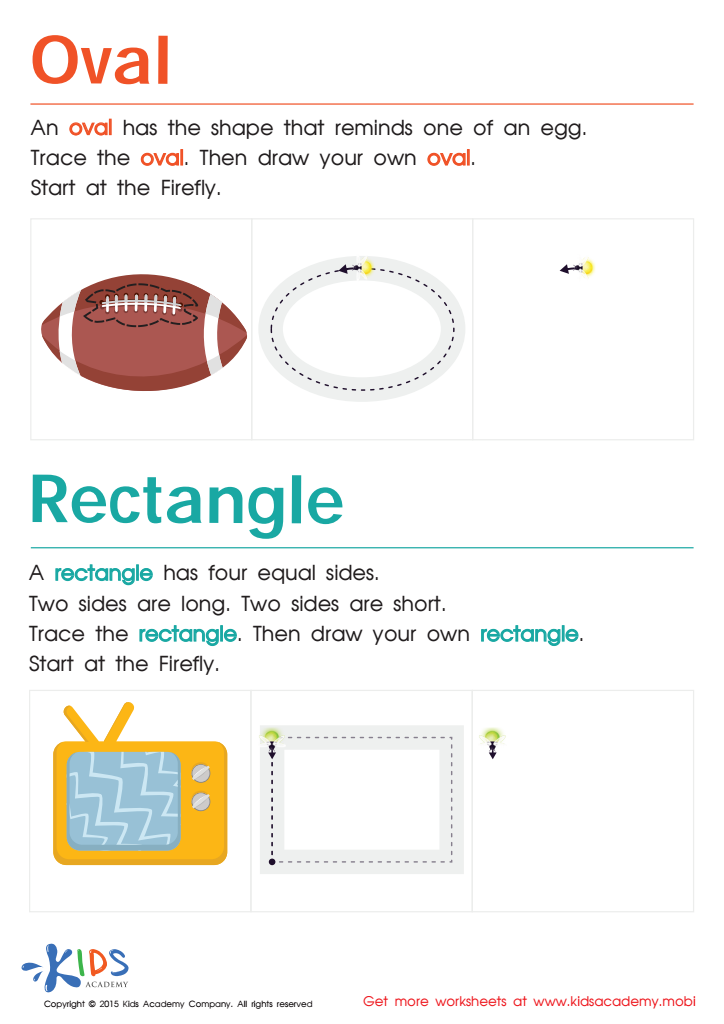
Easy Drawing of Ovals And Rectangles Worksheet
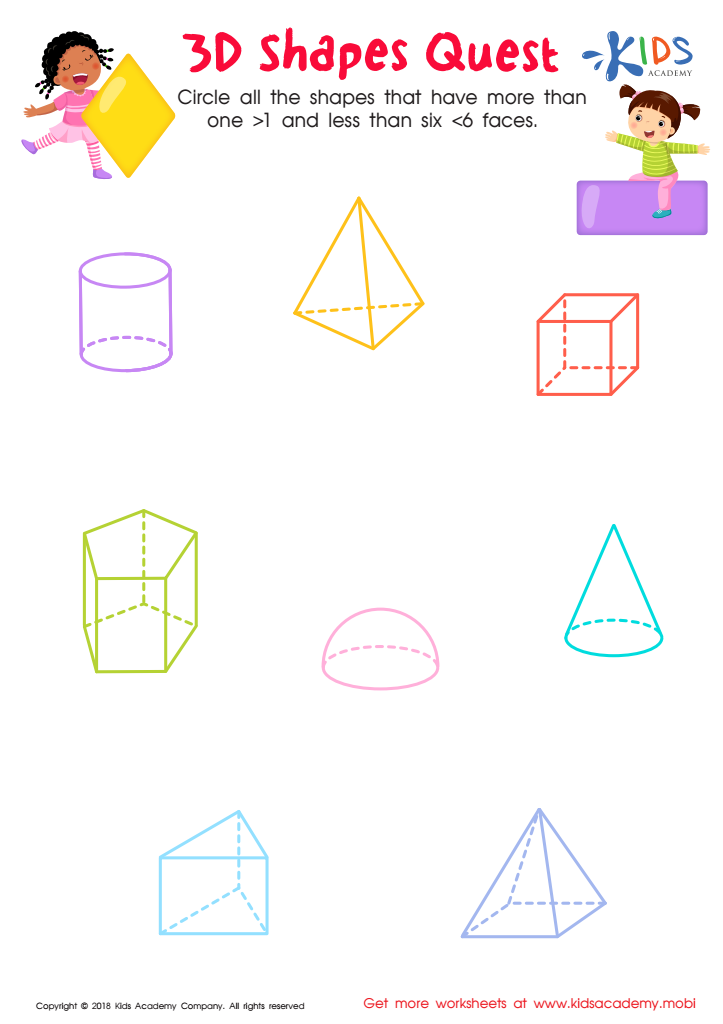
3D Shapes Quest Worksheet
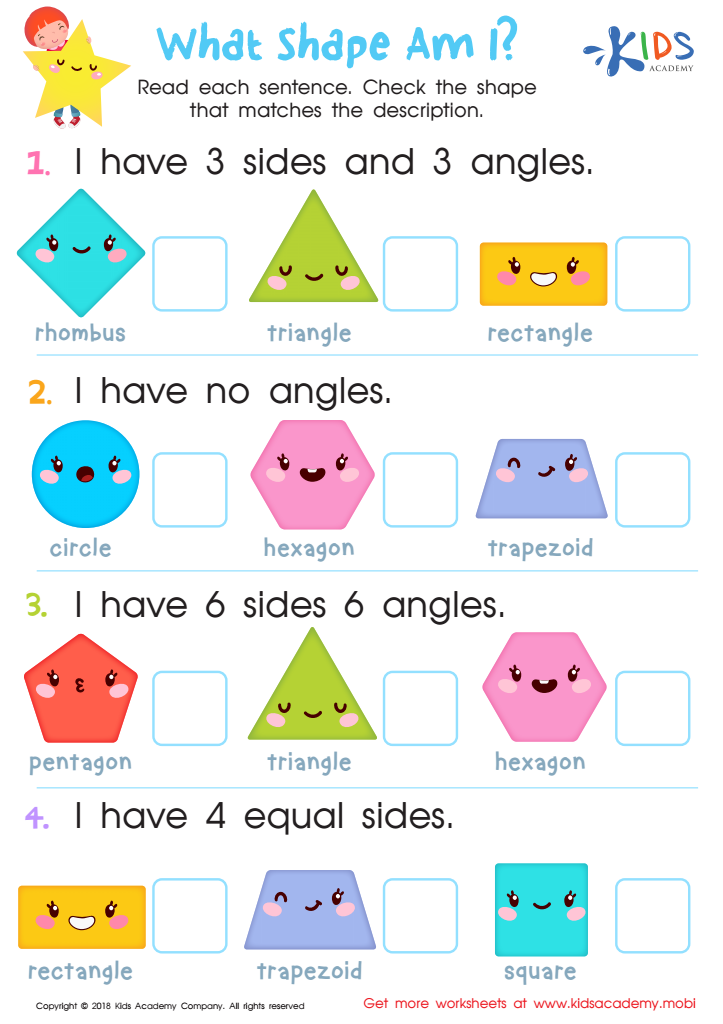
What Shape Am I? Worksheet
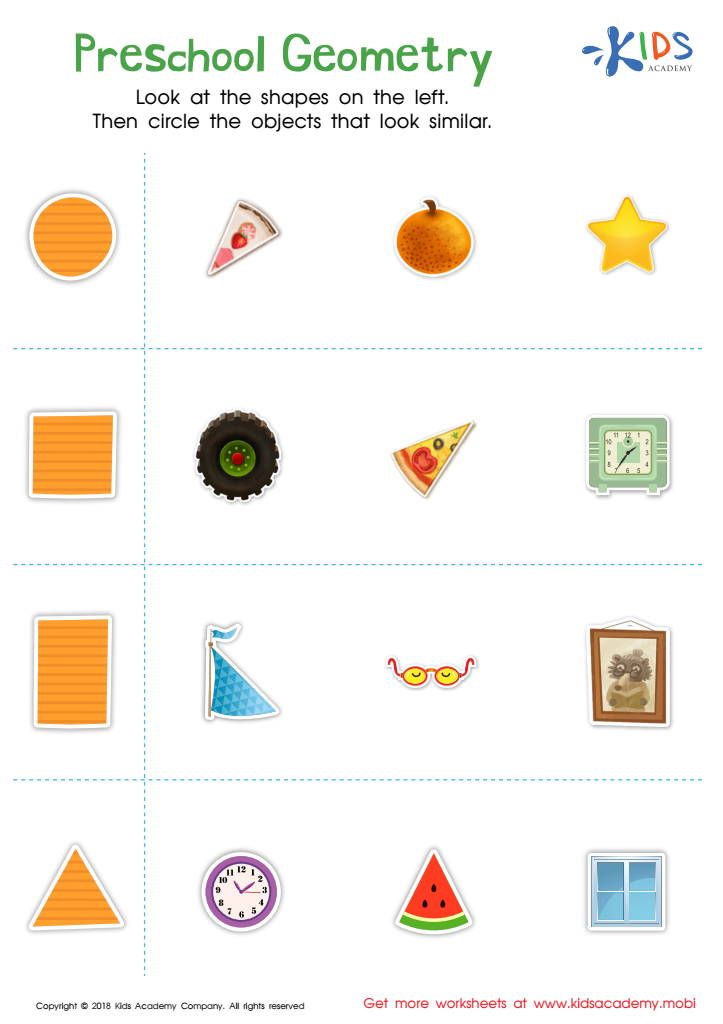
Preschool Geometry Worksheet
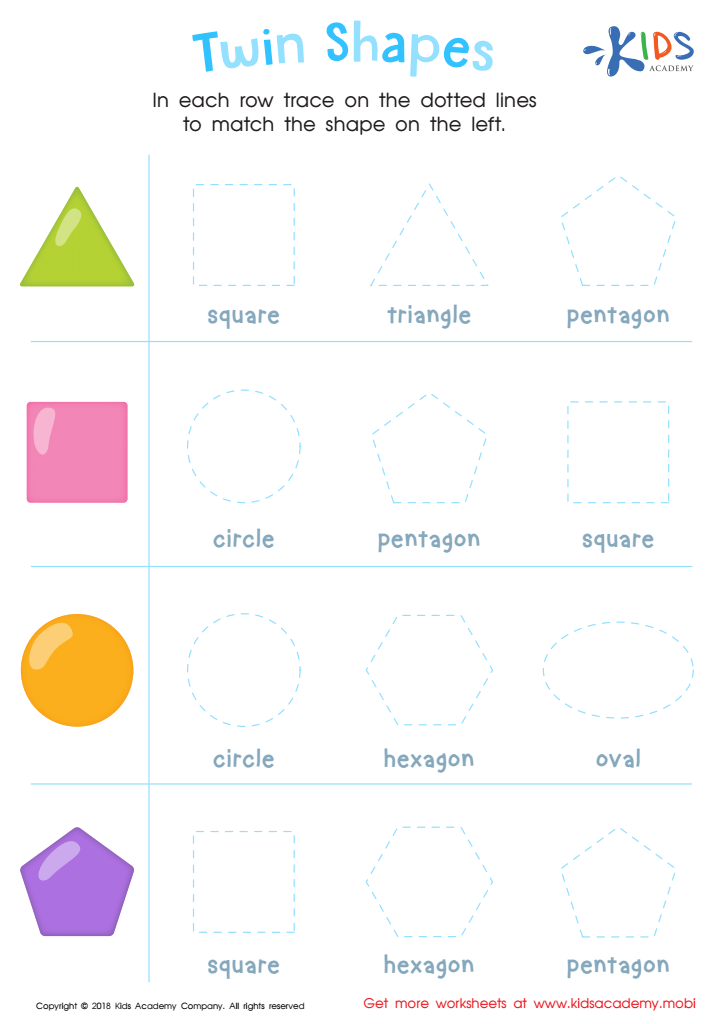
Twin Shapes Dot-to-Dot Worksheet








Shape recognition is a fundamental aspect of geometry that is essential for children's cognitive development in early education. For children ages 5-7, identifying and understanding shapes lays the groundwork for critical thinking, problem-solving, and spatial awareness. Parents and teachers should care about this skill because it encourages logical reasoning. When children classify and differentiate shapes, they are developing their ability to think critically and understand complex concepts later in life.
Shape recognition also supports the development of fine motor skills through hands-on activities, such as drawing or assembling shapes, which simultaneously engage creativity. Furthermore, it strengthens mathematical literacy; children learn the names, properties, and relationships between different shapes, enriching their vocabulary and contributing to their overall language development.
Incorporating shape recognition into learning fosters collaboration, as children often work together to discuss and manipulate shapes, leading to improved social skills and teamwork. By emphasizing the importance of shape recognition in early education, parents and teachers equip children with foundational skills that are vital not only in geometry but across all areas of learning and future academic success. Embracing this learning journey cultivates confident, curious learners prepared to tackle more complex mathematical concepts as they grow.








