Science Worksheets for Ages 5-8 - Page 9
400 filtered results
-
From - To
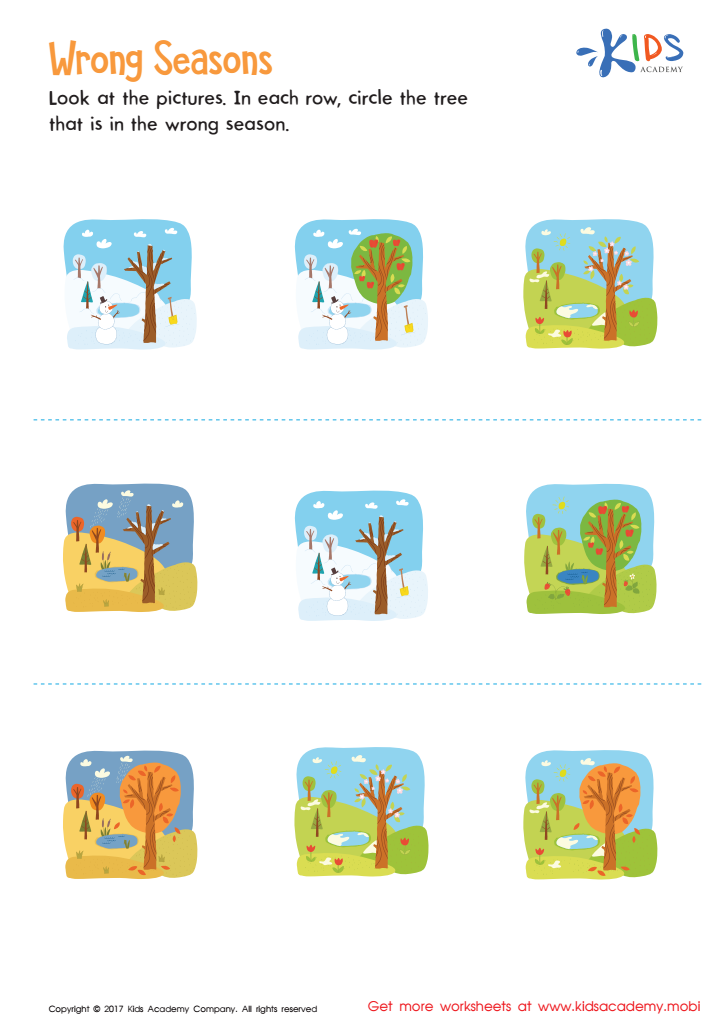
Wrong Seasons Worksheet
 Assign to My Students
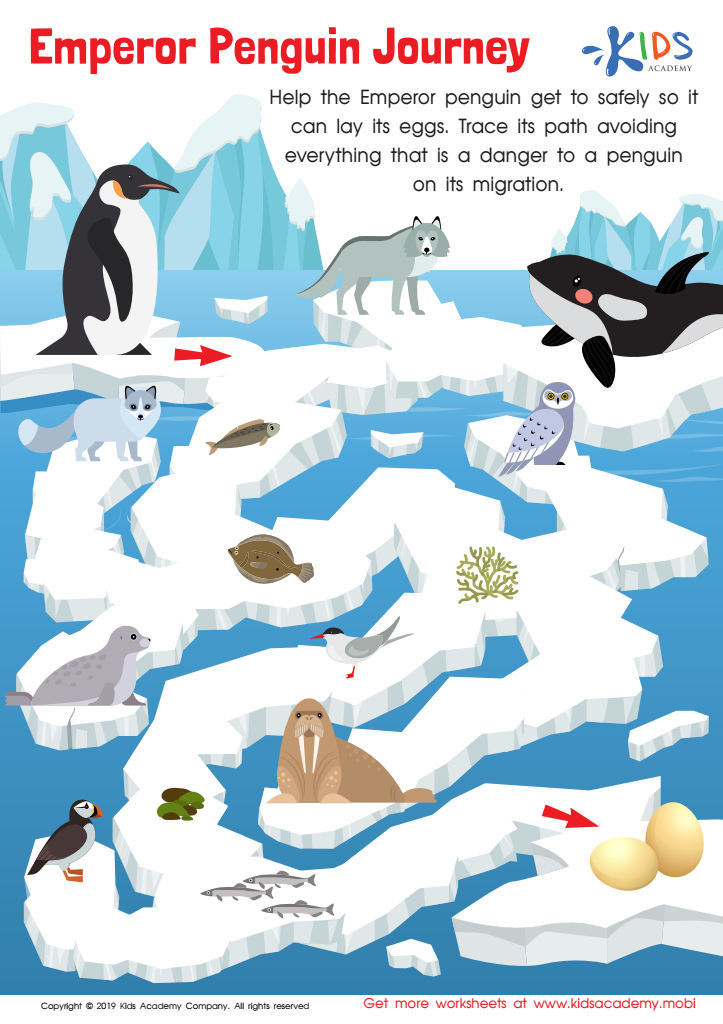
Emperor Penguin Journey Worksheet
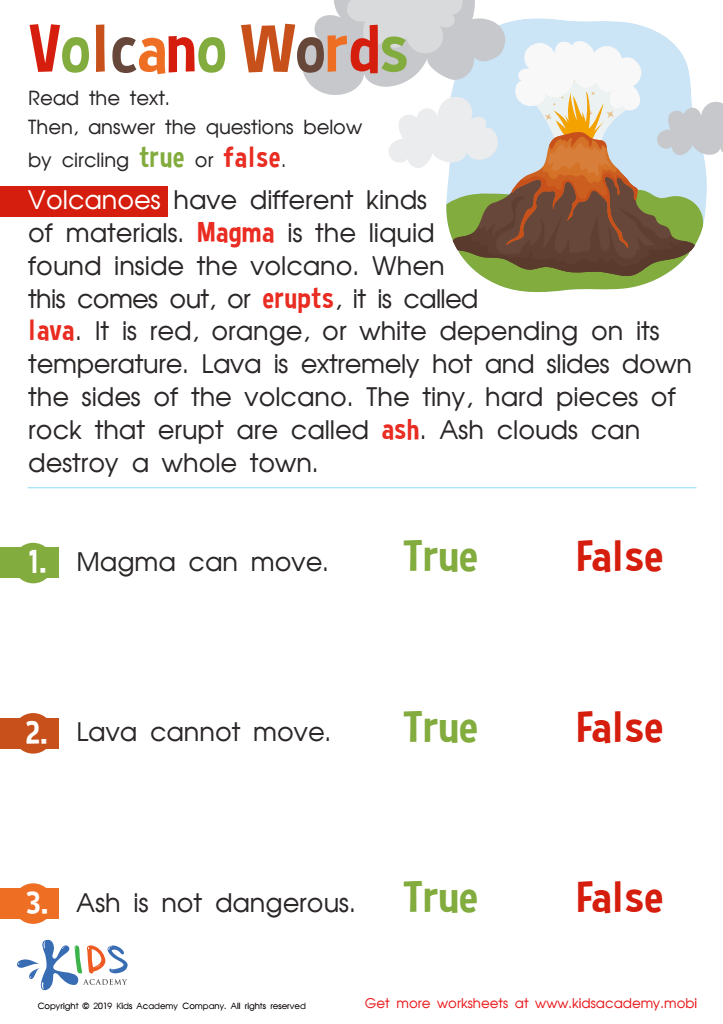
Volcano Words Worksheet
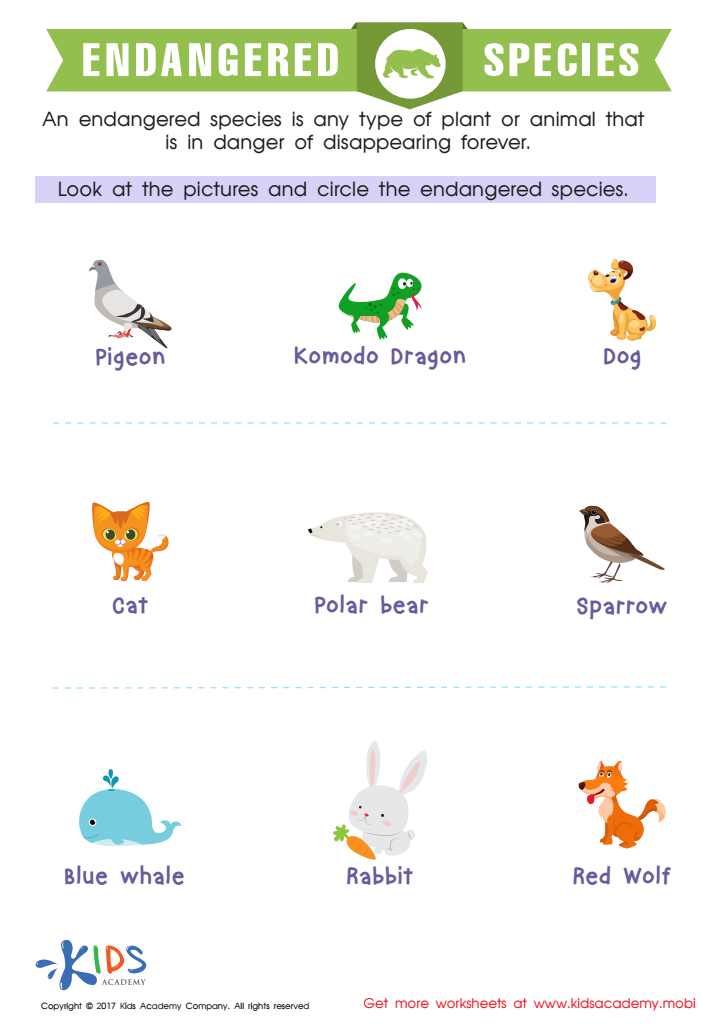
Endangerd Species Printable
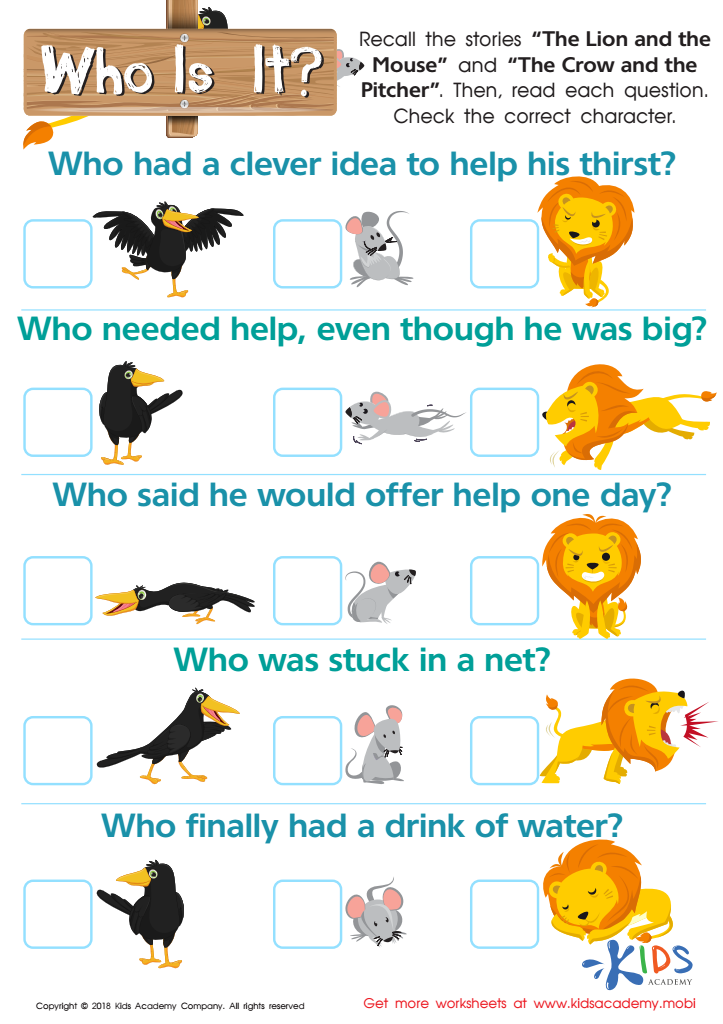
Who Is It? Worksheet
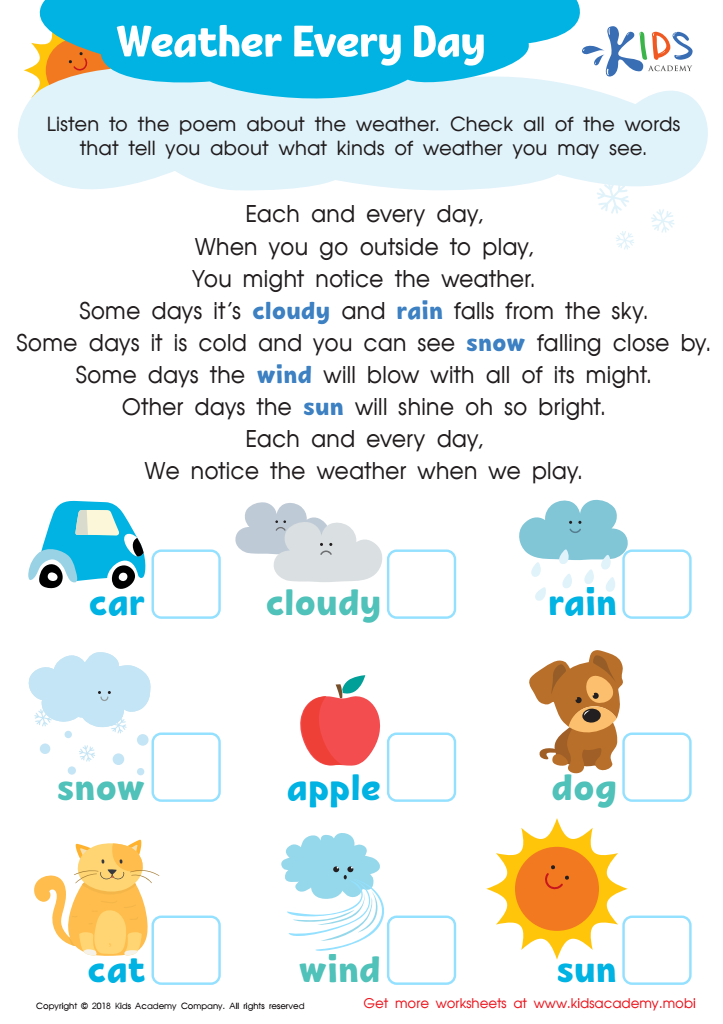
Weather Every Day Worksheet
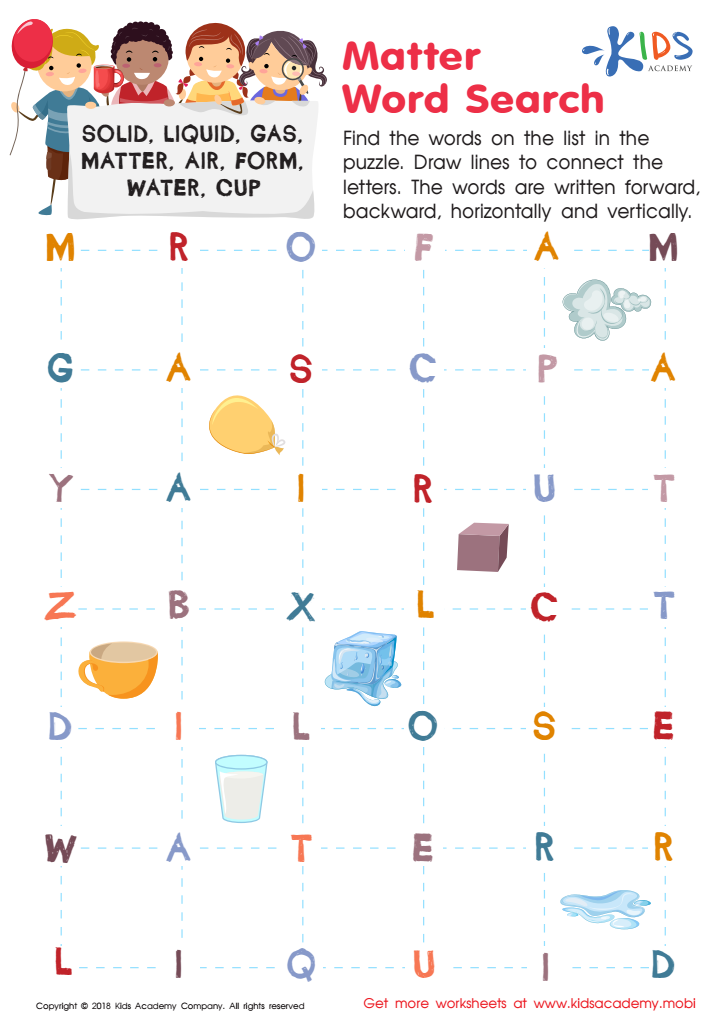
Matter Word Search Worksheet
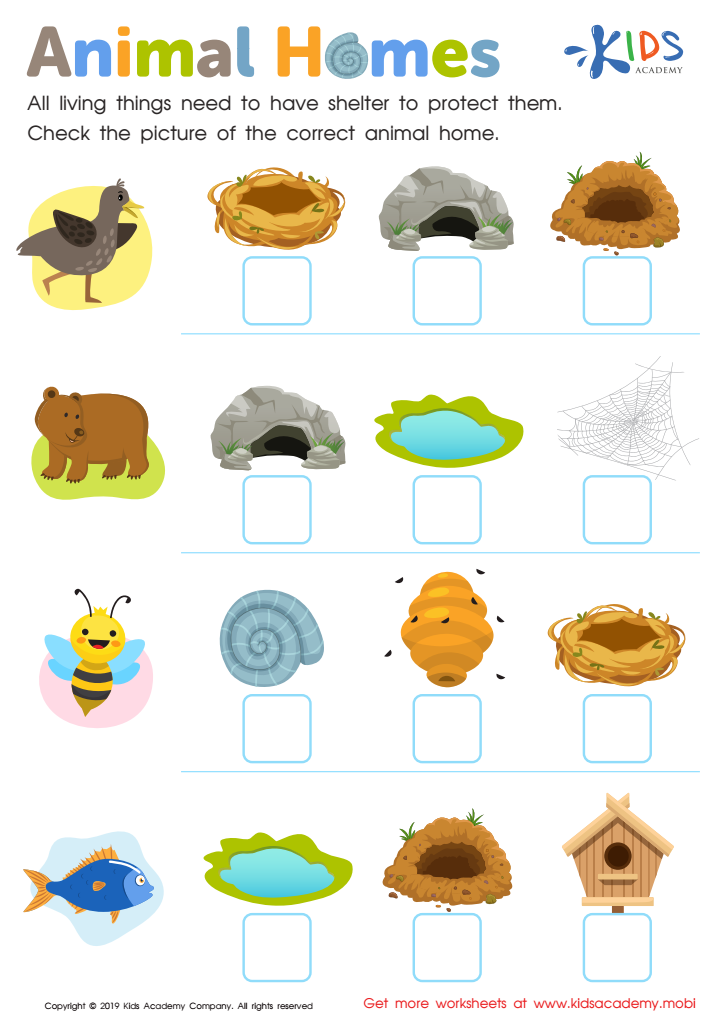
Animal Homes Worksheet
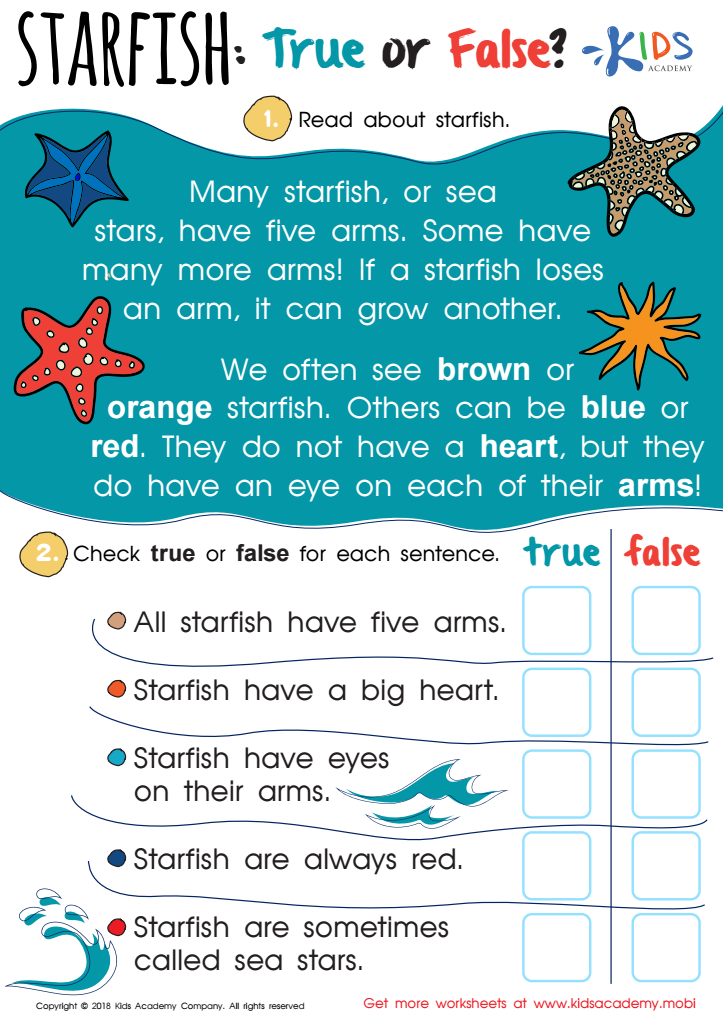
Starfish: True or False Worksheet
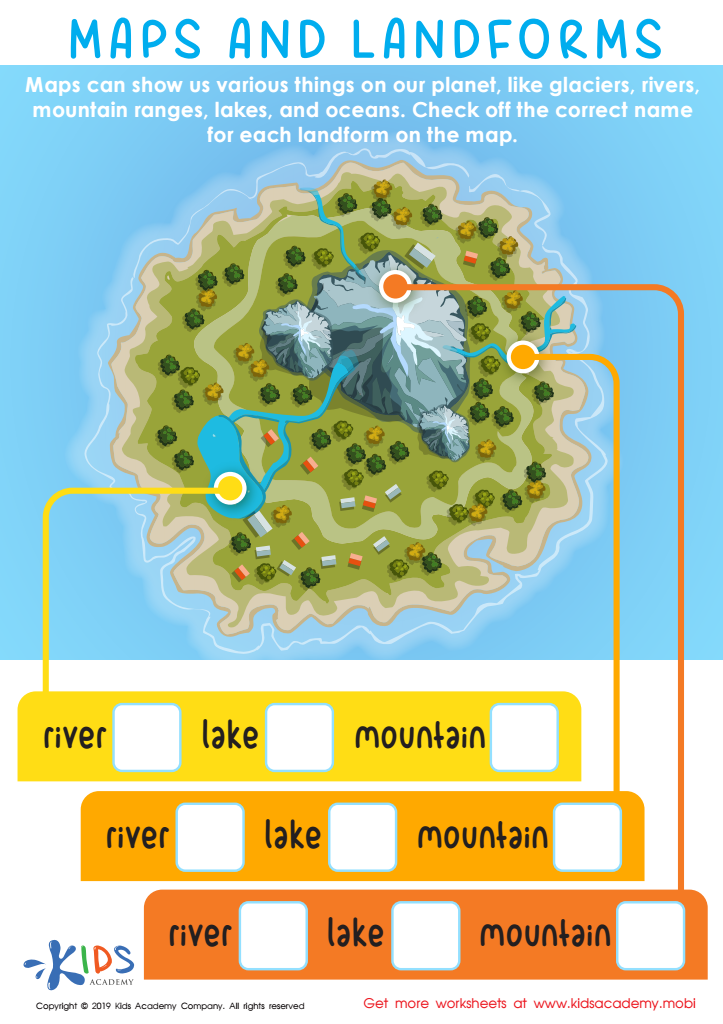
Maps and Landforms Worksheet
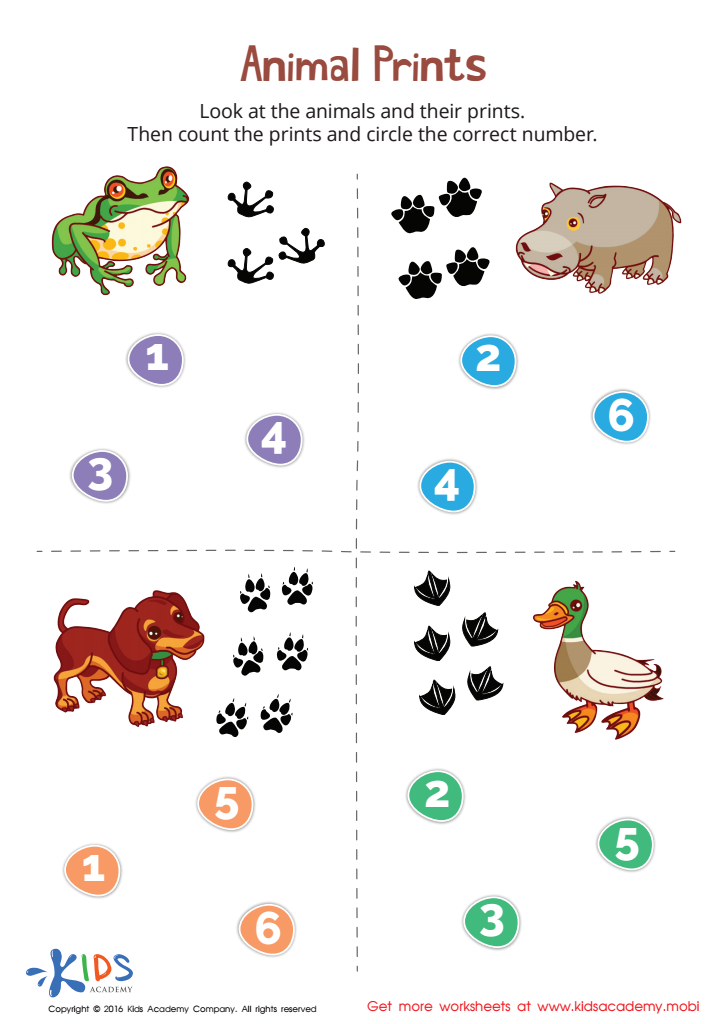
Animal Prints Match-Up Worksheet
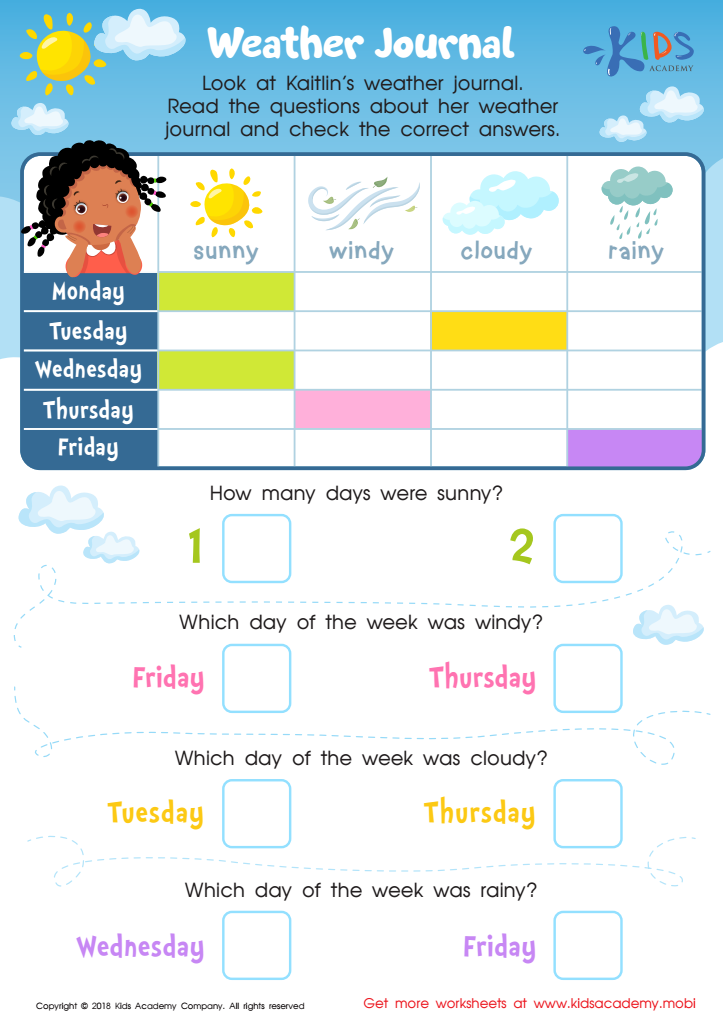
Weather Journal Worksheet
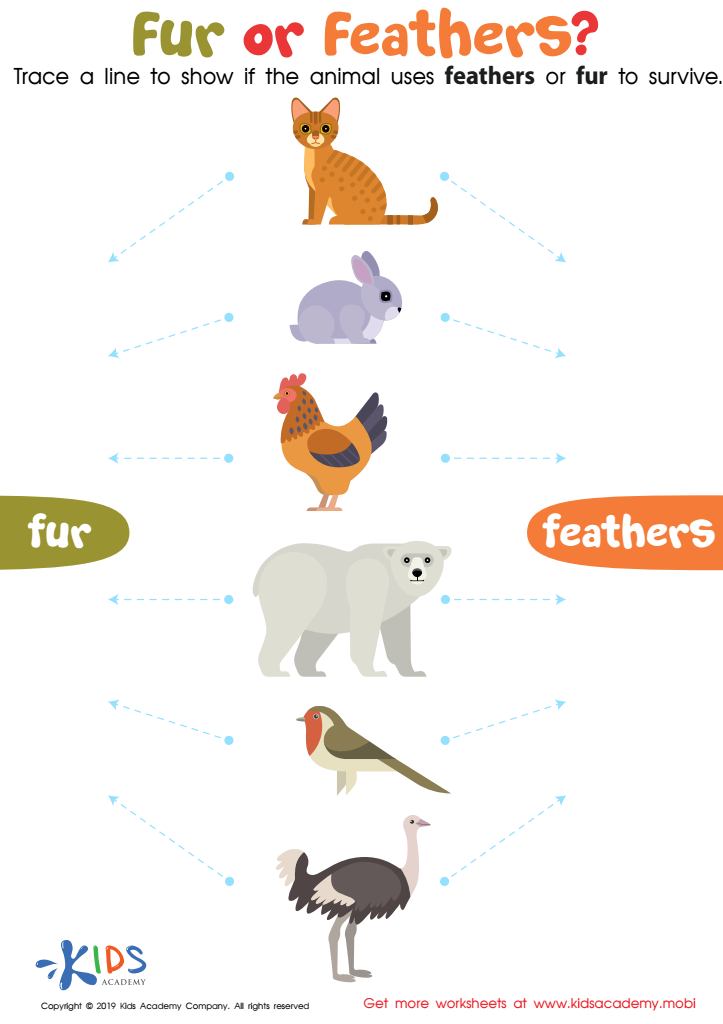
Fur or Feathers? Worksheet
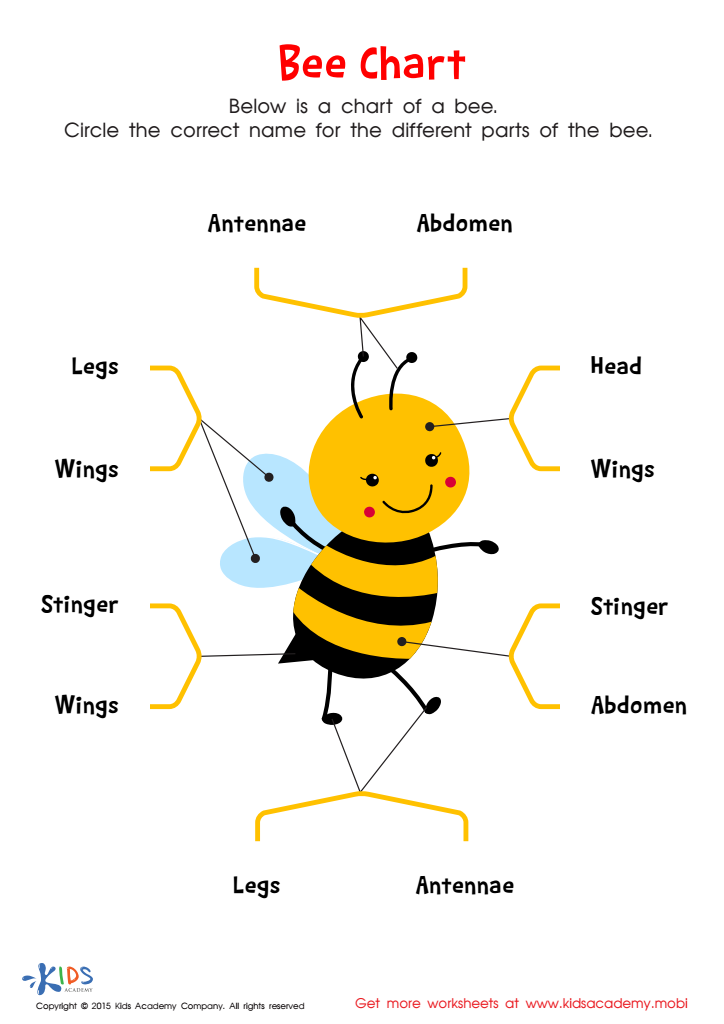
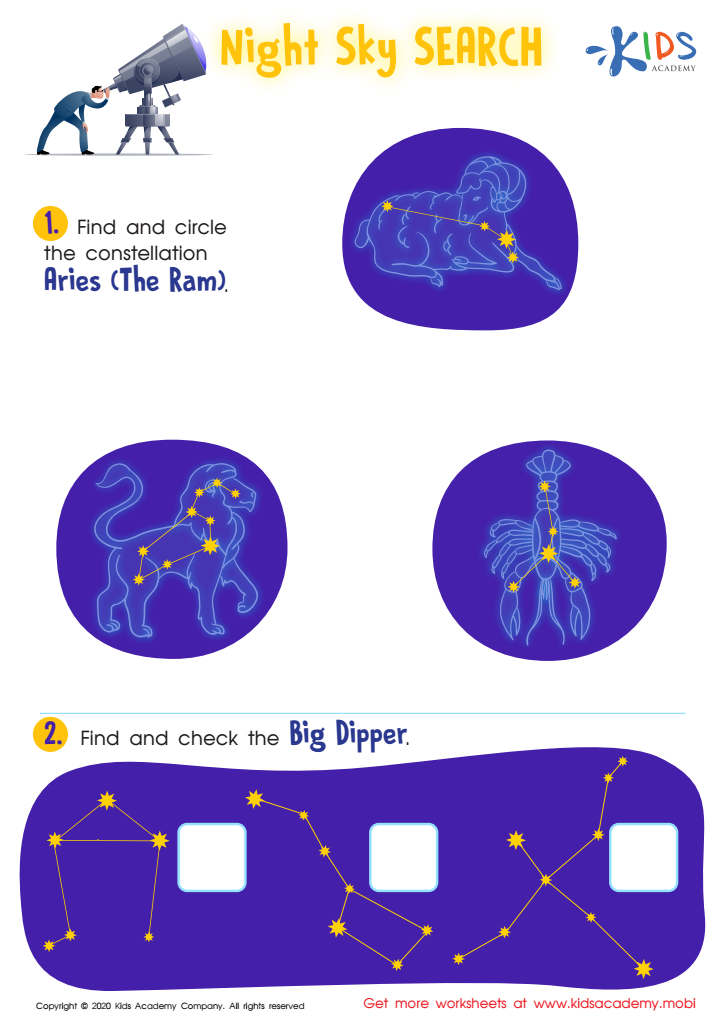
Night Sky Search Worksheet
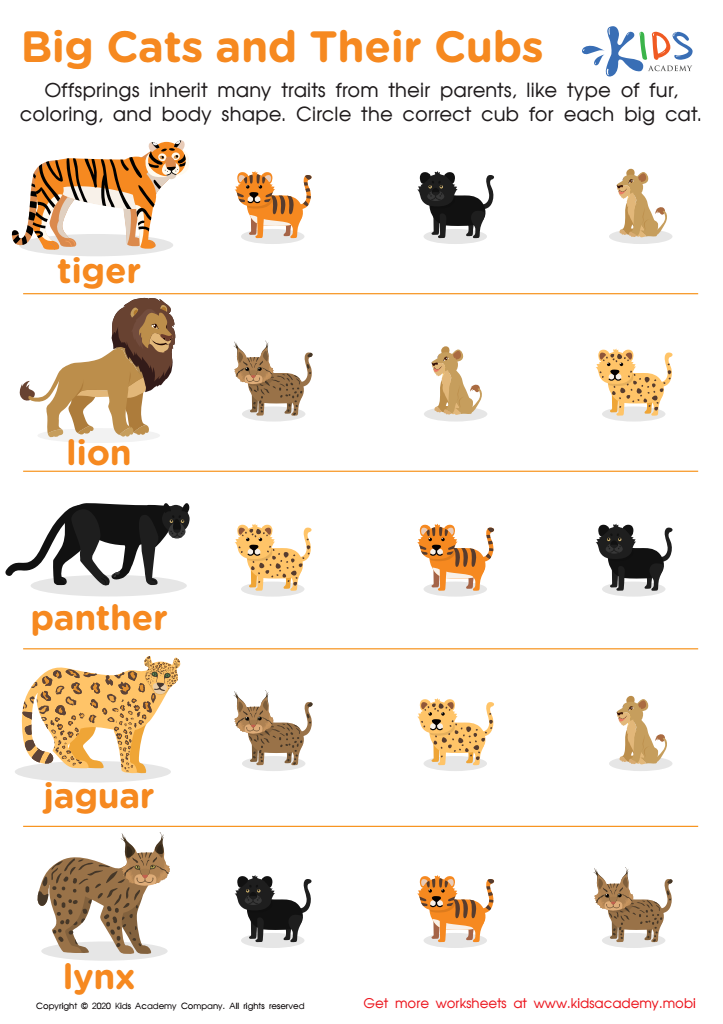
Big Cats and Their Cubs Worksheet
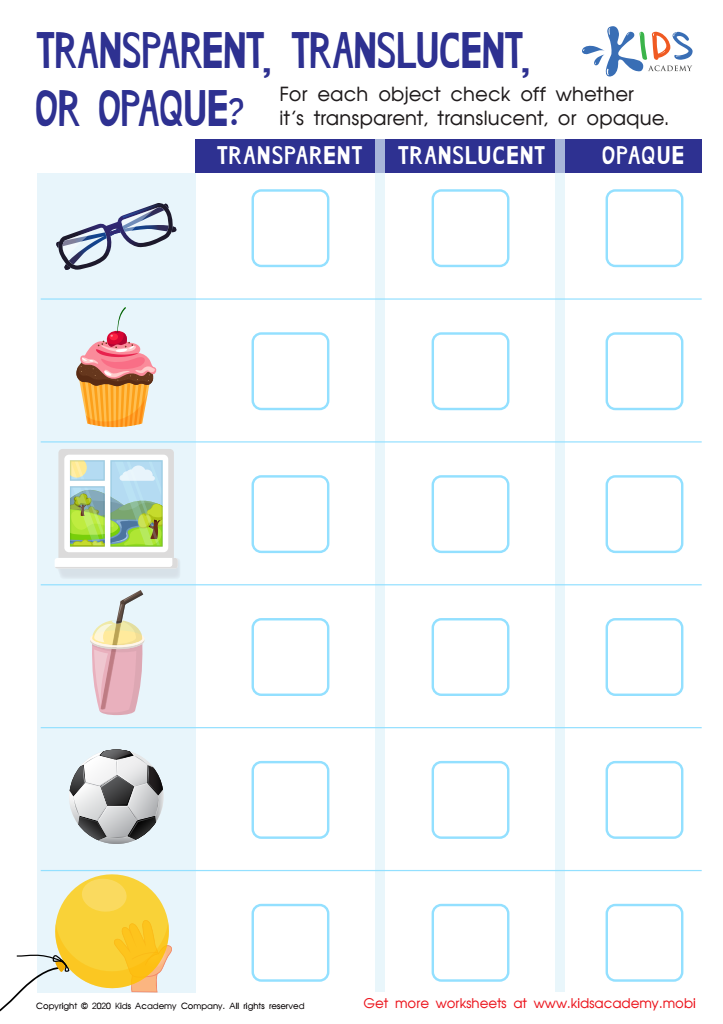
Transparent, Translucent, or Opaque Worksheet
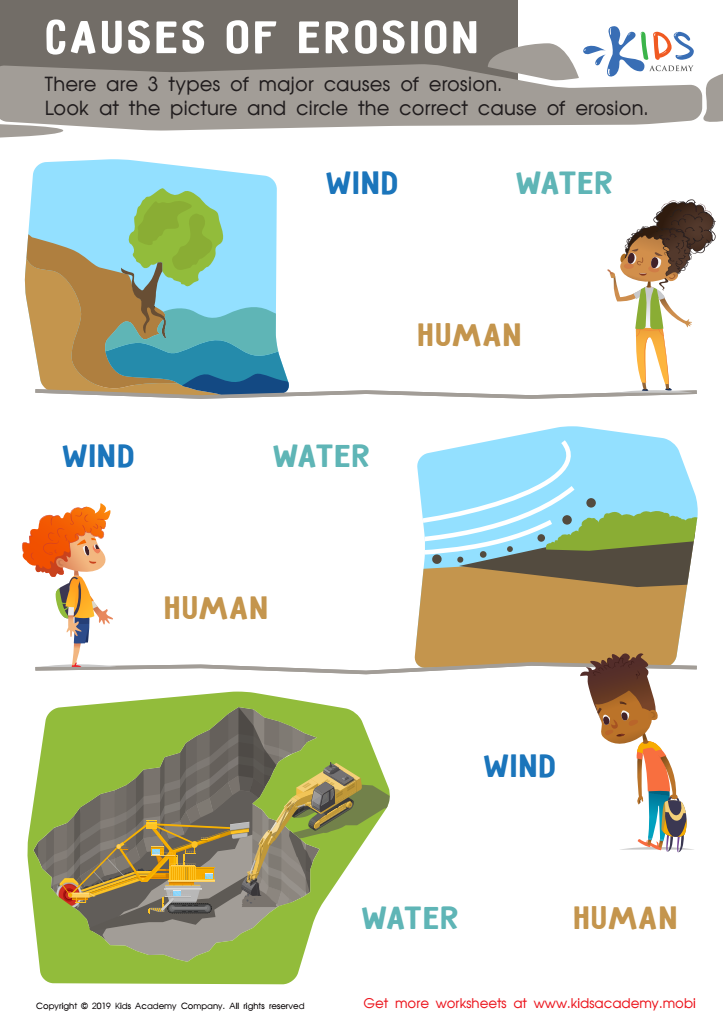
Causes of Erosion Worksheet
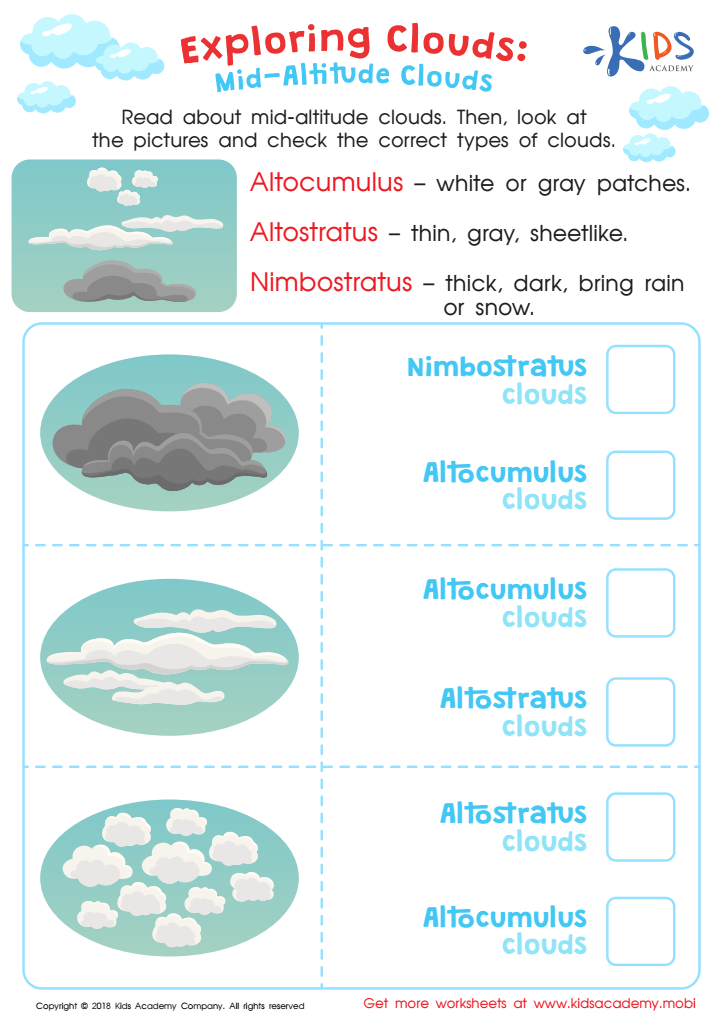
Exploring Clouds: Mid-altitude Clouds Worksheet
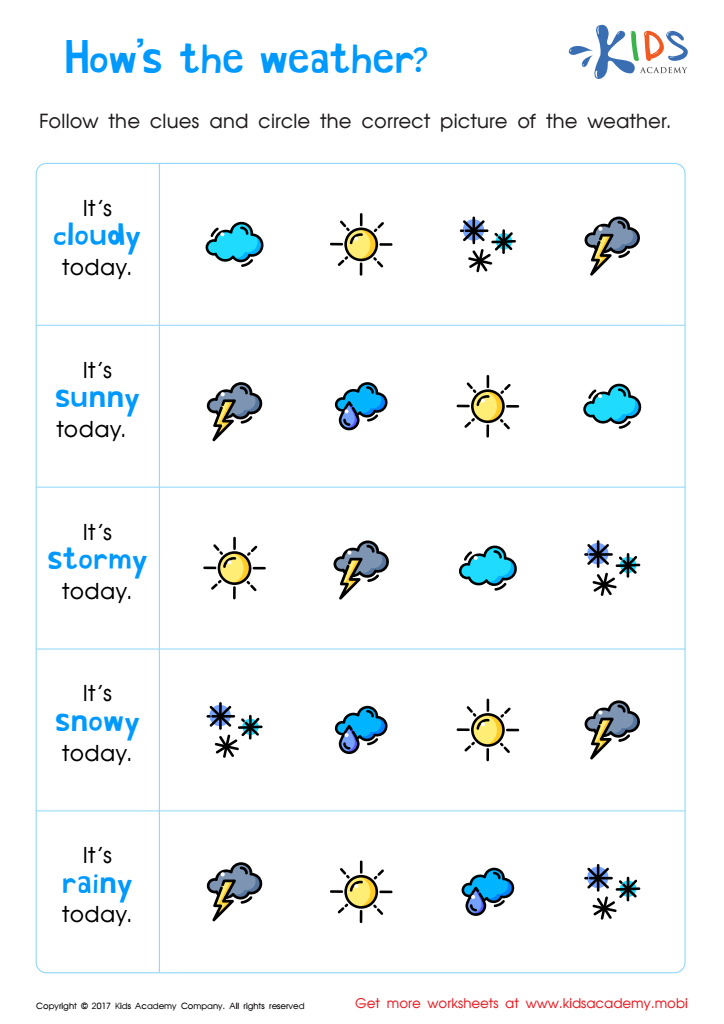
Hows the Weather Worksheet
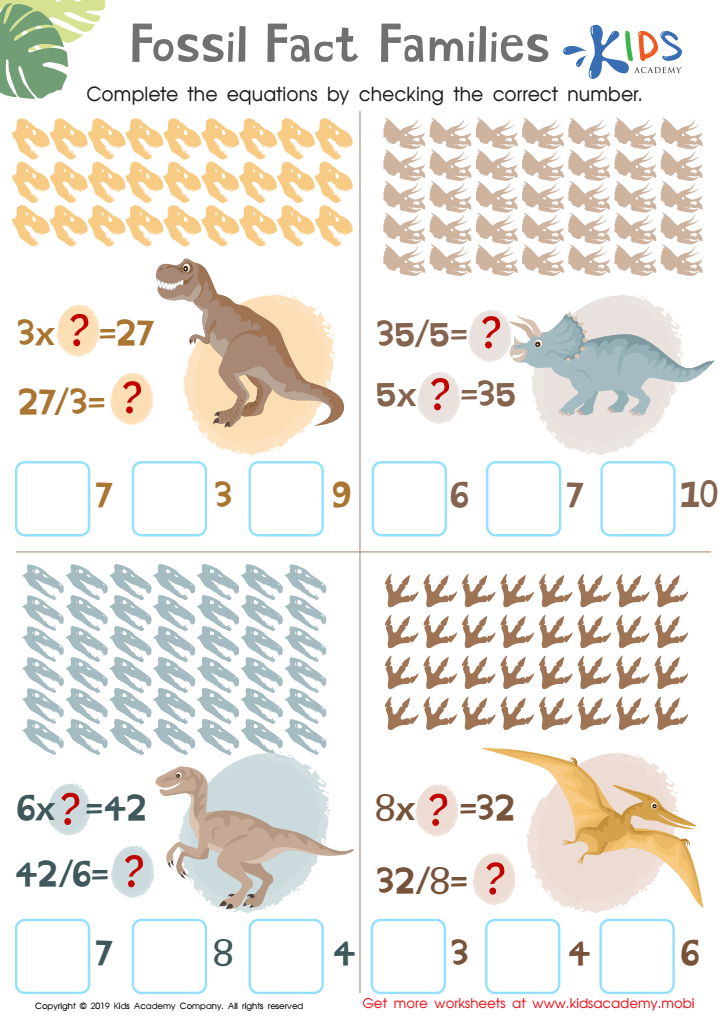
Fossil Fact Families Worksheet
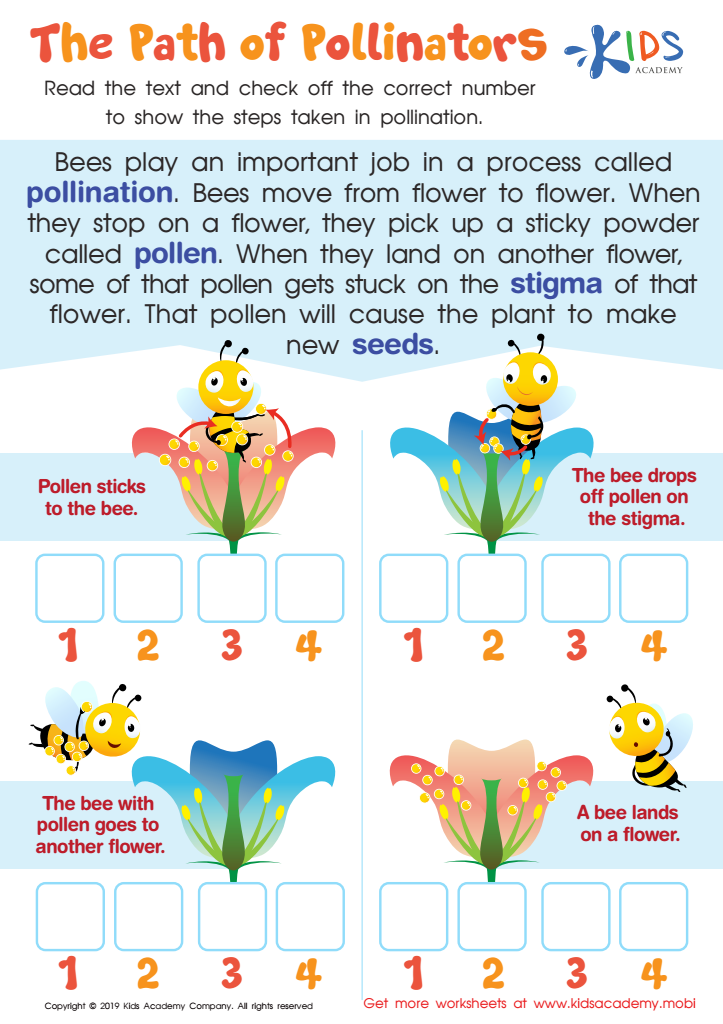
The Path of Pollinators Worksheet
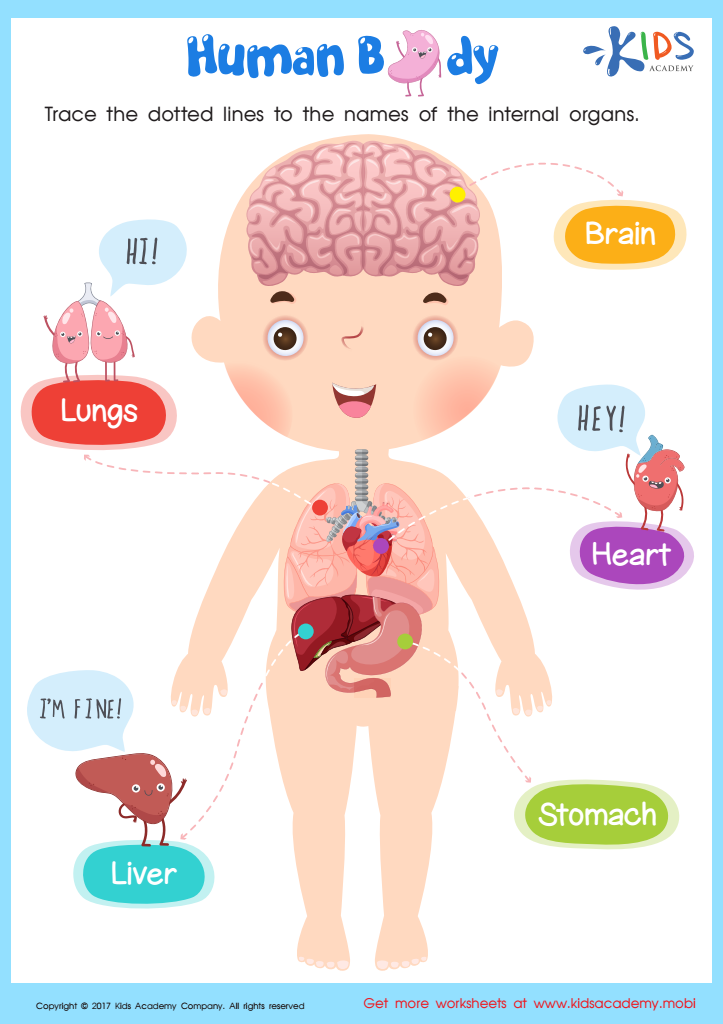
Human Body Worksheet
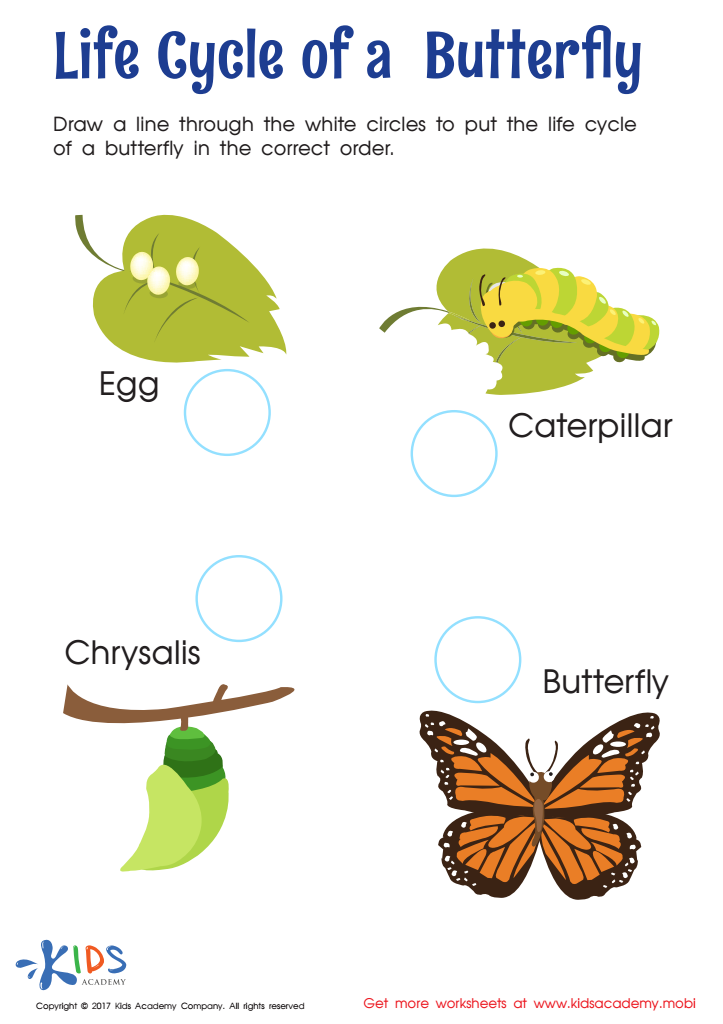
Life Cycle of Butterfly Worksheet








Science education for children aged 5-8 is vital for several reasons. At this developmental stage, children exhibit natural curiosity and an eagerness to explore the world around them. Engaging in science nurtures this inherent curiosity, allowing them to ask questions, seek answers, and develop critical thinking skills. Introducing scientific concepts early on encourages a love for learning that can last a lifetime.
Moreover, science fosters problem-solving abilities and creativity. Children learn to hypothesize, experiment, and draw conclusions, skills that are applicable in various aspects of life, from everyday decision-making to future academic pursuits. By participating in hands-on activities, children develop fine motor skills and learn about the physical world, enhancing their understanding and appreciation of different phenomena.
Parents and teachers should also recognize that early science education is integral in promoting STEM (Science, Technology, Engineering, and Mathematics) literacy. A strong foundation in these areas prepares children for success in a rapidly evolving world where scientific knowledge increasingly shapes technology and society.
Additionally, integrating science with other subjects enhances holistic learning. Ultimately, fostering a love for science cultivates inquisitive, engaged citizens who can contribute meaningfully to their communities and make informed choices in their lives.







