2D Shapes Worksheets for Ages 6-9 - Page 2
68 filtered results
-
From - To
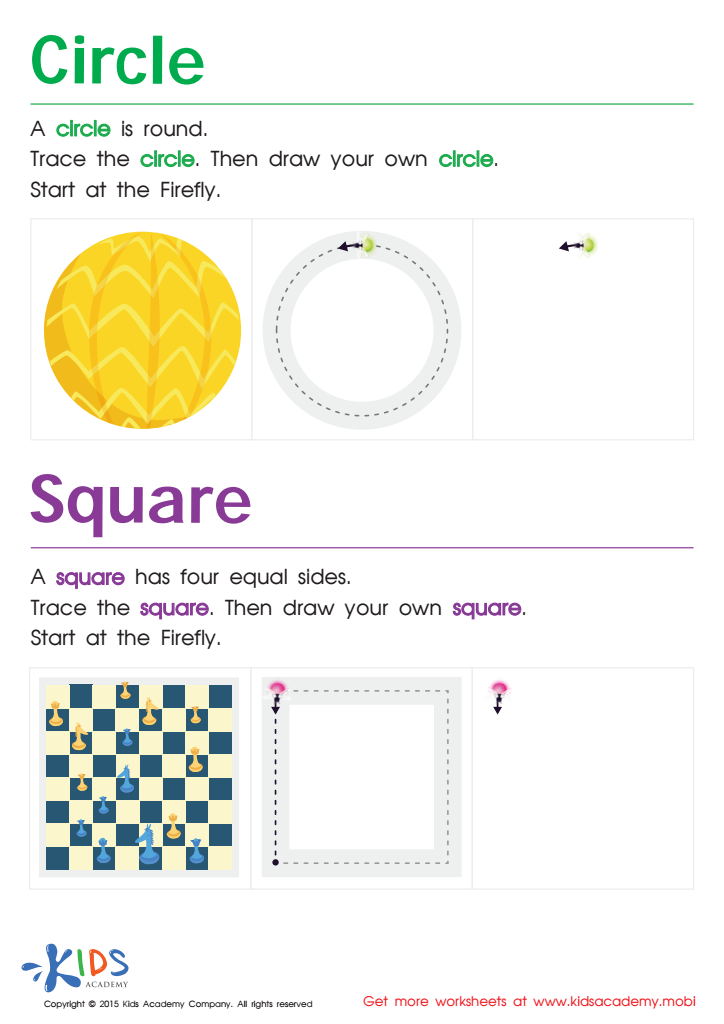
Trace And Draw a Circle And a Square Worksheet
 Assign to My Students


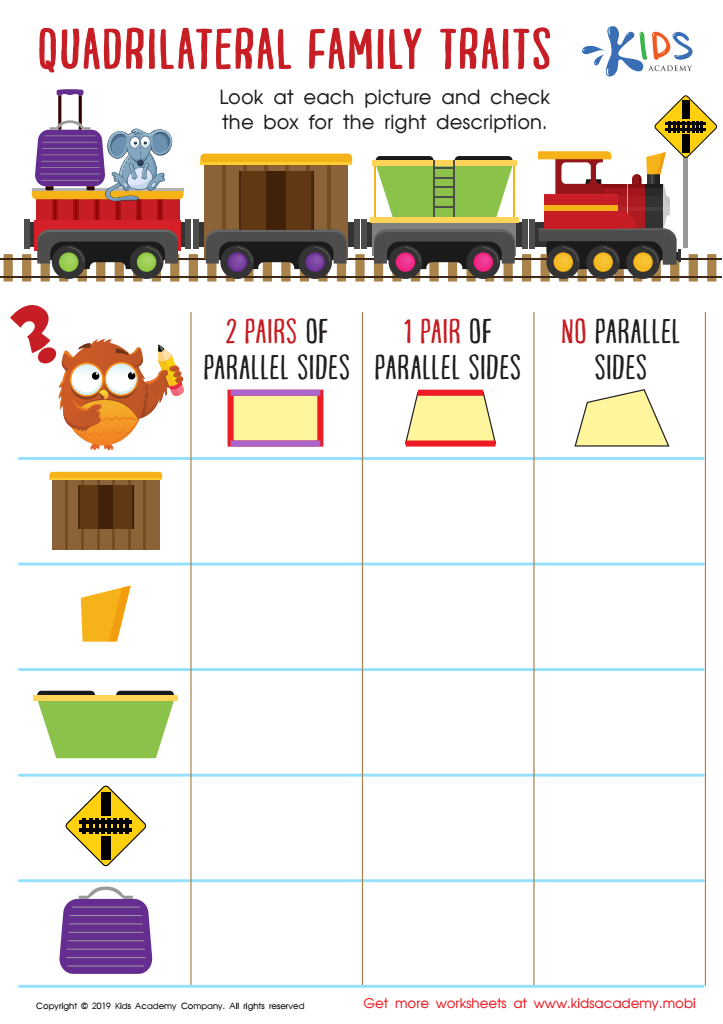
Quadrilateral Family Traits Worksheet
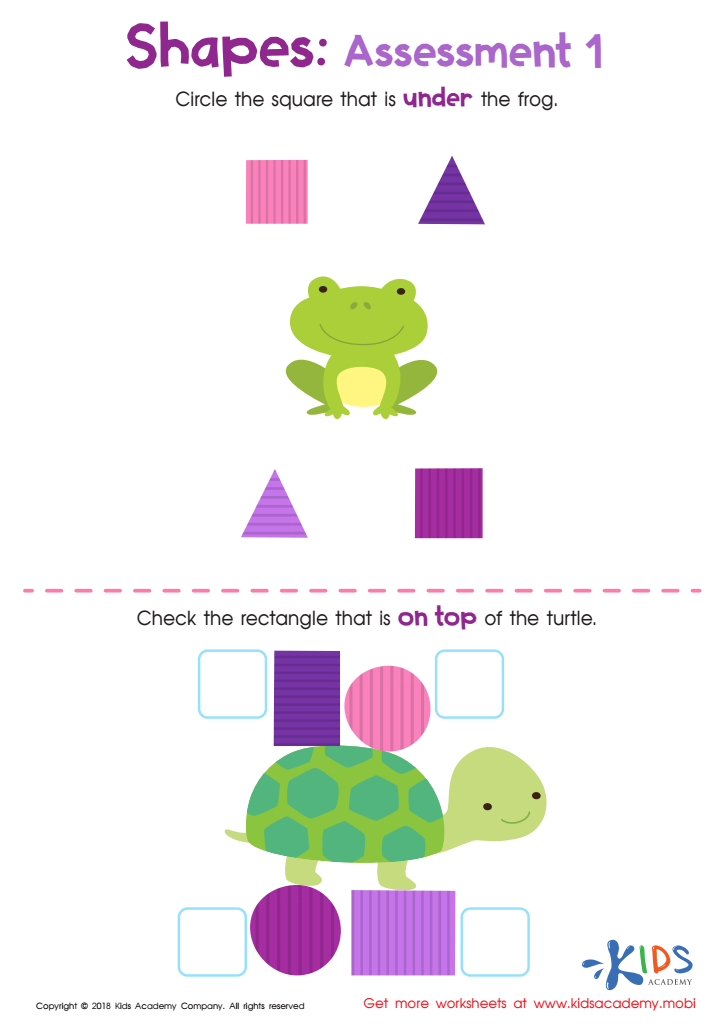
Geometry – Assessment 1 Worksheet
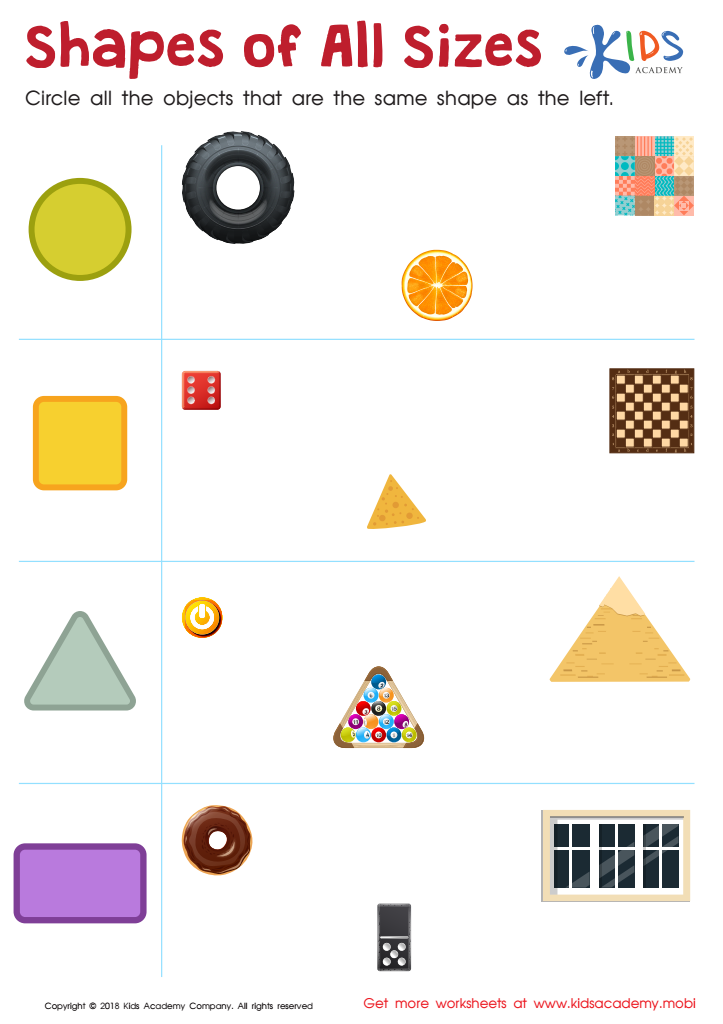
Shapes of All Sizes Worksheet
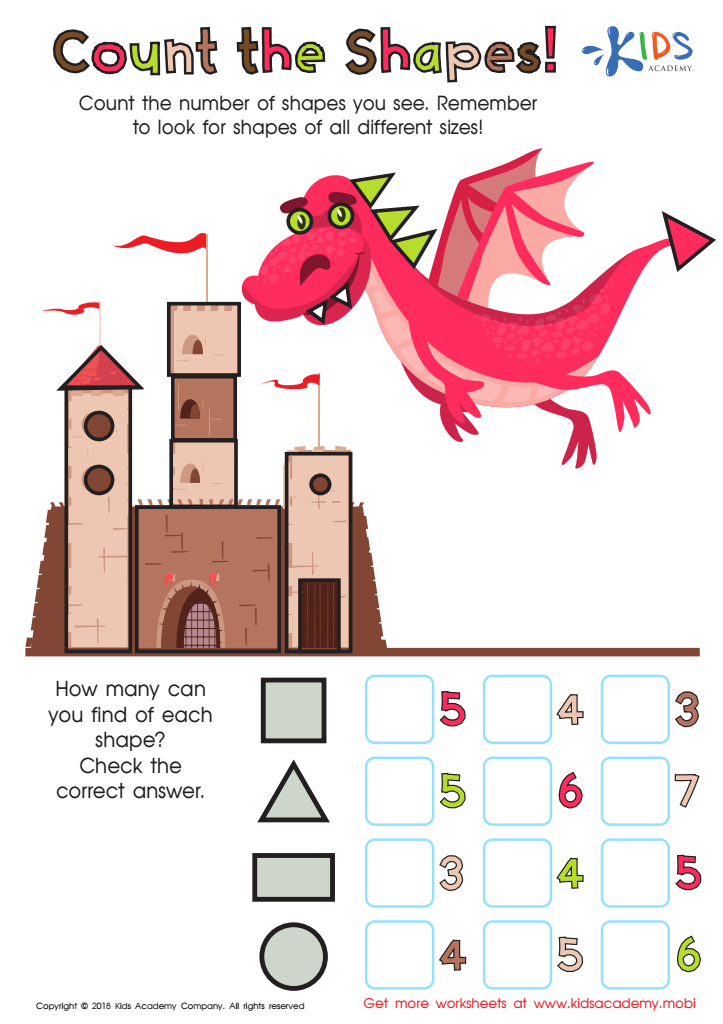
Count the Shapes Worksheet
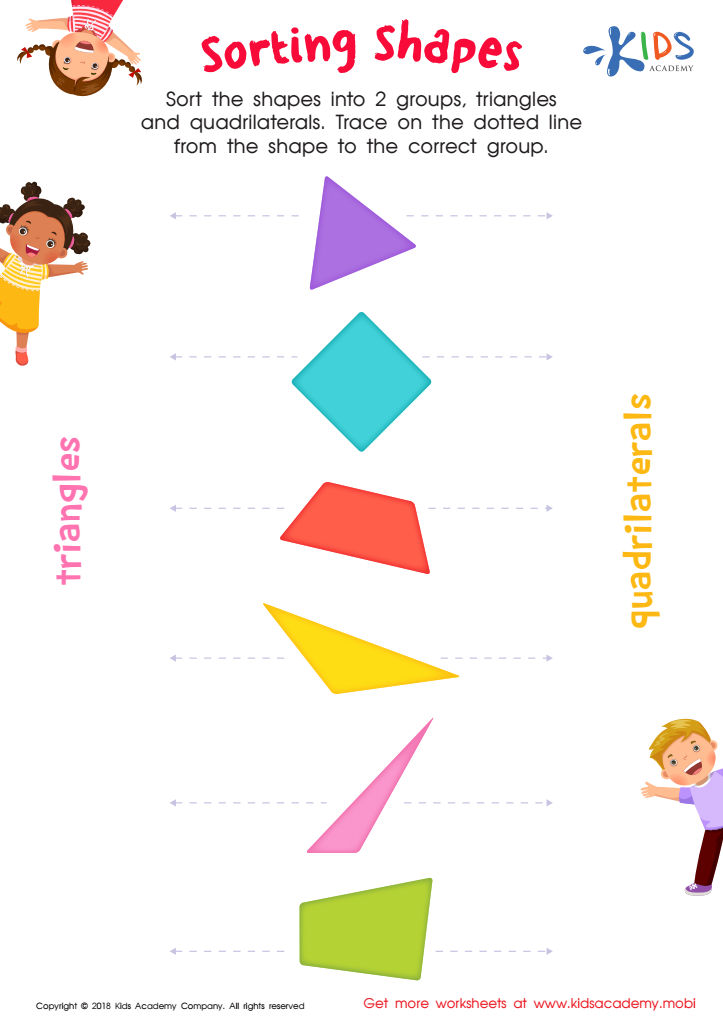
Sorting Shapes Worksheet
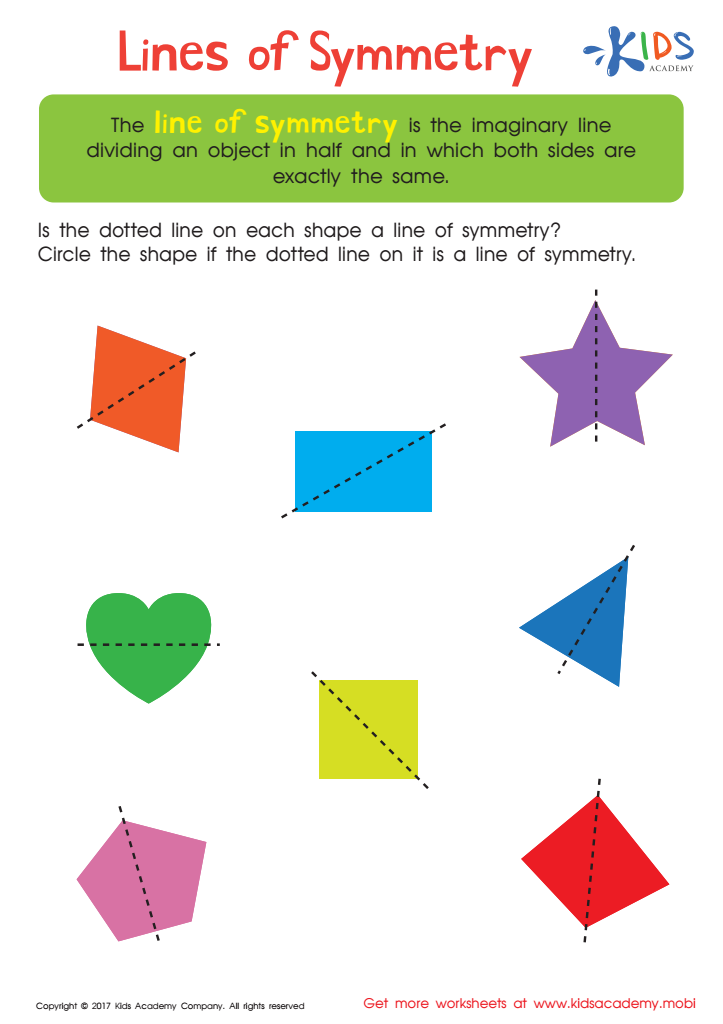
Lines of Symmetry Printable
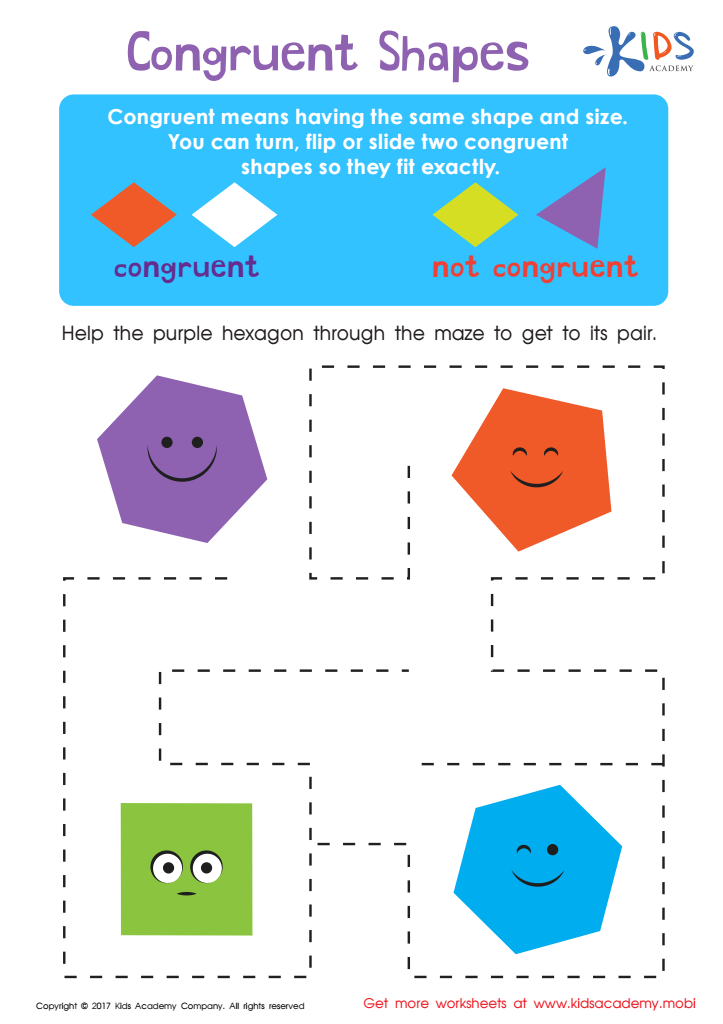
Congruent Shapes Worksheet
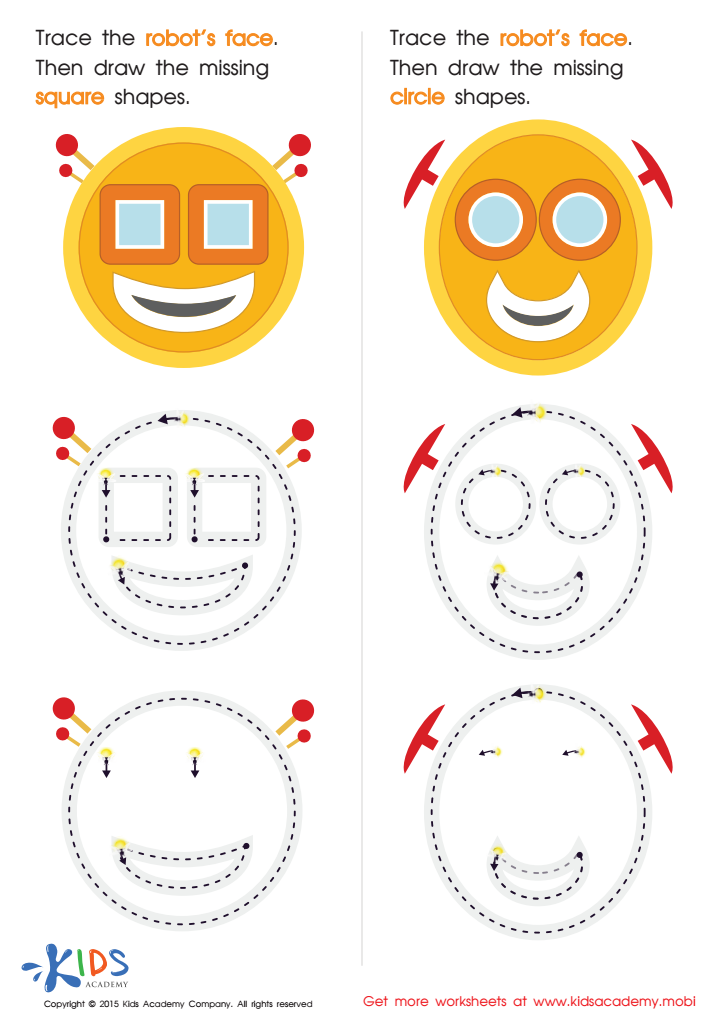
Practicing to Draw Circles And Squares Printable
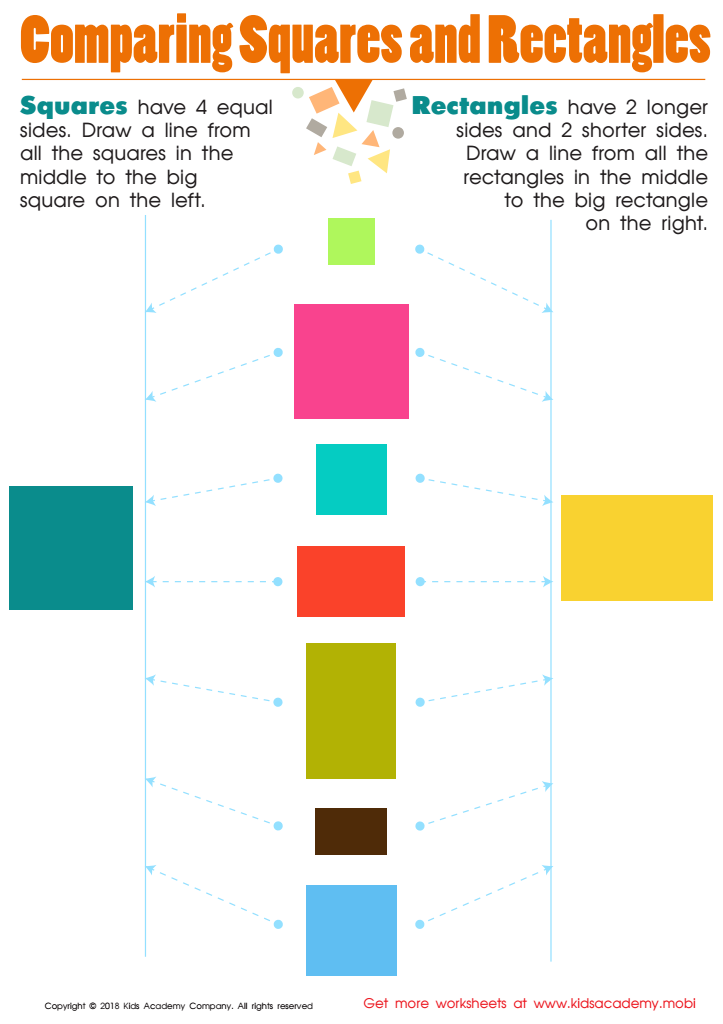
Comparing Squares Rectangles Worksheet
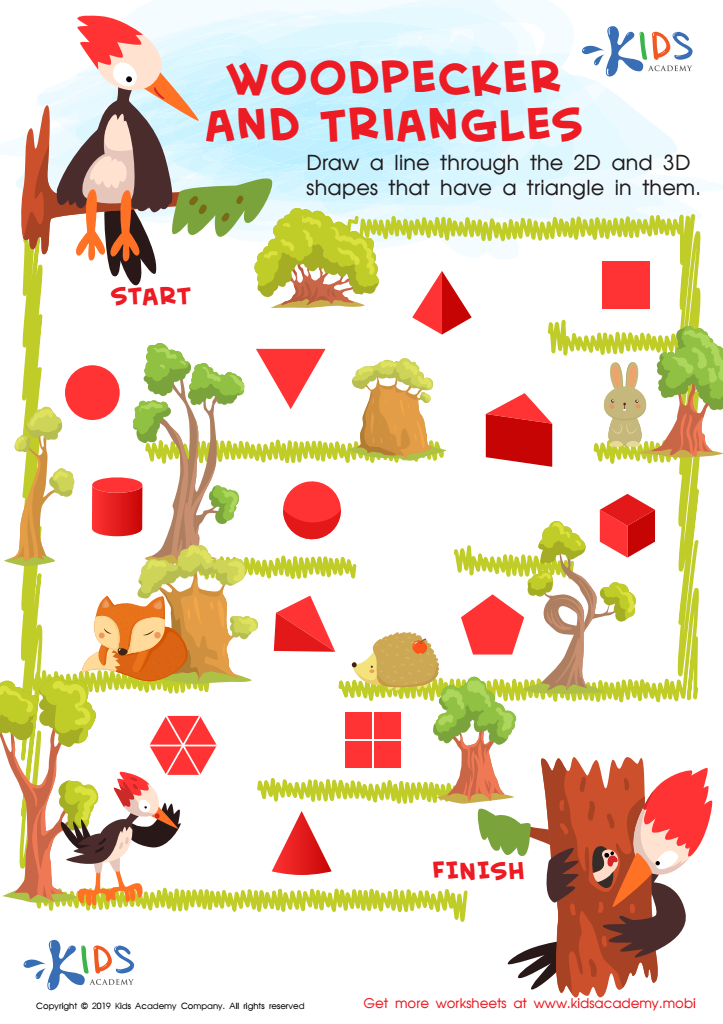
Woodpecker and Triangles Worksheet
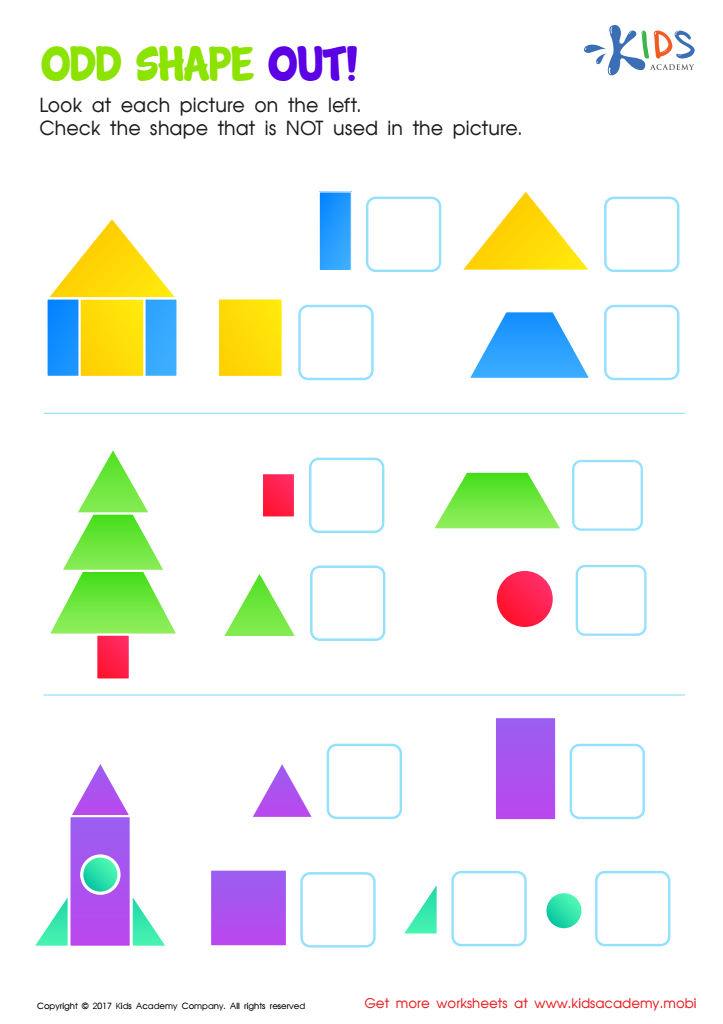
Odd Shape Out Worksheet for Grade 1
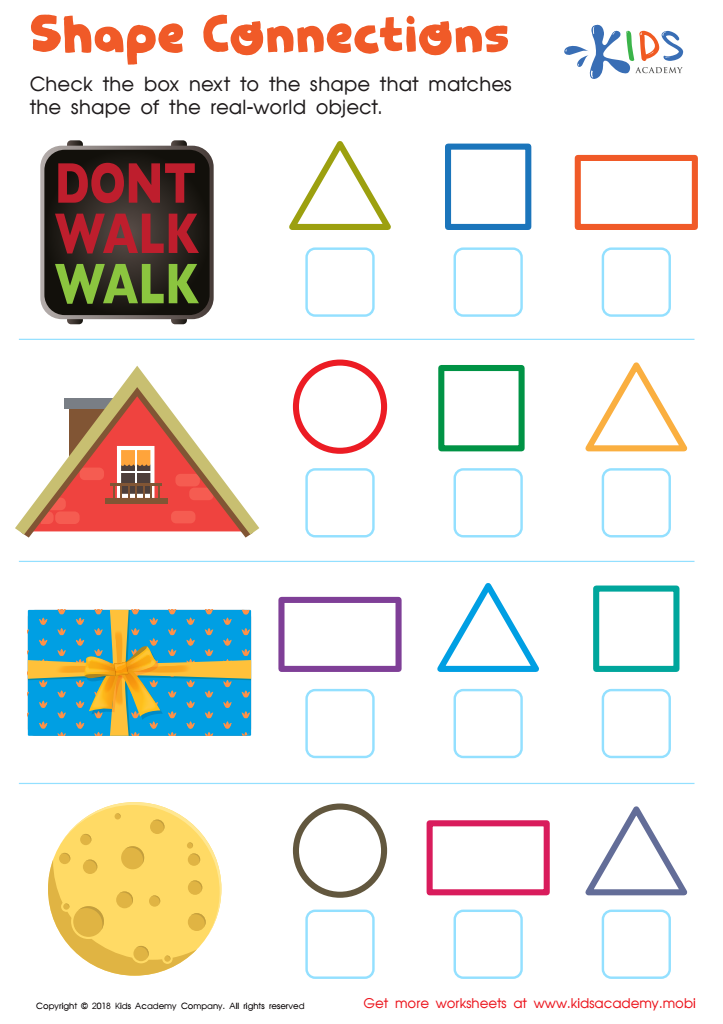
Shape Connections Worksheet
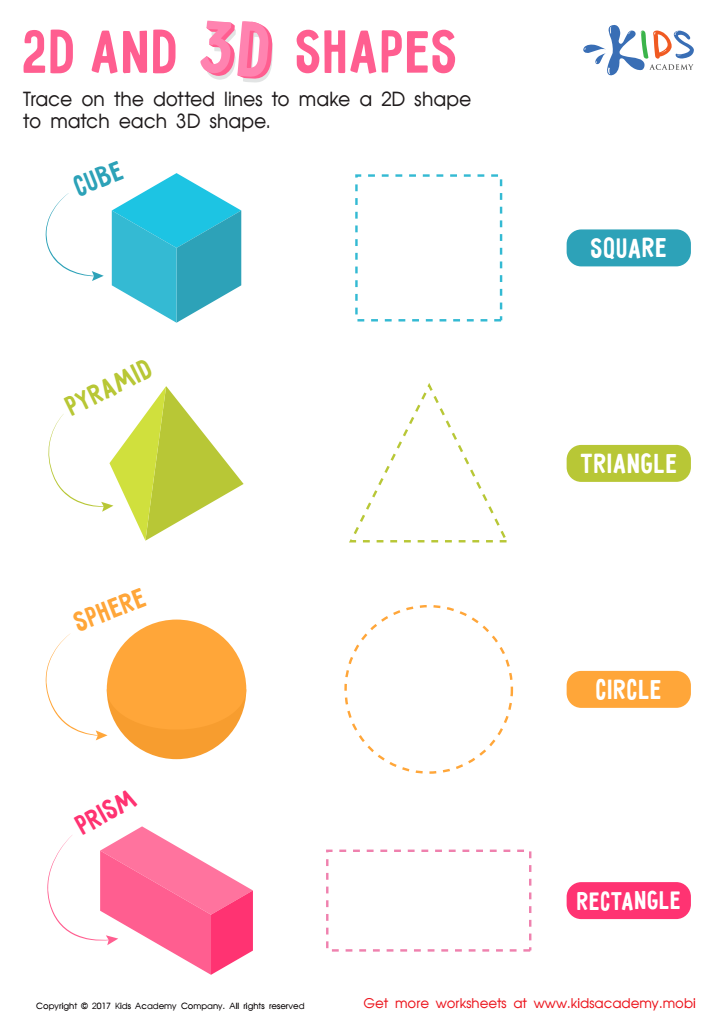
2D and 3D Shapes Worksheet
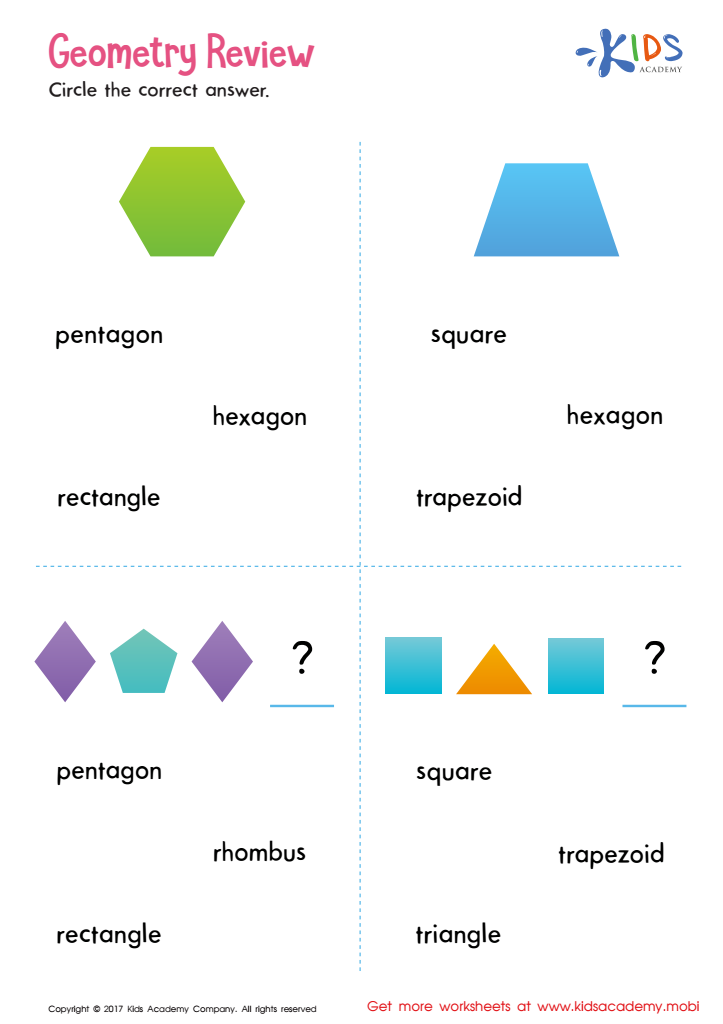
Geometry Review Printable
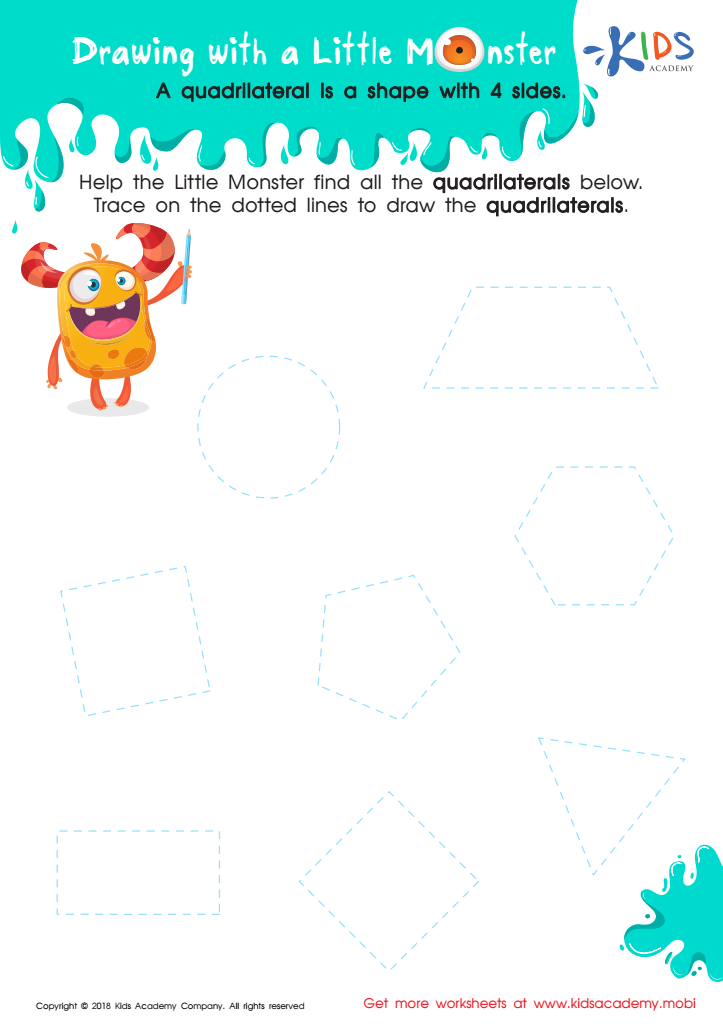
Drawing with a Little Monster Worksheet
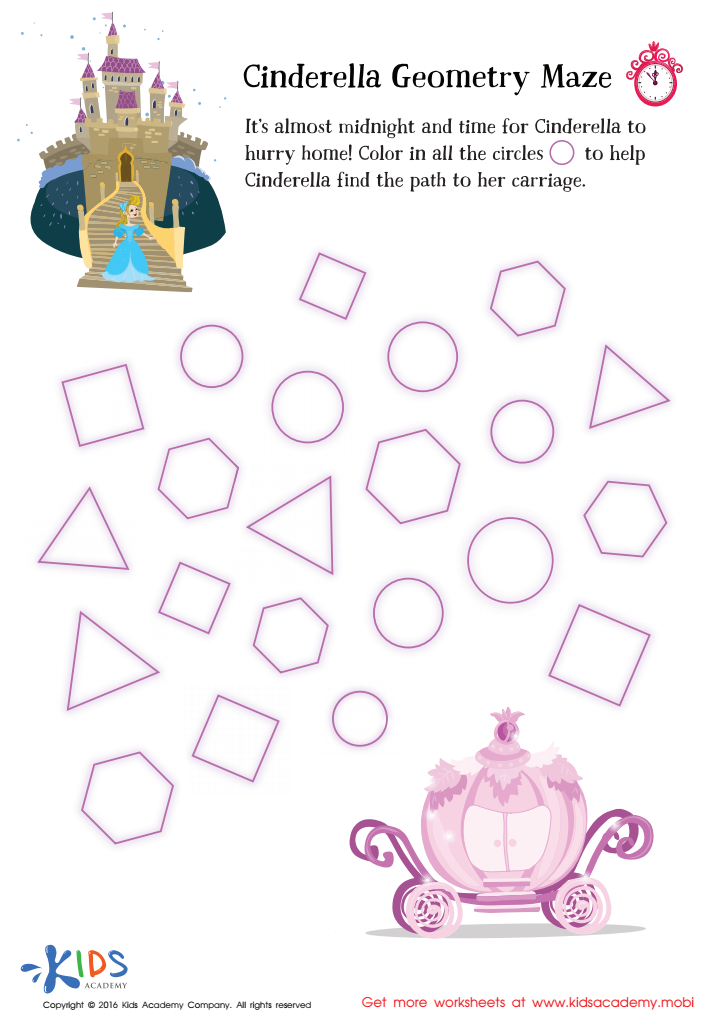
Cinderella Geometry Maze Worksheet
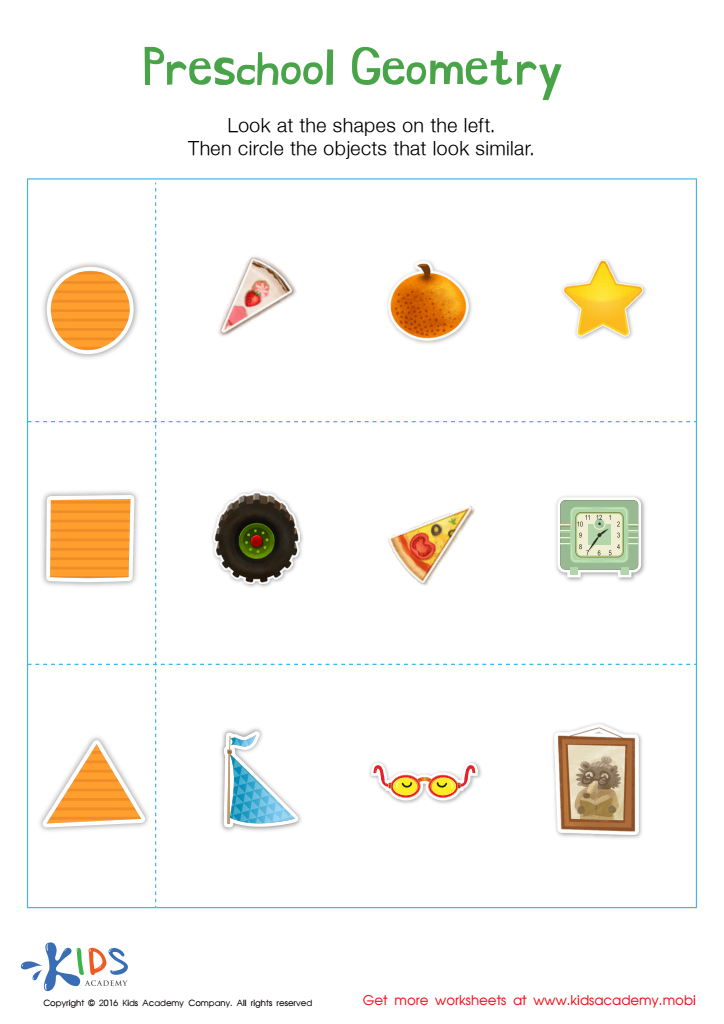
Preschool Geometry Match Up Worksheet
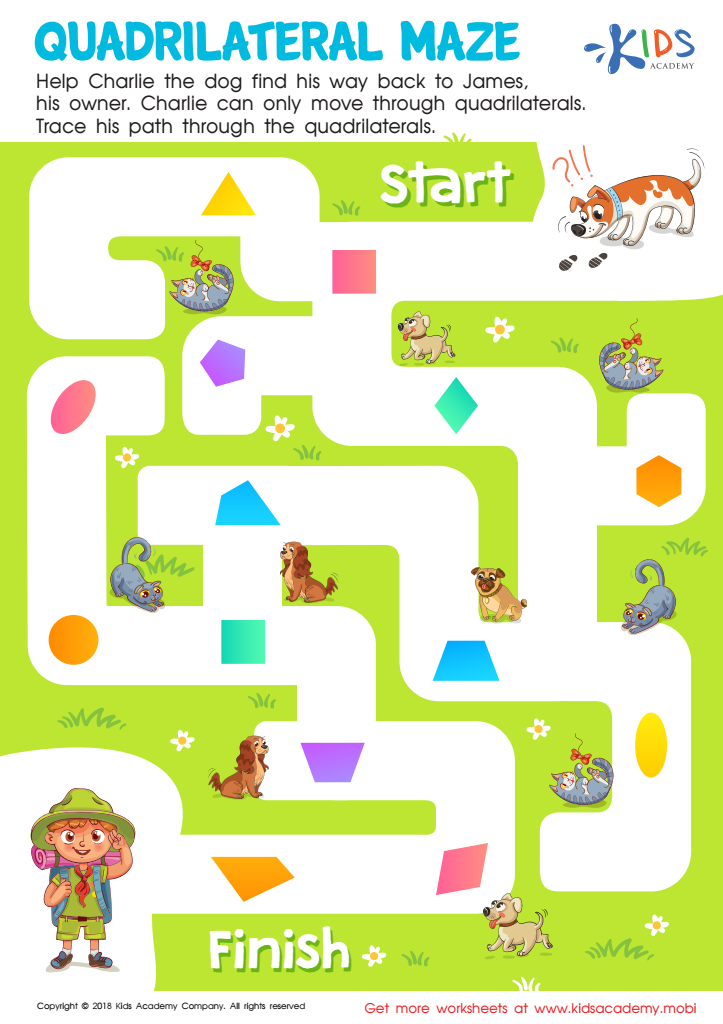
Quadrilateral Maze Worksheet
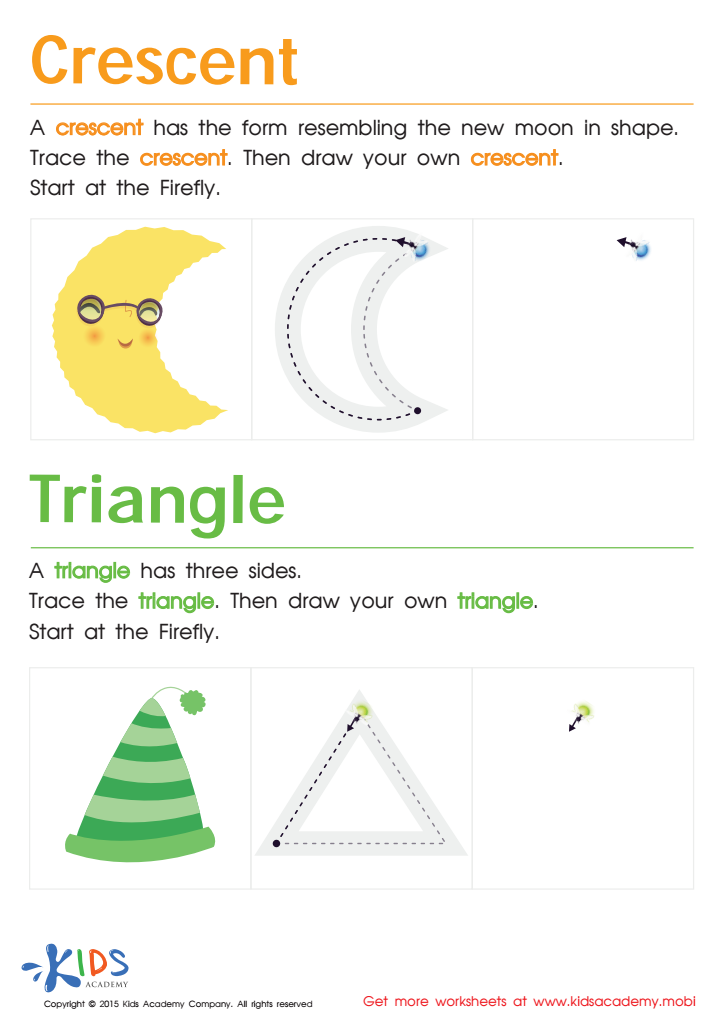
Learning to Draw Crescents And Triangles Worksheet
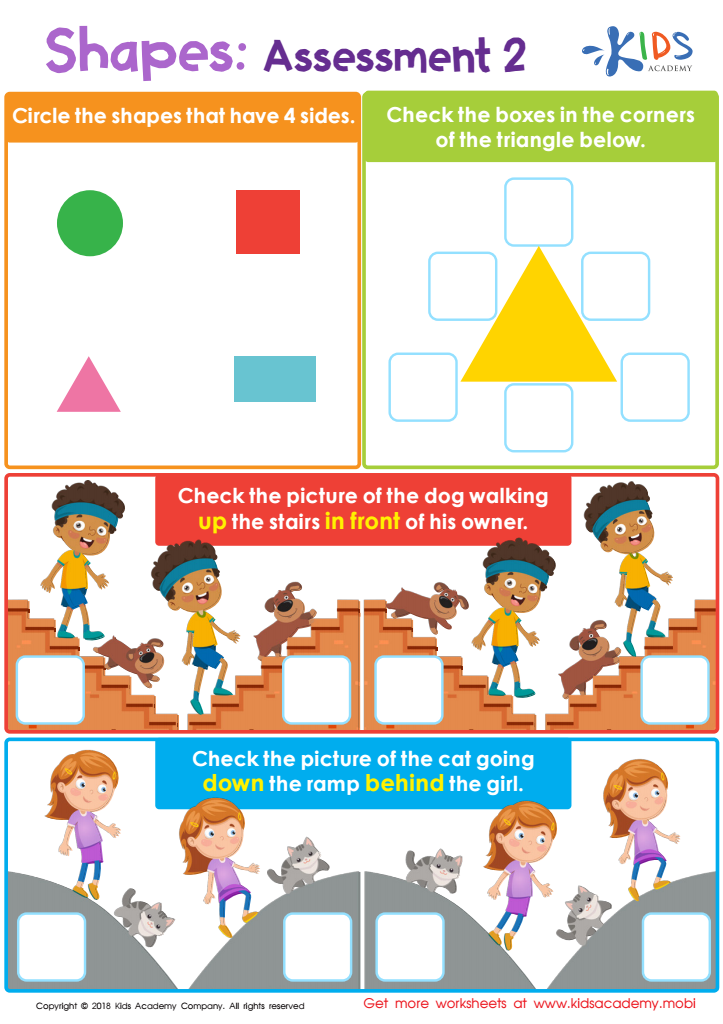
Shapes: Assessment 2 Worksheet
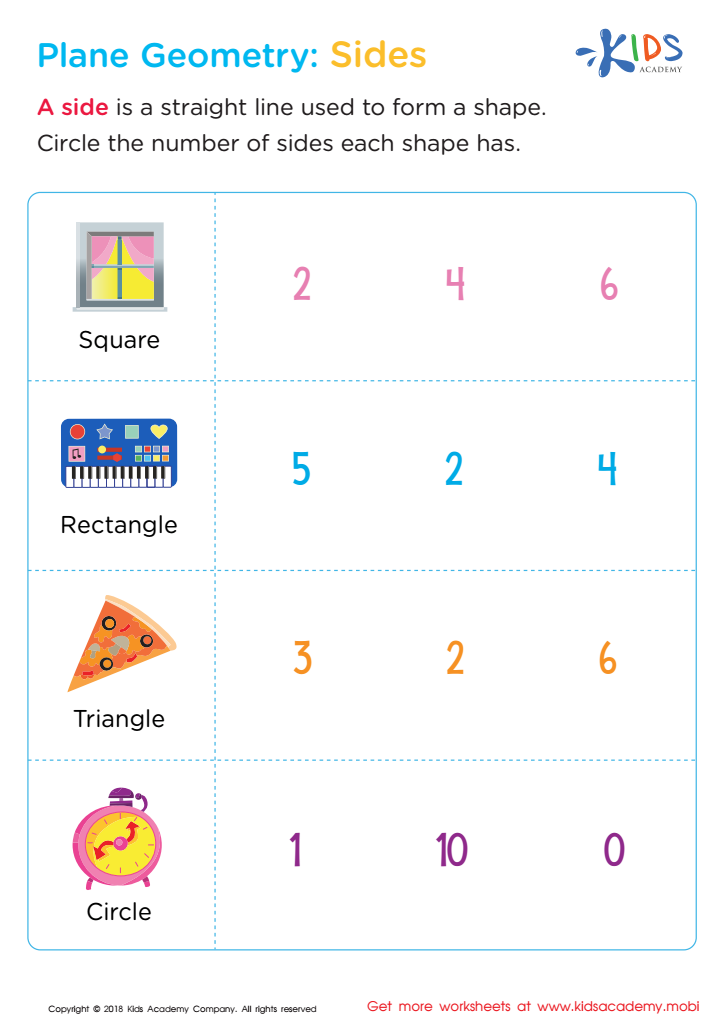
Plane Geometry: Sides Worksheet
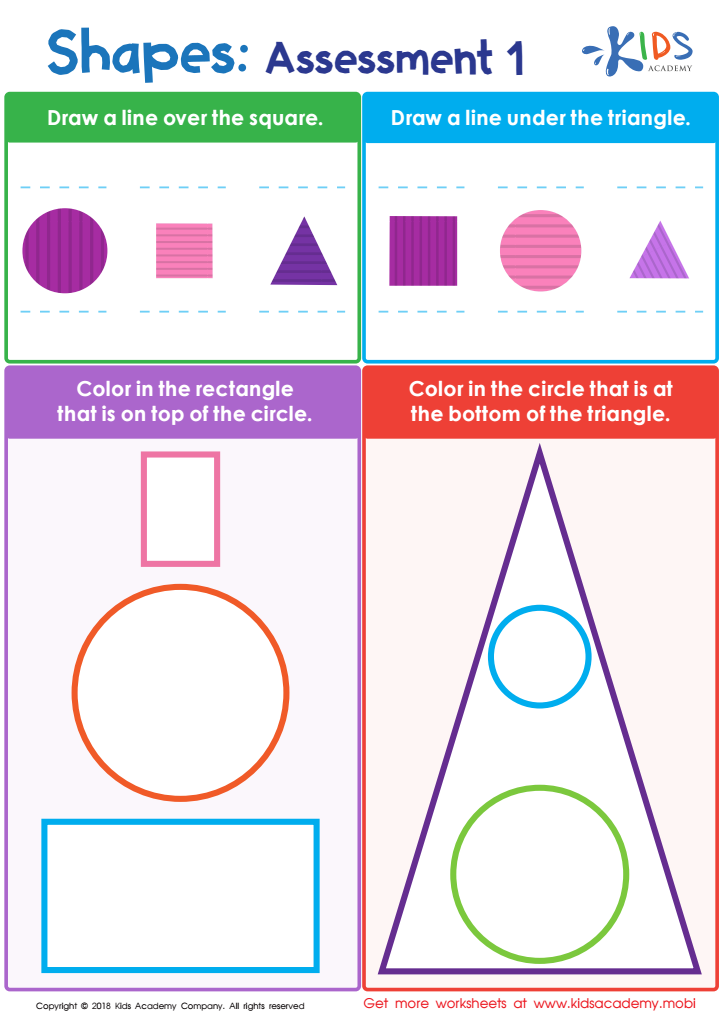
Shapes: Assessment 1 Worksheet
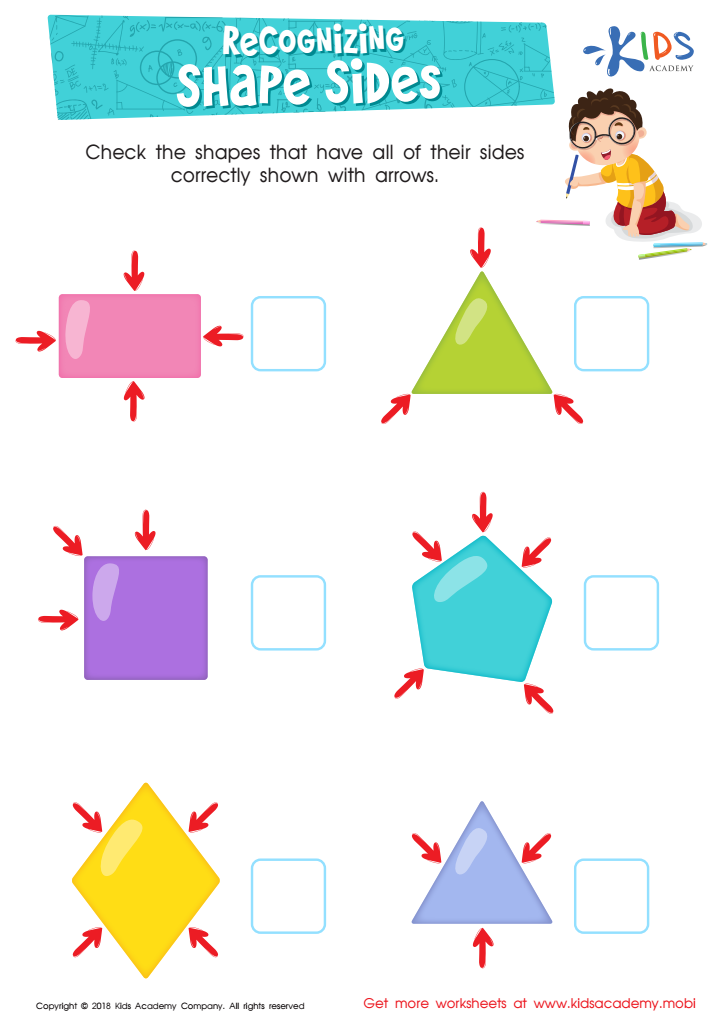
Recognizing Shape Sides Worksheet








Understanding 2D shapes is crucial for children ages 6-9 as this foundational concept plays a pivotal role in cognitive and academic development. When children learn about 2D shapes—such as circles, squares, triangles, and rectangles—they engage in much more than simple memorization of forms. They enhance their spatial awareness, critical thinking, and problem-solving skills.
Firstly, recognizing and differentiating between shapes helps in developing observational skills. Children learn to notice subtle differences and similarities, boosting their capacity for attention to detail. Secondly, this early grasp of geometry lays groundwork for future math learning, particularly when they tackle more complex geometry and algebra later on.
Moreover, familiarity with shapes is also intertwined with literacy skills. Activities involving shapes often include vocabulary development (learning terms like "side," "corner," and "angle"), which improves verbal expression and comprehension abilities. Shapes are also present in reading (such as the shapes of letters) and art (understanding compositions).
Additionally, understanding shapes can have practical applications. For example, it aids in recognizing patterns, tells time on analog clocks, and even navigates the world better through map reading. For teachers and parents alike, fostering a solid understanding of 2D shapes equips children with essential skills and prepares them for more advanced educational challenges, all while making learning fun and interactive.