Normal Geometry Worksheets for Ages 5-8 - Page 2
75 filtered results
-
From - To
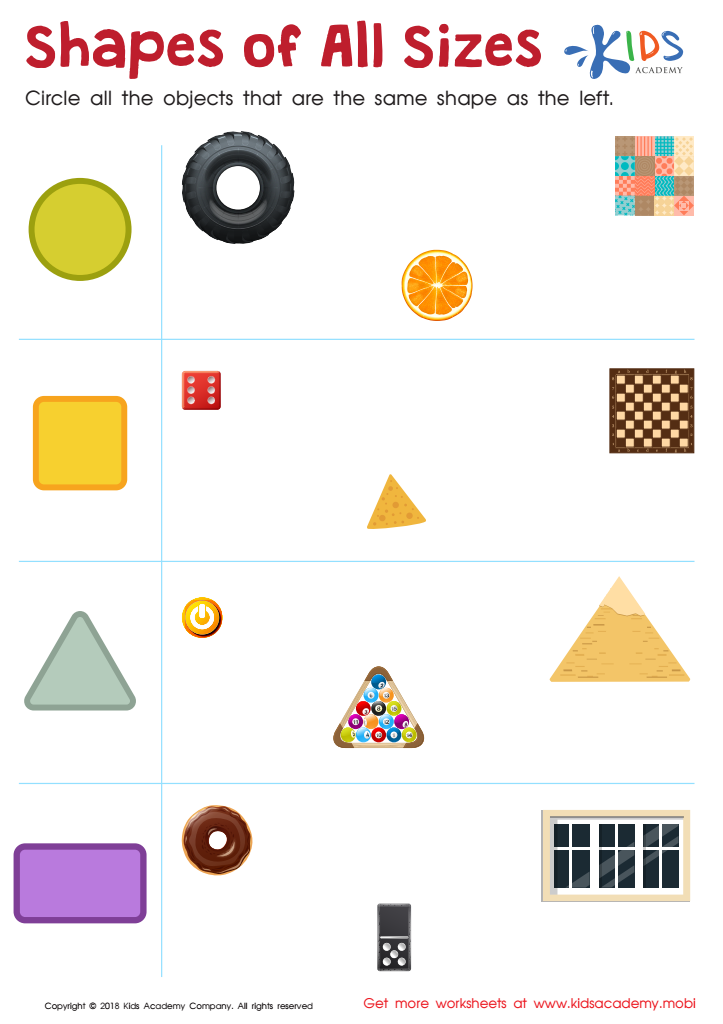
Shapes of All Sizes Worksheet
 Assign to My Students











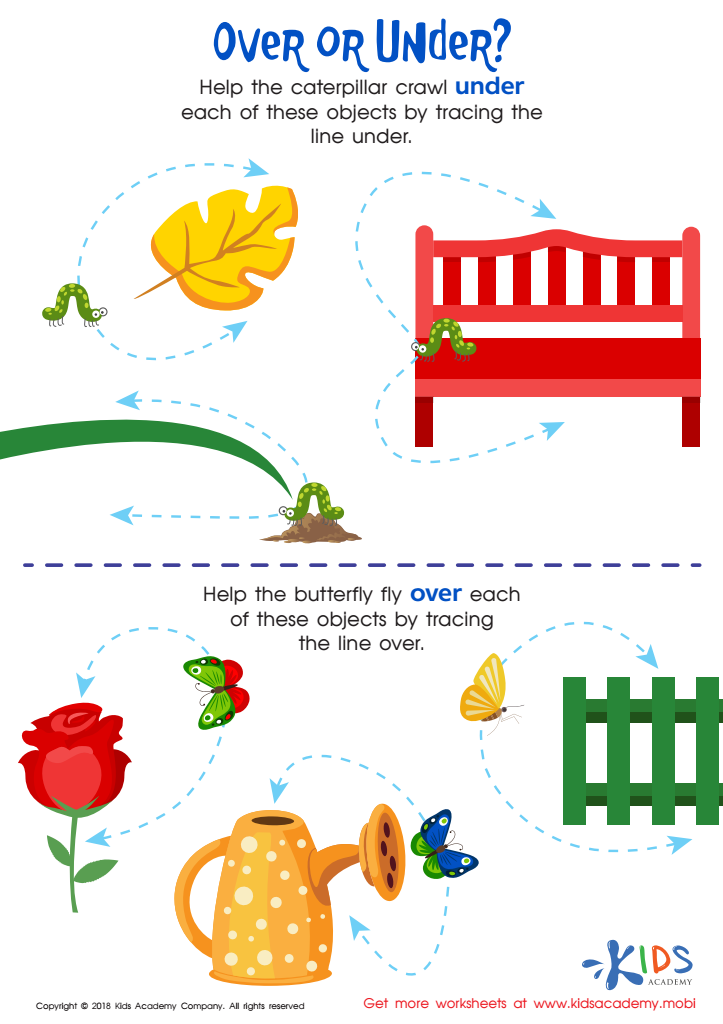
Over or Under? Worksheet
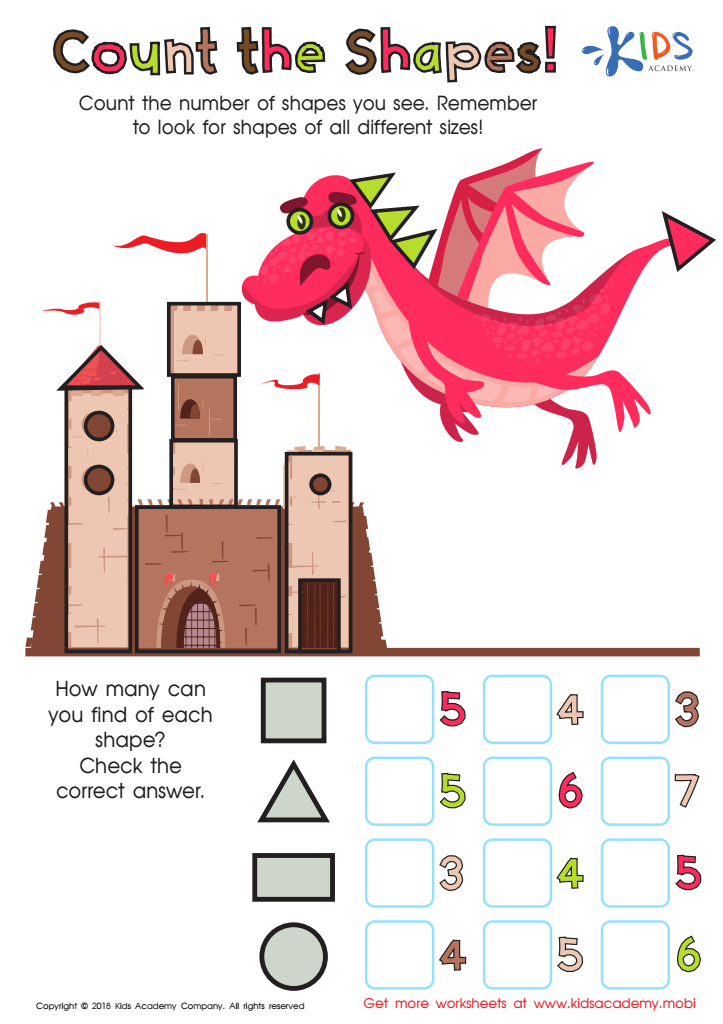
Count the Shapes Worksheet
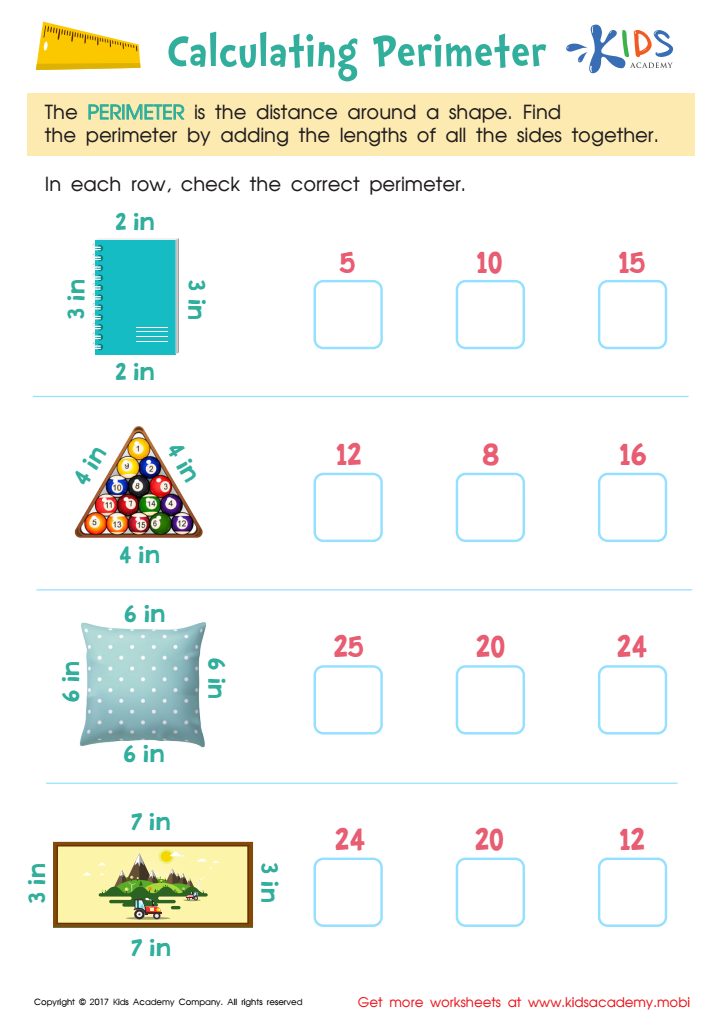
Calculating Perimeter Worksheet
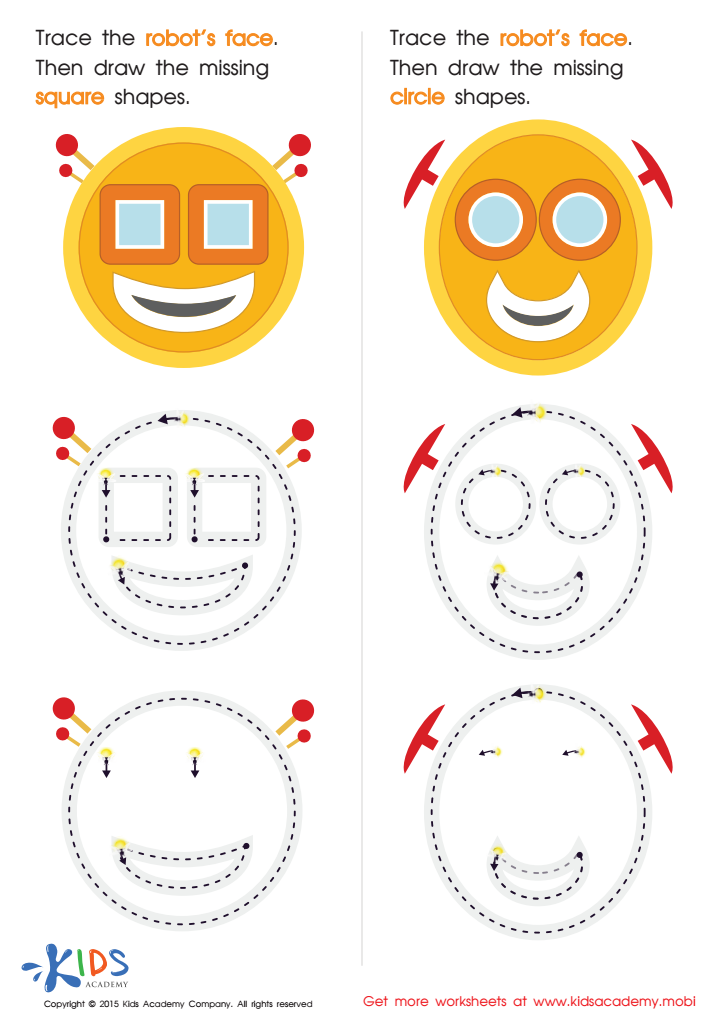
Practicing to Draw Circles And Squares Printable
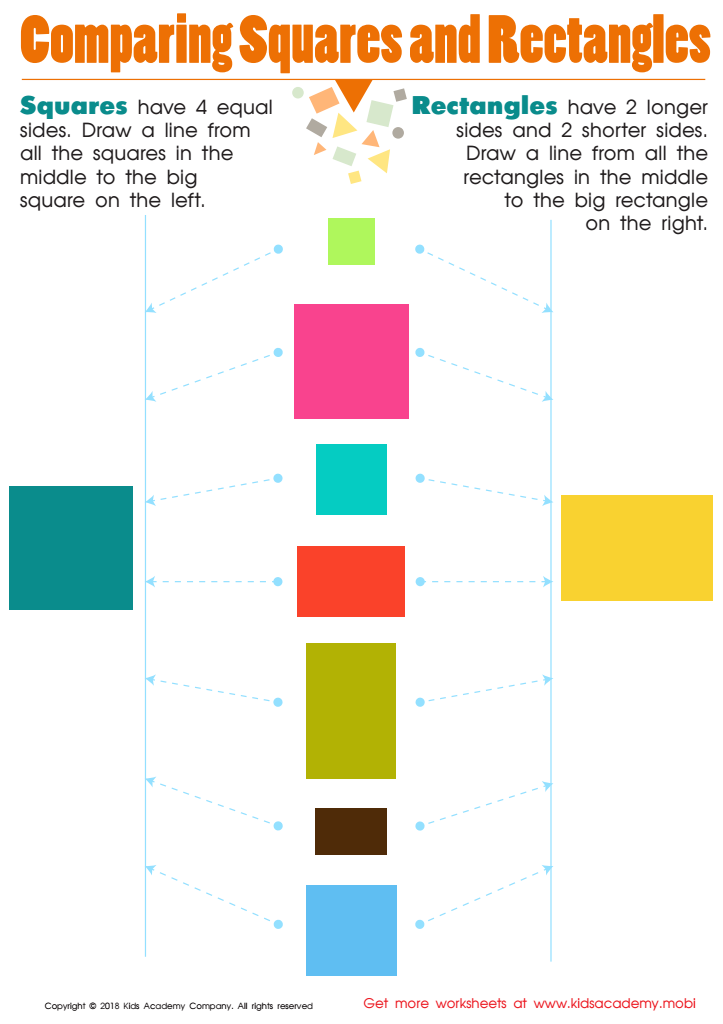
Comparing Squares Rectangles Worksheet
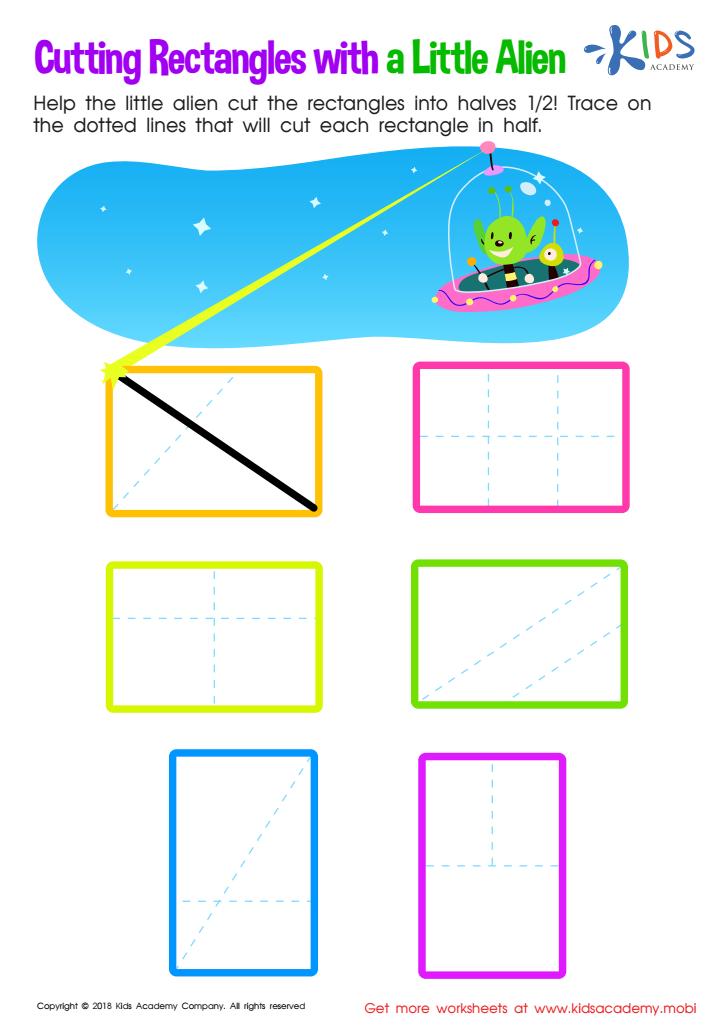
Cutting Rectangles with Alien Worksheet
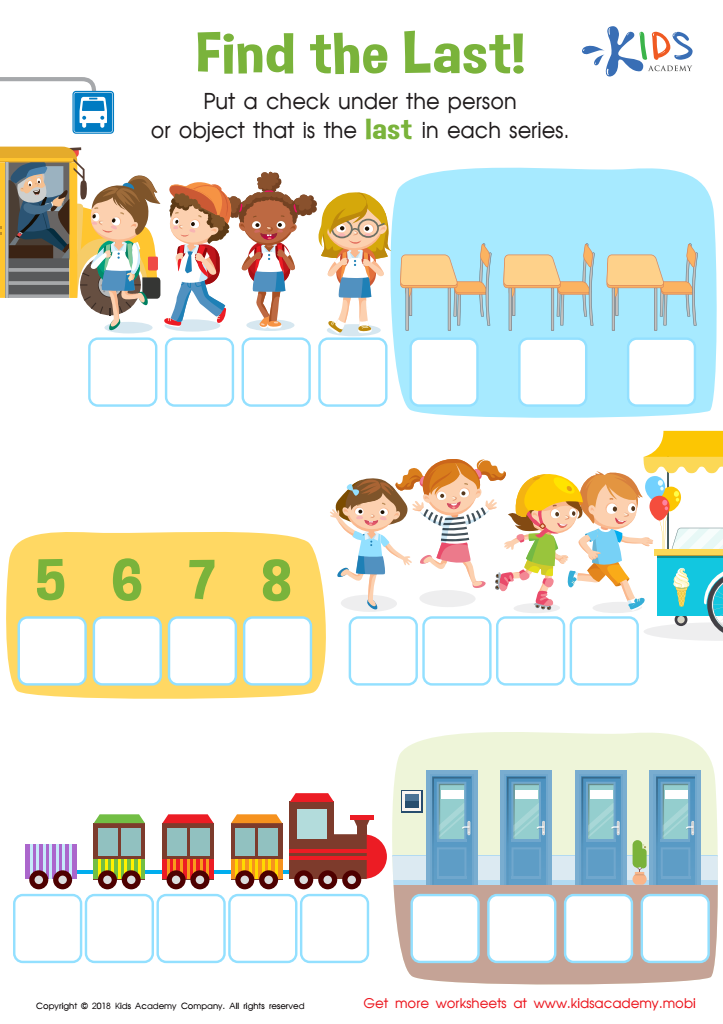
Find the Last! Worksheet
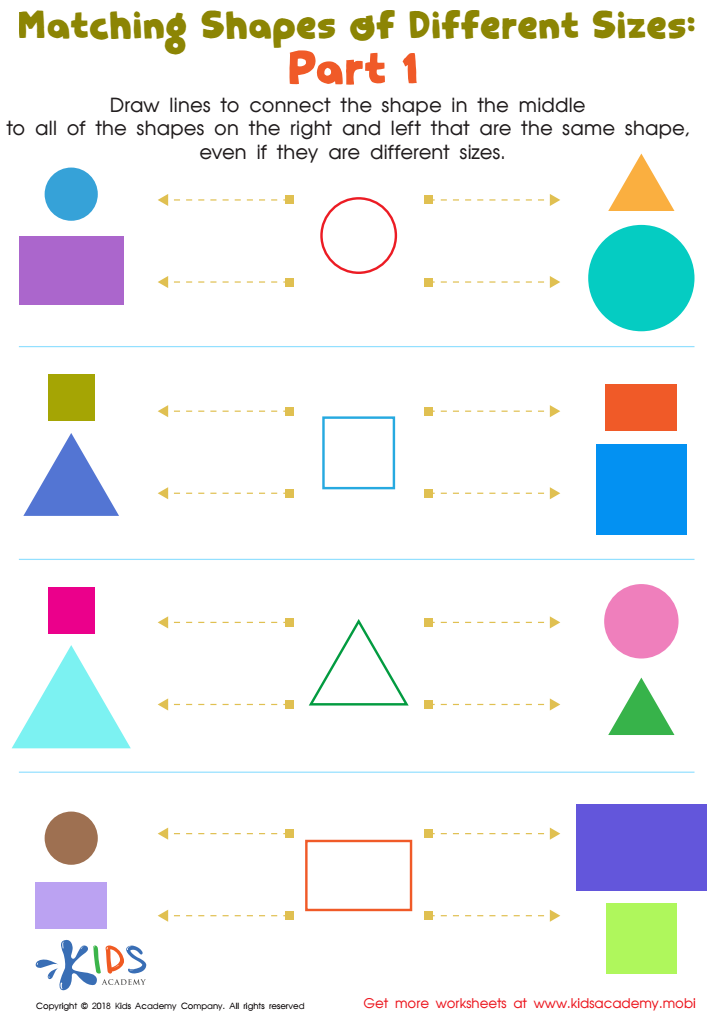
Geometry: part 1 Worksheet
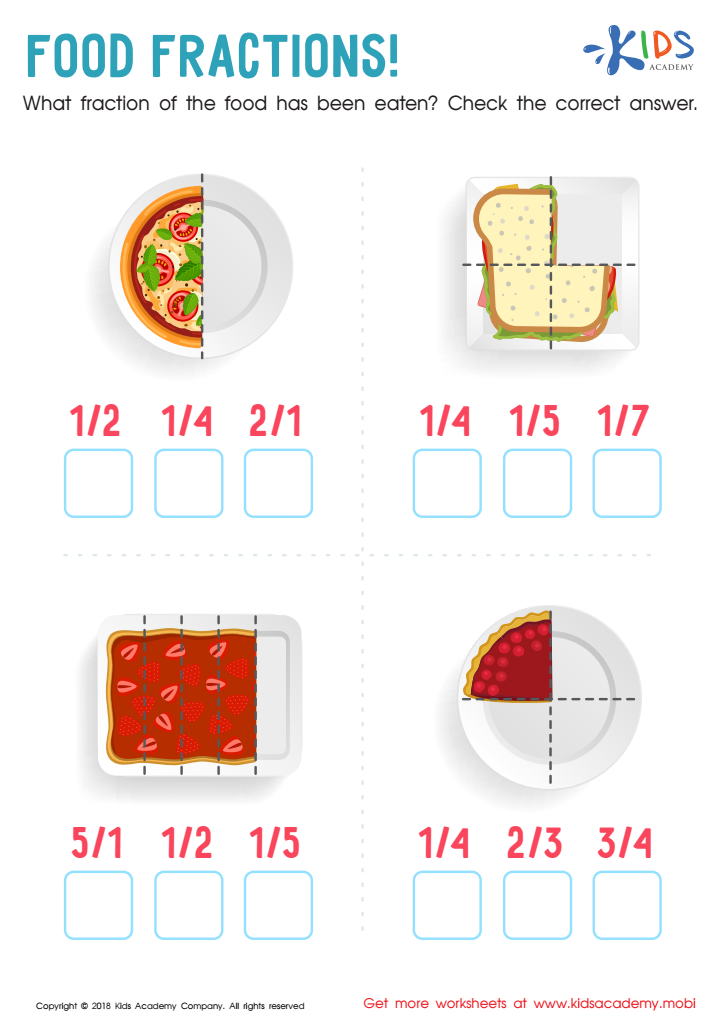
Food Fractions Worksheet
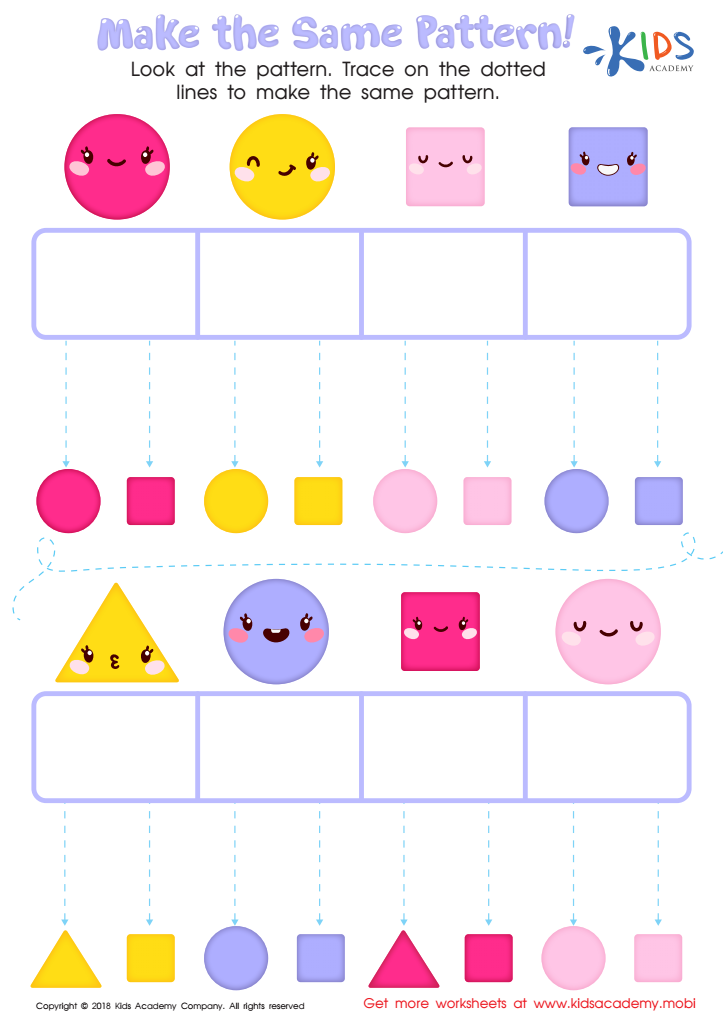
Make the Same Pattern Worksheet
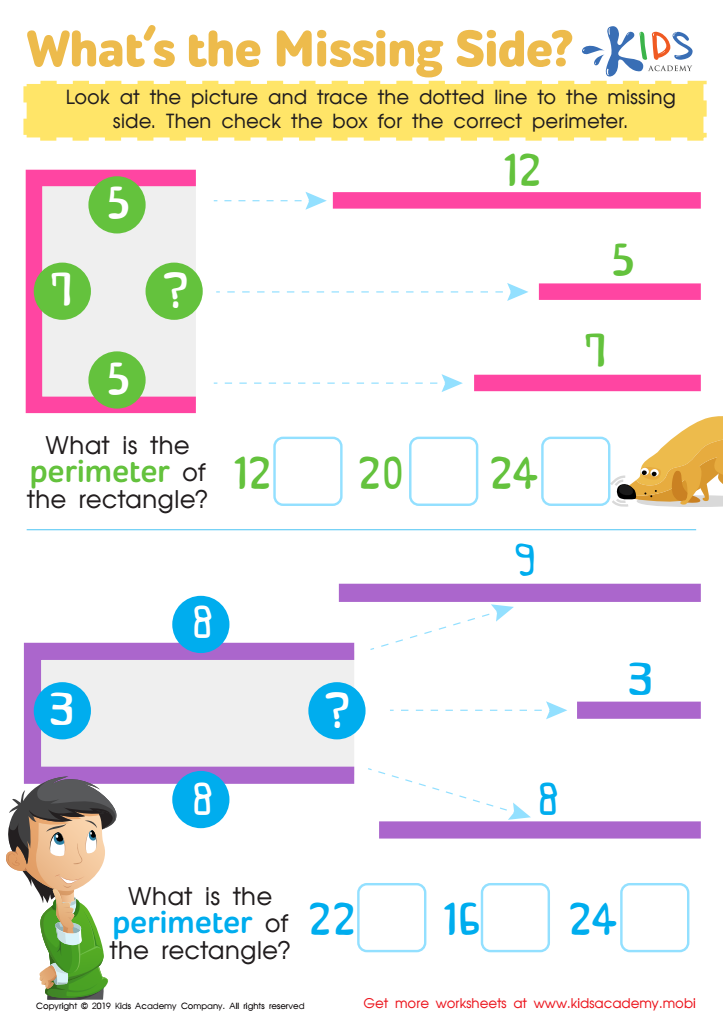
What's the Missing Side Worksheet
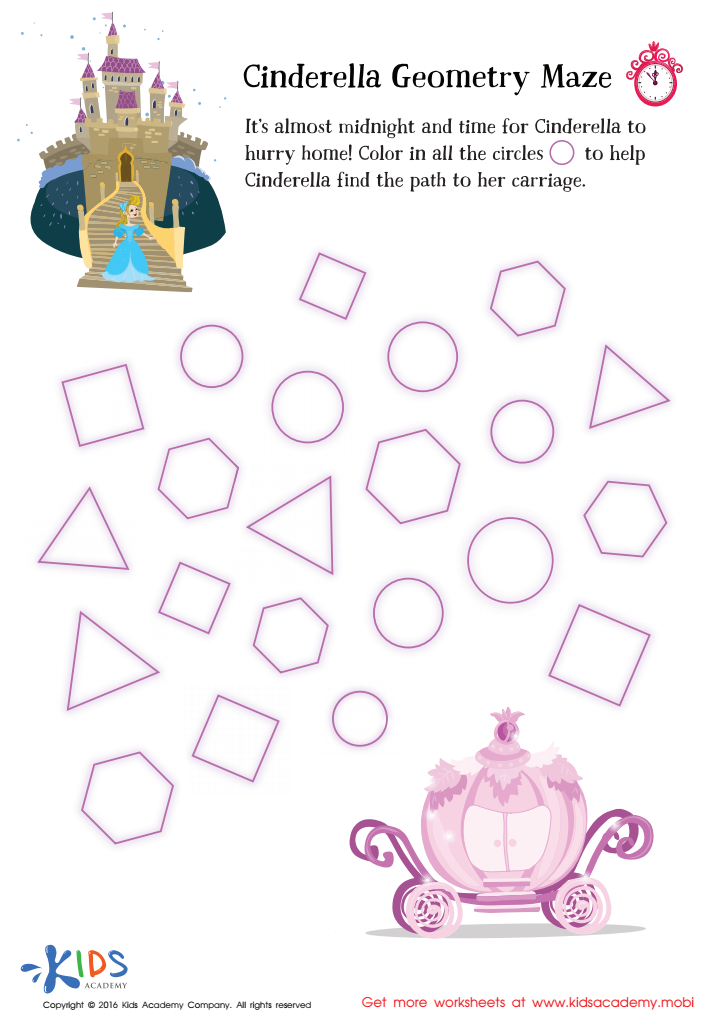
Cinderella Geometry Maze Worksheet
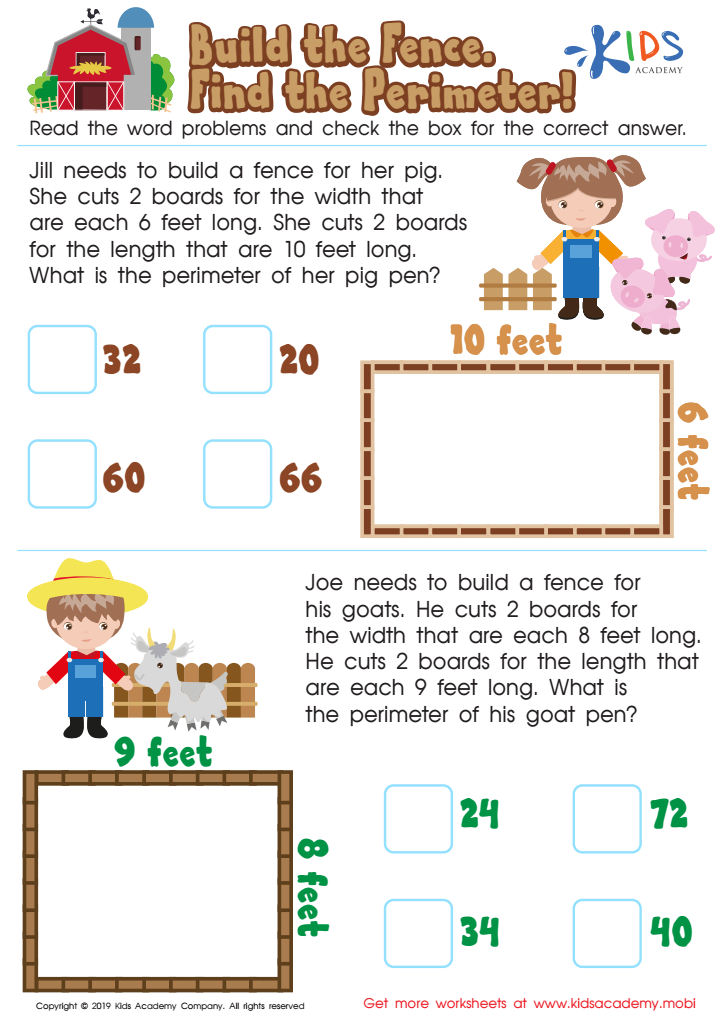
Build the Fence, Find the Perimeter Worksheet
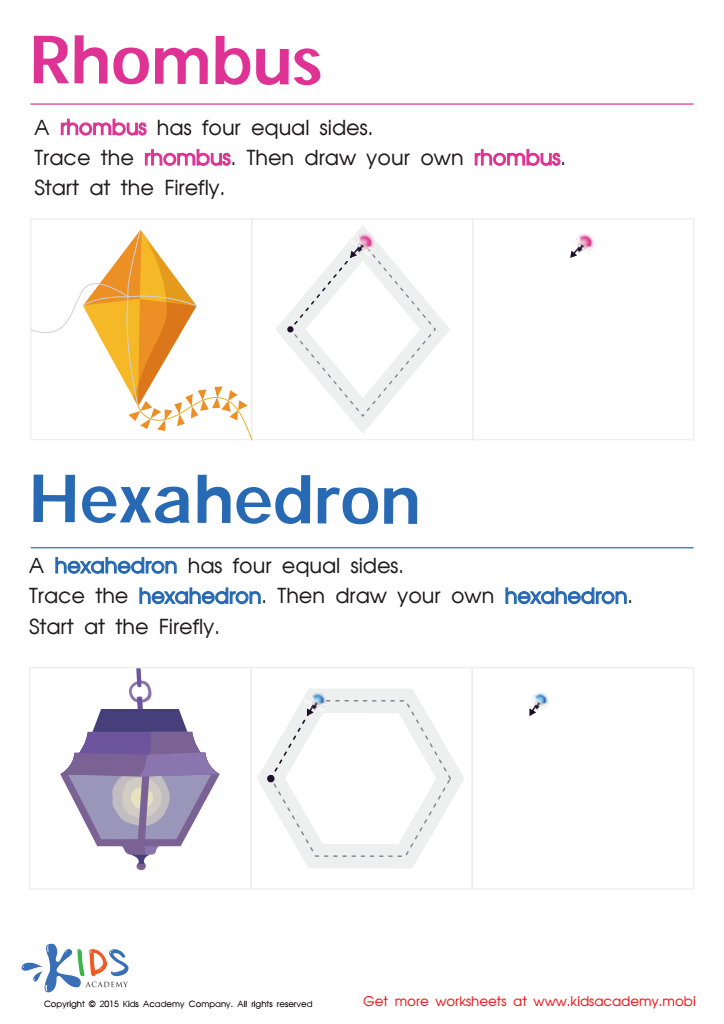
Draw a Rhombus And a Hexahedron Printable
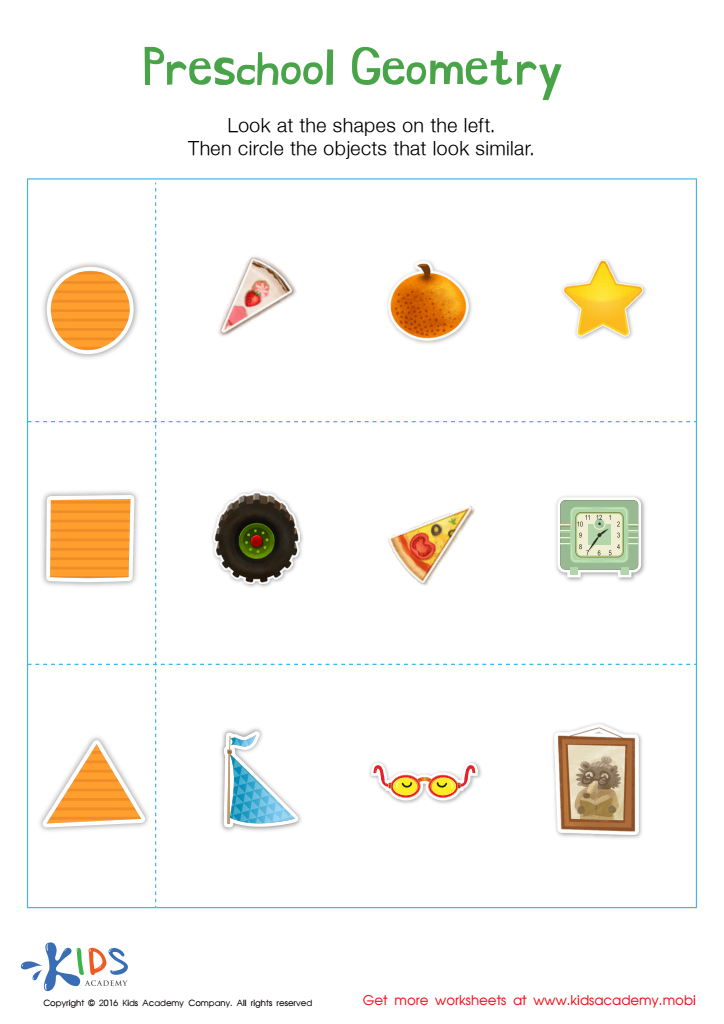
Preschool Geometry Match Up Worksheet
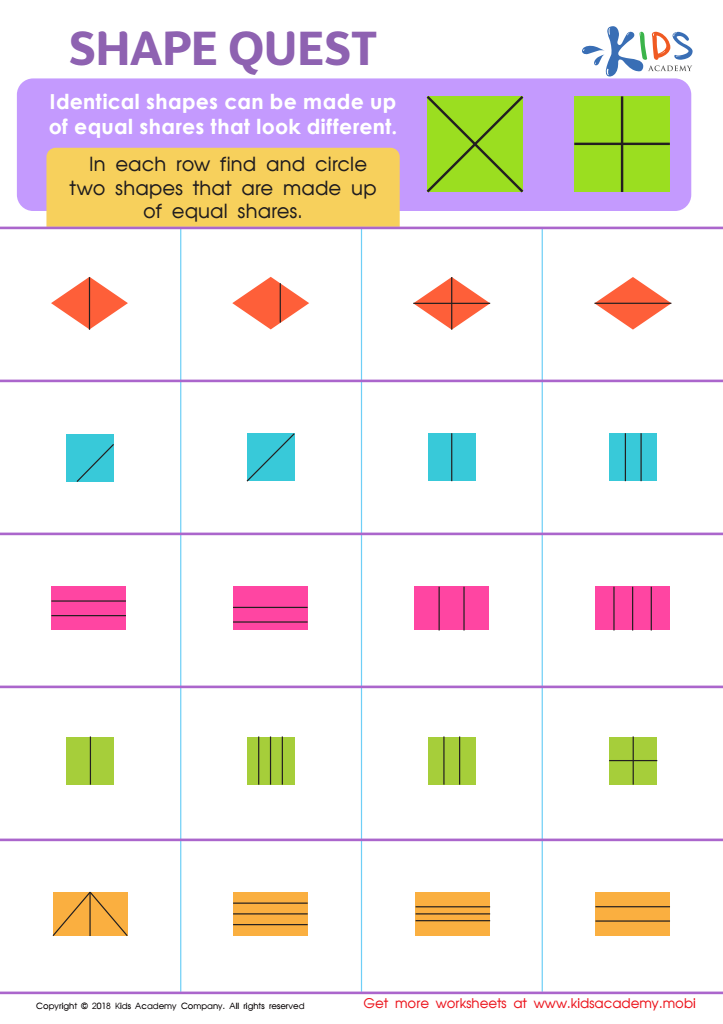
Shape Quest Worksheet
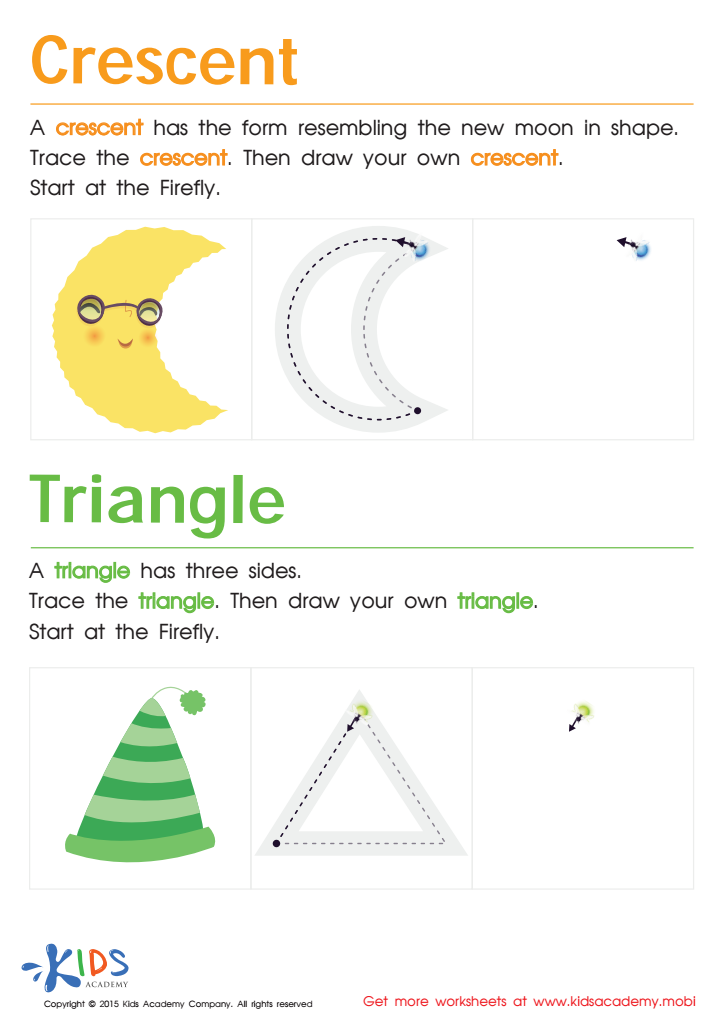
Learning to Draw Crescents And Triangles Worksheet
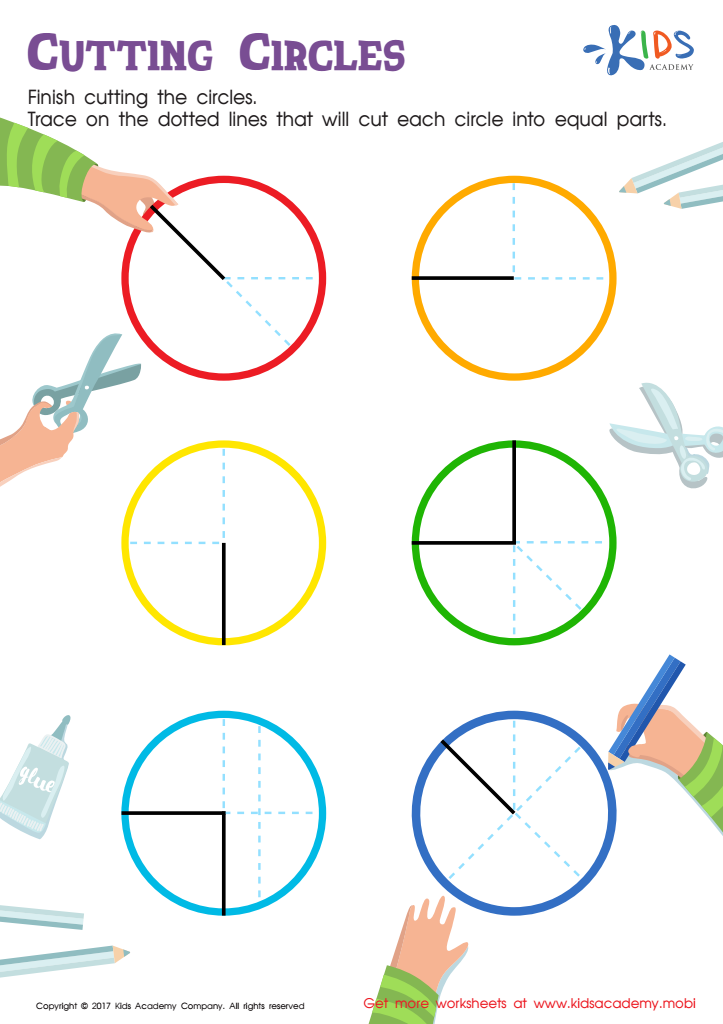
Cutting Circles Worksheet
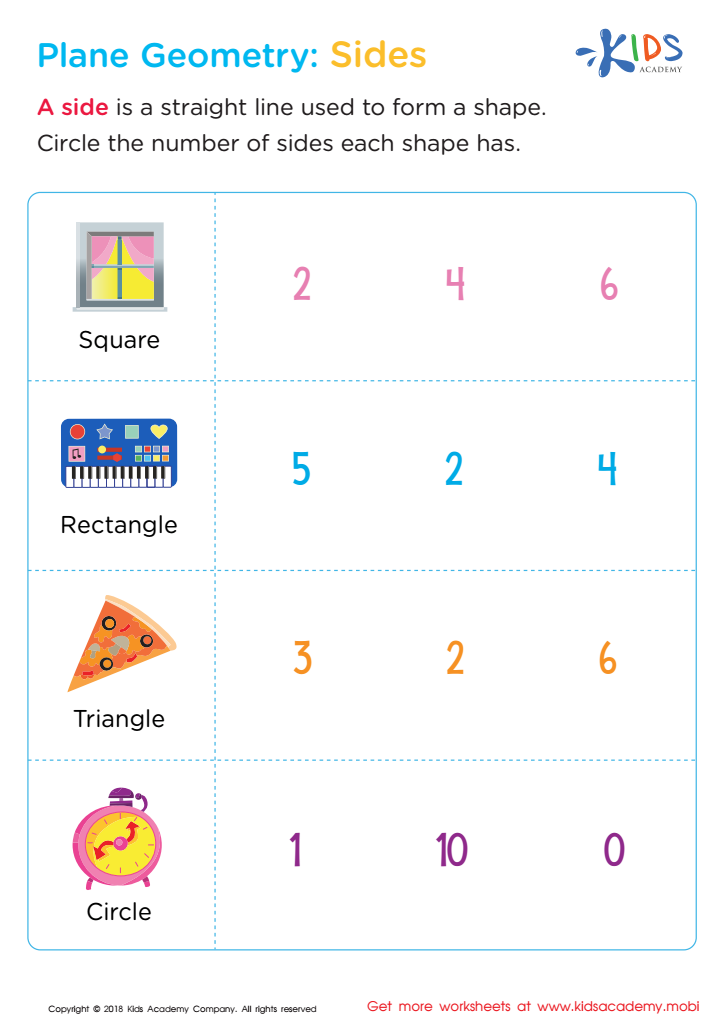
Plane Geometry: Sides Worksheet
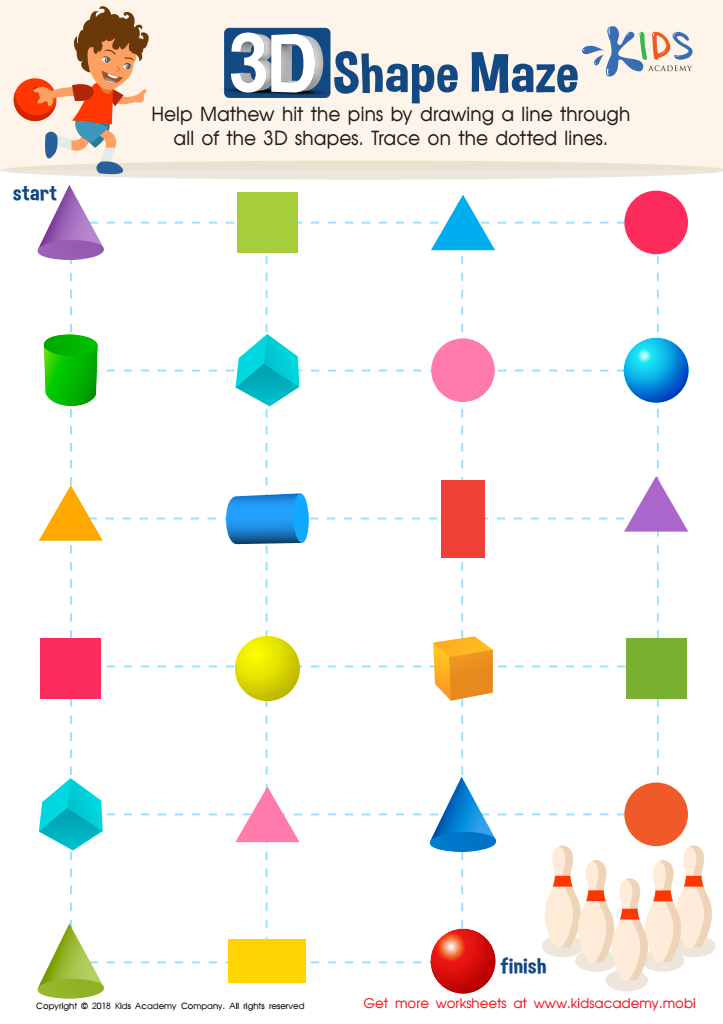
Shapes Maze Geometry Worksheet
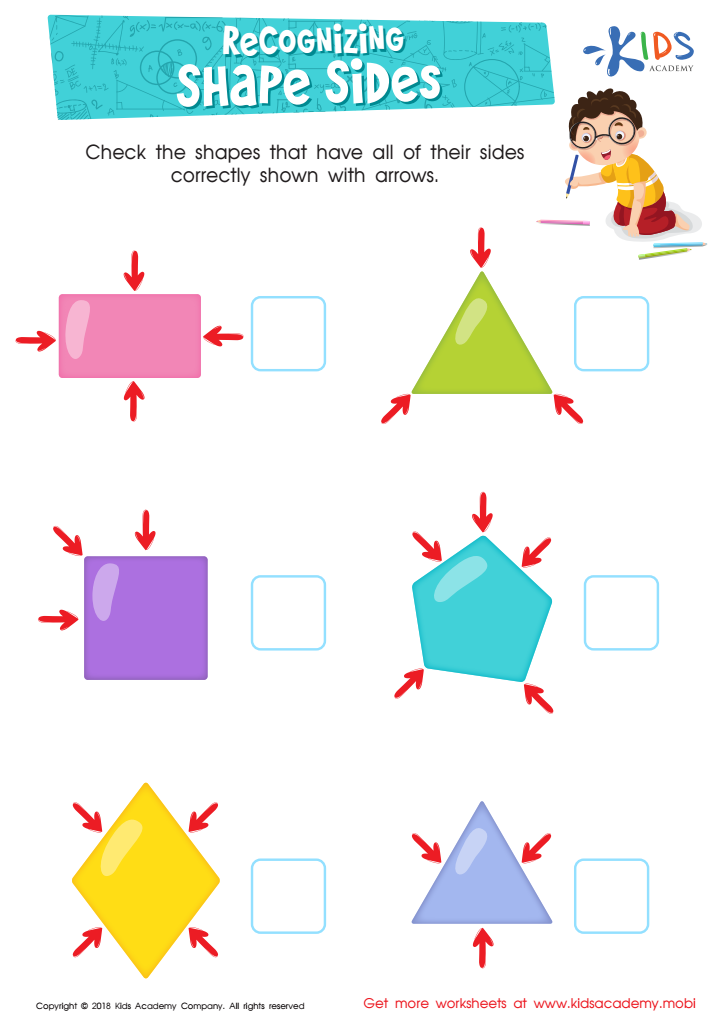
Recognizing Shape Sides Worksheet
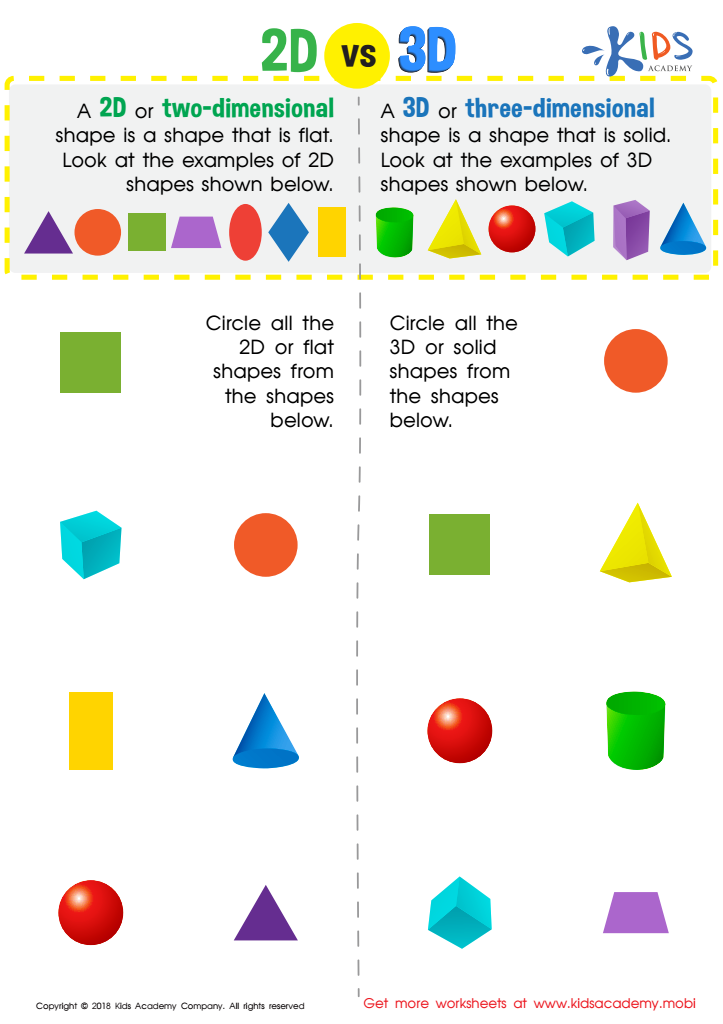
2D vs 3D Shapes Worksheet








Normal Geometry for ages 5-8 is crucial for several reasons. First, it lays the foundation for critical cognitive skills. During this developmental stage, children are naturally curious and eager to explore shapes, spaces, and patterns. Engaging them in geometry helps hone their spatial reasoning, which is essential for problem-solving in mathematics and other subjects.
Second, normal geometry introduces basic concepts such as shapes, sizes, and spatial relationships in a fun and enjoyable manner. By incorporating games, hands-on activities, and visual aids, educators can capture young learners' attention, making abstract ideas more tangible. This type of experiential learning promotes longer retention of information.
Additionally, understanding geometry fosters creativity and innovation. As children learn to recognize and manipulate geometric forms, they enhance their ability to visualize concepts, which is invaluable in fields such as art, engineering, and architecture later on.
Lastly, early geometry education promotes collaboration and communication among peers. Working together in group activities allows children to articulate their thoughts, share ideas, and learn from each other, thus enhancing their social skills. Overall, prioritizing Normal Geometry for young learners is not just about teaching shapes; it’s about equipping them with essential life skills.








