Normal Geometry Worksheets for Ages 4-9 - Page 2
75 filtered results
-
From - To
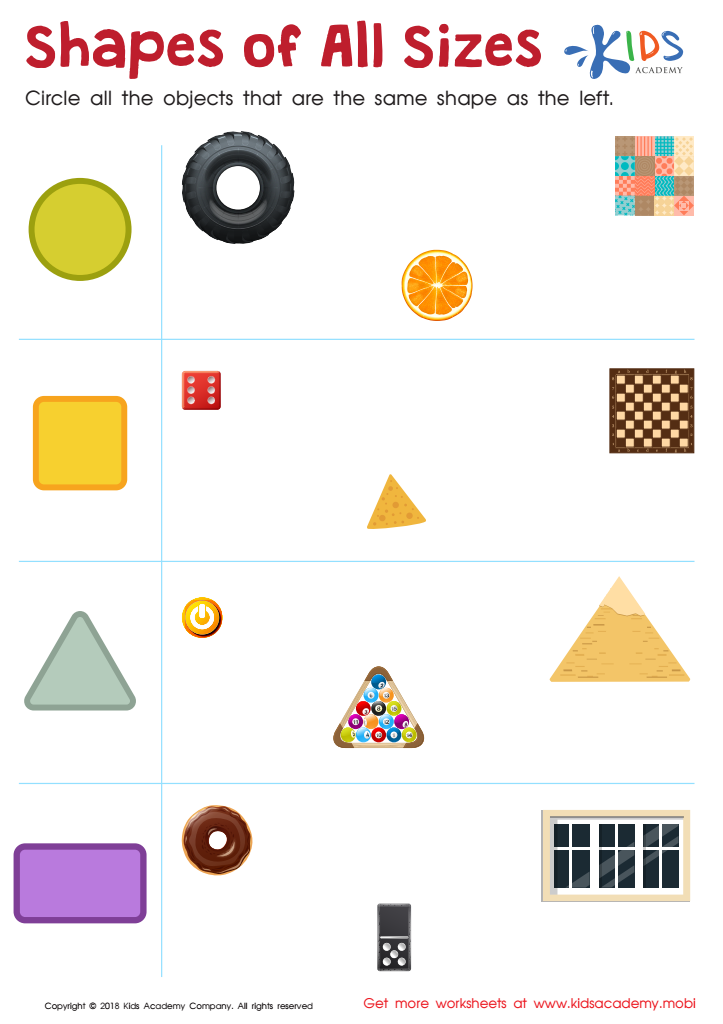
Shapes of All Sizes Worksheet
 Assign to My Students











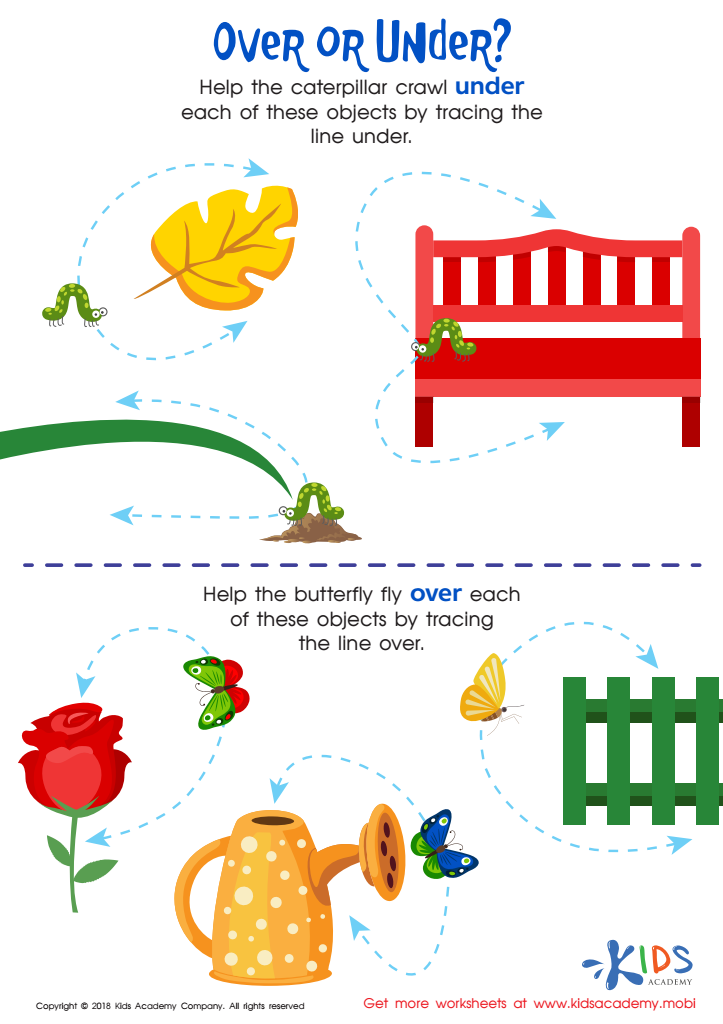
Over or Under? Worksheet
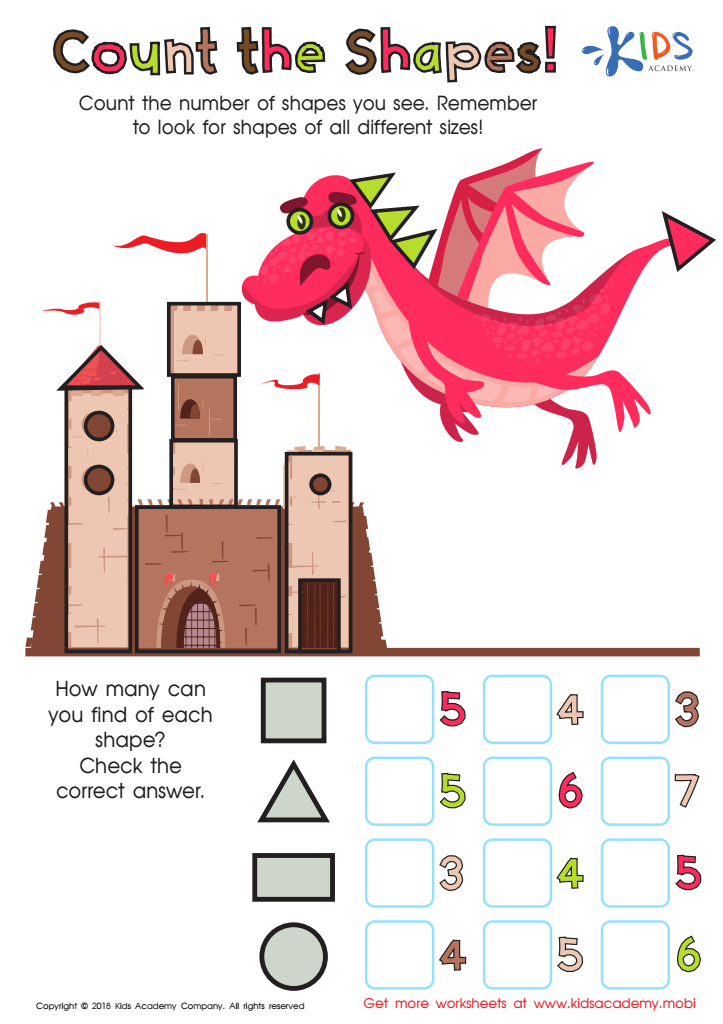
Count the Shapes Worksheet
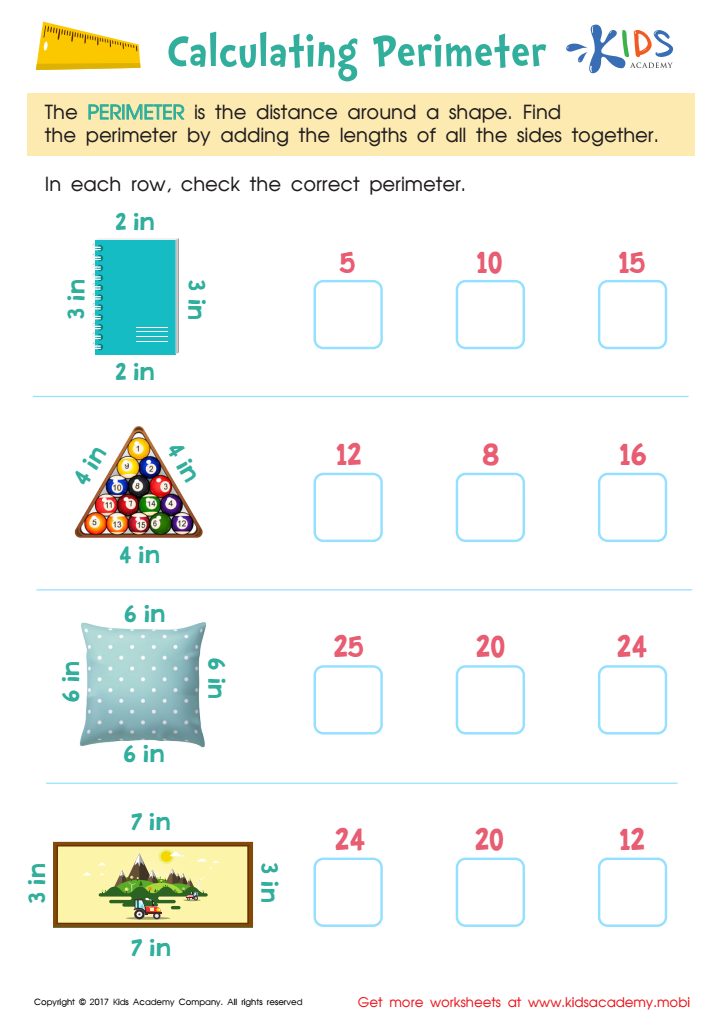
Calculating Perimeter Worksheet
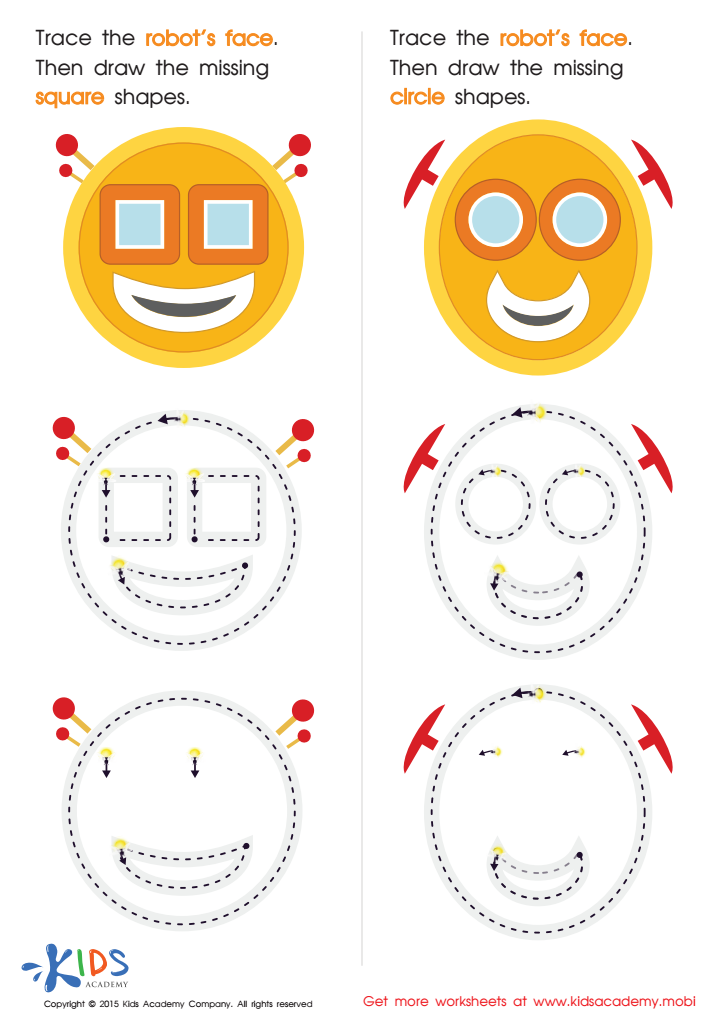
Practicing to Draw Circles And Squares Printable
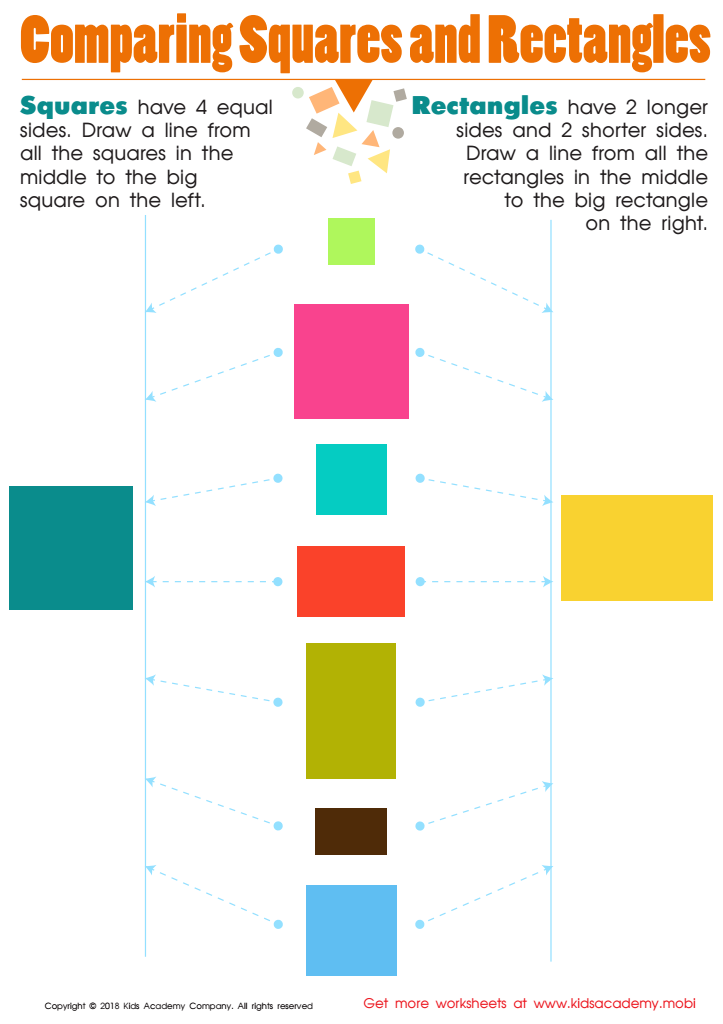
Comparing Squares Rectangles Worksheet
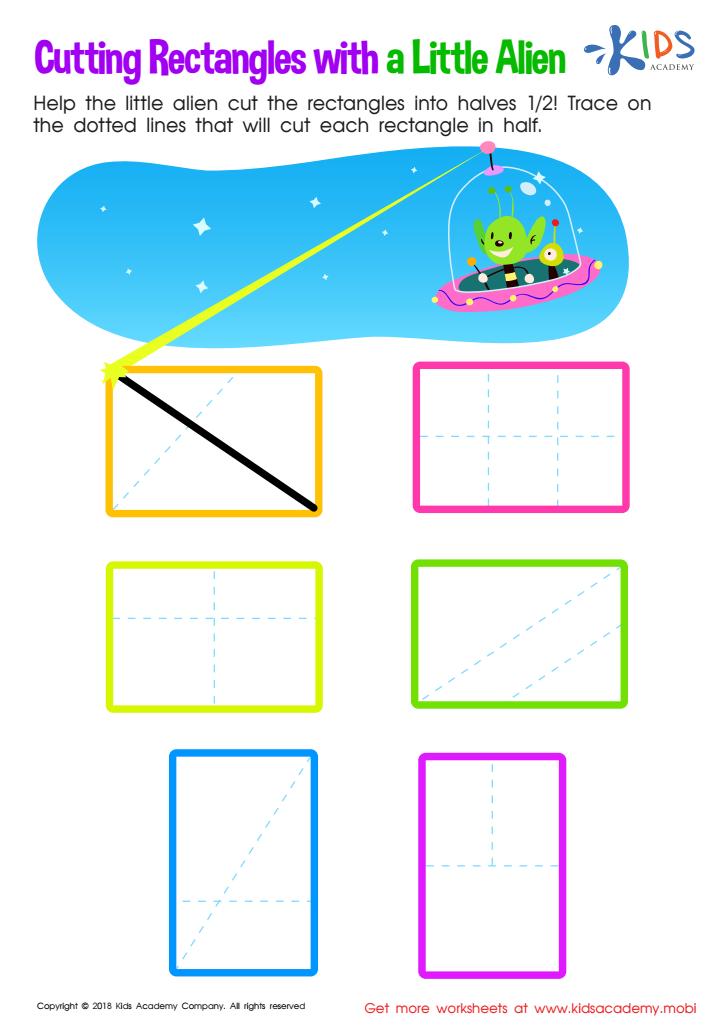
Cutting Rectangles with Alien Worksheet
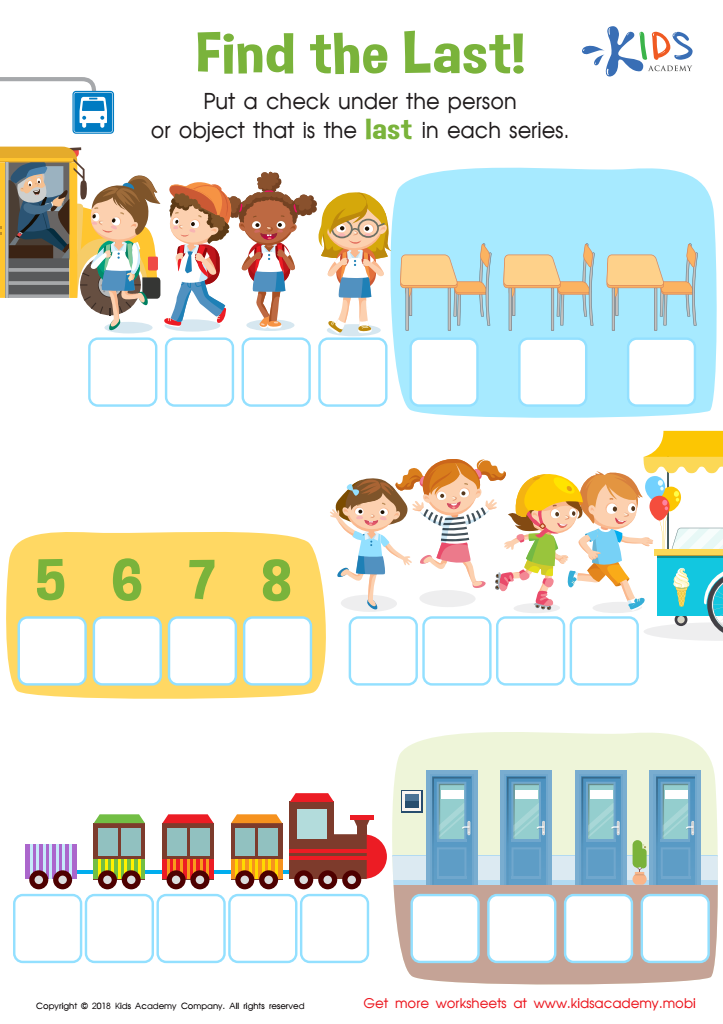
Find the Last! Worksheet
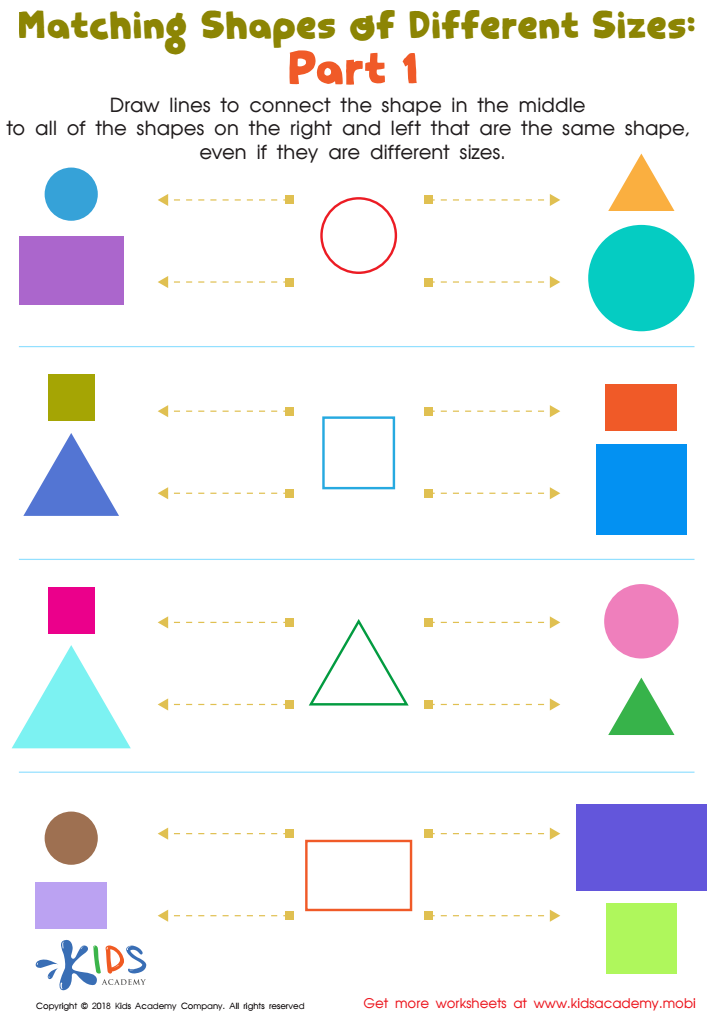
Geometry: part 1 Worksheet
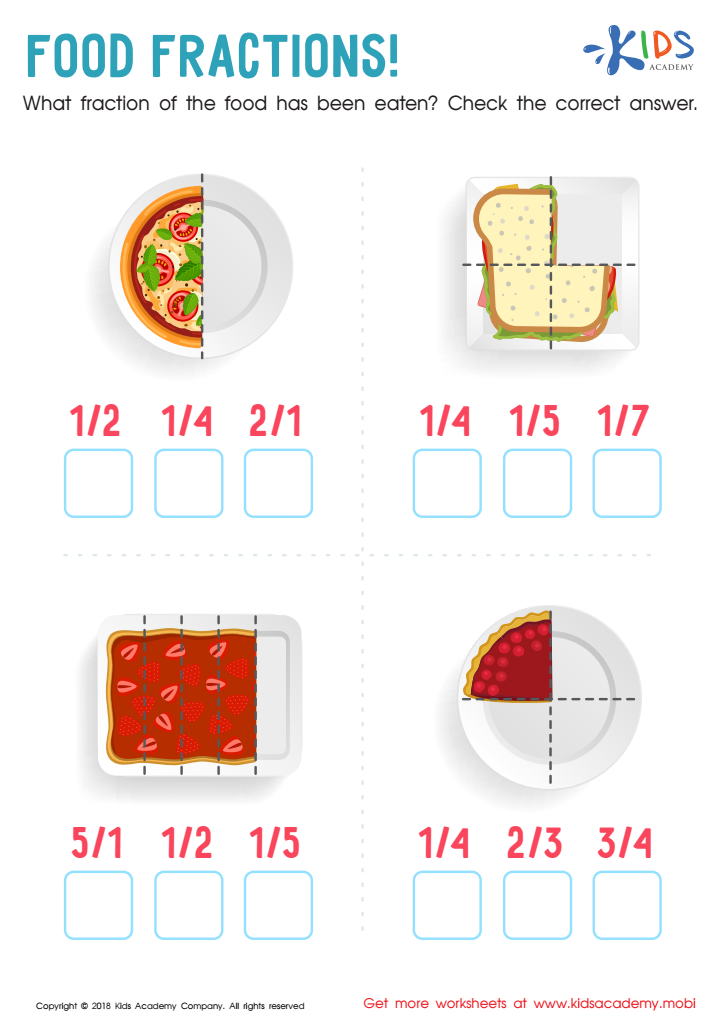
Food Fractions Worksheet
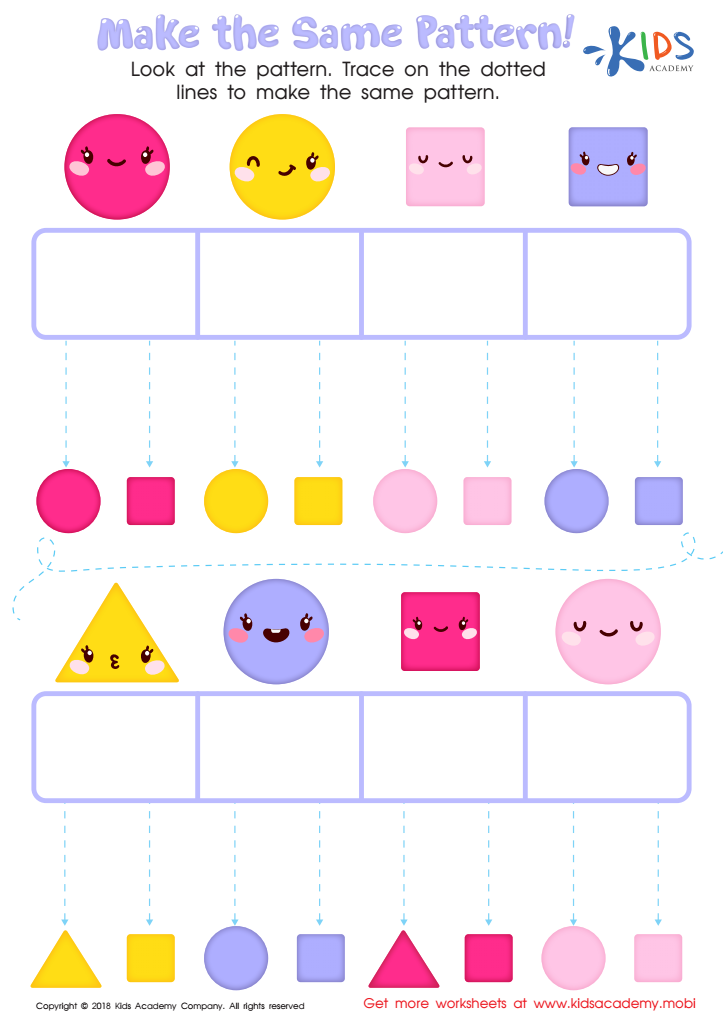
Make the Same Pattern Worksheet
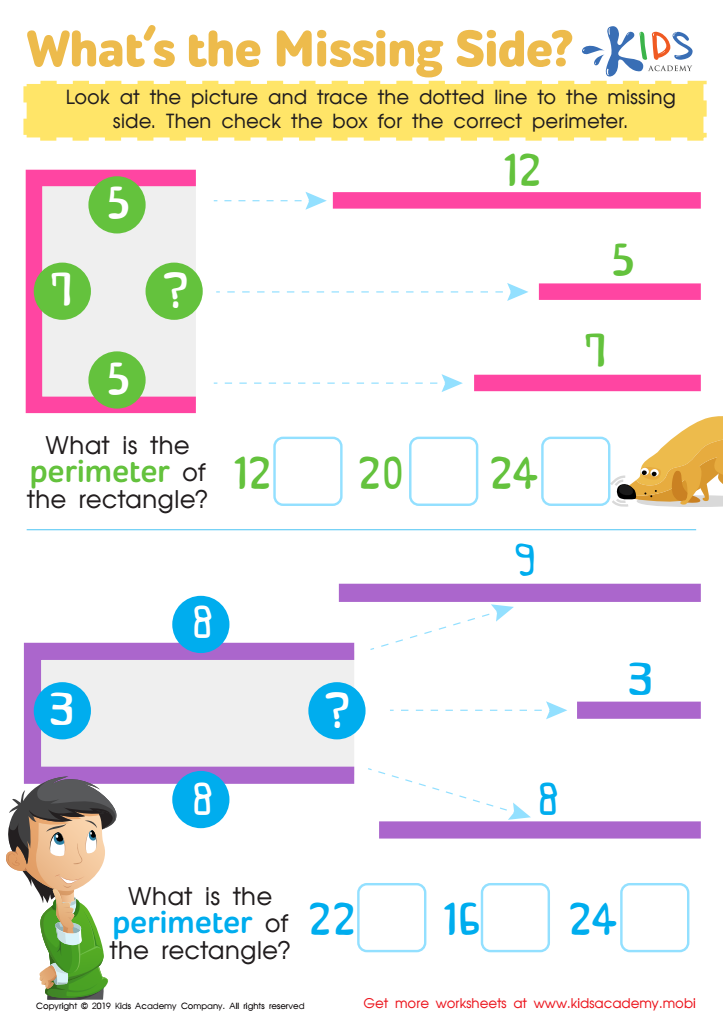
What's the Missing Side Worksheet
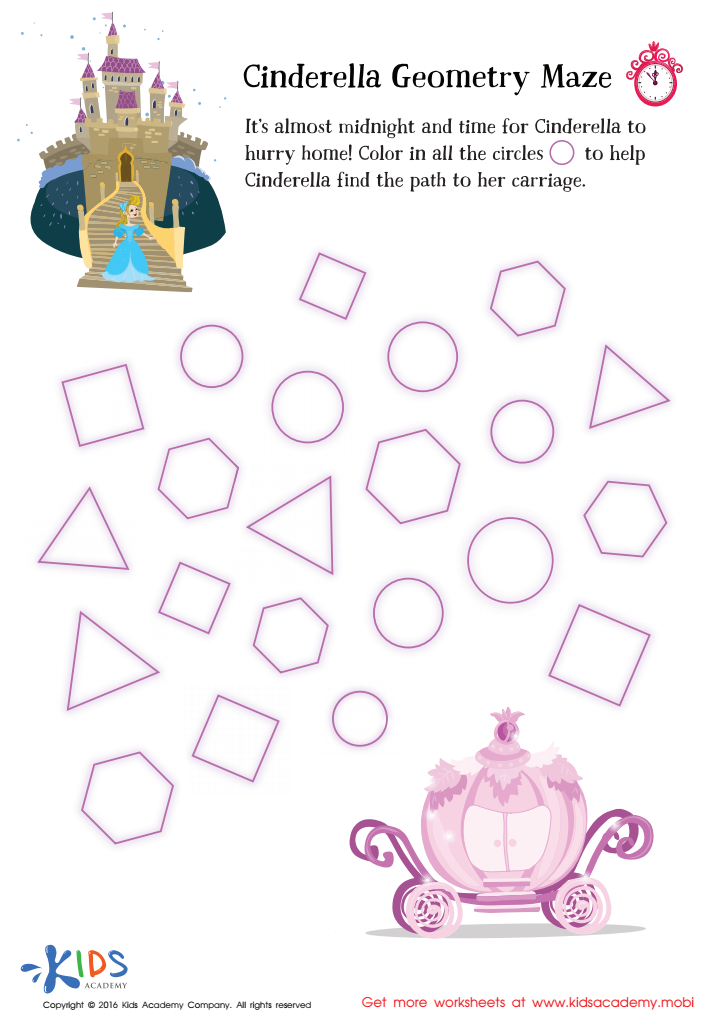
Cinderella Geometry Maze Worksheet
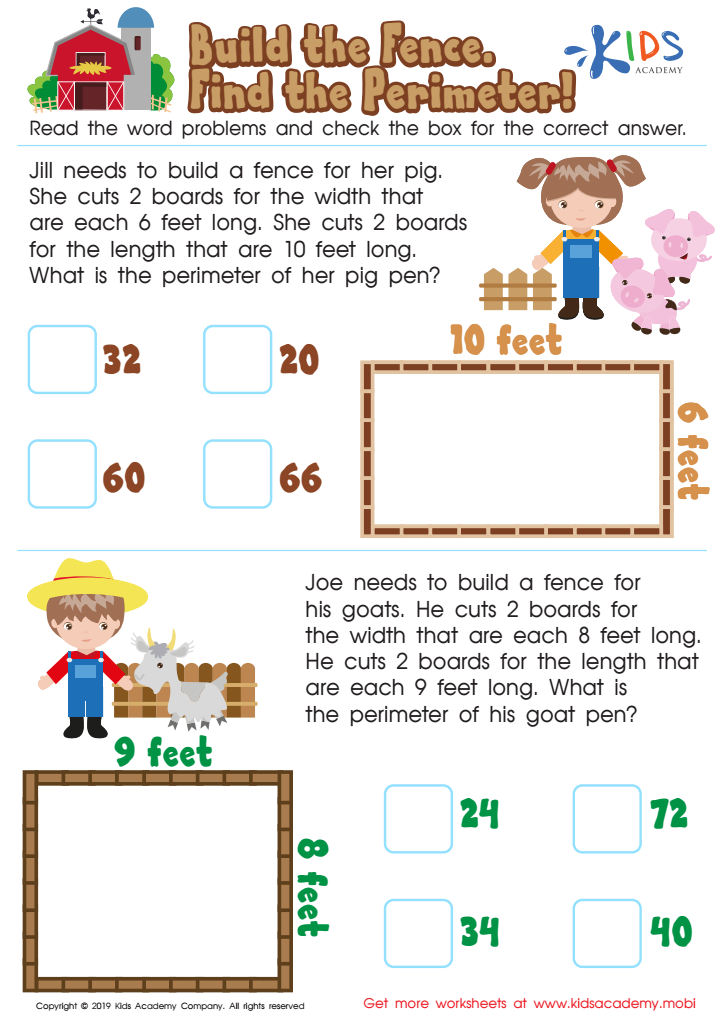
Build the Fence, Find the Perimeter Worksheet
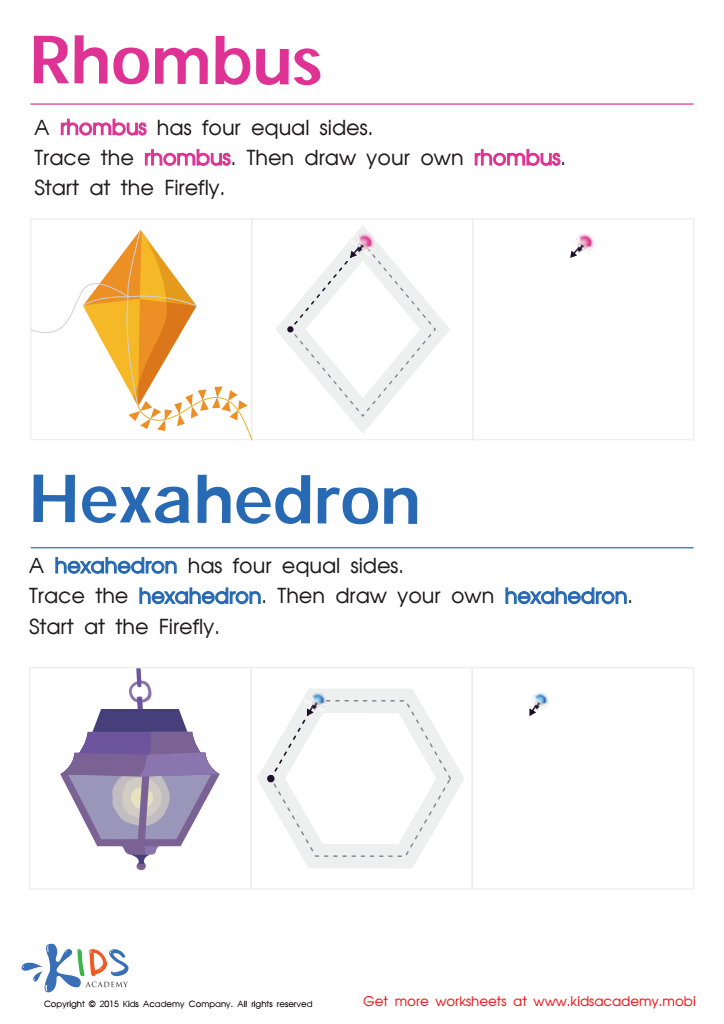
Draw a Rhombus And a Hexahedron Printable
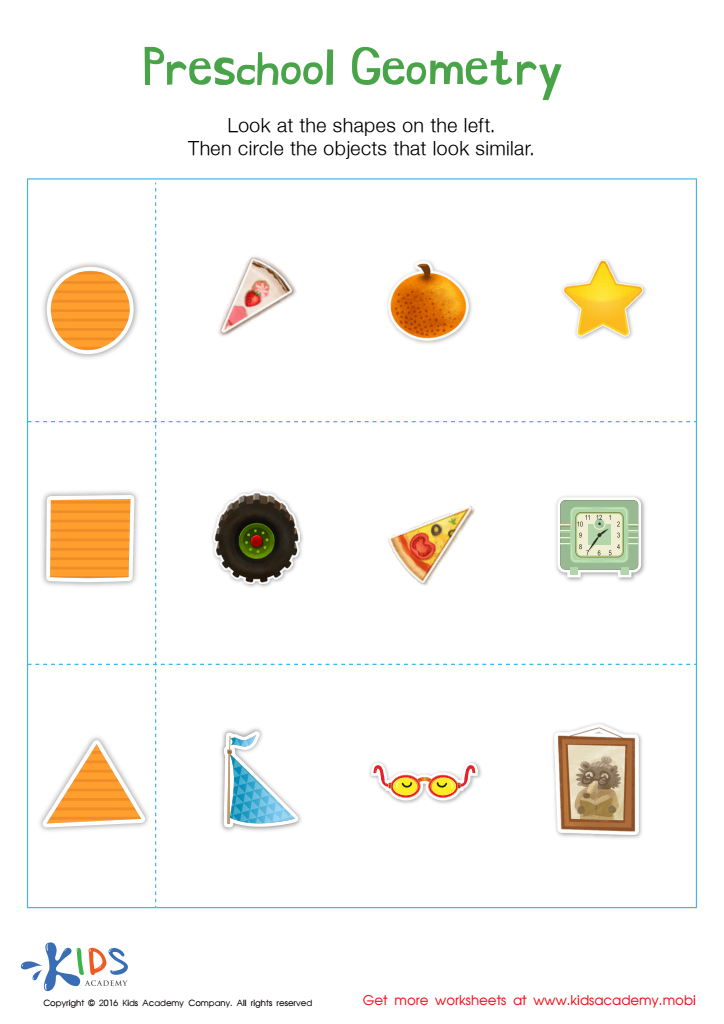
Preschool Geometry Match Up Worksheet
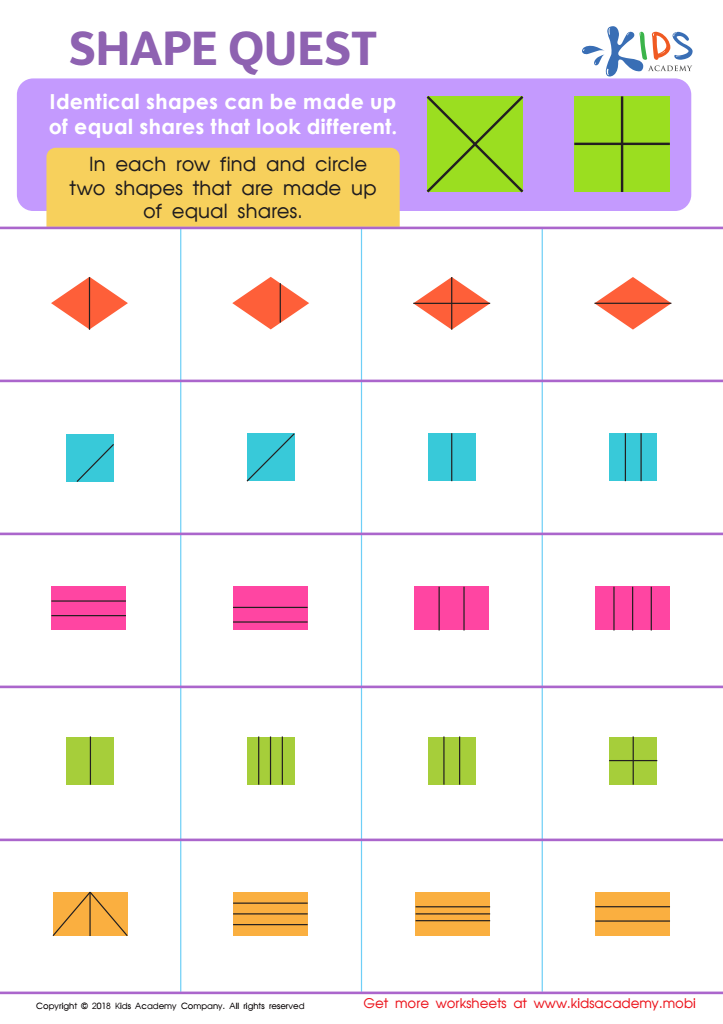
Shape Quest Worksheet
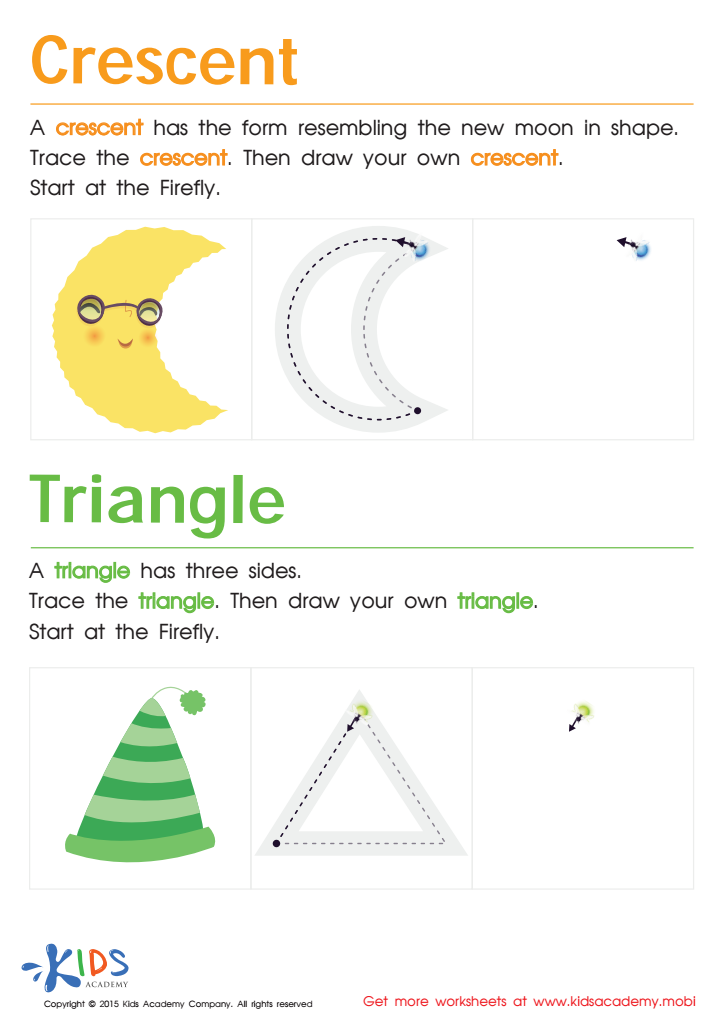
Learning to Draw Crescents And Triangles Worksheet
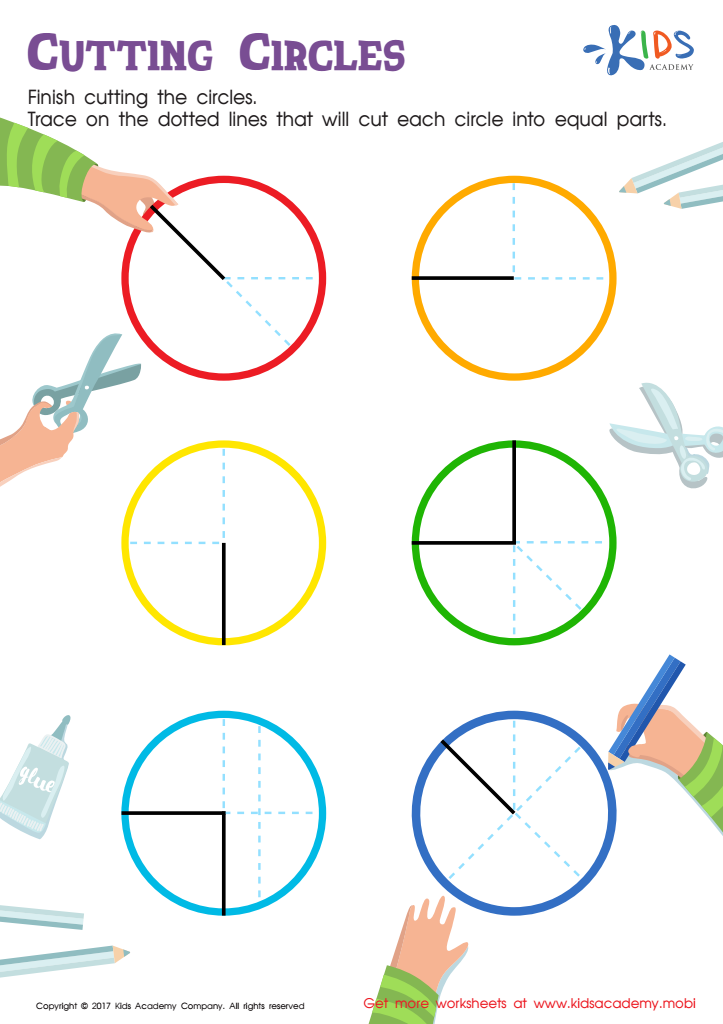
Cutting Circles Worksheet
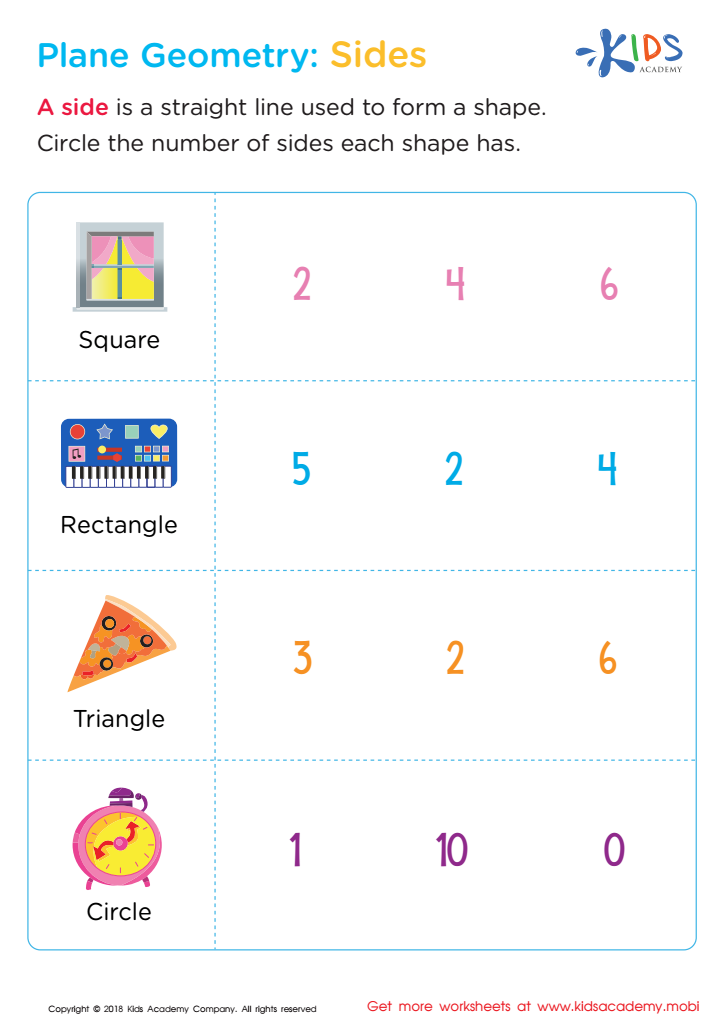
Plane Geometry: Sides Worksheet
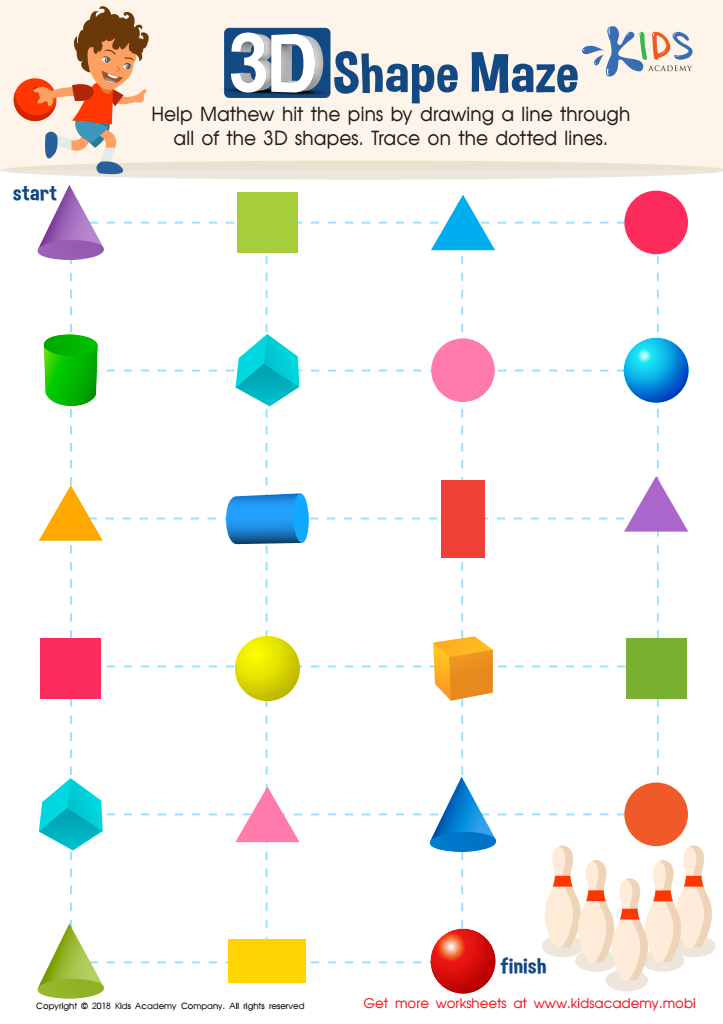
Shapes Maze Geometry Worksheet
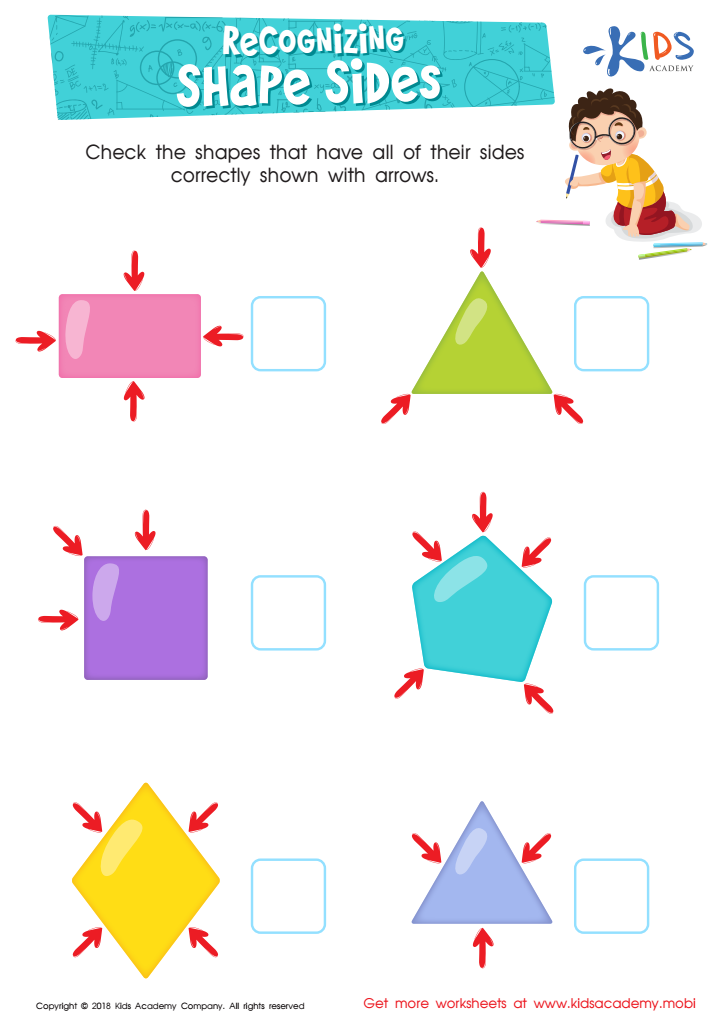
Recognizing Shape Sides Worksheet
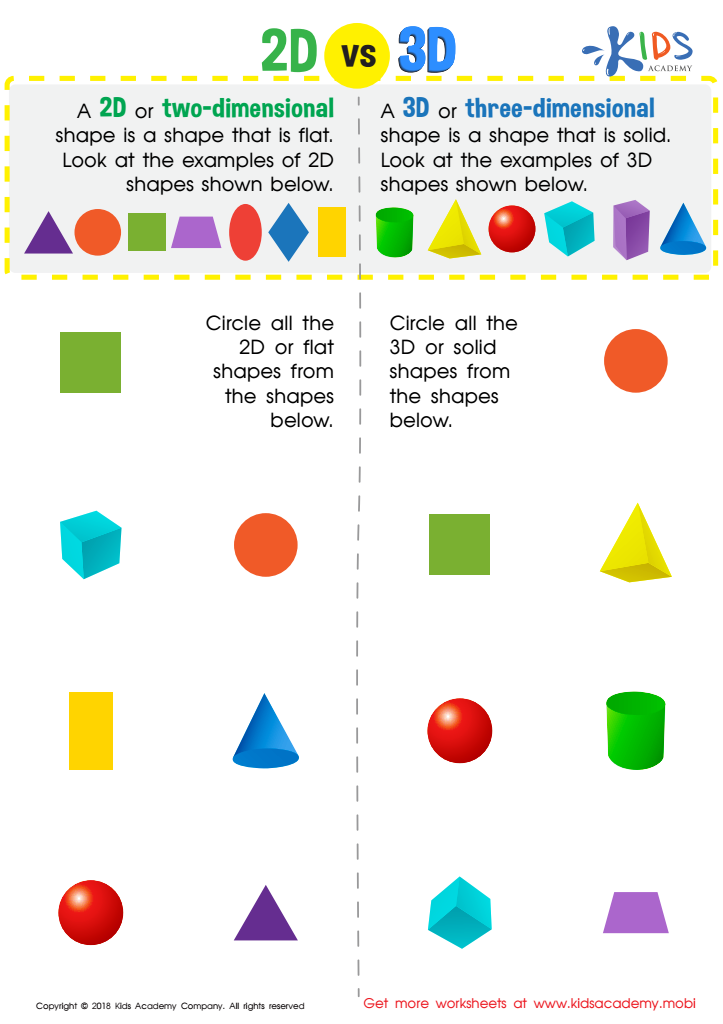
2D vs 3D Shapes Worksheet








Normal Geometry is a foundational aspect of mathematics, and introducing it to children aged 4-9 can offer numerous benefits. During these early years, children's cognitive abilities are highly impressionable, and engaging them with basic geometric concepts can significantly enhance their spatial awareness, critical thinking, and problem-solving skills. By learning shapes, patterns, and spatial relationships, children begin to understand how objects fit together, which translates to better understanding in subjects like science, engineering, and art.
Moreover, Geometry helps develop fine motor skills as children draw shapes and figures, and it strengthens visual-spatial reasoning, a crucial skill in everyday tasks like navigating spaces. Another significant advantage is that Geometry provides an intuitive grasp of the world around them; kids learn to observe and describe the world more precisely, categorize objects, and recognize patterns, all of which are essential skills in both academic and life scenarios.
For parents and teachers, investing time in teaching Geometry also means fostering a positive attitude towards math. This early familiarity and confidence can lead to better performance in math later on, reducing anxiety around the subject. Activities involving shapes and patterns are also fun and engaging, helping to create a stimulating learning environment that nurtures curiosity and a love for learning.








