Normal Matching worksheets activities for Ages 4-9 - Page 2
42 filtered results
-
From - To
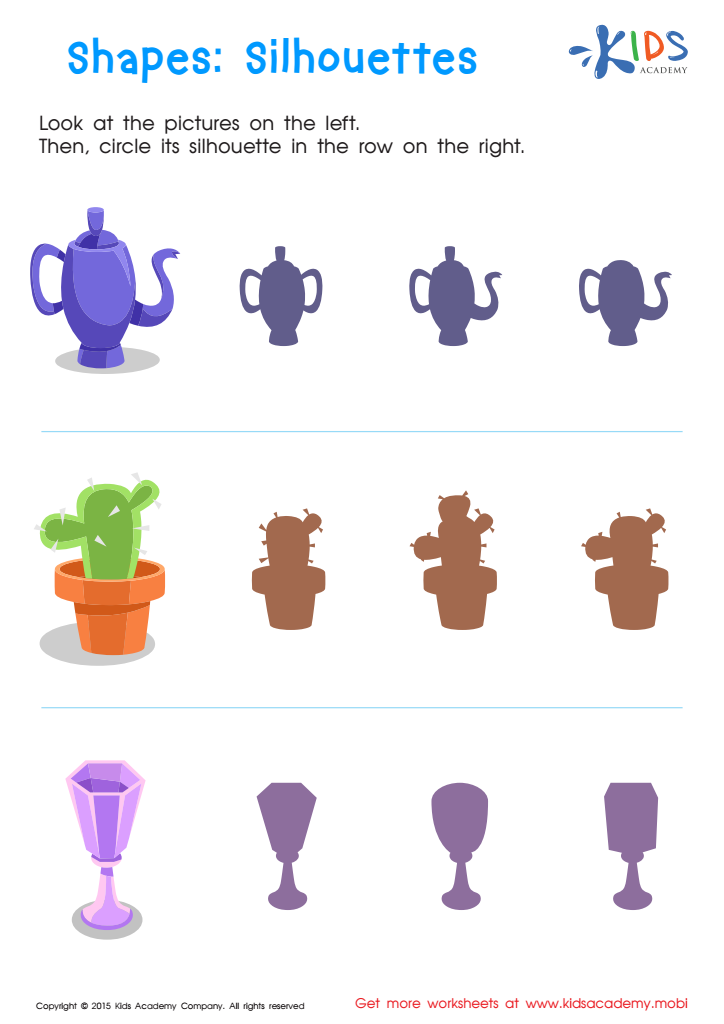
Silhouettes – Shapes Worksheet
 Assign to My Students
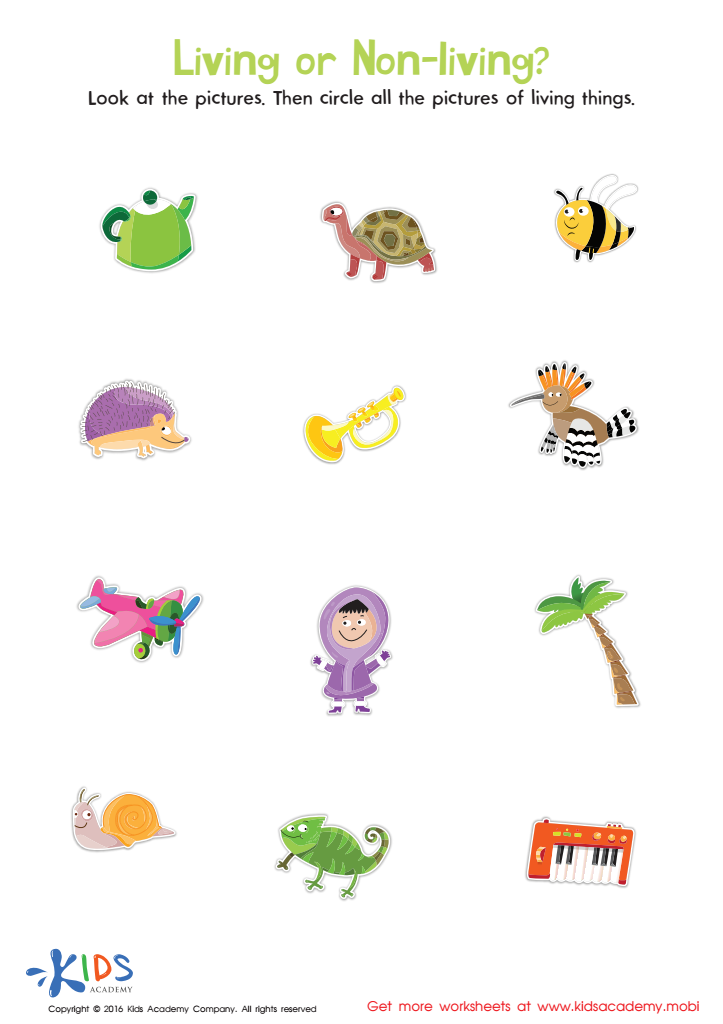
Identifying Living and Non–living Things Sorting Worksheet
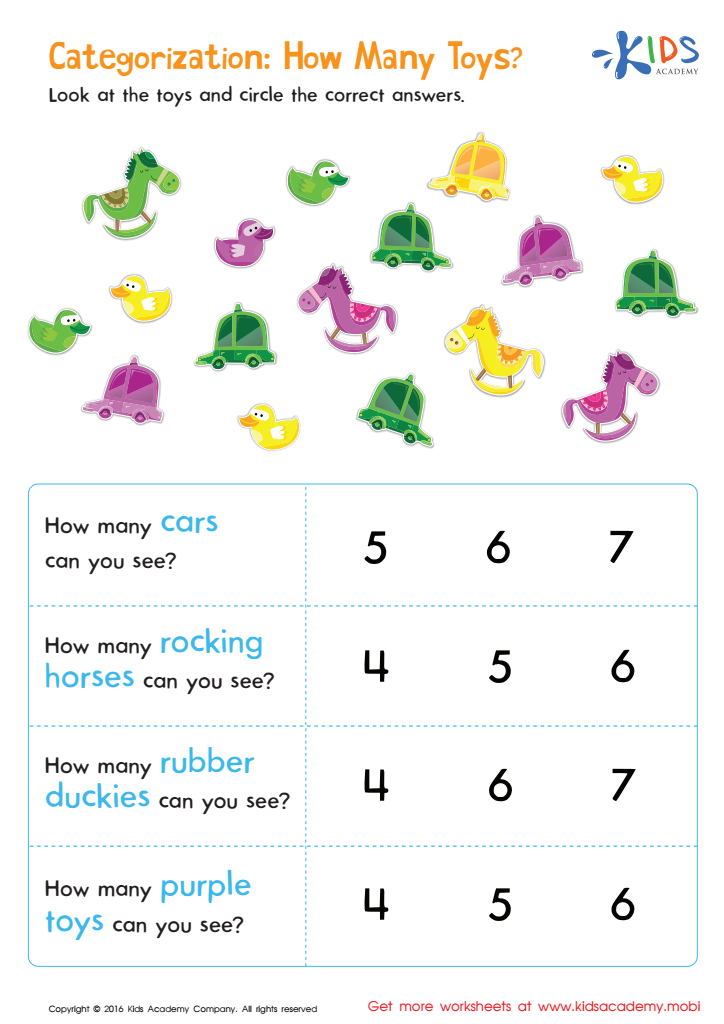
Classifying Toys by Type and Color Sorting Worksheet
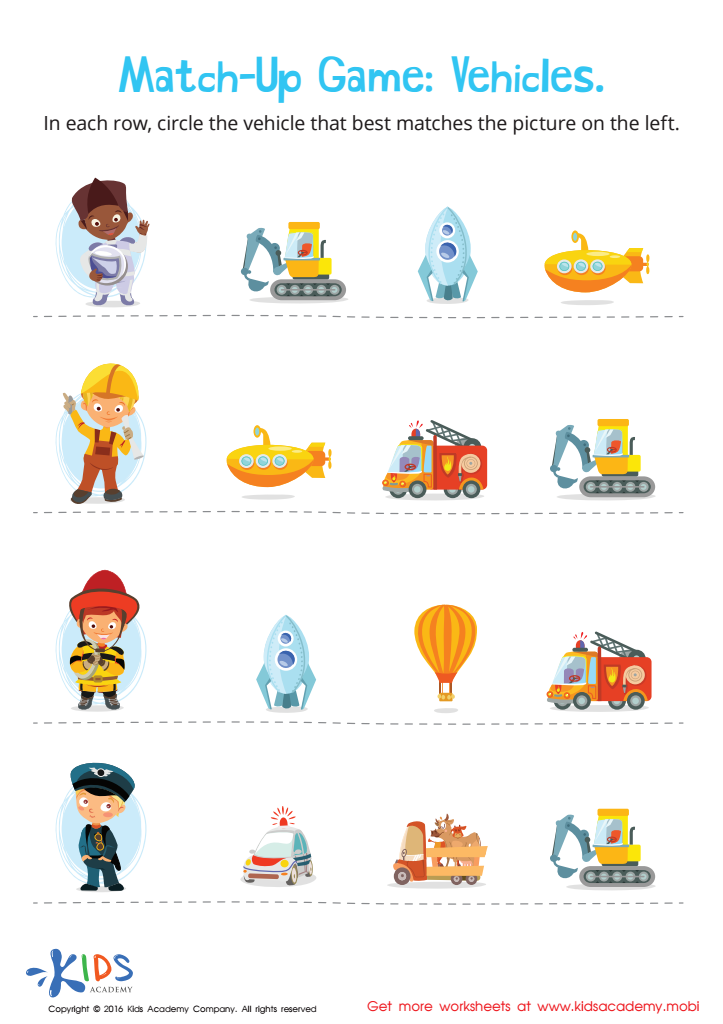
Vehicles Worksheet
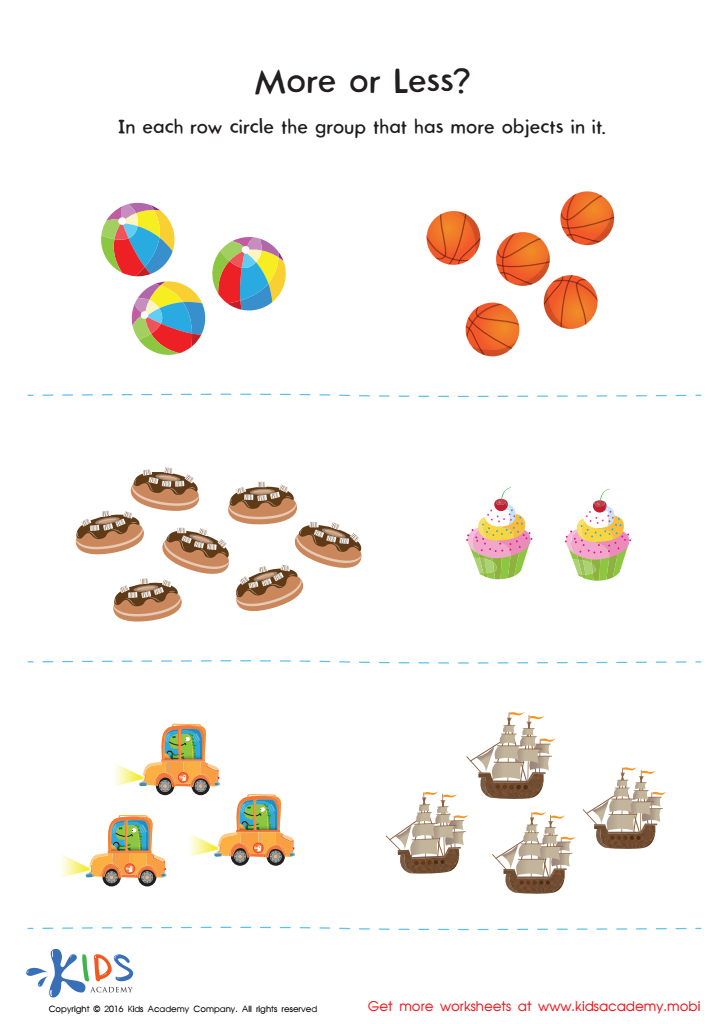
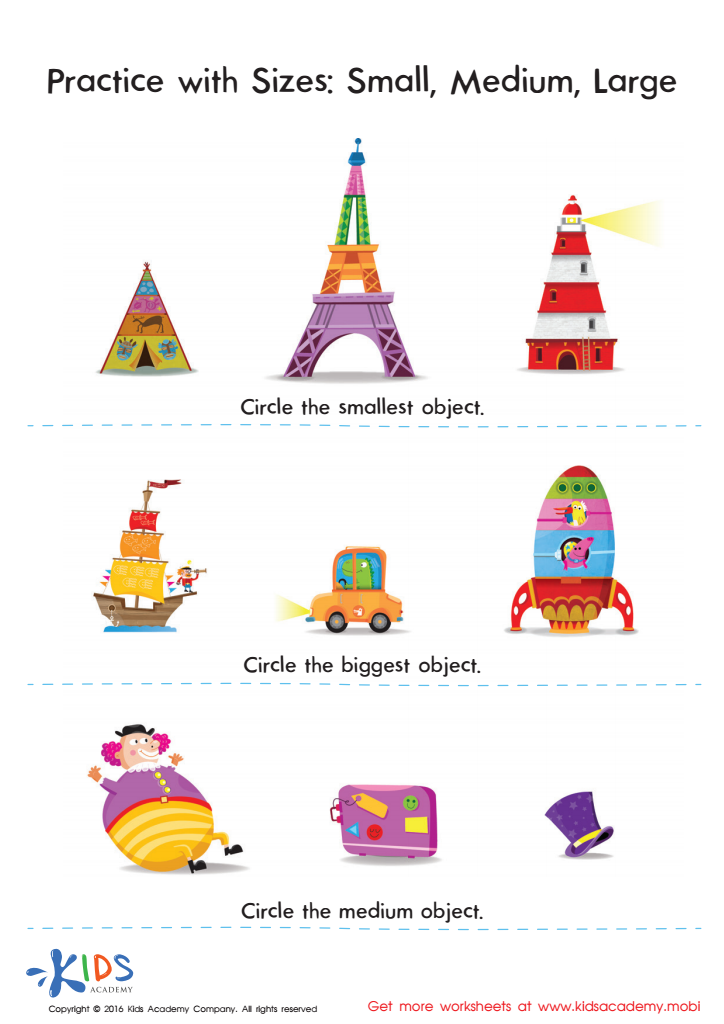
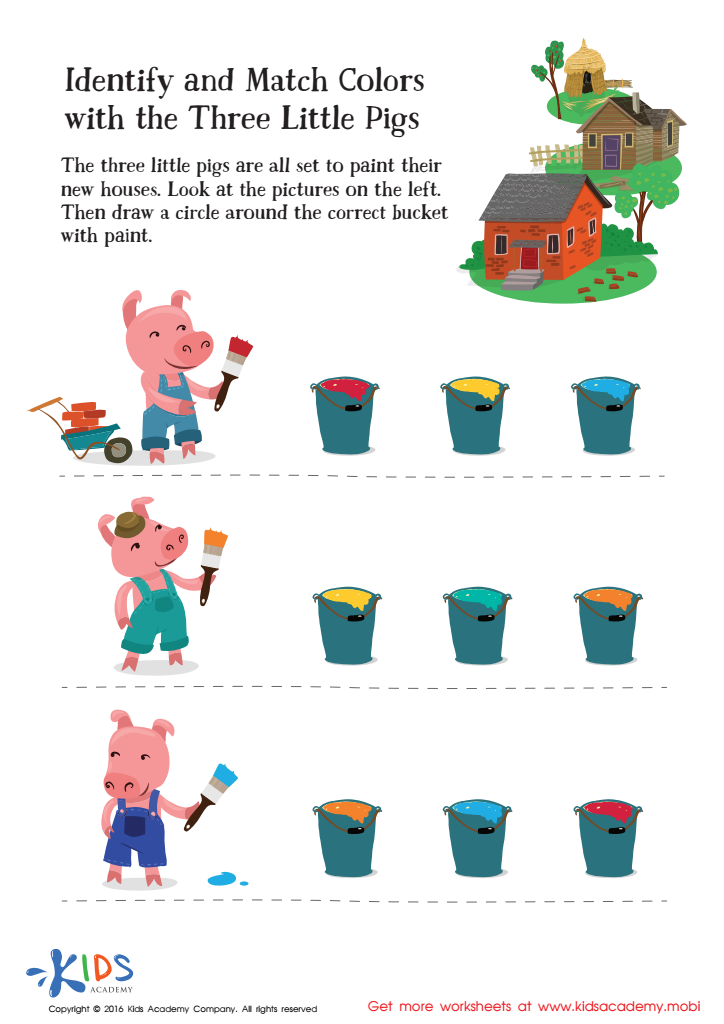
Fairy Tale Worksheet: Identify and Match Colors with Three Little Pigs
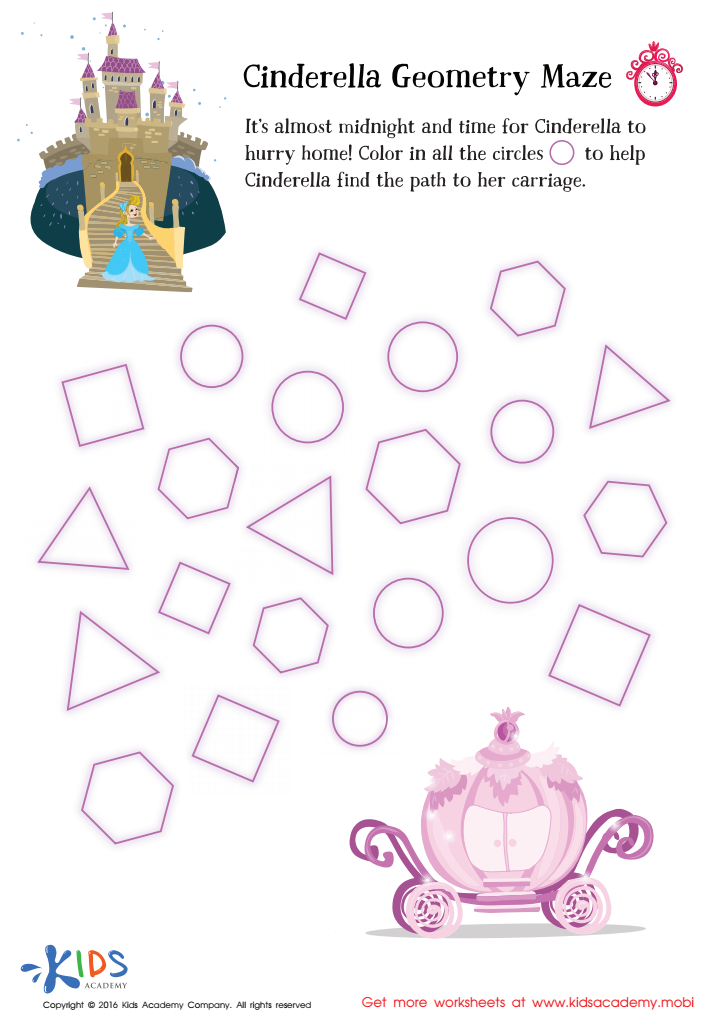
Cinderella Geometry Maze Worksheet
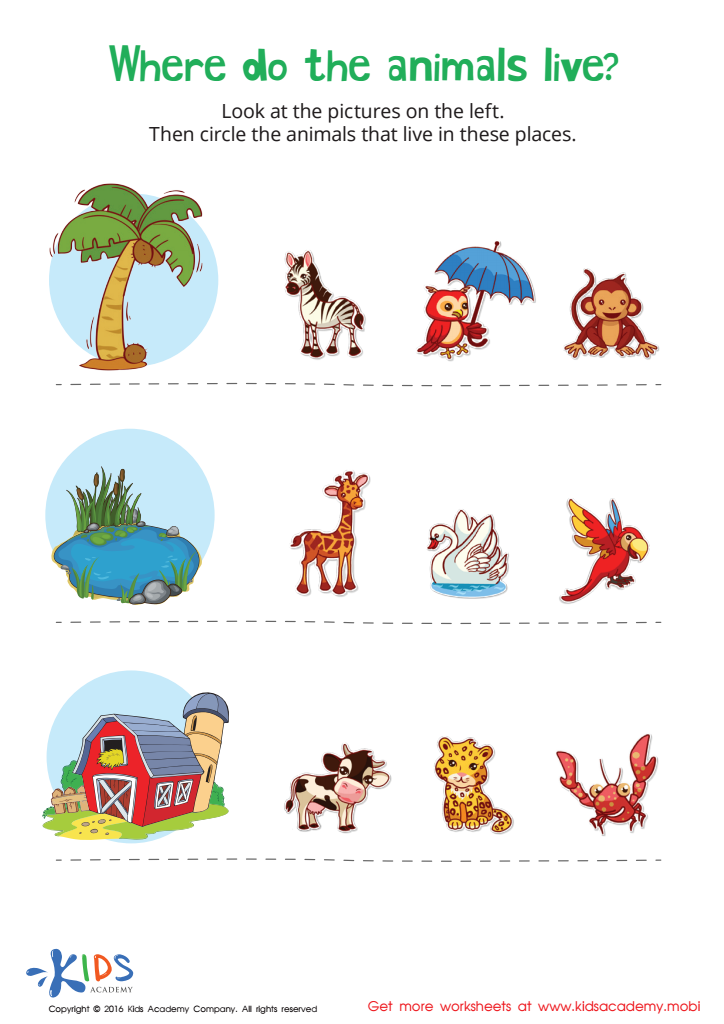
Where Animals Live Worksheet
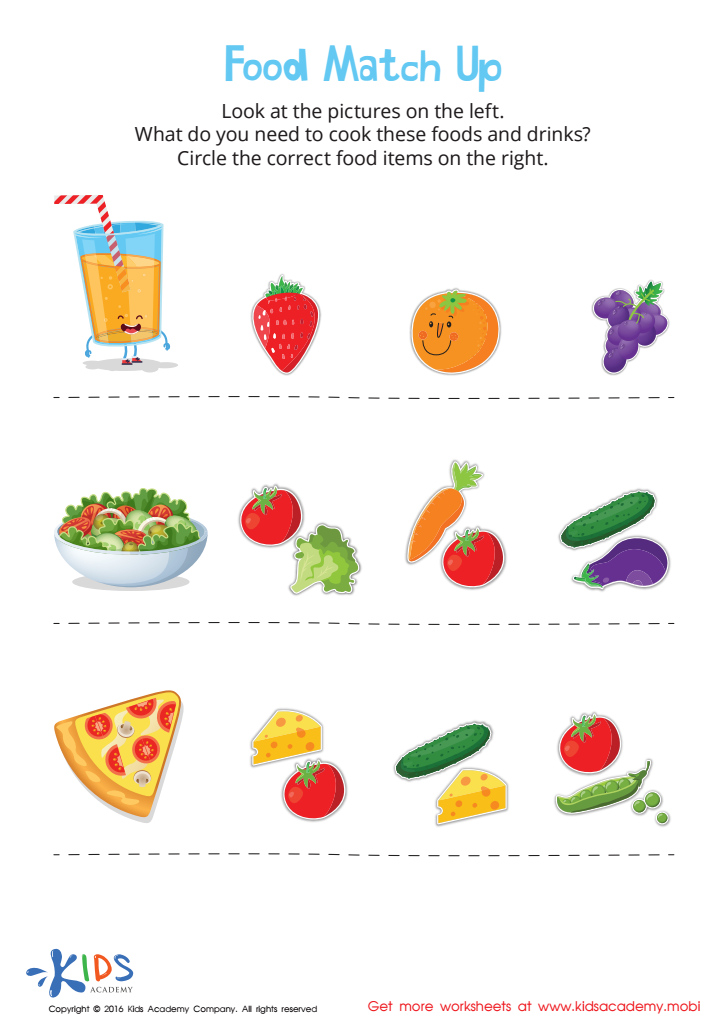
Food Match Up Worksheet
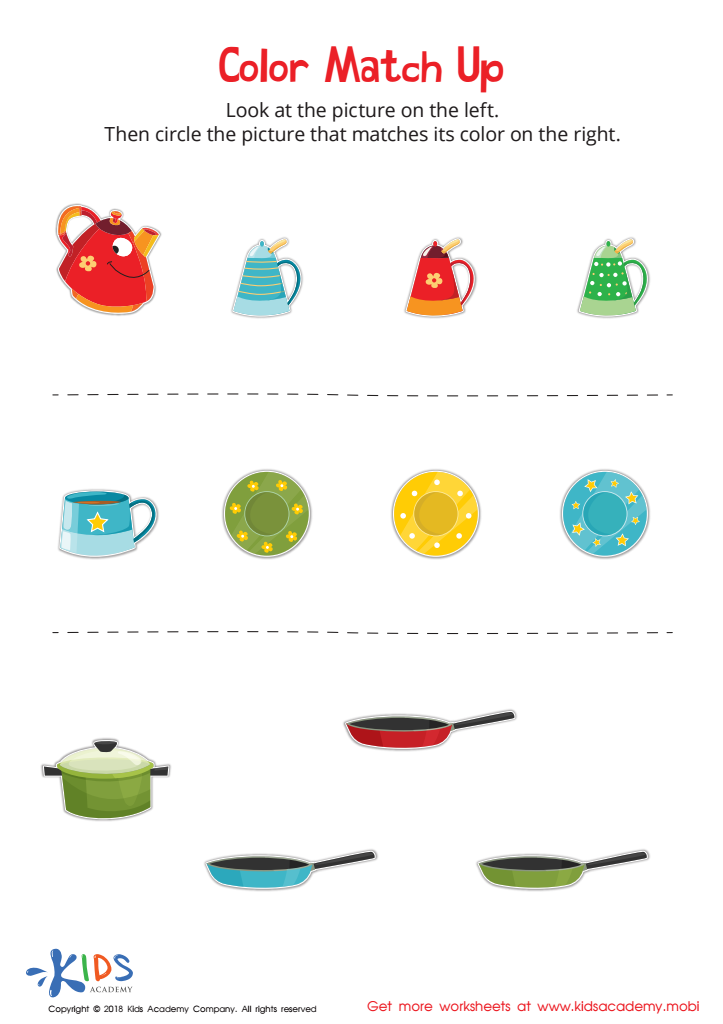
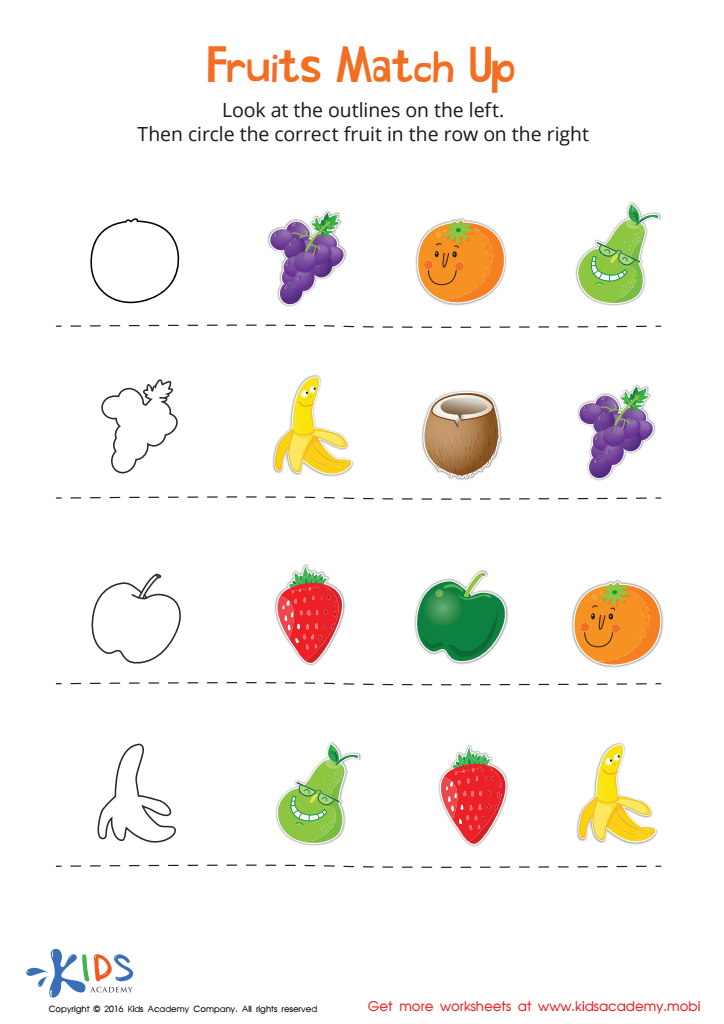
Fruits Match Up Worksheet
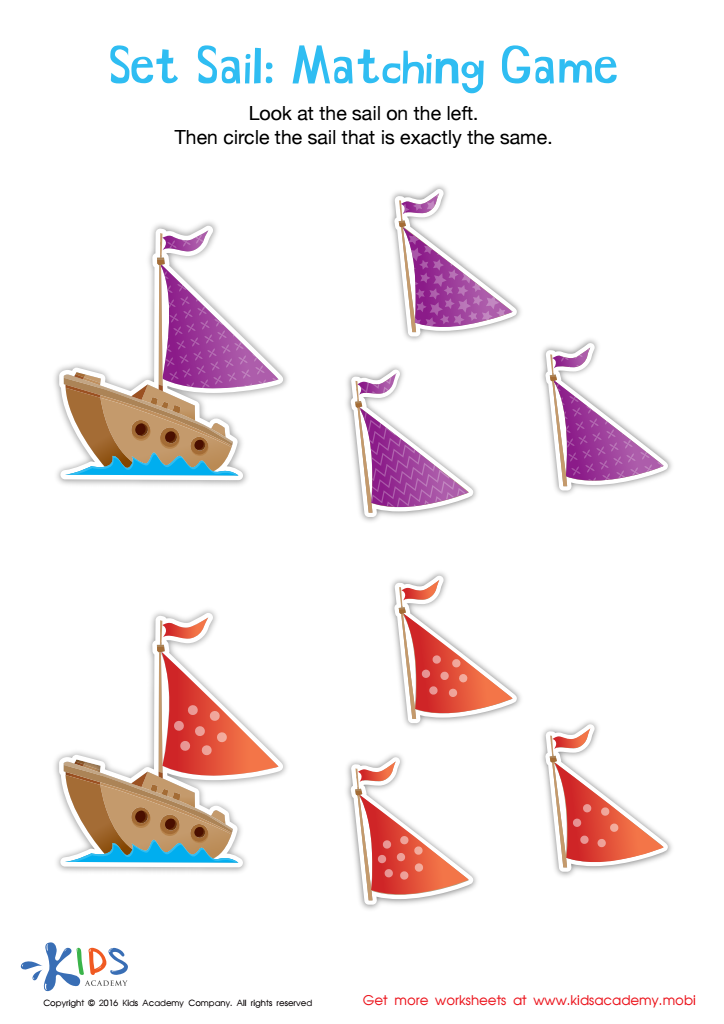
Set Sail Worksheet
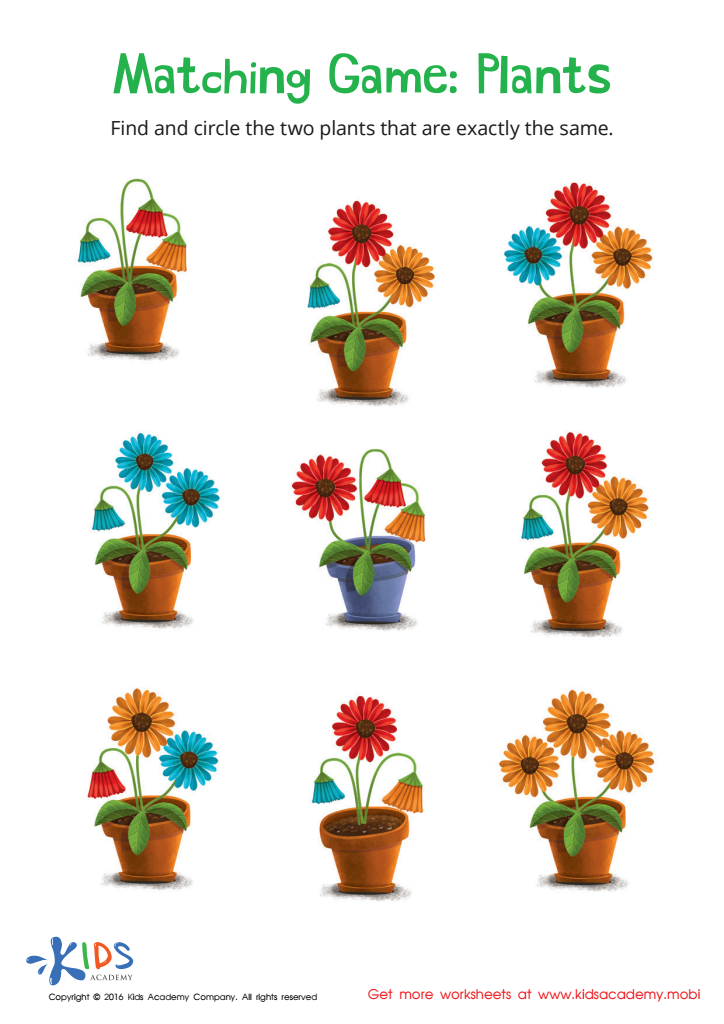
Matching: Plants Worksheet
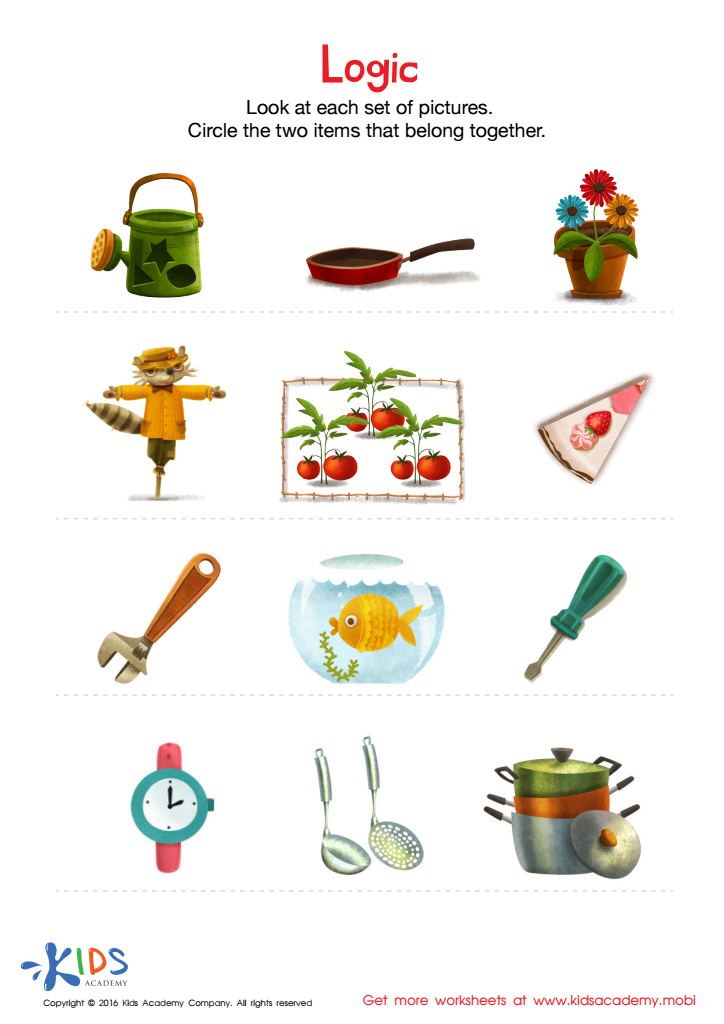
Logic Game Sorting Worksheet
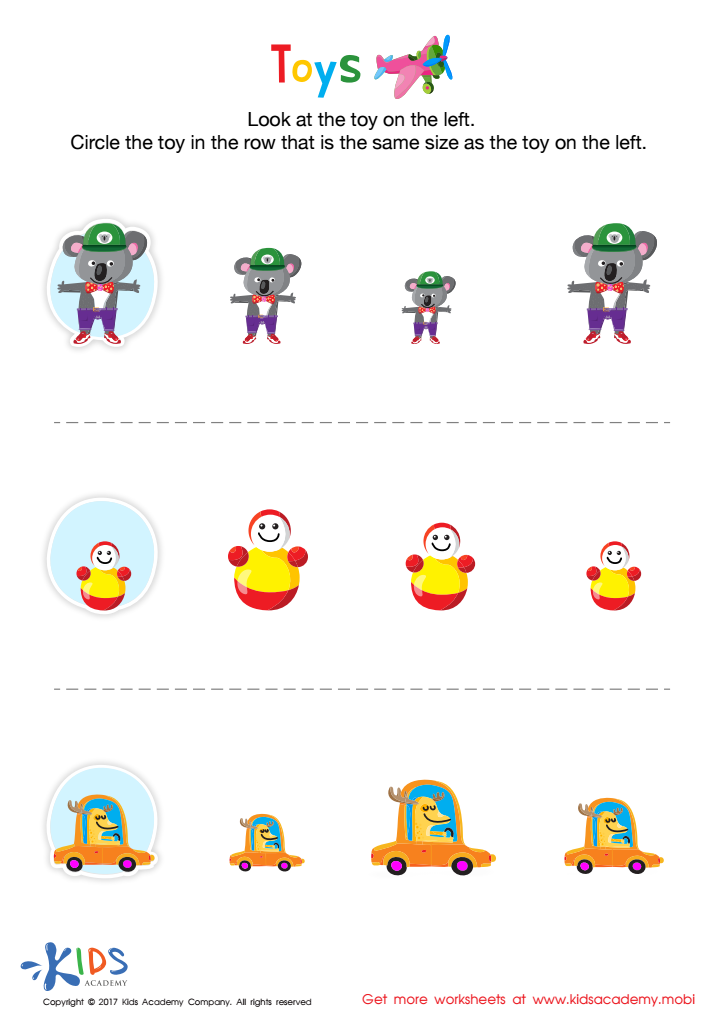
Matching: Classifying Toys by Size Worksheet
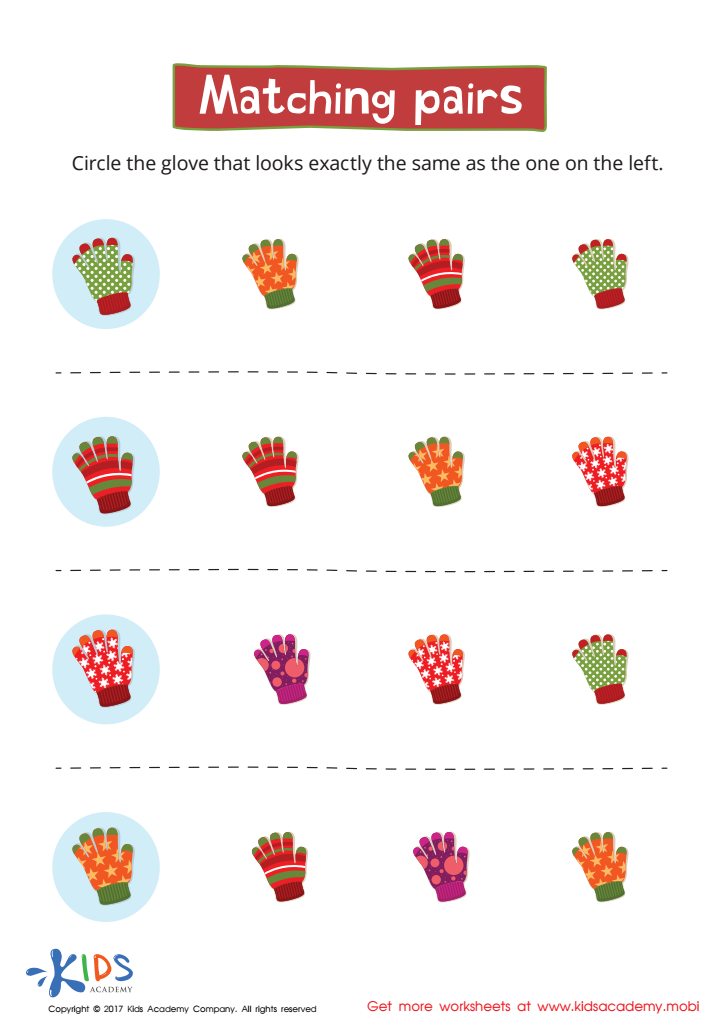
Matching: Matching Pairs Worksheet








Normal Matching activities are crucial for children aged 4-9 as they play a key role in developing essential cognitive and social skills. At this developmental stage, children are naturally inclined to categorize and identify relationships, which lays a solid foundation for critical thinking. Engaging in matching activities nurtures their ability to foresee relationships and draw connections between different concepts. This builds their problem-solving capabilities and fosters early mathematical skills as they recognize patterns and numbers.
Moreover, these activities encourage cooperative play, enhancing social interactions among peers. Through Normal Matching, children practice communication and collaboration skills, which are vital for their emotional development and future social interactions. They learn to take turns, share, and understand the feelings of others.
Parents and teachers should also note that Normal Matching promotes fine motor skills, as children manipulate objects, sort cards, or connect images. This physical aspect aids in hand-eye coordination—beneficial for tasks such as writing.
In summary, Normal Matching activities not only aid cognitive and physical development but also facilitate emotional and social growth, making it a valuable tool for educators and families invested in nurturing well-rounded children.








