Normal Tracing worksheets activities for Ages 5-7 - Page 4
98 filtered results
-
From - To
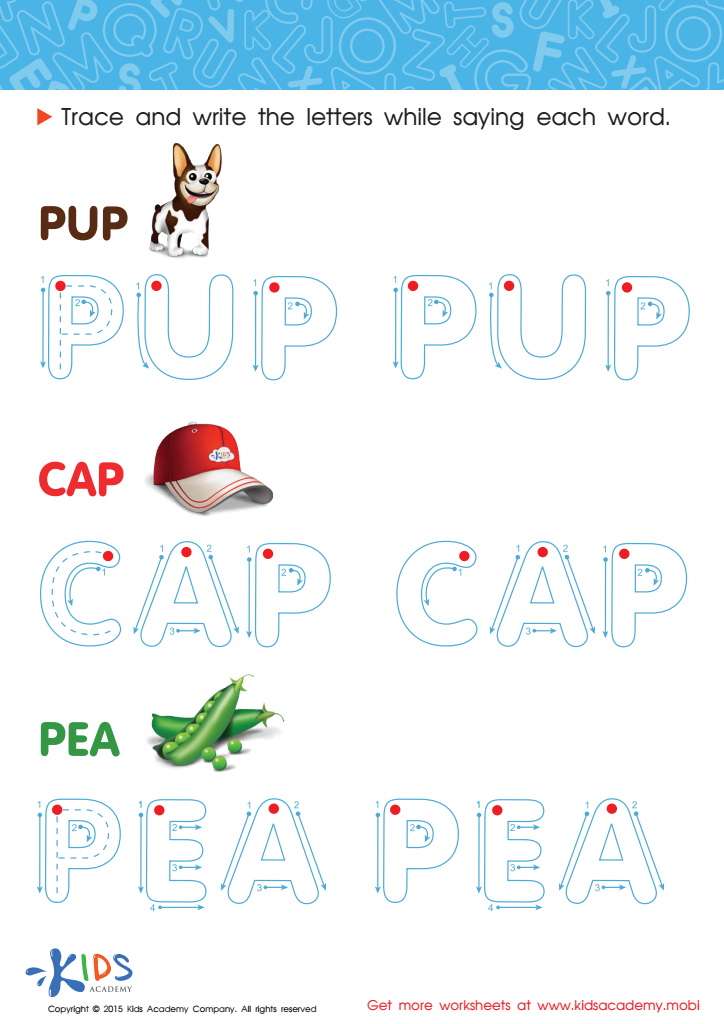
A Pup, a Cap and a Pea Spelling Worksheet
 Assign to My Students
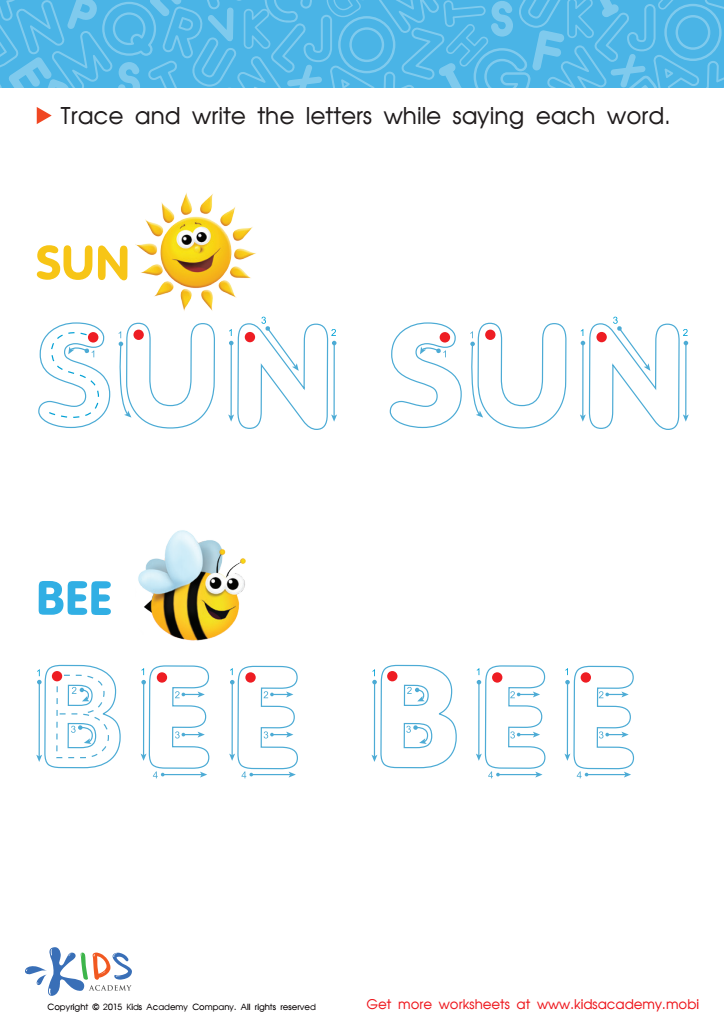
The Sun and a Bee Spelling Worksheet
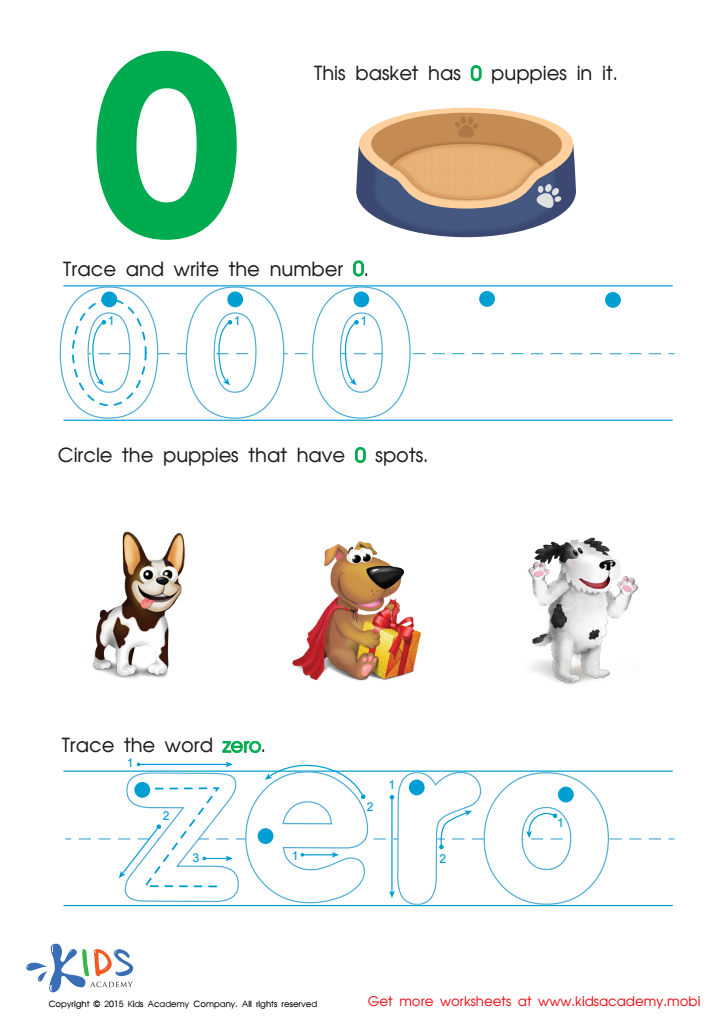
Trace And Write Number 0 Worksheet
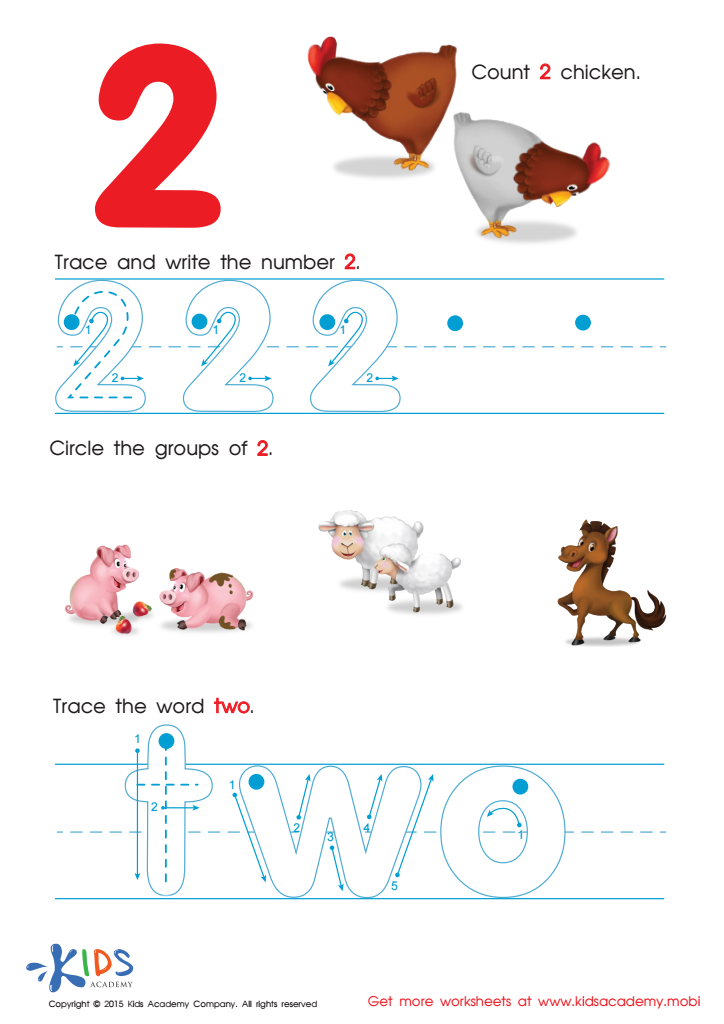
Learn to Write the Number 2 Worksheet
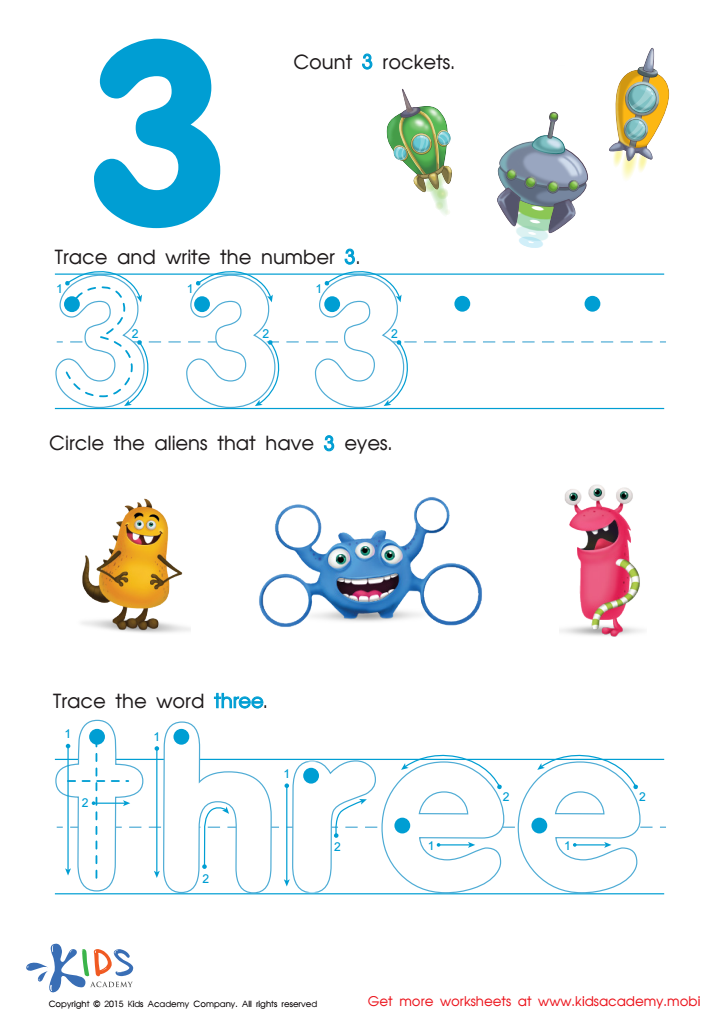
Learning Number Three Worksheet
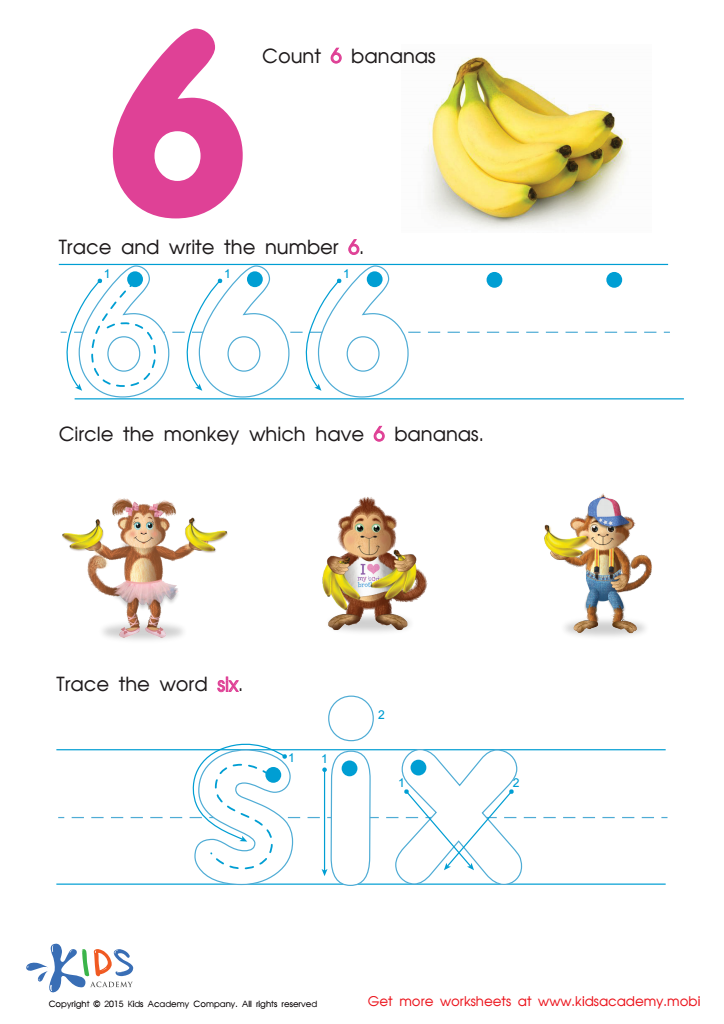
Tracing And Writing Number 6 Worksheet
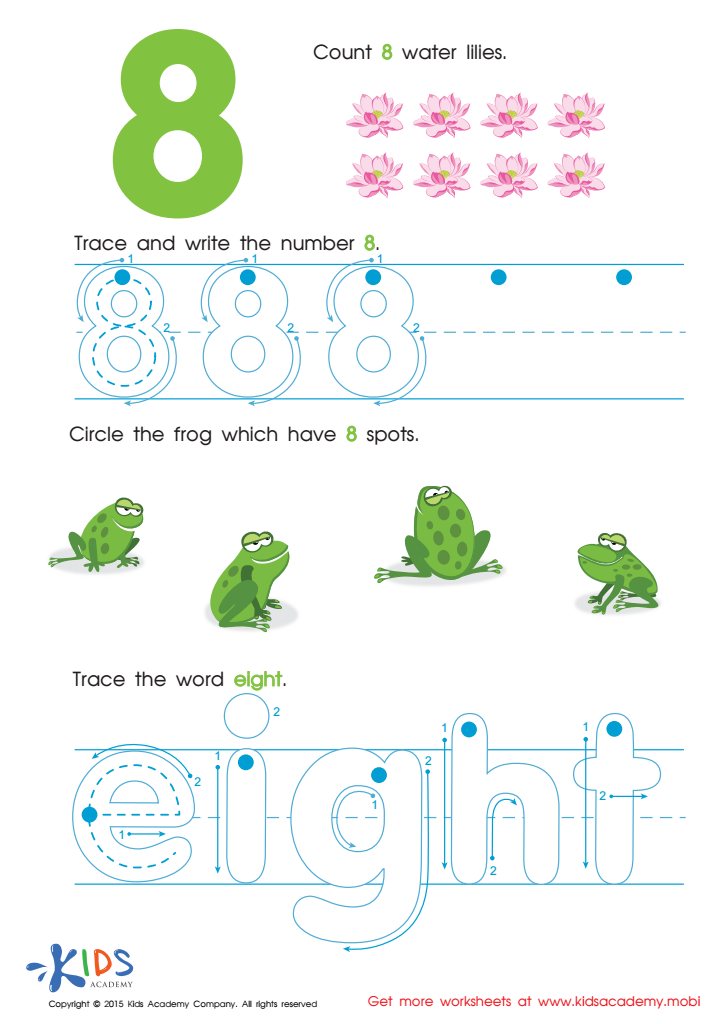
Learn Number 8 Easily Worksheet
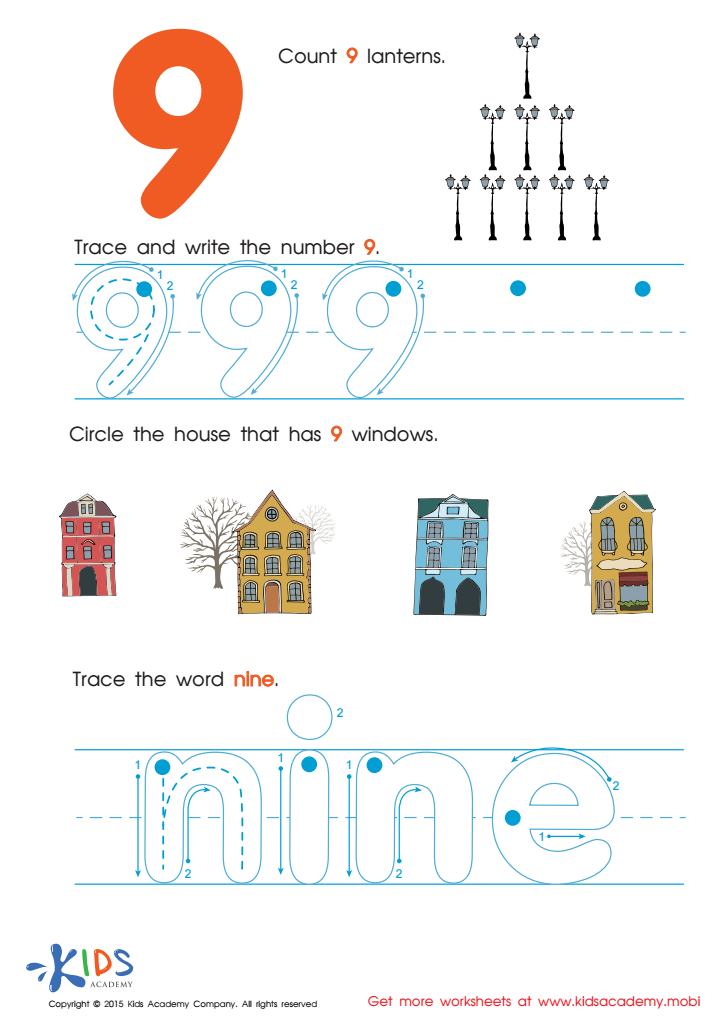
Tracing And Learning to Write Number 9 Worksheet
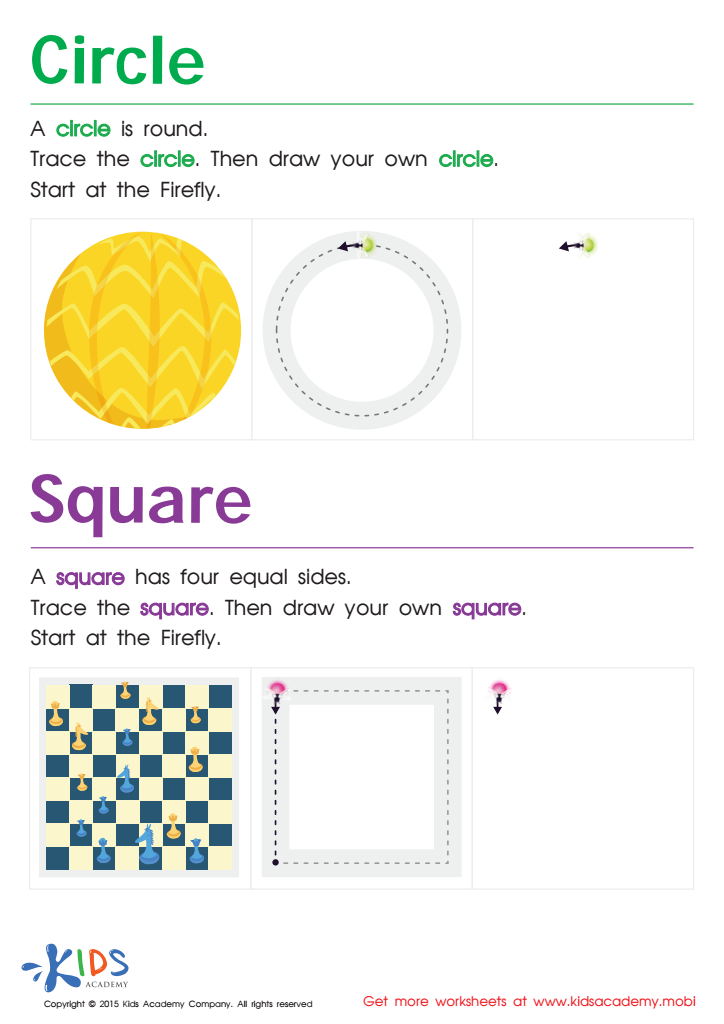
Trace And Draw a Circle And a Square Worksheet
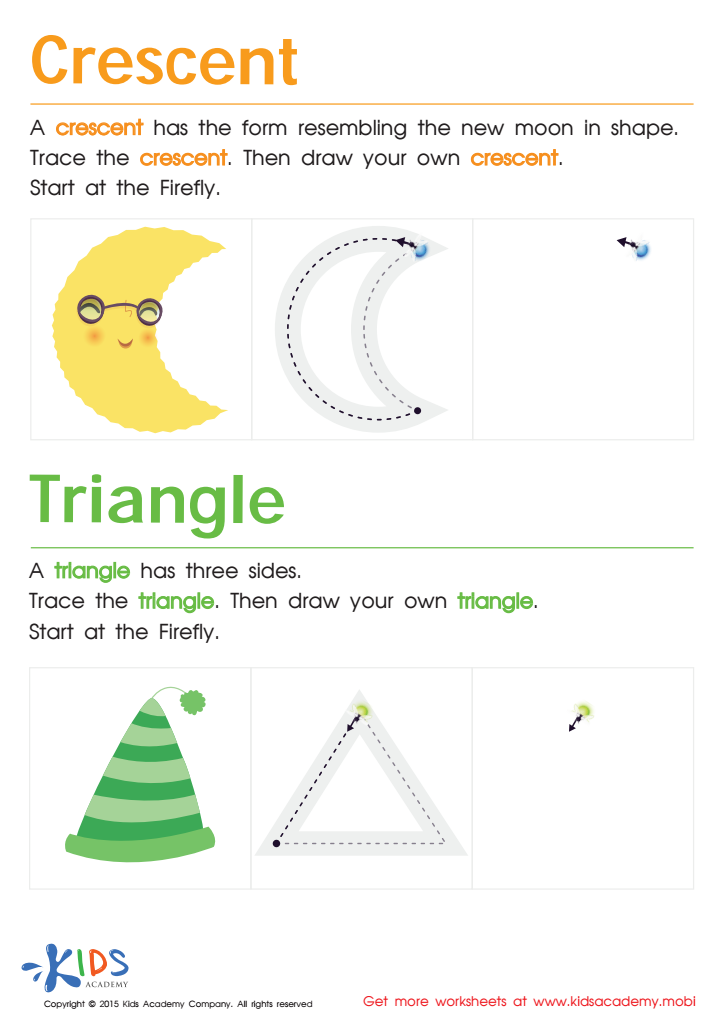
Learning to Draw Crescents And Triangles Worksheet
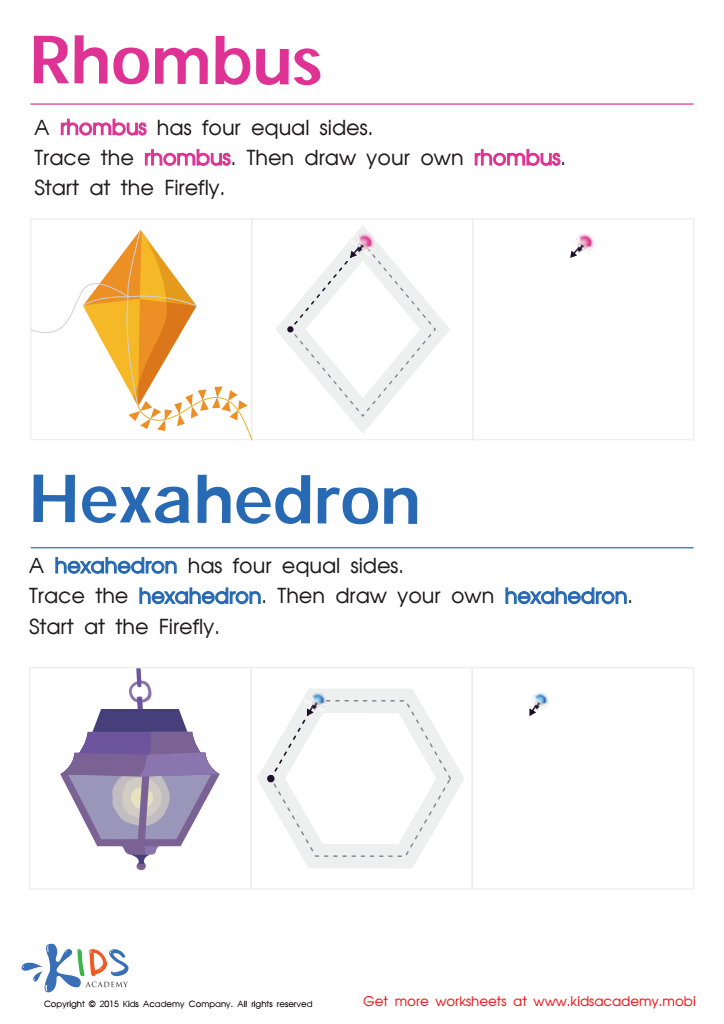
Draw a Rhombus And a Hexahedron Printable
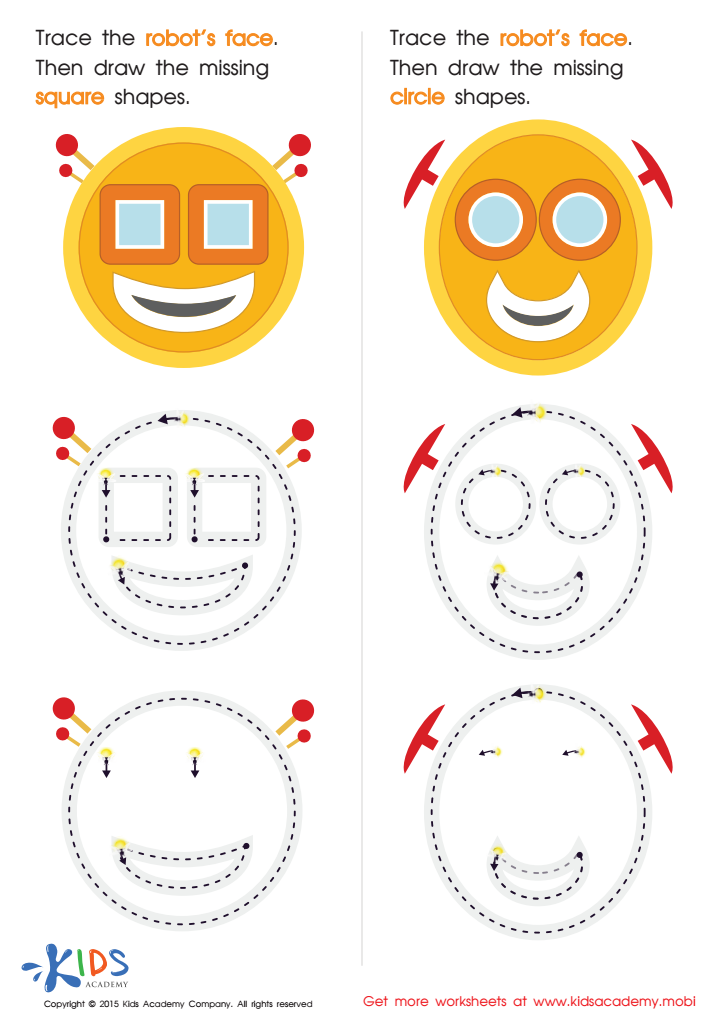
Practicing to Draw Circles And Squares Printable
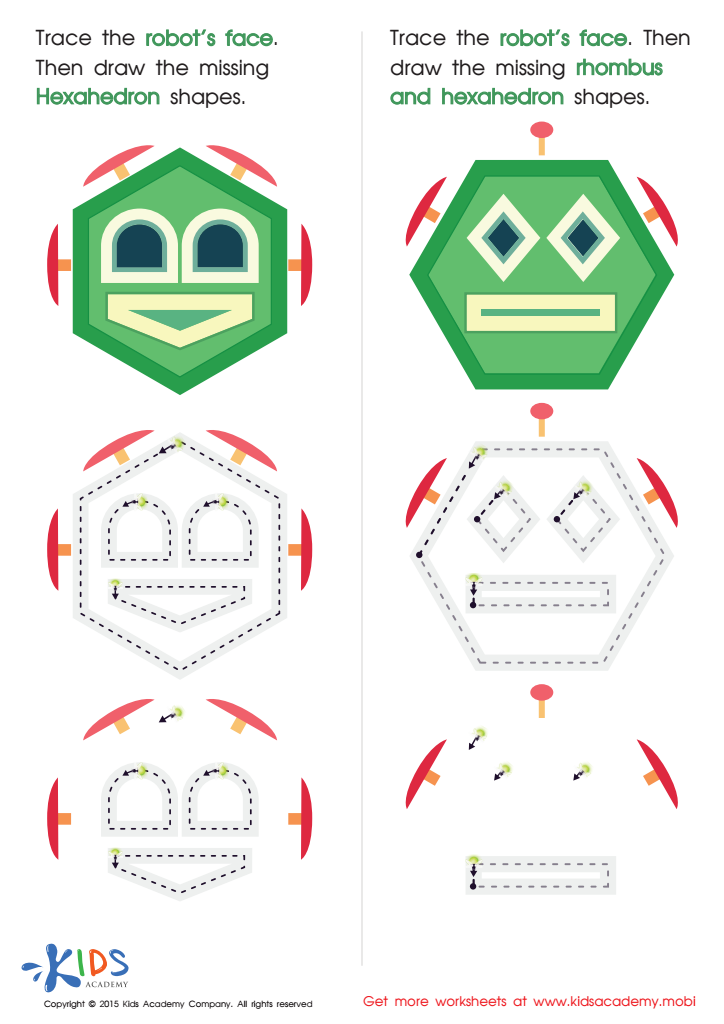
Practice Drawing Hexahedrons And a Rhombus Worksheet
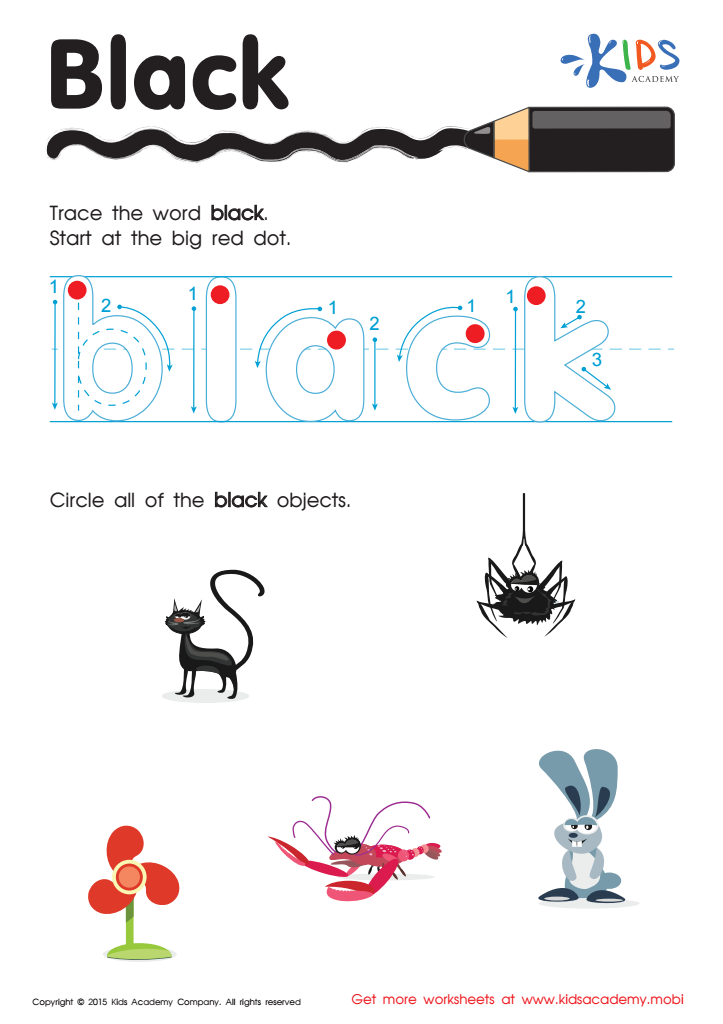
Black Tracing Color Words Printable
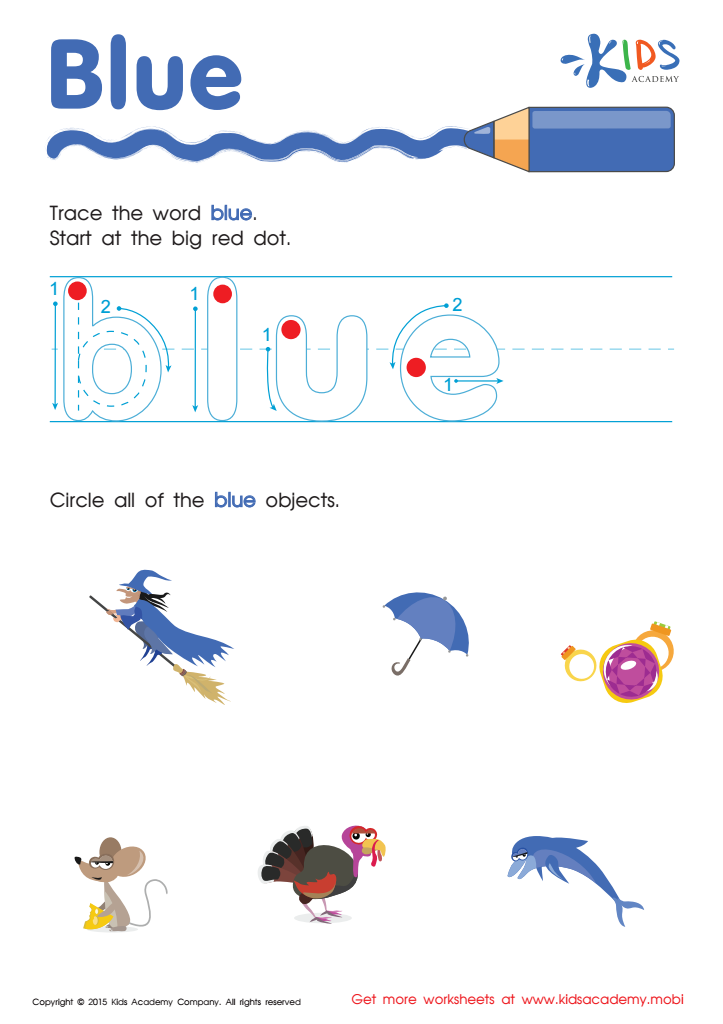
Blue Tracing Color Words Printable
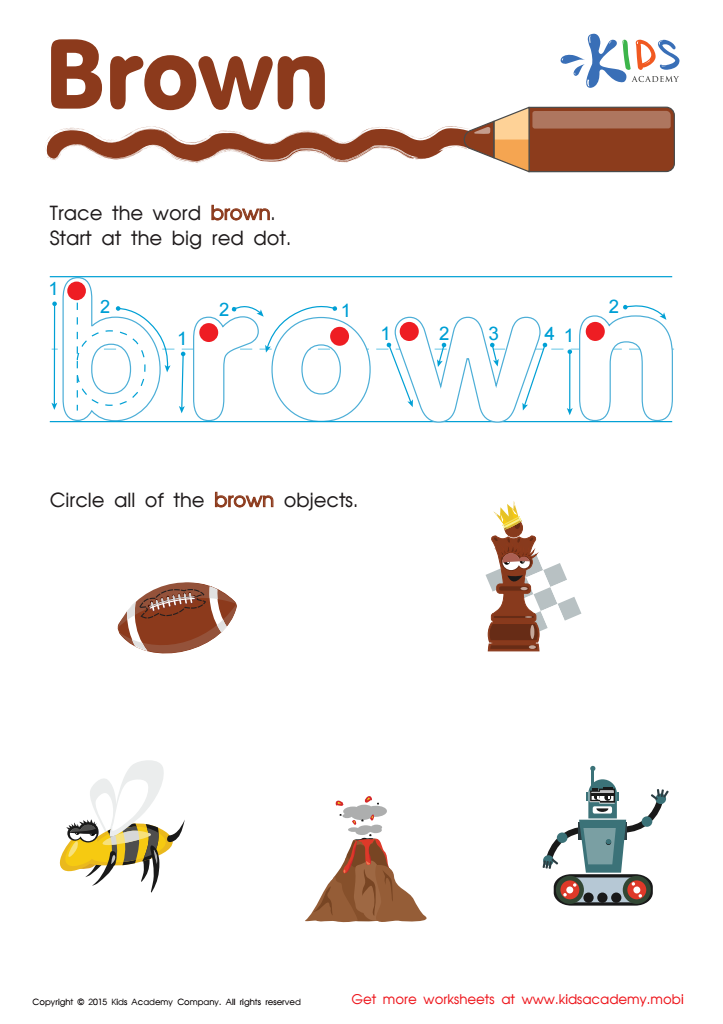
Brown Tracing Color Words Worksheet
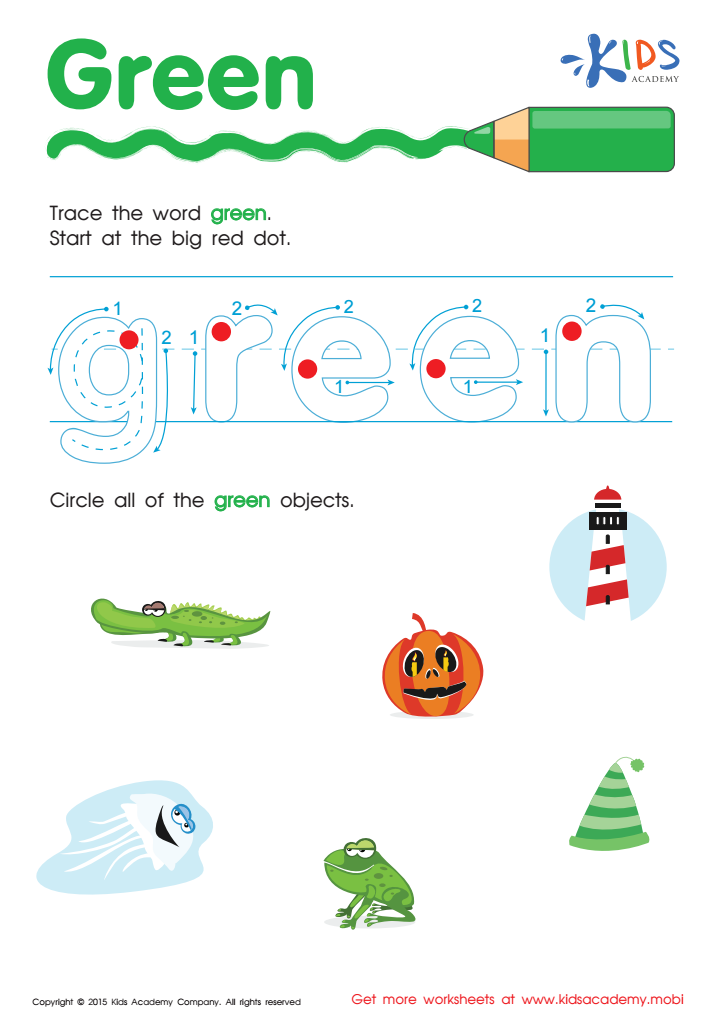
Green Tracing Color Words Worksheet
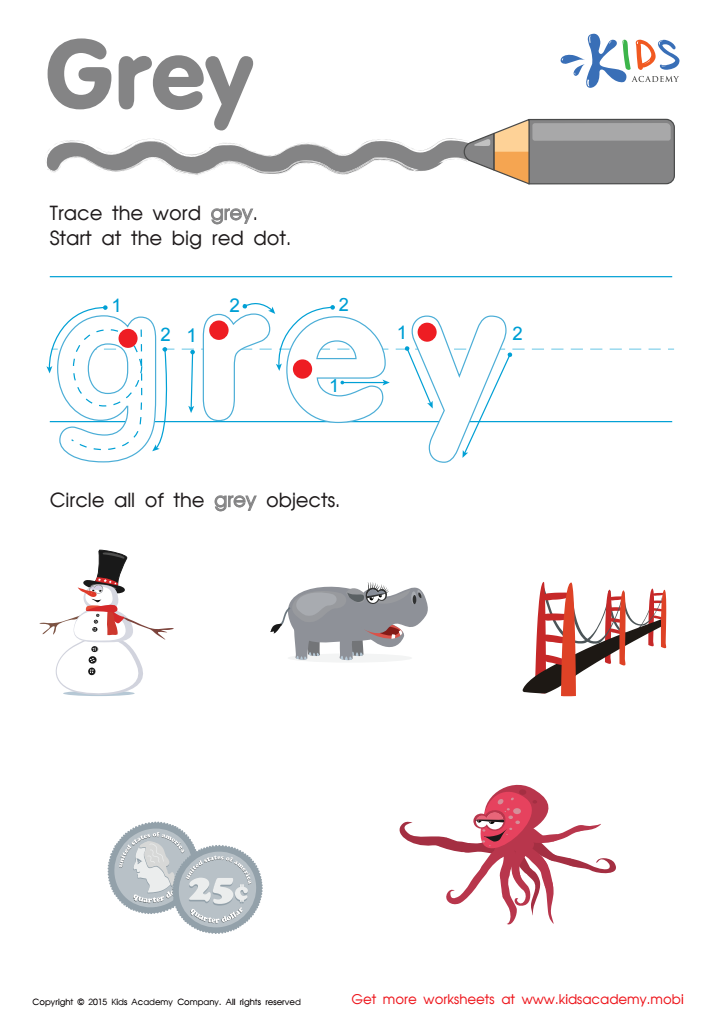
Grey Tracing Color Words Worksheet
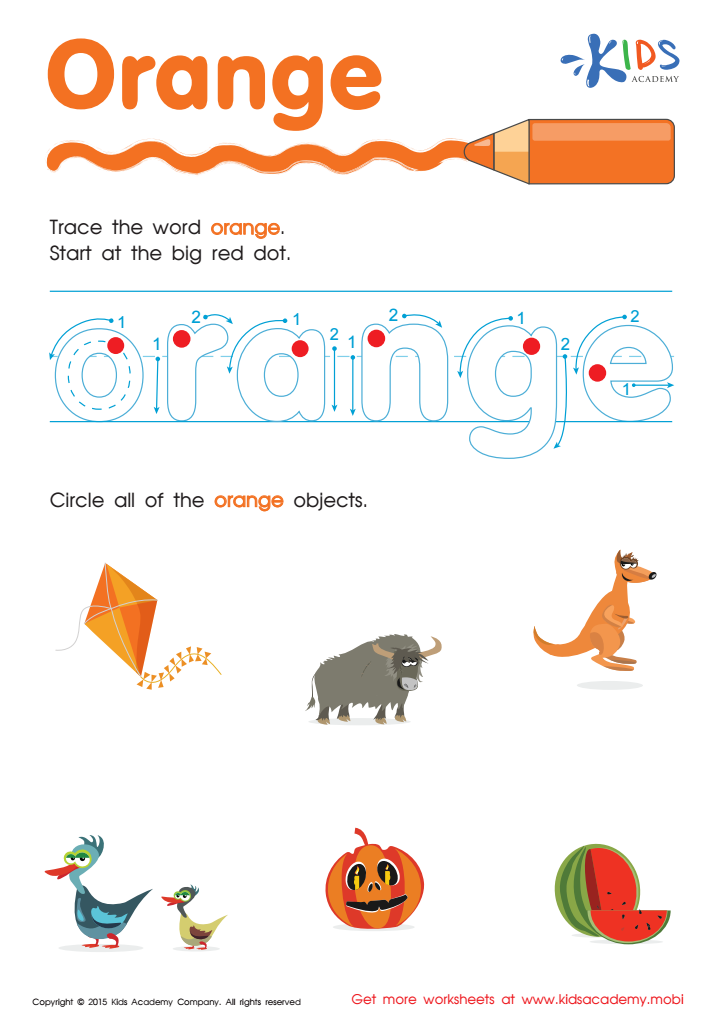
Orange Tracing Color Words Worksheet

Pink Tracing Color Words Worksheet
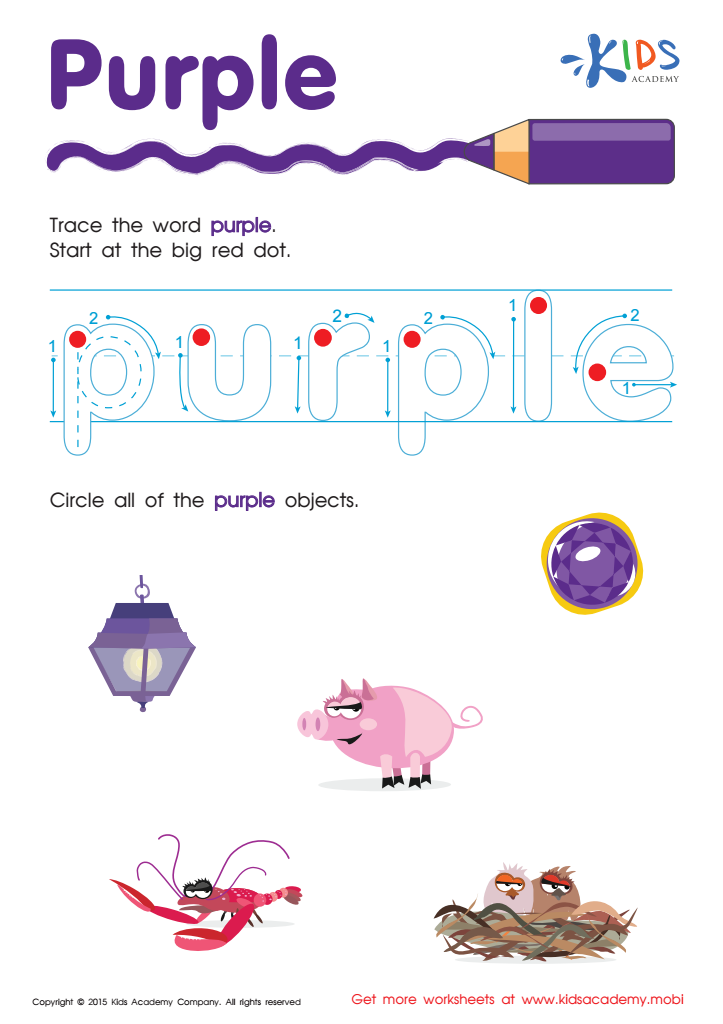
Purple Tracing Color Words Worksheet

Red Tracing Color Words Printable
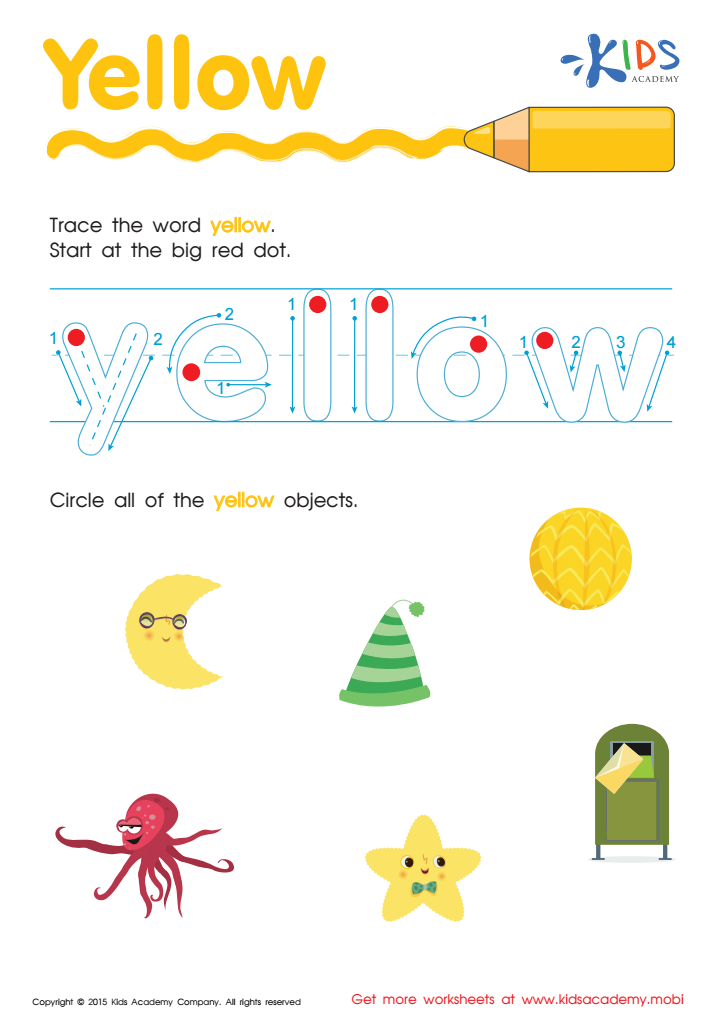
Yellow Tracing Color Words Worksheet
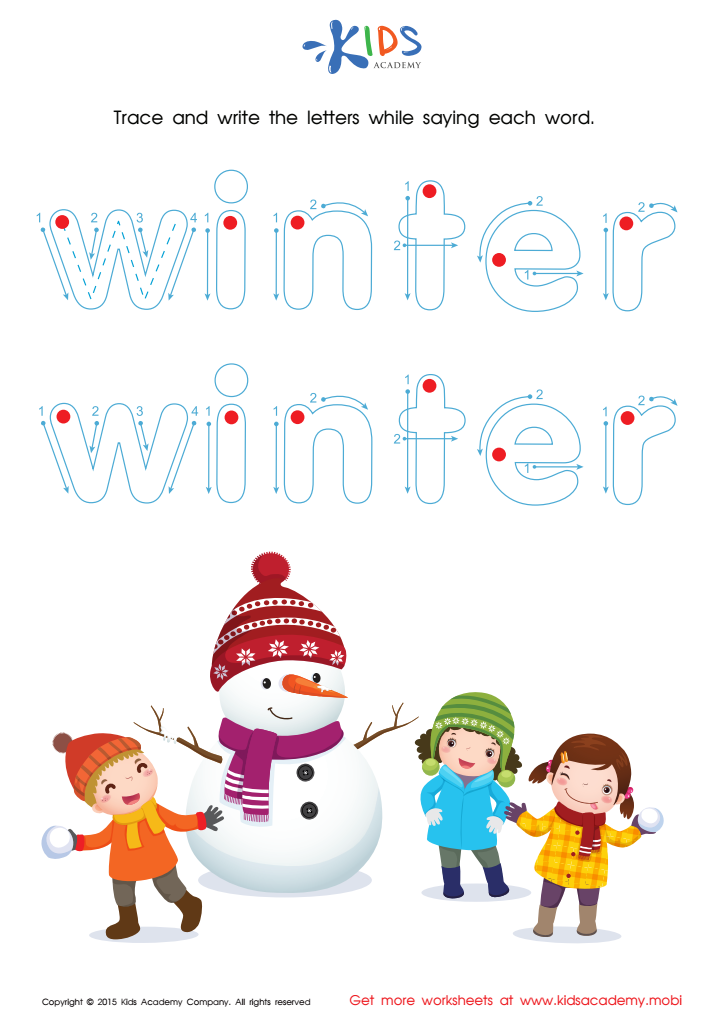
Snowman Tracing Winter Words Worksheet




.jpg)



Normal tracing activities are essential for children aged 5-7, as they play a critical role in developing foundational skills that contribute to academic success and overall cognitive growth. First and foremost, these activities enhance fine motor skills and hand-eye coordination, which are crucial for writing, drawing, and other daily tasks. As children trace letters, shapes, and patterns, they gain mastery over the pencil grip and improve their precision.
Additionally, tracing supports literacy development by familiarizing children with letter formation and phonemic awareness. This repetition aids in reinforcing sound-letter associations, laying the groundwork for early reading skills. Tracing activities can also boost cognitive development, helping students understand spatial relationships and how to navigate complex shapes and designs.
On an emotional level, normal tracing activities allow children to gain confidence and pride in their accomplishments. The structured nature of tracing provides a sense of achievement, encouraging persistence and attention to detail. Lastly, these activities can be a fun and engaging way for parents and teachers to interact with children, fostering positive relationships and a love for learning. Ultimately, integrating tracing exercises into educational practices equips children with vital skills and confidence as they embark on their academic journeys.








