Counting Worksheets for Ages 3-9 - Page 2
43 filtered results
-
From - To
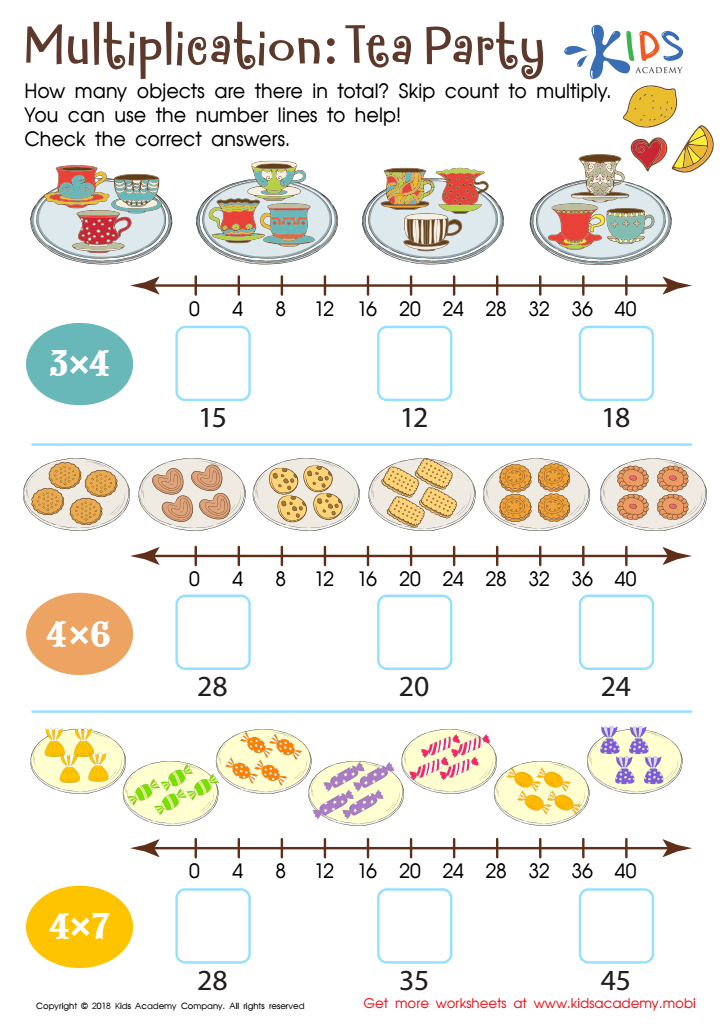
3rd Grade Math Worksheet Multiplication
 Assign to My Students


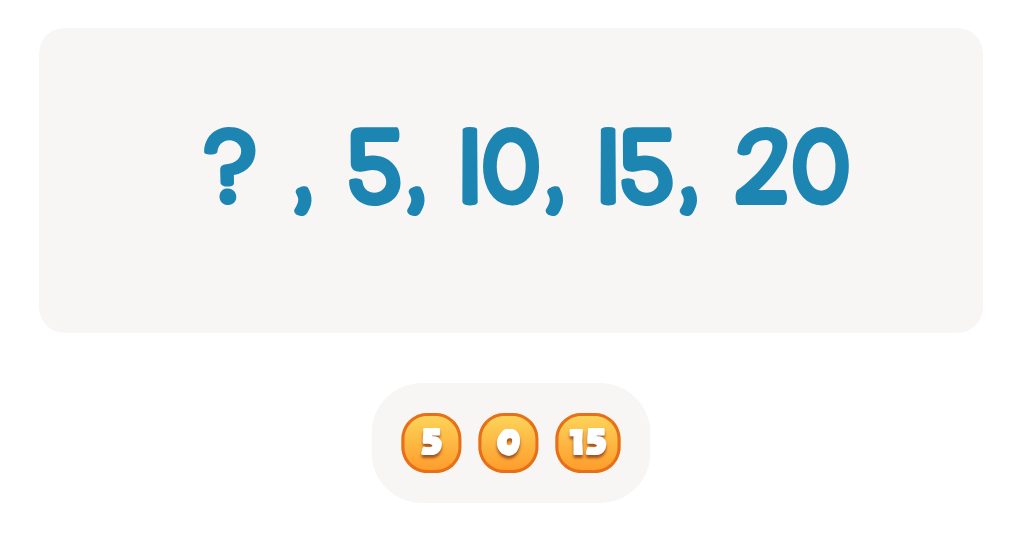
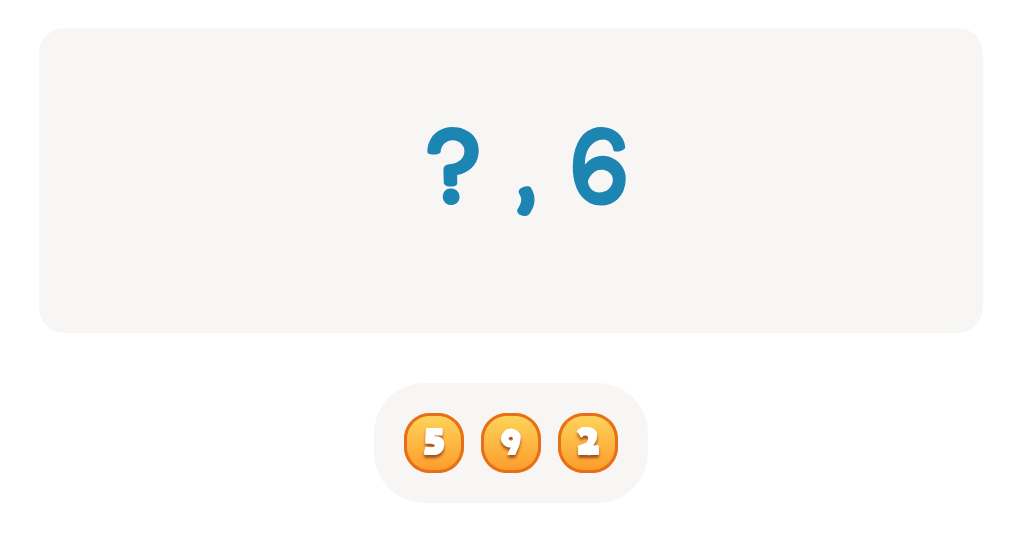
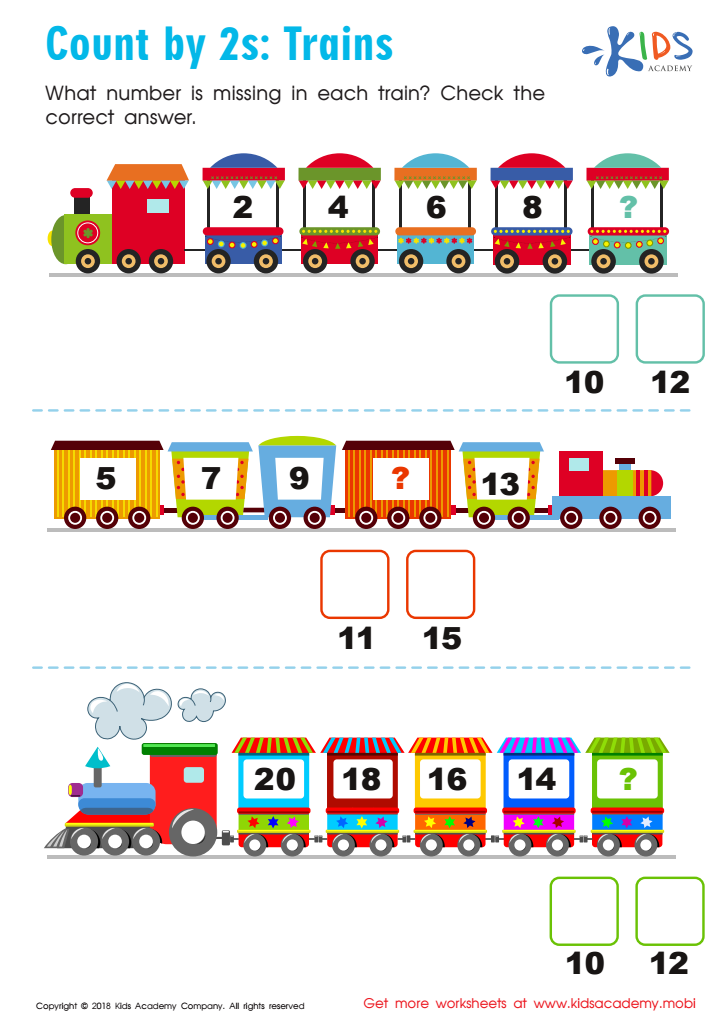
Count by 2's: Trains Worksheet
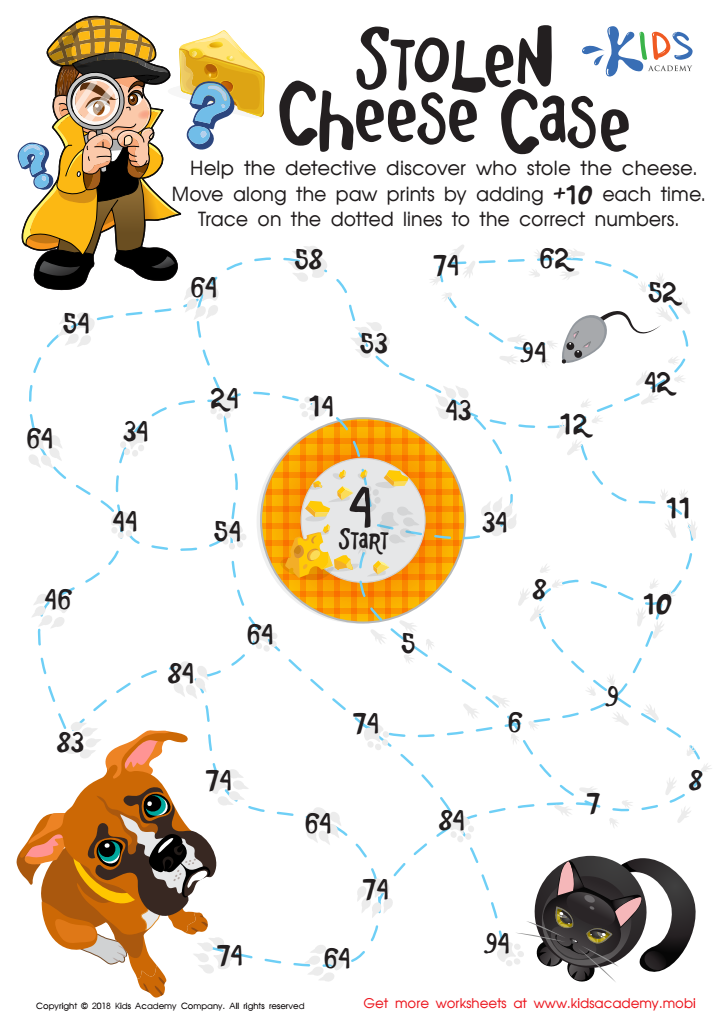
Stolen Cheese Case Maze Worksheet
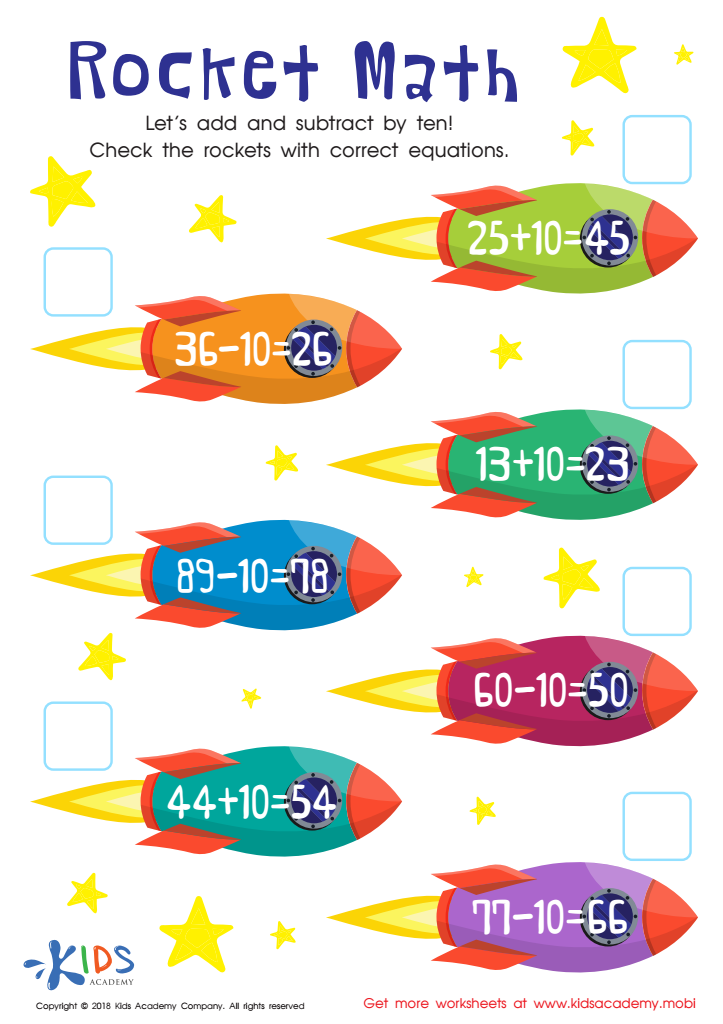
Rocket Math Worksheet
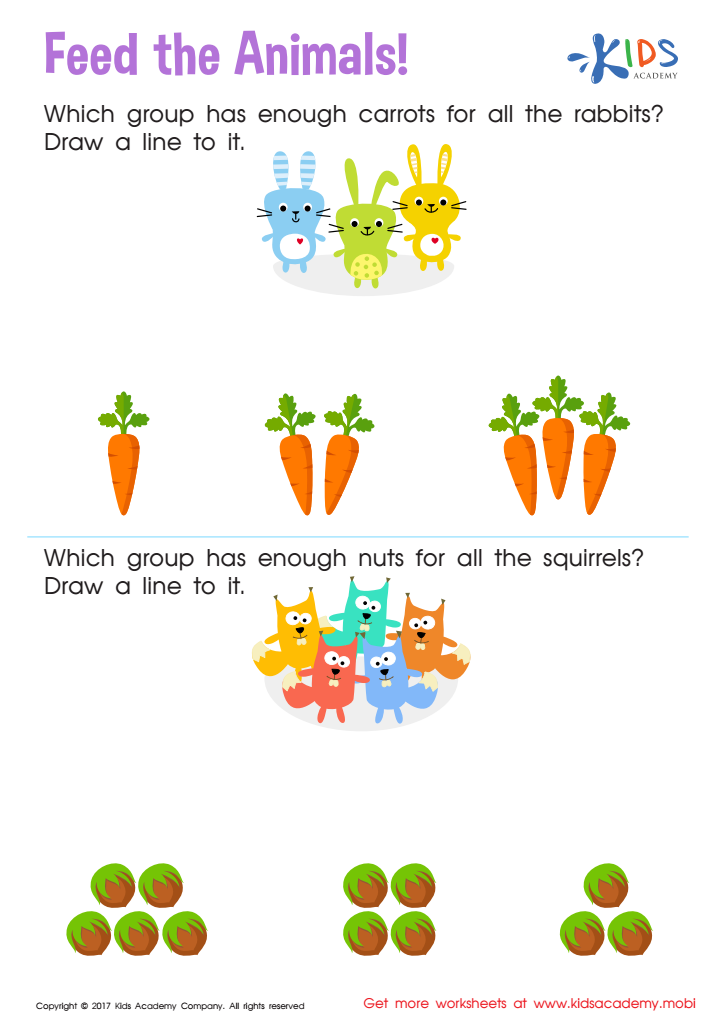
Count and Match: Feed the Animals Worksheet
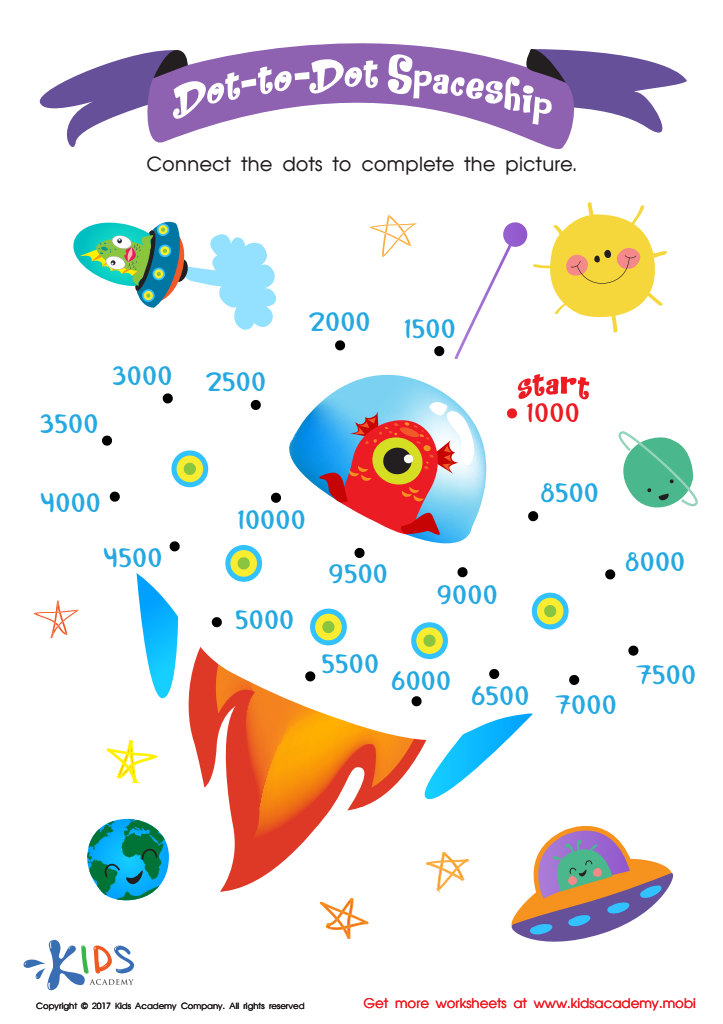
Dot to Dot Worksheet for 3rd Grade
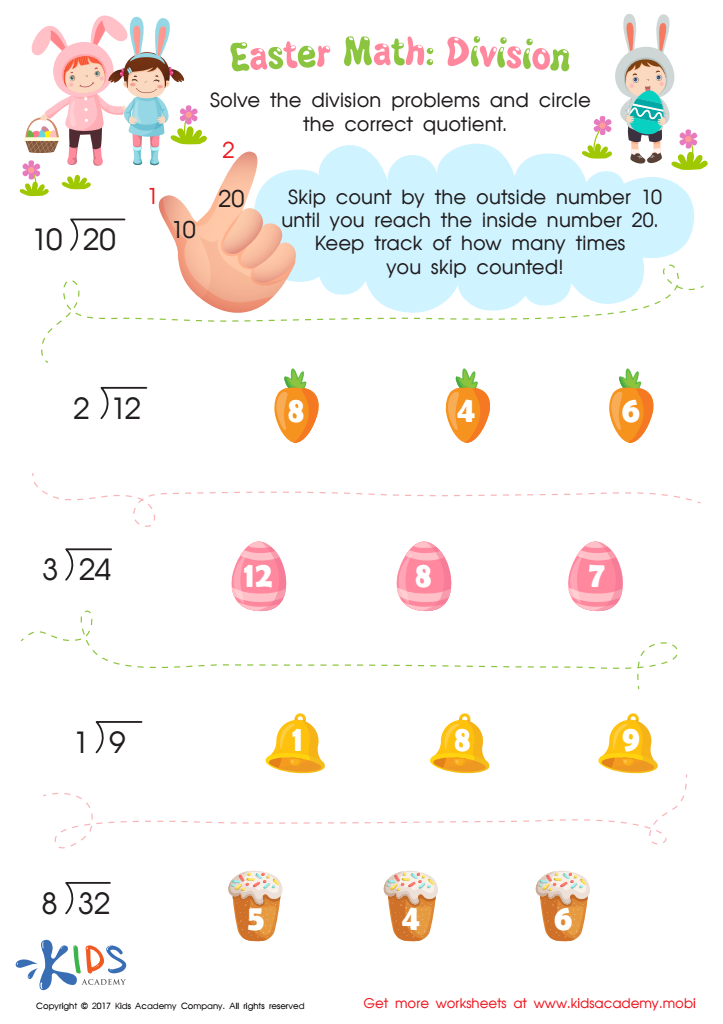
Division Worksheet
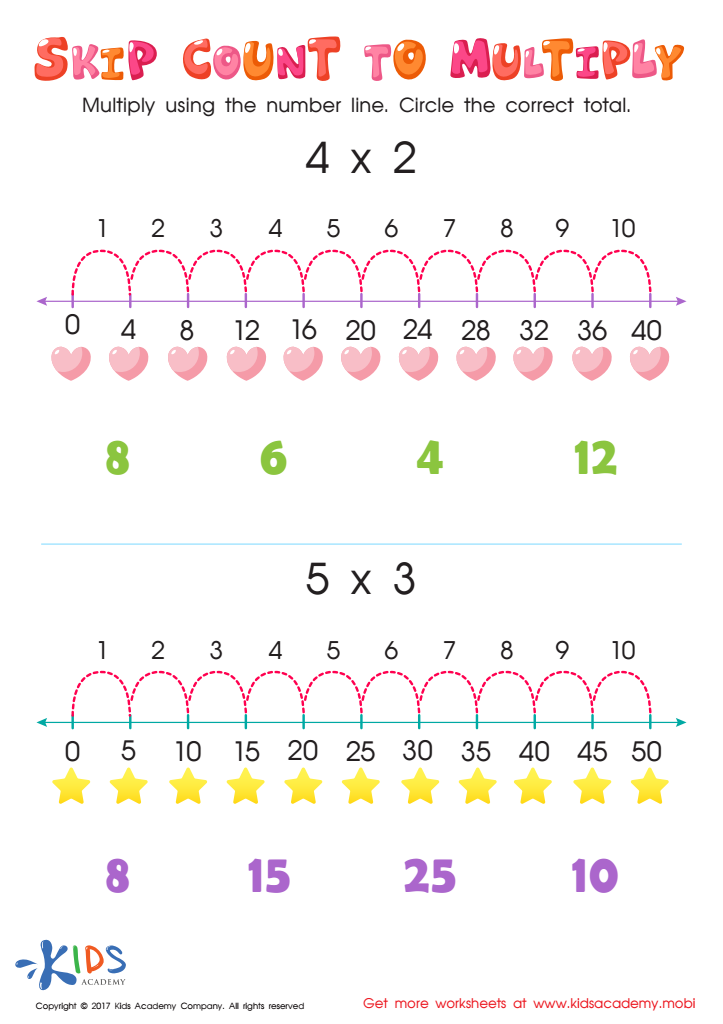
Skip Count Multiplication Worksheet
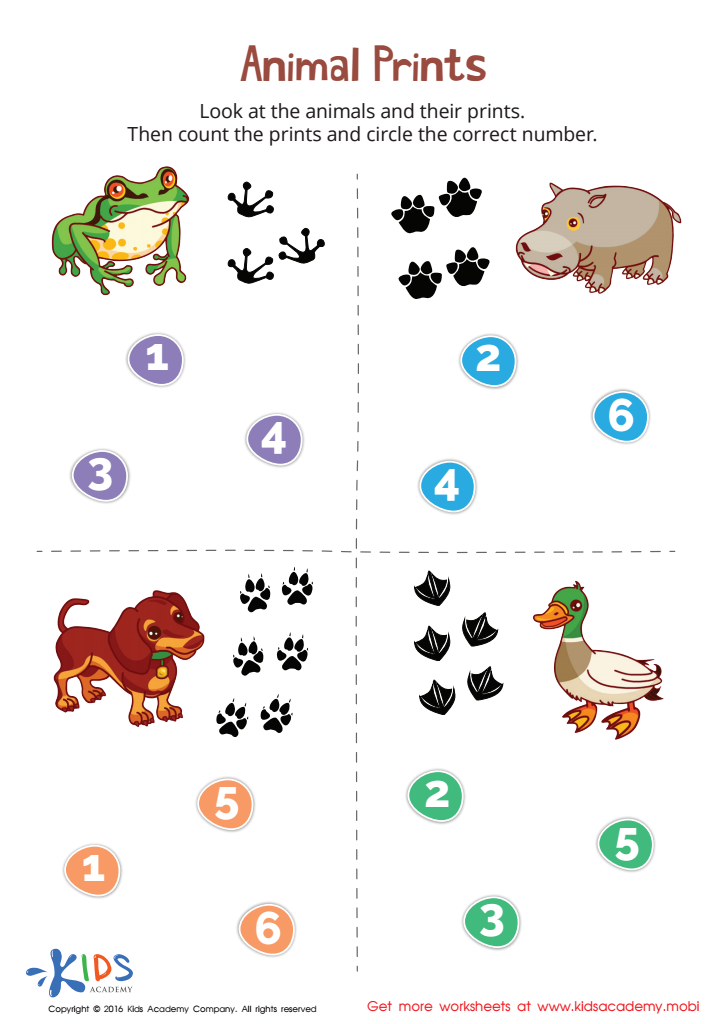
Animal Prints Match-Up Worksheet
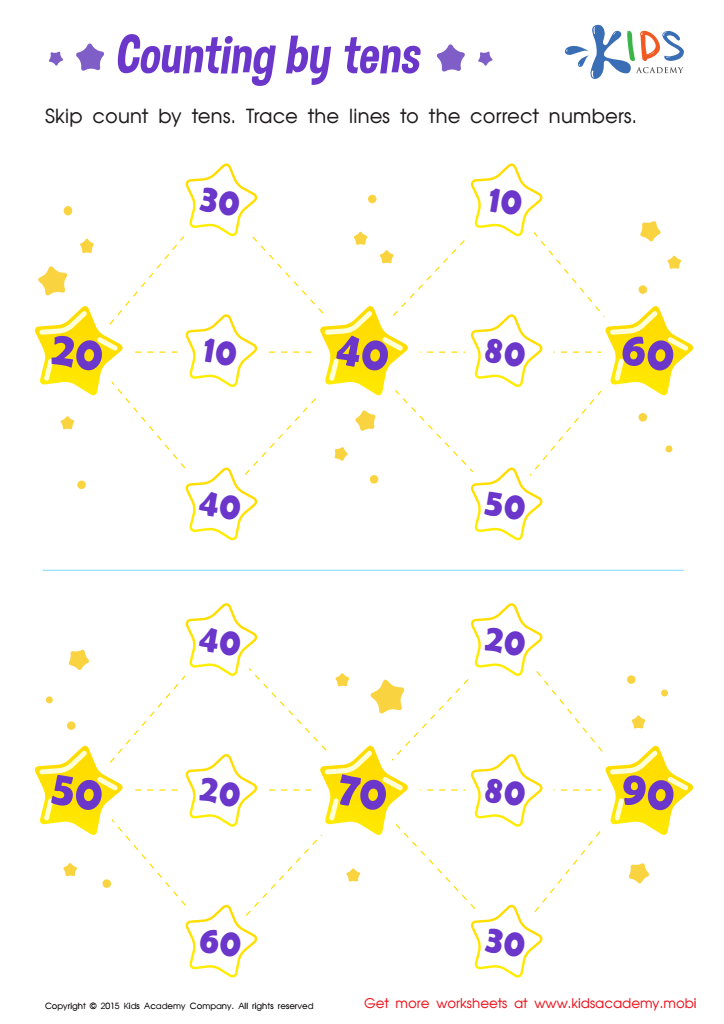
Learn Dozens: Counting by Tens Printable
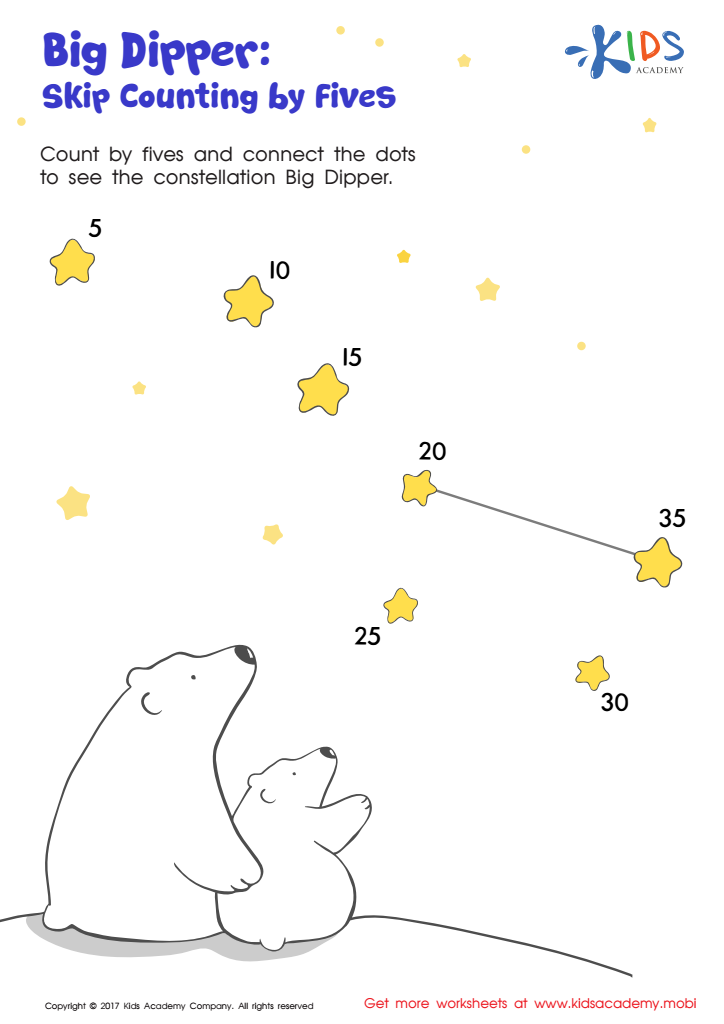
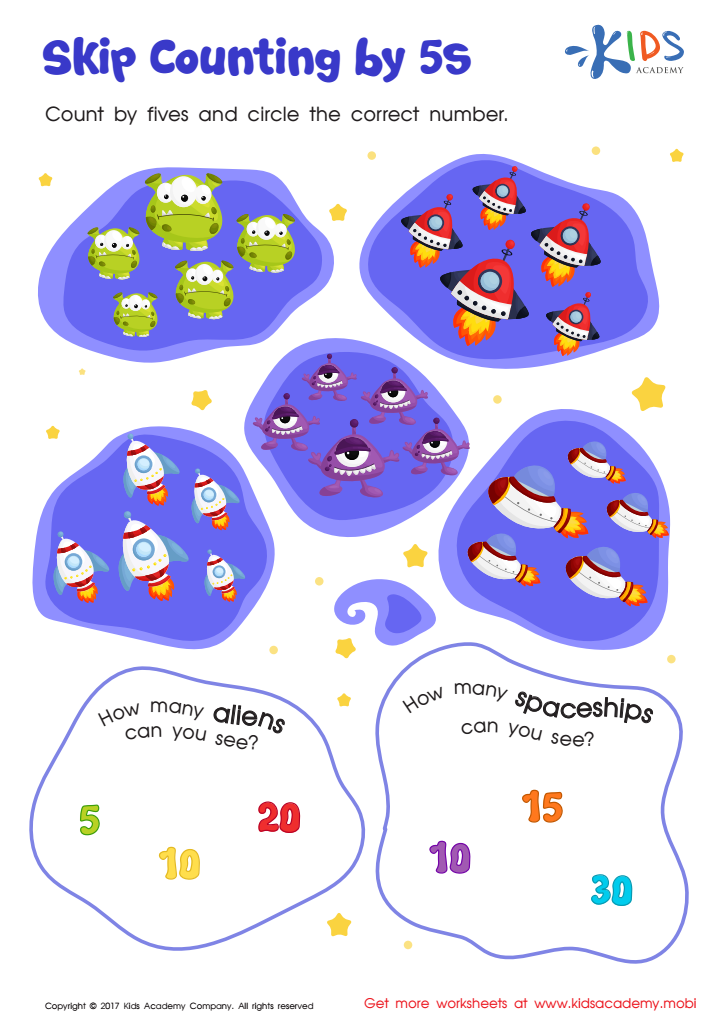
Skip Counting by 5s: Aliens and Spaceships Printable
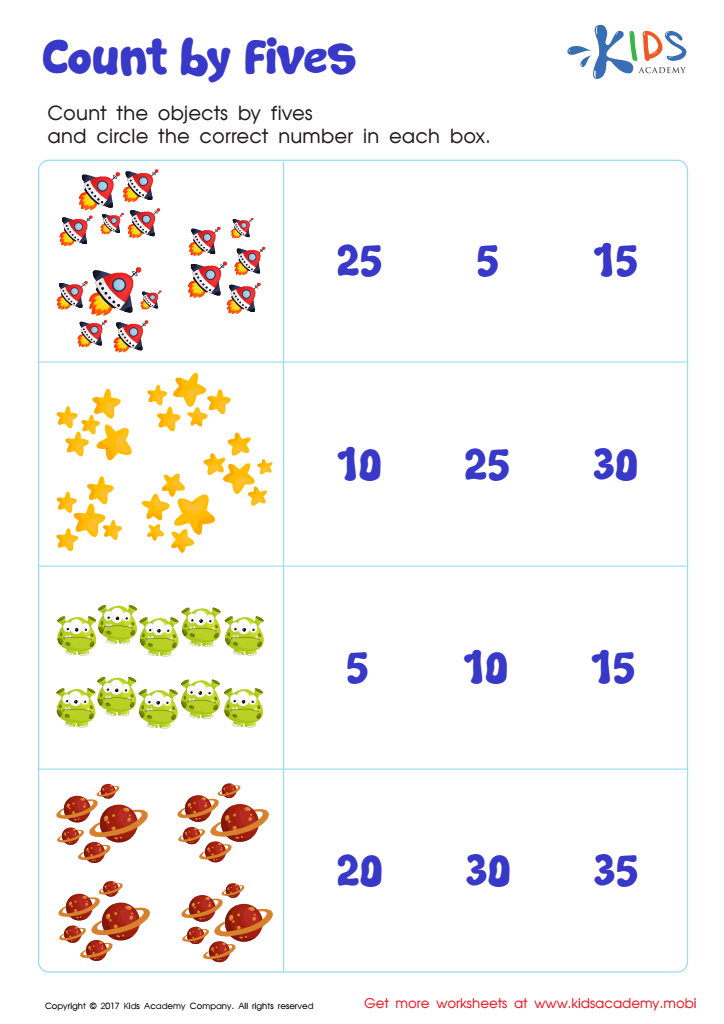
Skip Counting by 5s: Space Math Printable
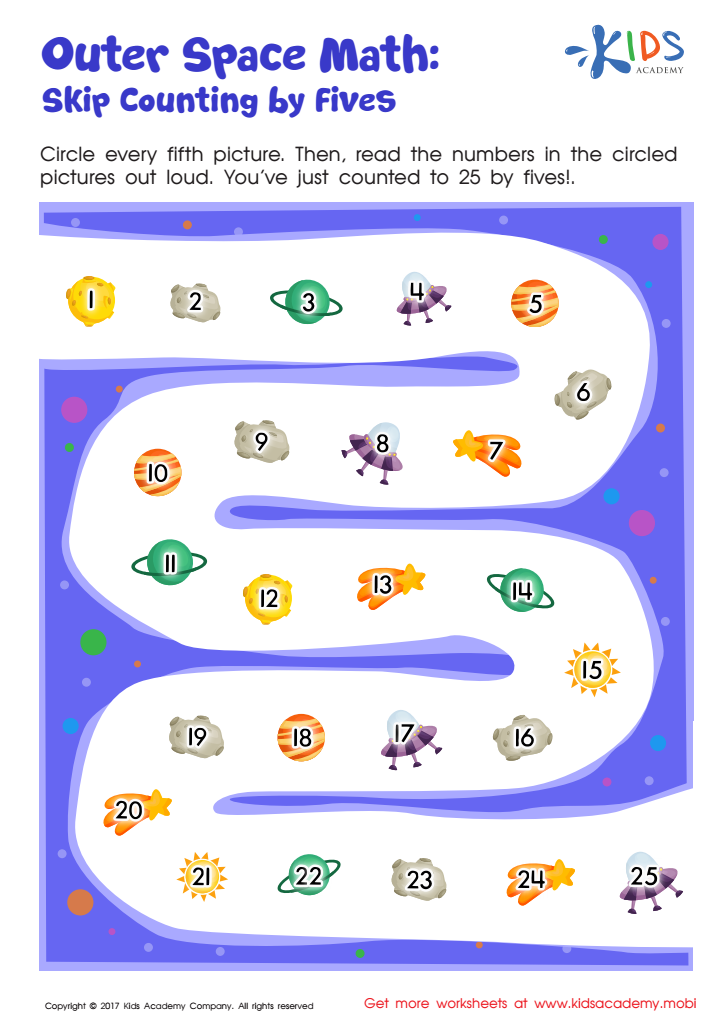
Skip Counting by 5s: Outer Space Math Printable
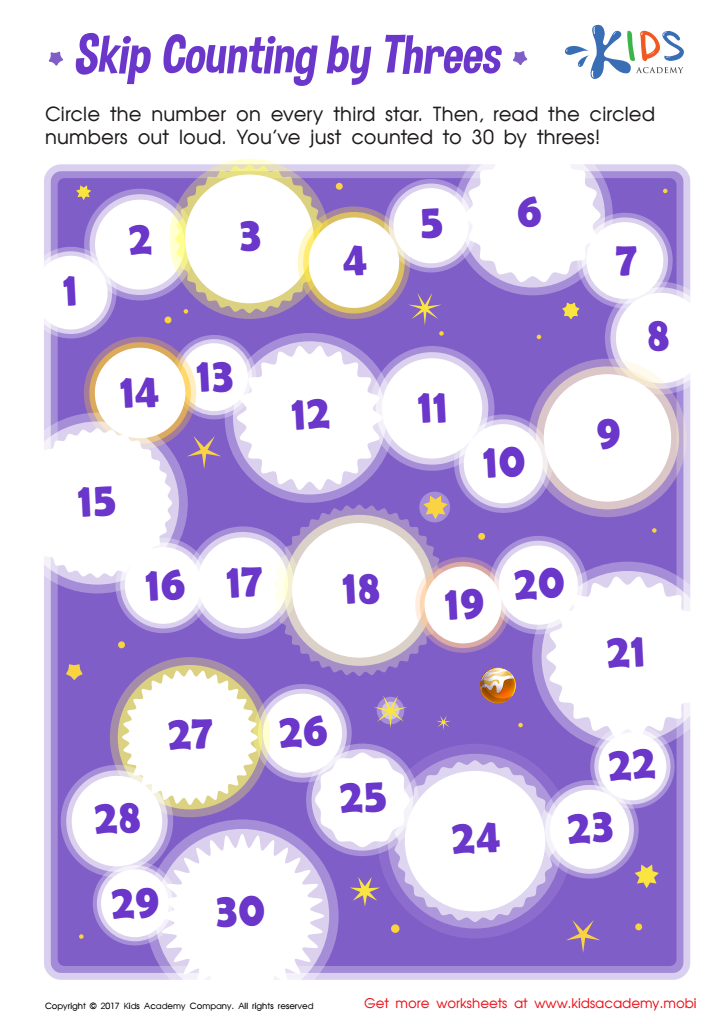
Skip Counting By Three Printable
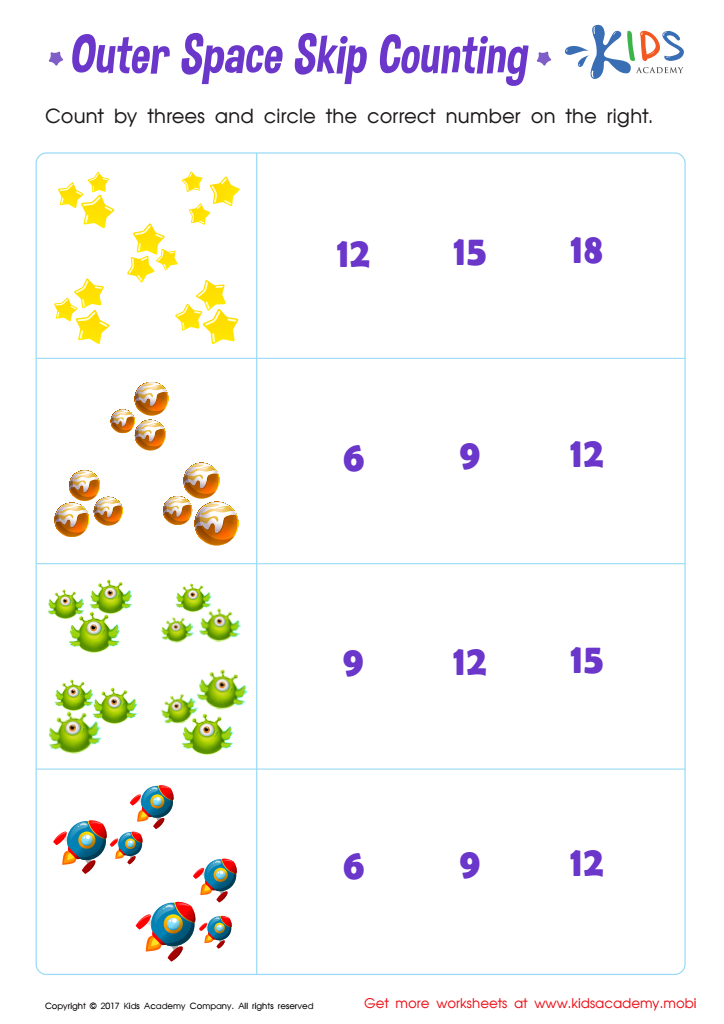
Skip Counting by 3s: Outer Space Skip Counting Printable
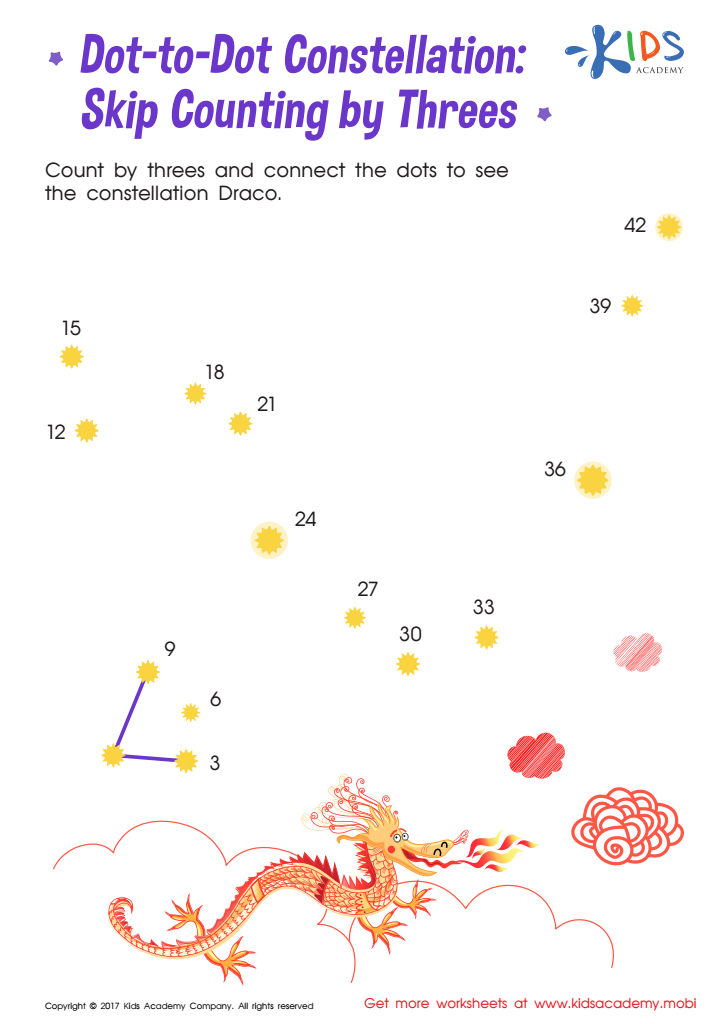
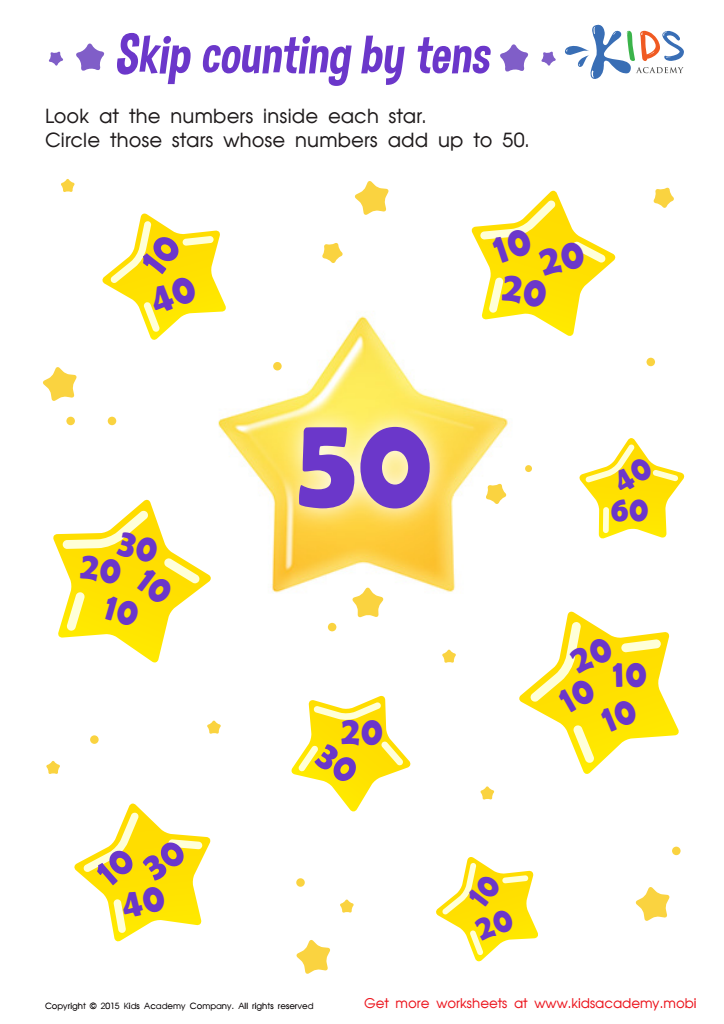
Learn Dozens: Skip Counting by Tens Printable
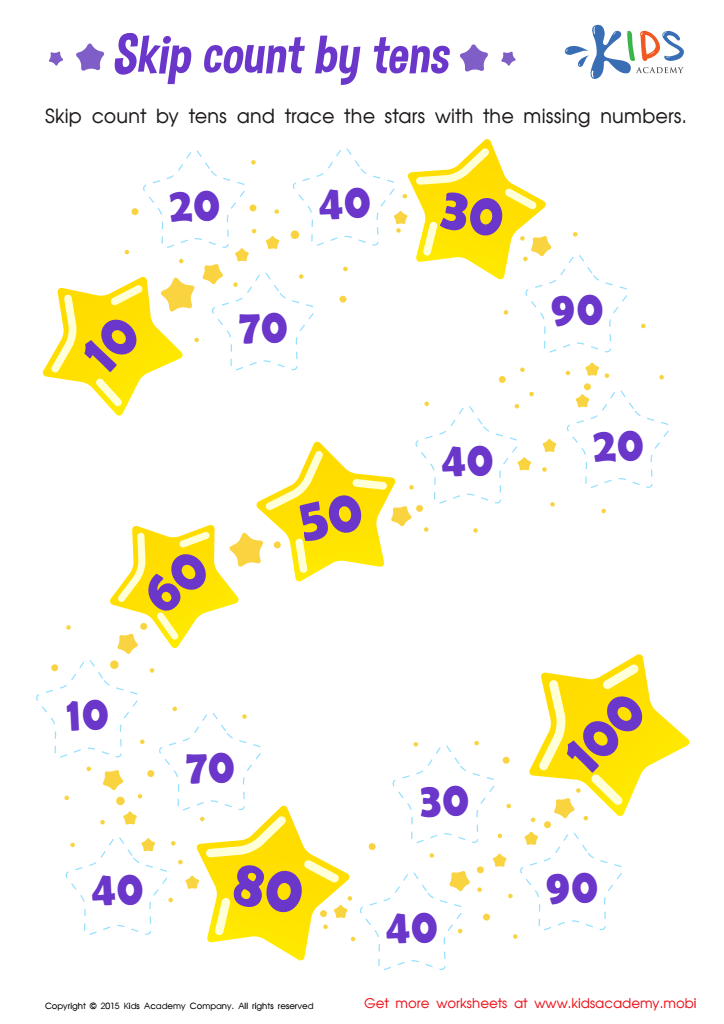
Learn dozens: Skip Count by Tens Printable








Counting is a foundational skill that plays a critical role in a child's cognitive development, especially for ages 3-9. During these formative years, children begin to understand relationships between quantities, foster logical thinking, and enhance their problem-solving abilities. Parents and teachers should prioritize counting as it not only significantly impacts mathematical understanding but also supports language development – children learn to articulate numbers and concepts related to quantity.
Moreover, counting lays the groundwork for more complex mathematical concepts, such as addition, subtraction, and ultimately, problem-solving skills that are crucial throughout a child's education. By fostering early counting skills, adults can help nurture children's confidence and enthusiasm for learning, setting positive attitudes towards mathematics that can last a lifetime.
Counting activities, both structured and play-based, engage children in active learning. These experiences encourage not only numerical skills but also turn-taking, patience, and collaboration. Engaging in counting with everyday activities—such as cooking, playing games, or during outdoor adventures—makes learning meaningful and fun. By caring about counting, parents and teachers actively contribute to well-rounded development, equipping children with the skills they need for academic success and everyday life.








