Plants and Animals Worksheets for Ages 3-9 - Page 3
141 filtered results
-
From - To
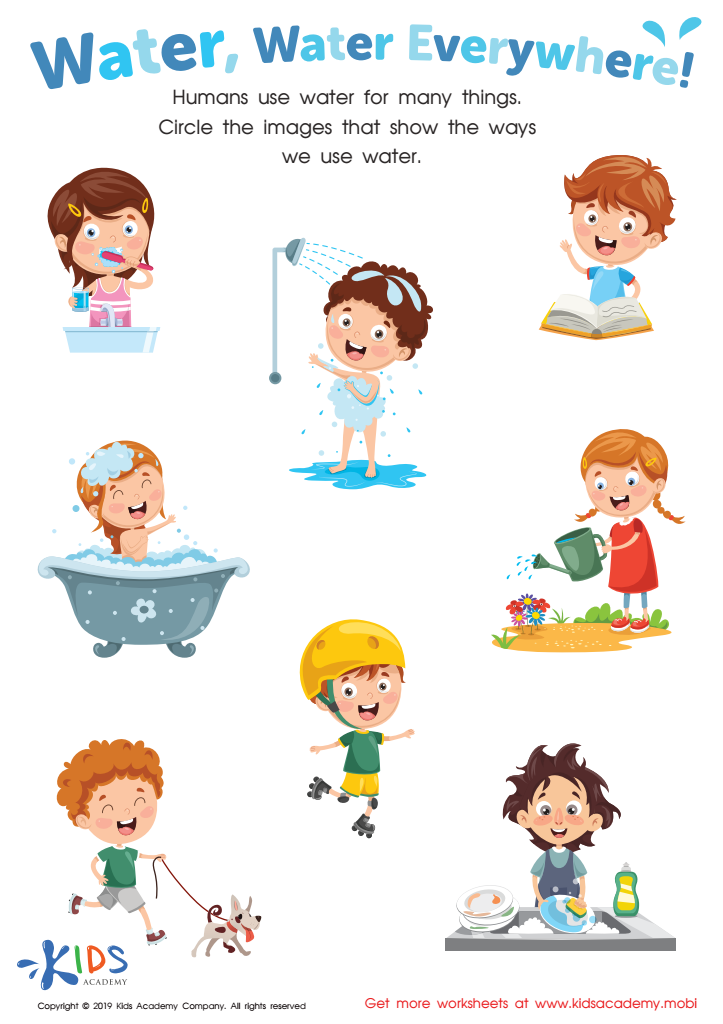
Water, Water Everywhere! Worksheet
 Assign to My Students











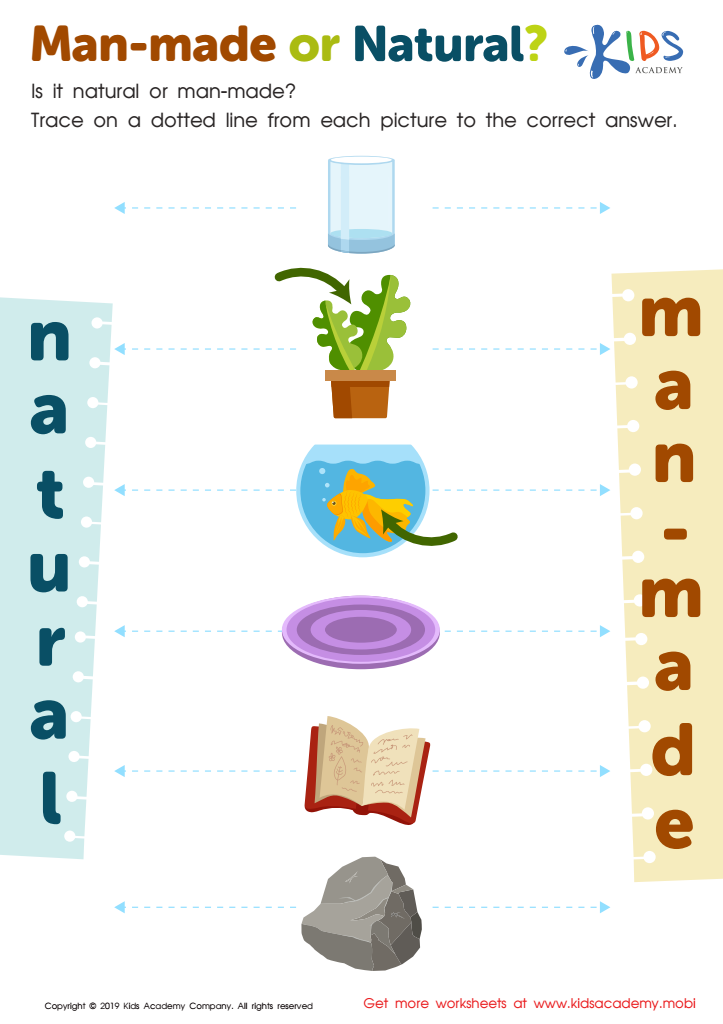
Man-Made or Natural? Worksheet
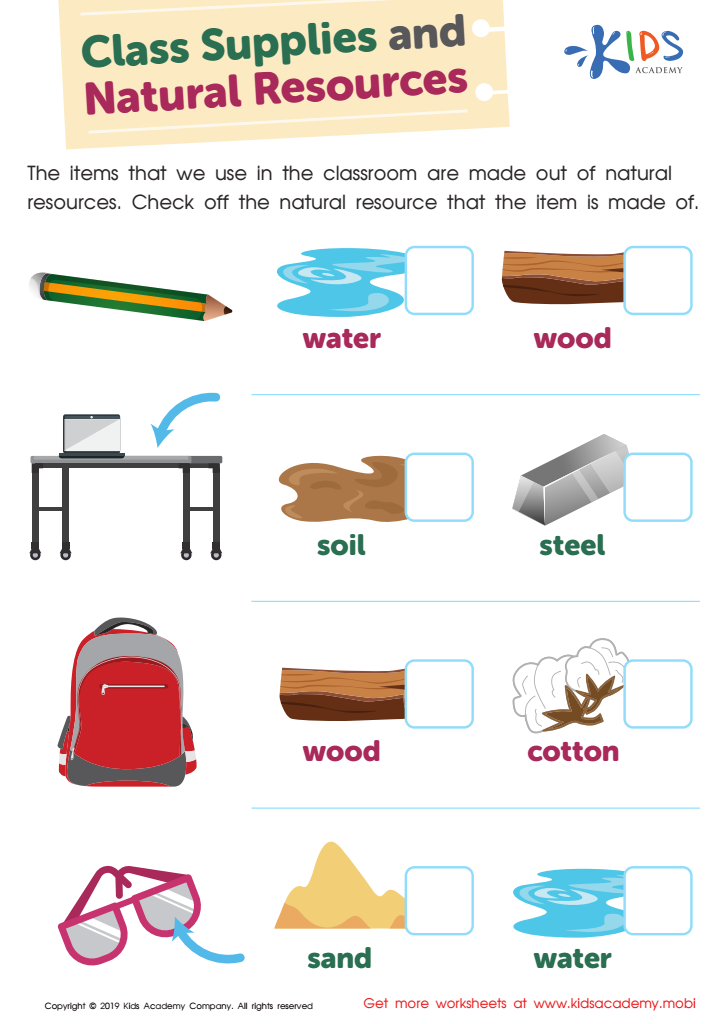
Class Supplies and Natural Resources Worksheet
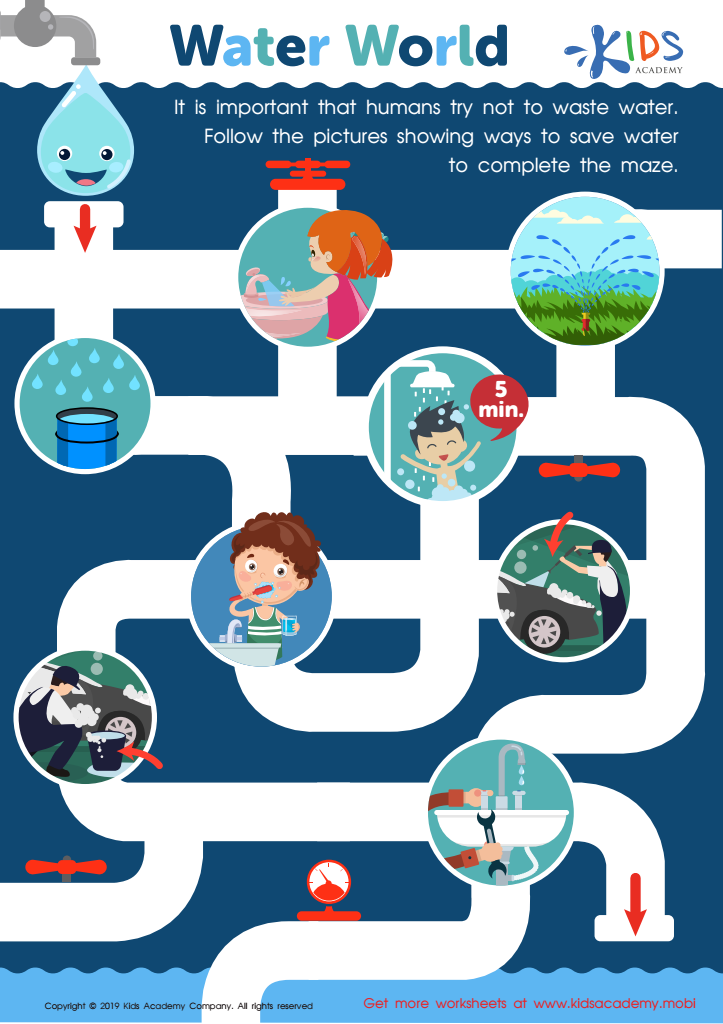
Water World Worksheet
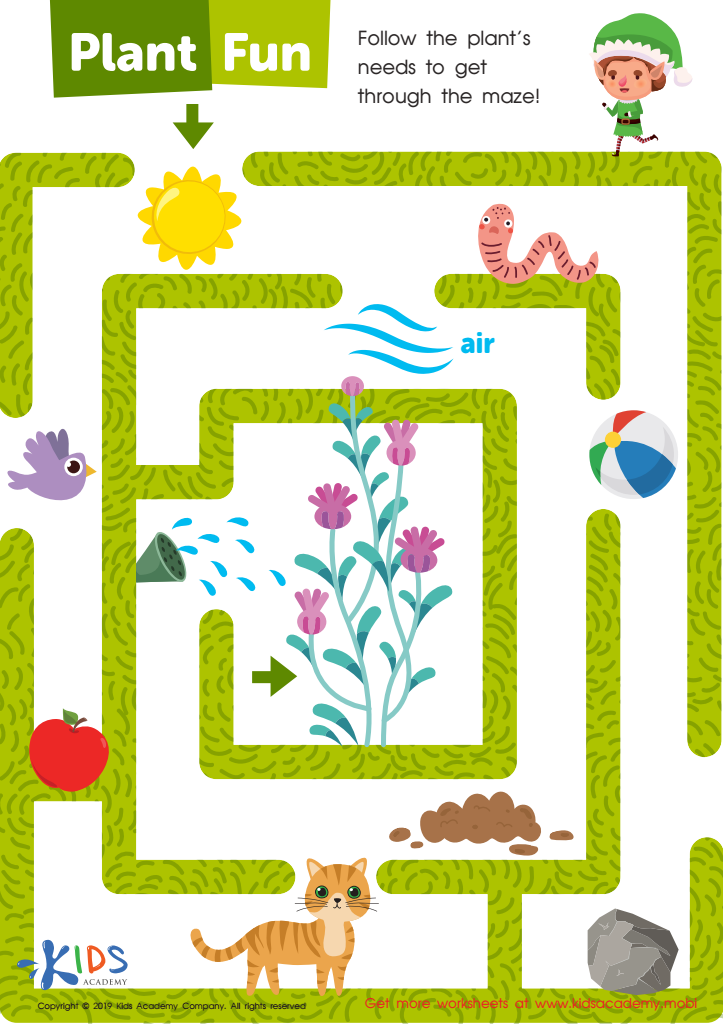
Plant Fun Worksheet
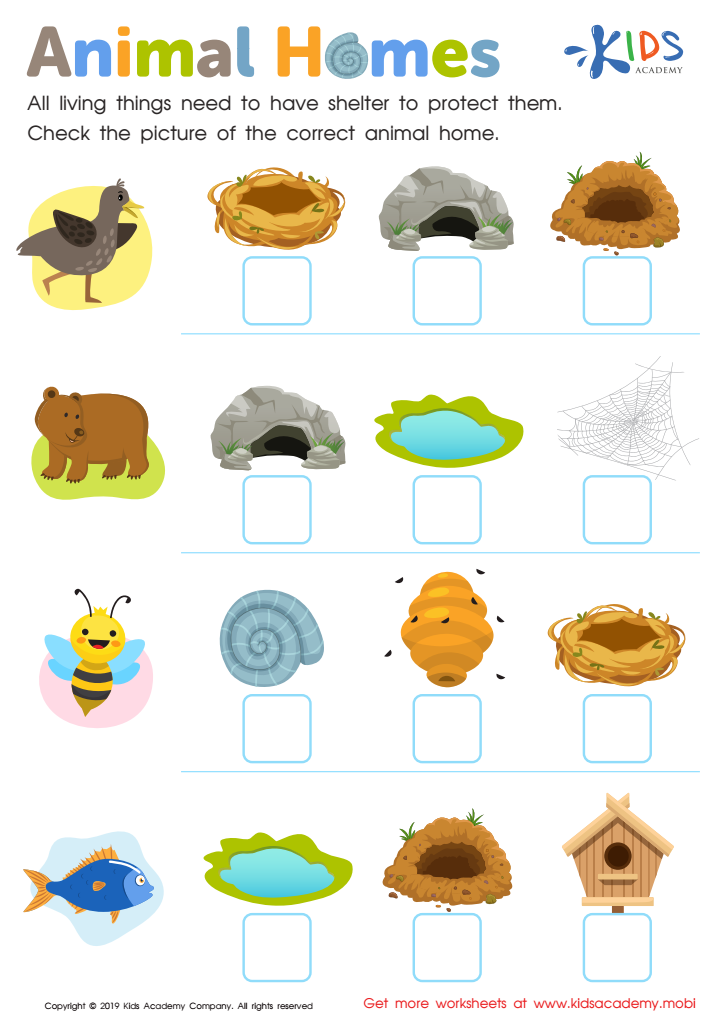
Animal Homes Worksheet
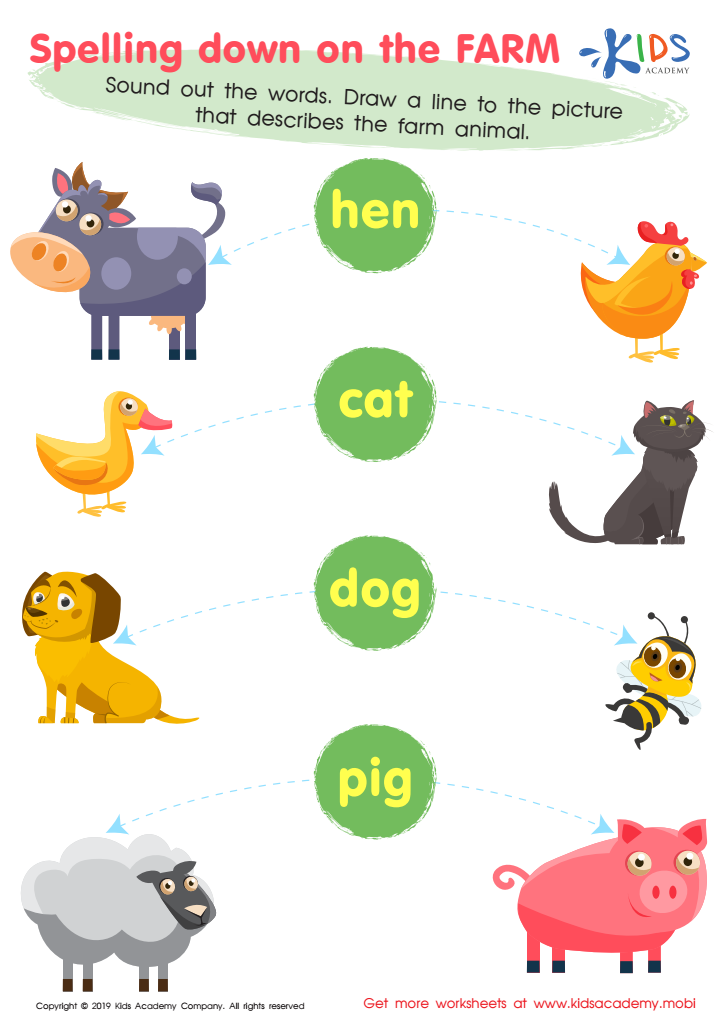
Spelling Down on the Farm Worksheet
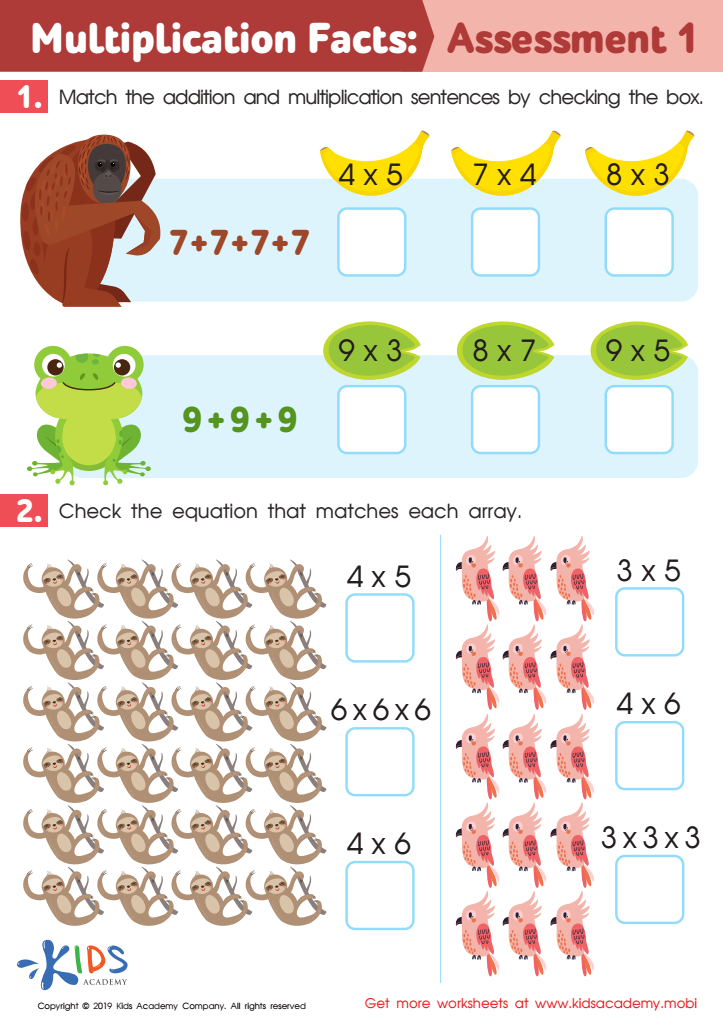
Multiplication Facts: Assessment 1 Worksheet
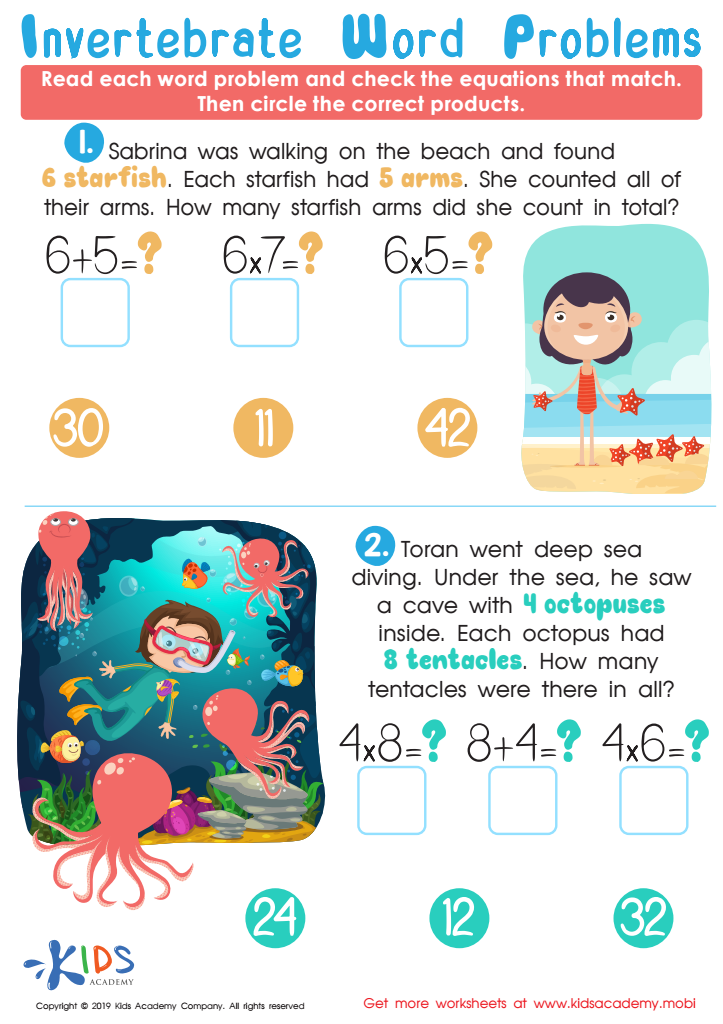
Invertebrate Problems Worksheet
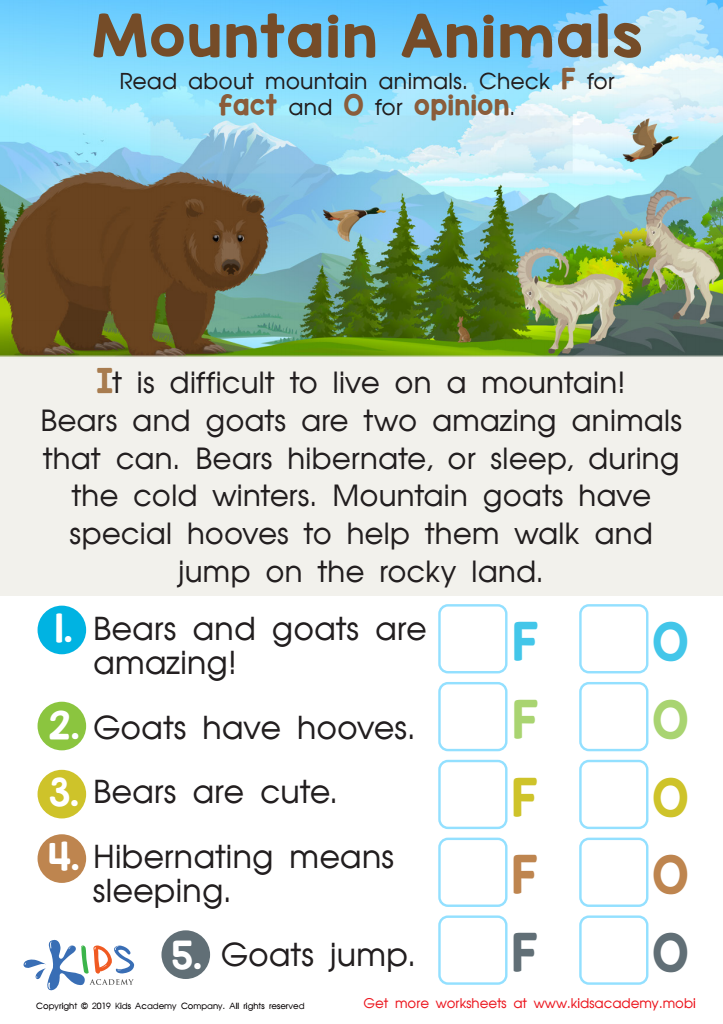
Mountain Animals Worksheet
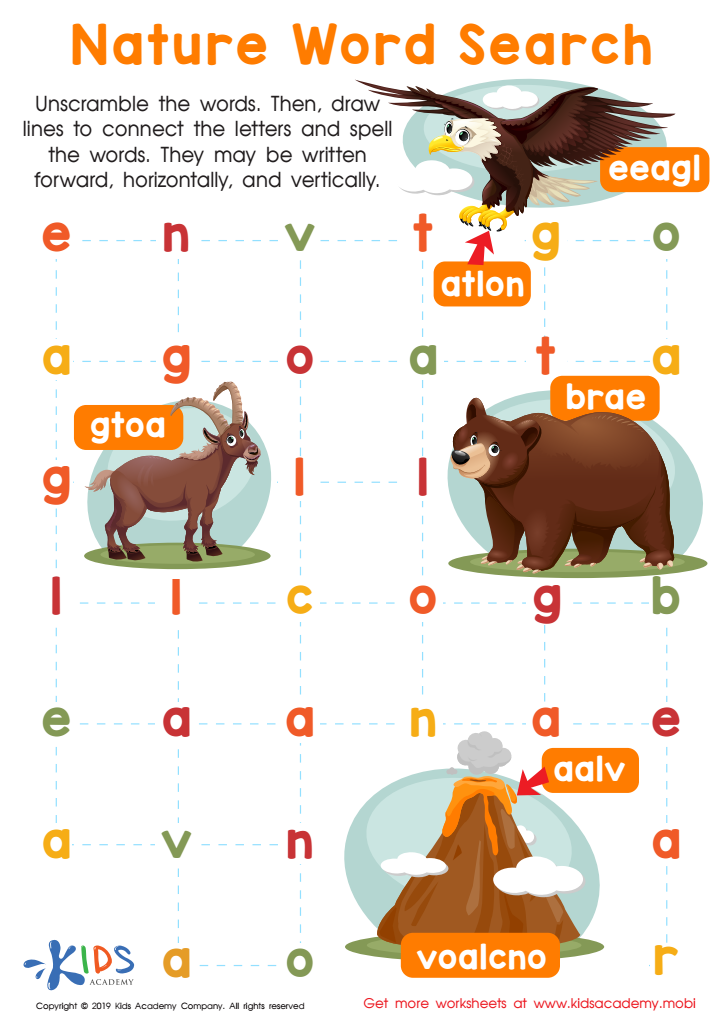
Nature Word Search Worksheet
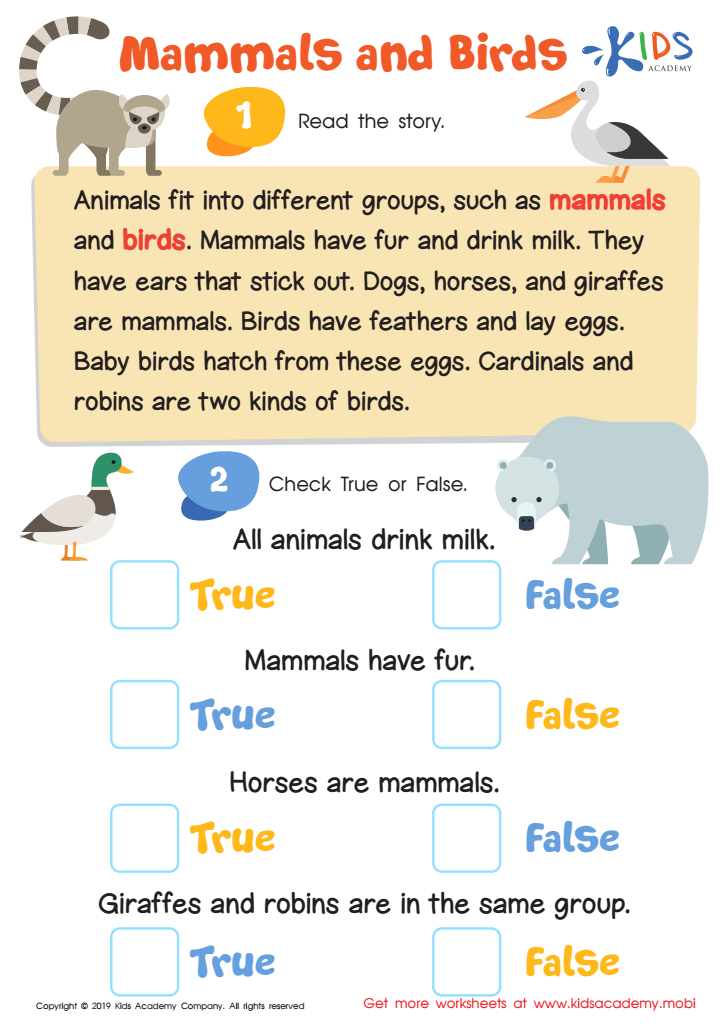
Mammals and Birds Worksheet
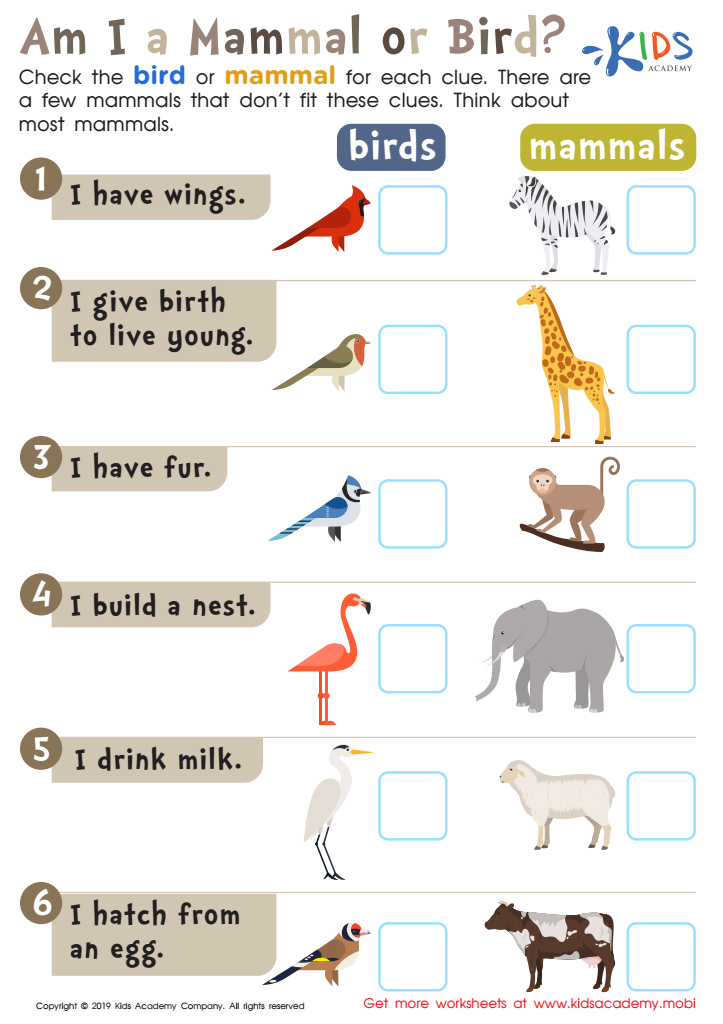
Am I a Mammal or Bird? Worksheet
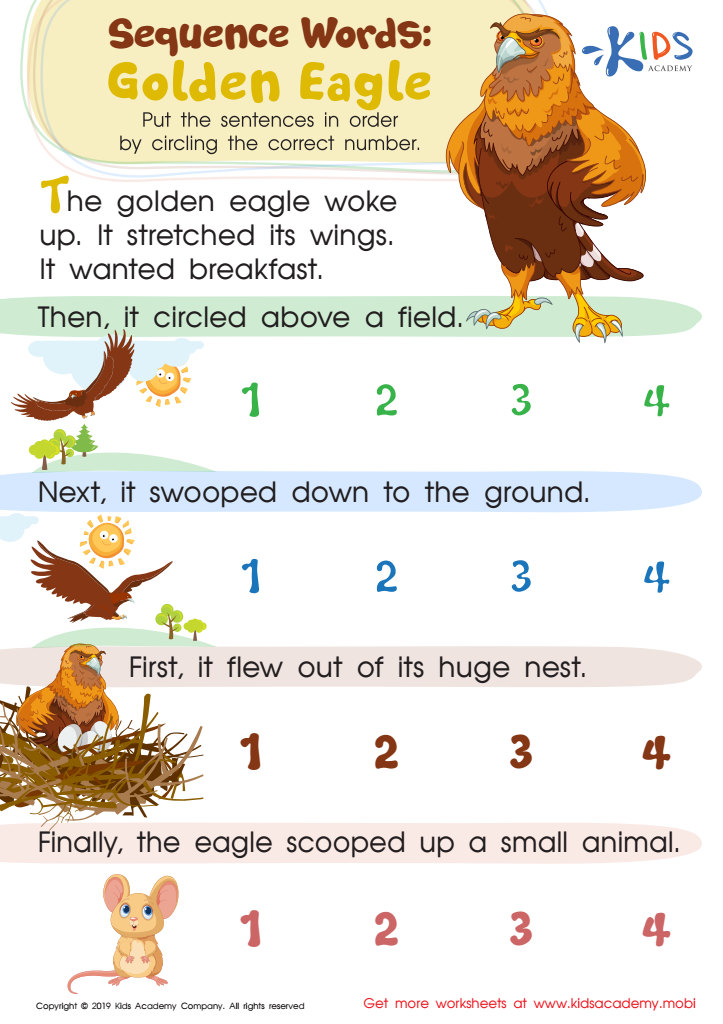
Sequence Word Eagle Worksheet
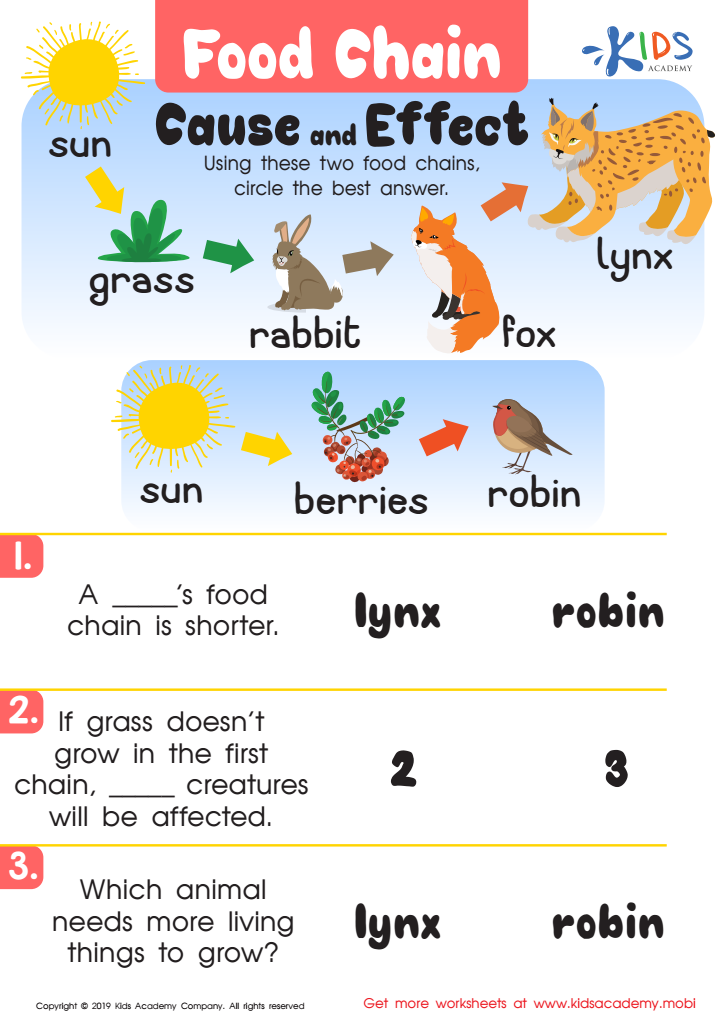
Food Chain Cause Worksheet
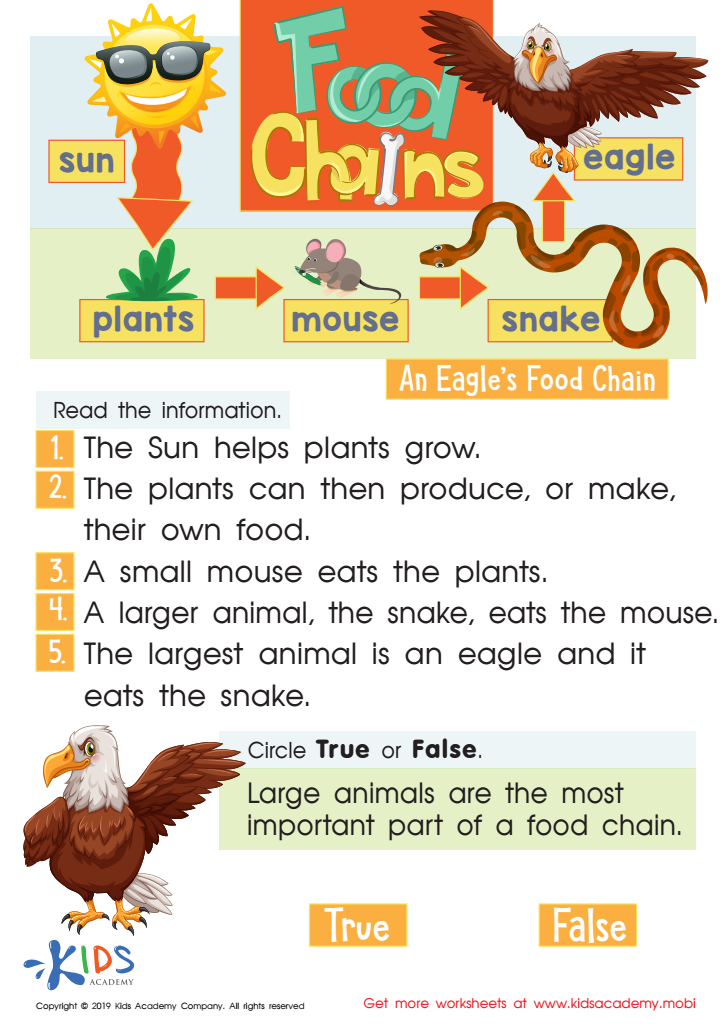
Food Chains Worksheet
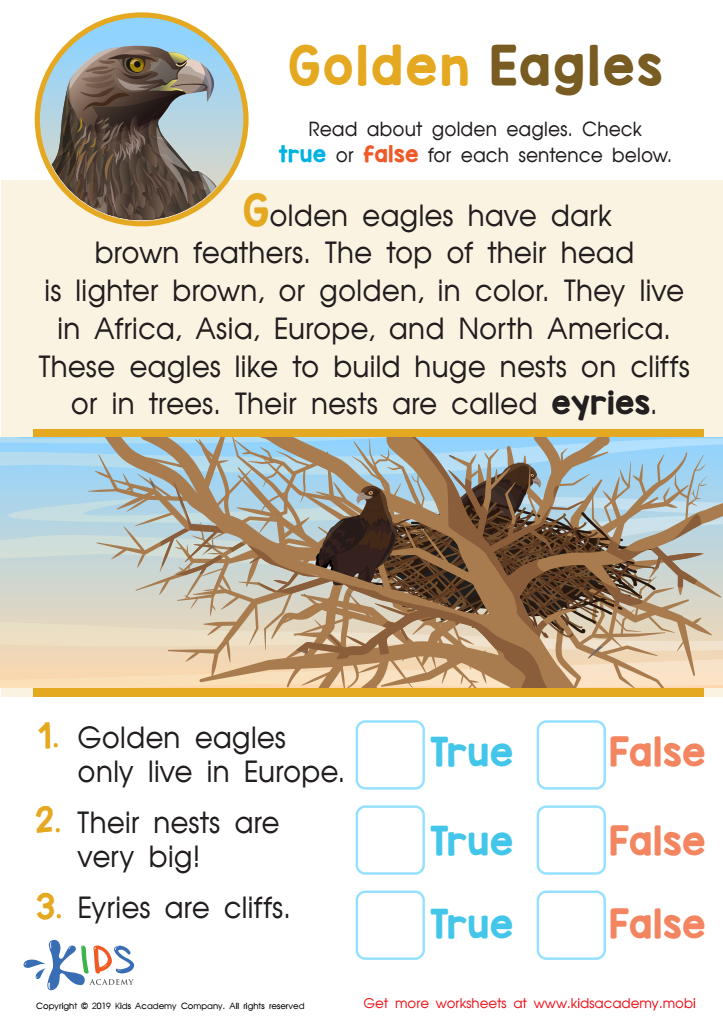
Golden Eagles Worksheet
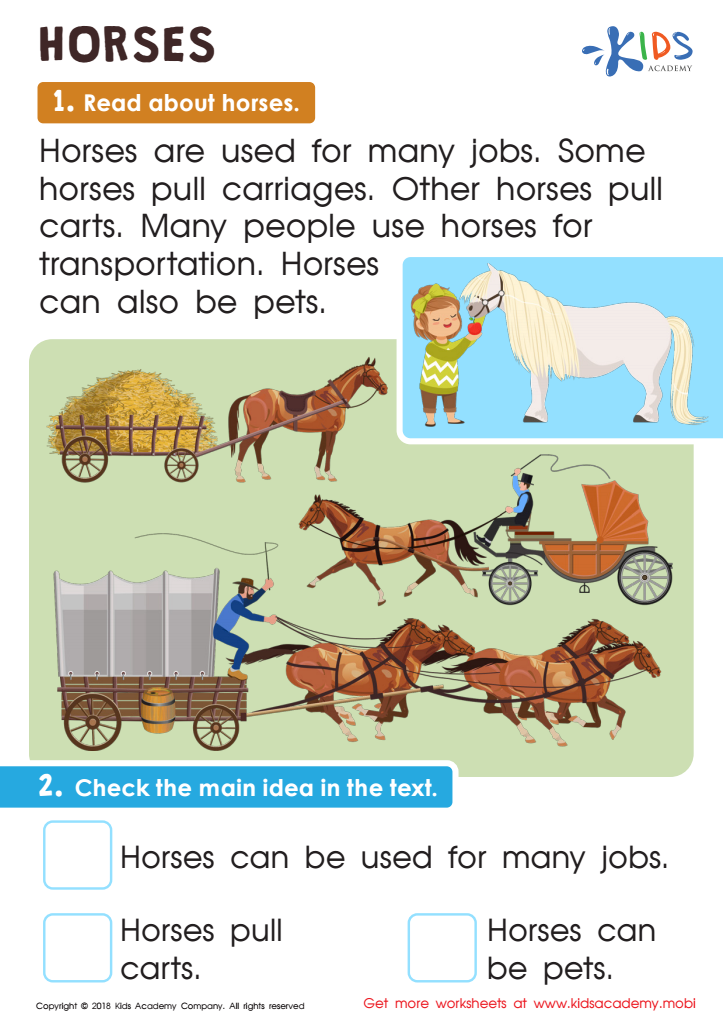
Horses Worksheet
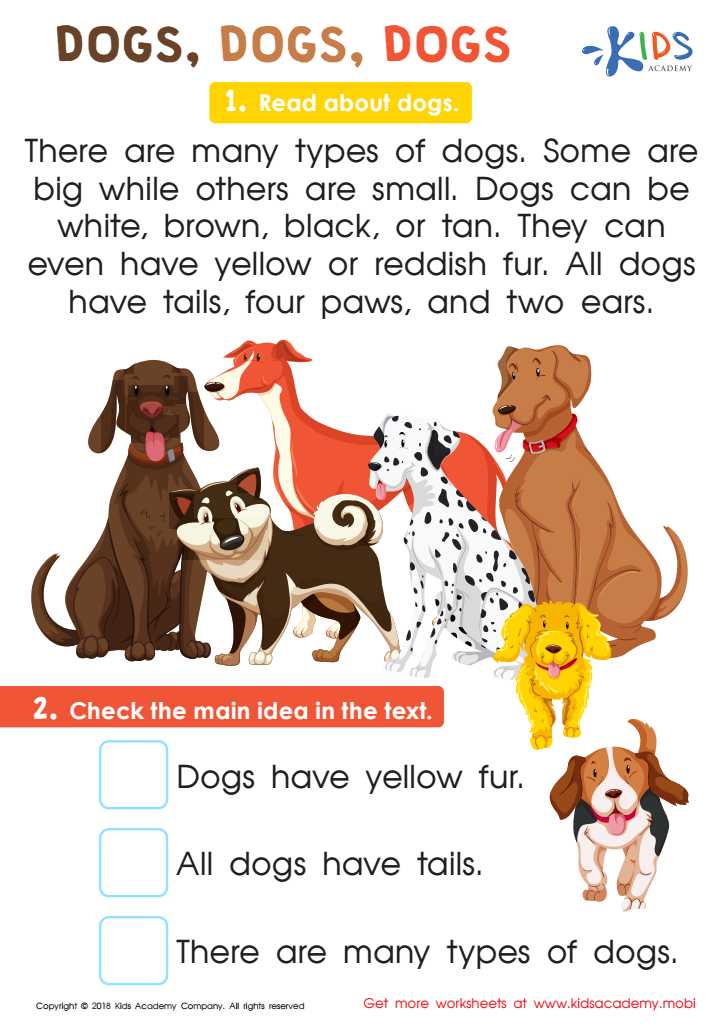
Dogs, Dogs Worksheet
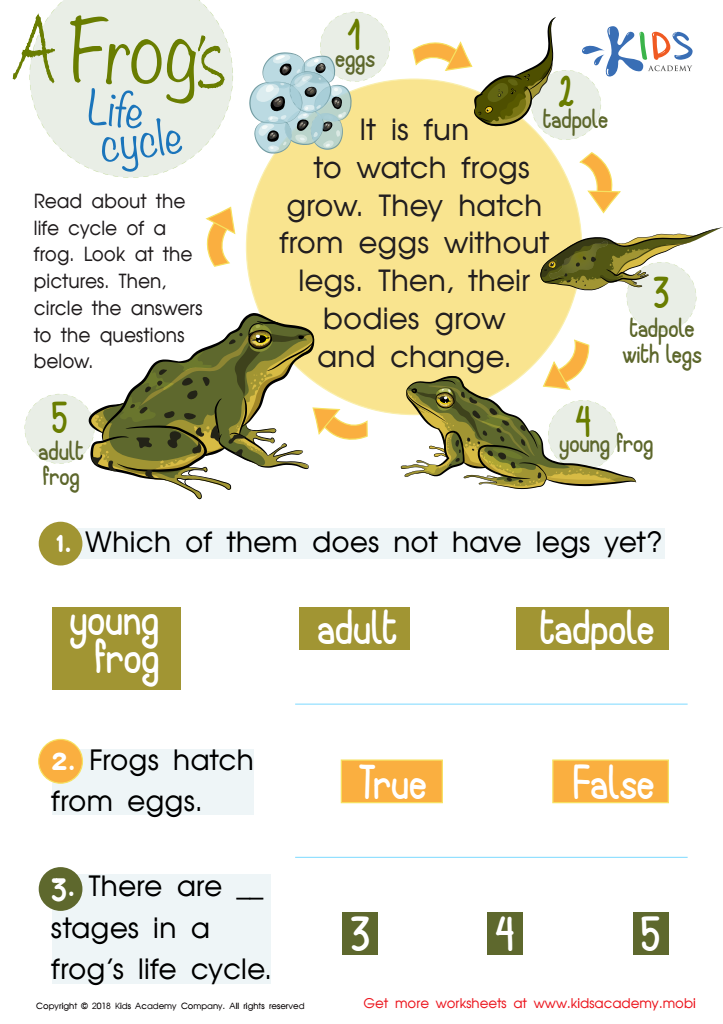
A Frog’s Life Cycle Worksheet
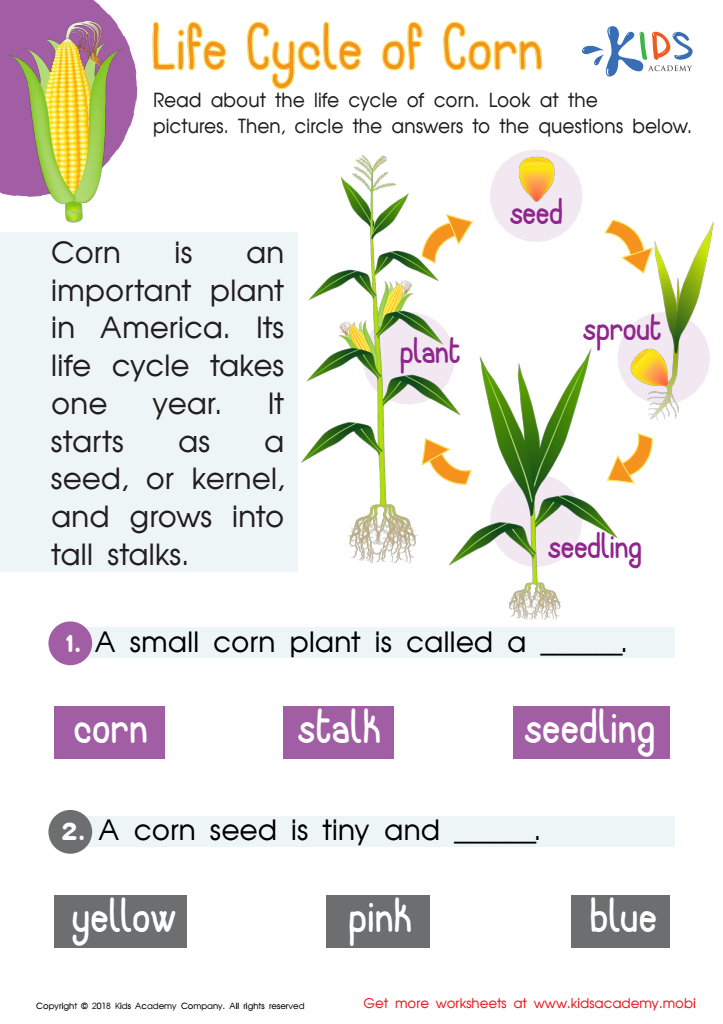
Life Cycle of Corn Worksheet
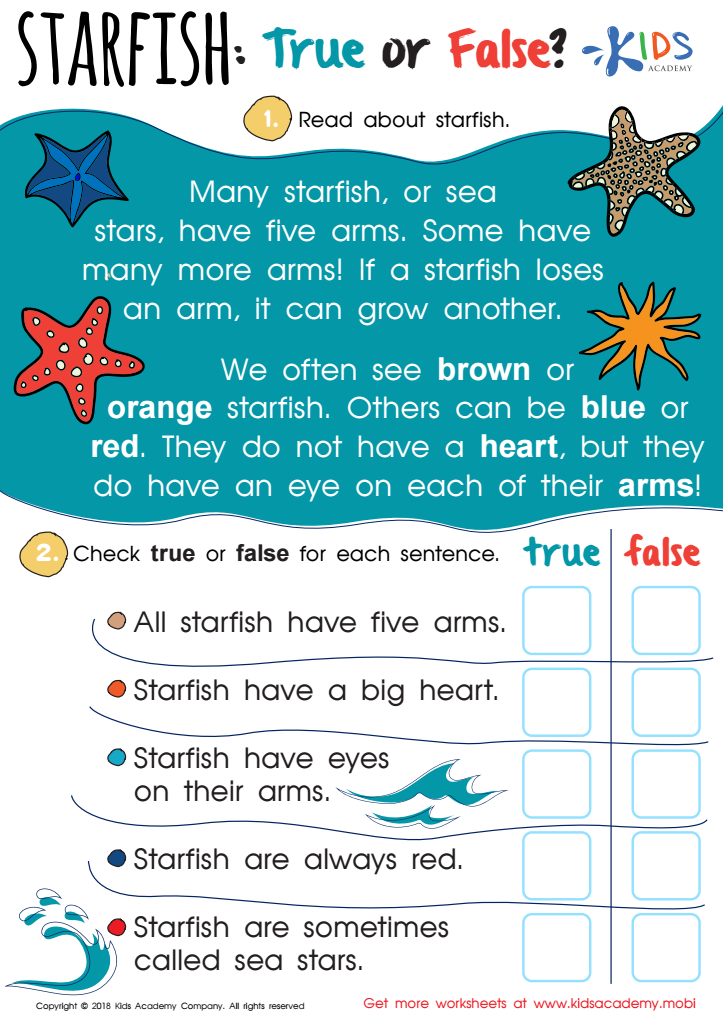
Starfish: True or False Worksheet
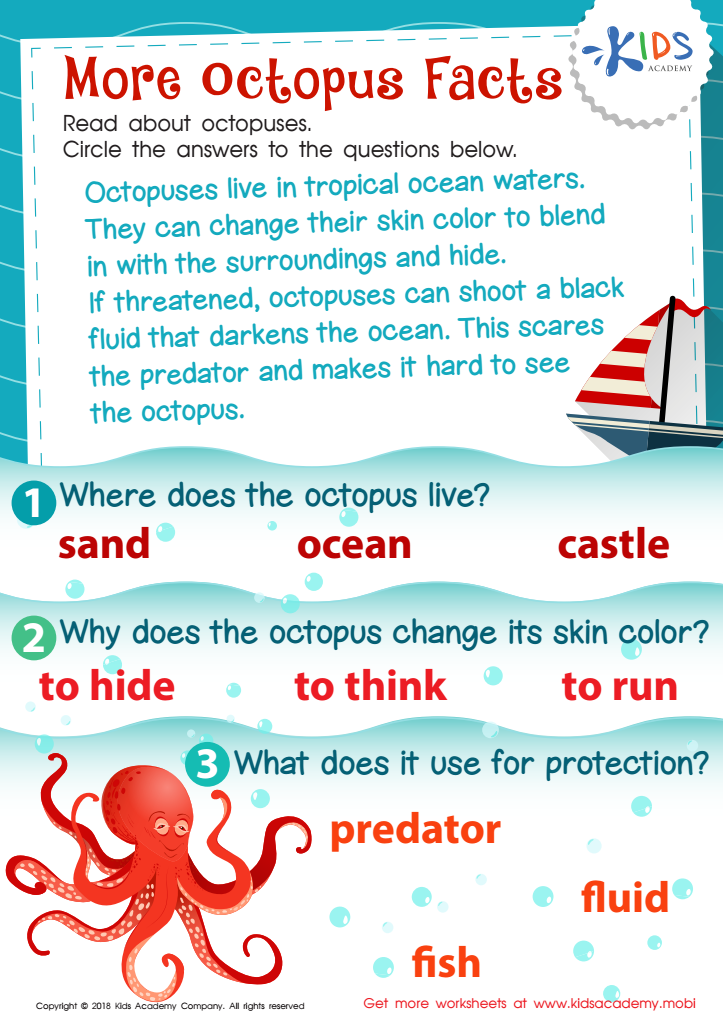
More Octopus Facts Worksheet
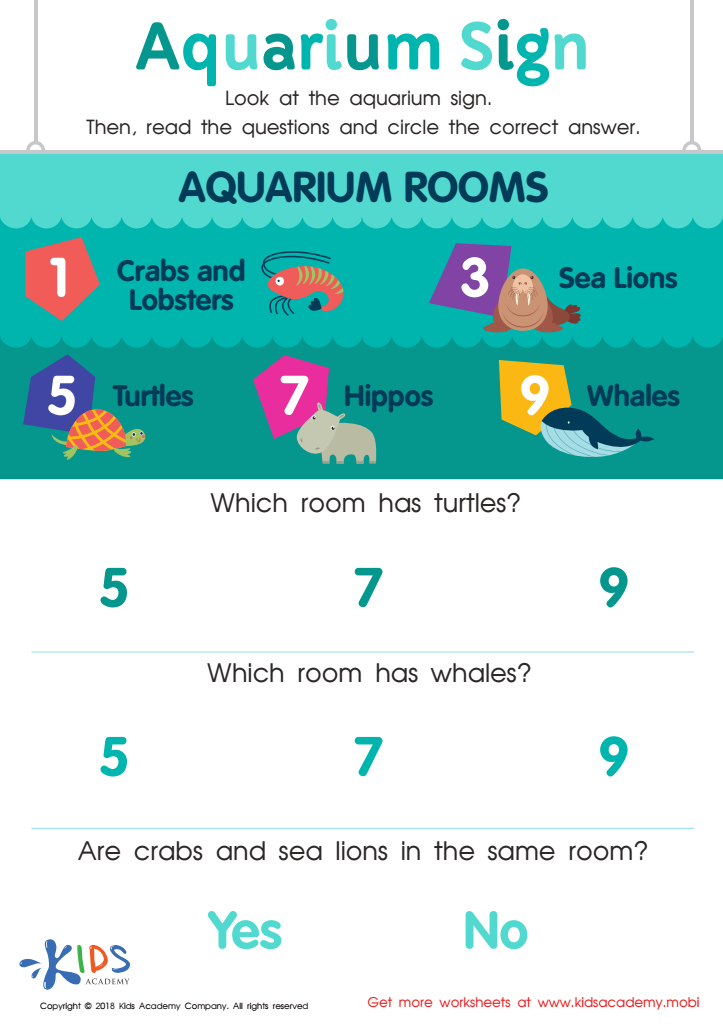
Assessment: Aquarium Sign Worksheet








Understanding plants and animals is crucial for children ages 3-9 for several reasons. Firstly, it fosters curiosity and promotes a love for nature. Engaging with the natural world during these formative years enhances cognitive development, as children learn to classify, observe, and ask questions about living things. This exploration supports key educational skills like critical thinking and problem-solving.
Moreover, learning about plants and animals instills a sense of responsibility and empathy. Children begin to grasp the importance of caring for living things, which can translate to environmental stewardship as they grow. Parents and teachers play an essential role in nurturing these values, encouraging children to connect with local ecosystems, whether that’s through gardening, visiting parks, or observing wildlife.
Additionally, knowledge about plants and animals can be interwoven with subjects such as science, art, and even literacy, making it a versatile tool for holistic education. Engaging with nature also supports physical activity and well-being, vital for this age group. Ultimately, caring for plants and animals cultivates a foundation of knowledge, respect, and appreciation for the environment, which is essential for fostering informed and responsible future generations.








