Normal Matching Worksheets for Ages 5-8 - Page 2
43 filtered results
-
From - To
 Assign to My Students
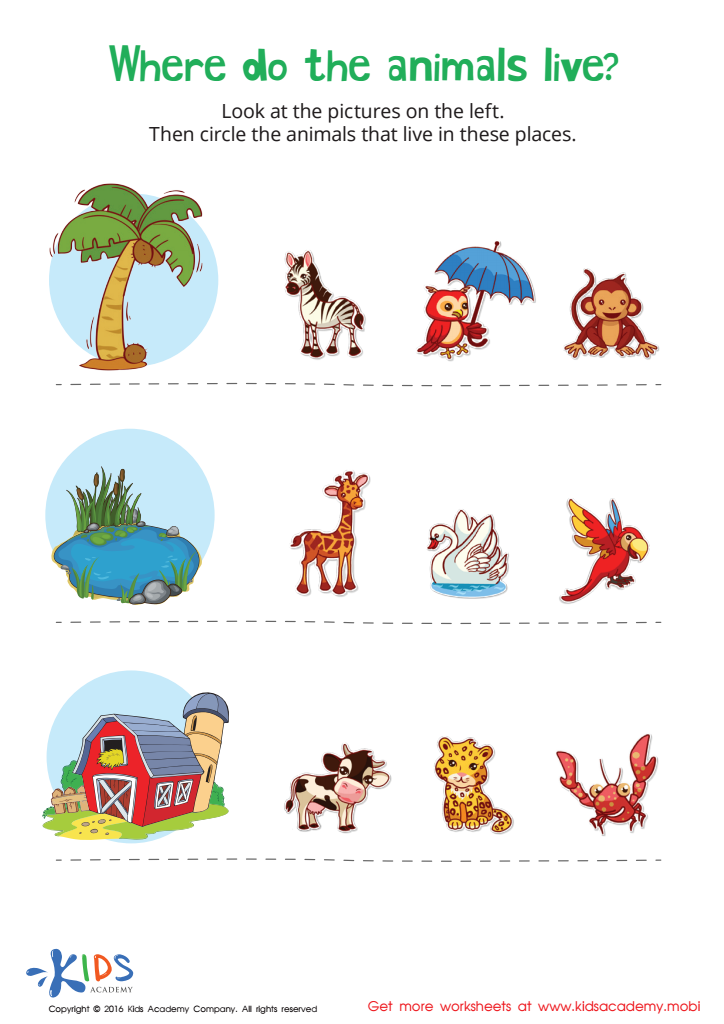
Where Animals Live Worksheet
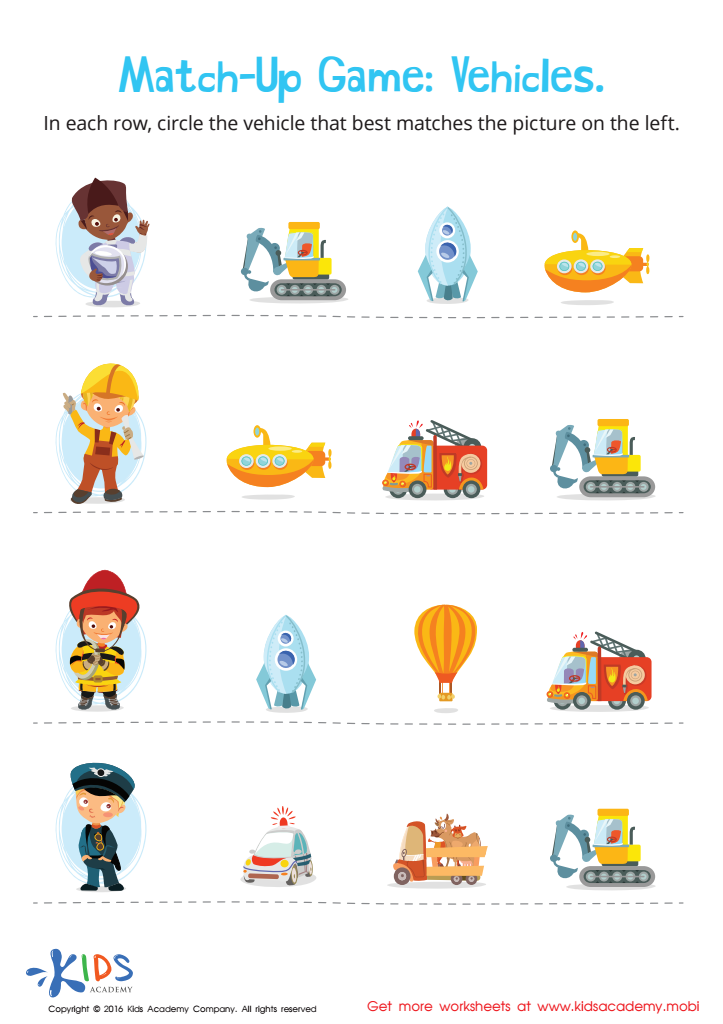
Vehicles Worksheet
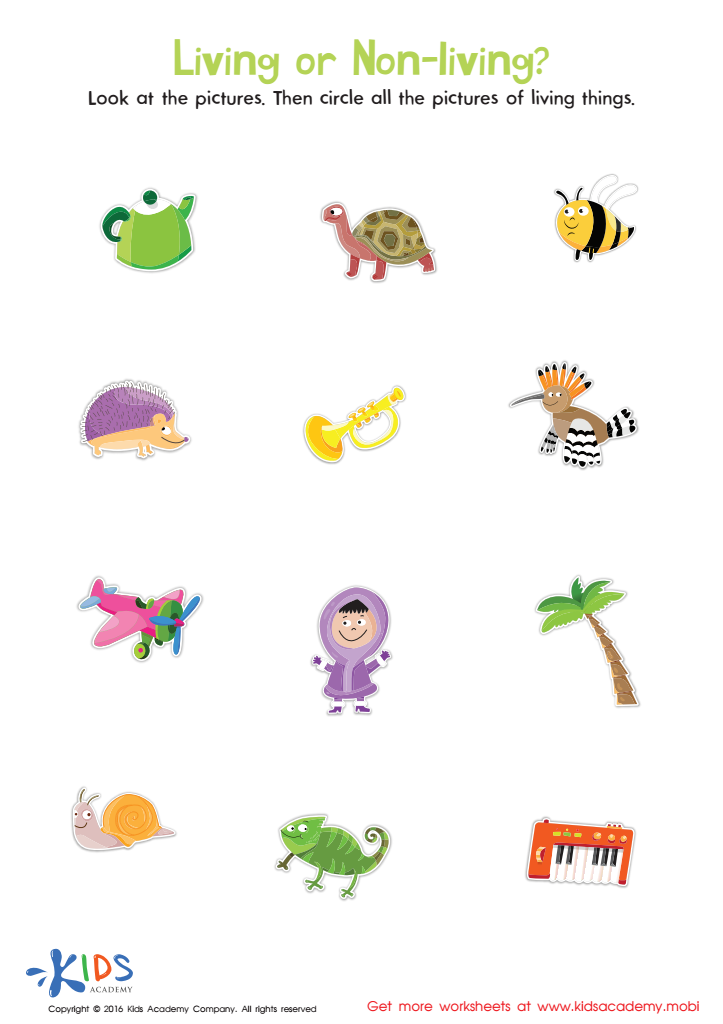
Identifying Living and Non–living Things Sorting Worksheet
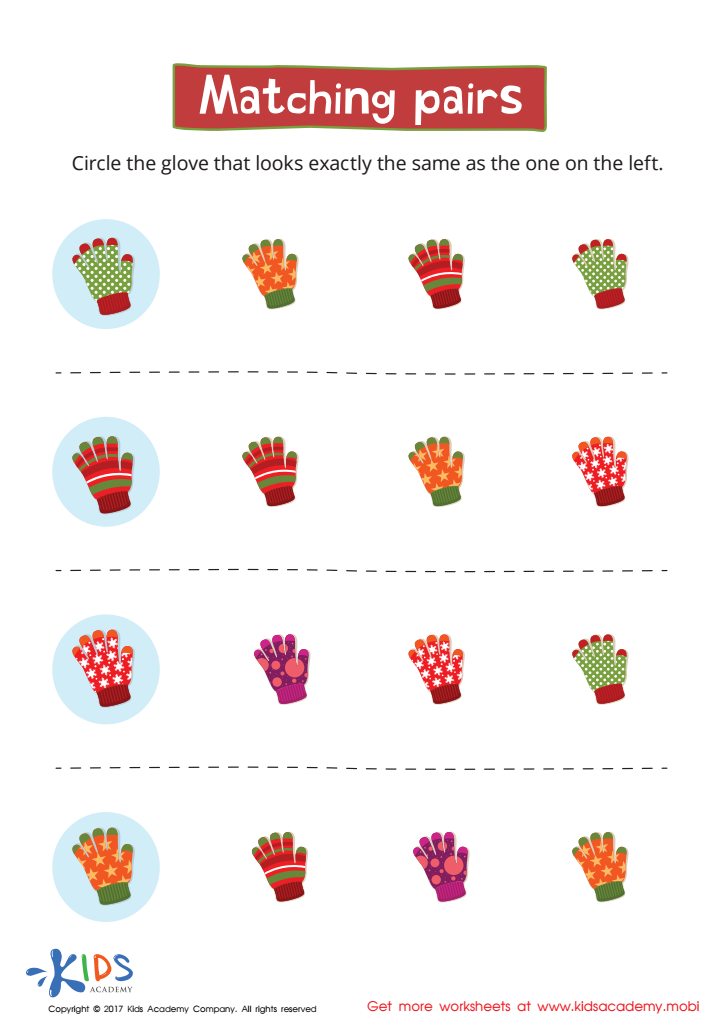
Matching: Matching Pairs Worksheet
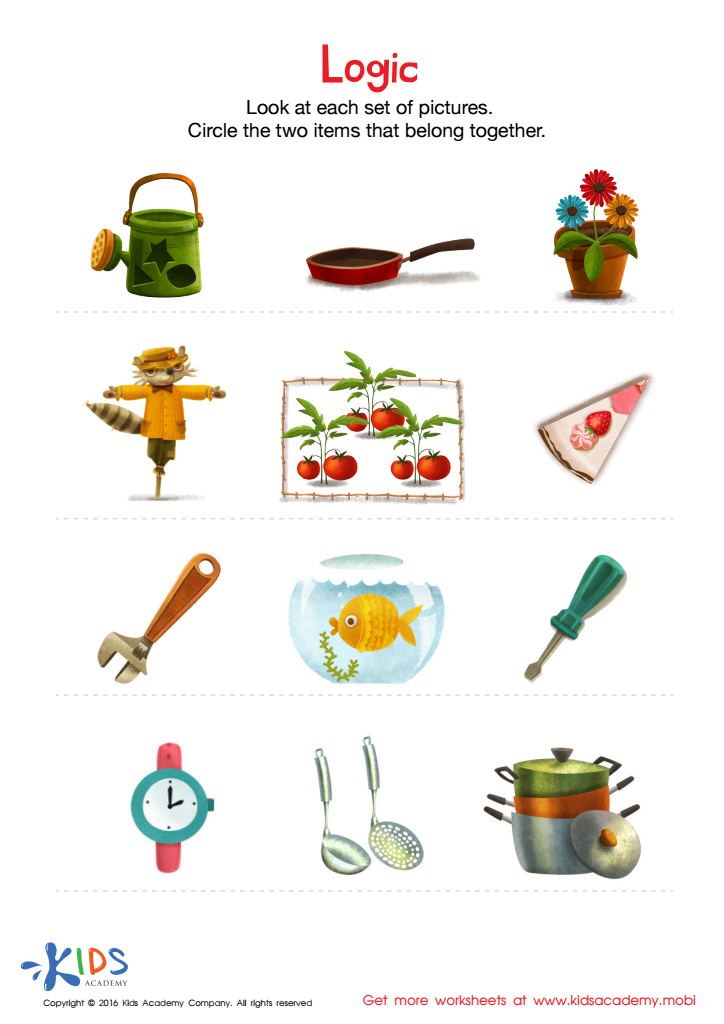
Logic Game Sorting Worksheet
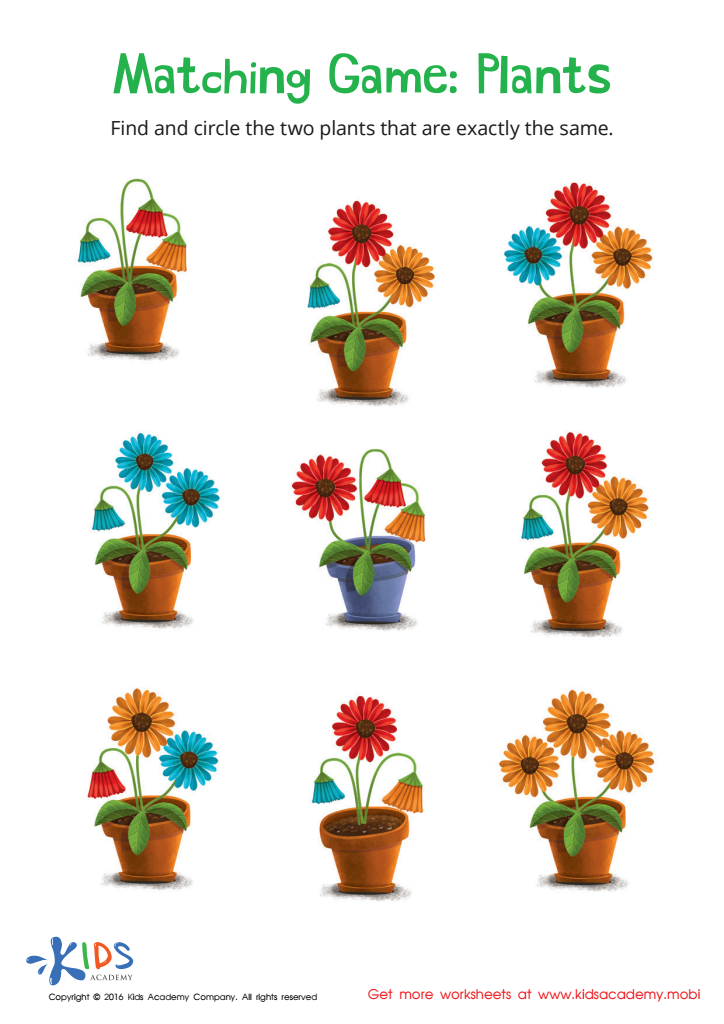
Matching: Plants Worksheet
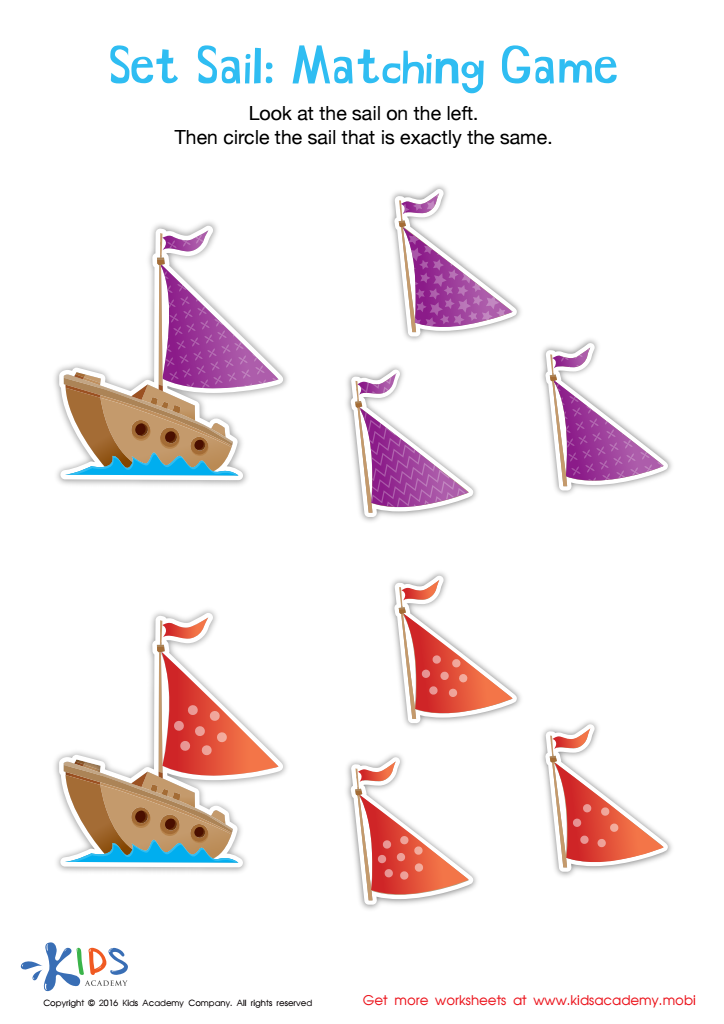
Set Sail Worksheet
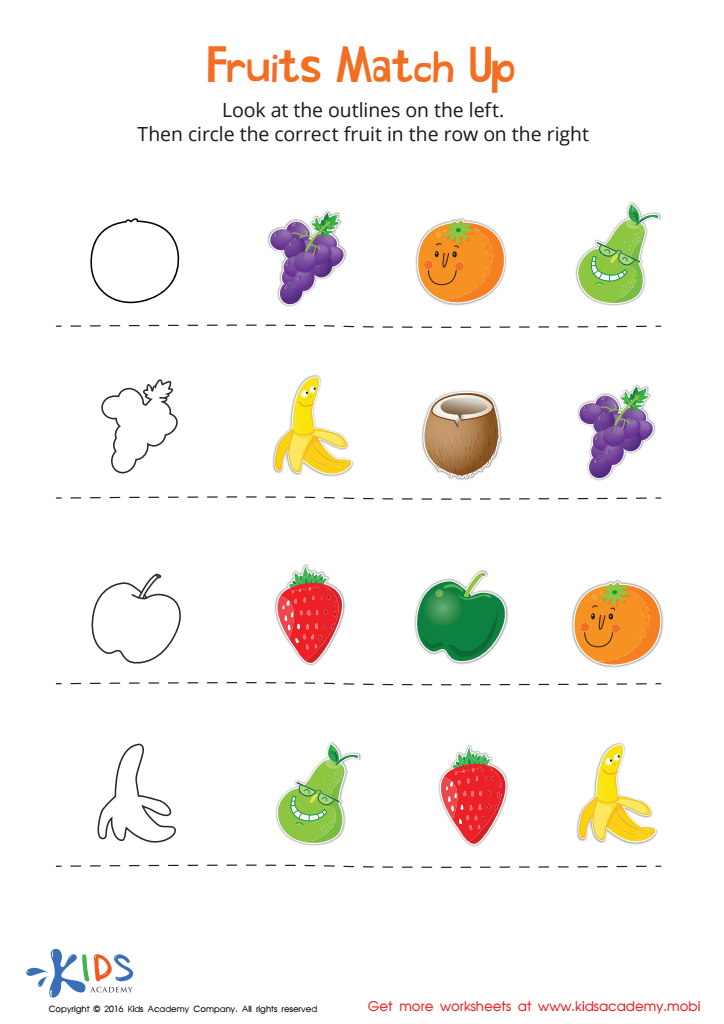
Fruits Match Up Worksheet
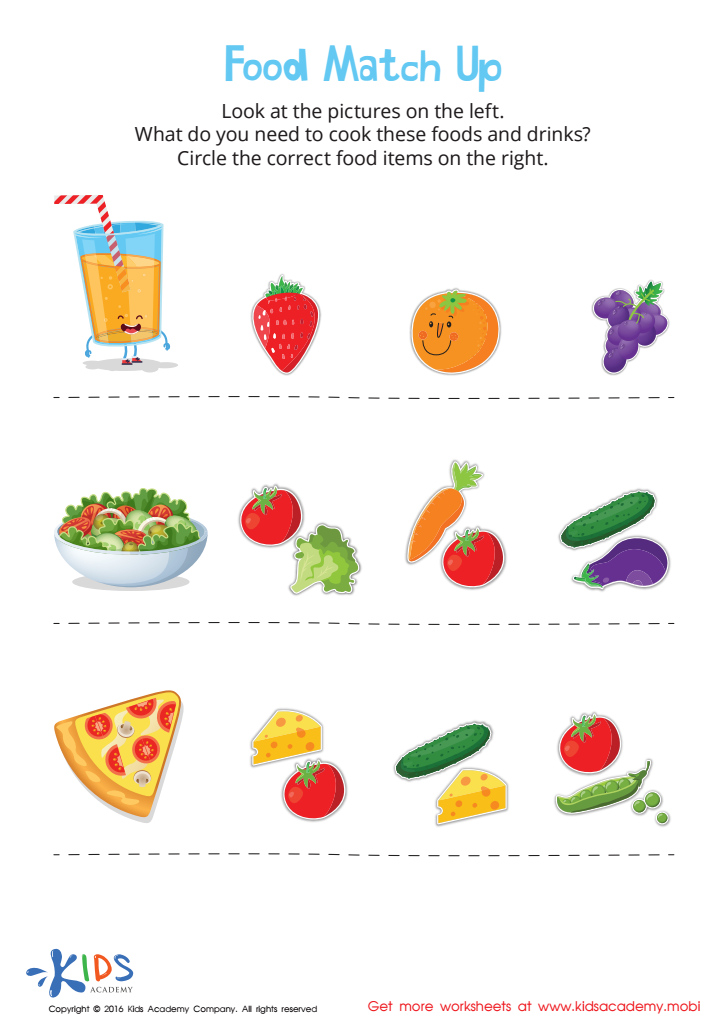
Food Match Up Worksheet
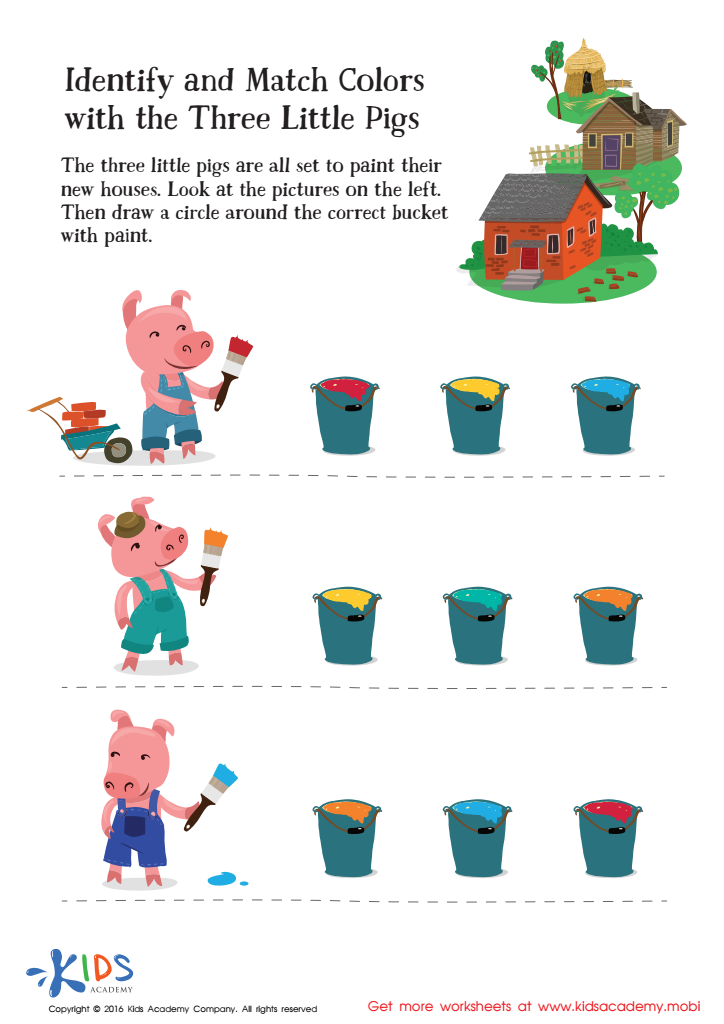
Fairy Tale Worksheet: Identify and Match Colors with Three Little Pigs
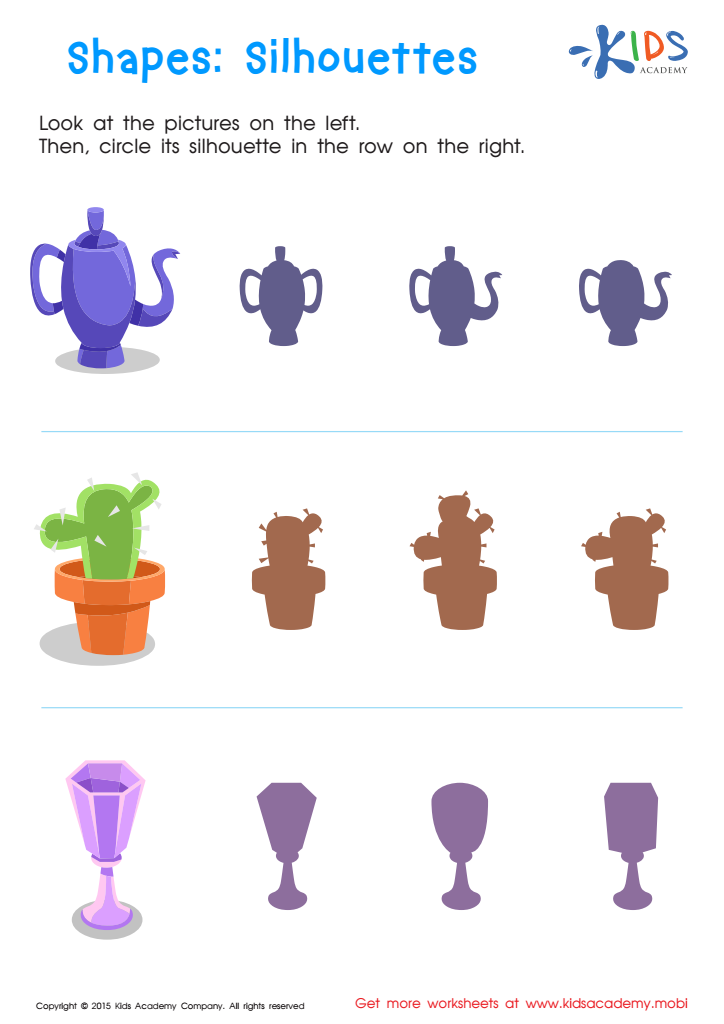
Silhouettes – Shapes Worksheet
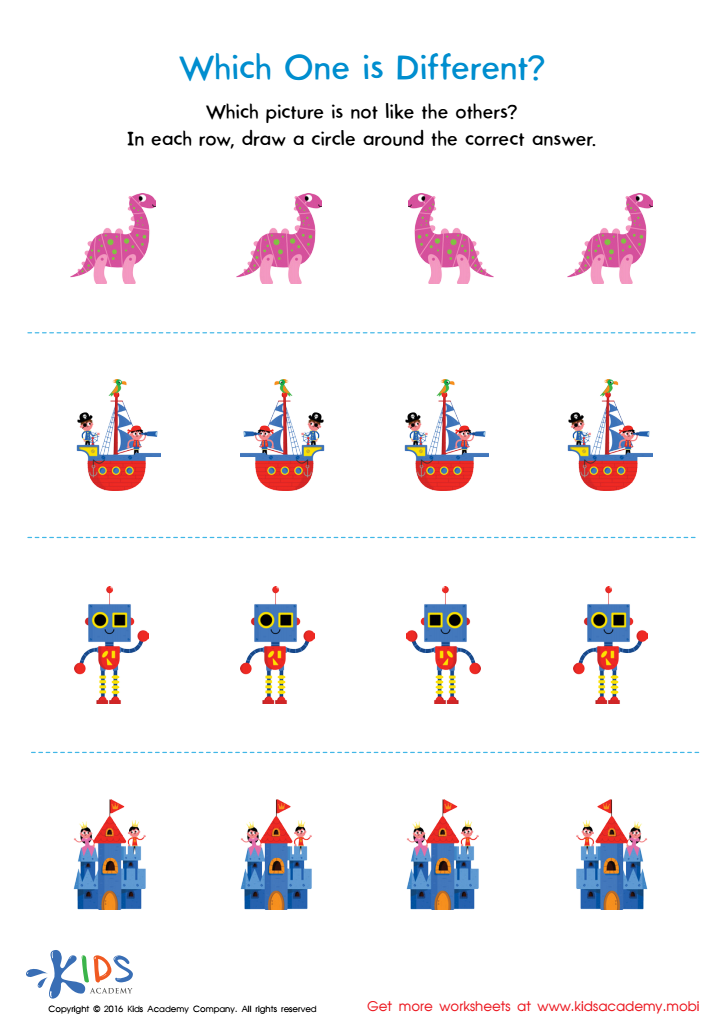
Which One Is Different Worksheet
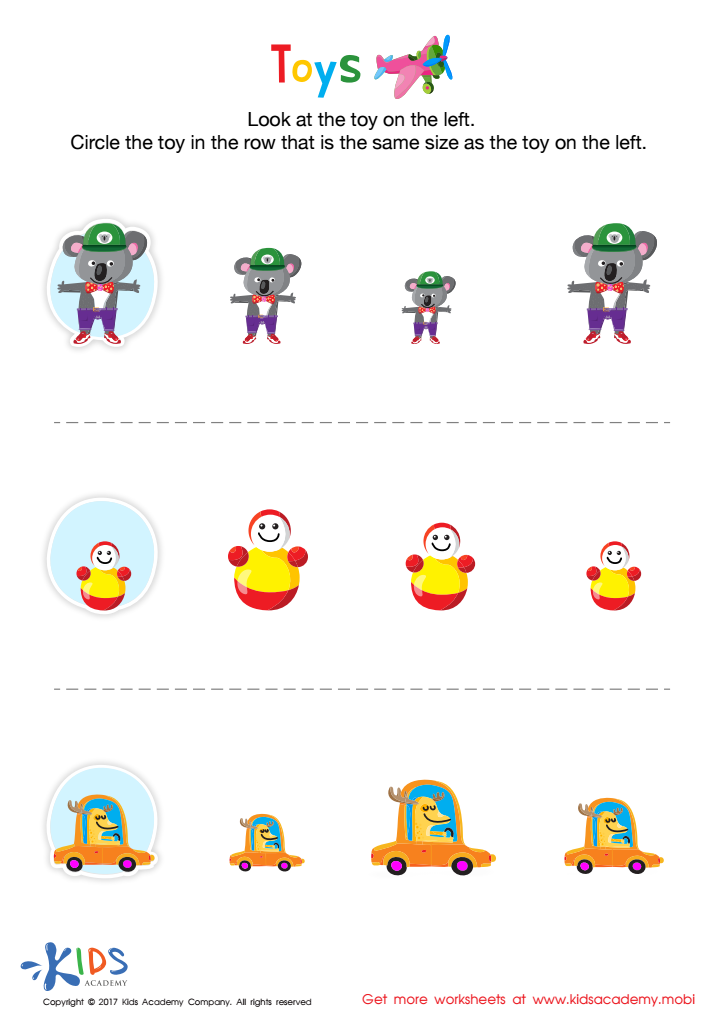
Matching: Classifying Toys by Size Worksheet
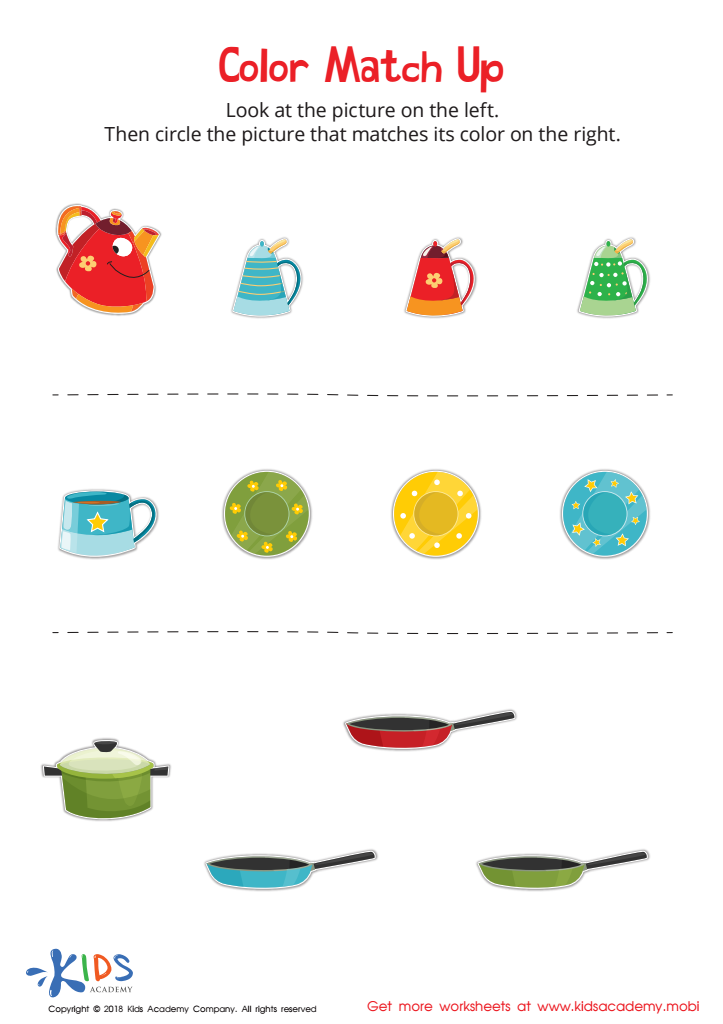
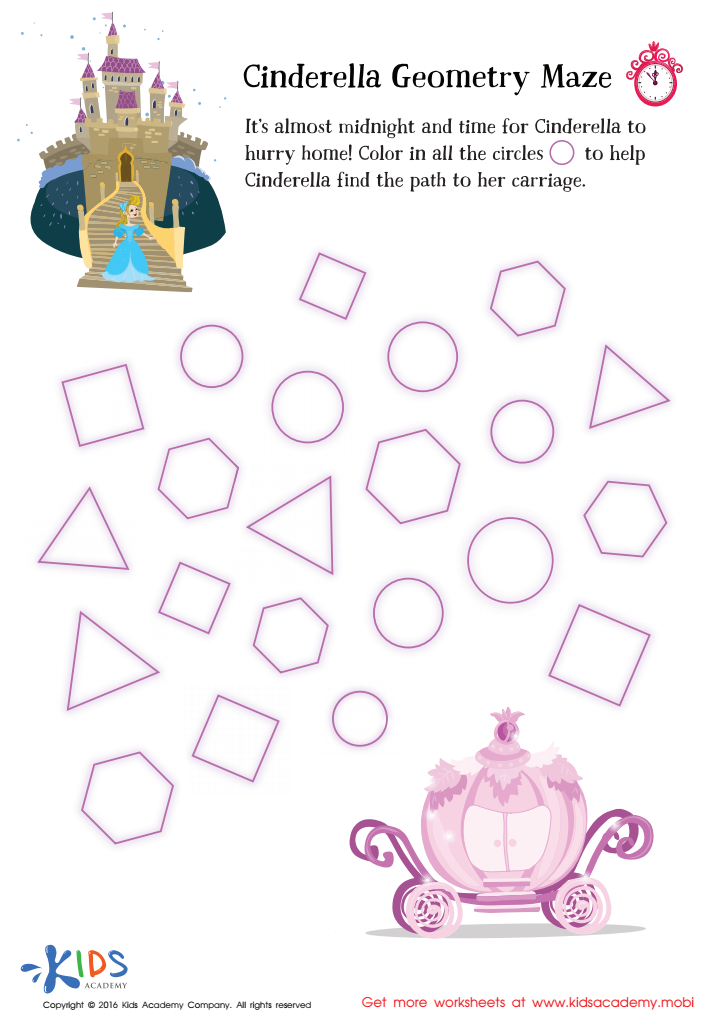
Cinderella Geometry Maze Worksheet






Normal Matching is an essential developmental concept for children aged 5-8 involving their ability to recognize and match objects, patterns, or images based on shared characteristics. Parents and teachers should prioritize this skill for several reasons.
Firstly, Normal Matching fosters critical thinking and cognitive development. As children learn to identify similarities and differences, they enhance their problem-solving abilities and sharpen their analytical skills. This foundational understanding supports their future learning across subjects, particularly in mathematics and science.
Secondly, Normal Matching is significant for social development. Group activities involving matching games encourage collaboration, communication, and turn-taking among peers, building essential interpersonal skills.
Moreover, developing Normal Matching can be foundational for literacy and numeracy. It supports students in grasping concepts such as categorization, sorting, and visualization, which are crucial for language acquisition and mathematical reasoning.
Lastly, engaging children in Normal Matching activities can instill a sense of achievement and boost self-esteem as they successfully complete tasks. This fosters a love for learning, encouraging exploration and curiosity.
In summary, embracing Normal Matching contributes to children’s cognitive, social, and emotional growth, making it a vital area of focus for parents and educators.








