Geometry Worksheets for Ages 7-9 - Page 3
131 filtered results
-
From - To
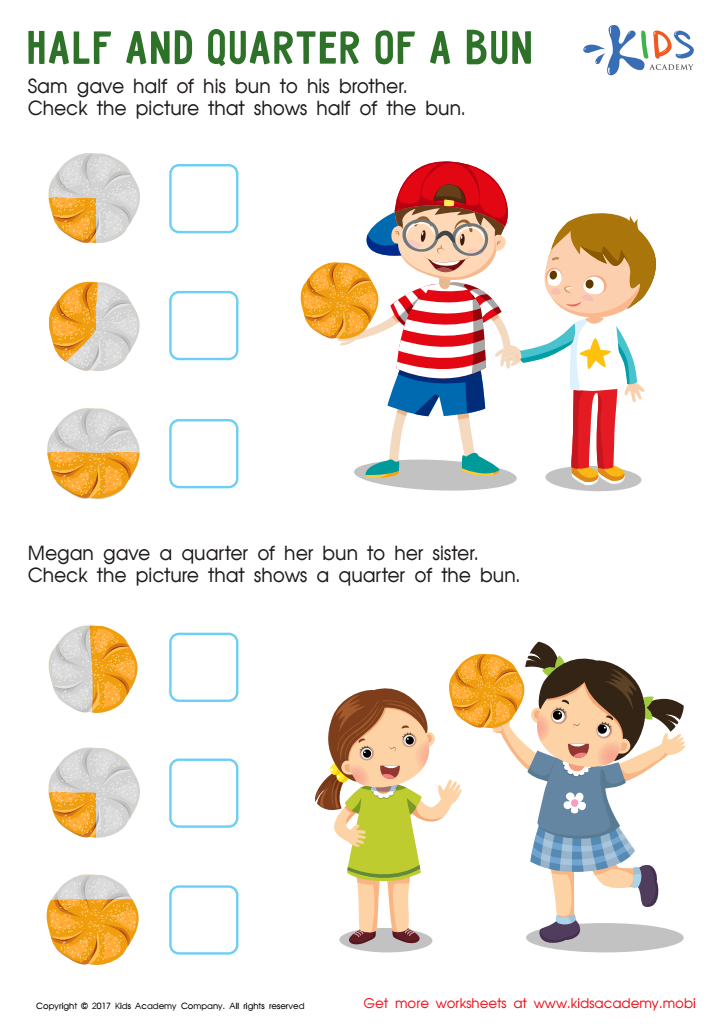
Half and Quarter of a Bun Worksheet
 Assign to My Students











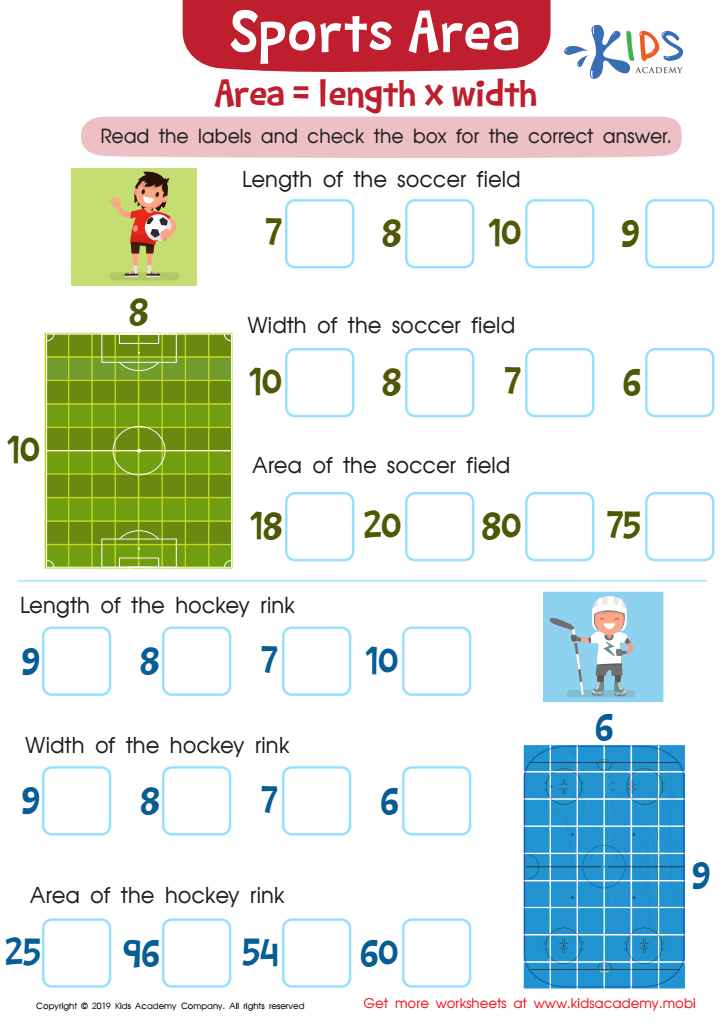
Sports Area Worksheet
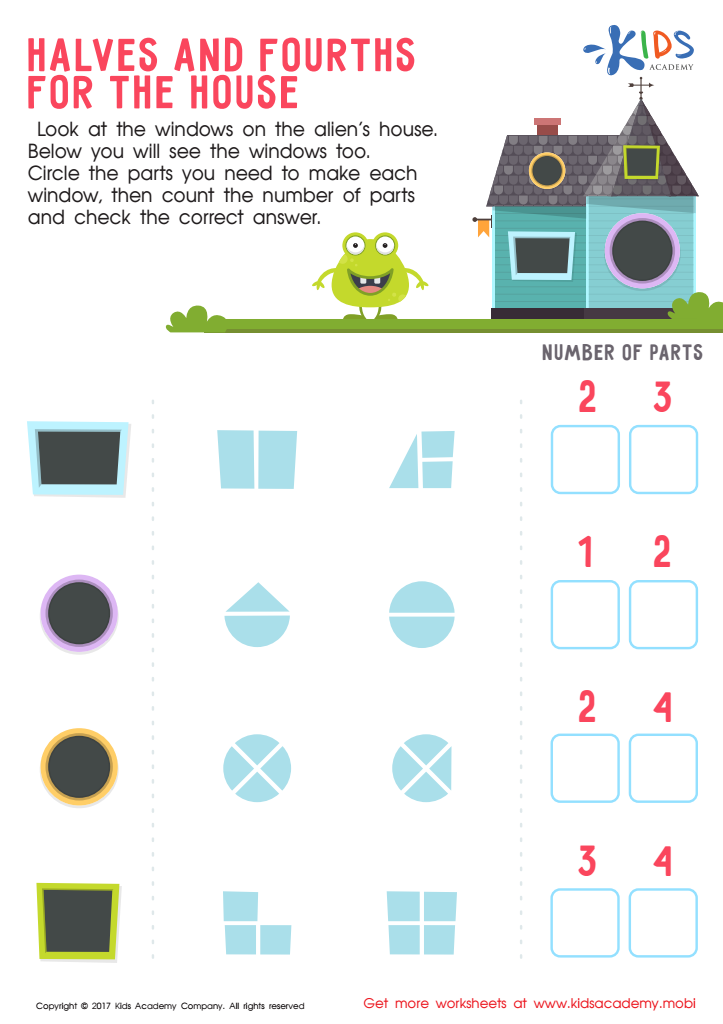
Halves and Fourths for the House Worksheet
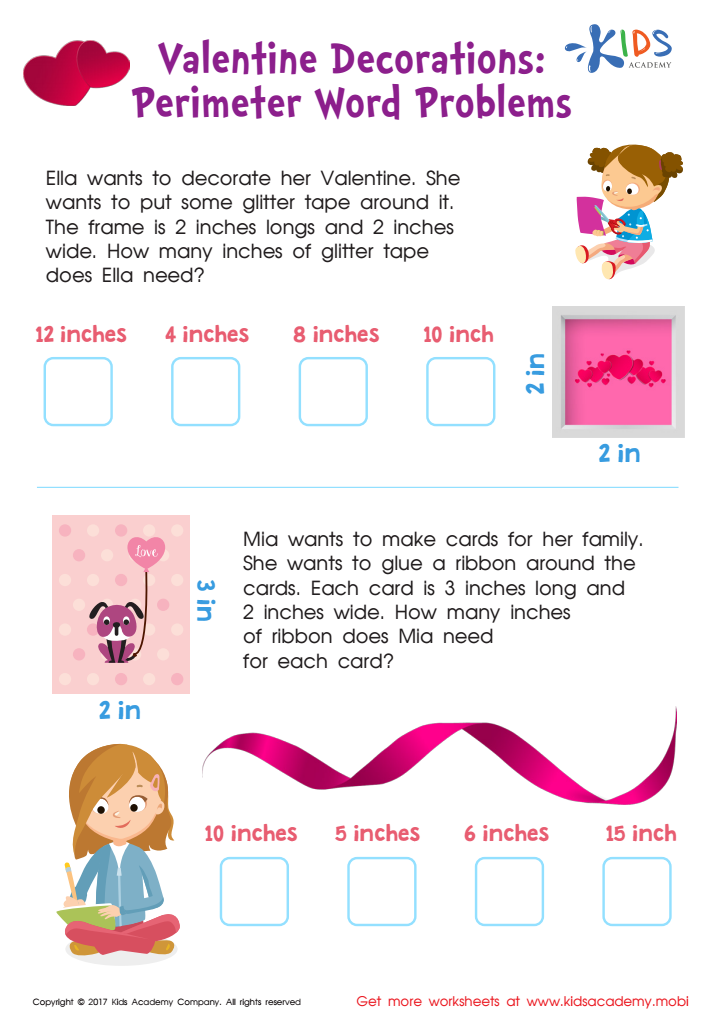
Perimeter Word Problems Worksheet
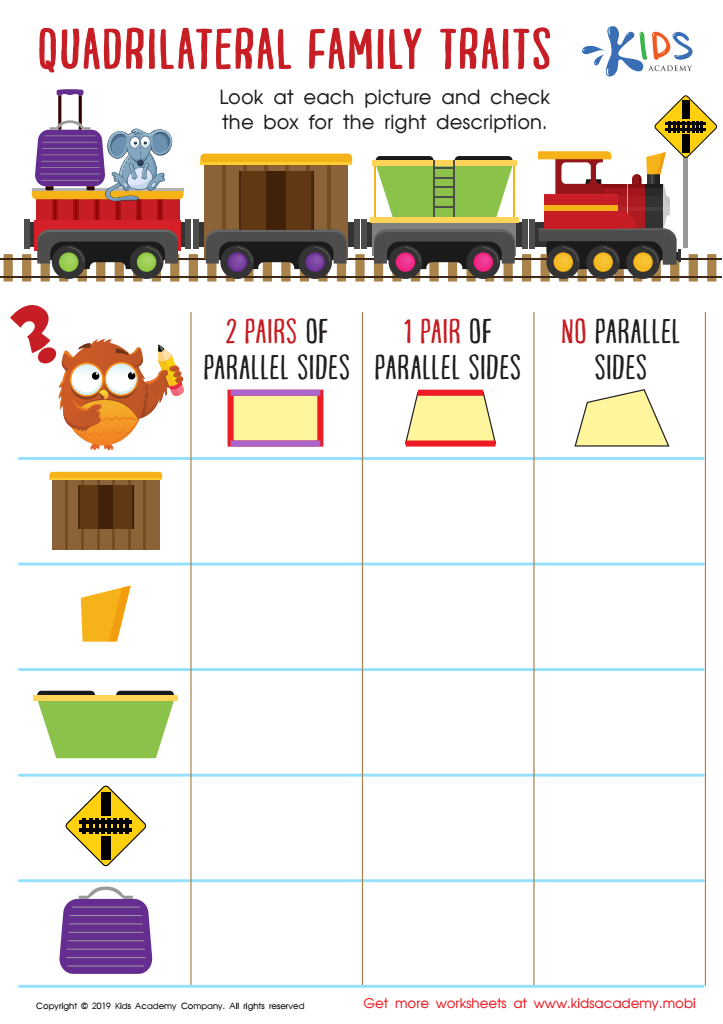
Quadrilateral Family Traits Worksheet
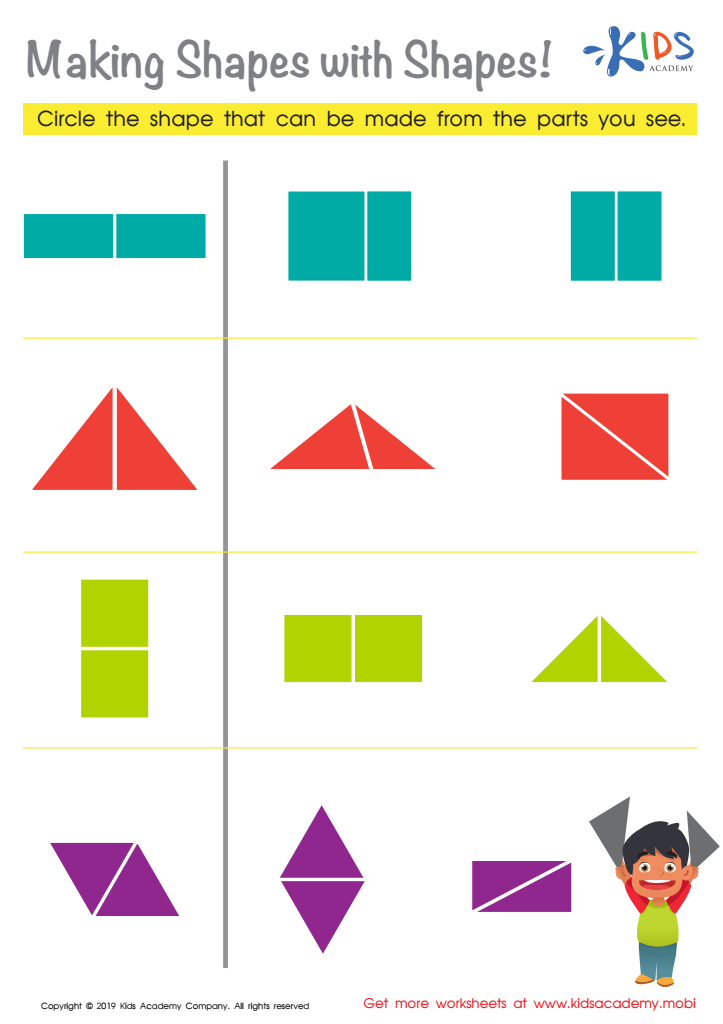
Making Shapes with Shapes Worksheet
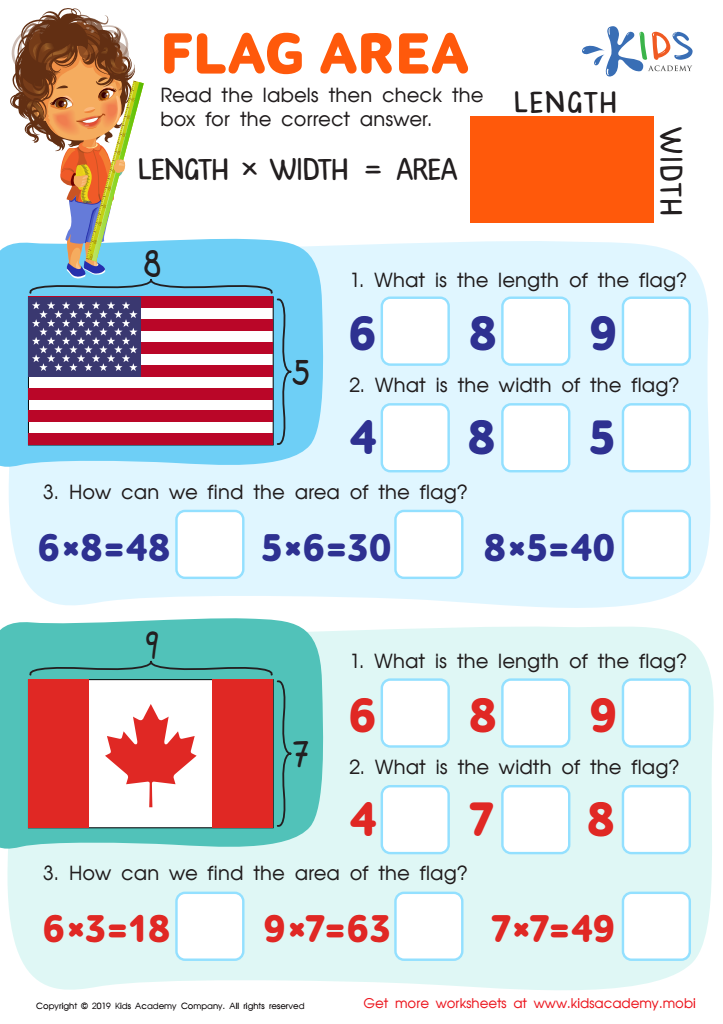
Flag Area Worksheet
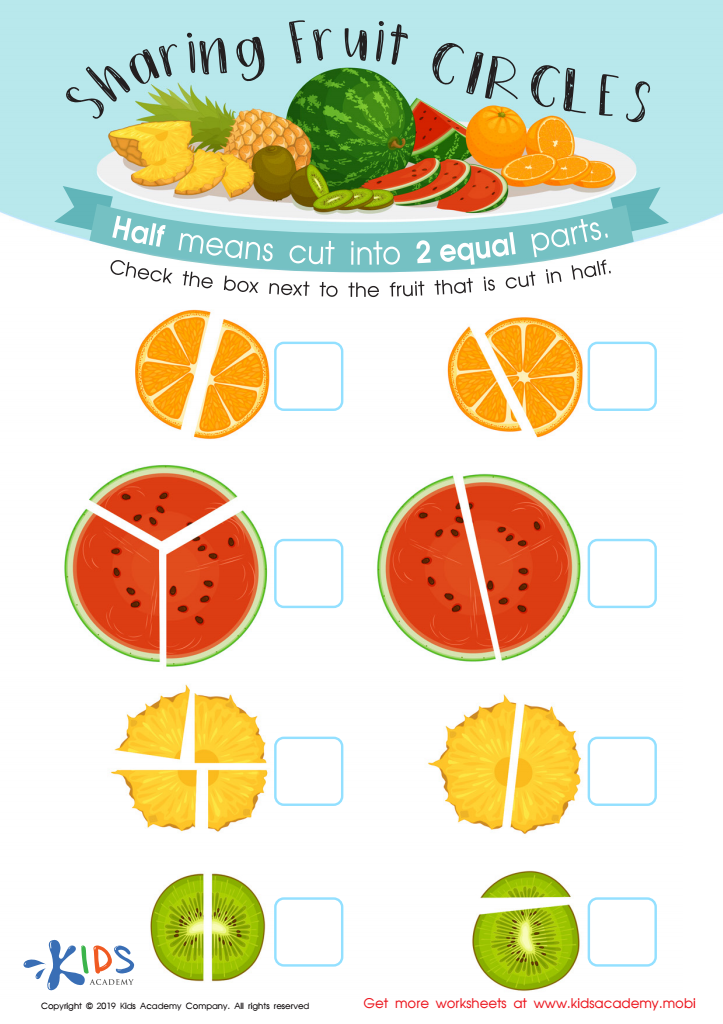
Sharing Fruit Circles Worksheet
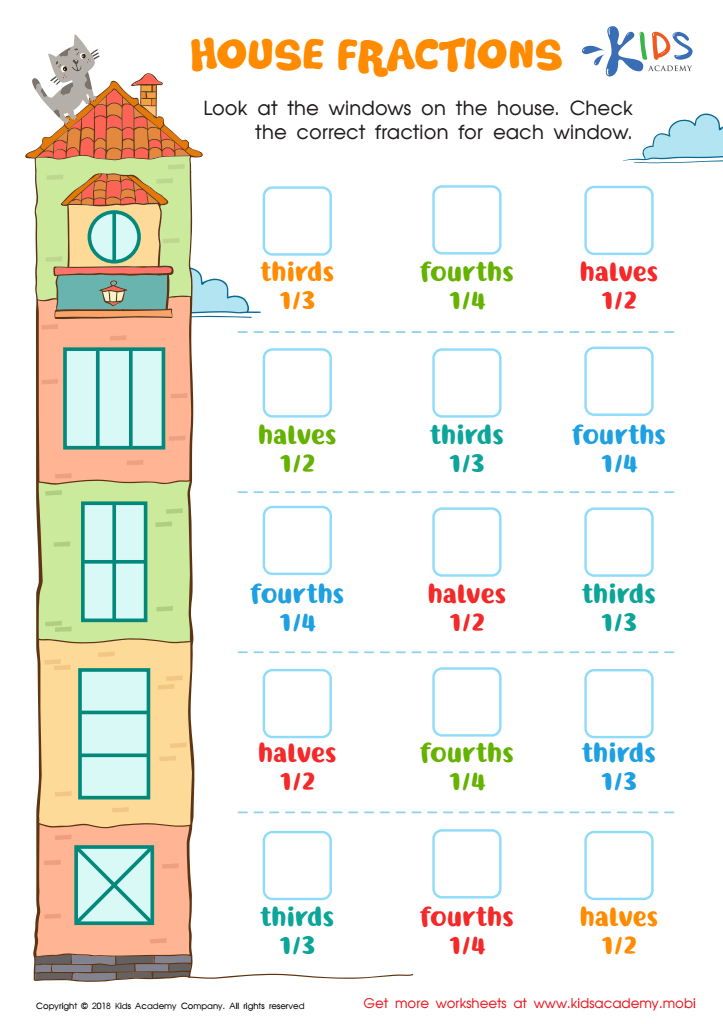
House Fractions Worksheet
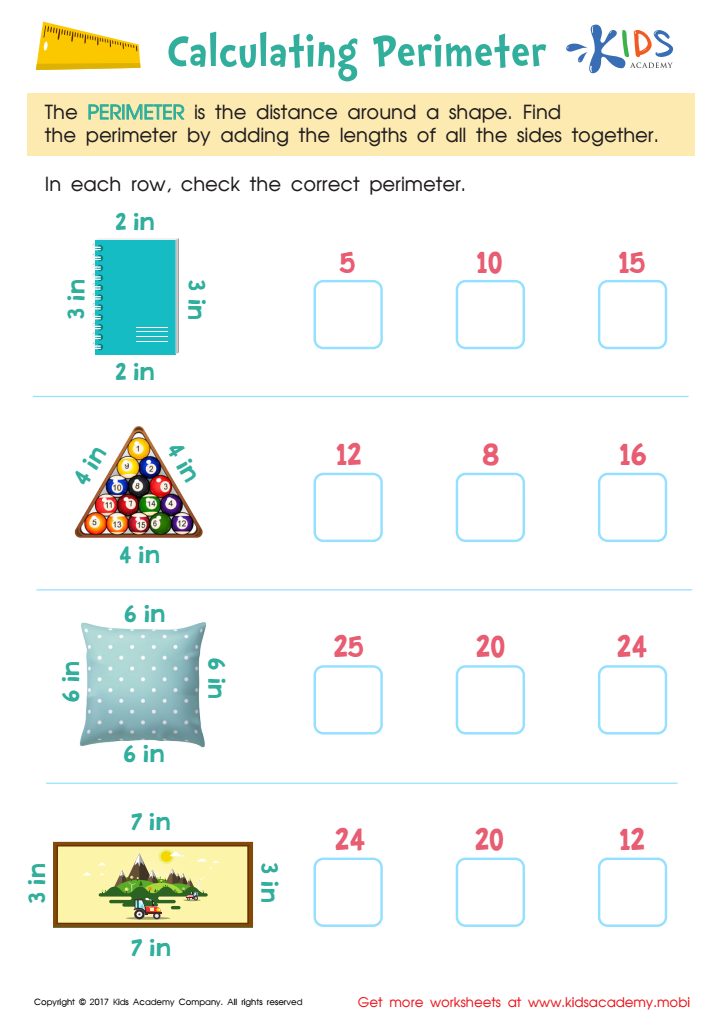
Calculating Perimeter Worksheet
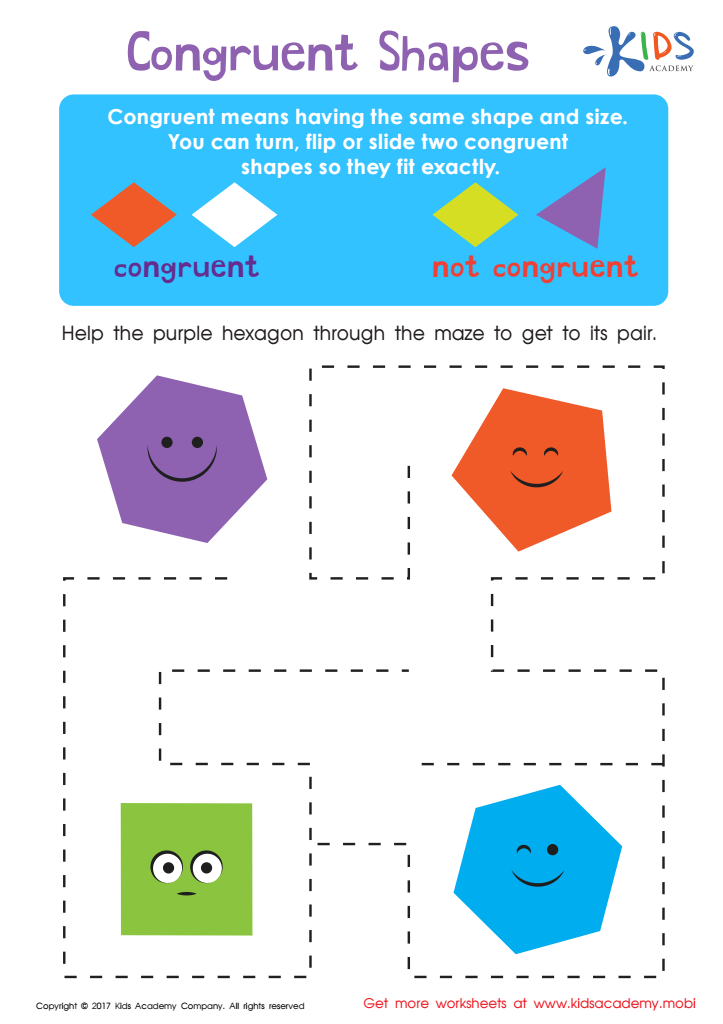
Congruent Shapes Worksheet
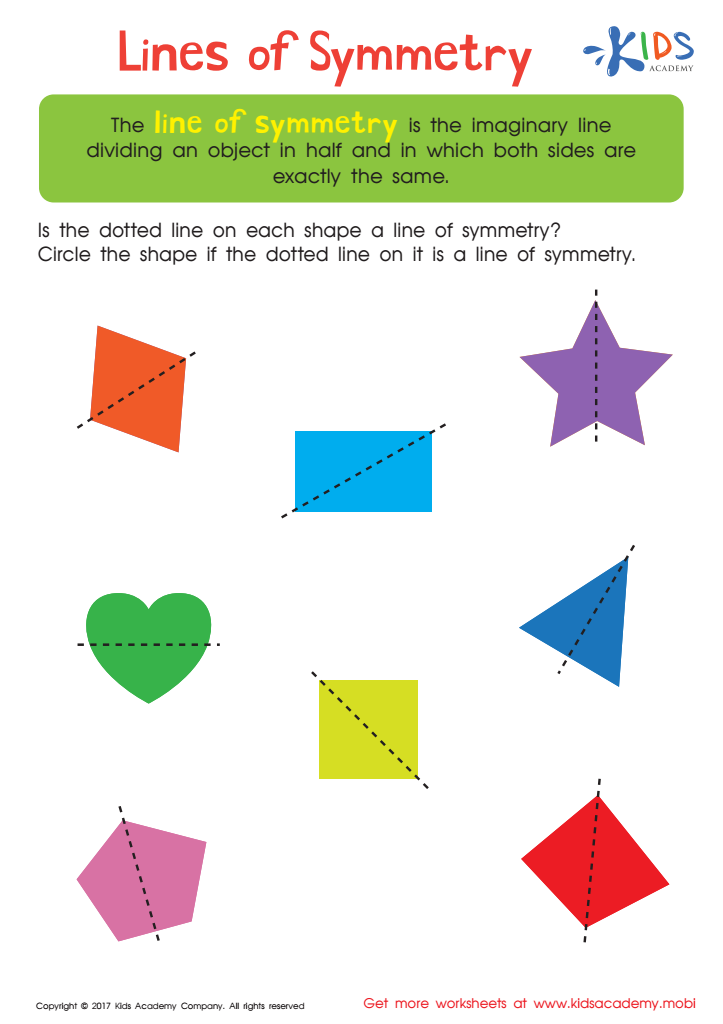
Lines of Symmetry Printable
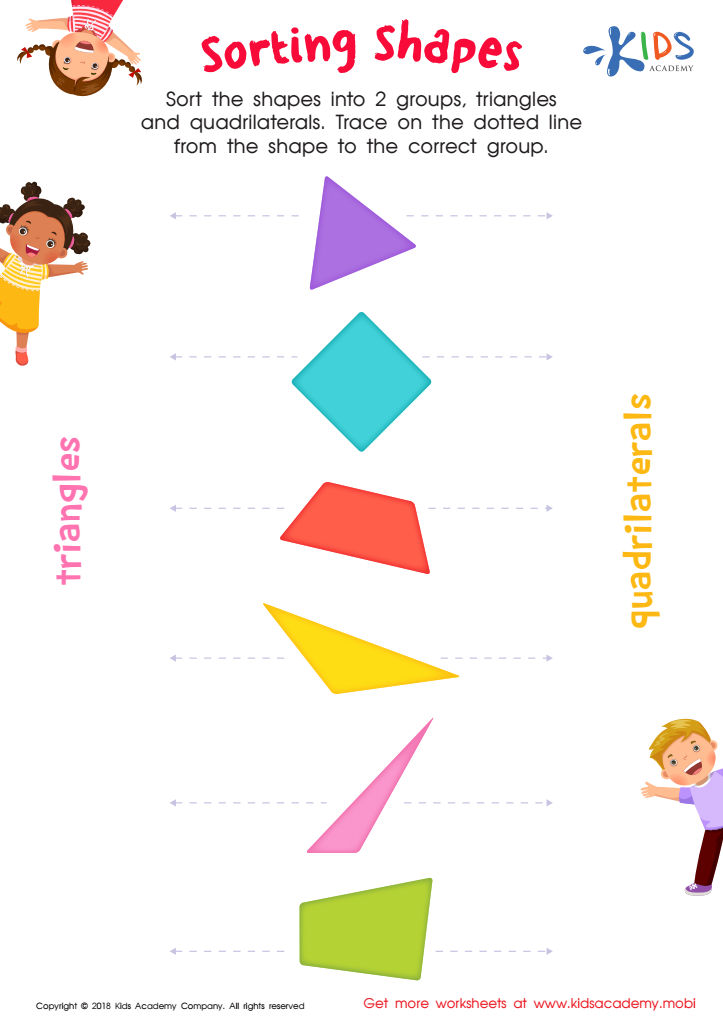
Sorting Shapes Worksheet
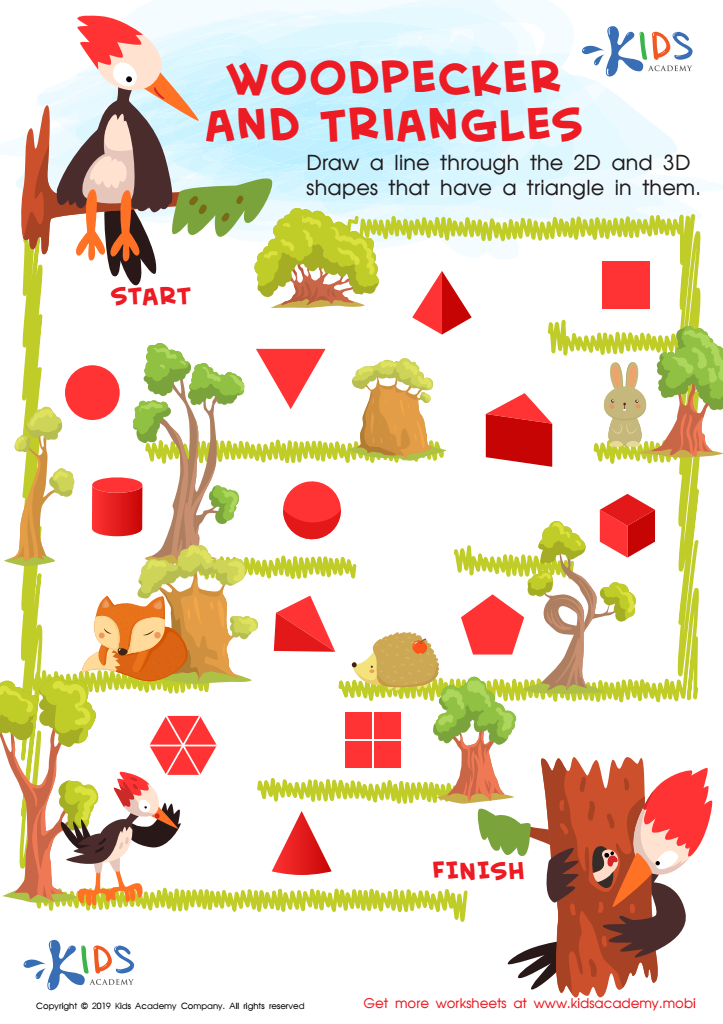
Woodpecker and Triangles Worksheet
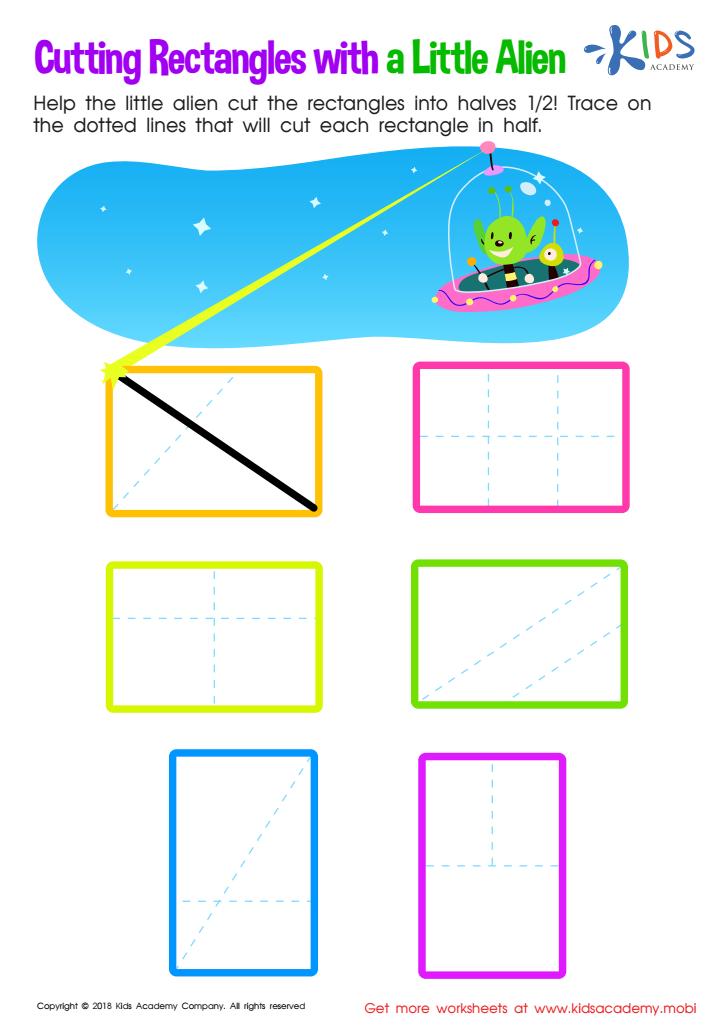
Cutting Rectangles with Alien Worksheet
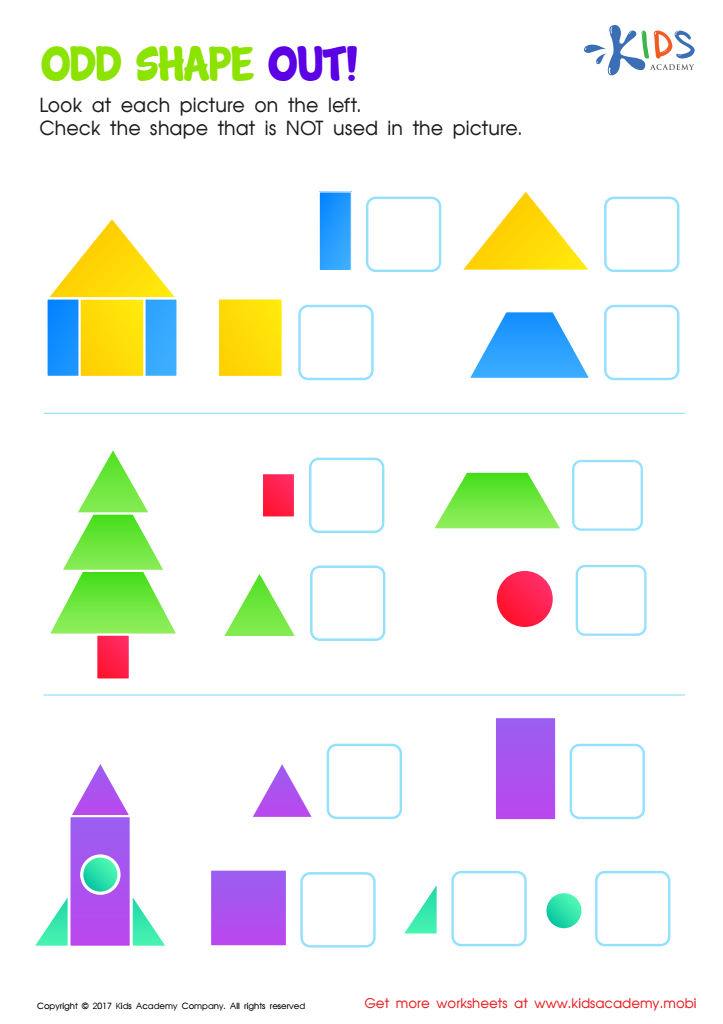
Odd Shape Out Worksheet for Grade 1
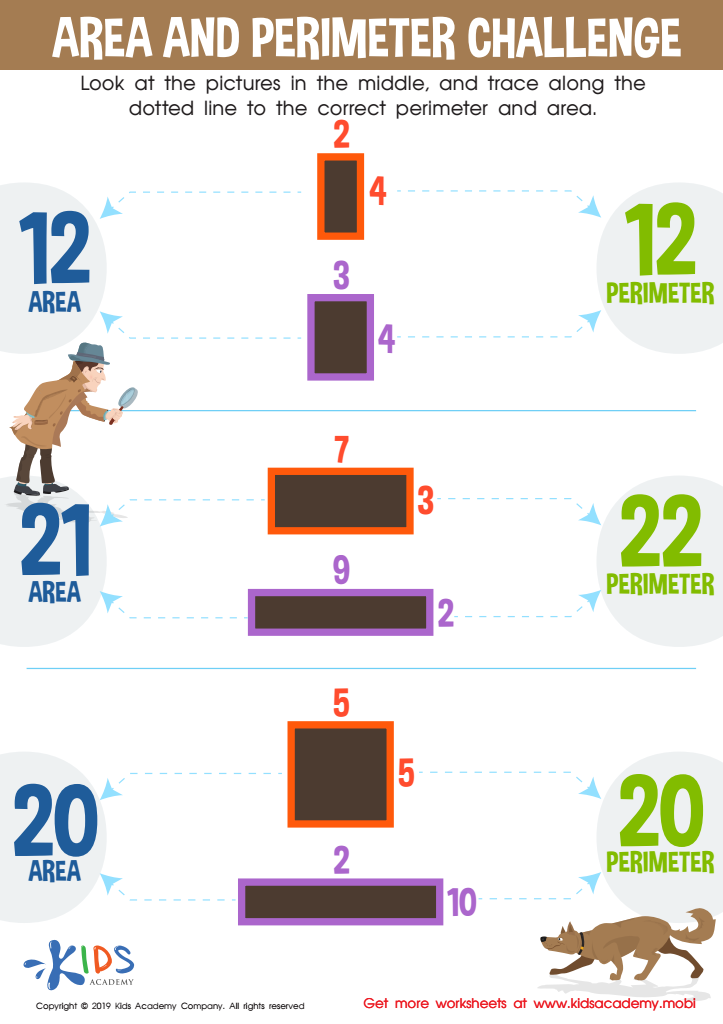
Area and Perimeter Challenge Worksheet
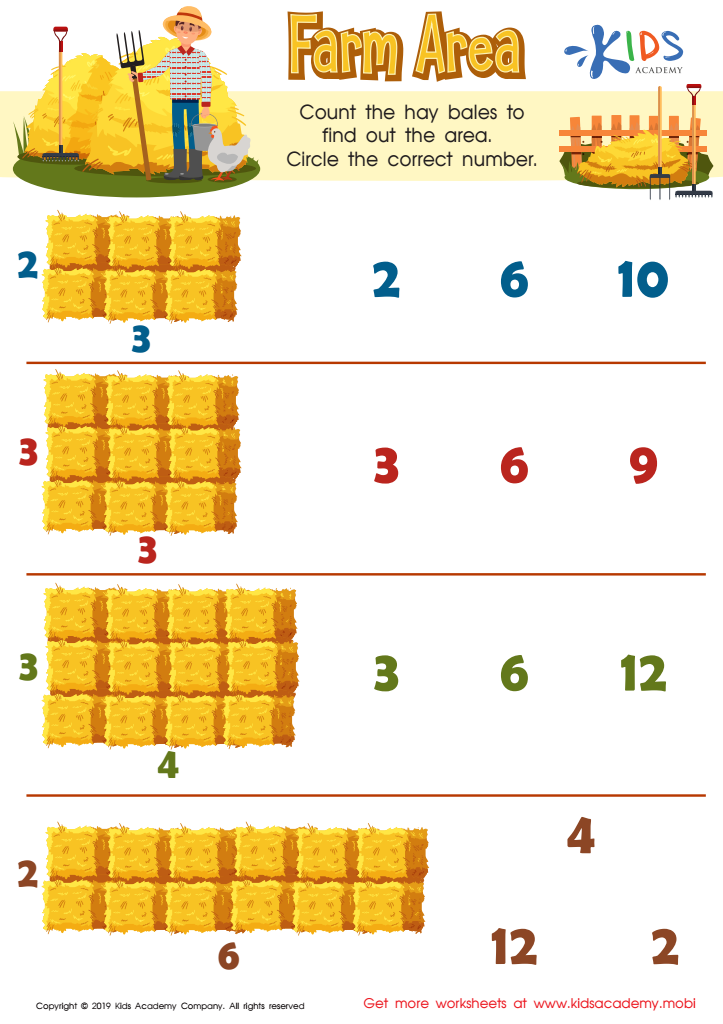
Farm Area Worksheet
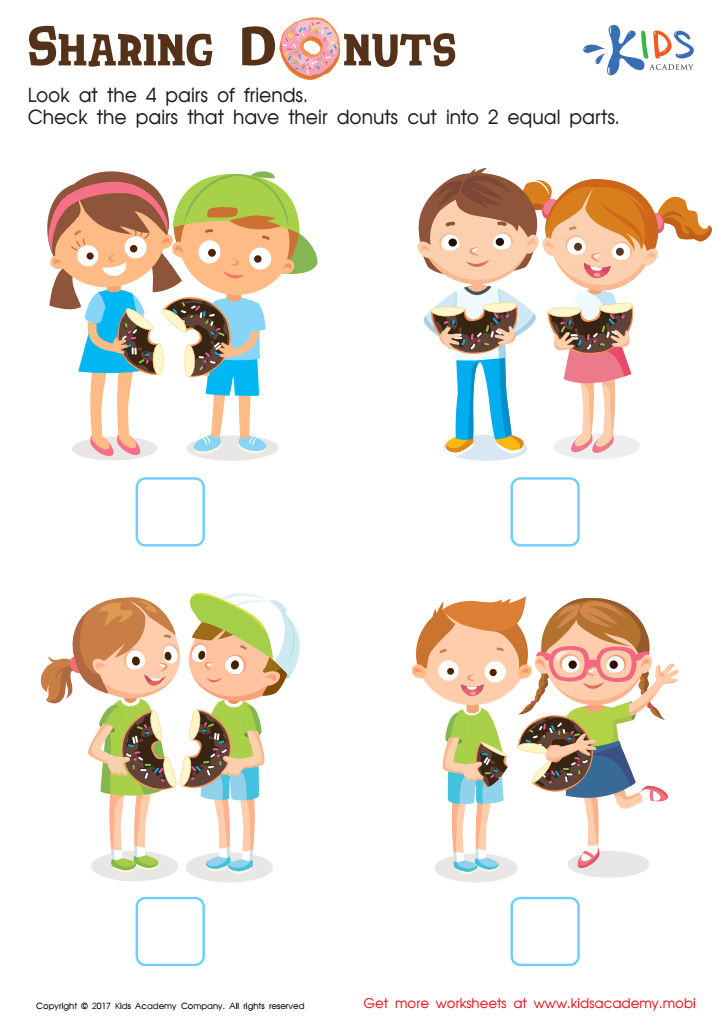
Sharing Donuts Worksheet
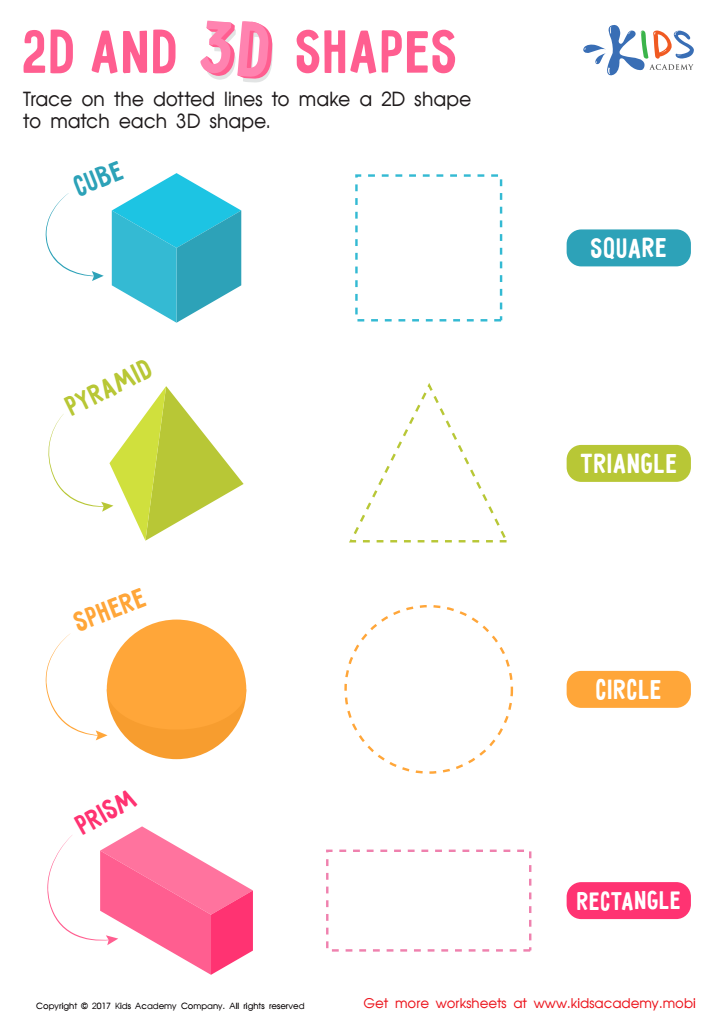
2D and 3D Shapes Worksheet
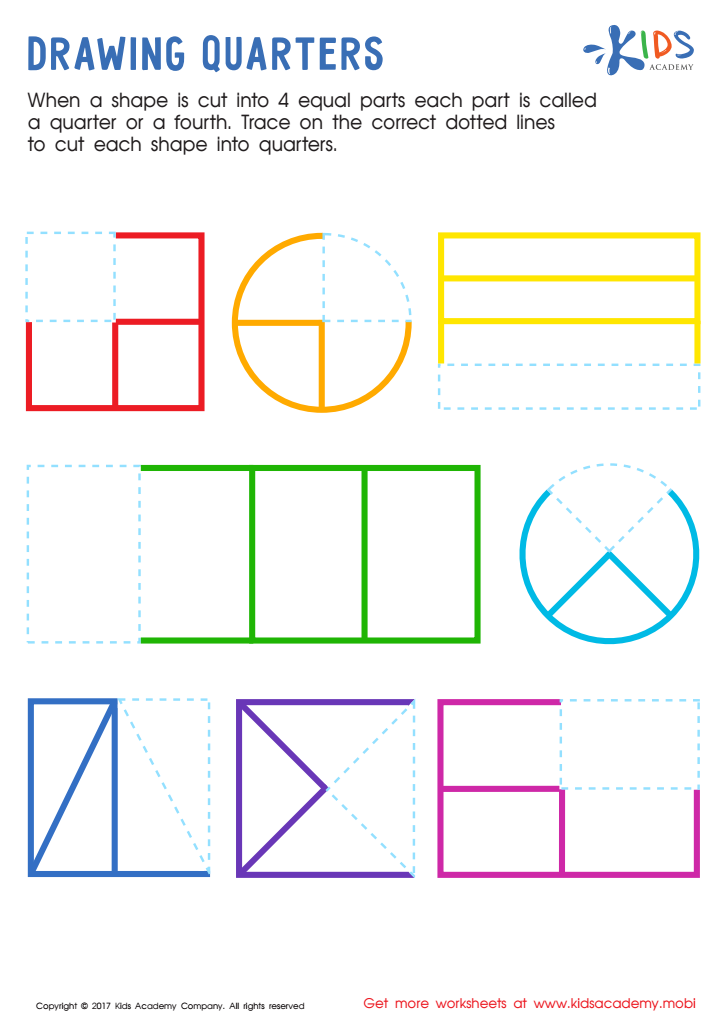
Drawing Quarters Worksheet
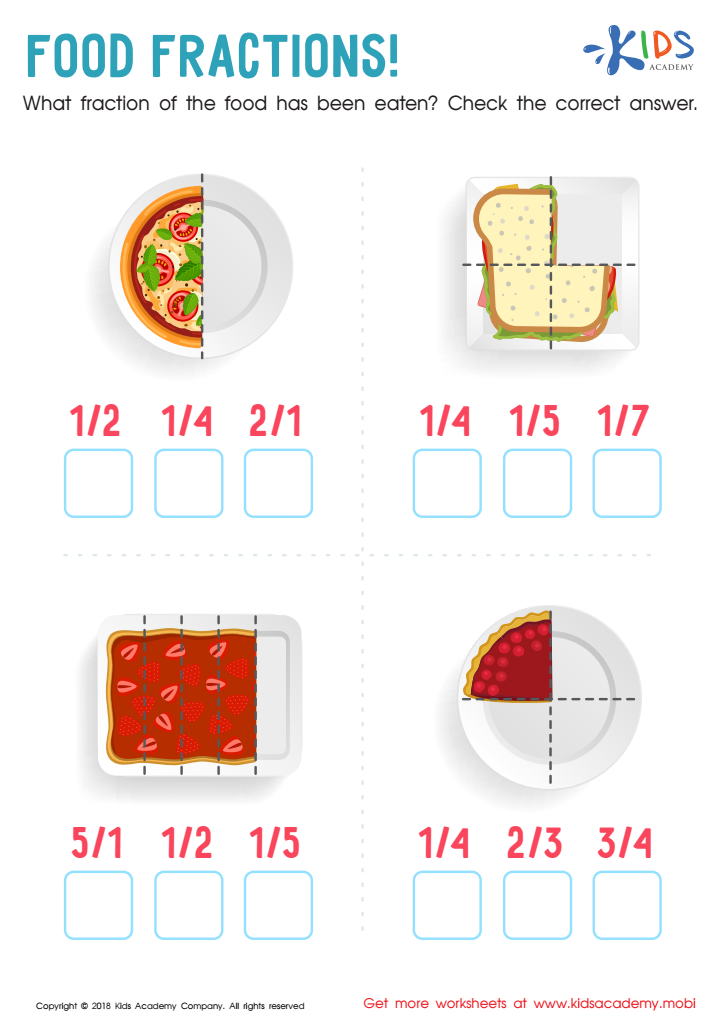
Food Fractions Worksheet
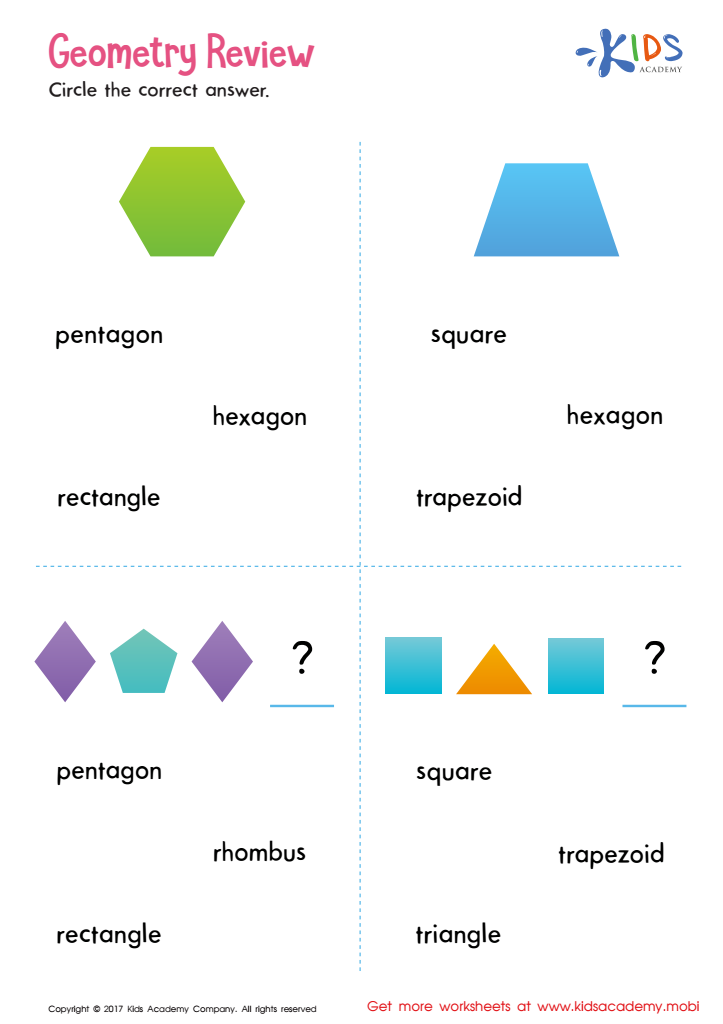
Geometry Review Printable
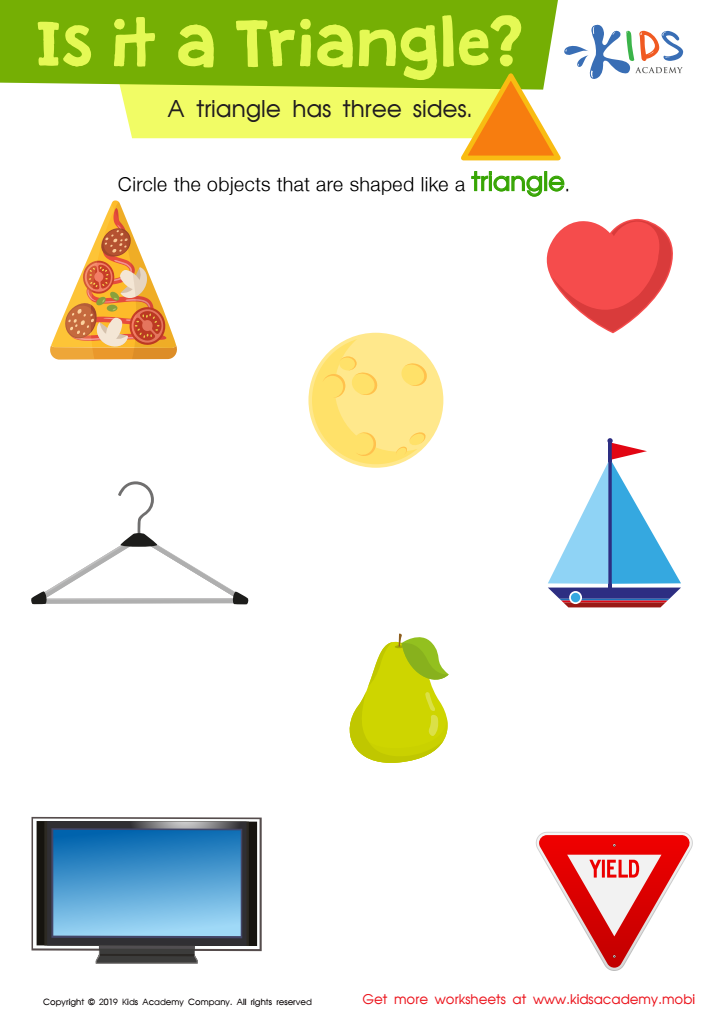
Is It a Triangle? Worksheet








Geometry is a fundamental aspect of mathematics that has far-reaching implications for children aged 7-9. First and foremost, it enhances critical thinking and problem-solving skills. By engaging with shapes, spaces, and angles, children learn to analyze patterns and spatial relationships—skills that are crucial not just in math but in daily life and future careers.
Furthermore, geometry supports cognitive development. At this age, children are naturally curious and methodical, and introducing them to geometric concepts fuels this curiosity. Activities like measuring, constructing figures, or exploring symmetry promote hands-on learning, fostering creativity and engagement.
Geometry also lays the groundwork for more advanced math topics. Understanding basic geometric principles aids in grasping complex ideas encountered later. Parent and teacher involvement reinforces this learning, providing guidance and encouragement crucial for building confidence in mathematics.
Additionally, geometry has real-world applications—observing shapes in architecture, nature, and art enhances children's understanding of their environment. Finally, recognizing the interdisciplinary connections between math, science, and art broadens their perspective, making learning more relatable and comprehensive. Therefore, emphasizing geometry cultivates a well-rounded, eager, and capable learner prepared for future academic challenges.








