Normal Logical Thinking worksheets activities for Ages 4-9 - Page 2
57 filtered results
-
From - To
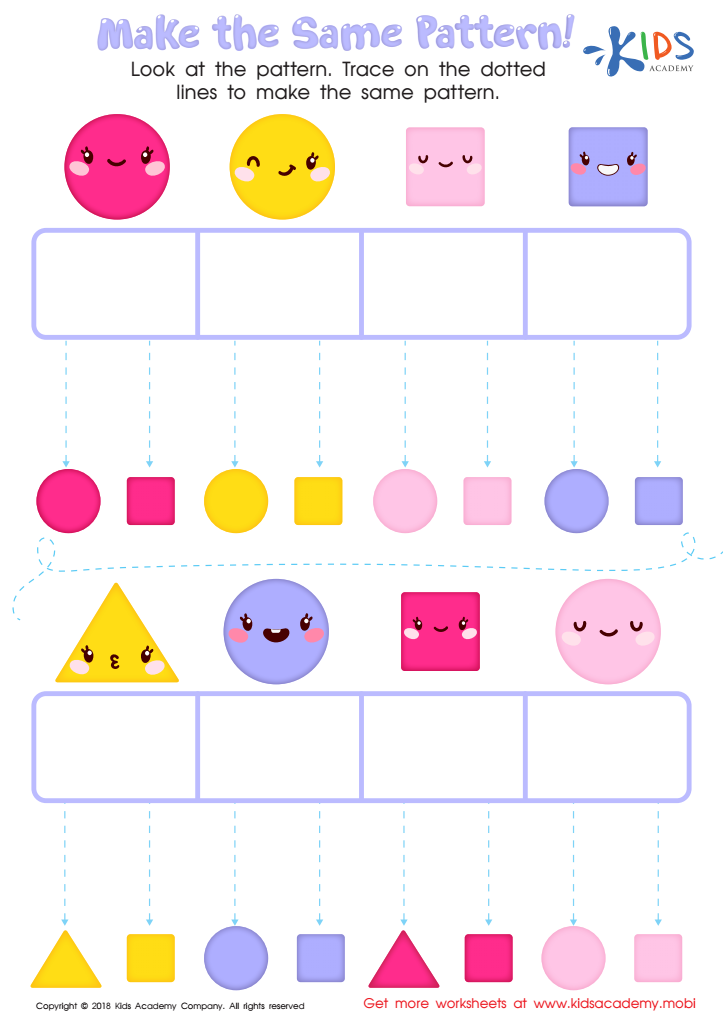
Make the Same Pattern Worksheet
 Assign to My Students
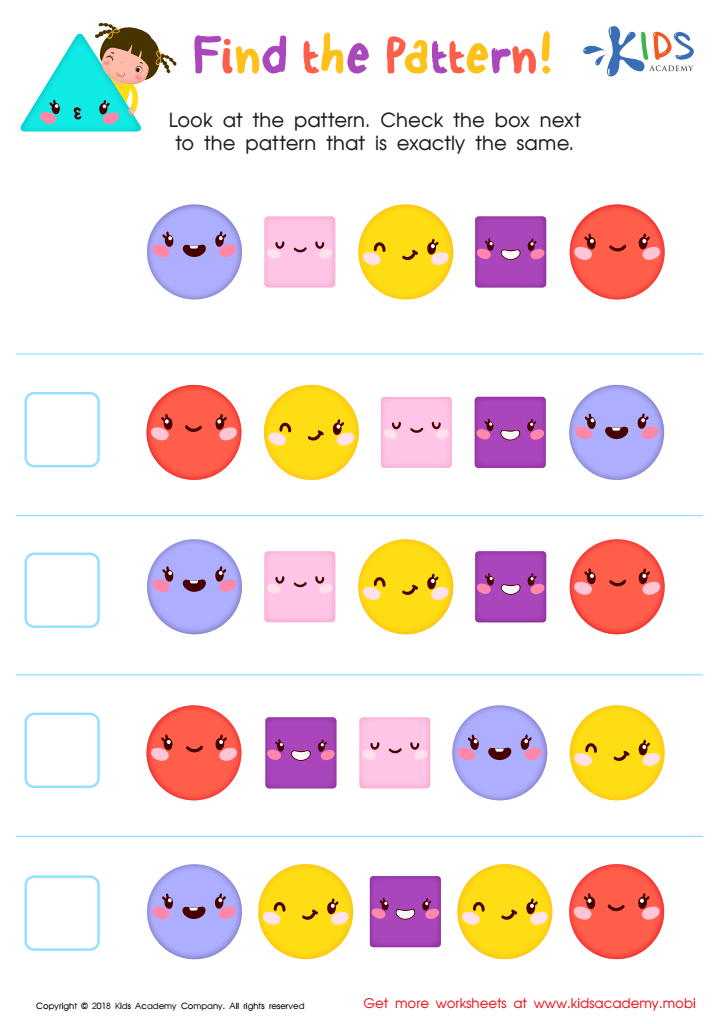
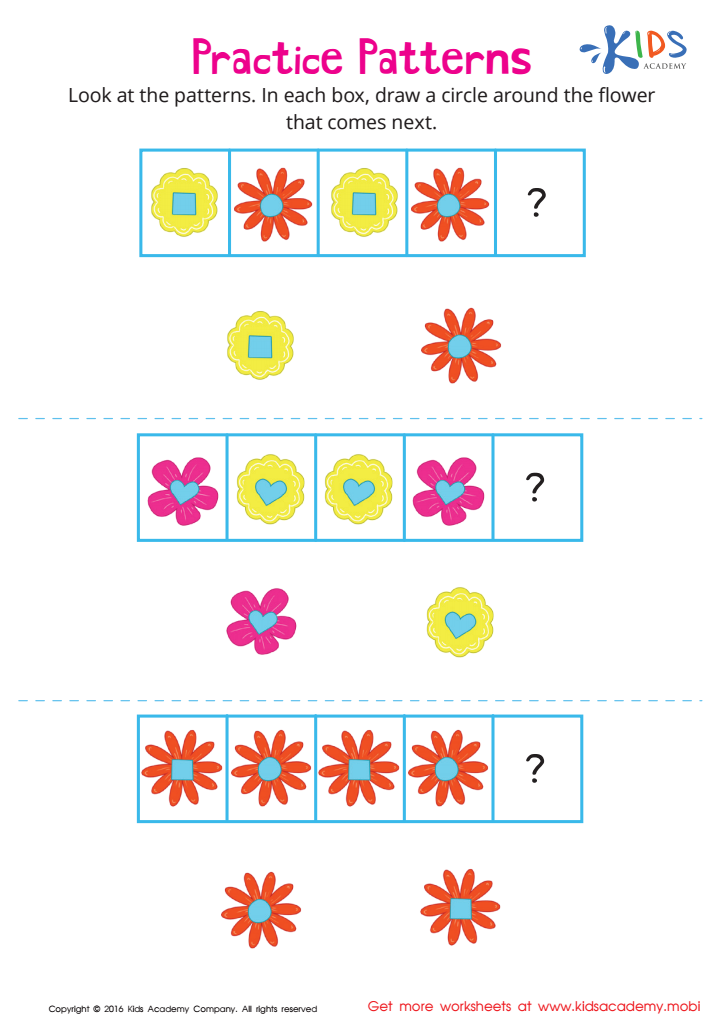
Find the Pattern Worksheet
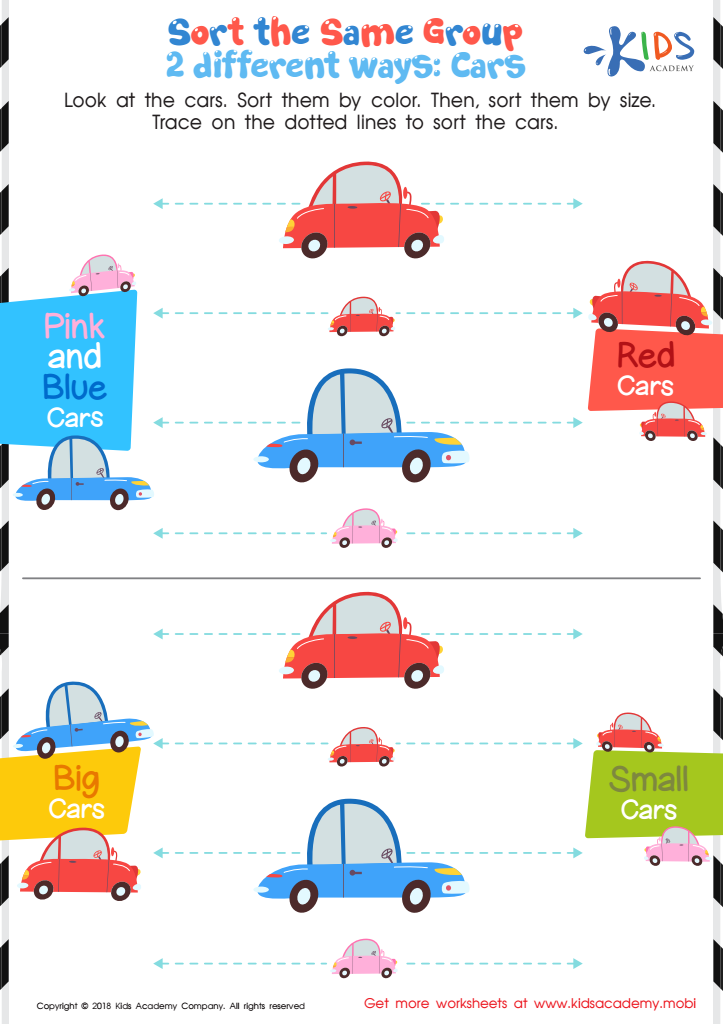
Sort the Same Group 2 Different Ways: Cars Worksheet
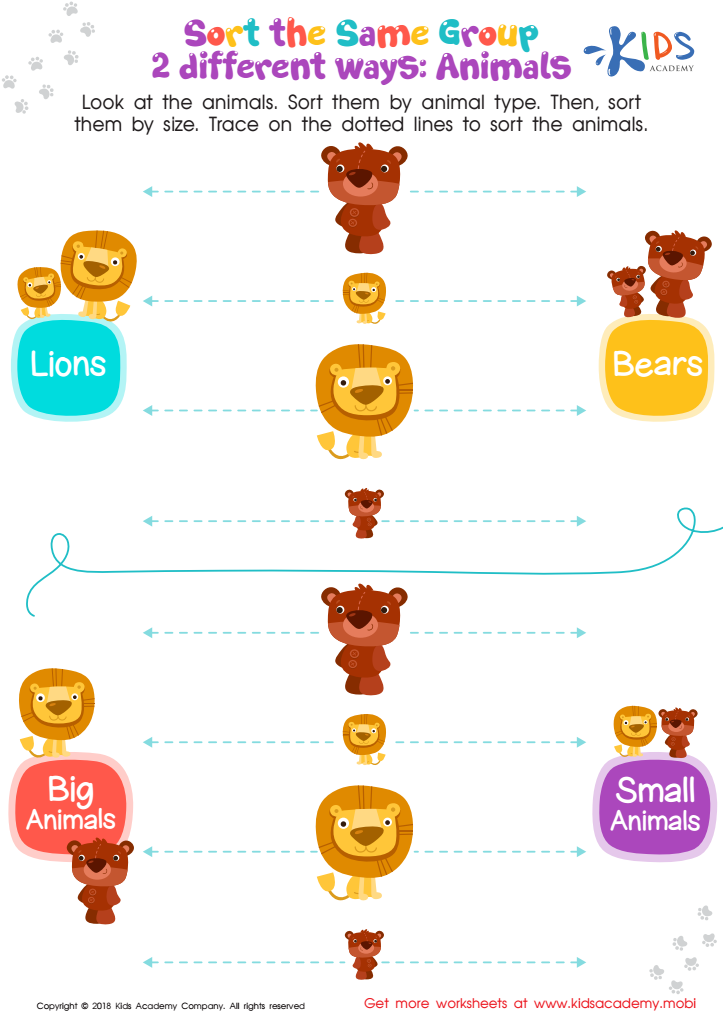
Sort the Same Group 2 Different Ways: Animals Worksheet
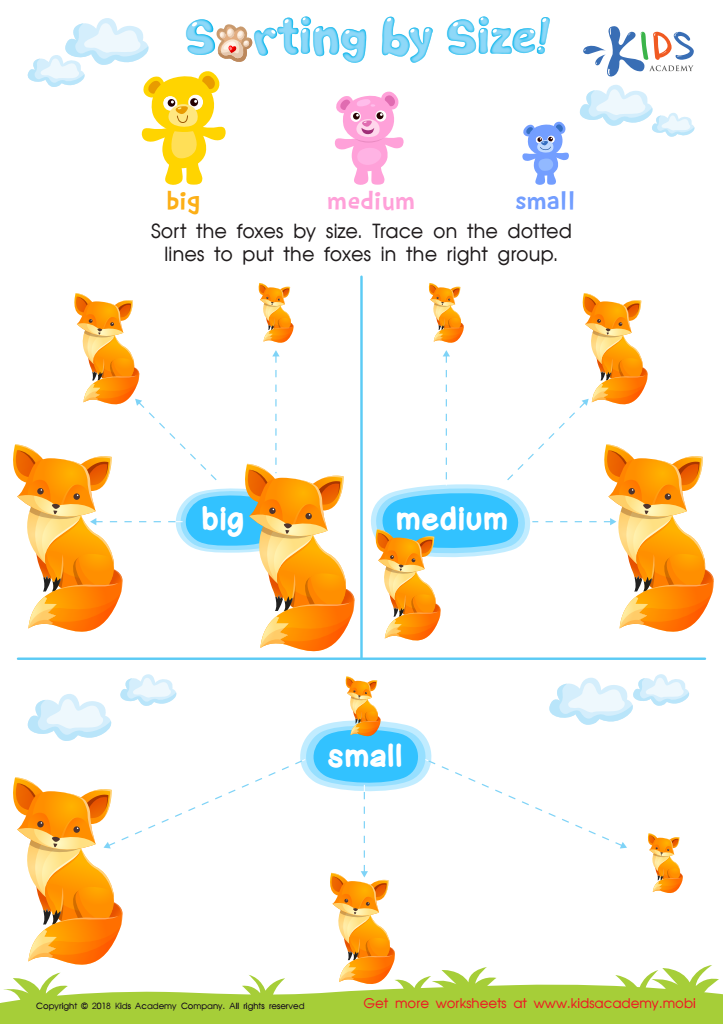
Sorting by Size Worksheet
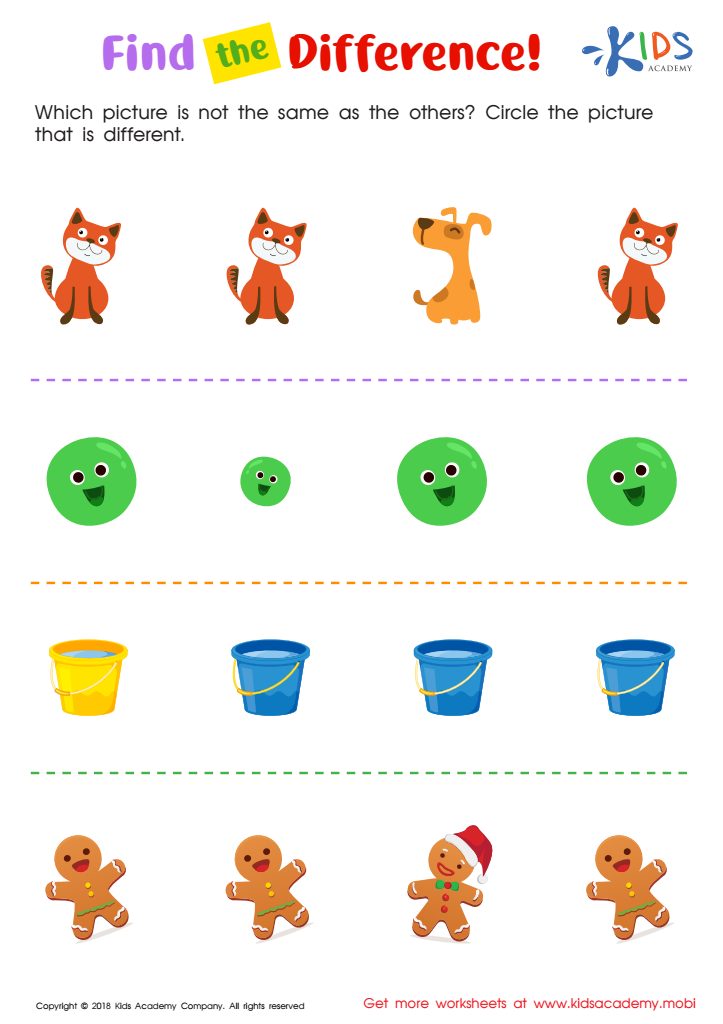
Find the Difference Worksheet
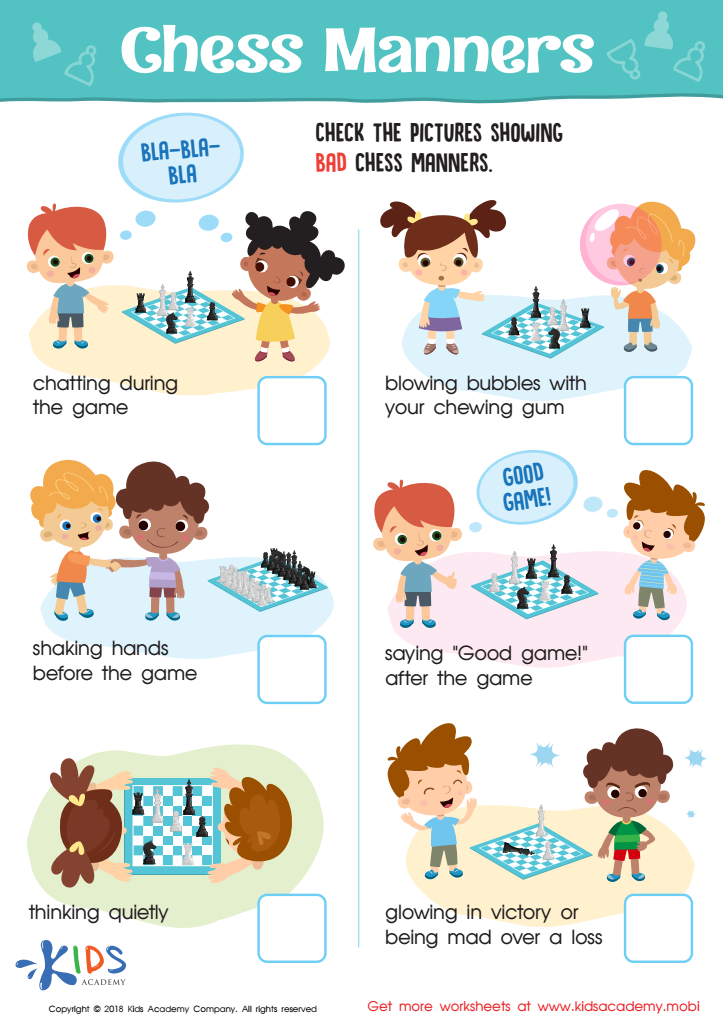
Chess Manners Worksheet
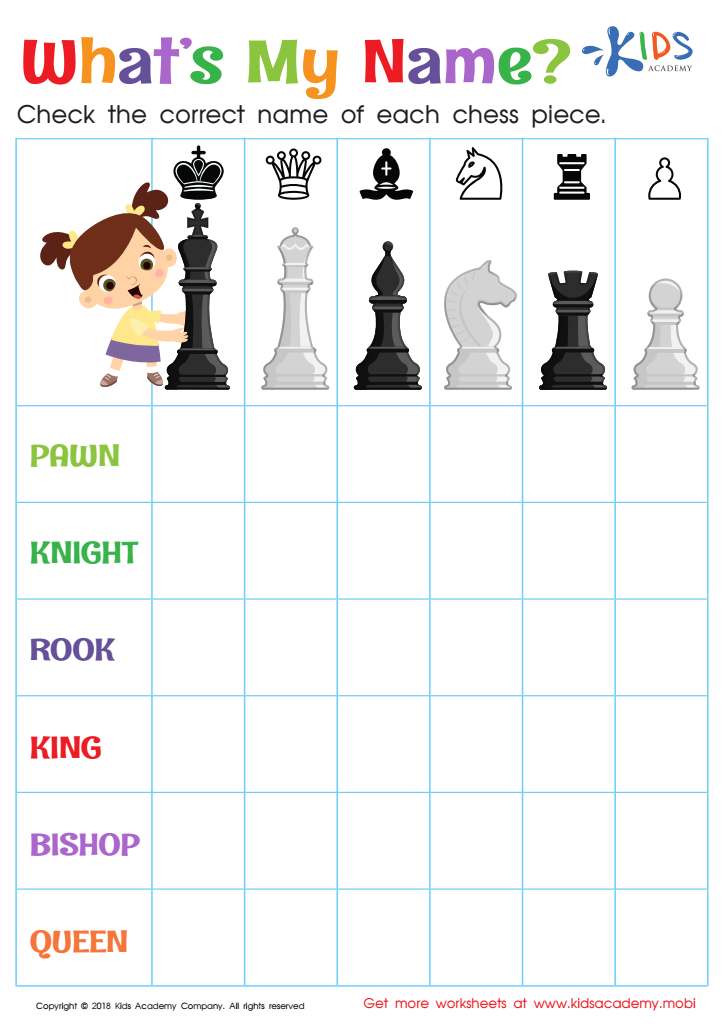
What's My Name? Worksheet
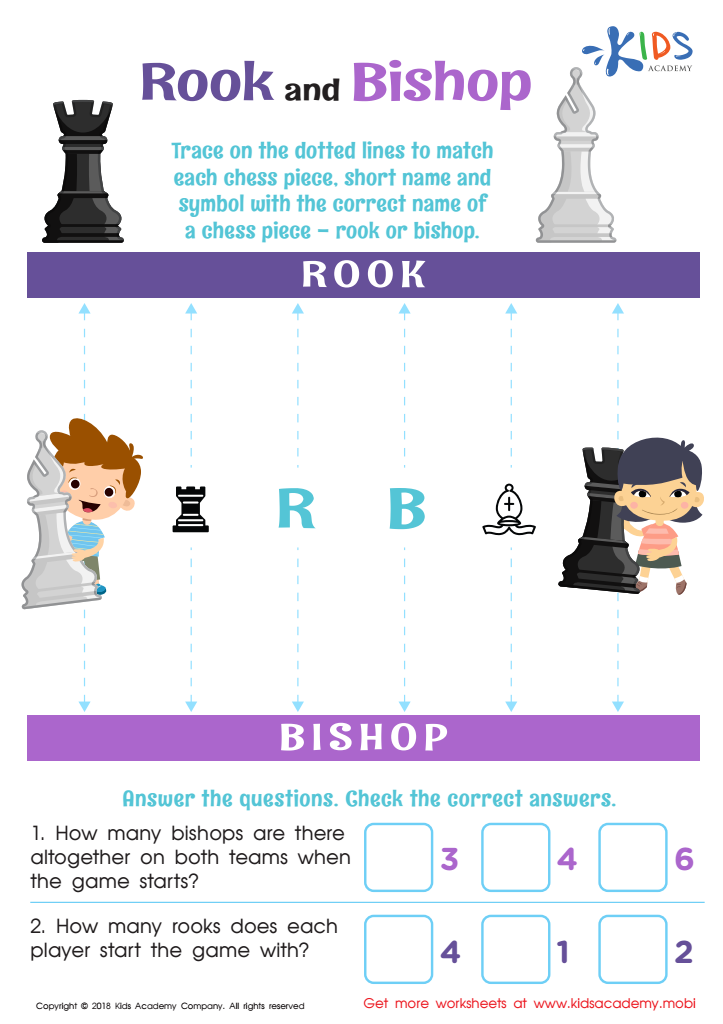
Rook and Bishop Worksheet
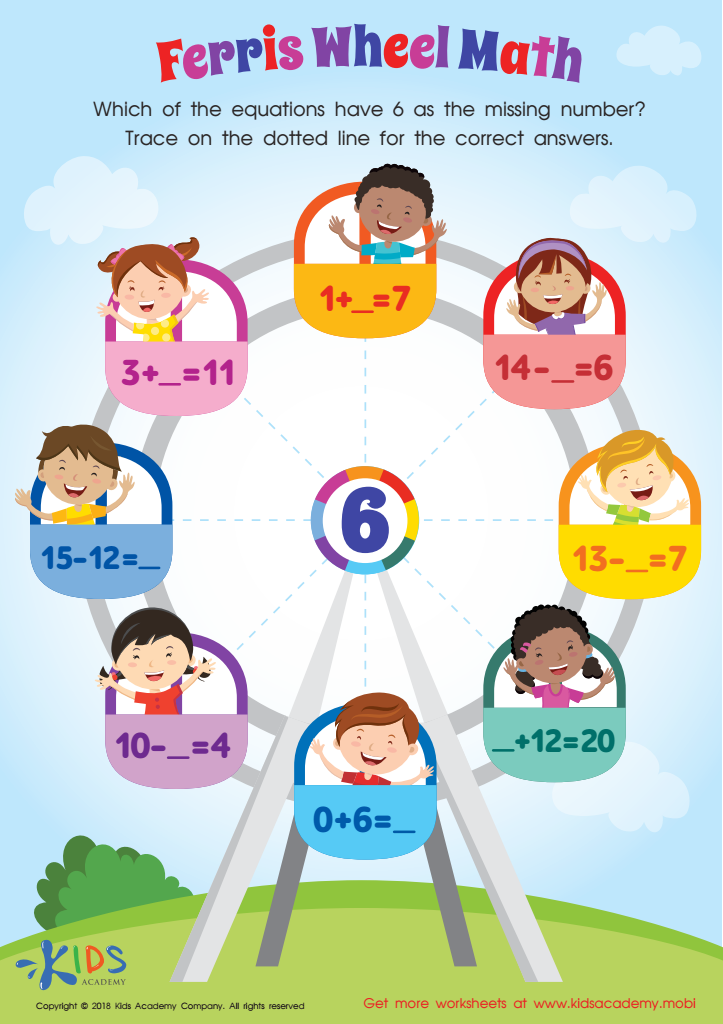
Missing Number: Ferris Wheel Math Worksheet
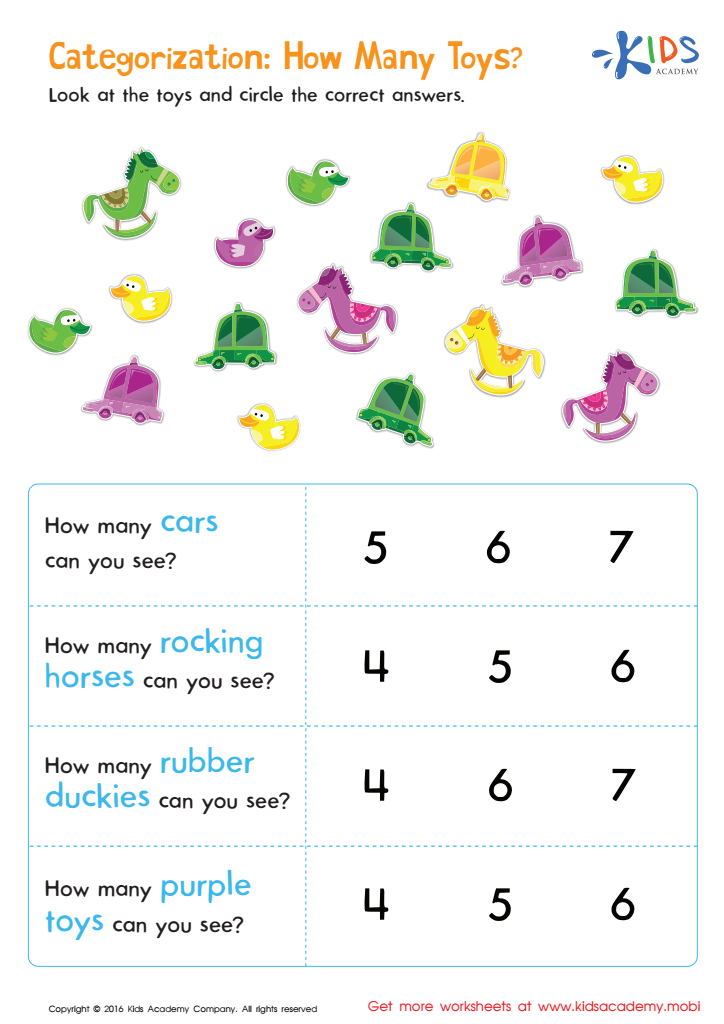
Classifying Toys by Type and Color Sorting Worksheet
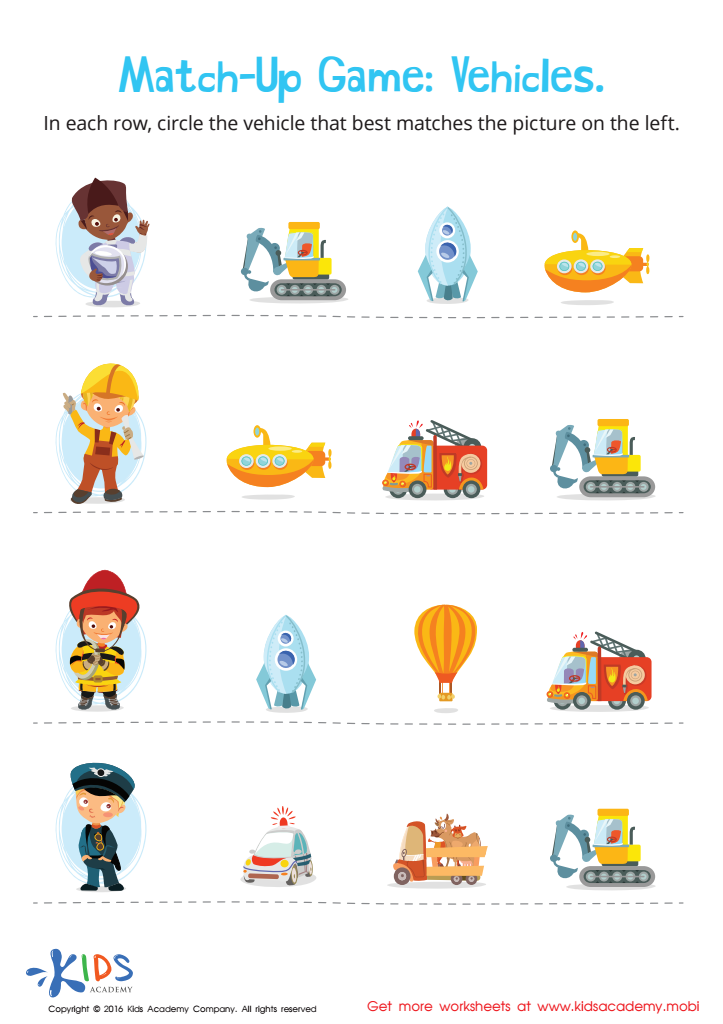
Vehicles Worksheet
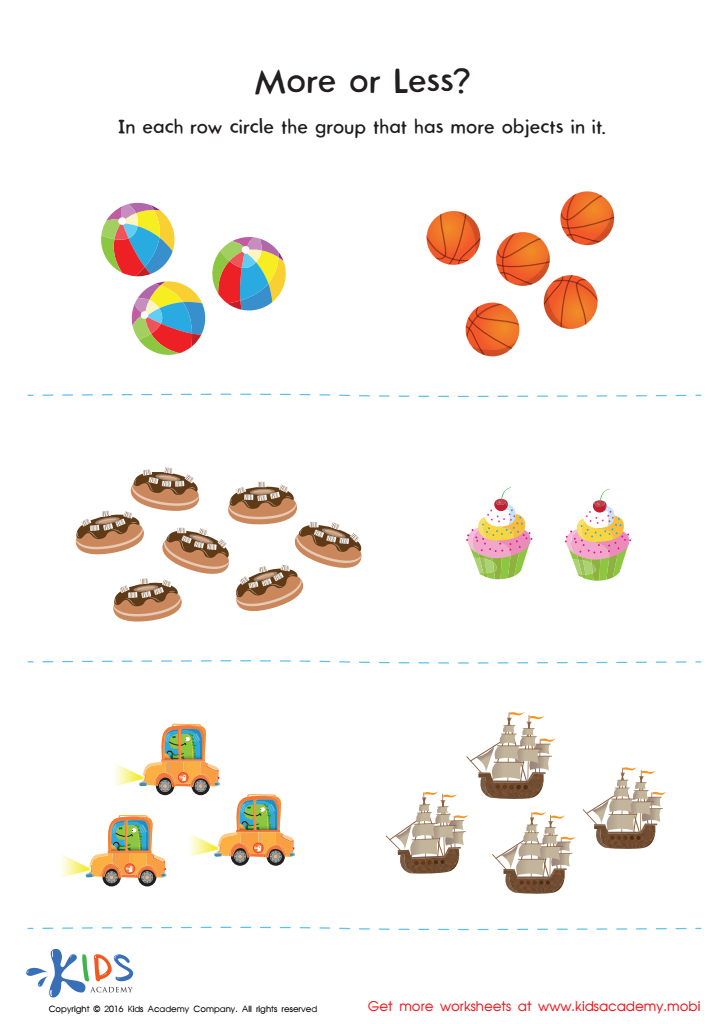
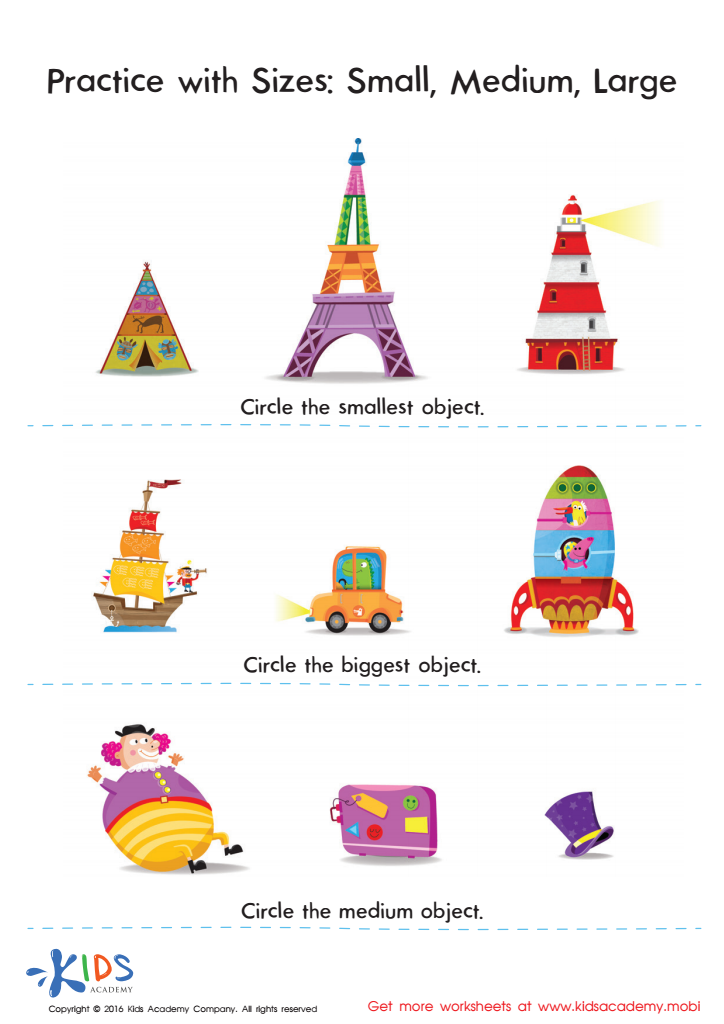
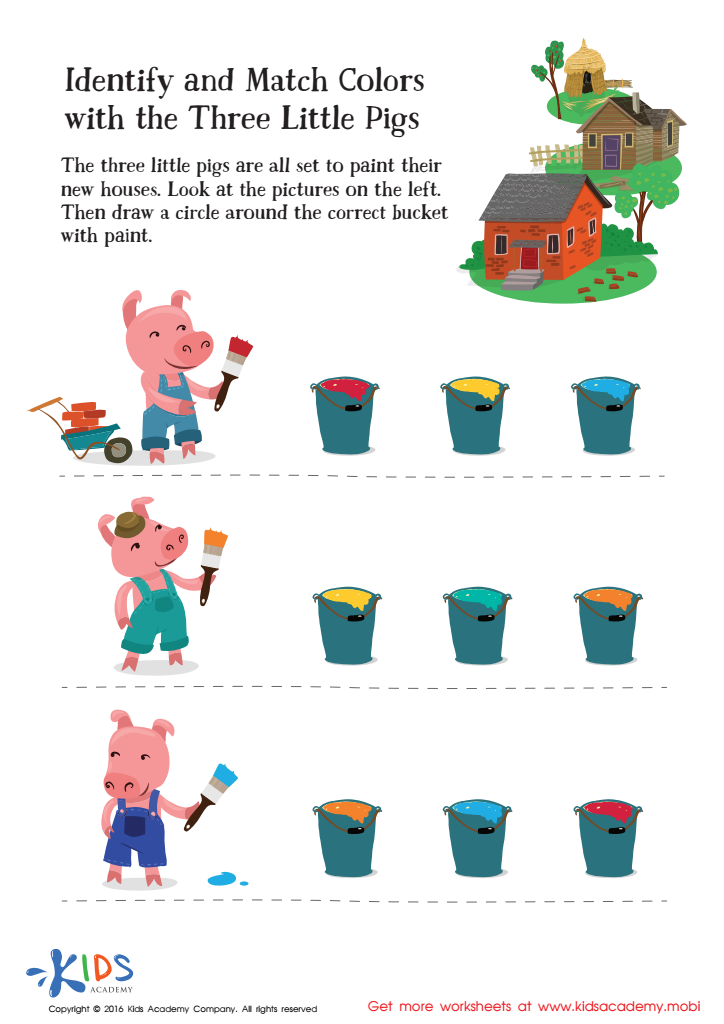
Fairy Tale Worksheet: Identify and Match Colors with Three Little Pigs
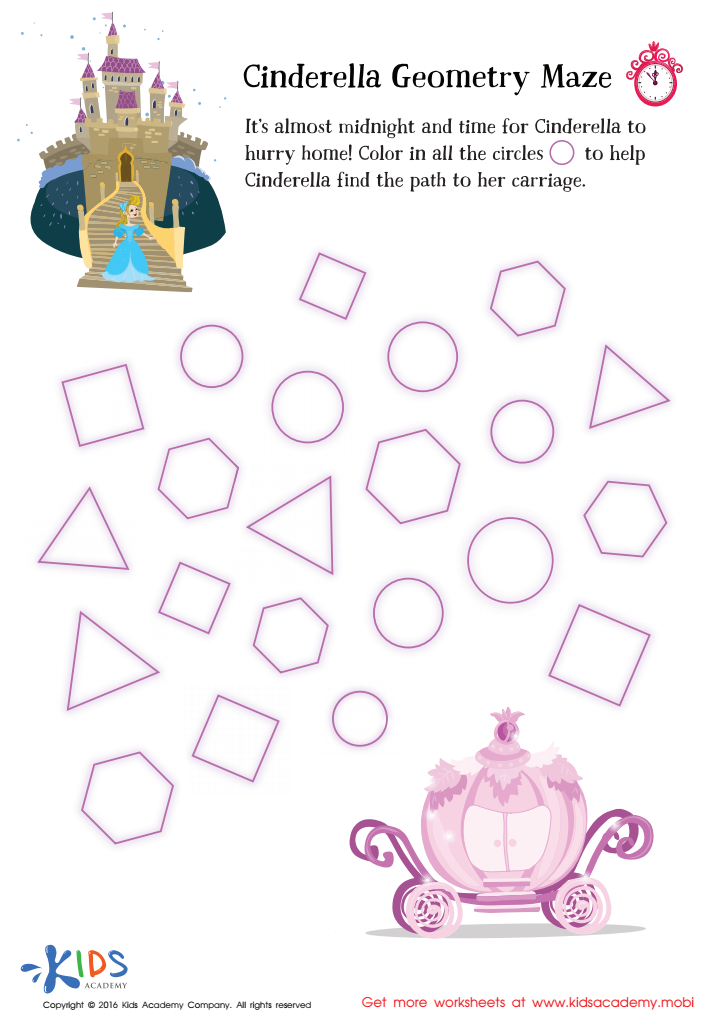
Cinderella Geometry Maze Worksheet
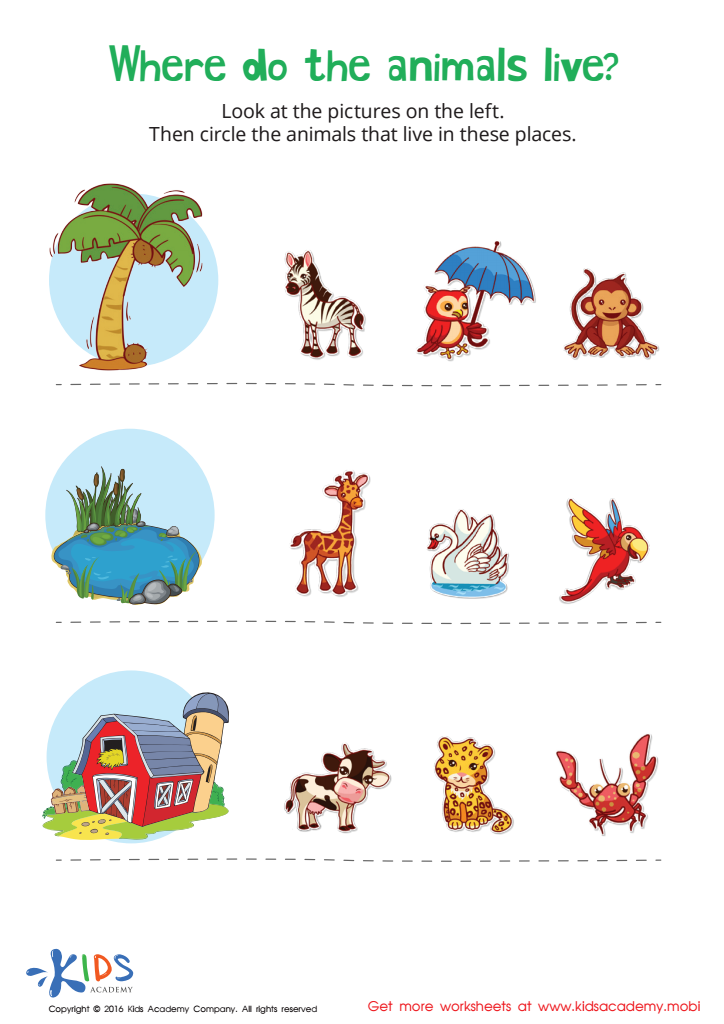
Where Animals Live Worksheet
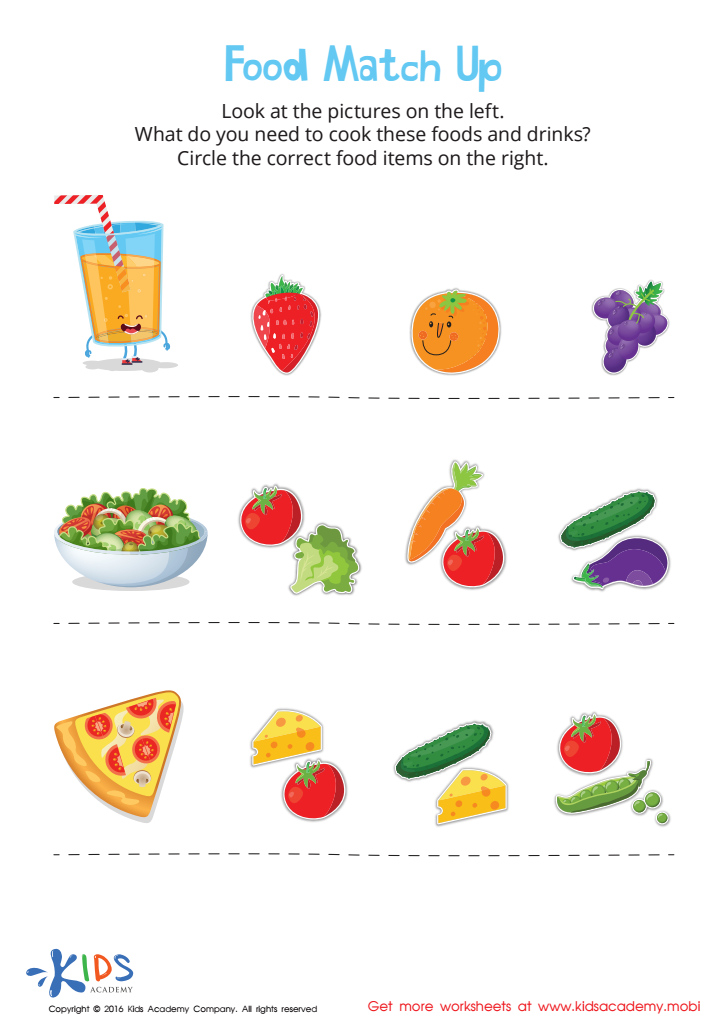
Food Match Up Worksheet

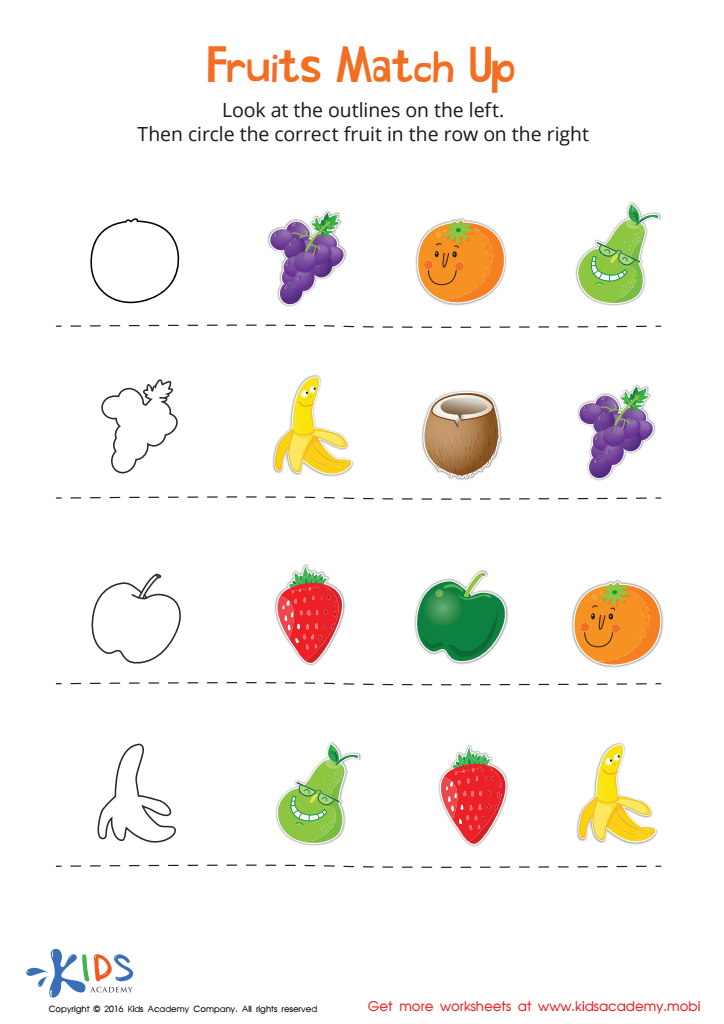
Fruits Match Up Worksheet
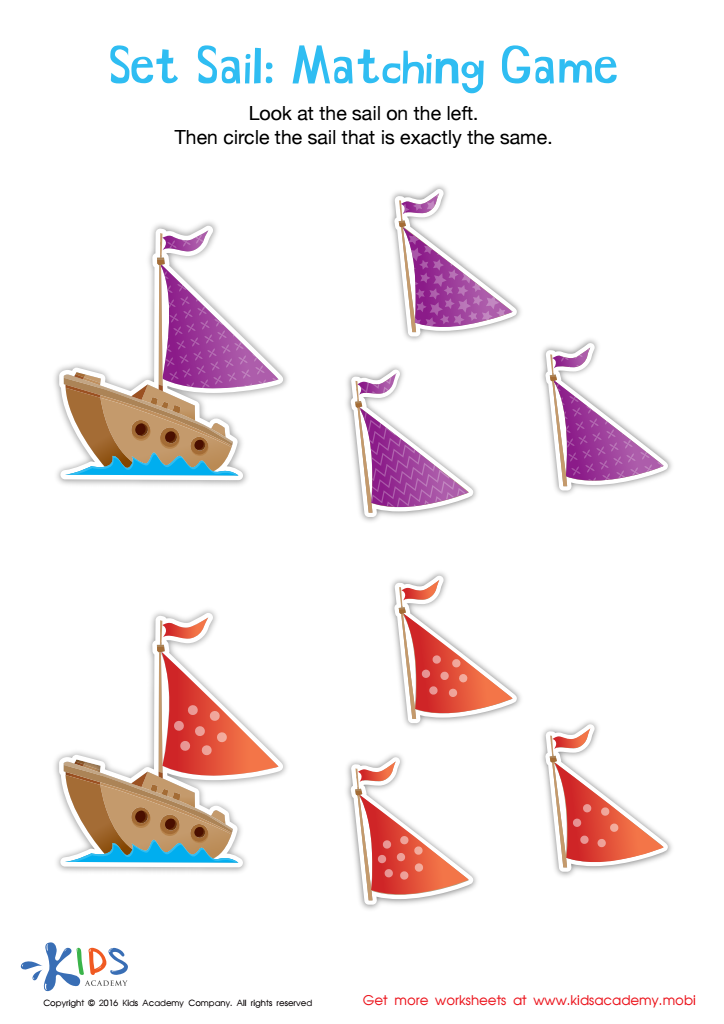
Set Sail Worksheet

Matching: Plants Worksheet








Normal logical thinking activities are crucial for children aged 4-9 as they lay the foundation for critical reasoning skills, problem-solving abilities, and cognitive development. At this age, children's brains are highly adaptable, making it an ideal time to introduce them to structured thought processes. Engaging in activities that promote logical thinking, such as puzzles, games, and riddles, allows children to grasp cause-and-effect relationships, recognize patterns, and categorize information—skills that are essential for academic success.
Moreover, logical thinking activities encourage creativity by challenging children to think outside the box and explore various solutions to problems. It also fosters independence and self-confidence as they learn to approach tasks with a sense of strategy and determination. Parents and teachers should value these activities not only for their educational benefits but also for their role in emotional and social growth. Games often involve teamwork and sharing, promoting collaborative skills and emotional intelligence.
Investing time in normal logical thinking activities enriches a child’s learning experience and empowers them with skills that extend beyond the classroom, setting them on a path to lifelong critical thinking. In a world increasingly reliant on complex reasoning, early investment in these skills is more vital than ever.








