Science Worksheets for Ages 7-9 - Page 6
325 filtered results
-
From - To
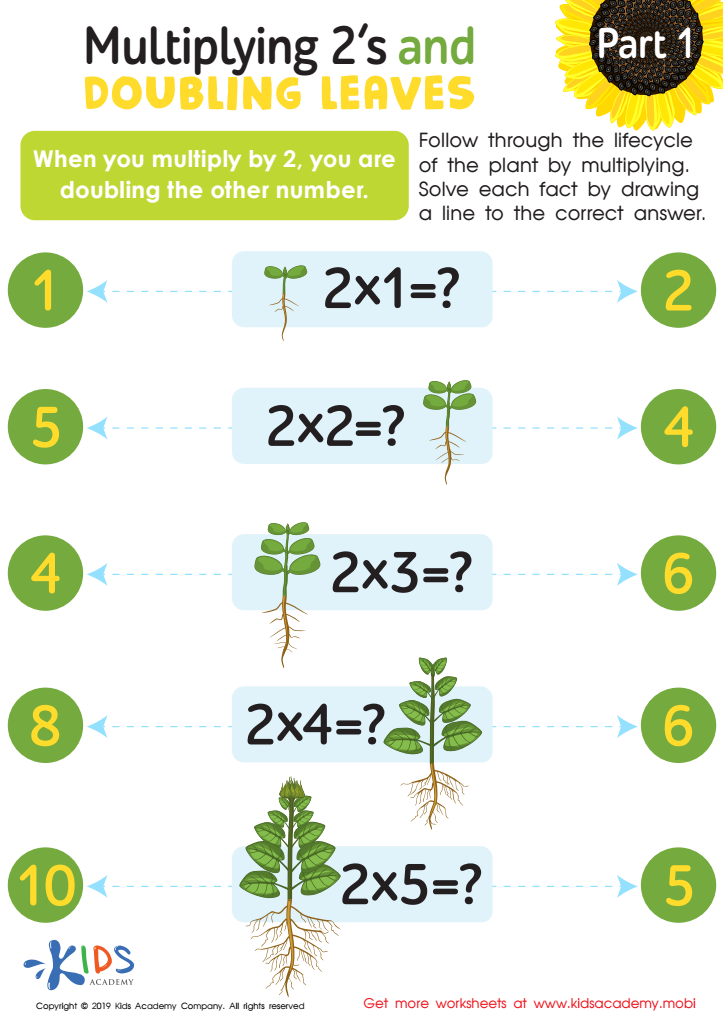
Multiplying 2’s and Doubling Leaves Part 1 Worksheet
 Assign to My Students
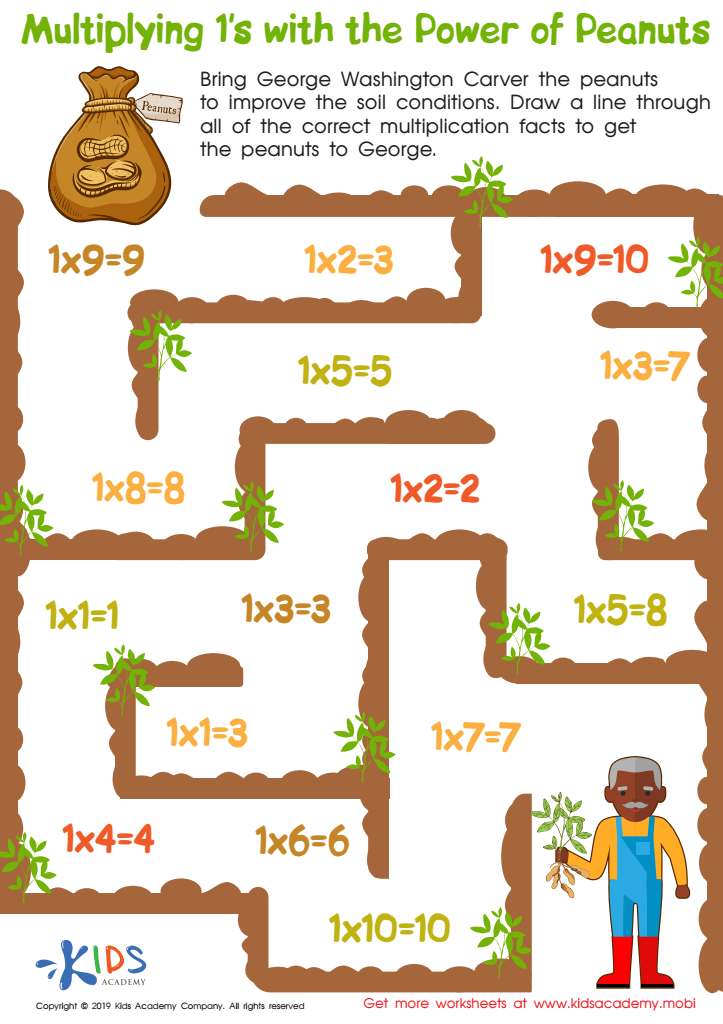
Multiplying 1’s With the Power of Peanuts Worksheet
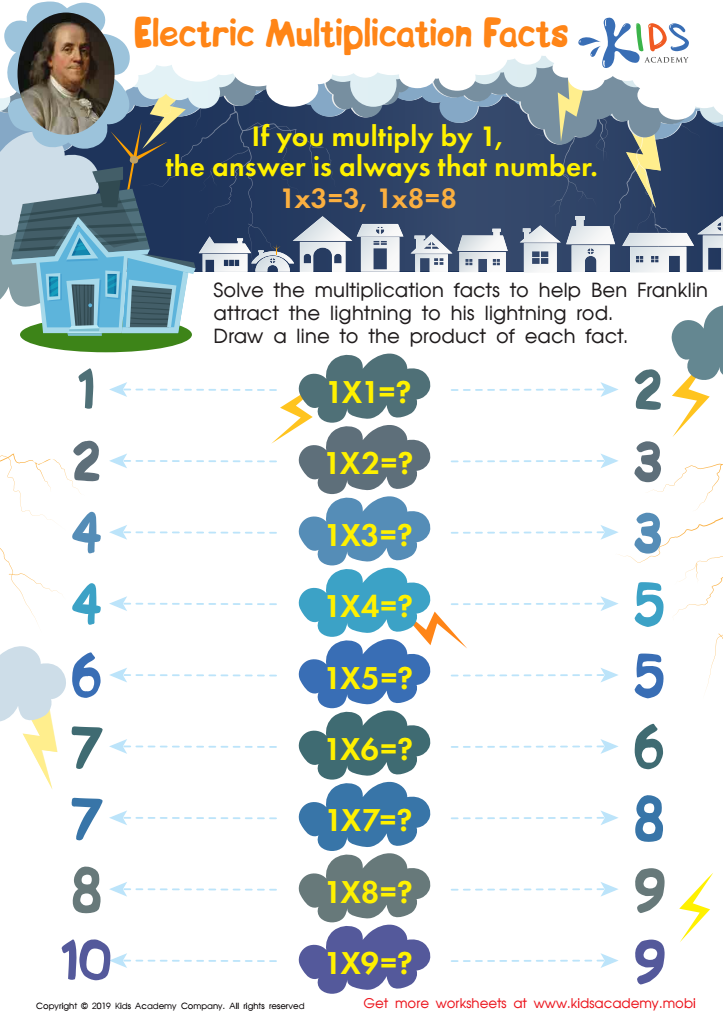
Electric Multiplication Facts Worksheet
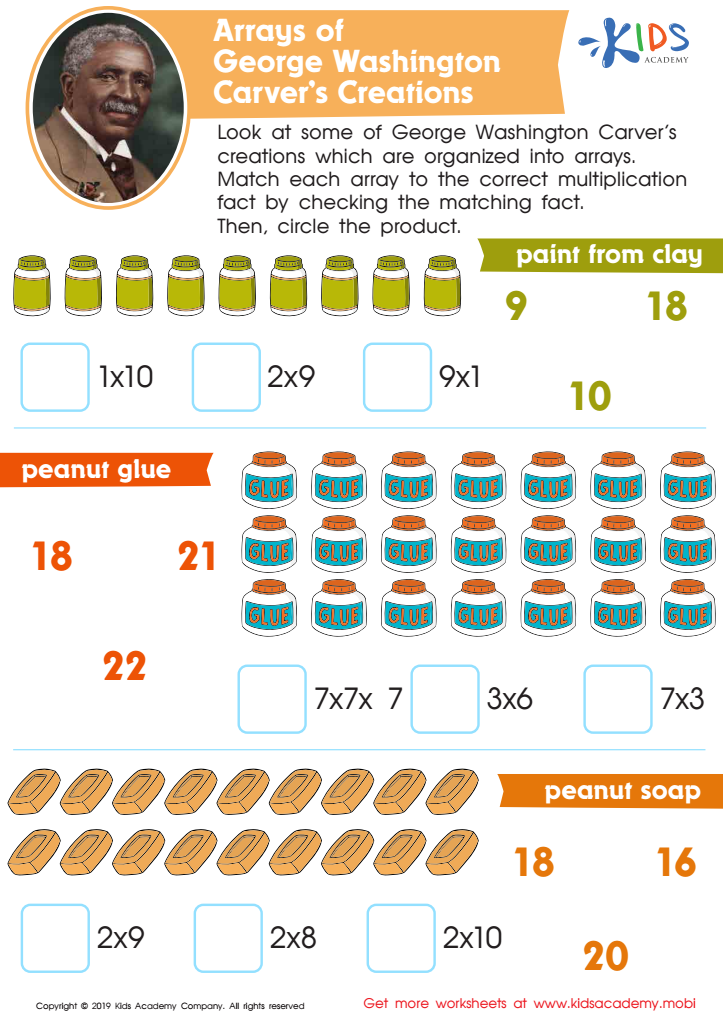
Arrays of George Washington Carver’s Creations Worksheet
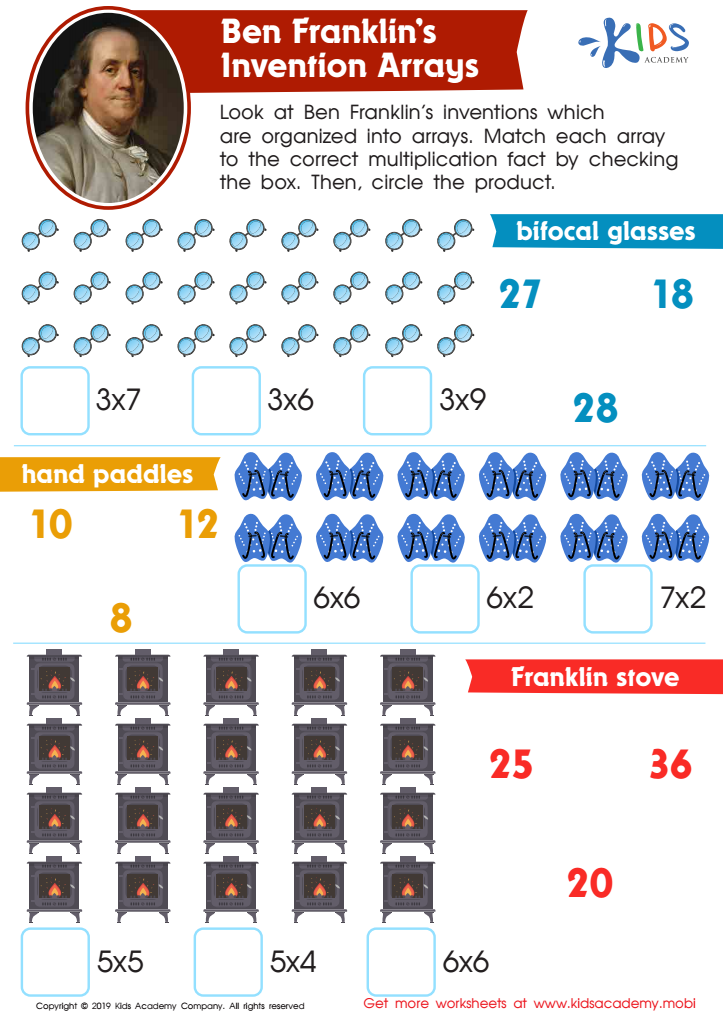
Ben Franklin’s Invention Arrays Worksheet
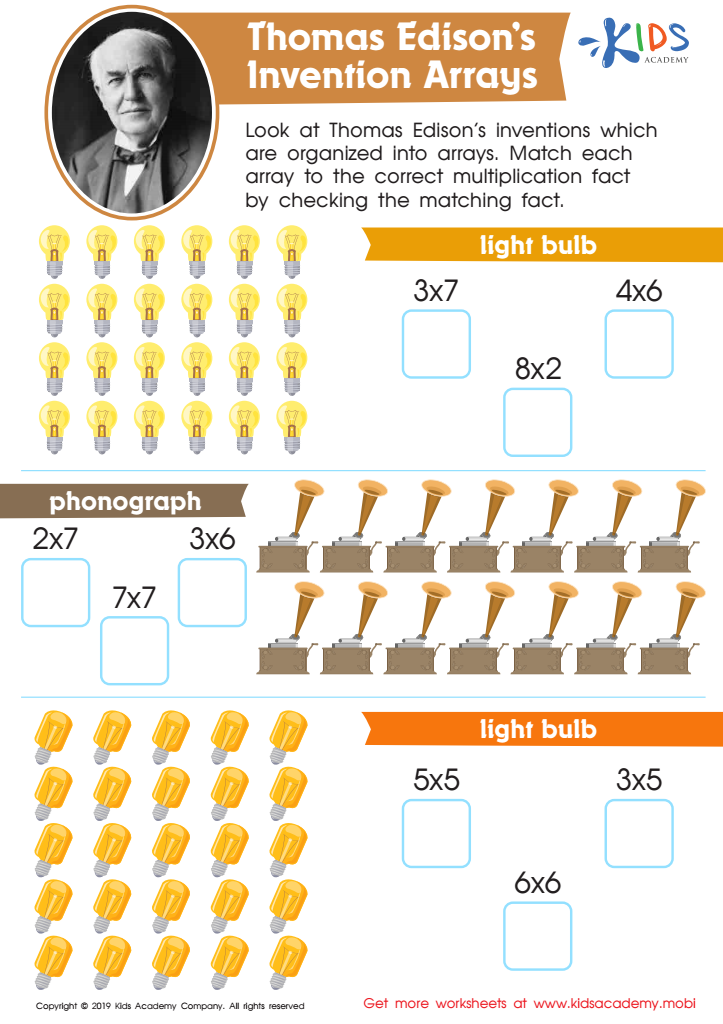
Thomas Edison’s Invention Arrays Worksheet
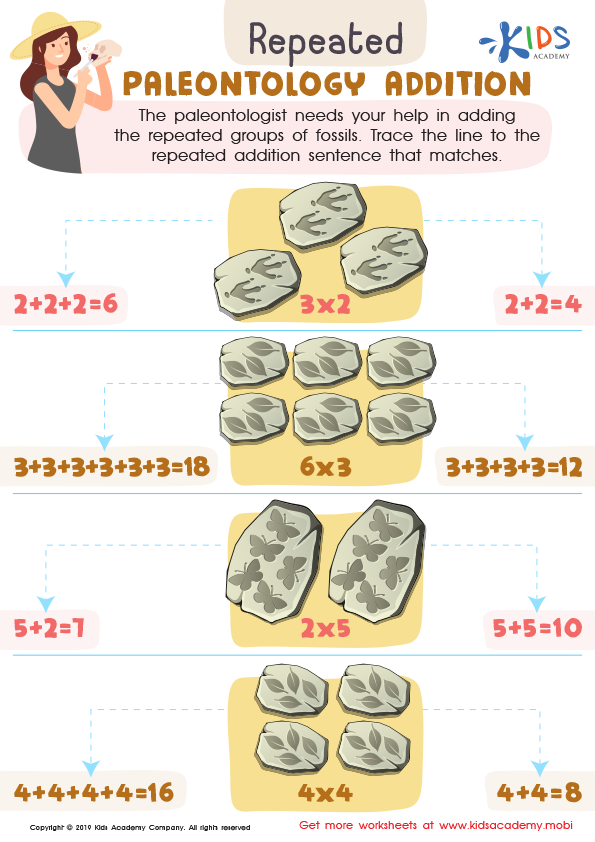
Repeated Archaeology Addition Worksheet
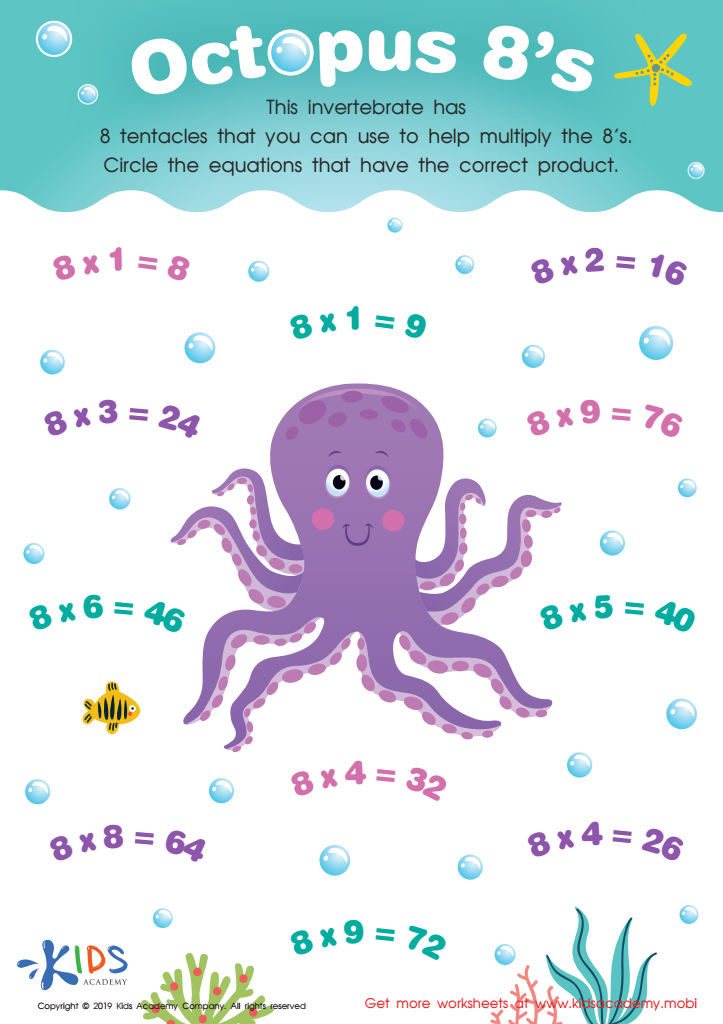
Octopus 8’s Worksheet
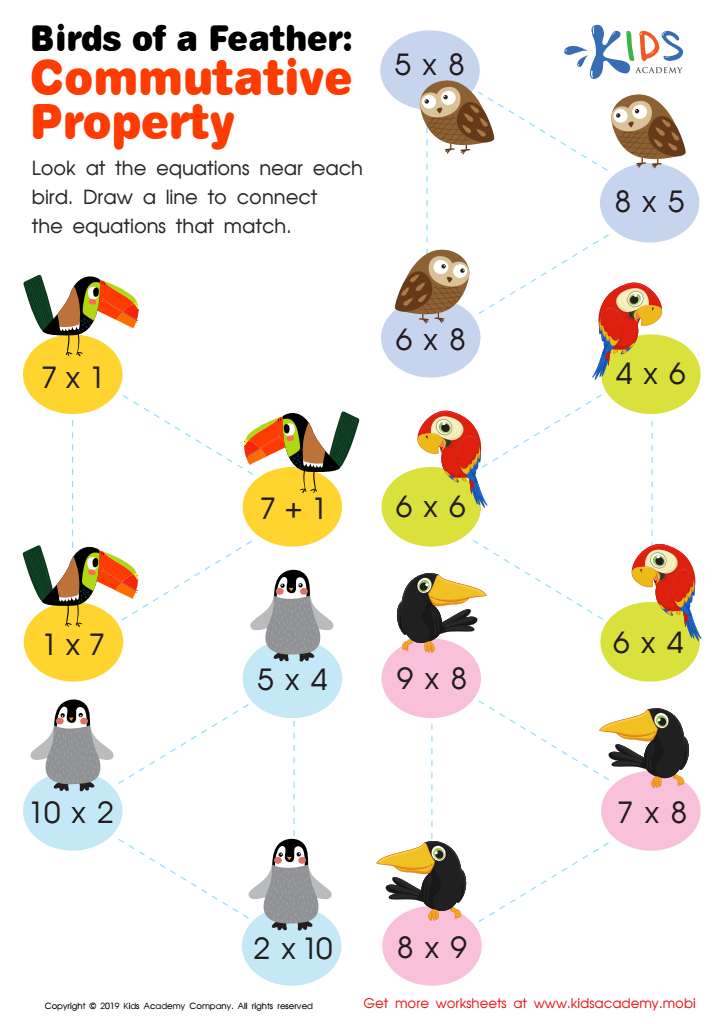
Birds of a Feather: Commutative Property Worksheet
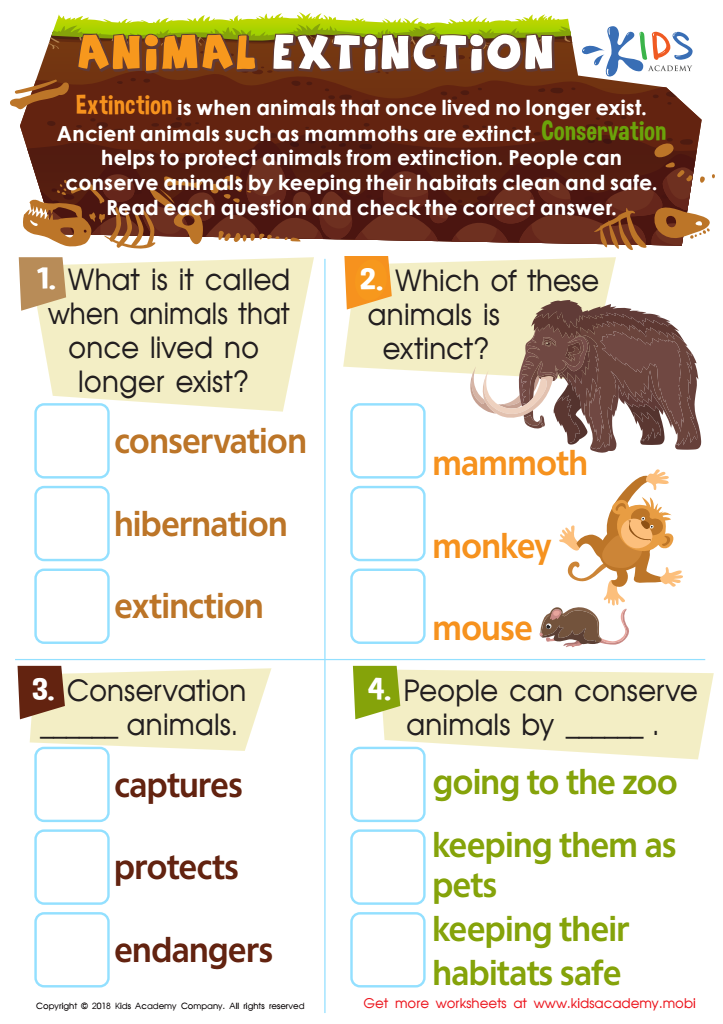
Animal Extinction Worksheet
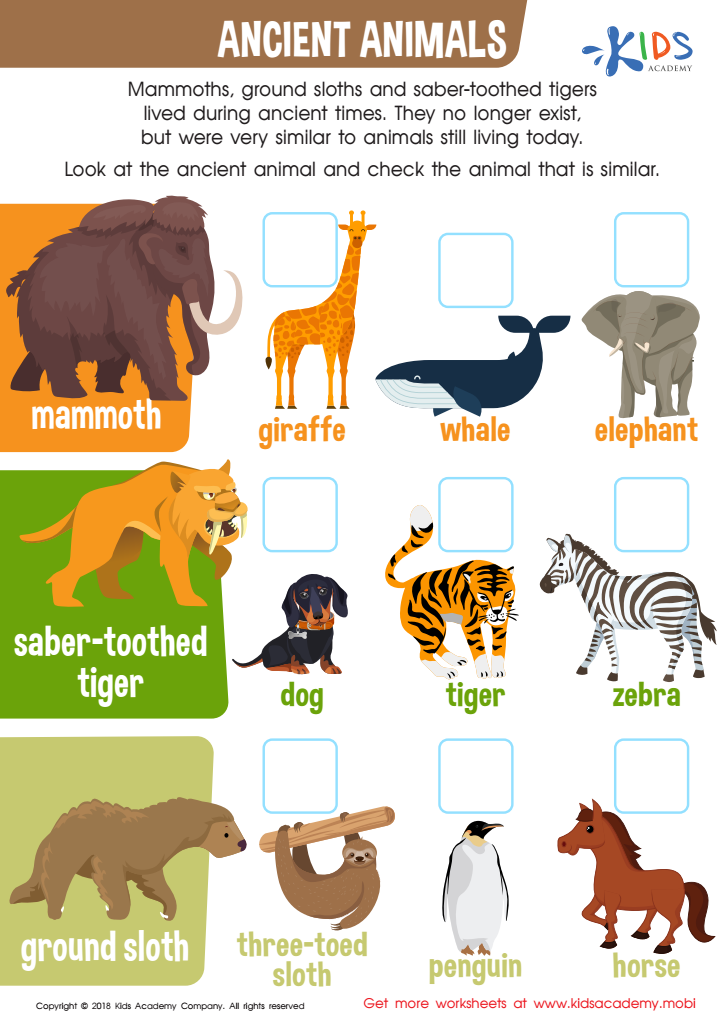
Ancient Animals Worksheet
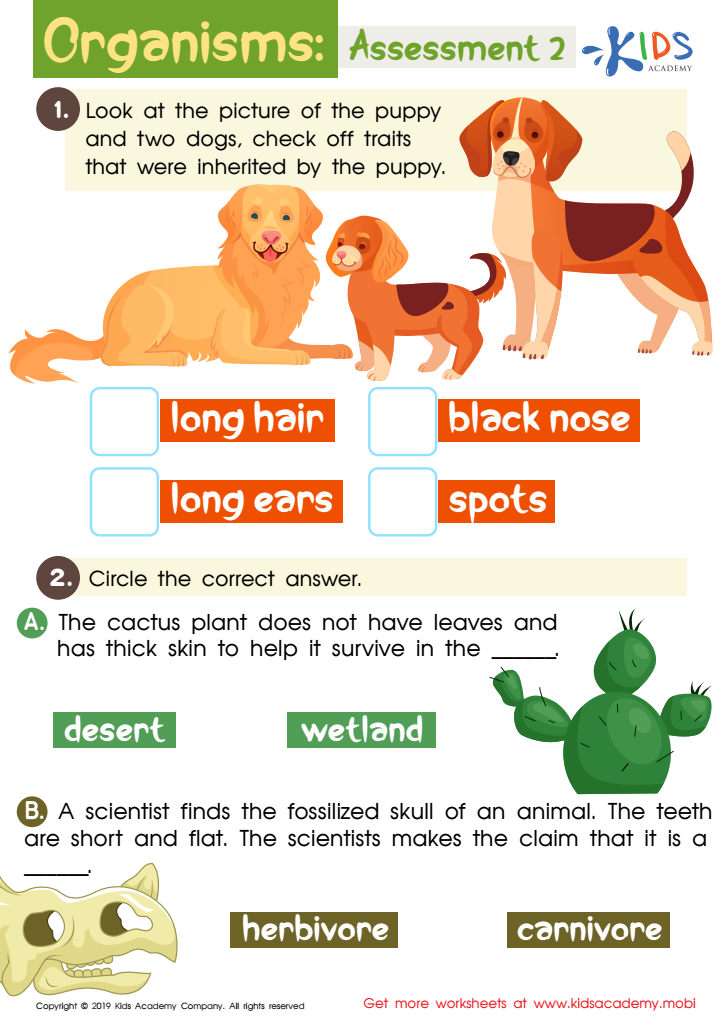
Organisms: Assessment 2 Worksheet
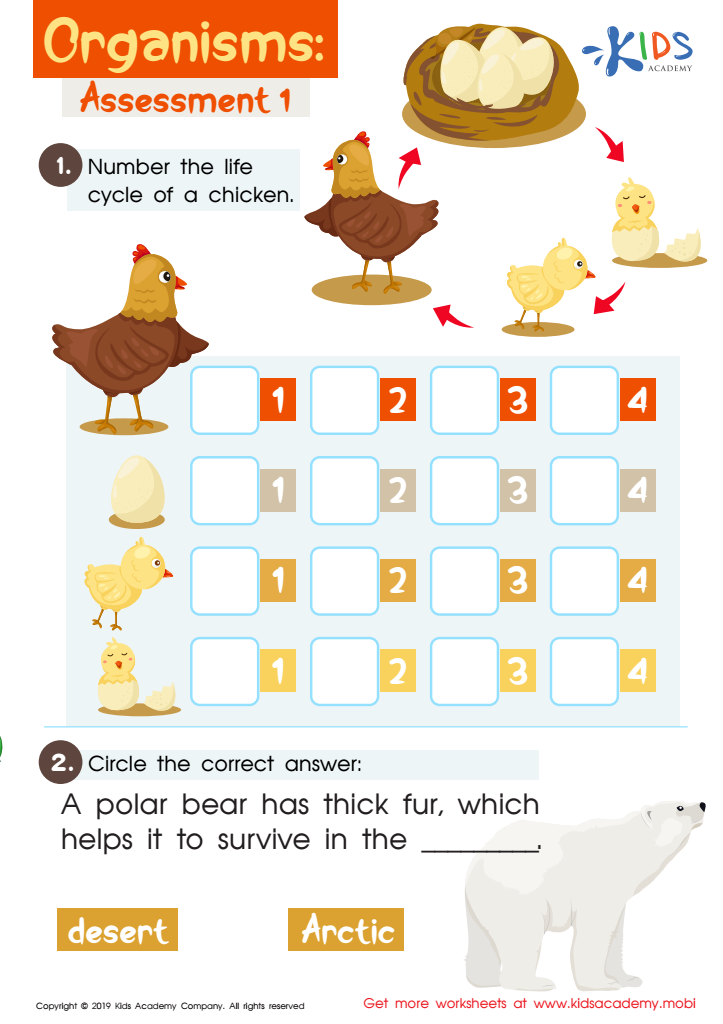
Organisms: Assessment 1 Worksheet
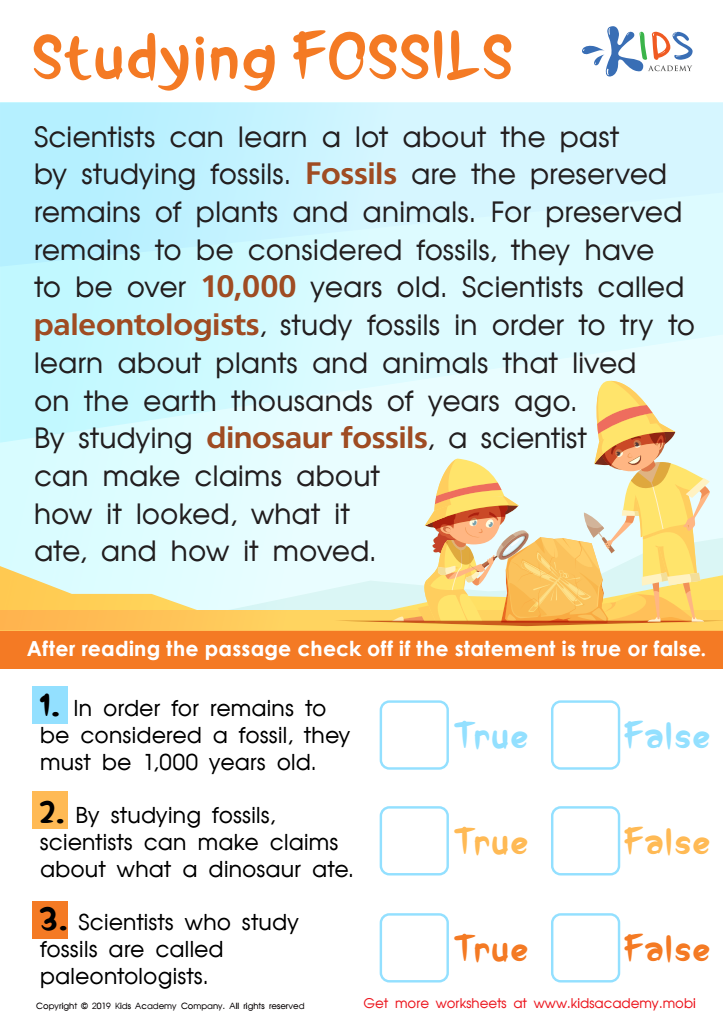
Studying Fossils Worksheet
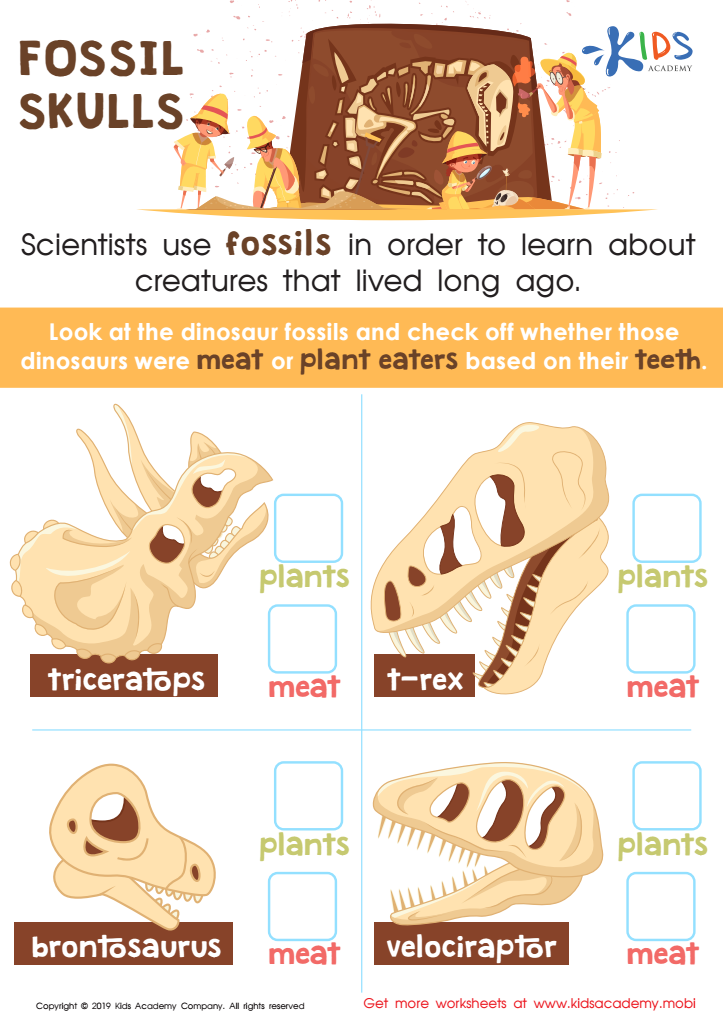
Fossil Skulls Worksheet
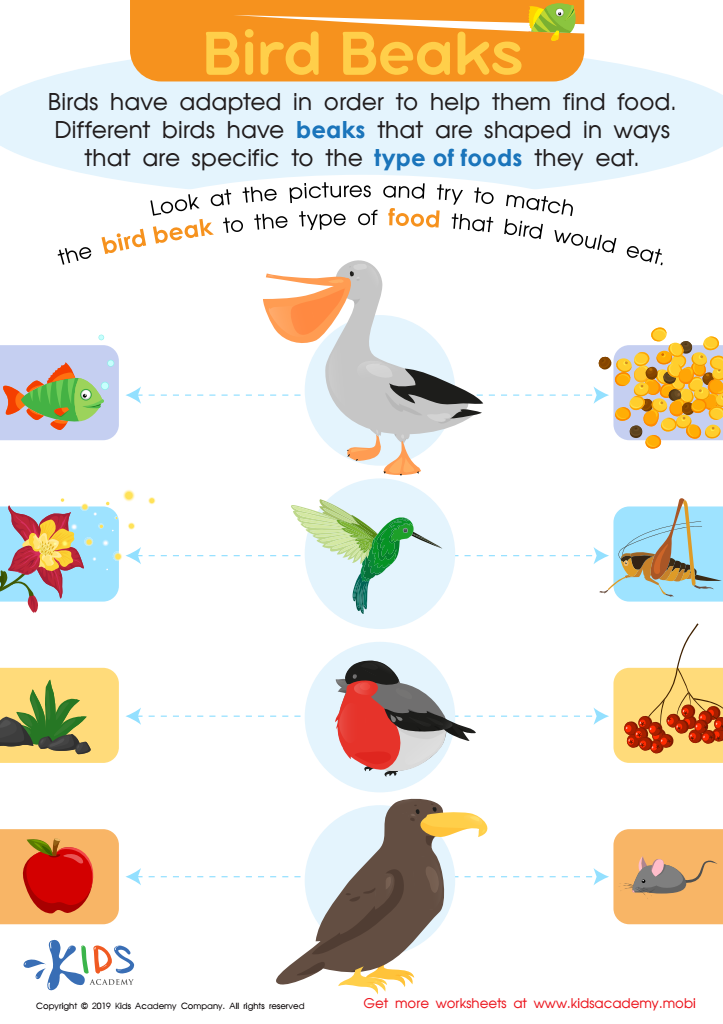
Bird Beaks Worksheet
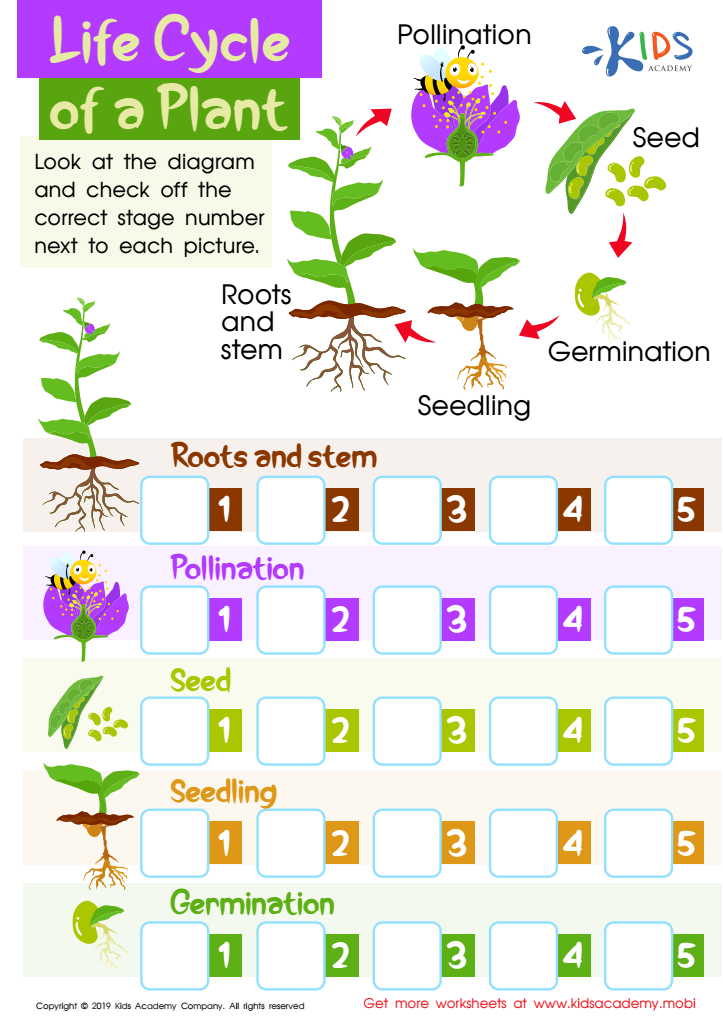
Life Cycle of a Plant Worksheet
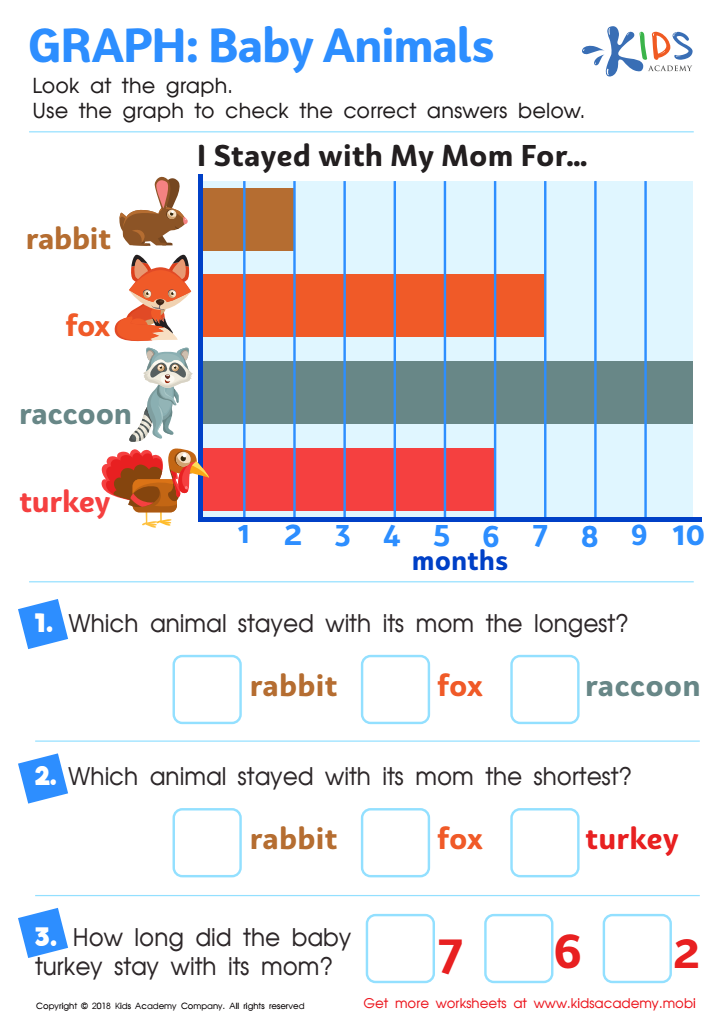
Graph: Baby Animals Worksheet
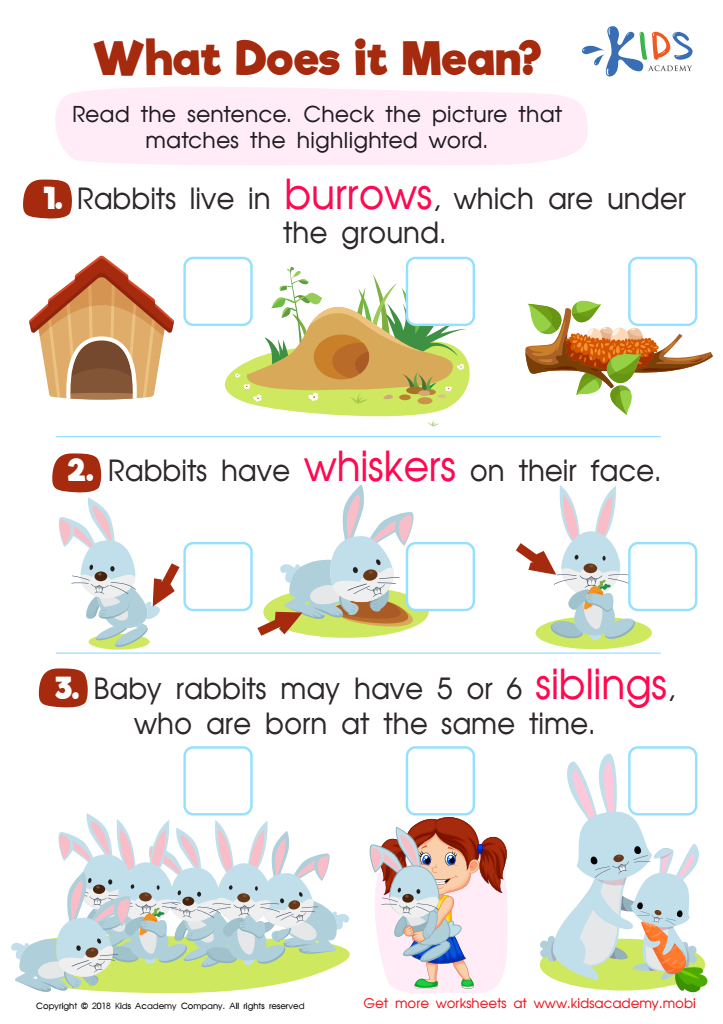
What Does It Mean? Worksheet
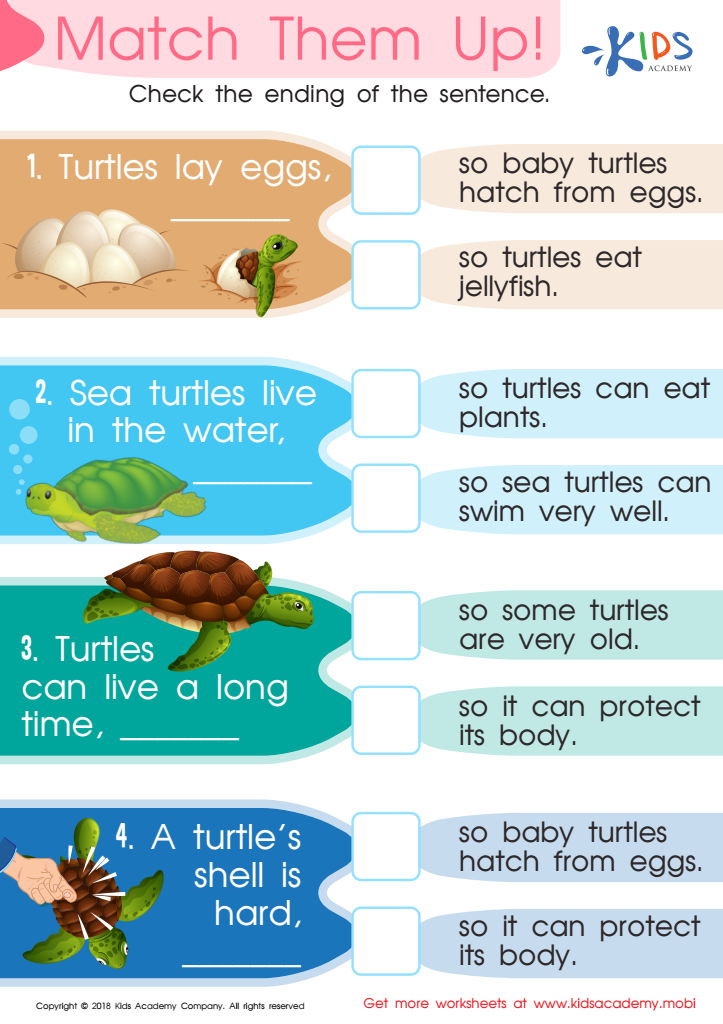
Match Them Up Worksheet
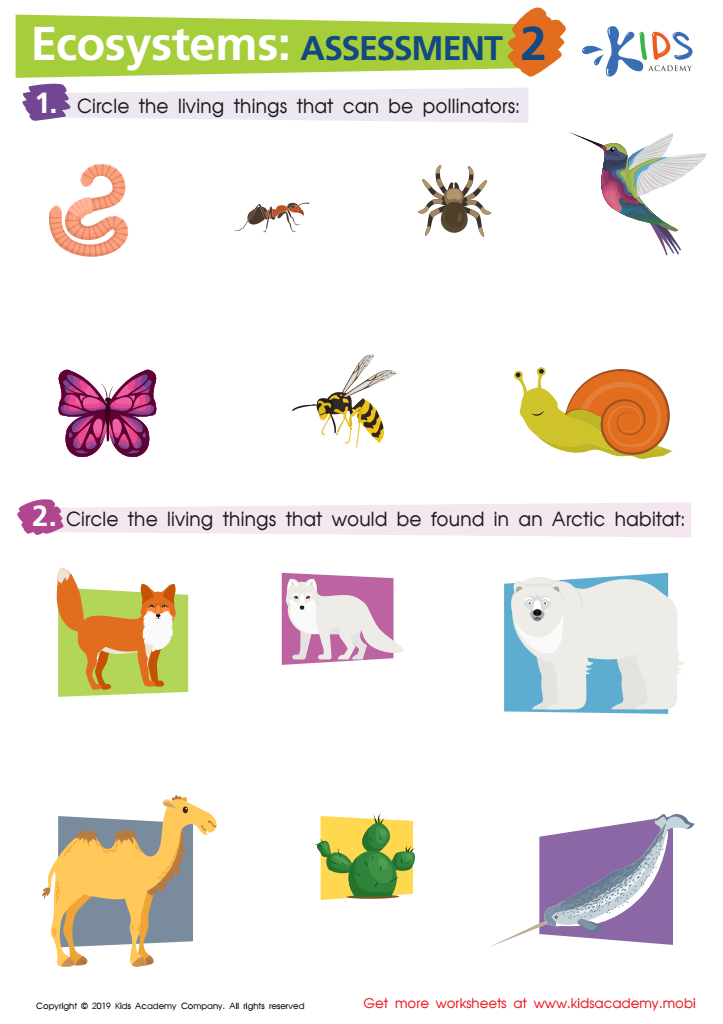
Ecosystems: Assessment 2 Worksheet
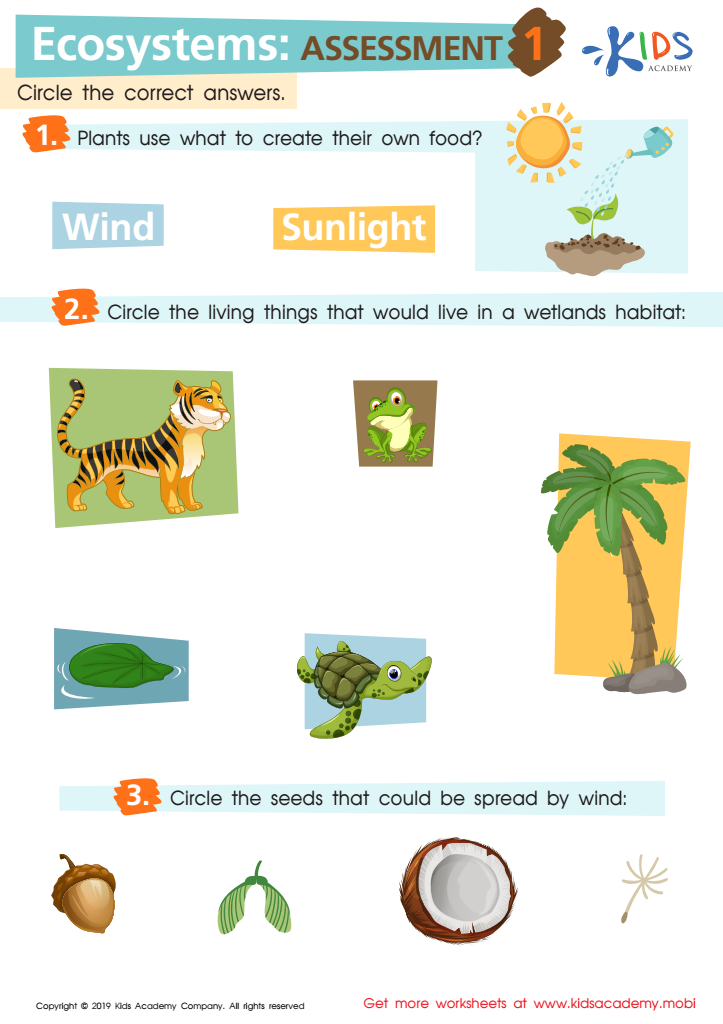
Ecosystems: Assessment 1 Worksheet
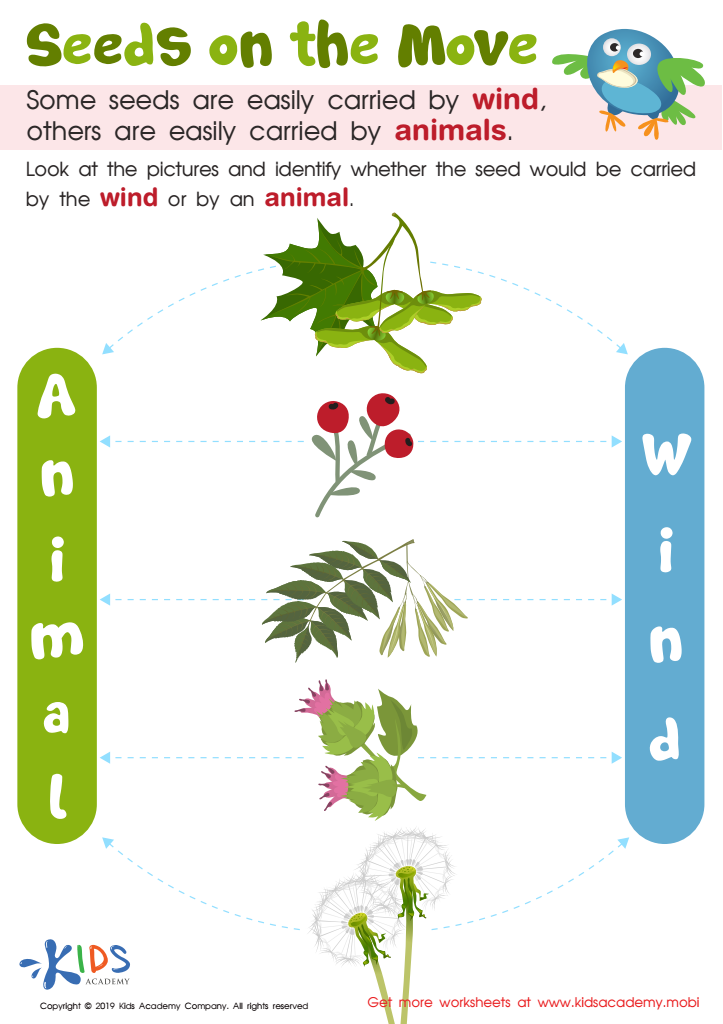
Seeds on the Move Worksheet
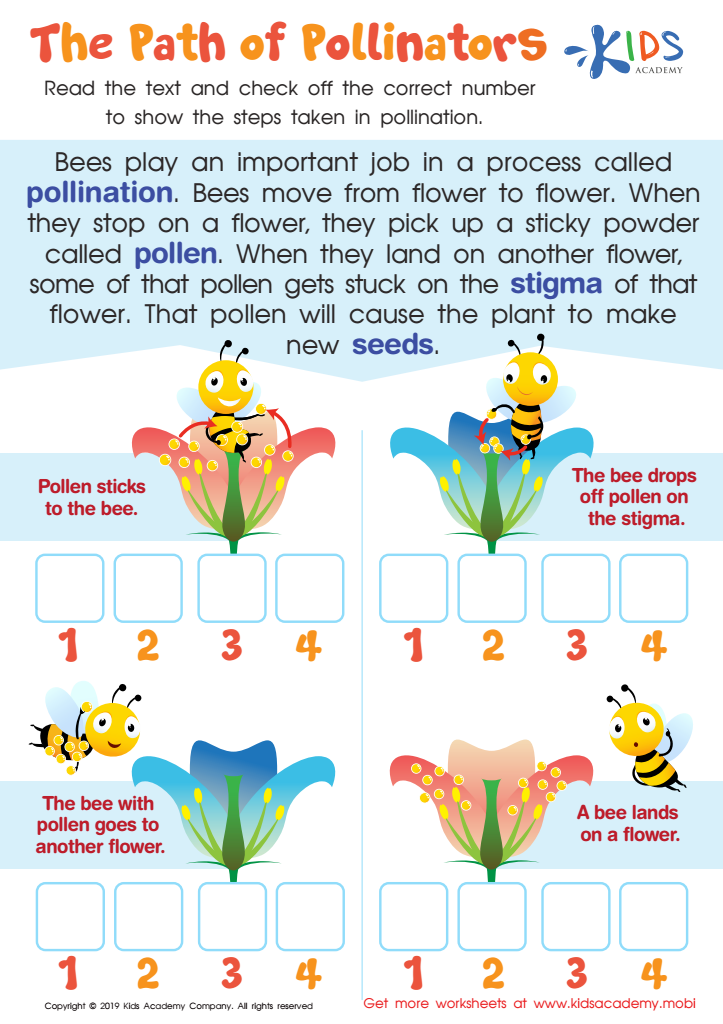
The Path of Pollinators Worksheet




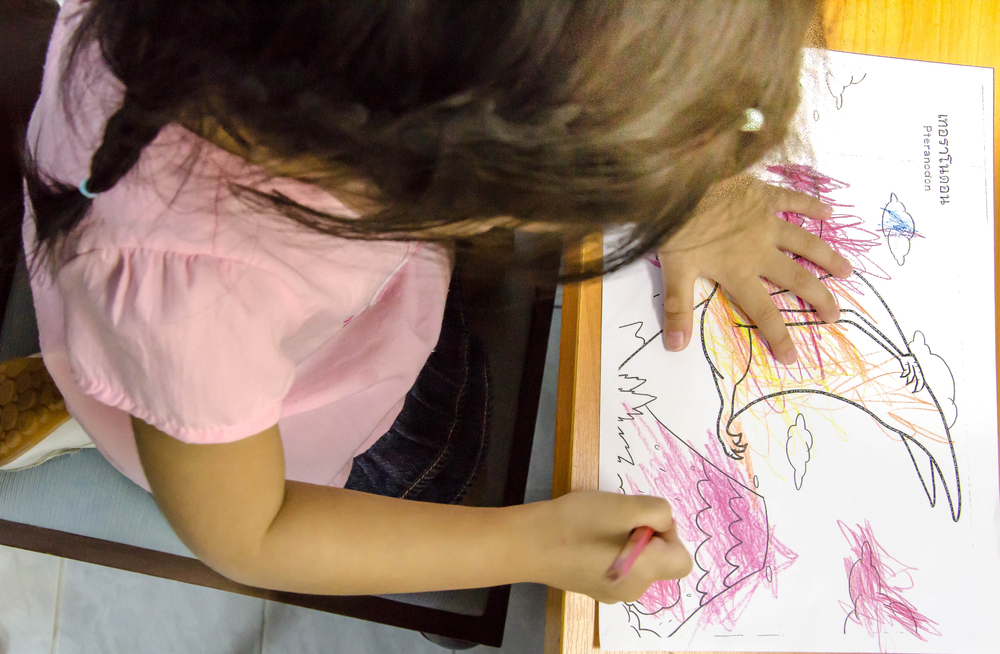


Parents and teachers should prioritize science education for children aged 7-9 because this is a critical developmental stage when curiosity and critical thinking skills begin to flourish. At this age, children are naturally inquisitive, asking questions about the world around them. Engaging them in science helps satisfy their curiosity while fostering a love for discovery.
Science education develops essential problem-solving skills and encourages students to think analytically. These early explorations in science promote creativity, allowing children to experiment and learn from failure—critical skills in a constantly changing world. Additionally, science literacy is increasingly important in today’s global society, as understanding scientific concepts helps children make informed decisions about health, environment, and technology.
Moreover, science encourages mindfulness about the planet and our impact on it, instilling a sense of responsibility and empowerment in the next generation. When parents and teachers present science as an exciting and hands-on subject, they create a dynamic learning environment that not only bolsters academic performance but also enhances social skills through collaboration on experiments and projects.
Overall, investing in science education at this formative age lays the groundwork for future learning and inspires lifelong inquisitiveness about the world.







