Plants and Animals Worksheets for Ages 4-8 - Page 3
142 filtered results
-
From - To
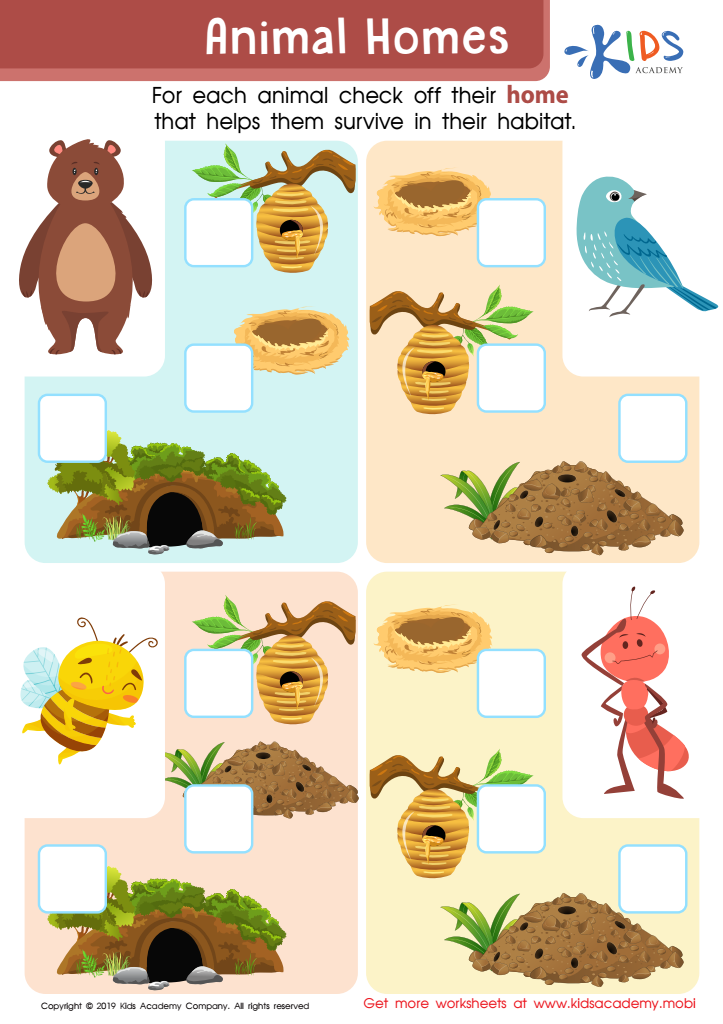
Animal Homes Worksheet
 Assign to My Students

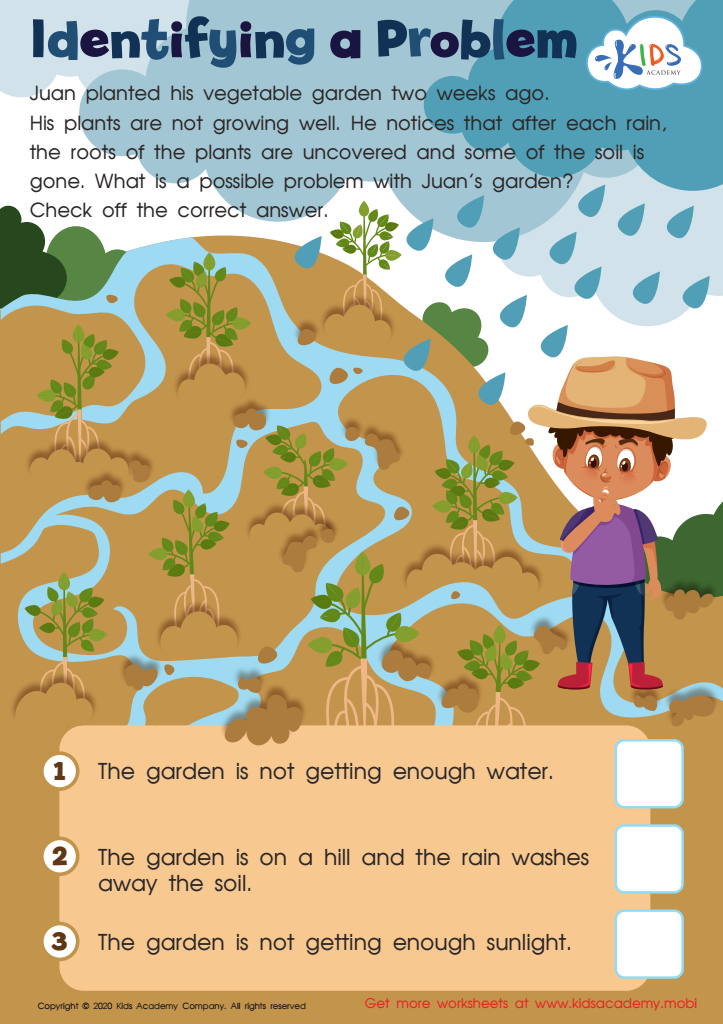
Identifying a Problem Worksheet
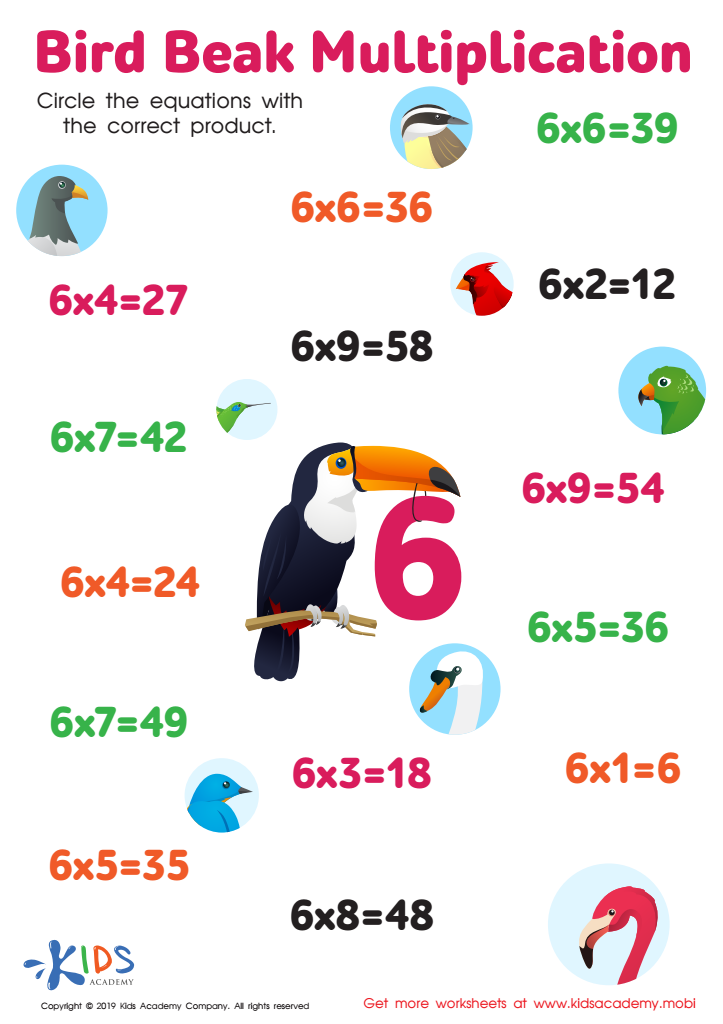
Bird Beak Multiplication Worksheet
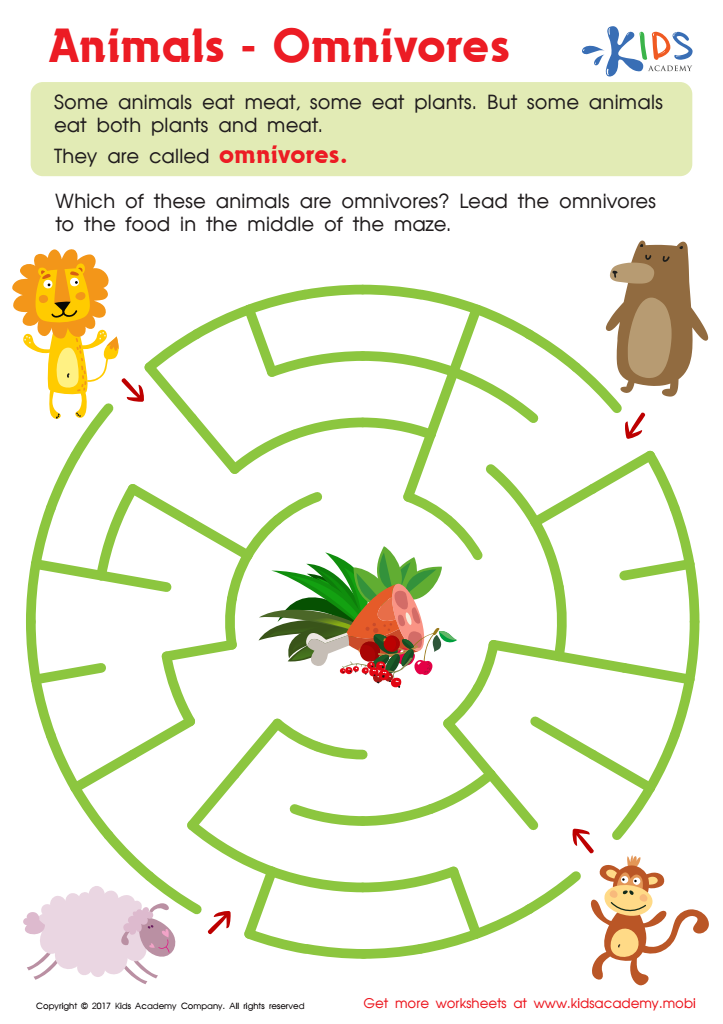
Omnivores Animals Worksheet
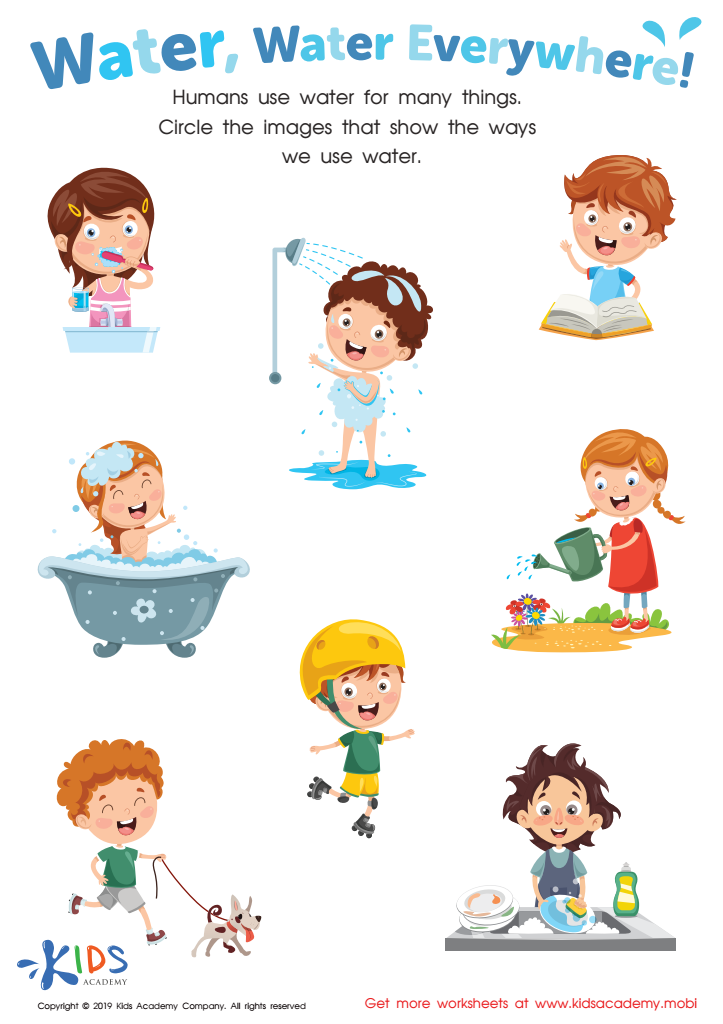
Water, Water Everywhere! Worksheet
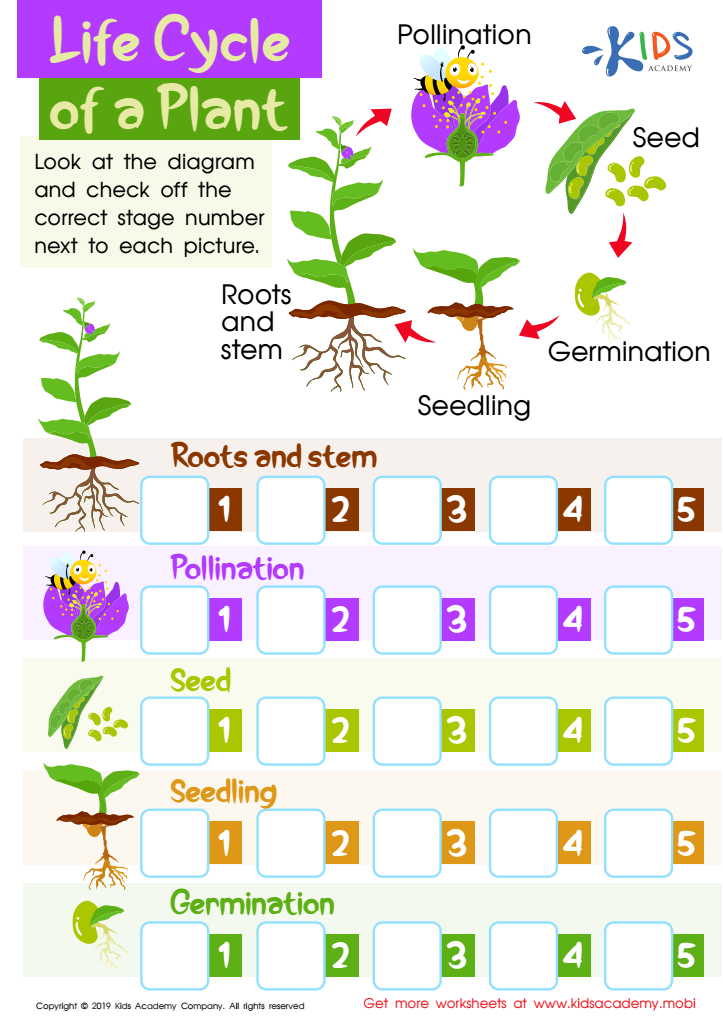
Life Cycle of a Plant Worksheet
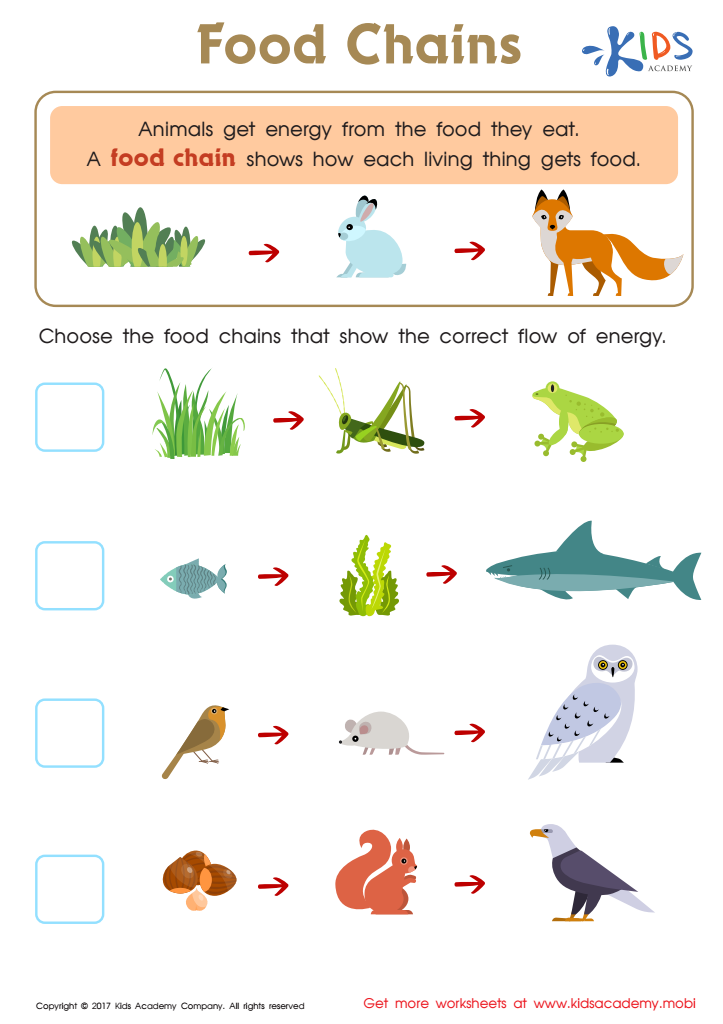
Food Webs and Food Chains Worksheet
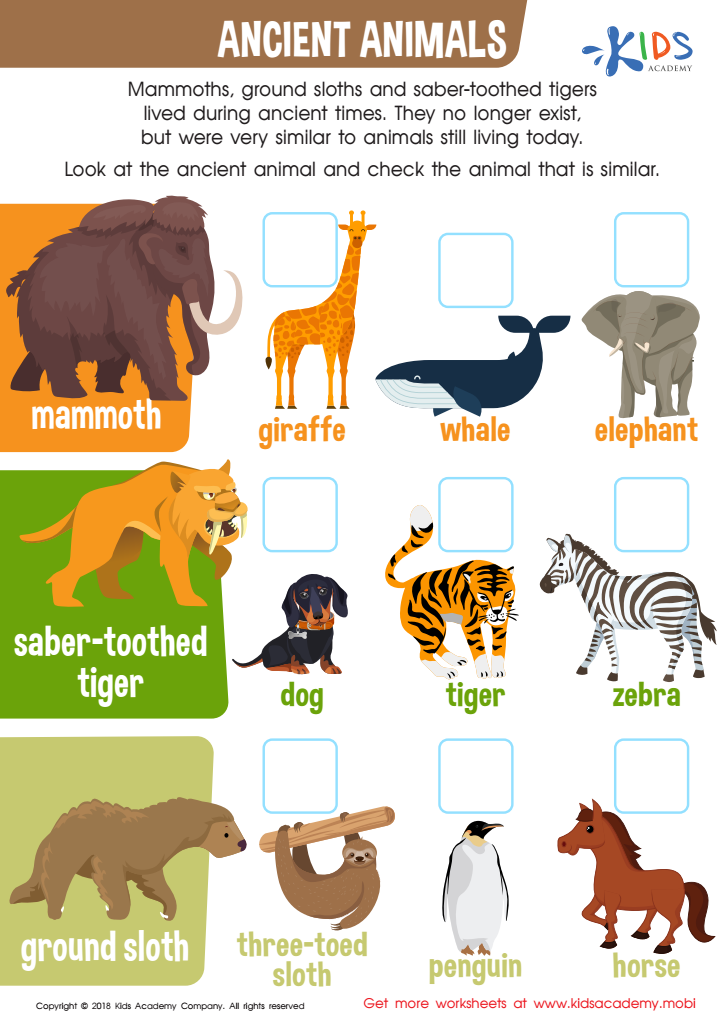
Ancient Animals Worksheet
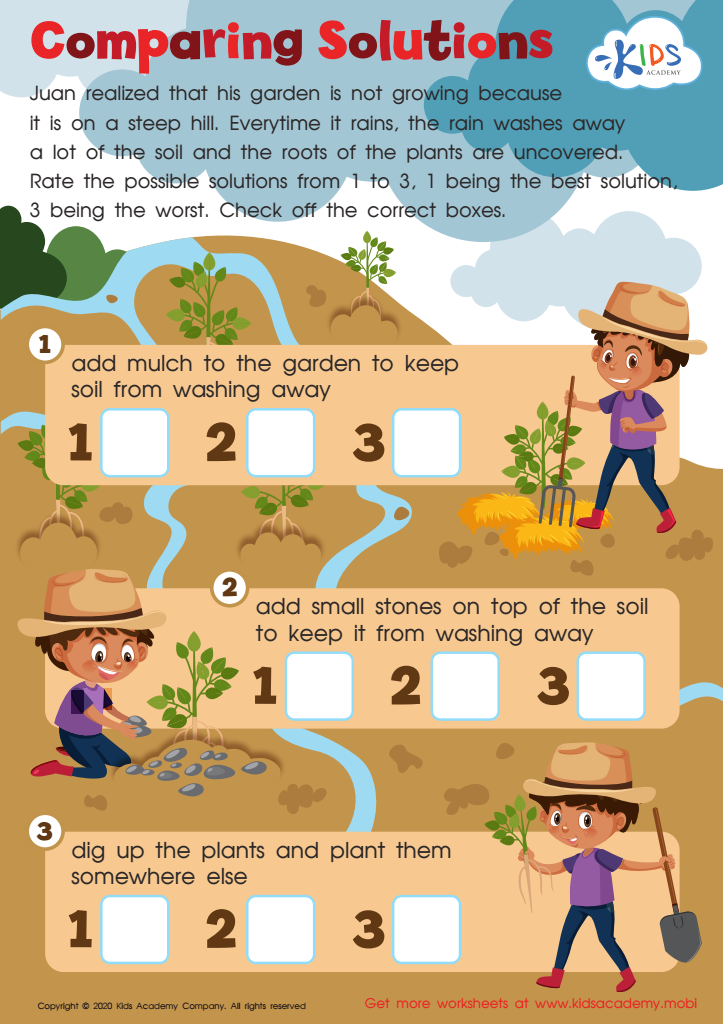
Comparing Solutions Worksheet
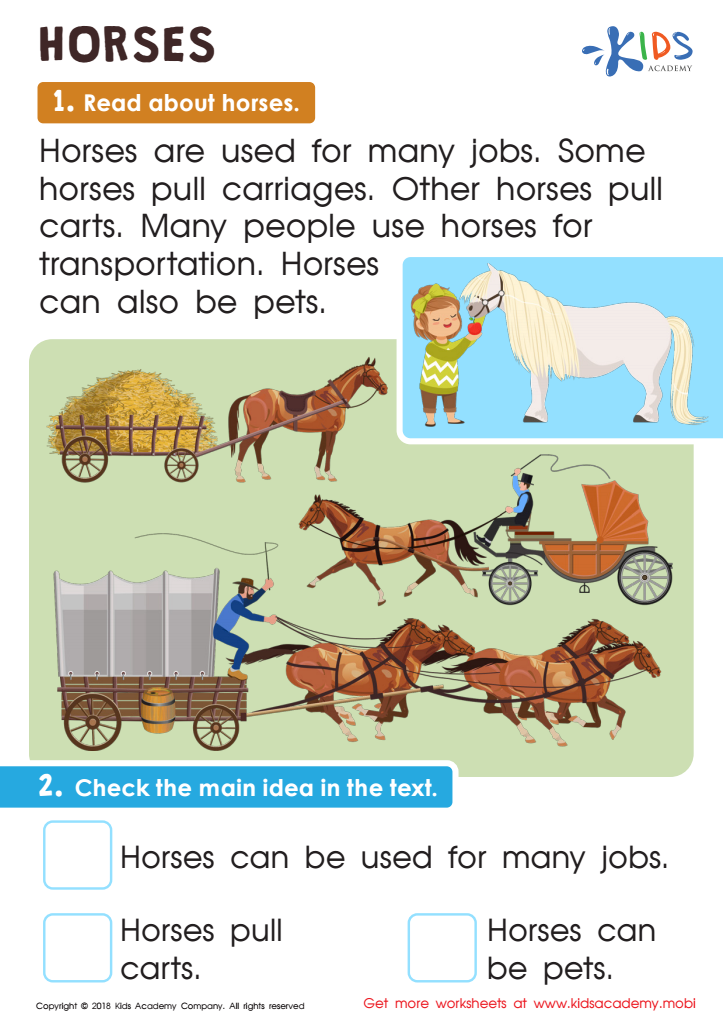
Horses Worksheet
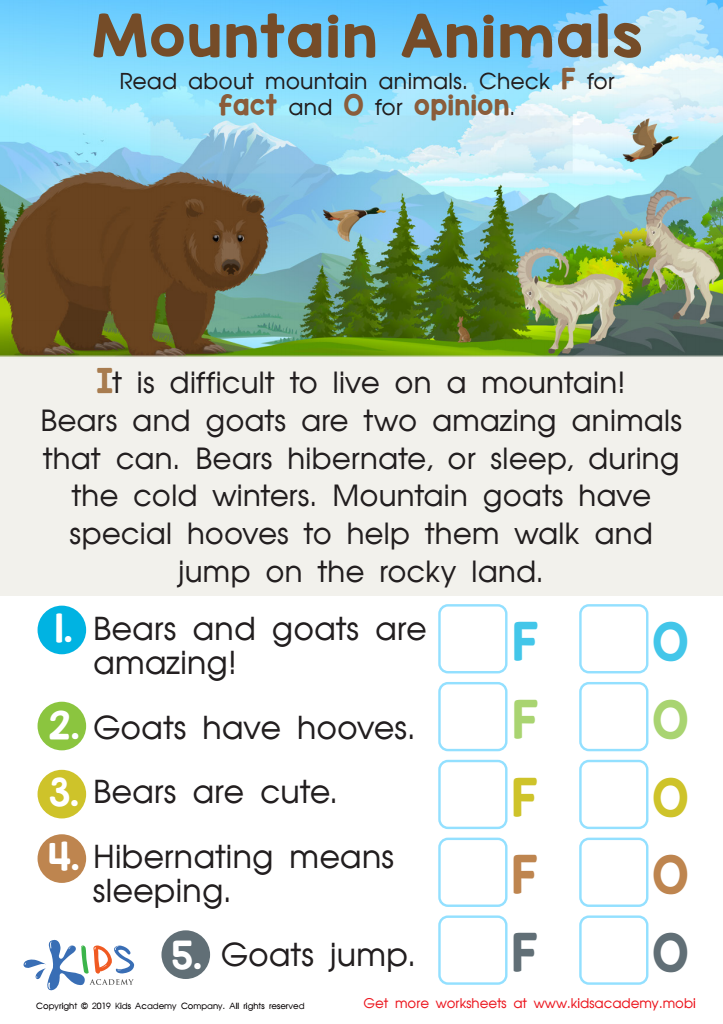
Mountain Animals Worksheet
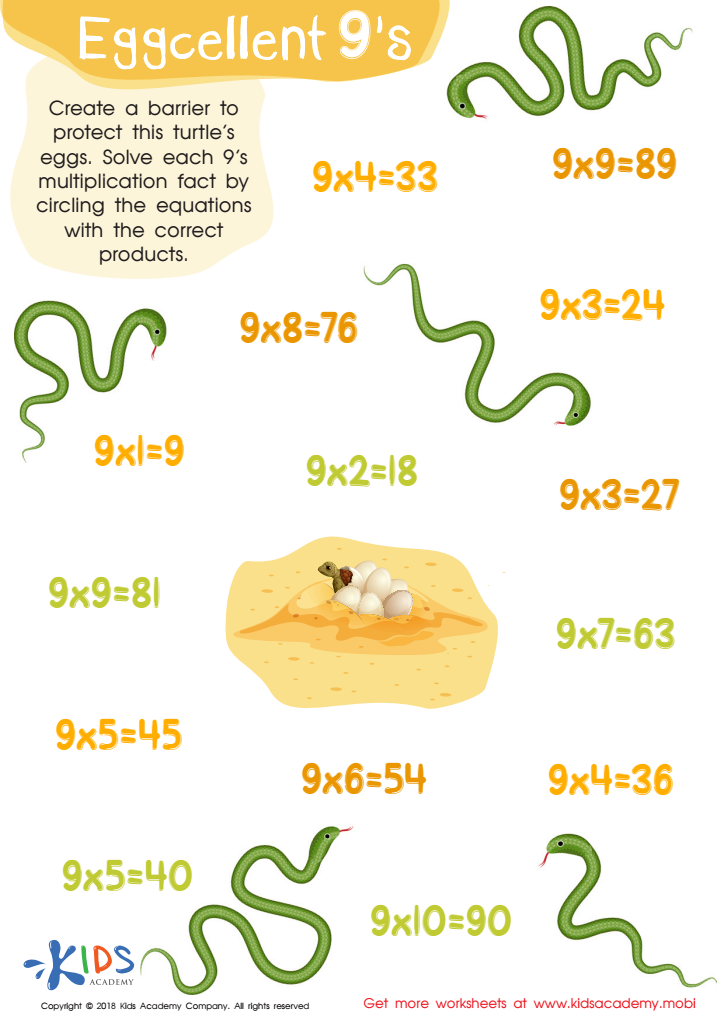
Eggcellent 9’s Worksheet
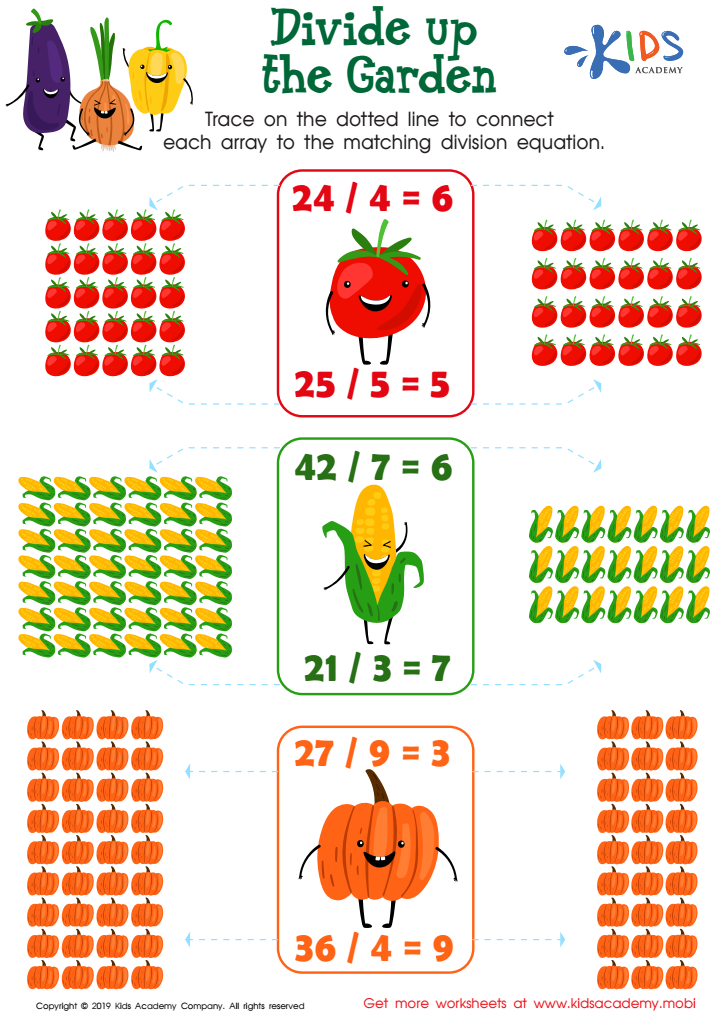
Divide up the Garden Worksheet
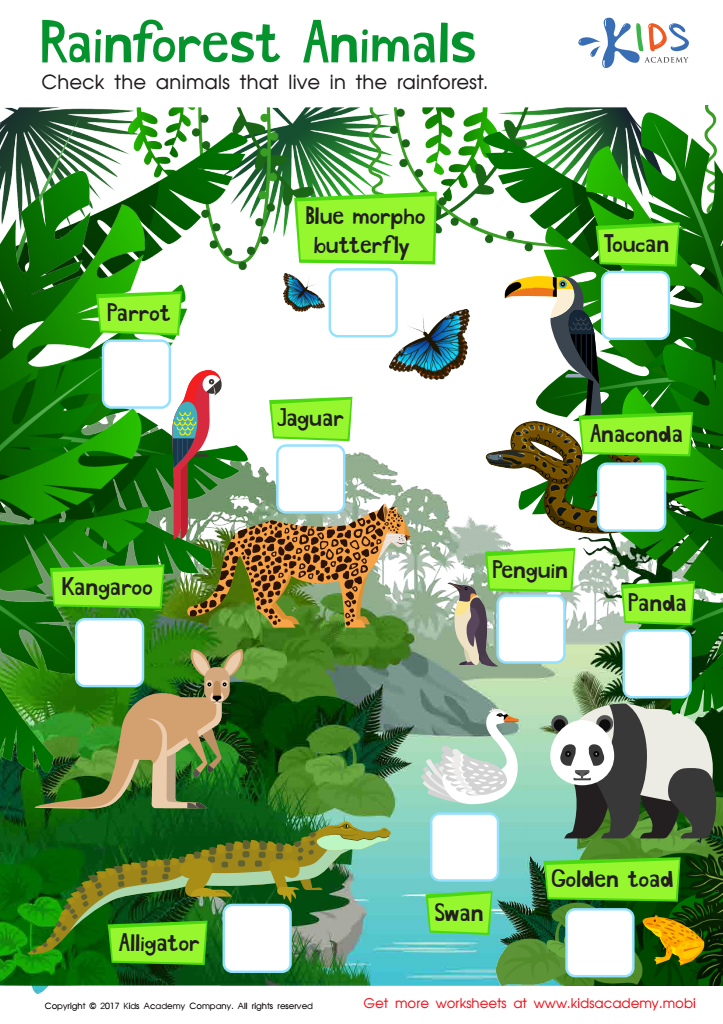
Rainforest Animals Worksheet
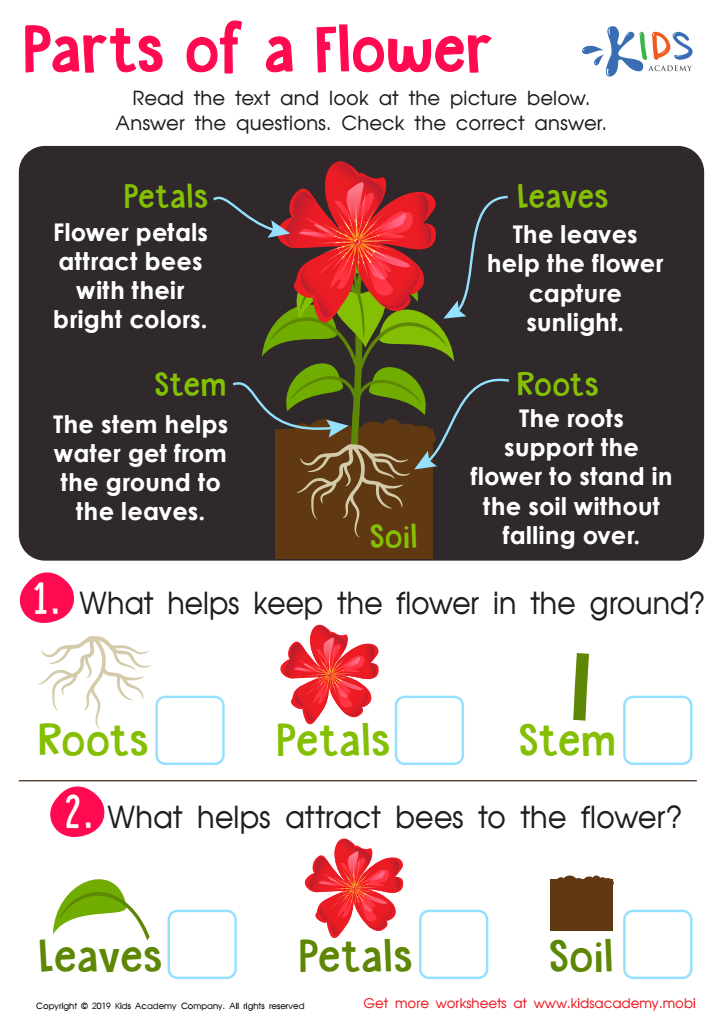
Parts of Flower Worksheet
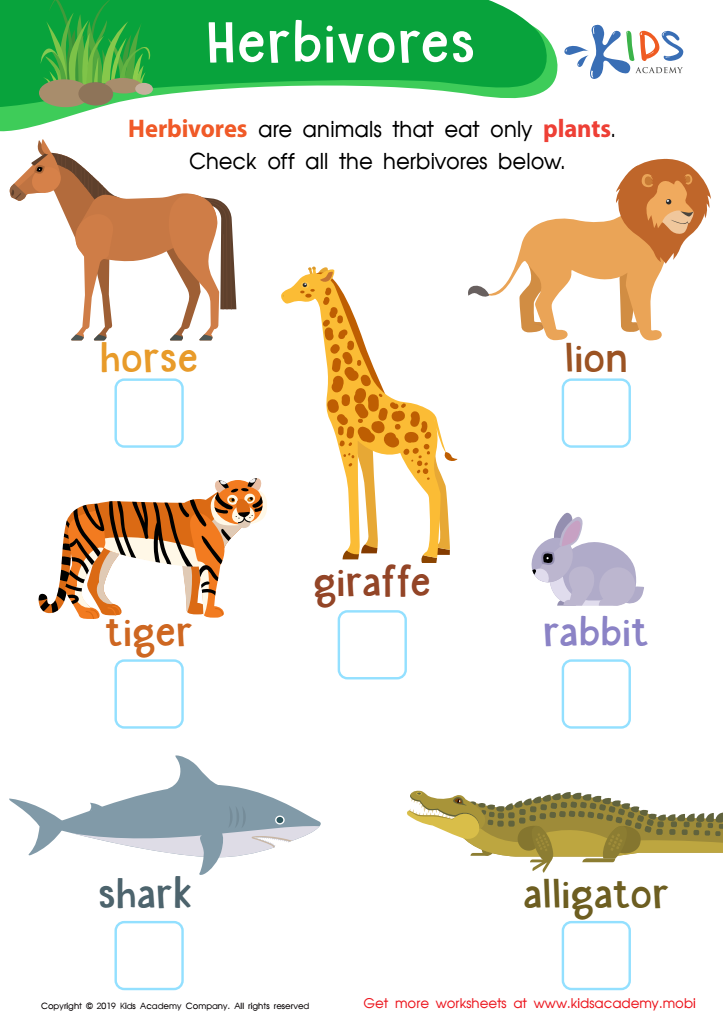
Herbivores Worksheet
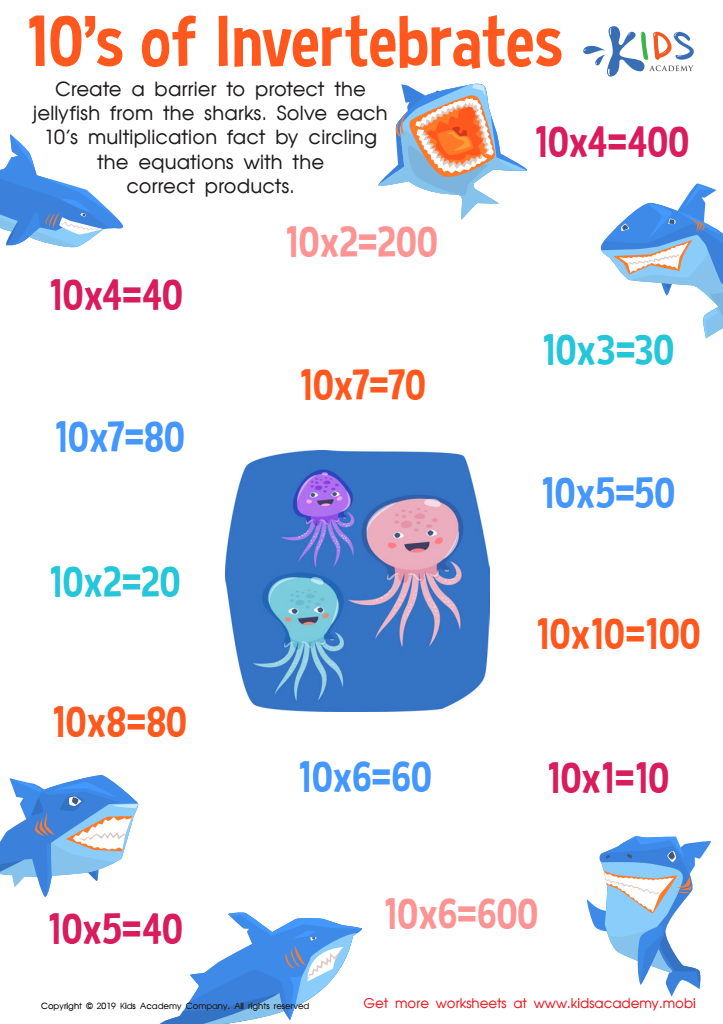
1s Invertebrates Worksheet
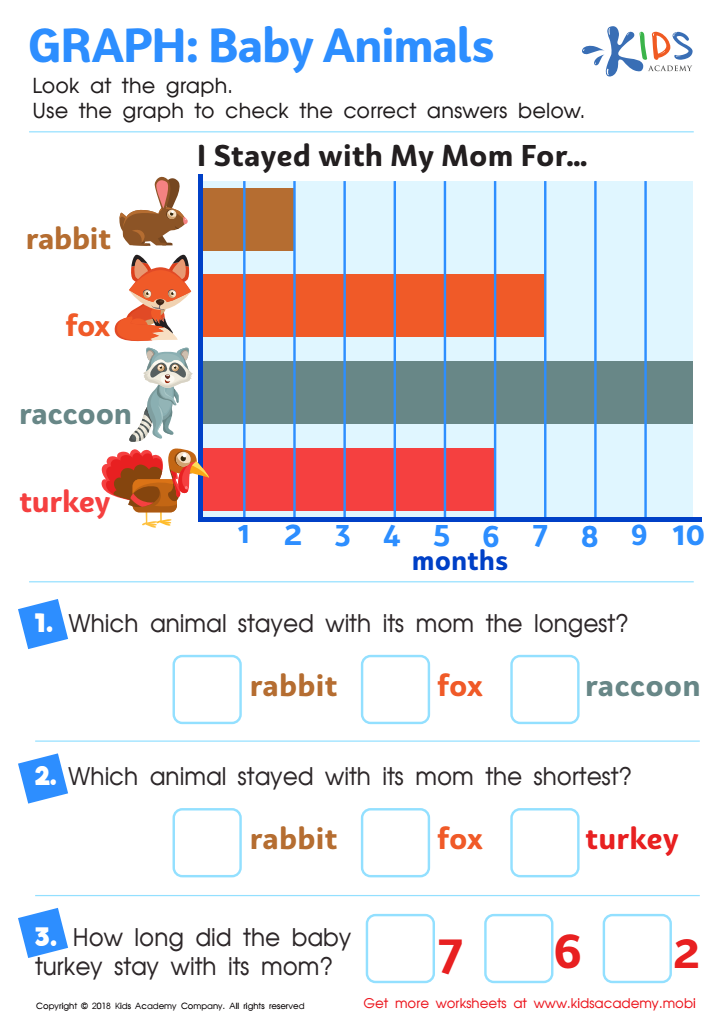
Graph: Baby Animals Worksheet
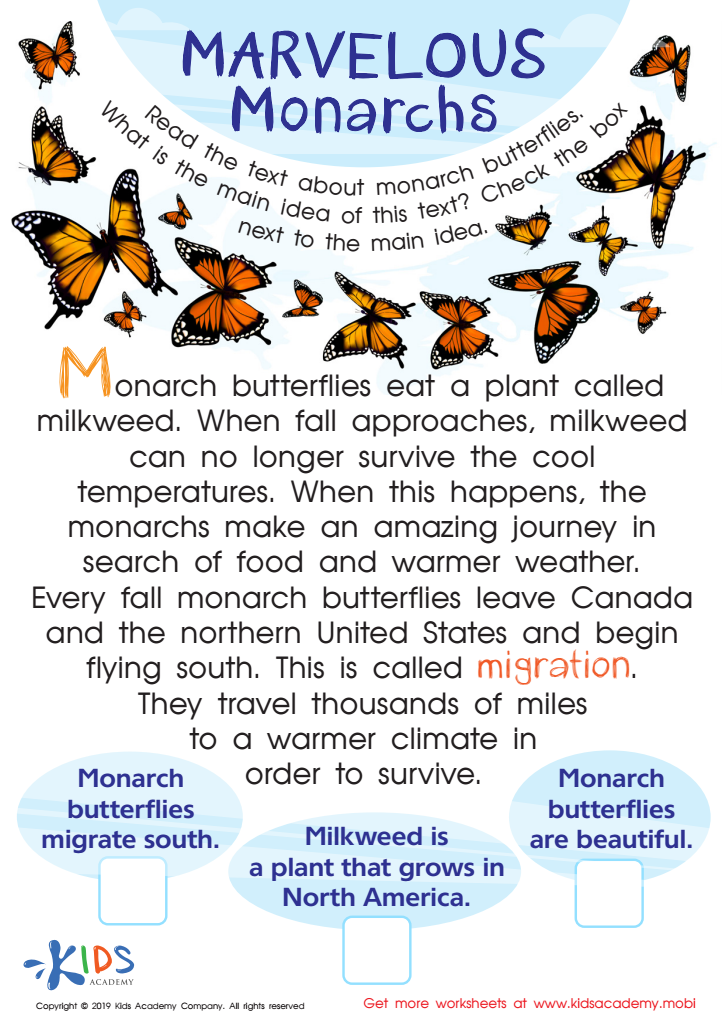
Marvelous Monarchs Worksheet
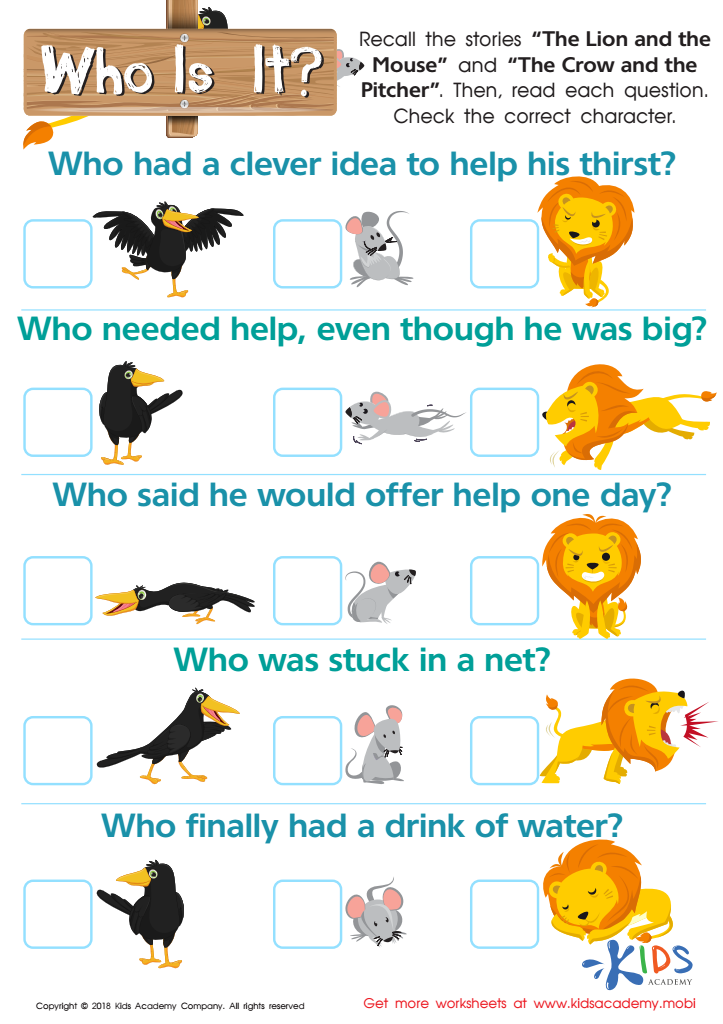
Who Is It? Worksheet
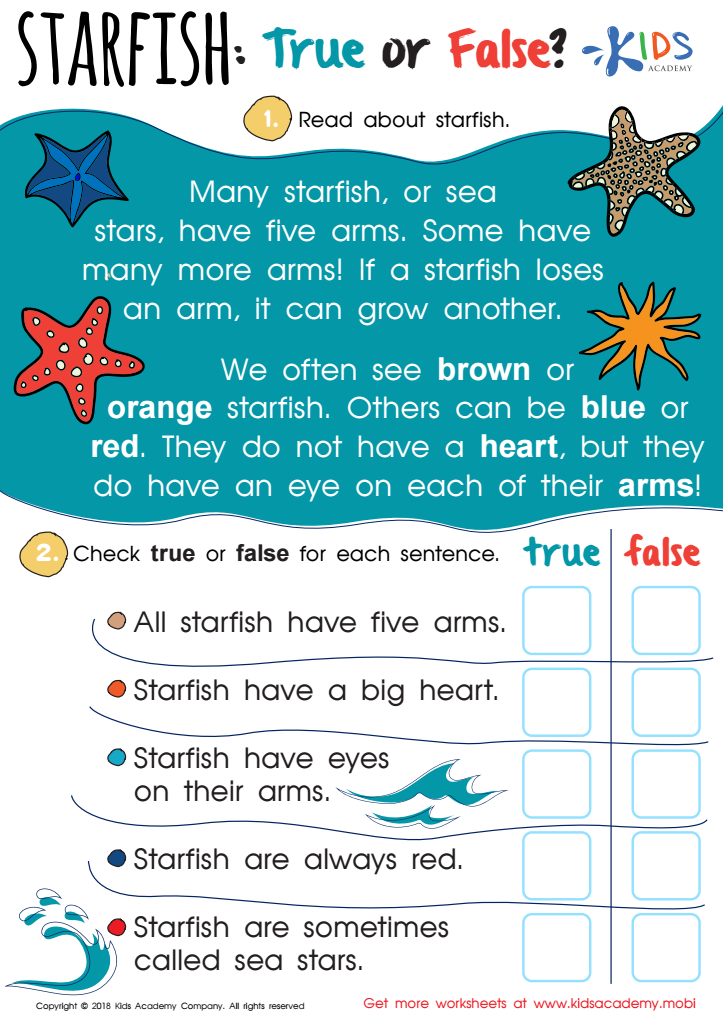
Starfish: True or False Worksheet
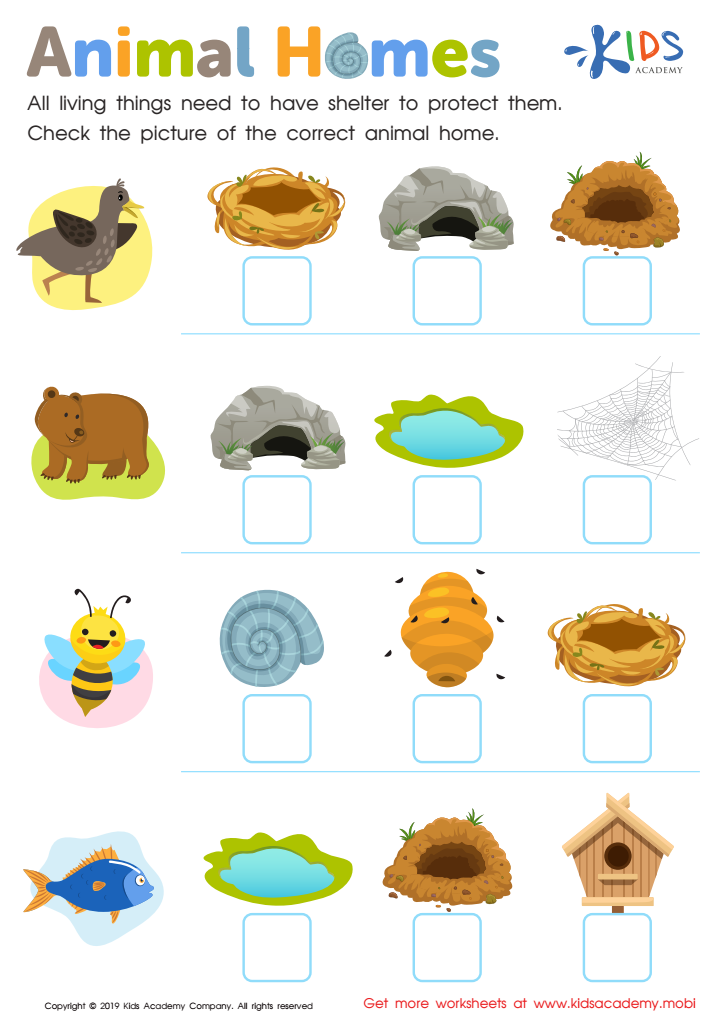
Animal Homes Worksheet
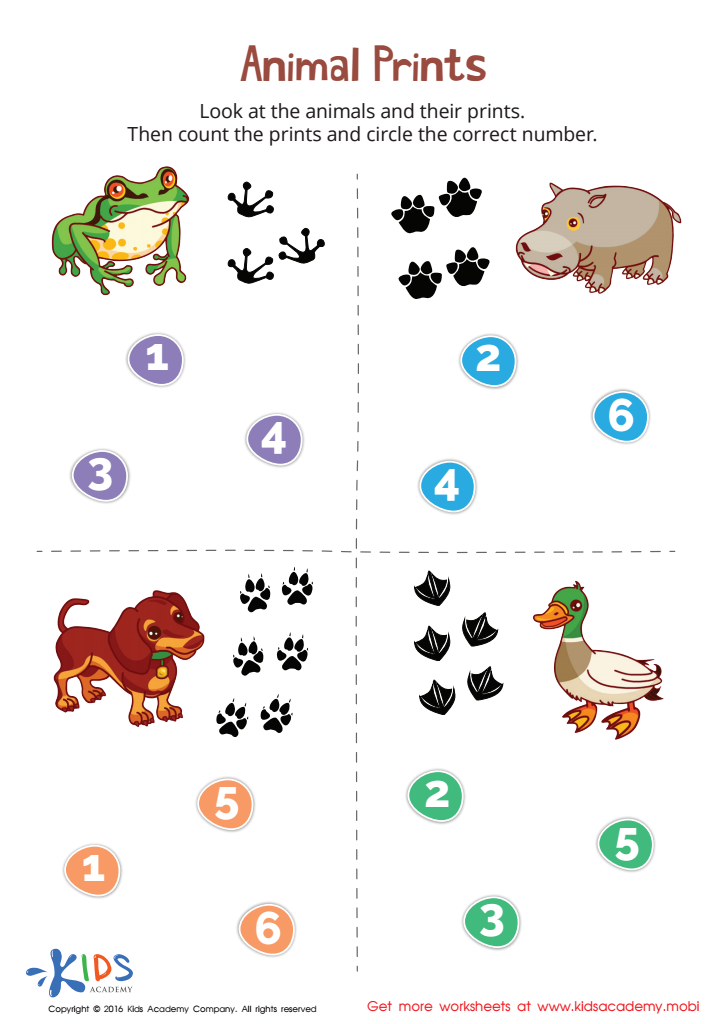
Animal Prints Match-Up Worksheet
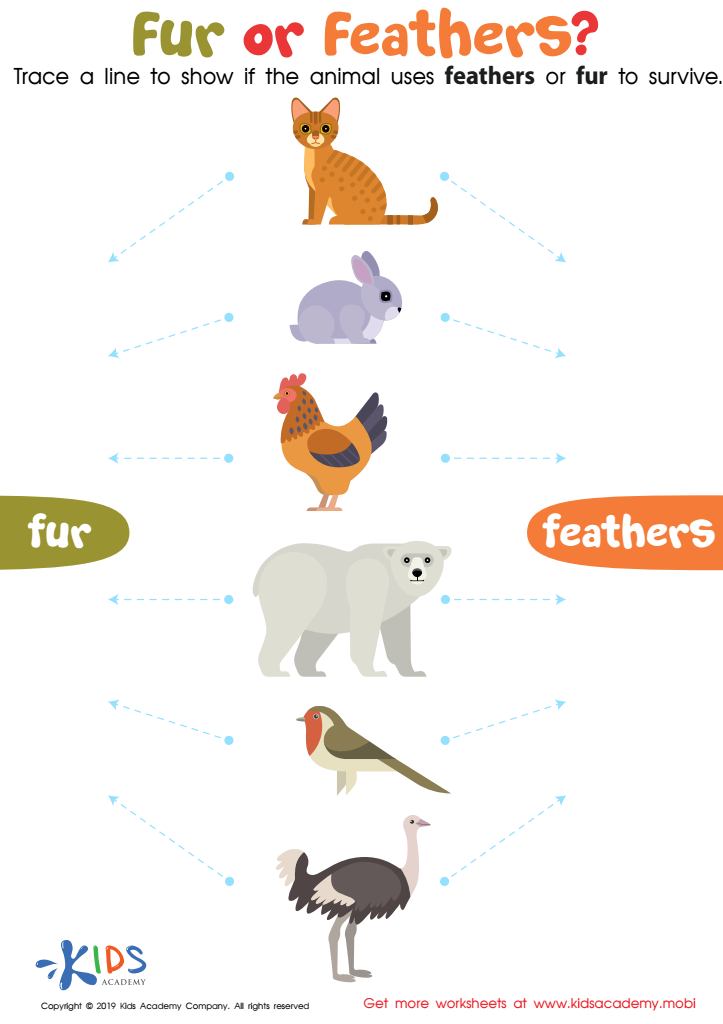
Fur or Feathers? Worksheet








Parents and teachers should care about plants and animals for children ages 4-8 because early exposure fosters empathy, curiosity, and environmental awareness. Engaging with nature helps young children understand the importance of biodiversity, and that every living thing plays a role in our ecosystem. This foundational knowledge nurtures a sense of responsibility towards the environment, encouraging them to protect it as they grow.
Additionally, learning about plants and animals enhances cognitive development. Kids engage their senses as they explore textures, colors, and sounds, stimulating critical thinking and observational skills. Interactive activities, such as gardening or nature walks, make learning dynamic and enjoyable, promoting physical activity and reducing screen time.
Moreover, these subjects offer excellent opportunities for integrating lessons across the curriculum. For instance, studying animals can improve vocabulary and literacy skills, while investigations into plant life cycles can introduce basic math concepts and sequencing.
Ultimately, when parents and teachers champion the study of plants and animals, they enrich children’s lives, instill a sense of wonder, and prepare them to be informed, compassionate stewards of the planet, fostering a healthier world for future generations.








