Plants and Animals Worksheets for Ages 6-9 - Page 5
140 filtered results
-
From - To
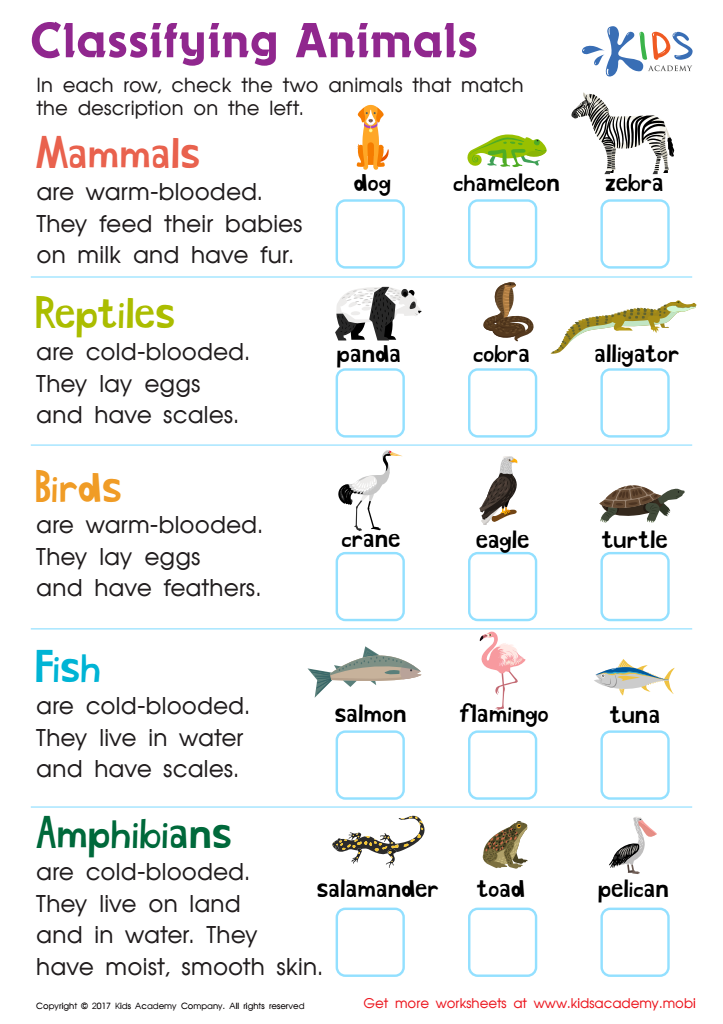
Classifying Animals Worksheet











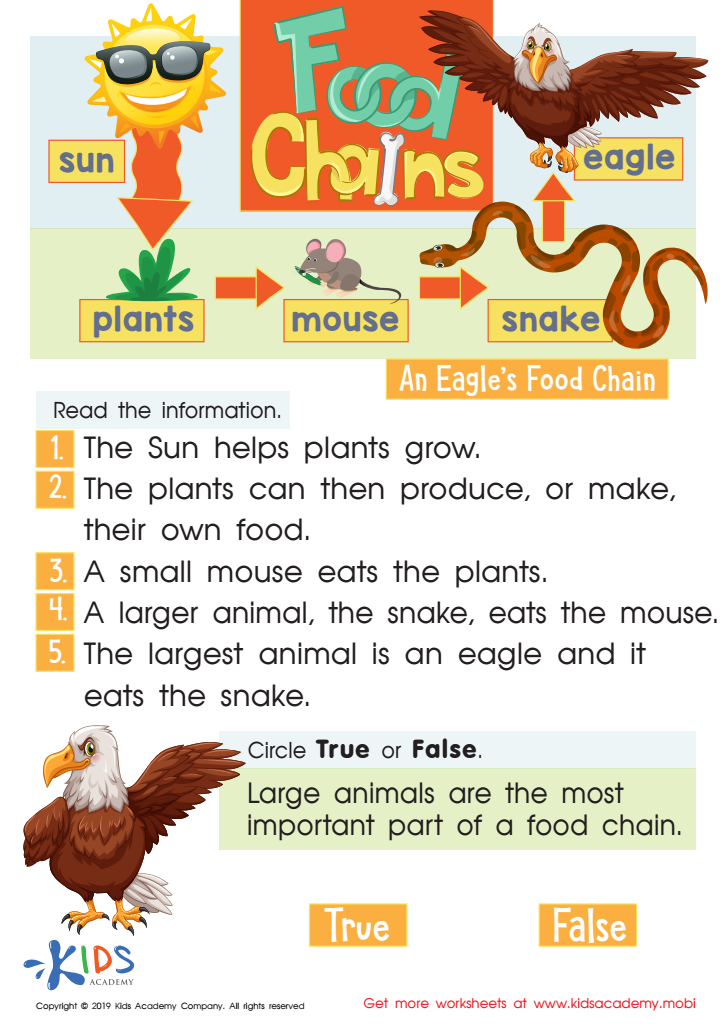
Food Chains Worksheet
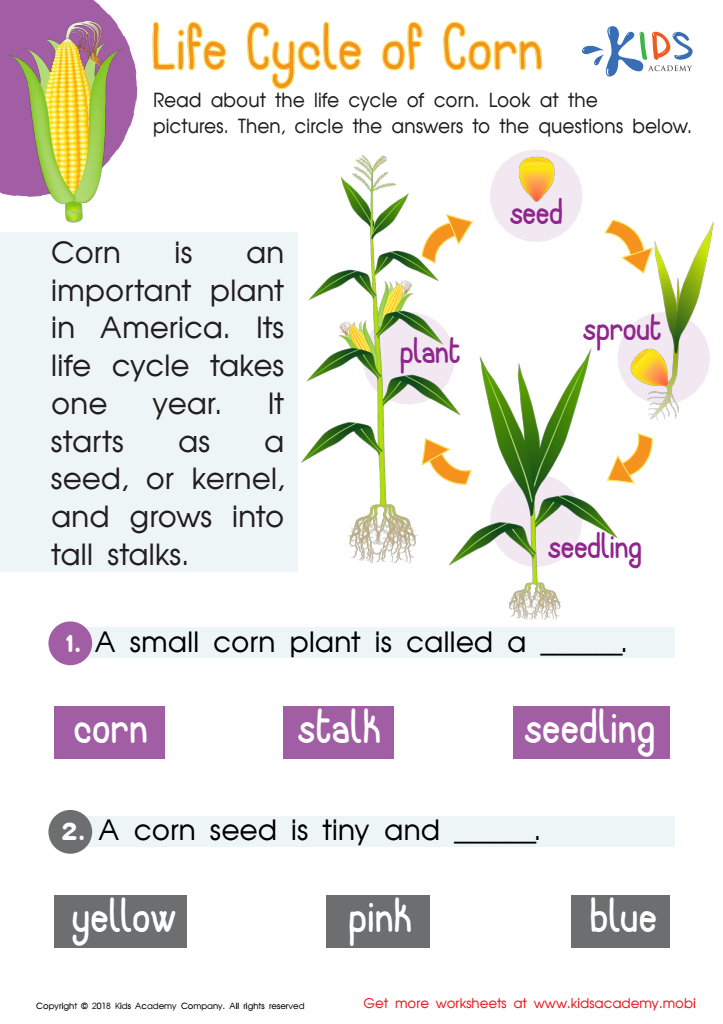
Life Cycle of Corn Worksheet
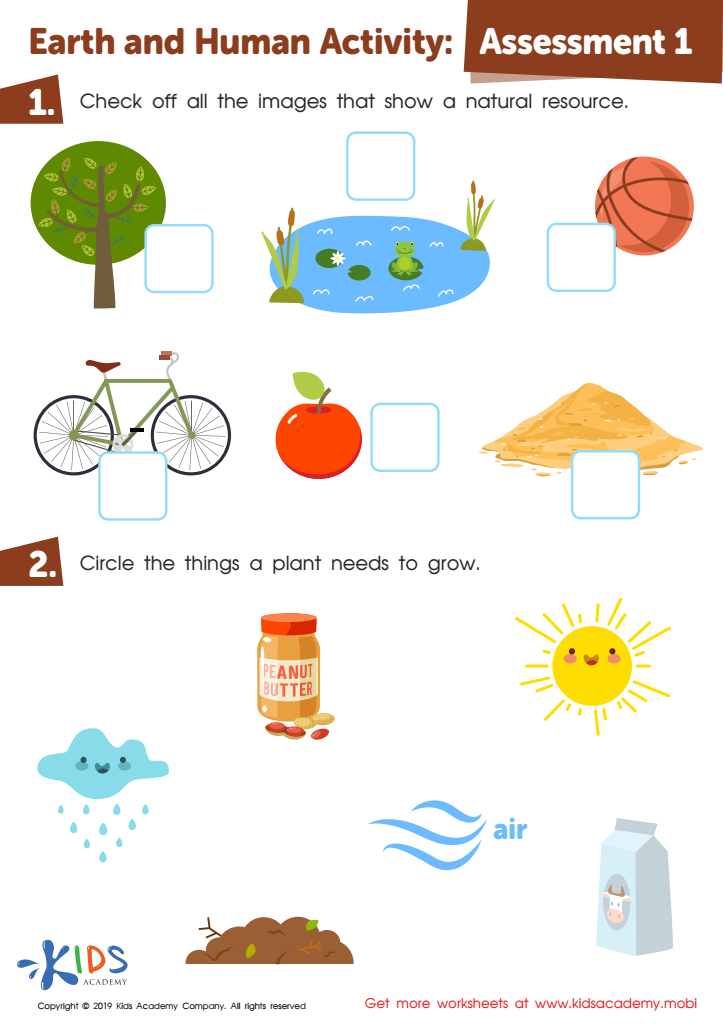
Earth and Human Activity: Assessment 1 Worksheet
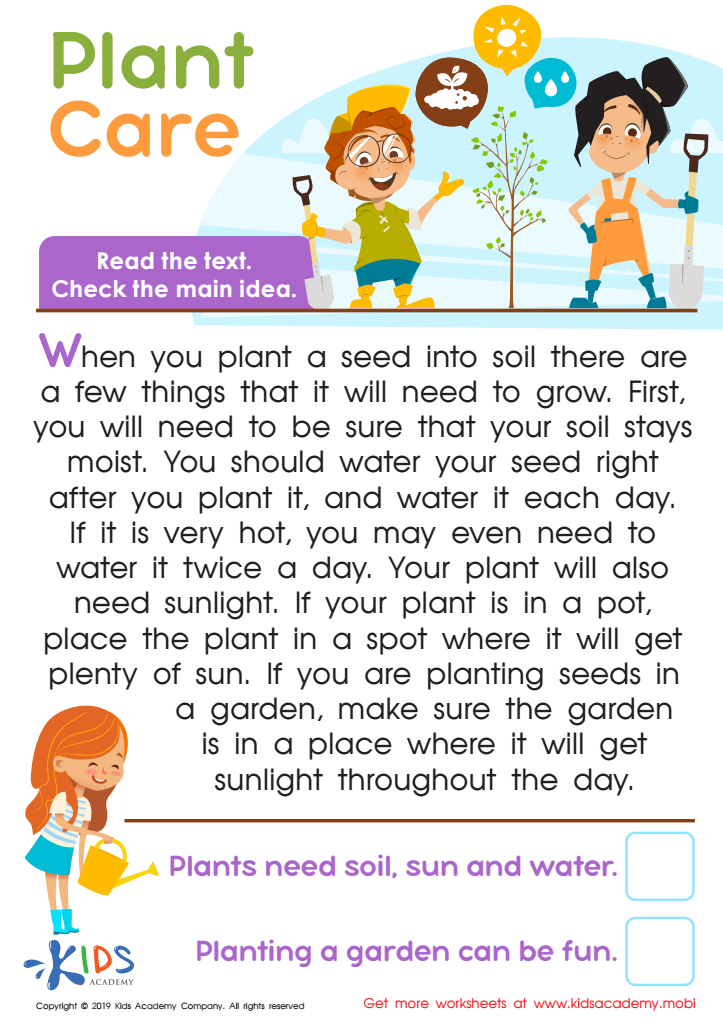
Plant Care Worksheet
Jungle Plants Worksheet
 Assign to My Students
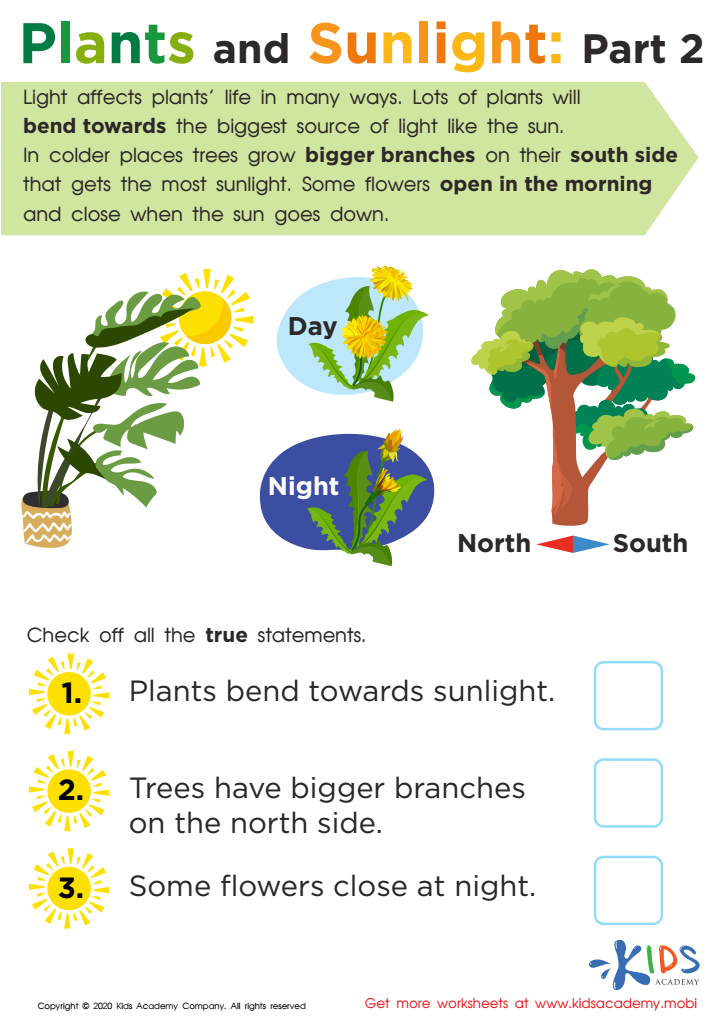
Plants and Sunlight: Part 2 Worksheet
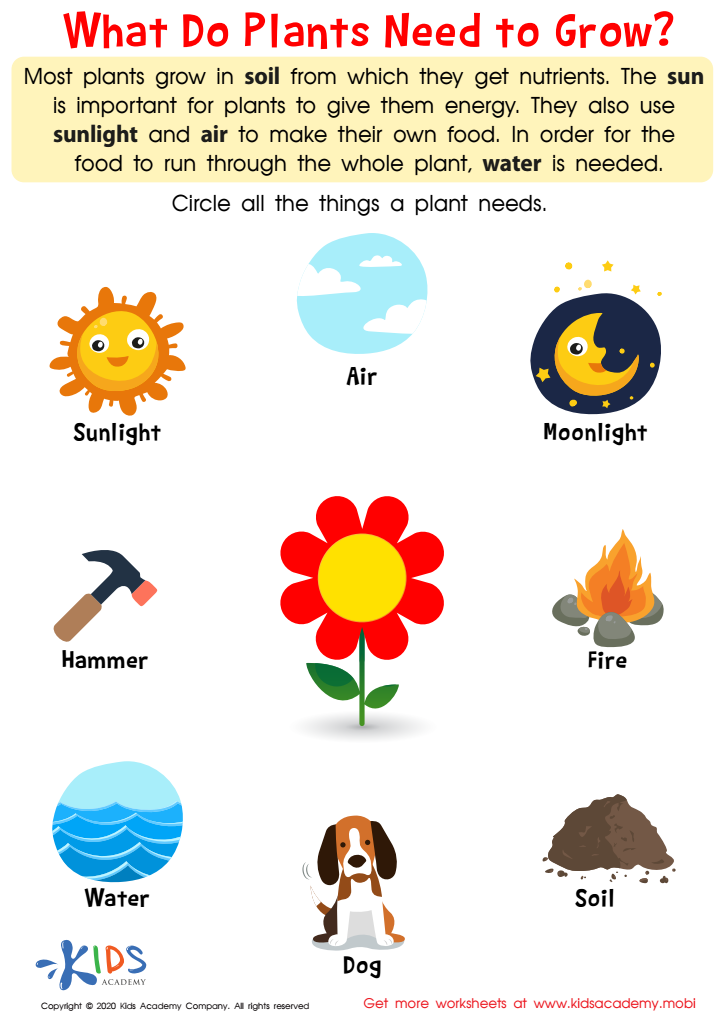
What Do Plants Need to Grow Worksheet
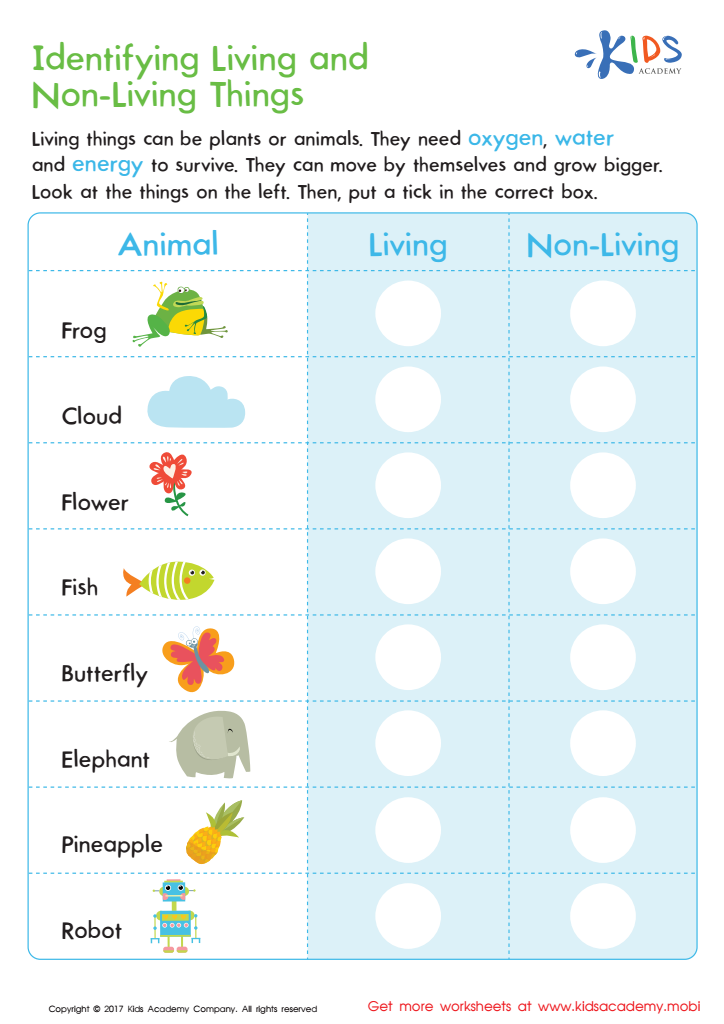
Identifying Living or Non–living Worksheet
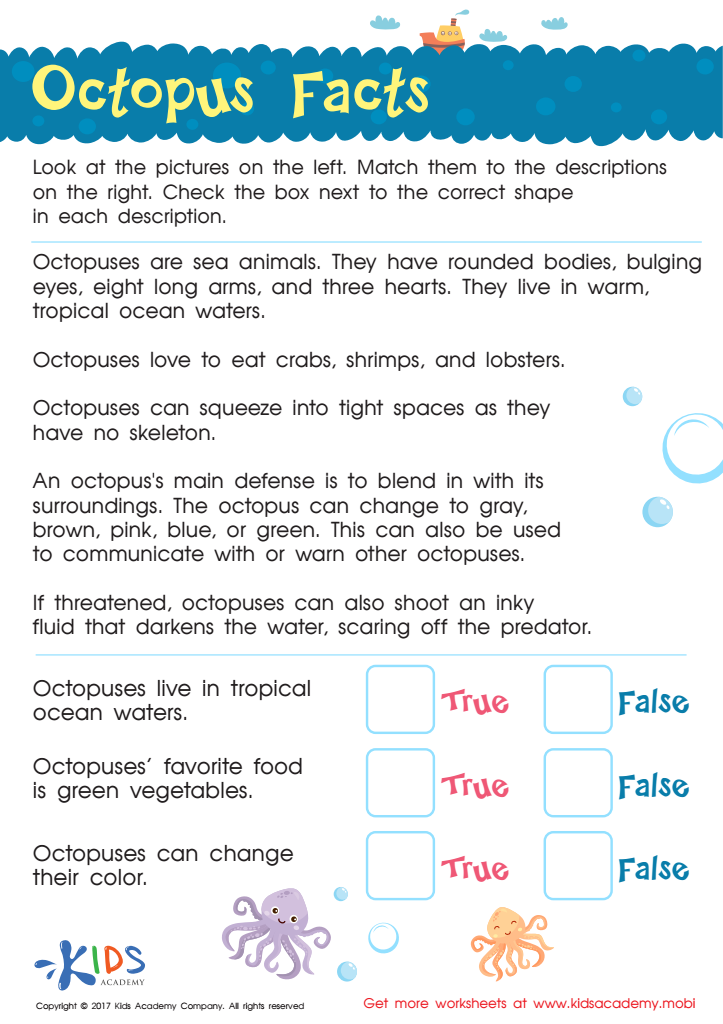
Octopus Facts Worksheet For Kids
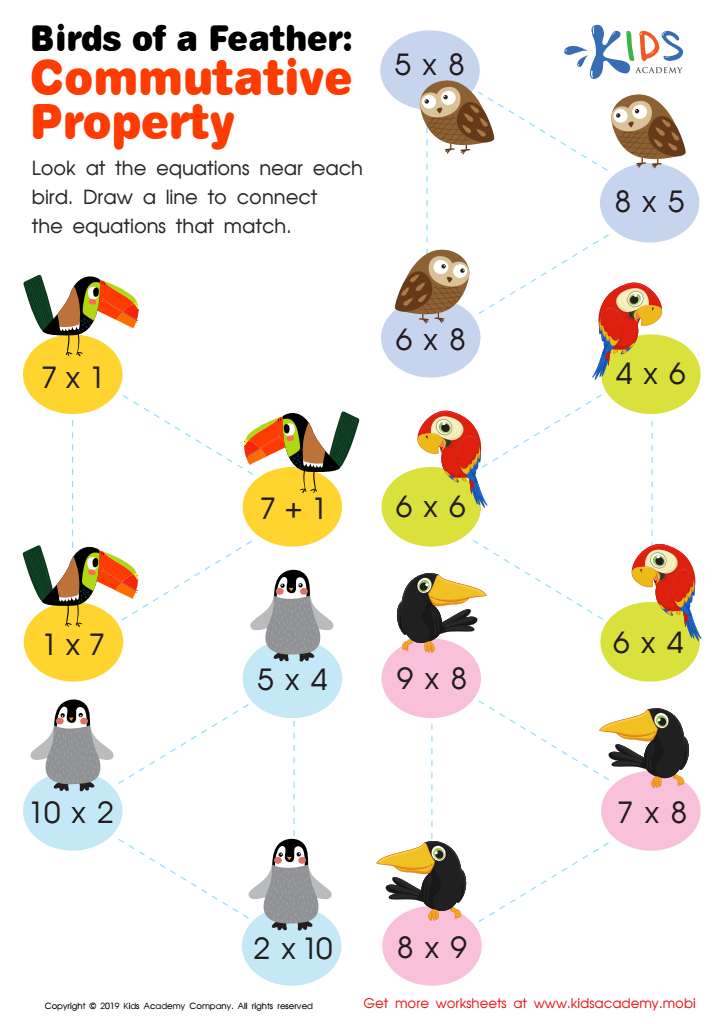
Birds of a Feather: Commutative Property Worksheet
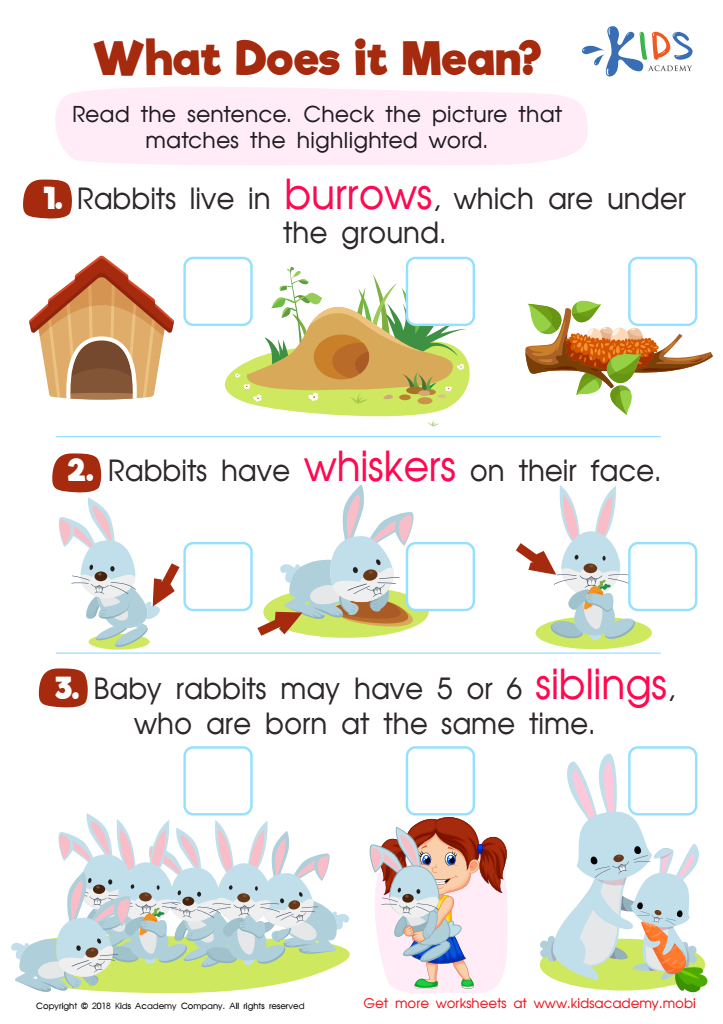
What Does It Mean? Worksheet
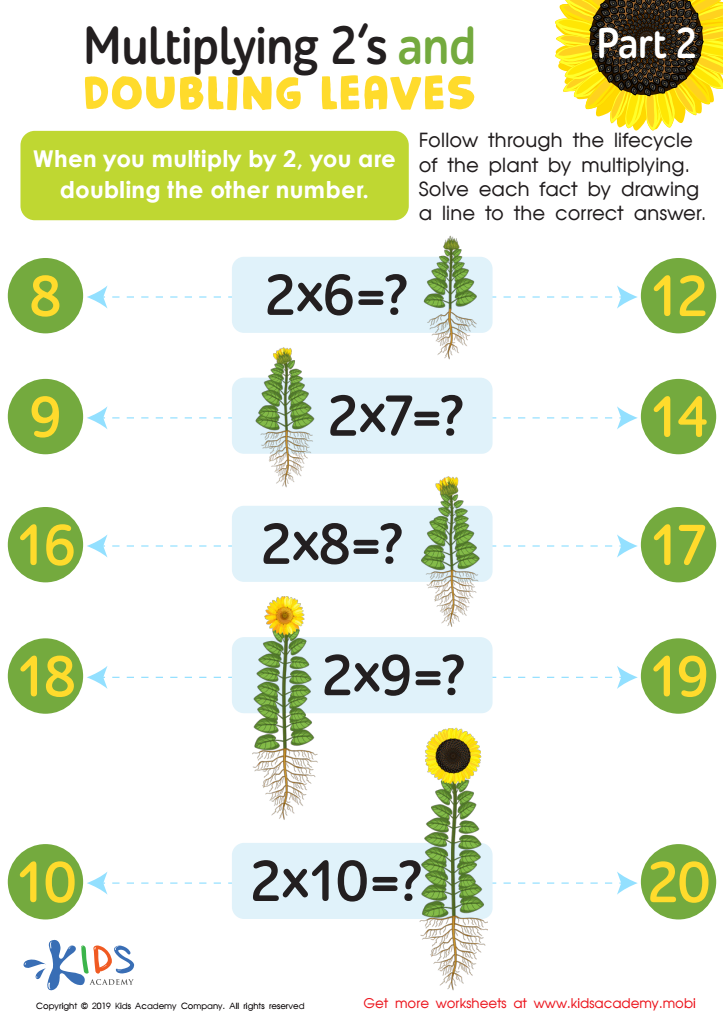
Multiplying 2’s and Doubling Leaves Part 2 Worksheet
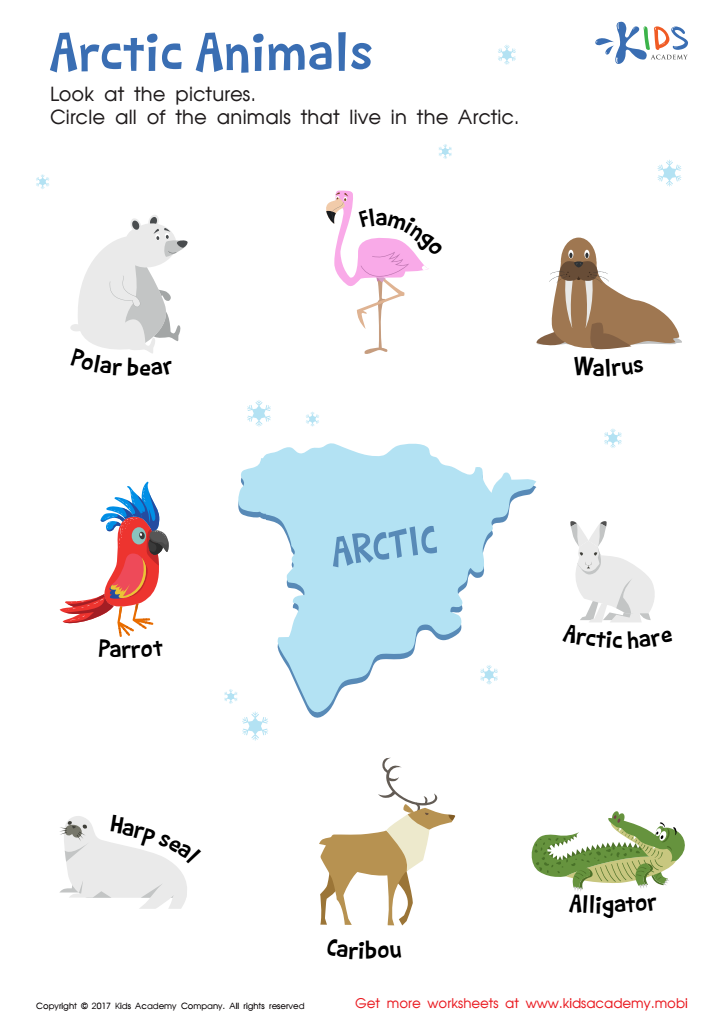
Arctic Animals Worksheet
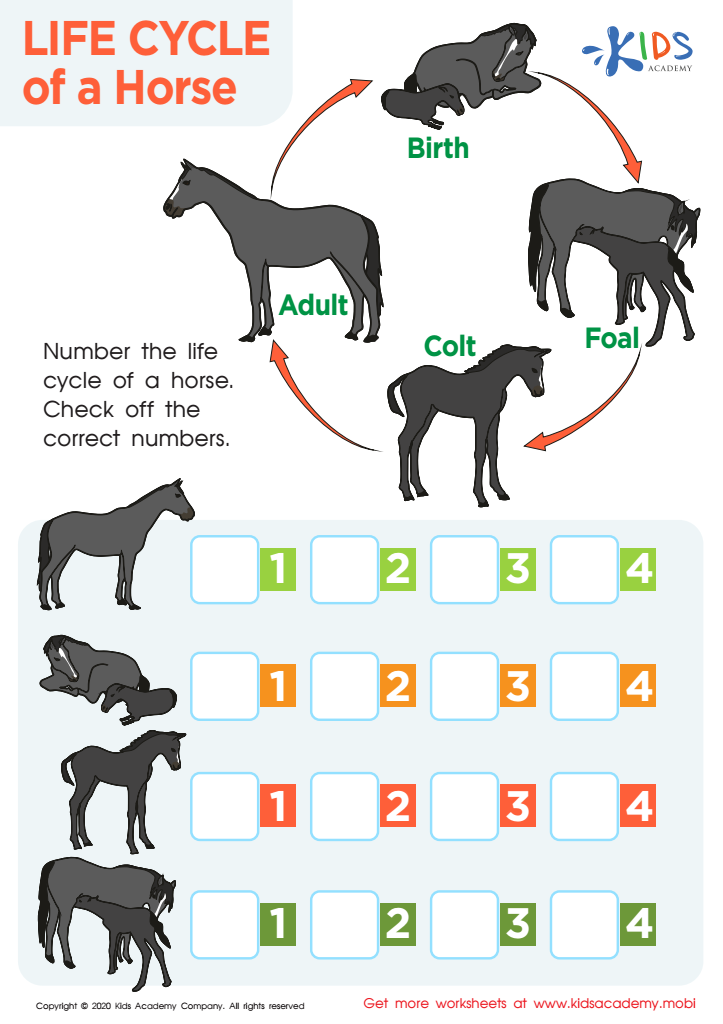
Life Cycle of a Horse Worksheet
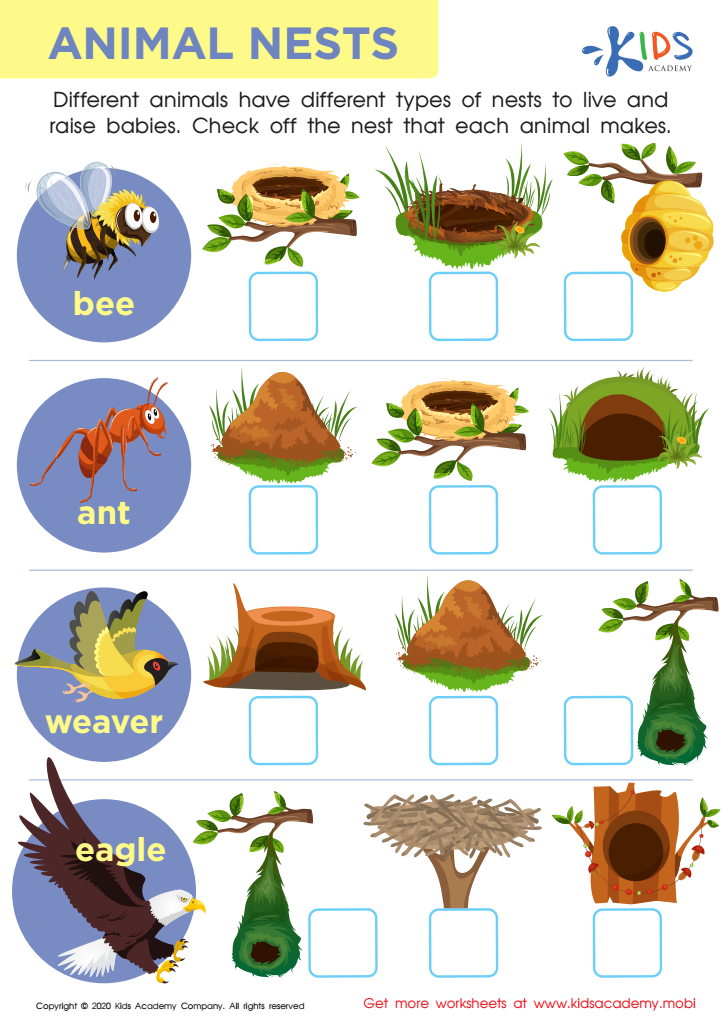
Animal Nests Worksheet
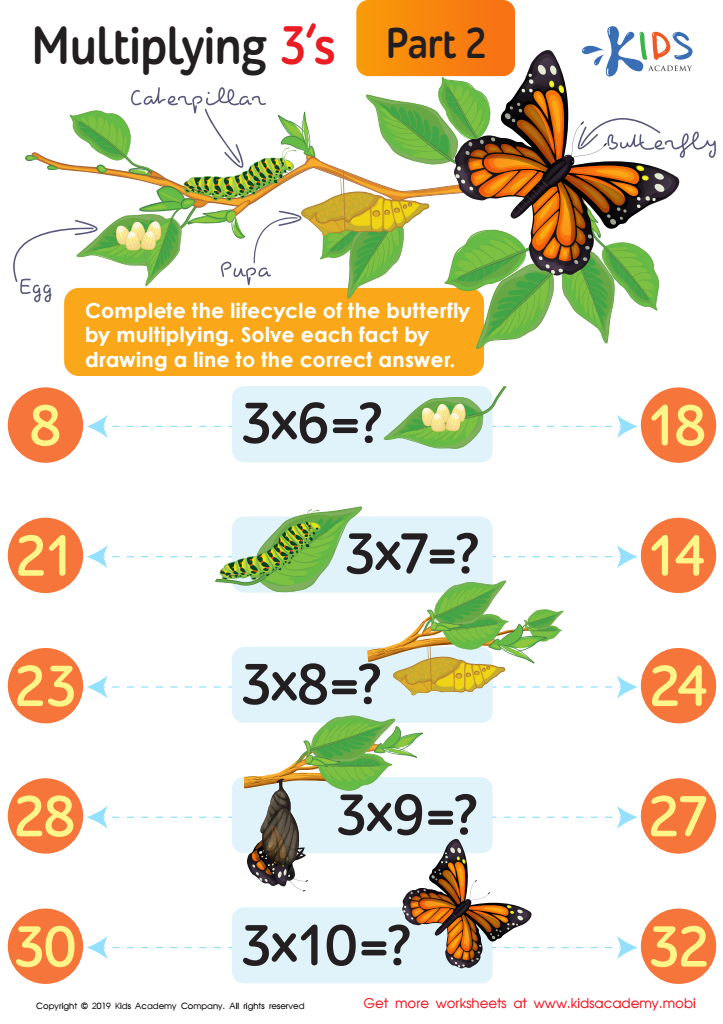
Multiplying 3s Part 2 Worksheet
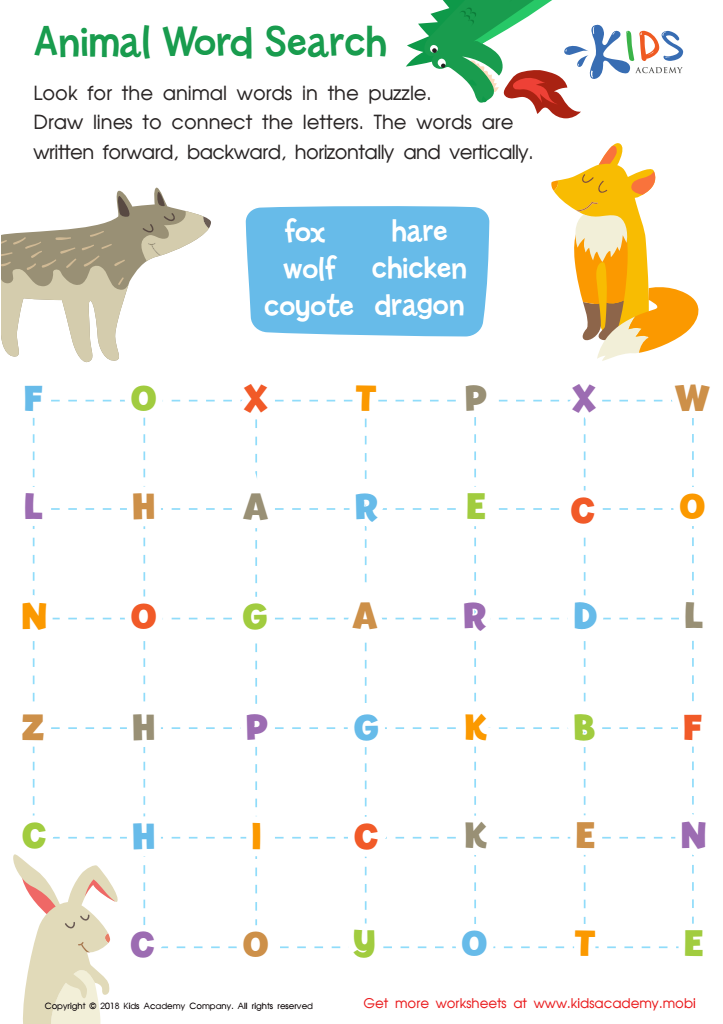
Animal Word Search Worksheet
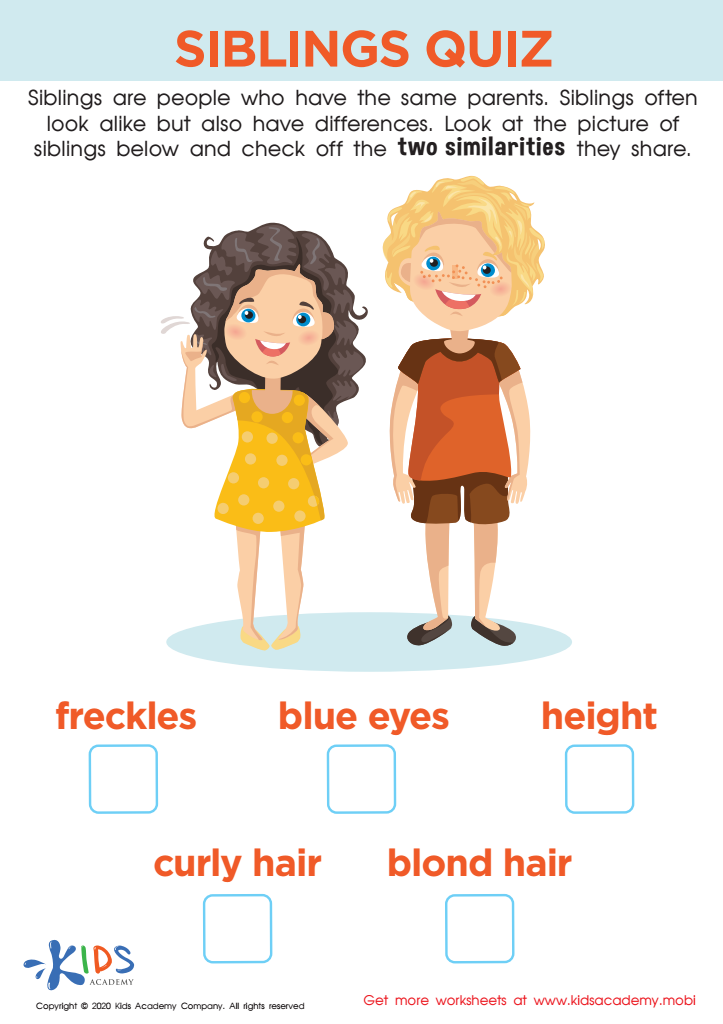
Siblings Quiz Worksheet
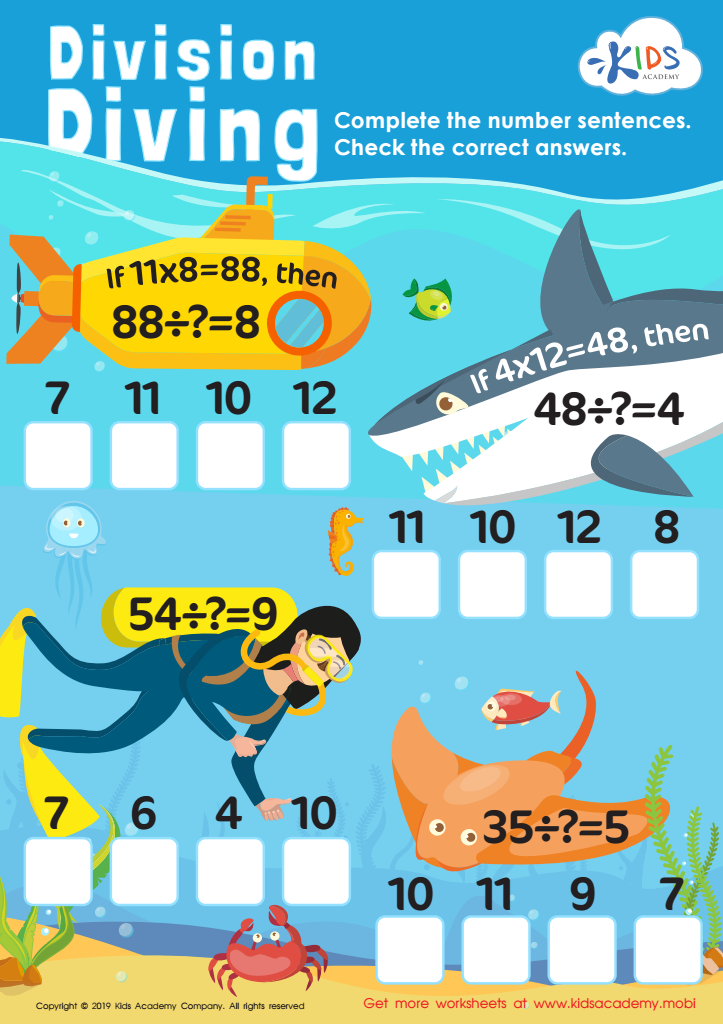
Division Diving Worksheet
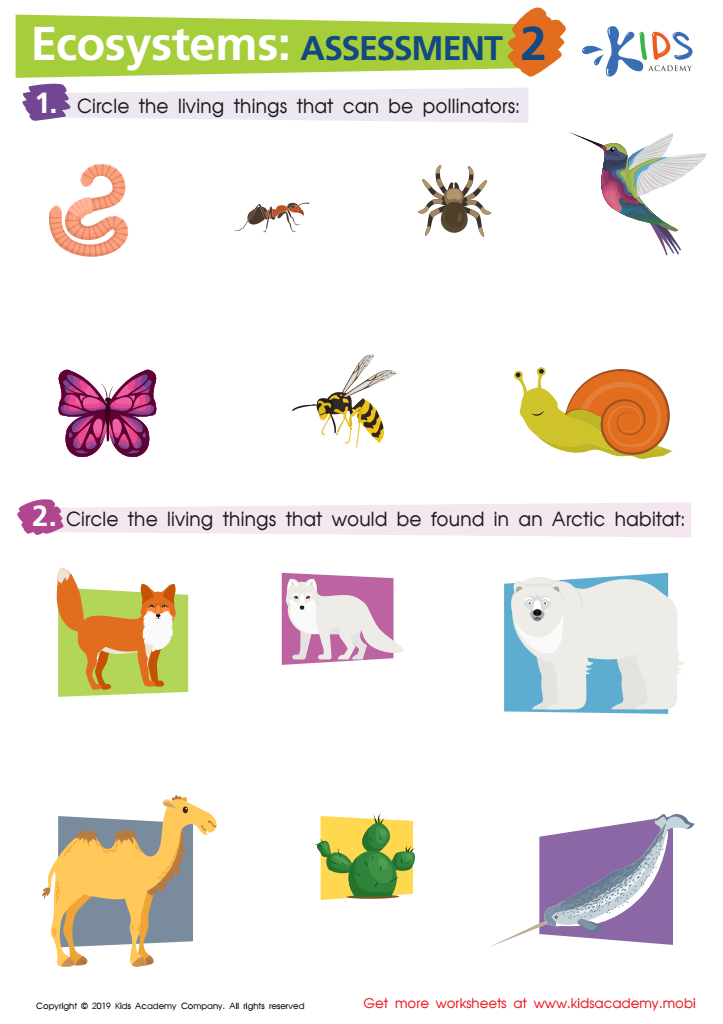
Ecosystems: Assessment 2 Worksheet
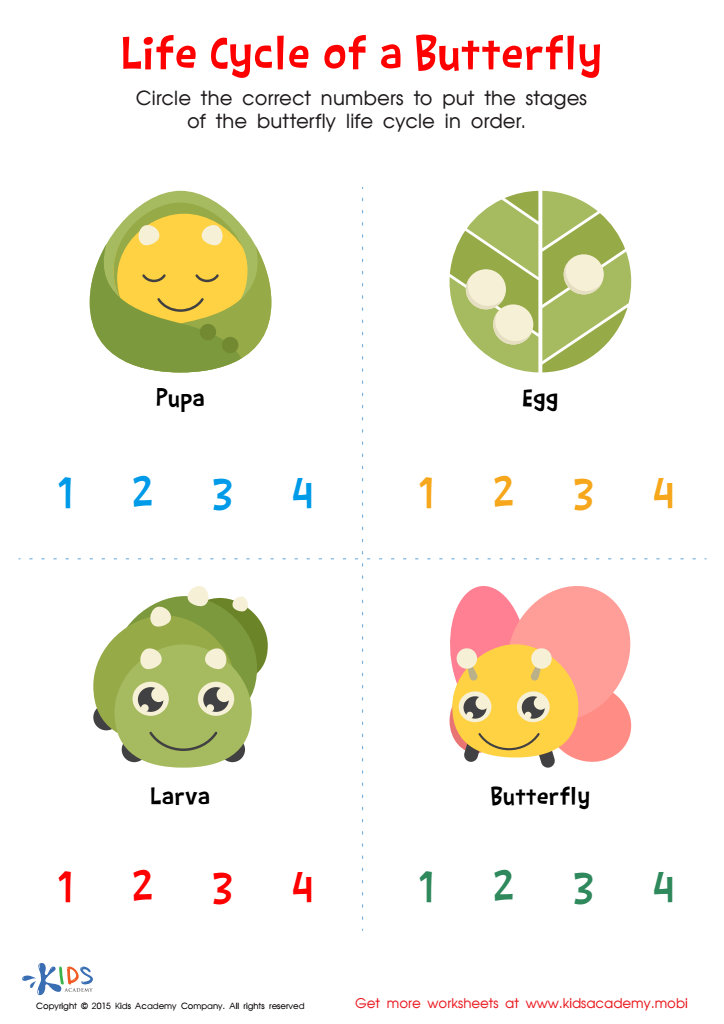
Life Cycle of Butterfly Printable
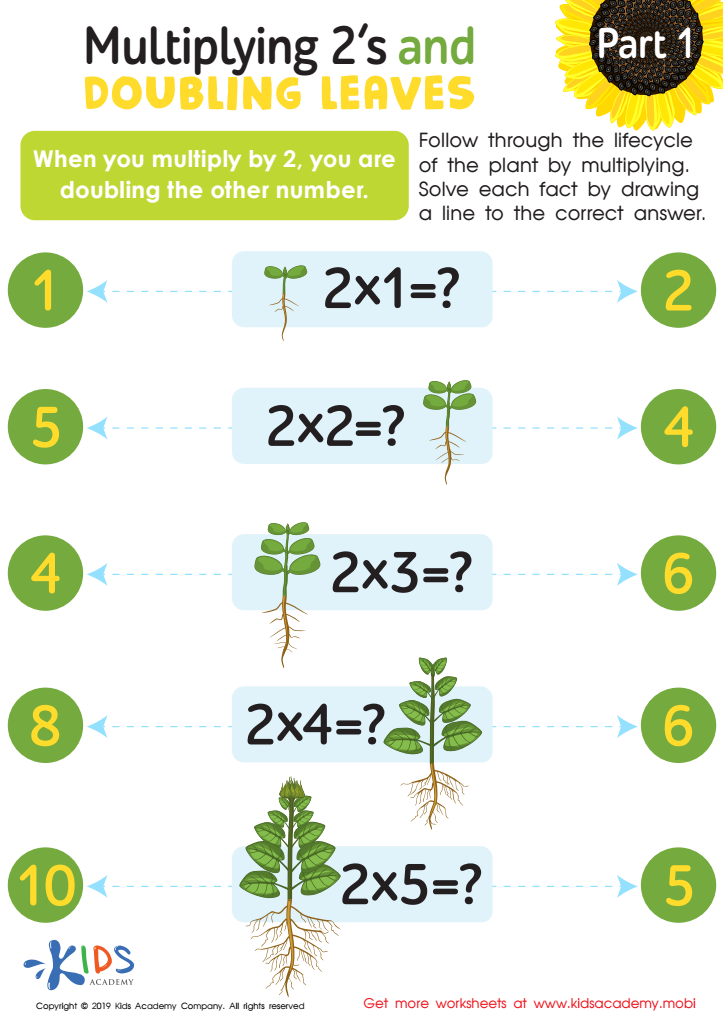
Multiplying 2’s and Doubling Leaves Part 1 Worksheet
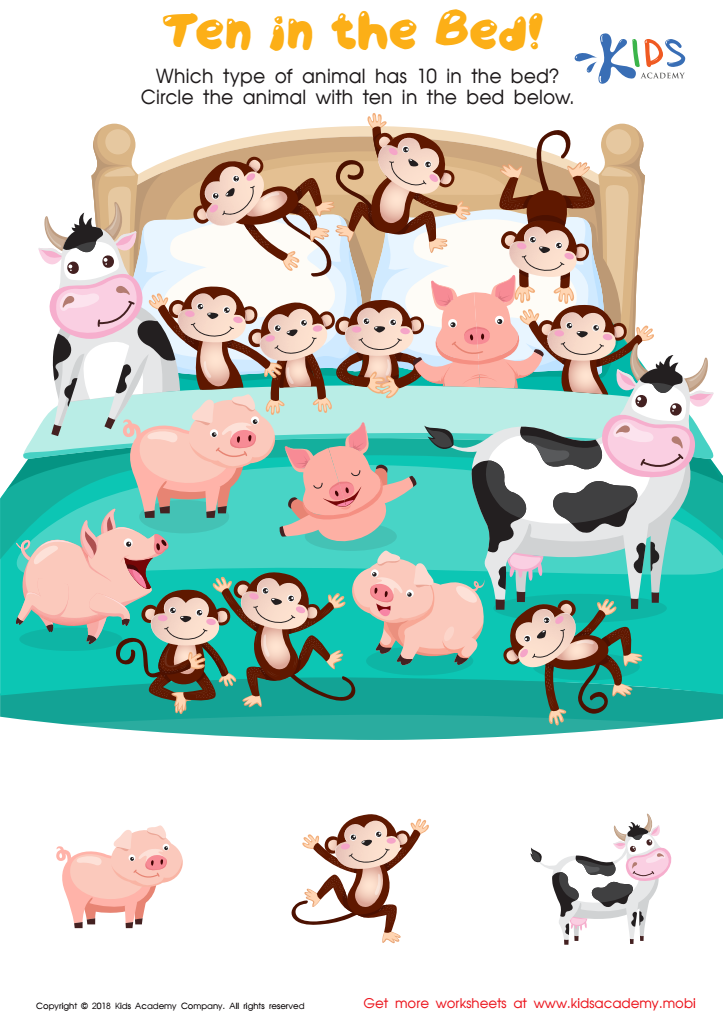
Ten in the Bed Worksheet








Parents and teachers should care about plants and animals for children ages 6 to 9 because these living beings play a crucial role in fostering a child's development and understanding of the world. Engaging with plants and animals encourages curiosity and imagination, making learning exciting. By exploring nature, children gain hands-on experience and develop critical thinking skills as they ask questions and seek answers about ecosystems, life cycles, and environmental impact.
Additionally, learning about plants and animals enhances scientific literacy and encourages stewardship of the environment. Children begin to appreciate biodiversity and understand their role in protecting nature. This foundational knowledge is vital in building a generation that values sustainability and conservation.
Furthermore, interacting with plants and animals can boost emotional well-being. Activities like gardening or caring for pets help children develop empathy, responsibility, and patience, as they learn to nurture living beings.
Moreover, studies show that outdoor play and nature exploration improve focus, creativity, and problem-solving skills. Therefore, nurturing a child’s interest in plants and animals supports not only academic growth but also emotional and social development—essentials for well-rounded, capable individuals. In short, fostering a love for nature can lead to healthier, happier, and more responsible future citizens.








