Normal Tracing worksheets activities for Ages 4-9 - Page 4
98 filtered results
-
From - To
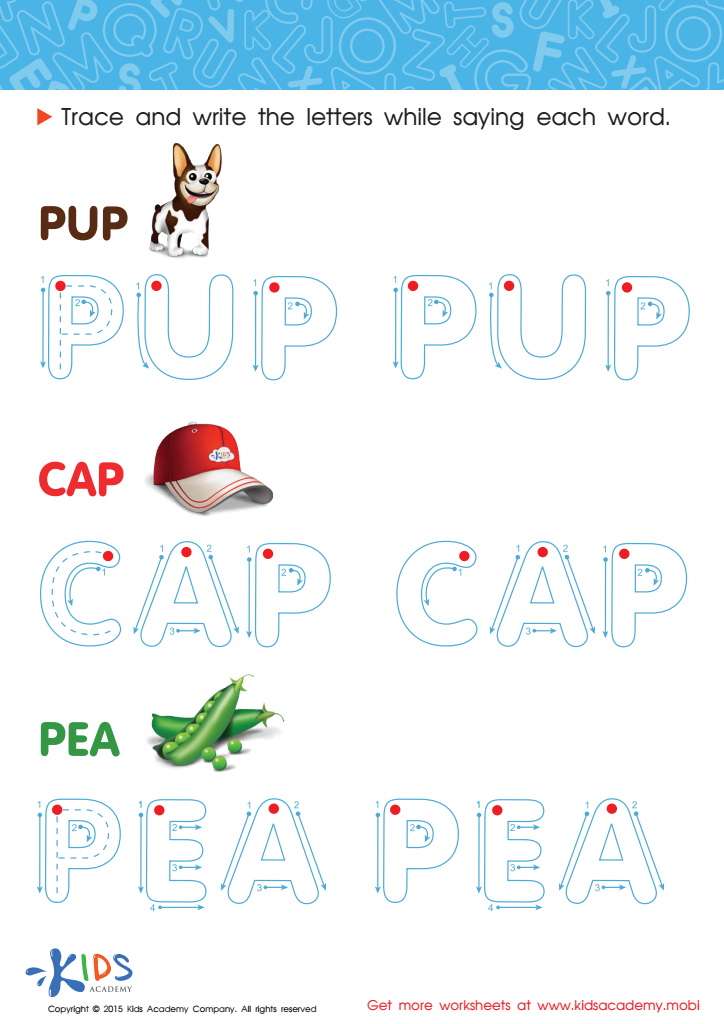
A Pup, a Cap and a Pea Spelling Worksheet
 Assign to My Students

The Sun and a Bee Spelling Worksheet
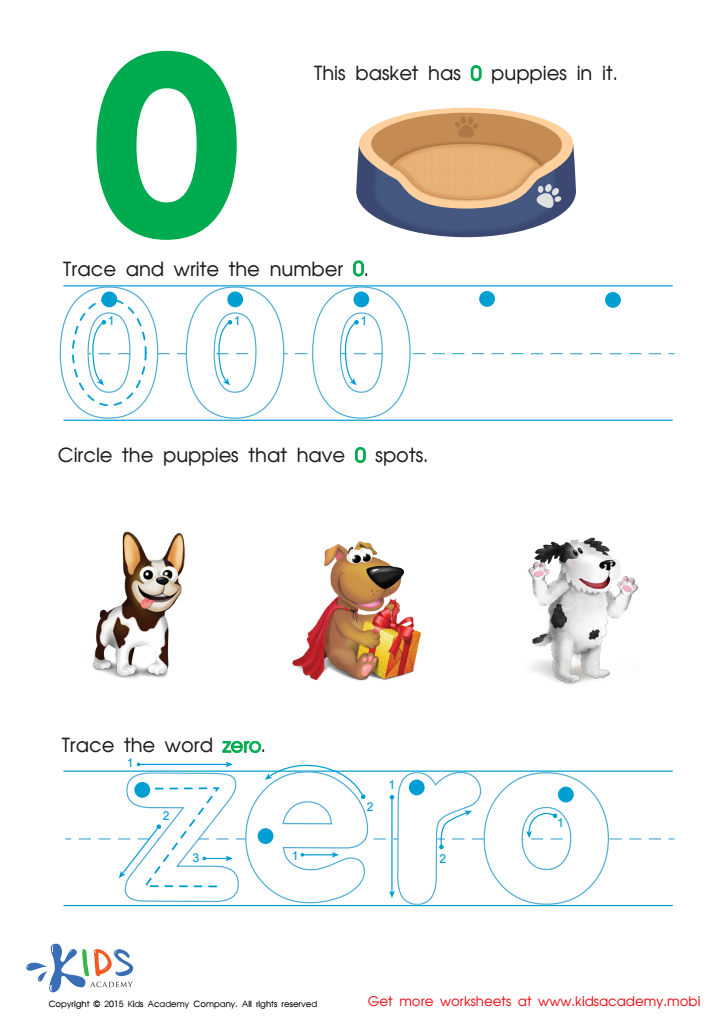
Trace And Write Number 0 Worksheet
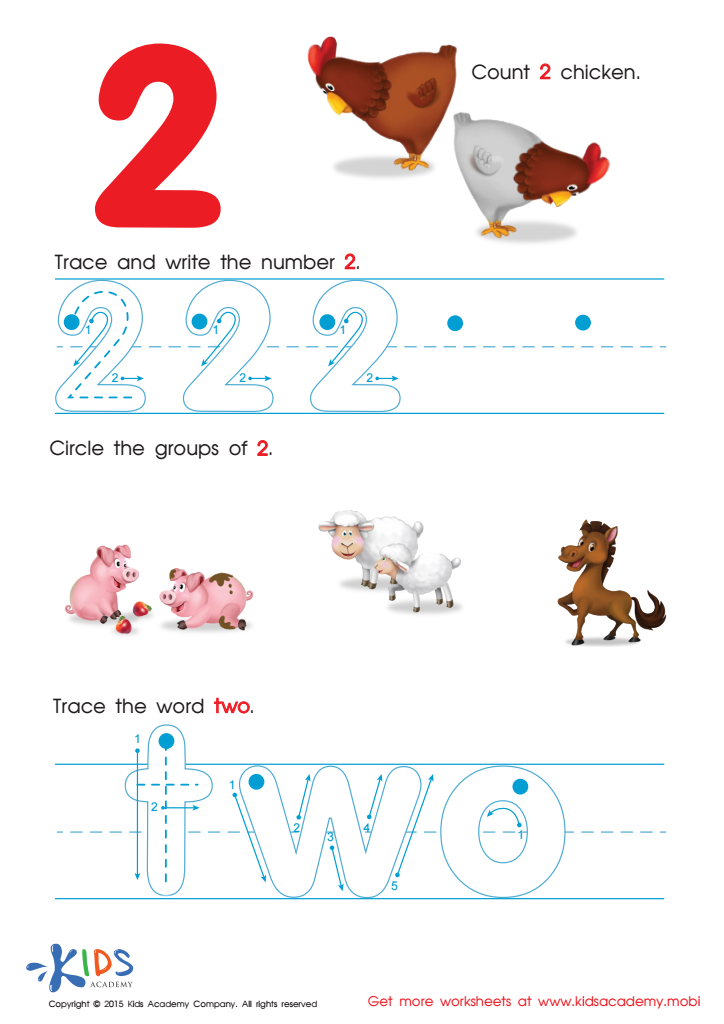
Learn to Write the Number 2 Worksheet
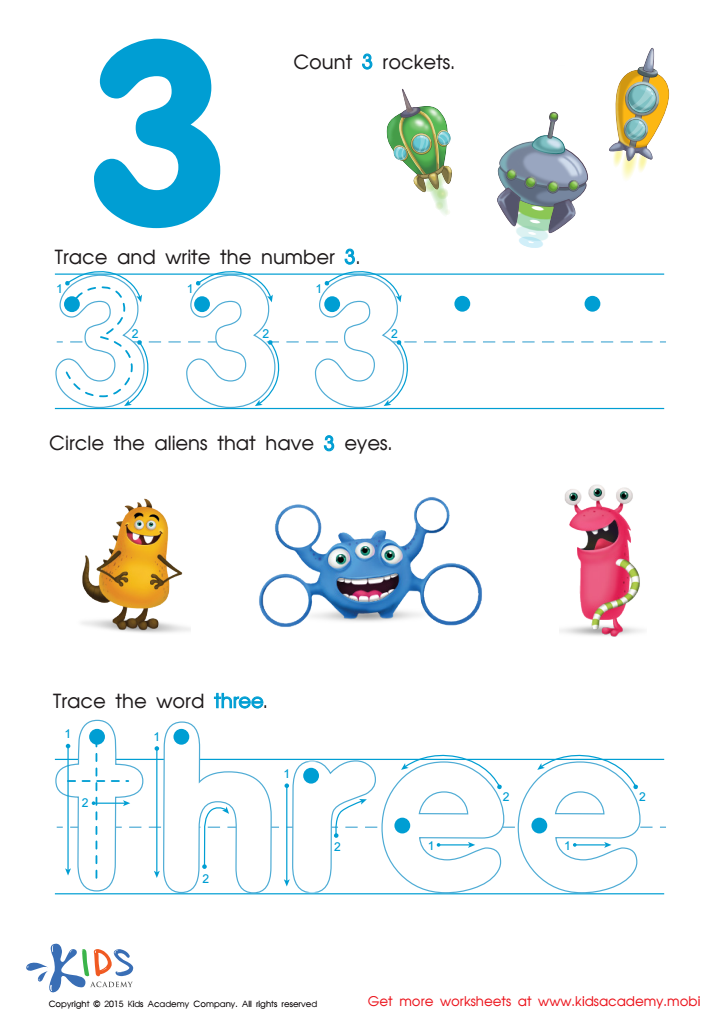
Learning Number Three Worksheet
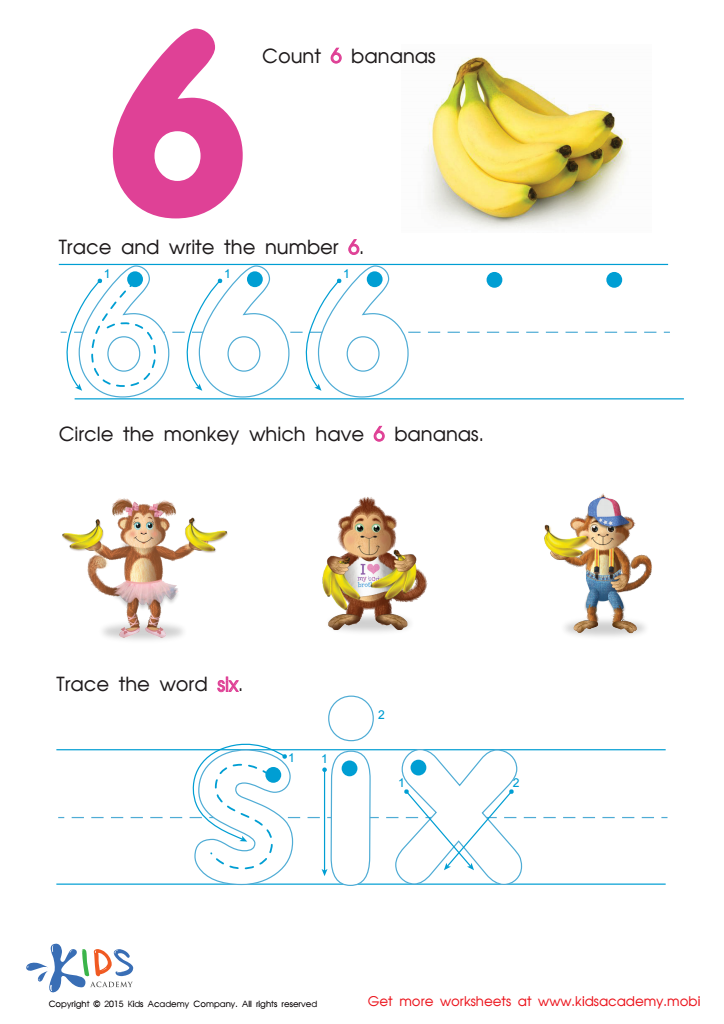
Tracing And Writing Number 6 Worksheet
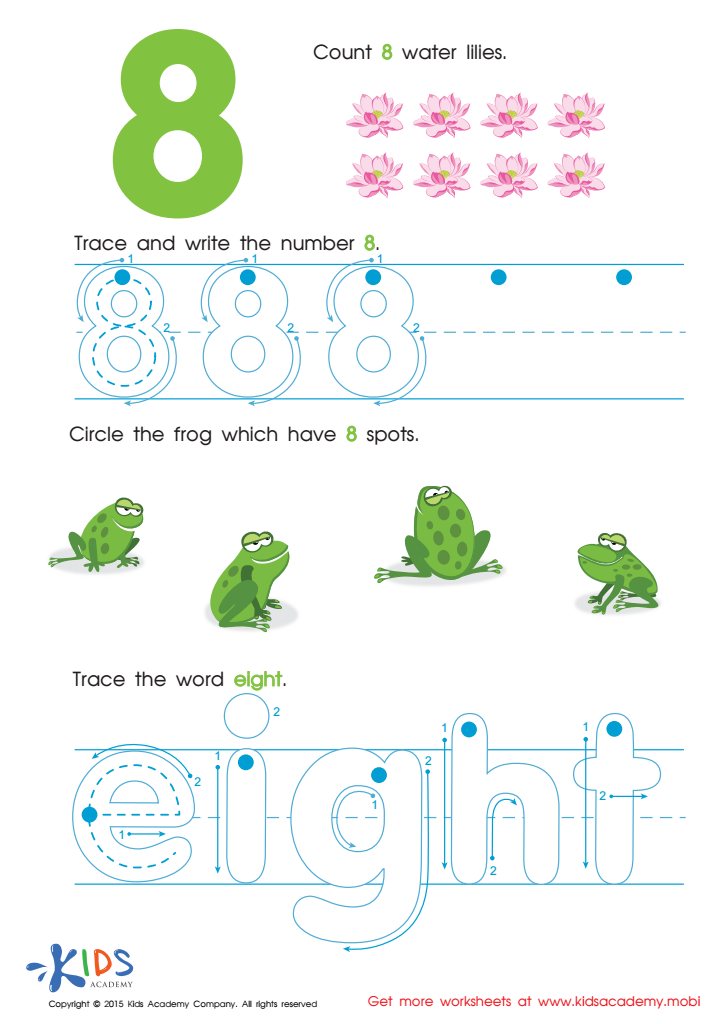
Learn Number 8 Easily Worksheet
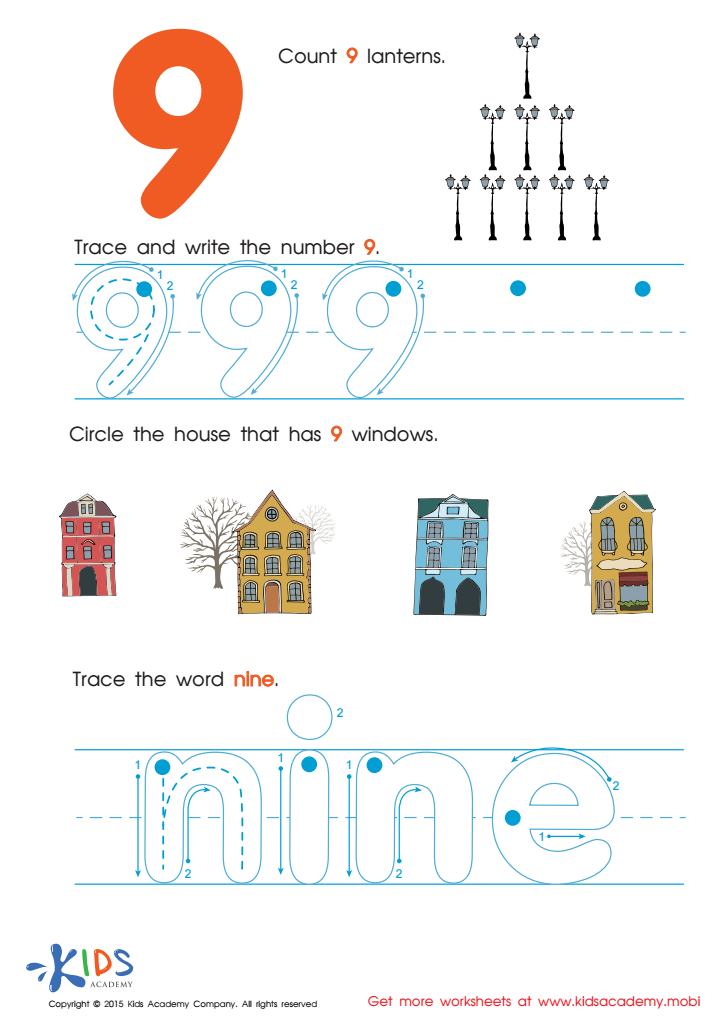
Tracing And Learning to Write Number 9 Worksheet
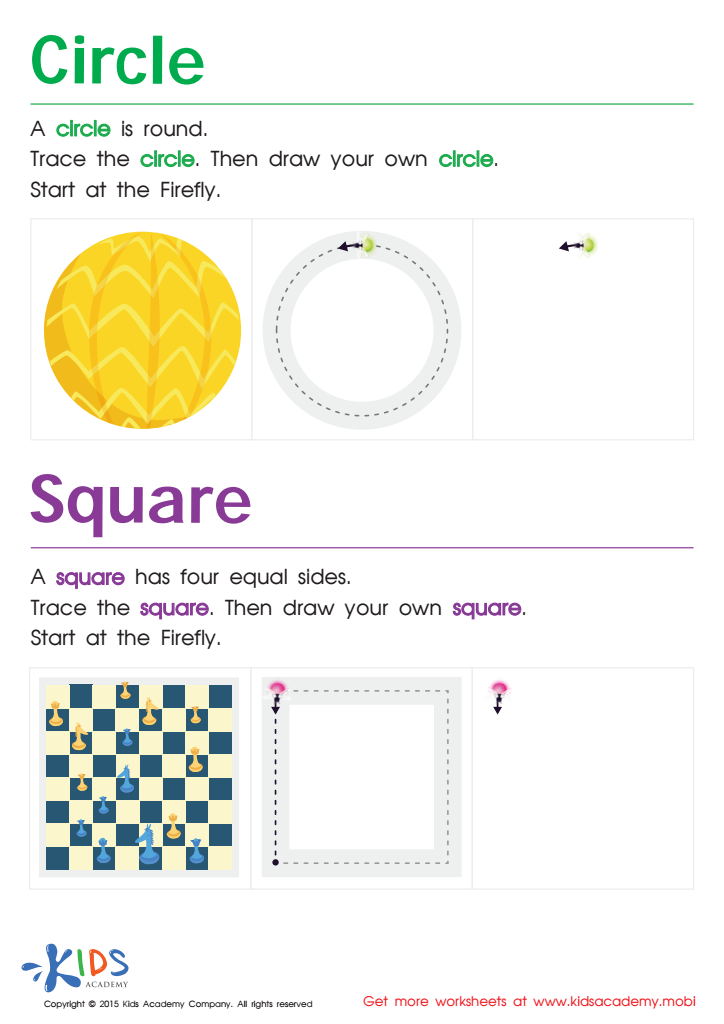
Trace And Draw a Circle And a Square Worksheet
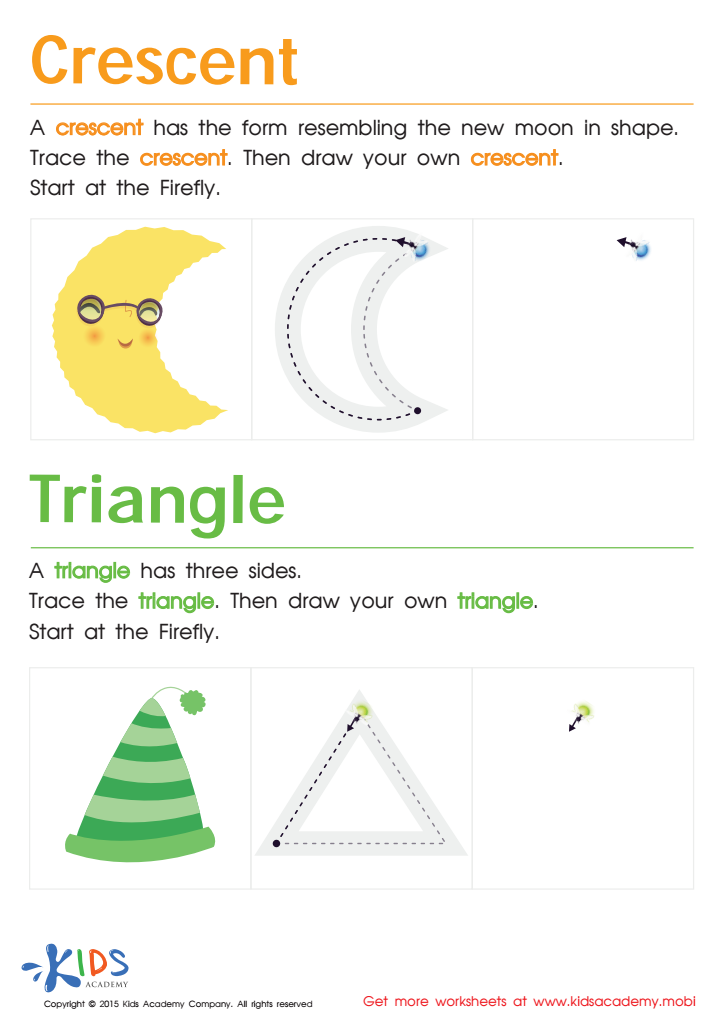
Learning to Draw Crescents And Triangles Worksheet
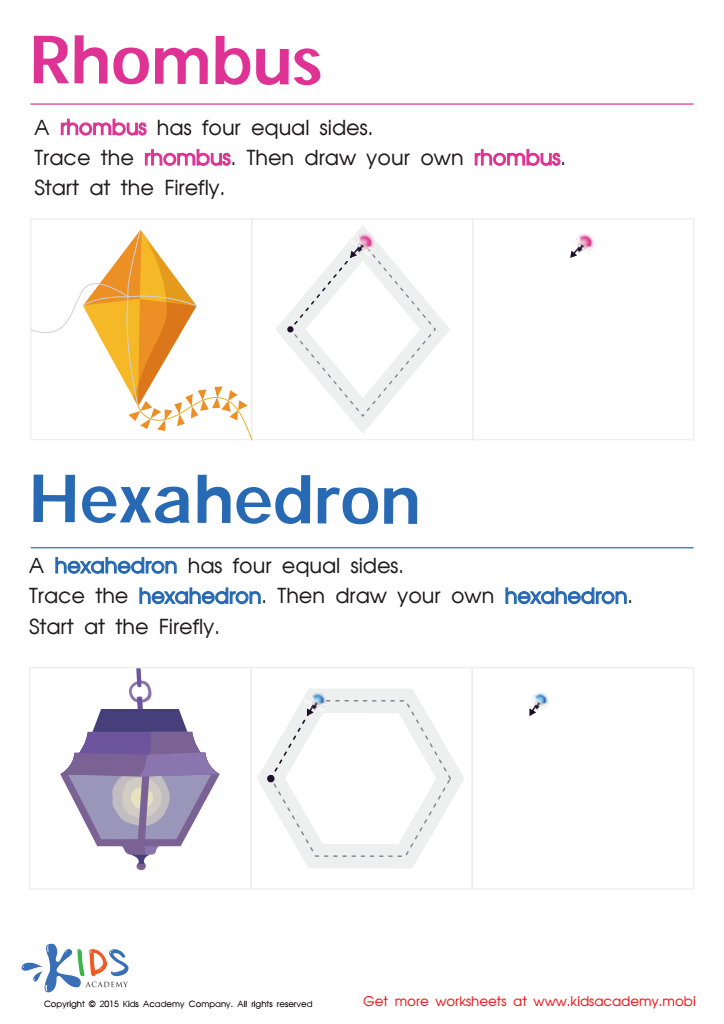
Draw a Rhombus And a Hexahedron Printable
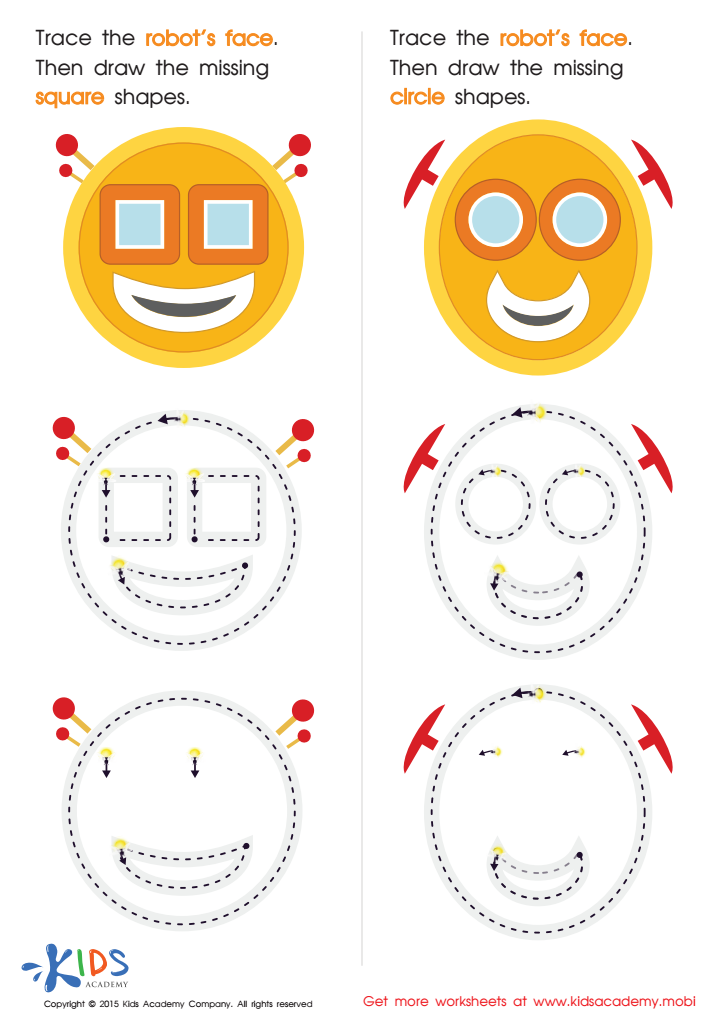
Practicing to Draw Circles And Squares Printable
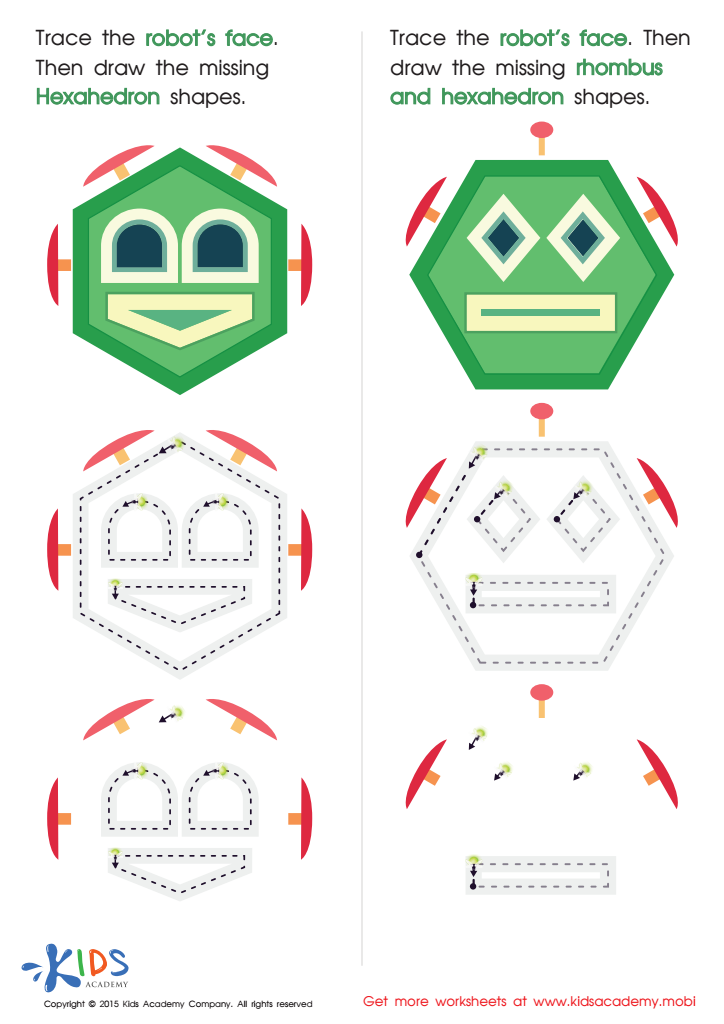
Practice Drawing Hexahedrons And a Rhombus Worksheet
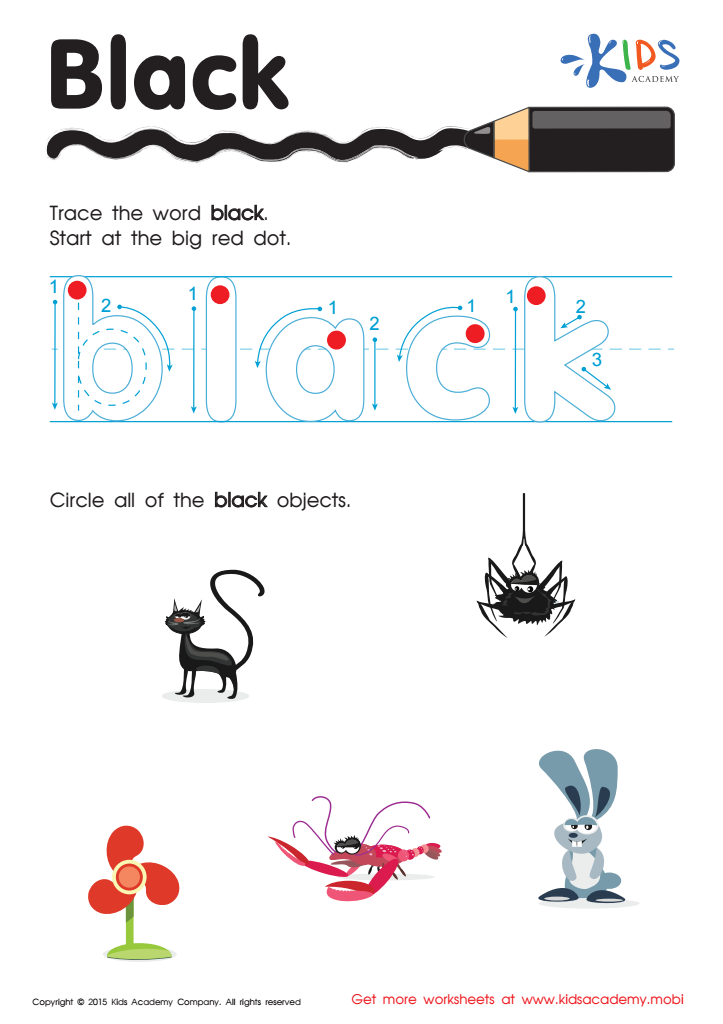
Black Tracing Color Words Printable
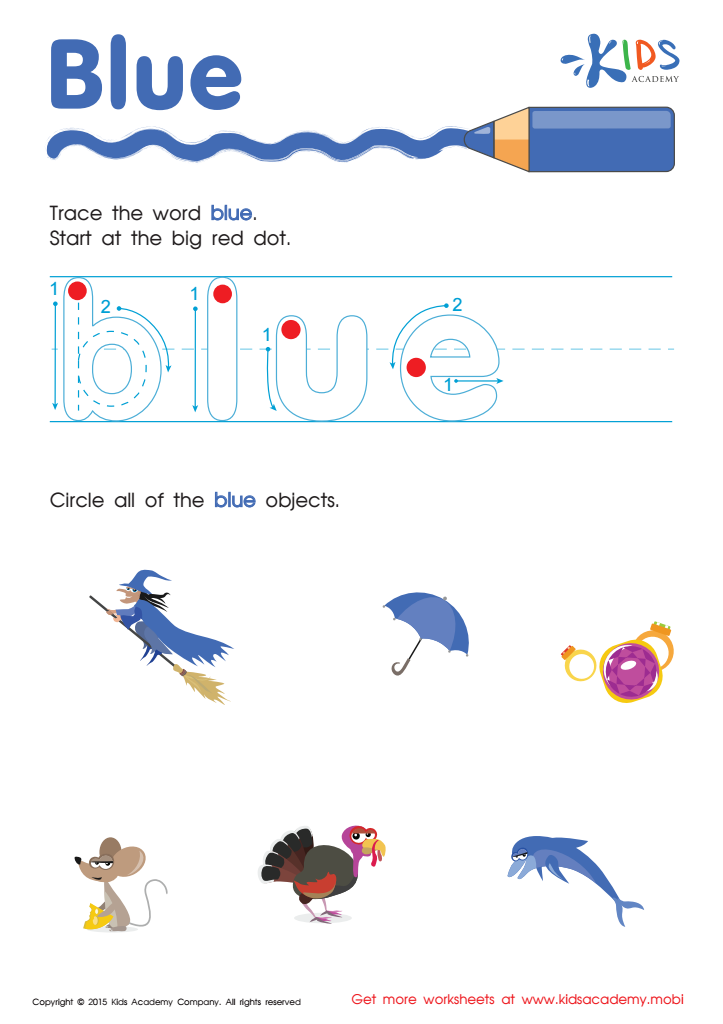
Blue Tracing Color Words Printable

Brown Tracing Color Words Worksheet

Green Tracing Color Words Worksheet
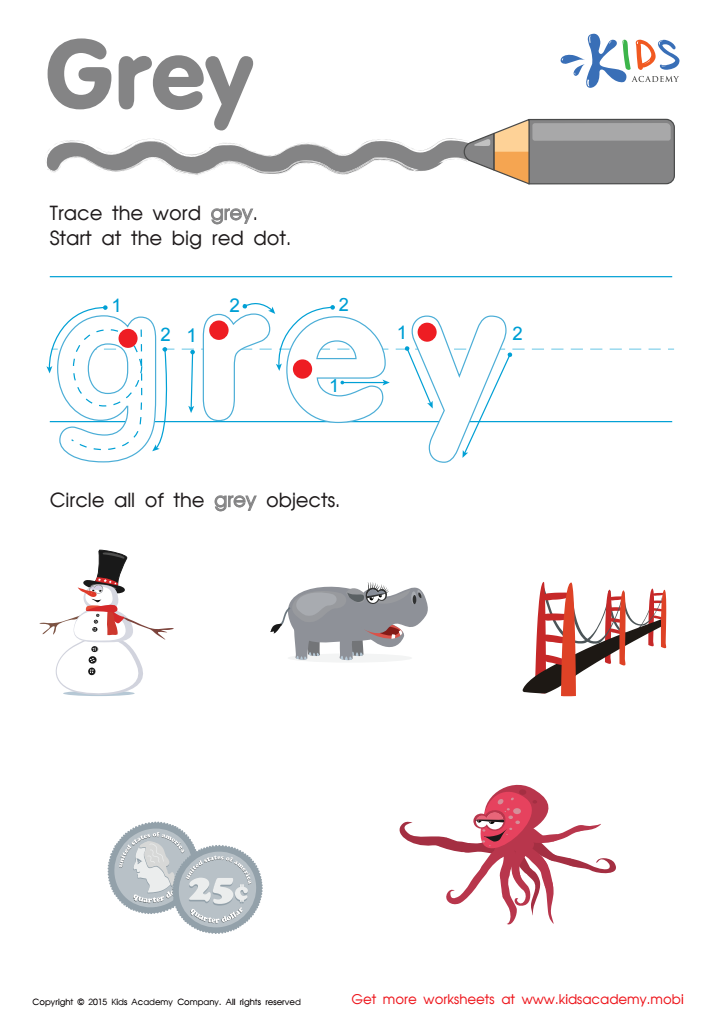
Grey Tracing Color Words Worksheet
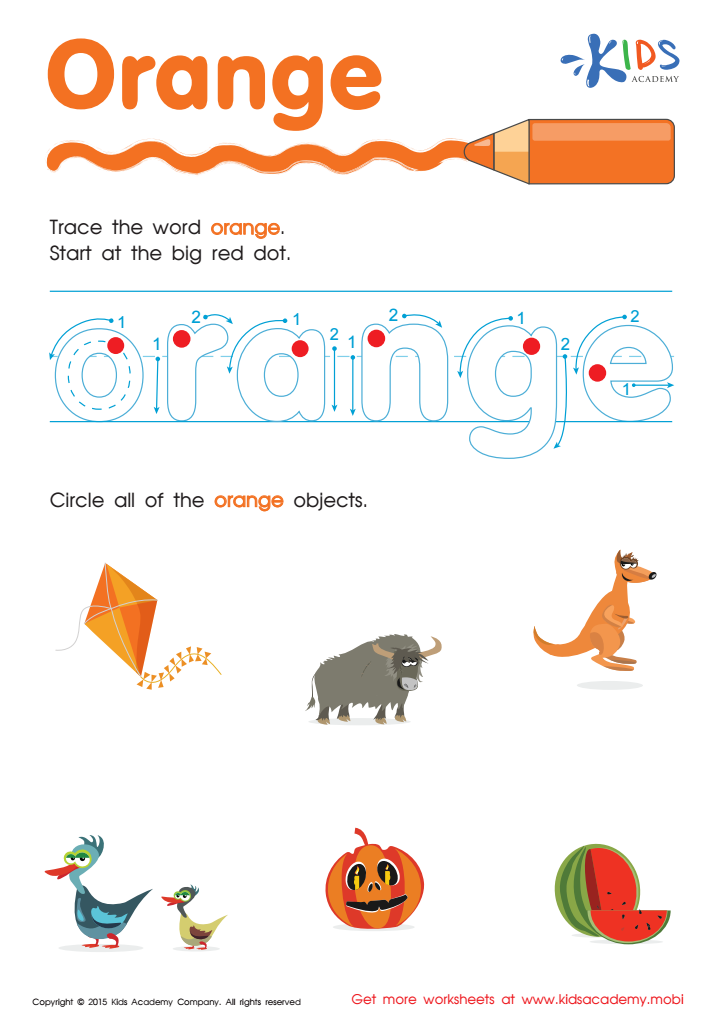
Orange Tracing Color Words Worksheet

Pink Tracing Color Words Worksheet
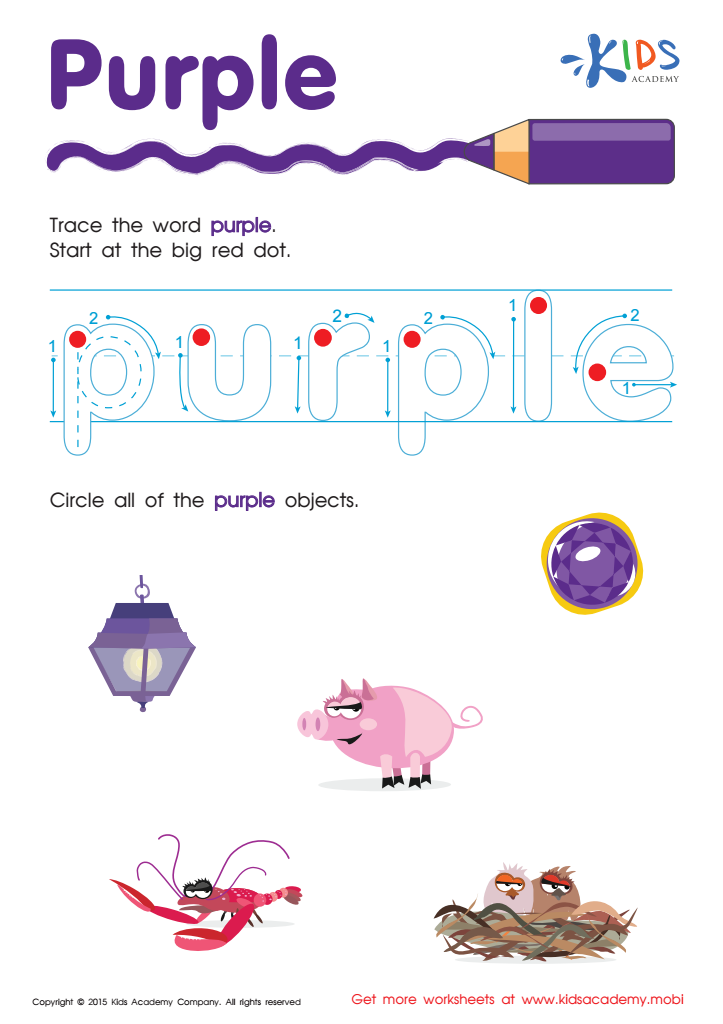
Purple Tracing Color Words Worksheet

Red Tracing Color Words Printable
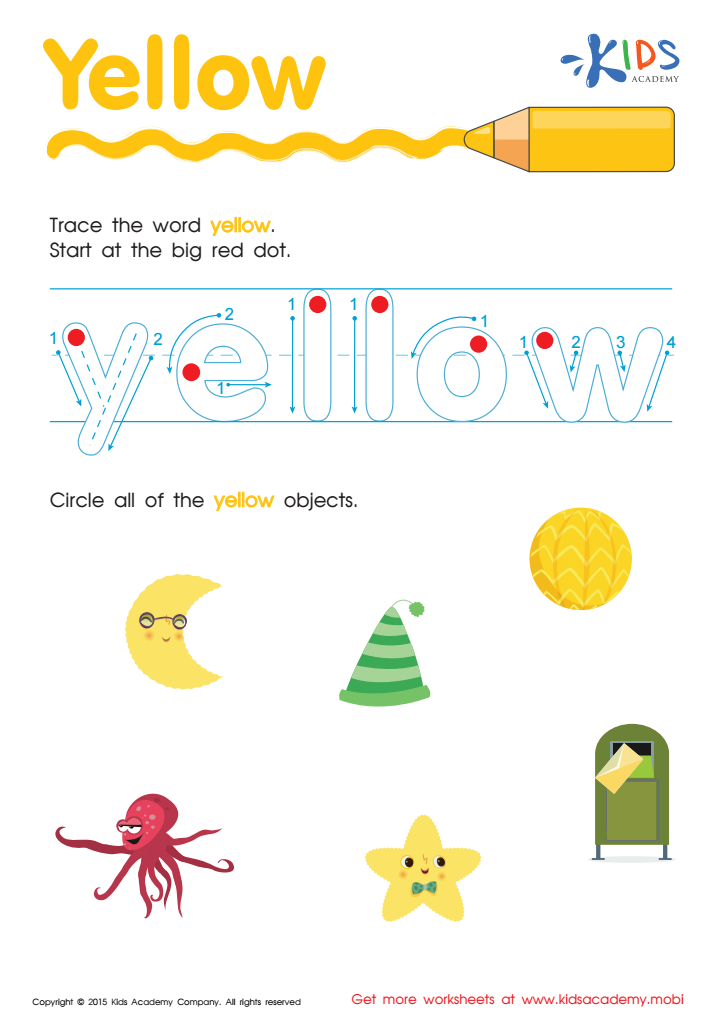
Yellow Tracing Color Words Worksheet

Snowman Tracing Winter Words Worksheet








Normal tracing activities are crucial for children aged 4-9 as they significantly contribute to the development of fine motor skills, hand-eye coordination, and cognitive abilities. During this critical developmental period, children are refining their physical skills that are fundamental for tasks such as writing, drawing, and even everyday activities like buttoning shirts. Tracing helps young learners practice controlled movements, enabling them to build muscle memory in their fingers and hands.
Moreover, these activities encourage pattern recognition and enhance focus and concentration. As children follow lines and shapes, they learn to pay attention to details, an essential skill that translates to success in various academic domains. Tracing also introduces them to numbers, letters, and shapes, laying the foundation for later literacy and numeracy skills.
Teachers and parents play a pivotal role in providing opportunities for tracing through engaging and creative materials. This not only fosters a positive learning experience but also increases children's confidence in their abilities. Furthermore, incorporating tracing into play helps make learning enjoyable, promoting a lifelong love for education. In conclusion, Normal tracing activities are a integral part of childhood development that should not be overlooked as they prepare children for future success.








