Normal Geometry Worksheets for Ages 6-8 - Page 2
59 filtered results
-
From - To
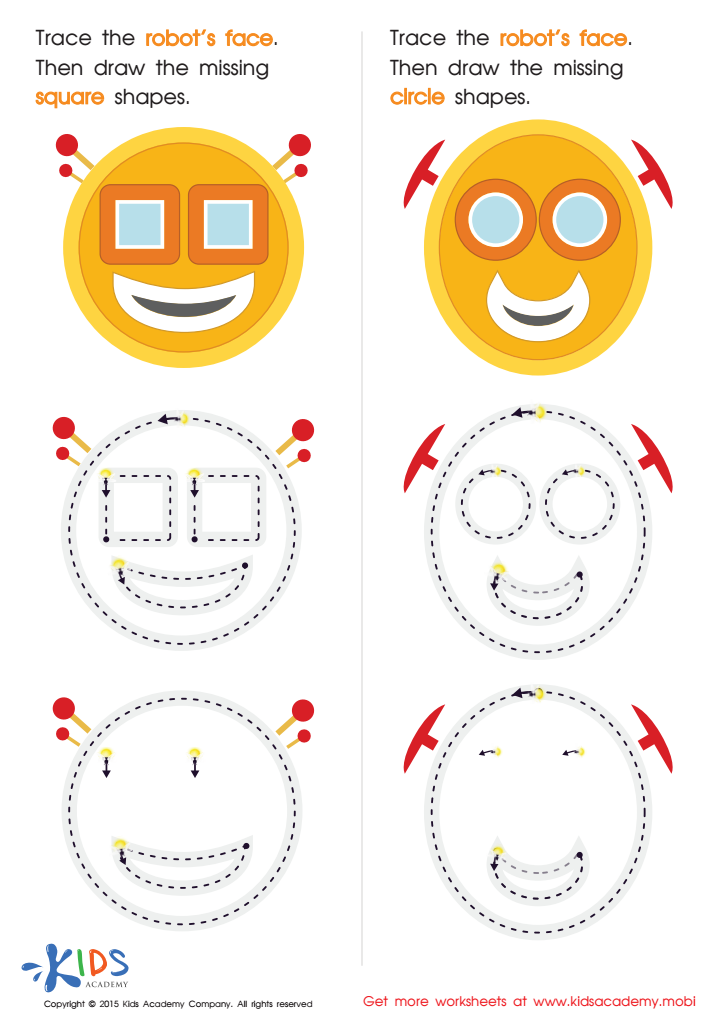
Practicing to Draw Circles And Squares Printable
 Assign to My Students











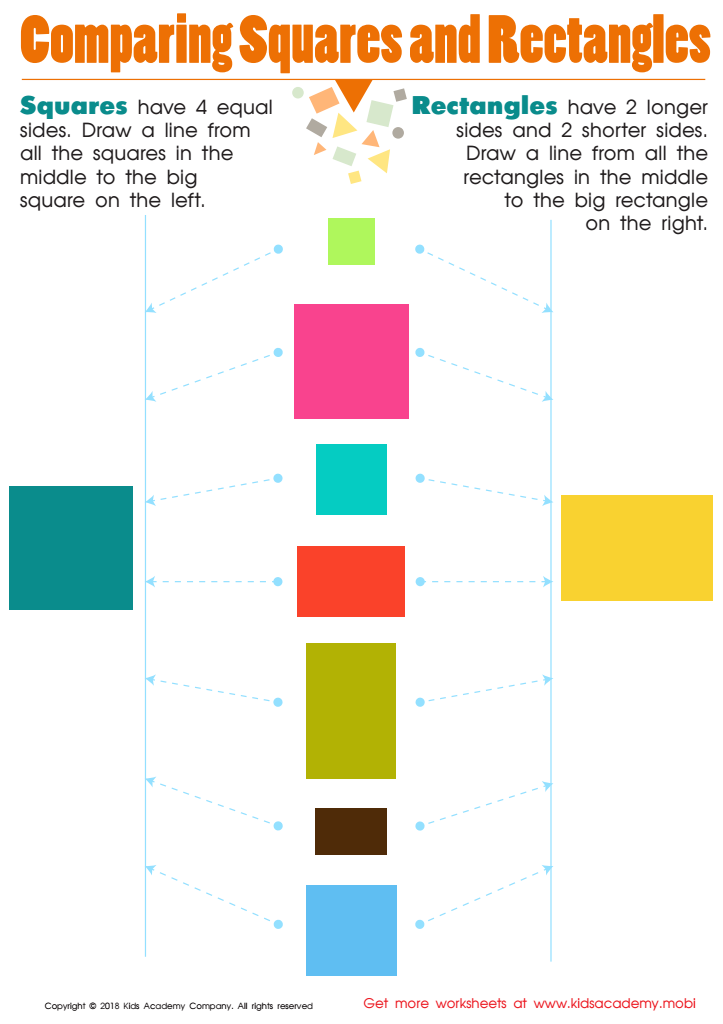
Comparing Squares Rectangles Worksheet
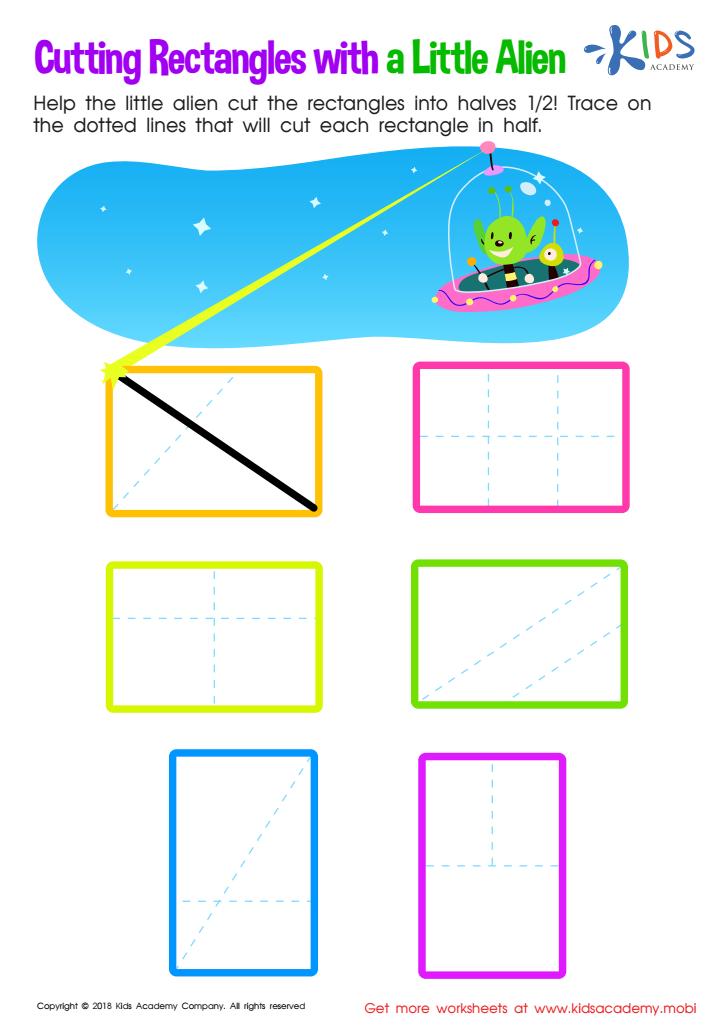
Cutting Rectangles with Alien Worksheet
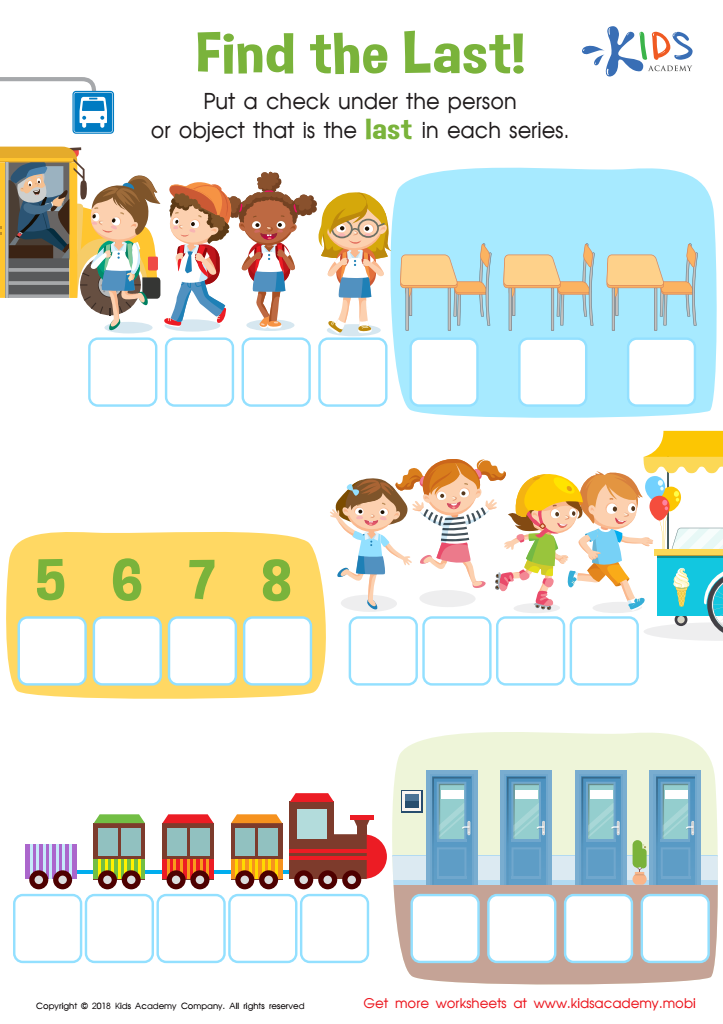
Find the Last! Worksheet
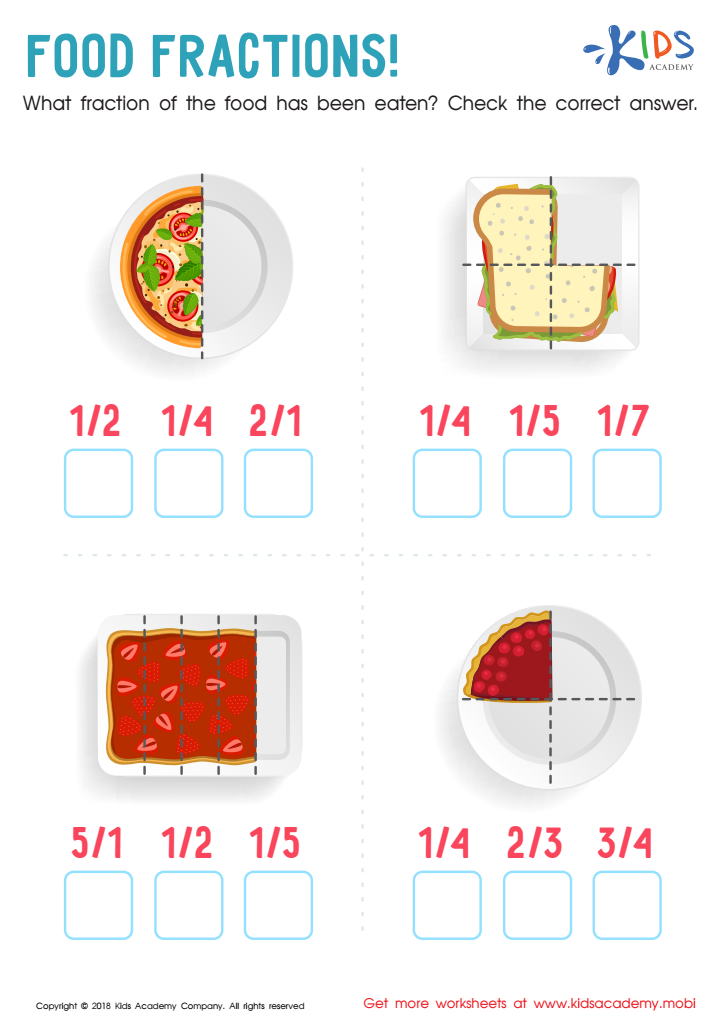
Food Fractions Worksheet
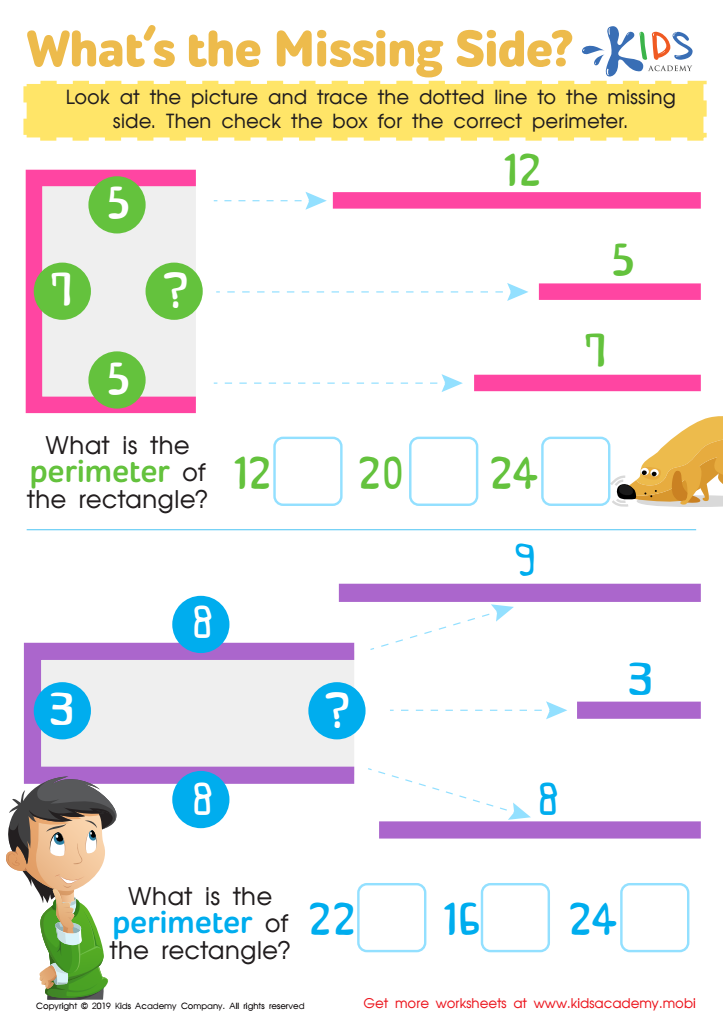
What's the Missing Side Worksheet
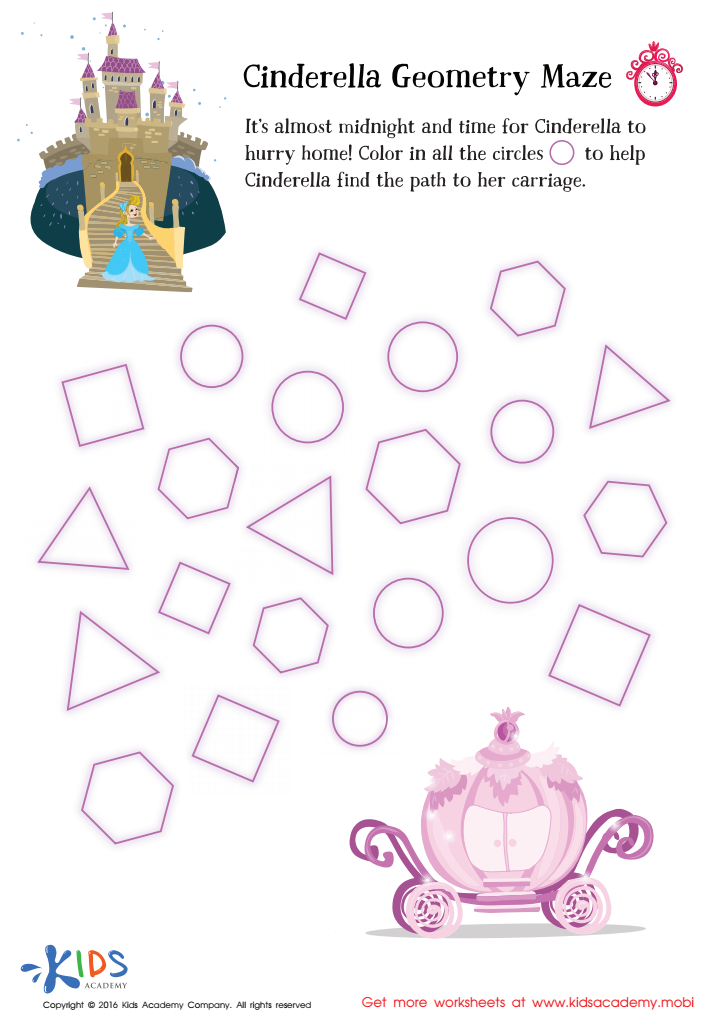
Cinderella Geometry Maze Worksheet
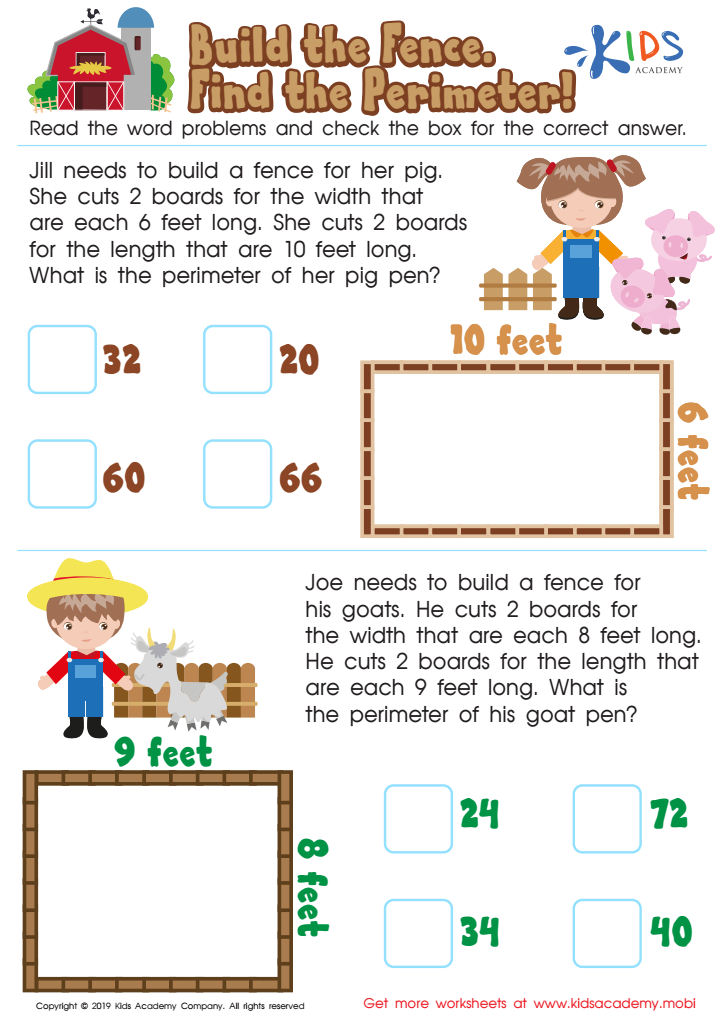
Build the Fence, Find the Perimeter Worksheet
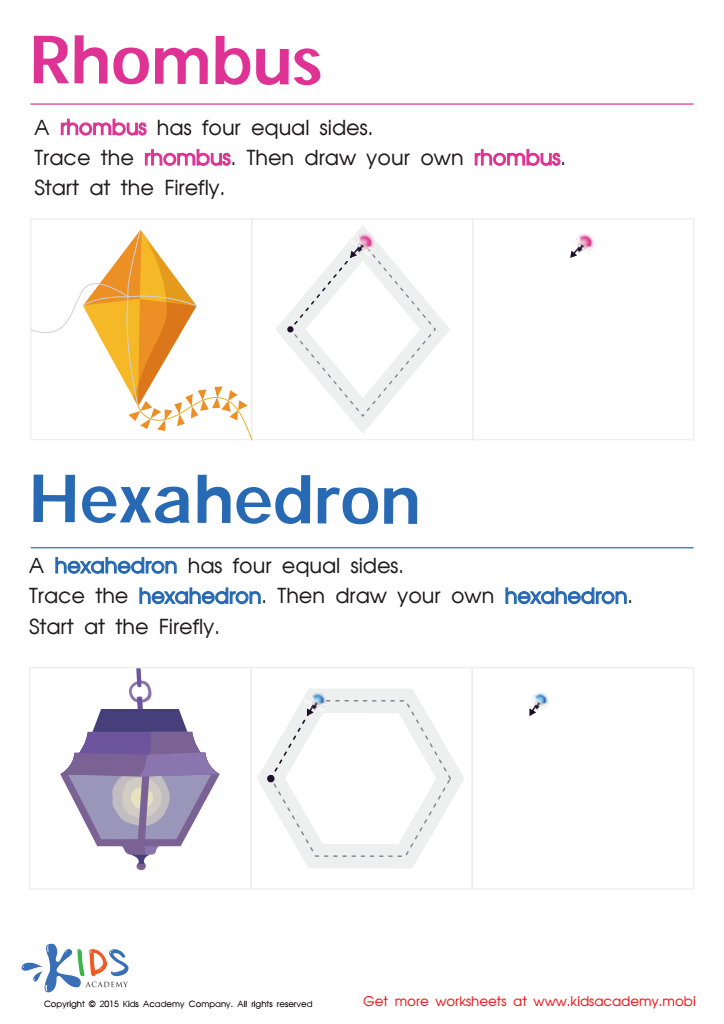
Draw a Rhombus And a Hexahedron Printable
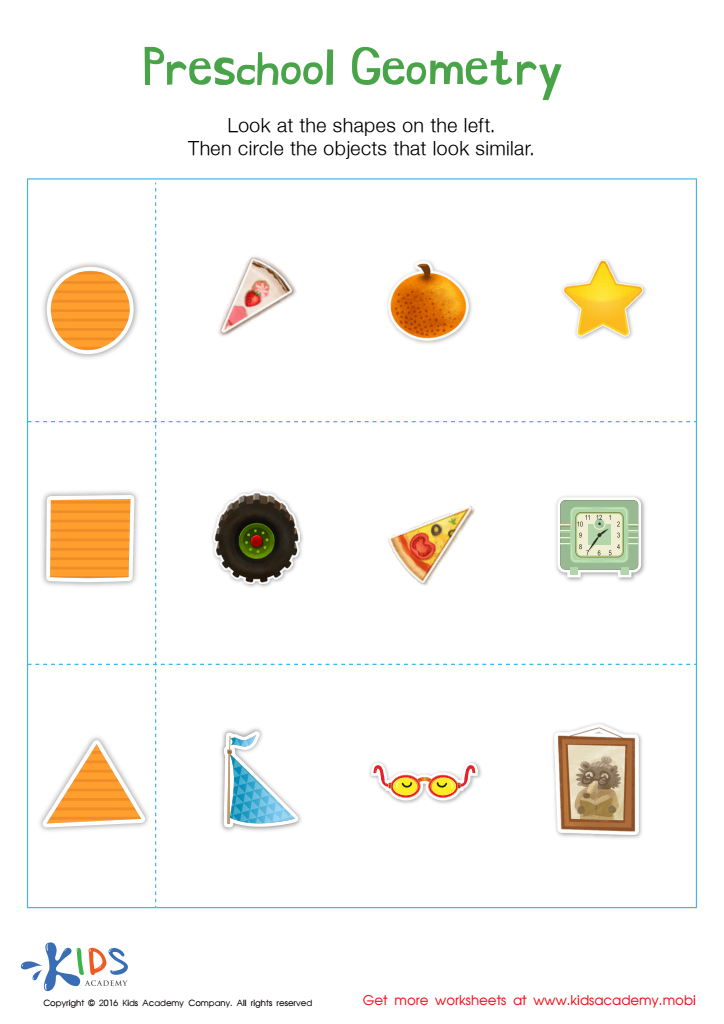
Preschool Geometry Match Up Worksheet
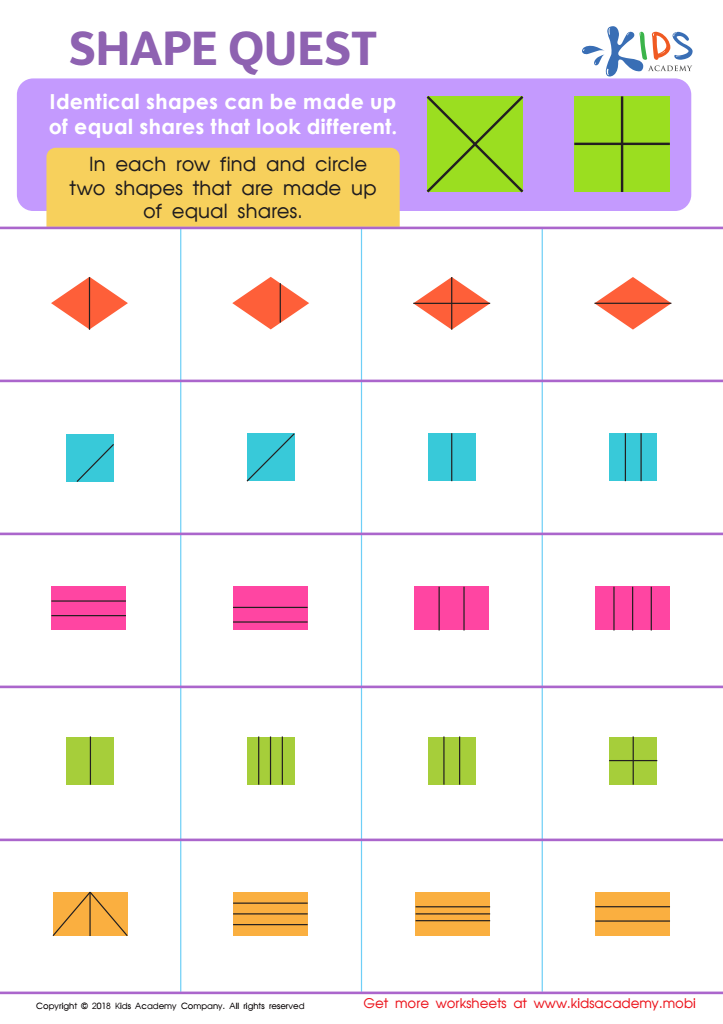
Shape Quest Worksheet
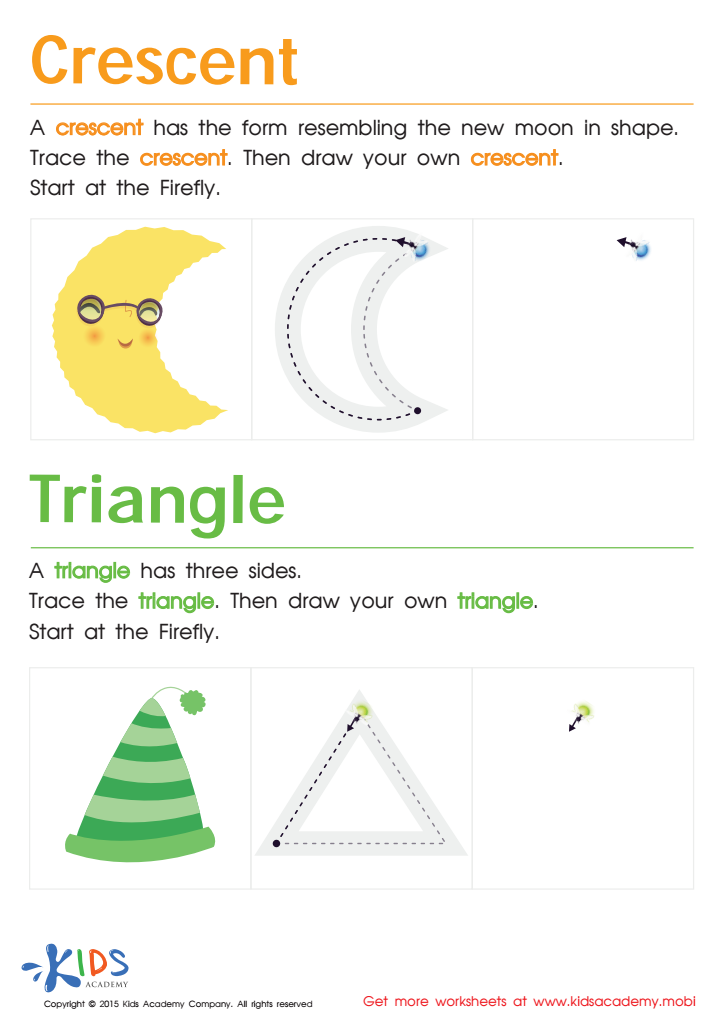
Learning to Draw Crescents And Triangles Worksheet
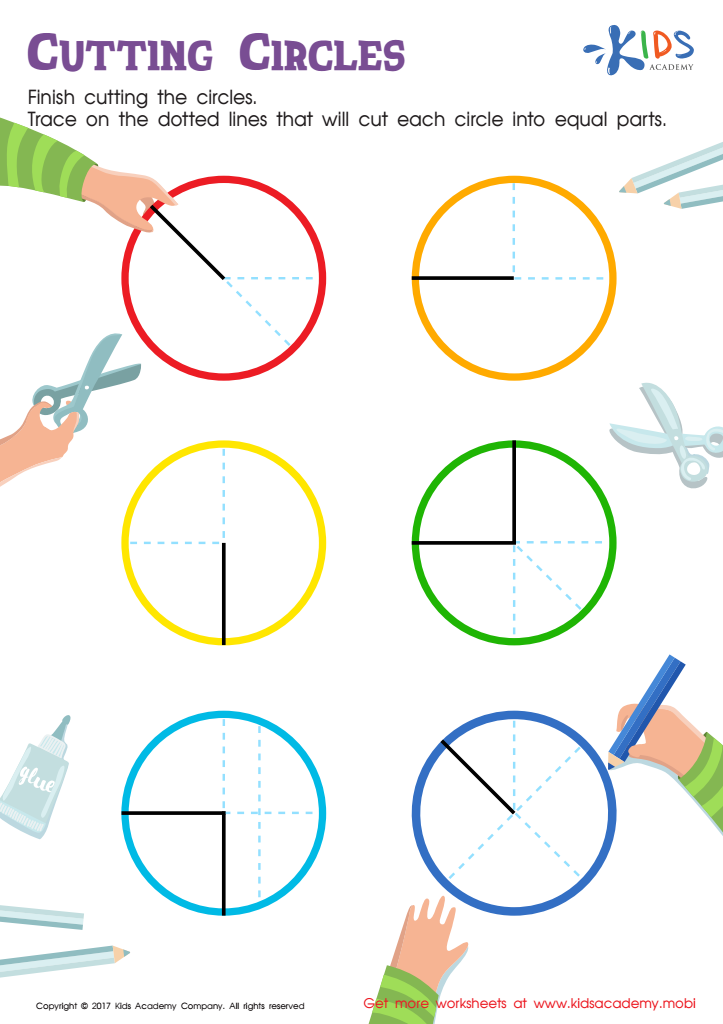
Cutting Circles Worksheet
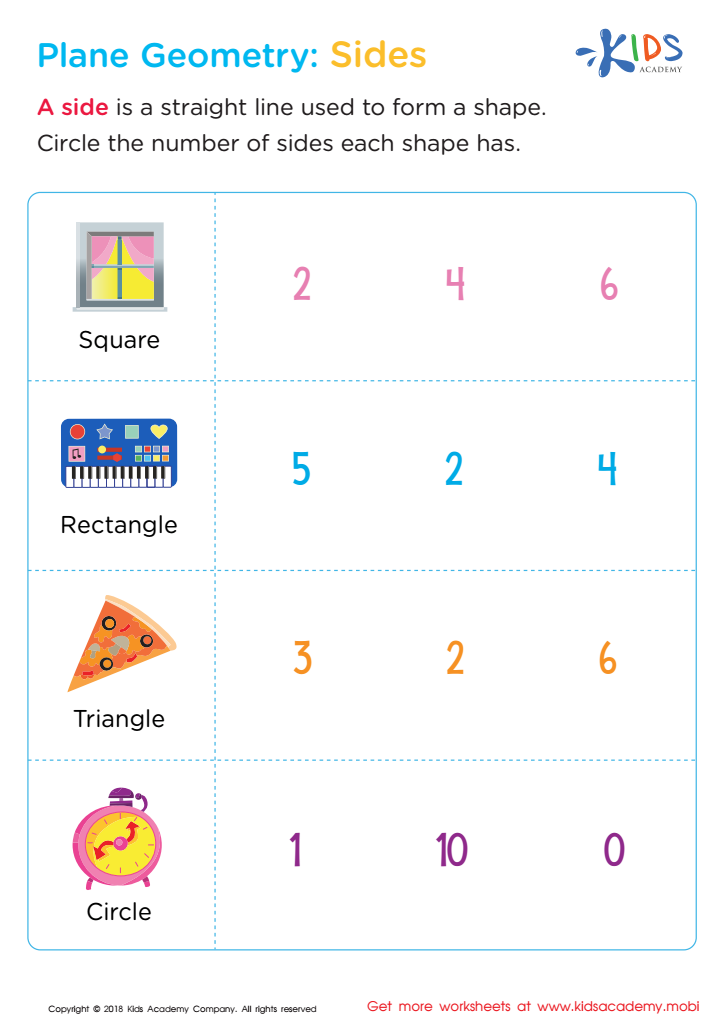
Plane Geometry: Sides Worksheet
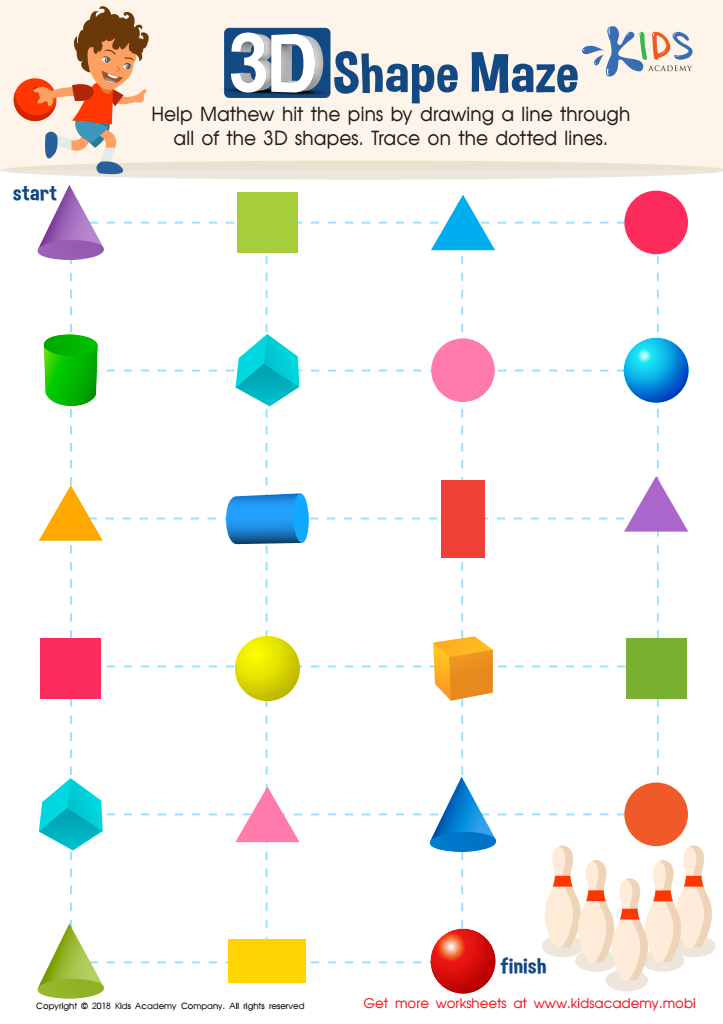
Shapes Maze Geometry Worksheet
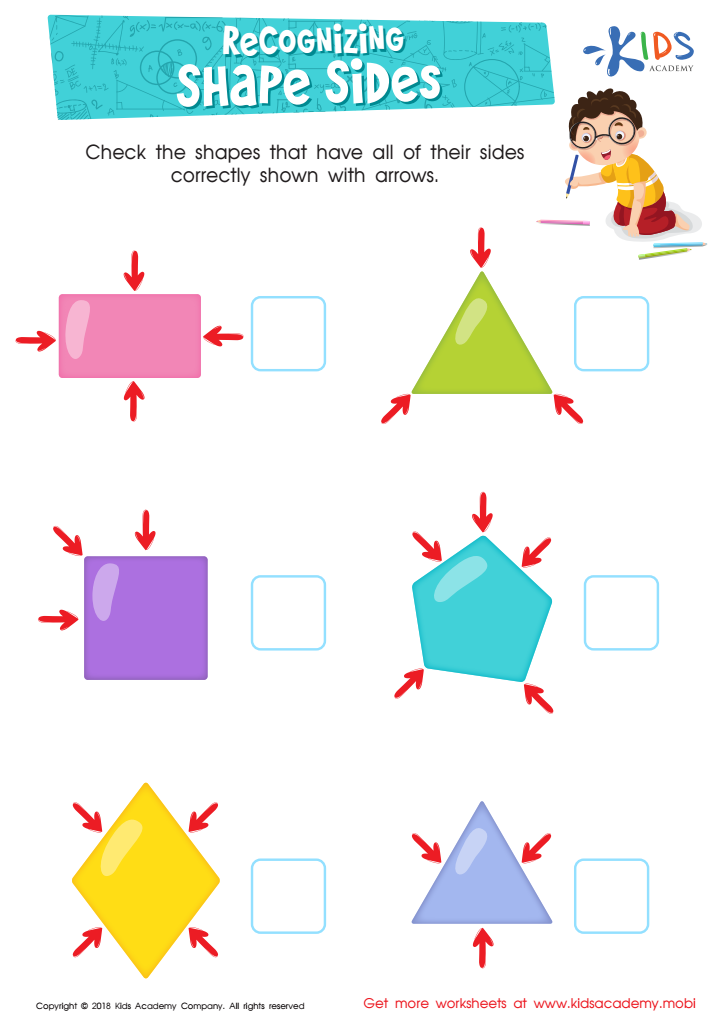
Recognizing Shape Sides Worksheet
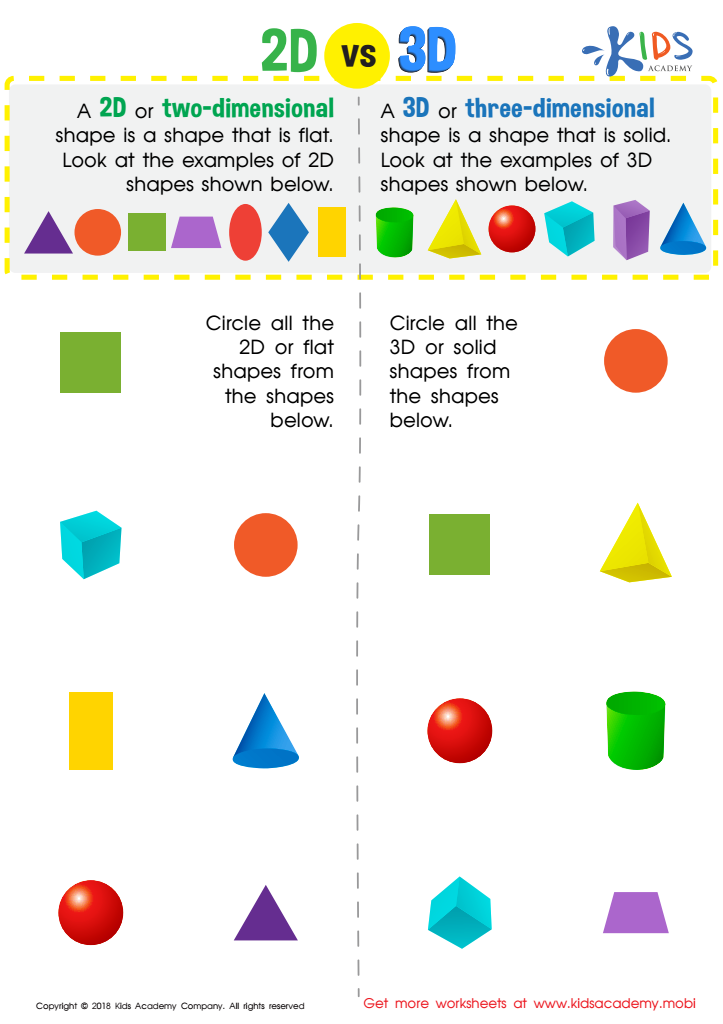
2D vs 3D Shapes Worksheet
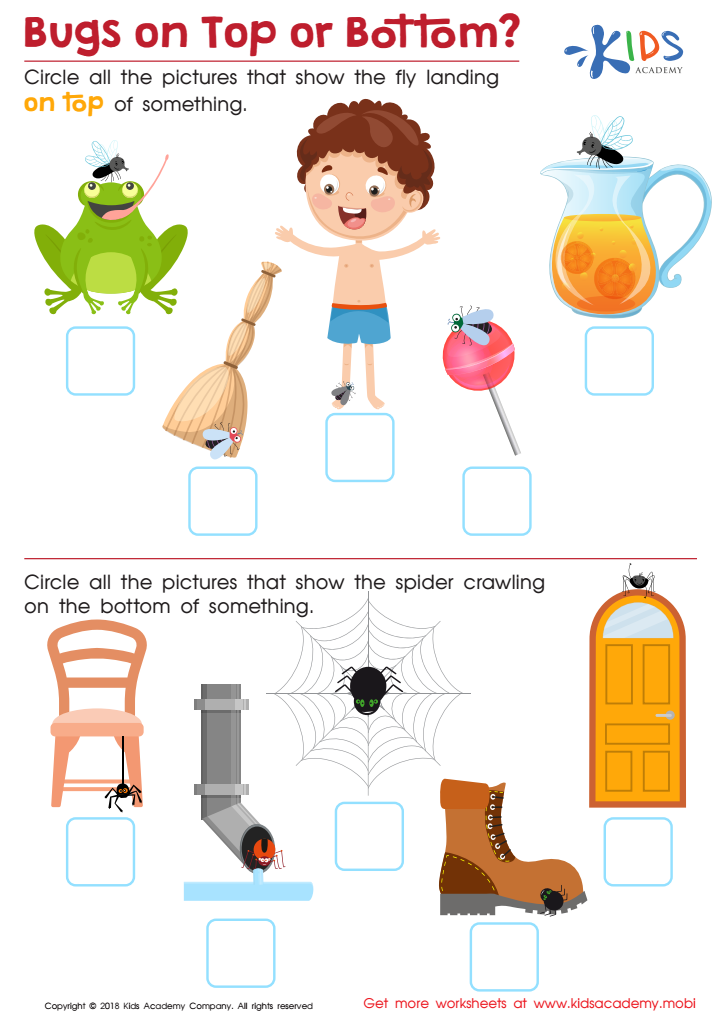
Bugs on Top or Bottom? Worksheet
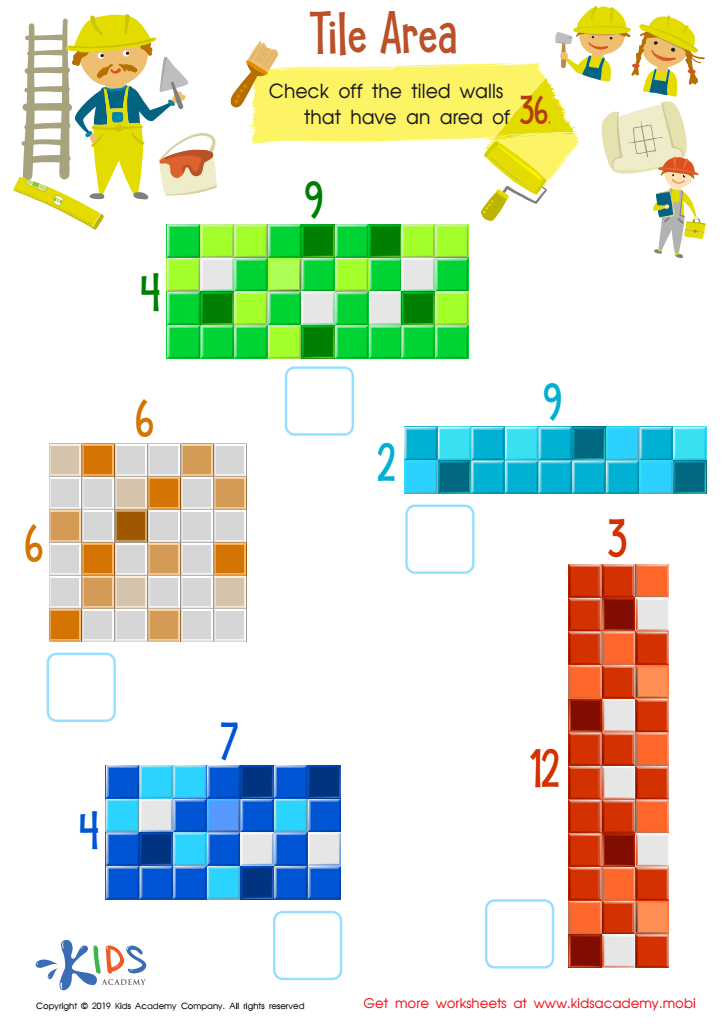
Tile Area Worksheet
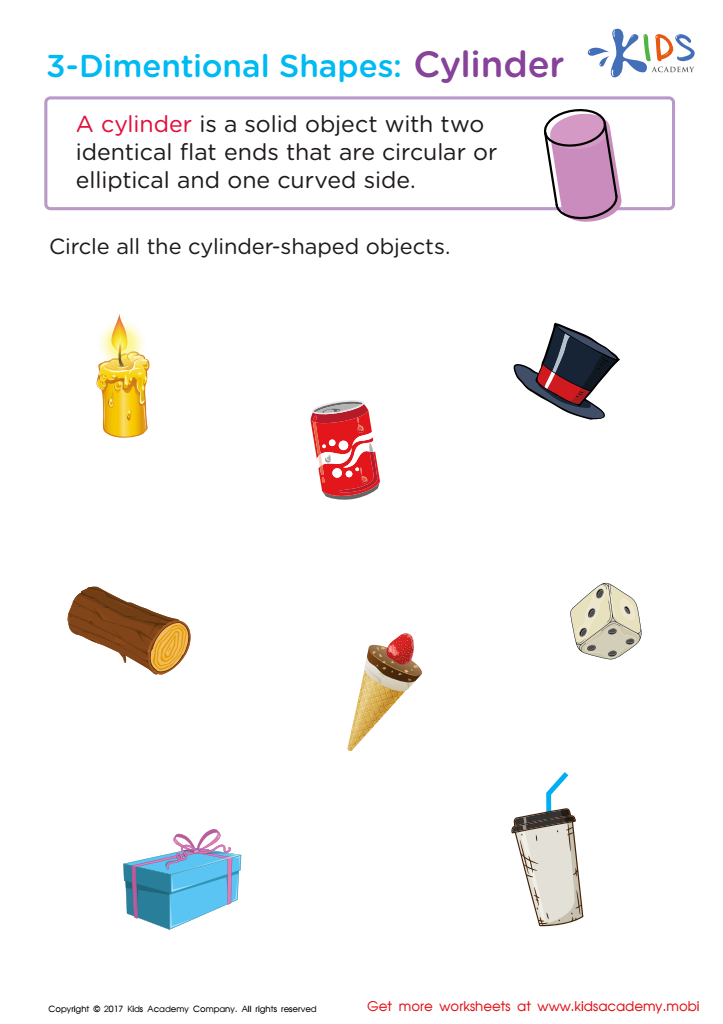
Three–Dimensional Shapes: Cylinder Worksheet
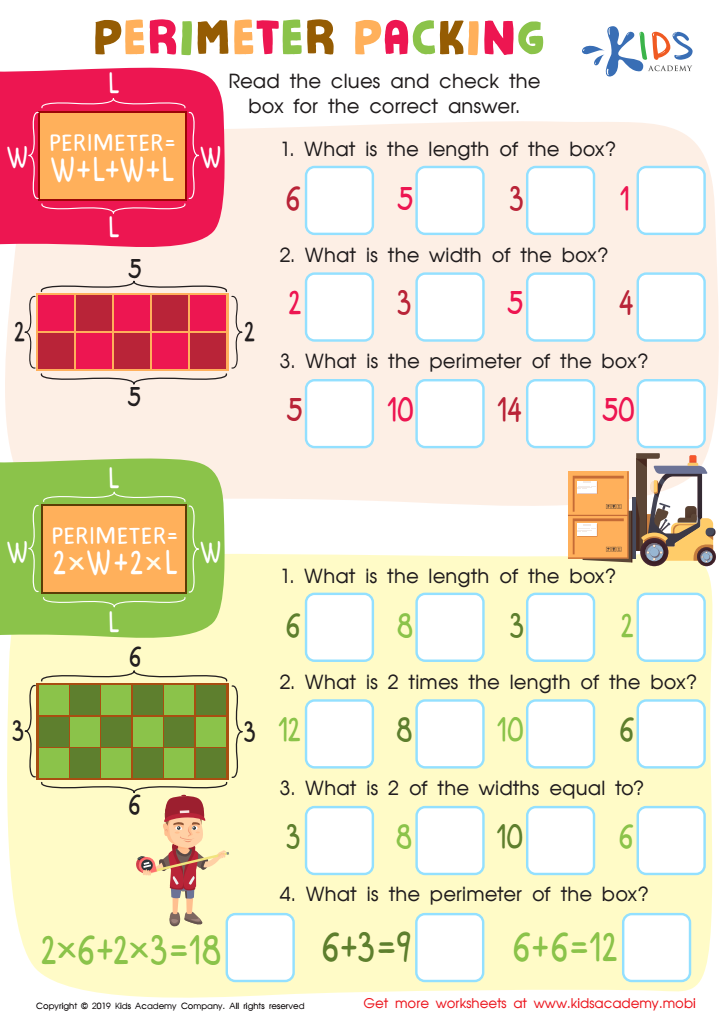
Perimeter Parking Worksheet
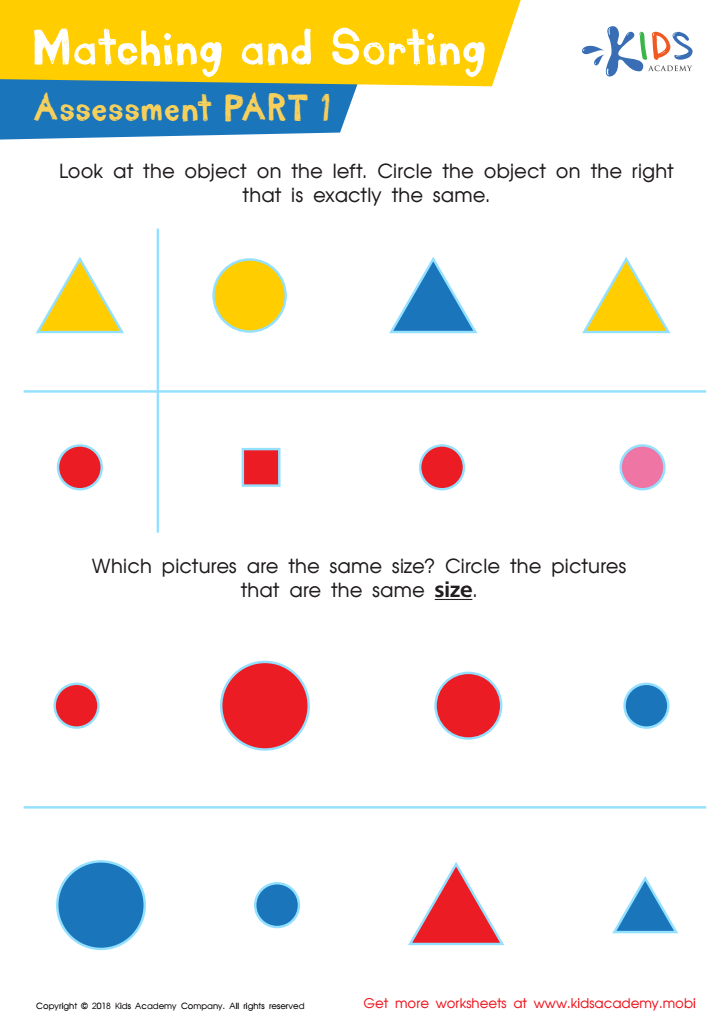
Matching and Sorting for Kindergarten: Assessment 1 Worksheet
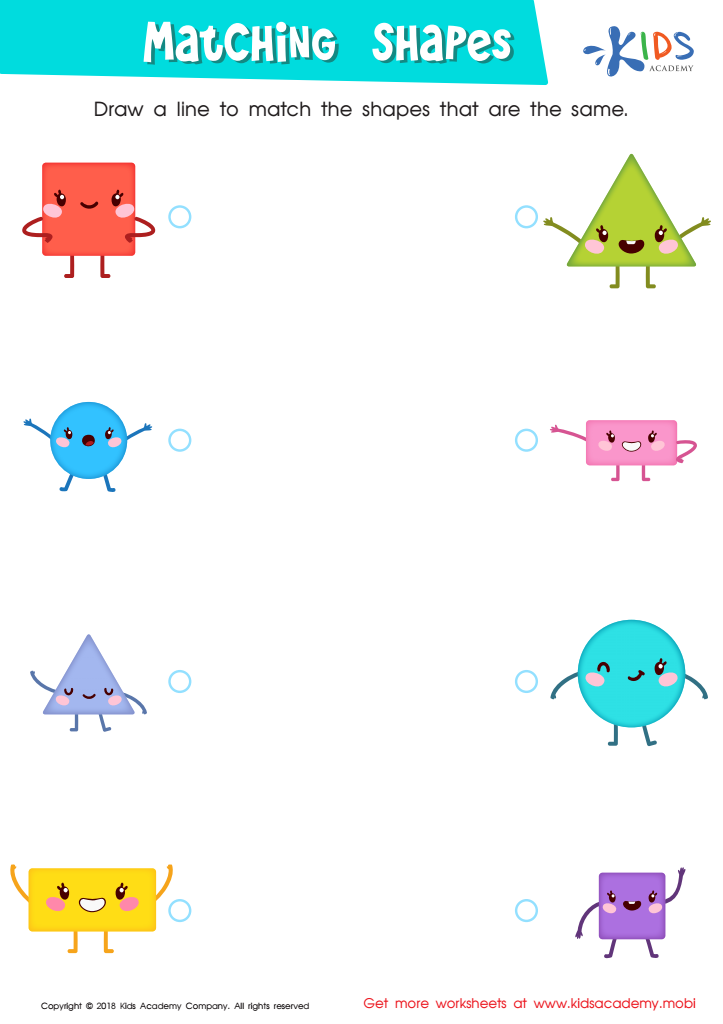
Matching Shapes Worksheet








Normal Geometry for Ages 6-8 is vital for several reasons. First and foremost, it lays the foundational skills necessary for mathematical understanding. At this age, children naturally explore shapes and spatial relationships, helping them develop critical thinking and problem-solving skills. Geometry encourages spatial reasoning, which is essential in everyday tasks like navigation and even in fields such as science and engineering in later years.
In addition, understanding basic geometric concepts fosters a sense of curiosity and encourages creativity. When children identify shapes in the world around them, they begin to make connections between mathematics and their environment, enhancing their observational skills. This intrinsic motivation can also lead to a greater appreciation of math as they grow.
Moreover, engaging with geometry helps develop vocabulary and communication skills as children learn to describe and categorize shapes and their properties. Early exposure to geometric principles reinforces patterns and structures they'll encounter in more complex mathematics.
Ultimately, investing time and effort in normal geometry education during ages 6-8 ensures a strong mathematical foundation, equipping children with both academic skills and the confidence to thrive in the future. Parents and teachers serve as pivotal guides in navigating this essential part of early learning.








