2D Shapes Worksheets for Ages 3-9 - Page 3
75 filtered results
-
From - To
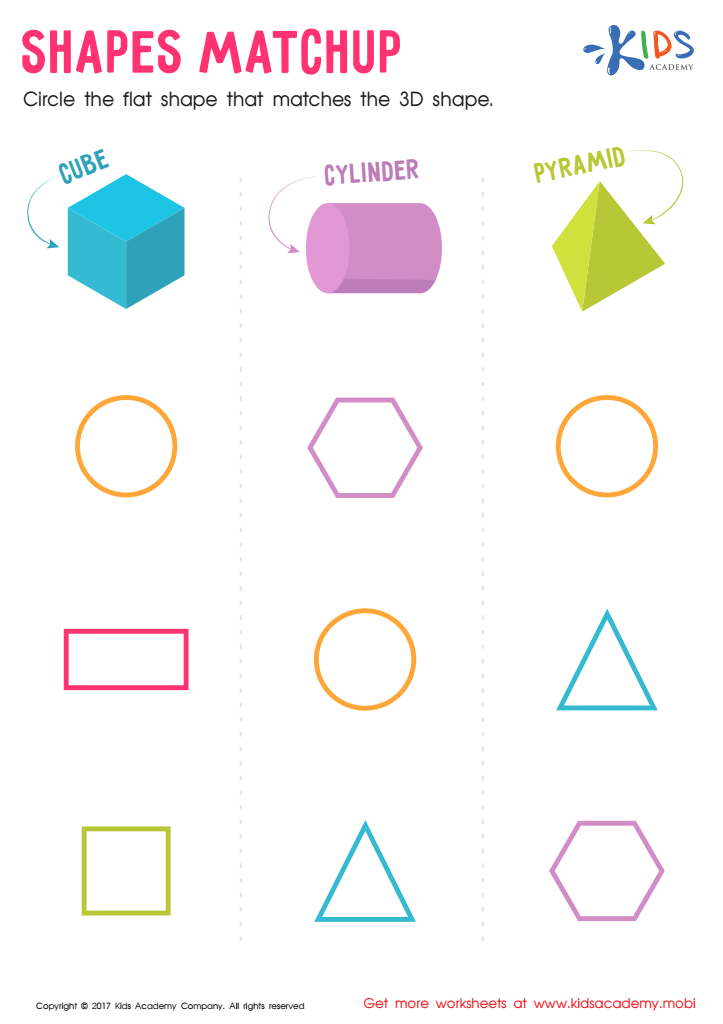
Shapes Matchup Worksheet
 Assign to My Students

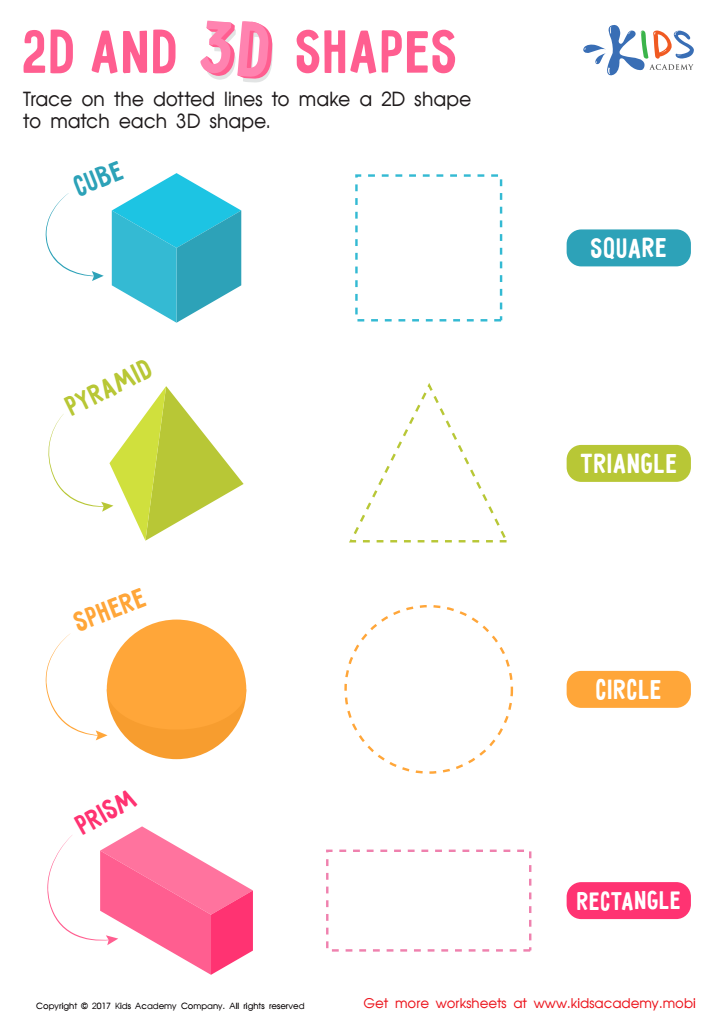
2D and 3D Shapes Worksheet
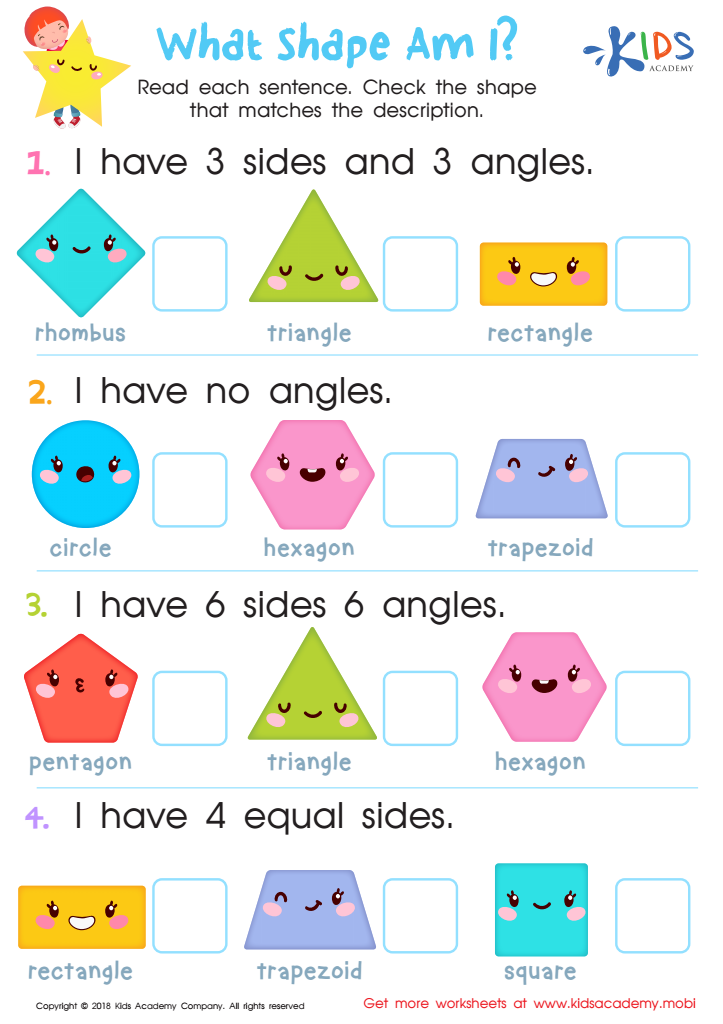
What Shape Am I? Worksheet
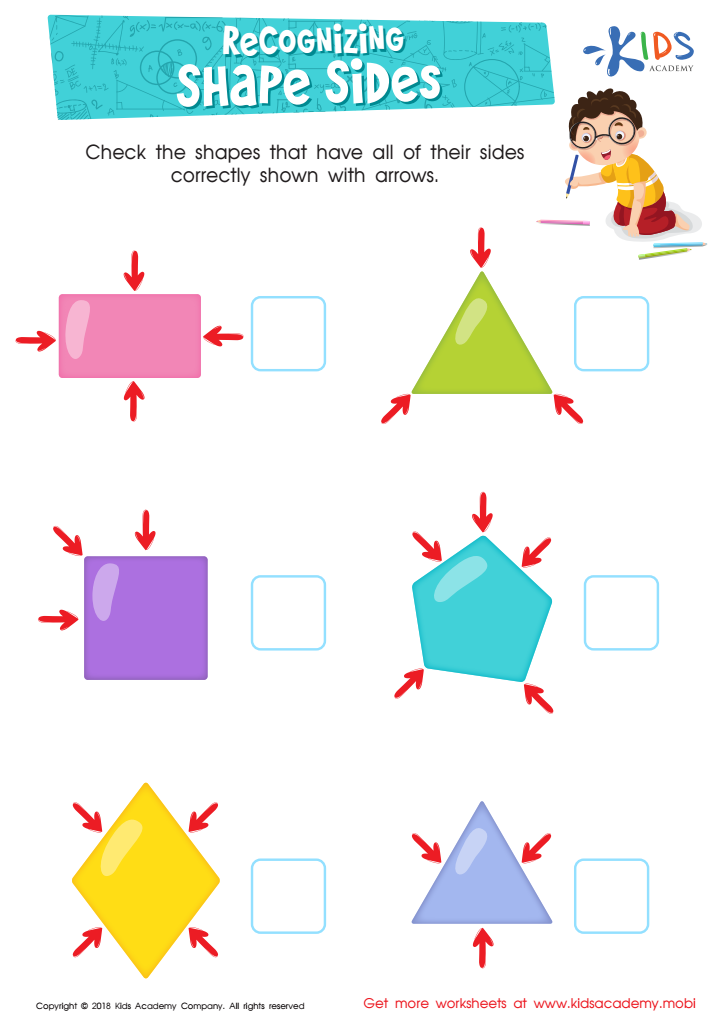
Recognizing Shape Sides Worksheet
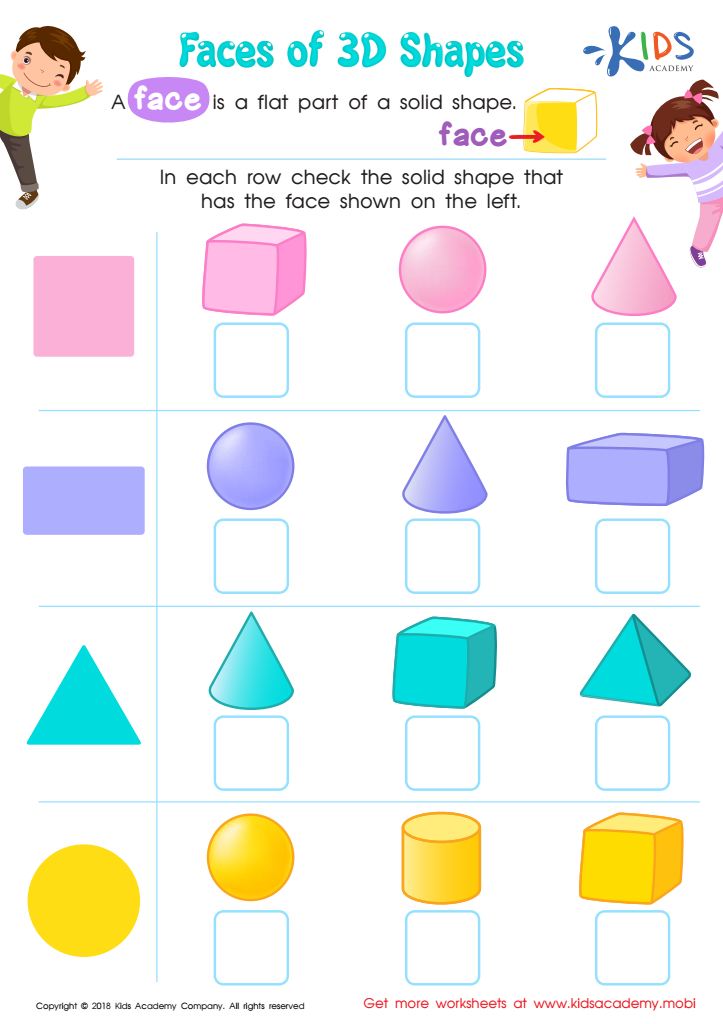
Faces of 3D Shapes Worksheet
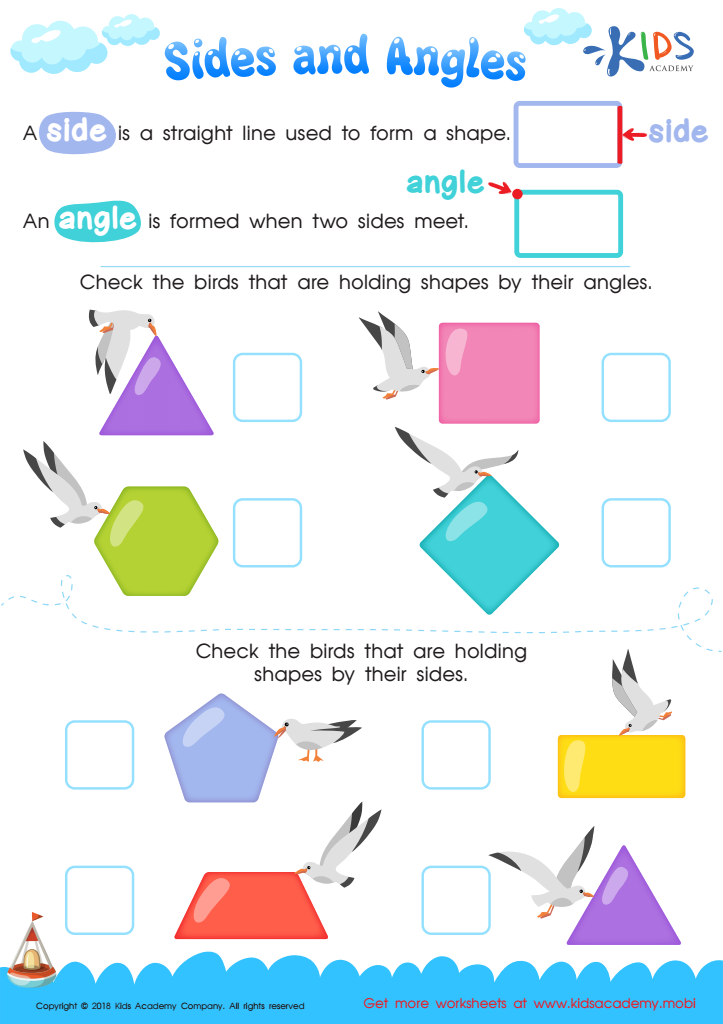
Sides and Angles Worksheet
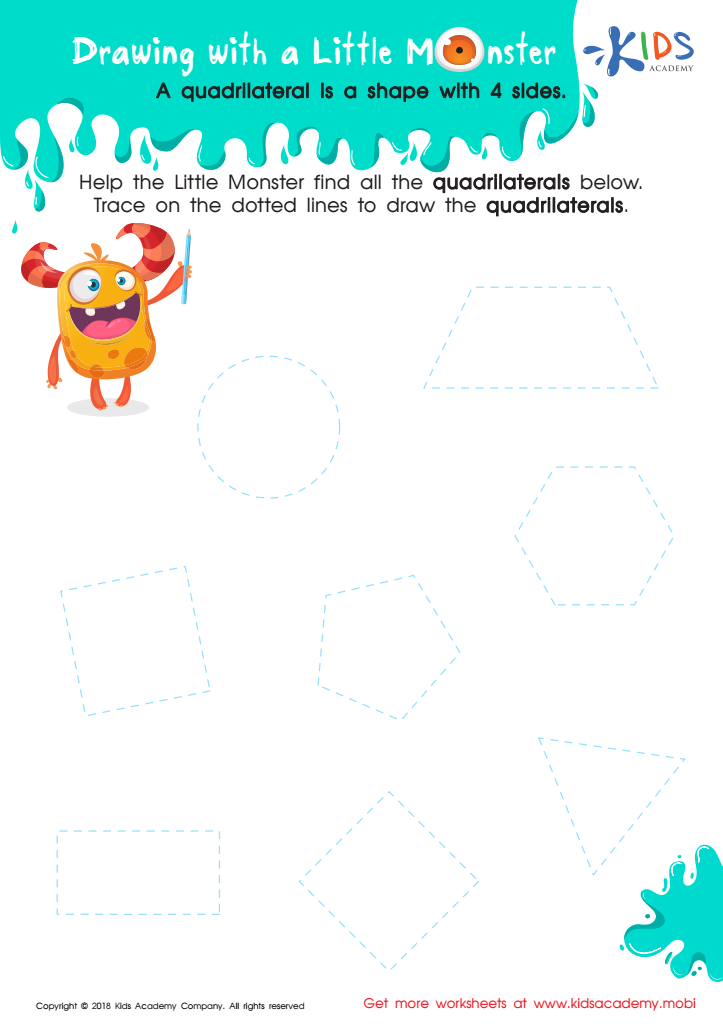
Drawing with a Little Monster Worksheet
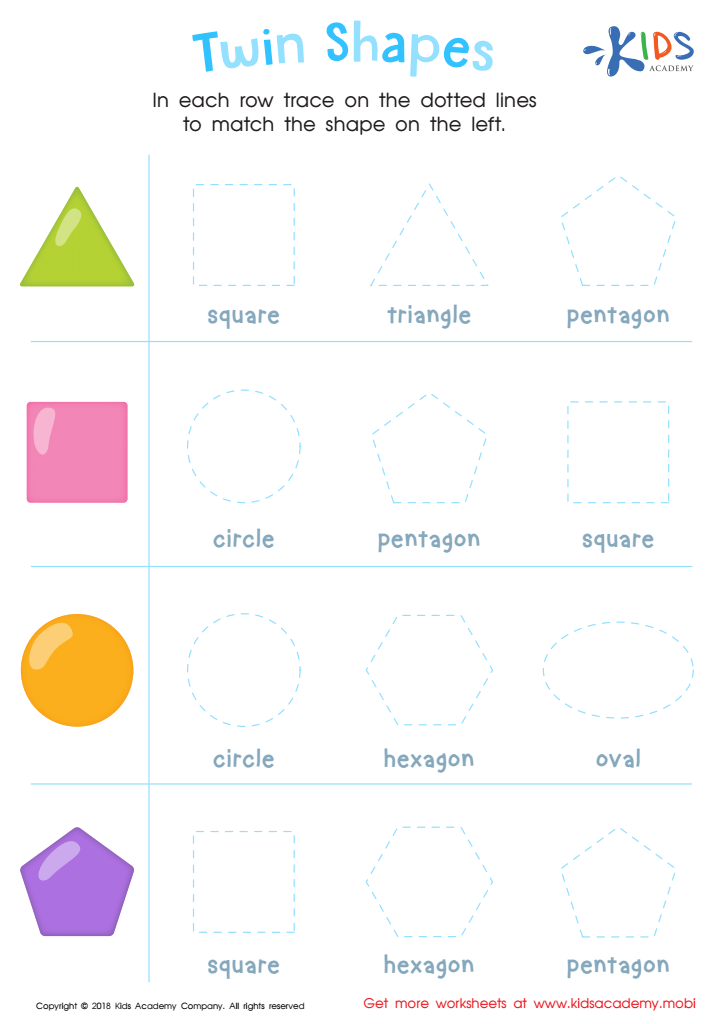
Twin Shapes Dot-to-Dot Worksheet
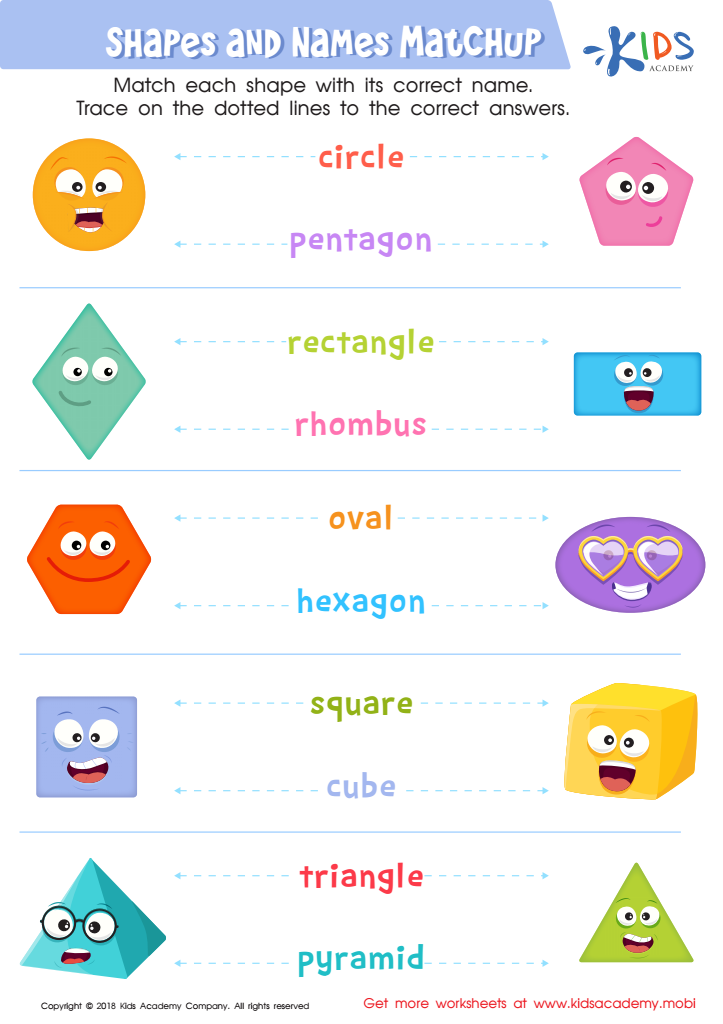
Shapes and Names Matchup Worksheet
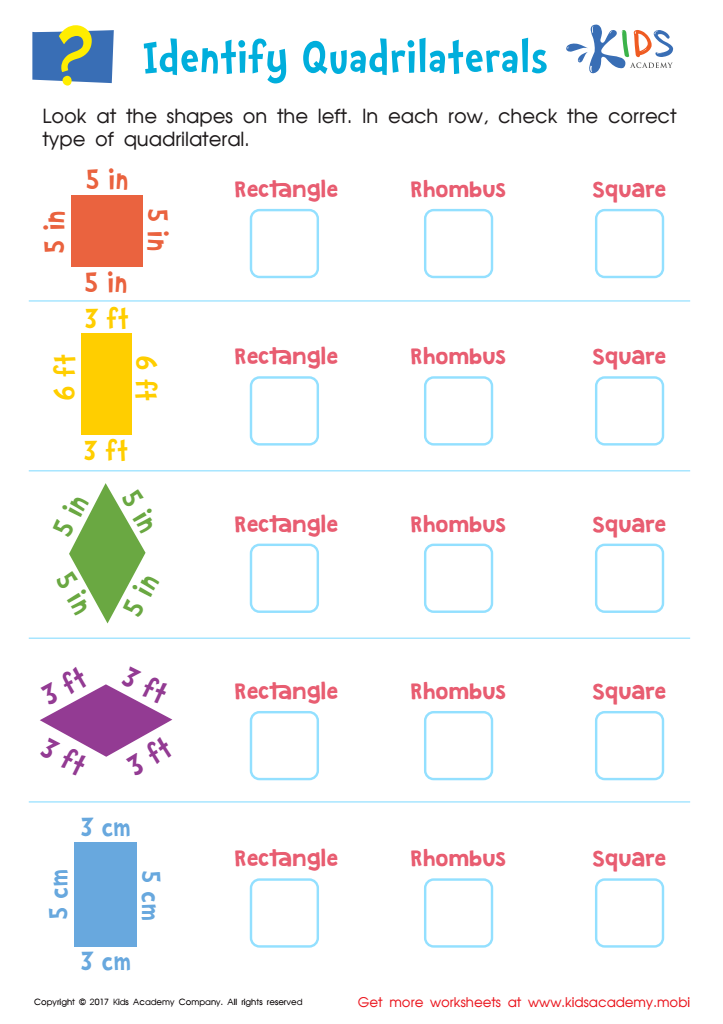
Identify Quadrilaterals Worksheet
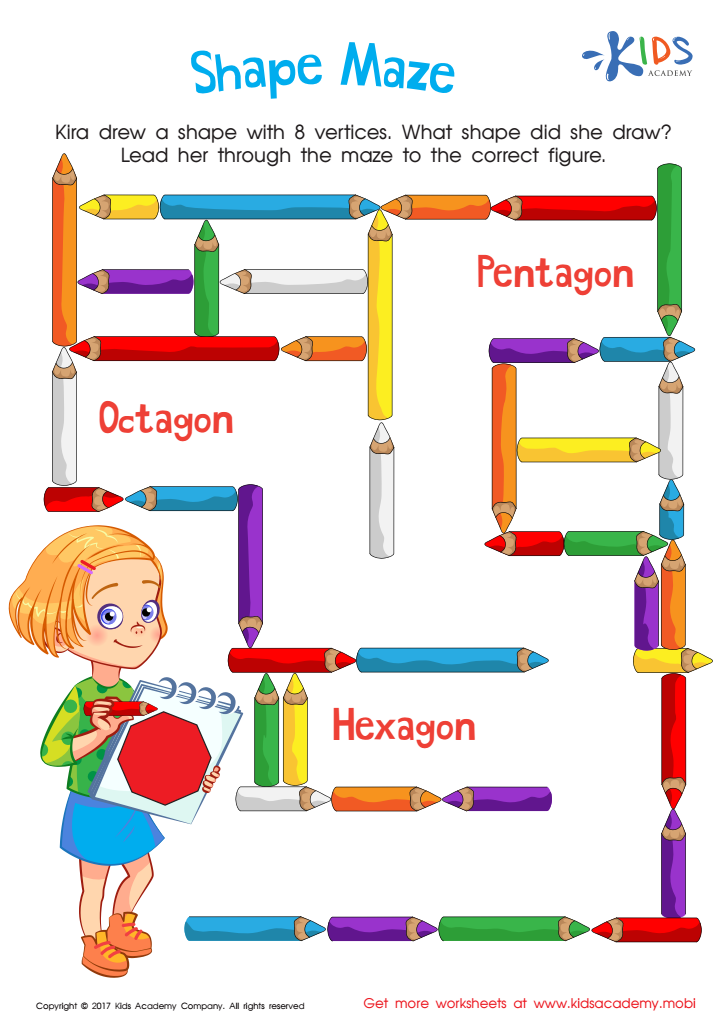
Shape Maze Worksheet
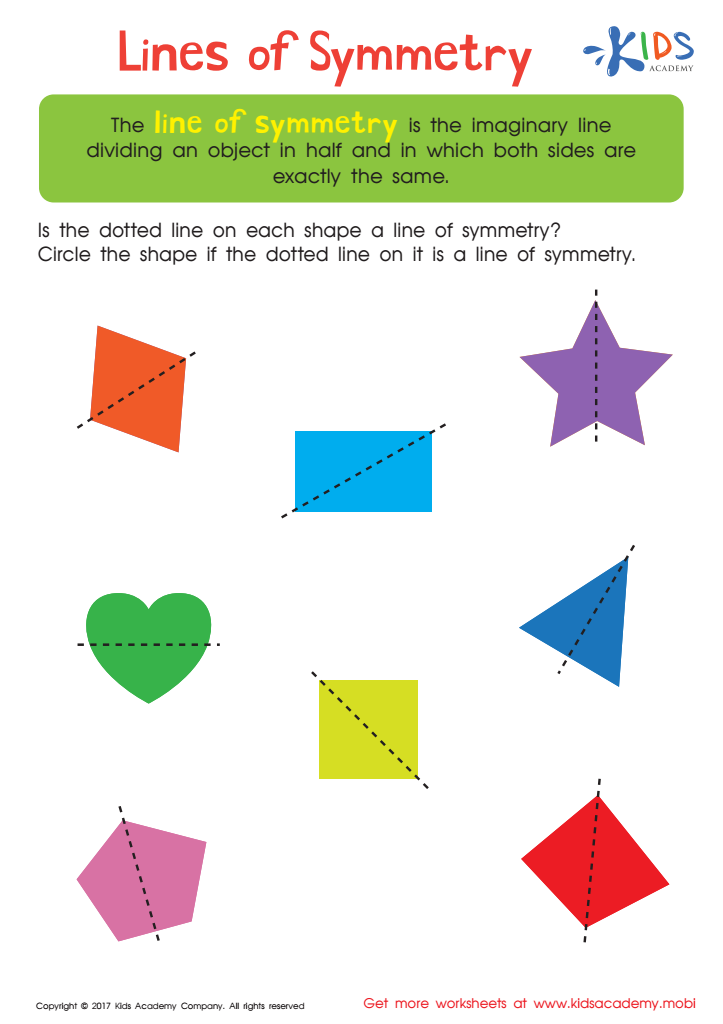
Lines of Symmetry Printable
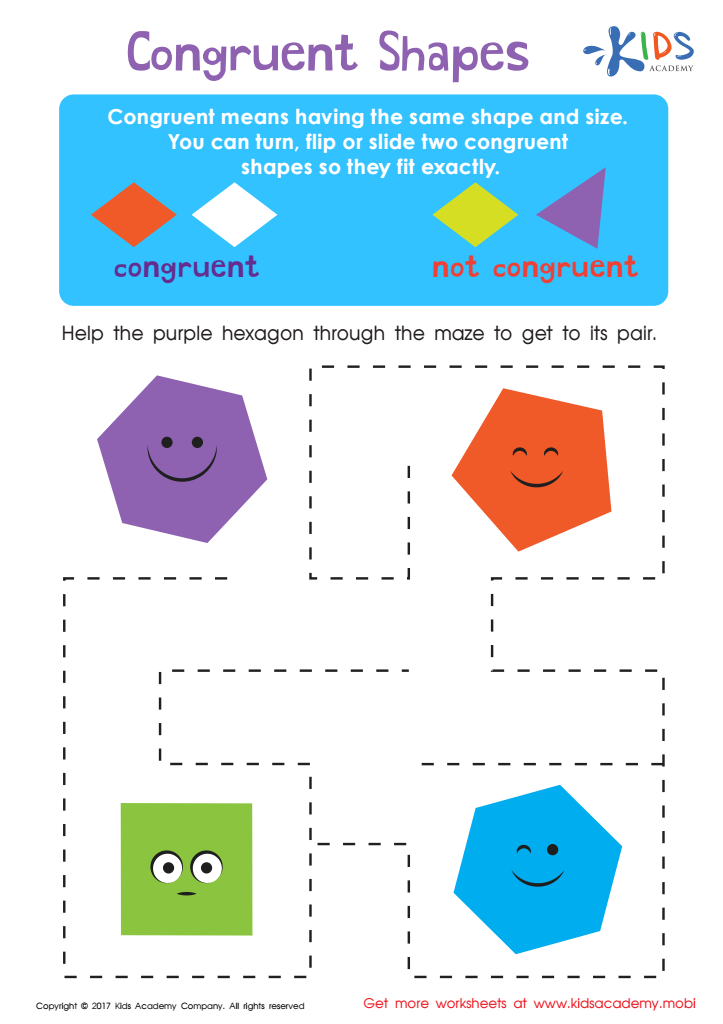
Congruent Shapes Worksheet
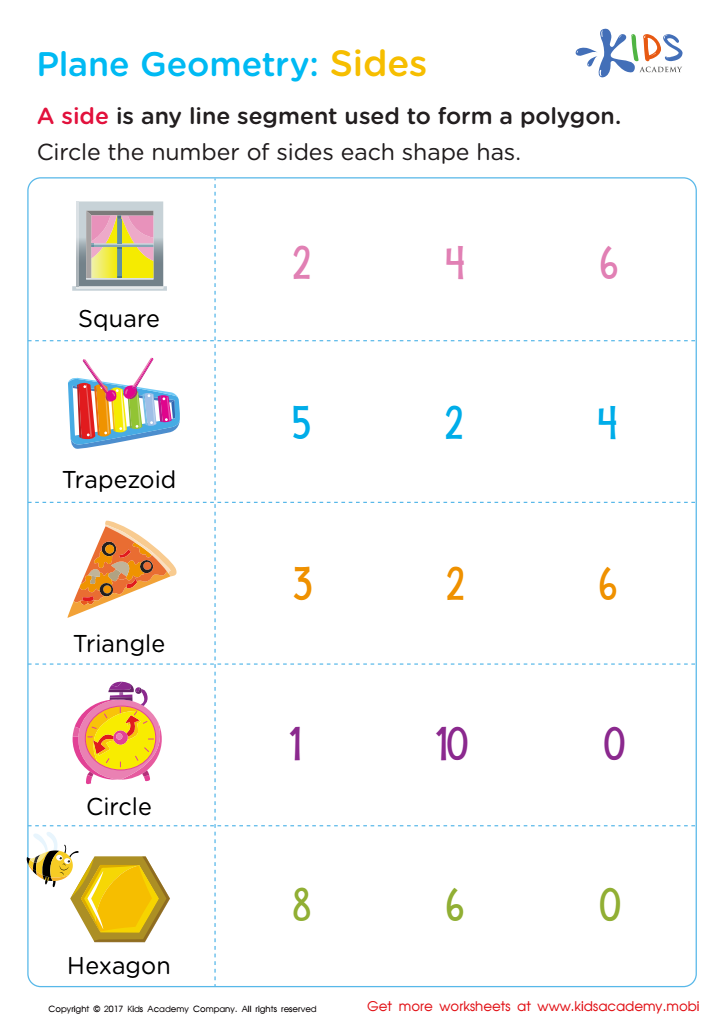
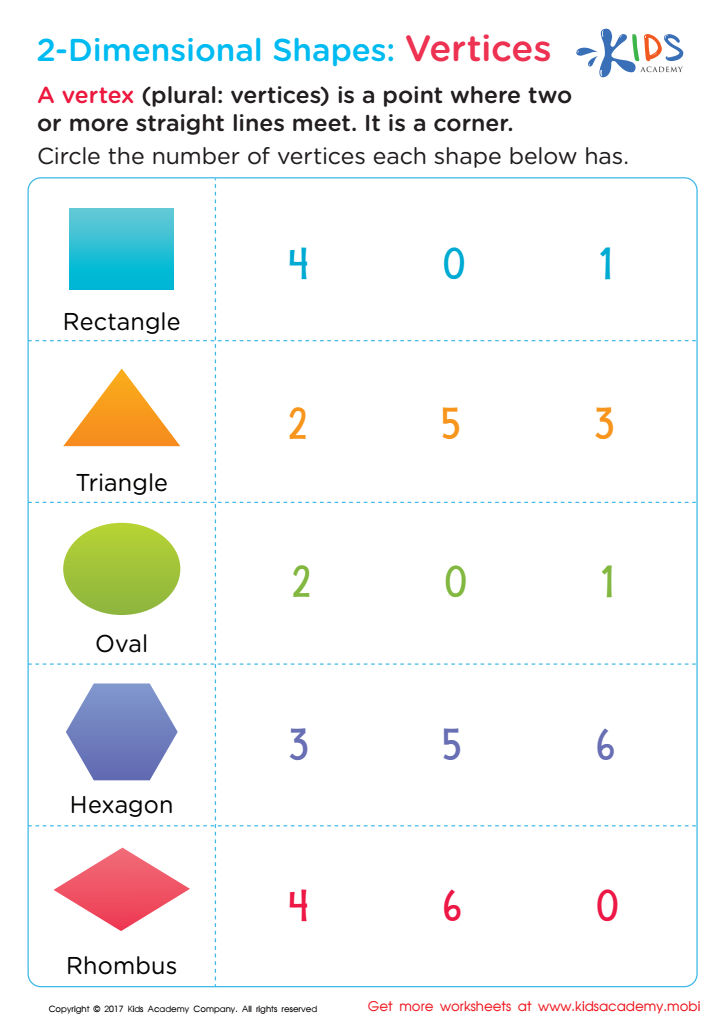
Two–Dimensional Shapes: Vertices Printable
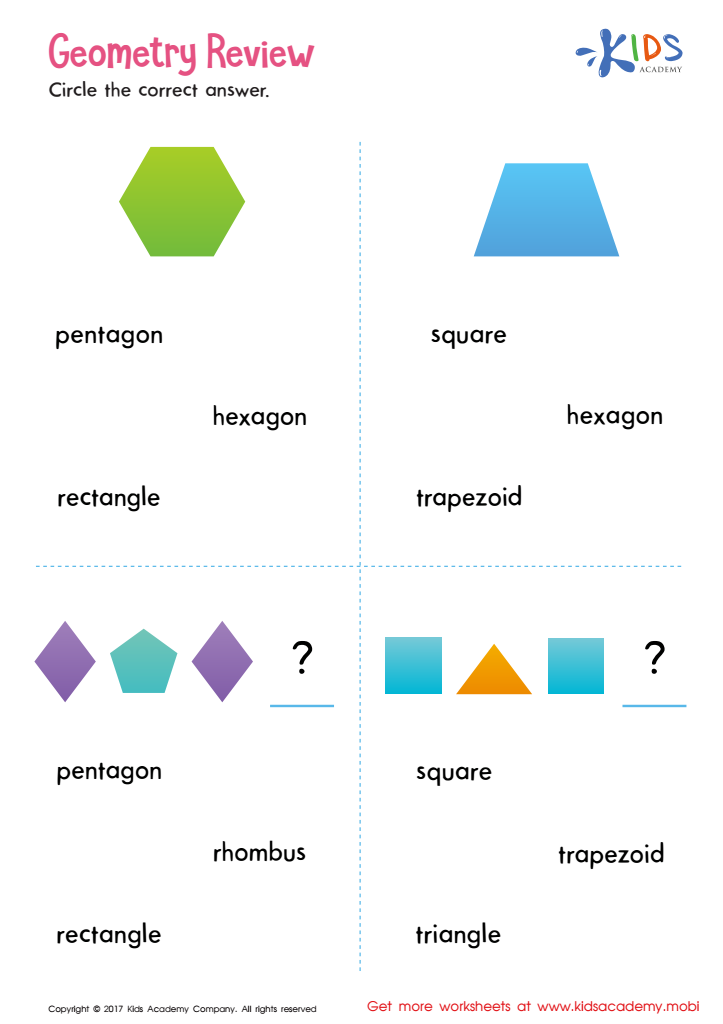
Geometry Review Printable
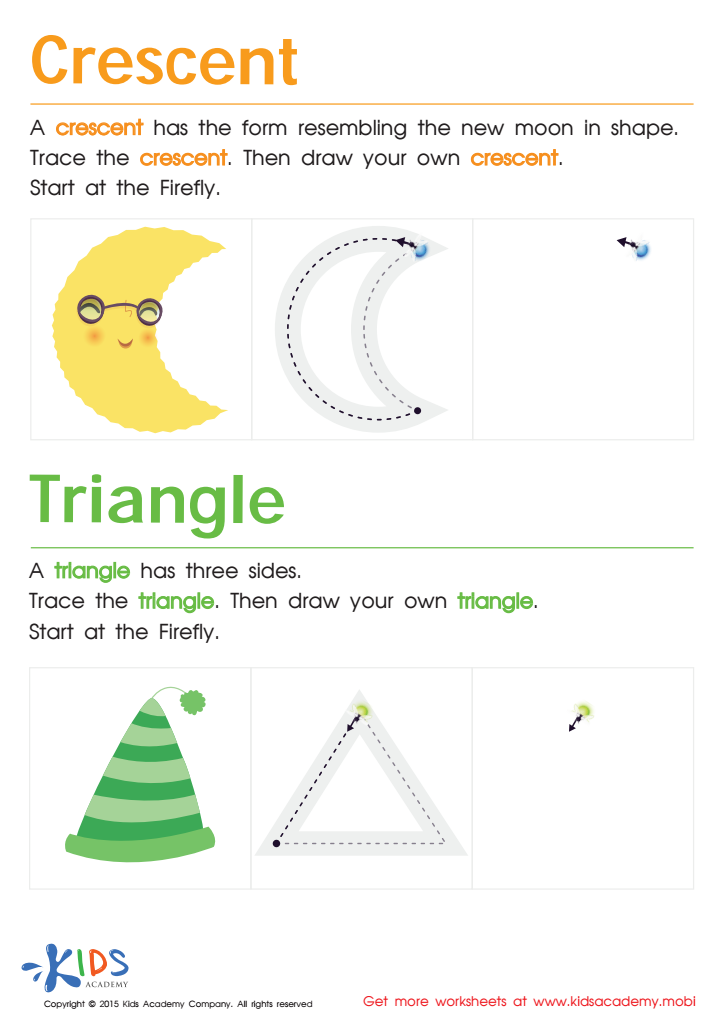
Learning to Draw Crescents And Triangles Worksheet
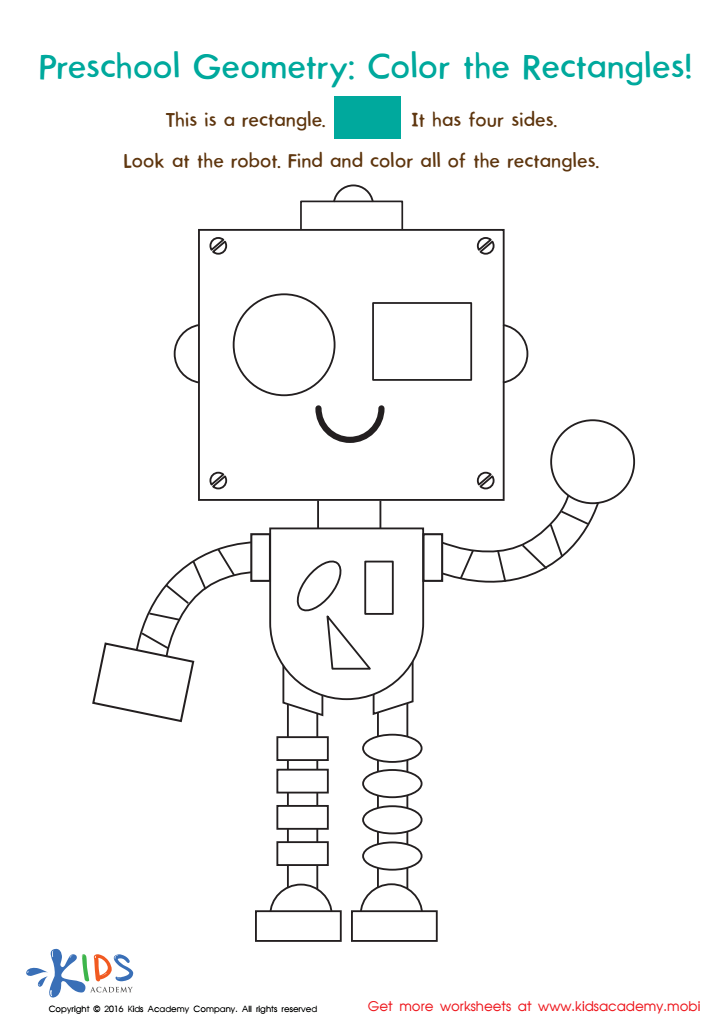
Geometry Worksheet
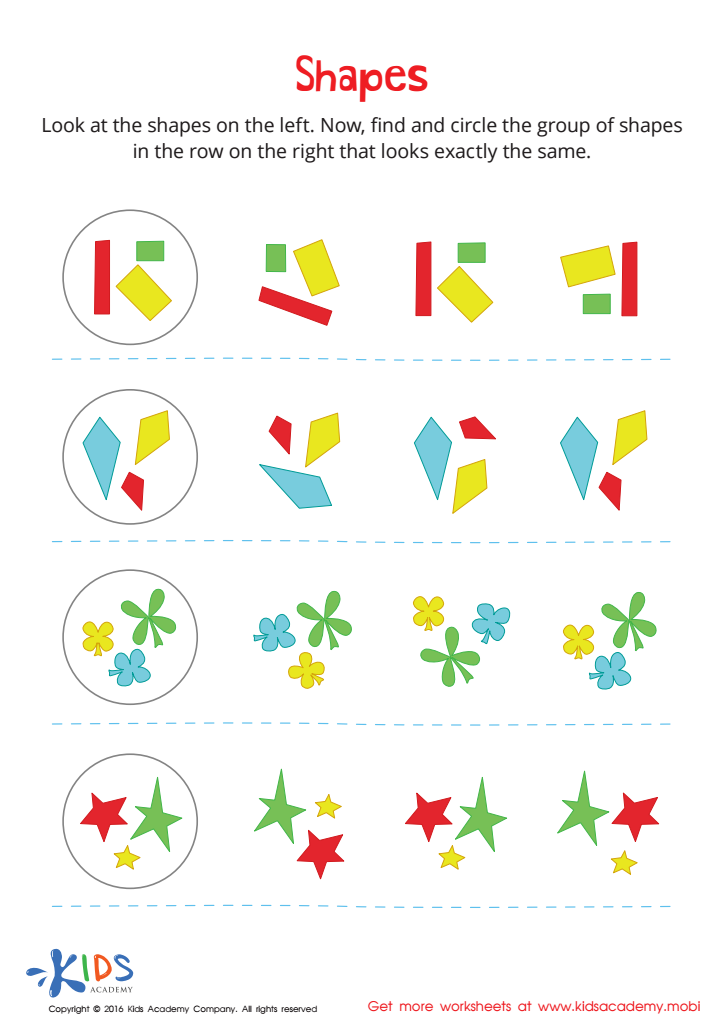
Shapes Worksheet
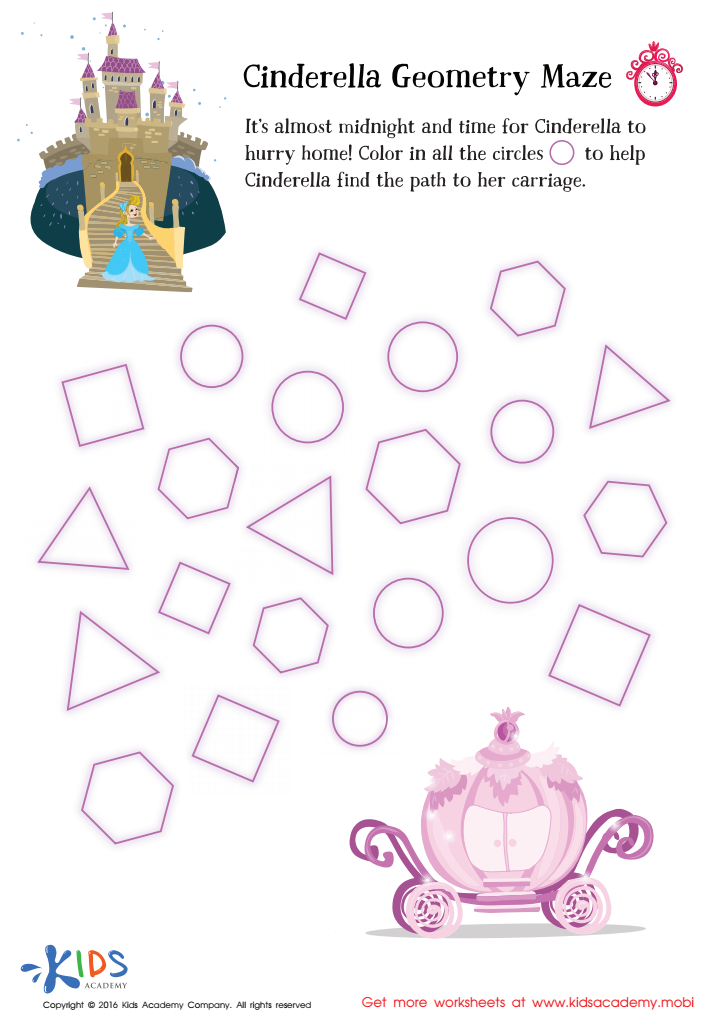
Cinderella Geometry Maze Worksheet
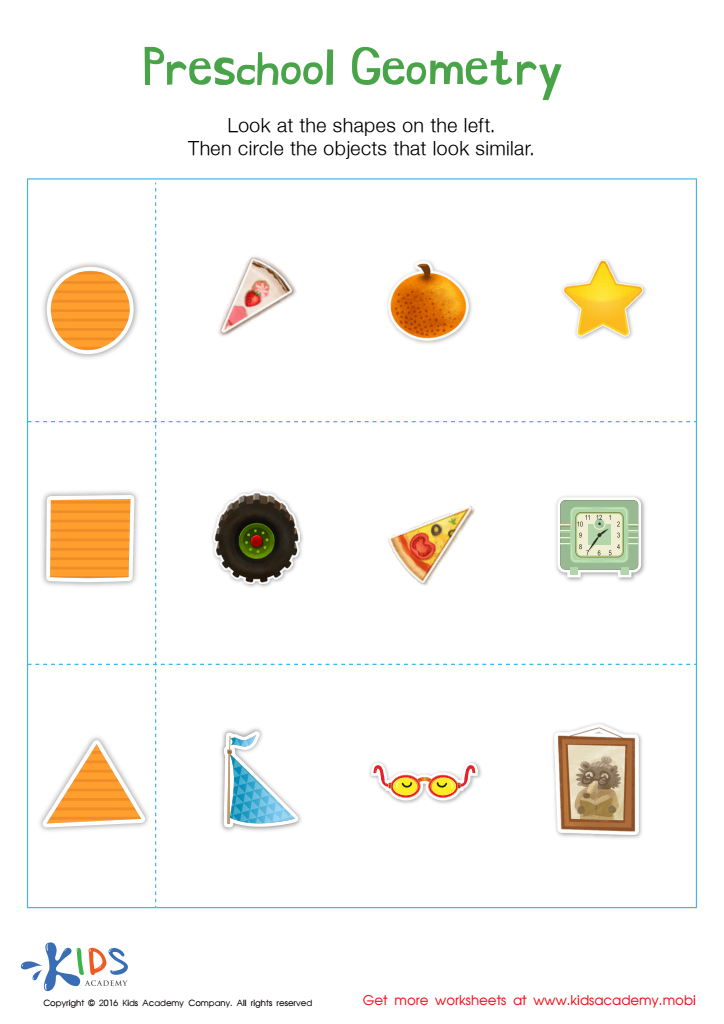
Preschool Geometry Match Up Worksheet
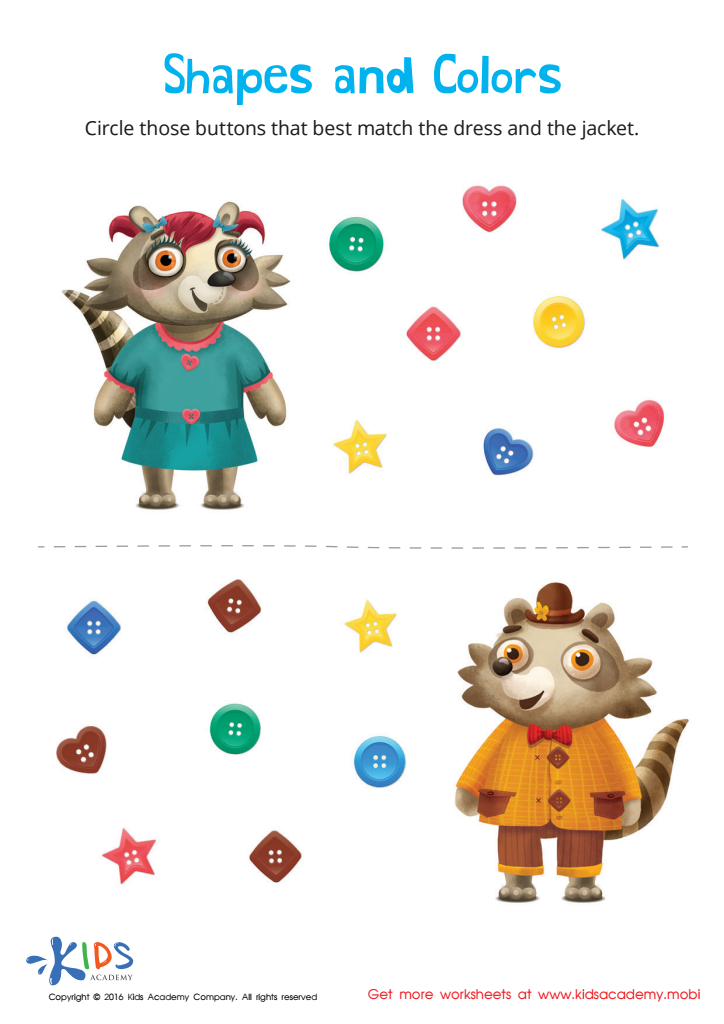
Matching: Shapes and Colors Worksheet
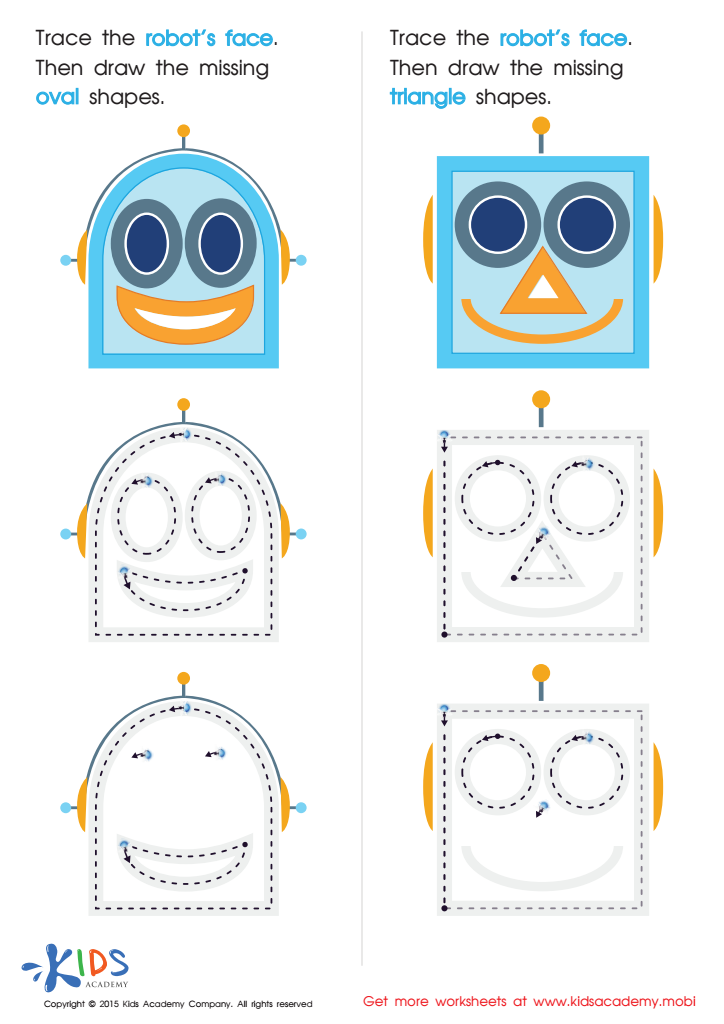
Drawing Ovals And Triangles with Fun Printable
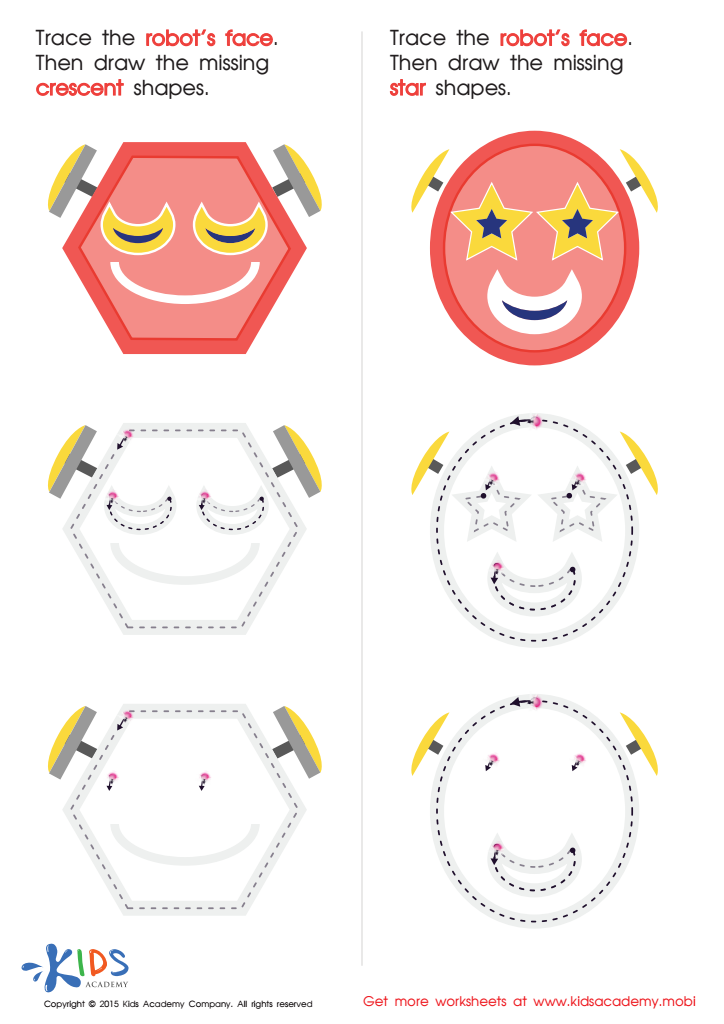
Composing a Robot's Face of Crescents And Stars Worksheet








Understanding 2D shapes is crucial for early childhood development as it lays the foundation for various essential skills. For children aged 3-9, recognizing and understanding 2D shapes enhances their cognitive abilities, including spatial awareness and critical thinking. Familiarity with shapes such as circles, squares, triangles, and rectangles helps children make connections with the world around them, aiding in their observation and interpretation of everyday surroundings.
Moreover, shape recognition contributes to early math skills. It fosters a child's ability to sort, classify, and create patterns, which are fundamental concepts for later mathematical learning. Teachers and parents can leverage playful activities like drawing, playing with blocks, or shape scavenger hunts to engage children meaningfully, making the learning process enjoyable and interactive.
Additionally, 2D shapes are often interlinked with artistic expression, allowing kids to explore creativity as they learn. Parents and teachers play a key role in integrating shapes into games, art projects, and real-life contexts, thereby reinforcing their significance.
By prioritizing shape recognition, adults empower children to become confident learners, ready to tackle more complex concepts in math, science, and art as they grow. Understanding shapes not only enriches academic skills but also fosters critical life skills as children navigate their environment.