Geometry Worksheets for Ages 3-9 - Page 8
198 filtered results
-
From - To
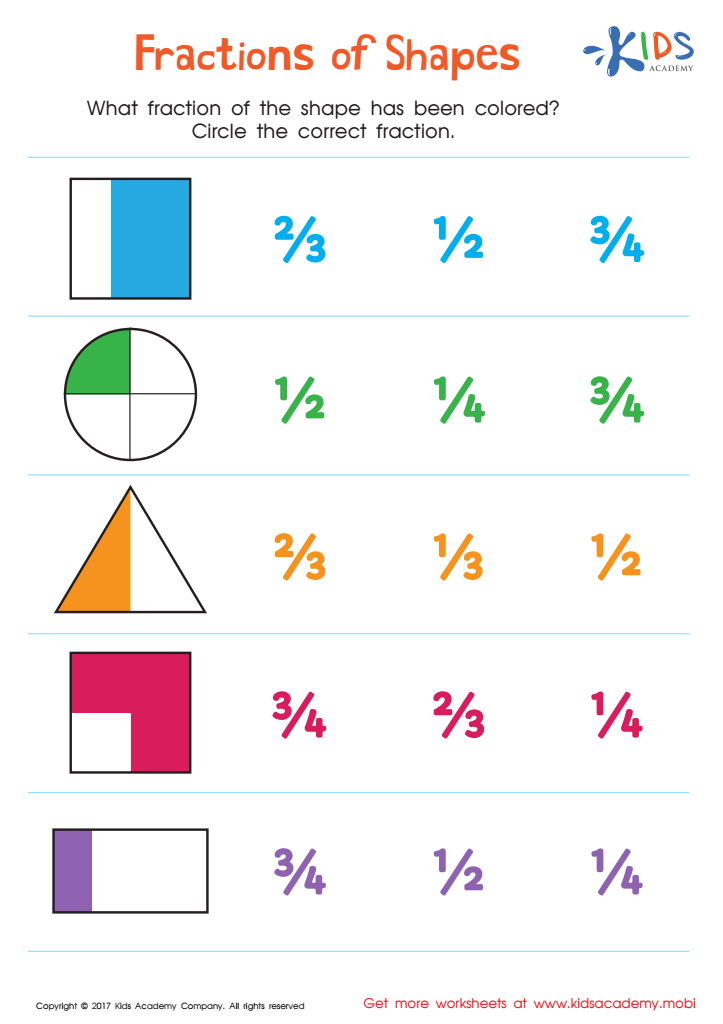
Fractions of Shapes: Math Concept Worksheet
 Assign to My Students











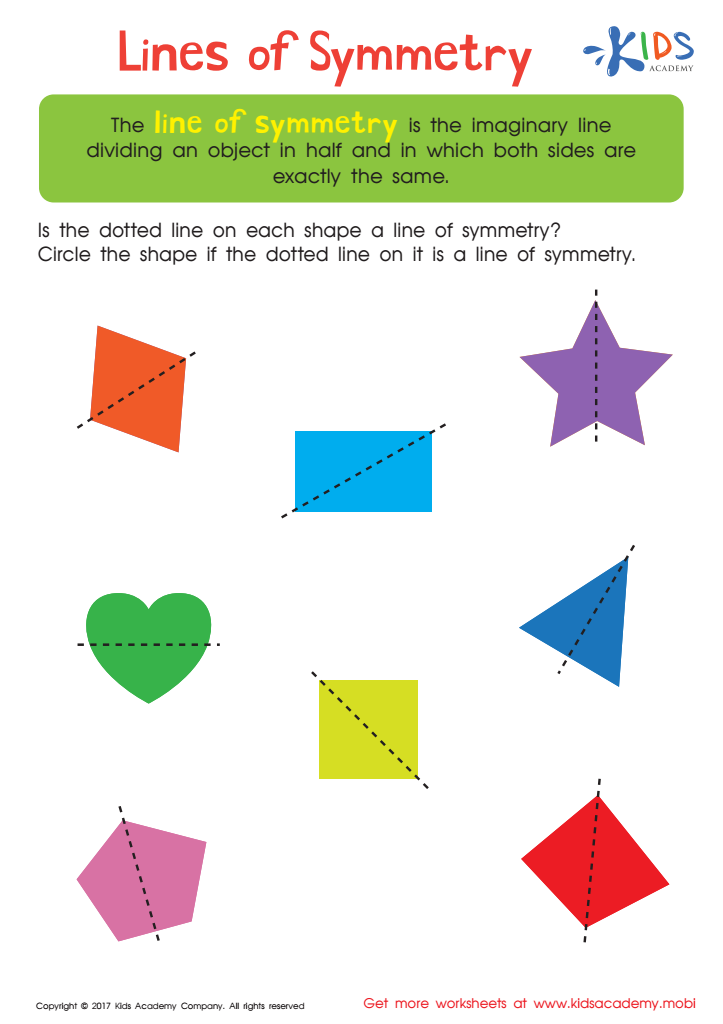
Lines of Symmetry Printable
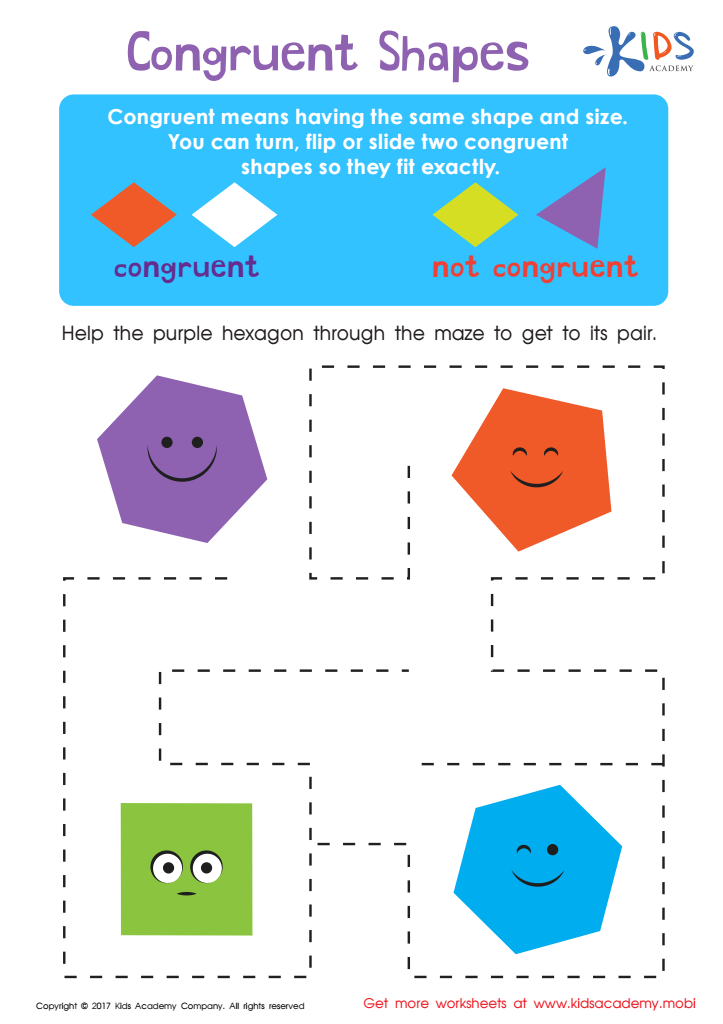
Congruent Shapes Worksheet
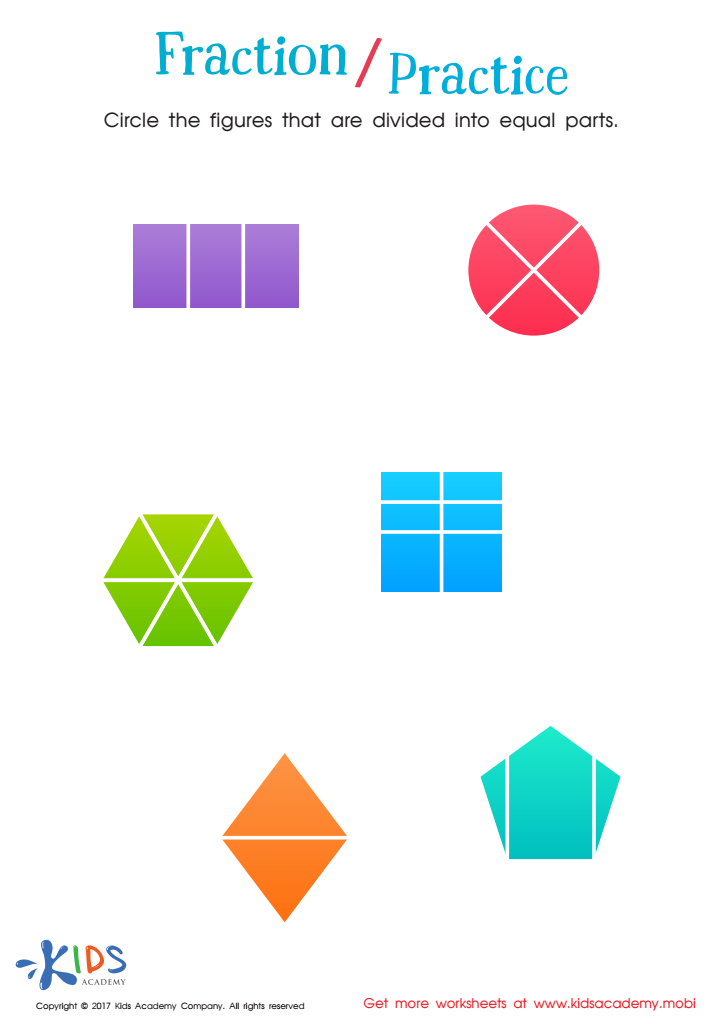
Fractions: Shapes Worksheet
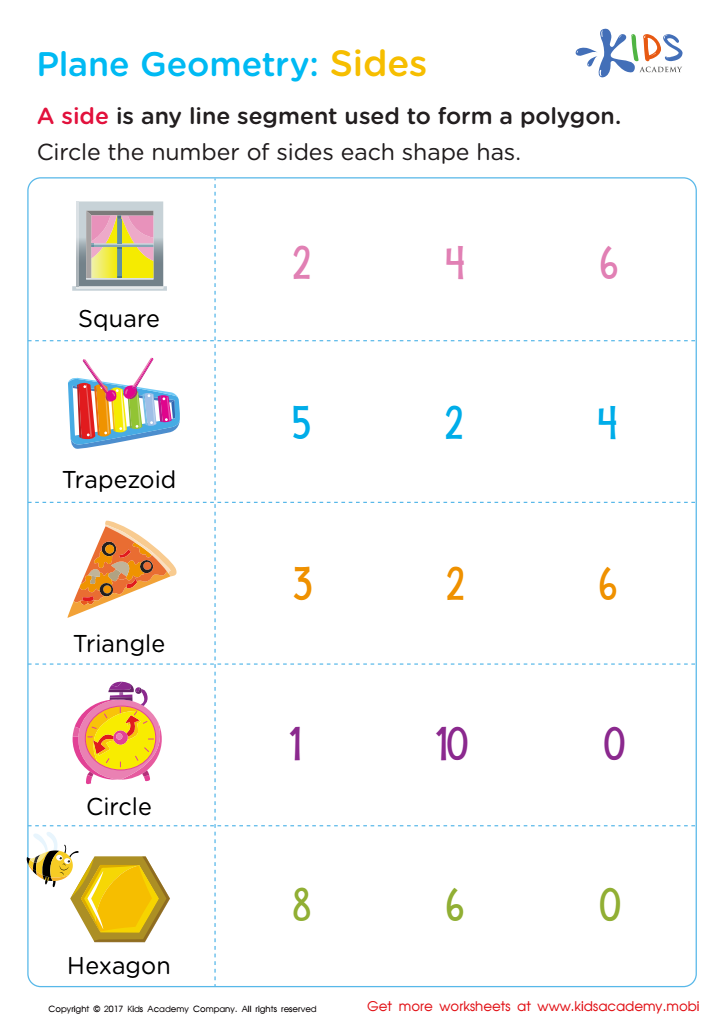
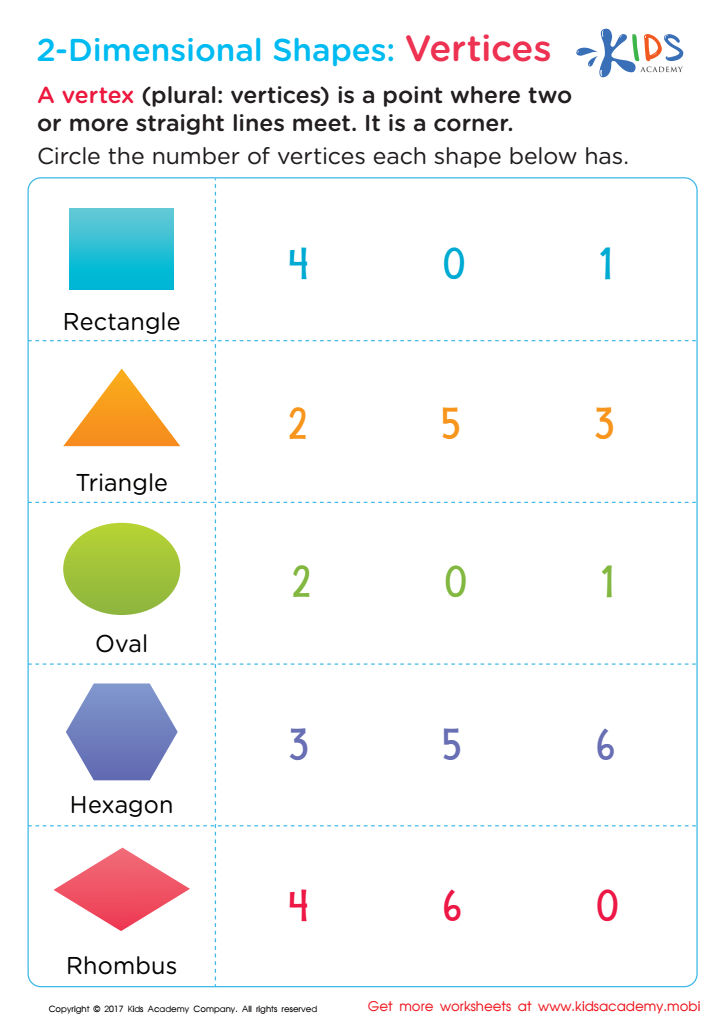
Two–Dimensional Shapes: Vertices Printable
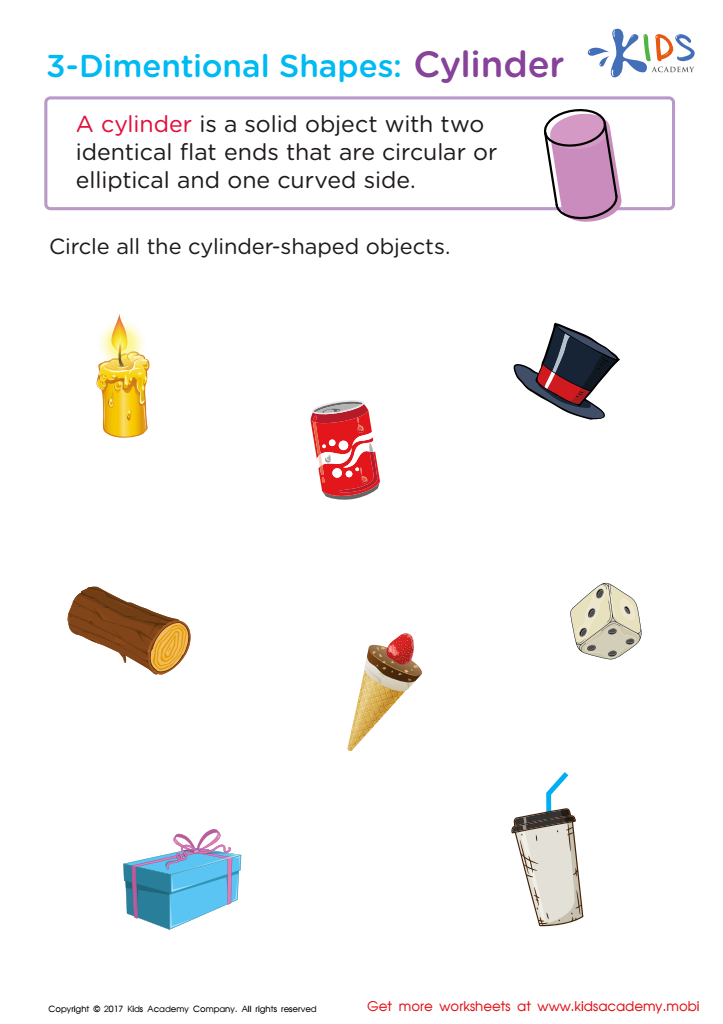
Three–Dimensional Shapes: Cylinder Worksheet
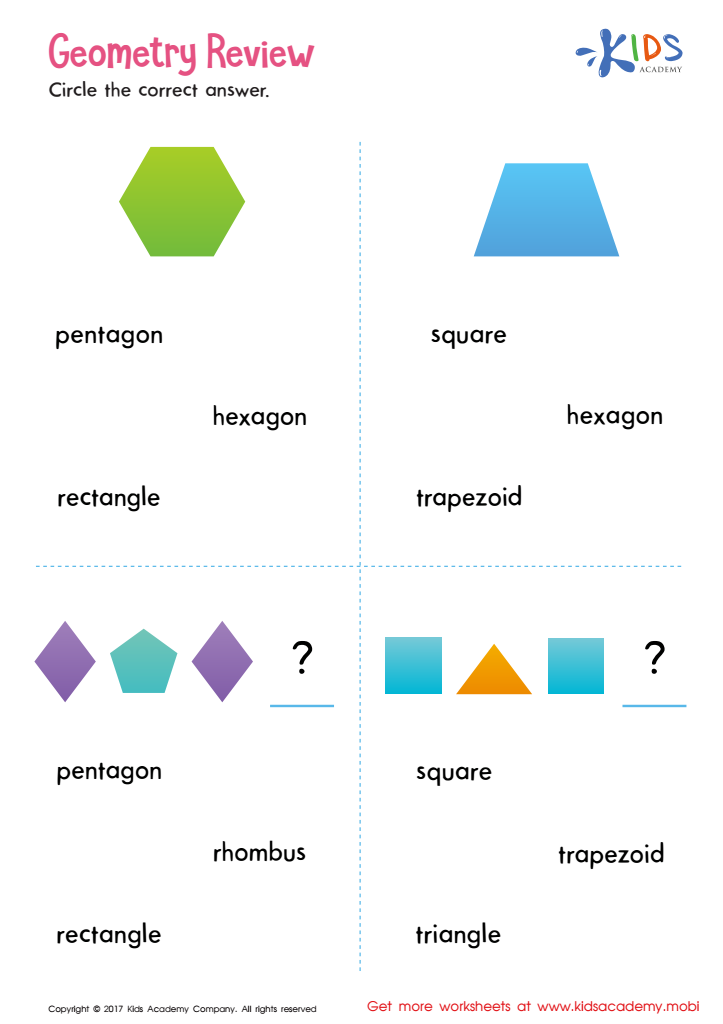
Geometry Review Printable
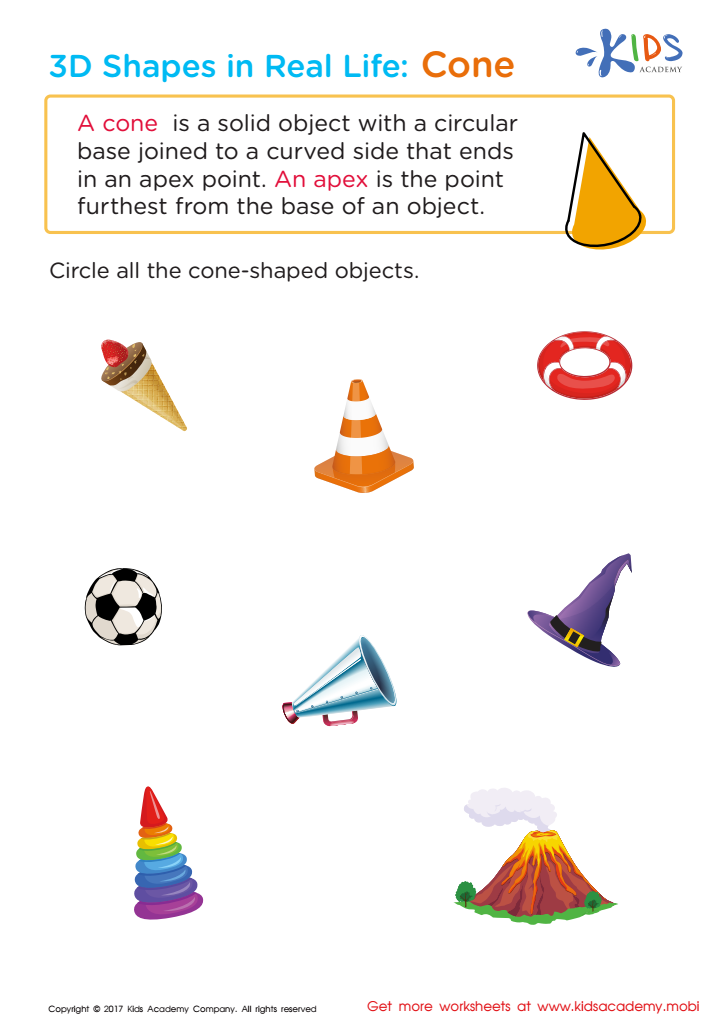
Shapes in Real Life: Cone Worksheet
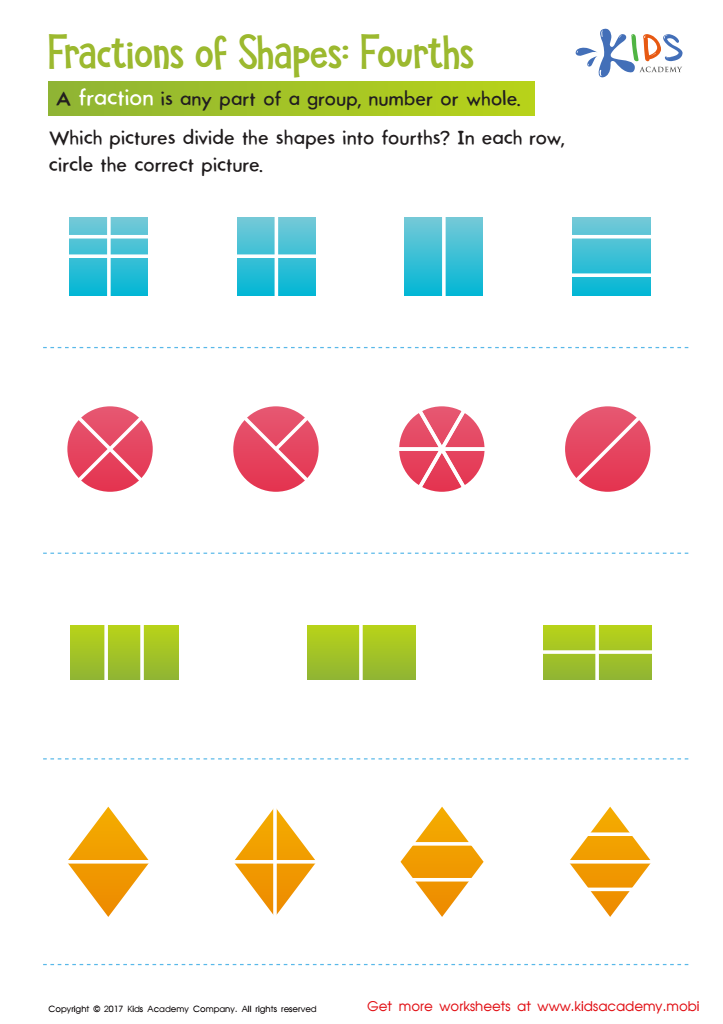
Fractions of Shapes Worksheet
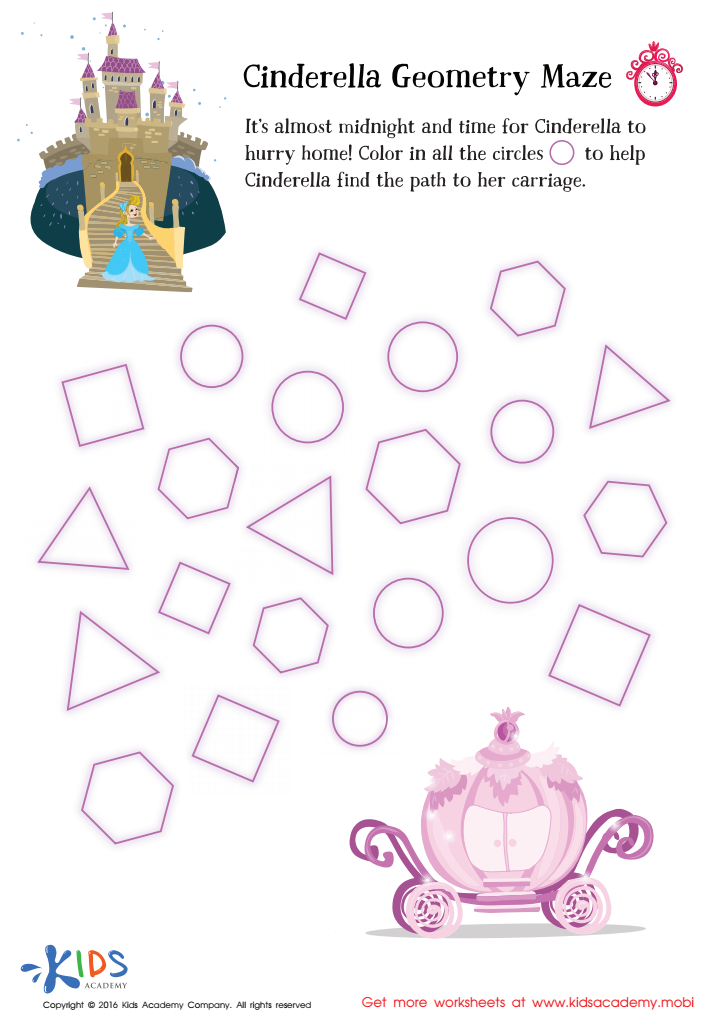
Cinderella Geometry Maze Worksheet
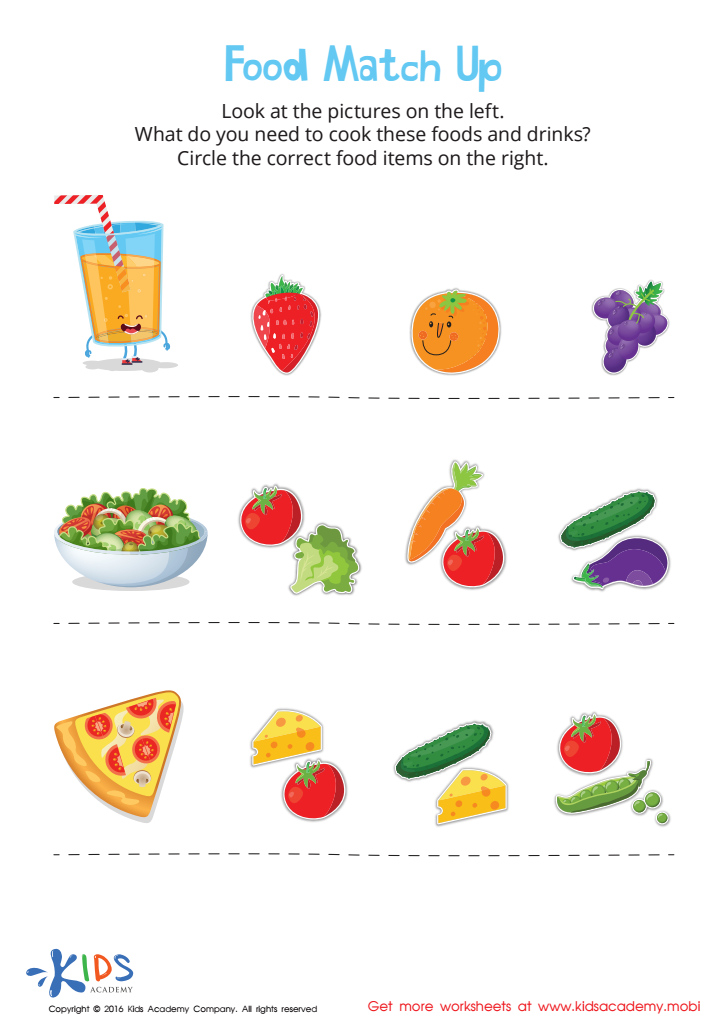
Food Match Up Worksheet
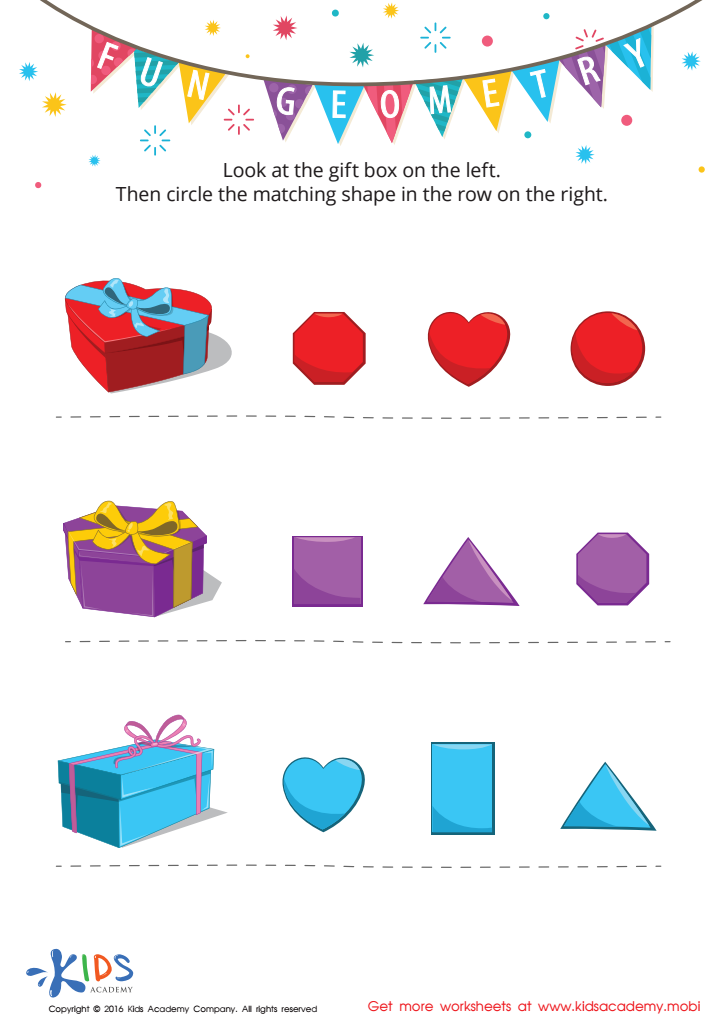
Fun Geometry Worksheet
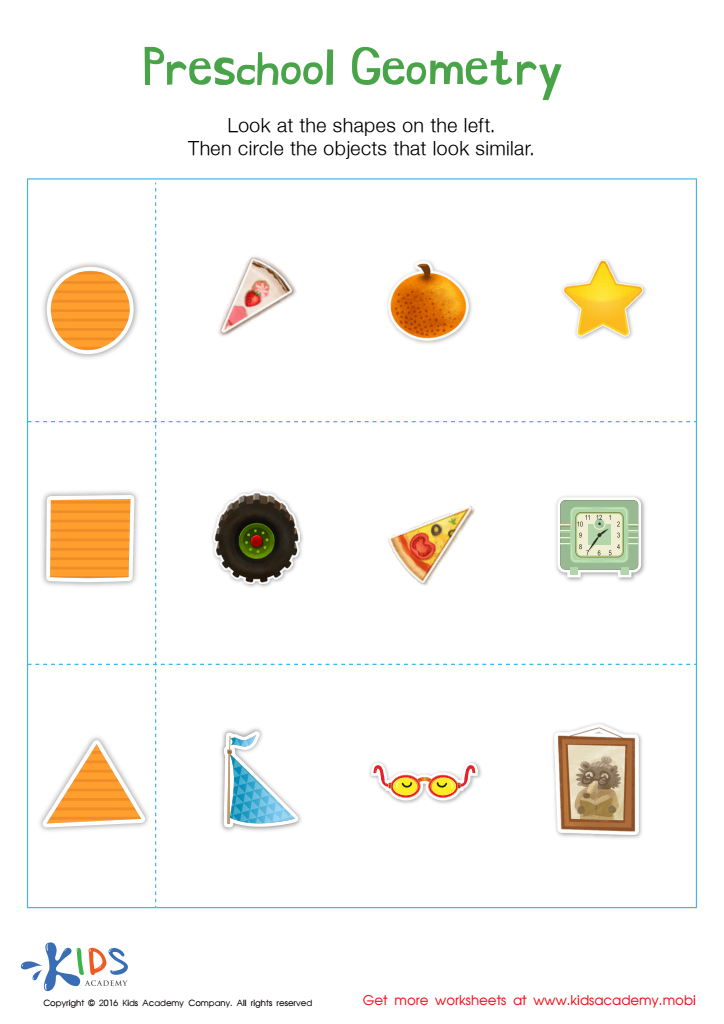
Preschool Geometry Match Up Worksheet
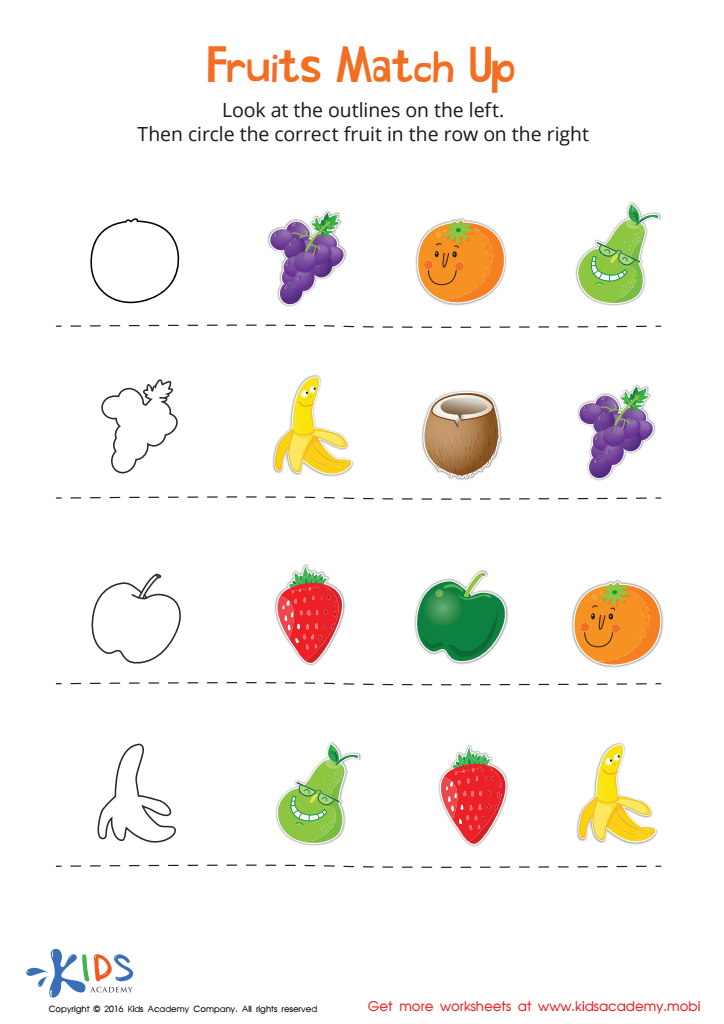
Fruits Match Up Worksheet
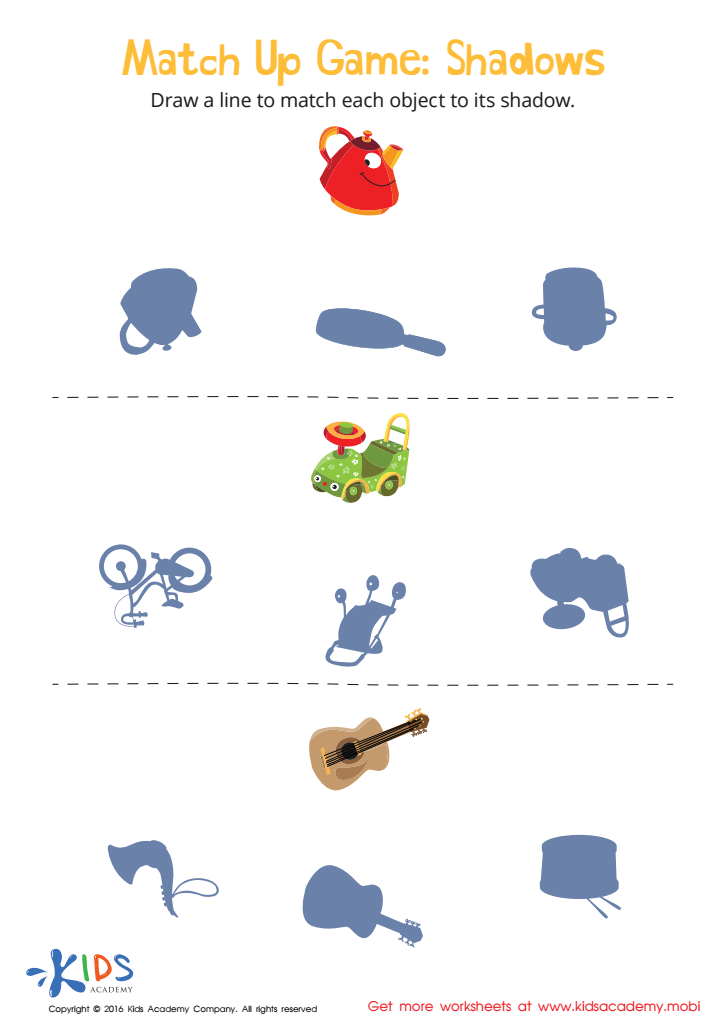
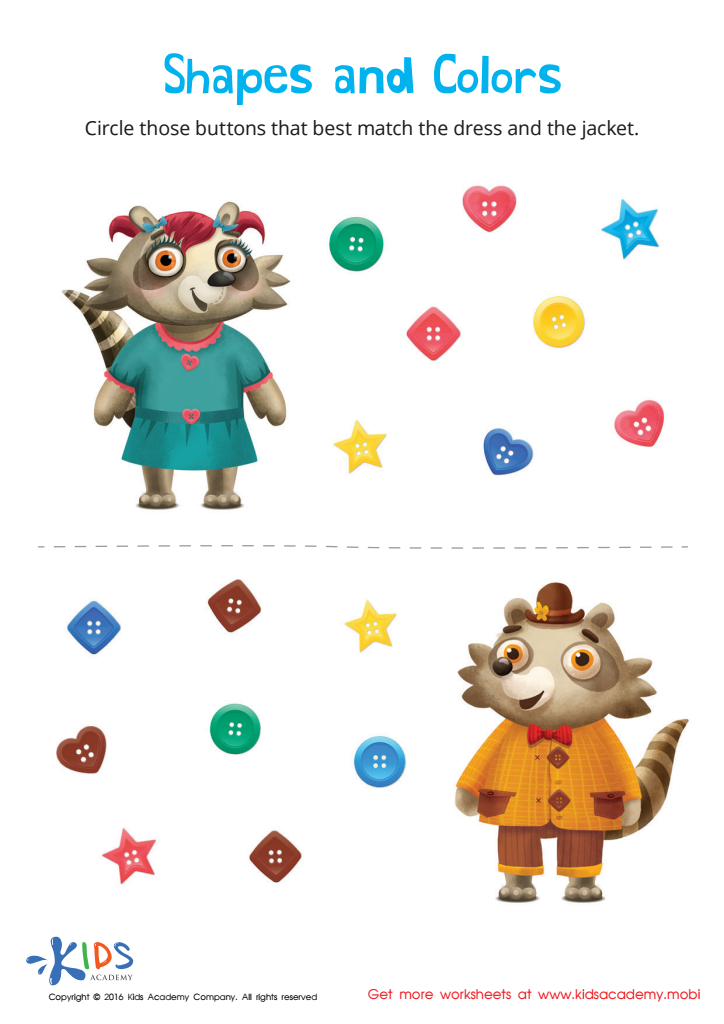
Matching: Shapes and Colors Worksheet
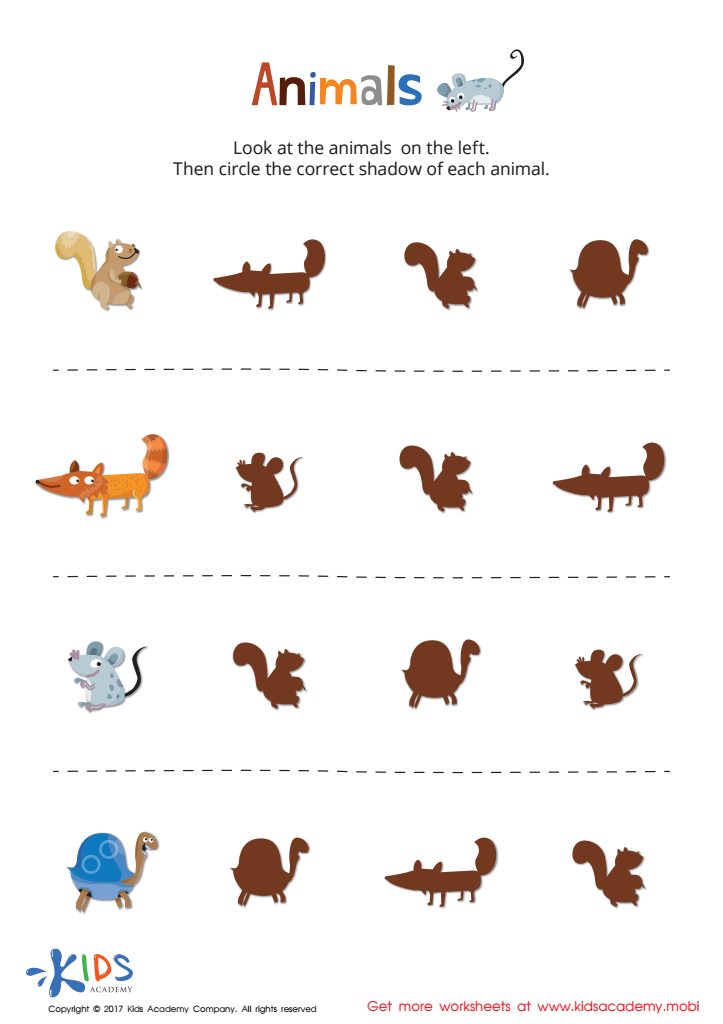
Animal Shadows Sorting Worksheet
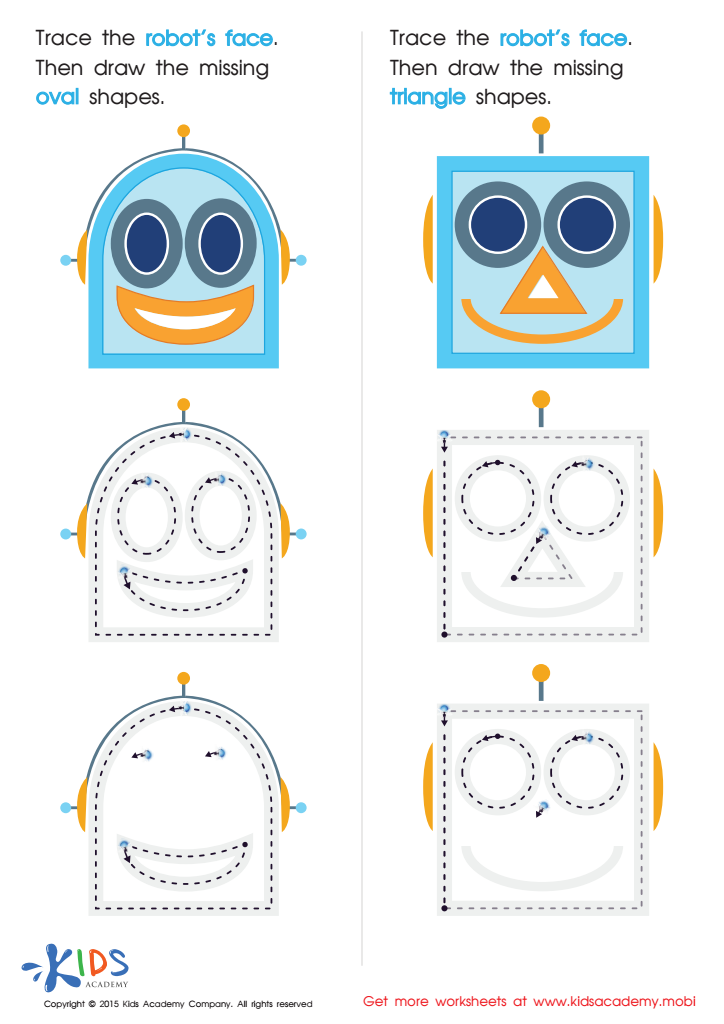
Drawing Ovals And Triangles with Fun Printable
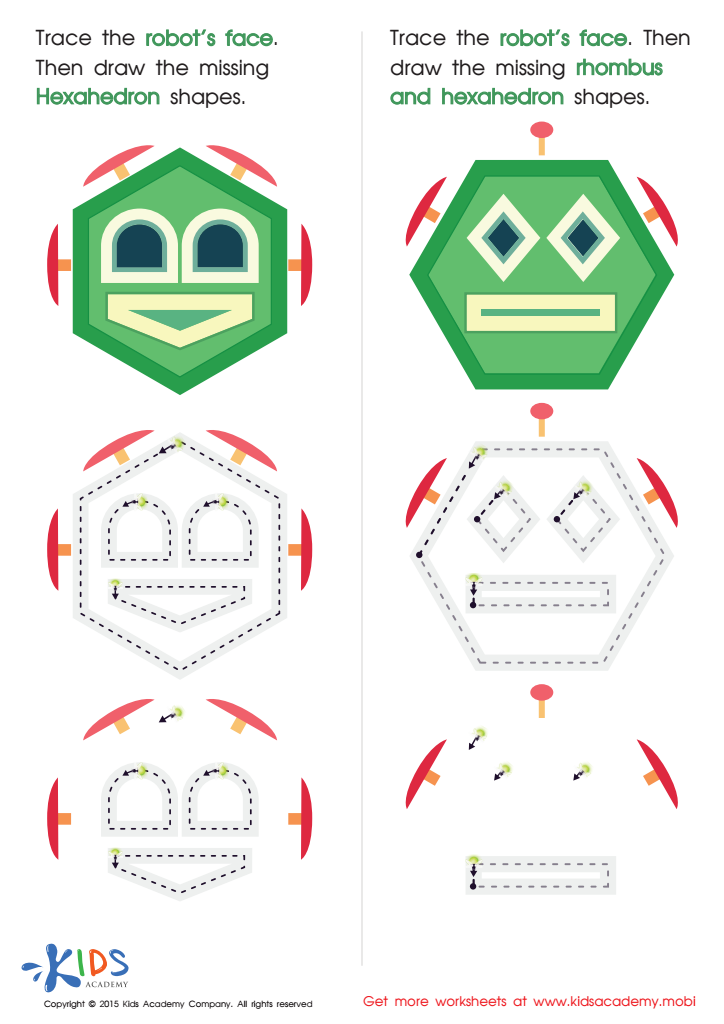
Practice Drawing Hexahedrons And a Rhombus Worksheet
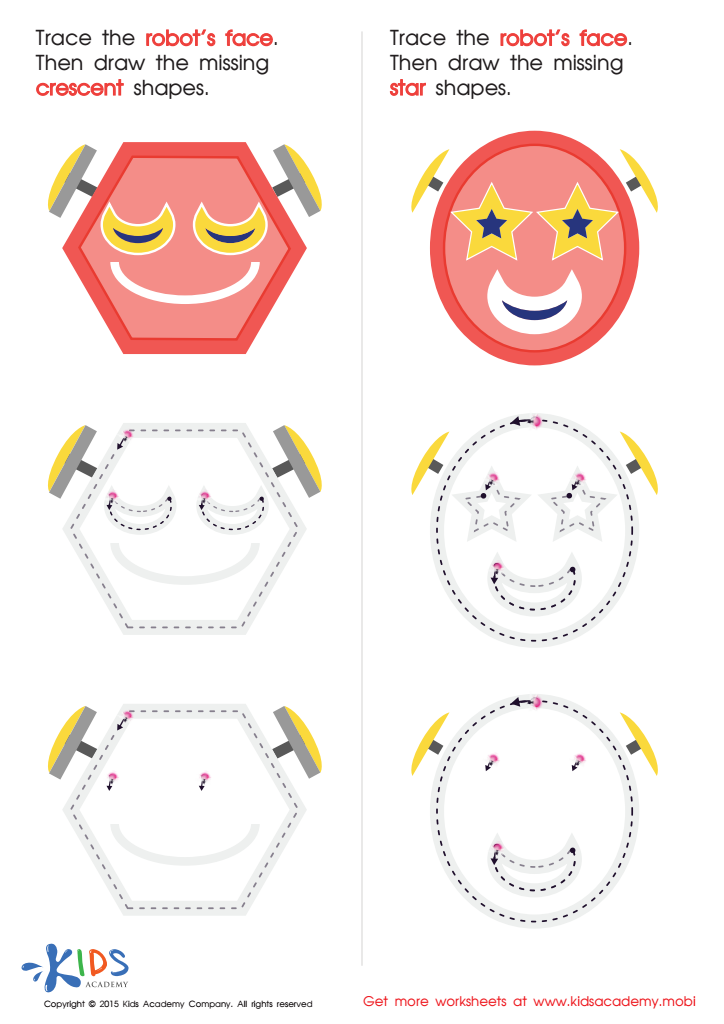
Composing a Robot's Face of Crescents And Stars Worksheet
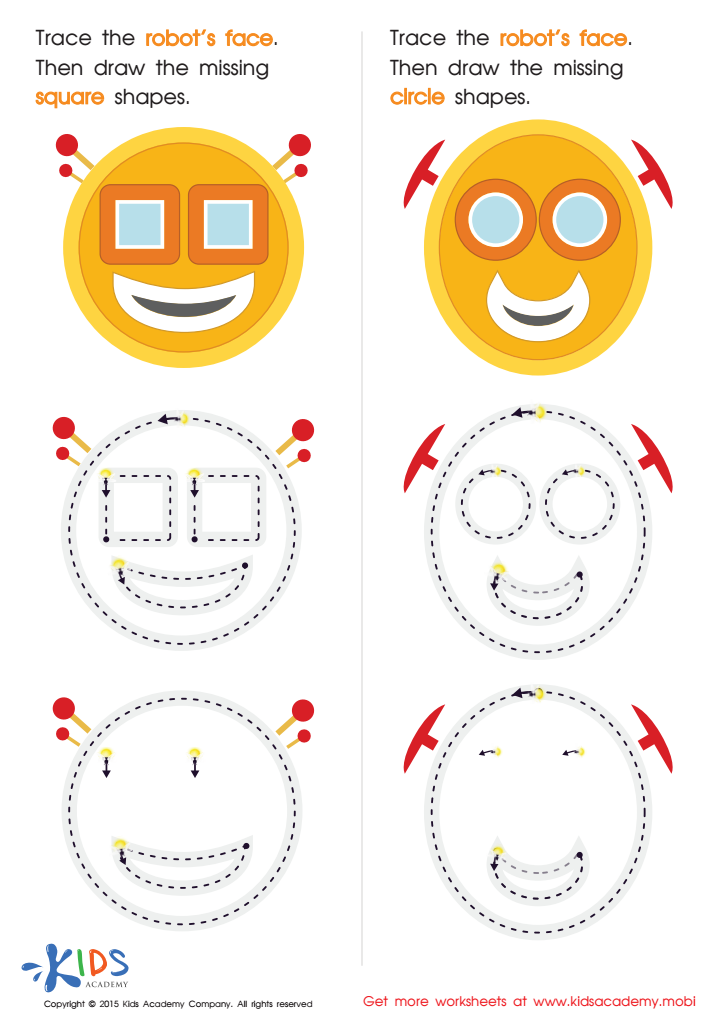
Practicing to Draw Circles And Squares Printable
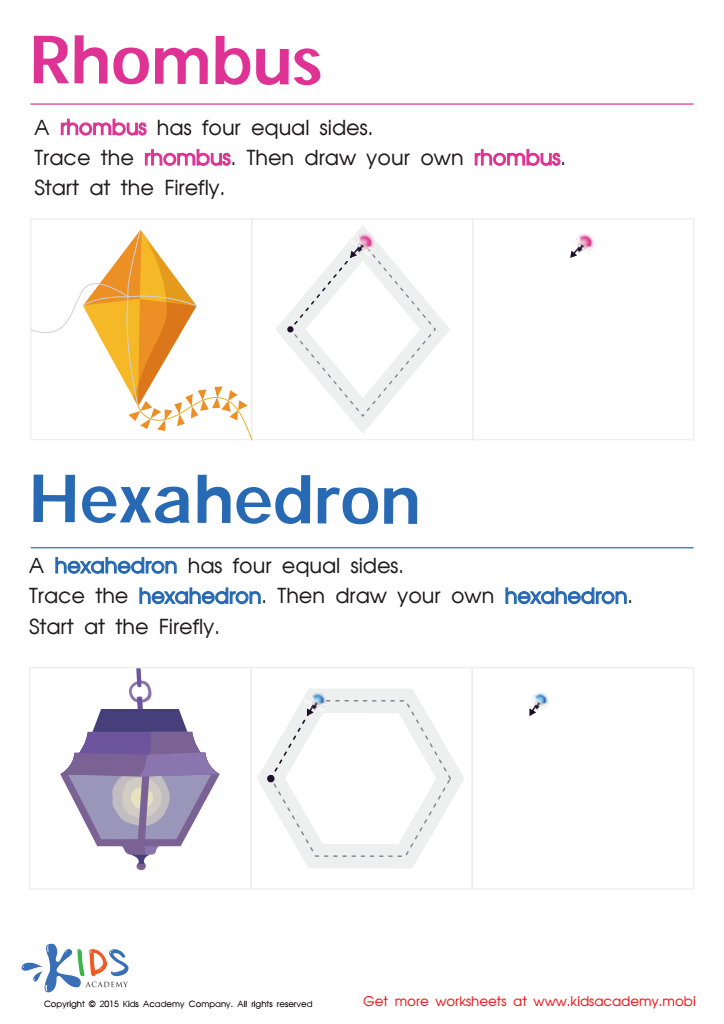
Draw a Rhombus And a Hexahedron Printable
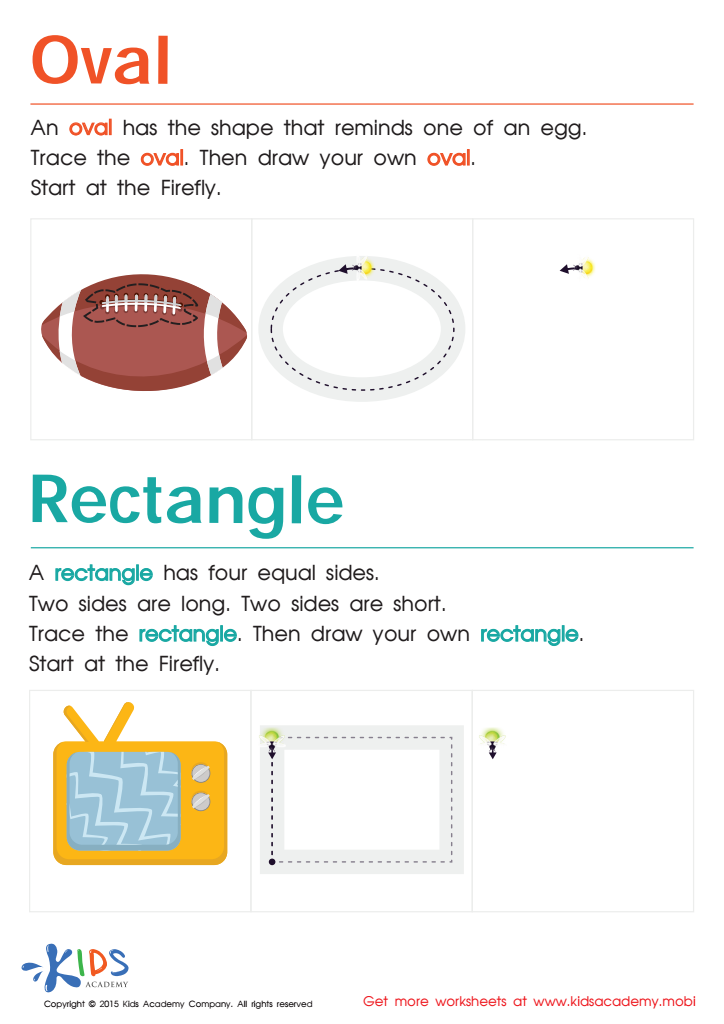
Easy Drawing of Ovals And Rectangles Worksheet








Geometry plays a crucial role in early development for children aged 3-9, and both parents and teachers should prioritize it for several reasons. Firstly, it lays the foundation for critical thinking and problem-solving skills. By exploring shapes, spaces, and their relationships, children learn to analyze problems and develop efficient strategies for solutions.
Secondly, geometry enhances spatial awareness, helping children understand how objects relate to one another in their environment. This understanding supports skills like navigation, measuring distances, and visualizing changes—essential for future learning in mathematics and science.
Furthermore, engaging with geometric concepts fosters creativity and imagination. Activities like building with blocks, drawing, or playing with shapes encourage children to explore and express their ideas, boosting cognitive development.
In addition, early exposure to geometry contributes to mathematical fluency. It introduces children to terminology and concepts they will encounter later in life, ensuring they are well-prepared for more advanced studies.
Finally, integrating geometry into everyday activities promotes a love for learning and encourages curiosity. Whether it's through crafts, puzzles, or nature walks, incorporating geometry into play and education enriches children's experiences and understanding of the world around them.








