Normal Matching Worksheets for Ages 4-9 - Page 2
43 filtered results
-
From - To
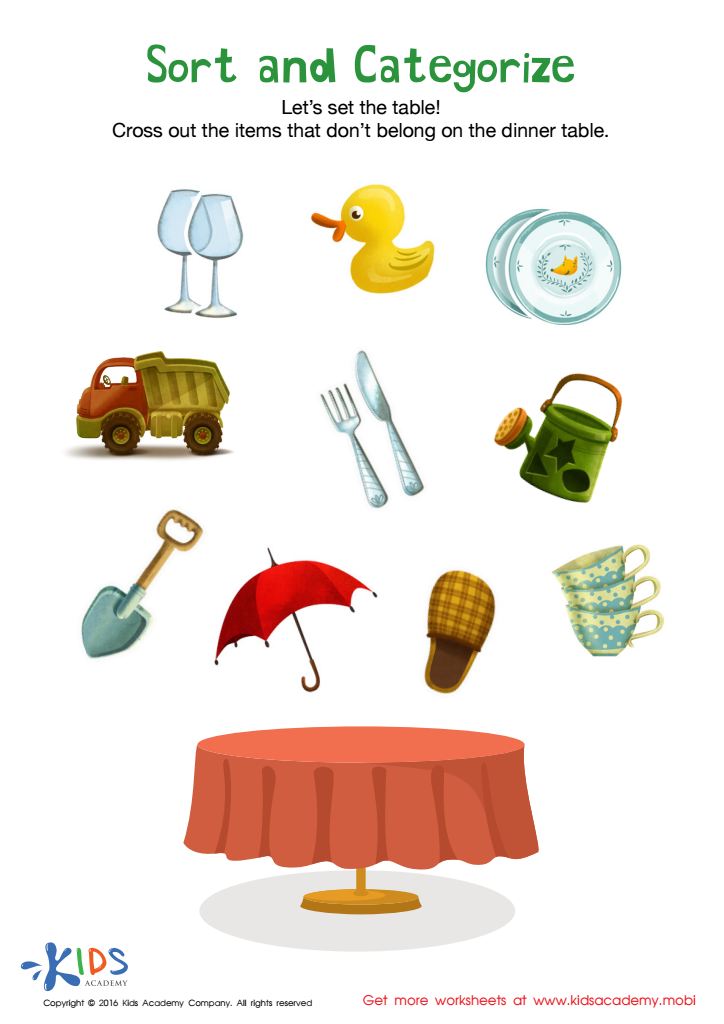
 Assign to My Students
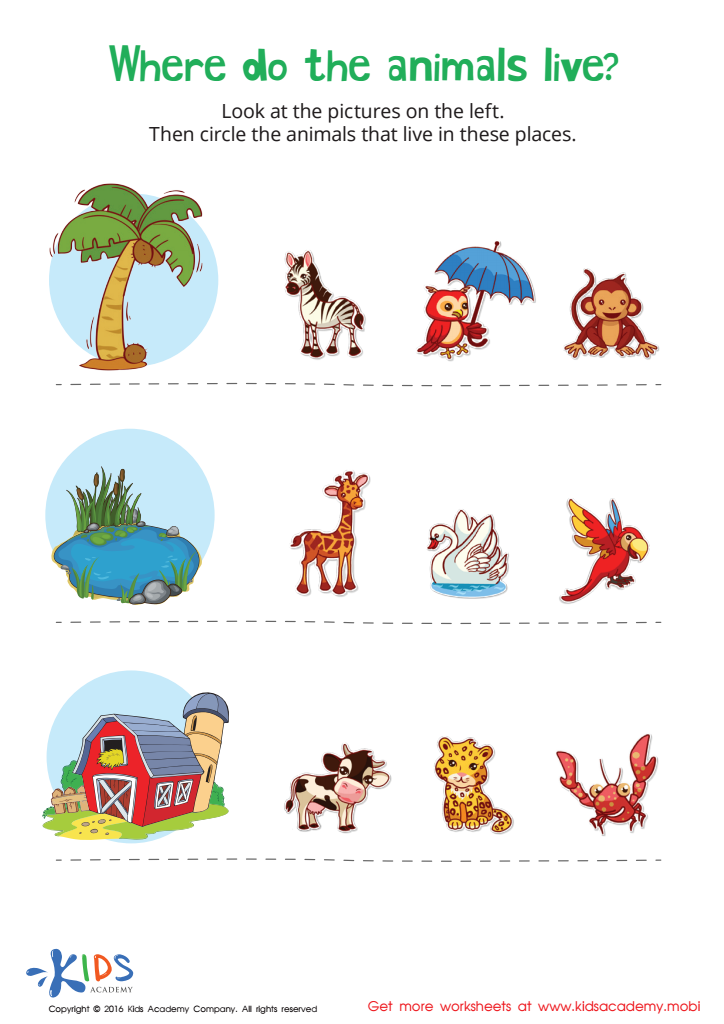
Where Animals Live Worksheet
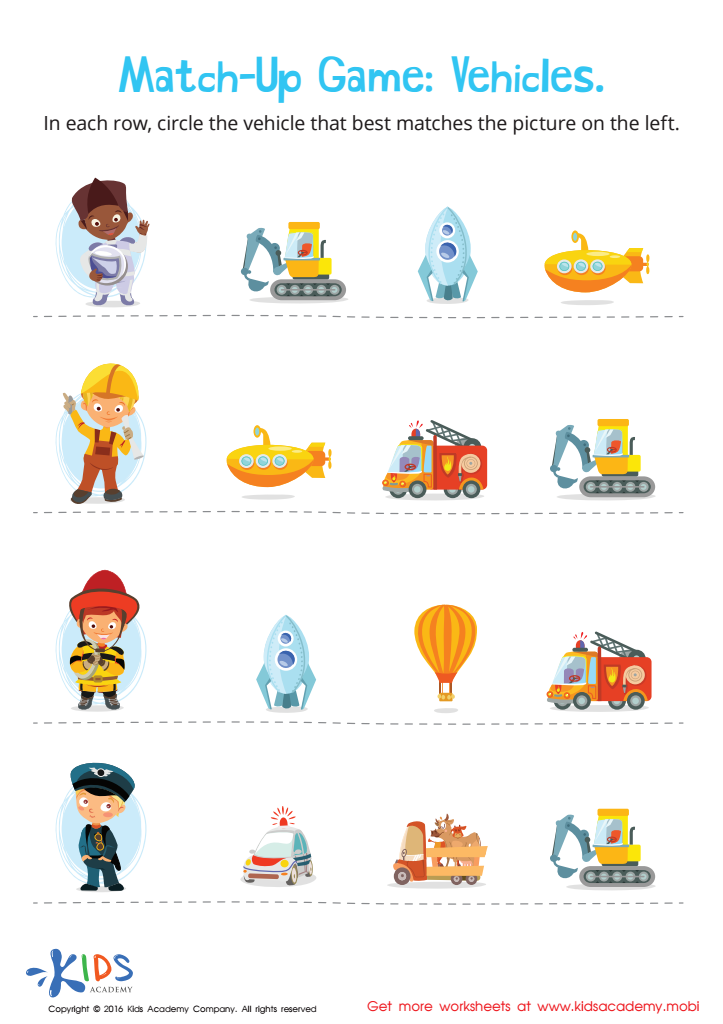
Vehicles Worksheet
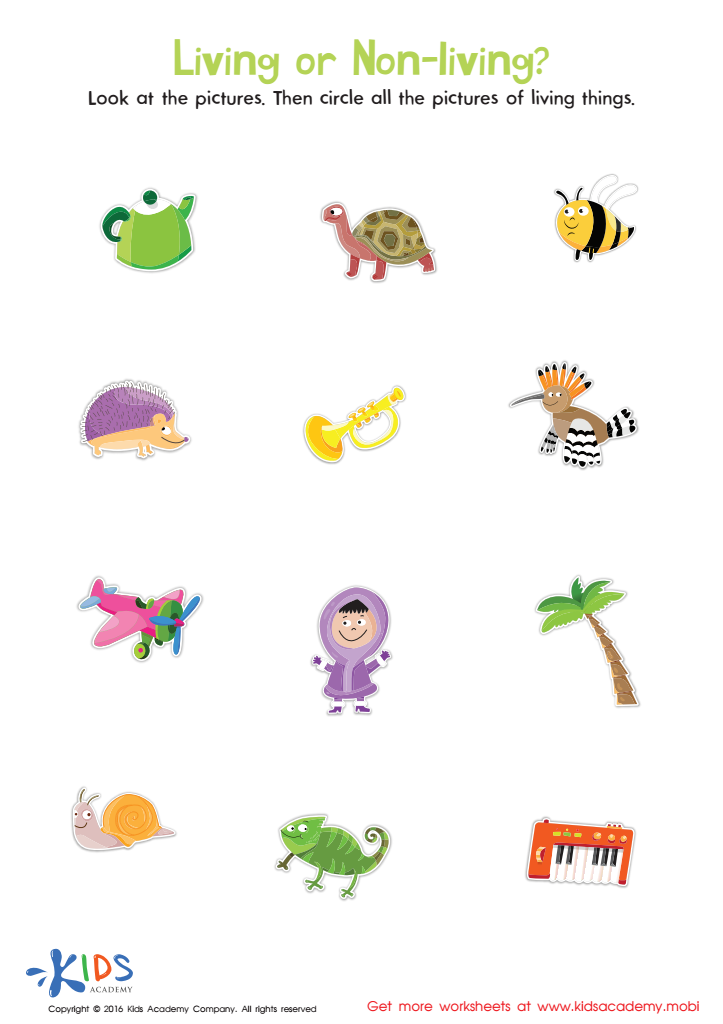
Identifying Living and Non–living Things Sorting Worksheet
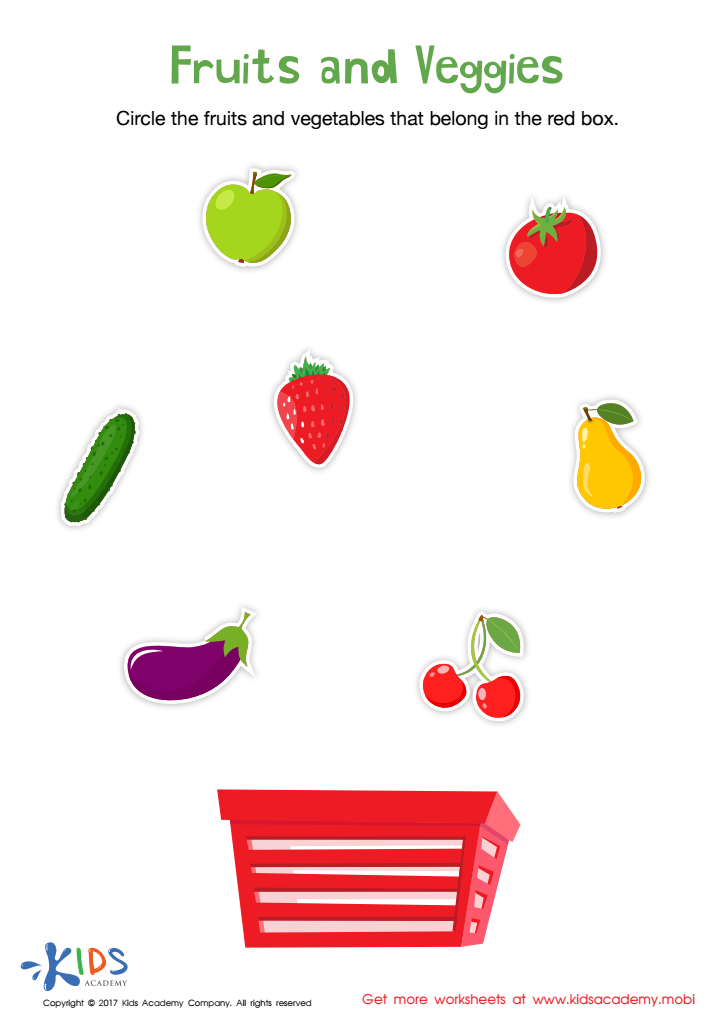
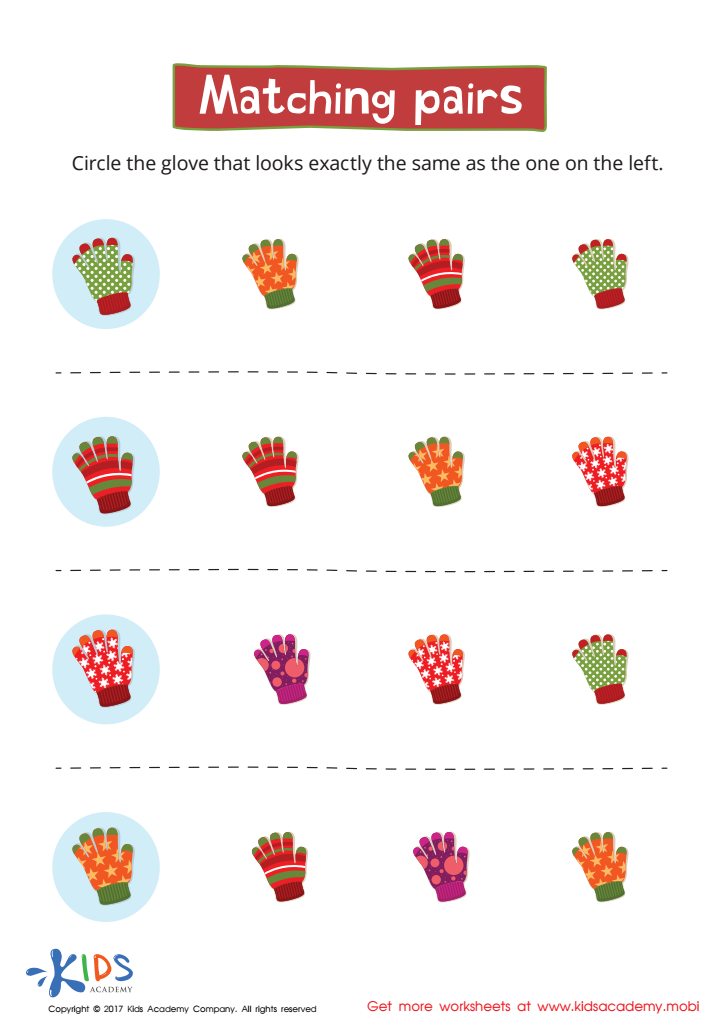
Matching: Matching Pairs Worksheet
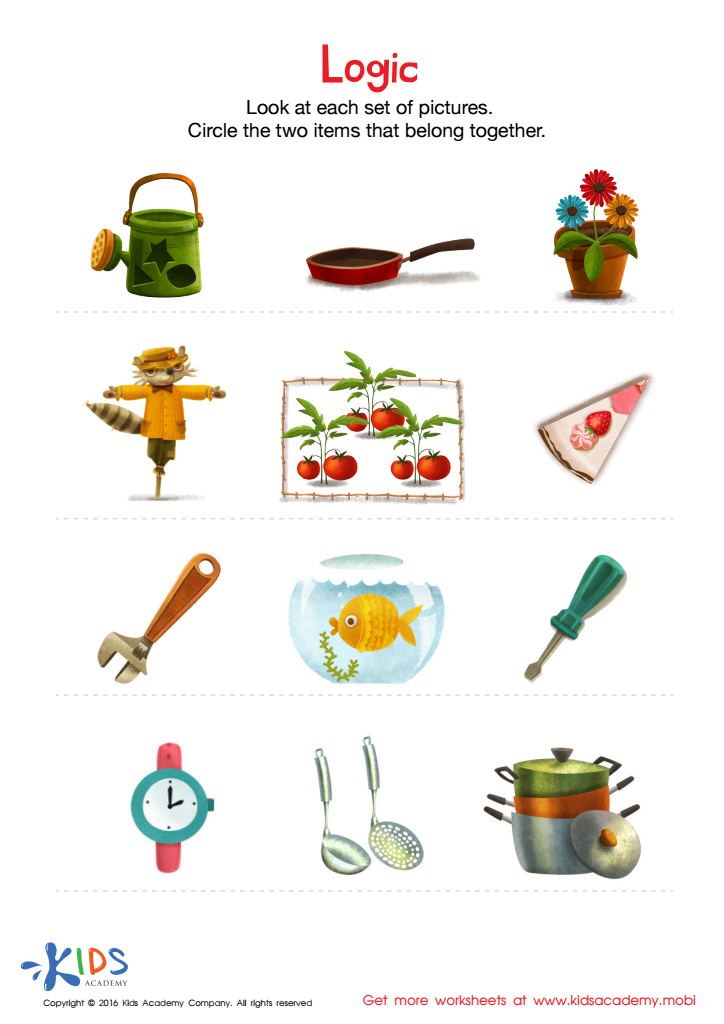
Logic Game Sorting Worksheet
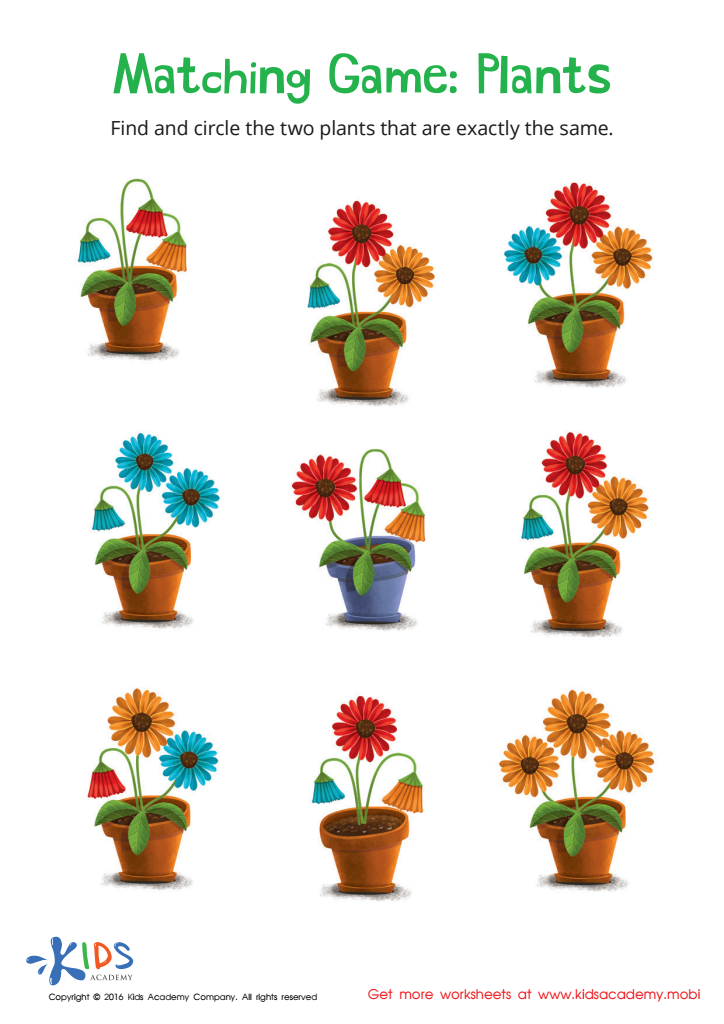
Matching: Plants Worksheet
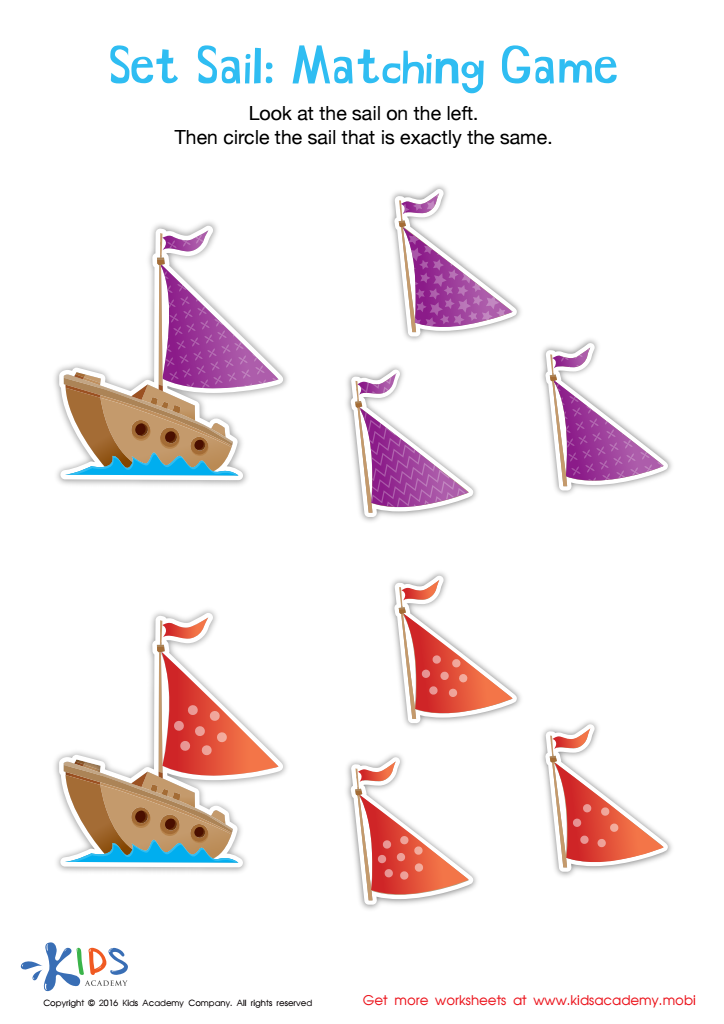
Set Sail Worksheet
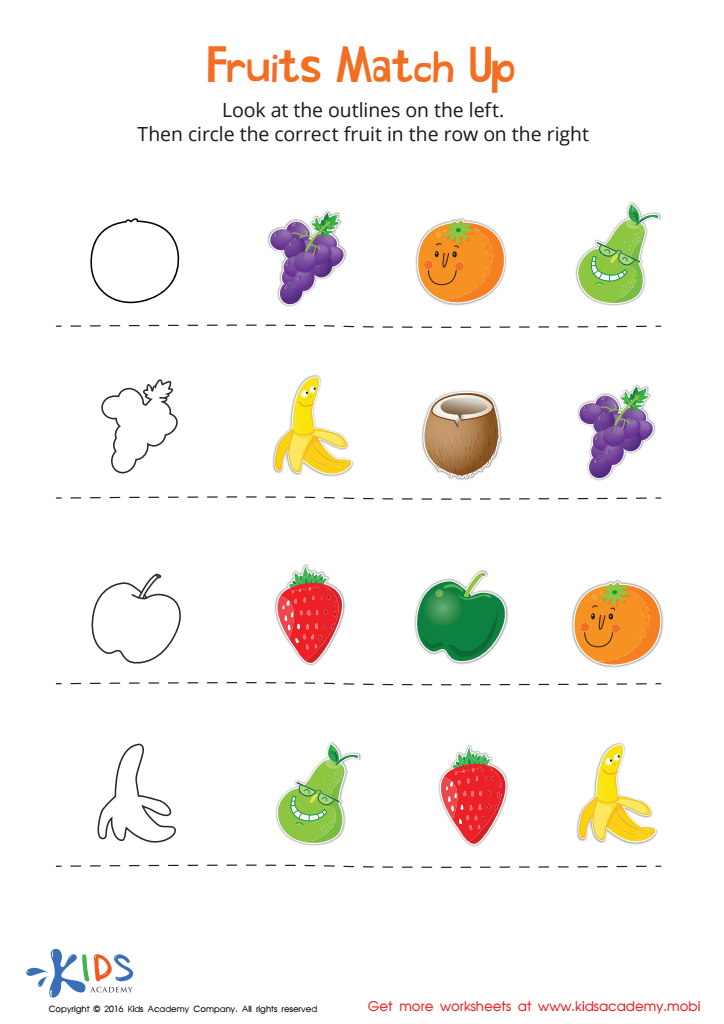
Fruits Match Up Worksheet
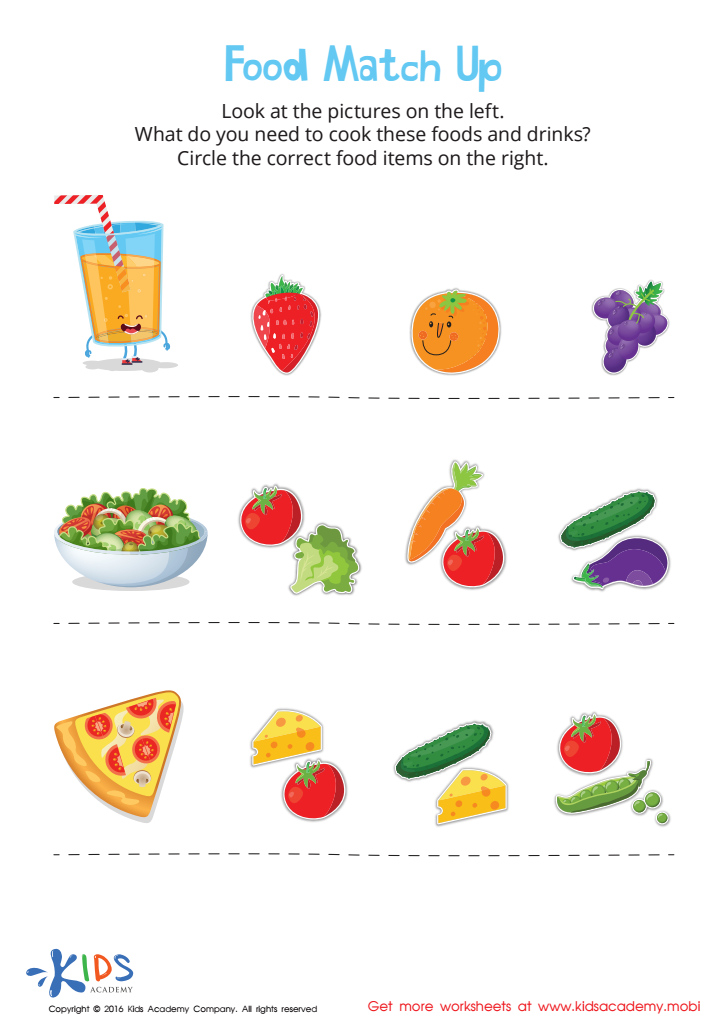
Food Match Up Worksheet
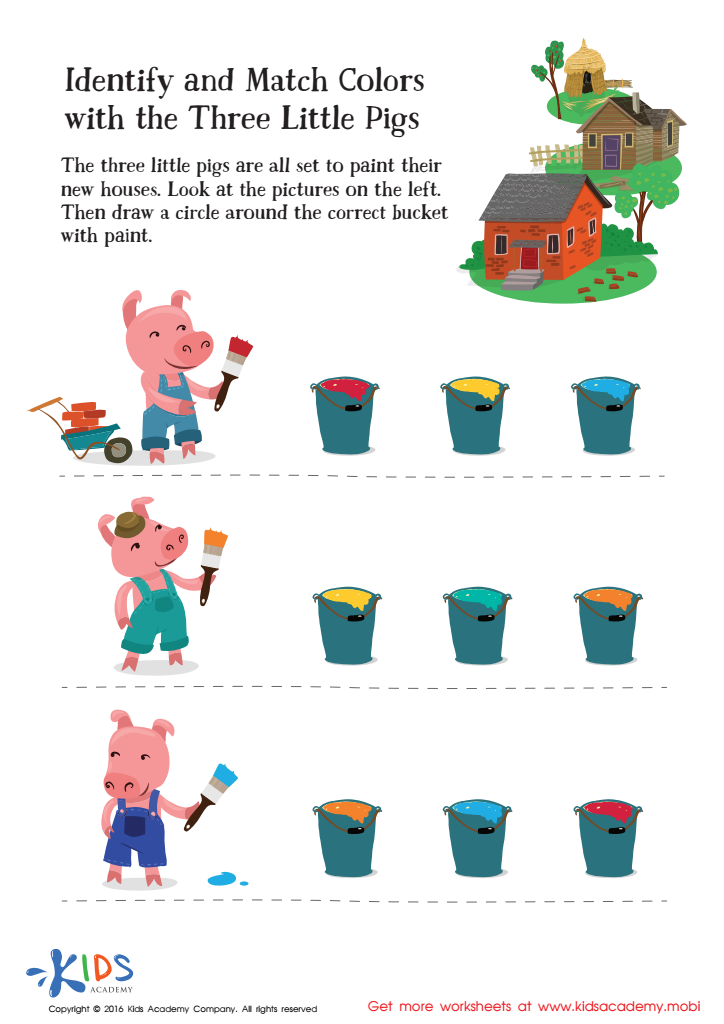
Fairy Tale Worksheet: Identify and Match Colors with Three Little Pigs
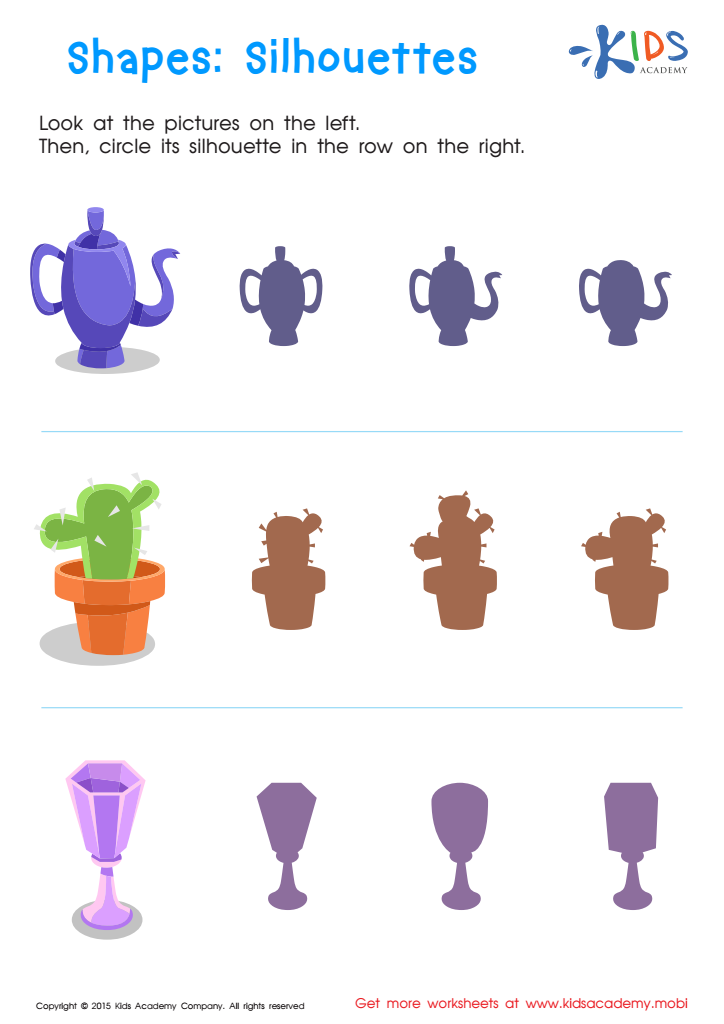
Silhouettes – Shapes Worksheet
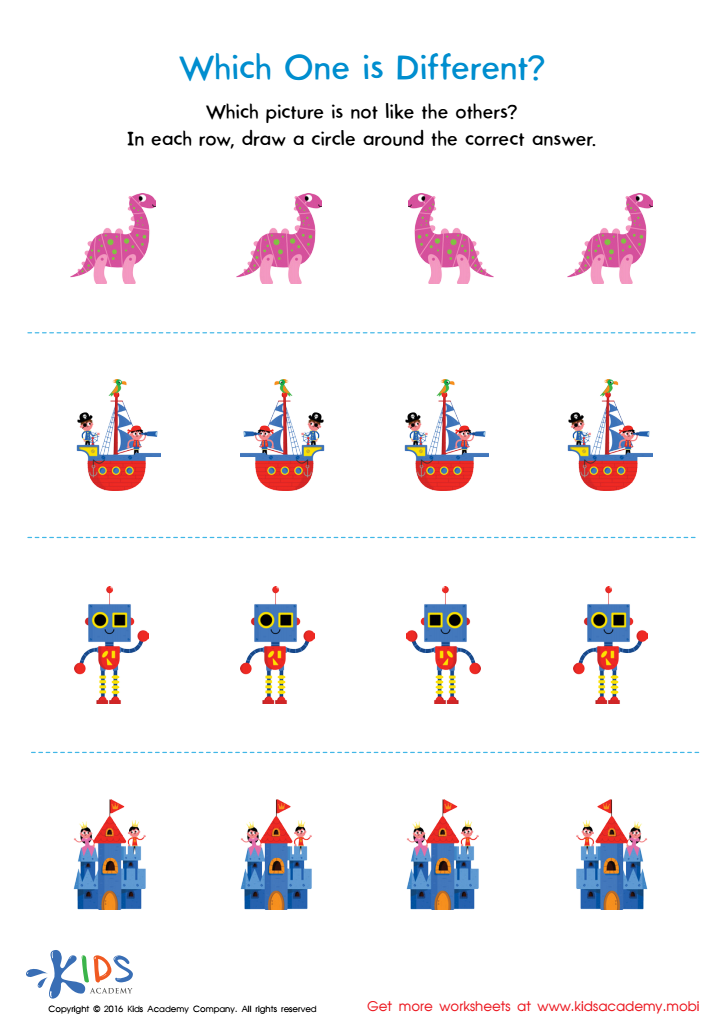
Which One Is Different Worksheet
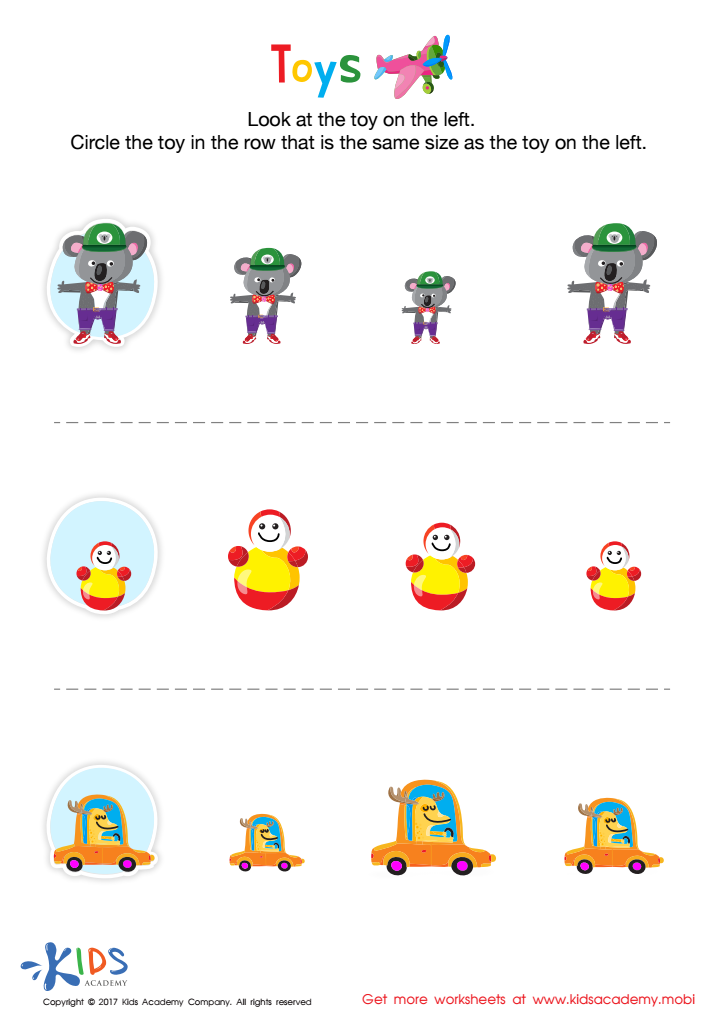
Matching: Classifying Toys by Size Worksheet
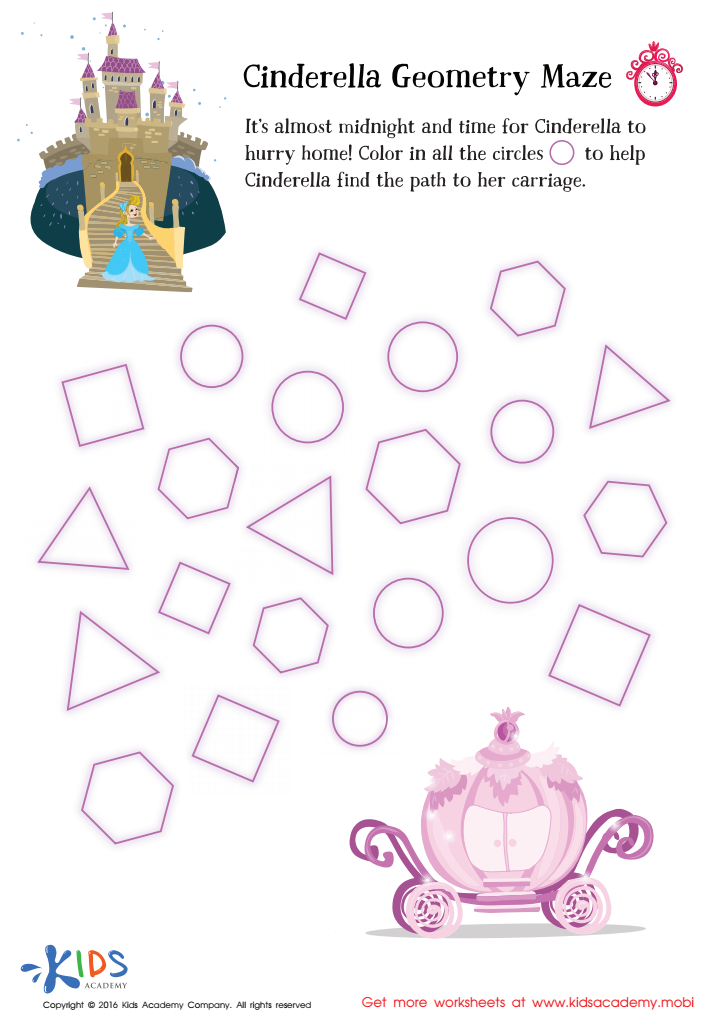
Cinderella Geometry Maze Worksheet
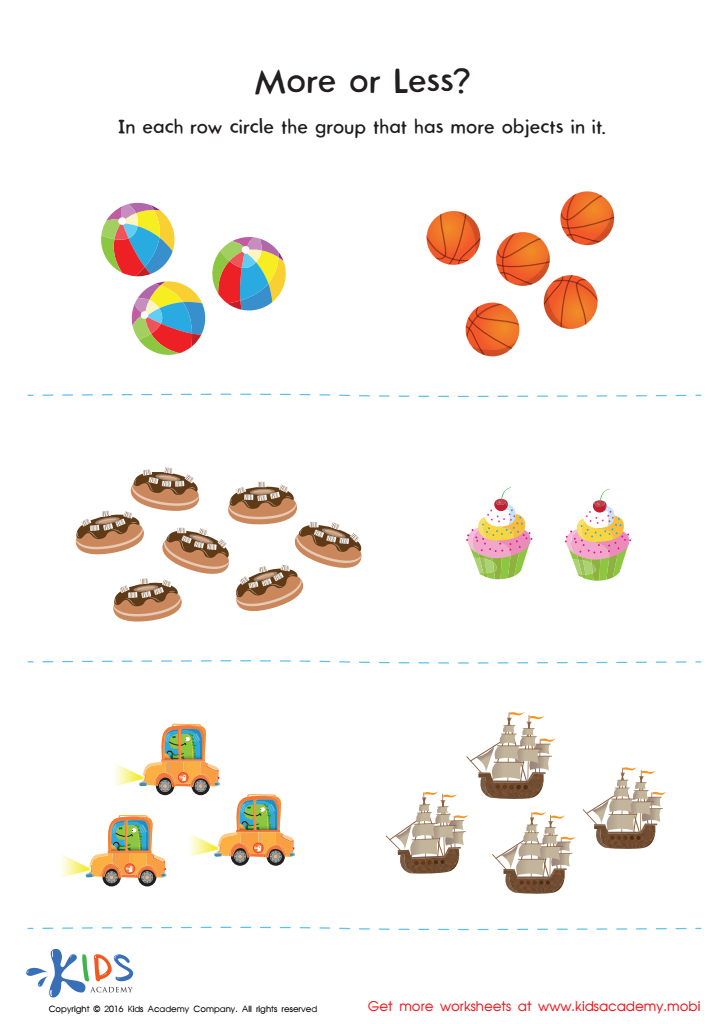
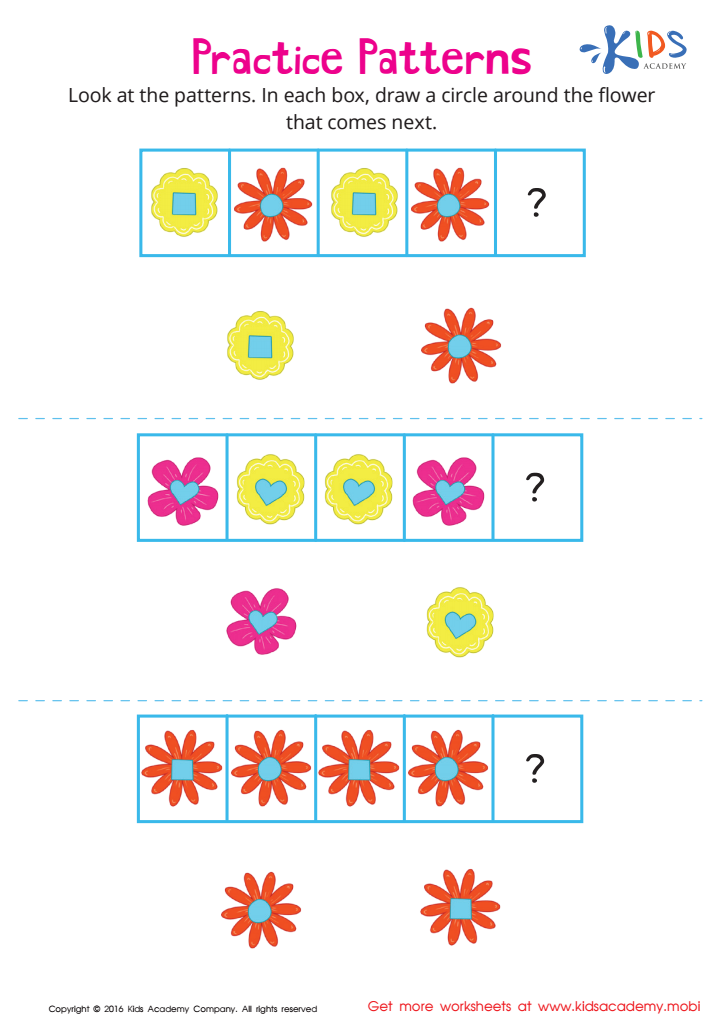







Normal matching is an essential developmental milestone for children aged 4-9, and its importance should be recognized by both parents and teachers. At this age, kids are developing crucial cognitive and motor skills, social abilities, and emotional understanding. Normal matching activities, such as sorting shapes, colors, numbers, or letters, play a significant role in honing these skills.
For one, matching activities enhance cognitive development. They foster pattern recognition and logical thinking, which are foundational for future learning in subjects like math and science. As children engage in matching exercises, they learn to notice similarities and differences, which sharpens their attention to detail and precision.
Motor skills also see improvement from matching tasks. Handling objects to match them enhances fine motor skills, hand-eye coordination, and spatial awareness—all fundamental for tasks like writing and sports.
Social and emotional benefits are also notable. Through collaborative matching games, children develop teamwork skills, patience, and turn-taking. Furthermore, successfully completing a matching task boosts a child's self-esteem and confidence.
Parents and teachers should therefore include normal matching activities regularly within play and learning sessions. This supports well-rounded development, making it easier for children to achieve academic and personal milestones as they progress. Prioritizing these foundational skills lays a robust groundwork for future educational success and everyday problem-solving abilities.








