Filters

177 filtered results

Clear all filters
Favorites
With answer key
Interactive

177 filtered results

Difficulty Level

Grade


Subject

    Check out this FREE Science Trial Lesson!

    Behavioral Adaptations

    Favorites
    With answer key
    Interactive
    • Science
    Man-Made or Natural? Worksheet
    Man-Made or Natural? Worksheet

    Man-Made or Natural? Worksheet

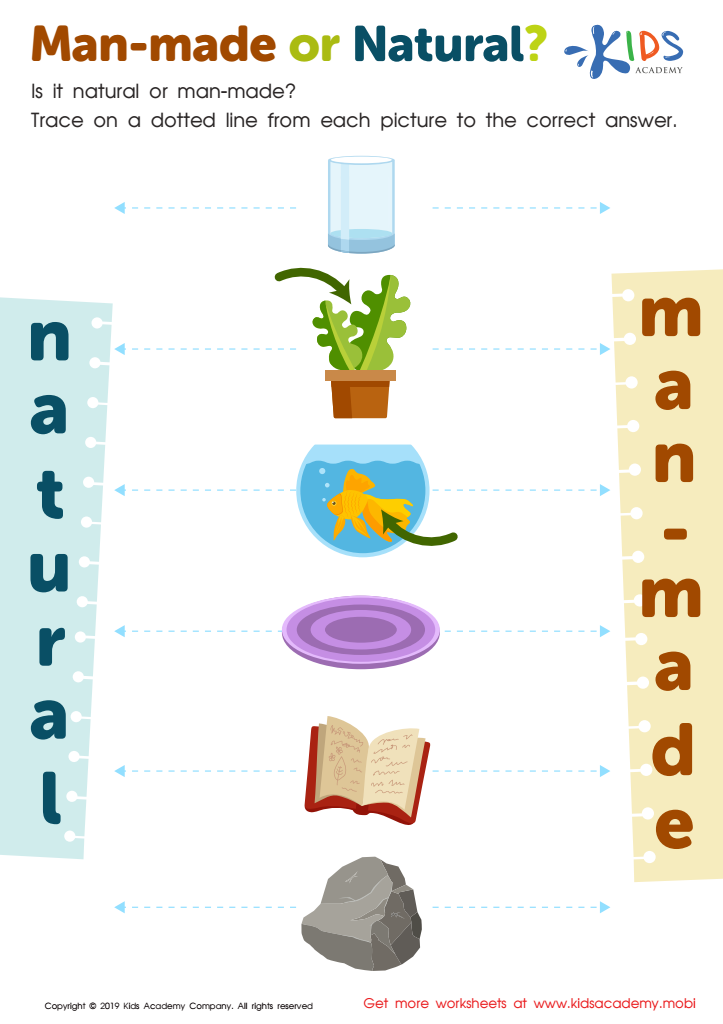
    Ask your students to name natural and man-made objects. Check the worksheet to help them identify the objects, then trace the dotted line to determine if it's natural or man-made.
    Man-Made or Natural? Worksheet
    Worksheet
    Tundra habitats worksheet for 3rd grade
    Tundra habitats worksheet for 3rd grade

    Tundra Habitats Worksheet

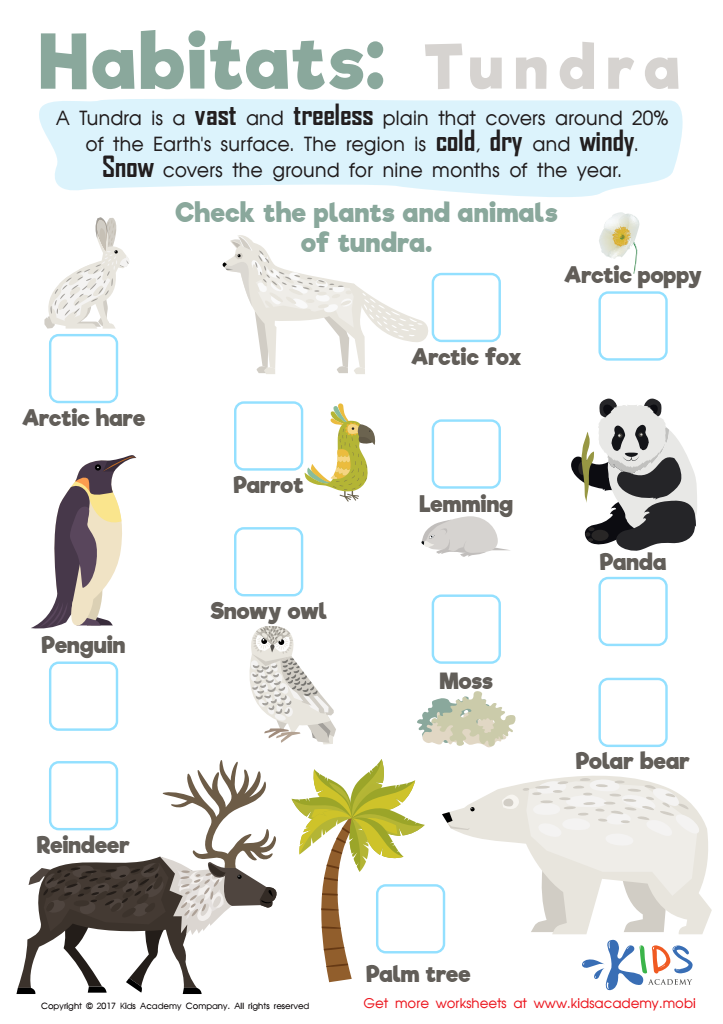
    Kids can increase their scientific vocab and learn about tundra habitats with this worksheet. They'll start by reading facts about the tundra, then identify animals that live there using their knowledge. It's a great way to explore the world!
    Tundra Habitats Worksheet
    Worksheet
    Climate Maps Worksheet
    Climate Maps Worksheet

    Climate Maps Worksheet

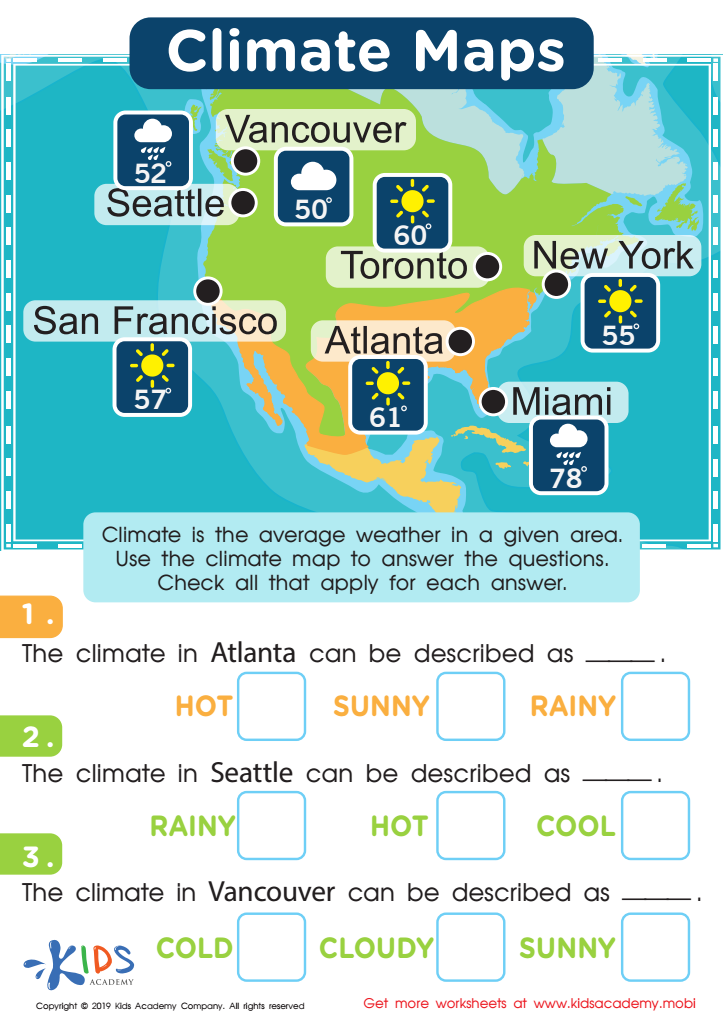
    This map offers a fun way to teach kids about the varying climates across North America. They'll learn that Seattle and Miami have different temperatures, yet the same amount of rainfall. Plus other weather facts. This prepares them to answer reading comprehension questions with success!
    Climate Maps Worksheet
    Worksheet
    Magnet Poles Attract or Repel Worksheet
    Magnet Poles Attract or Repel Worksheet

    Magnet Poles Attract or Repel Worksheet

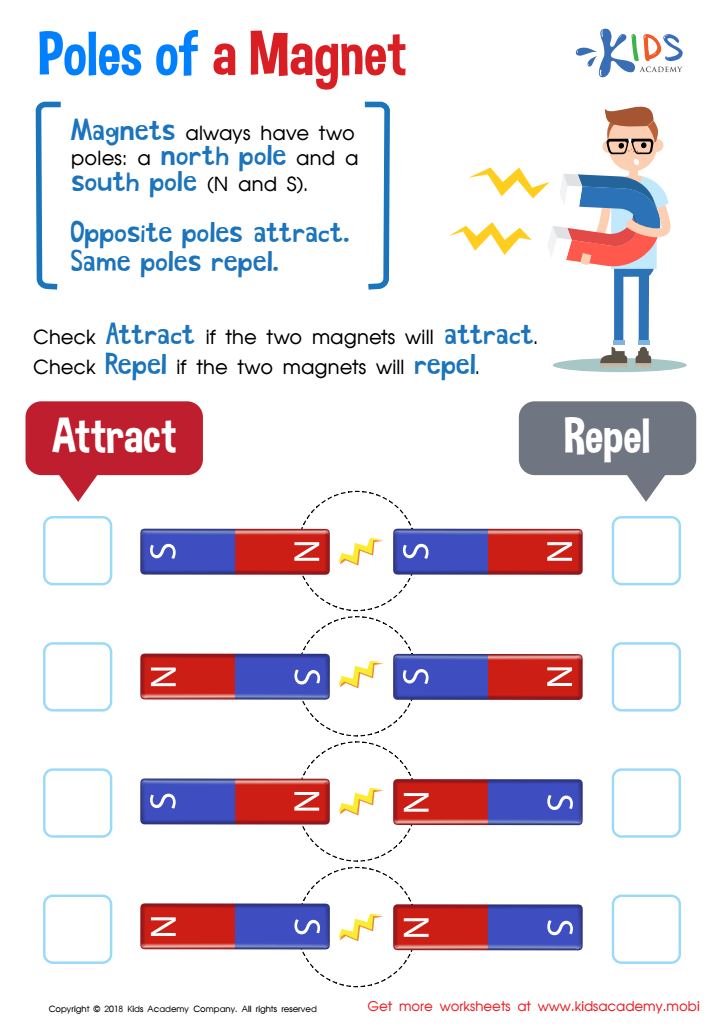
    Kids can learn about magnets using this fun worksheet! They'll identify the polarities of magnets and see if they attract or repel. Pictures of magnets will help them understand the concept and get them excited about scientific exploration!
    Magnet Poles Attract or Repel Worksheet
    Worksheet
    Marine Self-Defence Worksheet
    Marine Self-Defence Worksheet

    Marine Self-Defence Worksheet

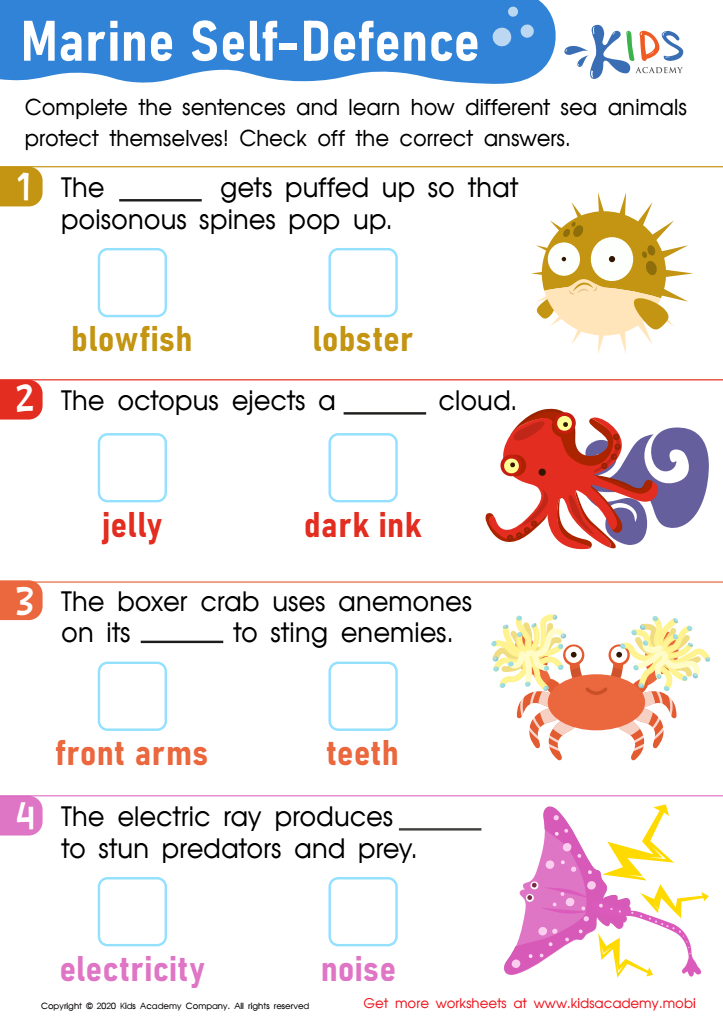
    Kids will love discovering the ingenious ways sea creatures protect themselves from predators such as sharks and whales! Let them explore the strategies with this fun science worksheet, which features vibrant illustrations. Have them fill in the blanks with each creature's defense strategy, such as shells, spikes, ink, or even electricity!
    Marine Self-Defence Worksheet
    Worksheet
    Water World Worksheet
    Water World Worksheet

    Water World Worksheet

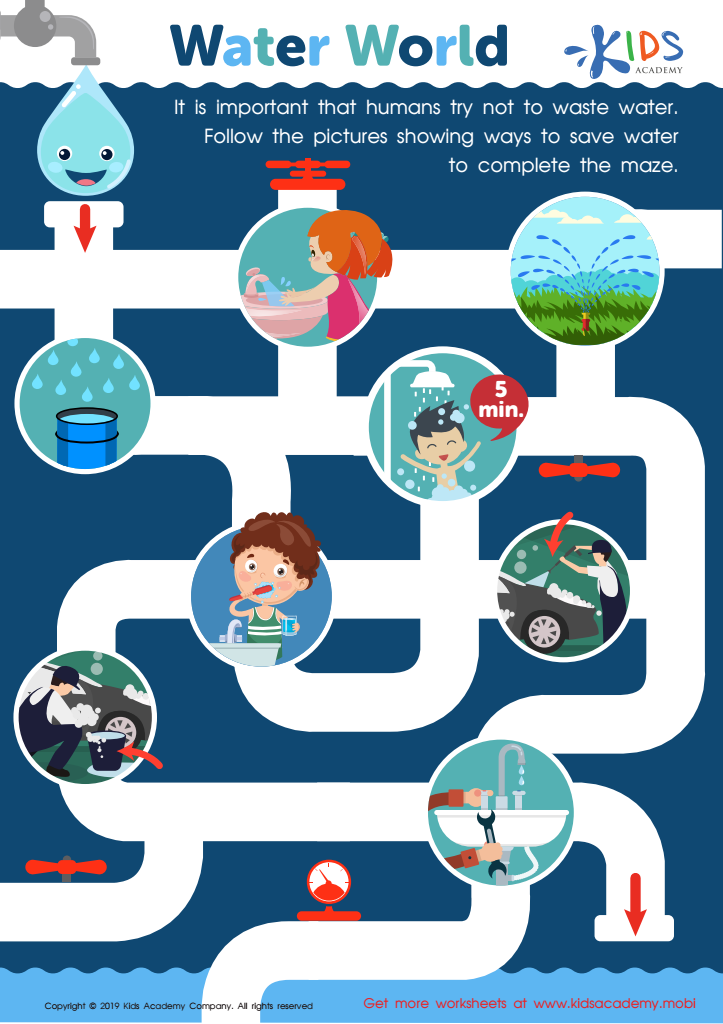
    Water is a vital necessity for living. Our bodies depend on it to stay healthy and survive. When we don't drink enough water, we become thirsty and run the risk of getting sick. Luckily, our planet is full of water and natural sources to stay hydrated. To prevent water waste, use this worksheet to teach your students how to conserve it and complete the maze.
    Water World Worksheet
    Worksheet
    How Light Travels Worksheet
    How Light Travels Worksheet

    How Light Travels Worksheet

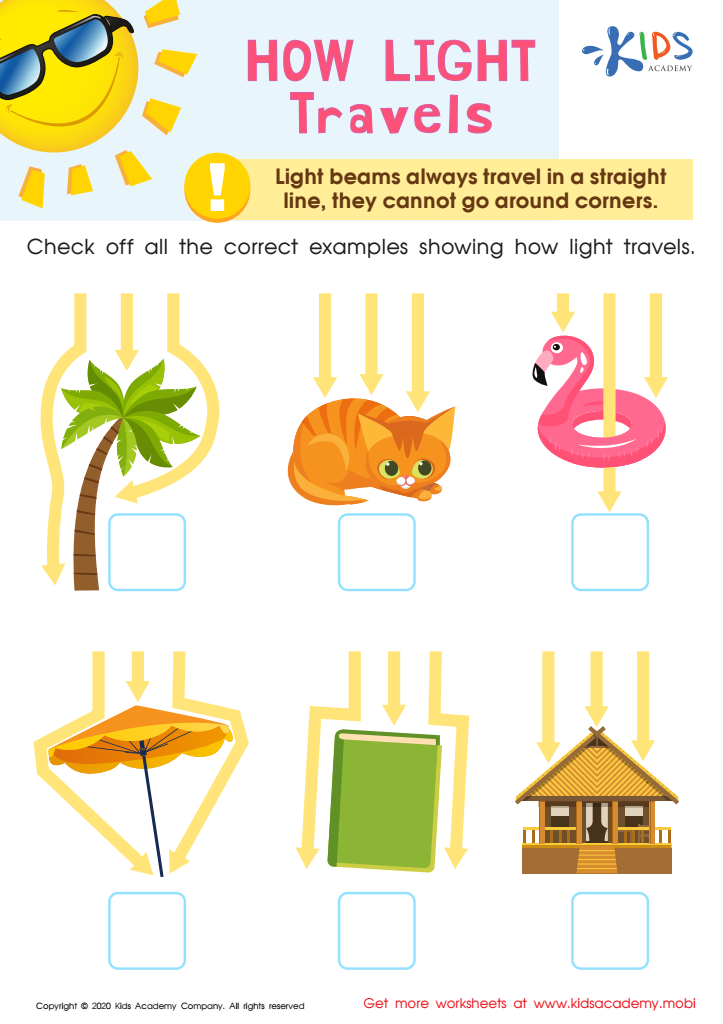
    This colorful worksheet teaches students about light travel: beams move in a straight line and can't go around corners. Students view pictures and check off all the correct examples.
    How Light Travels Worksheet
    Worksheet
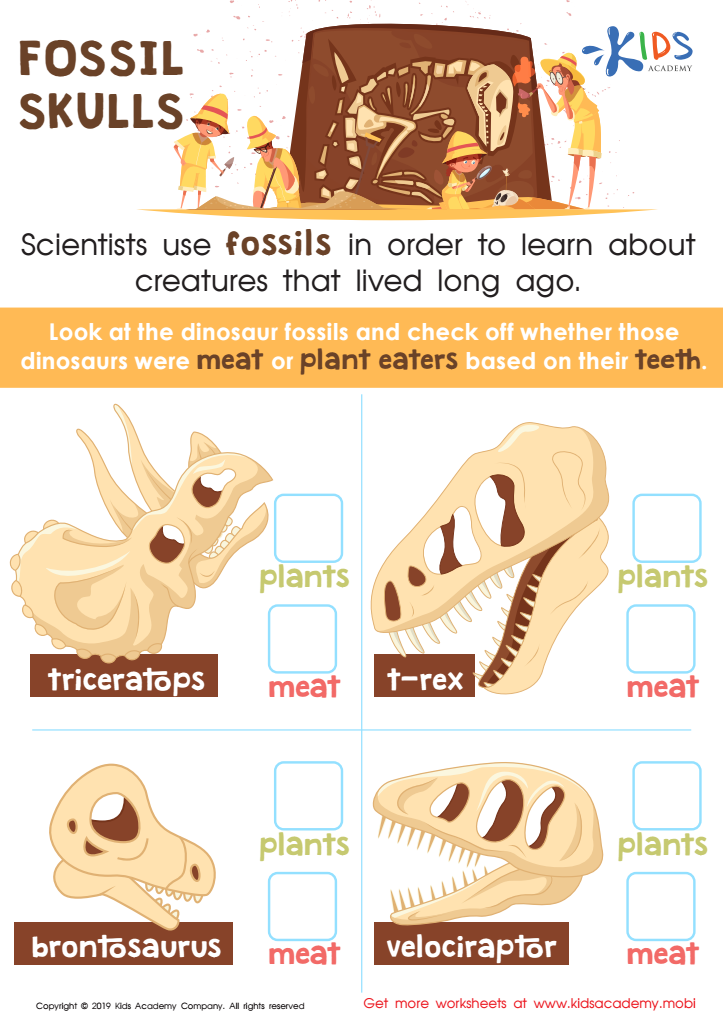
    Fossil Skulls Worksheet
    Fossil Skulls Worksheet

    Fossil Skulls Worksheet

    Your child is invited to join us on a fossil dig! With this free worksheet, they'll learn how paleontologists use fossils to discover what creatures ate long ago. Kids will examine dinosaur teeth to find out if the dinos were plant or meat eaters. It's a fun way to explore adaptation and how dinosaurs fed themselves.
    Fossil Skulls Worksheet
    Worksheet
    Stars and Constellations Worksheet

    Stars and Constellations Worksheet

    Stars and Constellations Worksheet

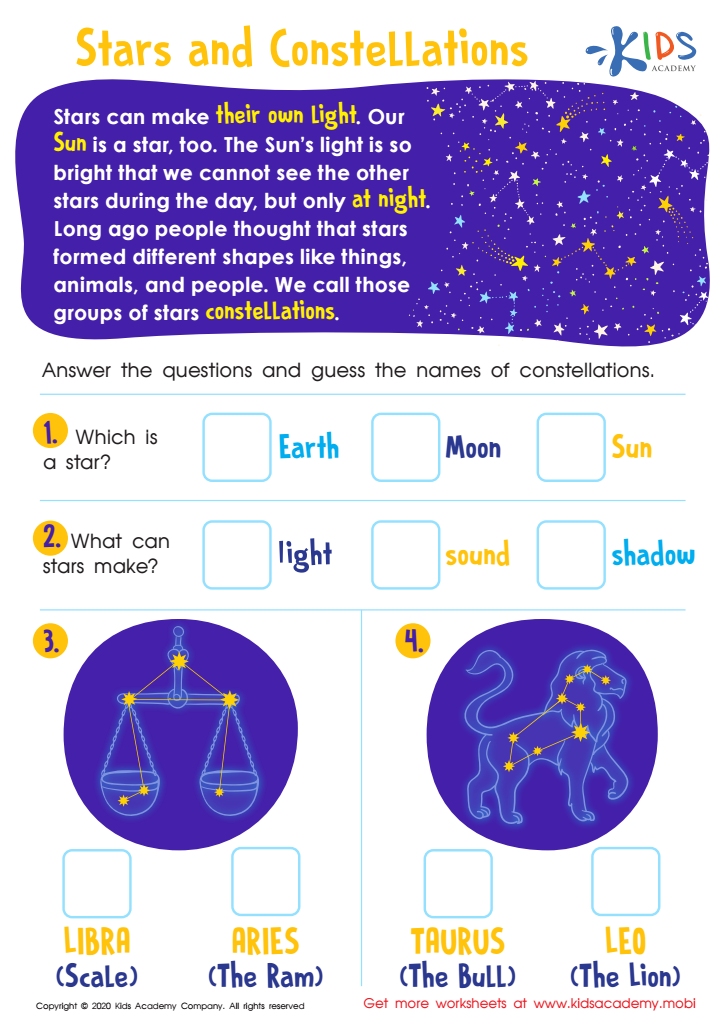
    Learn about stars and constellations with this entertaining worksheet! Read the passage at the top of the page to gain an understanding of stars, then test your child's knowledge with the questions below. Check the right answers and finish this science worksheet with your child - they'll be amazed that stars can make their own light, just like the sun!
    Stars and Constellations Worksheet
    Worksheet


    ... 7 8

    Parents and teachers should care about science because it is fundamental to understanding the world around us and fosters critical thinking skills in children. Science helps students grasp concepts such as weather patterns, environmental issues, and the human body, enabling them to appreciate the complexity of nature and society. Encouraging curiosity about scientific principles promotes analytical skills, essential in problem-solving across various subjects and everyday life.

    Moreover, scientific literacy is crucial for informed decision-making, particularly in today’s world where misinformation can influence public health, technology, and environmental policies. A strong foundation in science enhances students' capabilities to navigate and contribute positively to societal challenges, such as climate change and health crises.

    Engaging children in science nurtures their innate inquisitiveness, making learning enjoyable. When parents and teachers emphasize science, they create an environment where exploration and experimentation are valued, encouraging lifelong learning. Ultimately, supporting a robust science education helps form a generation of thinkers and innovators equipped to tackle future challenges, ensuring societal progress and sustainability. By reinforcing the importance of science, parents and teachers play a pivotal role in shaping informed, engaged, and proactive citizens.