Science worksheets - Page 3
177 filtered results
-
From - To
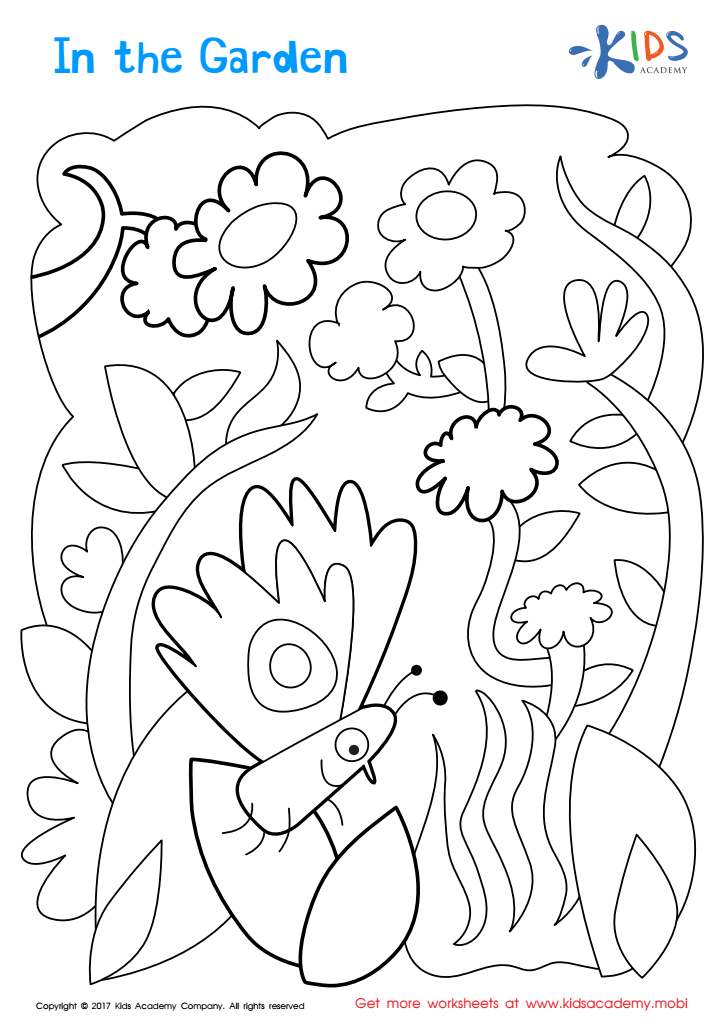
In The Garden Coloring Page
 Assign to My Students
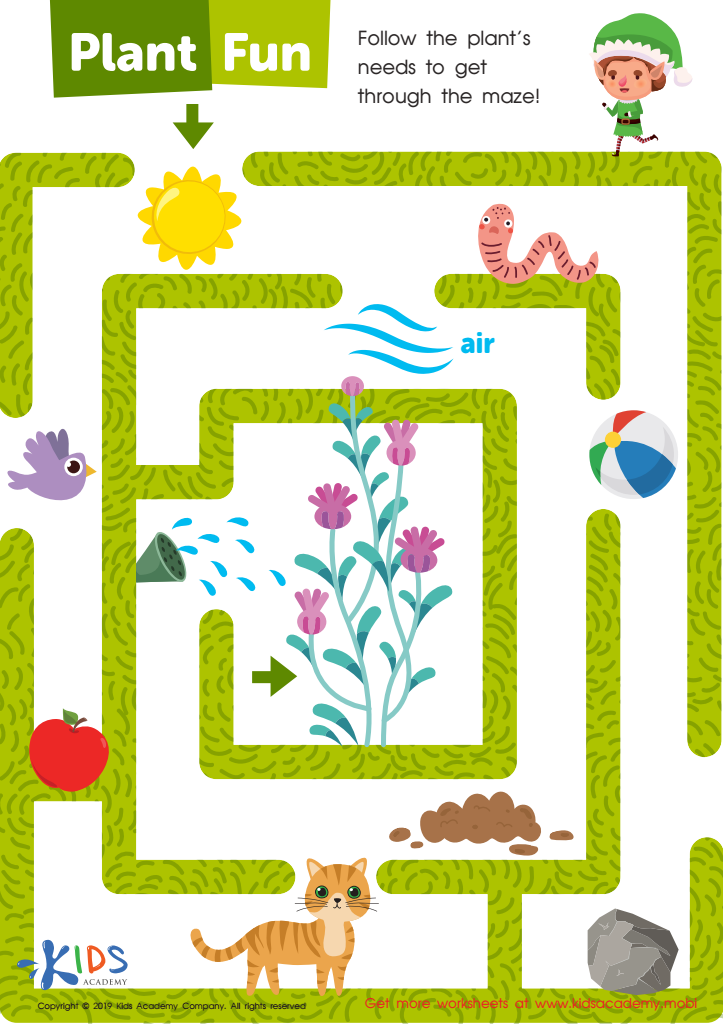
Plant Fun Worksheet
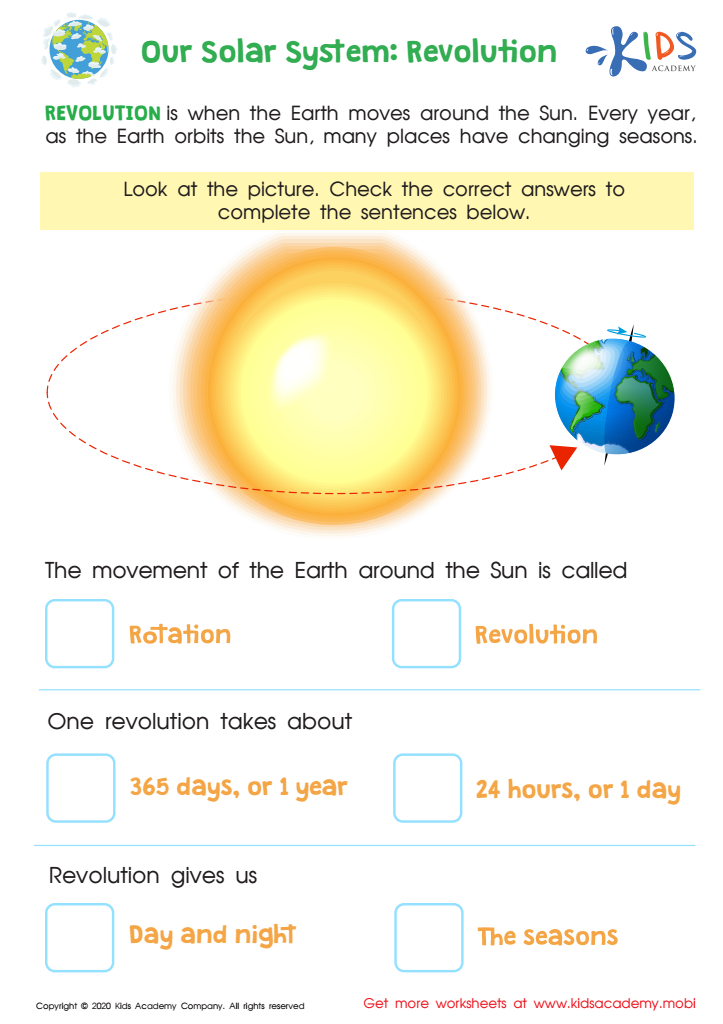
Our Solar System: Revolution Printable
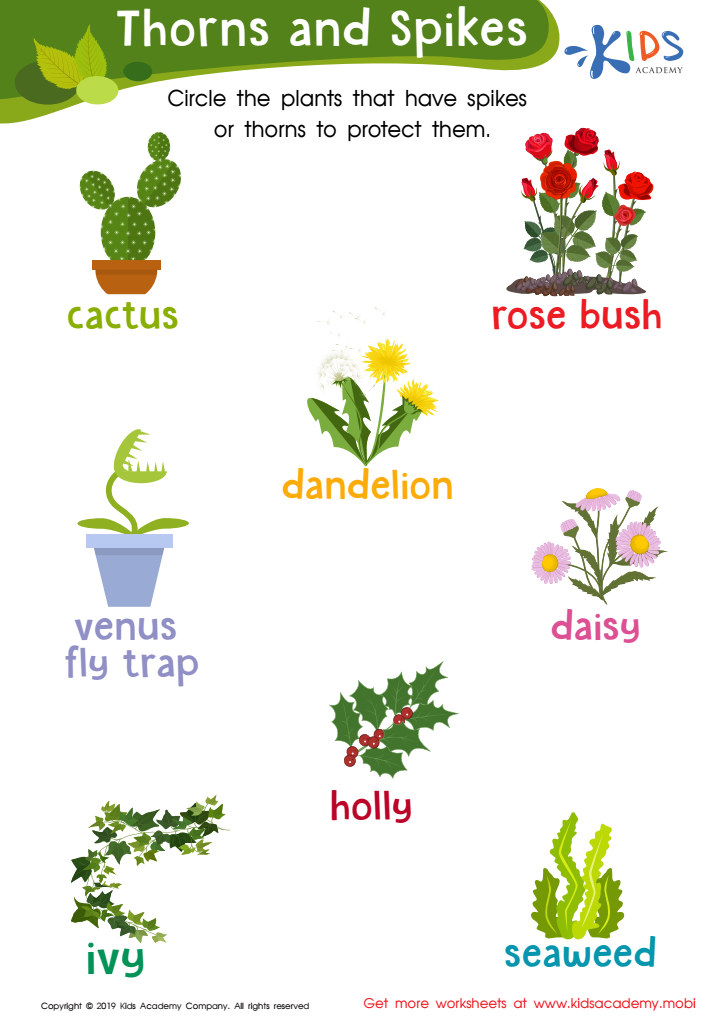
Thorns and Spikes Worksheet
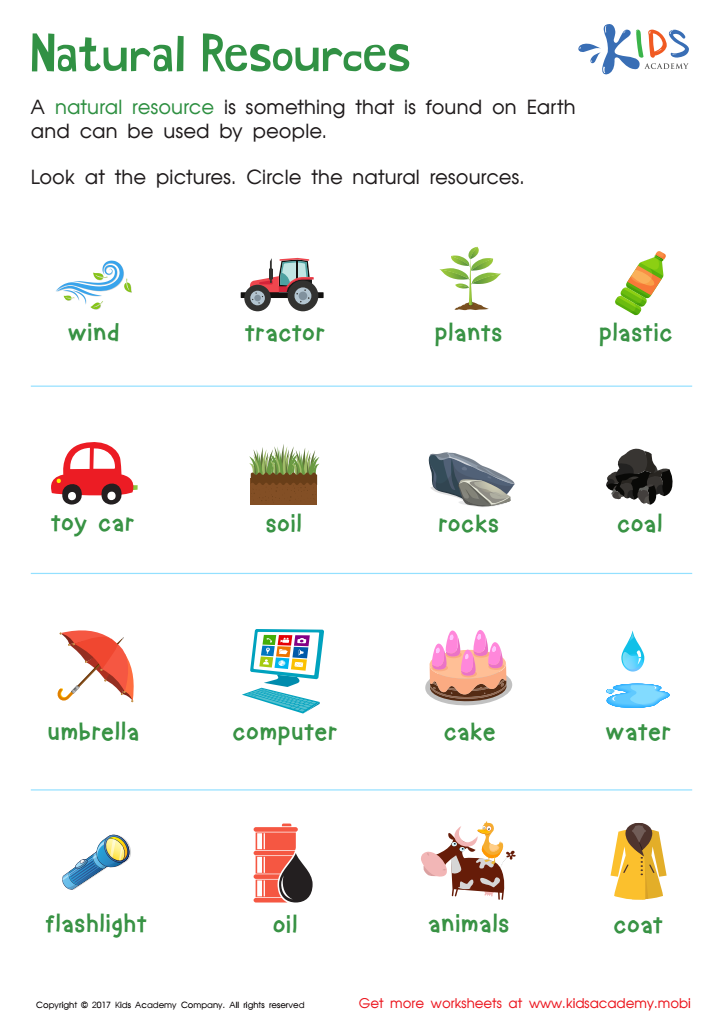
Natural Resources Worksheet
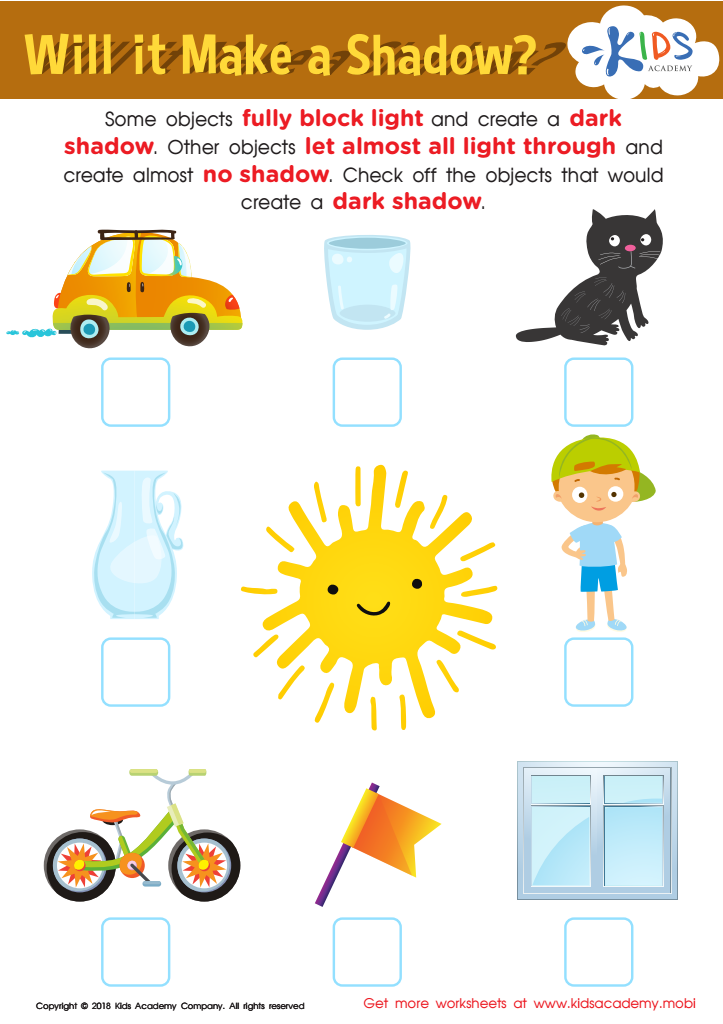
Will It Make a Shadow? Worksheet
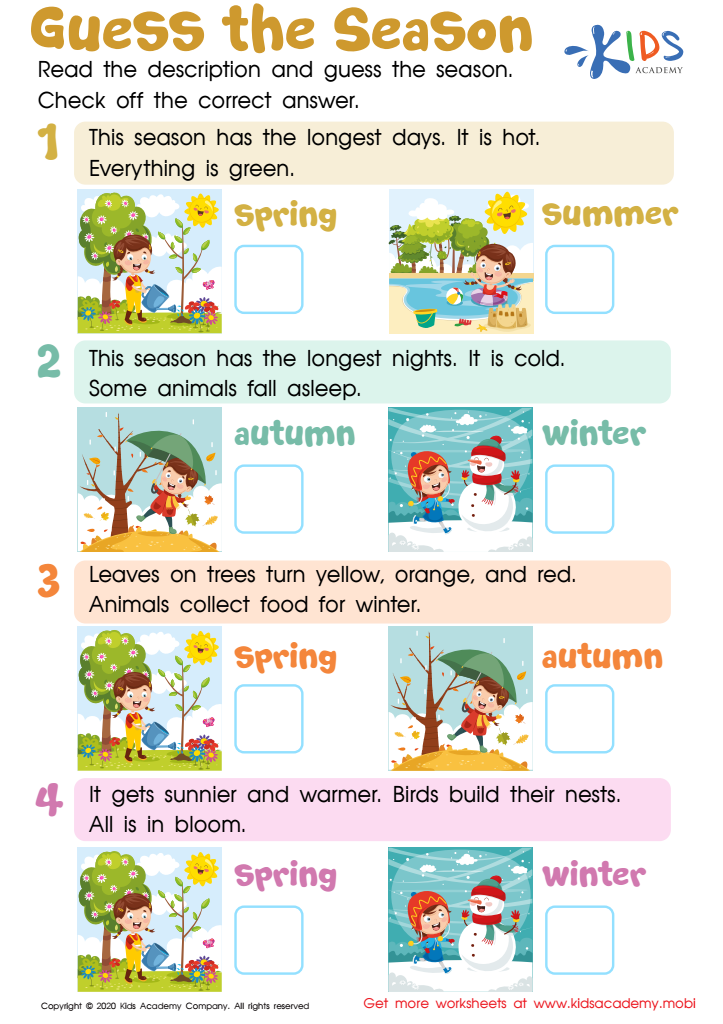
Guess the Season Worksheet
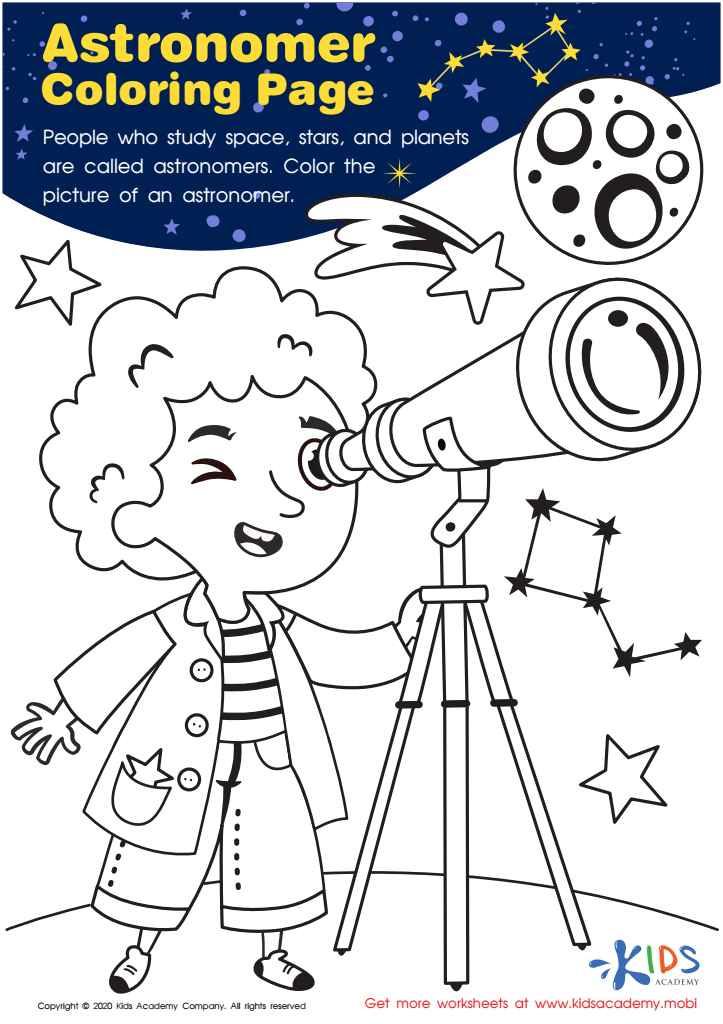
Astronomer Coloring Page Worksheet
Assign to My Students
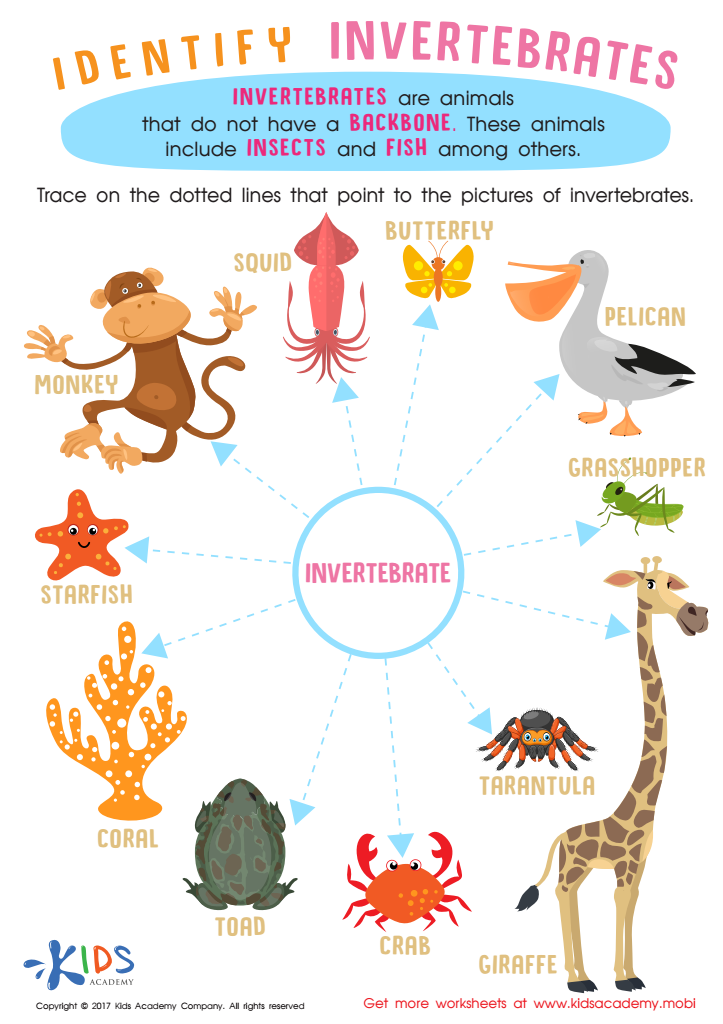
Invertebrates Worksheet for Grade 3
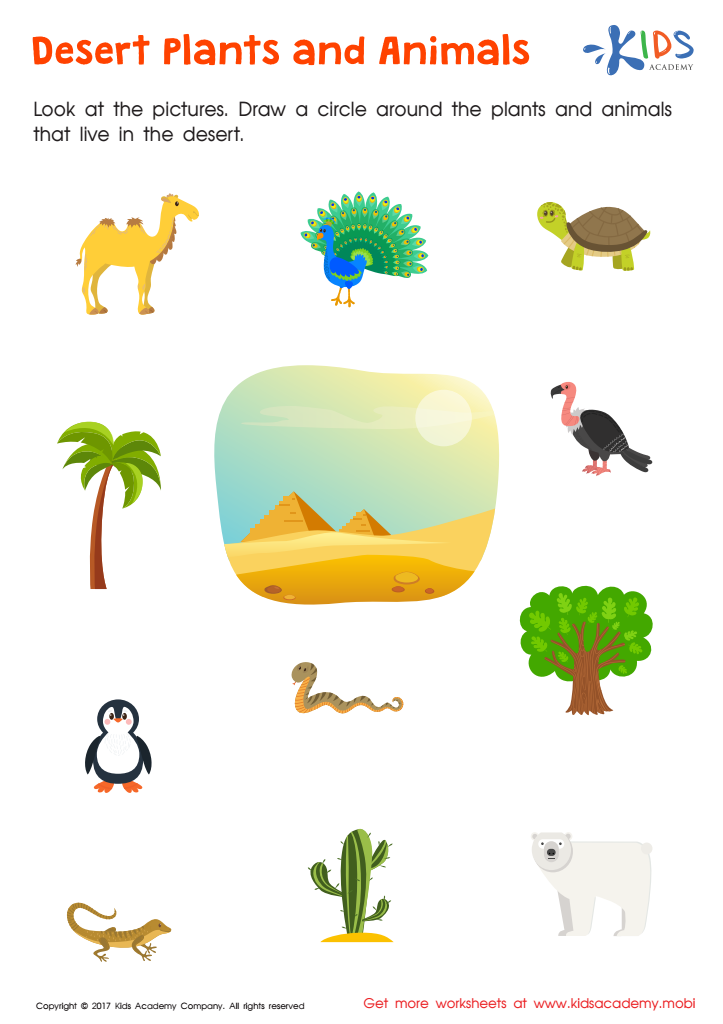
Desert Plants Animals Printable
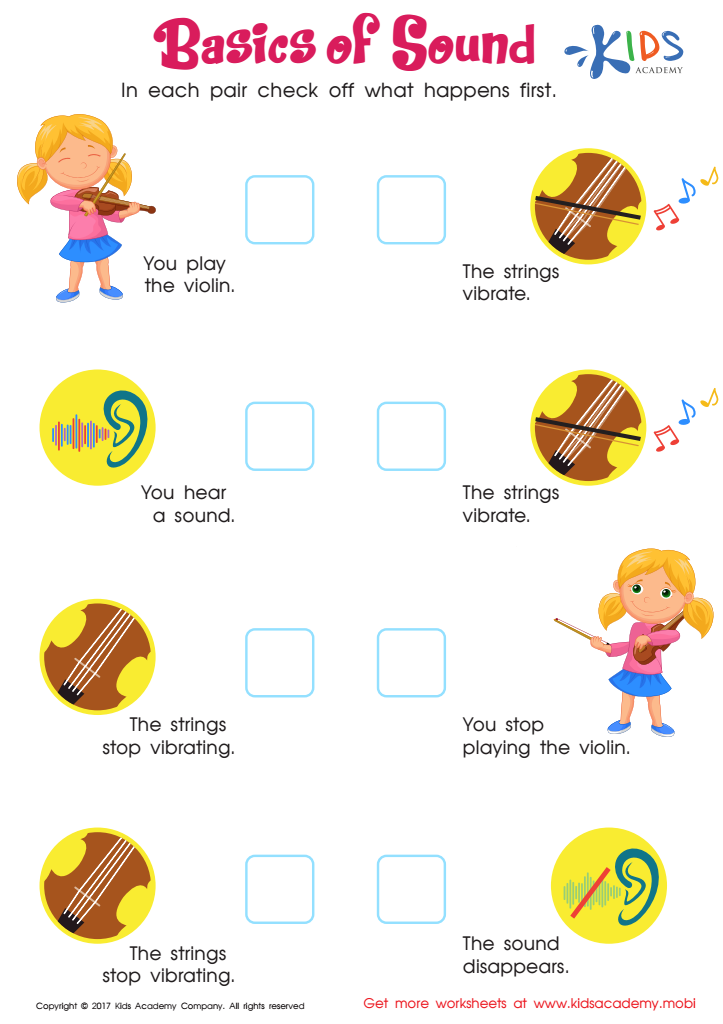
Basics Of Sound Worksheet
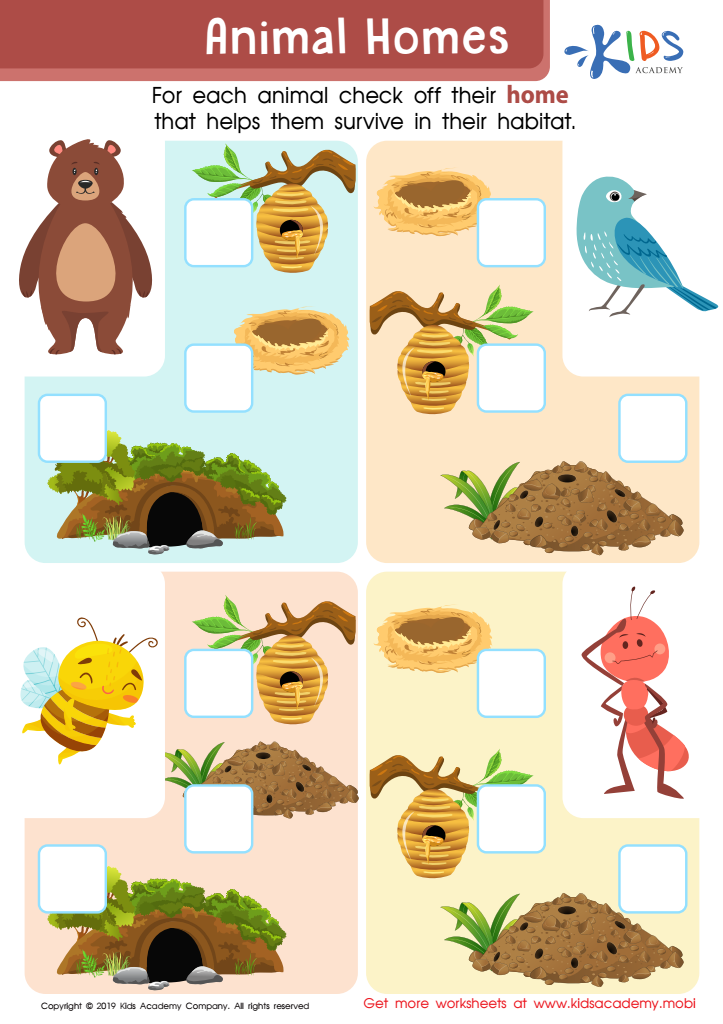
Animal Homes Worksheet
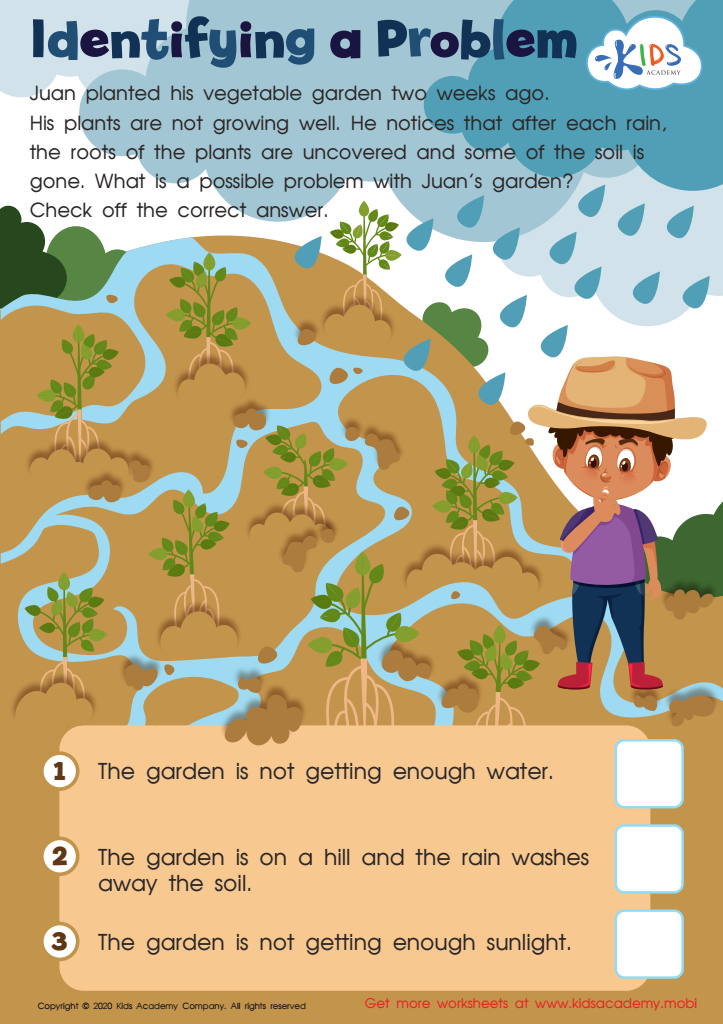
Identifying a Problem Worksheet
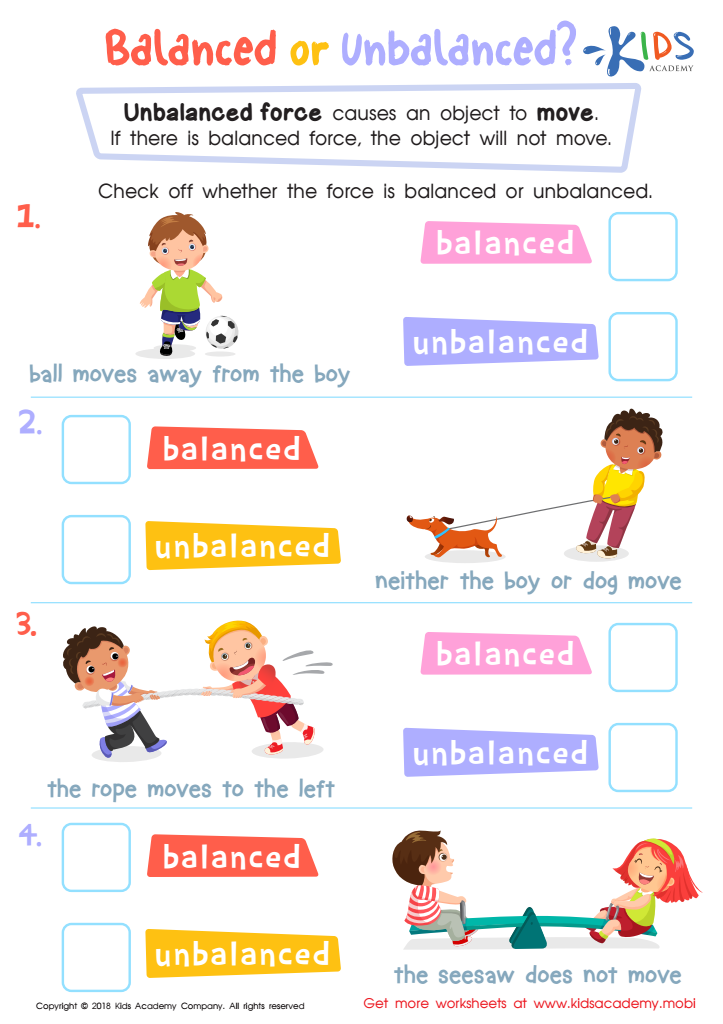
Balanced or Unbalanced Science Worksheet
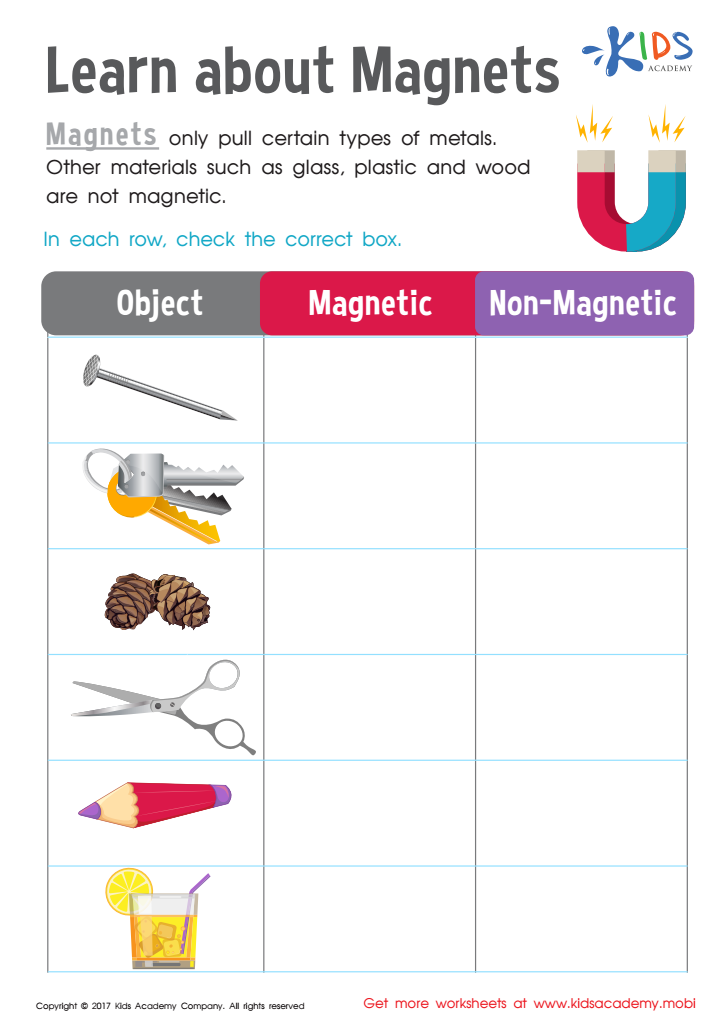
Magnetic Or Not Worksheet
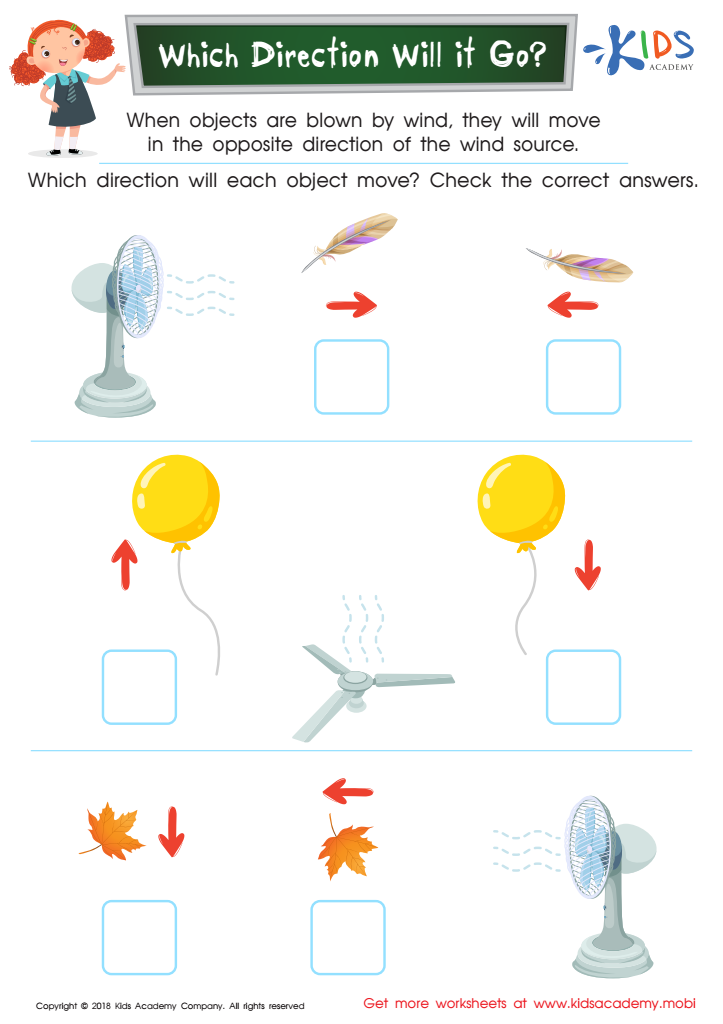
Which Direction Will it Go? Worksheet
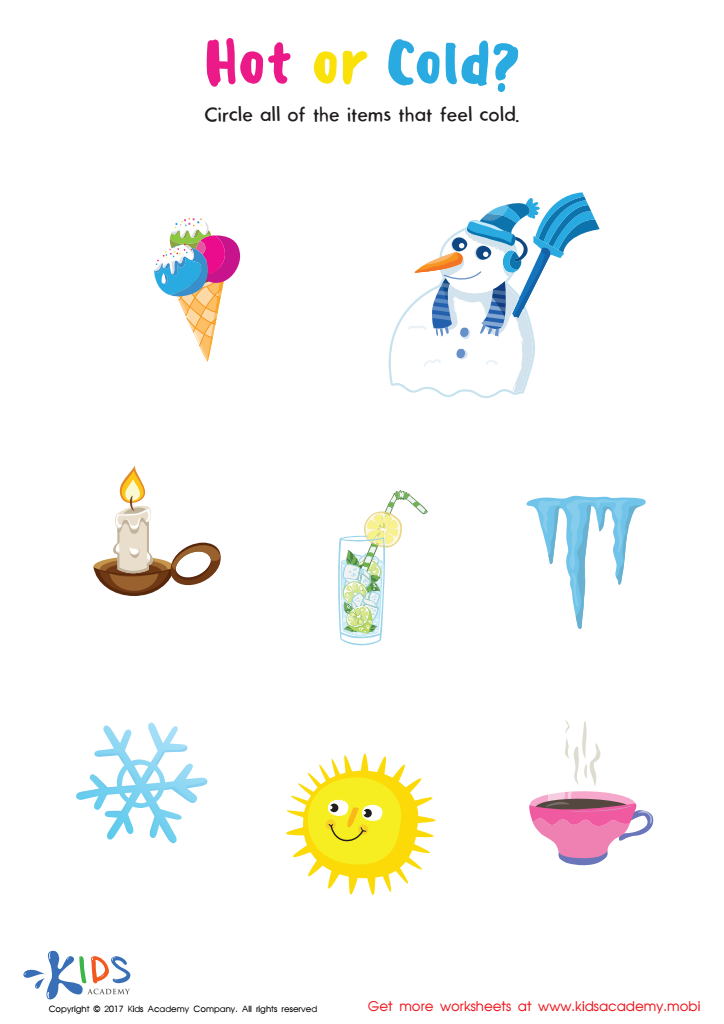
Hot or Cold Printable
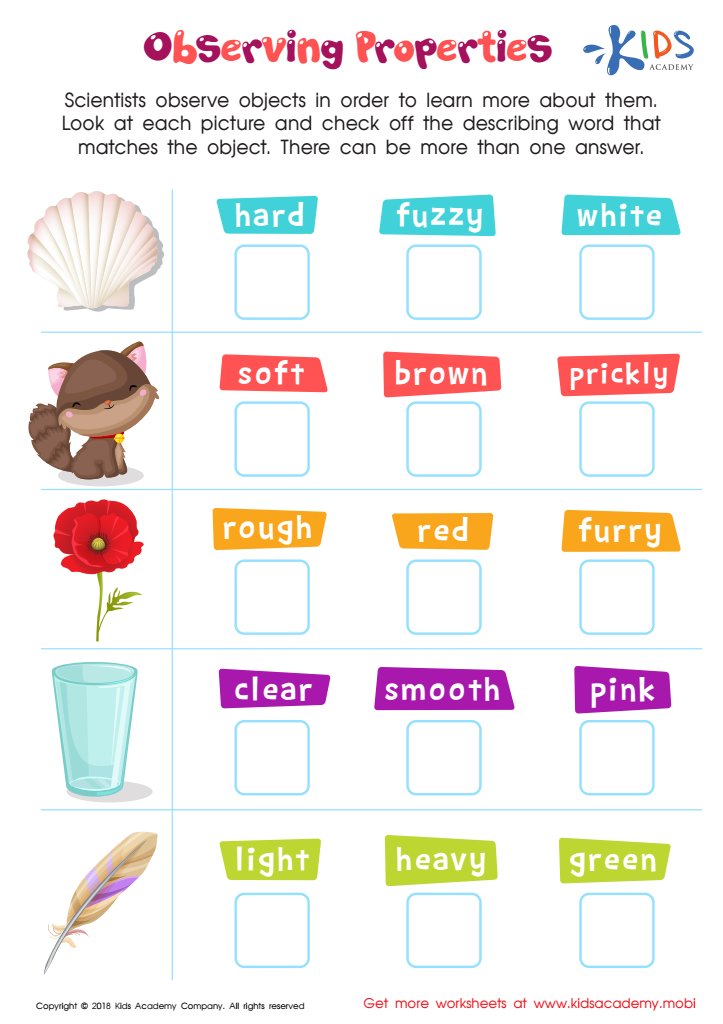
Observing Properties Worksheet
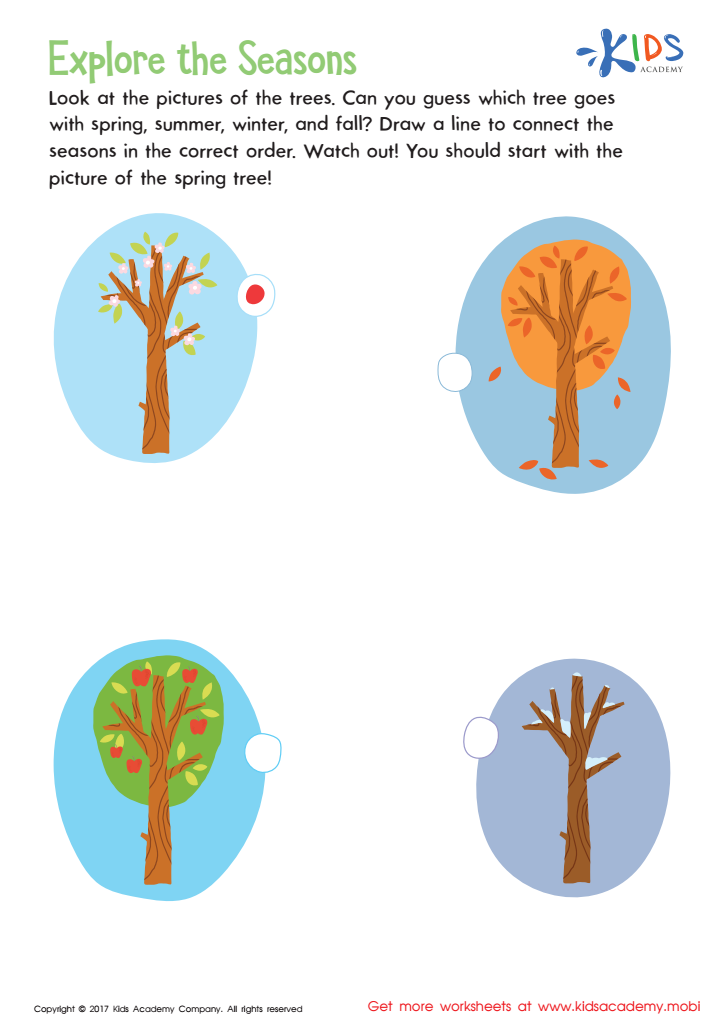
Explore the Seasons Worksheet
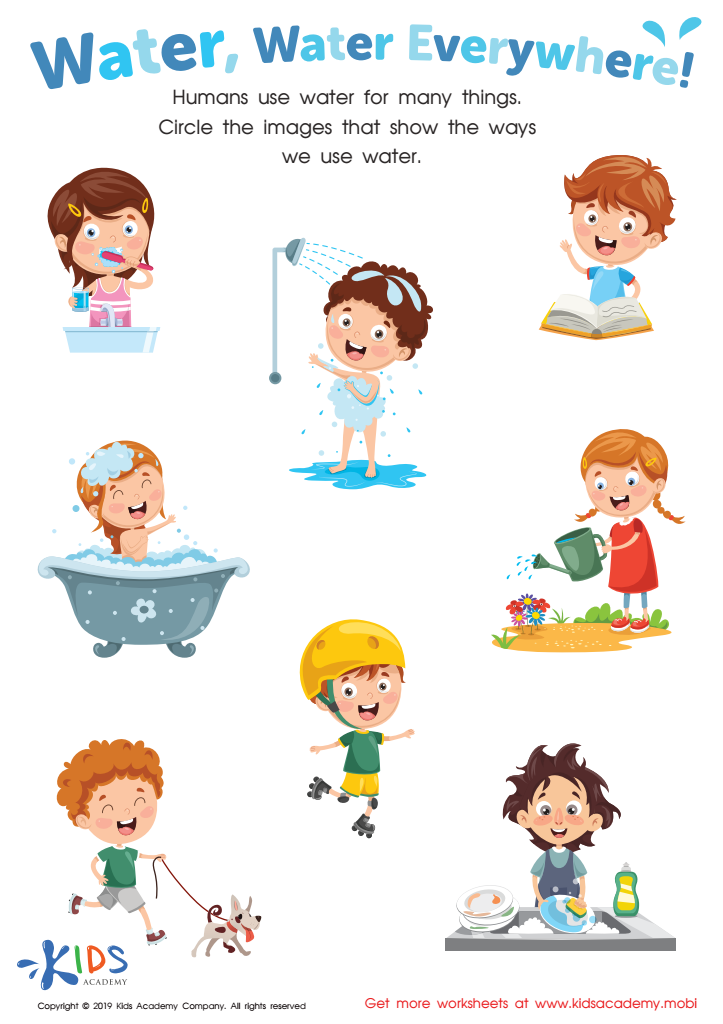
Water, Water Everywhere! Worksheet
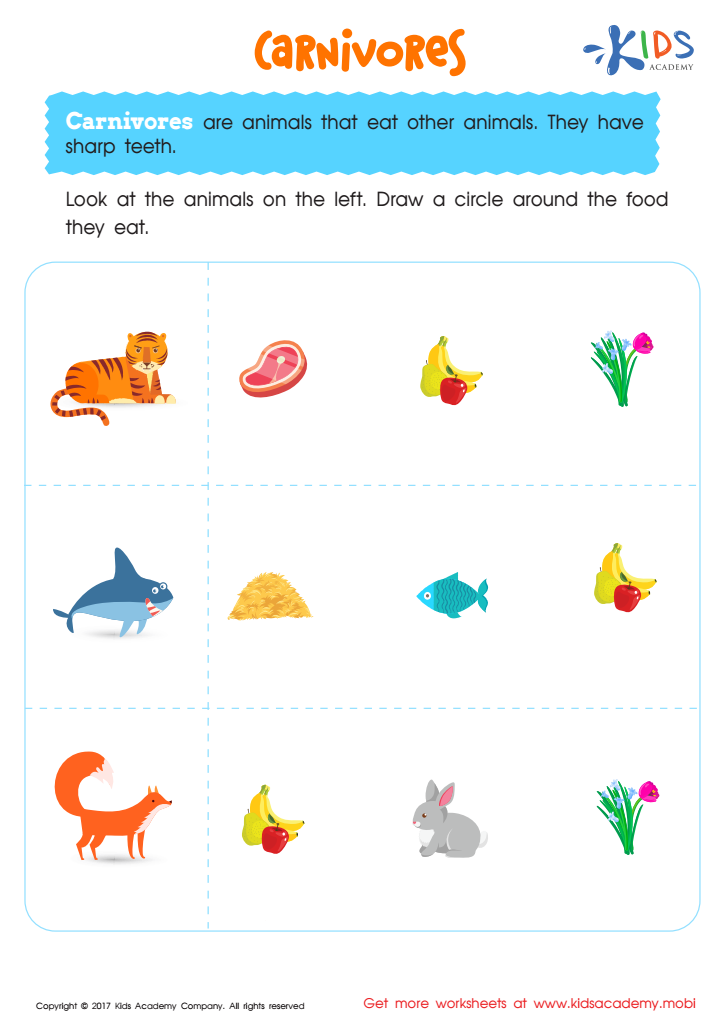
Carnivores Worksheet
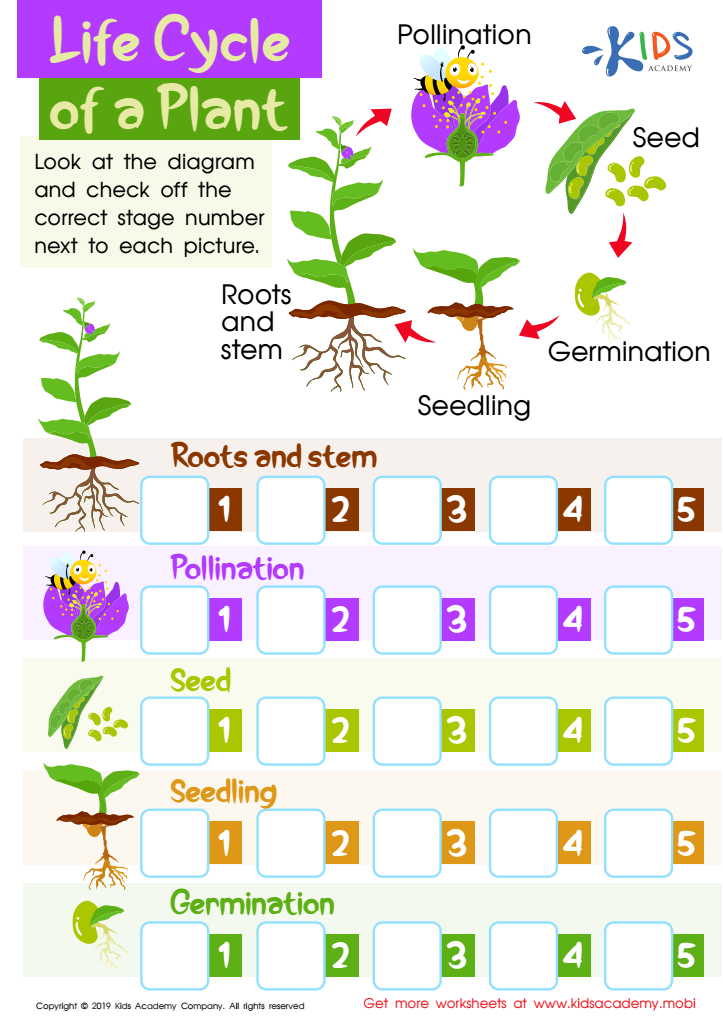
Life Cycle of a Plant Worksheet
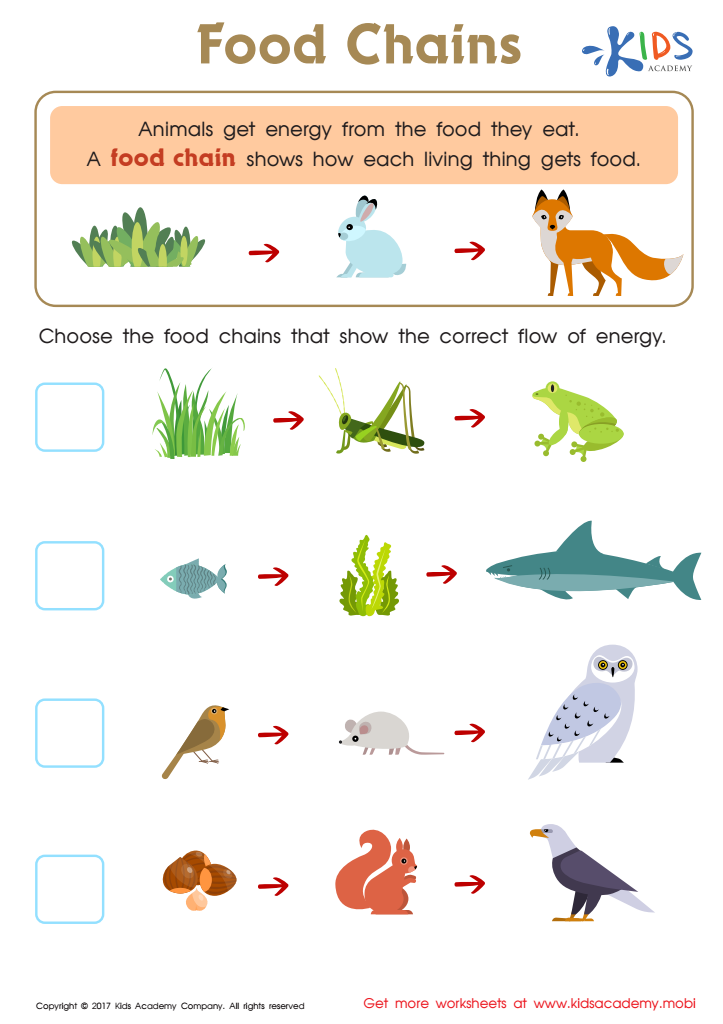
Food Webs and Food Chains Worksheet
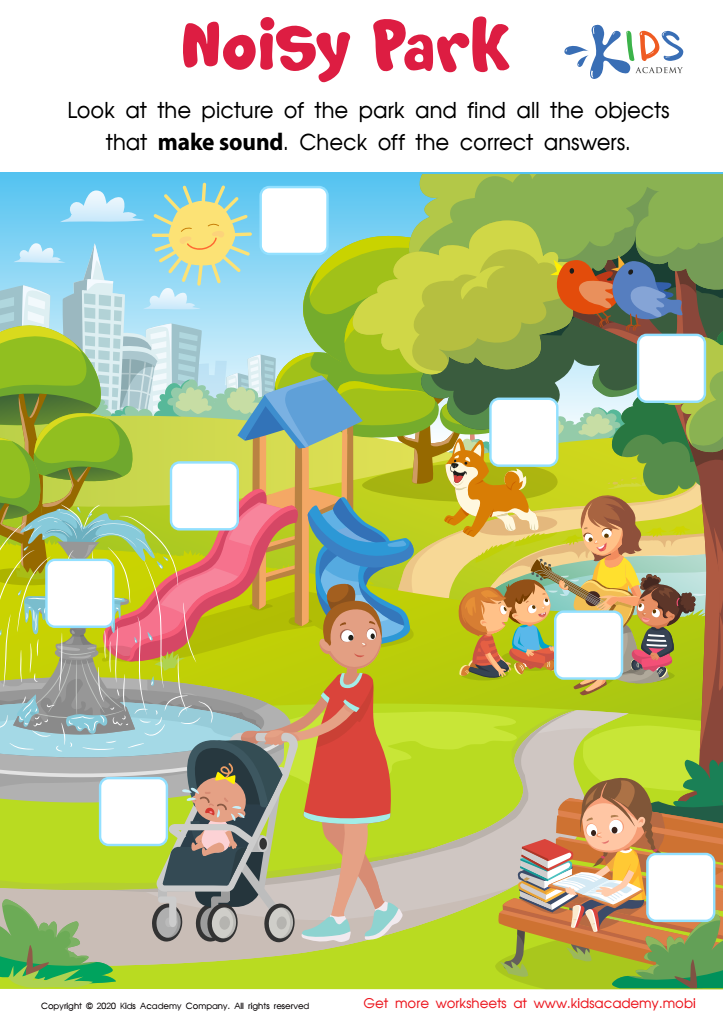
Noisy Park Worksheet



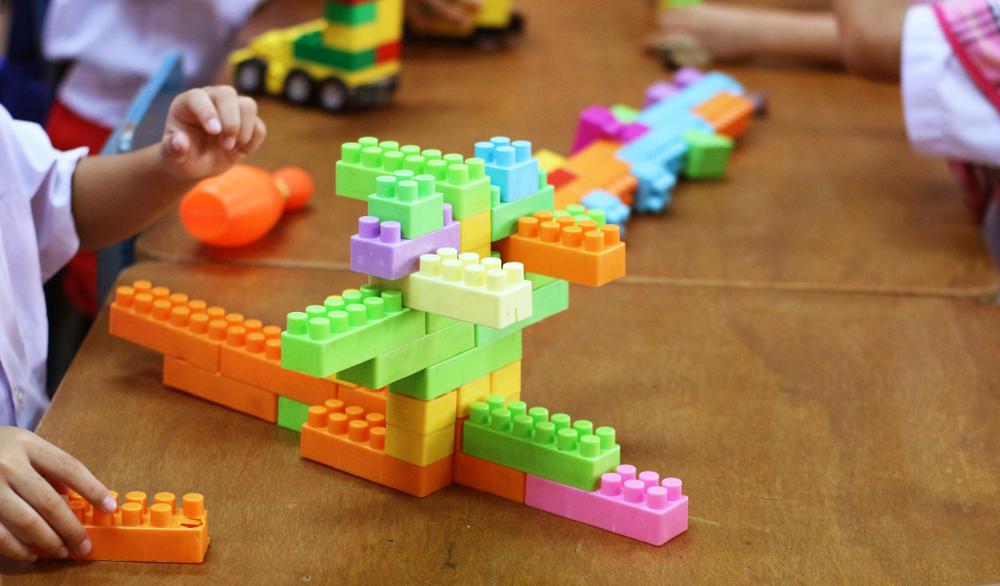




Parents and teachers should care about science because it is fundamental to understanding the world around us and fosters critical thinking skills in children. Science helps students grasp concepts such as weather patterns, environmental issues, and the human body, enabling them to appreciate the complexity of nature and society. Encouraging curiosity about scientific principles promotes analytical skills, essential in problem-solving across various subjects and everyday life.
Moreover, scientific literacy is crucial for informed decision-making, particularly in today’s world where misinformation can influence public health, technology, and environmental policies. A strong foundation in science enhances students' capabilities to navigate and contribute positively to societal challenges, such as climate change and health crises.
Engaging children in science nurtures their innate inquisitiveness, making learning enjoyable. When parents and teachers emphasize science, they create an environment where exploration and experimentation are valued, encouraging lifelong learning. Ultimately, supporting a robust science education helps form a generation of thinkers and innovators equipped to tackle future challenges, ensuring societal progress and sustainability. By reinforcing the importance of science, parents and teachers play a pivotal role in shaping informed, engaged, and proactive citizens.








